Ready to know more about San Diego?

Subscribe
Features AUGUST 13, 2022

Fish & Co.’s Quest to Preserve The Planet

A glimpse into designer Lisa Carolla's environmentally minded materials and secondhand gems
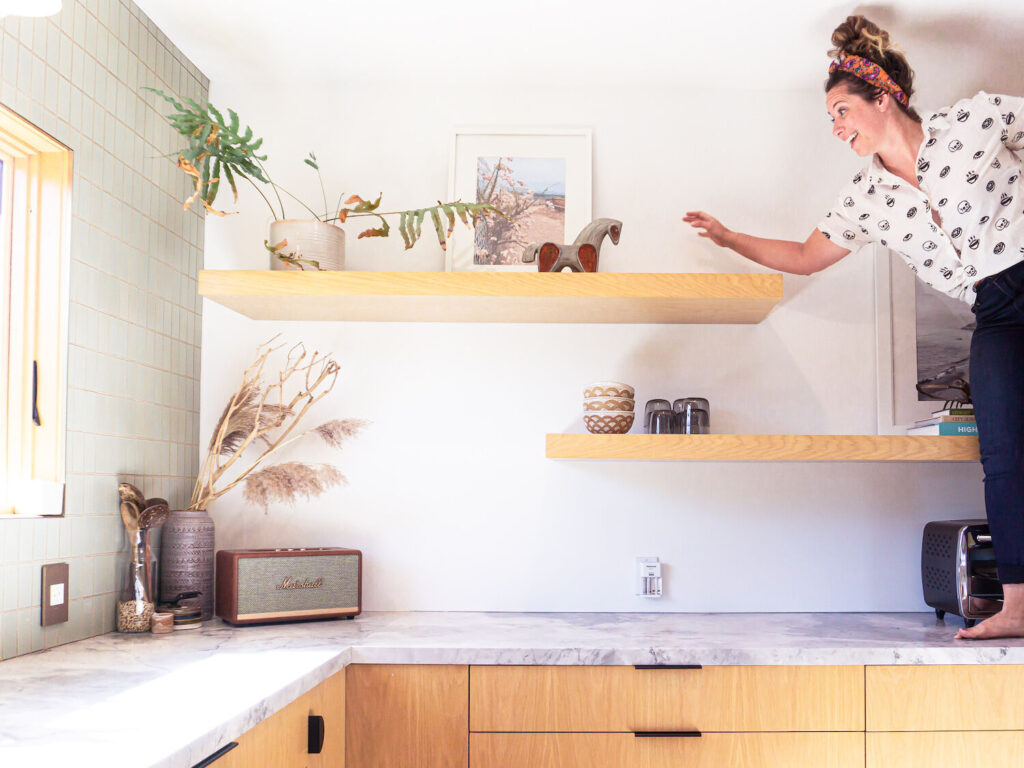
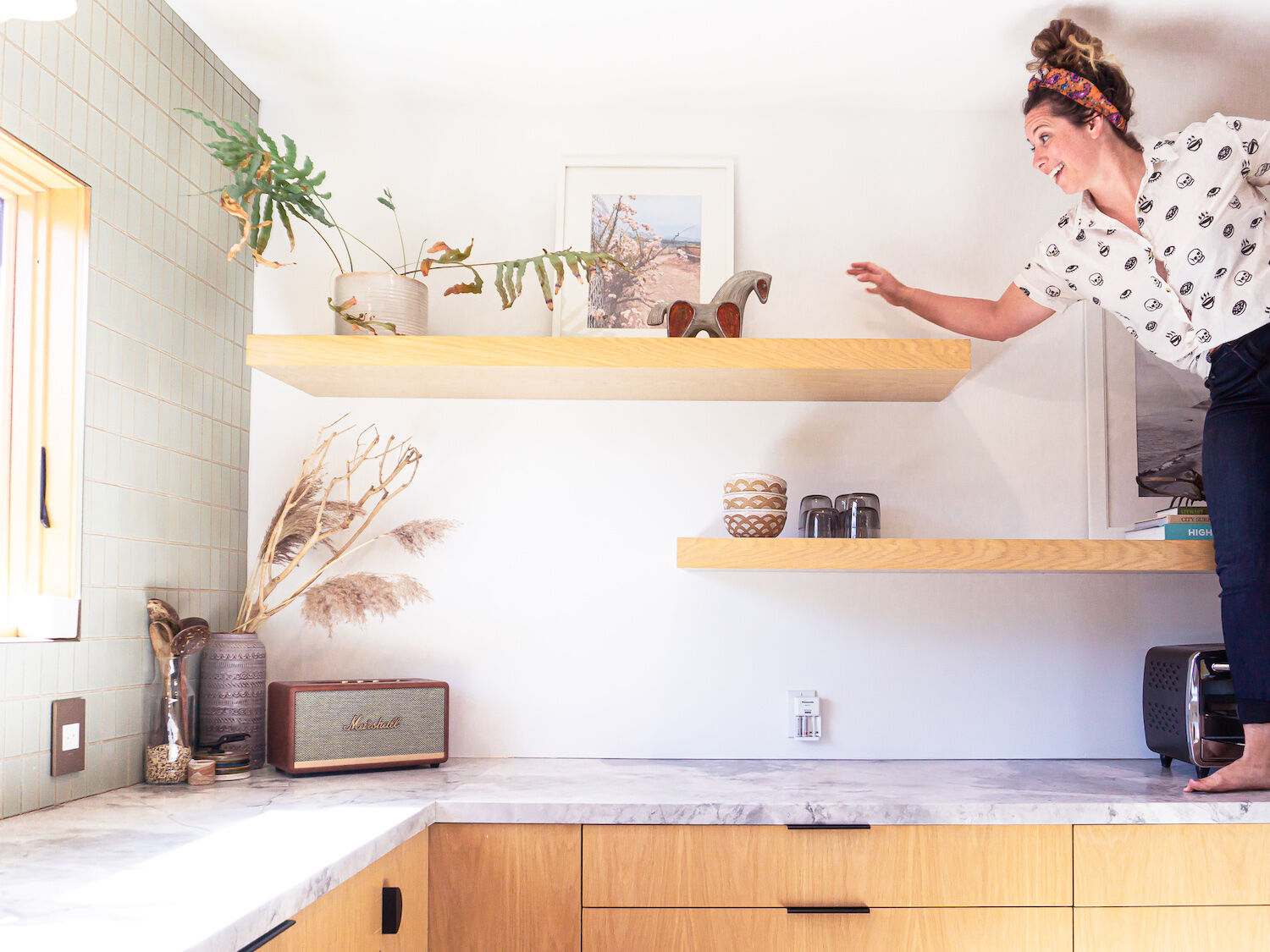
Fish & Co.’s Quest to Preserve The Planet
Fish & Co owner

Fish & Co owner

Molly Rose Photo

Fish & Co. may not be the most intuitive name for an on-the-verge interior design studio. For Lisa Carolla, however, the moniker is entirely logical. Her grandfather owned L.A. Fish and Oyster Co. on the Los Angeles harbor.
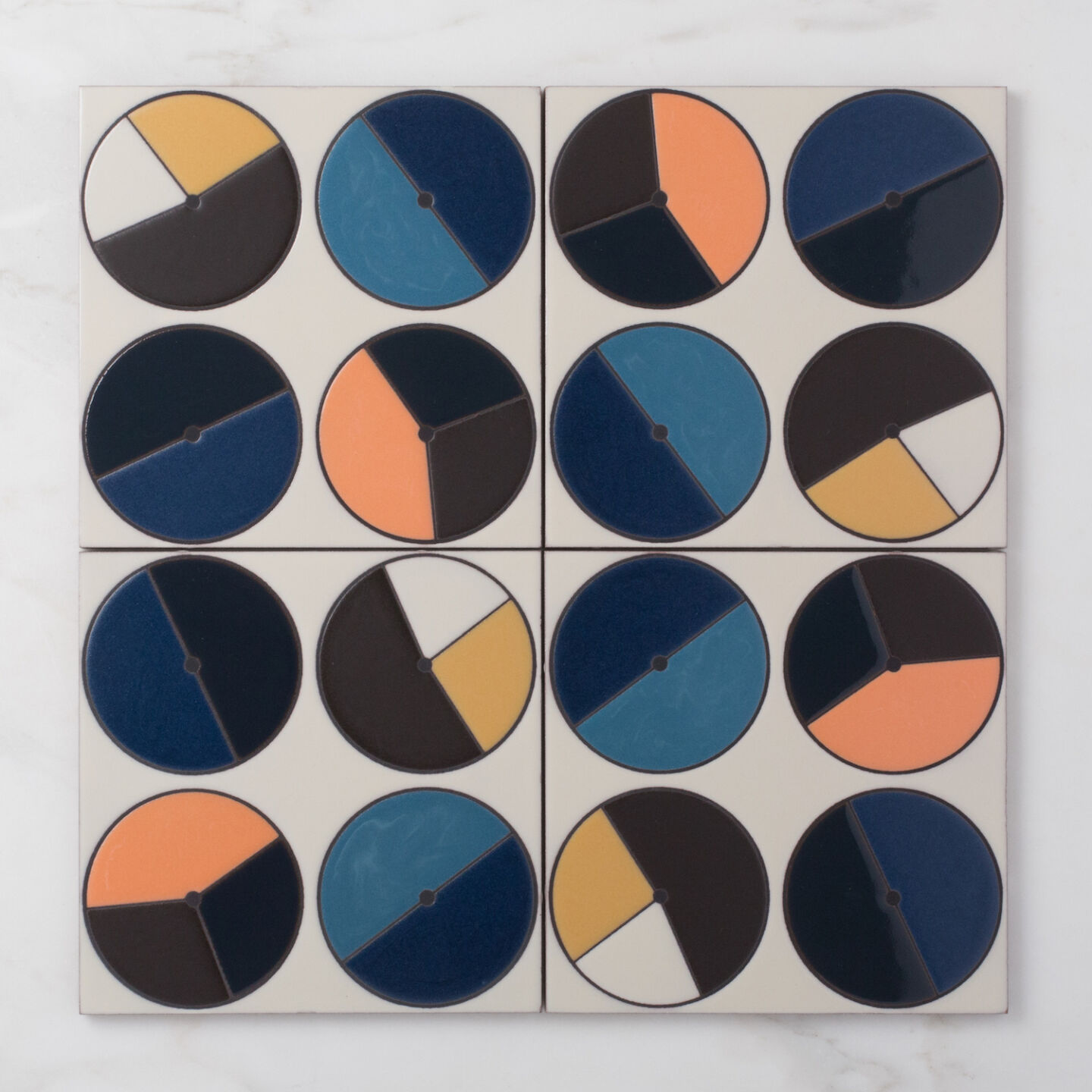
fireclay tile

fireclay tile

“It was honest, salt of the earth, and centered around people,” says Carolla, who grew up in San Pedro and moved to Encinitas four years ago. “It’s always been a goal of mine to run a small business that was at least half as good as his, so I took exactly half of his business name.”

Driven by a desire to do right by the seaside environment that raised her, Carolla tackles her residential and hospitality projects with her unique set of sustainability values, and an aesthetic inspired by her coastal upbringing. “I like to joke that my style is ‘mid-century maritime chic’, but it’s actually a pretty accurate description,” she says.

“The colors and materials I love the most are reminiscent of modern design during surfing’s heyday in the 70s, the color palettes of low tide walks, and funky items you might find on a fishing boat.” Current projects include a Scandinavian-inspired new build in Asheville, North Carolina; the restoration of a 1920s Santa Barbara carriage house that she is gently reworking to function for modern life; and her homebase is a 1940s cottage that serves as a lab for eco-artistry.

kvp

By KVP: The San Diego-based fashion brand creates linen loungewear in small batches to reduce waste. 

Her ethos has drawn her to a diverse network of local creators who tread lightly while making big statements. She works to find new ways to reuse building materials while sourcing one-of-a-kind gems secondhand. For this lifelong surfer, a big part of reducing waste is being thoughtful about the longevity of a space.

“In real life, we see starting from scratch as a disadvantage, but in the design industry, it’s where most people choose to start. My philosophy is that we get something truly unique and inspired when we start from a place of valuing what’s already there,” says the designer. “Well-built, well-designed spaces that consider their community are the ones that stand the test of time.”
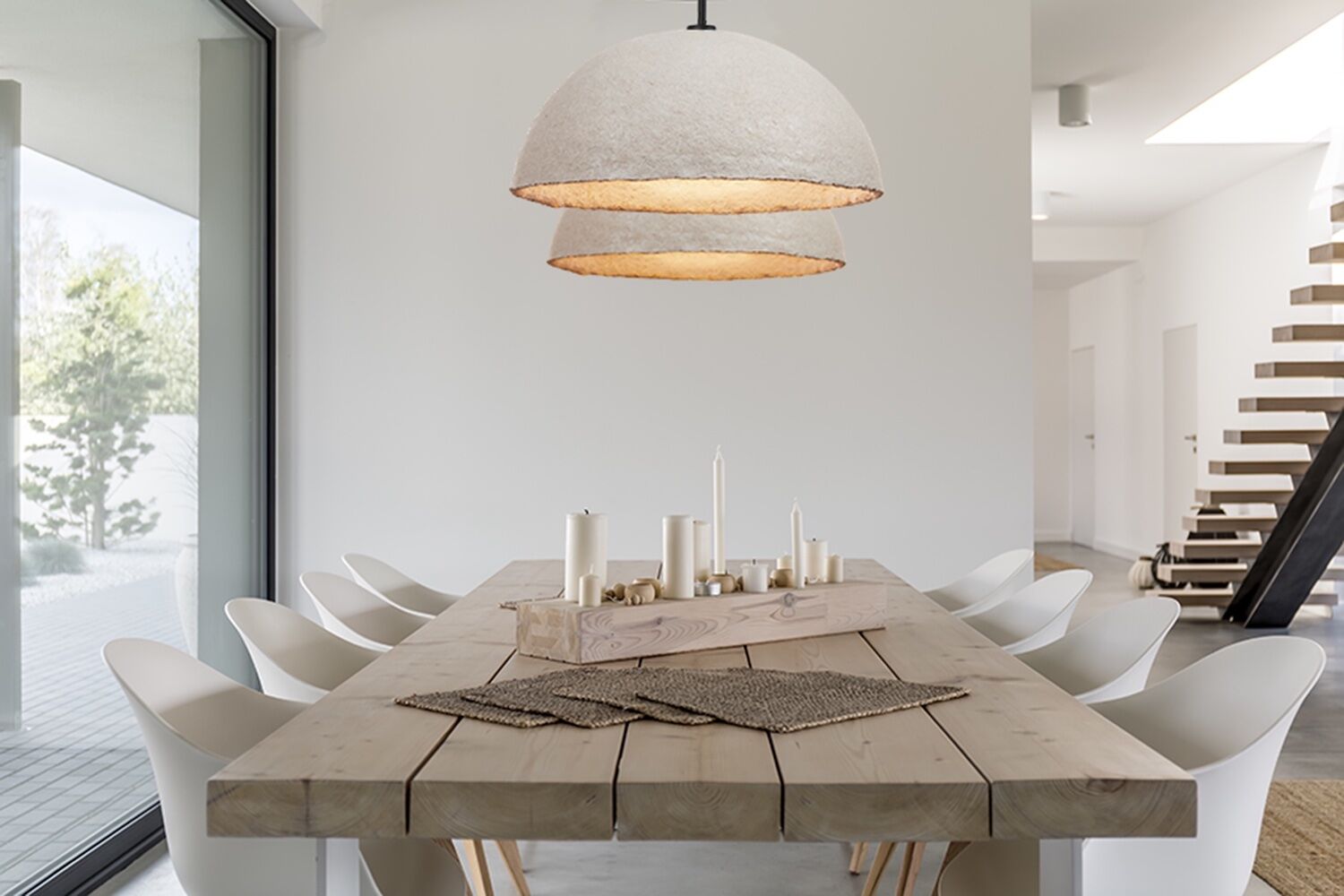
mushroom lighting

MUSHLOOM LIGHTING: This is sustainability to the max: These stunning lights are grown from mushrooms.

mitchell black

MITCHELL BLACK: “Nomalanga in Terracotta” wallcovering by Forbes + Master.
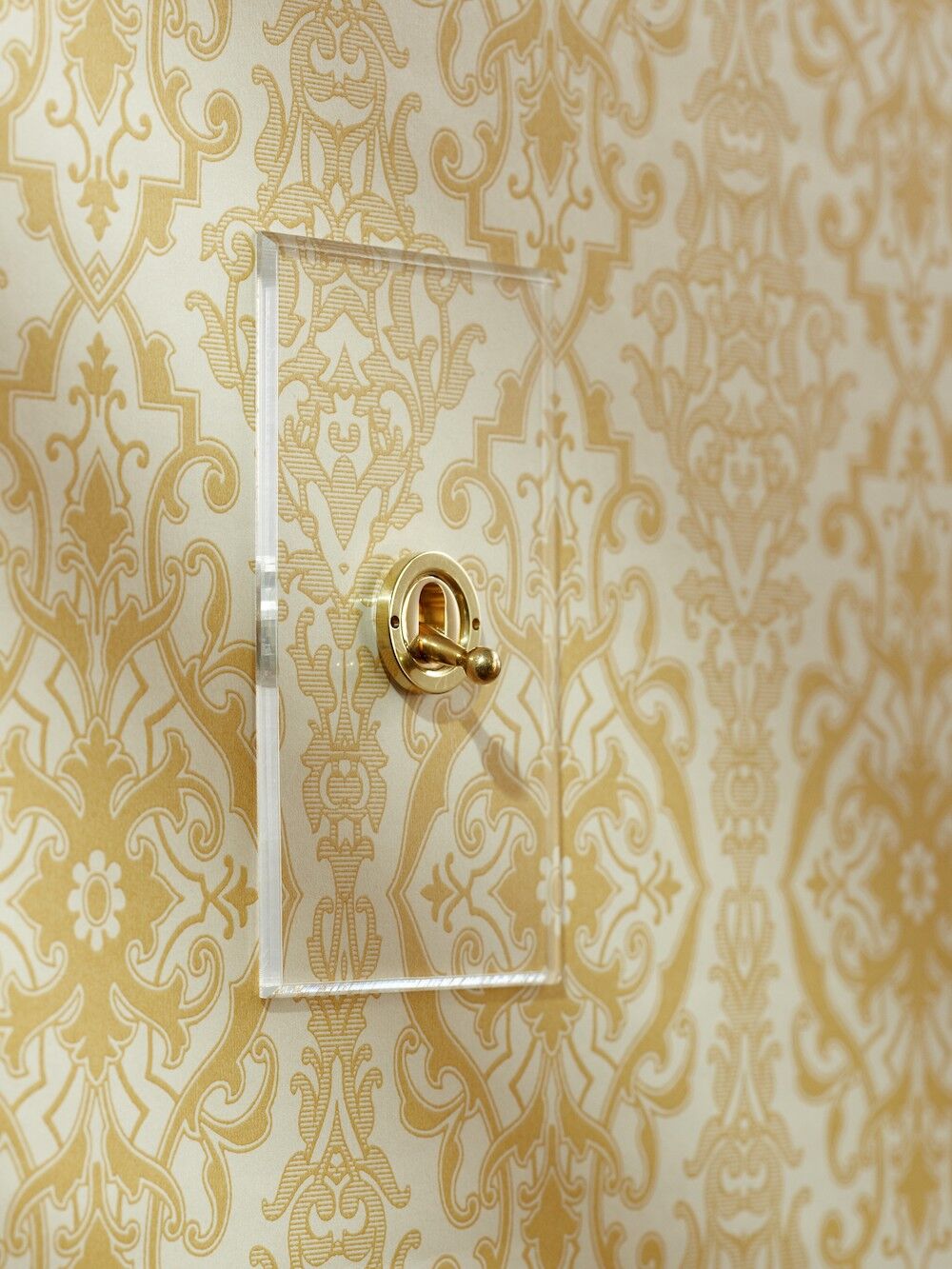
Forbes Lomax

FORBES & LOMAX: Aged brass switch plate in one of Lisa’s latest projects.
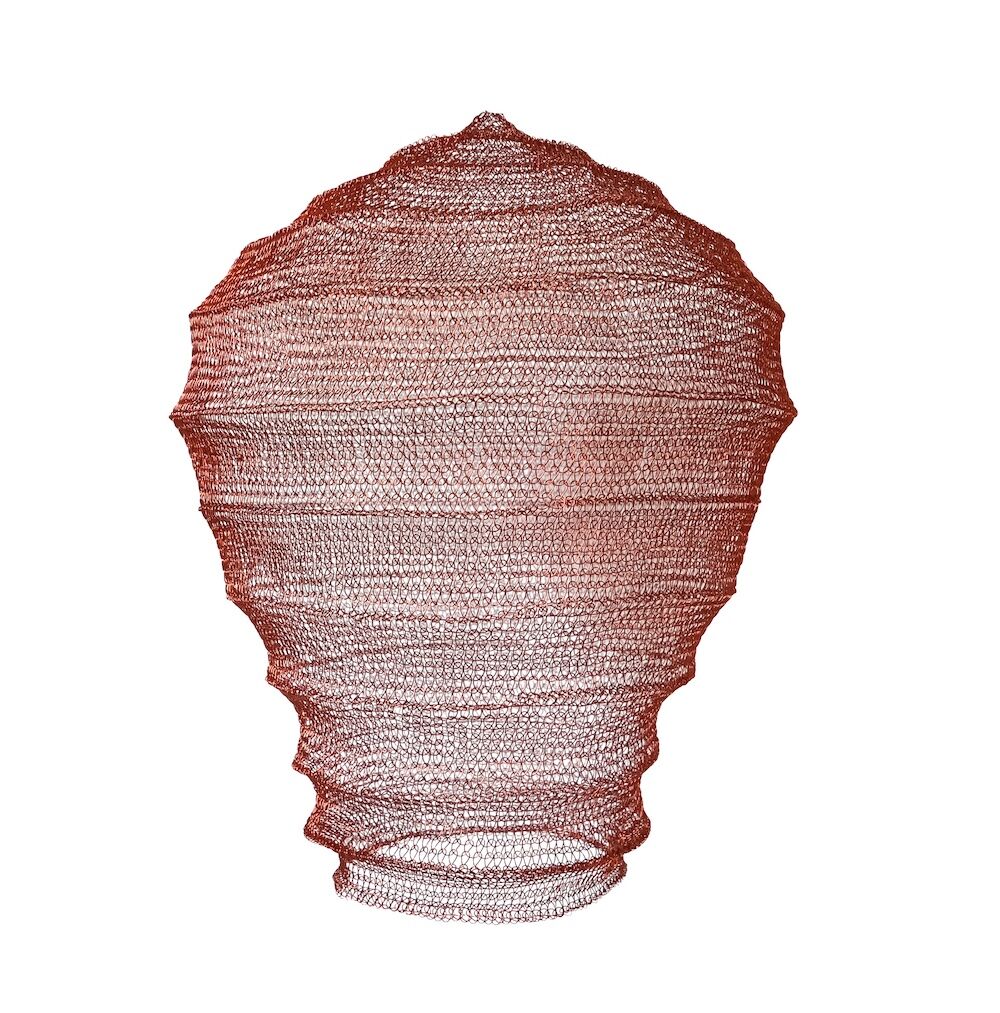
joglo living

JOGLO LIVING: Handmade woven copper pendant light made in Sumba, Indonesia.

jack antal

JACK ANTAL: The San Diego artist creates timeless black and white photography with 10 percent of all profits going to Outside the Bowl.

stonesteps herbarium

STONESTEPS HERBARIUM: This Encinitas artist makes one-of-a-kind pieces from dried seaweed found on low-tide coastal walks.

Subscribe to our newsletters

Select Options

By subscribing you confirm that you agree with our Terms and Conditions and Privacy Policy.

Features SEPTEMBER 6, 2023

Following the LEEDers

The climate is changing fast. Is San Diego building for the future?

Following the LEEDers
Drew Hubbell Architect LEED Home Design Climate Change San Diego

Architect Drew Hubbell equipped this home with green features like natural ventilation and photovoltaic panels—plus Fibonacci spirals inspired by its mathematician owner

Photo Credit: Arnel Garcia

Green is what the San Diego of 2023 aspires to be: ambitious, growth-oriented, and planet-forward. But you wouldn’t know it from our existing housing crop. Despite new homes and accessory dwelling units (ADUs) popping up on seemingly every block, few are considered green builds.

San Diego’s history with green building practices might well have started with James Hubbell and his sculptural, organic-looking structures crafted from local, low-impact materials. The visionary architect is widely considered the original vanguard of the movement here in San Diego. But while Hubbell and his son Drew helped lead California towards more environmentally friendly construction (see “Sticks and Stones”), San Diego overall has been slow to join the green building renaissance.

The city claims its landmark 2022 Climate Action Plan “takes bold steps” towards a more sustainable San Diego. And while that may be true in certain categories, in terms of building, the plan mainly focuses on phasing out natural gas and converting new projects to electric. “Bold” might be a bold choice of words. It’ll take a lot more than swapping out gas stoves for induction burners to get the city where it needs to be.

Irons and Fins Eco House LEED Home Design Climate Change San Diego

Irons and Fins, ECOhouse’s current project in Coronado, features overhangs that will help cool the home in summer. BELOW Irons and Fins maximizes space by spreading 11,000 square feet across three floors, including a basement. 

Courtesy of Irons and Fins

“A green building is much more comprehensive,” says Colleen FitzSimons, executive director of the San Diego chapter of the US Green Building Council.

Green building advocates look toward more holistic criteria like LEED certification, a sustainability rating system that awards architectural projects with points for reducing carbon, energy, water use, and waste; utilizing renewable materials; and more. That might include the use of reclaimed wood, rain-catching, and greywater irrigation systems. LEED-inspired architects consider how to place structures in such a way that they gain more sun for natural heating, or they implement passive cooling systems to keep interior temps low with less energy. Projects need to meet a minimum environmental threshold to qualify as LEED-certified, with additional tiers for higher-scoring buildings, from silver through platinum.

Irons and Fins Eco House LEED Home Design Climate Change San Diego - 2

Irons and Fins maximizes space by spreading 11,000 square feet across three floors, including a basement


The city of San Diego maintains several LEED-certified buildings—but don’t be surprised if none of them are on your residential block. Because green projects cost more upfront to construct but have reduced maintenance costs over time, sustainable approaches are often used for big, industrial buildings, says Lauren Cook, executive director of the San Diego Architectural Foundation.

In SD county, that includes a LEED gold–certified senior center, a silver-certified recreation center, and three fire stations ranging from silver to gold. Snapdragon Stadium and many structures at UCSD also employ green building approaches, because they are “a long-term investment for [institutions] to save money,” Cook adds.

In the residential realm, Cook concedes, green buildings are generally going to be luxury homes.

FitzSimons echoes this, adding, “People who can afford to design and build their own home typically have more resources”—meaning that they can shoulder the weightier construction costs sometimes associated with greener builds.

Prismática Design Kitchen LEED Home Design Climate Change San Diego

ADUs, like this one designed by Prismática, are secondary housing units built on a single- family residential lot


And because developers and homeowners may not be cognizant of the money they can save long-term with tactics like solar power and natural heating, they sometimes dismiss greener building methods off-the-bat. “There’s this perceived idea that it’s going to cost more, and so a lot of developers won’t go the extra steps beyond the Green Building Code,” FitzSimons emphasizes. (The California Green Building Standards Code is the first-in-the-nation mandatory green building code, which San Diego builders must abide by. In other parts of the state, even more strict regulations are in place.)Nevertheless, the city of San Diego is increasingly committed to investing in sustainable construction. As of April 2022, San Diego has its own chief sustainability officer in Shelby Rust Busó, who has worked with the US Green Building Council, the national entity that awards LEED certifications. According to Sustainability and Mobility Department director Alyssa Muto, Busó will “lead the city’s work on the long-term planning and implementation for decarbonizing buildings and neighborhoods.”“I definitely am super excited about where we’re heading, but, at the moment, we’re not there,” FitzSimons says. But, she continues, larger policies from the county of San Diego and the San Diego Association of Governments are “going to help push our region to be a forerunner in green building.”As it stands, San Diego does have its share of architects and firms helping move the city toward a greener future. That includes Elizabeth J. Carmichael, owner and principal architect of ECOhouse and president of the San Diego Green Building Council. Though 95 percent of her clients are developers, she has seen the shift in priorities from businesses and homeowners alike.

Prismática Design Shower LEED Home Design Climate Change San Diego

Prismática Design Shower LEED Home Design Climate Change San Diego


“We get clients that really want to do as much sustainability as possible,” Carmichael says. “They come in and tell me, ‘We want to be green. We want to make it sustainable.’ Whereas before … we were kind of pushing our philosophy on the client. Now it’s almost the opposite.”ECOhouse has a current project in Coronado that is emblematic of their holistic approach to integrating sustainability and functional design. Nicknamed “Irons and Fins,” the house encompasses 11,000 square feet. Rather than building out, however, the blueprint saves space by moving up (and down) with a three-story floor plan, including a basement.The luxury property also boasts a coveted list of green amenities and functionality, with a roof entirely covered in solar panels, alongside solar water heating and a separate solar-powered battery should going off the grid ever be necessary. The house is outfitted with two giant tanks for rainwater harvesting, and the LED-efficient residence also benefits from a basement design with a passive cooling system, where sliders open up to bring in cool air which passes to the first floor.The top floor features a similar system for hot air to escape. South-facing with overhangs, the house is designed to capture the sun in the winter for passive heating, while the overhangs protect and cool during the heat of the summer. Two-hundred-year-old juniper trees that were harvested while preparing the property for the build were later thrown in a kiln and are now being used to create furniture and fixtures for the new home.

But what about building green with more modest funds? American Institute of Architects award–winning, Barrio Logan– based architecture firm Prismática may have some answers. “We try to make the building as efficient as possible,” says co-founder and principal architect Jesús Fernando Limón.

And while clients’ options for sustainable techniques vary according to their budget, “the biggest things you can do that are accessible to everyone are the types of things that we do,” adds Pristmática co-founder José F. “Pancho” García. That includes strategically maximizing natural light, employing cross-ventilation, and using construction tactics that produce less waste.

Prismática Design ADU LEED Home Design Climate Change San Diego

Prismática equipped this ADU with passive cooling and rainwater- catching systems. The massive windows invite in natural light, reducing daily energy use


This year, the firm finished an ADU with energy-efficient elements in Oak Park. It opens up to a lush courtyard that has the capacity for passive cooling, ample natural light sources, and rainwater-catching to irrigate the garden.

Prismática wants to offer these sustainable techniques all over the county and beyond. They work across San Diego from North County to Paradise Hills, with designs on projects in our Baja backyard of Tijuana, where García calls home.

Another way to move towards sustainability while saving cash is to think small. Density and urban infill—maximizing the residential or commercial potential of a plot of land—can help contain urban sprawl and reduce the amount of travel required to access goods and services, preserving resources and natural spaces.

“Micro units are hot,” Cook quips. They’re also a way to increase density in combination with de-carbonization and other targets of green proponents. National City’s Parco, for example, designed by the architects at Miller Hull Partnership, is a mixed-use building spanning 131,000 square feet with energy-efficient micro units. The development achieved a carbon offset of 950 tons, the equivalent of more than 1,900 trips between San Diego and Seattle (where Miller Hull calls home). Not a bad start.

San Diego still has a ways to go in hitting the goals imposed not only by the city but by the culture of its residents. The city’s dwellers are already demanding more bike lanes and public transit. We’re ready for more energy-efficient ways to live our lives, including in the places we call home.“There are a lot of people really active and interested in getting us to where we want to be, climate-wise, equity-wise, [and] health-wise,” FitzSimons says.

San Diego may not be leading the green building charge, but there are plenty of people here working to push the city in a more sustainable direction. The green housing wave is upon us. You just have to squint a little harder to see it around here.

Danielle is a freelance culture journalist focusing on music, food, wine, hospitality, and arts, and founder-playwright of Yeah No Yeah Theatre company, based in San Diego. Her work has been featured in FLAUNT, Filter Magazine, and San Diego Magazine. Born and raised in Maui, she still loves a good Mai Tai.

Features Living
Features SEPTEMBER 6, 2023

Pioneering Green Building Practices in San Diego

Father-son team James and Drew Hubbell helped change the way California builds homes, one straw house at a time

Pioneering Green Building Practices in San Diego
Smoketree Ranch San Diego Green Building Hubbell and Hubbell Design

Smoketree Ranch by Hubbell Architecture

Photo Credit: Glyn Jones

Straw houses get a bad rap. If nursery rhymes are to be believed, folks in them are a heavy breath away from being a wolf’s dinner. But according to architect Drew Hubbell, the piggy in his straw abode would’ve been just fine—and impressed the LEED certification panel while he was at it.“Straw bale homes have been around for over 120 years,” Drew explains. “They’re one of the most green building technologies you can use.”

Straw is a byproduct from the farming of wheat, rice, and barley. While straw has long served as insulation between stone masonry, straw bales—the big blocks of scratchy hay that city slickers mostly see at pumpkin patches—became a primary building material in Kansas a little over a century ago. Homebuilders would simply stack the bales and slather plaster over them to create walls.

Elfin Forest Residence Bathroom San Diego Green Building Hubbell and Hubbell Design

Each Hubbell project carries a touch of whimsy

Photo Credit: Arnel Garcia

A few decades back, the tech spread to the American southwest. Hubbell helped pioneer its usage in California, securing the first-ever permits for straw bale buildings in both San Diego and LA counties. He and his team have now constructed more than 40 straw structures, often sourcing their material from Imperial Valley wheat farms, which have historically burned their excess hay.T

hey use the time-honored straw-and-plaster method while adding a wood or steel frame to ensure the buildings withstand California earthquakes (and maybe the occasional huffing, puffing wolf). Even with the use of a frame, straw bale structures utilize 50 to 60 percent less lumber than conventionally constructed buildings. The bales keep those inside warm in the winter and cool in the summer, and, because straw is an annually renewable waste material, it’s inexpensive and “super sustainable,” Drew says.

As the son of legendary artist and longtime environmentally minded builder James Hubbell, Drew considers green strategies to be rooted in his DNA. Known for his “Hobbit houses”—undulating, cave-like structures that resemble Lord of the Rings set pieces—James Hubbell became renowned for sourcing materials from the local environment to create work that honors and respects that landscape.

Ilan-Lael San Diego Green Building Hubbell and Hubbell Design

Ilan-Lael buildings made from sustainable foam core sandwich panels

Photo Credit: John Durant

“My parents practiced sustainability in the 1970s and ’80s, before it became a popular thing,” Drew says. Growing up on the property that is now Ilan-Lael, a 10-acre Hubbell family compound just outside of Santa Ysabel, Drew and his brothers helped erect structures using adobe bricks and planks of cedar milled from local trees. The family grew their own produce and composted the scraps.

So when Drew and his father set out to start an architecture firm in 1995, it was only natural to focus their work on green techniques. But they ran into bureaucratic barriers: The city and county of San Diego were reluctant to issue permits for approaches they considered new and untested. Rather than fall back on less earth-friendly methods, the Hubbells went to bat for technologies like straw bale structures, putting together a source book that detailed state laws authorizing the approach and addressing common concerns.“They have [taken the use of] natural materials, particularly straw bales, from something that’s unheard of to something that’s considered a viable option,” emphasizes Colleen FitzSimons, executive director of the San Diego chapter of the US Green Building Council.

Friends Center San Diego Green Building Hubbell and Hubbell Design

The Hubbells’ mixed-use Friends Center was designed to showcase innovative green building techniques

Photo Credit: Drew Hubbell

As government institutions became more attentive to issues like climate change, San Diego County instituted the Green Building Program, which incentivizes builders to conserve resources, energy, and water in their projects. In 2000, a Hubbell-designed commercial residence close to Mount Woodson became the first building permitted under the program.

More than 20 years later, Hubbell & Hubbell remains among the most sought-after green building firms in the county—and the duo have helped pave the way for fellows in the field. “They are constantly supporting and cultivating other architects and builders who are interested in this work,” FitzSimons says. She points to local straw bale builders like Simple Construct Homes, noting, “I don’t think that firm would be around if it weren’t for what Hubbell & Hubbell have done.”The Hubbells have found such success, perhaps, because their work may resonate even with clients whose primary concerns are aesthetics or function over sustainability. Their approach is holistic: “We respect the earth and the environment,” Drew says, “but also the clients and the site we’re designing for. Most of our projects don’t have a familiar design style because they grow from the [landscape] and the clients’ needs.”

Deep Park Monastery San Diego Green Building Hubbell and Hubbell Design

The use of rice straw ensured excellent insulation for the nuns of Deer Park Monastery

Photo Credit: Arnel Garcia

For example, at Deer Park Monastery, a Buddhist institution just north of Escondido, Drew and his team built three different structures totalling 4,500 square feet in 2016. Formerly, the monastery’s nuns slept in small wooden shacks. “They would freeze in the winter and sweat in the summer,” Drew recalls, so insulation became a priority. With the help of the nuns and other community members, the firm utilized rice straw, adobe, clay plaster, and reclaimed wood to craft Spanish hacienda– style buildings around a central courtyard. The result was a budget-friendly, comfortable living space that still allowed the nuns ample access to nature.

The firm’s current residential project gets its clients even closer to the landscape—rather than hauling rocks off the homeowners’ property to build, Drew and his team are making a massive boulder a focal point of the house’s interior, adding a sleeping nook atop the rock. The surrounding walls consist of insulated concrete form, a virtually indestructible material made by mixing recycled Styrofoam with cement.

There’s no common thread that weaves through every Hubbell & Hubbell project, it’s true. But each building carries hints of the organic whimsy familiar to James Hubbell’s famous Hobbit houses, and this impulse—to invite the earth in; to prompt us to notice its power and beauty; to ask us all to coexist—may be what defines them.

Amelia Rodriguez is a writer and journalist and winner of the San Diego Press Club's 2023 Rising Star Award and 2024 Best of Show Award, she’s also covered music, food, arts and culture, fashion, and design for Rolling Stone, Palm Springs Life, and other national and regional publications. After work, you can find her hunting down San Diego’s best pastries and maintaining her five-year Duolingo streak.

Features Living
Features FEBRUARY 7, 2023

Not-Your-Average Beach House

Architect Mark A Silva designed an oceanside abode fit for the gods

Not-Your-Average Beach House
Can Deus La Jolla SDM 02-23

Two-story windows frame the ocean view in the great room.

Photo Credit: James Brady

You can build your dream house, but you can’t build your dream view. So when a London-based family with San Diego roots started its search for a vacation home in La Jolla, it kept one thing in mind: potential.

In 2013, the family purchased a property on Mount Soledad, a 1960s home with a pool and a guest house. The foundation was failing. The pool had seen better days. But the sweeping view of the Pacific was priceless.

The owners interviewed a half dozen architects before landing on Mark A Silva (who doesn’t punctuate his name). They gave him a design brief: number of bedrooms and bathrooms, key features—and all of their trust.

The design process was done almost entirely remotely. Silva frequented the site until he was intimately familiar with the lot size, its orientation and the levels of privacy throughout. He memorized the view. Walked the terrain. Inhaled the salty breeze. Traced the sun’s path. And started to sketch.

The owners understood Silva’s concept when it was just lines on paper. He presented an angular, contemporary home, brimming with natural light, multiple indoor-outdoor living spaces, and floor-to-ceiling windows that did the ocean view justice.

Early in the process, the family dubbed its vacation home Can Deus: “House of the Gods.” Construction was completed in 2016. The steps that wind through the backyard, and the retaining walls that line them, are the only original element.

Can Deus Pool SDM 02-23

The backyard steps are the only original element on the property.

Photo Credit: James Brady

Inside the home, a light-wood ceiling soars toward a wall of windows, showing off an infinite sky where it collides with the blue-green of the ocean. Outside, lush landscaping frames the steps as they descend toward the lowest point of the property, home to a new pool and guest house.

As you walk back up the steps and face the back of the home, the lines of the roof “are like two arms embracing you,” says Silva.

“The outcome of a project very clearly shows: How much did you care?” says Silva. “It’s not just doing the design, plans, and permit. It has so much more meaning to me.”

As he reminisces on the Can Deus project, Silva points to eight design elements—from the cantilever deck that captures an unexpected view to the natural light that pours in through skylights—that combine to form a home fit for the gods.

Can Deus Skylights SDM 02-23

A row of skylights illuminates the south stone wall.

Photo Credit: James Brady

Organic Architecture

Coined by the iconic Frank Lloyd Wright, organic architecture is a design principle in which structures are inspired by, and built into, their environment. Those who adhere to the principle first consider a lot’s features: sun, wind, orientation, existing slopes, and shapes. Then, they factor in the homeowners: their preferred aesthetic, must-haves, lifestyle. Finally, they note any limitations, like height restrictions. Massage all that together, and the design will evolve on its own. “It’s functional sculpture,” Silva says.

Can Deus Exterior SDM 02-23

Can Deus Exterior SDM 02-23

Photo Credit: James Brady

Aesthetic

The home’s blend of metal, glass, wood, and concrete was Silva’s directive, influenced by the owners’ vision. They had requested an aesthetic that was, in their words, “sludgy,” a nod to the moody weather in their native London. Interior designer Anita Dawson collaborated with Silva and the owners to fulfill that vision, using statement pieces—a motorcycle in the great room, a custom wood record player, a neon sign from an English artist—to establish a California vibe with a splash of London.

Front Door

The home’s façade is intentionally “mild mannered,” says Silva. “More of a sleeper,” merely hinting at what’s inside. Initially, it was even more so. Silva and the homeowners had settled on and installed a simpler front door. Later on, Silva rediscovered his original door designs. On a whim, he emailed them to the homeowner, saying, “[C]oulda, woulda, shoulda.” A nearly immediate response came through: “Let’s do it.”

Silva collaborated with a wood craftsman and a metal artist to bring his vision to life. The door’s slab is sandblasted redwood; the harder grain remains and softer grain is stripped away, like a carving dictated by the tree itself.

The door swings open on a pivot hinge to reveal nearly the entire view. Can Deus’s wedge shape mimics that of a telescope—its walls angle out at nine degrees, and the roof angles up at nine degrees, too. The effect draws the eye both up and out before you even step inside.

Can Deus Front Door SDM 02-23

Can Deus Front Door SDM 02-23

Photo Credit: James Brady

Fireplace

To create distinction between the kitchen and the great room, Silva designed a sculptural fireplace. It’s a piece that adds warmth, both visually and literally; clad in copper, the wood-burning fireplace stretches from the first floor through the second-story loft. This was one of the first design elements to be finalized, and its concrete base was poured at the same time as the building foundation.

Pond

A tiny pond greets guests by the front entrance, while the back deck houses a larger pond with stocky koi. The initial plan was to run a pond right through the house, along the south interior wall, under the skylights. Since Can Deus is a vacation home, concerns about the upkeep and the potential for fish fiascos nixed that idea. Now, says Silva, the owners wish they had gone for it. They’re in town more often than they’d anticipated, and the homeowners even opened an office locally to have additional cause to visit.

Can Deus Bedroom SDM 02-23

Can Deus Bedroom SDM 02-23

Photo Credit: James Brady

Natural Light

Southern California’s constant sunshine is a welcome deviation from rainy London. While designing, Silva harnessed natural light as much as possible. Afternoon sun flows through the great room’s western-facing windows. (The homeowners’ cat splays out in the patches of sun in between jaunts through the garden.) A row of skylights on the home’s south side runs from interior to exterior, illuminating the south stone wall.

Silva arranged the bedrooms on the north side of the home and the game room and garage on the south. In the bedrooms and bathrooms, Silva incorporated extra high windows. Flush to the ceiling and often in a corner, these windows invite sunlight in while maintaining privacy.

The owners’ extensive art collection is on display on the second story. To ensure each piece is well lit without incurring sun damage, Silva installed a multi-layer skylight. One on the roof, with a pane of glass in a hallway floor. Light travels freely through two stories, brightening both at once.

Can Deus Interior SDM 02-23

Can Deus Interior SDM 02-23

Photo Credit: James Brady

Cantilever Deck

When Silva first explored the site, he had a hunch that there might be an untapped view. He returned with an A-frame ladder, climbed to the top, held a camera up high, and snapped a photo. He was right. From the right height and angle, the property boasts a southern view: Mission Beach, the curve of the shoreline down to Point Loma, the islands off of Mexico, and beyond.

One of the homeowners is an avid surfer who grew up in Mission Beach. When he was a teen, his family moved to London, and he’s lived there since. Now, from the tip of the cantilever deck off the primary bedroom, he can see where he grew up. A long, low window on the room’s south wall also frames the Mission Beach view, making it visible from the bed.

Mark A Silva Can Deus SDM 02-23

Mark A Silva Can Deus SDM 02-23

Photo Credit: James Brady

Landscaping

When the property was purchased, three towering pine trees were removed due to overgrown roots. Today, the drought-friendly landscaping brings together some of the rarest species in San Diego. Initially installed by David McCullough of McCullough Landscape Architecture, the plants are now tenderly maintained by Paul Lough.

In the front yard, a jacaranda shades Mexican birds of paradise, and wispy feather grass lines the sidewalk. Throughout both front and back yards, the trained eye will spot variegated aloe (one regular, one reversed) and 25 species of agave.

The garden, which resembles a postage stamp from above, regularly lures hummingbirds. It offers everything from plump lemons to bay laurel, rosemary, and mint. A strawberry tree by the guest house scatters its edible fruit; it’s juicy, studded with seeds, reminiscent of a peach.

Living
Studio S JUNE 8, 2026

Seven Restaurants, One Rising Star

Yes, Chef! winner Emily Brubaker leads the robust culinary program at Omni La Costa Resort & Spa

Seven Restaurants, One Rising Star

For Executive Chef Emily Brubaker, Omni La Costa Resort & Spa feels like home. She grew up just a mile-and-a-half away from the 400-acre property and fondly recalls walking the golf course perimeter as a kid. Though her ambitions led her away from San Diego for nearly two decades in which she honed her craft in some of the highest of high-profile Las Vegas restaurants—including triple Michelin-starred Joël Robuchon at MGM Grand—they ultimately brought her back to North County.

Courtesy of Omni La Costa

Today, the classically French-trained chef, who’s fresh off a victory on NBC’s Yes, Chef!, judged by Martha Stewart and José Andrés, oversees Omni La Costa Resort & Spa’s seven distinct dining concepts. Her goal is to elevate the resort’s culinary program with her creative, hyperlocal ingredient-driven approach while maintaining the Spanish- inspired flavors and fresh California coastal cuisine that are the bedrock of its culinary identity.

“The San Diego food scene is really growing, and in North County alone, it’s really exploded in the last five years,” Brubaker says. “There are Michelin stars, beautiful tasting menus, craft bakers, and all this food—when I was growing up in La Costa, it was fish tacos. Now there are really cool things popping up, and I’m so happy to be here to see where it’s going to go.”

Brubaker gives chefs de cuisine at each individual restaurant autonomy, however, her influence is evident across the resort.

For example, lobby restaurant Bar Traza serves as Omni La Costa’s culinary centerpiece and features bold Spanish flavors in a lively, social atmosphere. Brubaker overhauled the menu to be more consistent and centered on casual bites with that signature vibe. Think smoky paprika, vibrant citrus, and Spanish meats and cheeses.

At VUE, the focus is on seasonal offerings, California coastal cuisine, and Baja-inspired dishes. She and Chef de Cuisine Cameron Dixon change the menu biannually, which heading into summer, will highlight farm-fresh produce and hyperlocal ingredients—the resort even has its own herb garden and honeybee hives.

Courtesy of Omni La Costa

Poolside dining options are leaning into the country’s 250th this summer with a selection of classic American dishes with an Omni La Costa twist. And Bob’s Steak & Chop House (Brubaker is a trained butcher) offers a classic steakhouse experience with elevated service.

The chef and company also plan menus for special events at the resort where her creativity can really shine. For an upcoming National Ski Association dinner, the banquet hall will be transformed into an Alpine-themed winter wonderland complete with a snow machine, savory sausages, and melty, decadent raclette. A recent dinner was built around the Carlsbad Flower Fields and each course was matched to a color of ranunculus (Did you know pink dragonfruit are grown in North County? You do now.).

“It’s my zen to be in the kitchen playing with food,” Brubaker says.

Omni La Costa’s culinary program is a key part of the resort experience. And with Brubaker’s leadership, it’s becoming a draw for visitors and locals alike.

“These aren’t just hotel restaurants, these are restaurants that you should go to. They’re destinations, and I’m really hoping for the future that’s where we’re going,” Brubaker says.

Courtesy of Omni La Costa

Brubaker is also channeling her experience on Yes, Chef! into the culture at Omni La Costa—more emphasis on teamwork and collaboration, empowering her staff to share constructive critiques, and embracing different perspectives. Alongside her leadership role, Brubaker has become an advocate for mental health in the hospitality industry, serving as chief ambassador for the Burnt Chef Project and serves on the Board of Advisors for the Apex Culinary Program, where she mentors and develops future talent.

For more on Omni La Costa Resort & Spa and its dining program, please visit omnihotels.com/hotels/san-diego-la-costa.

Partner Content
Features JANUARY 27, 2023

Walk This Way

Hitting the streets of Carlsbad Village, where thoughtful development is on the rise

Walk This Way
Carlsbad Village SDM 02-23

An aerial shot of Carlsbad Village.

Courtesy of Carlsbad Village

Having garnered national acclaim for its alkaline water, it seems fitting that Carlsbad Village is now a wellspring of development, too.

Innovative architecture, biotech start-ups, and unparalleled walkability to shops, restaurants, and other attractions have collectively transformed Carlsbad Village into a sleeper hit of pedestrian hubs—something notable for car-centric North County.

Transplants from the Bay Area to the Midwest are migrating to the coastal city between Oceanside and Leucadia for more than beachy proximity alone. Unlike the downtowns of, say, Encinitas or Solana Beach, Carlsbad boasts an extremely walkable gridded network of widely spaced streets, offering developers—and developments—more room to scale and play.

The walkable timeline starts in 2016, when Cardiff-based architect Brett Farrow teamed up with Chris Miller, the visionary Vuori co-founder and former pro skateboarder, to transform an old garage and former home of the Dragmaster into a mixed-use project. It houses Campfire—restaurateur John Resnick’s Carlsbad debut—still burning brightly alongside tenants Baba Coffee and Carruth Cellars.

Jeune et Jolie SDM 02-23

A redeveloped electric supply warehouse is now where Jeune et Jolie and the neighboring co-working space are housed.

Courtesy of Fabric

In 2018, Resnick teamed up with local development firm, Fabric, for a ballyhooed follow-up, the vintage-luxe Jeune et Jolie just one block north as a part of a mixed-use project. The French-tinged SoCal fare earned its star in the 2021 Michelin Guide California and has since become a calling card for the culinary scene.

Today, cups runneth over. A new wave of design is underway for players, old and new. For Farrow, there’s Laguna Row, featuring 13 residences perched on the southerly edge of the Buena Vista Lagoon. Meanwhile, Resnick has a dual concept yet to break ground that will feature Wildland, an all-day neighborhood cafe, and Lilo, a fine dining experience. There’s talk of a Japanese garden, too. Add a drumroll for local namestay, Fabric, too: It has created a tapestry with seven projects in a four-block radius.

“There’s still lots of blank canvas here,” says managing principal Brendan Foote as he ambles along State Street. “The topography here orients itself toward the ocean.”

Laguna Row Carlsbad SDM 02-23

Laguna Row is a residential masterpiece, inspired by Sea Ranch, by visionary architect Brett Farrow.

Courtesy of Brett Farrow

Behind Fabric’s alluring mixed-use façades, the group has carved out serious achievements in Oceanside, Carlsbad, and Little Italy. The urban infill development and redevelopment company has punctuated its portfolio with adaptive reuse, architectural integrity, and innovative design that prioritizes community.

State Street Commons SDM 02-23

Former Carlsbad Antique Mall now home to Lofty Coffee and Warner Bros.

Courtesy of Fabric

State Street Commons Clock SDM 02-23

A custom clock at State Street Commons pays homage to the Carlsbad Train Station across the street.

Courtesy of Fabric

Take State Street Commons, which transformed the decrepit antique mall into a vibrant project that houses Lofty Coffee, Nick’s, Pure Taco, Pacific Sotheby’s, and Warner Bros. Games. There’s a buzz from sunrise to sunset. Out front, an old-school clock keeps time for the nearby train station where the group is one of three finalists vying for the redevelopment of North County Transit District’s Carlsbad Village Coaster station in partnership with Sea Breeze Properties.

“We are finding ways to develop what the neighborhood needs,” says Foote.

Over on Roosevelt, he points out two forthcoming mixed-use projects underway. The live-work-play Roosevelt—located next to Resnick’s double vision—includes offices, retail, and 17 apartments anchored by a plaza. And the live-work Beech House is inspired by an East Coast Montauk surf style.

Nick's Carlsbad SDM 02-23

An original Quonset hut now home to Nick’s.

Courtesy of Fabric

There’s an easy familiarity to Fabric’s projects. Instead of cookie-cutter, buildings are designed to reflect the soul and identity of the location through a new-era lens. Take the HQ for TYRA Biosciences, which feels more residential than clinical with its rough-hewn wood exterior sourced from an Oregon grain silo. In January, construction began on the HQ expansion next door with an additional 9,500 square feet of creative office and lab space.

Tyra Biosciences HQ SDM 02-23

An office and lab HQ for TYRA on State Street, clad in reclaimed wood from an old grain silo in Central Oregon.

Courtesy of Fabric

In 2021, Carlsbad’s economy grew by $1 billion to $14.6 billion, second only to the City of San Diego, according to a report presented to the City Council. In addition, the city’s seven miles of beaches attract over 3.5 million visitors annually, supporting over 6,300 brick-and-mortar businesses. San Diego Start-Up Week chose to kick off its 10th annual event here, with Fabric playing host in its own Carlsbad HQ—an old car wash. The more polished office space? That’s The Reserve, Fabric’s 17,000-square-foot commercial office building located near the lagoon.

The Reserve is in good company with Laguna Row. Recently earning headlines in the international design magazine, Dezeen, Farrow’s project is a study in organic architecture with distinctive exterior symmetry giving way to interior diversity with five different floor plans. Farrow says he called upon Sonoma County’s Sea Ranch for his dramatic use of cedar.

“I chose the materials for a reason,” says Farrow, standing on a rooftop deck. “Cedar will age and arrive at its final color—a deep silver gray that will achieve that moody beachiness.”

The Reserve Carlsbad SMD 02-23

The Reserve, a creative office building overlooking the Buena Vista Lagoon and Pacific Ocean on north end of State Street.

Courtesy of Fabric

As both the architect and developer, Farrow was able to maximize the lot (former home to an old medical building) and methodically tap into the lagoon’s natural beauty throughout the design with unfolding decks and surprise-and-delight views chiseled into unexpected rooms.

“This site presented a unique opportunity to offer a private life facing onto nature while also offering a very public, urban lifestyle with restaurants, mass transit, and the beach all within walking distance,” he said.

Next up? Environmentalists celebrated the December news that a generous $3 million donation to the Buena Vista Audubon Society will transform the 220 acres of lagoon from freshwater to a native saltwater habitat. The saltwater option would reinvigorate the lagoon, killing off invading vegetation and adding more species of fish and birds while reducing problems with mosquitoes and flooding.

On State Street, the award-winning Safdie Rabines is getting in on the action. The new saw-toothed Seaglass consists of eight breezy townhomes featuring elevators, garages, double decks, and ocean views.

“Carlsbad surprised us with its urban village feel,” says founding partner Taal Safdie. “The train is very much part of the city activity here.”

Seaglass Carlsbad SMD 02-23

Award-winning architecture firm Safdie Rabines designed the new Seaglass complex, which consists of eight townhomes featuring elevators, garages, double decks, and ocean views.

Courtesy of Safdie Rabines

As such, the architects created floor plans that tapped into the street energy, connecting residents to the village action—not separating them from it. That philosophy also strongly influences the NTCD station development proposal, where they teamed up with Fabric.

Located in the heart of Carlsbad Village, the station draws hundreds of thousands of riders annually. Redevelopment could accommodate more than 300 residential units and offers the potential for some 40,000 square feet of commercial space while providing parking for transit riders, residents, and patrons. The other two finalists are Sea Breeze Properties run by father-and-son developers Gary Levitt and Darren Levitt, who brought North City to San Marcos, and Holland and Raintree.

The new Carlsbadians, according to architect Mark Benjamin, are from New York, Colorado, Chicago, Germany, and the Bay Area. At least that’s the tenant mix between his two multi-family luxury lofts, the LEED gold-certified Railyard, and the new Townhouse. They’re attracted to the accessibility and proximity to both the train and the beach.

“The big bonus here is connectivity,” says the Rancho Santa Fe-based architect. “It’s inevitable that Carlsbad will be the next Manhattan Beach.”

Townhouse Front Door SMD 02-23

The front door of Townhouse by architect Mark Benjamin of Archipelago Development is a favorite local selfie spot.

Courtesy of Archipelago Development

Until then, the artful metal doors outside Townhouse, custom-made by Forms+Surfaces, will remain a prized local selfie spot.

“We had a band doing an album cover out front one day,” says Benjamin.

Consider it the new postcard.

Living North County
Features AUGUST 31, 2022

The Almost Perfect World of Michael Lynch

The evolution of Lynch's home-grown surf, skate, and apparel brand born out of well-deserved internet hype

The Almost Perfect World of Michael Lynch
Imperfects

Imperfects

James Lynch

It was June 2020, and Michael Lynch’s phone lit up with notifications: an Instagram tag in Thrasher, another in Gear Patrol, Cool Material. Then, SURFER calls. Can they speak with the brains behind the art of Imperfects, the account catching all the attention? It’s a modern-day technological love story.

Imperfects, founded by Lynch, is a lifestyle brand run out of an office-cum-storefront in Liberty Station. The brand sells top-of-the-line custom surfboards, skateboards, and stylish, monochromatic unisex apparel built to last. The two things that really broke the internet are his signature asymmetrical surfboards, shaped by hand, and Imperfects’ Shepherds Shirt, best described as a sexy, smart smock for grown-ups.

A handful of years back, he started a creative agency focused on sustainable and outdoors-oriented lifestyle and apparel brands. Lynch started shaping surfboards for fun, which naturally led to making skateboards. Ever the creative mind, he began designing clothes that spoke to the lifestyle of those sports, using second-use, high-quality fabric he sourced from his contacts in the garment industry.

Imperfects-Retail-Store

Imperfects-Retail-Store

James Lynch

True to the Imperfects moniker, it was more an undefined creative outlet than a side hustle. He tinkered with it, quietly assembling a plan piece-by-piece while running the agency and building a home with his wife and two kids in Point Loma (Lynch grew up in North County).

But that day in 2020, he realized it was “time to give Imperfects the full go.” He was able to hit the ground running thanks to the back stock he’d built up over the years, a made-to-order collection at the ready.

What followed was selling out across product lines, a bi- coastal pop-up collab with Ilegal Mezcal, being carried in Nordstrom’s top five busiest stores in the U.S., and a cult-following sneaking up on the mainstream. Imperfects surfboards have been commissioned by crusty Moonlight Beach locals and home collectors alike, who both use the pieces in the water and as art.

imperfects

imperfects

Titus Huag

More growth is coming, Lynch assures. He thinks back to a conversation he had with a friend some years back: “We were saying, ‘Will our art ever get out there? Are we just not ballsy enough to put it out there? Are we afraid of judgment?’ The answer was ‘yes’ to all that—we didn’t think we would ever be seen.”

Leave it to the internet to fix that in short order.

Imperfects.MikeLynch-21.jpg

Imperfects.MikeLynch-21.jpg

Imperfects Mike Lynch

Imperfects Mike Lynch

James Lynch

Imperfects-Retail-Store, liberty

Imperfects-Retail-Store, liberty

James Lynch

Imperfects.Stab

Imperfects.Stab

Imperfects.Stab

Imperfects.Stab

James Lynch

Jackie is a long-time freelance journalist covering cannabis, food/restaurants, travel, labor, wine, spirits, arts & culture, design, and other topics. Her work has been selected twice for Best American Travel Writing, and she has won a variety of national and local awards for her writing and reporting.

Partner Content JUNE 5, 2026

Beautiful Balboa Park: Nine Ways to See the City’s Crown Jewel in a New Light

San Diego Magazine's 2026 Guide to Balboa Park.

Beautiful Balboa Park: Nine Ways to See the City’s Crown Jewel in a New Light

Balboa Park is San Diego’s cultural heart.

The iconic 1,200-acre preserve’s history dates back more than 150 years, evolving from a scrub-filled plot atop a mesa overlooking what’s now Downtown to an urban oasis—the largest of its kind in the country—filled with an array of museums, attractions, gardens, trails, restaurants, and more. Balboa Park is an epic playground where San Diegans and visitors alike can experience the great outdoors just as easily as they can enjoy a world-class performance or explore groundbreaking discoveries.

Tucked away in the Spanish Colonial Revival-style architecture are 18 diverse museums that allow visitors to spend the day learning about, well, anything. A great place to start is the San Diego History Center. Located in the Casa del Balboa building, the museum tells the story of the city’s past, present, and future through photographs and art, clothing and textiles, and interviews with people who witnessed history-making events firsthand. The San Diego Natural History Museum takes visitors even farther back with interactive exhibitions that show what the region was like up to 75 million years ago. 

Blast off on a simulated trip to space at the San Diego Air & Space Museum, then check out artifacts from aviation legends, including the Wright brothers, Amelia Earhart, and Buzz Aldrin. Discover new perspectives revolutionizing the science world, learn about an often overlooked but overutilized utility, and exercise your creativity at the Fleet Science Center.  

Calling all theater-lovers, Balboa Park has something for you, too. The San Diego Junior Theatre will present their musical take on beloved children’s book A Bad Case of the Stripes from June 26 through July 12. And laugh, cry, and marvel in awe as the pros of The Old Globe perform Kim’s Convenience, the award-winning comedy that inspired the popular series, from May 15 to June 14. 

There’s nowhere else in Balboa Park quite like WorldBeat Cultural Center. The institution celebrates African diaspora and indigenous cultures around the world using art, music, dance, and education. The building, a renovated water tower covered in colorful murals, houses a performing arts center, museum, gift shop, cafe, and outdoor classroom.

If you’d like a side of nature with your culture, Balboa Park has you covered there, too. Stroll through the gardens of the Japanese Friendship Garden & Museum, a monument to the relationship between San Diego and its sister city, Yokohama, Japan. Inspired by traditional Japanese design dating back centuries, the 10-acre respite features a living exhibition that showcases plants native to both cities. 

If there seems like a lot going on in Balboa Park, it’s because there is. Let the Balboa Park Cultural Partnership be your guide. The organization is the umbrella for 24 of the park’s institutions and offers an Explorer Pass that allows visitors to access multiple museums for one affordable price. The hardest part is picking where to start.

16 Museums, One Pass

Save on admission to San Diego’s top museums with the Balboa Park Explorer Pass. Explore 16 museums of art, science, history and culture across Balboa Park — all with one affordable pass. Choose the option that fits your pace: the Limited Pass (one day for up to four museums), the Parkwide Pass (seven consecutive days of access to all 16 museums) or the Annual Pass (365 days of unlimited exploring).

Looking for an experience-driven gift? Let the museum lover in your life enjoy their favorite museums all year with a Balboa Park Explorer Annual Pass gift voucher.

BuyMyExplorer.com | Phone: 619-232-7502, Press 2 for Explorer 

Fleet Science Center

Bigger experiments, brighter ideas, and boundless curiosity await at the newly reimagined Fleet Science Center. This summer, the Fleet debuts Element 8 Cafe, an expanded theater queuing and concessions space, two new gallery spaces, and, for the first time, a free entrance gallery exploring science in and around San Diego. The transformation marks a new chapter for the Fleet, keeping it a vital, innovative, and accessible science hub for the region. Visitors are invited to explore the experience this summer and connect with the power of science like never before.

Address: 1875 El Prado, San Diego, CA 92101
Website: FleetScience.org
Hours: 10 a.m. to 5 p.m. daily
Phone: 619-238-1233

Japanese Friendship Garden & Museum

An accredited cultural gem, the Japanese Friendship Garden & Museum brings traditional Japanese garden design to life with koi ponds, curving walkways and layers of greenery. Guests explore bonsai trees, streams and peaceful nooks while taking part in exhibits, educational programs and festivals that illuminate Japanese culture. Situated in the heart of Balboa Park, the garden doubles as a meditative retreat and a dynamic gathering place, welcoming visitors to slow their pace and connect more deeply.

Address: 2215 Pan American Road E, San Diego, CA 92101
Website: Niwa.org
Hours: 10 a.m. to 7 p.m. daily; last admission at 6 p.m.
Phone: 619-232-2721

The Old Globe

A San Diego summer favorite, The Old Globe invites audiences to experience a beloved local tradition in its outdoor Lowell Davies Festival Theatre. 

This summer, the 2026 Shakespeare Festival presents two thrilling tales of power, passion and romance. Measure for Measure, running June 14 through July 12, 2026, is a riveting story of justice and hypocrisy that asks who holds power, who is punished and what it truly means to be virtuous. Much Ado About Nothing, playing Aug. 2–30, 2026, is a classic rom-com packed with schemes, sparks and laughter as opposites attract. Audiences can enjoy both shows for $44.

Address: 1363 Old Globe Way, San Diego, CA 92101
Website: TheOldGlobe.org
Hours: Box office open Tuesday–Sunday, 1 p.m. to final curtain
Phone: Box office, 619-234-5623

San Diego Air & Space Museum

Aviation and space exploration come to life at the San Diego Air & Space Museum. See an airworthy replica of the Spirit of St. Louis, a Gee Bee racer and historic aircraft from World War I, World War II and the Korean and Vietnam eras. Get up close to the Apollo 9 command module — one of only 11 of its kind in the world — along with Mercury and Gemini capsules, Mission Control and space shuttle simulators, and a selfie spot beside a lunar lander on the moon. Running through 2026, Ripley’s Believe It or Not! brings oddities from around the world to Balboa Park.

Address: 2001 Pan American Plaza, San Diego, CA 92101
Website: SanDiegoAirAndSpace.org
Hours: 10 a.m. to 5 p.m.
Phone: 619-234-8291

San Diego History Center

History belongs to everyone. At the San Diego History Center, two experiences bring that history to life this summer: America at 250 and the Center for Women’s History. America at 250 traces San Diego’s place in 250 years of U.S. history, while summer programs invite children to learn and explore. The Center for Women’s History amplifies the voices of women whose leadership and creativity have shaped our region.

By understanding our past, we build a more vibrant and inclusive community together. These vital educational experiences are only possible through generous community support. Discover your roots, spark meaningful dialogue, and help keep San Diego’s stories alive for future generations.

Address: 1649 El Prado, Suite 3, San Diego, CA 92101
Website: SanDiegoHistory.org
Hours: 10 a.m. to 5 p.m. Wednesday–Sunday
Phone: 619-232-6203

San Diego Junior Theatre

Junior Theatre is San Diego’s longest-running youth theatre program, empowering students ages 4 to 18 to explore storytelling, performance, and collaboration in a supportive environment. Through classes, camps, and productions, young artists build confidence, creativity, and lifelong skills onstage and off. Each season features a wide range of opportunities, from introductory experiences to advanced training in acting and musical theatre. 

Looking for a summer adventure? Junior Theatre’s Summer Camps deliver dynamic programs for grades K–12, including musical theater intensives, acting academies and immersive JT Studio experiences. It’s a place where imagination truly takes center stage.

Address: 1650 El Prado, Suite 208, San Diego, CA 92101
Website: JuniorTheatre.com
Hours: 10 a.m. to 5 p.m.
Phone: 619-239-1311

San Diego Natural History Museum (The Nat)

This summer, The Nat is talking trash—literally. Their newest exhibition, Washed Ashore: Art to Save the Sea, features larger‑than‑life marine sculptures made of ocean debris collected from beaches. It invites visitors to explore the impact of plastic pollution and discover ways to take action.

But the experience doesn’t stop at the gallery doors. Friday nights, the exhibition transforms into an ocean-themed “dive bar” during Nat at Night. Select Sundays bring something brand new: a rooftop brunch with sweeping Balboa Park views. Add two new giant-screen films and five floors of nature to explore, and The Nat is shaping up to be one of the season’s must-visit destinations.

Address: 1788 El Prado, San Diego, CA 92101
Website: SDNat.org
Hours: 10 a.m. to 5 p.m. daily; 10 a.m. to 11 p.m. Fridays in summer
Phone: 619-232-3821

WorldBeat Cultural Center

The WorldBeat Cultural Center is a nonprofit multidisciplinary cultural organization dedicated to promoting, presenting and preserving Indigenous cultures worldwide through music, art, dance, education, sustainability and community programs. WorldBeat elevates multicultural artists, expands opportunities for cultural enrichment and fosters deeper understanding across traditions. WorldBeat offers a holistic cultural experience that inspires pride, unity, connection and belonging for all ages.

Address: 2100 Park Blvd., San Diego, CA 92101
Website: WorldBeatCenter.org
Hours: Classes: Monday, Wednesday, Thursday, 6–9 p.m. Exhibits and café: Friday–Sunday, 11 a.m.–6 p.m.
Phone: 619-230-1190


Event Calendar

Throughout 2026: Ripley’s Believe It Or Not!

Step into a world of the weird and wonderful at Ripley’s Believe It or Not! at the San Diego Air & Space Museum in Balboa Park. Explore hundreds of bizarre artifacts, interactive displays and unbelievable stories that celebrate the curious and the extraordinary.

San Diego Air & Space Museum | 2001 Pan American Plaza, San Diego, CA 92101

Throughout 2026: San Diego’s Lost Neighborhoods

Presented in partnership with the San Diego Museum of African American Fine Arts, San Diego’s Lost Neighborhoods uses augmented reality, oral histories, and archival materials to explore communities and residents displaced by redlining, freeway construction, and other discriminatory policies.

San Diego History Center | 1649 El Prado, Suite 3, San Diego, CA 92101

June –Aug: The 2026 Shakespeare Festival

Spend a summer night at The Old Globe. The Lowell Davies Festival Theatre stages Measure for Measure (June 14–July 12) and Much Ado About Nothing (Aug. 2–30), offering two unforgettable Shakespeare productions for just $44.

The Old Globe | 1363 Old Globe Way,
San Diego, CA 92101

June 8–Aug. 7: Theatre Summer Camps

Summer camps at Junior Theatre spark creativity for grades K–12 with hands-on training, musical theatre intensives, acting academies, and JT Studio experiences.

San Diego Junior Theatre | 1650 El Prado, Suite 208, San Diego, CA 92101  

June 14, July 12, Aug 9: Brunch at The Nat


A museum visit turns into a Sunday Funday with the addition of rooftop brunch, featuring mimosas, bloody Marys, and brunch bites from Wolfish by Wolf in the Woods (June 14, August 9) and Hash House a Go Go (July 12). 

San Diego Natural History Museum (The Nat)
1788 El Prado, San Diego, CA 92101

June 21: Harriet Tubman Freedom Bird Walk

Celebrate Juneteenth weekend with guided birding, storytelling, soul food, native planting and an African peace drum circle.

WorldBeat Cultural Center | 2100 Park Blvd., San Diego, CA 92101

Aug 7-8: Toro Nagashi Festival

Nagashi at the Japanese Friendship Garden & Museum by floating a lantern to honor loved ones who have passed. Stroll merchant booths, enjoy cultural performances in the Inamori Pavilion, and sample food vendors plus a beer and sake garden in the lower garden.

Japanese Friendship Garden & Museum | 1649 El Prado, Suite 3, San Diego, CA 92101


Explore arts, science, history, and culture in the Balboa Park Cultural District with one convenient, affordable Pass. The Balboa Park Explorer Pass is your ticket to up to 16 museums and endless fun! Purchase your pass at BuyMyExplorer.com.

Partner Content

Thousands of savvy locals already get it.

San Diego's best restaurants, experiences, and events—handpicked and delivered to your inbox weekly. You in?

Close the CTA

Contact Us

1230 Columbia Street, Suite 800,

San Diego, CA