Featured articles
Food & Drink
Food & Drink
Food & Drink
Featured articles
Everything SD
Everything SD
Everything SD
Featured articles
Things to Do
Things to Do
Things to Do
Featured articles
podcast-ep
podcast-ep
video
Featured articles
Everything SD
Everything SD
Everything SD
Featured articles
Food & Drink
Partner content
Partner content
Ready to know more about San Diego?
SubscribeReady to know more about San Diego?
How a new institute at San Diego's Cal Western School of Law is teaching lawyers to work in Mexico's new public trial system
Reforming Mexico’s Court System via a Local Law School
Illustrations by Israel Vargas
Dulce Torres is a public defender in Tijuana and one of the few attorneys working in the city’s legal system who understands the art of arguing in court. Only one or two of her colleagues have likewise trained in oral litigation, and prosecutors are quick to spot them. “They don’t want some of us defenders,” Torres mentions with a grin, “because we argue against them.” And strange as it sounds, Mexican prosecutors aren’t used to being argued with.
Torres is a graduate of the Instituto Latinoamericano de Derecho y Justicia. The ILDJ sounds like a Mexican university, but it’s not. Otherwise known as the Latin American Institute of Law and Justice, it’s part of San Diego’s own California Western School of Law.
Cal Western is the first law school in the country to offer a curriculum taught entirely in Spanish. The ILDJ trains law students and attorneys from all over Latin America—not to practice law in American courts, but to bring improved trial skills back to their home countries. Next month, ILDJ is hosting more than 300 law students and attorneys from all over Mexico at Tijuana’s Hotel Real Inn for the final rounds of a nationwide mock trial (or “moot court”) competition.
The need for this has arisen over the past quarter century, as one by one, the nations of Central and South America have undertaken significant legal reforms aimed at reducing corruption and injustice, specifically by adopting American-style open hearings. The movement recently spread to Mexico, which in 2008 reformed its constitution to guarantee, for the first time, that anyone accused of a crime will receive a public trial.
The Mexican government gave its states eight years to put the necessary infrastructure in place. “It’s a massive undertaking,” explains ILDJ director Justin Brooks, describing how the reforms began taking shape in the state of Chihuahua and spread piecemeal throughout the country ahead of a June 2016 deadline. “For 400 years, Mexico had no trials, and now they’ve made them mandatory.”
Brooks has taught at Cal Western for two decades, where he’s best known as the founder of the California Innocence Project, a pro bono legal team that works to free the wrongfully convicted from prison. Its most famous client, Brian Banks, was a high-profile NFL prospect who spent six years behind bars for a rape he didn’t commit. His story was told in the 2018 film Brian Banks, where Brooks was played by Greg Kinnear. No fewer than 29 other clients have also been exonerated thanks to the project’s work, and Brooks’s team of attorneys and law students continue to pore over thousands of case files each year, working out of Cal Western’s Cortez Hill offices to correct injustice where they find it.
Along with the Mexican Moot Court Program, Brooks’s work with ILDJ includes three other programs. One of them, REDInocente, echoes the Innocence Project’s mission to provide legal recourse for the wrongly convicted, expanding the effort to Spanish-speaking nations, where it’s arguably a bigger problem.
For instance, prior to reform, Mexico’s legal system operated under a standard of “guilty unless proven innocent.” Prosecutors and judges worked behind closed doors, issuing written investigative reports and affording defense attorneys little opportunity to question the legitimacy of cases being built against their clients. Combined with a notoriously corrupt police force, justice in such a system proved not just blind, but mute. “Whatever they’d write in a police report,” Brooks notes, “was introduced as fact.”
Ever since Mexico completed its transition to a public trial system in 2016, defense attorneys have been empowered to make oral arguments on behalf of clients. The problem with that, Brooks says, is that “nobody knows how to do them.”
Like the American public, Mexican lawyers mostly know how trials work from watching TV and movies. For 19 years teaching international law at Mexico’s Tecnológico de Monterrey, ILDJ associate director Karen Sigmond would start the first day of class by asking her students to describe the typical American courtroom. “Ninety-nine percent could describe it,” she says. “Where the judge sat, the bailiff, the flags—everything.” However, “When I would ask them to describe a Mexican court, many of them had no clue.”
Courtroom dramas have a long tradition in American entertainment, but Mexican culture offers no equivalent genre. Because Mexico consumes so much American TV and film, even those pursuing degrees at Mexico’s roughly 1,400 law schools have grown up only faintly aware of how their own system works. Sigmond notes that Tecnológico de Monterrey and other Mexican law schools have moved to adapt to the reform. But who can teach trial skills in a country that never before had trials? The answer, offered by Cal Western: American lawyers.
Having grown up in Puerto Rico, Brooks speaks fluent Spanish. So when Chile started implementing its own trial reform more than 20 years ago, he felt compelled to travel there and teach public defenders the tools of the trade—how to make opening arguments, how to cross-examine a hostile witness, the right time to shout “Objection!”
Those training missions evolved into the original pillar of the institute: Acceso Capacitación, or training access, which offers three-day seminars taught in Spanish by American lawyers with experience in litigation. “San Diego is a gold mine for this,” Brooks says, “because we have so many American lawyers who speak fluent Spanish.”
One of those lawyers is Carlos Varela, a Cal Western graduate and San Diego native who worked two decades as a local prosecutor before being appointed a San Diego Superior Court judge in October. Varela’s parents originally came here from Mexico; when he learned about the nation’s 2008 reform, he felt a sense of duty to contribute to improving its justice system, and got involved by teaching Acceso Capacitación.
Varela says young law students have been eager and excited to learn public trial skills, and that the process of teaching them actually made him a better lawyer in turn. But he’s also encountered some resistance. That’s because it’s not just law students training at the ILDJ, it’s also career prosecutors and judges. “The judges are just as green in this new system as the lawyers,” he adds. “They’re going through these growing pains as well.”
Torres can attest to that, too. Out of the 12 judges she might argue before at Juzgados Penales, Tijuana’s criminal courthouse, she estimates only three have fully embraced judicial reform. The others go through the motions, grudgingly, while prosecutors read quickly through the lengthy documents they were trained to produce, thereby entering them into the court’s transcript. “It’s hard for them to see new things,” Torres says. “They’re stuck here, with the things that they know.”
A practicing attorney since 2007, Torres was still fairly new at it when the reform was announced. She and a few Tijuana peers started attending Acceso Capacitación in 2012, to prepare themselves for the future. She was immediately impressed by the institute’s mantra, “aprender haciendo,” or “learn by doing.” As with its Mexican Moot Court Program, the Acceso coursework gives students a chance to use the skills they acquire in a practice setting, and to receive feedback and notes from their teachers.
Torres continued with Cal Western when it started offering the ILDJ’s fourth program, a Maestría en Derecho con Especialización en Litigación Oral. The yearlong program combines live online video training with weeklong sessions on the Cal Western campus to offer a globally accredited LLM, also known as a master of laws degree. Torres is currently one of only a few Tijuanense attorneys to possess it.
So when the state of Baja California transitioned to public trials in June 2016, she was well prepared. In her first public hearing, she represented a pair of men arrested during a traffic stop, and argued that their detention had been unlawful. The judge agreed, and the case was tossed out.
Aspiring to become a judge herself one day, Torres has since made the move from private attorney to public defender, knowing it will give her far more opportunity to practice trial work.

Reforming Mexico’s Court System via a Local Law School
In Mexico, judicial reform is still in its infancy; it will take a generation for trial culture to fully develop everywhere.
Another alum of the Acceso training and LLM program, Umberto Montiglio, practices law farther south, in Santiago, Chile, which implemented American-style trials in 2005. He credits public trials with establishing greater public trust in the law in the wake of Augusto Pinochet’s dictatorship, adding that trials in Santiago now last eight or nine months on average, whereas closed-door investigations previously dragged on for six or seven years.
Montiglio recalls that early on, “judges of an older age, and professors at universities, they were very reluctant to change. But like most things in life, that lasted for a couple of years maybe, then they realized change is inevitable. They had to adapt.”
Younger lawyers who embraced the change led the way. Some, like Montiglio, drew inspiration from American culture. “I’ve seen every movie of lawyers at trial,” he boasts. “That part is what I like most about my job.” Like Torres, he became a public defender to make better use of the skills he picked up at Cal Western. He’s also been working to pass on those skills, teaching a course he once took, “Train the Trainer,” both at the institute and internationally.
Many of Cal Western’s Acceso students have gone on to establish academies in their own communities, bringing trial skills within easier reach of their colleagues. And that’s by design—aprender haciendo. “We’re training the pioneers,” Brooks says. “We send them all back to their home states and say, ‘You’ve got to be a pioneer in this. You’ve got to get a team together next year; you’ve got to become coaches.’ And now I’m seeing my students becoming coaches, becoming professors at the schools.”
In this way, the alumni of Cal Western’s Latin America programs are becoming part of the foundation for justice throughout the Western Hemisphere. The potential of such efforts to cement rule of law within America’s closest trading partner is why a US State Department grant funds the Mexican Moot Court Program.
“We’re part of stabilizing Mexico’s justice system,” Brooks emphasizes, “which ultimately is part of stabilizing the entire country. Their economy, everything. You can count on it.”
These four programs were brought under the ILDJ banner last fall.
Acceso: Approximately 6,000 attorneys
Moot Court Competition: 1,800 Mexican law students
Maestría: 105 students currently enrolled and 297 alumni
Red Inocente: 130 students throughout Latin America

No gatekeepers, no creative rules, no perfect definition—the city’s DIY publishing scene makes room for anyone with something to say.
If magazines are like the adultier eldest daughters who know exactly how much anarchy they can get away with, zines are the far less predictable younger siblings going on whim and instinct. Those who draw on the walls around the house, DIY their own piercings, and experiment with different emo/straight-edge/back to emo phases (or not-phases). Boundaries and routines are what zines were created to rail against.
Walk into Verbatim Books’ zine corner, and this rebellion is immediately clear. Zines have no singular form, no clean category or definition. Vintage magazine scraps are collaged into new meaning alongside mini fandom zines. Single sheets of plain white printer paper are covered in nothing but black ballpoint pen. Repurposed hardback book covers are folded into something entirely new. Some are duct-taped together, others stapled. Some glossy, others matte. There are guides to anything and everything, comic panels, photography, hand-drawn cartoons, poetry, recipes, diaries, and ramblings that only make sense to the person who made them—and that’s on purpose.
Zines are creative magic. And with no rules, they’re incredibly accessible. Anyone can zine and have a voice, regardless of artistic training or work life experience.
You are your own Anna Wintour, Graydon Carter, Ruth Whitney.
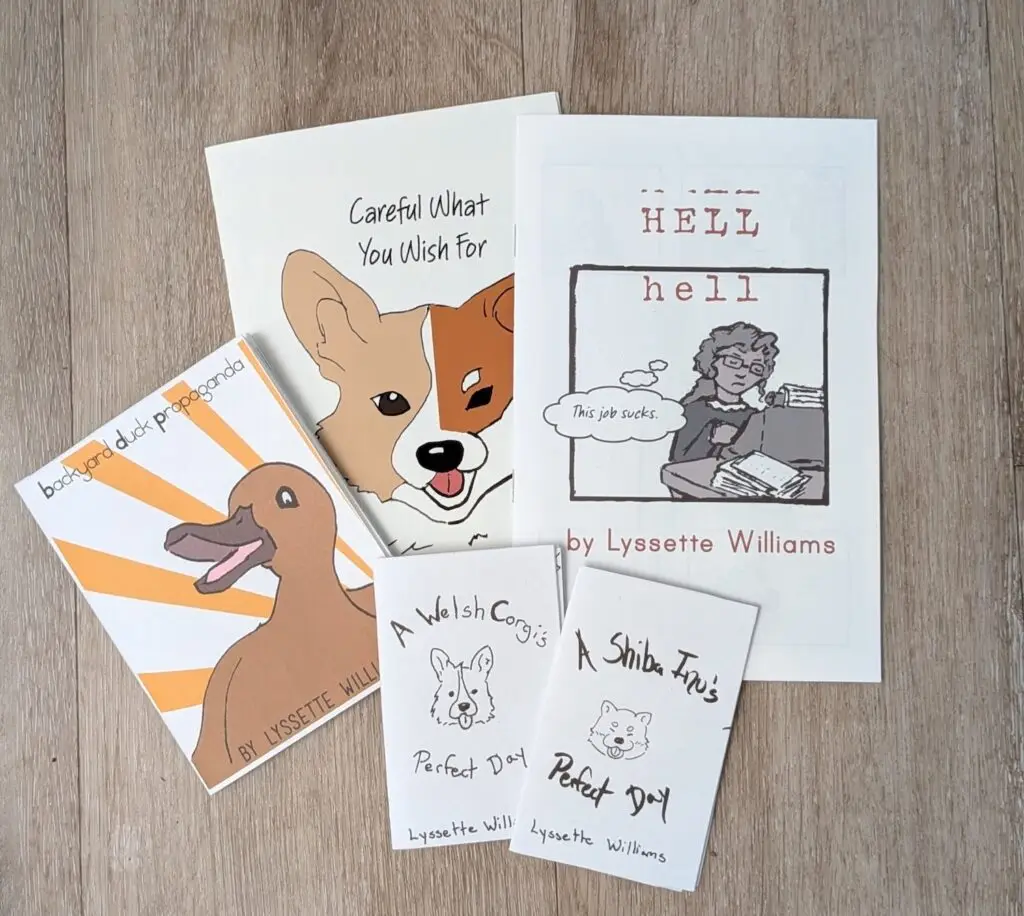
San Diego–based zine creator Lyssette Williams specializes in mini zines—often limited to eight pages, they’re meditations in abbreviation. Outlining, thumbnailing, and revision all move quickly from idea to page. Larger projects, including Williams’ long-form graphic novel thesis, move at a slower pace. For those, she often returns to pen and ink, a choice that resists the over-editability of digital work.
Raised by a single mother and navigating mixed-race identity in a predominantly white town, she finds a home for processing it all in zines. Her work deals in identity, belonging, self-definition, and punk-rock childhood. But it isn’t always heavy; Williams creates a mini duck-themed zine called Backyard Duck Propaganda that’s hard not to love. “When I create, I think about what would have helped me find the words back then, what my younger self would’ve needed,” Williams says. “[Zines] put the tools in your hands and democratize art. They’re translations of memories and identities.”

For Williams, a big reason she keeps creating is being surrounded by other creatives—a scene that extends across the border. She points to Verbatim and Comicbook Artists of San Diego, plus events like Zine Fest (October 17–18 this year at Woo in Barrio Logan) and Black Comix Day at the WorldBeat Cultural Center.
Zines have always been a road for subcultures. During the Harlem Renaissance, Black creatives like Langston Hughes and Zora Neale Hurston self-published one issue of Fire!!, which inspired other Black authors. In the 1930s, zines (then called fanzines) were hubs for sci-fi nerds to write fanfiction, address the fandom, and create new characters. Superman actually made his public debut in a fanzine called Science Fiction (he was originally cast as a villain with a fully receded hairline). A couple decades later, zines about feminism and riot grrrl became subculture de rigueur.
The internet nearly killed zines, of course. But now, people tired of the algorithm’s firehose are finding comfort and renewed inspiration in analog. Zines, a salve for digital fatigue.

A giant figure in San Diego zine culture is Burn All Books. Founded by Amanda and Nick Bernal, BAB started as a risograph (digital screen printing) studio and turned into one of those places that keeps expanding the whole scene around it, even forming its own archive group, SCANNNERS. Since opening in January 2023, it has published over 35 works and collaborated with more than 100 artists, writers, and zinesters.
For Duophobia, the pseudonym for local twin sisters Alora and Kiani Dotson (affectionately known as the “possum twins”), zines make room for experimentation and play that doesn’t fit anywhere else. Room for eclectic cartoons and dirty jokes. For sticker-covered sketchbooks.
It’s that same brand of nostalgia you might feel when, say, you walk past the carcass of an abandoned mall and see a faded cartoon mural. Their work lives somewhere between childhood and adulthood, where being unserious is taken very, very seriously.
“We’re born and raised in San Diego, and the community of artists here is a main reason we started publishing,” Kiani Dotson says. “There are people here like Trixxie Land who run open art gatherings. Show up, and you’re part of it.”
Land, a zinester herself (she made 250 single-page zines during 2020’s lockdown), is all about storytelling over hierarchy. Art shouldn’t be about gatekeeping or intimidation, she says. So she holds open-invite arts shows at Subterranean Coffee.

Duophobia regularly share their work at local galleries like Subterranean, filling that lowbrow space with pieces that answer: “What would’ve made us laugh as kids?” Children are often the first to pick up their zines, unfolding them in every direction while parents briefly panic at the impulsive destruction. The twins always step in. “No, no, it’s okay,” they say, before showing how one sheet of paper folds into an entire little book. “It’s like magic.” More often than not, the kids leave with a tiny zine tucked under a tiny arm, future San Diego zinesters in the making.
When asked what a zine really is, Alora Dotson’s response was simple: “It’s anything. Literally anything. The more genuine you are, the more people are going to hear what you have to say. Your voice matters, even if it’s just a silly joke or story. People want to hear about it.”
Not a perfect definition? Exactly. Zines inherently resist categories. Want to turn a single playing card into a storybook? Do it. What about your favorite graffiti artist’s signature tag at Prince Memorial Skatepark? Turn it into a zine.
Everything’s a zine.
Isabella Dallas is a freelance writer for San Diego Magazine and the Arts and Culture Editor at The Daily Aztec in her final year at San Diego State University. She previously worked as an editorial intern for SDM, but when she’s not writing, you can find her trying the best coffee spots in SD, devouring the latest rom-coms, and indulging in anything and everything pop culture.
From tacos to tailors and trainers to travel, these are the businesses, people, and places that earned San Diego readers' votes
San Diego Aesthetics and Med Spa
Elicia Soltesz, Elicia Marie Beauty
Ashley Fierro, Ashley Fierro Makeup
Michelle Langston, MSN, APRN, FNP-BC, HNB-BC, Starlite Aesthetics
Alysa Espiritu, Afterglo Beauty Lounge
Ronnie Page, Gold Comb Barbershop North Park

Ryleigh Hunter, Headbang Salon
Ann Teresa Degischer, Maen the Salon
Lindsay Axelrod, Pixiedot Salon
Lauren Skinker, Lucky Cat Tattoo

Father Joe’s Villages Turkey Trot
The Camp Transformation Center, West Chula Vista
Singing Hills Golf Club at Sycuan

Camila Casanueva, The Yard Gym

Austin Harrington, Captain’s Quarters
Bivouac Ciderworks, Savoy Dry Apple Cider

Missi Burns, Et Voila

Prospera Internal Medicine and Aesthetics
From handmade goods to one-of-a-kind finds, these local shops prove the best souvenirs are the ones with a story
Almost everything in this Oceanside shop is made by local artists and independent weirdos, and almost none of it requires a gallerist’s budget. Goblin Shark Emporium rotates a new featured artist every month between the vinyl crates, blacklight posters, and hilariously specific stickers, so you can walk out with original work and a tarot reading to contemplate as you sip your Banana Dang Coffee from a couple storefronts down.
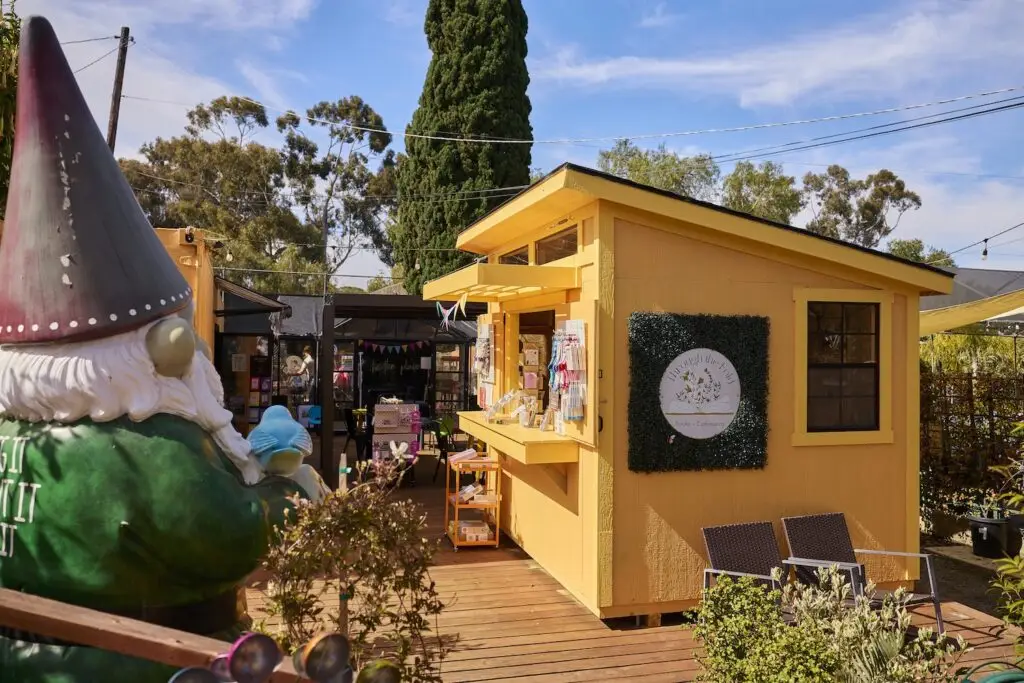
Tucked within the potting tables and ferns of Mission Hills Nursery, the oldest nursery in Southern California and a Kate Sessions original, sits Through the Fold, the sweet indie bookstore that mother-daughter team Gail Levine and Jennifer Medeiros hand-built and opened in late April. Two retired educators and lifelong bibliophiles run it like a neighborhood living room: three book clubs, toddler story time, and a summer camp for the 7-to-12 set. It’s the rare retail run that smells like soil and new paperbacks, which is to say, like a very specific kind of heaven.
Open since 1993 under the unbeatable tagline “Books of Martians, Murder, Magic, and Mayhem,” this Rosecrans Street institution is the city’s portal for anyone who would rather be on a different planet. Load up on sci-fi, horror, and fantasy, then stick around for the weekly Dungeons & Dragons campaign, because the only thing better than reading about another universe is rolling a d20 inside one.
On the ground floor of the downtown Central Library, tucked into the Joan and Irwin Jacobs Common, sits the Library Shop, a tightly curated gift store stocked with presents and trinkets you didn’t know you needed: wind-up kitchen timers, specialty pencils, felt coasters in colors cheerful enough to overcome the first half of the Padres’ season—you get it. Every dollar funds the San Diego Public Library system, which makes the shop’s official “Guilt-Free Shopping” motto the rare slogan that holds up. Come for a paperback, leave having formed a genuine emotional attachment to a $4 pencil.
The window at this North Park shop is alive: a front-of-house catio where adoptable rescue cats audition for your heart while you pretend to be just browsing. From there, a literal catwalk runs along the ceiling to a back resting room (because existing around inferior beings is exhausting for cats). Owner Vera Blatchley of Purrgatory stocks the full cat-lover arsenal, plus a wall of gifts for the feline who already has nine of everything. Fan favorite: a retro-style, bubblegum-pink Kit-Cat Clock.
Surf art’s everywhere, but it’s somehow always a little kooky. Painter Andy Davis’ style captured that elemental soul, making him one of the most successful surf artists of the last few decades (check his giant mural at Town and Country Resort). His tiny Encinitas storefront, Club Paradise, is a gallery-slash-gift shop that stocks his paintings and prints—and he’s using the space as a culture club for local and touring creatives.
Tulux is the Pacific Beach swimwear label out of Cass Street, where designer Yamhed Torres turns the whole Tulum fantasy into bold, limited-run bikinis. This year, Vogue México y Latinoamérica named her one of just 10 emerging designers to watch, so each suit comes with the kind of credentials that practically books its own sunset getaway. Everything is one and done: When a piece sells, it’s gone for good, which is either smart scarcity or the universe telling you to commit.

Free lotto tickets at crystal shops? Yes, please. Pacific Beads owner Shlomo Gruer greets you at the door of this Clairemont Mesa warehouse with 4,000 square feet of crystals, geodes, and beads by the bin. You come for wholesale amethyst and sterling findings; you leave holding a fistful of healing stones and a statistically remote shot at early retirement. Need another reason to visit? Owner Gruer has his own line of jewelry, and Pacific Beads also hosts jewelry-making classes.
El Cajon’s Parkway Plaza could look radically different in the near future, as city officials are hatching plans to reinvent the one-time community and commercial center. Inflection points of iconic structures are always compelling times to visit and tabulate your own urban-planning daydreams. As you do, hit the first NAMA-certified automatic cotton candy vending machine in the country. Push a button, and 123 Sweetsss spins you a fresh cloud of childhood in under a minute. No carnival, no county fair admission, no sweaty teenager in a paper hat required.
Behind every beautiful space is a thoughtful process, and ASID San Diego is helping homeowners understand the value of professional design.
A perfectly designed home rarely happens by accident. Those kitchens that feel effortless and rooms that seem to tell a story the second you walk in? They’re usually the work of someone who knows exactly what they’re doing.
It’s knowing which ideas will actually work, which materials will hold up over time, and how to turn a collection of choices into a space that feels intentional. That’s where a professional interior designer comes in.
For the American Society of Interior Designers (ASID) California San Diego Chapter, the goal is to help people see interior design as more than just the finished look. Behind every well-designed space is a process built on technical expertise. Designers are educated in everything from professional software and construction details to building codes, space planning, materials, and functionality.

“People don’t always realize how much goes on behind the scenes,” Kirsten Recce , current president of the ASID California San Diego Chapter, says. “Our designers are not just doing furniture placement and color selection and picking out new fluffy pillows. That’s not what they’re trained for.”
ASID members bring formal education, continued learning, and industry knowledge to their projects, helping create spaces that are not only beautiful, but designed to work. A paint color that changes completely depending on the lighting. A material that looks beautiful in a showroom but doesn’t make sense for everyday life. A layout that photographs well but doesn’t function for the people living there. These are the details where professional guidance can make all the difference.
Still, one of the biggest misconceptions about hiring an interior designer is that it’s reserved for massive renovations, luxury homes, or people who already know exactly what they want. The process can feel intimidating. Where do you begin? Is a designer worth the investment? What if you only need help with one room?
ASID’s answer: start with one hour.
ASID’s Spruce Up events break down one of the biggest barriers between homeowners and professional design: knowing where to begin. Held twice a year, the community program gives homeowners the chance to work directly with an ASID designer through a one-hour, $125 consultation in their own home. Whether you’re looking for advice on furniture placement, window treatments, kitchen and bath updates, remodeling ideas, vacation rentals, color selections or something else entirely, the upcoming September 2026 event offers an approachable way to get expert guidance before committing to a full project. Signups are open through Sept. 7, with consultations taking place Sept. 21 through Oct. 31. Proceeds benefit ASID San Diego’s educational and community programs. Register here!

“It’s a great opportunity for people who are in that exploratory phase,” Recce says. “Maybe they’re not sure they want to hire an interior designer yet, or they think it sounds daunting or expensive. This gives them a chance to discover what working with a designer is actually like.”
Design is personal. A good designer isn’t just creating a beautiful room; they’re helping create a space that fits the way someone lives.
“We’re a resource to all of San Diego County,” Recce says. “It doesn’t cost anything to pick up the phone and call and ask. We’ll answer.”
Follow ASID San Diego on Instagram, LinkedIn, and Facebook for updates on upcoming events, or connect with the chapter directly at [email protected] or 619-548-8847.
From getting your sweat on at hip-hop class to celebrating with a zero-proof cocktail, here are San Diego's top fitness and wellness spots
For thousands of years, the Kumeyaay who lived in this area called a mountain south of Julian Cush-pii, meaning “sharp peak.” Then, after the Civil War, Confederate sympathizers saw that same mountain and decided to rename it Stonewall Peak—after General Stonewall Jackson. The name stuck for nearly a century and a half, until Cuyamaca Rancho State Park announced earlier this year that the name will return to its original, Cush-pii. Hike to the summit for expansive views of the Coronado Islands to the west and Mexico to the south.

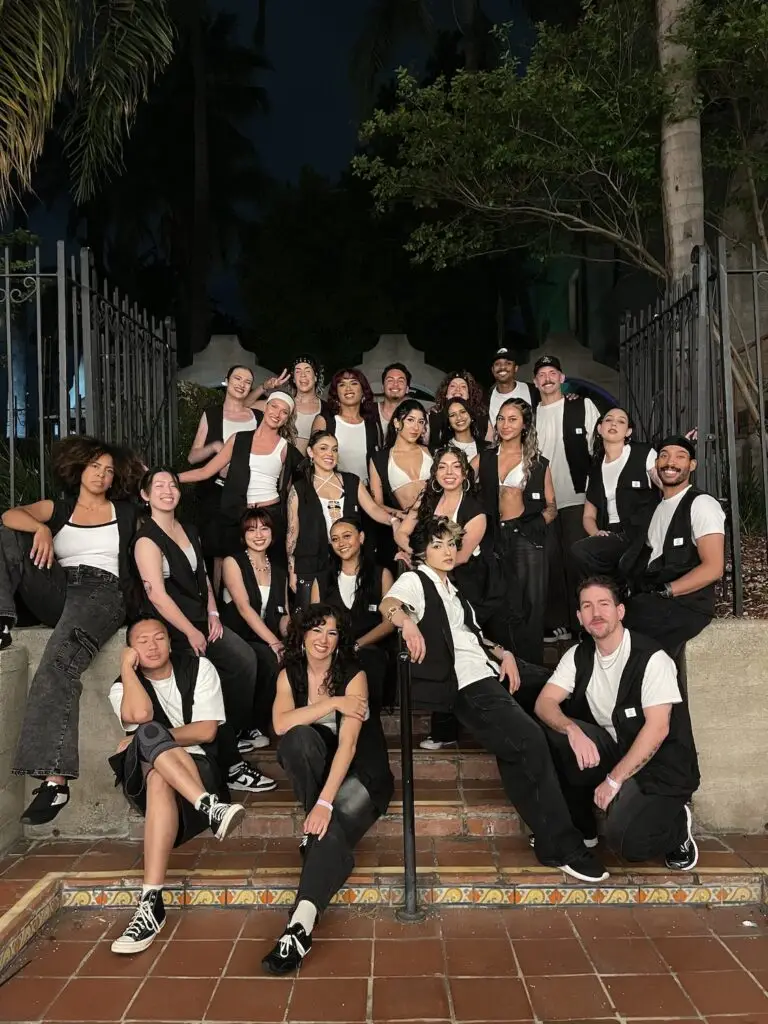
In 1993, Angie Bunch gathered a group of hip-hop dancers—called Culture Shock Dance Troupe—and gave them a space to practice and perform. As hip hop grew through the ’90s, so did Culture Shock. It has since become a nonprofit, a space for young and old, beginner and expert dancers. Culture Shock has also expanded to Los Angeles, Oakland, Las Vegas, Chicago, Atlanta, New York City, and Washington, D.C., as well as Ottawa and Toronto, Canada.

In 2019, Amanda Leach created the Yoga Box method, which takes high-energy flows and adds strength-building poses in heated, vibey, lava-lamp-lit studios. What started on Grand Avenue in Pacific Beach has spread to 15 locations across the county, with even more trickling into Denver, Chicago, and Brooklyn. The best part? Mindfulness newbies who can’t touch their toes and six-packed contortionists can hang in the same class. You can customize each session based on your ability and fitness level.

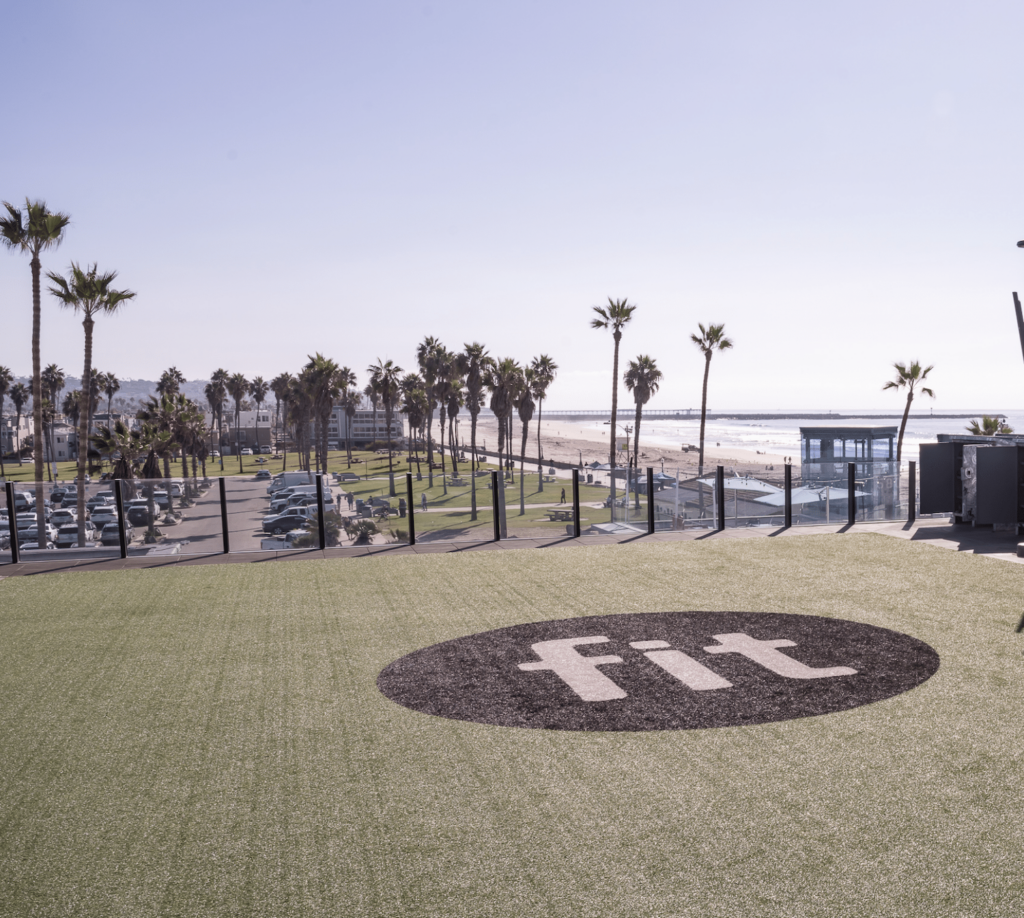
A gym taking over a historic beachfront pool sounds like the setup for a new season of Love Island, but Fit Mission Beach operating the nearly 100-year-old Plunge at Belmont Park is real. The independent fitness brand has spent the past several years building a loyal following through group fitness classes, community events, and a members’ social club overlooking the ocean. Upstairs, members can work remotely, meet friends, or hang out long after their workout ends. Between the Plunge, the coworking-style lounge, and a packed calendar of events, Fit has evolved into something bigger than a gym. It’s a clubhouse for San Diego’s fitness crowd.
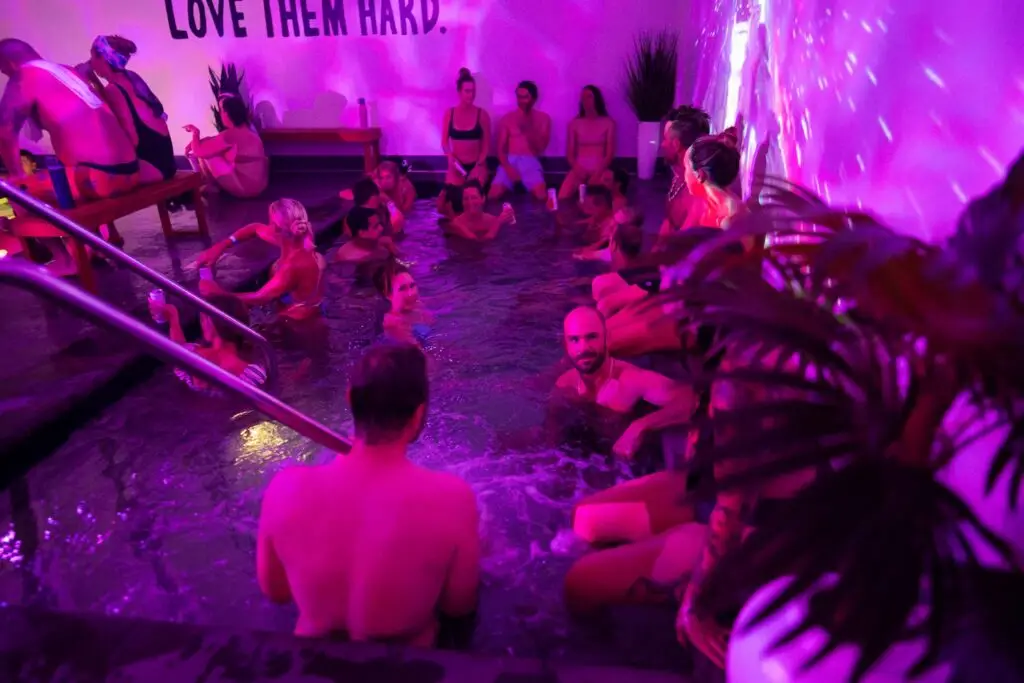
The wellness world is finally transitioning away from HIIT workouts and cult-like spin classes, where your heart rate hits Zone 5 within minutes and stays there until cooldown. Good. At Breathe Degrees, wellness takes the form of zenned-out communal breathing sessions or vagus nerve–activating cold plunges. Breathwork is said to boost your mood in the short term and improve your heart health in the long term, and maybe that’s why everyone’s coming back for more. You can’t run into someone in Carlsbad who hasn’t dropped into at least one breathwork session, and now the studio has opened a second location in Liberty Station.

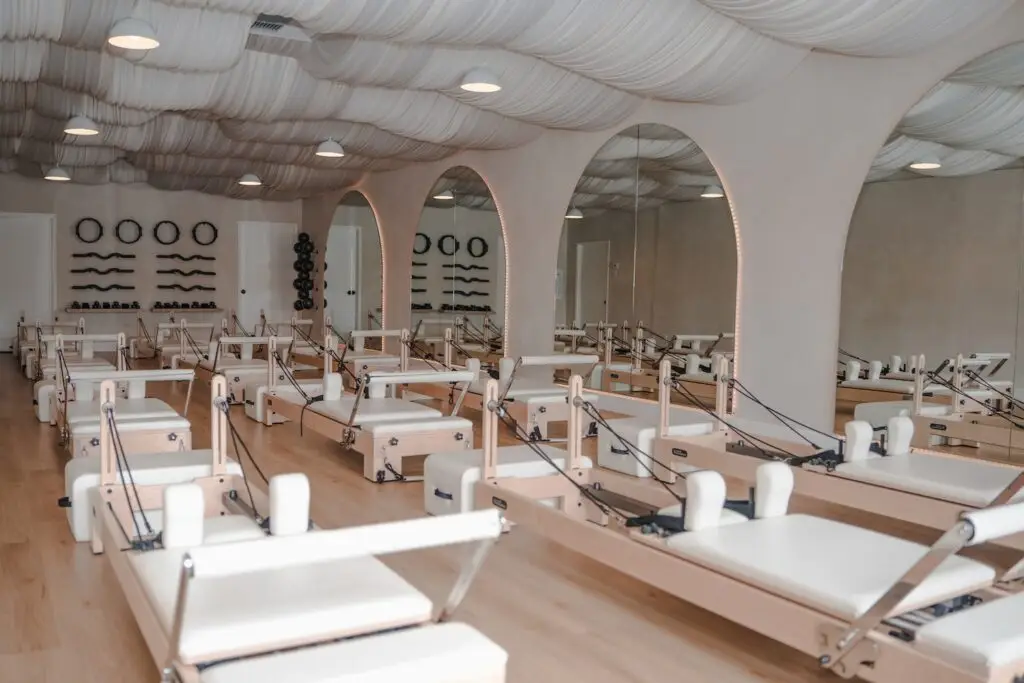
Pilates wasn’t just popular this year; it was practically a requirement for maintaining your San Diego residency. New studios seemed to appear weekly across San Diego, each promising stronger cores and better posture, but Soul Pilates and Care found a way to stand out by addressing a challenge many parents know well: finding time to exercise at all. Fitness doesn’t have to compete with parenting responsibilities. Parents can drop their kids off with trained caregivers while they head into reformer classes, eliminating one of the biggest barriers to working out. The studio has earned strong reviews for both its instruction and family-friendly approach.
The Hotel del Coronado’s sweeping $550 million restoration touched nearly every corner of the historic resort, but one of the most anticipated unveilils was the debut of its redesigned spa. The oceanfront wellness destination now features 21 treatment rooms, a relaxation lounge, a sauna, steam room, and a treatment menu inspired by the coastal environment just steps away. The redesign blends the Del’s Victorian legacy with a cleaner, more contemporary aesthetic, creating a space that feels distinctly SoCal rather than generic luxury hotel. For locals who don’t have time for a vacation, it’s the next best thing.
As non-alcoholic beverages continue their meteoric rise, Good News Bar has become one of San Diego’s most compelling arguments for a booze-free evening. The University Heights hotspot serves a menu of carefully crafted zero-proof cocktails that borrow techniques and ingredients from traditional cocktail programs (it’s not just fancy juices and soda water), minus the hangover. The space also hosts regular community events and has quickly become a gathering place for everyone from sober San Diegans to the merely sober-curious. In a nightlife industry built around alcohol sales, Good News proved there’s plenty of demand for connection without the buzz.
From elephant encounters to escape rooms, these are the adventures that kept San Diego families busy all year long
If you can’t quite swing the cost of a trip to the African outback, the Safari Park’s new Elephant Valley is a pretty convincing Plan B. The 13-acre immersive habitat—the largest project in the San Diego Zoo Wildlife Alliance’s 109-year history—is home to eight African elephants, but it’s the thoughtful details that steal the show. Keep your eyes open for intricate Kenyan-inspired artwork, native landscaping, and stop by the Mkutano House, where you can grab lunch with a front-row view of the herd.
Pepper Park became the emotional anchor of the bayfront overhaul when the National City park reopened this March with a 2.5-acre expansion. Hopefully that’s just the start. The California Coastal Commission also approved the city’s ambitious waterfront plan, clearing the way for a long-envisioned 77-acre bayfront makeover with more green space, better bike paths, and improved waterfront access. Money still has to be raised, but head to Pepper Park, sit on a brand-new bench, and gaze out at the future of the South Bay.
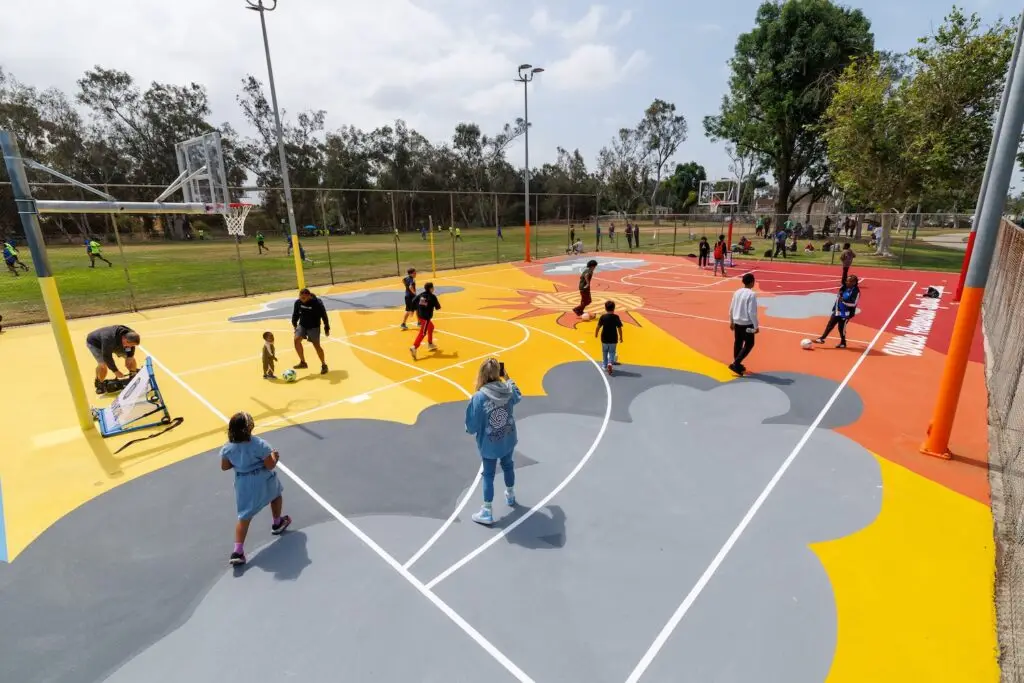
Not every family destination comes with roller coasters—sometimes, they have paint rollers. The Willie Henderson Sports Complex in southeast San Diego recently received a new paint job and major facelift (courtesy of San Diego FC, the Prebys Foundation, and community advocates), giving thousands of kids a safer, smoother, and more colorful place to play basketball or soccer. If your weekends revolve around sports gear, folding chairs, and orange slices, you’ll definitely appreciate the upgrade.
Parents come for the pizza. Kids come for the games. Sci-fi nerds come for it all. Killer Pizza From Mars is an Oceanside mainstay for families who love arcades, vintage Star Wars memorabilia, and piled-high pizzas with outrageously silly names like the “Mars”gherita pizza. Order a basket of Killer Fries, sink your teeth into a Martian Melt sandwich, and don’t be surprised if your kids clamor for a return mission.
After what must have felt like an eternity for Pacific Beach families, Fanuel Street Park’s playground is finally back. The old play structure got the heave-ho nearly two years ago, but this spring, the community raised enough donations to replace it with modern climbing structures, new swings, and better accessibility. It’s finally back to being a low-key locals spot perfect for picnicking, splashing around, and letting the kids burn off some energy.

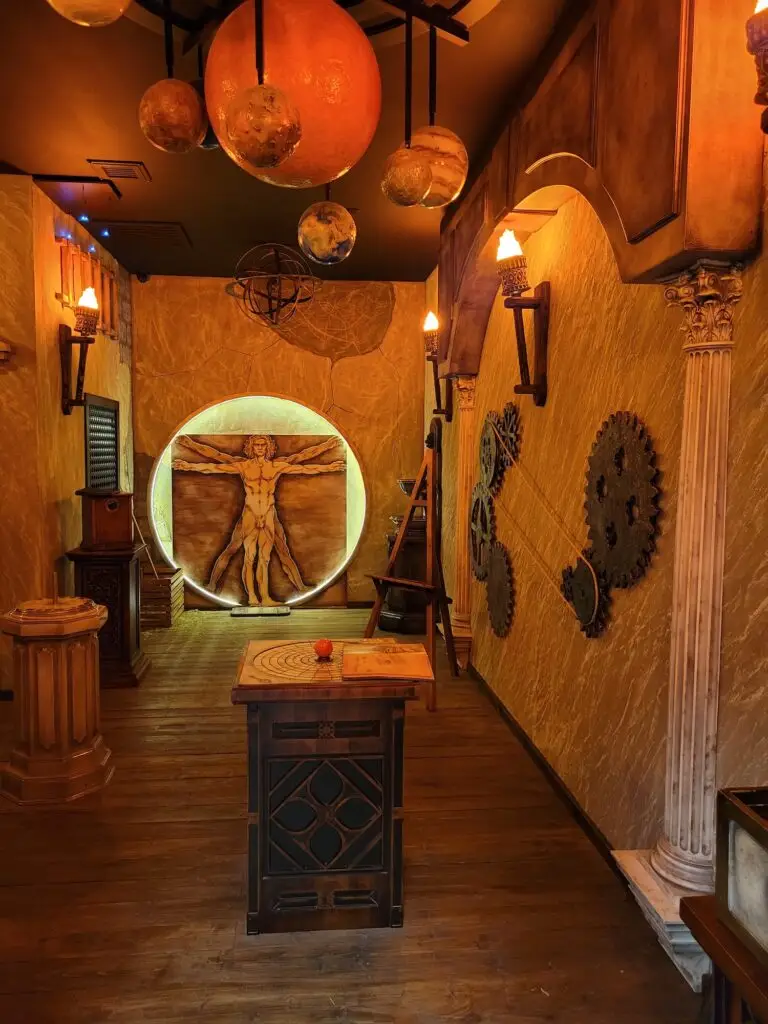
If screen time has obliterated your attention span, try giving your brain a workout at an escape room. Lara’s Labyrinth provides a few options ranging from kid-friendly to “try not to pee your pants in fright,” where participants can attempt to escape an enchanted forest or decipher clues left by Leonardo da Vinci. (Some rooms have G, PG-13, and R-rated versions for your family’s comfort level, but maybe save the “Cannibal” room for an adults-only excursion.)
Birch Aquarium has always made a splash, but the $18.7 million Living Seas exhibit is a tidal wave of awesome. The immersive exhibit features different marine ecosystems throughout the Pacific Ocean, from the warm aqua waters of tropical zones to the frigid (but nourishing) Pacific Northwest. Bigger is better here: There are areas designated for the gigantic sunflower sea star and giant Pacific octopus, so prepare for oceanic marvels to wow you.
Forget “don’t touch the art.” At Artopia, touching, building, climbing, experimenting, and making a colorful mess are all exactly the point. Created by the museum’s in-house Creative Studios team, the interactive space invites kids to become artists through hands-on projects like weekend ceramics workshops and after-school programs. When creativity gets a little chaotic is when it’s at its most fun.
The Fairmont Grand Del Mar used to feel like someplace you admired from afar. Grand Social changed that. Three levels of outdoor space are now home to a bar and grill, bocce courts, and other lawn games, as well as a summertime concert series and other family-friendly events that welcome locals just as much as overnight guests. It’s proof that one of San Diego’s fanciest addresses also knows how to have a little fun.
You don’t need a cage to come face-to-face with sharks anymore. SeaWorld’s revamped Shark Encounter lets you get startlingly close to species like reef sharks, massive sand tigers, and endangered Australian leopard sharks, all inside newly redesigned habitats. It’s equal parts adrenaline and education, and a good reminder that these misunderstood predators are closer to Bruce in Finding Nemo than Jaws in… well, Jaws.

Houston, we have a new reason to visit LEGOLAND California. LEGO Galaxy is the plastic-brick haven’s biggest in-park investment ever, including the first new roller coaster in 20 years. Between the customizable Galacticoaster experience, build-your-own spacecraft stations, and interactive space adventures, aspiring astronauts can easily spend hours exploring this brick-built universe.
A new program guides new moms through high-risk pregnancy and into the “fourth trimester”
Mai Vue was just 34 weeks pregnant when she delivered her baby. Her pregnancy had been complicated, and she’d had a recent second trimester pregnancy loss, which led to her receiving specialized care from Sean Daneshmand, MD, a Scripps Clinic perinatologist who oversees high-risk pregnancies. Dr. Daneshmand and his team took care of Mai during her pregnancy, through the birth of her healthy baby girl and beyond. Mai was part of a program Scripps launched to provide support to new moms in the weeks and months after delivery. The postpartum program, known as Scripps Health’s Fourth Trimester Continuum of Care, provides care for women with high-risk pregnancies to optimize their health after childbirth and reduce the risk of complications in future pregnancies. Click here to learn more.
For more nutrition, wellness, and healthy living tips, sign up for the San Diego Health newsletter here.