Featured articles
Food & Drink
Food & Drink

Food & Drink
Featured articles

Everything SD
Everything SD
Things to Do
Featured articles
Things to Do
Things to Do
Guides
Featured articles
podcast-ep
podcast-ep

podcast-ep
Featured articles
Everything SD
Everything SD
Food & Drink
Featured articles
Everything SD
Everything SD
Food & Drink
Ready to know more about San Diego?
SubscribeReady to know more about San Diego?
See the 243 winners that our food critic and readers voted the top restaurants in San Diego this year
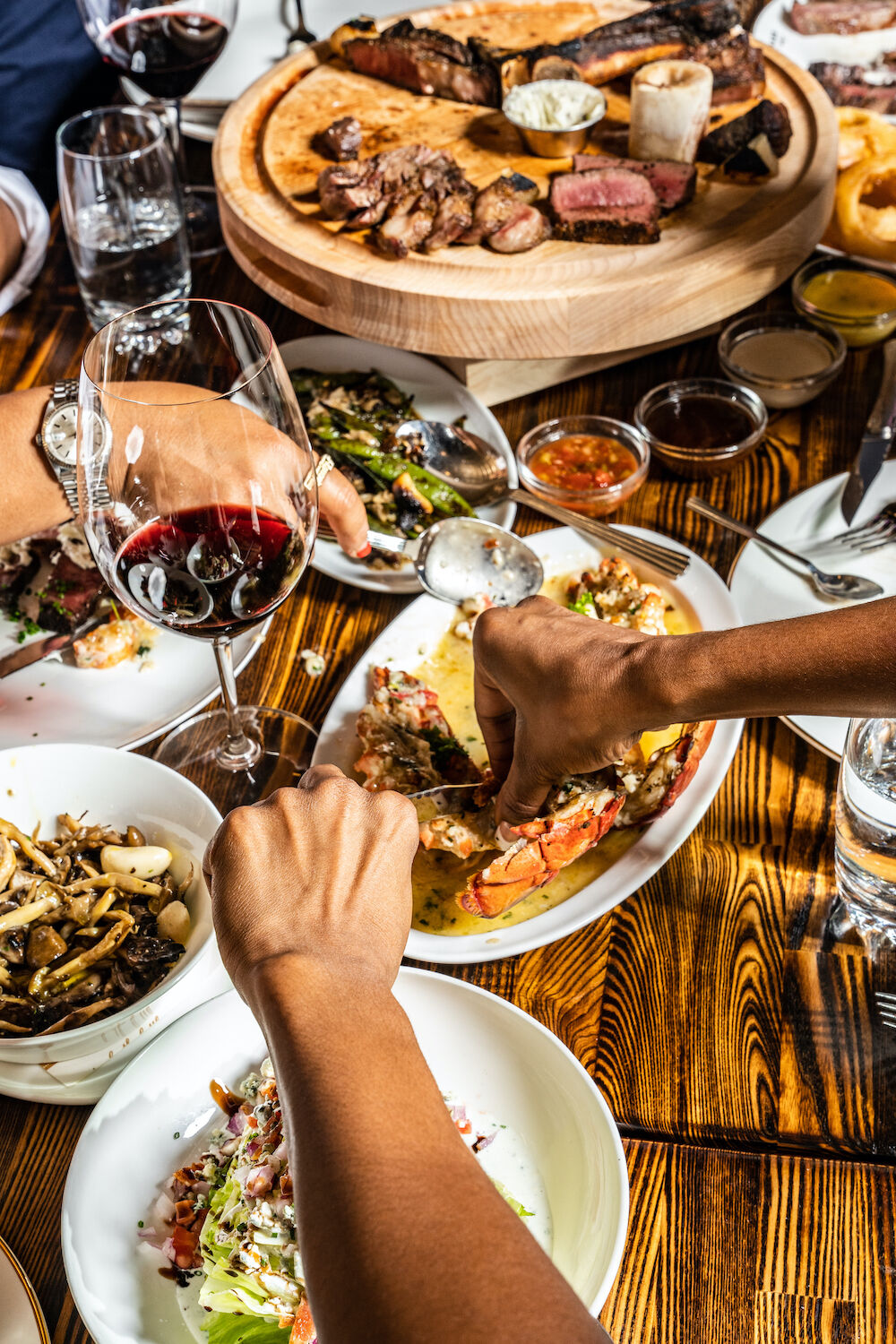
Best Steakhouse (Runner-up): Rare Society
Overall | Ambience | Specific Cuisines | Specific Dishes | Drinks
by Troy Johnson
The line of taco purists at Las Cuatro Milpas has reunited on the sidewalks of Barrio Logan. Ice cubes rattle in real glass at Polite Provisions, that ice-cold rumble of applause no longer silenced by the soft, compostable compromise of to-go cups. The curtain has risen again on Addison’s fine-dining opera, high tide is back to snatching breaths at Marine Room. The birria frenzy has reignited at ED Fernandez, the chorus of slurps un-paused at Menya Ultra, the vegans have replanted themselves at Kindred. Strangers are small-talking. First dates are fidgeting. Old friends and lovers are making the excessive number of toasts required for both celebrations and the end of long hurts. By the will of gods and governors, restaurants are back.
I missed the small rituals of our places. Reading the menu hours ahead to start the daydreaming. The brief and fraudulent hesitation when I’m offered “fries with that.” The meticulous harvesting of every substance at the salsa bar. The pageantry of politeness surrounding the last mozzarella stick. The shockingly difficult math of tips. I missed the things I once swore off as unmissable—the loud talkers and the gratuitous upsellers, the beverage snobs and the burger Annie Liebowitzes. I want the glory and the grind. I’ll even take the happy-birthday song.
I want all the wildly imperfect theater of humans doing their best to amplify and artify two of the more mundane and essential tasks of humanity—eating and drinking. They’re also some of the most intimate acts we can all do together in public with our clothes still on and laws unbroken. And right now I feel a strong need to sit among the ruckus of us.
Of course, the road to recovery isn’t perfectly paved. We lost some of the places that mattered to us—cornerstones of neighborhoods run by people who live in them. An entire workforce was jettisoned, and for various reasons are still wandering the earth. Restaurants are our social glue, and the glue cracked a bit. But now the doors are open and the music’s on. The food is mostly hot, the beer is mostly cold, and the seats are finally warm.
The greatest thing about restaurants is not the tacos or the duck breast, not the Negronis or the ‘gram. It’s the gossip and the laughs and the tears and the stories. They bring people together under the same roof, at the same table, focused on each other for hours at a time. That’s the reason we closed them, and now, as always, it’s the reason we need them.
Every year, we dedicate this issue to the bars and restaurants and chefs and servers and dishwashers and bussers and winemakers and bakers and every person who has a hand in building this culture of hospitality. Every other issue, we have the space to cover a few dozen. But “Best Restaurants” lets us create our ultimate list of about 200 favorites and scream about their great work. It’s what I send to friends when they email to say “best pho now” or “need electrolytes but mostly fried chicken.” We don’t have the pretension to say this is the “only list that matters!” It’s just ours, and yours—our readers.
See you out there.
Critic’s pick: Jeune et Jolie
Readers’ pick: Animae
Runner-up: Fort Oak
Critic’s pick: Kindred
Readers’ pick: Cori Pastificio Trattoria
Runner-up: The Kebab Shop
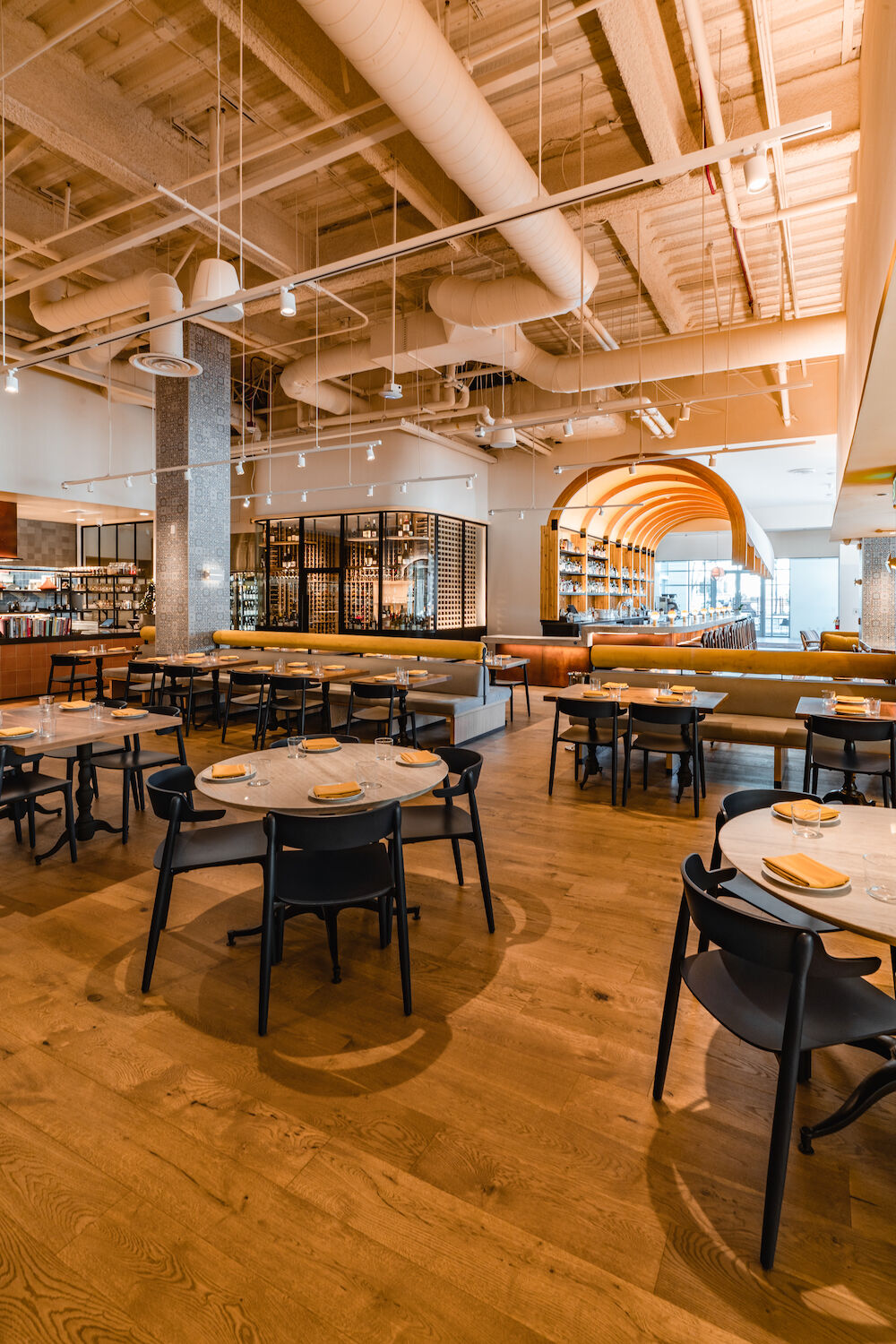
Best New Restaurant (Critic and Readers’ Pick): Callie
Critic’s Pick: Callie
Readers’ Pick: Callie
Runner-up: Arlo
Critic’s Pick: Travis Swikard
Readers’ Pick: Accursio Lota
Runner-up: Tara Monsod
Critic’s Pick: Addison
Readers’ Pick: Cori Pastificio Trattoria
Runner-up: Solare Ristorante
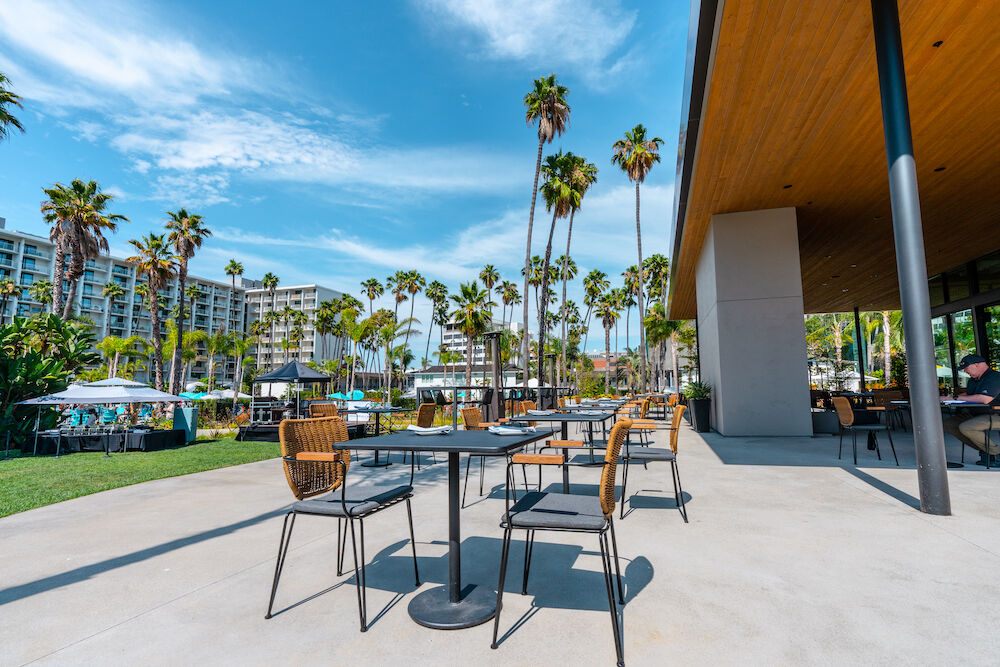
Best Hotel Restaurant (Reader’s Pick): ARLO
Critic’s Pick: Nine-Ten
Readers’ Pick: Arlo
Runner-up: A. R. Valentien
Critic’s Pick: Snake Oil Cocktail
Readers’ Pick: RoVino Restaurants Fine Catering
Runner-up: Miho Catering
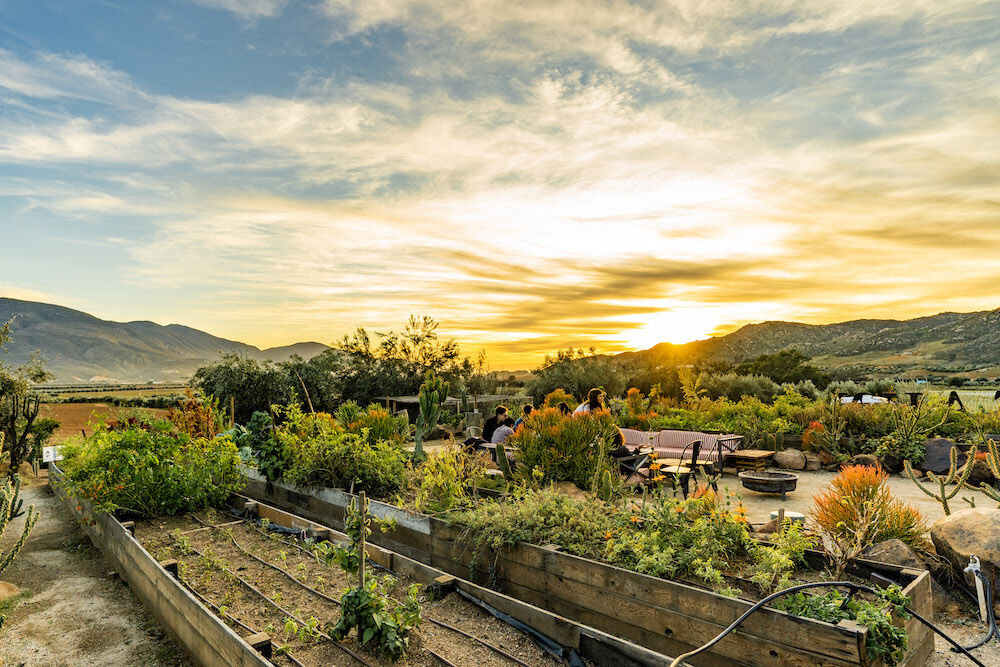
Best Restaurant in Baja (Runner up): Fauna
Critic’s Pick: Finca Altozano
Readers’ Pick: Deckman’s en el Mogor
Runner-up: Fauna
Critic’s Pick: Las Cuatro Milpas
Readers’ Pick: The Kebab Shop
Runner-up: Tacos el Vaquero
Critic’s Pick: Parakeet Cafe
Readers’ Pick: Urban Plates
Runner-up: Paleo Treats
Critic’s Pick: Prager Brothers Artisan Bread
Readers’ Pick: Kula Ice Cream
Runner-up: Maya’s Cookies
Critic’s Pick: Kindred
Readers’ Pick: Split Bakehouse
Runner-up: Kindred
Critic’s Pick: Morning Glory
Readers’ Pick: Breakfast Republic
Runner-up: Parakeet Cafe
Critic’s Pick: Dija Mara
Readers’ Pick: Trust
Runner-up: Sugar & Scribe
Critic’s Pick: Wayfarer Bread
Readers’ Pick: Split Bakehouse
Runner-up: Wayfarer Bread
Critic’s Pick: Grand Ole BBQ Flinn Springs
Readers’ Pick: Phil’s BBQ
Runner-up: Grand Ole BBQ Flinn Springs
Best seafood (critic’s pick): Serea
Critic’s Pick: Serea
Readers’ Pick: Ironside
Runner-up: Blue Water Seafood
Critic’s Pick: Cowboy Star
Readers’ Pick: Cowboy Star
Runner-up: Rare Society
Critic’s Pick: Le Parfait Paris
Readers’ Pick: Extraordinary Desserts
Runner-up: Paleo Treats
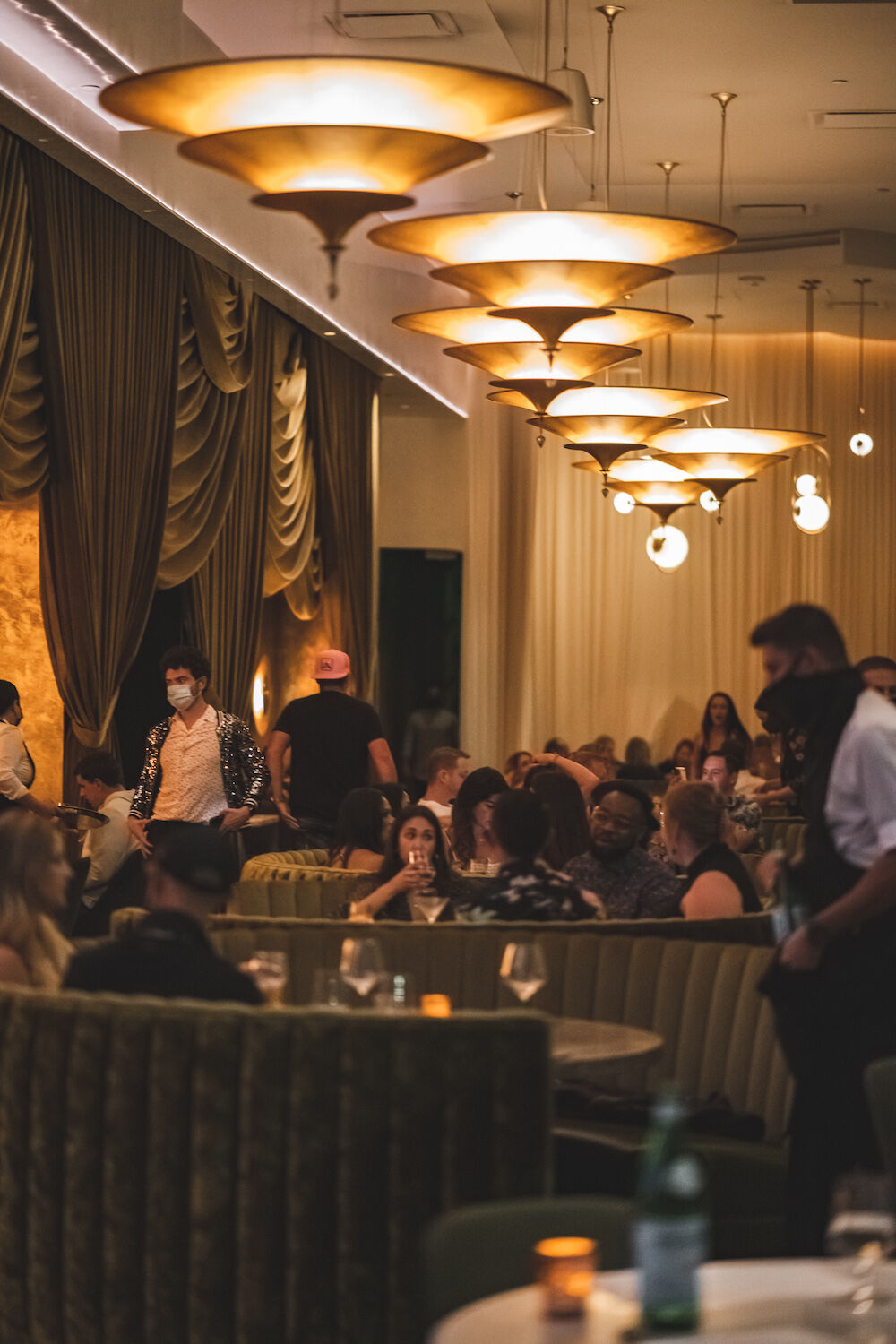
Best Design (Reader’s pick): Animae
Critic’s Pick: Morning Glory
Readers’ Pick: Animae
Runner-up: Callie
Critic’s Pick: Mister A’s
Readers’ Pick: Mister A’s
Runner-up: (TIE) Born & Raised; The Nolen
Critic’s Pick: The Marine Room
Readers’ Pick: Coasterra
Runner-up: Tom Ham’s Lighthouse
Critic’s Pick: Liberty Public Market
Readers’ Pick: Station Tavern
Runner-up: Shabu Works
Critic’s Pick: Station Tavern
Readers’ Pick: Chiefy Café
Runner-up: Urban Plates
Critic’s Pick: George’s at the Cove
Readers’ Pick: Arlo
Runner-up: Herb & Sea
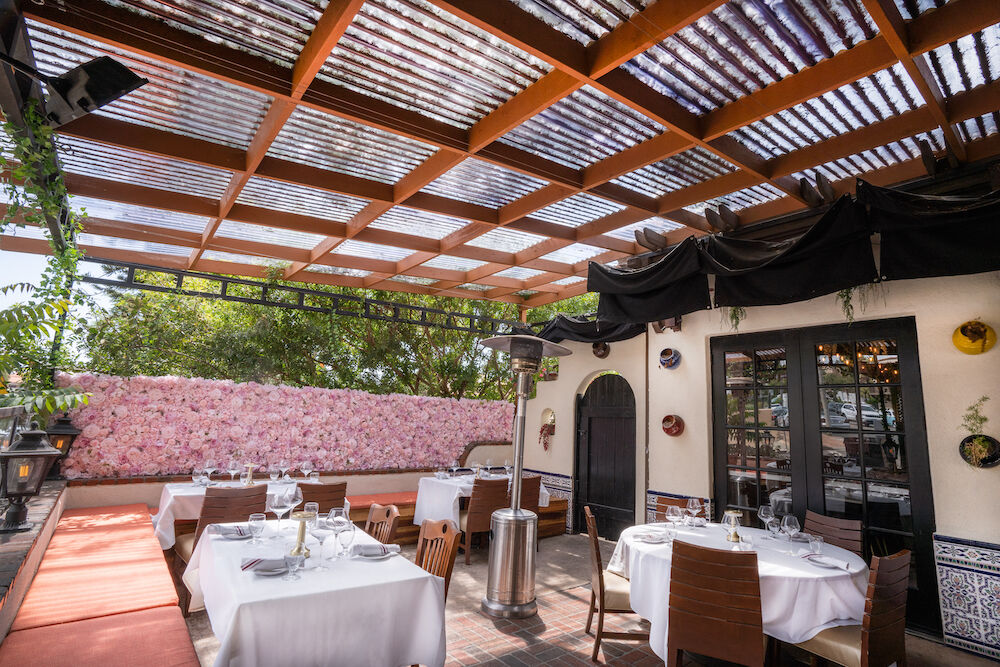
Best Parklet (Runner-up): Trattoria Don Pietro
Critic’s Pick: Nolita Hall
Readers’ Pick: Homestead Solana Beach
Runner-up: Trattoria Don Pietro
Critic’s Pick: Starlite
Readers’ Pick: Cori Pastificio Trattoria
Runner-up: Animae
Critic’s Pick: Barrio Dogg
Readers’ Pick: Puesto
Runner-up: (TIE) Barrio Dogg; Cardiff Seaside Market
Critic’s Pick: Coasterra
Readers’ Pick: Barbusa
Runner-up: Cafe Coyote
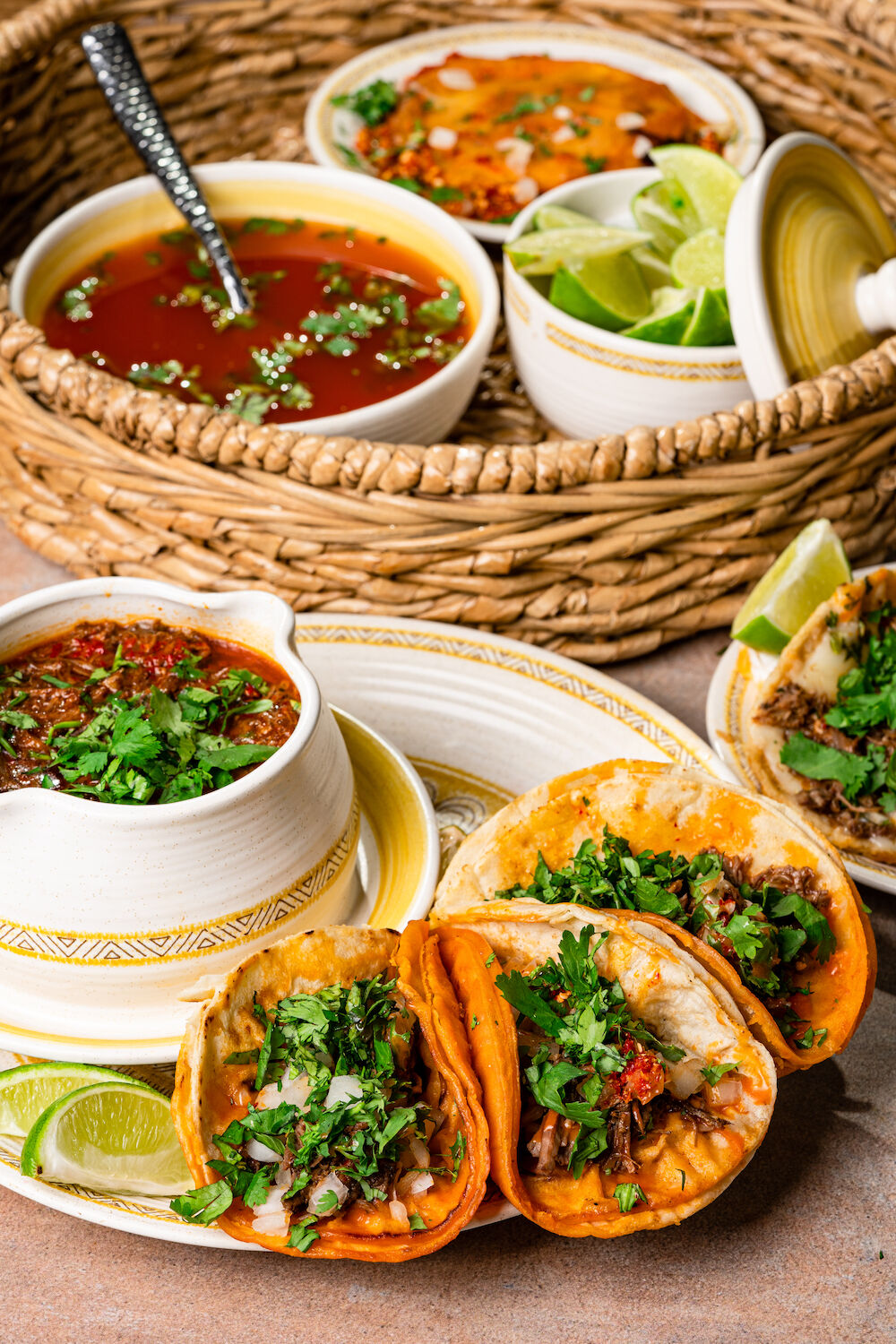
Best Birria (Critic’s Pick): Ed Fernandez
Critic’s Pick: ED Fernandez
Readers’ Pick: (TIE) Cocina de Barrio; ED Fernandez
Runner-up: Mr. Birria
Critic’s Pick: Ranch 45
Readers’ Pick: Funky Fries and Burgers
Runner-up: Rocky’s Crown Pub
Critic’s Pick: Lucha Libre
Readers’ Pick: The Taco Stand
Runner-up: Lolita’s Mexican Food
Critic’s Pick: OB Noodle House
Readers’ Pick: Willie Wingz
Runner-up: Zen Modern Asian Bistro
Critic’s Pick: El Zarape
Readers’ Pick: Puesto
Runner-up: La Puerta
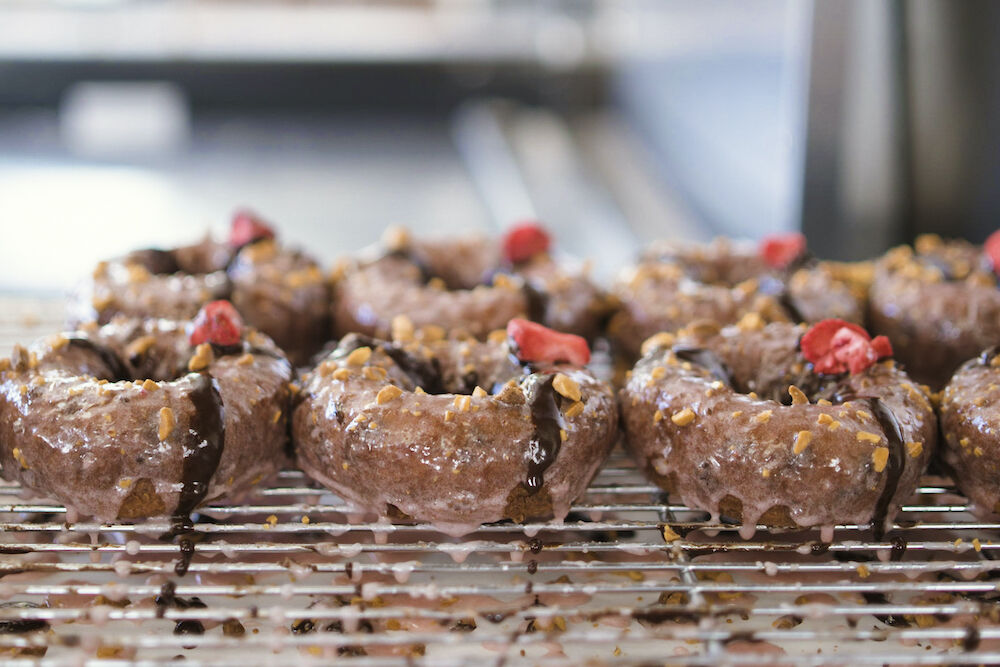
Best Donuts (Critic’s Pick): Sidecar
Critic’s Pick: Sidecar Doughnuts
Readers’ Pick: Nomad Donuts
Runner-up: VG Donuts and Bakery
Critic’s Pick: TJ Oyster Bar
Readers’ Pick: Rubio’s Coastal Grill
Runner-up: Fish Shop
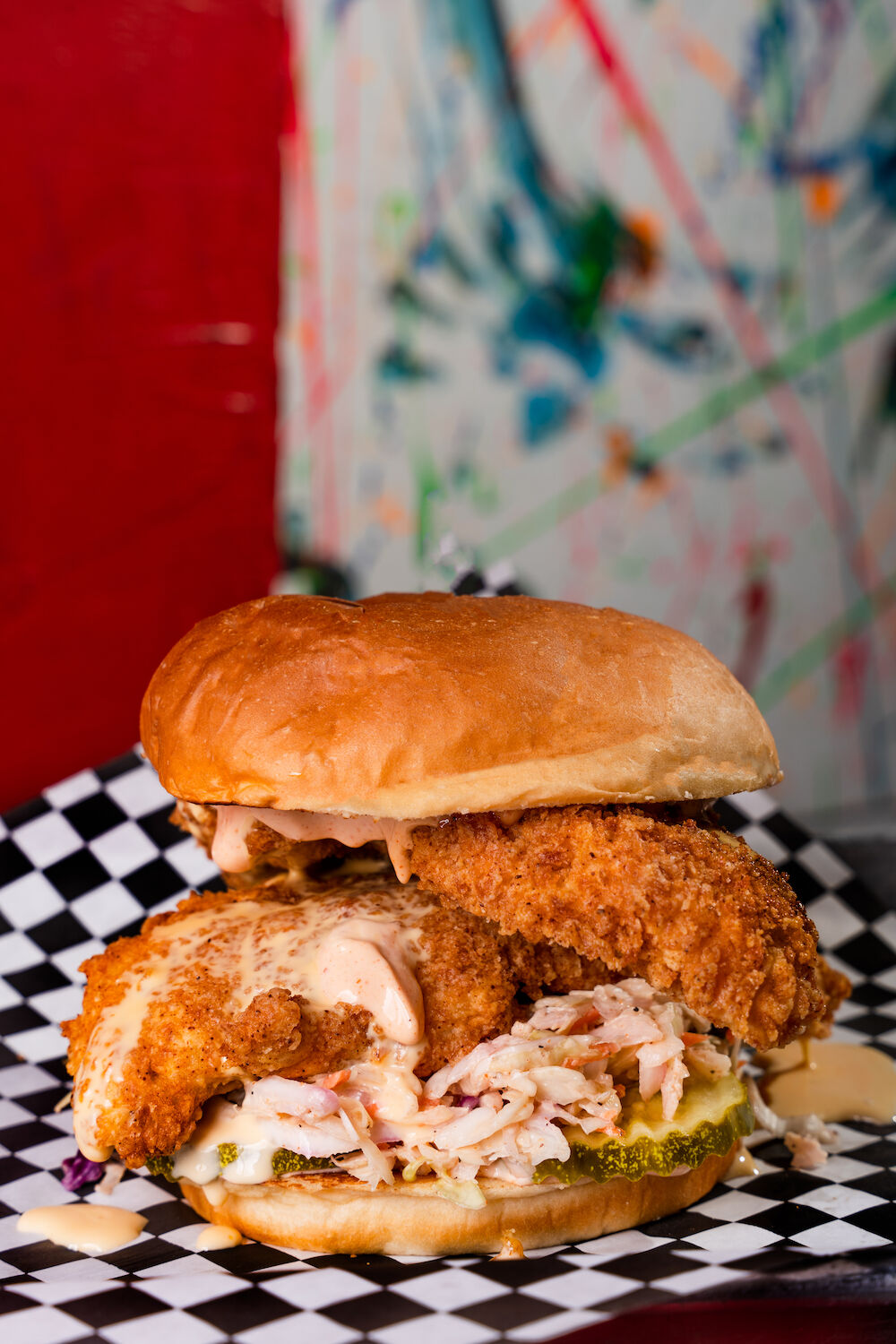
Best Fried Chicken Sandwich (runner-up): Firebirds
Critic’s Pick: The Crack Shack
Readers’ Pick: The Crack Shack
Runner-up: Firebirds Chicken
Critic’s Pick: Cross Street Chicken and Beer
Readers’ Pick: The Kebab Shop
Runner-up: Funky Fries and Burgers
Critic’s Pick: Stella Jean’s
Readers’ Pick: Kula Ice Cream
Runner-up: Mr. Trustee Creamery
Critic’s Pick: Phuong Trang
Readers’ Pick: OB Noodle House Bar 1502
Runner-up: Shank & Bone
Critic’s Pick: Tribute Pizza
Readers’ Pick: Tribute Pizza
Runner-up: Bronx Pizza
Critic’s Pick: Fish 101
Readers’ Pick: Blue Poke
Runner-up: Poki One N Half
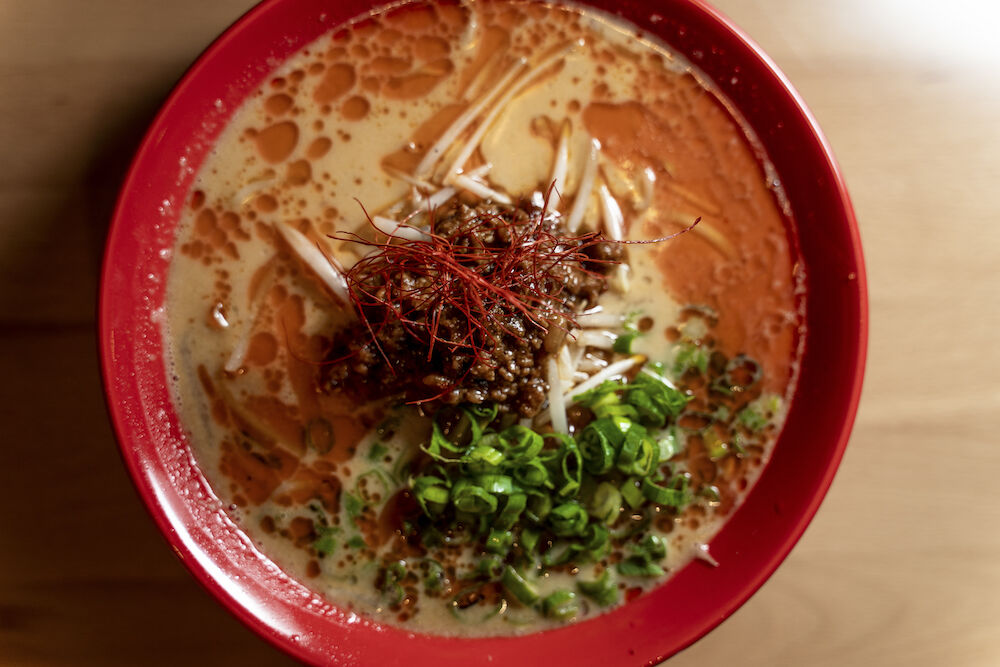
Best Ramen (Critic’s Pick): Menya Ultra
Critic’s Pick: Menya Ultra Ramen
Readers’ Pick: Tajima
Runner-up: Menya Ultra Ramen
Critic’s Pick: Pete’s Seafood & Sandwich
Readers’ Pick: The Miller’s Table
Runner-up: RoVino the Foodery
Critic’s Pick: Wrench & Rodent Seabasstropub
Readers’ Pick: Sushi Ota
Runner-up: Azuki Sushi
Critic’s Pick: Lola 55
Readers’ Pick: Tacos el Vaquero
Runner-up: Puesto
Critic’s Pick: Animae
Readers’ Pick: Animae
Runner-up: Zen Modern Asian Bistro
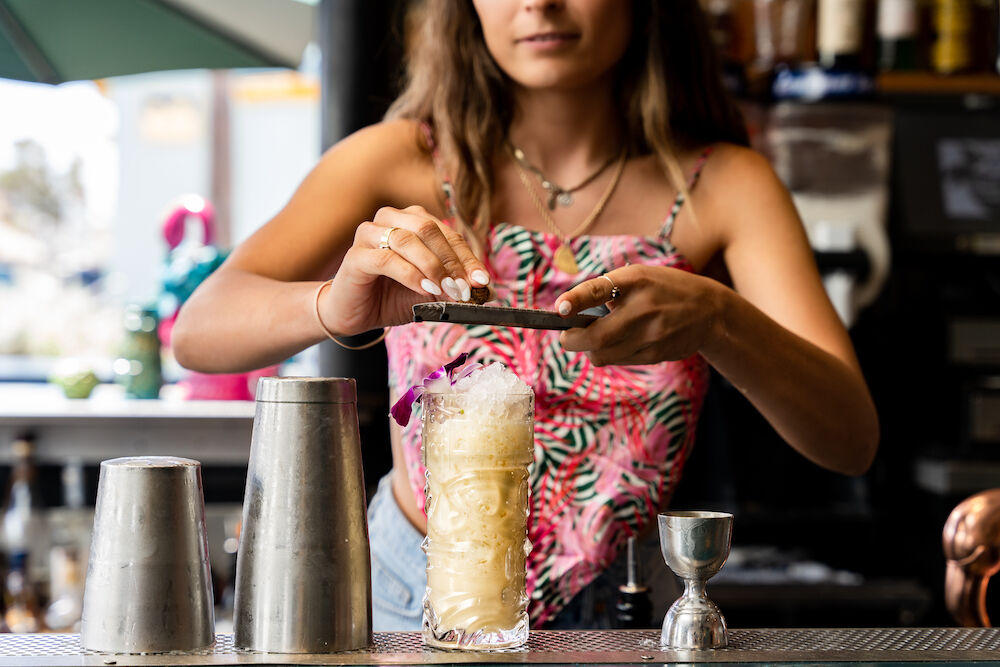
Best Caribbean (Reader’s Pick): Miss B’s Coconut Club
Critic’s Pick: Havana Grill
Readers’ Pick: Miss B’s Coconut Club
Runner-up: (TIE) Rock Steady Real Jamaican; Tropical Star Restaurant & Specialty Market
Critic’s Pick: Shan Xi Magic Kitchen
Readers’ Pick: Zen Modern Asian Bistro
Runner-up: Dumpling Inn & Shanghai Saloon
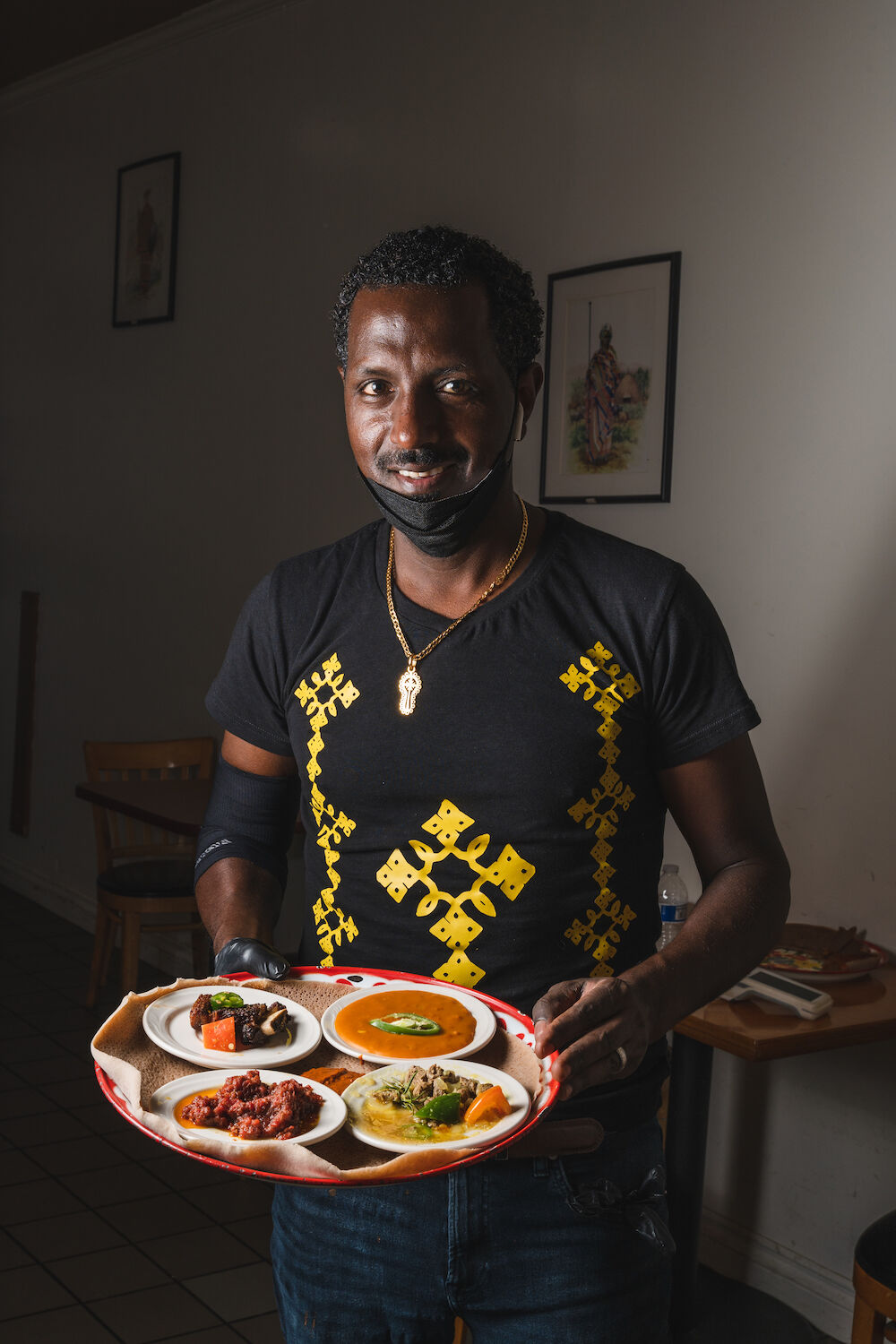
Best Ethiopian (Runner-up): Awash
Critic’s Pick: Gihon Ethiopian Kitchen
Readers’ Pick: Muzita Abyssinian Bistro
Runner-up: Awash
Critic’s Pick: White Rice
Readers’ Pick: Starfish Filipino Eatery
Runner-up: Tita’s Kitchenette
Critic’s Pick: The Marine Room
Readers’ Pick: Et Volià! French Bistro
Runner-up: The French Gourmet
Critic’s Pick: Mezé Greek Fusion
Readers’ Pick: Olympic Cafe
Runner-up: Cafe Athena
Critic’s Pick: Punjabi Tandoor
Readers’ Pick: Sundara
Runner-up: Punjabi Tandoor
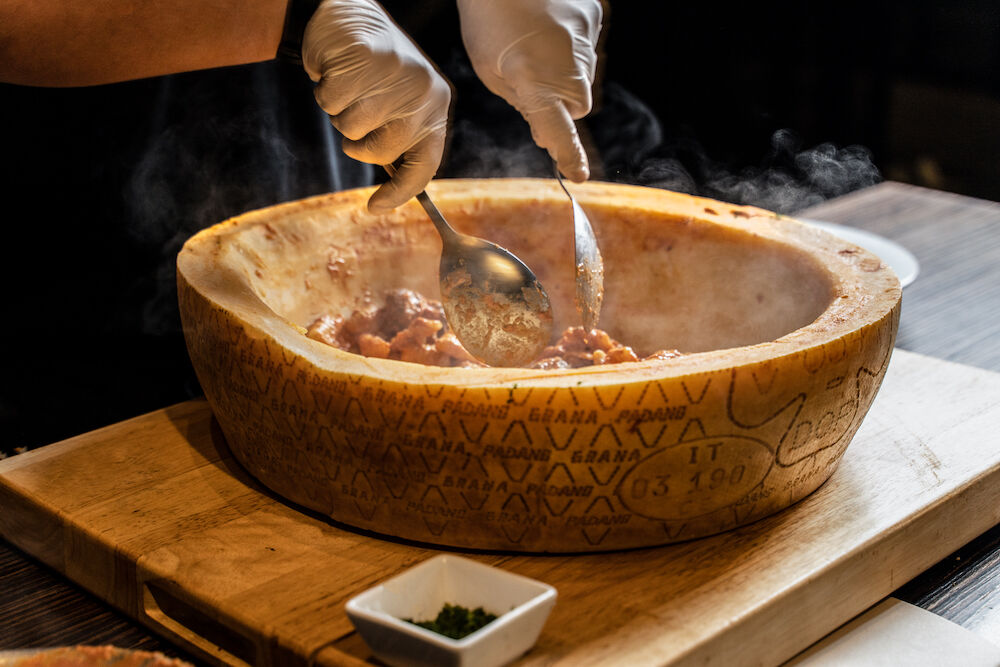
Best Italian (critic’s pick): Bencotto
Critic’s Pick: Bencotto
Readers’ Pick: Cori Pastificio Trattoria
Runner-up: Solare Ristorante
Critic’s Pick: Lumi
Readers’ Pick: Sushi Ota
Runner-up: Soichi Sushi
Critic’s Pick: Friend’s House
Readers’ Pick: Friend’s House
Runner-up: Chiko
Critic’s Pick: Herb & Wood
Readers’ Pick: The Kebab Shop
Runner-up: Callie
Critic’s Pick: Puesto
Readers’ Pick: Tacos el Vaquero
Runner-up: Puesto
Critic’s Pick: Tahini
Readers’ Pick: The Kebab Shop
Runner-up: Shawarma Guys
Critic’s Pick: Q’ero
Readers’ Pick: Q’ero
Runner-up: Coya Peruvian Secret
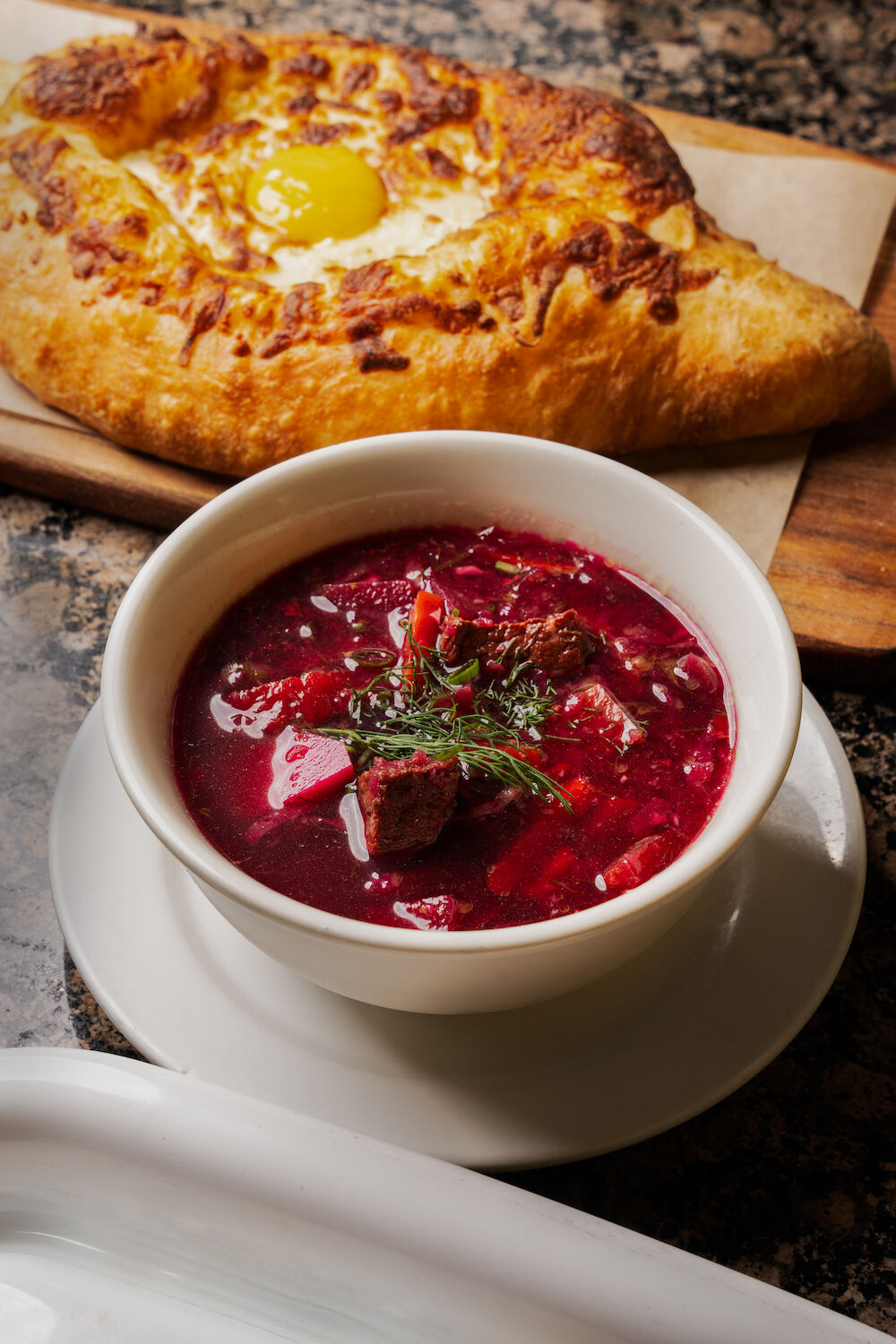
Best Russian (Critic’s and readers’ pick): Pomegranate
Critic’s Pick: Pomegranate
Readers’ Pick: Pomegranate
Runner-up: Pushkin
Best Southern (Critic’s and Reader’s Pick): Louisiana Purchase
Critic’s Pick: Louisiana Purchase
Readers’ Pick: Louisiana Purchase
Runner-up: Bud’s Louisiana Cafe
Critic’s Pick: Costa Brava
Readers’ Pick: Costa Brava
Runner-up: Cafe Sevilla

Best Thai food (Runner-up): Supannee House of Thai
Critic’s Pick: The Original Sab-E-Lee
Readers’ Pick: Bahn Thai
Runner-up: Supannee House of Thai
Critic’s Pick: Shank & Bone
Readers’ Pick: Shank & Bone
Runner-up: Phuong Trang
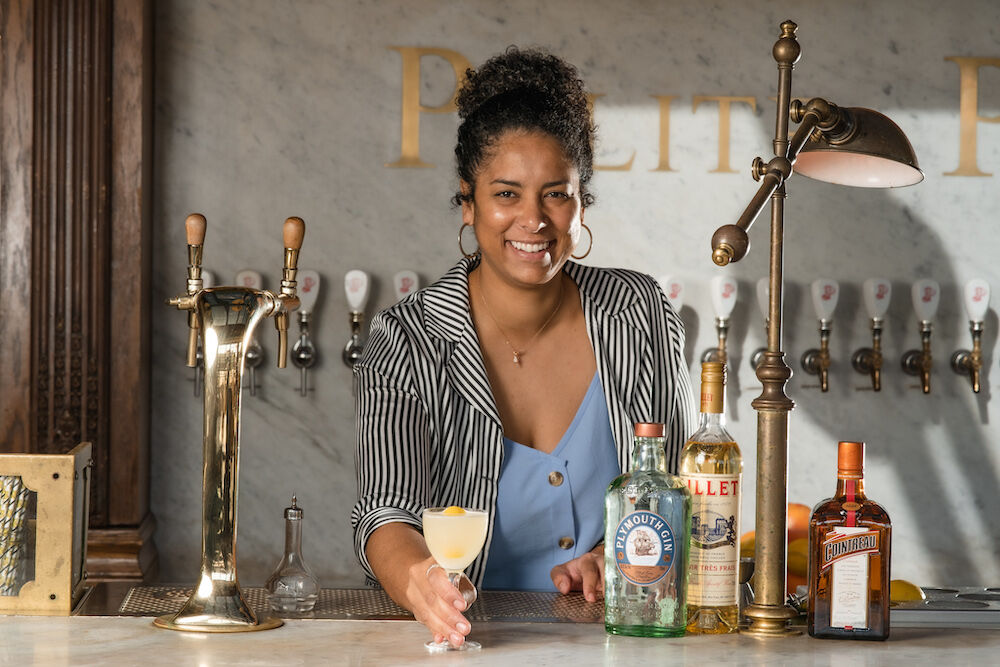
Best Cocktails (Runner-up): Polite Provisions
Critic’s Pick: Youngblood
Readers’ Pick: The French Gourmet
Runner-up: Polite Provisions
Critic’s Pick: Old Harbor Distilling
Readers’ Pick: You & Yours Distilling
Runner-up: (TIE) Pacific Coast Spirits; Cutwater Spirits
Critic’s Pick: Captain Keno’s
Readers’ Pick: Aero Club
Runner-up: Waterfront
Critic’s Pick: Societe Brewing
Readers’ Pick: Burgeon Beer
Runner-up: Fall Brewing
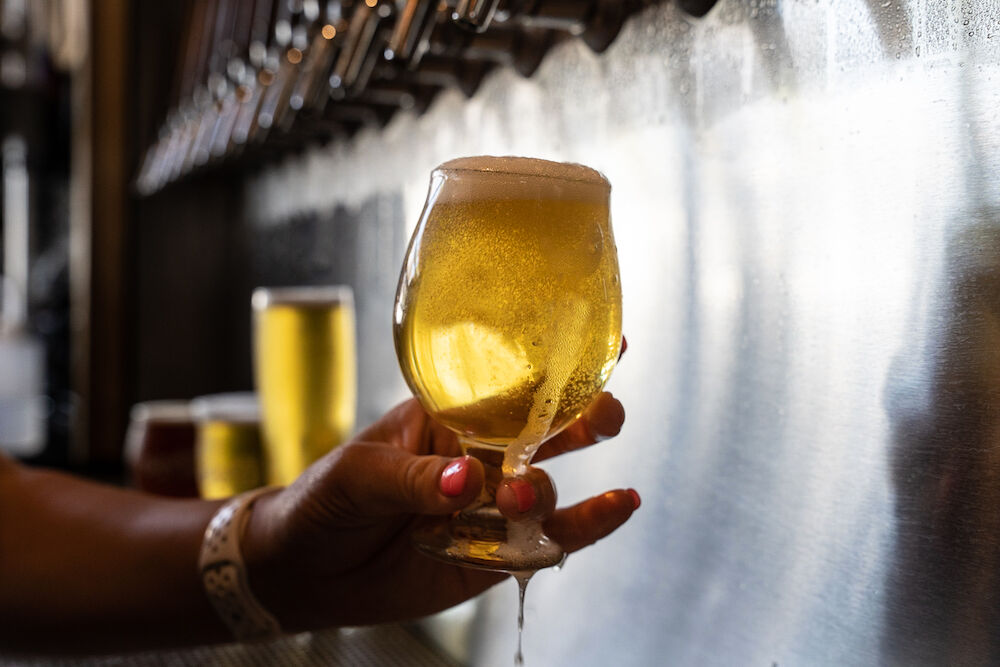
Best Brewpub (Runner-up): Original 40
Critic’s Pick: Gravity Heights
Readers’ Pick: Gravity Heights
Runner-up: Original 40
Critic’s Pick: Mcilhenney
Readers’ Pick: Puesto Mission Valley
Runner-up: Burgeon at The Arbor
Critic’s Pick: Gianni Buonomo Vintners
Readers’ Pick: Gianni Buonomo Vintners
Runner-up: Carruth Cellars
Critic’s Pick: Rose Wine Bar
Readers’ Pick: Gianni Buonomo Vintners
Runner-up: Coronado Tasting Room
Critic’s Pick: Addison
Readers’ Pick: Cori Pastificio Trattoria
Runner-up: Solare Ristorante
Critic’s Pick: Terra American Bistro
Readers’ Pick: Farmer’s Table
Runner-up: Breakfast Republic
Critic’s Pick: Galaxy Taco
Readers’ pick: Puesto
Runner-up: La Puerta
Critic’s Pick: Caffè Calabria
Readers’ Pick: Camp Coffee Company
Runner-up: Deja Brew Lounge
Critic’s Pick: R3Fresh
Readers’ Pick: (TIE) Choice Juicery; Pure Press
PARTNER CONTENT
Runner-up: Señor Mango’s
The team behind Harumama and Blue Ocean will open Little Kiki Katsu & More on June 15, serving premium cutlets, Japanese sandos, and curated sake pairings
Every culture has its own comfort foods—cozy dishes that nurture the soul as much as the body. In the US, dipping a grilled cheese sandwich in a bowl of tomato soup can feel as satiating as pulling a warm sweater out of the dryer. In China, a steaming bowl of congee is basically a miracle remedy for anything you can imagine. I’m pretty sure Italian carbonara could achieve world peace. And in Japan, katsu remains one of the most universally satisfying inventions of the past century.
Katsu was originally invented as a riff on côtelette de veau, the classic French veal cutlet coated with breadcrumbs and pan-fried in butter. In 1899, a Western-style restaurant called Rengatei in Tokyo decided to put their own spin on the dish by pounding the cutlets until thin, then coating them with softer panko and deep-frying versus pan frying (like tempura) for a crispier, lighter, crunchier bite. Today, pork—called tonkatsu in Japanese—tends to be the most common base for katsu.
The dish has yet to achieve the same mainstream status as say, chicken nuggets, in the US. But Little Kiki Katsu & More hopes to change that, when the katsu-focused restaurant opens in Carlsbad on June 15.
Created by the team behind Harumama and Blue Ocean, Little Kiki will focus on premium katsu dishes paired with sake and around a dozen small bites like miso soup, karaage, edamame, and Japanese pickles. Executive chef James Pyo, who co-owns all three restaurants with his wife Jenny, created a menu that features proteins like Berkshire Kurobuta pork, Jidori chicken, salmon, scallops, and dry-aged Pacific cod for the katsu and grilled stone selections. (Note: the grilled stone options will be offered for dinner only.)

The lunch menu includes Japanese-style sandos like a tonkatsu sandwich with pork, housemade bread, and tonkatsu sauce (available regular or spicy). Dessert options are simple to start—yuzu cheesecake, matcha crème brûlée, and mango/yuzu mochi ice cream. The Pyos curated a selection of premium sakes as well, specifically for pairing purposes, as well as offering some beer and cocktails.
Little Kiki, which is named for Jenny’s cat, seats 25-30 guests inside with room for only a few more on the small outdoor patio as well. Designer and assistant Yoojin Jang says the vibe is meant to be warm and welcoming but modern, using colors like olive green, cream, and pops of orange against Japanese-style wood slats.
Initially, Little Kiki will only be open for dinner service, but aims to introduce lunch hours for the grand opening on July 1. Due to the limited seating, Jang encourages guests to make reservations, and while the restaurant will offer takeout, it will not be available on food delivery apps like Uber Eats or DoorDash to motivate guests to come experience it for themselves.
“Come in curious and leave satisfied,” says Jang. And keep your eyes open for subtle cat motifs—she promises they are hidden all over the place. Whimsy, it seems, is also on the menu.
Little KiKi Katsu & More soft opens on June 15, 2026 at 2958 Madison Street, Suite 101 in Carlsbad. Hours are Monday, Wednesday, Thursday, and Sunday from 11:30 a.m. to 3 p.m. for lunch and 5 p.m. to 9:30 p.m. for dinner; Friday and Saturday from 11:30 a.m. to 3 p.m. for lunch and 5 p.m. to 10 p.m. for dinner; closed Tuesday.

Listen Now: The Latest in San Diego’s Food and Drink Scene
Have breaking news, exciting scoops, or great stories about new San Diego restaurants or the city’s food scene? Send your pitches to [email protected].
Beth Demmon is an award-winning writer and podcaster whose work regularly appears in national outlets and San Diego Magazine. Her first book, The Beer Lover's Guide to Cider, is now available. Find out more on bethdemmon.com.
Discover eateries, outings, and shops within this inland North County community
Just south of Lake Hodges near 4S Ranch and Poway, Rancho Bernardo is a suburban community that blends residential neighborhoods with industrial pockets, elevated by a decidedly diverse food scene.
Over 60 years ago, this North County neighborhood was once part of a family ranch. Since that time, big tech companies have taken up residence here, including Amazon, Sony Electronics, Oura Ring, HP, Teradata, and ASML. Rancho Bernardo Inn serves as a community hub, with locals frequently meeting at the hotel’s restaurants, golf course, and spa.
Whether it’s work or a round of golf that brings you to Rancho Bernardo, we’ve taken care of the agenda planning with our guide to the area’s best restaurants, activities, and shops.

Sample ingredients plucked straight from Rancho Bernardo Inn’s onsite garden and served at their signature restaurant Avant. One of the neighborhood’s most upscale dining options, they serve a French-inspired menu with nods to California, including many seafood options. Don’t miss their more casual sister restaurant Veranda for al fresco dining.
17550 Bernardo Oaks Drive
Wood-fired pizzas and handmade pastas are standouts at The Kitchen, Bernardo Winery’s counter-service restaurant specializing in Sicilian flavors. Charcuterie boards and bruschetta make for great starters or snacks while wine tasting.
13330 Paseo Del Verano Norte
Fast-casual and family-owned eatery Bushfire Kitchen recently opened a location in Rancho Bernardo, serving sandwiches, bowls, salads, burgers, protein plates, and housemade empanadas. Bushfire prepares comfort food with healthy ingredients, and offers plenty of vegetarian and vegan options.
11962 Bernardo Plaza Drive, Suite 110
Some might call The Cork & Craft an overachiever. This gastropub has an in-house craft brewery and winery: Abnormal Beer and Wine. The more, the merrier. Their sushi menu is definitely worth exploring, but don’t miss other specialties like garlic noodles, chicken wings, and pork belly.
16990 Via Tazon

You don’t have to leave Rancho Bernardo to get a white tablecloth steakhouse experience. Carvers Steaks & Chops has prime rib (their best seller), filet, ribeye, porterhouse, New York strip, and other cuts, served alongside crab-stuffed mushrooms, wedge salad, French onion soup, potato skins, and other steakhouse specialties.
1940 Bernardo Plaza Drive
This no-frills Burmese restaurant is known for its traditional tea leaf salad that’s topped with sesame and sunflower seeds, garlic chips, peanuts, tomatoes, jalapeños, fried yellow beans, and fermented green tea leaf dressing. Tucked into a nondescript strip mall, Burma Place is a great takeout option when you want to eat garlic noodles, fried rice, chicken curry, and samosas from the comfort of your couch.
16719 Bernardo Center Drive, Suite A
Find authentic Vietnamese cuisine at Phở Ca Dao, including favorites like phở noodle soup, vermicelli noodles, broken rice dishes, and spring rolls. One of eight locations throughout San Diego, this family-owned chain uses robot servers for food delivery.
11808 Rancho Bernardo Road, Suite 100
It’s all about the sauce at fast-casual Mediterranean restaurant The Kebab Shop. Smothering your chicken shawarma, gyro, or falafels in garlic yogurt, cilantro jalapeno, fire chili, and dill yogurt sauce is practically a rite of passage. The hardest part is deciding whether to order a wrap, bowl, or salad.
11980 Bernardo Plaza Drive
Get a taste of South Asian flavors at Casa Lahori, a Pakistani restaurant noted for its grilled meat kabobs. Other best-selling dishes include beef nihari, chicken biryani, and shahi paneer— best enjoyed with naan bread.
11975 Bernardo Plaza Drive
Grill your own meat on the tabletop at Kangnam Korean BBQ, an interactive, all-you-can-eat experience that’s well-suited for large groups. Marinated beef bulgogi, grilled galbi short ribs, and spicy pork are served alongside traditional banchan dishes like kimchi, japchae glass noodles, and flavorful stews. Weekday lunch specials provide a nice discount on these filling meals.
11828 Rancho Bernardo Road, Suite 117–119

Dig in to your favorite curries and kebabs at Curry & More Indian Bistro. Most entrees are served with a choice of two side dishes, including basmati rice, potatoes with cumin, daal, naan, or mixed greens. Help offset the spice with one of their sweet mango or strawberry lassi drinks.
11808 Rancho Bernardo Road, Suite 123
Kai Oliver-Kurtin is a San Diego-based writer who covers travel, dining, events, and culture. Her writing has been published in USA Today, Condé Nast Traveler, Fodor's Travel, Marie Claire, and HuffPost, among others.
Telefèric Barcelona will open its first San Diego location early this summer
Westfield UTC mall is adding yet another “first” to the ever-growing roster of restaurants. The first US location for China’s stir-fry sensation Chef Fei is on the way later this year, Japan already reinvented crispy rice pioneer Katsuya by opening the first Katsuya Ko, and now, it’s Spain’s turn—Telefèric Barcelona opens early this summer.
The family-owned, Barcelona-based tapas joint first opened in the US 10 years ago in Walnut Creek, California, but co-founder and CEO Xavi Padrosa says they’ve had their eye on San Diego for years. Westfield UTC “just clicked,” he says, pointing to the burgeoning collection of world-class eateries already within the mall’s walls. Plus, La Jolla’s breezy vibe echoes Spain’s easygoing tapas culture.
The indoor/outdoor space spans 5,526-square-feet, with seating for 150 inside, 60 on the patio, and 16 more at the bar. Xavi’s sister and co-owner Maria Padrosa designed the Mediterranean-inspired space as a contemporary take on coastal Catalonia, using imported furniture and materials from Spain like hand-glazed tiles and wood accents. And if all the dining spaces are planets, the center of the suite’s universe is the bar.

Padrosa points to signature favorites like patatas bravas (fried potatoes drizzled with a spicy red sauce and house aioli), jamón ibérico de bellota (Spanish ham from free-range pigs raised on acorns, cured for 38 months and sliced to order), gambas al ajillo (garlic shrimp), pulpo Telefèric (octopus with potato purée and pimentón XO, a spicy Spanish/Cantonese fusion sauce), and croquetas (a popular fried tapas dish coated in breadcrumbs and made with béchamel mixed with fillings like jamón or king crab.
There are a very small handful of legit paella spots in San Diego (Costa Brava in Pacific Beach and Cafe Sevilla in Gaslamp Quarter come to mind), so I’m personally looking forward to giving Telefèric’s a go—especially the squid ink paella negra, which is perhaps the most goth paella of all. Every location also offers different weekend specials, La Jolla’s being seafood-driven and meant to pair with beverage director Alex Serena’s drinks. There are over a hundred Spanish wines, Spanish-inspired cocktails, sangria, and of course, plenty of twists on the iconic gin and tonic. The restaurant will also have a gourmet market called The Merkat with imported Spanish sundries.

With more US locations in the works (Newport Beach will open soon after La Jolla), Padrosa says the company hopes to open more across California, but are open to anywhere in the country that feels right. “We don’t know exactly what new cities will appear on our map in the coming years,” he says. But in true Catalan fashion, anywhere they go should be ready for big plates of hearty Spanish cuisine.
Telefèric Barcelona La Jolla opens early summer 2026 in Westfield UTC. Opening hours will be Monday through Thursday, 11:30 a.m. to 10 p.m.; Friday and Saturday, 11:30 a.m. to 11 p.m.; and Sunday, 11 a.m. to 10 p.m.

Most of the time, you have to be 18 years old to change your name. In Arcana’s case, it was about a month. The immersive speakeasy behind Archive in Encinitas updated their moniker to Animga (a play on “enigma”) earlier this month, after what one can only assume was an upset letter from a similarly-named business. However, partner Paula Vrakas promises that the concept remains the same—mystery, cocktails, and a forthcoming bottle locker membership club. Since the only constant is change, Anigma is off to a good start!

Listen Now: The Latest in San Diego’s Food and Drink Scene
Have breaking news, exciting scoops, or great stories about new San Diego restaurants or the city’s food scene? Send your pitches to [email protected].
Beth Demmon is an award-winning writer and podcaster whose work regularly appears in national outlets and San Diego Magazine. Her first book, The Beer Lover's Guide to Cider, is now available. Find out more on bethdemmon.com.
Stake Chophouse & Bar brings contemporary classics and old-school service to the heart of Coronado
Stake Chophouse & Bar isn’t your average steakhouse. Blue Bridge Hospitality’s Coronado outpost is a modern interpretation of a big-city steakhouse nestled in the heart of the small coastal community. The team at Stake has reimagined the whole steakhouse experience. By prioritizing a seasonal farm-to-table sourcing philosophy, a personalized guest experience, and unique service touches, like a formal steak presentation and a bespoke knife selection process, Stake distinguishes itself in a sea of steakhouses.
Exceptional steaks, including Wagyu from Japan, Australia, and the U.S., and fresh seafood flown in daily form the core of Stake’s culinary identity. The menu features a five-course omakase-style steak experience highlighting house favorites, plus an array of cuts, and classic steakhouse staples—think a wedge salad, baked potato, or pasta carbonara—refined for a contemporary palate without losing their traditional appeal. Stake focuses on seasonal sourcing from the region’s best family farms and specialty purveyors, and incorporates intentionally unexpected touches to create something truly unique.
“I challenge our chefs and myself to take it a step further in sourcing,” says Chef Ronnie Schwandt. “It’s important to us to highlight different farms, unique one-off farms—whether it’s cattle, strawberries, a local fisherman or from anywhere in the United States, we’re always trying to find that niche.”
Beyond the menu, Stake emphasizes outstanding service, says Vinny Spatafore, Director of Hospitality Operations. Staff maintains detailed notes, allowing them to remember guests by name, recall previous orders such as a favorite martini (also memorable for the customer since it’s served in an extra tall, distinctly-shaped glass), and celebrate special occasions like birthdays and anniversaries.
“When you have those points of topic that you remember about a guest, they appreciate that,” he says. “Our servers are really good with that—we have a couple servers who have been here since the beginning and they’ll remember somebody from years ago, their name, their kids’ names, where they live. I’m really thankful to have a great front of house staff.”
Award-winning wines, rare whiskeys, special events, and a complementary black car service that provides transportation for guests throughout Coronado add to Stake’s appeal.
Schwandt stresses that Stake offers more than a meal; they aim to give patrons something unforgettable.
“It starts when you walk up the stairs and are greeted by the hostess—that sets the tone for the night. Then you’re greeted by a server, who may know you by name, and can guide you through the menu and curate as they get to know you,” says Schwandt. “Most people leave kind of blown away; they leave feeling like they just had an experience. That’s the goal, right? Whether you’re serving smash burgers or high-end steak, you want somebody to leave thinking, Wow, that was awesome.”
From San Diego’s coastline to Los Angeles stadium and fan zones across the region, here’s how to experience soccer’s biggest event
When three nations and 16 cities come together to host the FIFA World Cup 2026, the scale stops feeling like a tournament and starts feeling like geography. A continent becomes the stage as borders soften into corridors. And Southern California—shaped by migration, sport, entertainment, and constant movement—sits inside that landscape with all eyes on it.
San Diego and Los Angeles have always felt connected. Hop on the Pacific Surfliner, and the trip unfolds in one continuous stretch of coastline, passing beach towns, neighborhoods, and city centers.
Traveling from San Diego, everything still feels slightly suspended as the Pacific Surfliner follows the coast north with ocean on one side and a slow suburban blur on the other. San Diego stays in exhale. Los Angeles is already building toward something louder.
This summer, Los Angeles will host eight matches of the FIFA World Cup at Los Angeles Stadium, including the US Men’s National Team opener on June 11, while the region stretches into 39 days of programming across stadiums, parks, transit hubs, beaches, and neighborhoods. Instead of one massive fan hub, Los Angeles is embracing a citywide celebration, with fan zones spread across its entirety.
But this pattern has been rehearsed here for decades. In 1994, Southern California became one of the defining stages of the World Cup, when matches at the Rose Bowl placed global attention on the region and turned local stadiums into international landmarks, confirming its ability to hold the world at scale.
What distinguishes Southern California is not just infrastructure, but cultural permeability. Fashion, music, film, art, and sport constantly overlap here, creating an environment where identity is flexible and always in motion. From the Venice boardwalk, where skate culture shaped modern street style, to global soccer stars rubbing shoulders with Hollywood celebs, to authentic Spanish cuisine moving up and down the I-5 corridor, everything circulates.
The World Cup is not introducing anything new here, it’s showing up for the summer and showing out, revealing what this city has always known about itself. What follows is a look at the fan zones and how Los Angeles turns itself into a city-wide stage for the tournament, one neighborhood at a time.

As the heart of Los Angeles, Union Station is an official Fan Zone June 25-28 during the World Cup, but in practice it never really stops being one.
It is the city’s circulation point, its meeting ground, its pressure valve. Commuters, travelers, match-day crowds, and everyday Angelenos all move through the same space, and everything mixes, overlaps, and scales in real time. In a way, this is where the World Cup stops arriving in Los Angeles and starts moving through it.
The Pacific Surfliner from San Diego to Los Angeles makes that shift feel almost too easy. No stress or gridlock anxiety, just a straight line up the coastline with ocean on one side and everything slowly becoming more built on the other. It’s one of the rare ways into LA that doesn’t feel like arrival as friction. You can sit with a laptop, watch the Pacific drift past, grab coffee from the café car, and let the city come to you in pieces.
That’s the beauty of arriving at Union Station. Instead of feeling like you’re on the edge of the city, you’re immediately surrounded by it. And, inside, the station already reads like a World Cup nerve center: banners, movement, multilingual energy, the sense that something global is about to funnel through this exact point. The Heart of the City Fan Zone only sharpens that feeling, with simultaneous match screens, DJ sets, meet and greets, and immersive activations built around marquee games like USA vs. Türkiye.
From there, the city splits outward.
ROW DTLA feels like the first exhale after arrival. A converted industrial campus turned creative district where restaurants, retail, and open-air courtyards form a self-contained ecosystem. If you’re looking for the perfect first meal in LA, make it lunch at Pizzeria Bianco. The thin-crust pizza is reason enough to go, but the space leaves just as much of an impression.
What I liked most about ROW DTLA is how quickly it resets you after the train. One minute you are stepping off at Union Station, and the next you are in a space that feels like its own version of LA, a city inside a city with some of the most curated shopping I’ve ever seen.
Bodega hides itself behind a convenience-store front, a sneaker and streetwear space disguised as something ordinary, like LA refusing to make anything feel too obvious. The whole campus moves like that, part retail, part gallery, part neighborhood you are only temporarily inside.
Isabella Dallas is a freelance writer for San Diego Magazine and the Arts and Culture Editor at The Daily Aztec in her final year at San Diego State University. She previously worked as an editorial intern for SDM, but when she’s not writing, you can find her trying the best coffee spots in SD, devouring the latest rom-coms, and indulging in anything and everything pop culture.
Talking farm to table, fraud-to-table, and the feasibility of the movement with the beloved restaurateur who saw it all
Garden Kitchen was special. During its seven-year run on a quiet street in Rolando, even the farmiest-to-table devotees were pointing to chef-owner Coral Strong and slow-clapping. When the restaurant’s lease was up without the option to renew, which forced her to close in 2022, Strong wasn’t sure what to do next.
Farm-to-table wasn’t new by any means—chef Alice Waters spawned the movement at her pioneering restaurant Chez Panisse in Berkeley in the early ‘70s, and many San Diego chefs did it right. But by the mid-2000s, the idea had been so co-opted by the mainstream that the meaning was almost completely lost.
“In the beginning, I used to get very honestly angry and upset when I would go to other restaurants that were claiming they were farm-to-table, but knowing some of the chefs or prep cooks inside [telling me] ‘Oh no, that comes from Restaurant Depot,’” she says.
Food critic Troy Johnson’s cover story in 2015 documented the fraud, titled “Farm to Fable.” At Garden Kitchen, Strong only used produce and meat sourced from local San Diego farms—an honorable, if not arduous endeavor.
Strong grew up in Cardiff before her parents moved the family to Costa Rica in 1989. They’d bounce between the two countries for months at a time, but when they lived in a motel by the beach while building their own house, she witnessed an incredibly tight-knit food culture. “As a Latin American country, everyone kind of cooks together,” she says. Everyone chopped, prepped, prepared, and served as a unit. “[That] definitely shaped my adolescence as to how I thought about food and the community of food.”

When her father, a commercial fisherman, brought the family back to San Diego, Strong leaned into an entrepreneurial streak, moving from coffee to accounting and eventually bartending to pay the bills. But food remained a passion, especially after she met her future husband, who introduced her to his Be Wise CSA and the wonderful world of truly fresh, farm-grown vegetables.
“We were just always disappointed with the vegetables out at restaurants and were like, ‘Why can’t they just make vegetables taste good?” she wondered. She realized that despite having more small farms than any other county in the country, most restaurants in San Diego simply weren’t using local ingredients.
So she decided to do it herself.
Strong opened Garden Kitchen without any formal culinary training—just a commitment to getting the freshest vegetables, meat, fruits, and other produce onto people’s plates. Her first chef quit within a month, telling her it was impossible. “So I got in the kitchen one day and said, ‘I can do this, let’s figure it out.’ I taught myself how to cook.”
She already had connections with farmers, fishermen, and ranchers, and designed a different menu almost daily based on what she could get. “My farmers sometimes delivered in the middle of dinner service,” she laughs.
Garden Kitchen lasted until after the pandemic, but before the current economy cut into already razor-thin margins. Could Garden Kitchen exist today? She’s not sure.
“The biggest thing right now is just looking at the finances and how expensive it is,” says Strong. “Obviously, the cost of food is up right now, gas is crazy right now… it just crushes you.” Despite that, she believes that committing to the true farm-to-table ethos is as easy as one decides to make it.
“If you think it’s hard to order directly from your farmer, if you don’t understand the absolute pleasure in doing that and you’d rather order from a computer, then that’s your own difficulty,” she says. “People say they’re into it, but are they willing to make the effort like I am, to drive an hour to go get my meat, or drive 35 minutes to go to my farm to go pick it up? I don’t know.”
Today, Strong works as a private chef, hosts pop-ups, and offers catering services, all still using seasonally available ingredients from San Diego. And while she has no intentions of opening another restaurant, she says we might see even more of her in the future.
“I have a large property [in Valley Center], and let’s say that there will be more of my food to come,” she promises.

Listen Now: The Latest in San Diego’s Food and Drink Scene
Have breaking news, exciting scoops, or great stories about new San Diego restaurants or the city’s food scene? Send your pitches to [email protected].
Beth Demmon is an award-winning writer and podcaster whose work regularly appears in national outlets and San Diego Magazine. Her first book, The Beer Lover's Guide to Cider, is now available. Find out more on bethdemmon.com.
Scripps study shows that some patients may be able to taper their dose and maintain results
While glucagon-like peptide-1 (GLP-1) receptor agents have been used to treat Type 2 diabetes for more than 20 years, their recent emergence as weight-loss wonder drugs marked a new frontier in medicine. But their effectiveness has left some patients wondering what to do once they’ve reached their goal. Stopping the medication could mean regaining some, if not all, of the weight. A Scripps Clinic internal medicine physician recently conducted a small study of whether GLP-1 patients who had reached their goal weight could maintain that weight by taking their regularly prescribed injection every other week instead of weekly. Spoiler alert: 30 of 34 patients did. Read more about the study here and what that may mean as pharmaceutical companies roll out oral GLP-1s.
For more nutrition, wellness, and healthy living tips, sign up for the San Diego Health newsletter here.