Two San Diego Wine Pros Are Betting Big on Tinned Fish
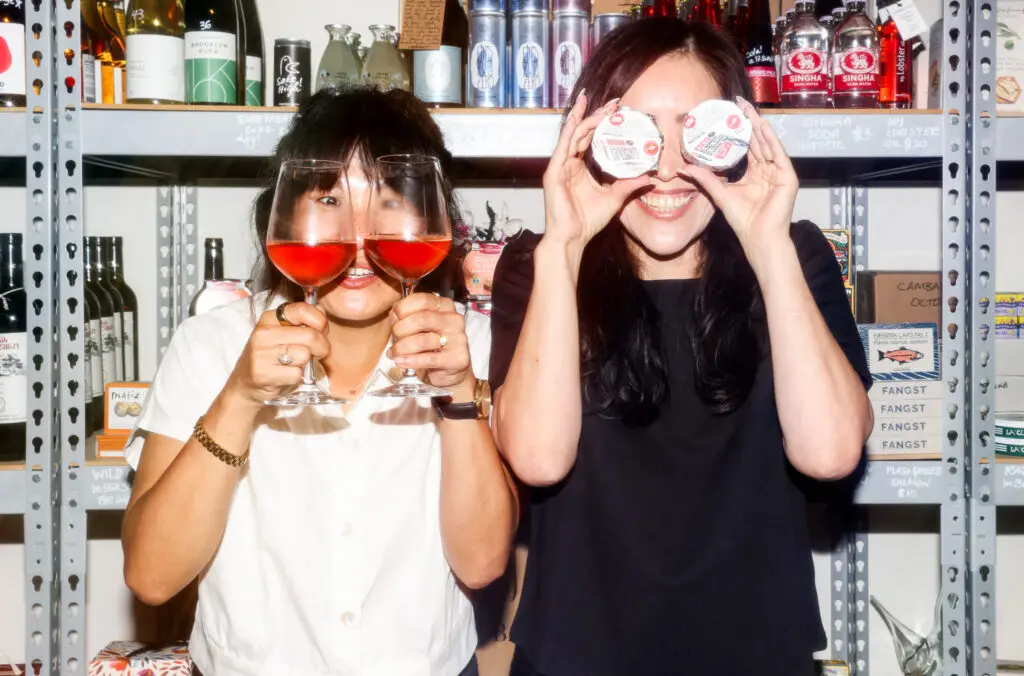
With Sosal Line, Heidi Greenwood and Juerie Masters are importing traceable seafood from small producers and building a global pantry business along the way
No matter your job, it’s helpful to find some sort of joy in it to avoid going completely insane. Some people savor the variety of personalities when dealing with customers. Others find comfort in the predictability of closing a bar after last call, counting tips and wiping counters. Perhaps achieving Inbox Zero really gets your blood pumping, or shipping a new product design sparks joy.
For Heidi Greenwood and Juerie Masters, work doesn’t get better than logistics and operations.
“[We] both love all the unsexy parts of supply chain and backend management,” laughs Greenwood. Tracking outbound orders? Ensuring compliance? Managing inbound freight? Stop me if this is getting too hot for you!
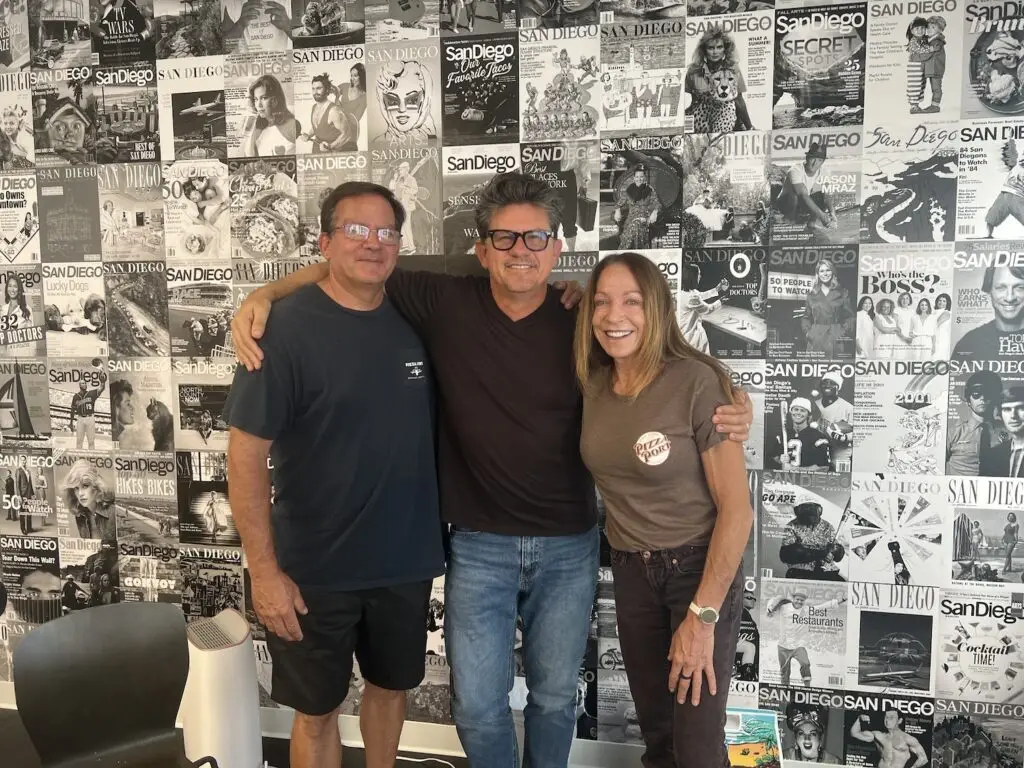
Not enough people think about the unsexy reality of running a business before launch, but effectively and consistently keeping an eye on operations separates successful companies from out-of-business ones. Both Masters and Greenwood already own their own businesses—Greenwood is behind the wine zine Campestre Mag and runs the online wine shop Esquina, and Masters co-owns Clos Wine Shop and Fintastic Provisions in University Heights with her husband Paul. Apparently, these gigs weren’t enough to satisfy their collective yearning for spreadsheets and inventory maintenance.
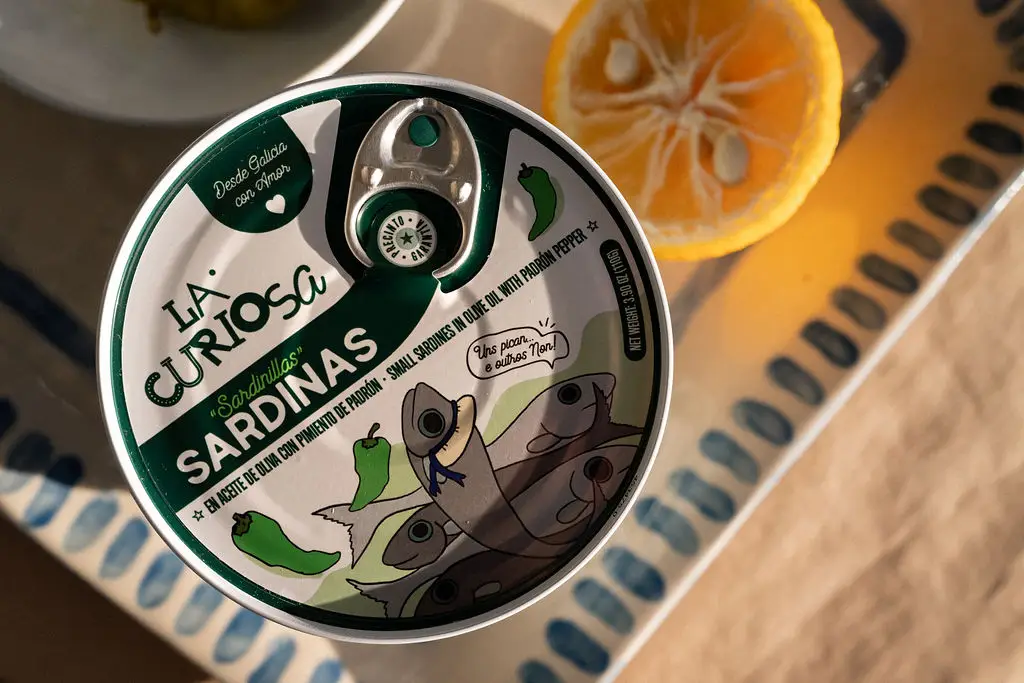
So, they decided to start another business together—Sosal Line, a San Diego-based import and distribution company specializing in global pantry items. The pair launched Sosal Line at the beginning of 2025 and currently only sell three brands of tinned fish, but Greenwood says they plan to expand their offerings as they discover other small or family-run businesses that share their values.
“We want to work with brands and with products that really have a sense of place and actually tell a story—not just the product, but the people behind it too,” she says.
Masters and Greenwood are both Korean-American and named this burgeoning business after Haenyeo, the legendary free-diving women of Jeju Island in South Korea. Traditional Haenyeo equipment and garb include oribal (swim fins), yeoncheol (lead belts to help them sink), and the company’s namesake sosal, a hand-held fishing spear (sometimes called jaksal).
The average person, if sitting completely still, can stay underwater for up to a minute and a half at most. Haenyeo can hold their breath for up to three minutes while actively foraging, harvesting, and swimming. Scientists say these diving women spend more time underwater than any other group of humans on earth. Not badass enough for you? The average age of Haenyeo is around 70.
Courtesy of Sosal Line | Photo Credit: Luke Schmuecker
“Fishing is a strong heritage for Koreans, and it’s the same here in San Diego with the Portuguese settlers,” Greenwood explains. (We aren’t the tuna capital of the US for no reason.)
Sosal Line carries 100 percent traceable, wild caught fish from Galicia in Northern Spain and the Pacific Northwest, all family-owned companies who don’t compromise on sustainable practices. Tinned fish has never been more popular—or more debated—but there’s more to it than cute labels designed for maximum Instagram reach. “I want to know who I’m purchasing from,” says Greenwood. One of their suppliers, Craft Fish Co., which is based in San Diego but fishes in the PNW, is run by JJ and Jessica Gerritsen. JJ catches, Jessica packages, and it’s a business relationship on a first-name basis. “You can’t find that when you’re working with some nameless brand.”
San Diegans can find Sosal Line products at local retailers like Clos/Fintastic (obviously), allmine in Oceanside, Always Hungry Grocery & Goods in Carlsbad, J. Brix Wines in San Marcos, Collins & Coupe/Tablespoon in North Park, and Green Acre in La Jolla. They’re also available in select retailers in Northern California, Oregon, Arizona, and strangely enough, South Carolina. Expanding its client base is, of course, a goal. But not at the expense of quality or joy of discovery.
“I would love to see people try food from different cultures and be excited about it,” says Greenwood. “Maybe make them want to travel to experience different areas of the world.”
San Diego natives Emma and Julian Avalos have worked as a team for years, first as high school sweethearts (now spouses!) and most recently as small business partners alongside Julian’s father. Their coffee trailer, Manna Coffee Co., started rolling around earlier this summer, bringing specialty lattes like cookies & cream and banana bread to special events around the county. Julian says they initially launched Manna as a mobile trailer rather than brick-and-mortar when they realized the financial constraints of a stationary location (a reality lots of small business owners have realized over the past few years). This way, they can sling matcha and coffee at weddings, baby showers, and other community events rather than wait for people to come to them. For the local duo, it’s an entrepreneurial adventure and dream come true. “What girl doesn’t want to own her own coffee shop?” Emma laughs. I can’t argue with that!
San Diego just got another addition to its international cuisine options. House of Mandi, a family-owned Yemeni restaurant that originally started in Anaheim, just opened its second location at 332 J Street, Suite 102 in Gaslamp District. “We wanted to bring something different to the area—not only Yemeni food, but the full experience of Yemeni hospitality, traditional flavors, family-style dining, and our culture,” says owner Sarem Mohammad. The menu features many of the best-known dishes from Yemen, like lamb mandi (slow-cooked meat over basmati rice), chicken mandi, lamb haneeth, fahsa (traditional Yemeni meat stew), grilled meats, fish, and more. I can’t say I’ve ever tried Yemeni food, but I’m glad that I get the chance to now.
After the seemingly unavoidable delays of opening a restaurant, Mi Pan Bakery’s open date in Grantville is finally approaching. The Mexican-inspired, European-influenced bakery has earned a cult following since launching at farmers markets in 2022 and will finally open its first brick-and-mortar location by the end of September (hopefully). Fingers crossed no more delays stand between us and fresh medialunas (soft, crescent-shaped pastries brushed with a light glaze).
Listen Now: The Latest in San Diego’s Food and Drink Scene
Have breaking news, exciting scoops, or great stories about new San Diego restaurants or the city’s food scene? Send your pitches to [email protected].
Beth Demmon is an award-winning writer and podcaster whose work regularly appears in national outlets and San Diego Magazine. Her first book, The Beer Lover's Guide to Cider, is now available. Find out more on bethdemmon.com.