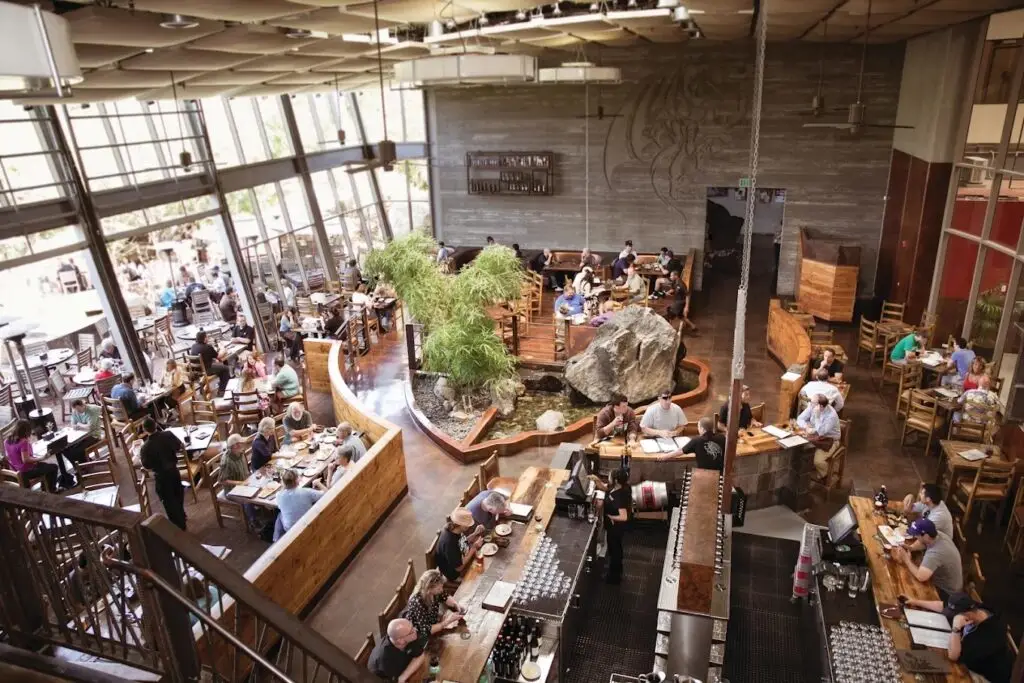
The office now feels different to pre-pandemic days.
With more people splitting their work hours between home, the office and other locations, many workplaces are seeing peaks and troughs in employee numbers throughout the week, with different teams crossing paths less frequently than before.
It’s now up to companies to find new ways to re-energize the office to make the commute feel worthwhile and support employees who may be battling feelings of isolation and disconnection.
JLL’s Regenerative Workplace research found that 36 percent of employees feel they lack energy while working, while a quarter feel too exhausted by work and family life to take care of their health and wellbeing. A third even say their company is no longer a good place to work.
Yet good energy levels are intrinsic to employee engagement and motivation, driving creativity and innovation.
Image_2.jpg
Energy to engage
Although remote work has helped many employees achieve a better work-life balance, video meeting fatigue and longer workdays have also taken their toll.
A McKinsey survey of attitudes to post-pandemic work found that many employees now fear their work-life balance will suffer. Mental health is now a top priority and employee expectations that companies will support their well-being are growing.
Companies like JLL are taking note; taking measures to promote employee well-being, including flexible work schedules, and providing more support for mental health issues such as stress, anxiety, and depression, which often are hidden.
Elsewhere, other HR-driven initiatives are helping people to build new connections with colleagues. A renewed focus on mentorship programs and teambuilding activities can develop valuable workplace relationships that many employees felt were negatively impacted by remote work, while specialized onboarding for people who were hired during the pandemic is helping them feel part of the team.
Image_3.jpg
Designed to energize
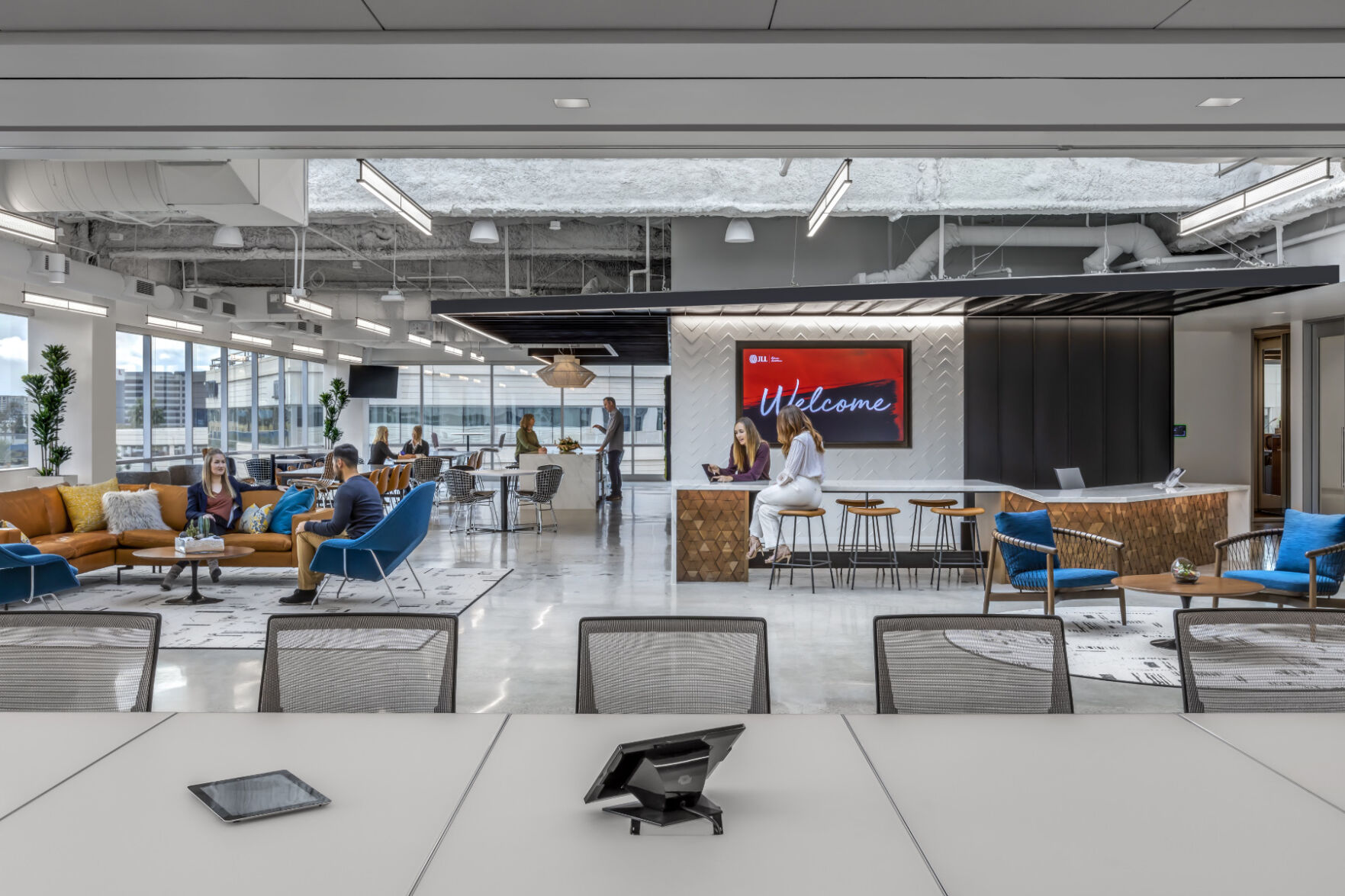
The workplace itself has an important role in encouraging community and boosting energy levels. Workplace design that emphasizes collaborative space over individual workstations can nurture communal energy when fewer employees are in.
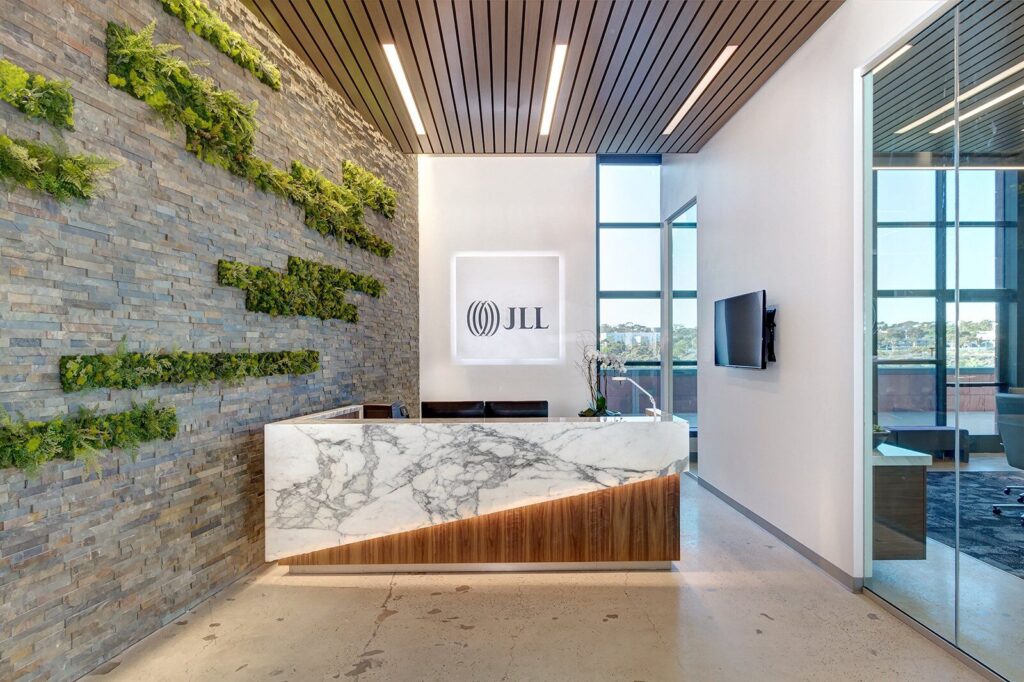
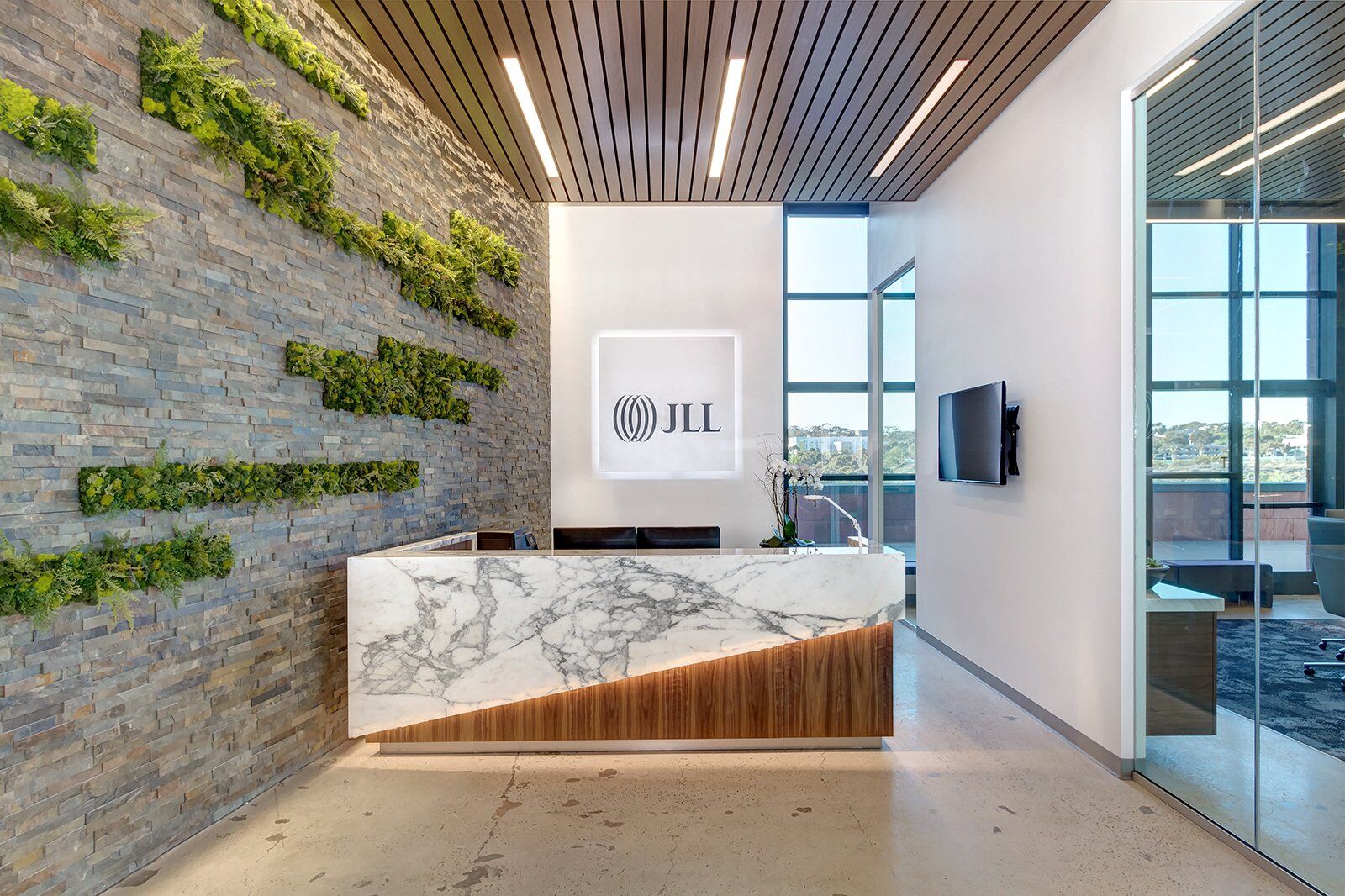
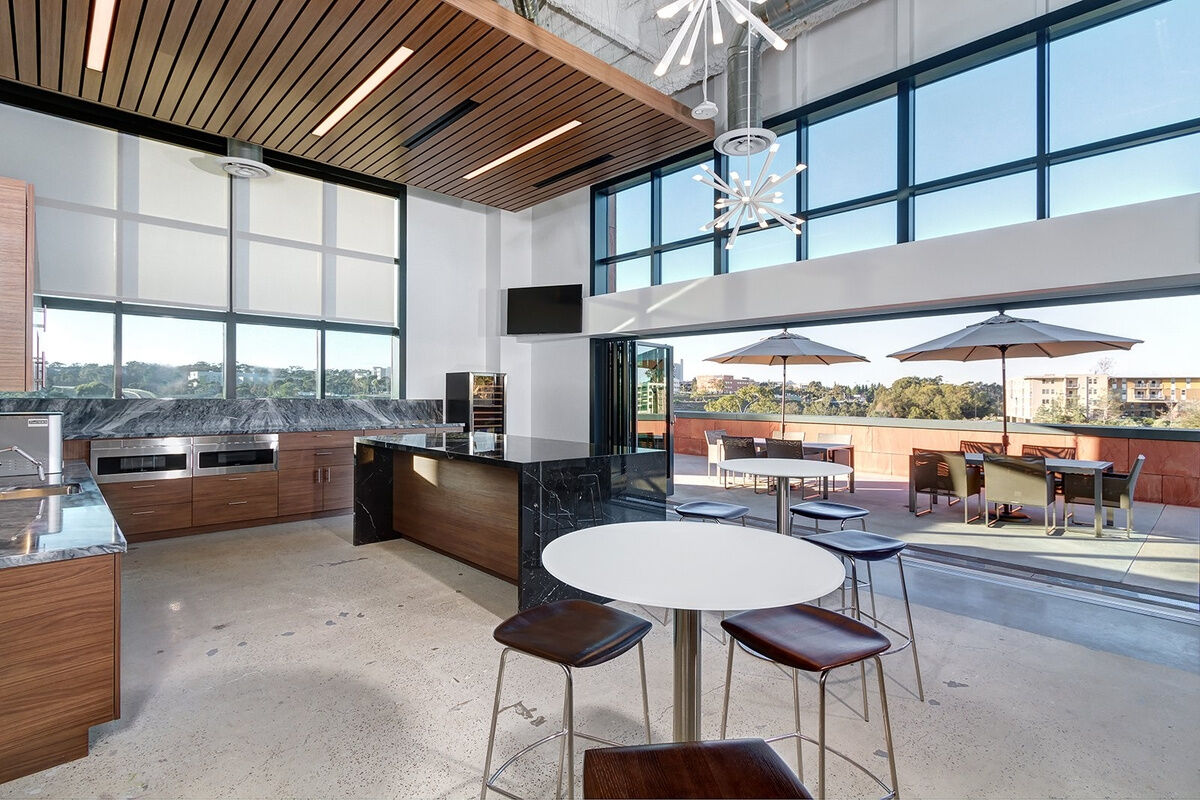
Meeting spaces that are equipped with high-quality screens and audio technology make it easier and more enjoyable to collaborate with remote colleagues. Open-air work areas such as terraces and rooftops can significantly improve employees’ sense of wellbeing while adding more greenery – such as green walls and desk plants – can boost energy and reduce stress.
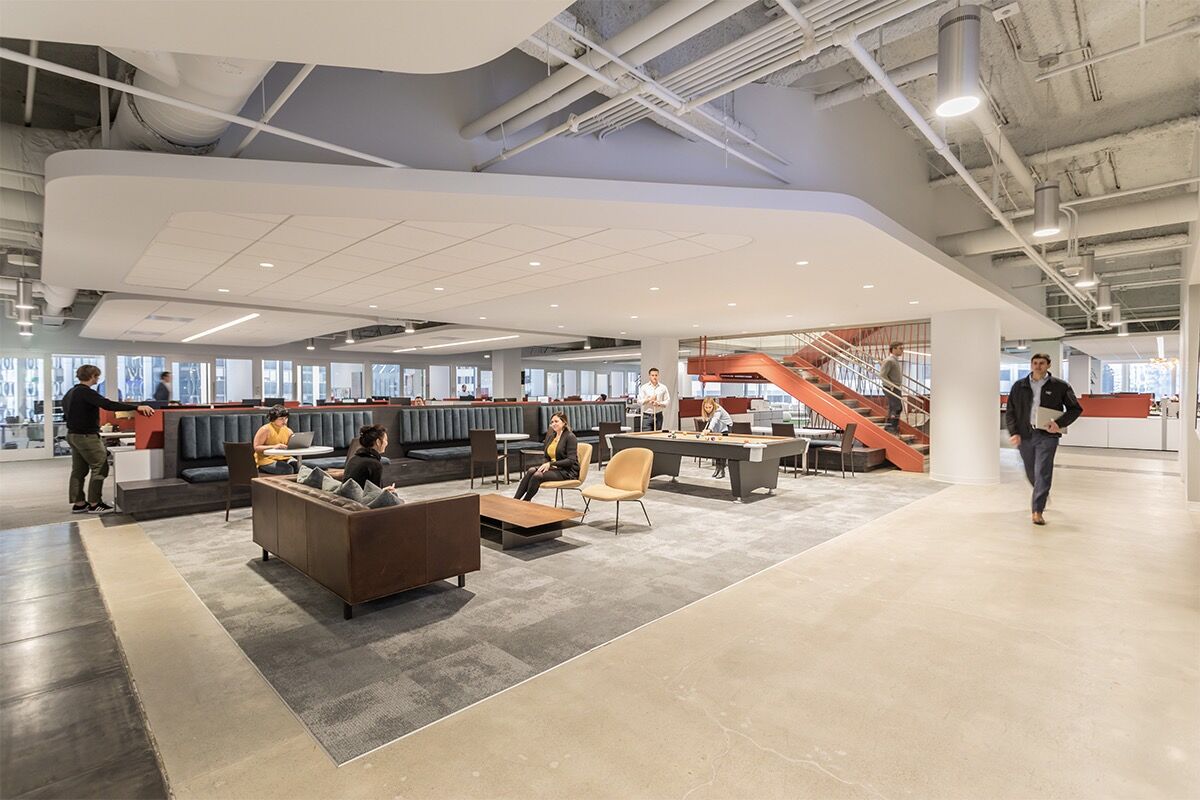
Space dedicated to health and wellbeing also benefits energy levels, whether that’s quiet rooms, fitness zones or break areas. In the JLL San Diego office, having a transition space where employees can switch off between different tasks and avoid back-to-back meetings helps people to recharge. It also provides an opportunity for social experiences, which helps develop personal connections.
Image_4.jpg
It’s this sense of shared purpose and personal connection that today’s companies need to fuel a new type of office buzz in the hybrid work era.
As work takes place in an increasingly digital environment, the physical office is more relevant than ever as the space which brings people together, whether they’re employees or clients. While people may spend less time there, the experience is more sophisticated, carefully designed to support a vibrant community and nurture sustainable, long-term performance.
About JLL
JLL knows San Diego commercial real estate: past, present, and future. With over 1,300 lease transactions totaling 18.1 million square feet and $5 billion in sales under our belt since 2019 – our trusted advisors have the local market knowledge and insight you need to address changing business demands, challenges, and risks. Learn more here.
Today’s seniors are more connected than ever, with a renewed focus on retirement as a time of discovery and enriching experiences. The ultimate reward for a retirement well-earned is the wisdom to appreciate it all, and what better place to enjoy that unique perspective than Vi at La Jolla Village, in the heart of San Diego.
All-access pass to good living.
As a Continuing Care Retirement Community (CCRC), Vi provides access to a connected and fulfilling community while making it easy to plan for future care, should the need ever arise. With a care plan in place, residents enjoy greater financial predictability and long-term value, freeing them to focus on making the most out of retirement.
Resort-style amenities at the epicenter of a cultural hub like San Diego offer a retirement experience unlike any other. Paired with exceptional dining, spacious accommodations and dedicated staff, the best of maintenance-free living is all around. And with the introduction of Vista 360 Well-Being, Vi’s panoramic approach to wellness, there are more ways than ever for residents to access it all.
The harmony of mind, body and community.
Courtesy of Vi at La Jolla Village
The key to longevity is striking the right balance in maintaining an active lifestyle with an active mind in a fulfilling community. With newly renovated community spaces and restaurants, Vista brings a variety of opportunities for residents to elevate their well-being through Vi-exclusive “Signature Experiences.”
Vista Enrich takes an evidence-based approach to brain vitality, keeping residents at the forefront of cognitive health through exergaming (exercising + gaming), nutritional plans and informative workshops. It is also home to The Brain Vitality Studio, an innovative facility dedicated to cognitive fitness that has garnered national recognition.
Vista Discover invites residents into stimulating educational experiences, from chef-led cooking demos and guided wine tastings to lectures at local universities and intimate lectures following cultural outings.
While Vista Enrich focuses on brain health and Vista Discover engages residents intellectually, Vista Explore cultivates a sense of adventure through curated travel and local excursions. But broadening one’s horizons doesn’t always require a plane ticket. One recent event brought a taste of the world right to the community: an onsite “jazz cruise” featuring live music and global cuisine served at a series of themed “ports” all within the community’s own ballroom.
“Location, location, location”
Courtesy of Vi at La Jolla Village
One of the biggest perks of life at Vi at La Jolla Village is its proximity to just about everything. With easy access to transportation and local attractions just steps away, residents can explore and engage with their community at their own pace.
“There are trolley and bus stops within a 5-minute walk that will get you to the beach, UCSD Campus, medical appointments, downtown La Jolla or San Diego, et cetera. We rarely use our car,” said resident Tom Yager.
With the best of San Diego just steps away, residents don’t just live in the city, they live within reach of everything that makes it special.
The best of all worlds.
Courtesy of Vi at La Jolla Village
At Vi at La Jolla Village, retirement isn’t a chapter to slow down; it’s an invitation to discover more. Tailored community experiences created by Vista, paired with the vibrant pulse of San Diego just outside the door, mean that residents don’t have to choose between security and adventure, connection and independence. They get all of it.
This is what an all-access pass to good living looks like: the comforts of an elevated lifestyle, a community built for growth and a city made for discovery – all in one place.
To learn more about Vi at La Jolla Village or for details on available floor plans, visit ViatLaJollaVillage.com/SDM.
Faces of Healthcare 2026: Advanced Pain and Regenerative Specialists
Meet San Diego’s leading healthcare professionals, delivering exceptional medical and dental care through innovation, expertise, and dedication to patients.
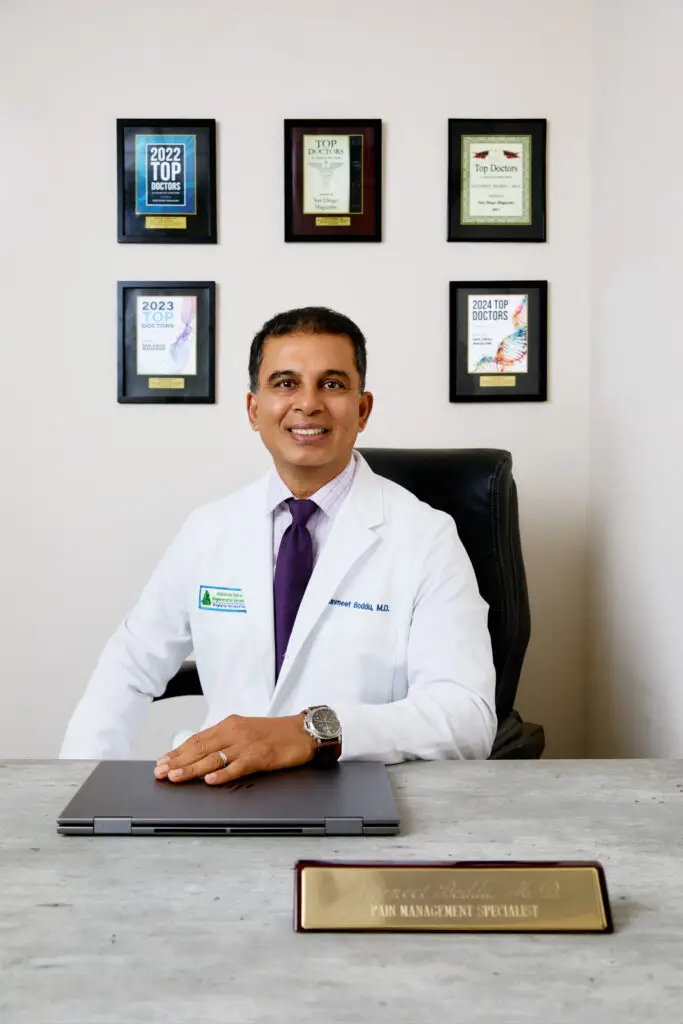
Dr. Navneet Boddu is San Diego’s leading specialist in regenerative medicine and pain medicine. With more than 28 years of experience and board certifications in both pain medicine and anesthesiology, Dr. Boddu uses image guidance and precision treatments to provide personalized, non-surgical care for spine and joint disorders.
At Advanced Pain and Regenerative Specialists, Dr. Boddu specializes in autologous stem cells and PRP treatments. Utilizing the latest medical technology and evidence-based cellular therapies, he uses patients’ own cells to repair and heal joints, tendons, ligaments, and spine disorders. He is also one of the few physicians in the country who conducted FDA-authorized Umbilical Cord Mesenchymal Stem Cell treatment for patients with severe COVID-19. It’s this commitment to innovation that has made him a seven-time Top Doctor in San Diego County and a national leader in regenerative medicine.
Dr. Boddu received the 2025 Manchikanti Excellence Award in Regenerative Medicine. He is faculty at several national and international conferences on regenerative medicine and is a member of the Editorial Board of Pain Physician, a medical journal.
Visit
2125 S El Camino Real, Suite 200, Oceanside, California 92054 760-429-7172 | advpainandregen.com
Faces of Healthcare 2026: AURAE MD Aesthetic & Regenerative Medicine
Meet San Diego’s leading healthcare professionals, delivering exceptional medical and dental care through innovation, expertise, and dedication to patients.
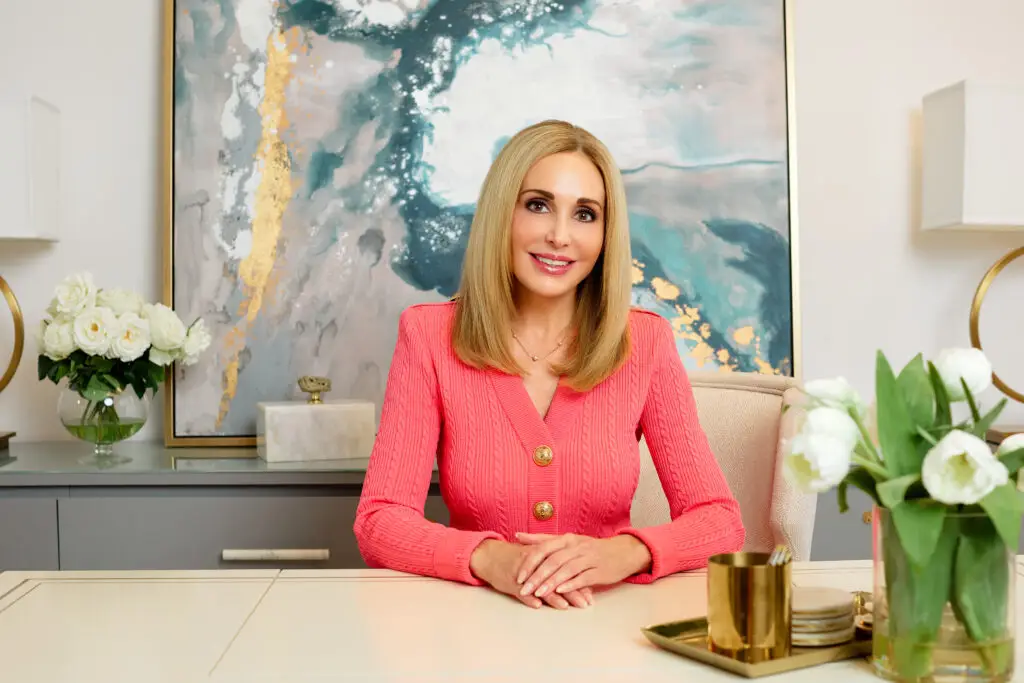
At AURAE MD, aesthetic medicine is not about disguising the aging process. For Dr. Margo Aura Emami, it is about understanding how to work with the body’s own capacity to repair and renew.
A Harvard-educated physician with more than 30 years of advanced procedural experience, Dr. Emami has built AURAE MD around a distinctly medical approach: one that begins with biology, anatomy, and long-term tissue health rather than trends or minimally effective corrections.
Her philosophy is rooted in regenerative medicine. Rather than relying on temporary injections, she evaluates how aging affects collagen production, cellular function, skin quality, facial structure, and healing—and designs treatment plans that support the body’s intrinsic regenerative processes.
That may mean combining growth factors, peptides, collagen-stimulating technologies, precision injectables, energy-based therapies, and medical-grade skincare in a deliberately sequenced approach. Because every procedure at AURAE MD is physician-administered, Dr. Emami can continuously evaluate tissue response and determine what should come next—or whether anything more is needed at all.
Her distinction lies in judgment: knowing when to intervene, how aggressively to treat, and when a more measured approach will create the better outcome.
The goal is not to mask age or manufacture a different face. It is to preserve vitality, support the skin’s natural ability to function more youthfully, and help patients look unmistakably like themselves.
As we’re getting closer to closing out 2026, it’s an ideal time to turn the focus back to health and wellness and really think about what you need to feel your best. You can’t give your best self to other people unless you’re taking care of yourself.
But what health and wellness means is totally up to you. Sometimes, self-care looks like addressing stress, anxiety, or burnout. Or, it can mean taking the time to realign your body spirit. And some other times still, it involves trading your 9 to 5 responsibilities for a sweat session on the court. Only you can decide what you truly need. We’re just here to help you find the best ways to get it.
Healcove Chiropractic
Maybe you’ve been feeling a bit tense or stressed out—totally understandable in today’s hustle and bustle world. Or it could be that you’re not quite moving the way you want to. Sometimes, it’s just that the accumulation of days, weeks, or even years of daily strain is starting to take a toll. If your body’s out of sync, everything else tends to be, too. Low-grade chronic pain and reduced mobility can take a lot out of a person.
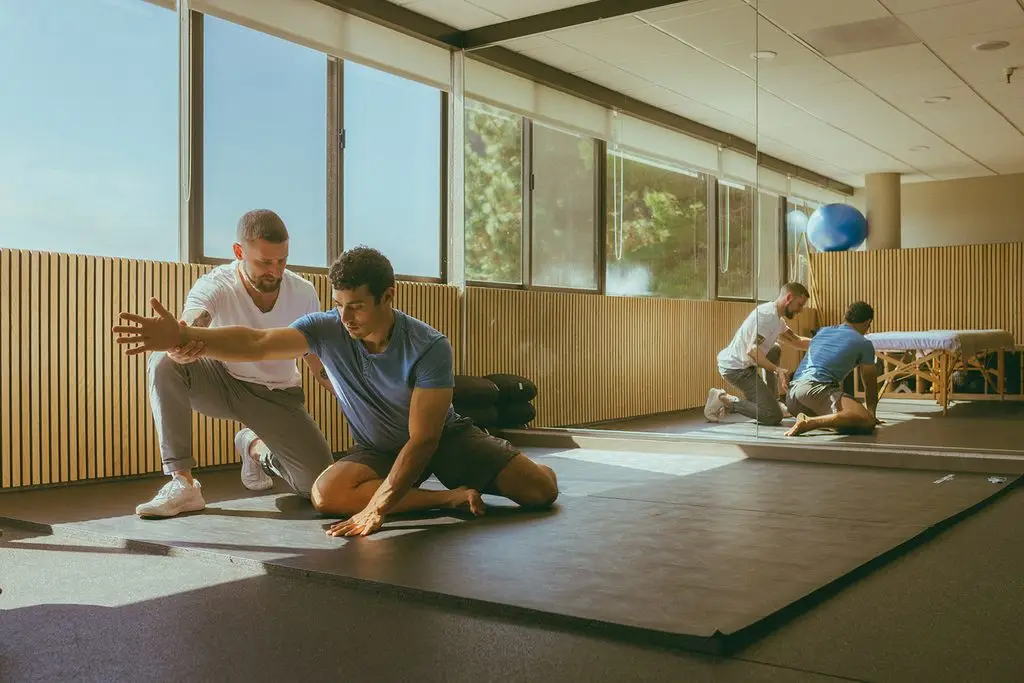
The board-certified chiropractors and wellness professionals at Healcove Chiropractic are experts at addressing that stage where you’re not injured, exactly, but you’re not at 100%, either. Named San Diego Magazine’s “Best Chiropractor in San Diego” in 2025 and 2026, Healcove Chiropractic aims to provide integrated, preventative care centered on long-term, science-backed approaches that ensure each patient can stay as active as possible and live life with less pain. The secret is individualized care. Every patient can expect a thorough 60-minute consultation session that includes a posture and movement screening, which allows the team to develop a personalized plan.
Courtesy of Healcove Chiropractic
Depending on the results, that may include any combination of chiropractic care, acupuncture, massage therapy, physical therapy, or functional fitness training. Whatever the team recommends, you can be sure that it’s tailored to meeting your body’s needs today and the future.
Healcove also uses unconventional therapies to treat common conditions, like Dynamic Neuromuscular Stabilization, a clinical rehabilitation method that retrains the body’s stabilization systems and helps active adults and former athletes improve core strength, mobility, and movement efficiency. Then there’s vibration and sound therapy. Healcove’s Vibe Table uses precise sound frequencies and gentle vibration to relax and recalibrate the body.
Everwell Acupuncture
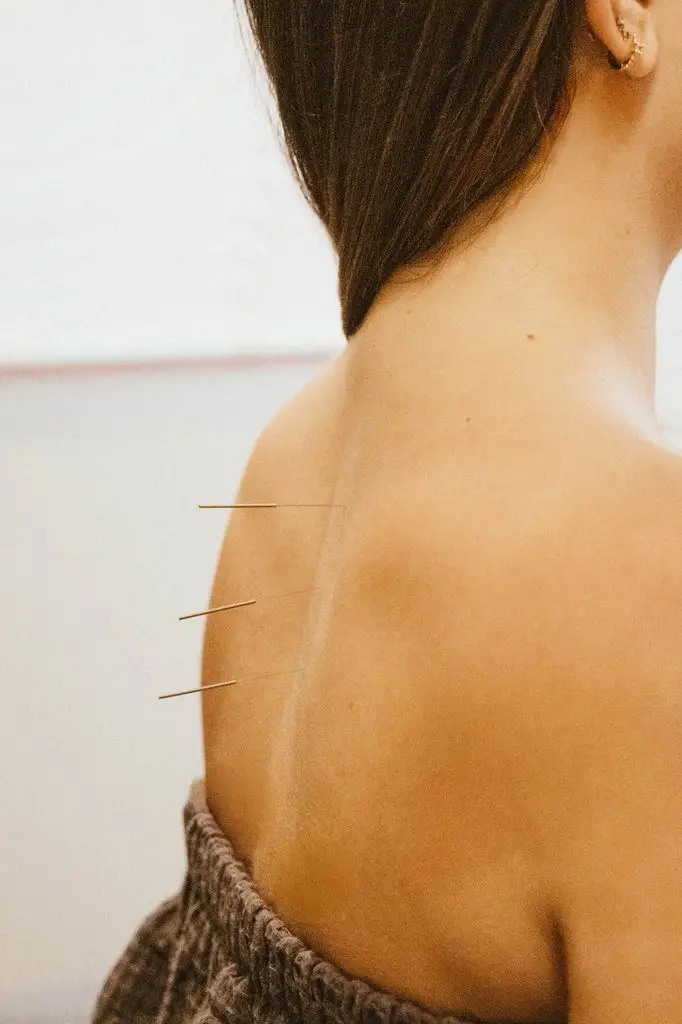
Research shows that by stimulating specific points on the body with tiny, painless needles, a natural healing response is activated, helping to restore balance, regulate the nervous system, and improve overall wellbeing.
The practice of acupuncture has been used for centuries to address an expansive range of conditions, from chronic pain, autoimmune disorders, and digestive issues to stress and burnout, migraines, fertility and postpartum struggles, hormonal imbalances, sleep concerns, and more. Everwell, a holistic acupuncture practice based in Solana Beach, works to heal body, mind, and spirit with a blend of modern, evidence-based acupuncture, classical Chinese medicine, and personalized care. Its highly trained, doctorate-level practitioners don’t subscribe to a one-size-fits-all approach. Instead, they aim to transform what care can look like. No more feeling rushed, misunderstood, or like the answers you were seeking are still out of reach.
Patients at Everwell are invited to slow down, reconnect with themselves, and experience care rooted in intentional listening and radical empathy that leaves patients feeling seen, heard, and genuinely cared for. Providers at Everwell focus on uncovering the underlying imbalances that drive physical symptoms. For example, its General Vitality regimen—a combination of acupuncture, herbal medicine, and lifestyle guidance—is designed for women on the go.
Courtesy of Everwell
This offering can support low energy and burnout, brain fog and poor focus, disrupted sleep, stress resilience and nervous system regulation, and whole-body balance and stamina. If you’ve never tried acupuncture before or aren’t sure if the team will be a fit, Everwell’s complimentary 20-minute consultation is highly recommended. What follows is a two-hour initial in-take appointment to determine the best course of action. Every question and concern will be addressed by a dedicated practitioner who wants to find the specific solutions that work best for you.
Everwell isn’t just another healthcare provider; it’s a dedicated partner who will be there for each patient’s health journey.
USA Pickleball Association
Pickleball is one of the hottest hobbies in the health and wellness space right now. Its popularity has soared over the past few years, so much so that it’s become the fastest-growing sport in the country, with an estimated 24 million people (or more!) regularly picking up the pickleball paddle.
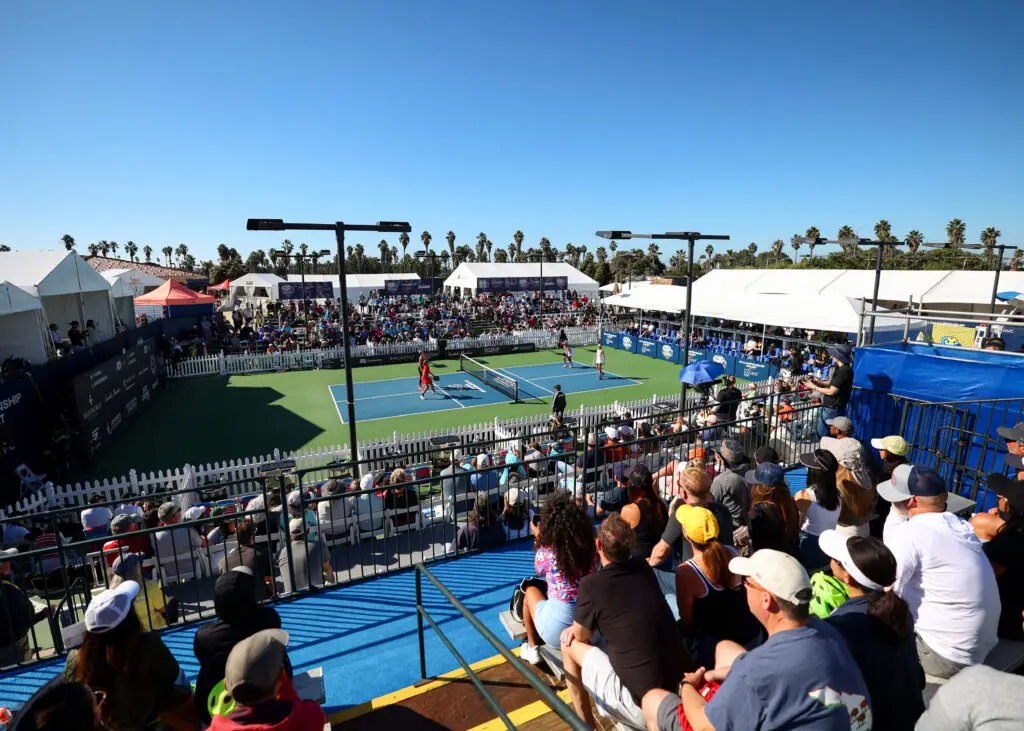
Courtesy of USA Pickleball National Championships
Pickleball has captivated players of all ages and fitness levels, and it’s easy to see why. It’s fairly easy to learn, it’s fun, and because the court is smaller than a traditional tennis court, it requires far less running, though it’s still a high-energy sport. It’s also a great form of stress relief that encourages social connection. Though pickleball is generally thought of as a newer sport, it’s likely a lot older than people may think. The novel racket sport’s history dates back to the mid-60s, when it was created as a combination of badminton and ping pong, and it started gaining traction among hobbyists in the decades that followed. The USA Pickleball Association (USAPA) formed as the national governing body for the sport more than 40 years ago. The nonprofit organization has grown over the years, and today, USA Pickleball plays a vital role in promoting its growth, maintaining official rules, supporting local tournaments, and fostering inclusive, vibrant pickleball communities.
Beyond its tournament sanctioning and officiating certification programs, the organization works to raise the sport’s national profile through flagship events. Most notably, USAPA will host the country’s top amateur and professional players at the 2026 Oceanview USA Pickleball National Championships from October 31 through November 8 at the Barnes Tennis Center here in San Diego.
This premier tournament highlights the evolution of pickleball into a major competitive sport while bringing thousands of athletes and enthusiasts together.
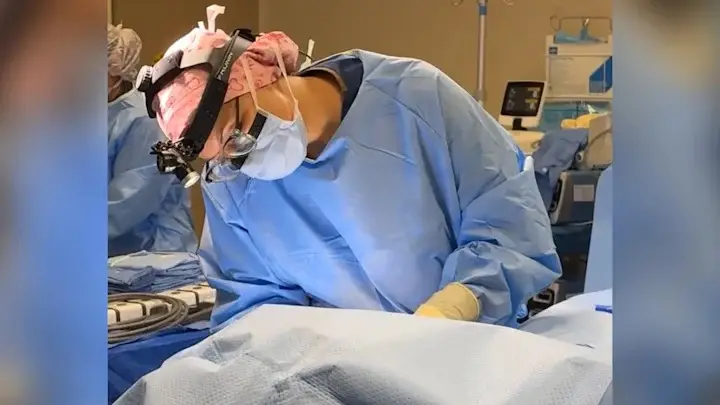
In May 2026, Dr. Noran Barry performed Southern California’s first robotic-assisted nipple-sparing mastectomy since the procedure received FDA approval. The milestone brought a new option for patients facing breast cancer surgery. It also reflects the specialized care available through Sharp Rees-Stealy Medical Group, where Dr. Barry works alongside other doctors and specialists as part of a coordinated care team.
Dr. Barry is a fellowship-trained breast cancer surgeon with Sharp Rees-Stealy and Sharp HealthCare’s medical director of breast health. She is affiliated with Sharp Mary Birch Hospital for Women & Newborns and Sharp Memorial Hospital. Sharp Mary Birch was the first hospital in Southern California and one of just 15 in the United States to offer the procedure.
For a patient considering a mastectomy, treating cancer is the first concern. Questions about appearance, sensation and recovery matter, too. Robotic-assisted nipple-sparing mastectomy gives Dr. Barry another way to address those concerns while working with patients and their care teams on the treatment ahead.
What makes the procedure different
A nipple-sparing mastectomy removes breast tissue while preserving the nipple and surrounding tissue for reconstruction. Dr. Barry uses a single-port robotic system, guiding surgical instruments and a high-definition camera through one small incision. She can often place that incision in a less visible area, such as near the underarm.
That placement can leave a smaller, more hidden scar than a traditional mastectomy. Preserving tissue for reconstruction may also help create a more natural-looking breast. In some cases, the surgery may preserve nerves in the remaining tissue and help maintain breast sensation.
Compared with traditional methods, the robotic-assisted approach may offer less blood loss during surgery, less pain during recovery and a faster recovery. Early results also suggest a lower likelihood of nipple necrosis, a complication in which loss of blood flow damages the nipple and areola.
For Dr. Barry, the ability to place the incision strategically is especially meaningful. It allows her to treat the cancer while considering the scar a patient will see after surgery. Along with reconstruction, that detail can make a difference to someone adjusting to changes in their body.
Care that continues beyond surgery
Breast cancer care extends beyond one surgical technique. At Sharp Rees-Stealy, doctors and specialists work together to support patients through decisions about their care. The medical group’s breast cancer navigation program also supports patients as they move through diagnosis, treatment and the steps that follow.
That team approach is evident in Dr. Barry’s work. After she performs the breast surgery, plastic surgeons complete the reconstruction. Together, their work addresses the cancer treatment and the patient’s appearance after surgery. Dr. Barry understands how difficult breast cancer diagnosis and treatment can be, and how meaningful it is to offer an option that may help patients feel more like themselves.
For patients, the care surrounding the operation matters alongside the technology. They may want to understand how the surgery works, what reconstruction involves and what to expect during recovery. They can bring those questions to a team that works together, with navigation support through the course of their care.
Dr. Barry’s milestone expands the surgical options available to her patients. Her work within Sharp Rees-Stealy’s coordinated care brings the story back to what patients need: skilled specialists, clear conversations about their choices and support that extends beyond one procedure.
Sharp Community Medical Group connects patients with high-quality, coordinated health care close to home while supporting the communities its physicians serve.
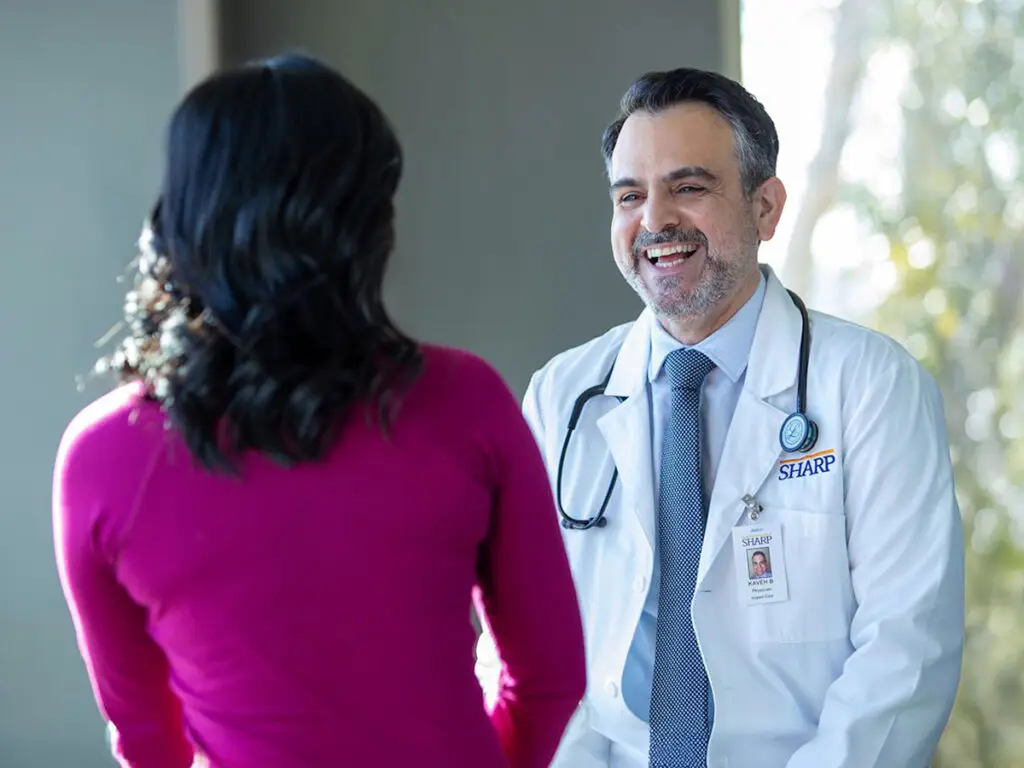
Courtesy of Sharp Community Medical Group | Dr. Kaveh Bahmanpour, a family medicine physician and patient
When it comes to health care, convenience matters. Whether you need a routine checkup, a specialist appointment, diagnostic imaging, or hospital care, receiving services close to home can make a meaningful difference for you and your family. That is the philosophy behind Sharp Community Medical Group (SCMG), one of Southern California’s largest physician networks, built around a simple idea: exceptional health care should be available in the communities where people live, work, and raise their families.
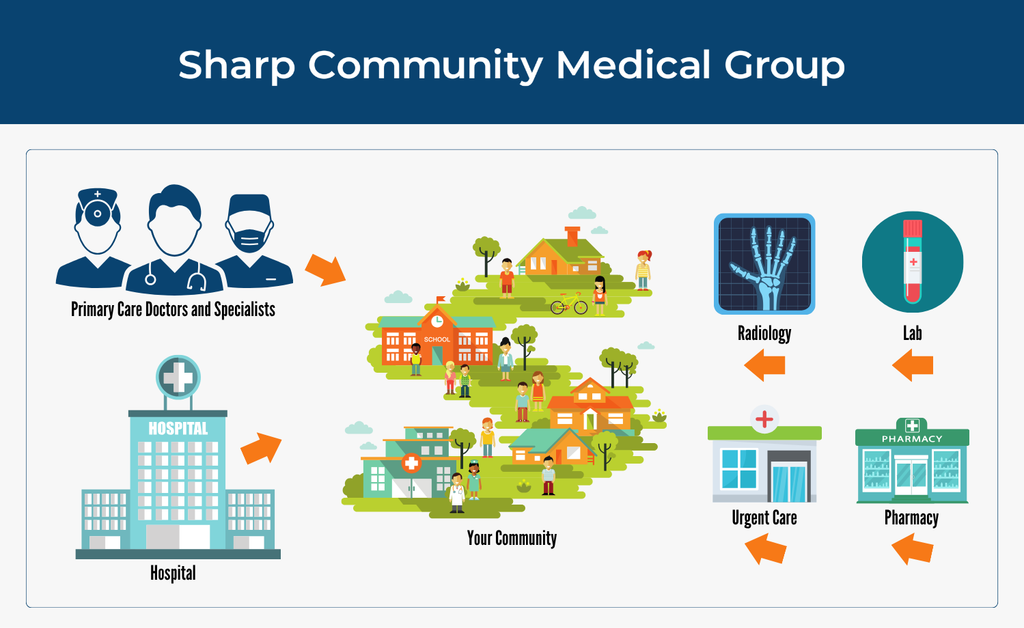
SCMG’s local care delivery model begins with choosing a primary care physician in your neighborhood. When specialty care is needed, your doctor can refer you to local specialists who are part of the SCMG network. Those specialists can admit patients to nearby Sharp HealthCare or Palomar UC San Diego Health hospitals, helping ensure care remains coordinated and close to home.
Courtesy of Sharp Community Medical Group | Sharp Community Medical Group’s local care delivery model
The benefits extend far beyond physician visits. SCMG patients have access to community-based laboratories, MRI and radiology centers, urgent care locations, pharmacies, and other ancillary services throughout the region. Instead of traveling across the county for care, patients can often receive the services they need in the communities they know and trust. As a result, care becomes more convenient, more connected, and easier to navigate.
For many SCMG physicians, the word “Community” in the organization’s name is more than branding. It reflects a commitment to giving back to the people and neighborhoods they serve.
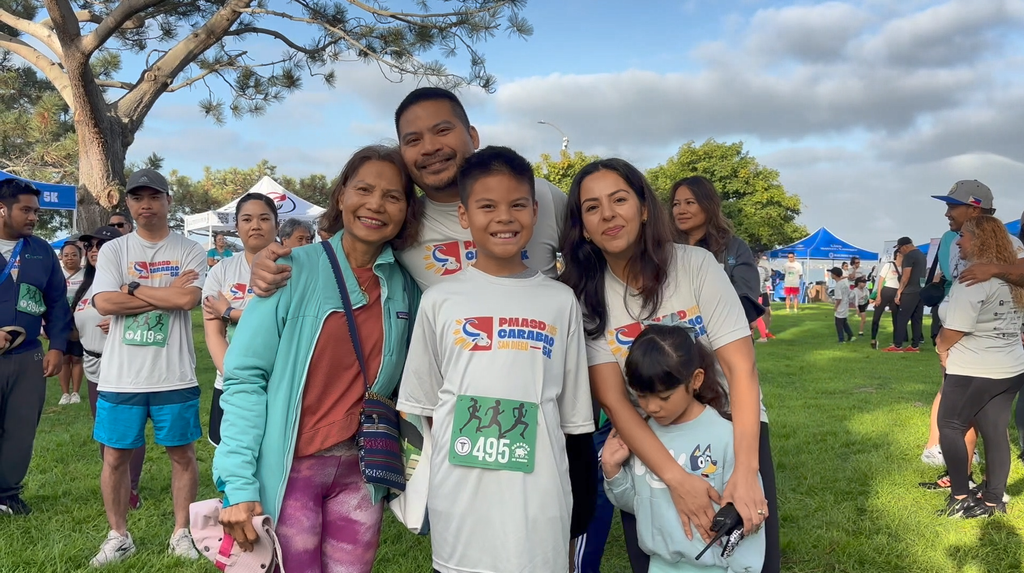
That commitment is evident in the work of Dr. Joseph Novencido, an SCMG-affiliated physician and President of the Filipino Medical Association of San Diego, who organized the inaugural 2025 Carabao 5K. The event was created to encourage healthy lifestyles and physical activity among Filipino Americans, a population that experiences cardiovascular disease at significantly higher rates than the general U.S. population.
“Community is extremely important to me,” said Dr. Novencido. “I grew up in a very diverse community, and working in this area, in the community I grew up in is so fulfilling. It is so nice to be in a position where I can make a difference in the lives of the people here.”
Courtesy of Sharp Community Medical Group | Dr. Joseph Novincido, a family medicine physician and his family
SCMG physician Dr. Leticia Polanco shares a similar passion for serving her community in Chula Vista.
“The reason I decided to go into medicine is because I felt there was an overwhelming need for people like me to take care of the community that I live in,” she said. “In our practice, we work as a team, we collaborate with our staff, and we really want to give that warm feeling to people who come here for care.”
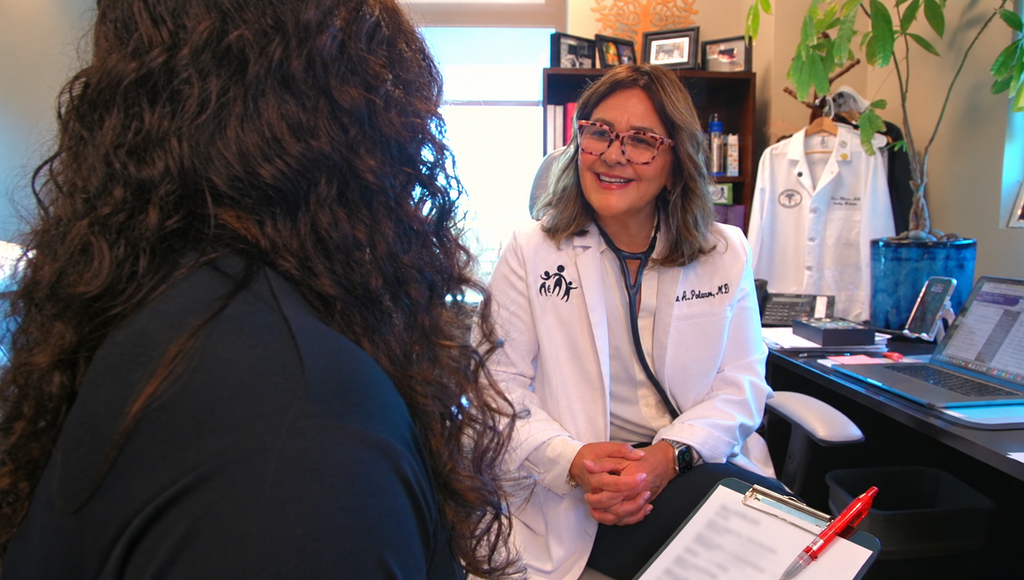
Courtesy of Sharp Community Medical Group | Dr. Leticia Polanco, a family medicine physician and a staff member
Stories like these highlight what distinguishes SCMG: a network of physicians who are deeply invested in the health and well-being of the communities they serve, while providing patients with access to a coordinated local system of care. From preventive care and specialty services to imaging, urgent care, and hospital treatment, SCMG helps patients receive the right care, in the right place, close to home.
About Sharp Community Medical Group
Sharp Community Medical Group (SCMG) is one of Southern California’s largest physician networks, with more than 1,200 affiliated primary care and specialty physicians practicing throughout San Diego County. SCMG physicians can admit patients to local Sharp HealthCare and Palomar UC San Diego Health hospitals, providing convenient access to coordinated care throughout the community. For more information, visit scmg.org.