Featured articles
Food & Drink
Food & Drink
Food & Drink
Featured articles
Everything SD
Everything SD
Everything SD
Featured articles
Things to Do
Things to Do
Things to Do
Featured articles
podcast-ep
podcast-ep
video
Featured articles
Everything SD
Everything SD
Everything SD
Featured articles
Partner content
Partner content
Partner content
Ready to know more about San Diego?
SubscribeReady to know more about San Diego?
Arizona is a wonderland of awe-inspiring sights, bucket-list adventures, culinary delights, and soulful journeys. Start planning your trip with this guide.
Antelope Canyon
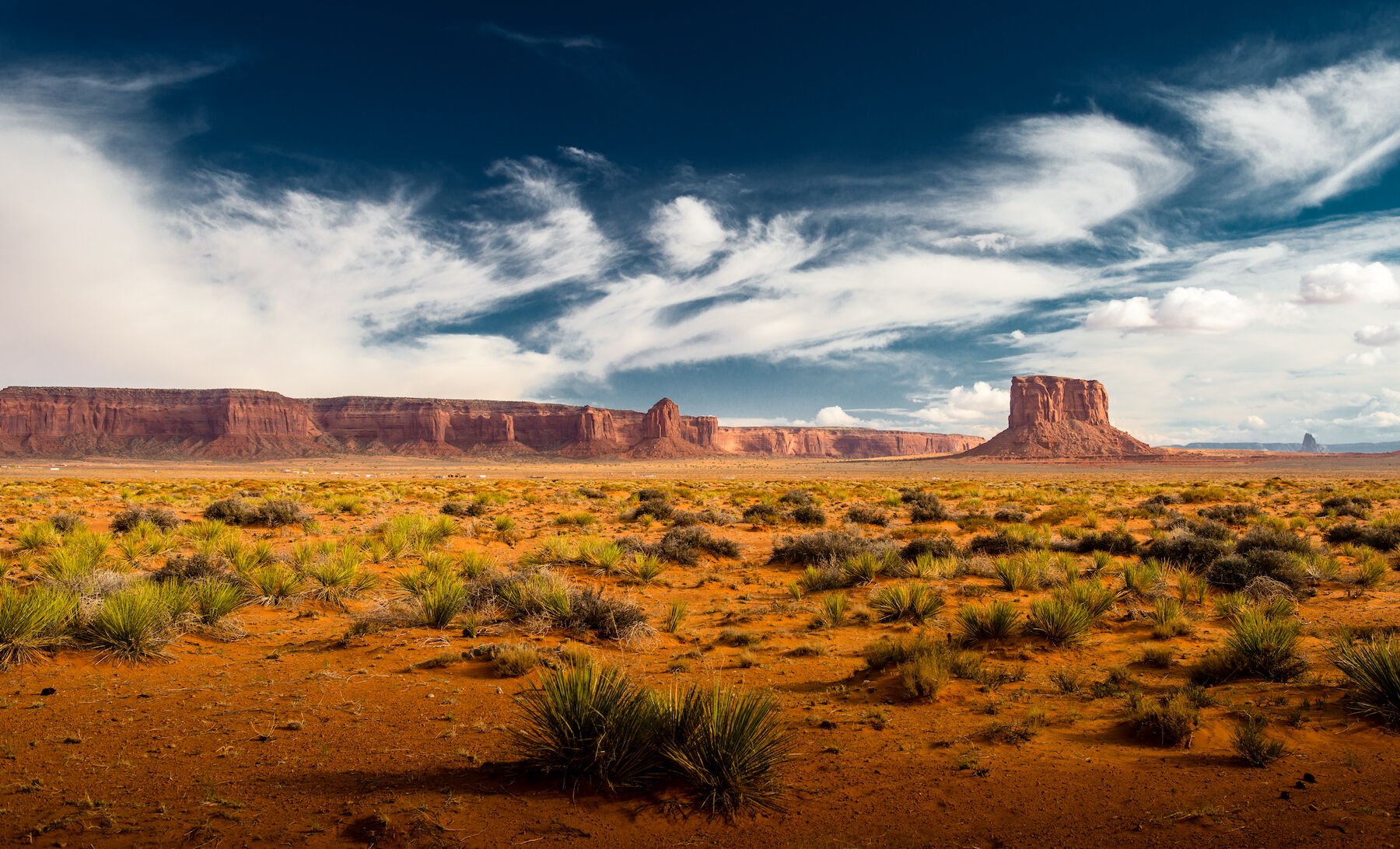
Timeless beauty. Mind-boggling geology. Pristine pine forests. Dramatic sun-drenched desertscapes. Old West haunts. Puebloan cliff dwellings. And star-filled dark skies.
Arizona is a wonderland of awe-inspiring sights, bucket-list adventures, culinary delights, and soulful journeys. Now that 2022 has been coined the Year of Arizona Discovery, it’s a perfect time to pack up the car and take a scenic road trip. With its incredible landscapes, diverse culture, and endless natural playgrounds, Arizona has so much to offer. Here are a few of our favorite scenic road trips and quaint towns to check out.
Arizona
Heading east from Phoenix on US Route 60 toward Miami, be sure to stop at the Boyce Thompson Arboretum, Arizona’s oldest and largest botanical garden, which has desert species from around the world, gentle hiking trails, and rich bird life.In the classic western town of Miami, visit the Bullion Plaza Museum to explore the ranching and cultural history of this copper mining boomtown. In Globe, you can belly up to the bar for a burger and bloody Mary at the historic Drift Inn Saloon. Cruising the switchbacks through the Salt River Canyon Wilderness Area reveals mountain panoramas and Arizona’s “other Grand Canyon.”
Lake Powell
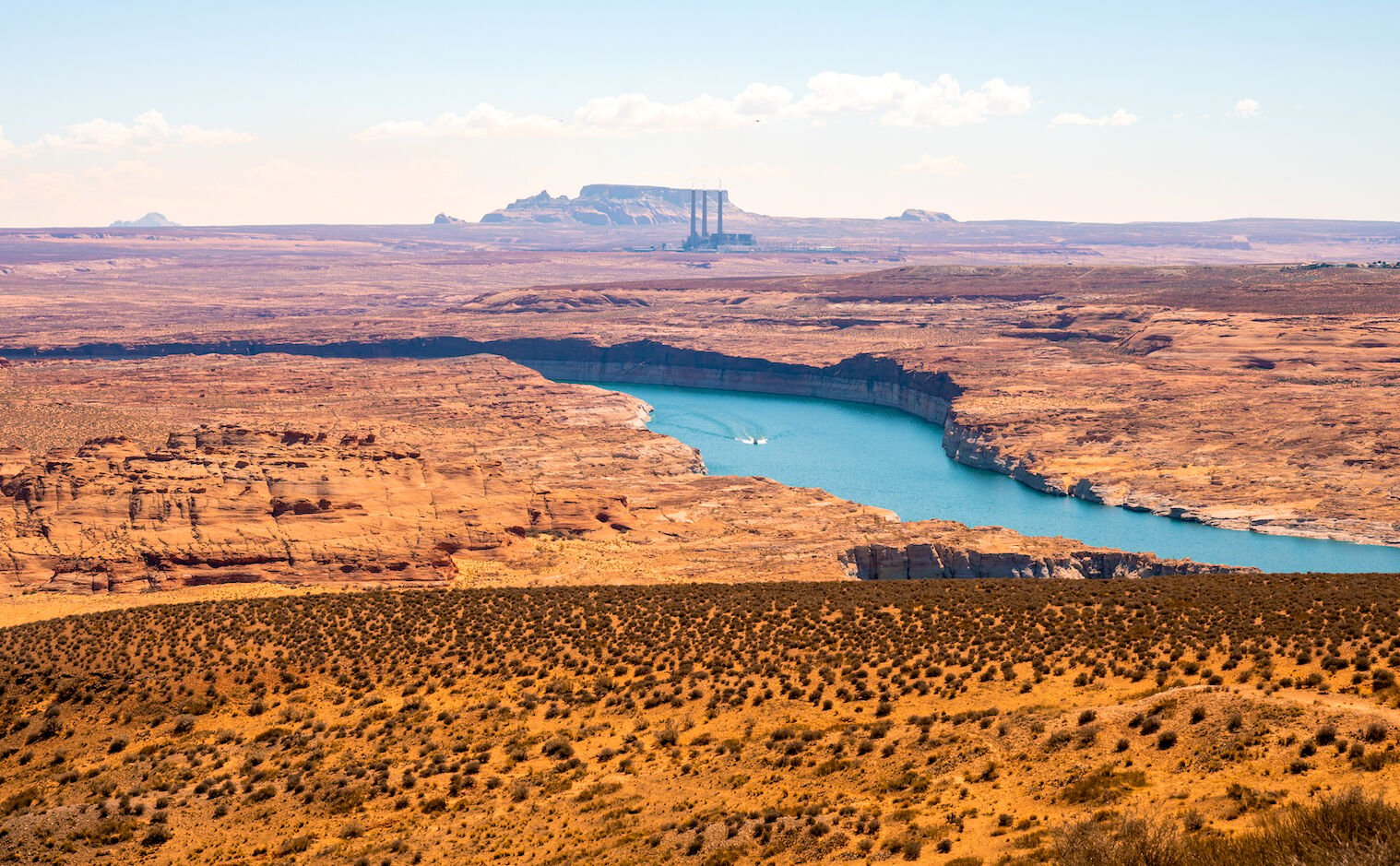
Traveling up US Route 89 from Flagstaff leads to the marvels surrounding Page, gateway to Lake Powell. Drink in dramatic views of the famed Horseshoe Bend stretch of the Colorado River, or take a tour of Antelope Canyon and witness the wonders of wind and water erosion in the narrow slots. Then, road trip it to the Navajo Nation to see Canyon de Chelly National Monument, where towering rock spires, stunning sandstone cliffs, and Ancestral Puebloan art and villages await.
Located in the heart of Arizona and the heart of wine country, Cottonwood is ideally situated above the heat of the desert and below the cooler temperatures of Arizona’s high country. Surrounded by the red rocks of Sedona to the northeast and Mingus Mountain to the southwest, its lower elevation makes it a perfect spot for your next Arizona adventure.
Old Town Cottonwood is known for its Main Street with over 60 businesses, including charming boutique hotels, wonderful restaurants, shops, antique stores, and wine tasting rooms. The Verde Valley Wine Trail runs right through town and has more stops here than anywhere else on the trail. Sit back and sip, savor, and enjoy the fruit of the vine in Old Town.

Flagstaff
Cottonwood is also home to Dead Horse Ranch State Park. Less than two miles from Old Town, this landmark has earned a reputation as a favorite fishing hole, bird lover’s paradise, and hiker’s dream. Its trails meander through sycamore and cottonwood trees along the banks of the Verde River, making it a jewel in the center of Cottonwood all year round. Visit Cottonwood, the heart of Arizona wine country, where everyone is welcome!
Learn more at visitcottonwoodaz.org.
Old County Inn
Known for its rodeo and famed former resident novelist Zane Grey, Payson is surrounded by incredible wilderness. Along this dazzling drive, see Tonto Natural Bridge State Park, where hiking trails lead to waterfalls and the world’s largest travertine bridge. Just 20 minutes north of Payson are the towns of Pine and Strawberry, settled during the gold rush. There’s plenty of hiking, fishing, boating, and history there, like Strawberry Schoolhouse, the oldest standing schoolhouse in the state; stop in at Old Country Inn for a brew and a slice of wood-fire pizza.
A hundred miles north of Phoenix, the Verde Valley region is home to red rocks, green mountains, and scenic journeys. Head to Montezuma Castle National Monument, a 900-year-old, 20-room dwelling built into a limestone cliff—or, hop on the Verde Canyon Railroad luxury train and cruise through the canyons in an open-air viewing car. The Copper Art Museum in Clarkdale features galleries of amazing copper art and artifacts. Oenophiles will appreciate the Verde Valley Wine Trail, whose 26 winery stops lead through charming towns like Jerome, Clarkdale, and Cottonwood.
Arizona’s top-rated casino resort is renowned for its winning combination of luxurious accommodations, state-of-the-art amenities, spectacular dining, and entertainment. Moreover, the AAA Four Diamond Resort is just minutes away from Phoenix Sky Harbor International Airport. Rejuvenate your body, mind, and soul at The Spa at Talking Stick, spark your taste buds at one of the resort’s eight restaurants, take a dip in one of three swimming pools, or practice your best swing at Talking Stick Golf Club. In the center of all the action is the gaming floor, which delivers an unparalleled experience with over 900 slot machines and 50 table games. The casino also features new table games where traditional gaming and new technology merge! Players can play their best hand on the new EZ Baccarat or place their bets on the new Roll to Win craps table. The exciting table features a 12-foot LED playing field, virtual chips, and live dice. After a day of play, retreat to one of the resort’s 496 rooms full of luxurious furnishings. Learn more at talkingstickresort.com.
The territory we’ve come to know as Arizona has only been a state for a relatively short time, the last of the lower 48 to be admitted to the Union. Indigenous people have lived here for millennia.
There are 22 sovereign nations here, including the Hopi tribe, the Apache tribe, the Navajo (known as Dineh, “the people,” in the four corners), and the Hualapai, the tribe that manages the famous Grand Canyon West.
The seven Navajo tribal parks and three national monuments in Najavoland are treasured by outdoor enthusiasts. There you will find fascinating rock formations, sandstone canyons, historical sites, and ancient ruins; and visitors have the opportunity to learn about Navajo history, traditions, and culture.
While in Tuba City, located on the western Navajo Indian Reservation, check out the Explore Navajo Interactive Museum, which features a traditional hogan, handmade rugs, and baskets. Next door is the Navajo Code Talkers Museum, dedicated to Navajo veterans who served in the US Marines and used the Navajo language to send encrypted messages during World War II.
Also, don’t skip the opportunity to visit Tuba City Trading Post, which offers a variety of handmade items like extraordinary Indigenous art, handmade jewelry, and beautiful textiles.
Visit discovernavajo.com to learn more.

.
Behind every beautiful space is a thoughtful process, and ASID San Diego is helping homeowners understand the value of professional design.
A perfectly designed home rarely happens by accident. Those kitchens that feel effortless and rooms that seem to tell a story the second you walk in? They’re usually the work of someone who knows exactly what they’re doing.
It’s knowing which ideas will actually work, which materials will hold up over time, and how to turn a collection of choices into a space that feels intentional. That’s where a professional interior designer comes in.
For the American Society of Interior Designers (ASID) California San Diego Chapter, the goal is to help people see interior design as more than just the finished look. Behind every well-designed space is a process built on technical expertise. Designers are educated in everything from professional software and construction details to building codes, space planning, materials, and functionality.

“People don’t always realize how much goes on behind the scenes,” Kirsten Recce , current president of the ASID California San Diego Chapter, says. “Our designers are not just doing furniture placement and color selection and picking out new fluffy pillows. That’s not what they’re trained for.”
ASID members bring formal education, continued learning, and industry knowledge to their projects, helping create spaces that are not only beautiful, but designed to work. A paint color that changes completely depending on the lighting. A material that looks beautiful in a showroom but doesn’t make sense for everyday life. A layout that photographs well but doesn’t function for the people living there. These are the details where professional guidance can make all the difference.
Still, one of the biggest misconceptions about hiring an interior designer is that it’s reserved for massive renovations, luxury homes, or people who already know exactly what they want. The process can feel intimidating. Where do you begin? Is a designer worth the investment? What if you only need help with one room?
ASID’s answer: start with one hour.
ASID’s Spruce Up events break down one of the biggest barriers between homeowners and professional design: knowing where to begin. Held twice a year, the community program gives homeowners the chance to work directly with an ASID designer through a one-hour, $125 consultation in their own home. Whether you’re looking for advice on furniture placement, window treatments, kitchen and bath updates, remodeling ideas, vacation rentals, color selections or something else entirely, the upcoming September 2026 event offers an approachable way to get expert guidance before committing to a full project. Signups are open through Sept. 7, with consultations taking place Sept. 21 through Oct. 31. Proceeds benefit ASID San Diego’s educational and community programs. Register here!

“It’s a great opportunity for people who are in that exploratory phase,” Recce says. “Maybe they’re not sure they want to hire an interior designer yet, or they think it sounds daunting or expensive. This gives them a chance to discover what working with a designer is actually like.”
Design is personal. A good designer isn’t just creating a beautiful room; they’re helping create a space that fits the way someone lives.
“We’re a resource to all of San Diego County,” Recce says. “It doesn’t cost anything to pick up the phone and call and ask. We’ll answer.”
Follow ASID San Diego on Instagram, LinkedIn, and Facebook for updates on upcoming events, or connect with the chapter directly at [email protected] or 619-548-8847.
A new program guides new moms through high-risk pregnancy and into the “fourth trimester”
Mai Vue was just 34 weeks pregnant when she delivered her baby. Her pregnancy had been complicated, and she’d had a recent second trimester pregnancy loss, which led to her receiving specialized care from Sean Daneshmand, MD, a Scripps Clinic perinatologist who oversees high-risk pregnancies. Dr. Daneshmand and his team took care of Mai during her pregnancy, through the birth of her healthy baby girl and beyond. Mai was part of a program Scripps launched to provide support to new moms in the weeks and months after delivery. The postpartum program, known as Scripps Health’s Fourth Trimester Continuum of Care, provides care for women with high-risk pregnancies to optimize their health after childbirth and reduce the risk of complications in future pregnancies. Click here to learn more.
For more nutrition, wellness, and healthy living tips, sign up for the San Diego Health newsletter here.
Scripps Clinic’s Mohs surgery center is one of the most sophisticated in the country.
It’s estimated that one in five people in the U.S. will develop skin cancer at some point in their lives. When you factor in living in a sun-soaked city like San Diego and the outdoorsy lifestyle that comes with it, that figure can jump to as high as one in three, which makes early detection and intervention all the more important. Dermatologists at Bighorn Mohs and Dermatology Center are using innovative imaging methods and advanced surgical techniques to diagnose and treat skin cancer. For certain cancers in sensitive spots, like the face, dermatologists perform Mohs surgery, removing skin tissue layer by layer until reaching healthy, cancer-free tissue. They also use a process called immunohistochemistry to view tissue samples taken during Mohs surgery in far greater detail than previous methods. Read more about how Scripps is advancing skin cancer care here.
For more nutrition, wellness, and healthy living tips, sign up for the San Diego Health newsletter here.
Scripps Cancer Center helps an endurance athlete overcome his greatest challenge yet and get back in the race
When endurance athlete Isaac Sanchez learned he had cancer, he felt blindsided. He was healthy, surfed often and was training for an Ironman triathlon. But he had to put that on hold to undergo treatment. His physicians at Scripps Cancer Center developed a plan to treat the cancer in his tonsil and lymph nodes that included six-and-a-half weeks of near-daily radiation and weekly chemotherapy. He also worked with a Scripps Cancer Center dietitian to enhance his nutrition to promote strength and healing. Today, Isaac’s back to doing what he loves. Read more of his story here.
For more nutrition, wellness, and healthy living tips, sign up for the San Diego Health newsletter here.
Scripps study shows that some patients may be able to taper their dose and maintain results
While glucagon-like peptide-1 (GLP-1) receptor agents have been used to treat Type 2 diabetes for more than 20 years, their recent emergence as weight-loss wonder drugs marked a new frontier in medicine. But their effectiveness has left some patients wondering what to do once they’ve reached their goal. Stopping the medication could mean regaining some, if not all, of the weight. A Scripps Clinic internal medicine physician recently conducted a small study of whether GLP-1 patients who had reached their goal weight could maintain that weight by taking their regularly prescribed injection every other week instead of weekly. Spoiler alert: 30 of 34 patients did. Read more about the study here and what that may mean as pharmaceutical companies roll out oral GLP-1s.
For more nutrition, wellness, and healthy living tips, sign up for the San Diego Health newsletter here.
Innovative treatment could offer cancer patients new options with fewer side effects
Chemotherapy and radiation have long been considered gold standards of cancer treatment, but they can cause severe side effects. A promising new approach called theranostics—a combination of “therapeutics” and “diagnostics”—could offer patients with certain types of metastatic cancers new hope. It’s a two-step process that uses a drug that binds to specific receptors on cancer cells. Advanced imaging detects this radioisotope, allowing doctors to then use a second radioisotope that binds to the cancer cells and destroys them. Click here to learn more about how specialists at Scripps Cancer Center are using theranostics.
For more nutrition, wellness, and healthy living tips, sign up for the San Diego Health newsletter here.