Faces of Healthcare 2026: Spine & Brain Institute of San Diego
Meet San Diego’s leading healthcare professionals, delivering exceptional medical and dental care through innovation, expertise, and dedication to patients.
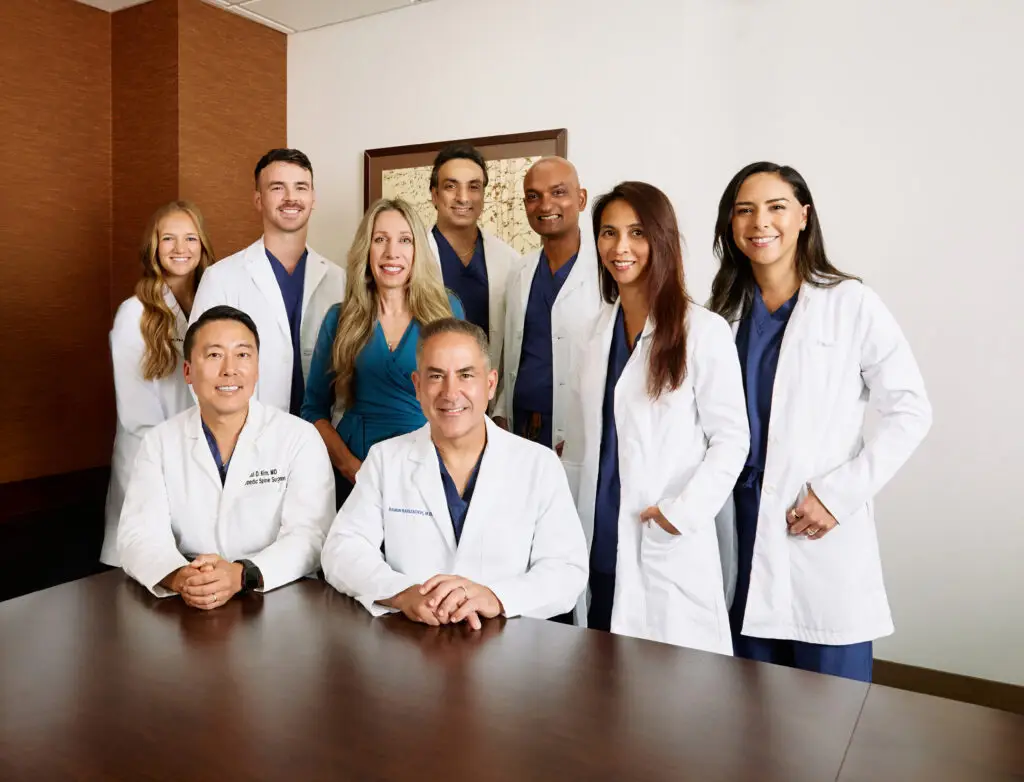
Ramin Raiszadeh, MD; Paul D. Kim, MD; Sunil Jeswani, MD; Sabareesh Natarajan, MD; Evan Nigh, MD
At Spine and Brain Institute of San Diego, every patient gets innovative, advanced care.
Dr. Ramin Raiszadeh, president and co-owner, is a board-certified orthopedic spinal surgeon who specializes in disc-replacement surgery. Co-owner Dr. Paul D. Kim handles complex disorders across the cervical, thoracic, and lumbar spine, leaning on nonsurgical and minimally invasive techniques. He’s known for being upfront with patients. Dr. Sunil Jeswani brings a thoughtful, hands-on approach to complex cranial and spinal conditions, from brain tumors and cerebral aneurysms to arteriovenous malformations and spinal deformities. Dr. Sabareesh Natarajan is one of few neurosurgeons in Southern California with dual board certification in neurosurgery and neurointerventional surgery—an expert in vascular disease and brain tumors. Dr. Evan Nigh, a board-eligible orthopaedic spine surgeon, has published research in peer-reviewed journals and presented at national conferences.
“Sharp Grossmont Hospital has become the epicenter for spine surgery in this country,” says Dr. Raiszadeh. “Here, the nation’s most talented neurosurgeons and spine surgeons perform the entire spectrum of neural axis surgeries, setting the gold standard for care.”
Visit
6719 Alvarado Rd, Suite 308, San Diego, CA 1671 West Main St, Suite A, El Centro, CA 2125 Citracado Parkway, Suite 310, Escondido, CA 6260 El Camino Real, Suite 201 Carlsbad, CA 619-265-7912 | sbiosd.com
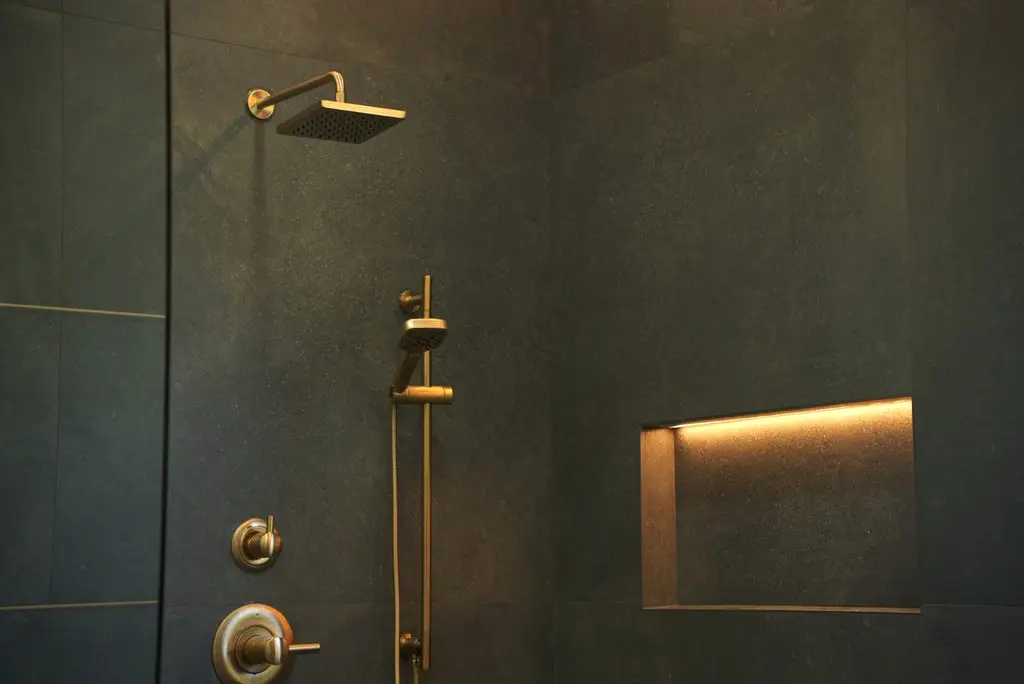
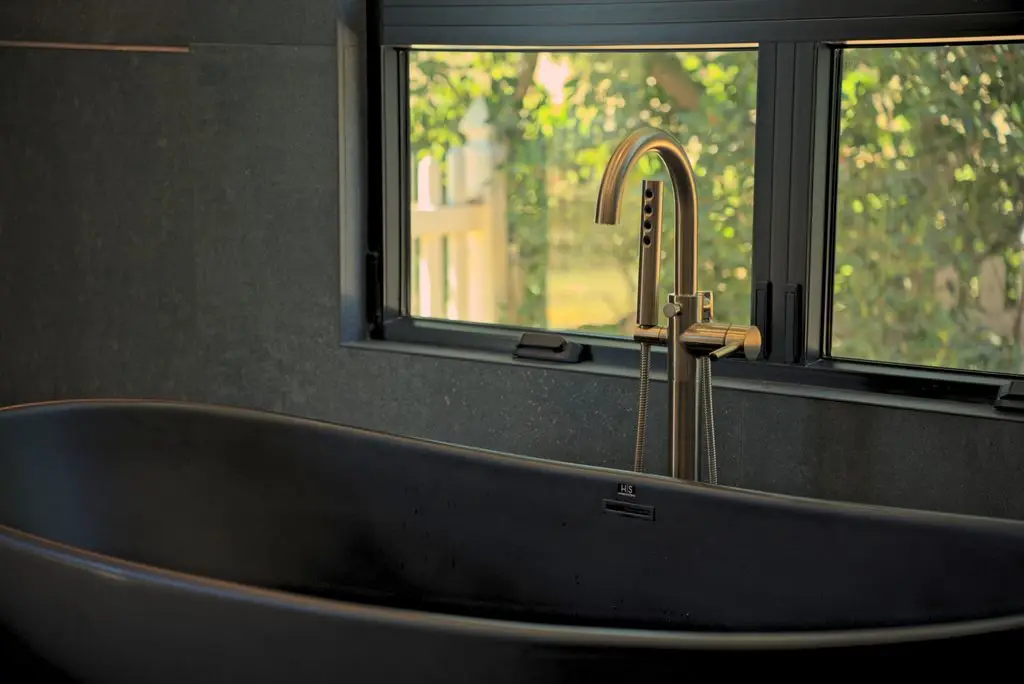
Most homeowners want two things before they commit to a remodel: a realistic sense of cost and a clear picture of what the finished space will look like. Milan Design + Build helps deliver both through its online remodeling estimator and personalized design consultations, supported by a showroom experience and 3D renderings.
“The online estimate gives homeowners a starting number in about a minute, and the showroom and 3D renderings let them see materials and layouts before anything is built,” says David Noriani, CEO of Milan Design + Build. “Keeping design, permits, and construction with one team helps us manage expectations and keep everyone working toward the same vision.”
Courtesy of Milan Design
Modern design is a particular focus for Milan, with an emphasis on clean lines, natural light, functional layouts, and carefully selected materials. The team adapts each design to the homeowner’s lifestyle and the character of the property. Milan Design + Build combines thoughtful design with construction expertise, creating spaces that are as functional as they are beautiful.
The online estimator covers kitchen remodels, bathroom renovations, full-home remodels, and ADU construction. At Milan’s showroom on Carroll Road, visitors can review real materials, finishes, and design options, meet the design-build team, and discuss project scope, budget, and timing. Consultations can also be held virtually for homeowners who prefer to start remotely.
At Milan Design + Build, one integrated team works on the entire project. Design and construction aren’t divided between separate firms. The process begins with a consultation and feasibility review, followed by design, space planning, and 3D renderings developed from detailed measurements and digital scans. The team also coordinates architectural plans, structural engineering, city approvals, and material selection, with construction overseen by a dedicated project manager.
Homeowners can explore their remodeling options, get an initial estimate, or request a design consultation at MilanBuild.com.
From century-old Craftsman homes to vegan fantasy bars, dive bars, and a tiki room built for exactly two people, this is one of San Diego’s great little neighborhoods
You may not realize it, but Balboa Park is bigger than Central Park (in fact, 1.5 times larger). Pressed right up against its southeastern edge is a little architecture farm built on old trolley bones, where houses look like someone was collecting architectural styles and local businesses are still run by people who seem personally invested in keeping this place interesting.
This is South Park.
To understand why it feels the way it does today—less like one commercial strip and more like a handful of tiny villages—you have to go back to the trolley.
How the Trolley Built South Park
The land that became the original South Park Addition (the subdivision’s original name) was surveyed in 1870 and officially filed in 1890, but the neighborhood really started becoming a neighborhood in the early 1900s. The Bartlett Estate Company began developing and marketing the tract in earnest around 1906, pairing lots and new homes with something extremely useful if you lived outside Downtown in the horse-and-buggy era: an electric streetcar.
On May 1, 1906, the South Park and East Side Railway made its first trip. Developers didn’t just build near transportation; they helped pay for the transportation, then used it to sell the dream. Downtown had industry, noise, and congestion. Out here were palms, sidewalks, utilities, room to breathe and a four-cent ride back to the city.
It worked. Homes began filling in around the streetcar route, and little commercial clusters grew around the places where people got on and off. That transportation pattern is still written into South Park’s geography. Some of the neighborhood’s odd street geometry is also due in part to the trolley—the old line cut across parcels instead of politely obeying the grid, leaving behind pieces of land that later businesses learned to build around. Places like Station Tavern sit on the former easement and station site of San Diego’s No. 2 trolley line.
Then San Diego went big for the 1915 Panama-California Exposition in neighboring Balboa Park. The exposition transformed much of the park and helped push the city through another burst of building and growth. South Park was right there to absorb some of that momentum.
And the people building houses here had taste.
Walk the residential streets now and it can feel like somebody planted an architectural sample garden: Craftsman, Prairie, Mission Revival, Tudor Revival, Spanish Colonial Revival. Creedence Clearwater Revival. All the revivals. The neighborhood includes work by Irving Gill, one of the defining architects of early modern California; Gill-designed Prairie homes still stand along Granada Avenue.
The city formally designated the South Park Historic District in 2017, recognizing roughly 400 properties and a period of significance stretching from 1906 through 1949. In other words, a lot of what makes the place feel old is actually old.
While the trolley eventually disappeared, the basic idea behind it didn’t. South Park is still a neighborhood organized around little pockets of human activity: a couple blocks where you can buy a record, drink a beer, find a 60-year-old lamp, eat a vegan burger beneath gothic beasts, browse a bookstore, and walk home past a century-old Craftsman.
The 30th-and-Fern area may be the clearest example. Several surviving buildings there date to South Park’s early development, including the old Fire Station No. 9, Rose Grocery building, and Burlingame Garage. What began as infrastructure for a young streetcar suburb became the neighborhood’s commercial heart.
That history is also partly why buying a house here can be competitive. There isn’t some endless supply of vacant land waiting around the corner for another subdivision. Much of the neighborhood filled in generations ago, and the architecture itself is part of the appeal.
San Diego Mag’s been documenting the city for 78 years. And we’ve been looking for a partner who loved the city enough to help us tell its stories. Redfin is that partner. They’re helping us tell the story of some of the city’s most unique neighborhoods. They launched Redfin Early Access this year to get their people in first and to see certain coming-soon and exclusive listings on Redfin before they appear on other major real-estate sites.
First up: South Park.
Here are some of the people and places worth knowing here:
Whistle Stop Bar
Big Kitchen Cafe
Start with Judy “the Beauty” Forman, because it’s difficult to explain South Park without her. The former social worker bought Big Kitchen in 1980 and turned a neighborhood breakfast joint into a gathering place for artists, musicians, activists, politicians, eccentrics, and pretty much anyone who needed somewhere to belong. As Judy puts it, “I built this for people who others passed over.”
One of those people was a young single mom named Whoopi Goldberg, who worked as a dishwasher here before the WhoopiGoldberg part of her career happened. Today Big Kitchen still serves breakfast and lunch Thursday through Monday.
3003 Grape Street
Whistle Stop Bar
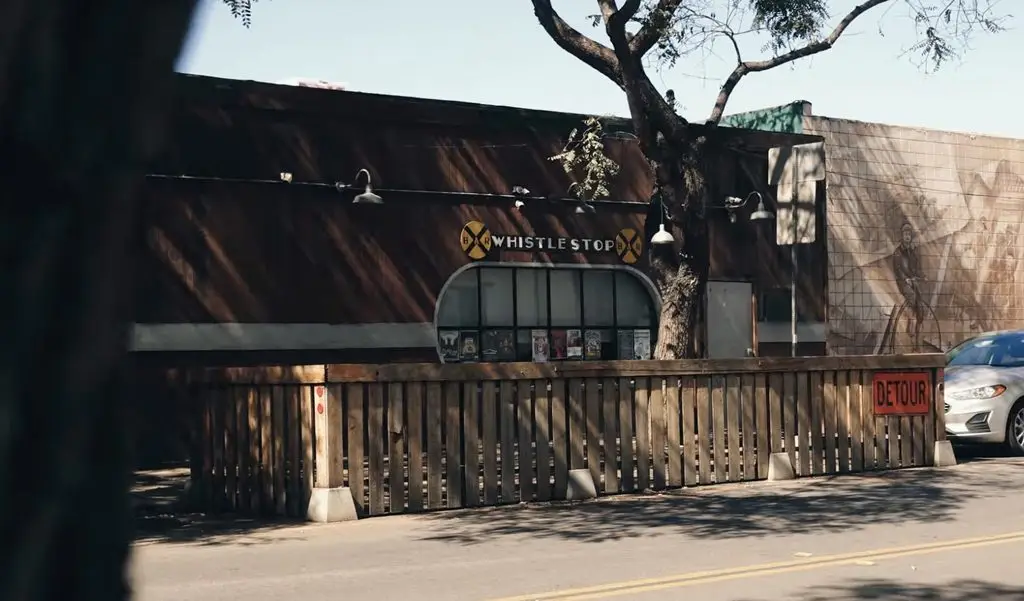
Whistle Stop reopened in 2001, right as South Park’s little independent-business ecosystem was finding a new generation. Owner Sam Chammas—also connected to Live Wire and, later, Station Tavern—helped turn it into the kind of neighborhood bar where the calendar can jump from a DJ night to live bands to some strange communal event nobody at a normal sports bar would propose.
The room still has that laid-back, slightly sweaty house-party quality. Check what’s happening before you go, because Whistle Stop changes personality depending on the night: sometimes neighborhood beer, sometimes everyone dancing beneath the disco ball like work tomorrow was canceled.
2236 Fern Street
Station Tavern
Station Tavern may be the most literal example of old South Park becoming new South Park. It opened in 2009 on land once crossed diagonally by the No. 2 trolley line, and architect Lloyd Russell incorporated that history into the design rather than pretending the weirdly shaped lot wasn’t weirdly shaped. The project won the San Diego Architectural Foundation’s Grand Orchid Award the same year it opened.
Sam Chammas built the place as an open-air burger-and-beer spot with big communal tables, a backyard, room for kids, and room for dogs. It still works exactly that way: get a burger, get the tots, let everybody spread out, stay awhile.
2204 Fern Street
Kindred + Throne Room
Kindred arrived in late 2015 looking nothing like the beige-and-leafy vegan restaurant stereotype. The place went full gothic fever dream—heavy music, wild cocktails, decadent plant-based food—and eventually collected national vegan accolades plus local Restaurant of the Year and design honors.
And in 2026, it got even weirder. Hidden behind a chain-mail passage inside Kindred is Throne Room, a medieval-fantasy cocktail chamber whose mythology grew out of a Dungeons & Dragons-inspired map the Kindred team created for a 2017 Coachella pop-up. The 90-minute experience has scroll menus, plant-based mezze, cocktails and zero interest in pretending restaurants need to behave normally.
1503 30th Street
Bad Madge & Co.
Vinyl Junkies Record Shack
Vinyl Junkies has good music-scene DNA. Founder Eric Howarth previously ran indie label Hi-Speed Soul, whose roster included acts like Nada Surf and Swervedriver, then teamed with Casbah owner Tim Mays after the pair had spent years putting on Vinyl Junkies record swaps.
They opened the South Park brick-and-mortar shop in 2017, and it remains a buy-sell-trade temple for people who understand that owning music on a physical object is irrational in exactly the right way. Go flip through the new arrivals. Leave holding something you had absolutely no intention of buying.
2235 Fern Street
Bad Madge & Co.
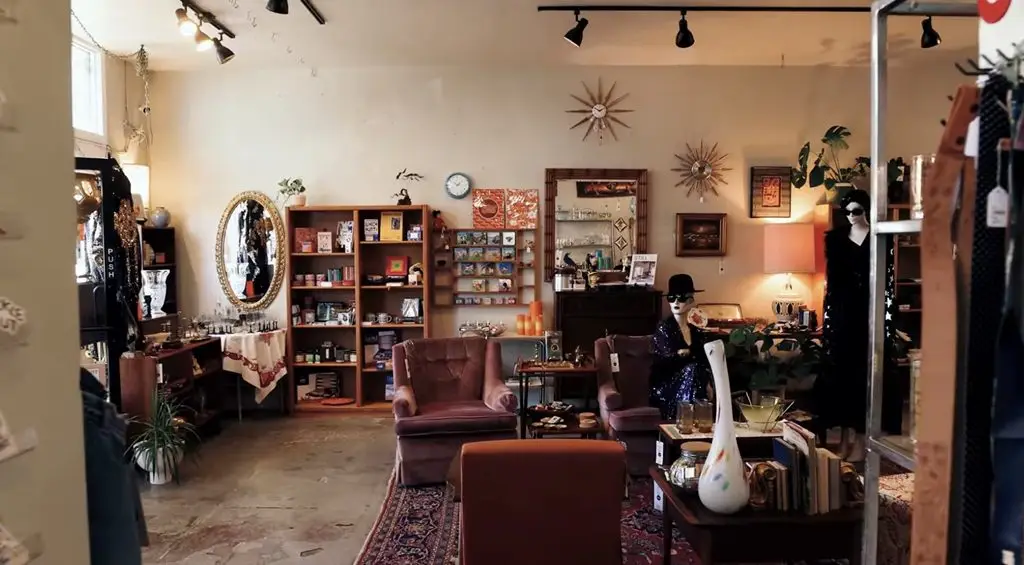
Bad Madge is what happens when “vintage store” doesn’t quite explain the situation. Owner Tanya McAnear and her team fill the shop with furniture, clothing, barware, records, art, jewelry, collectibles, and various objects that seem like they may know things about their previous owners. The shop opened in 2011 and has made reuse and upcycling part of its identity ever since. Go in without looking for anything specific—specificity will only slow you down.
2205 Fern Street
Thread + Seed
Across the neighborhood’s vintage-and-vinyl universe sits Thread + Seed, a local boutique built around clothing, denim, gifts, and personal styling. Its South Park shop has an especially deep denim program—petite, tall, wide-leg, straight, flare—and the store also offers one-on-one styling built around color and body type. In other words, this is where you go after deciding the jeans currently on your body have betrayed you. South Park understands that sometimes personal renewal begins with pants.
2220 Fern Street
The Book Catapult
Seth Marko started The Book Catapult as a book blog in 2006. In 2017, he and his wife, Jennifer Powell, turned it into an actual bookstore in South Park, specializing loosely in fiction, local interest, and children’s books while maintaining the more important bookseller skill: putting something into your hands that you didn’t know you needed.
There are staff picks, author events, signed books, and the dangerous possibility of walking in for one title and emerging with four. Because no one ever died thinking, “I shoulda read less.”
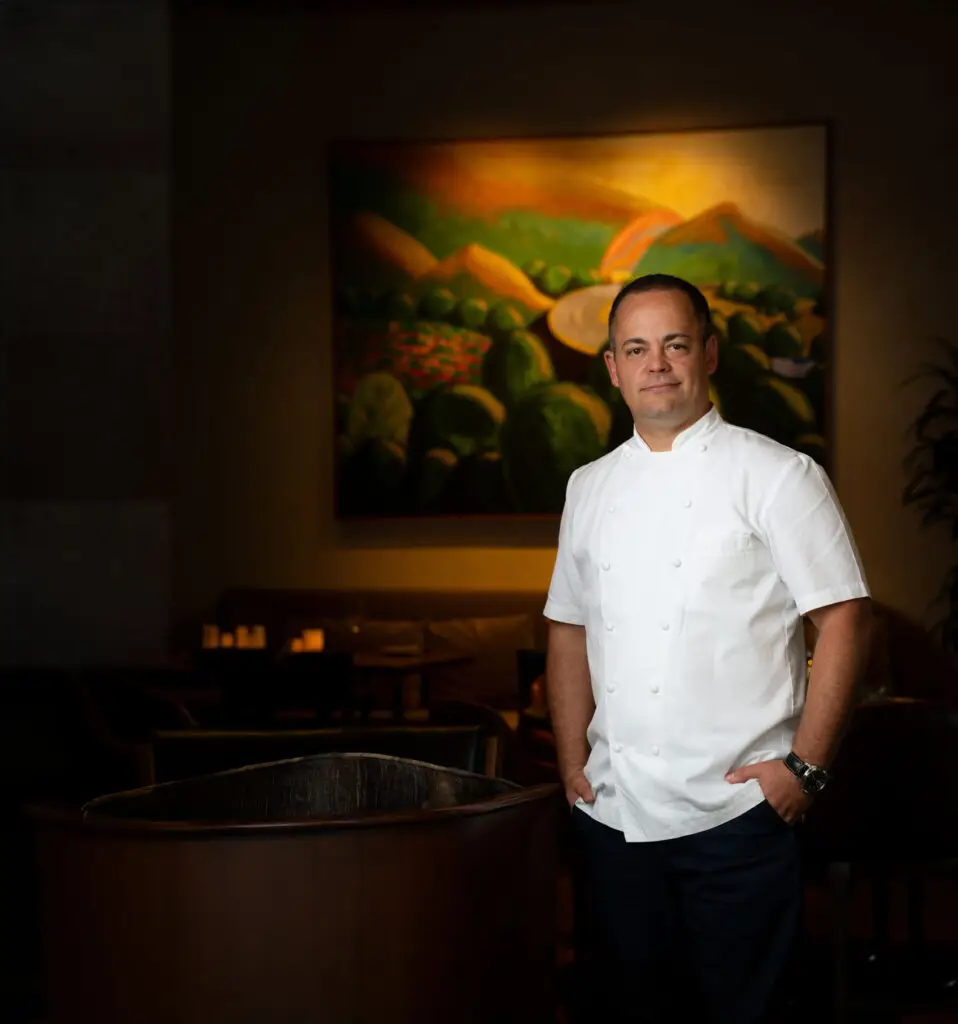
Chef Roberto Alcocer showcases all that Mexican cuisine and culture has to offer at Oceanside’s Valle. The Michelin-guide recommended restaurant takes inspiration and techniques from all over Mexico—with a heavy Baja influence—and blends them with local San Diego ingredients to create original and delectable contemporary Mexican cuisine. The seasonal tasting menu allows Chef Alcocer to experiment with the freshest available ingredients, creating dishes that defy guests’ expectations, while the wine list features more than 100 labels from Mexican artisans. Even the restaurant’s walls are a celebration of Mexican culture, all decorated with work from artists of Baja.
“My favorite part of being a chef of Valle is being able to showcase the Mexico that I know to everyone who visits,” Chef Alococer says. “Not only through the food, but with the design, culture, and welcoming service.”
Try This!
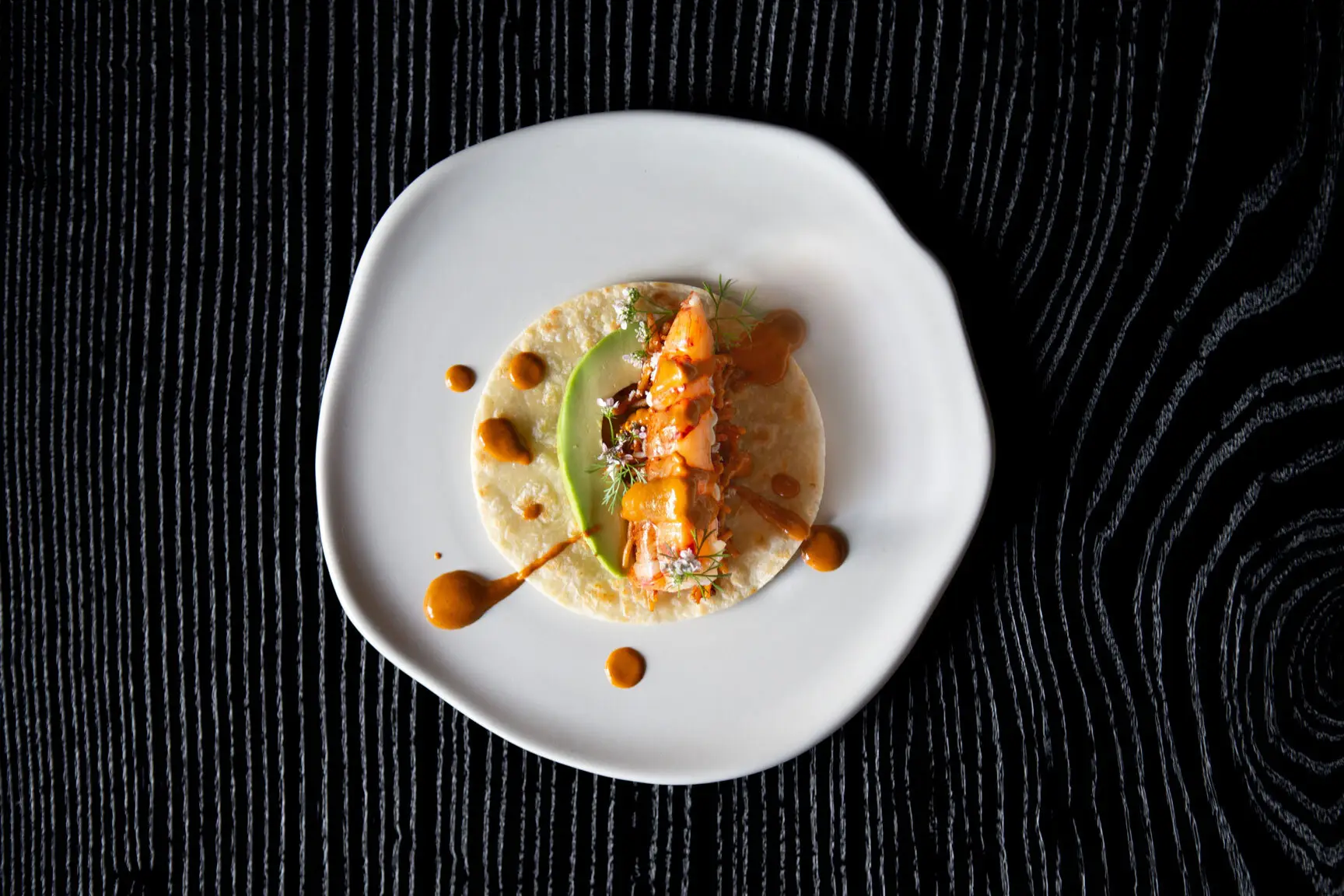
Lobster Taco: Flour sourdough tortilla with lobster shell bisque and local red spiny lobster
Valle
222 North Pacific Street, Oceanside, California 92054 866-723-8906 | valleoceanside.com
Johns Hopkins pain physician Dr. Anita Gupta, named a 2026 Health Pioneer finalist, on why women's pain is missed, and what modern care can do about it.
For too many women, pain becomes a long wait. Years of appointments. Symptoms explained away. A diagnosis that arrives, on average, seven years after the pain began. Dr. Anita Gupta has spent her career working to shorten that wait.
An anesthesiologist and pain medicine physician on the faculty of the Johns Hopkins School of Medicine, Dr. Gupta was named a San Diego Magazine 2026 Health Pioneer finalist and honored by the California State Assembly as a 2026 Distinguished Woman in Medicine. Her clinical focus is the conditions women are most often told to live with: pelvic pain, endometriosis-related pain, fibromyalgia, migraine, and chronic pain that follows childbirth or surgery.
The numbers explain why the work matters. Nearly one in four adults lives with chronic pain, and women carry a heavier share of its most disabling forms. Endometriosis affects up to fifteen percent of women of reproductive age, and it can take years to diagnose. Women spend about 25 percent more of their lives in poor health than men, much of it in pain that was never fully worked up.
Modern pain medicine offers more than it used to. Image-guided injections and nerve blocks can pinpoint and quiet specific pain generators. Neuromodulation can calm overactive pain pathways when medications fall short. New non-opioid therapies, including the first new fibromyalgia treatment approved in more than fifteen years, give physicians options that did not exist a decade ago. And multidisciplinary care, pairing medical treatment with pelvic floor physical therapy, behavioral health, and nutrition, treats the whole picture rather than a single symptom.
In September 2026, Oxford University Press published Interventional Pain Medicine for Women’s Health, the textbook Dr. Gupta edited to give clinicians a rigorous, source-based guide to diagnosing and treating women’s pain. Her message to patients is straightforward: pain that persists deserves a name, a workup, and a plan. If you have been told your pain is normal, a second opinion is not a complaint. It is good medicine.
Dr. Gupta writes and speaks nationally on women’s pain, and advises the health innovators working to change it. San Diego, home to one of the country’s great life sciences communities, is exactly the place to expect better answers.
Celebrating Women Profiles 2026: The Woman of Withers
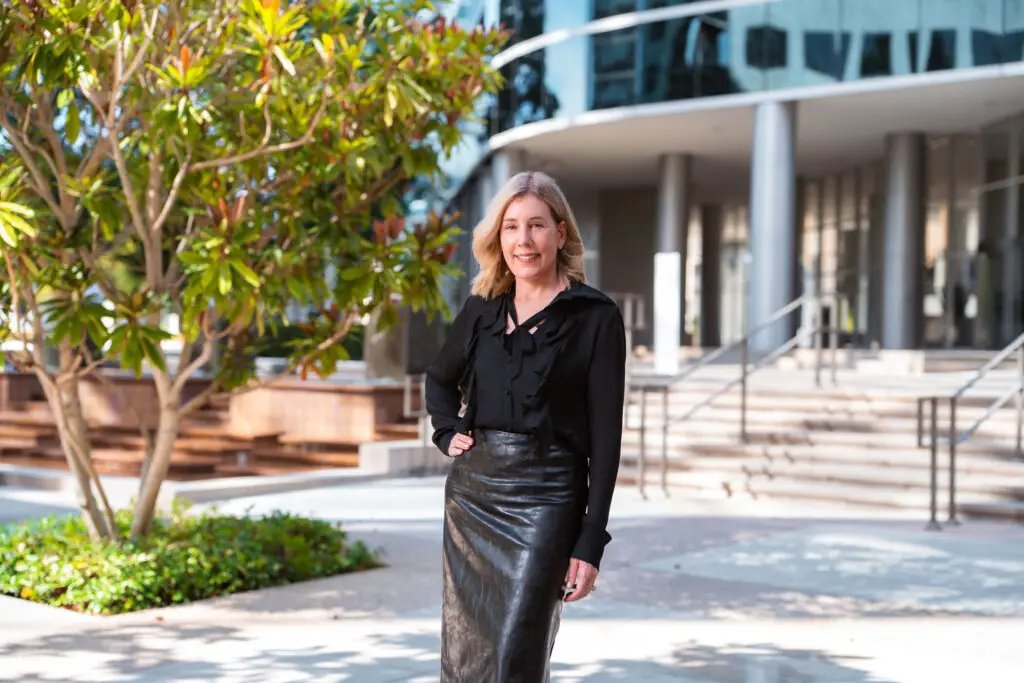
Leslie Evans As a partner in Withers’ family law practice, Leslie Evans helps individuals and families through some of life’s most challenging transitions. She represents high-net-worth clients in complex divorces and custody disputes and advises clients on premarital, postmarital and cohabitation agreements. Her matters frequently involve business interests, trusts, real estate holdings and assets spanning […]
As a partner in Withers’ family law practice, Leslie Evans helps individuals and families through some of life’s most challenging transitions. She represents high-net-worth clients in complex divorces and custody disputes and advises clients on premarital, postmarital and cohabitation agreements. Her matters frequently involve business interests, trusts, real estate holdings and assets spanning multiple jurisdictions. Through thoughtful negotiation, mediation and creative problem-solving, she helps clients maintain control over the decisions that matter most.
“Having gone through my own divorce, I understand how overwhelming this process can be,” Evans says. “The most rewarding part of my work is helping clients close a difficult chapter and move forward with confidence.”
Celebrating Women Profiles 2026: The Woman of Salt + Pepper Hospitality
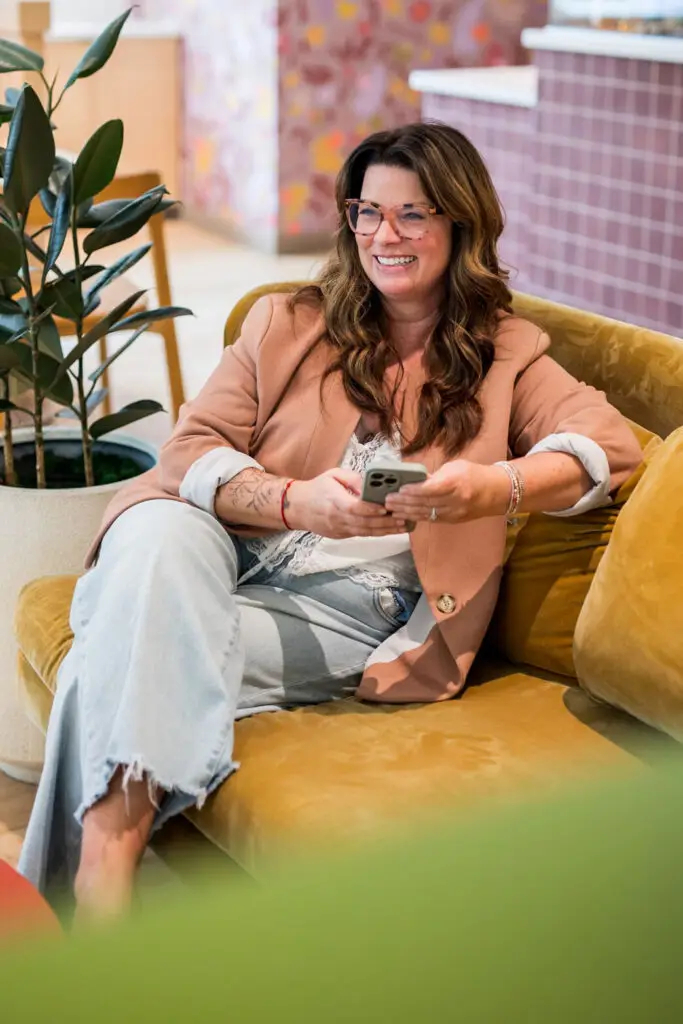
April Johnson, Founder At Salt + Pepper Hospitality, April Johnson brings experience, expertise, and thoughtful solutions to some of Southern California’s most respected restaurants, enhancing the intangible magic of their brands. With more than three decades of experience in hospitality as an operator, executive, and partner, April brings an insider’s perspective to hospitality talent sourcing […]
At Salt + Pepper Hospitality, April Johnson brings experience, expertise, and thoughtful solutions to some of Southern California’s most respected restaurants, enhancing the intangible magic of their brands. With more than three decades of experience in hospitality as an operator, executive, and partner, April brings an insider’s perspective to hospitality talent sourcing and recruiting, strategic consulting, and executive thought partnership.
Now celebrating ten years of Salt + Pepper Hospitality, April is honored to be recognized as a Woman of the Year finalist in Food & Beverage and to be among so many inspiring San Diego women.