I Scream, You Scream, We All Scream For…Cauliflower?
By Suzanne Finch, Jeff Ristine Ice cream-craving vegans know all about brands using soy milk or even cashews as substitutes for dairy products, but with some marketing savvy from students at San Diego State University, a New Zealand company’s cauliflower-based treat is poised to enter the U.S. market. That’s right, cauliflower: The vegetable from the […]
Ice cream-craving vegans know all about brands using soy milk or even cashews as substitutes for dairy products, but with some marketing savvy from students at San Diego State University, a New Zealand company’s cauliflower-based treat is poised to enter the U.S. market.
That’s right, cauliflower: The vegetable from the mustard family that looks like broccoli and tastes like it needs a dip.
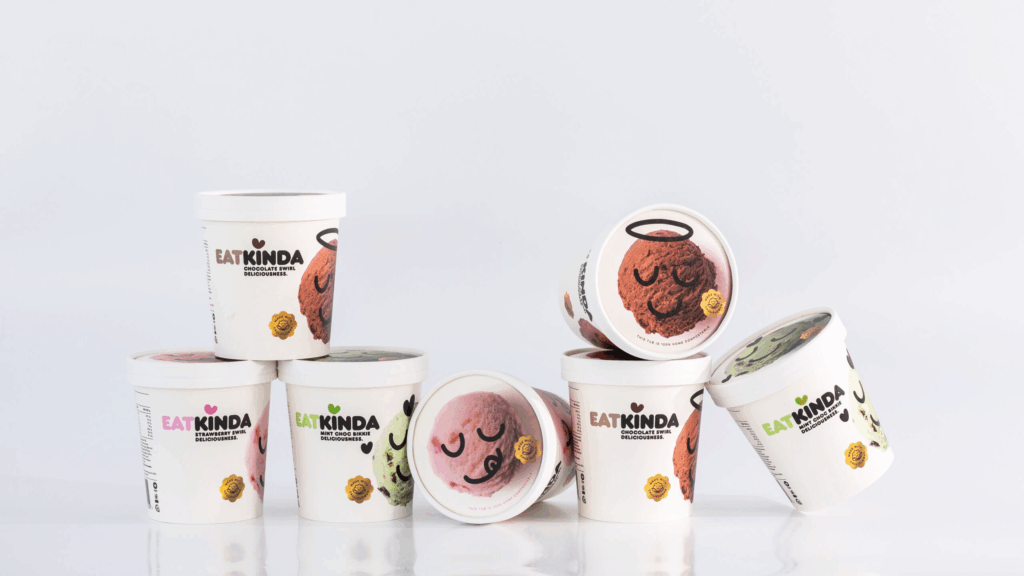
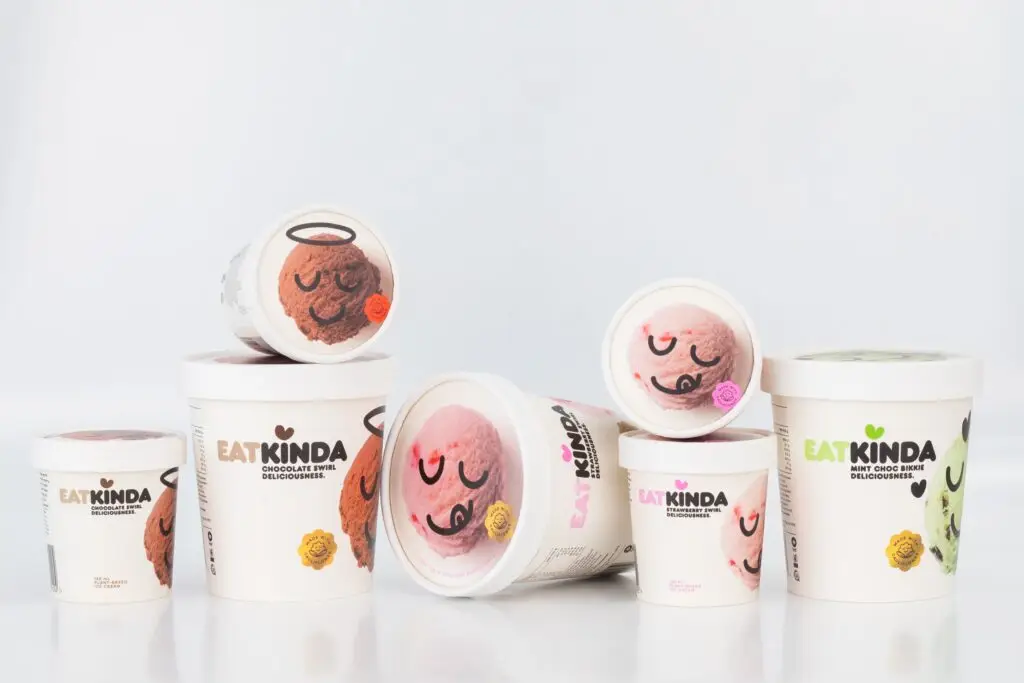
In an undertaking that began as a class project in a master’s-level global business development class, four students helped create the American product-launch strategy for the allergen-free, cauliflower ice cream developed by women-owned EatKinda that comes in chocolate swirl, strawberry swirl and mint chocolate bikkie (cookie to us Americans) flavors.
The company, which hopes to have its product in California stores by the end of the year, credits the SDSU students with helping to confirm that there’s a market for cauliflower ice cream in the U.S. and what to focus upon to sell it (taste, not lifestyle).
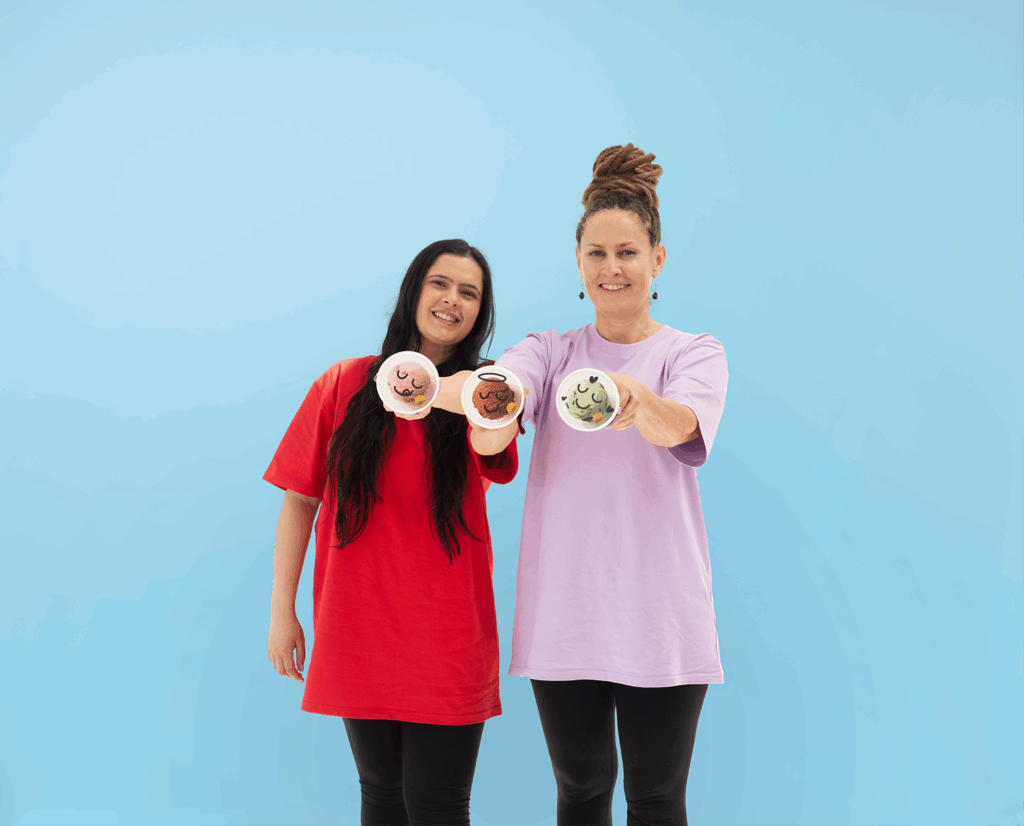
It all started in fall 2023 when EatKinda founders Milli Kumar and Jenni Matheson connected with management professor Martina Musteen, advisor in the Master of Science in Global Business Development program. Musteen used their query as a project for her International Entrepreneurship and Business Development class that fall.
“We thought there was an opportunity for a brand like EatKinda in the U.S. with consumers seeking more allergen-friendly and sustainable food options,” said Kumar. “One of the students, Andrew Dagnino, contacted an executive at Sprouts Farmers Market who gave us positive feedback about our U.S. product prototype. This gave us the confidence to keep moving forward with the USA as a potential launch market.”
To complete their U.S. market launch strategy proposal, the student team consulted weekly with Kumar. With feedback from Kumar and the Sprouts executive, they conducted a consumer research survey to shape their proposal, which they presented to Kumar and Matheson at the conclusion of the semester.
“We were able to provide Milli with a comprehensive understanding of the U.S. marketplace preferences regarding non-dairy ice cream alternatives,” said Dagnino, who earned his MBA in 2023. “This research helped us understand that — in spite of the fact there is a growing trend toward plant-based products — the majority of consumers’ buying decisions for desserts were influenced more so by taste rather than a desire to follow a vegan/vegetarian diet. EatKinda can effectively position itself as a middle ground between indulgent, creamy ice cream and plant-based offerings.”
Using information gathered from the SDSU student team’s proposal, EatKinda laid the groundwork to embark on a U.S. sales strategy.
“The students did some great research to help us better understand the market landscape,” said Kumar. “It showed us there was a market for EatKinda. Currently, we are moving quickly to get the product manufactured in the USA to begin distribution in the California region by the end of 2025.”
The company also hopes to expand to additional global markets.
Besides being dairy-free the company boasts its cream is gluten-free as well with no nuts, palm oil or “artificial stuff.” In New Zealand, its products are sold in compostable, plastic-free tubs and use cauliflower that would otherwise go to waste. It’s sold at Hell Pizza outlets and Woolworths, a major supermarket chain.
Most homeowners want two things before they commit to a remodel: a realistic sense of cost and a clear picture of what the finished space will look like. Milan Design + Build helps deliver both through its online remodeling estimator and personalized design consultations, supported by a showroom experience and 3D renderings.
“The online estimate gives homeowners a starting number in about a minute, and the showroom and 3D renderings let them see materials and layouts before anything is built,” says David Noriani, CEO of Milan Design + Build. “Keeping design, permits, and construction with one team helps us manage expectations and keep everyone working toward the same vision.”
Courtesy of Milan Design
Modern design is a particular focus for Milan, with an emphasis on clean lines, natural light, functional layouts, and carefully selected materials. The team adapts each design to the homeowner’s lifestyle and the character of the property. Milan Design + Build combines thoughtful design with construction expertise, creating spaces that are as functional as they are beautiful.
The online estimator covers kitchen remodels, bathroom renovations, full-home remodels, and ADU construction. At Milan’s showroom on Carroll Road, visitors can review real materials, finishes, and design options, meet the design-build team, and discuss project scope, budget, and timing. Consultations can also be held virtually for homeowners who prefer to start remotely.
At Milan Design + Build, one integrated team works on the entire project. Design and construction aren’t divided between separate firms. The process begins with a consultation and feasibility review, followed by design, space planning, and 3D renderings developed from detailed measurements and digital scans. The team also coordinates architectural plans, structural engineering, city approvals, and material selection, with construction overseen by a dedicated project manager.
Homeowners can explore their remodeling options, get an initial estimate, or request a design consultation at MilanBuild.com.
In the last several years, there’s been a surge in FDA approvals for what’s known as oral oncolytics. Oral oncolytics are targeted cancer therapies that come in tablet, capsule or liquid form that patients can take at home, rather than in an infusion clinic. Scripps physicians have seen exponential growth using this approach, with patients citing convenience as a major quality-of-life enhancement in their cancer treatment. This approach also allows treatments to be customized based on specific genetic mutations and a patient’s unique disease biology. Find out more about oral oncolytics here.
For more nutrition, wellness, and healthy living tips, sign up for the San Diego Health newsletter here.
Meet San Diego’s leading healthcare professionals, delivering exceptional medical and dental care through innovation, expertise, and dedication to patients.
Unio Specialty Care is a multi-specialty practice specializing in urology, gastroenterology, and radiation oncology.
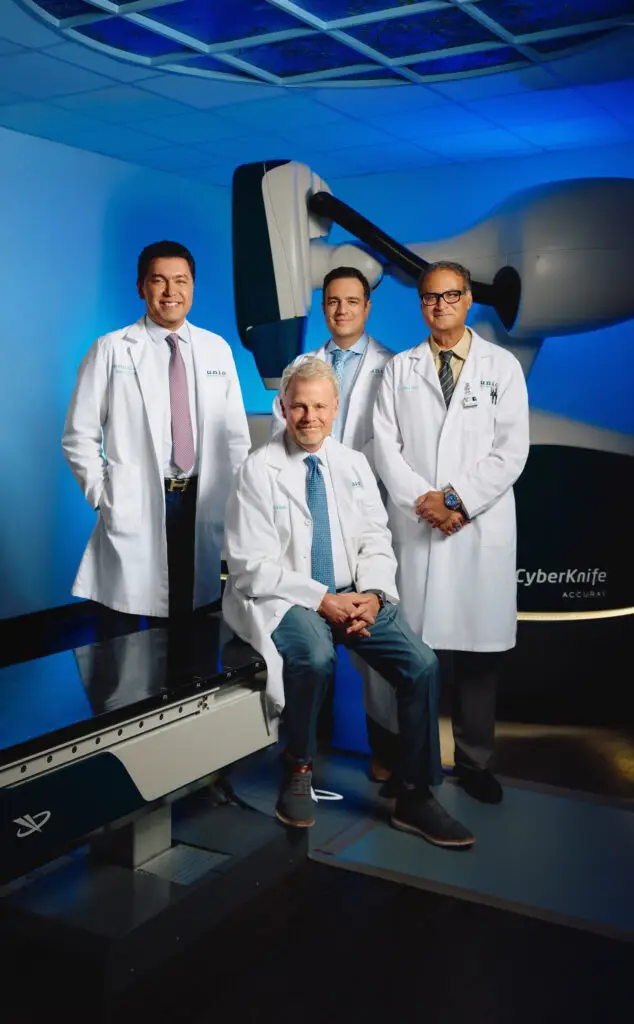
Unio’s Radiation Oncology team—Dr. Donald B. Fuller, Dr. Tahir Ijaz, Dr. Reza Shirazi, and Dr. Siavosh Vakilian—combines extensive clinical experience with a commitment to personalized cancer care. The RO team treats cancerous and non-cancerous conditions using precision therapies including SBRT, IGRT, and the CyberKnife® S7 System, the only system of its kind in Southern California. Their expertise spans prostate, breast, lung, gastrointestinal, pancreatic, and central nervous system cancers, as well as low-dose radiotherapy for osteoarthritis.
In 2026, Dr. Shirazi and Dr. Vakilian were recognized as San Diego Top Doctors, joining Dr. Fuller and Dr. Ijaz, who have previously received this distinction.
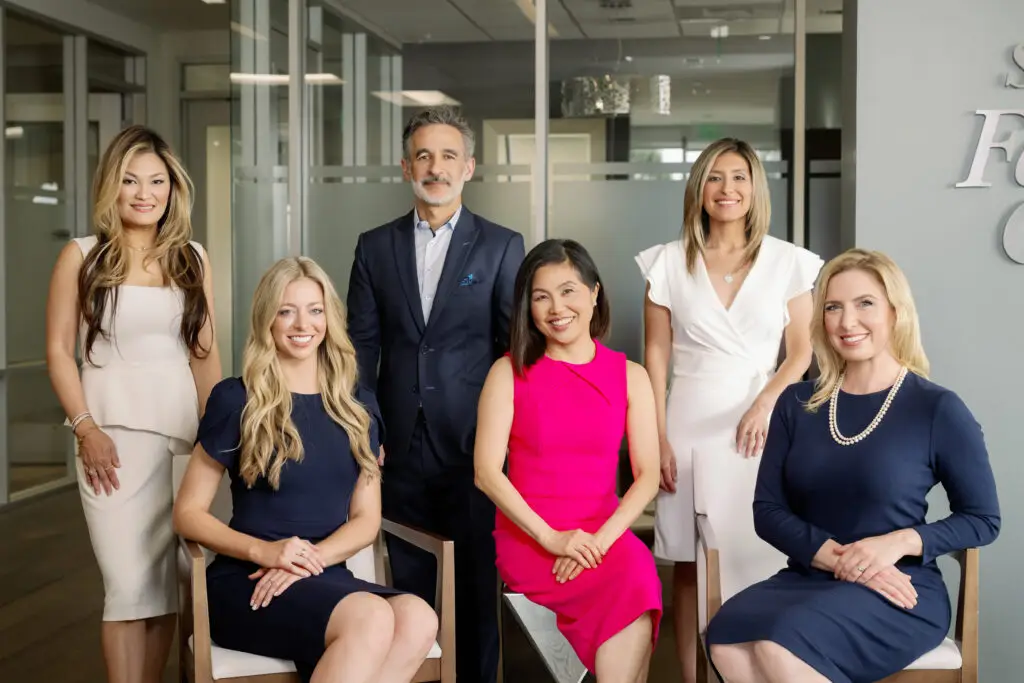
Faces of Healthcare 2026: San Diego Fertility Center
Meet San Diego’s leading healthcare professionals, delivering exceptional medical and dental care through innovation, expertise, and dedication to patients.
Susanna Park, MD; Sandy Chuan, MD; Brooke Friedman, MD; Said Daneshmand, MD; Valerie Flores, MD; Bryn Willson, MD
At San Diego Fertility Center, parenthood starts with personalized, cutting-edge care. Nationally recognized physicians offer individualized plans spanning IVF, PGT, egg donation, surrogacy, Gentle IVF, fertility preservation, and LGBTQ+ family building. Newsweek ranked them among America’s Best Fertility Clinics in 2026: top 6% of 450+ clinics nationwide, and best in San Diego.
“Remind yourself you are not alone! You don’t have to have all the answers before you walk through the door,” says Dr. Friedman. “Our job is to listen, explain your options, and guide you toward what makes sense for you. Because fertility care isn’t one-size-fits-all — and building your family should feel like your journey, supported every step of the way.”
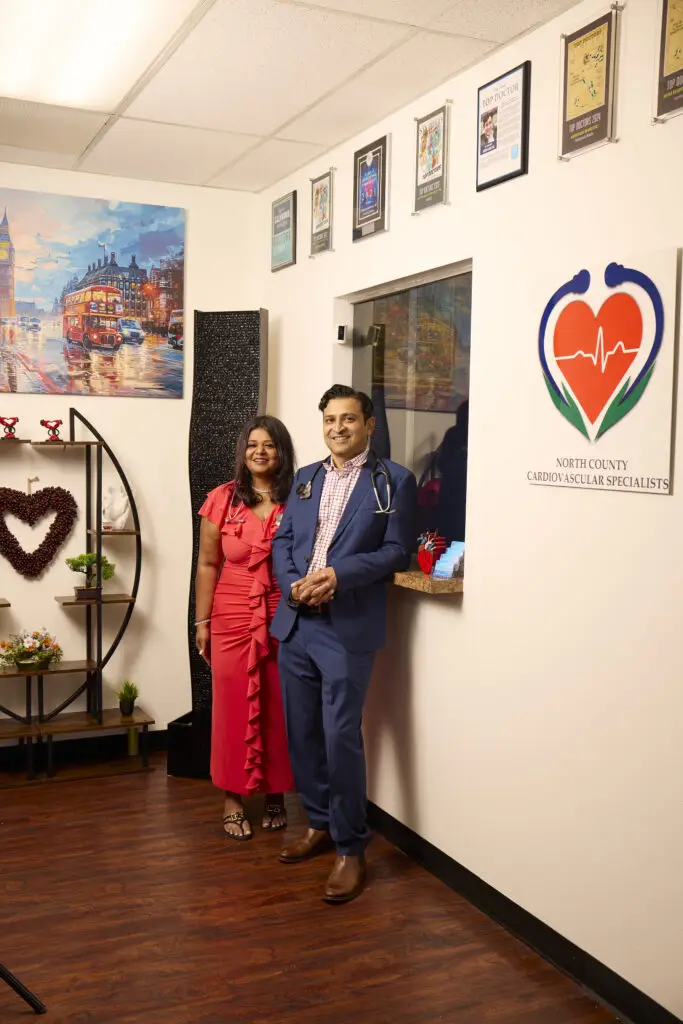
Faces of Healthcare 2026: North County Cardiovascular Specialists
Meet San Diego’s leading healthcare professionals, delivering exceptional medical and dental care through innovation, expertise, and dedication to patients.
At NCCS, both doctors take a personal, traditional approach to cardiovascular care. Patients speak directly with their physicians and build lasting relationships with doctors who know them.
“We became doctors to care for patients, not to run a business,” says Dr. Kabra, who trained in England and the United States and leads the practice’s office-based cardiac care. Dr. Rajamanickam, an interventional cardiologist trained under renowned Dr. Samin Sharma, shares the same philosophy.
Guided by evidence-based medicine, they tailor care to each patient’s unique history, physiology, lifestyle and goals. Both are respected, well-reviewed physicians and four-time Top Doctors.
Visit
3142 Vista Way, Suite 206, Oceanside, CA 92056 760-224-7776
Meet San Diego’s leading healthcare professionals, delivering exceptional medical and dental care through innovation, expertise, and dedication to patients.
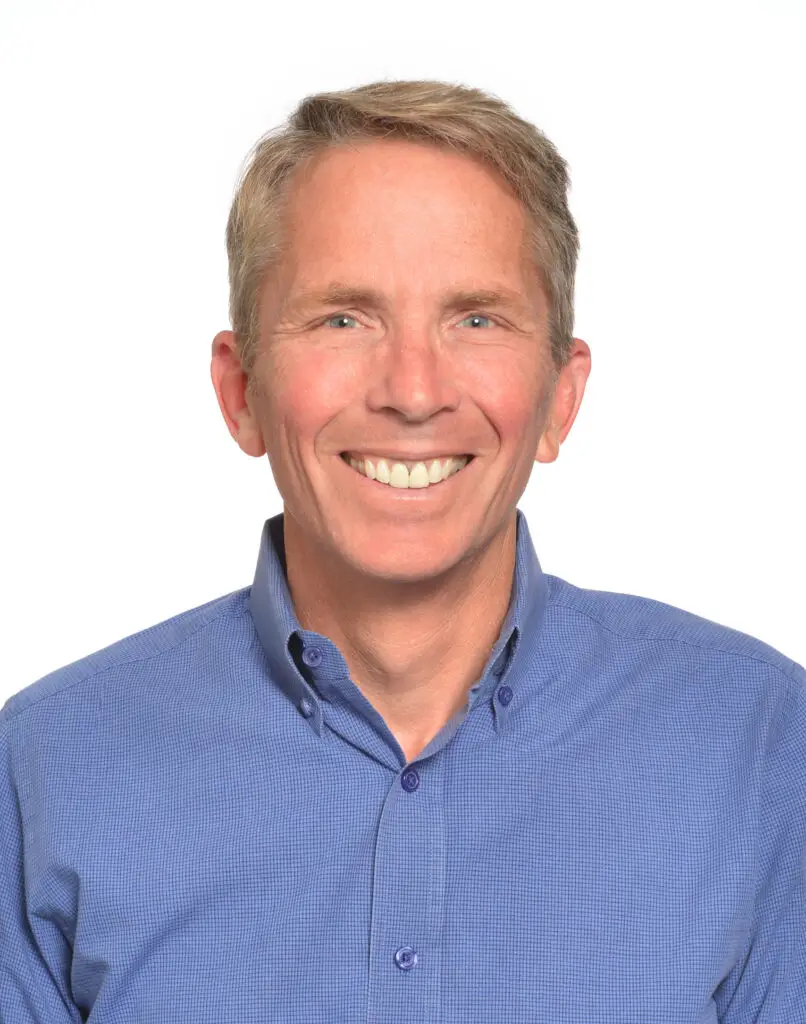
Community health is about more than just vaccines and checkups, At Neighborhood Healthcare, patients receive whole-person care, giving them access to the resources they need to live their best lives—whether that’s primary care, pediatrics, dental care, behavioral health, lab services, or pharmacy needs.
Neighborhood Healthcare is a private, non-profit community health organization in San Diego, Riverside, and San Bernardino Counties. Primary Care Physician James H. Schultz, MD goes above and beyond in serving people with high integrity, professionalism, and collaboration. Alongside the entire Neighborhood Healthcare staff, he works to improve the health and happiness of the community, regardless of situation or circumstance.