Partner Content
OCTOBER 15, 2024 (Updated Oct 15, 2024)
Learn How TMS Therapy is Revolutionizing Depression Treatment
A conversation with Dr. Ankur Bindal of KMG Psychiatry pinpoints how this non-surgical, non-invasive procedure helps treat patients with noticeable improvements within a week.
Transcranial Magnetic Stimulation (TMS) offers a beacon of hope and a new path forward for individuals struggling with depression, offering an effective therapeutic solution as an emerging transformative option.
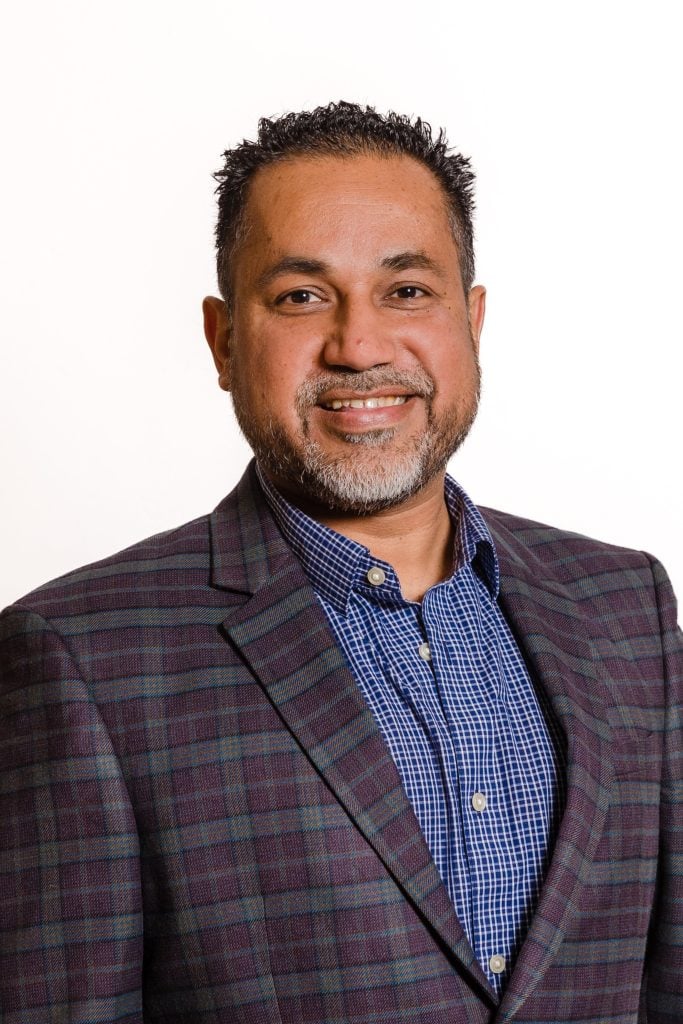
Dr. Ankur Bindal at San Diego’s KMGPsychiatryexplains that depression is a treatable mental health condition, but standard treatments don’t always work for everyone. TMS, specifically NeuroStar ®, offers a non-invasive alternative that stimulates brain cells linked to depression, anxiety and PTSD.
Brain stimulation can reawaken the connections in the brain, which can provide improvement in depressive episodes. The TMS procedure, in simple terms, uses magnetic fields to wake up sleepy nerve cells in the brain that are linked to depression and PTSD. TMS can start to improve symptoms of depression as soon as one week.
For those who have not found relief from medication or other treatments, TMS therapy offers a promising alternative, providing a non-surgical, non-invasive treatment option that can significantly improve symptoms of depression without the side effects of traditional medications. This can bring a sense of relief and hope not just to the individual but also to their families.
Here’s what to know about TMS:
● During a TMS session, a patient sits in a comfortable chair and remains fully awake as the physician lightly places a small, curved magnetic coil on their head. NeuroStar delivers targeted magnetic energy to stimulate underactive cells in your brain as the individual relaxes.
● While a light-clicking sound throughout the procedure may be heard, TMS is never painful or uncomfortable. On average, the procedure takes between 18 and 37 minutes, though times may vary depending on an individualized treatment plan.
● Most NeuroStar TMS treatments are administered five days a week for approximately five to seven weeks.
● Compared to alternative depression, anxiety and PTSD treatments, TMS has very few side effects.
● Unlike vagus nerve or deep brain stimulation, TMS doesn’t require surgery or an implant. It also doesn’t require anesthesia or cause serious side effects, such as seizures, like electroconvulsive therapy (ECT).
● In contrast to antidepressants, which take about six weeks to start working, many patients report feeling that their mood improved after just a few sessions.
● Unlike medication, patients don’t need to continue TMS after the initial five- to seven-week treatment. While some patients return for maintenance sessions, most people find relief from their symptoms for at least one year after their first treatment.
“By addressing and managing mental health needs, I can help provide hope to many people and families in our community,” says Dr. Bindal. “I believe that by working together, we can truly make a difference, and that difference is a healthy body and a healing mind.”
TMS is changing the treatment landscape. For more information, visit www.kmgpsychiatry.com.
Ankur Bindal, MD, MPH, FAPA, FAASM, is a board-certified psychiatrist and the CEO, founder, and president of KAB Medical Group Inc. in San Diego, Vista and Chula Vista, California. A highly trained physician, Dr. Bindal has more than 16 years of experience in medicine. In addition to holding board certification in psychiatry from the American Board of Psychiatry & Neurology, he is a board-certified sleep medicine practitioner and SAMHSA buprenorphine prescriber.
Today’s seniors are more connected than ever, with a renewed focus on retirement as a time of discovery and enriching experiences. The ultimate reward for a retirement well-earned is the wisdom to appreciate it all, and what better place to enjoy that unique perspective than Vi at La Jolla Village, in the heart of San Diego.
All-access pass to good living.
As a Continuing Care Retirement Community (CCRC), Vi provides access to a connected and fulfilling community while making it easy to plan for future care, should the need ever arise. With a care plan in place, residents enjoy greater financial predictability and long-term value, freeing them to focus on making the most out of retirement.
Resort-style amenities at the epicenter of a cultural hub like San Diego offer a retirement experience unlike any other. Paired with exceptional dining, spacious accommodations and dedicated staff, the best of maintenance-free living is all around. And with the introduction of Vista 360 Well-Being, Vi’s panoramic approach to wellness, there are more ways than ever for residents to access it all.
The harmony of mind, body and community.
Courtesy of Vi at La Jolla Village
The key to longevity is striking the right balance in maintaining an active lifestyle with an active mind in a fulfilling community. With newly renovated community spaces and restaurants, Vista brings a variety of opportunities for residents to elevate their well-being through Vi-exclusive “Signature Experiences.”
Vista Enrich takes an evidence-based approach to brain vitality, keeping residents at the forefront of cognitive health through exergaming (exercising + gaming), nutritional plans and informative workshops. It is also home to The Brain Vitality Studio, an innovative facility dedicated to cognitive fitness that has garnered national recognition.
Vista Discover invites residents into stimulating educational experiences, from chef-led cooking demos and guided wine tastings to lectures at local universities and intimate lectures following cultural outings.
While Vista Enrich focuses on brain health and Vista Discover engages residents intellectually, Vista Explore cultivates a sense of adventure through curated travel and local excursions. But broadening one’s horizons doesn’t always require a plane ticket. One recent event brought a taste of the world right to the community: an onsite “jazz cruise” featuring live music and global cuisine served at a series of themed “ports” all within the community’s own ballroom.
“Location, location, location”
Courtesy of Vi at La Jolla Village
One of the biggest perks of life at Vi at La Jolla Village is its proximity to just about everything. With easy access to transportation and local attractions just steps away, residents can explore and engage with their community at their own pace.
“There are trolley and bus stops within a 5-minute walk that will get you to the beach, UCSD Campus, medical appointments, downtown La Jolla or San Diego, et cetera. We rarely use our car,” said resident Tom Yager.
With the best of San Diego just steps away, residents don’t just live in the city, they live within reach of everything that makes it special.
The best of all worlds.
Courtesy of Vi at La Jolla Village
At Vi at La Jolla Village, retirement isn’t a chapter to slow down; it’s an invitation to discover more. Tailored community experiences created by Vista, paired with the vibrant pulse of San Diego just outside the door, mean that residents don’t have to choose between security and adventure, connection and independence. They get all of it.
This is what an all-access pass to good living looks like: the comforts of an elevated lifestyle, a community built for growth and a city made for discovery – all in one place.
To learn more about Vi at La Jolla Village or for details on available floor plans, visit ViatLaJollaVillage.com/SDM.
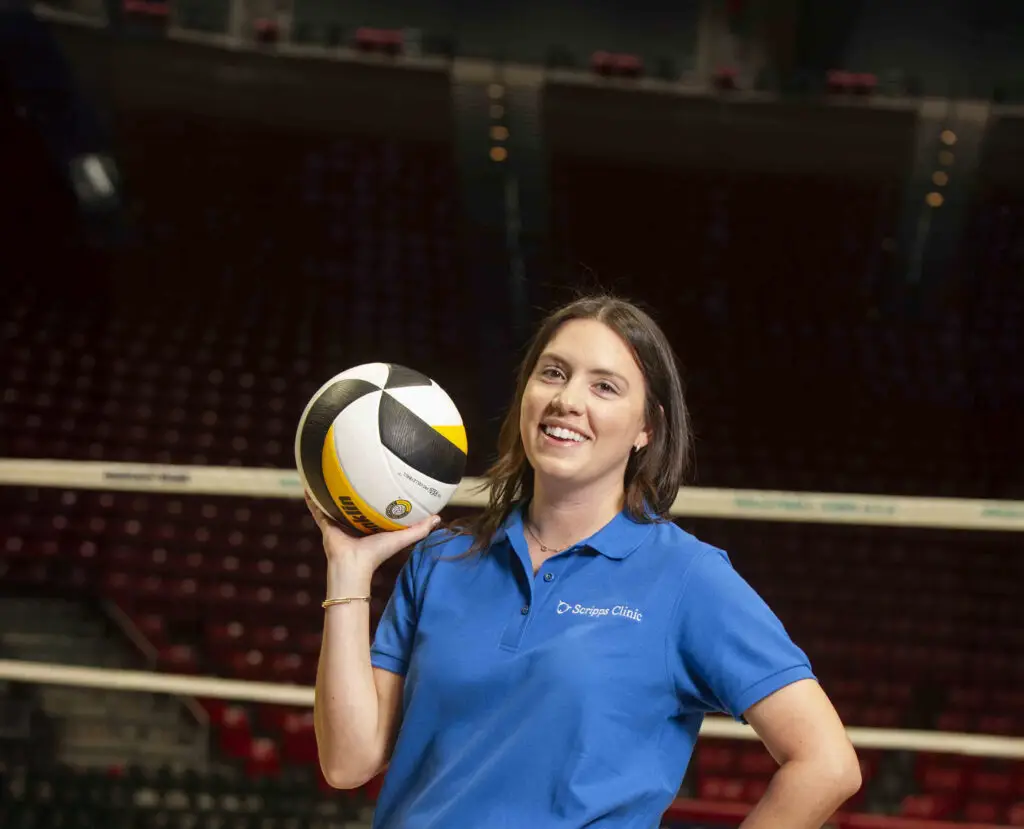
Growing up, Laika Nur, MD, Scripps Clinic sports medicine specialist, loved watching beach volleyball when the Association of Volleyball Professionals tour came to her hometown of Chicago. A talented volleyball player herself, she remembers sitting in the stands all day, and once, even got a couple autographs. Years later, Dr. Nur was attending a professional event focused on women’s sports, and the discussion turned to a new professional women’s volleyball league. The general manager and coaching staff for San Diego’s team, the Mojo, happened to be in attendance, and Dr. Nur took the opportunity to ask them if they needed a team doctor. Flash forward to the Mojo’s inaugural 2024 season, when Dr. Nur officially became the team physician. Click here to read more about Dr. Nur and how she incorporates lessons she learned on the court into her practice.
For more nutrition, wellness, and healthy living tips, sign up for the San Diego Health newsletter here.
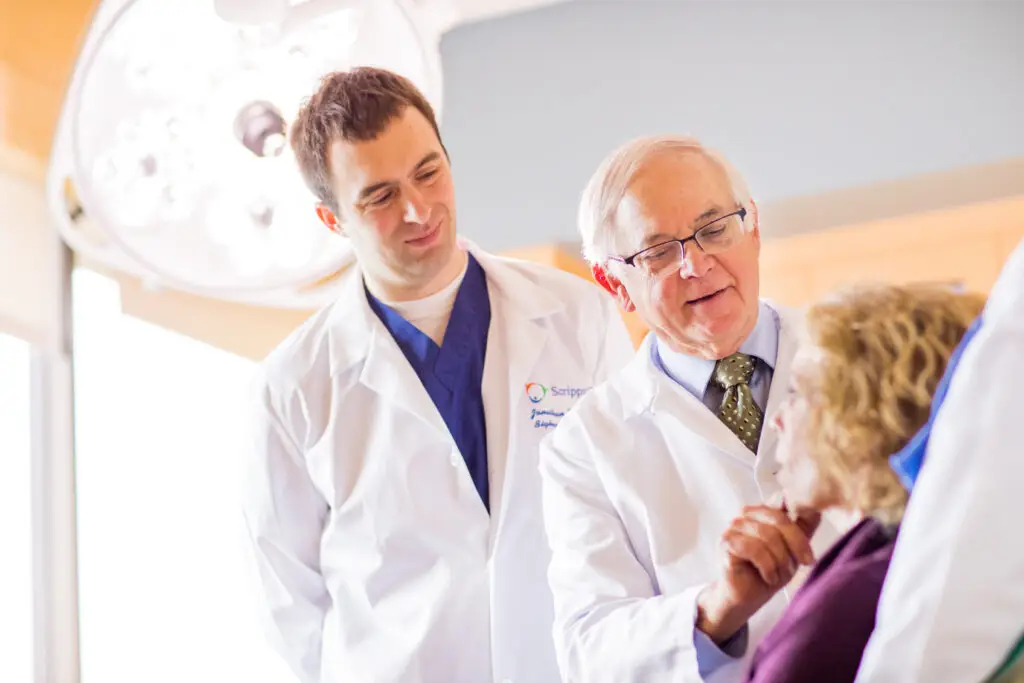
Your feet and ankles probably aren’t something you give much thought to—until something goes wrong. Orthopedic surgeons at Scripps Clinic are on the leading edge of foot and ankle reconstruction, treating patients with sports injuries, deformities, traumatic injuries and other conditions. That includes repairing torn Achilles tendons with a minimally invasive procedure that shrinks the incision site to less than a centimeter, and performing advanced ankle replacement on some patients with ankle arthritis. Read more about Scripps’ innovations in foot and ankle care here.
For more nutrition, wellness, and healthy living tips, sign up for the San Diego Health newsletter here.
Mai Vue was just 34 weeks pregnant when she delivered her baby. Her pregnancy had been complicated, and she’d had a recent second trimester pregnancy loss, which led to her receiving specialized care from Sean Daneshmand, MD, a Scripps Clinic perinatologist who oversees high-risk pregnancies. Dr. Daneshmand and his team took care of Mai during her pregnancy, through the birth of her healthy baby girl and beyond. Mai was part of a program Scripps launched to provide support to new moms in the weeks and months after delivery. The postpartum program, known as Scripps Health’s Fourth Trimester Continuum of Care, provides care for women with high-risk pregnancies to optimize their health after childbirth and reduce the risk of complications in future pregnancies. Click here to learn more.
For more nutrition, wellness, and healthy living tips, sign up for the San Diego Health newsletter here.
It’s estimated that one in five people in the U.S. will develop skin cancer at some point in their lives. When you factor in living in a sun-soaked city like San Diego and the outdoorsy lifestyle that comes with it, that figure can jump to as high as one in three, which makes early detection and intervention all the more important. Dermatologists at Bighorn Mohs and Dermatology Center are using innovative imaging methods and advanced surgical techniques to diagnose and treat skin cancer. For certain cancers in sensitive spots, like the face, dermatologists perform Mohs surgery, removing skin tissue layer by layer until reaching healthy, cancer-free tissue. They also use a process called immunohistochemistry to view tissue samples taken during Mohs surgery in far greater detail than previous methods. Read more about how Scripps is advancing skin cancer care here.
For more nutrition, wellness, and healthy living tips, sign up for the San Diego Health newsletter here.
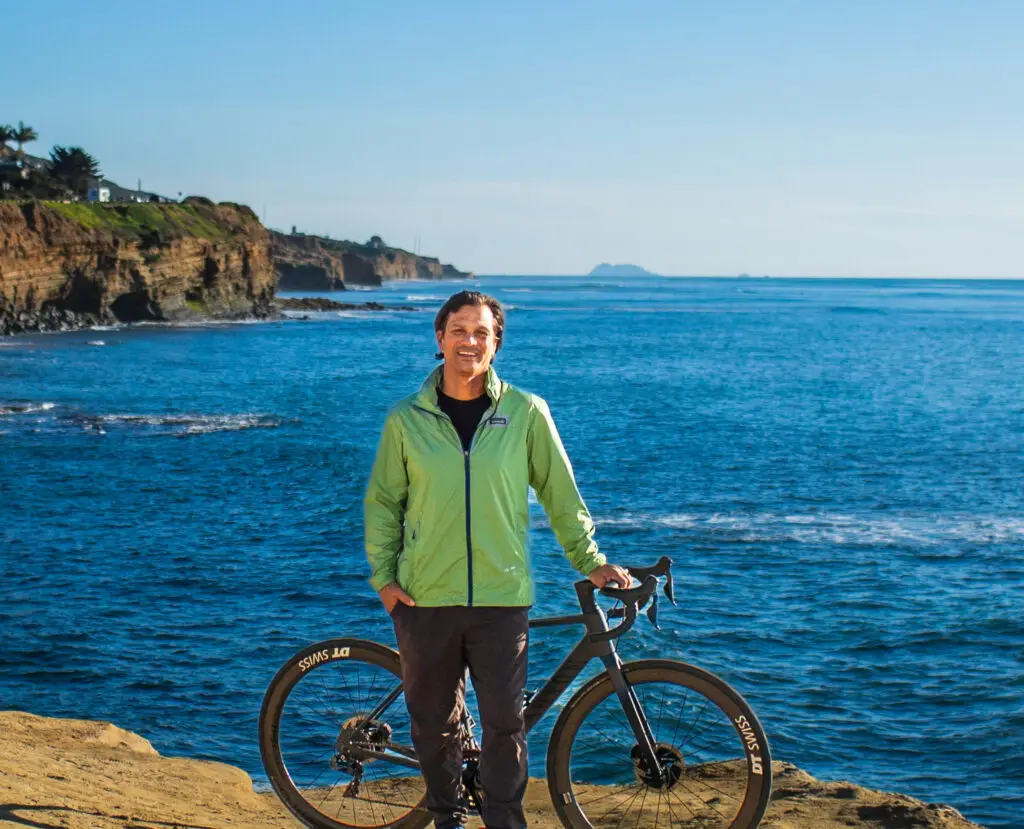
When endurance athlete Isaac Sanchez learned he had cancer, he felt blindsided. He was healthy, surfed often and was training for an Ironman triathlon. But he had to put that on hold to undergo treatment. His physicians at Scripps Cancer Center developed a plan to treat the cancer in his tonsil and lymph nodes that included six-and-a-half weeks of near-daily radiation and weekly chemotherapy. He also worked with a Scripps Cancer Center dietitian to enhance his nutrition to promote strength and healing. Today, Isaac’s back to doing what he loves. Read more of his story here.
For more nutrition, wellness, and healthy living tips, sign up for the San Diego Health newsletter here.