Renewable energy companies building hundreds of power plants. Biotech startups using artificial intelligence to create personalized medicine for children with rare diseases. Hospitality companies quietly powering thousands of local events. Consumer brands growing from beach-town startups into national businesses. These are the kinds of companies driving San Diego’s economy today, and the businesses recognized at this year’s San Diego Business Impact Awards offer a snapshot of where the region is headed.
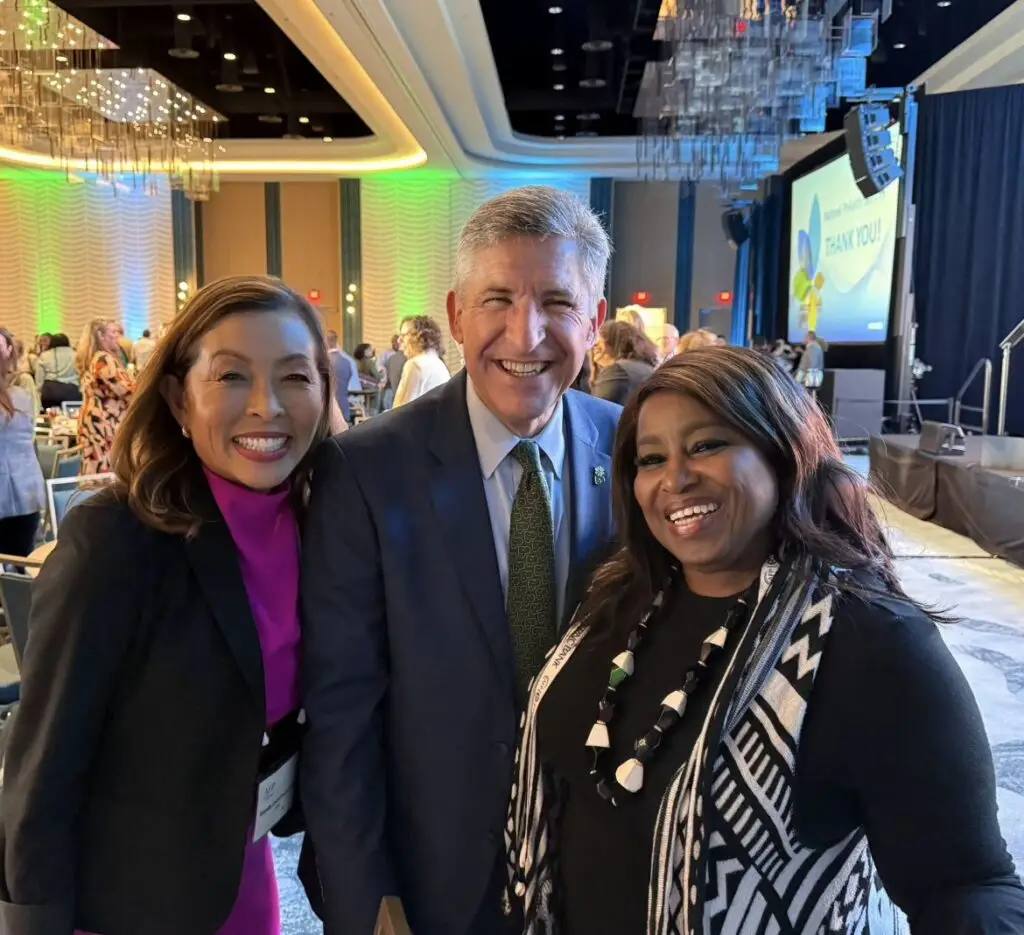
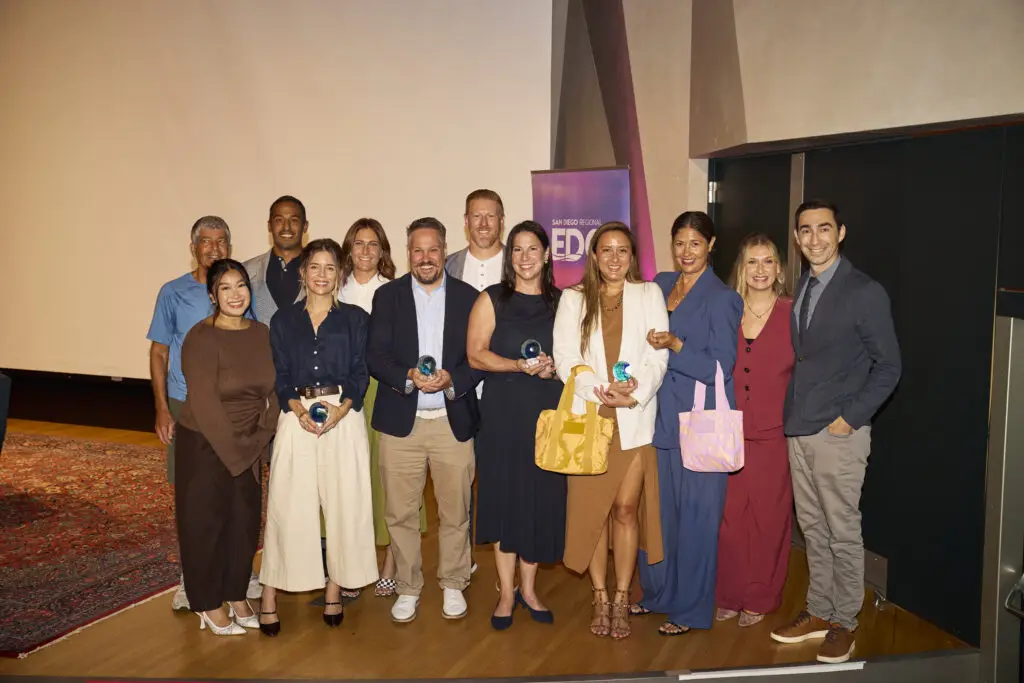
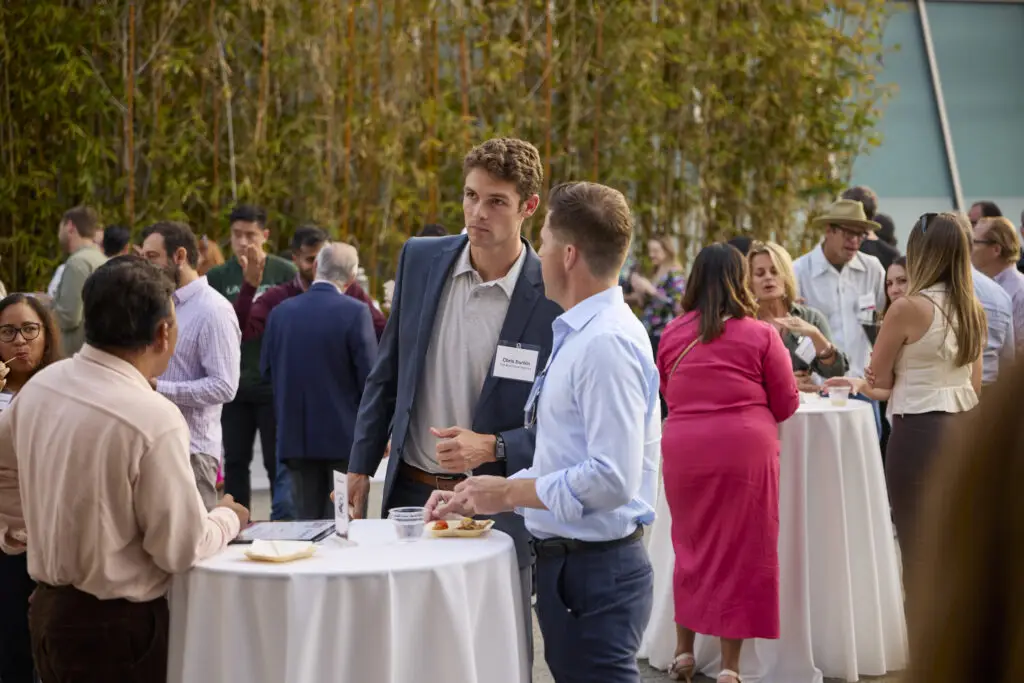
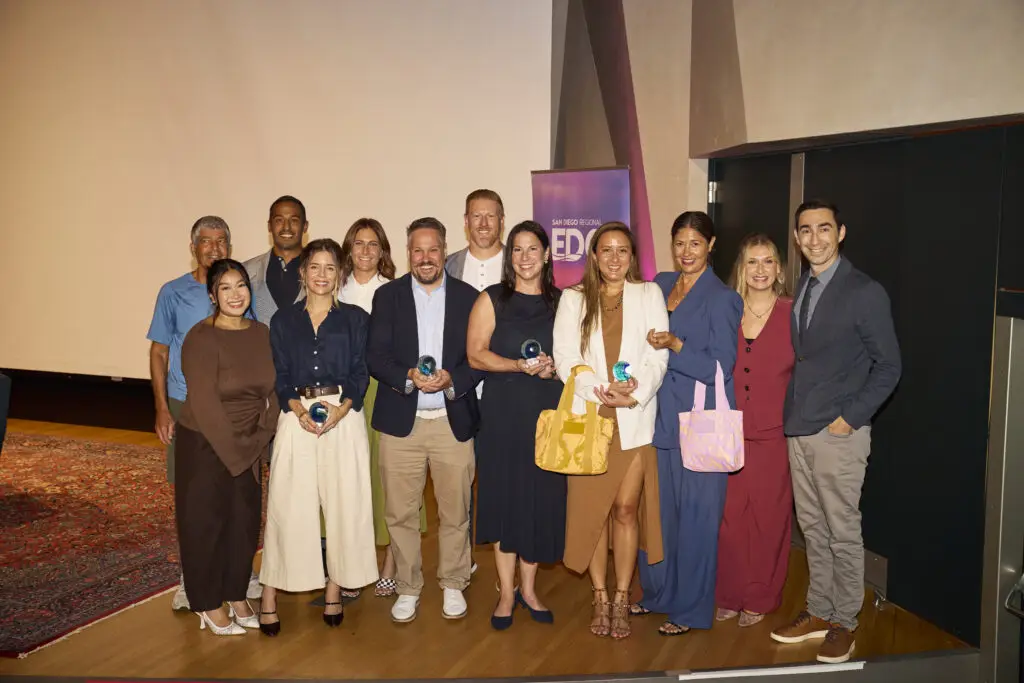
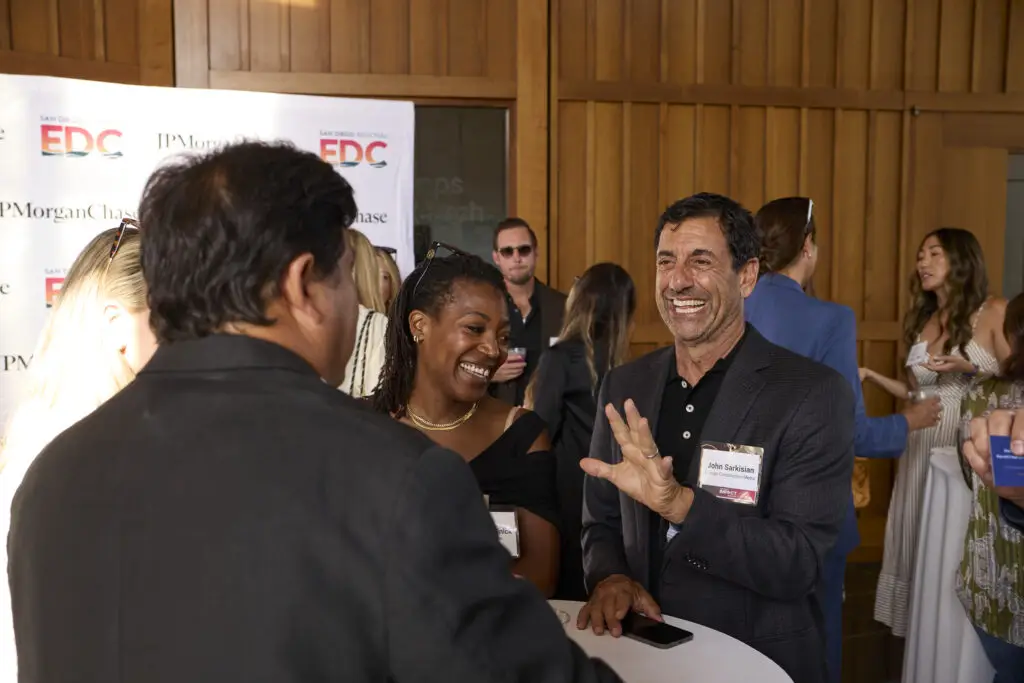
Hosted July 23 by San Diego Regional Economic Development Corporation (EDC) and JPMorganChase, the second annual awards event honored four local companies for innovation, growth, and economic impact. More than 100 nominations from San Diego’s middle-market businesses were reviewed by a 10-person judging committee, with winners selected across four categories: startup, early-stage innovator, rising star, and established heavyweight.
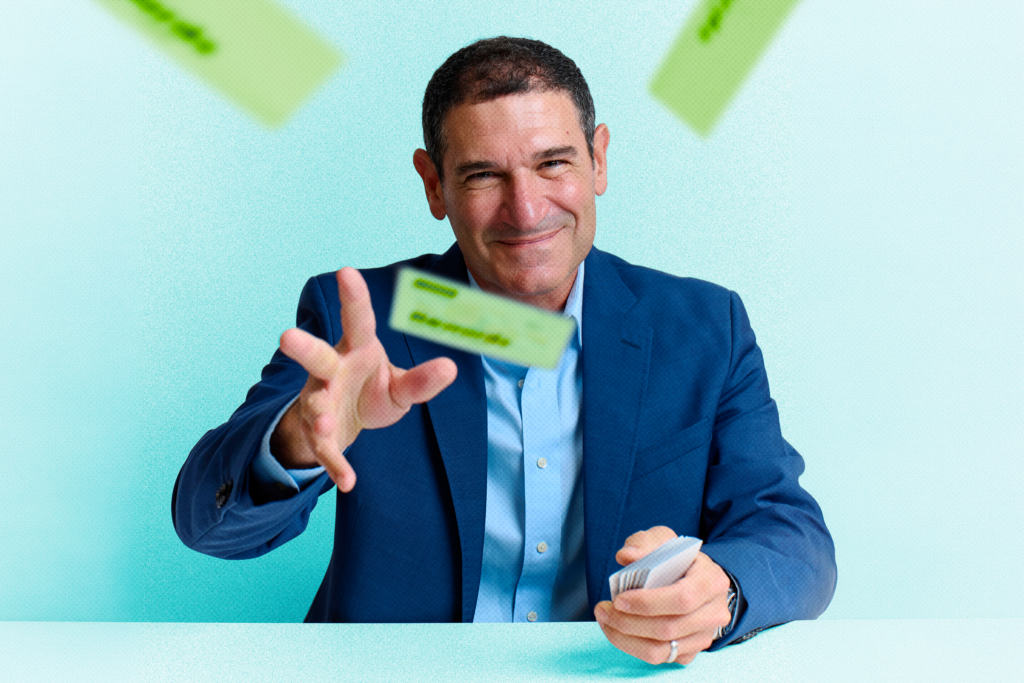
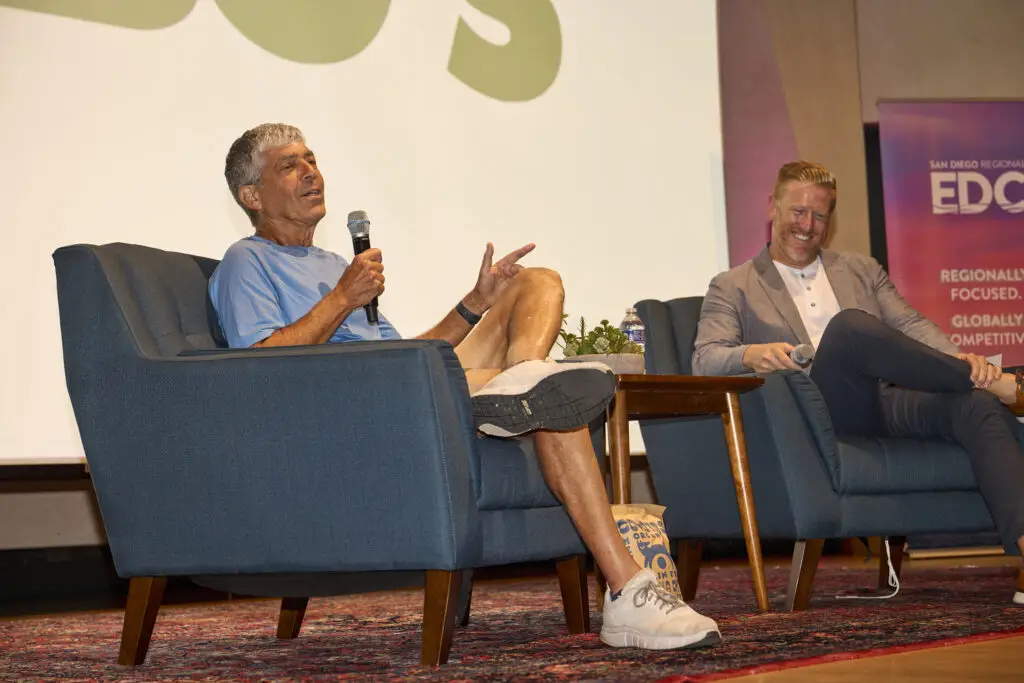
Two-time honoree Jimbo Someck, founder of Jimbo’s organic grocery stores, also joined the event for a fireside chat on buying local, supporting emerging brands, and giving back to the community.
“San Diego’s strength comes from its makers and builders—the resilient people who endure great risks and overcome obstacles to build and scale a company,” says Aaron Ryan, San Diego Region Manager and Middle Market Banking at JPMorganChase & Co. “These awards aren’t just recognition; they spotlight the talent, grit, and innovation shaping our region’s future. By celebrating those who create and build, we foster connections and fuel the growth that keeps San Diego thriving.”
Photo Credit: Matt Furman
Building the Infrastructure Behind Clean Energy
Heavyweight honoree SOLV Energy has grown alongside the country’s rapid investment in renewable power. “It’s an exciting time for SOLV Energy as we are experiencing significant growth,” says CEO George Hershman. “The business has doubled over the last year and has almost double-digit growth since its inception.”
The Rancho Bernardo-based company designs, builds, operates, and maintains utility-scale solar and energy storage facilities. Since its founding in 2008, SOLV Energy has built more than 500 power plants.
Growth has translated directly into hiring. About 200 employees work from the company’s local headquarters, including roughly 20 interns. “Our intern program is a big part of the way that we grow our workforce,” Hershman says. “Last year, 43 percent of our interns became full-time employees. We believe San Diego is a great community to build and grow a high-tech infrastructure and technology company because of the incredible workforce—the ability to attract top talent and draw from world-class universities.”
Photo Credit: Matt Furman
Developing Medicine One Patient at a Time
Startup honoree La Jolla Labs is tackling one of medicine’s biggest challenges by developing personalized RNA therapeutics for patients with rare diseases—many of them children with neurological disorders like ALS. Using proprietary artificial intelligence and machine learning tools, the biotech company develops treatments tailored to each patient’s specific genetic mutation.
CEO Tamar Grossman says the recognition reflects how far the company has come despite limited resources. “We’re honored to be recognized for our ability to change and save patients’ lives and turn our lean startup into a clinical company with very minimal resources,” she says.
Grossman credits San Diego’s concentration of research institutions—including UC San Diego, the Salk Institute, and Scripps Research—with creating a pipeline of talent and collaboration. “San Diego is one of the world-leading centers for technology, genomics, and RNA therapeutics,” she says. “We have over 30 RNA therapeutics companies here, and we support each other and help with anything related to drug discovery.”
She says that collaborative spirit extends beyond formal partnerships. “You can walk around Torrey Pines, go into a café, and find colleagues from the industry and have an ad hoc conversation,” Grossman says. “That’s something very unique to San Diego.”
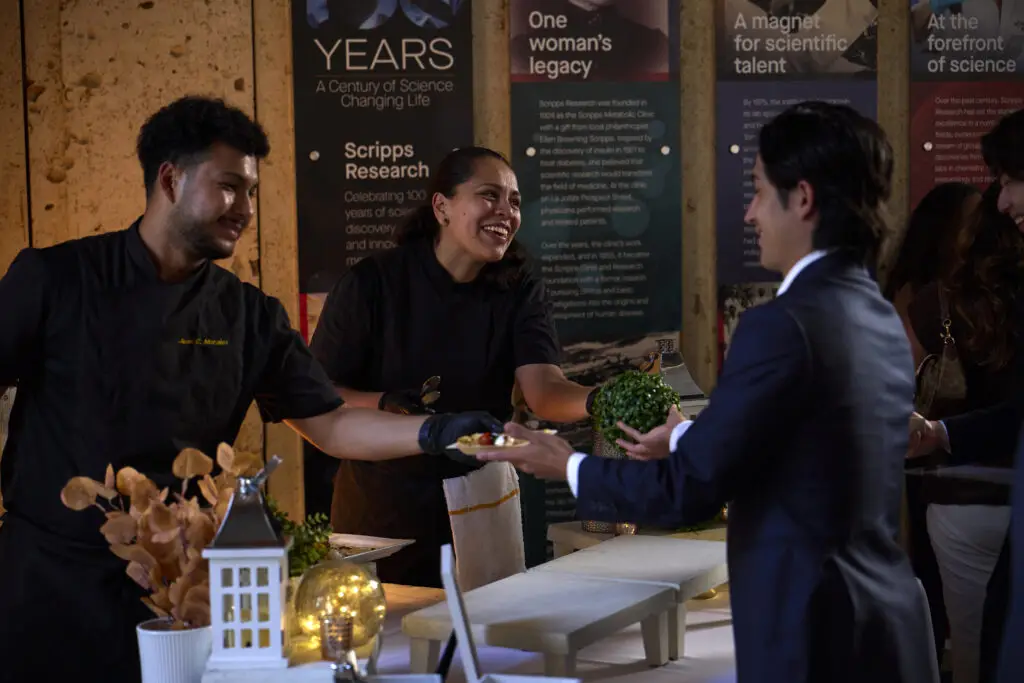
While Snake Oil Venue Company may not be a household name, chances are many San Diegans have attended one of its events. The early-stage innovator honoree has expanded from beverage catering and mixology consulting into venue management, operating Julep Venue in Mission Hills, Bramble Bay Venue in Imperial Beach, Vesper Venue, the Chapel at Liberty Station, and five outdoor venues throughout Liberty Station—more than 500,000 square feet of event space altogether.
“We do a lot of launch parties for corporations and new products,” says CEO Mike Esposito. “I really like working on the entrepreneur side of things, where new businesses are entering the San Diego market and looking to make a splash.”
Snake Oil has executed more than 16,000 events, employed more than 1,000 people, and partnered with more than 900 local vendors, including caterers, florists, photographers, entertainers, and other hospitality businesses. The company also works with many of San Diego’s nonprofits, museums, and cultural institutions. “We get to celebrate people’s most important moments,” Esposito says. “Whether that’s a wedding, celebration of life, or quinceañera, we’re fortunate to be involved in the community in so many different ways.”
Photo Credit: Matt Furman
Growing a Beach-Town Brand into a National Business
Rising star honoree ALOHA Collection is proof that a simple idea can grow into a thriving company. Founded by two roommates who wanted a better way to carry wet swimsuits after a day at the beach, the lifestyle brand has grown into a business while maintaining strong year-over-year growth.
Now headquartered in Carlsbad, ALOHA Collection employs more than 100 people and operates its California flagship store in Encinitas, which is slated for a remodel. With roots in Hawaii, the company is known for its lightweight, splash-proof travel bags that have become a familiar sight on beaches in San Diego and beyond.
“‘Aloha’ is part of our name, but it’s also how we move through the world,” says CEO Lynna Barnard. “It’s how we show up for people, the way we travel, the way we give back.” Since day one, the company has maintained a 5 percent giveback to Hawaii conservation efforts, contributing millions of dollars over the years.
“I think what’s so inspiring about ALOHA Collection, and the founders in particular, is when you dream big, those dreams can come true when you work hard and trust in the universe,” Barnard says. “It’s inspiring to be a role model for other people wanting to start businesses from humble beginnings. Start small and watch it grow.”
Together, businesses like these form a cornerstone of San Diego’s economy—not only through the jobs and revenue they generate—but through the local workers they hire, vendors they support, and investments they make in the region. Their growth doesn’t happen in isolation; it ripples outward, strengthening the broader business community and the people who call San Diego home.
Most homeowners want two things before they commit to a remodel: a realistic sense of cost and a clear picture of what the finished space will look like. Milan Design + Build helps deliver both through its online remodeling estimator and personalized design consultations, supported by a showroom experience and 3D renderings.
“The online estimate gives homeowners a starting number in about a minute, and the showroom and 3D renderings let them see materials and layouts before anything is built,” says David Noriani, CEO of Milan Design + Build. “Keeping design, permits, and construction with one team helps us manage expectations and keep everyone working toward the same vision.”
Courtesy of Milan Design
Modern design is a particular focus for Milan, with an emphasis on clean lines, natural light, functional layouts, and carefully selected materials. The team adapts each design to the homeowner’s lifestyle and the character of the property. Milan Design + Build combines thoughtful design with construction expertise, creating spaces that are as functional as they are beautiful.
The online estimator covers kitchen remodels, bathroom renovations, full-home remodels, and ADU construction. At Milan’s showroom on Carroll Road, visitors can review real materials, finishes, and design options, meet the design-build team, and discuss project scope, budget, and timing. Consultations can also be held virtually for homeowners who prefer to start remotely.
At Milan Design + Build, one integrated team works on the entire project. Design and construction aren’t divided between separate firms. The process begins with a consultation and feasibility review, followed by design, space planning, and 3D renderings developed from detailed measurements and digital scans. The team also coordinates architectural plans, structural engineering, city approvals, and material selection, with construction overseen by a dedicated project manager.
Homeowners can explore their remodeling options, get an initial estimate, or request a design consultation at MilanBuild.com.
In the last several years, there’s been a surge in FDA approvals for what’s known as oral oncolytics. Oral oncolytics are targeted cancer therapies that come in tablet, capsule or liquid form that patients can take at home, rather than in an infusion clinic. Scripps physicians have seen exponential growth using this approach, with patients citing convenience as a major quality-of-life enhancement in their cancer treatment. This approach also allows treatments to be customized based on specific genetic mutations and a patient’s unique disease biology. Find out more about oral oncolytics here.
For more nutrition, wellness, and healthy living tips, sign up for the San Diego Health newsletter here.
Meet San Diego’s leading healthcare professionals, delivering exceptional medical and dental care through innovation, expertise, and dedication to patients.
Unio Specialty Care is a multi-specialty practice specializing in urology, gastroenterology, and radiation oncology.
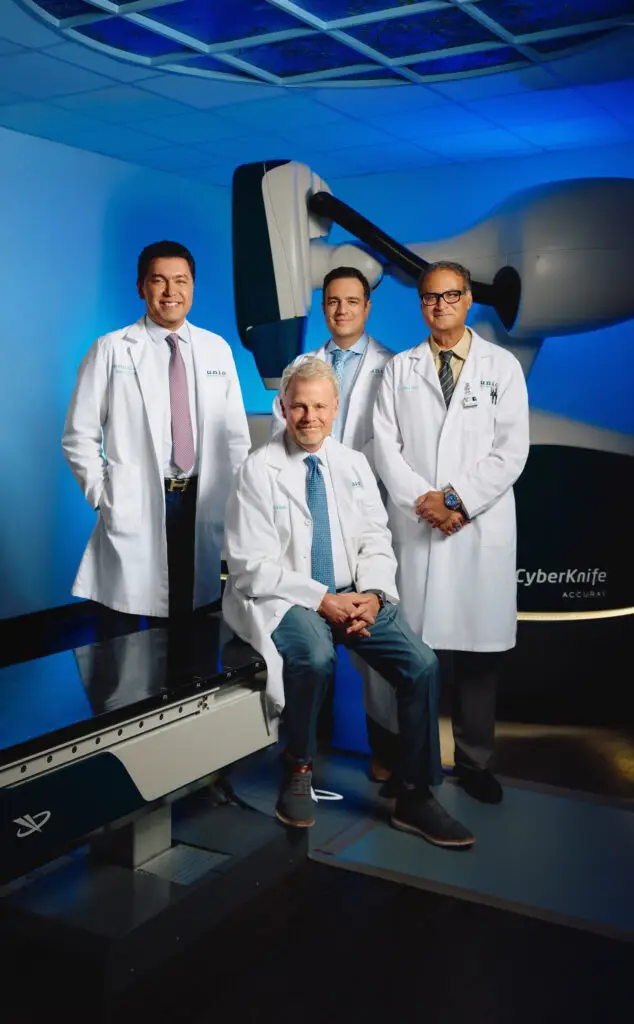
Unio’s Radiation Oncology team—Dr. Donald B. Fuller, Dr. Tahir Ijaz, Dr. Reza Shirazi, and Dr. Siavosh Vakilian—combines extensive clinical experience with a commitment to personalized cancer care. The RO team treats cancerous and non-cancerous conditions using precision therapies including SBRT, IGRT, and the CyberKnife® S7 System, the only system of its kind in Southern California. Their expertise spans prostate, breast, lung, gastrointestinal, pancreatic, and central nervous system cancers, as well as low-dose radiotherapy for osteoarthritis.
In 2026, Dr. Shirazi and Dr. Vakilian were recognized as San Diego Top Doctors, joining Dr. Fuller and Dr. Ijaz, who have previously received this distinction.
Faces of Healthcare 2026: San Diego Fertility Center
Meet San Diego’s leading healthcare professionals, delivering exceptional medical and dental care through innovation, expertise, and dedication to patients.
Susanna Park, MD; Sandy Chuan, MD; Brooke Friedman, MD; Said Daneshmand, MD; Valerie Flores, MD; Bryn Willson, MD
At San Diego Fertility Center, parenthood starts with personalized, cutting-edge care. Nationally recognized physicians offer individualized plans spanning IVF, PGT, egg donation, surrogacy, Gentle IVF, fertility preservation, and LGBTQ+ family building. Newsweek ranked them among America’s Best Fertility Clinics in 2026: top 6% of 450+ clinics nationwide, and best in San Diego.
“Remind yourself you are not alone! You don’t have to have all the answers before you walk through the door,” says Dr. Friedman. “Our job is to listen, explain your options, and guide you toward what makes sense for you. Because fertility care isn’t one-size-fits-all — and building your family should feel like your journey, supported every step of the way.”
Faces of Healthcare 2026: North County Cardiovascular Specialists
Meet San Diego’s leading healthcare professionals, delivering exceptional medical and dental care through innovation, expertise, and dedication to patients.
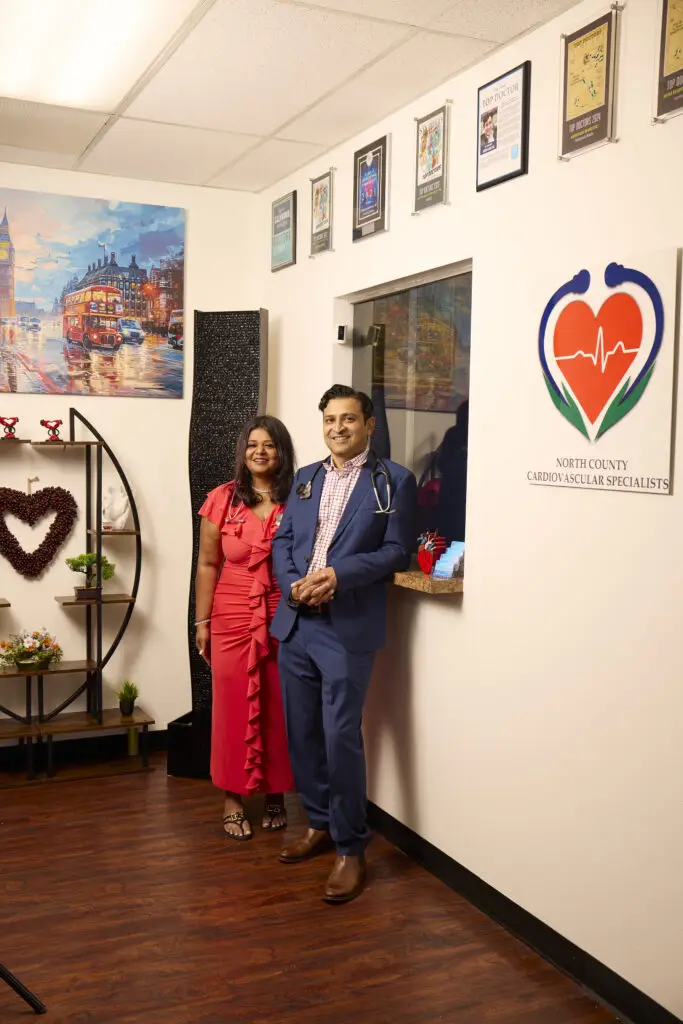
At NCCS, both doctors take a personal, traditional approach to cardiovascular care. Patients speak directly with their physicians and build lasting relationships with doctors who know them.
“We became doctors to care for patients, not to run a business,” says Dr. Kabra, who trained in England and the United States and leads the practice’s office-based cardiac care. Dr. Rajamanickam, an interventional cardiologist trained under renowned Dr. Samin Sharma, shares the same philosophy.
Guided by evidence-based medicine, they tailor care to each patient’s unique history, physiology, lifestyle and goals. Both are respected, well-reviewed physicians and four-time Top Doctors.
Visit
3142 Vista Way, Suite 206, Oceanside, CA 92056 760-224-7776
Meet San Diego’s leading healthcare professionals, delivering exceptional medical and dental care through innovation, expertise, and dedication to patients.
Community health is about more than just vaccines and checkups, At Neighborhood Healthcare, patients receive whole-person care, giving them access to the resources they need to live their best lives—whether that’s primary care, pediatrics, dental care, behavioral health, lab services, or pharmacy needs.
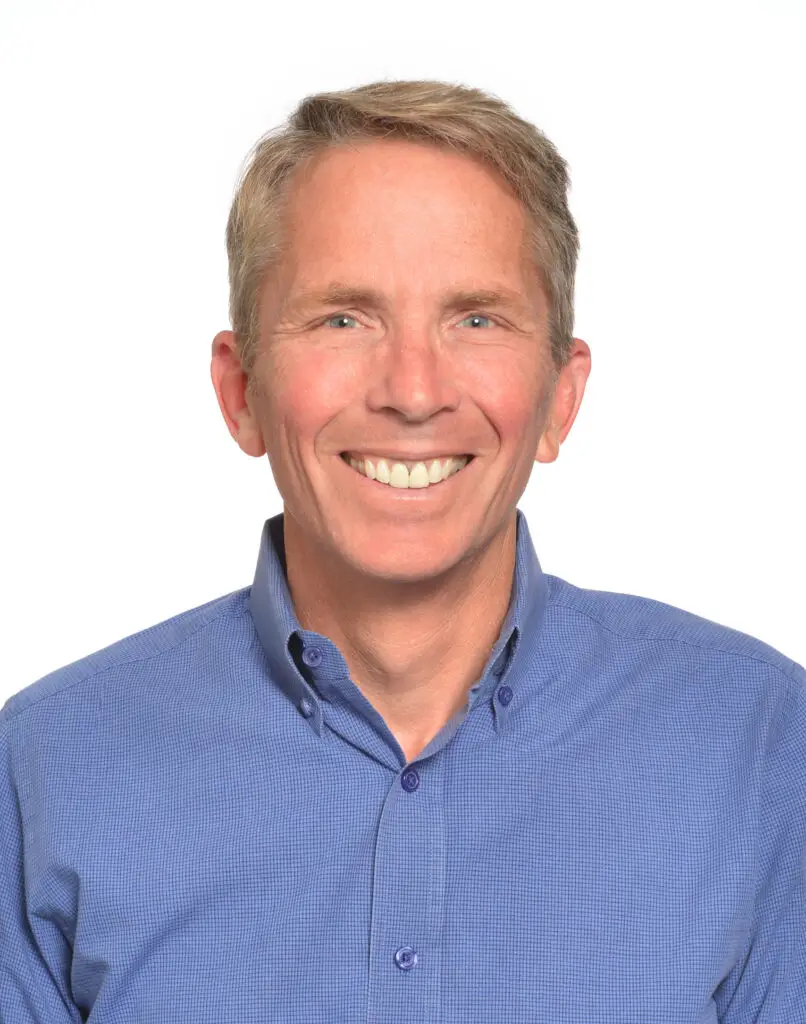
Neighborhood Healthcare is a private, non-profit community health organization in San Diego, Riverside, and San Bernardino Counties. Primary Care Physician James H. Schultz, MD goes above and beyond in serving people with high integrity, professionalism, and collaboration. Alongside the entire Neighborhood Healthcare staff, he works to improve the health and happiness of the community, regardless of situation or circumstance.