In the US, one in three adults have a criminal record, ranging from a single arrest to serving jail time. And for people who’ve spent time in prison, the challenges of finding steady employment after release can be formidable—as are the risks of not finding it.
Without steady employment, the chances of recidivism increase exponentially. In some states, formerly incarcerated individuals who can’t find or keep a job have a recidivism rate of 52 percent over three years. For those who can remain employed, the rate drops to 16 percent. But getting hired can be easier said than done for people with a record.
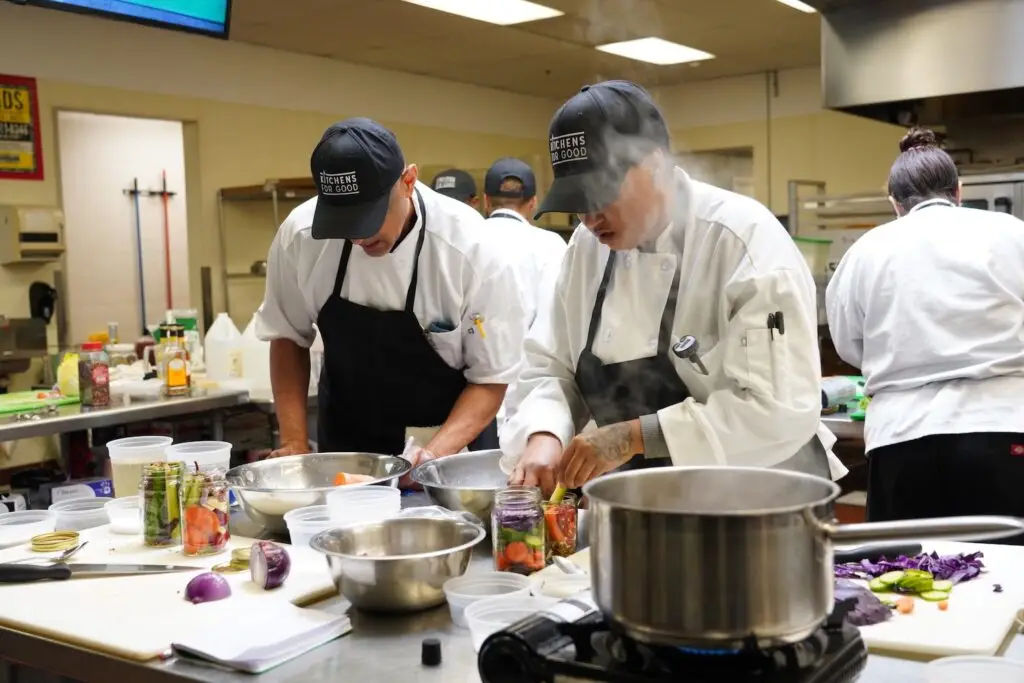
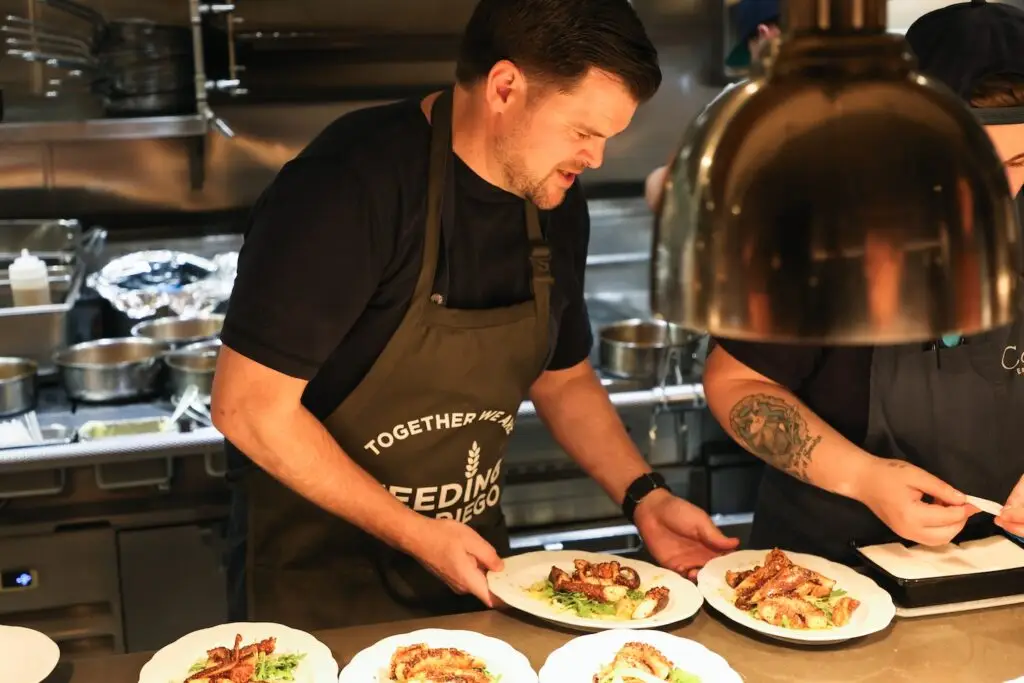
Originally founded in 2014, the local 501(c)3 nonprofit started with two goals: resolving food insecurity by ending food waste and launching a tuition-free hospitality apprenticeship program for people facing employment barriers such as prison records, housing insecurity, mental health issues, aging out of foster care, or substance abuse.
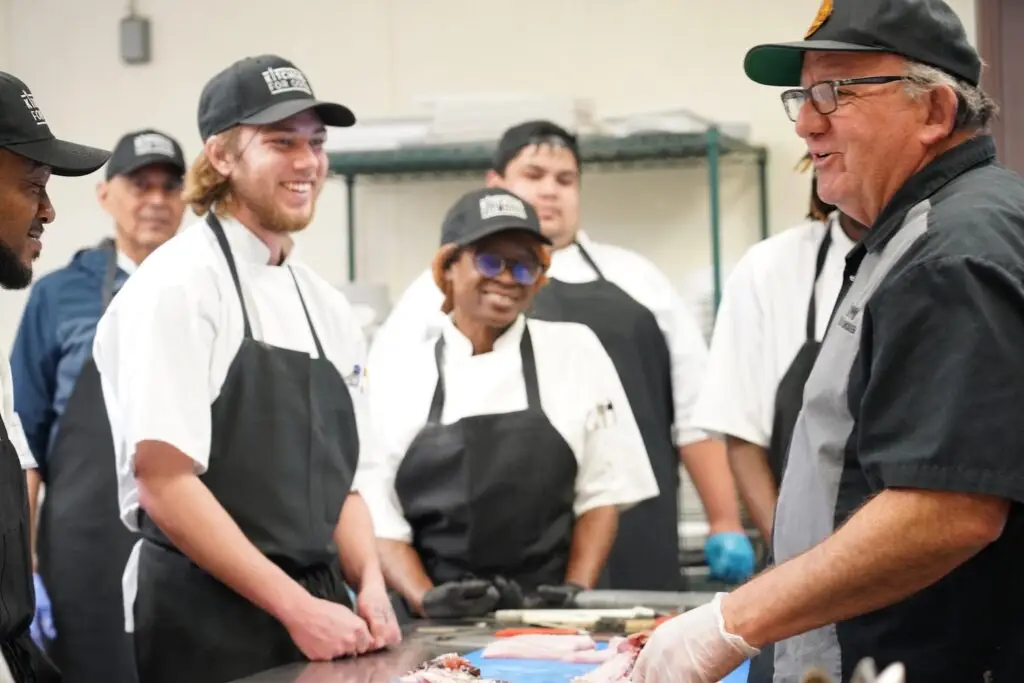
Applicants who have been accepted into Kitchens for Good’s culinary training program first go through 10 weeks of training, followed by a year-long paid apprenticeship at a restaurant, bakery, hotel, or other hospitality-related venture. Once apprentices have found a groove with steady long-term employment and can cover their own living needs, some even return to mentor future apprentices, like chef David Lay at Kettle on Coast.
Courtesy of Kitchens for Good
“He went through the program, and now he’s hiring apprentices,” says Kitchens for Good CEO Jen Gilmore. “[Graduates] are the best partners, because they understand.”
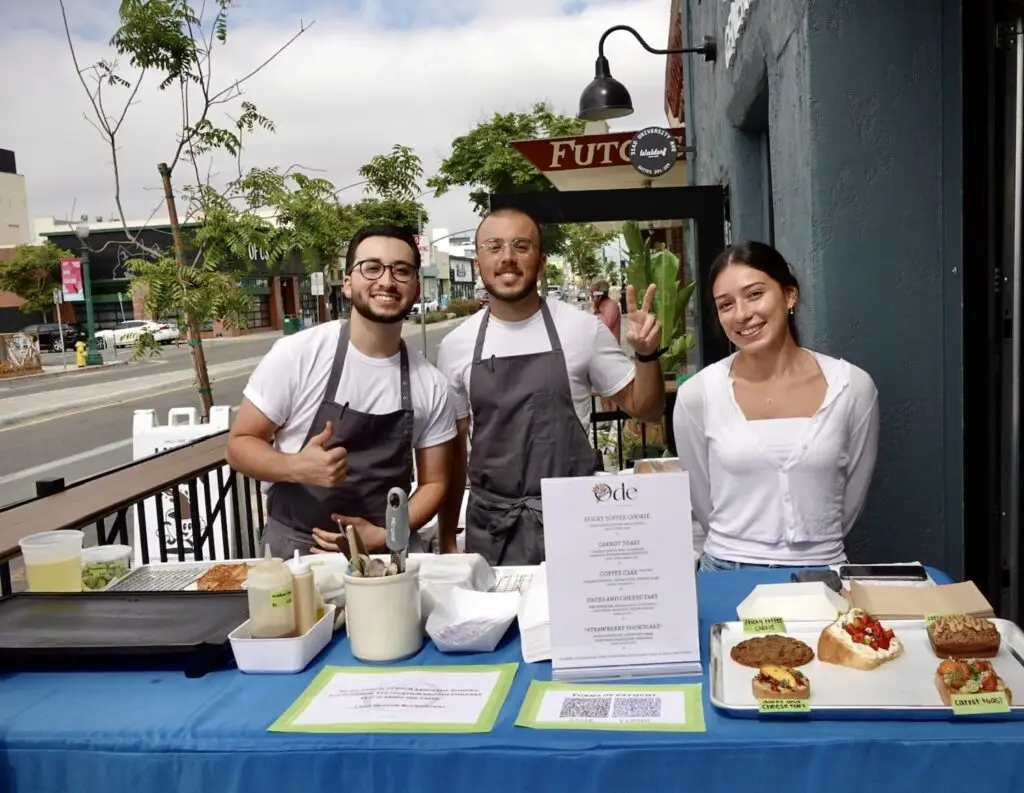
Since opening its first social enterprise training kitchen in 2015, Kitchens for Good has helped hundreds of individuals find (and keep) gainful employment in all different sectors of the hospitality industry, from kitchens like Panama66 and Trust Restaurant to hotels like Hotel del Coronado and The Bahia Resort. Come next spring, the ambitious nonprofit will take a huge leap forward when it opens its new Culinary Impact Center in the heart of Bankers Hill.
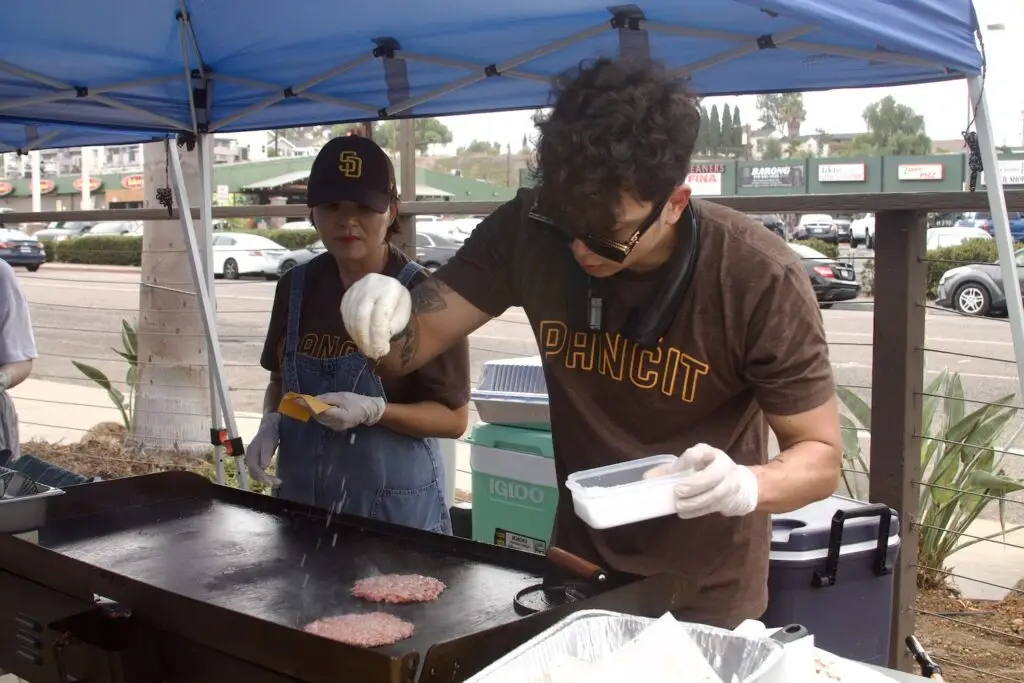
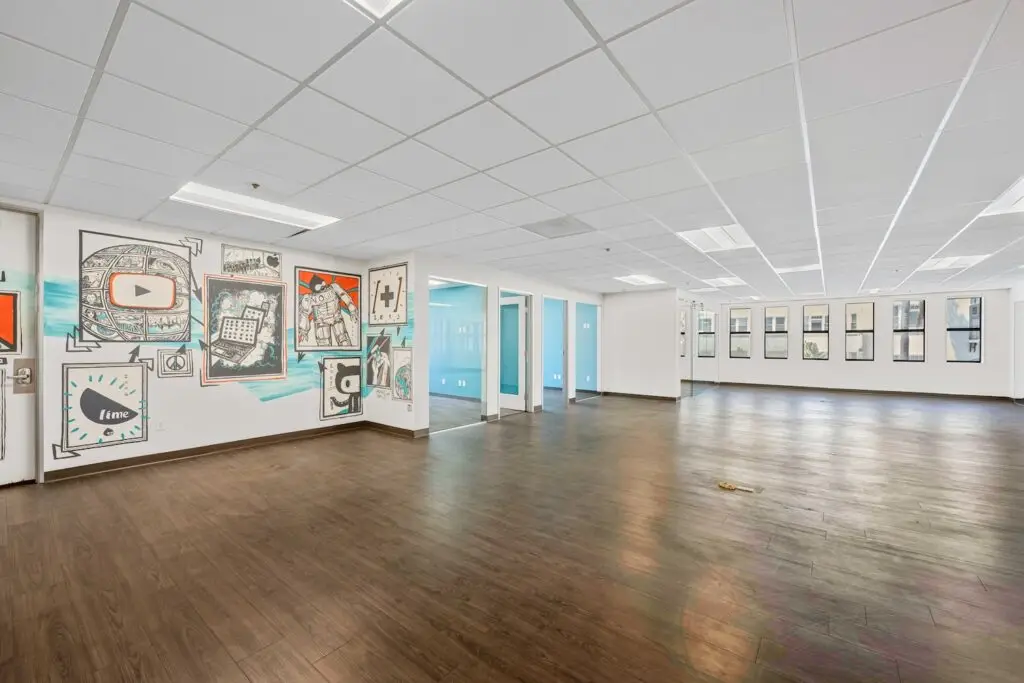
With 29,000-square-feet over four floors, the Bankers Hill location will allow Kitchens for Good to expand its current programming, develop a hot meal distribution program for San Diegans experiencing food insecurity as well as seniors who are part of the “silver tsunami” (millions of Baby Boomers reaching retirement age without adequate savings), and offer around 20,000-square-feet of shared kitchen space over two floors. The kitchen space will largely support their newest offering—a microenterprise program for entrepreneurs to develop, test, and bring their food products to market.
Courtesy of Kitchens for Good
Early next year, Gilmore anticipates the microenterprise initiative to become the first certified program in the state of California for food entrepreneurs. That way, when the Culinary Impact Center opens in the spring, they can eventually scale the program from 10 entrepreneurs to 100. The space will also include a bakery, chocolate workshop, and two floors of breakout areas, offices, and classrooms to expand educational opportunities like marketing workshops, financial literacy training, and resume building classes.
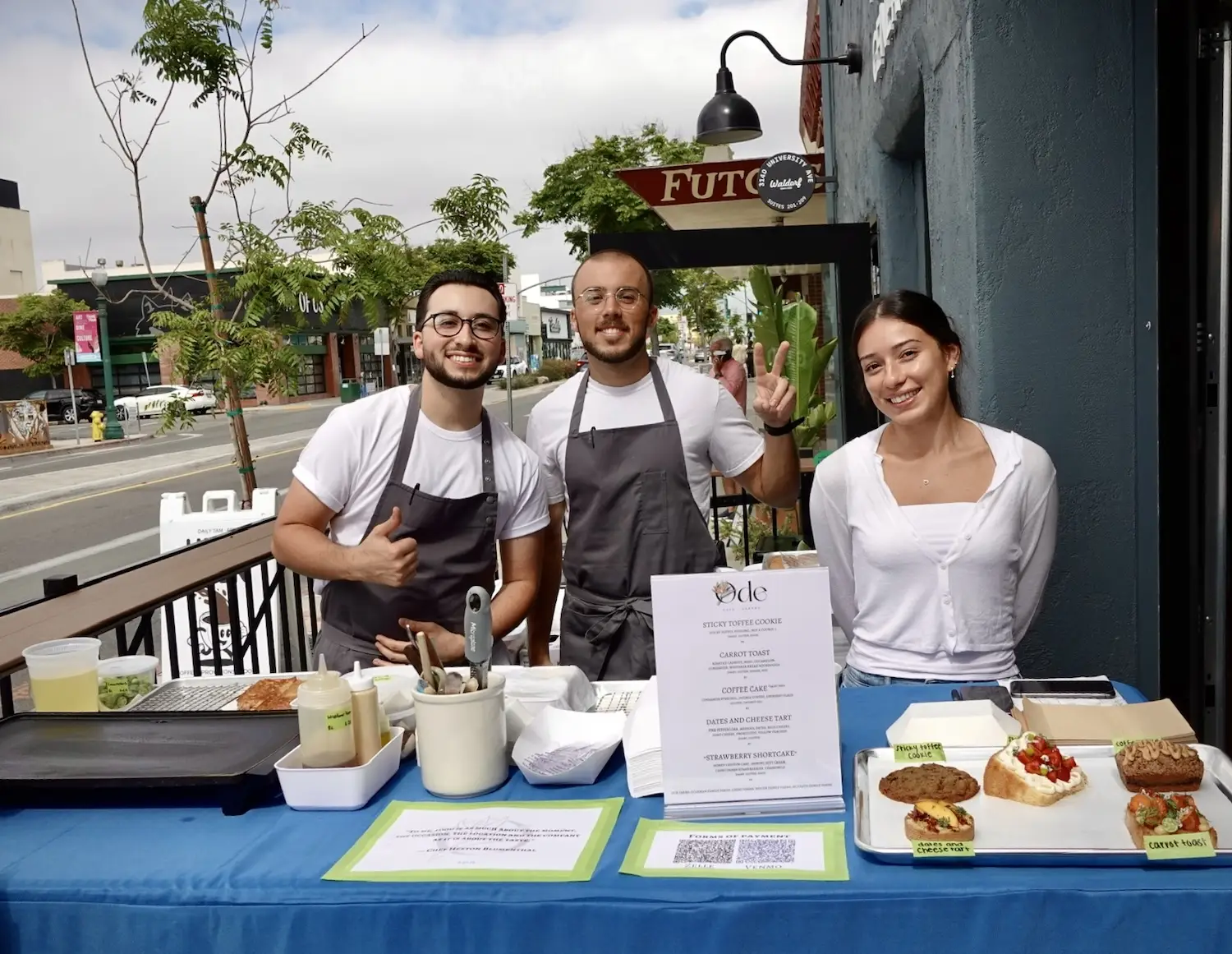
Entrepreneurs will have the chance to test their products at Kitchens for Good’s kitchenware store in Pacific Beach, as well as the neighborhood’s outdoor market every third Sunday of the month. Kitchens for Good is also building two new cafes—one onsite in Bankers Hill and one on an empty lot next to the Copley-Price Family YMCA on El Cajon Boulevard and Fairmount Avenue in City Heights. Both will provide avenues for entrepreneurs to build sales histories in order to access capital in the future, something that has historically remained challenging for the formerly incarcerated, women and entrepreneurs of color, and businesses without a track record.
Since one in eight jobs in San Diego are related to hospitality (part of the $22 billion tourism industry that drives much of the region’s economy), connecting unemployed people with jobs is a need that isn’t going away—a major reason why Kitchens for Good has grown over the past decade. Gilmore estimates that last year, they received about 1,800 applications for 130 apprenticeship slots, and they currently have 160 people on the waiting list for the entrepreneurship program.
And after shuffling from places like Jacobs Center for Neighborhood Innovation in southeast San Diego to Moonlight Amphitheater in Vista and the Salvation Army Door of Hope campus in Serra Mesa, The Culinary Impact Center will bring all of these ventures under one (very large) roof for the first time.
“What has organically evolved is what will be Southern California’s most robust workforce and food business accelerator,” she promises. And they’re going as fast as they can. “Because as soon as it’s activated, it’ll be transformative.”
Kitchens for Good’s new Culinary Impact Center will open in spring 2027 at 2250 4th Avenue in Bankers Hill. Their Pacific Beach storefront (980 Hornblend Street) is open daily from 10 a.m. to 6 p.m.
Listen Now: The Latest in San Diego’s Food and Drink Scene
Have breaking news, exciting scoops, or great stories about new San Diego restaurants or the city’s food scene? Send your pitches to [email protected].
Beth Demmon is an award-winning writer and podcaster whose work regularly appears in national outlets and San Diego Magazine. Her first book, The Beer Lover's Guide to Cider, is now available. Find out more on bethdemmon.com.