Forget the passport—all you need is a fork, knife, and sometimes your own hands to take a tour of the world right here in San Diego. Whether it’s pillow-soft pupusas from El Salvador, juicy kebabs from Iran, or sweet, spicy stews from Jamaica, we’re covering nearly every corner of the globe with 93 diverse restaurants and markets. Dig in!
Afghanistan
Started by an Afghan refugee over 30 years ago, Khyber Pass first debuted on Convoy with two burners and one sink. Thanks to a customer’s monetary gift, Khyber grew and moved to a bigger space in Hillcrest in 2000, where 75-year-old chef-owner Ziaullah Nasery and chef Qais Farmuly dish out curries, stews, and kebabs, as well as nonalcoholic drinks, like doogh, a savory yogurt drink.
Must-try dish: Badejaan chalao (marinated eggplant served with rice)
523 University Avenue, Hillcrest
The casual counter-service spot, known mostly for catering, is like a food court eatery (without the mall). The menu ranges from sandwiches with grilled meat or vegetables and falafel in pillow-soft pita bread to kebabs, curries, soups, and salad. Entrée plates—like sautéed proteins served with salad, rice, and bread—are filled to the brim.
Must-try dish: Chicken curry
9450 Scranton Road, Sorrento Valley
Argentina
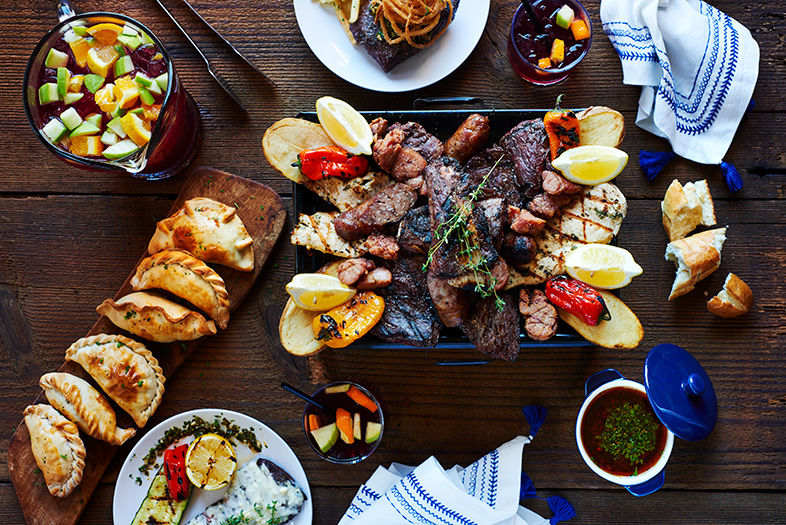
Steak is the hallmark of Argentine fare, and at this Serra Mesa restaurant, the grass-fed, antibiotic- and hormone-free carne is served with a chimichurri (a marinade of vinegar, garlic, and chiles served on grilled meat) that’s been in the family for generations. (It’s also sold by the jar for $10.) The menu includes handmade Milanesa, a thin, breaded chicken or beef cutlet, plus Italian items—a nod to Argentina’s European influence. Happy hour runs Tuesday through Friday evenings with $3 house-made empanadas and $6 sangria. They host a live tango show on Friday and Saturday nights.
Must-try dish: Any meat off the parrilla (grill)
8690 Aero Drive, Serra Mesa
The Ultimate Guide to International Cuisine in San Diego
Pampas Argentine Grill
The scene at this Little Italy restaurant draws a mix of couples and large groups for cozy seating, candlelight dining, and live piano and jazz music on Fridays and Saturdays. Grilled meats are the main event—best devoured with their house-made chimichurri on top. Happy hour holds court at the bar daily, with $4 wines, $8 martinis, and $2.50 for a basket of bread and chimichurri.
Must-try dish: Entraña (skirt steak)
2060 India Street, Little Italy
Brazil
Blink and you’ll miss this unassuming spot behind Valley View Casino Center and Kobey’s Swap Meet. The café is known for seafood stews, grilled meats served with rice and beans, tropical desserts, and its drink selection, from fruit juices to Brazilian beer and caipiroskas (a rendition of the traditional caipirinha made with vodka instead of cachaça). There’s also a mini-mart next door with imported Brazilian ingredients.
Must-try dish: Moqueca, a coconut fish stew
3676 Kurtz Street, Midway District
Vegetarians should probably stay home for this one. The churrascaria is known for 19 types of mesquite-grilled meats, especially popular during their $55 dinner buffet. That includes skirt steak, lamb chops, and turkey breast, as well as salads, hot sides, and a selection of traditional snacks like pão de queijo (cheese bread). It’s romantic but bustling, with a pianist providing the soundtrack most nights.
Must-try dish: Dinner buffet
949 Fourth Avenue, Gaslamp Quarter
This Encinitas eatery is Brazilian through and through, from soccer on the TV and decorative surfboards to the barbecue. The grilled meats include tri tip, sirloin, chicken, and seafood, all served with rice, black beans, and grilled veggies. Try shareables like the sliders dressed in a guava sauce and fried yucca bites. Desserts lean tropical—think passion fruit mousse as well as acai sorbet.
Must-try dish: Pão de queijo
215 South El Camino Real, Encinitas
China
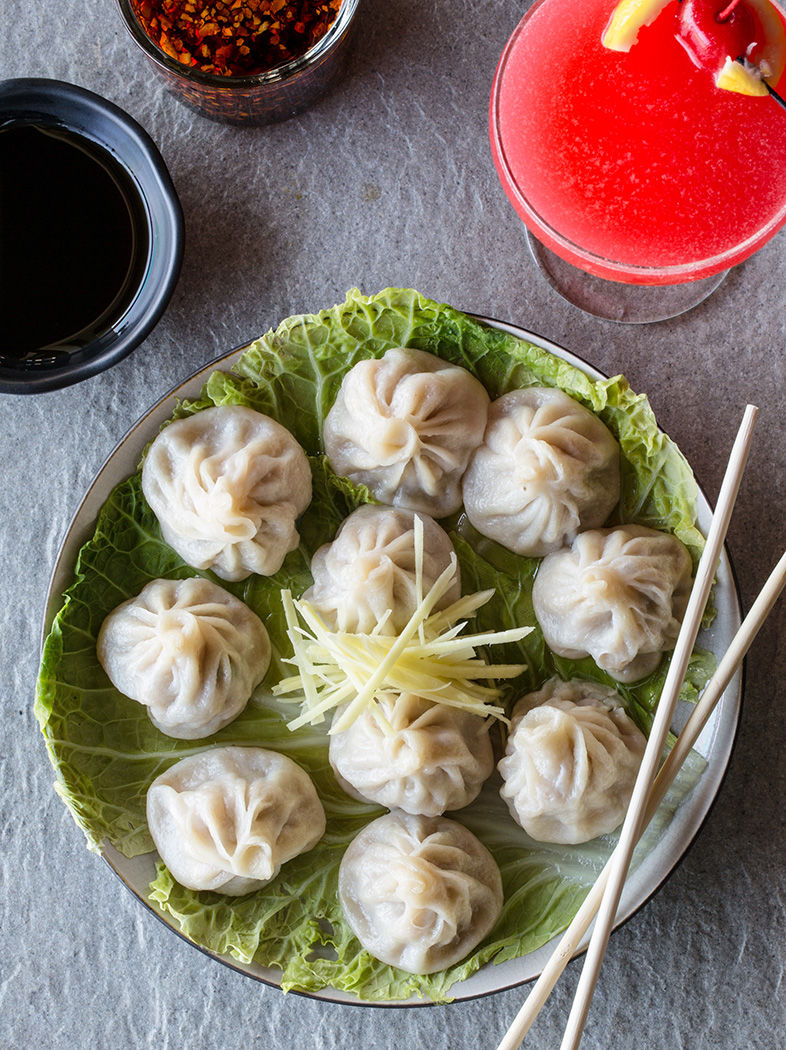
The Inn’s dumplings, stir-frys, and noodle dishes have a rabid following, so two years ago, they moved to bigger digs within the same plaza. Now there’s more room to enjoy their namesake, with fillings ranging from pork and chive to beef curry, vegetarian, and seafood. The vibe is bustling, especially for happy hour—Tuesdays through Sundays from 4 to 6 p.m., when food is half-price—and on weekends, when crowds pack into the adjacent bar, Shanghai Saloon.
Must-try dish: Xiao long bao (steamed pork dumplings)
4625 Convoy Street, Kearny Mesa
The Ultimate Guide to International Cuisine in San Diego
Dumpling Inn | Photo by Sam Wells
While the authentic Chinese restaurant has been dishing out traditional cuisine for nearly two decades, its spices and added meats give it the edge on signature dishes like fried rice and lo mein. Tucked right off the I-5, the fast-casual South Bay eatery is worth a visit for anyone yearning for homestyle stir-fry.
Must-try dish: Garlic chicken
678 E Street, Chula Vista
This compact hole-in-the-wall is the best place for egg noodles in the city. It’s also known for its low prices, huge portions, fast service, and authentic dishes. The menu is dominated by egg noodle soups, but there are also lo mein plates, crispy noodles, fried rice, and meat plates. The ambience is simple, friendly, and usually packed.
Must-try dish: Sate beef egg noodles soup
4644 El Cajon Boulevard, City Heights
At this bright, modern restaurant opened by a recent UC San Diego graduate, the kitchen is armed with three chefs: one who specializes in Northern Chinese fare, a second in Sichuan-style dishes, and the third in barbecue. It’s worth sticking to the Northern cuisine, which includes stews with potatoes and pumpkin.
Must-try dish: Pork with pickled cabbage hot pot
4428 Convoy Street, Kearny Mesa
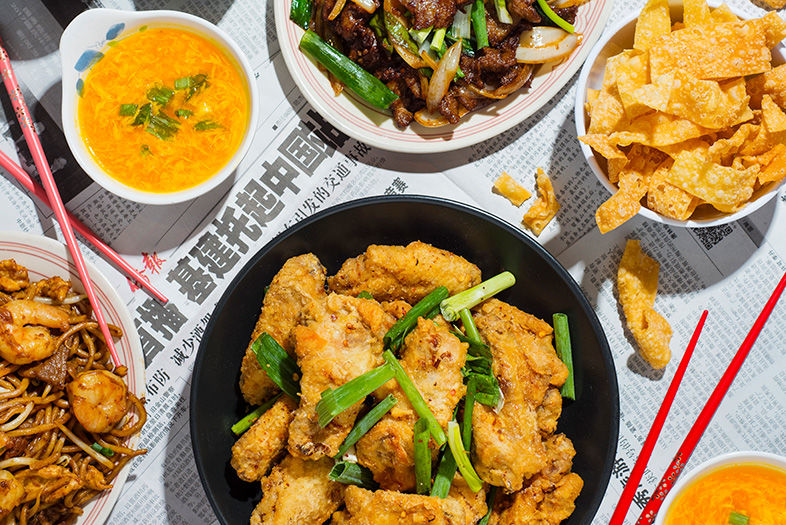
The strip mall eatery has a refreshed, expanded space. Expect the same casual setting and friendly servers, plus egg drop soup, Mongolian beef, seafood stir-frys, and more. They also serve a nine-dish family dinner for $105 that serves up to 10 people, and they have a robust catering division—perfect for holidays, since they’re open on Christmas and New Year’s.
Must-try dish: Salted pepper chicken wings
1132 East Plaza Boulevard, National City
This sit-down does fiery family-style dishes from Sichuan and Hunan, Chinese provinces with cuisines that love garlic, chilies, and more chilies. Offset the heat with menu items that aren’t tagged with pepper symbols, like the fish with black bean sauce. Space is tight, so ideally stick to parties no bigger than four.
Must-try dish: Sichuan-style spicy fish
4690 Convoy Street, Kearny Mesa
Colombia
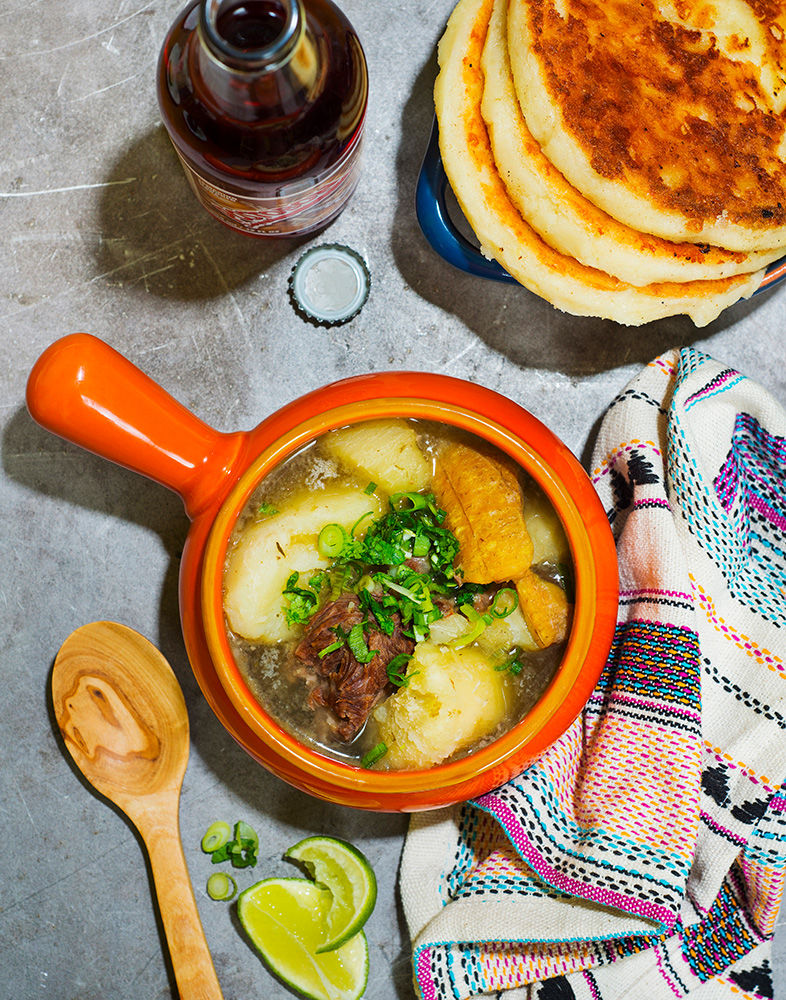
It feels like you’ve stepped into Bogota at this petite, family-owned eatery that’s half market, half restaurant. Cheese, plantains, and meat figure largely into the menu in dishes like fried, breaded pork loin, and Colombia’s national dish, the arepa (a cornmeal patty stuffed with various fillings). The staff is gregarious and will happily explain menu items to newbies. Though the decor is no-frills, it’s so friendly you’ll want to sit and stay awhile.
Must-try dish: Sancocho, a meat soup
2851 Imperial Avenue, Grant Hill
The Ultimate Guide to International Cuisine in San Diego
Antojitos Colombianos
El Salvador
Owner Maria Reyes, daughter of a food kiosk owner, learned Salvadoran specialties from an early age and opened this humble restaurant in 1995. She turns out pupusas (corn tortilla pockets filled with cheese or meat), as well as stuffed plantains, seafood soups, and steaks. There’s even a kids’ menu for less adventurous eaters, including a flour tortilla with cheese. Pair your dish with their refreshing pineapple juice, served with chunks of fruit.
Must-try dish: Cheese pupusa
2845 Imperial Avenue, Grant Hill
Ethiopia
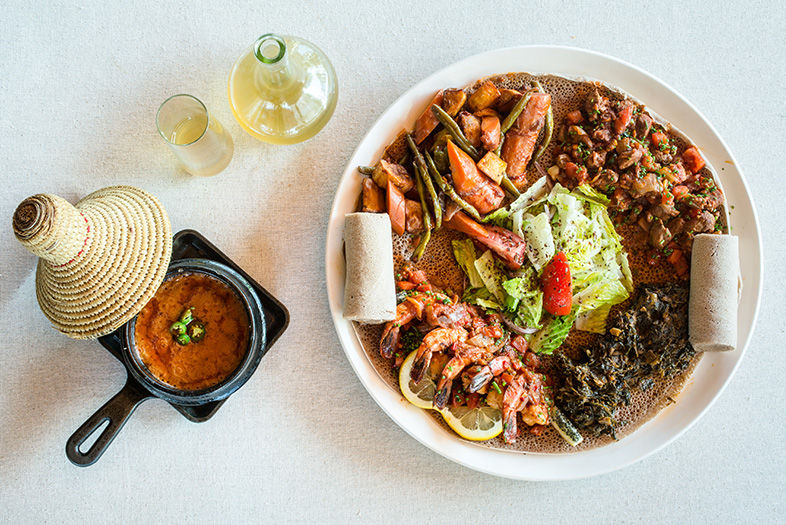
The quaint bungalow in University Heights focuses on Ethiopian and Eritrean cuisines, which means ditching the fork and eating with your hands. All entrées are served together, family-style, on one huge platter, and you eat by tearing off a small piece of injera (a thin, spongy bread rolled up in a scroll) and scooping up a bite. There’s a glossary on the menu to explain some ingredients.
Must-try dish: Timtimo, red lentils braised in spices
4651 Park Boulevard, University Heights
The Ultimate Guide to International Cuisine in San Diego
Muzita Abyssinian Bistro | Photo by Sam Wells
What this restaurant may lack in sophistication and size it more than makes up for with a friendly staff and authentic Ethiopian eats. Fridays are popular for the buffet night, when you can fill up on fragrant lamb spiced with ginger and garlic and split lentils in a red sauce. It’s all eaten with their spongy injera bread (a gluten-free version is available). Make sure to save room for their honey wine, a sweet way to end your meal.
Must-try dish: Harar special (a variety of vegetarian and meat dishes served together)
2432 El Cajon Boulevard, North Park
Awash Ethiopian
This restaurant sits at the back of an Ethiopian market where fresh injera and berbere spice can be purchased to DIY, but we say head straight to one of the six tables instead. The service is friendly, the injera plentiful, and the vegetarian and meat dishes alike flavorful. Ask for a cup of spiced ginger tea.
Must-try dish: Vegetarian combo (split lentils, split peas, chickpeas, cabbage, carrots, and collared greens)
2884 El Cajon Boulevard, North Park
Behind the door of a nondescript building is the aroma of incense and warm spices, while Ethiopian music videos play across a few small TV screens. At Red Sea, one of the city’s oldest purveyors of Ethiopian cuisine, you’ll find authentic fare that delights the palette and pocket in turn. Come with friends to order massive plates piled with tender meats and flavorful stewed veggies, all of which leave behind savory broths that soak deep into beds of injera. Here, the placemats teach you how to feed loved ones with your fingers, per tradition, which leaves the food free to feed your soul.
Must-try dish: Lamb tibs and vegetarian combination
4717 University Avenue, City Heights
Eat ’Round the Globe
Ethiopian chef Hanna Tesfamichael travels the globe with her menu that spans Indian, South African, Moroccan, and of course Ethiopian cuisines. For an in-depth taste of her talents, head to her family-style dinners—held on the third Thursday of every month—each of which highlights a different country. Individuals, couples, and groups of friends convene at one large table to share in food and conversation. In the past, Tesfamichael has covered Indonesia, Iran, and her native Ethiopia. The series is taking a break for the holiday season this month and next but will be back in January 2018 with a family-style French dinner. Oh là là!
2864 Adams Avenue, Normal Heights
France
After 17 years of charming diners with French food at Tapenade, owners Jean-Michel and Sylvie Diot have created this bistronomie, a hybrid of seasonal, casual cuisine made with upscale ingredients. At Bistro du Marché, you’ll find French standards like moules frites and tender grilled octopus, as well as relics from Tapenade, like the light-as-air pork pâté. The space is elegant, lined with black-and-white photos, bright red seats, and racks of top-notch wine.
Must-try dish: Beef tenderloin au poivre
7437 Girard Avenue, La Jolla
This bistro guarantees an intimate and romantic experience over the finest French dishes this side of the Atlantic. Quintessential menu choices like mussels, duck confit, and foie gras are all perfectly seasoned and sauced. A Parisian meal would not be complete, of course, without crème brûlée, and theirs is burnt impeccably.
Must-try dish: Duck confit
3696 Fifth Avenue, Hillcrest
The Ultimate Guide to International Cuisine in San Diego
Parc Bistro
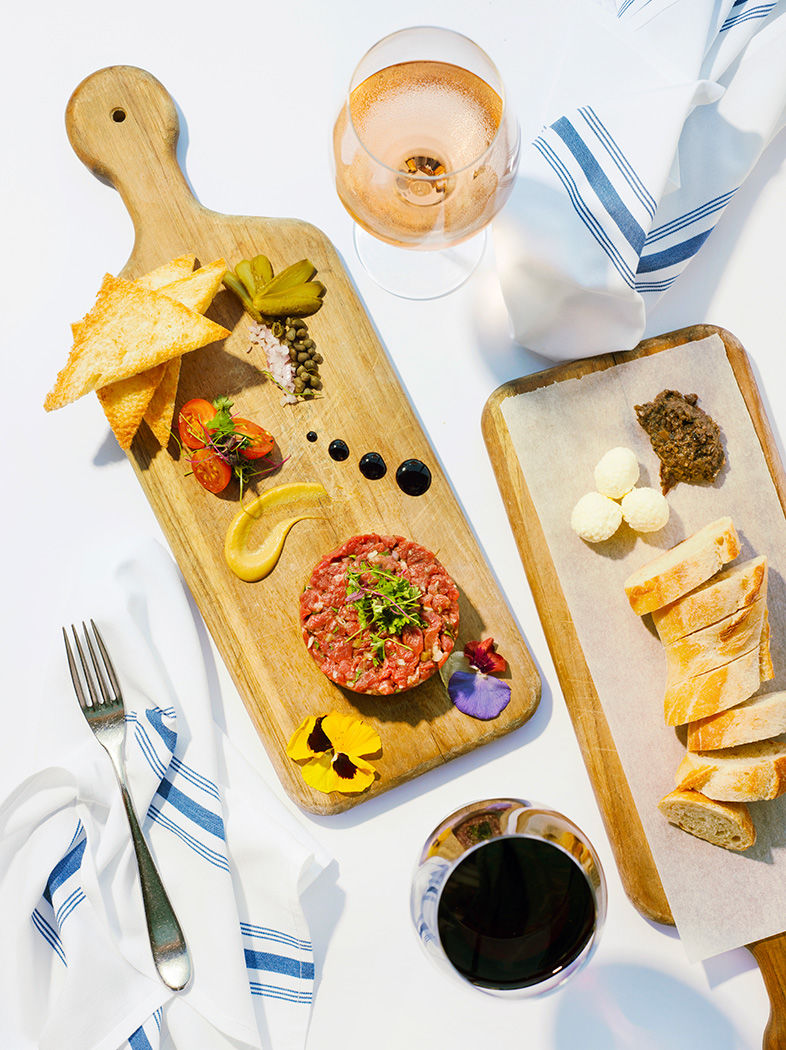
There’s a time and place for rusty industrial decor and hipster innovation, but for a taste of finer dining with a laid-back bistro feel, head to this French restaurant from Garo Minassian, the San Diego restaurateur behind Scalini and Harry’s Bar & Grill. It’s housed in the space once occupied by Avenue 5 Restaurant & Bar and Croce’s in Bankers Hill, with a menu of classic French comfort food (duck confit, coq au vin). Take a seat in the back by the impressive wine wall or head to the sidewalk for people watching.
Must-try dish: Prime steak tartare
2760 Fifth Avenue, Bankers Hill
Germany
Take a steamed-then-grilled German sausage (aka wurst), slice it up, then smother the pieces with curry ketchup, and you’ve got currywurst (an über-popular German street food born out of post-WWII Berlin). This food truck also boasts bratwursts, frankfurters, and veggie/vegan wursts, each served in a fresh German roll and topped with sauerkraut, red cabbage, and onions.
Must-try dish: Currywurst plate
currywurstfrankfurt
There are stone archways, a leafy beer garden, and an old-world menu to match. Schnitzels, bratwurst, and spaetzle are popular orders, but if nothing else, start with the Giant German Pretzel, a behemoth best eaten with their beer-cheese sauce. The German Vegetable Selection means picking six items from the side dish menu, like sauerkraut and potato pancakes. Prost!
Must-try dish: Any schnitzel
2253 Sunset Cliffs Boulevard, Ocean Beach
Greece
Affordable, healthy, casual—Café Athena is the perfect place for a low-key Mediterranean feast. Start with the excellent baba ghannouj (a blend of cooked eggplant with tahini, olive oil, and various seasonings) paired with fluffy pita bread, then move to a hearty gyros plate or the lighter shrimp scorpio. Finish with the classic baklava, or try rizzogalo, a traditional Greek dessert similar to rice pudding.
Must-try dish: Spanakopita, a spinach and cheese pie
1846 Garnet Avenue, Pacific Beach
Despite a location in a strip mall that faces a busy street, the doors to this Point Loma eatery open into a charming, cozy refuge for saganaki (a hard, salty cheese flamed with brandy and a squeeze of lemon), gyros plates, and more. Since opening in 1977, it’s earned a loyal following for its flavorful homestyle cooking. The lunch deal is a filling, wallet-friendly option, where hefty plates like the Greek-style half chicken and moussaka come with rice, a Greek salad, and pita bread.
Must-try dish: Gyros plate
3550 Rosecrans Street, Midway District
Sure, they have the Greek standards, like gyros and beef souvlaki, but what’s most notable about this friendly eatery is their selection of vegetarian entrées, including an eggplant-based moussaka casserole, the lasagna-like pastitio, and falafel. Greek food was made for sharing, so be sure to order appetizers like the spanakopita and saganaki.
Must-try dish: Vegetarian combo plate (with falafel, spanakopita, hummus, vegetables, pastitio, and grape leaves, served with rice or couscous and pita bread)
16719 Bernardo Center Drive, Rancho Bernardo
India
The dim lighting and velvet banquettes at this Hillcrest restaurant make it a great option for date night—and a lovely surprise within a strip mall a few doors down from Oscars Mexican Seafood. Service is prompt, friendly, and professional, and the menu includes North Indian classics like garlic naan and saag paneer, a spinach curry. Don’t pass up on the excellent mango lassi, a thick and fruity yogurt shake.
Must-try dish: Aloo gobi
694 University Avenue, Hillcrest
It’s all about the buffet at this simple Kearny Mesa spot, which sees a constant flow of office workers on weekdays for their $9 lunch buffet ($10 on weekends). The all-you-can-eat spread rotates, with a mix of vegetarian and meat curries, as well as rice and warm naan bread. Ordering à la carte? Start with a few shareables, like the gobi Manchurian (an Indo-Chinese fusion appetizer), before moving on to curries, kebab platters, and meat plates. And unlike most Indian restaurants, Village Indian also serves beef.
Must-try dish: Butter chicken
9187 Clairemont Mesa Boulevard, Kearny Mesa
The Ultimate Guide to International Cuisine in San Diego
Chennai Tiffins
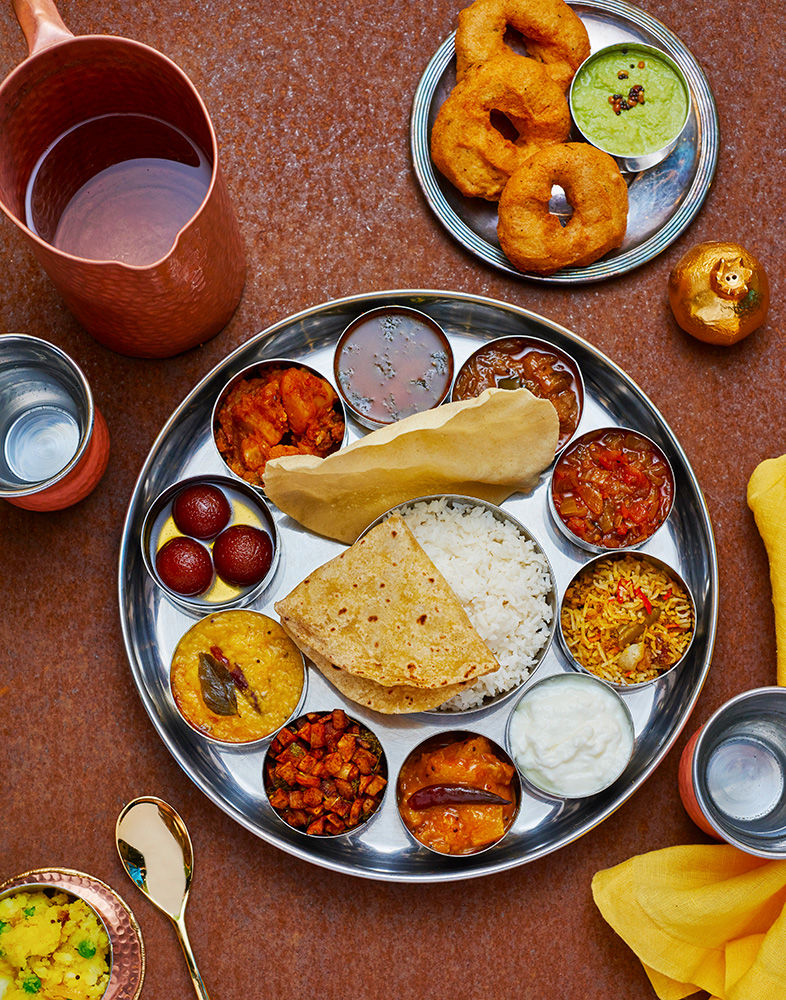
Not all Indian food is chicken tikka masala and samosas. This simple strip mall restaurant highlights South Indian cuisine, which favors higher spice levels and lentils over meat. Before you settle in, stop by the self-serve condiment area, lined with different chutneys and sambar (a spicy lentil soup with chunky vegetables). The main menu event is the dosa, a crispy, savory crepe served with a variety of fillings, most traditionally spicy, turmeric-infused potato chunks. There are also platters, like the thali (right), as well as puffy, deep-fried breads served with a chickpea curry.
Must–try dish: Southern thali
9484 Black Mountain Road, Miramar
The cash-only counter-service eatery is rooted in vegetarian food from the west Indian state of Gujarat, but there’s also South Indian items like idli (steamed rice patties eaten with coconut chutney) as well as street food-style bites. The vibe is casual, with Bollywood movies and Indian music videos playing on weekends and a steady stream of customers coming in to buy traditional Indian snacks and desserts by the pound.
Must-try dish: Pani puri
9494 Black Mountain Road, Mira Mesa
Iran
One of the few upscale Iranian dining experiences in the city, this Del Mar restaurant has a spacious dining room that fits up to 250 people and has occasional live music. They have all the usual suspects—kebabs, stews, and rice dishes—but most notable are their sizable vegetarian offerings. They serve plant-based takes on traditional Iranian dishes, like fesenjon (a pomegranate and walnut stew typically served with chicken). Alborz also has a few Greek dishes, including spanakopita and souvlaki sandwiches.
Must-try dish: Gheimeh, a split-pea stew with dried lemons and veal shank
2672 Del Mar Heights Road, Del Mar
Inside this grocey store is a counter-service station making kebabs, desserts, and more. Despite the seemingly limited deli-style space, the staff makes time-intensive dishes like gormeh sabzi, a beef stew with vegetables and kidney beans, plus fesenjon. They also have ready-made yogurts and other sides that you can buy by the pound. Visit their bread section, located by the produce, where you’ll sometimes find fresh-baked sangak, a whole wheat sourdough flatbread cooked on a hot stone. (“Sangak” means “little stone” in Farsi.)
Must-try dish: Koobideh, a kebab made of ground beef or lamb
5905 Balboa Avenue, Clairemont
The Ultimate Guide to International Cuisine in San Diego
Darband Fifth Avenue Grill
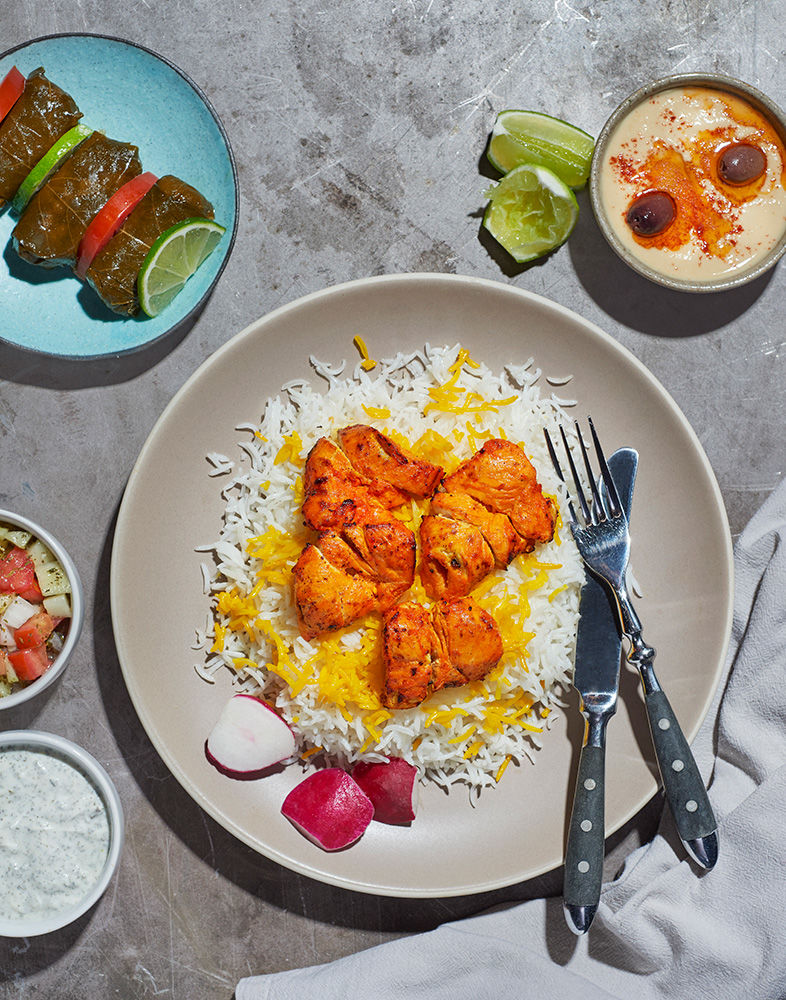
Men playing chess on the outdoor patio while grazing over dinner and sipping tea—Darband feels like a low-key European café. But don’t let the nondescript chairs and plastic tablecloths inside dissuade you; Darband makes mouthwatering kebabs, lentil soups, and more. Platters are most popular—with lamb, fish, beef, chicken, and vegetarian options—served alongside fluffy rice and roasted tomatoes. Shareable plates include the classic salad shirazi (a tangy mix of tomatoes, cucumber, lime juice, and mint), as well as maust-o-moosier, a yogurt mixed with chopped shallots. It’s also a fun spot to watch international soccer games.
Must-try dish: Boneless chicken kebab
1556 Fifth Avenue, Cortez Hill
The owner got her start in University Heights across the street, with the two-room tearoom Café Caspian. By popular demand, she opened Soltan Banoo (means “King Lady” in Farsi) with her two daughters a few years later and named the restaurant after her own mother. The result is a warm and inviting space with scratch cooking. Staples like zereshk pollo (basmati rice with barberries) and koobideh kebab (seasoned ground beef or lamb skewers) fill the menu, but we’re partial to the daily specials: more laborious items, like abghoust, a lamb stew.
Must-try dish: Ash anar (pomegranate soup)
4645 Park Boulevard, University Heights
Italy
This Italian stallion from the team behind Whisknladle and Prepkitchen focuses on coastal fare from the boot-shaped country. That means crispy octopus and capellini with Manila clams served alongside pizza, all with a wood-fire touch. It’s stylish, casual, and has a top-floor, corner perch atop La Plaza La Jolla, perfect for sunset.
Must-try dish: Sicilian pistachio pizza
7863 Girard Avenue, La Jolla
Husband and wife co-owners Guido Nistri and Valentina Di Pietro frequent their home country to keep ideas fresh; that’s one reason we love Monello. The sleek interior matches the menu of upscale Milanese street food, like the fritti (fried snacks of cauliflower florets, portobello mushrooms, calamari, shrimp, and more). Larger plates include “pasta your way,” where diners choose their pasta shape and sauce. Come to the bar or patio for aperitivo: pay for a drink and get three free small plates (chef Fabrizio Cavallini’s choice).
Must-try dish: Raspa dura cheese
750 West Fir Street, Little Italy
It doesn’t get more fairy-tale perfect than this Point Loma bistro, dressed in crisp whites and illuminated with candles and twinkle lights. Beyond the menu of pastas, pizzas, and meatballs, they have live music on Fridays and Saturdays and daily happy hour with half-off starters.
Must-try dish: Magic Mushrooms (button mushrooms with snow crab, shrimp, and baked provolone)
2910 Cañon Street, Point Loma
The Ultimate Guide to International Cuisine in San Diego
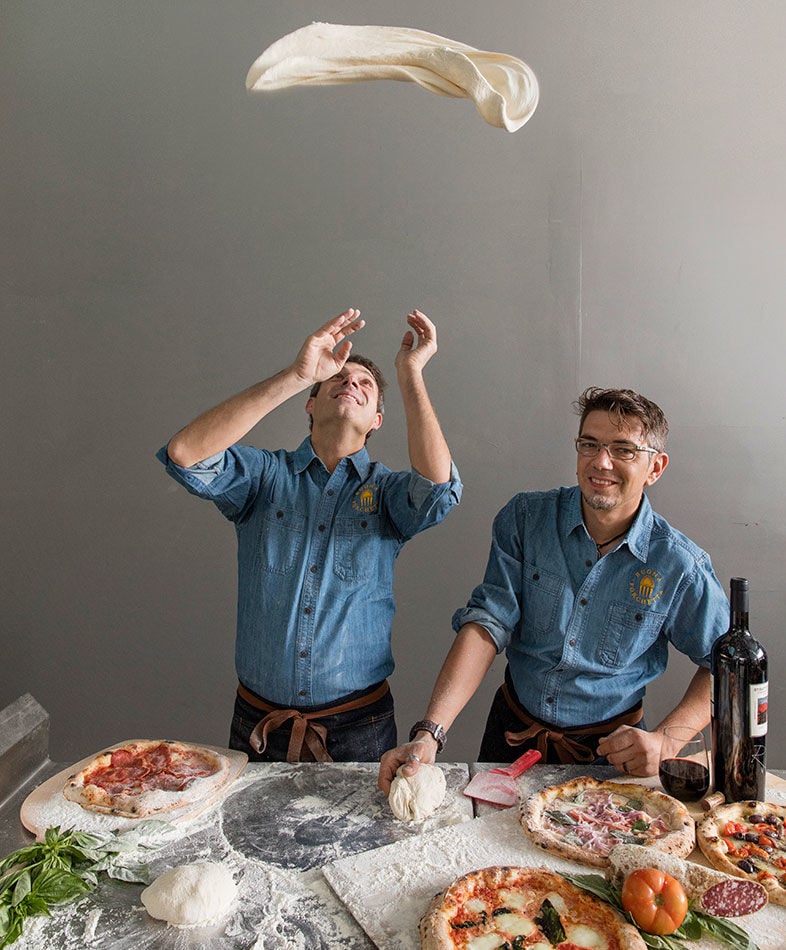
Officine Buona Forchetta | Photo by Scott Andrews
South Park’s Buona Forchetta team joined forces with chef Mario Cassineri (ex-BiCE) to bring Italy’s top two food groups—pizza and pasta—to a bigger space in Liberty Station. The former offer their Neapolitan pizza know-how, while Cassineri adds his excellent house-made pasta to the menu. Many of the South Park classics remain, like the “Angela” spicy salami pizza, but the spin-off’s selection also includes wild boar ragu and a pumpkin and provolone pizza, special for this season.
Must-try dish: Polpettine (meatballs)
2865 Sims Road, Liberty Station
Executive chef Daniel Wolinsky honed his craft at some of New York’s most respected Italian kitchens, including Frankies 570 Spuntino and Prime Meats, and he interned at Italy’s Osteria Francescana, made famous by Netflix’s Chef’s Table series. Wolinsky creates scratch tagliatelle, spaghetti, gnocchi, and more with add-ins like spicy pork sausage and pistachio pesto. He also teaches pasta classes so you can take home those same skills.
Must-try dish: Triangoli pasta with eggplant and fig
4055 Adams Avenue, Kensington
Jamaica
You can smell the aroma of this Caribbean restaurant’s barbecue spices from a block away. Island Spice moved to more modern digs earlier this year, and its entrées lean meat-heavy with goat, fish, oxtail, and chicken among the heftier options. Plates are served with heaping portions of rice and sweet, sticky plantains. Everything is made from scratch, so wait times can feel long. You can phone in your order ahead of time, but that’s not very “island time” of you.
Must-try dish: Jerk chicken
6109 University Avenue, Rolando
In the space once occupied by Island Spice, Rock Steady carries the torch of turning out delicious yard food (Jamaican grub). The bulk of the menu focuses on huge portions of slowly simmered stews with goat, oxtail, and chicken alongside beans and rice. You can take it out on the patio, and make sure to stop by their small grocery section with banana chips, hot sauces, and jerk seasoning for the road.
Must-try dish: Oxtail and beans
2820 Market Street; Grant Hill
Japan
This vegetarian-friendly Japanese/Vietnamese fusion spot has that cozy living room feel, with only a handful of tables, and walls covered in messages written by previous guests. Prices can seem a bit higher than average until you see the portion sizes, which are generous to say the least. Every meal is beautifully plated and comes with complimentary tofu salad and ice cream, so come hungry and save room for dessert. The tofu is house-made and some of the best in town. Food here can get very spicy, so be careful and don’t say we didn’t warn you.
Must-try dish: Pineapple fried rice
3332 Adams Avenue, Normal Heights
Perfect for date night, this sleek, upscale sushi bar and restaurant serves up nigiri, sashimi, rolls, and other delights. To catch a light buzz, order a carafe of their hot, cold, or sparkling sakes. Those on a budget are encouraged to try one of their daily lunch specials (available 11:30 a.m.–2 p.m.).
Must-try dish: Salmon belly
2760 Fifth Avenue, Bankers Hill
Take a seat at the family-style tables at the first US location of this Japanese ramen chain. The Nishiki bowl combines rich pork belly chashu (a marinating and braising technique) with a perfectly prepared slow egg and a pink fish cake. The Notorious G.G.G. is a garlic-lover’s dream, with both roasted and marinated garlic. If you’d like to continue the experience, head to nearby Mitsuwa Marketplace, San Diego’s best Japanese grocery store.
Must-try dish: Smoke bomb black (pork belly chashu with roasted black garlic sauce, nori seaweed, and a slow-cooked egg)
8055 Armour Street, Kearny Mesa
The Ultimate Guide to International Cuisine in San Diego
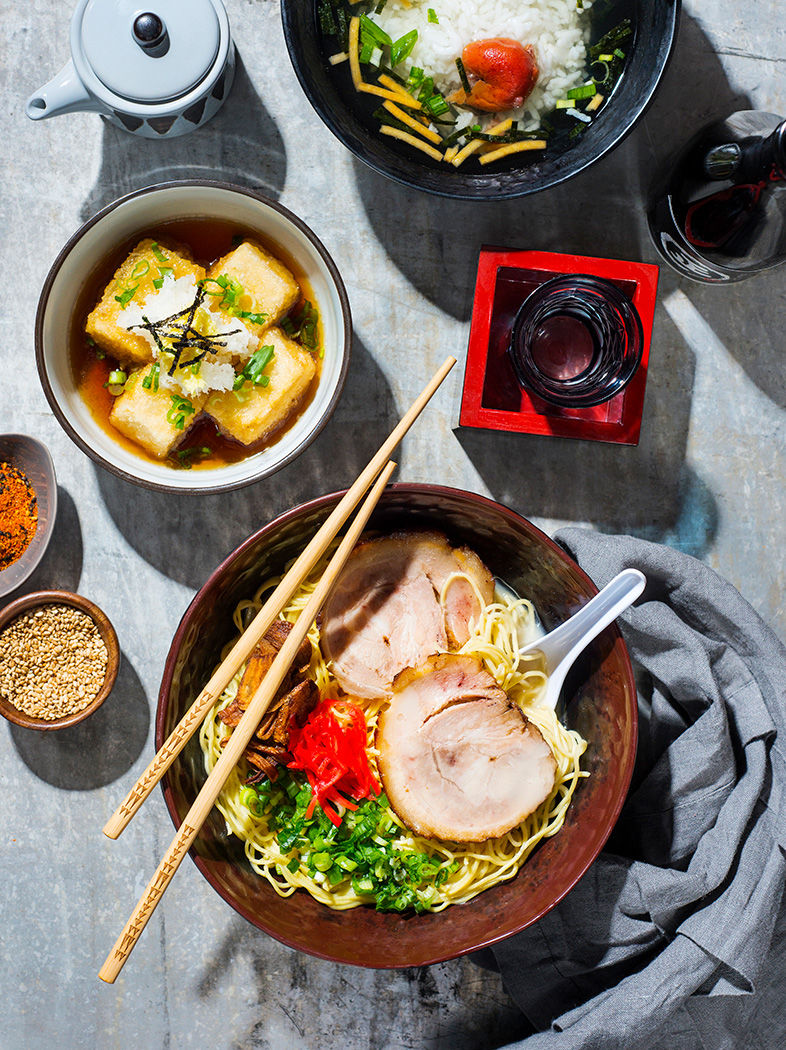
Izakaya Masa
Tucked into a Mission Hills strip mall, this is the answer to late-night hankerings that won’t leave you with a burrito body. Open until 1 a.m., the izakaya (a Japanese bar serving small, typically inexpensive dishes and snacks to go with alcohol) is a favorite for ramen, but those in the know order one umami-packed bowl to pass around family-style, leaving room for small bites. We love the lightly fried agedashi tofu, which melts on the tongue, and the ochazuke, rice topped with your choice of salty nori, tangy ume, or flaky salmon in a green tea broth. Don’t forget to start with a bottle of milky, unfiltered sake and end on a sweet mochi.
Must-try dish: Hakata ramen
928 Fort Stockton Drive, Mission Hills
Don’t come to Rakiraki if you’re on a tight schedule—parking can be difficult at the Little Italy and Kearny Mesa locations, and the wait at this no-reservations joint is often at least 30 minutes. There’s a reason for the crowds. Chef Junya Watanabe studied with some of Japan’s top ramen chefs to bring complex ramen to San Diego. For something different, try tsukemen (deconstructed dipping ramen), or ramen burgers with a noodle bun.
Must-try dish: Black edition ramen ( fermented with organic garlic oil and roasted for 18 hours, paired with double-thick noodles in a Hakata tonkotsu broth)
4646 Convoy Street, Kearny Mesa; 2820 Historic Decatur Road, Liberty Station; 2254 India Street, Little Italy
Wa Dining Okan
It’s an intimate, mom-and-pop experience at this spot on Convoy. Our food critic, Troy Johnson, calls their salt-grilled mackerel his favorite bento box in town, and other stand-outs include the ginger pork, beef tongue, and veggie-packed miso soup. Cash only during lunch!
Must-try dish: Salt-grilled mackerel
3860 Convoy Street, Kearny Mesa
Sushi Ota has garnered a cult following for over 25 years and is often referred to as the best of its kind in San Diego. No matter the day or time, expect to find a line of customers waiting for a table in the small dining room. Using locally sourced fish, Ota’s chefs prepare sashimi, rolls, nigiri, and hand rolls. Reservations are highly recommended at this no-frills eatery located in a nondescript strip mall.
Must-try dish: Uni (sea urchin)
4529 Mission Bay Drive, Mission Bay
Popular at lunchtime and happy hour (3–6 p.m. daily), this new shop from the owners of Azuki Sushi also serves sushi rolls, bowls, salads, and small plates. The ramen is made with organic seasonal veggies and artisanal noodles from Sun Noodle (a high-end noodler with facilities in Honolulu, Los Angeles, and New York) and can be topped with pork belly, duck, scallops, and other savory proteins. To switch things up, try the cold ramen or gluten-free zucchini noodles.
Must-try dish: Tan Tan ramen
2505 Fifth Avenue, Bankers Hill
The highlight of this chain’s only US outpost is traditional yakitori, chicken skewers grilled over binchotan (a high-carbon charcoal that emits crazy heat without flames or smoke). On the menu, yakitori standards like negima (chicken thigh with green onions), tebasaki (chicken wings), and tsukune (homemade chicken meatball) appear under kushiyaki, an umbrella term for grilled meat and vegetable skewers. Savor them alongside cold nigori sake.
Must-try dish: Omakase, six chef-chosen skewers
3904 Convoy Street, Kearny Mesa
Korea
Chon Ju Jip
Traditional Korean stews (names end in “-jjigae”) and soups (names end in “-tang” or include “guk”) are the stars of this intimate spot in the Convoy Center strip mall. Served boiling hot and often large enough to share with at least one other person, popular picks include kimchi-jjigae (kimchi stew with pork), samgyaetang (chicken broth soup with whole boiled chicken, dried jujube, and ginseng), and gamjatang-jeongol (spicy pork bone broth soup served in a hot pot). Ladle a portion into your own bowl and enjoy it with white rice, bites of the eight refillable sides, known as banchan, and sips of complimentary barley tea.
Must-try dish: Gamjatang-jeongol
4373 Convoy Street, Kearny Mesa
This all-you-can-eat Korean barbecue spot is so popular, rules about seating and reservations are listed on their website to ensure fair play. Once inside, choose between two options: “A1” includes seafood and more premium cuts of cow; “A2” lacks seafood, but still includes many choice proteins. From there, order from your selected menu, but be careful to order only what you can eat; there’s an additional charge if you waste. All-you-can-eat prices are per person, with discounted prices for kids ages 5–10; kids 4 and younger eat free with a paying adult.
Must-try dish: Beef bulgogi (thin slices of barbecued beef)
4373 Convoy Street, Kearny Mesa
Laos
This family-owned and operated strip-mall spot serves Laotian and Thai hits like larb, a spicy salad of roasted rice, chili, lime juice, green scallions, cilantro, and your choice of meat; and jungle curry, a staple of northern Thailand unlike other Thai curries in that it doesn’t include coconut milk. When choosing a rice to eat with your mains, go glutinous with the Laos sticky rice that’s served in a bamboo container. And if you’ve still got room for dessert, splurge on the mango sticky rice.
Must-try dish: Barbecue beef
5421 El Cajon Boulevard, College Area
Lebanon
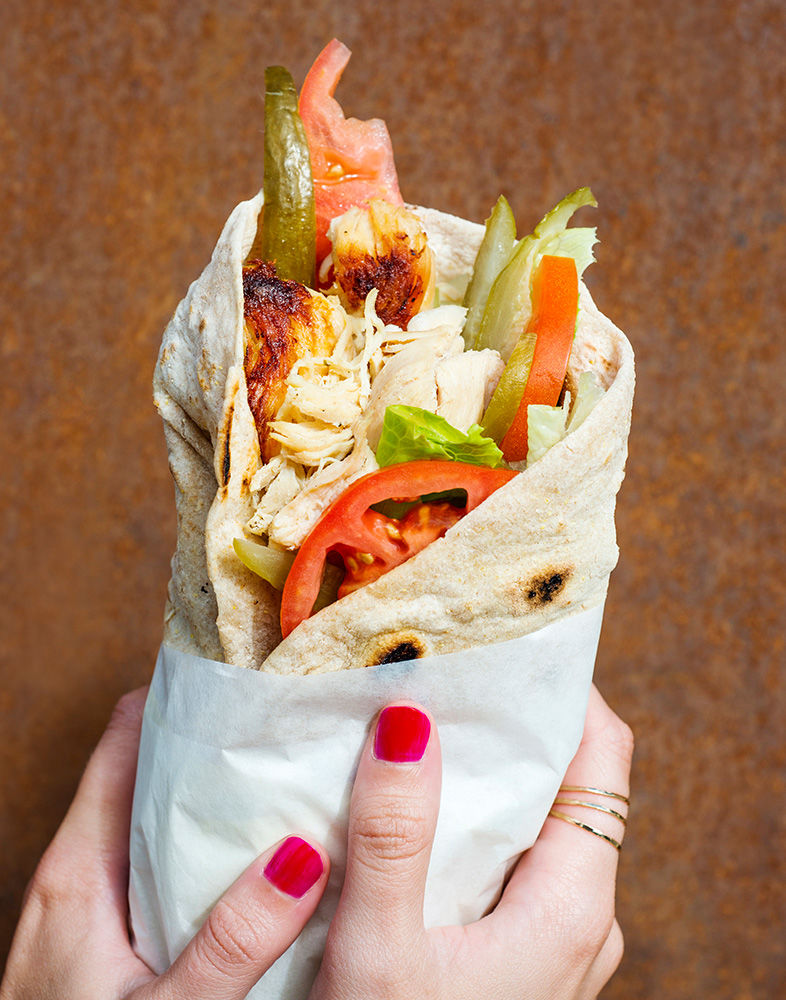
This casual spot is located in a cottage on a residential street in North Park. Order at the counter on one end and pick up your fresh food from the window on the indoor patio. Their pita is cooked on the saj (a traditional half-dome griddle) and used for their popular wraps. They also make meat pies, and the tennis-ball-size falafel is a filling option for vegetarians. Save room for the traditional sweets, many of which come from Santee’s Baklava King and famed Lebanese bakery Shatila in Michigan, where Mama’s owner Eddie Haidar grew up.
Must-try dish: Garlic chicken shawarma wrap
4237 Alabama Street, North Park
The Ultimate Guide to International Cuisine in San Diego
Mama’s Bakery & Lebanese Deli
Mexico
Using a special oven, chef Francisco “Paco” Perez replicates barbacoa, the traditional Mexican cooking technique that involves slow-roasting meat for more than seven hours in an underground pit. As a result, his lamb barbecue has received national media attention from star chefs Andrew Zimmern and Rachael Ray. For an extra indulgence, order it as a quesotaco—made with grilled cheese in place of a tortilla.
Must-try dish: Lamb barbacoa
1043 Broadway, Chula Vista
The Ultimate Guide to International Cuisine in San Diego
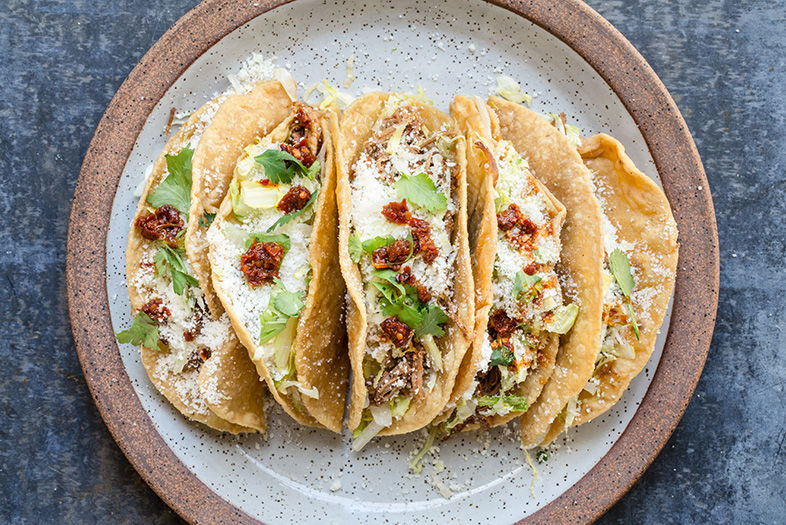
Las Cuatro Milpas | Photo by Sam Wells
Las Cuatro Milpas
Short menu, long line—that’s the gist of this San Diego institution, which serves up some of the most authentic Mexican eats in town. Inside the super-casual taqueria, cooks sling a small but mighty lineup of tacos, tamales, and chorizo beans with rice. But the magic happens in the fryer, where they crisp the house-made tortillas for the crunchy and rolled taco varieties. Ponder the menu while in line so you’re ready to order when up at bat.
Must-try dish: Rolled tacos
1857 Logan Avenue, Barrio Logan
No tacos, no burritos, no problem; you get the real deal at this humble, homestyle Mexican restaurant. Here you’ll find caldas—savory, filling stews like birria de chivo with goat meat, or a classic pozole with chiles, pork, and hominy (dried corn soaked in a mineral bath of lime, lye, or ash). Can’t make up your mind? They offer free taste-tests to find the soup that speaks to your soul.
Must-try dish: Birria de chivo
3627 University Avenue, City Heights
Peru
Seek out this Peruvian restaurant on Del Mar’s main drag and be rewarded with flavors that owners Bratzo and Daniella Basagoitia grew up on: ceviches spiced with ají (a yellow chili sauce made from Peruvian peppers); gorge-worthy sandwiches served with plantain chips and canchitas (Peruvian corn nuts); and house-made chicha morada, a refreshing drink that’s like a virgin sangria, made from purple maize and garnished with chunks of fresh fruit. Hint: The entry and patio are secluded beneath magenta bougainvillea.
Must-try dish: Ceviche mixto
1140 Camino Del Mar, Del Mar
If you don’t know it’s there, it’s easy to miss—but once you do, it’s hard to resist. Panca uses spin-roasted rotisserie chicken as its siren call. The tender, juicy meat marinates for as long as two days in a secret blend of ingredients that includes Panca pepper before being hit with Peruvian spices. Chef-owner Iole Revilla offers other morsels from her native Peru at low- to mid-range prices, including a chicharrón sandwich with slow-roasted pork, sweet potato slices, and salsa criolla. You’ll find her heart in her sweet tooth, however, once you taste her simple yet elegant traditional desserts, like alfajores, shortbread cookies filled with dulce de leche.
Must-try dish: Peruvian-style rotisserie chicken, ordered by the quarter, half, or whole bird, with sides
1902 South Coast Highway, South Oceanside
Peruvian cuisine has formally arrived in San Diego thanks to Sami Ladeki (of Sammy’s Woodfired Pizza) and chef Emmanuel Piqueras, Peru’s official culinary ambassador to the US. This take on Peruvian food is a fascinating mix of Japanese, Chinese, Spanish, and indigenous flavors. Start with a selection from the ceviche bar paired with the margarita-like pisco sour, then try the ají de pollo, a spicy pulled chicken, or the signature rotisserie chicken, marinated for 24 hours in a Peruvian spice mix.
Must-try dish: Carne empanadas
2401 Truxtun Road, Liberty Station
Q’ero takes its inspiration from both the slow food movement and its namesake indigenous Andean community. The result: Food as a craft—with ambience to match—that was established long before North County had much of either to get excited about. Q’ero serves expertly prepared traditional dishes and accompaniments, like lomo saltado and bright ají amarillo paste, along with their own take on chicha morada (a spiced drink made from boiled purple corn).
Must-try dish: Bistec a la Trujillana, grilled ribeye steak served with vegetables
564 South Coast Highway 101, Encinitas
Philippines
Established a little over 10 years ago by Fred and Cecilia “Cel” Rodriguez, this beacon of Filipino food is located in a bright yellow building on the western edge of City Heights in Cherokee Point. The business is celebrated for its beef lumpia (the Philippines’ skinny version of eggrolls), which are freshly hand-rolled on-site for frying. The restaurant also stocks a buffet of traditional dishes served via combo plates, including pancit, chicken adobo, and a pork soup with a clear, sour broth called sinigang na baboy. It’s best for lunch or takeout dinner. Cash only.
Must-try dish: Beef lumpia
3876 38th Street, Cherokee Point
The Ultimate Guide to International Cuisine in San Diego
Tita’s Kitchenette
Tita’s Kitchenette
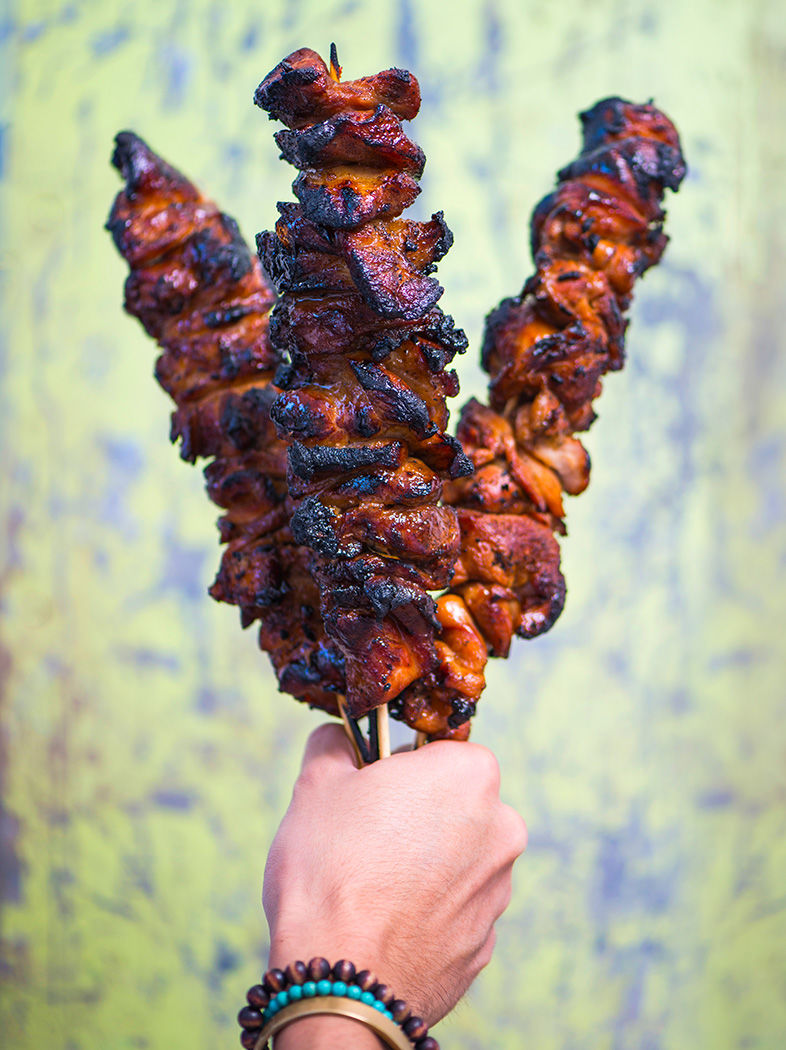
Regarded as a “turo turo” (a Tagalog term meaning point point) restaurant, this San Diego fast-casual institution serves Filipino comfort food in heaps and mounds. One combo plate runs under $10, feeds two adults, and comprises your choice of white rice or pancit (noodles) and two entrées you select by pointing at what looks good in the buffet. No, really: The names of the dishes aren’t displayed anywhere, so you’ll either have to follow your gut or ask questions. Best for lunch. Cash only.
Must-try dish: Chicken barbecue skewers
2720 East Plaza Boulevard, National City
Talk about homegrown: After Milagros and Victor Valerio launched this National City bakery in 1979, their children expanded the business to include a second brand—Valerio’s Tropical Bake Shop—and 16 locations across California, with four out-of-state branches to boot. Opt for variety when scoping out sweet treats to take home like pan de ube (bread with purple yam baked inside), turon (a fried banana street snack), or cheese rolls. Just be sure to stop in early in the day for the best selection.
Must-try dish: Pan de sal, a salt bread
1631 East Eighth Street, National City
Russia/Georgia
“This dish is as rare as chastity.” The cheeky menu—plus the water served in vodka bottles and propaganda posters as decor—is reason enough to visit Sobaka. Fortunately, the food is delicious, too. We suggest starting with a salad and dumplings before moving on to a hearty stew. Pair it with a Turkish coffee, which is “black as night, hot and wet as love, sweet as sin, and powerful as damnation.”
Must-try dish: Khachapuri (a cheese-filled bread)
2469 Broadway, Golden Hill
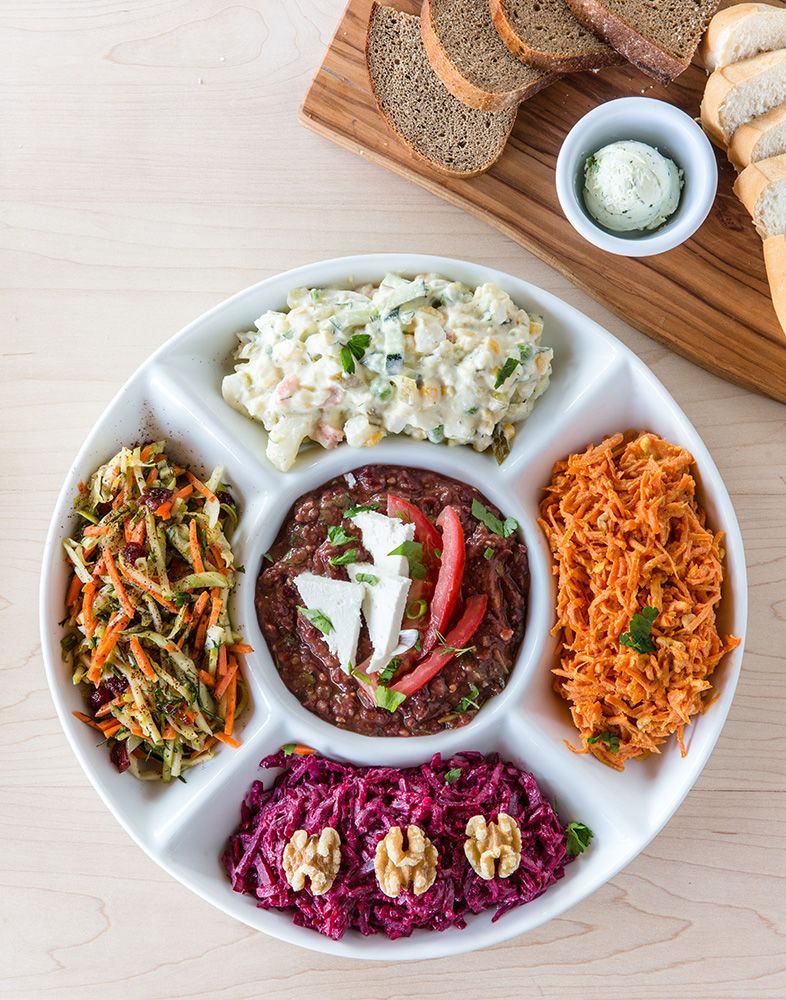
You’ll find traditional dishes like borscht, golubtsi, and pies, but don’t assume it’s all meat and potatoes; they have plenty of veg-friendly options, too, including various plant-based salads and a leaf eater’s take on borscht that swaps in mushrooms for beef. Dinner here is cozy, like catching up with an old friend.
Must-try dish: Any vegetarian salad
2312 El Cajon Boulevard, University Heights
The Ultimate Guide to International Cuisine in San Diego
Pomegranate | Photo by Sam Wells
South Africa
CapeTown Grill recently changed ownership and rebranded as Malted Diner to attract a wider audience. But the new owner is entrenched in South African culture and has kept the bunny chow (hollowed out bread filled with curry), meat pies, slap chips, peri-peri chicken livers, bangers and mash, and more on the menu. Malted also sells goods like South African wines, fish paste, and frozen meat pies to go.
Must-try dish: Bobotie
7580 Miramar Road, Miramar
For authentic biltong and drywors (beef jerky and dried sausage, respectively), go to Perky’s South African Food & Catering. The company is operated by Durban-born Graham Perkett, who used to own Deli SA. His repertoire spans the gamut of South African food, which means a lot of curries, stews, and braai (barbecue). Ask Perkett for his off-menu chicken à la king, a huge crowd-pleaser.
Must-try dish: Pepper steak meat pie
8280 Clairemont Mesa Boulevard, Kearny Mesa
Spain
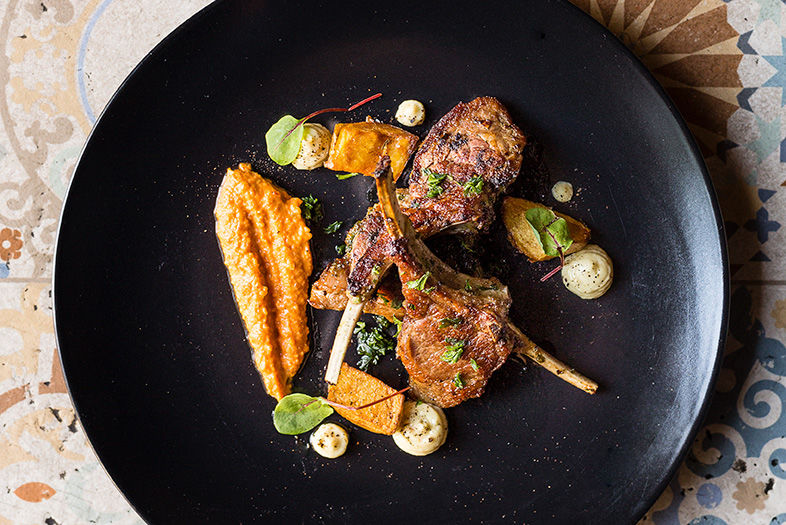
The closing of The Cheese Store of San Diego left a gouda-sized hole in our foodie hearts, but this charming, lively tapas bar has opened in its place, still co-owned by quesero Marci Flaster. By day it’s a sunny spot for wine, cheese, and small plates. By night, it’s dimly lit and a few decibels louder. Flaster has brought her expertise to the menu with Spanish cheeses, like the Idiazabal, an unpasteurized Basque sheep’s milk. Their ahi tuna tostada is an inventive take on the ubiquitous appetizer, and don’t forget about the Spanish wines.
Must-try dish: Lamb chops
1980 Kettner Boulevard, Little Italy
The Ultimate Guide to International Cuisine in San Diego
Bar Bodega | Photo by Justin McChesney-Wachs
After nearly 20 years of success in Berkeley’s acclaimed “Gourmet Ghetto” neighborhood, Richard Mazzera opened a second location for his much-loved tapas bar in Rancho Santa Fe last year with the sort of warm, gregarious hospitality you’d expect from a European restaurant. Mazzera, an alum of Bay Area farm-to-table pioneer Chez Panisse, has divided his menu into finger foods and larger plates that span the canon of Spanish tapas, from Castelvetrano olives to patatas bravas (spicy potatoes). During daily happy hour, oysters are just $1 each.
Must-try dish: Cinco jotas (cured ham from acorn-fed Ibérico pigs)
16089 San Dieguito Road, Rancho Santa Fe
Shielded from busy Garnet Avenue by a wall of greenery, Costa Brava isn’t cutting-edge or trendy, but it is authentic. The extensive tapas menu features Spanish classics like patatas bravas, tortilla Española (a potato omelet), gambas al ajillo (shrimp in garlic), and choricito frito (sautéed chorizo sausage). Pair with house-made sangria and enjoy live flamenco music on Wednesdays, Thursdays, and Sundays.
Must-try dish: Paella mixta
1653 Garnet Avenue, Pacific Beach
Friendly to foodies, vegans, and the gluten-averse alike, this tapas bar is tiny but mighty. We’re most pleased during the short but sweet happy hour (5–6:30 p.m. Tuesdays to Sundays) when a wide selection of dishes are just $5 a pop and the vino, sangria, and refreshing hibiscus sparkler flow like water. The bar stretches the length of the tiny dining room, providing a cozy atmosphere that readily conjures its continental inspiration.
Must-try dish: Chicken empanada wrapped in house-made curry dough
2123 Adams Avenue, University Heights
Thailand
This sophisticated sit-down spot is decked out in rich gold colors, orchids, and a friendly, attentive staff. The menu includes curries, stir-frys, soups, and more elaborate entrées, like a bone-in crispy duck and avocado panang curry. Take a seat inside the dining room for a more formal experience, or cozy up in one of the outdoor booths by the entrance. (There are heat lamps in the winter.)
Must-try dish: Mambo Mambo Chicken (red curry and stewed chicken in a hot pot)
3843 Richmond Street, Hillcrest
The casual, family-owned eatery captures the best of Thai flavors through spicy curries, noodles, stir-fries, and salads. The no-fuss decor makes it easy for takeout during the week and a popular spot to hang out on the patio.
Must-try dish: Yum nuea (Thai beef salad)
4646 Park Boulevard, University Heights
If your last name is House, we can’t blame you for putting a double entendre in your company name. When their catering business grew too large for their home, Alec and Supannee House opened a brick-and-mortar to serve masterpieces prepared with vegetables and herbs harvested from their own gardens. Wan Chan, Supannee’s older sister, helms the kitchen, preparing curries and other familiar dishes alongside unique styles from the family’s home region that are hard to find elsewhere in the city, inspiring one delicious experience after another.
Must-try dish: Any appetizer—green papaya salad with shrimp, po tak seafood soup, or miang kam wraps
2907 Shelter Island Drive, Point Loma
Everything is vegetarian at this modern University Heights spot. Beyond organic, non-GMO tofu from San Diego Soy Company, they offer other plant-based takes on duck, chicken, and beef so flavorful that many carnivores prefer it to the real thing. For a taste of Plumeria with seafood, try their sister restaurant, Chi Extraordinary Kitchen, nearby on Adams Avenue.
Must-try dish: Mock duck larb (a ground mixture of meat or tofu with chiles, lime, cilantro, and other herbs)
4661 Park Boulevard, University Heights
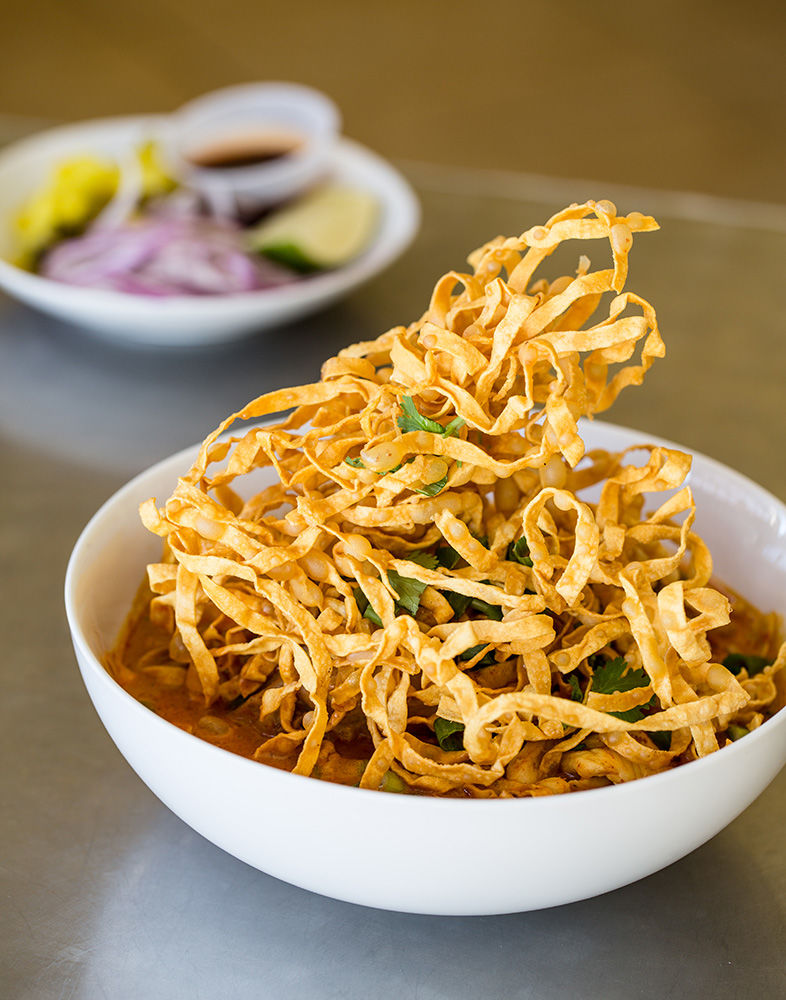
In 2015 Sab-e-Lee swapped its shoebox space for expanded square footage in Linda Vista. In the original location is Thai Papaya, a cash-only ode to Thai street food, with dishes like deep-fried pork ribs that are fermented for three days in soy sauce. Its size is as humble as you may remember—just over a dozen seats—but it’s worth the wait.
Must-try dish: Khao soi curry (a northern Thai dish made with coconut milk and topped with crunchy egg noodles)
2405 Ulric Street, Linda Vista
The Ultimate Guide to International Cuisine in San Diego
Thai Papaya
Renowned owner Su-Mei Yu is seen in photos with various A-list celebrities throughout this fast-casual Thai eatery, open since 2002, that’s well primed for carryout business. Daily specials determine the availability of dishes on the menu, which are all made with health-conscious cooking techniques—think anti-inflammatory stir-fry and healthy fried rice. Yu makes all sauces and sides from scratch, and you’ll also find plenty of gluten-free and low-carb options.
Must-try dish: Saffron Thai grilled chicken
3731 India Street, Mission Hills
Turkey
This El Cajon spot also dabbles in Iranian and Iraqi food, but we go for the Turkish classics, like baba ghanouj and kasalipide, a cheese-stuffed flatbread. Portions are big enough to share, but the menu also includes family-style plates of meat skewers served with hummus, rice, and salad for three to four people.
Must-try dish: Lahmacun, a flatbread topped with ground beef, onion, garlic, and tomato paste
123 Jamacha Road, El Cajon
Don’t let the location—between an “adult emporium” and auto shop—dissuade you. This is some of the region’s best Turkish food, with fresh tandoori-style bread to pair with the kebabs, meat pies, gözleme (a meat-filled flatbread), and more. As if the food weren’t enough reason to go, the leafy back patio is a like a rain forest in the middle of National City.
Must-try dish: Manti (steamed dumplings filled with meat or vegetables)
3586 Main Street, National City
Vietnam
Locals were rightfully devastated when this beloved Vietnamese sandwich shop burned down in 2015, but the owners promised to rebuild. Construction kicked off in mid-April and it’s expected to re-open by next month, when there will likely be a line out the door for their popular bánh mì sandwiches. After you pick a protein from nem nuóng (pork sausage) to pátê, all sandwiches are topped with pickled carrots, daikon, jalapeños, and their house mayonnaise.
Must-try dish: “K” Special sandwich with pátê
7604 Linda Vista Road, Linda Vista
This is the spot for classic South Vietnamese meals rich in spices and packed with herbs. The inland North County restaurant dishes up everything from rich noodle soups to tasty pork baguette sandwiches. To complete your dining experience, they also offer desserts like boba and grass jelly with milk.
Must-try dish: Bún bò Huê (beef noodle soup with a shrimp base)
503 West Mission Avenue, Escondido
Phuong Nga Banh Cuon
You know a restaurant is good when it serves only one dish. Phuong Nga Banh Cuon in City Heights is popular among the local Vietnamese community for its homemade bánh cuôn: rice noodles stuffed with ground pork. The savory meal is topped with pork, fish, shrimp tempura, cucumbers, bean sprouts, as well as an abundance of fish sauce.
Must-try dish: Bánh cuôn
4141 University Avenue, City Heights
Sometimes you need pho at two in the morning. That’s the beauty of this late-night spot, open until 3 a.m. daily. Its sleek, clubby decor fits with the extended hours—plenty of Hillcrest revelers can slurp their way sober here—but it’s comfortable and charming for a date night or family dinner, too. The menu ranges from pho (a beef broth noodle soup served with bean sprouts, lime, and meat) and salads to traditional stir-frys and grilled meat entrées. They don’t mess around with their cocktails, either. We love the lychee martini.
Must-try dish: Any pho
3900 Fifth Avenue, Hillcrest
Shop to It
These markets sell the fixings to make a global meal at home. Here are seven spots and what they’re known for.
Vine Ripe Market
Spices, halal meat, international cheeses
8191 Fletcher Parkway, La Mesa
Northgate Market
Tortillas, fresh ceviche, nopales
Various locations
Balboa International Market
Iranian sangak bread, halal meat, condiments
5905 Balboa Avenue, Clairemont
Akshar Cash N Carry
Basmati rice, spices, Indian pickles, chili peppers
9520 Black Mountain Road, Miramar
99 Ranch
Noodles, rice, East Asian sauces
5950 Balboa Avenue, Clairemont
North County International Market
Halal meat, Eastern European condiments, Turkish sodas
1850 Hacienda Drive, Vista
Pancho Villa
Tortillas, pan dulce, fresh salsa
3245 El Cajon Boulevard, North Park
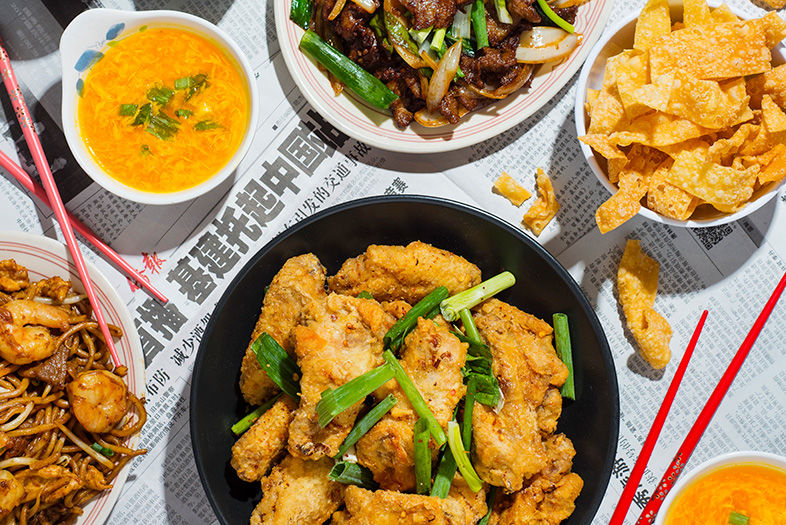
The Ultimate Guide to International Cuisine in San Diego
Royal Mandarin | Photography by Paula Watts