Ready to know more about San Diego?

Subscribe
Features MAY 3, 2024

7 of San Diego’s Sexiest & Best Bathrooms

Put on your best duds, grab your friends, and come barhopping with us in the city's chicest stalls

7 of San Diego’s Sexiest & Best Bathrooms
Seneca | Photo Credit: Erica Joan

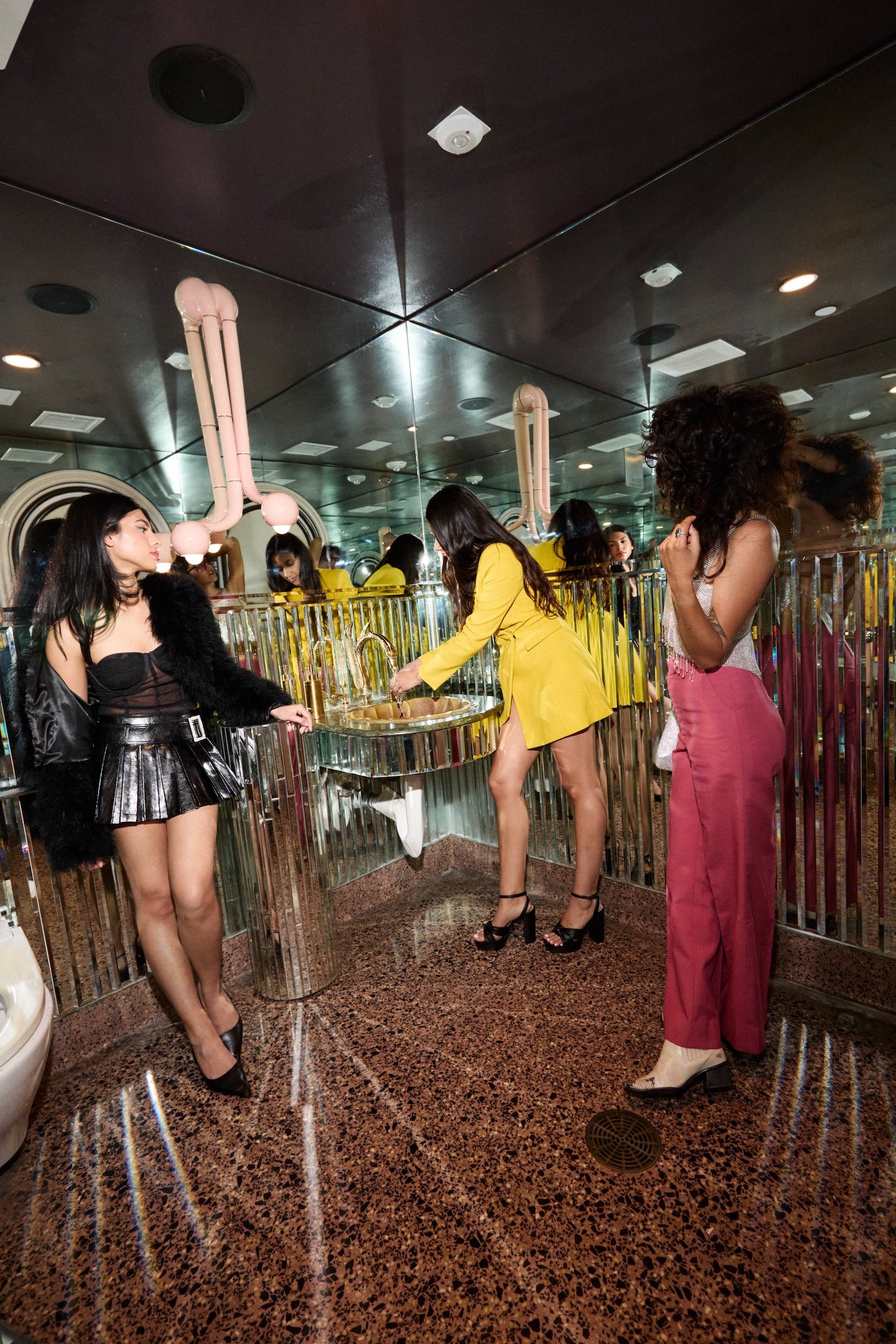
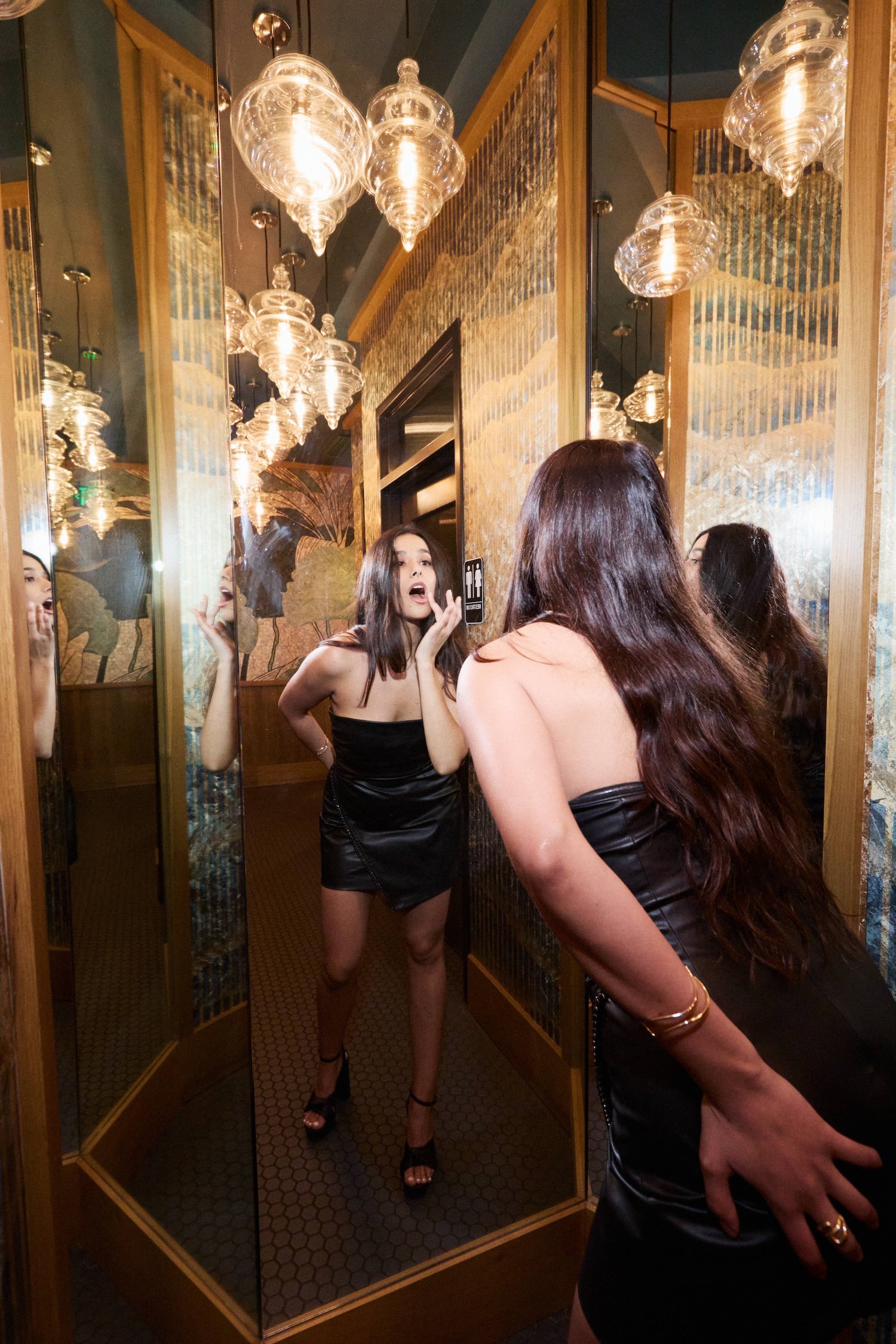
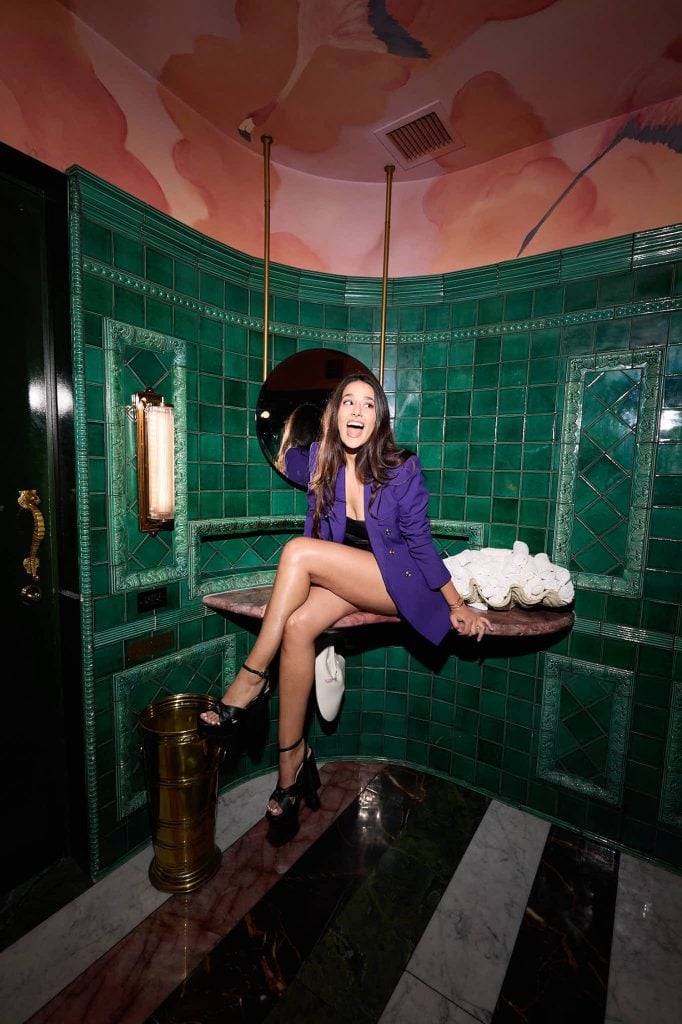
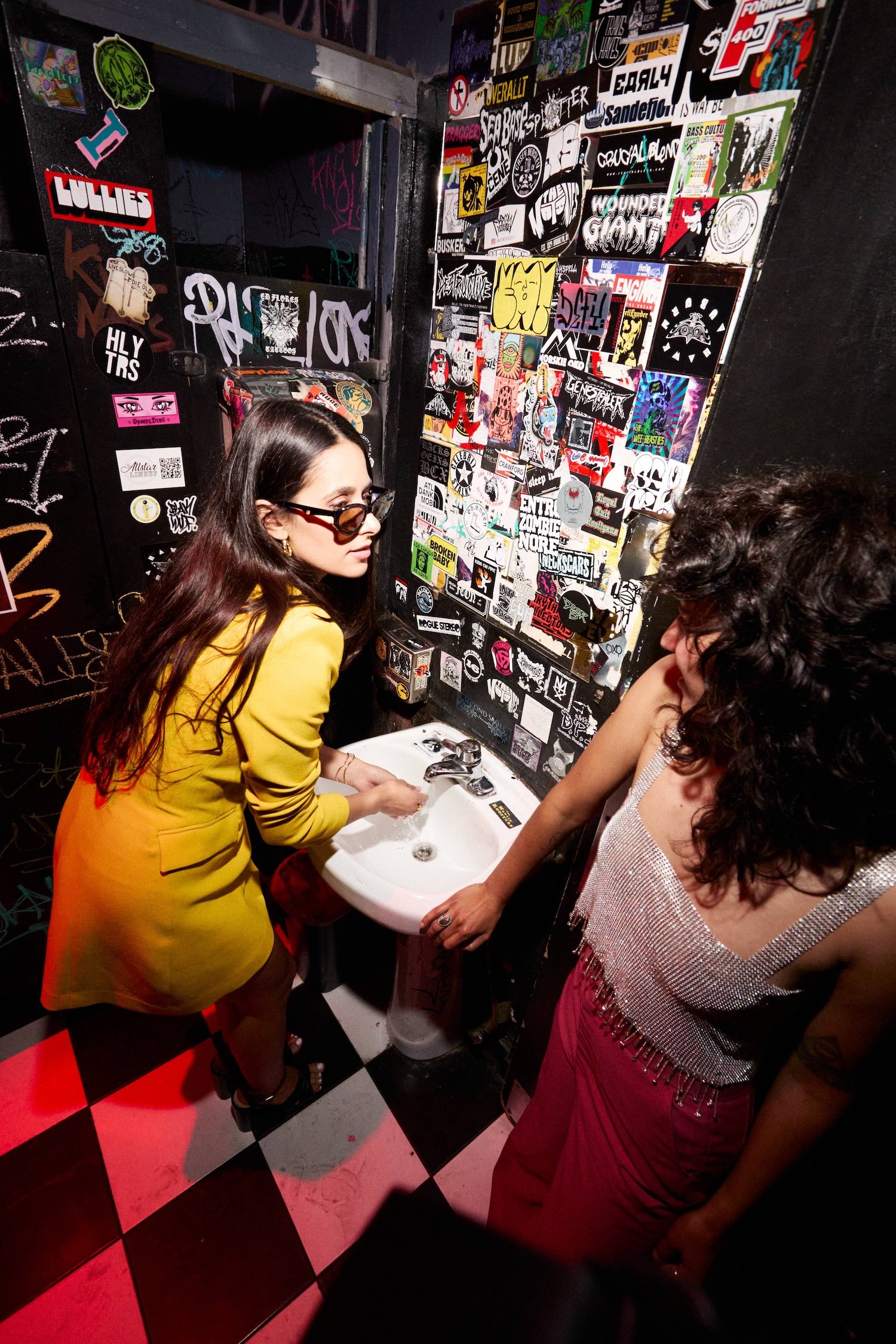
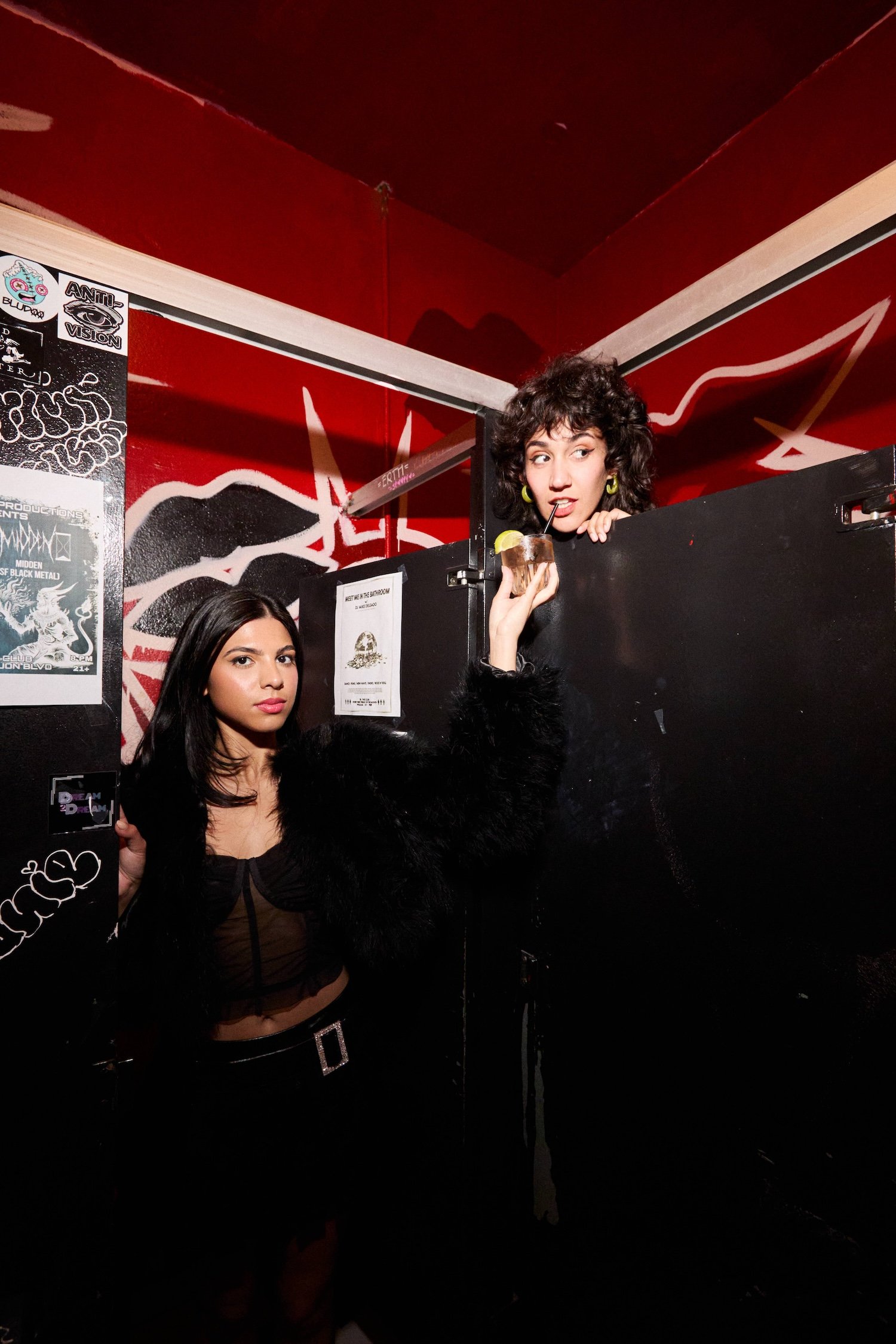
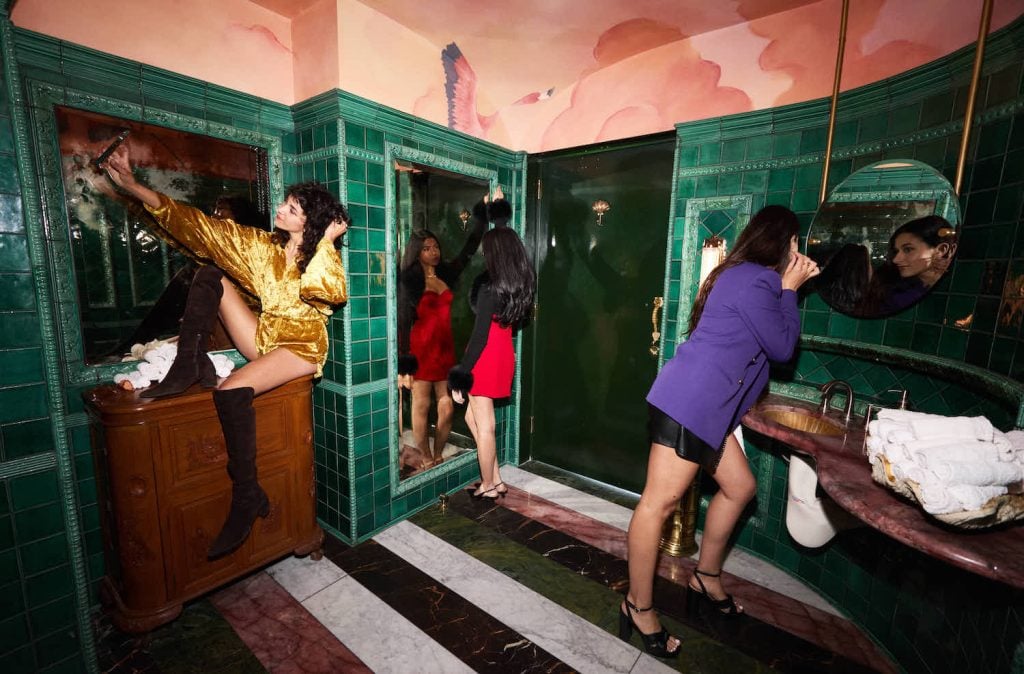
San Diego’s got more than its fair share of chic bathrooms, so we grabbed a few pals and wandered through the city’s hottest stalls (and one nostalgia-inducing dive bar john).

After all, the party only sucks if the bathroom’s quiet. The main event may be sullied by long drink lines, boring DJs, couples that really need to get a room. The only escape that doesn’t involve calling an Uber? The true epicenter of gossip and booze-induced bonding: the restroom.

Almost anywhere after happy hour, the lavatory is the place to be—the setting for the best compliment you’ve ever gotten, a land where the questionable hygiene of sharing lipstick goes unquestioned.

And businesses are catching on. If patrons are flocking to the loo anyway—to mirror selfie and make out and urge crying acquaintances to “Dump him!”—why not give it the same design consideration as the rest of the building? Hello, disco-ball bathrooms and wallpapered water closets. Finally, a prettier place to get your hair braided by a stranger.

Check out the sexiest bathrooms in San Diego below:

Animae


Photo Credit: Erica Joan

Morning Glory


Photo Credit: Erica Joan

Kingfisher


Photo Credit: Erica Joan

Realm of the 52 Remedies


Photo Credit: Erica Joan

Mothership


Photo Credit: Erica Joan

Seneca


Seneca Trattoria, San Diego
Photo Credit: Erica Joan

Til-Two Club


Photo Credit: Erica Joan

Amelia Rodriguez is a writer and journalist and winner of the San Diego Press Club's 2023 Rising Star Award and 2024 Best of Show Award, she’s also covered music, food, arts and culture, fashion, and design for Rolling Stone, Palm Springs Life, and other national and regional publications. After work, you can find her hunting down San Diego’s best pastries and maintaining her five-year Duolingo streak.

Subscribe to our newsletters

Select Options

By subscribing you confirm that you agree with our Terms and Conditions and Privacy Policy.

Arts & Culture SEPTEMBER 14, 2026

What Will It Take to Make San Diego a Global Arts City?

Jonathon Glus on the Art + Design District, investing in the creative economy, keeping artists in the city, and what we can learn from places like London and Chicago

What Will It Take to Make San Diego a Global Arts City?
Photo Credit: Stacy Keck

Jonathon Glus is the Prebys Foundation senior fellow leading the development of the Art + Design District at the Downtown San Diego Partnership. He has been asked what an arts and design district is many times. In our conversation, I asked him instead to describe what it isn’t. His answer opened up a broader discussion about what San Diego has and hasn’t invested in, what it has the capacity to become, and what other cities have done that we haven’t. Glus speaks about global art fairs and architecture biennials in Chicago and long tables at dinner parties all with the same fluency. He also discusses who gets to live in the neighborhoods where creative work happens, and what it means when they can’t afford to stay.

Claire Johnson: You have been asked what an arts and design district is many times. Can you tell me what it isn’t?

Jonathon Glus: It is not a place designed intentionally and specifically for tourists. Of course there will be opportunities for tourists to come, but the district is really focused on creatives, on creative education, and on the creative workforce—as well as our major performing arts organizations. That is the emphasis.

What does the district need to do in the next five years for you to consider it a success?

[It needs to] develop greater connectivity between the anchor institutions—the symphony, Broadway San Diego, the opera, all the wonderful things happening in Balboa [Park]—and the creative workforce that will be living and working in that neighborhood 24/7.

What does San Diego not have that you wish it did?

We have not been intentionally investing in the contemporary art product that other major cities have been building. A contemporary art fair. A biennial that reflects the ethos of this region. Chicago developed an architecture biennial about eight years ago. London has a design biennial. Desert X, right here in Southern California, invests in and elevates contemporary artists inside a city. We have not really been playing in the global art market in a way that we have the capacity to.

What capacity do we have?

We have a wonderful foundation. Two theater companies that produce work that goes to Broadway more than many regional theaters in the country, major museums, artists teaching at UC San Diego and University of San Diego. What a city does when it wants to take itself to the next level is intentionally create the product. Miami went after the Art Basel fair; they did not passively receive it. You have to have the intention and the will, and you have to go after it. We haven’t done that in the way that other cities have.

Look at what we did with the tech sector; we’re now a major tech center. That was intentional. Leadership organized around it. We have to do the same thing around the arts. We have a lot of contemporary art collectors here. We have a lot of galleries. But the ecosystem of the business of contemporary art is not as organized or as visible as it should be.

Which city is your North Star?

It’s bits and pieces of different cities. Dubai has invested very quickly and very intentionally in contemporary art—art fairs, design fairs, higher education, artist residencies from all over the world. London has centered artists and creatives in the contemporary zeitgeist in a way that was not true 40 years ago. They built biennials. They ensured British artists had affordable housing and workspace. They made sure the media paid attention to what they were doing.

If you don’t have an artist at your dinner table, it’s not a dinner party. That sounds elitist, but it’s true. It shows the value that artists have in a community. Our relationship culturally with Tijuana is really significant here because artists in Baja seem to be at the table.

We’ve talked before about how food, fashion, design, and art aren’t siloed anymore.

They aren’t. When super creative people are in a community doing extraordinary work, that draws other super creative people doing extraordinary work. That’s why other arts and design districts around the world end up populated with some of the most interesting restaurants and young fashion designers. Creatives want to be around other creatives.

Which leads to the economic argument…

Our creative economy already employs about 170,000 people and generates more than $11 billion in economic activity. It’s large and robust. But we must center all of this in accessibility and affordability. Williamsburg used to be affordable. Artists can’t afford to live there anymore. Wicker Park and Bucktown in Chicago—artist central, now unaffordable. If we’re going to invest in this district, we have to be really intentional about housing and workspace, so creatives have a place in the future of this district.

I see all these new supper clubs and creative collectives popping up. What is the lesson there for San Diego in terms of the commercialization of cultural and creative groups?

I think the lesson is that nothing changes. What do people love? Long tables. Why? Because you’re with a lot of people—some you may have known your entire life, but most you don’t. And if it’s driven by a creative process, all the better. We know one of the best ways to do that is around food, but also music.

For the Art + Design District, part of why we’re leaning into the process is because, culturally, we’re bringing down the barriers between film, fashion, multimedia, tech, and architecture. It’s an experiential mashup in the best possible way.

And it’s not just about art and design, but community writ large. Creative expression is something we all desire. Whether it’s at a long table, at the opera, or in your studio, we gravitate toward creative expression as a way of building community and communicating with the people around us.

Is there a question I should have asked you but haven’t?

I hope you are writing about this in seven years when the district is fully mature. But this is just the beginning for all of this. I think that’s what’s most exciting to me. We don’t know what this is going to be like, but we know it’s going to be creatively centered, and that’s super exciting to me.

Food & Drink SEPTEMBER 11, 2026

A Taste of Osaka Is Popping Up Around San Diego

Surf’n Slaw founder Kumi Alexander is introducing local farmers market crowds to okonomiyaki, the savory Japanese pancake she grew up eating

A Taste of Osaka Is Popping Up Around San Diego
Courtesy of Surf’n Slaw

After 15 years married, my husband and I tend to agree on most things. But there’s one argument we both refuse to bend on—I prefer okonomiyaki Osaka-style, and he’s a die-hard Hiroshima-style devotee. (To be fair, we both adore both styles, but at this point, it’s just fun to have a low-stakes disagreement.)

Okonomiyaki is one of Japan’s greatest comfort foods, a savory pancake that’s about the size of a DVD, if you aren’t too young to know what that is. It’s not terribly hard to make—it’s flour, eggs, dashi stock or water, and a whole heap of shredded cabbage, plus optional fillings like green onions, pork belly, or bonito flakes, all cooked fresh on a flat top griddle. Drizzle some kewpie mayo and okonomiyaki sauce on top, and you’re hot to go. 

However, it’s not easy to make well, and as you now know, people have capital-O Opinions about Osaka-versus-Hiroshima. Hiroshima-style layers the ingredients one by one rather than mixing them together, adding a layer of soba or udon noodles and topping it all off with a fried egg. For Osaka-style,  all the ingredients are mixed together and then cooked on the griddle, so every bite includes every ingredient in a hodgepodge of deliciousness. (One Osaka variation called modan-yaki does include soba noodles mixed in the batter, but they’re not traditionally used in that regional version.) 

Despite a childhood spent in Osaka, Japan, Kumi Alexander specializes in making Hiroshima-style okonomiyaki. “Okonomiyaki has been part of my life for as long as I can remember,” she explains. “My parents ran their own business when I was growing up, so Saturdays were often busy, and okonomiyaki was one of my mother’s go-to lunches because it was simple and easy to make.” 

Alexander came to San Diego seven years ago with a desire to bring a part of her culture with her—not just a product, but a feeling. “When I thought about what could do that, the answer was almost obvious: okonomiyaki,” she says. 

She originally launched Surf’n Slaw as a mobile pop-up food stand in August 2025, offering what Alexander calls Japanese-meets-California okonomiyaki. “Our full Surf’n Slaw includes cabbage, noodles, umami dough, beef, shrimp, and vegetables,” she explains. The menu also has a “Green Wave Slaw,” an Osaka-style version that can be made vegan and gluten-free, as well as matcha drinks. 

Currently, Surf’n Slaw pops up at farmers markets in North Park, Scripps Ranch, Hillcrest, La Jolla, and La Mesa, as well as other local markets and community events. Eventually, she may expand to a permanent location, but that’s a future goal. And while Alexander hopes that one day okonomiyaki will be as well-known to American audiences as ramen or sushi, for now, she’s just happy to share a bit of home with San Diego. 

San Diego Restaurant News & Food Events

Beth’s Bites

  • Izola Bakery announced big plans for a second location and bakery HQ (checks notes) over three years ago and it’s kind of been crickets since then. But there may be movement in the expansion plan—the East Village bakery recently put out a hiring call for “the people we need to help us build what’s next.” Here’s hoping things get cooking (or baking, as the case may be) soon. 
  • As a California-born, East Coast-raised foodie, I can confidently say the East Coast has the deli game on lock. So whenever anyone announces they’re bringing an East Coast-style sandwich to the West Coast, I remain cautiously optimistic until proven otherwise. (Big Jim’s in Pacific Beach is a phenomenal example of a transplant done exceptionally well.) Los Angeles-based Ggiata Delicatessen recently announced plans to open a location in Encinitas, promising authentic Italian staples like meatball parmesan subs, cheesesteaks, and Italian cold cuts. Don’t let me down, guys!
  • Unfortunately, it’s not all openings and expansions. Nola on 5th in Hillcrest permanently ceased operations without warning or explanation. We can probably pick from one (or more) squares on Restaurant Closure Bingo for the reason (increased costs for ingredients, labor, equipment, etc.), but for the jambalaya enthusiast, it doesn’t really matter why. It’s simply adieu to a slice of The Big Easy in San Diego. 

Listen Now: The Latest in San Diego’s Food and Drink Scene

Have breaking news, exciting scoops, or great stories about new San Diego restaurants or the city’s food scene? Send your pitches to [email protected].

Beth Demmon

About Beth Demmon

Beth Demmon is an award-winning writer and podcaster whose work regularly appears in national outlets and San Diego Magazine. Her first book, The Beer Lover's Guide to Cider, is now available. Find out more on bethdemmon.com.

Food & Drink SEPTEMBER 9, 2026

Hako Hako Will Bring Japanese Konbini Culture to Hillcrest

San Diego entrepreneur Kenji Blouin-Ito is turning a tiny Uptown Inn space into a destination for bentos, coffee, snacks, and more

Hako Hako Will Bring Japanese Konbini Culture to Hillcrest
Courtesy of Hako Hako

Tokyo unquestionably holds the title as one of the best, if not the best, food cities of the world. But despite the plethora of Michelin-starred kaiseki restaurants and hole-in-the-wall ramen joints, you’d be remiss in walking past glowing signs beckoning you to enter one of the 56,000-plus konbini across the country.

Konbini cafes like Lawson’s, FamilyMart, and 7-Eleven may look like run-of-the-mill convenience stores, but convenience store culture is a completely different animal there. Absent are the sad, floppy hot dogs sizzling sweatily on a rotating wheel of misery. Instead, konbini are stocked with a bevy of hot and cold drinks in every imaginable flavor, meals like tamago sandos (Japanese egg salad sandwiches) and prepacked bento boxes, snacks like onigiri (handheld triangles of rice and seaweed, often filled with fish or pickled plum), and even limited-edition merchandise (not unlike Wawa’s line of merch). 

Soon, Hillcrest will get a taste of konbibi culture. Hako Hako opens in front of Uptown Inn by Vantaggio, next to Ramen Ryoma, in early 2027.

Kenji Blouin-Ito, a half-Japanese, half-French San Diego native grew up eating Japanese food at home and during trips across the Pacific. “I remember looking forward to eating bentos on the train,” he says, grabbing quick items to munch on without sacrificing quality or succumbing to cost. When in France, he saw a rise of appreciation for casual Japanese cuisine, “long before it happened here.” 

Courtesy of Hako Hako | Photo Credit: @josh_walker.26_genteel

So he decided to bring it here. After AB 626 passed in 2018 to allow different jurisdictions to permit Microenterprise Home Kitchen Operations (MEHKOs), Blouin-Ito launched Foodnome, the first legal marketplace for homemade food in the US. Eventually, the national nonprofit The Cook Alliance took over the project, leaving him open to the next new idea but with the experience of running a food-based business. 

“That experience changed how I think about food, not just what makes it good but what makes it work,” he explains. Bento boxes felt affordable in a time of inflation, convenient in a bustling world, and versatile to a variety of palates. When he got the chance to open a konbini himself, he went for it. 

His family runs Uptown Inn, a mix of apartments and hotel rooms that’s seen increased food traffic over the past few years. “We had a small space in front of the building that wasn’t being used, and it just made sense,” he says. Hako means “box” in Japanese, a reference to both bentos and small space from where he’ll sling freshly made bentos, coffee, drinks, pastries, snacks, and a small retail selection.

Hako Hako will initially open for morning and afternoon hours, but you don’t have to wait until next year to get a taste of Japanese culture. Blouin-Ito’s concept is popping up at various coffee shops around San Diego, with a few coming up: Easy Does It on September 19 and Cafe Moto on October 17. Until then, practice the art of gaman: patience with grace. 

Hako Hako opens at 819 University Avenue in Hillcrest in early 2027.

San Diego Restaurant News & Food Events

Beth’s Bites

  • Sushi Tadokoro held on to its Michelin star for three years—no mean feat for anyone. But now, the Old Town restaurant is changing things up, eliminating lunch and à la carte service at the end of September before transforming into an omakase-only experience in October. The dining room will close from October 1 through October 22 to make the change, but promises it will be “more intimate. More personal. More focused on each guest and every piece we serve.” Sounds worth the wait.
  • Bock brought new life to South Park when the German-inspired beer bar opened after a long construction process by owner Brian Jensen (Vino Carta, Bottlecraft). Now, Bock is getting its own shot in the arm with a new in-house kitchen from the people behind Majorette, Love Letters Pizza, and Scrimshaw Coffee. Kurz, or “quick” in German, is already open, serving European-inspired bites like the requisite currywurst, Bavarian pretzel, and schnitzel, along with some newcomers like a pierogi and famous “Majorette burger.” (I can confirm it’s a damn good burger.) Reminder: Bock and Kurz are 21+, so leave the kinders at home.
  • The popular Japanese dessert chain Warabimochi Kamakura already has 70-plus locations in Japan, Australia, China, Thailand, and the U.K. (to name a few), but is finally opening a location in Convoy District at 8322 Clairemont Blvd. After a successful pop-up test run at Asa Bakery, Warabimochi Kamakura will bring its signature warabimochi (a traditional simple, jelly-like dessert), plus tea like matcha and hojicha, as well as soft serve as soon as October, but possibly November. (Although warabimochi is sometimes considered a summer treat, I’m pretty sure I can make an exception for autumn.)

Listen Now: The Latest in San Diego’s Food and Drink Scene

Have breaking news, exciting scoops, or great stories about new San Diego restaurants or the city’s food scene? Send your pitches to [email protected].

Beth Demmon

About Beth Demmon

Beth Demmon is an award-winning writer and podcaster whose work regularly appears in national outlets and San Diego Magazine. Her first book, The Beer Lover's Guide to Cider, is now available. Find out more on bethdemmon.com.

Studio S MAY 5, 2026

Artistry, Aesthetics, and Inclusive Luxury

KQ Aesthetic Society goes beyond cosmetic to provide comprehensive care and transformative results

Artistry, Aesthetics, and Inclusive Luxury

Kelly H. Harfouche, founder of KQ Aesthetic Society, knows firsthand that cosmetic treatments like fillers, neurotoxins, and microneedling, can not only enhance a person’s appearance and restore confidence, they have the power to truly change a person’s life. An expert injector has the ability to tailor treatments to each individual patient’s anatomy and goals for personalized results. Harfouche, a board-certified nurse practitioner, has spent nearly a decade perfecting her craft as an aesthetic injector and integrating her multifaceted artistic skills with precision patient care. Her commitment to continual education and training, plus a passion for helping people look—and feel—their best, set KQ Aesthetic Society apart in a sea of local medspas. 

For many people considering nonsurgical treatments, the intent is to look refreshed and refined. KQ Aesthetic Society’s philosophy eschews a cookie cutter approach that bases treatments around units, instead working to understand each person’s unique goals, then curating a treatment plan to fit that vision. Harfouche focuses on “inclusive luxury,” the belief that everyone deserves access to aesthetic treatments, respective of budget restrictions. She develops long-standing trusted relationships with her patients, and works with each one to achieve their aesthetic objectives and address the underlying causes of their concerns. 

“For me, forming an honest and open relationship with every patient who walks through the door is essential. This means understanding them on a deeper level and meeting them where they are to define and achieve their individual goals,” she says. 

Drawing on her artistic background, which inspired her transition into medical aesthetics, Harfouche sees each client as a “unique canvas.” Rather than relying on standardized procedures, the practitioner’s distinctive approach combines her profound understanding of the physiological and anatomical changes associated with aging with an unwavering commitment to ongoing education about the newest products and their mechanisms of action. Her goal is to make each patient feel beautiful in their own skin and to embrace their individuality. 

She has also pioneered a way to combine her talent for aesthetic artistry with her philanthropic nature. Harfouche is one of only a handful of providers using dermal fillers to treat patients with lip asymmetry and scarring resulting from cleft lip surgery. Patients travel from around the country for this transformative treatment, noting increased confidence and a restored identity. She hopes to eventually launch a training program to help fill the void in this space.  

“My passion has always been connecting with people and giving back in any capacity that I can,” she says. In the rapidly advancing landscape of aesthetic medicine, you can place your confidence in Harfouche and KQ Aesthetic Society to deliver exceptional care. To learn more or book a consultation, please visit kqaestheticsociety.com.

Food & Drink SEPTEMBER 8, 2026

Two San Diego Wine Pros Are Betting Big on Tinned Fish

With Sosal Line, Heidi Greenwood and Juerie Masters are importing traceable seafood from small producers and building a global pantry business along the way

Two San Diego Wine Pros Are Betting Big on Tinned Fish
Courtesy of Sosal Line | Photo Credit: Madison Daube

No matter your job, it’s helpful to find some sort of joy in it to avoid going completely insane. Some people savor the variety of personalities when dealing with customers. Others find comfort in the predictability of closing a bar after last call, counting tips and wiping counters. Perhaps achieving Inbox Zero really gets your blood pumping, or shipping a new product design sparks joy.

For Heidi Greenwood and Juerie Masters, work doesn’t get better than logistics and operations.

“[We] both love all the unsexy parts of supply chain and backend management,” laughs Greenwood. Tracking outbound orders? Ensuring compliance? Managing inbound freight? Stop me if this is getting too hot for you!

Not enough people think about the unsexy reality of running a business before launch, but effectively and consistently keeping an eye on operations separates successful companies from out-of-business ones. Both Masters and Greenwood already own their own businesses—Greenwood is behind the wine zine Campestre Mag and runs the online wine shop Esquina, and Masters co-owns Clos Wine Shop and Fintastic Provisions in University Heights with her husband Paul. Apparently, these gigs weren’t enough to satisfy their collective yearning for spreadsheets and inventory maintenance. 

So, they decided to start another business together—Sosal Line, a San Diego-based import and distribution company specializing in global pantry items. The pair launched Sosal Line at the beginning of 2025 and currently only sell three brands of tinned fish, but Greenwood says they plan to expand their offerings as they discover other small or family-run businesses that share their values.

“We want to work with brands and with products that really have a sense of place and actually tell a story—not just the product, but the people behind it too,” she says. 

Masters and Greenwood are both Korean-American and named this burgeoning business after Haenyeo, the legendary free-diving women of Jeju Island in South Korea. Traditional Haenyeo equipment and garb include oribal (swim fins), yeoncheol (lead belts to help them sink), and the company’s namesake sosal, a hand-held fishing spear (sometimes called jaksal)

The average person, if sitting completely still, can stay underwater for up to a minute and a half at most. Haenyeo can hold their breath for up to three minutes while actively foraging, harvesting, and swimming. Scientists say these diving women spend more time underwater than any other group of humans on earth. Not badass enough for you? The average age of Haenyeo is around 70.

Courtesy of Sosal Line | Photo Credit: Luke Schmuecker

“Fishing is a strong heritage for Koreans, and it’s the same here in San Diego with the Portuguese settlers,” Greenwood explains. (We aren’t the tuna capital of the US for no reason.) 

Sosal Line carries 100 percent traceable, wild caught fish from Galicia in Northern Spain and the Pacific Northwest, all family-owned companies who don’t compromise on sustainable practices. Tinned fish has never been more popular—or more debated—but there’s more to it than cute labels designed for maximum Instagram reach. “I want to know who I’m purchasing from,” says Greenwood. One of their suppliers, Craft Fish Co., which is based in San Diego but fishes in the PNW, is run by JJ and Jessica Gerritsen. JJ catches, Jessica packages, and it’s a business relationship on a first-name basis. “You can’t find that when you’re working with some nameless brand.”

San Diegans can find Sosal Line products at local retailers like Clos/Fintastic (obviously), allmine in Oceanside, Always Hungry Grocery & Goods in Carlsbad, J. Brix Wines in San Marcos, Collins & Coupe/Tablespoon in North Park, and Green Acre in La Jolla. They’re also available in select retailers in Northern California, Oregon, Arizona, and strangely enough, South Carolina. Expanding its client base is, of course, a goal. But not at the expense of quality or joy of discovery.

“I would love to see people try food from different cultures and be excited about it,” says Greenwood. “Maybe make them want to travel to experience different areas of the world.” 

San Diego Restaurant News & Events

Manna Coffee Co. Is A Family Affair  

Beth Demmon

About Beth Demmon

Beth Demmon is an award-winning writer and podcaster whose work regularly appears in national outlets and San Diego Magazine. Her first book, The Beer Lover's Guide to Cider, is now available. Find out more on bethdemmon.com.

Food & Drink SEPTEMBER 8, 2026

Something Big Is Brewing In La Mesa

The folks behind Oddish Wine and Lost Cause Meadery are partnering with Bica to open an all-day cafe, coffee shop, wine bar, and restaurant near La Mesa Village

Something Big Is Brewing In La Mesa
Courtesy of Oddish Wine

La Mesa: a bucolic, hill-dappled city long regarded as a somewhat frumpy, never quite trendy bridge between the urban cool of Mid-City and the rural sprawls of East County. La Mesa’s population clocks in at around 4 percent of the city of San Diego’s—fewer than Chula Vista, Oceanside, Escondido, Carlsbad, El Cajon, Vista, San Marcos, and Encinitas, in that order. It’s home to a killer Oktoberfest, one of the best charter high schools in the state, and a theatrical mayor who tools around town in a golf cart (and so far, hasn’t cut any arts funding or closed public bathrooms). 

But any area that’s only 20 minutes from downtown San Diego and under 20 miles to Mission Bay will only stay under the radar for so long. Slowly but surely, bits and bobs from San Diego’s cultural tastemakers have been popping up all over town. Dark Horse Coffee and the boutique Small Batch both opened in La Mesa in 2018. Stella Jean’s and Pop Pie are coming later this year. Native Poppy is building its new headquarters and studio this fall. After a year in business, the new owners of JK’s Greek have established themselves as one of the best Greek restaurants in the county. 

Next year, La Mesa will get one of its most ambitious projects yet. Billy and Suzanna Beltz, owners of Lost Cause Meadery and Oddish Wine, are pouring everything they have into renovating a 5,000-square-foot building between the Village and MacArthur Park to open a wine/beer bar, coffee shop, all-day cafe, and wine shop. 

The concept doesn’t have a name (yet), and Bica in Normal Heights will come on as a partner to run the restaurant aspect and coffee program (which also won’t be called Bica. Still lots of naming decisions to be made). But the Beltz’s vision is to create something in La Mesa that doesn’t exist yet—a community gathering space open from morning until night that’s family-friendly, creatively designed, and well… cool

The building has been around since the 1940s, first operating as a neighborhood market, then butcher shop, secondhand children’s store, electronics store, dry cleaners, and bike shop. The Beltzses say they plan to keep the “soul and character” of the space as much as possible, highlighting original details like a barrel-shaped wooden roof, brightening up the corner building by utilizing the large front windows, and eventually building an outdoor dining/drinking space and kid-friendly area—a must for the neighborhood’s plethora of young families. They tapped all locals for the design and build: Tecscape Design, design consultant Carly Miller-Chen (who owns Ayi boutique in South Park) to create the space, and local contractor CLTVT. 

Courtesy of Oddish Wine

Starting in the morning, the space will offer coffee and light breakfast items before transitioning to lunch and dinner menus, plus a full bar that will feature Oddish and Lost Cause products as well as other local wines, beers, ciders, and other beverages alongside an aperitivo program and low-ABV cocktails and spritzes. Food-wise, they plan to install a wood-fired oven and rotisserie, but expect more menu details to be revealed closer to opening. 

There will also be a small retail space focused on natural wines and ciders from places like Raging Cider & Mead in San Marcos and other San Diego and Baja California makers. But don’t expect run-of-the-mill options from the guy who makes weird wines and mead, the oldest alcoholic beverage in human history (hardly TikTok trend material). “We have a unique perspective… Hopefully we can expand some palates and minds in the process,” says Billy.

Community is the heart of the project, more than food, more than drinks. “We have a young family. [Bica owners] Manny [Da Luz] and Charlie [Knowles] have families,” says Billy. Suzanna adds: “People want a space that they know they’re going to get really amazing food, really fun drinks, but they can also feel like they can bring their kids during the weeknights.” It won’t be North Park 2.0, although many families now living in La Mesa came from various neighborhoods across Mid-City (like the Beltzes). It’s filling a void. It’s something they can build from the ground up. And just maybe, it’s something that will surprise people who have yet to discover La Mesa’s potential. 

Oddish Wine/Lost Cause Meadery’s new concept is projected to open by the end of 2027 at 8495 La Mesa Blvd.

San Diego Restaurant News & Food Events

Beth’s Bites

  • For as long as I can remember, my favorite animal in the world has been bunnies. (You’d think I would have been cured of the notion after adopting an adorable, but absolutely diabolical rabbit in my teens, but alas, it did not.) If you, too, love gazing at cute little cotton tails and velvety-soft ears, then join me for Bunnies & Brunch on Saturday, September 26 at Hilton San Diego Gaslamp Quarter’s Wild Hare Bar Garden. (I had no idea that downtown San Diego was once home to a robust rabbit population in the mid-19th century, but today I learned!) Yes, there will be a bunny petting farm from 11 a.m. to 1 p.m. Take a number, pal.
  • Keeping with the animal theme, there’s a new snake in town. Serpent & Stone, a Greek-inspired restaurant and lounge opened this weekend at 750 Front Street with Mediterranean classics like falafel, Greek meatballs, skewers, Greek salads, and mythology-inspired cocktails like “The Aphrodite” (pea-flower-infused Ketel One vodka with passion fruit, Madagascar vanilla, Passoã, lime and champagne). If you didn’t make it to Mykonos this summer, this sounds like a decent alternative. 
  • Mat Robar, Jesse Pine, and Winslow Sawyer launched Pure Project in 2016 with the idea of centering a brewery around sustainability, rather than leaving it as an afterthought or bonus. Most recently, they released Closed Loops, a collaborative murky IPA with Societe Brewing Company and Dalum Beverage Equipment, the latter of which installed CO2 capturing machines at both breweries earlier this year. Since February, Pure Project has recaptured and reused over 74,500 pounds of CO₂ emissions, keeping all of that out of the air and staying on track to hit over 119,000 pounds by the end of the year. The hazy IPA brewed with Tropical Fusion, Mosaic, and Strata Cryo hops is now on draft and in to-go four-packs at all five Pure Project locations, and I’ve got to say, it’s really nice to see environmental enthusiasts doing their part. 
  • Cheerio, California English. The Sorrento Valley British restaurant launched by celebrity chef Richard Blais will close permanently at the end of September. May your prime rib “proper roast” and Scotch eggs live on in another realm somewhere.

Listen Now: The Latest in San Diego’s Food and Drink Scene

Have breaking news, exciting scoops, or great stories about new San Diego restaurants or the city’s food scene? Send your pitches to [email protected].

Beth Demmon

About Beth Demmon

Beth Demmon is an award-winning writer and podcaster whose work regularly appears in national outlets and San Diego Magazine. Her first book, The Beer Lover's Guide to Cider, is now available. Find out more on bethdemmon.com.

Partner Content MARCH 26, 2026

Design Leaders & Innovative Interiors: AVRP Studios

A look at San Diego's top designers creating unique environments that combine creativity and function

Design Leaders & Innovative Interiors: AVRP Studios


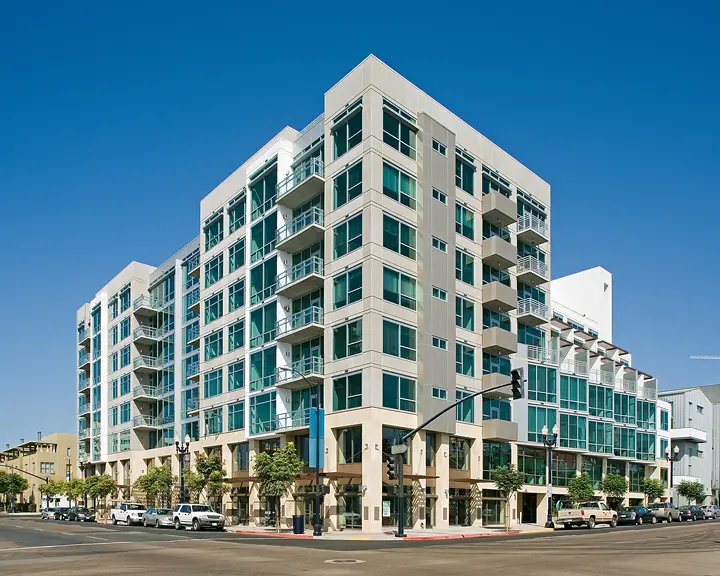
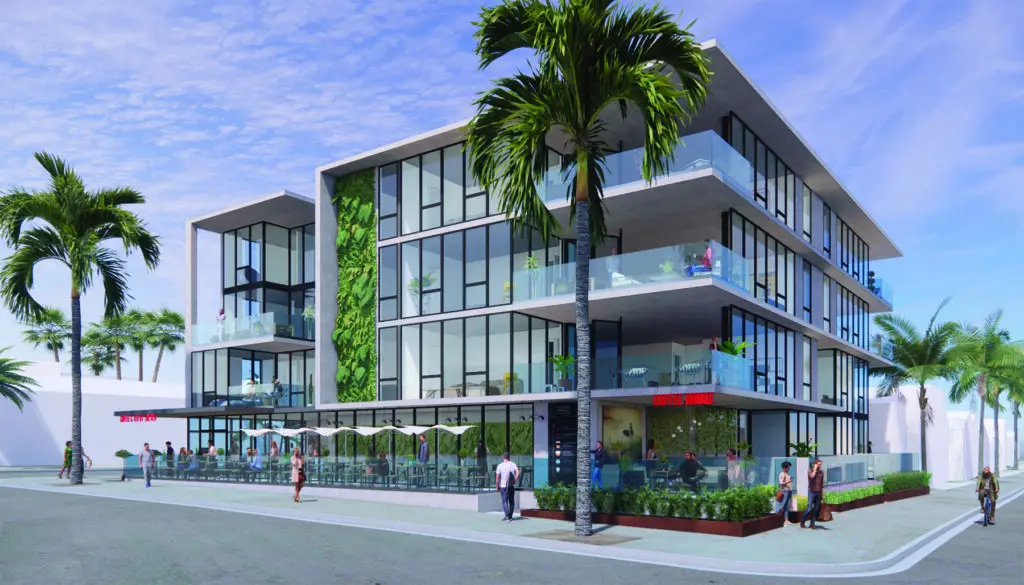
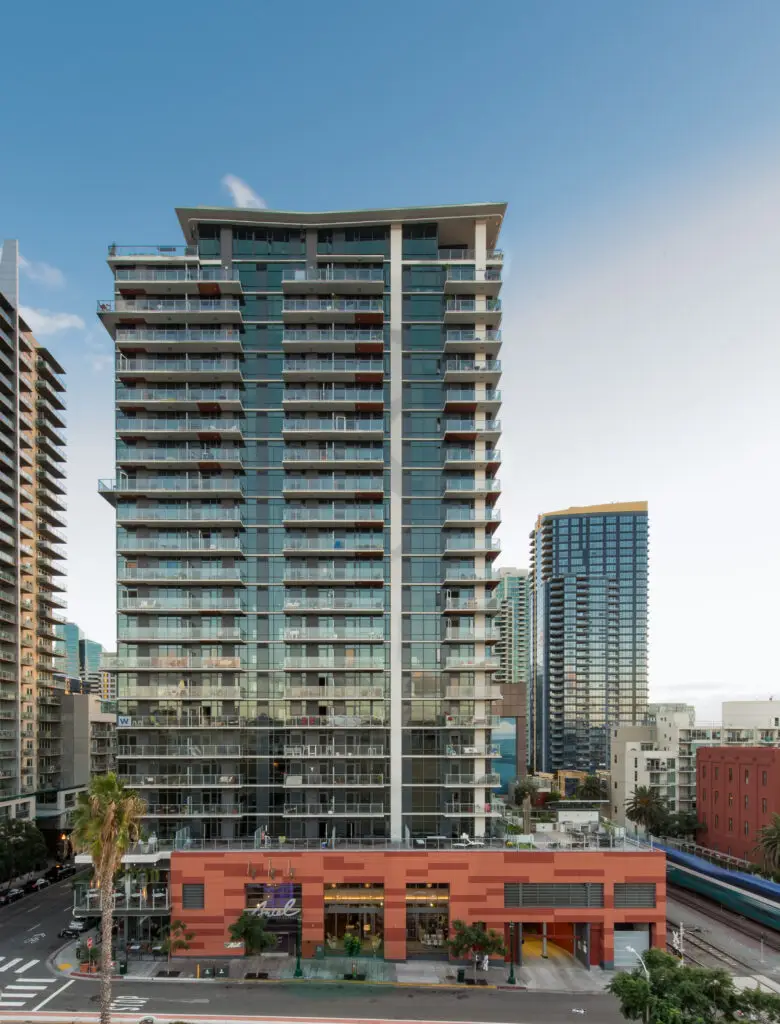
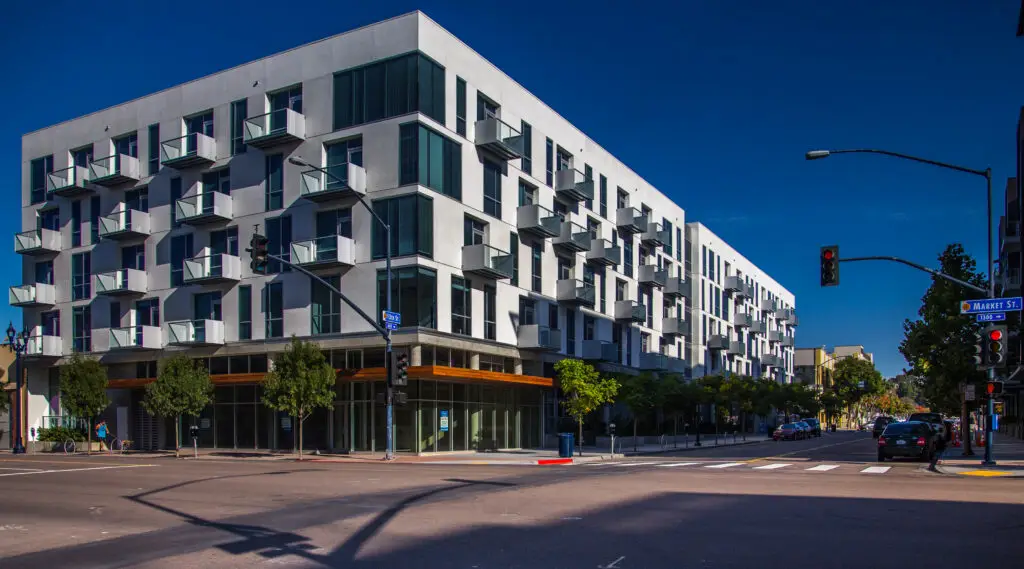
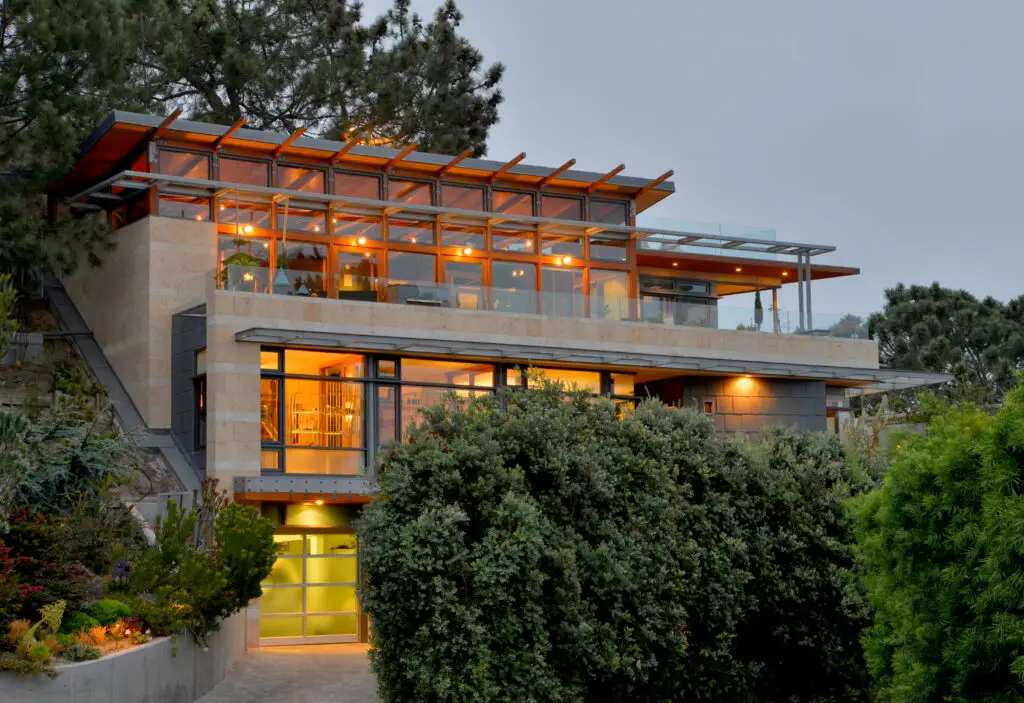
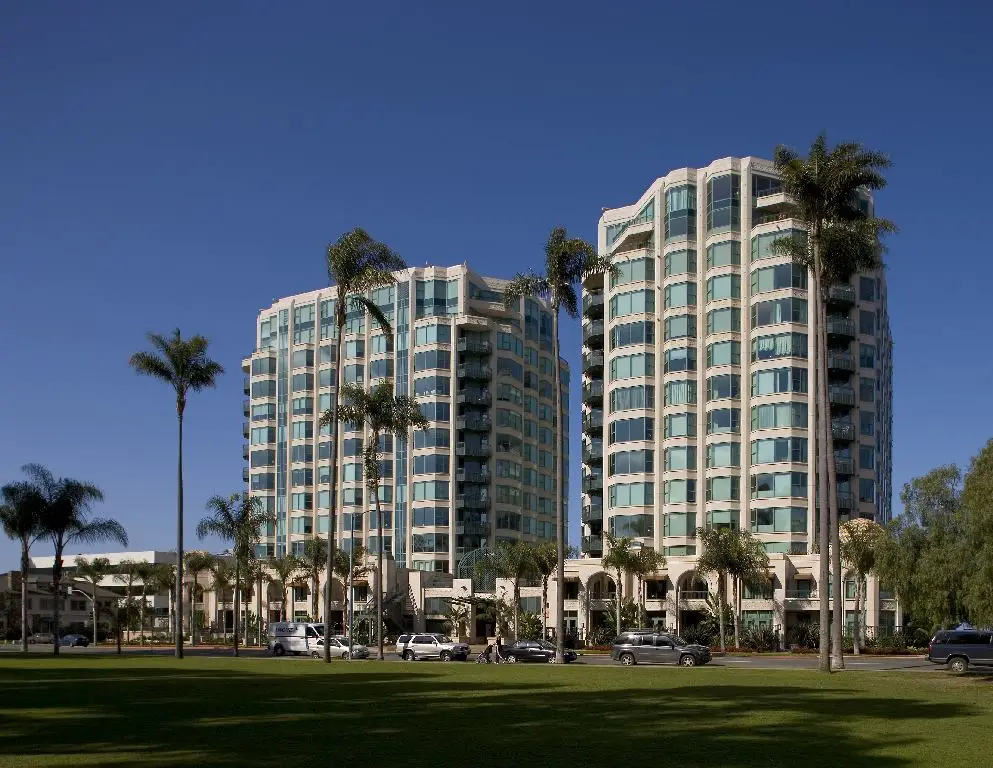
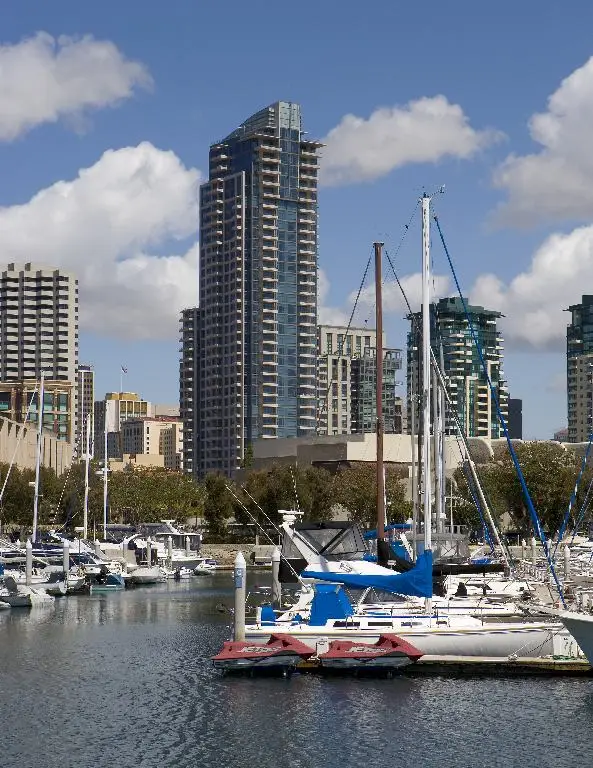
AVRP Studios’ tradition for Design Excellence and Innovation began in 1976 with Doug Austin, FAIA, in Solana Beach, California. The firm has since grown to complete major projects throughout the United States and Canada. We think of ourselves as a family and we care deeply about people. We want to inspire, help make their lives richer and more complete through our efforts. We believe that architecture is one of the most important art forms because of the impact it can have on the lives of those it touches. We’re delighted to have been recognized with over 150 awards for design excellence.

703 16th Street, Suite 200, San Diego, California 92101  |  619-704-2700  |  avrpstudios.com

Eat Like a Local (Who Knows a Guy).

Restaurant news, culinary storytelling, and Troy Johnson’s sharp takes delivered straight to your inbox twice a month.

Close the CTA

Contact Us

1230 Columbia Street, Suite 800,

San Diego, CA