Charitable SD OCTOBER 30, 2025

Photos: Scripps Memorial Hospital Encinitas’ 2025 Barn Bash

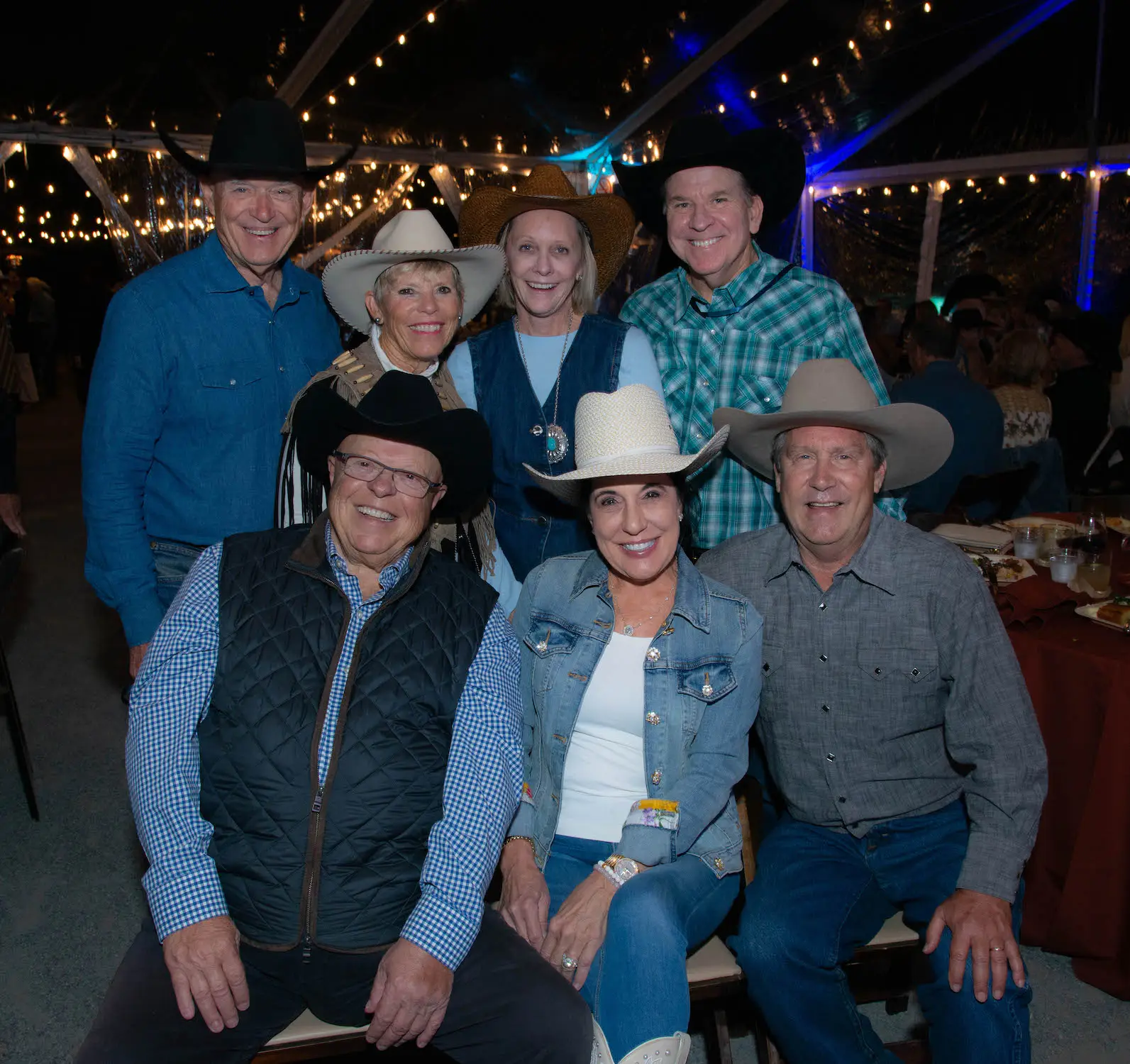
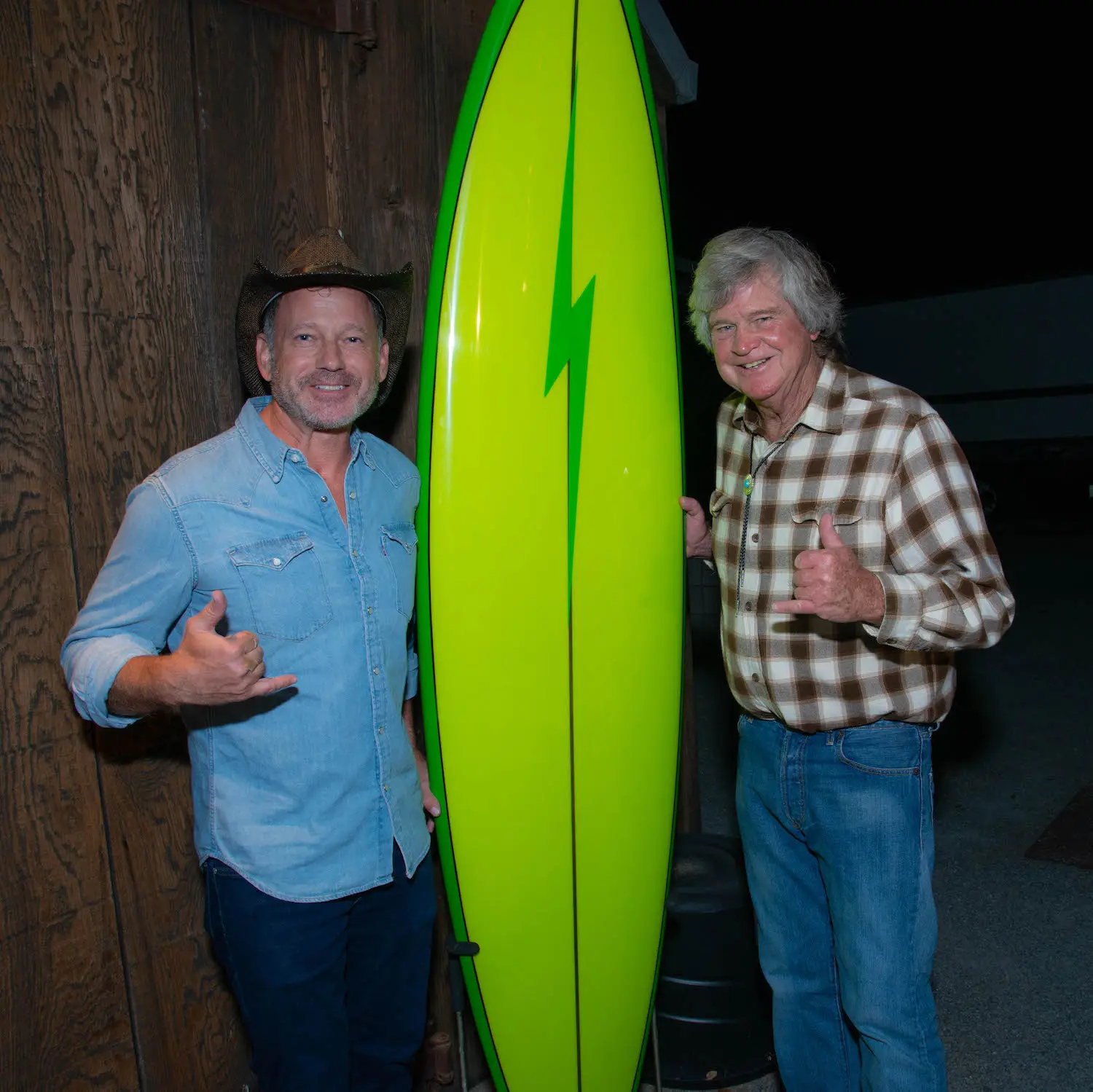
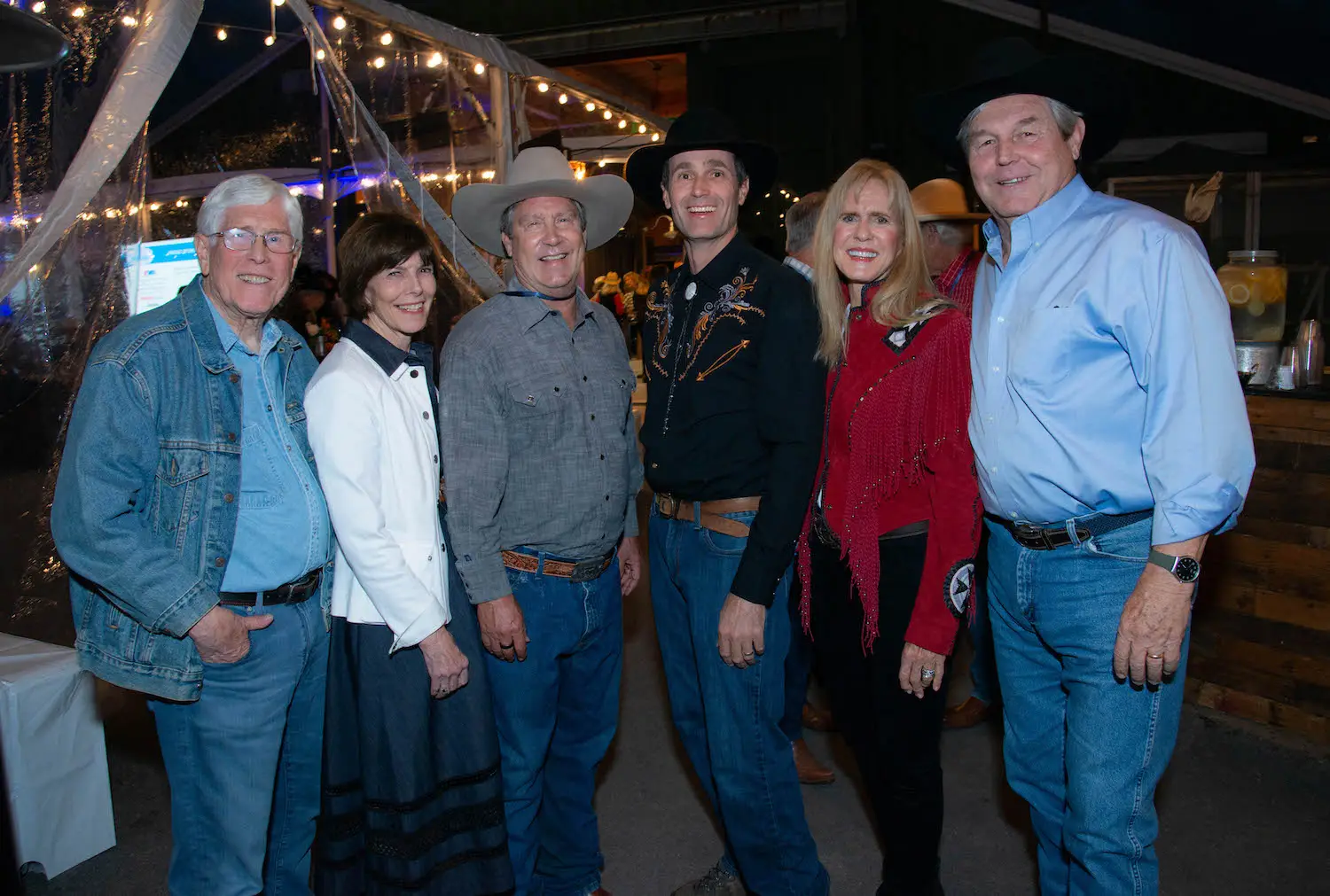
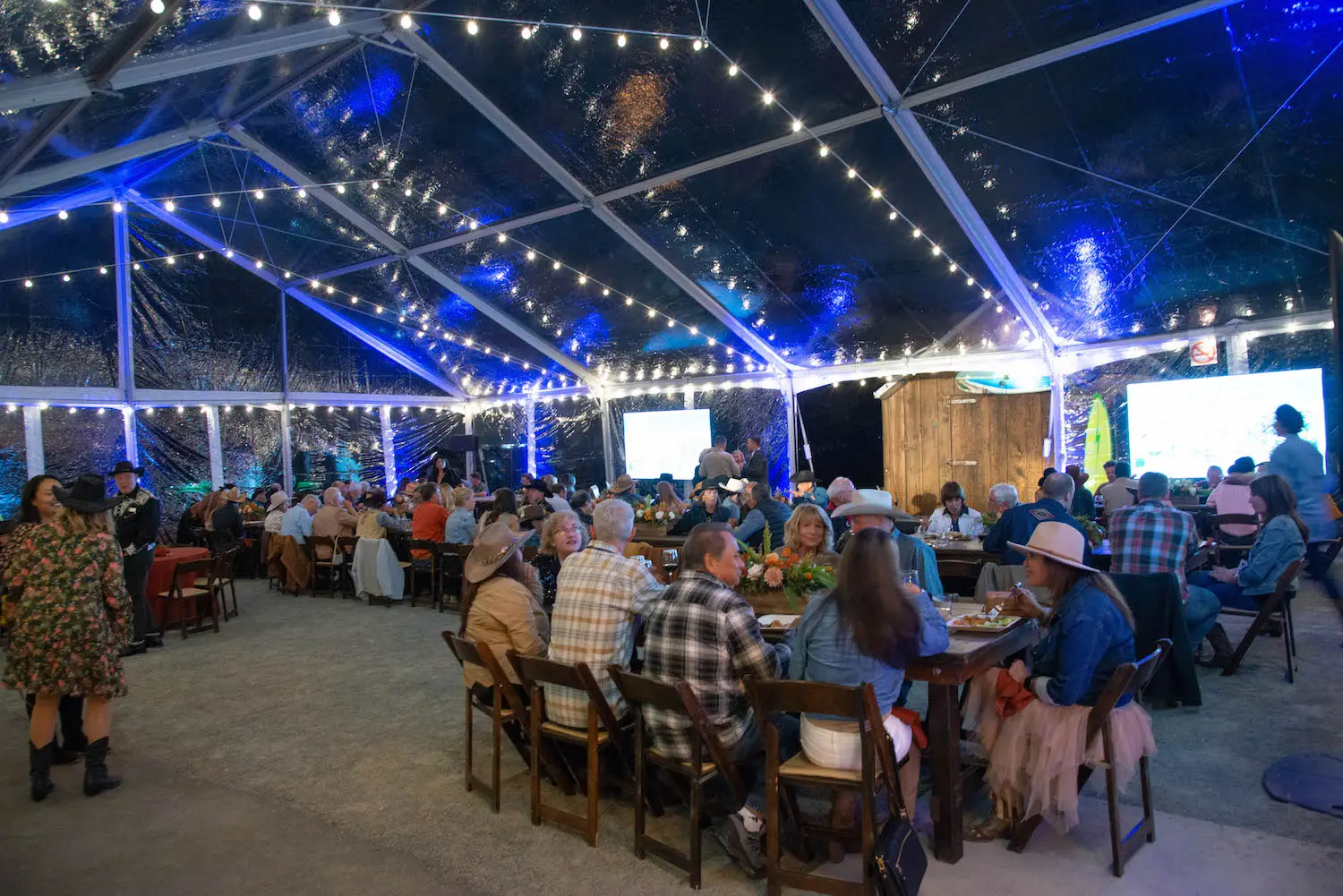
Scenes from the Western-themed fundraiser for Scripps’ new ICU
Photos: Scripps Memorial Hospital Encinitas’ 2025 Barn Bash
Courtesy of Scripps Heatlh

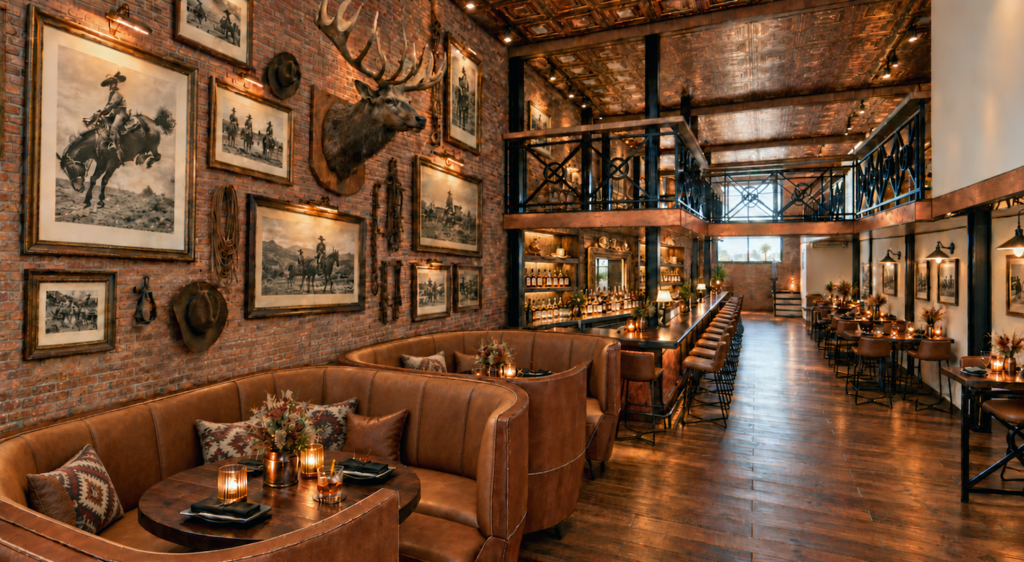
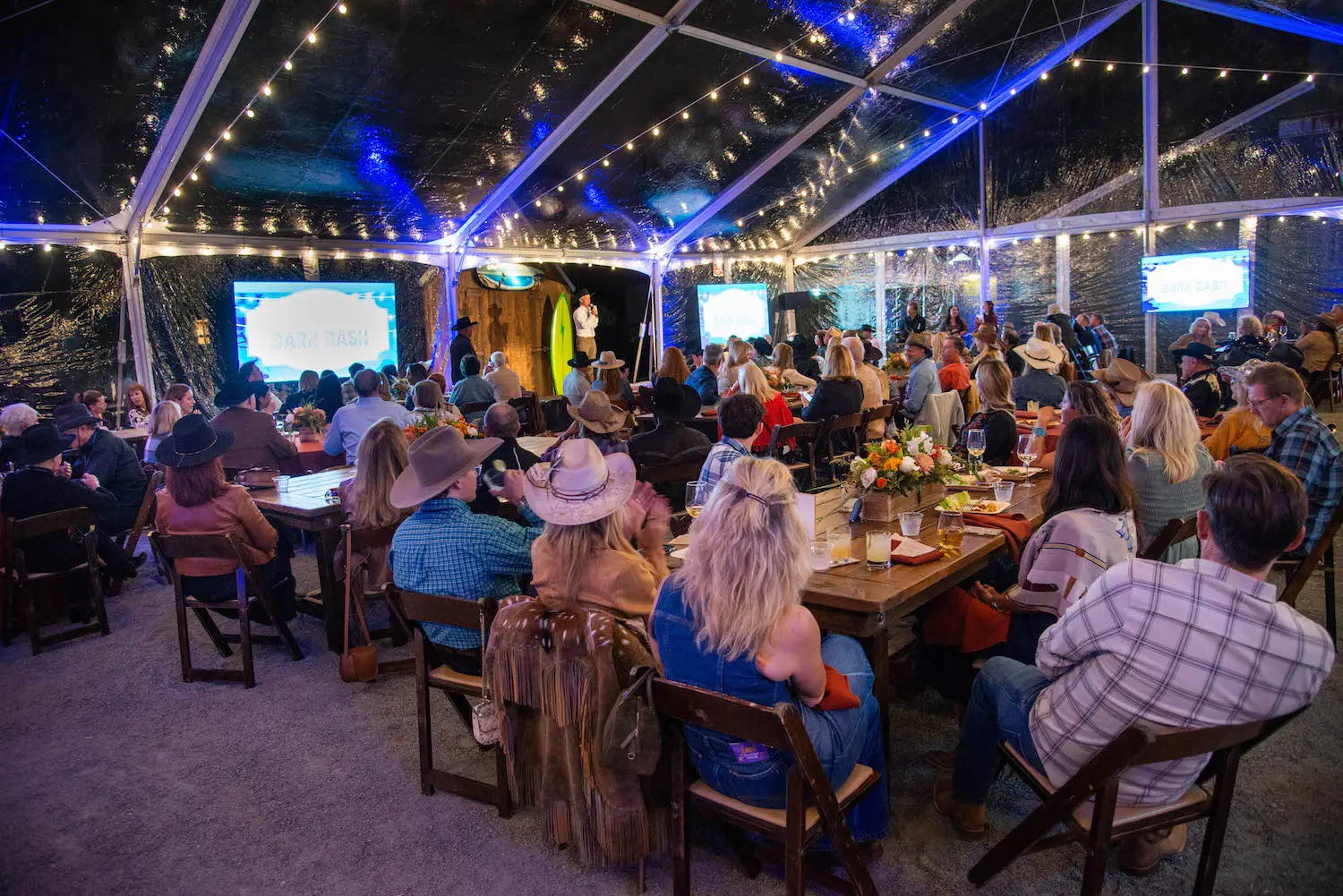
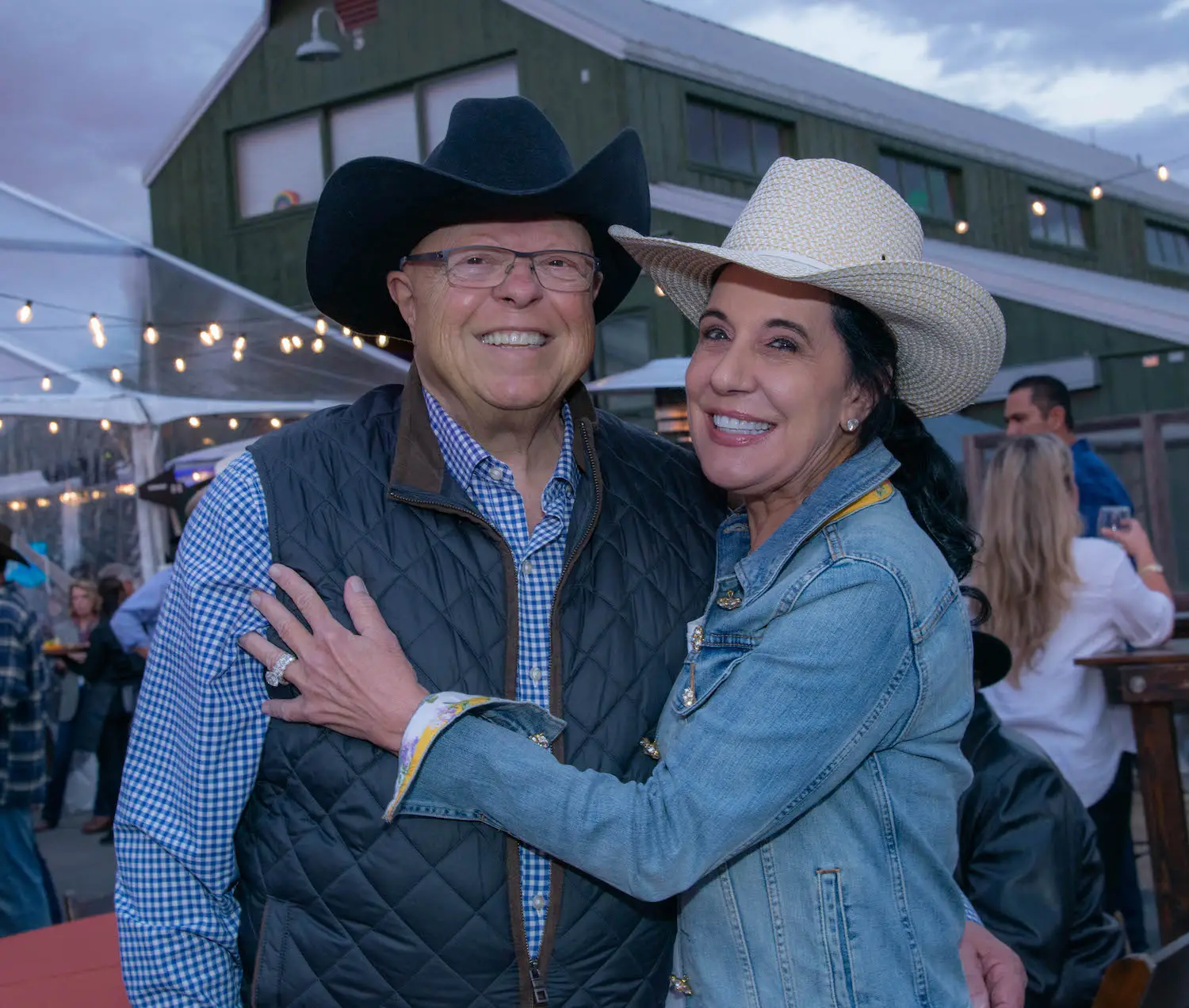
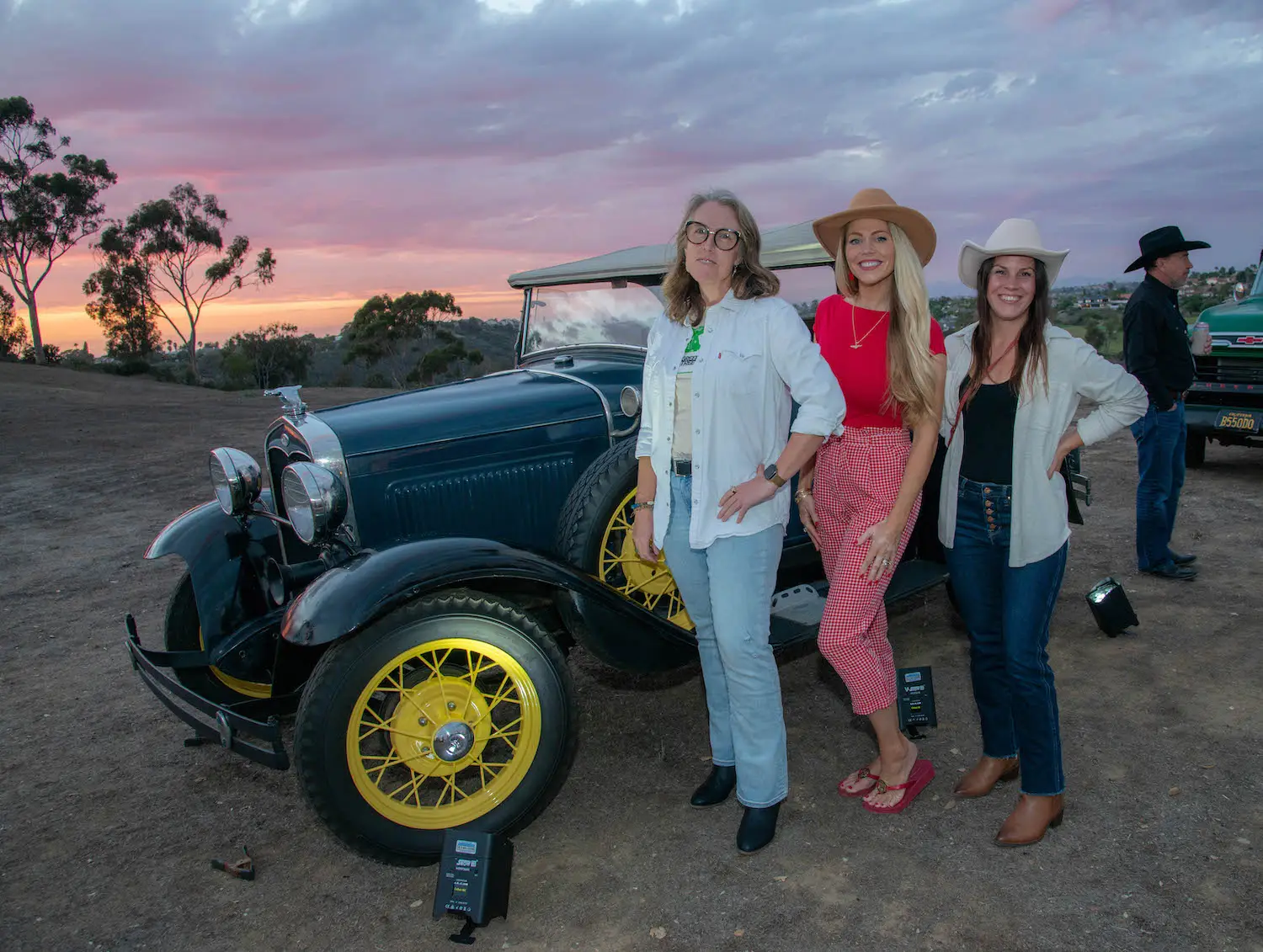
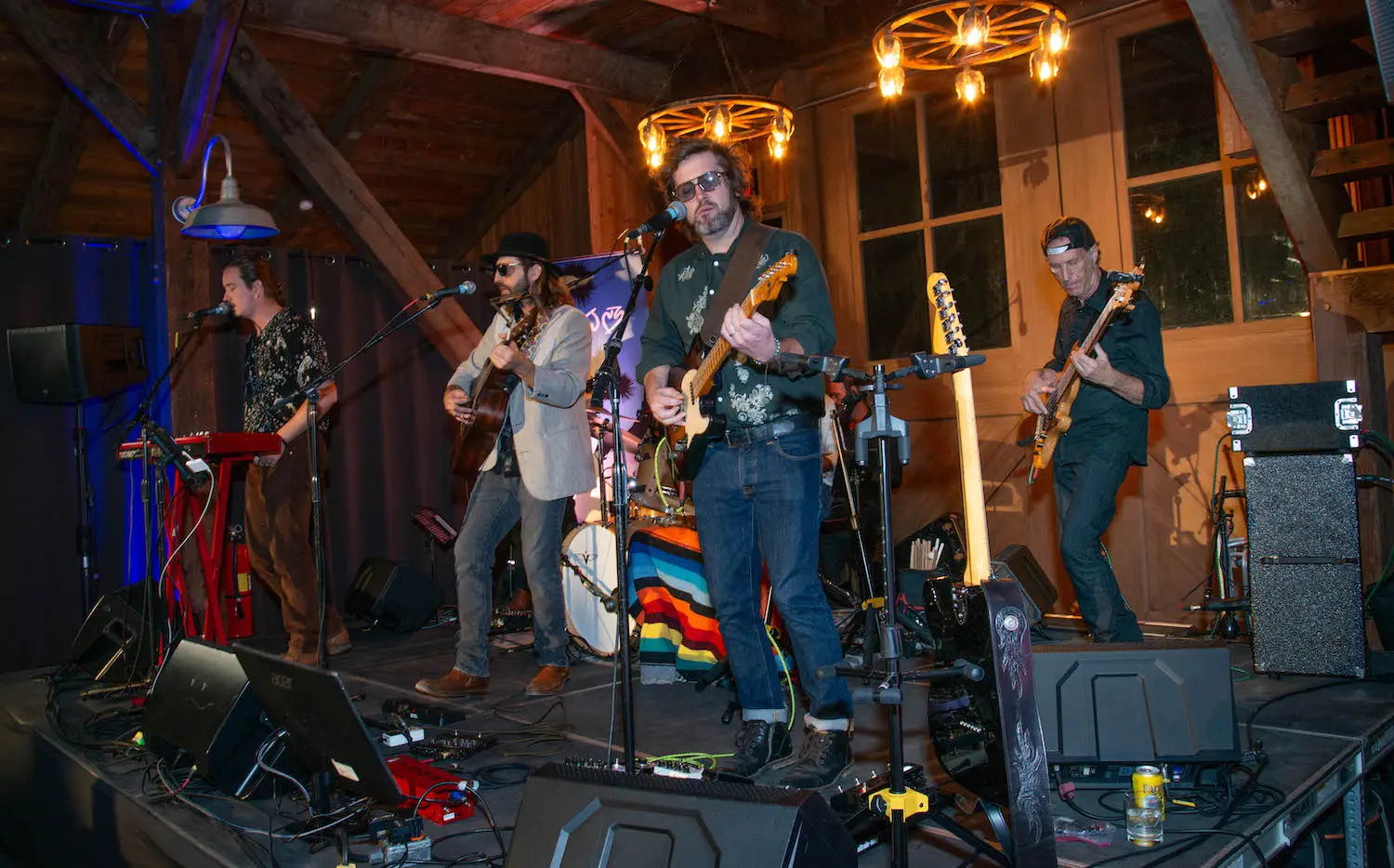
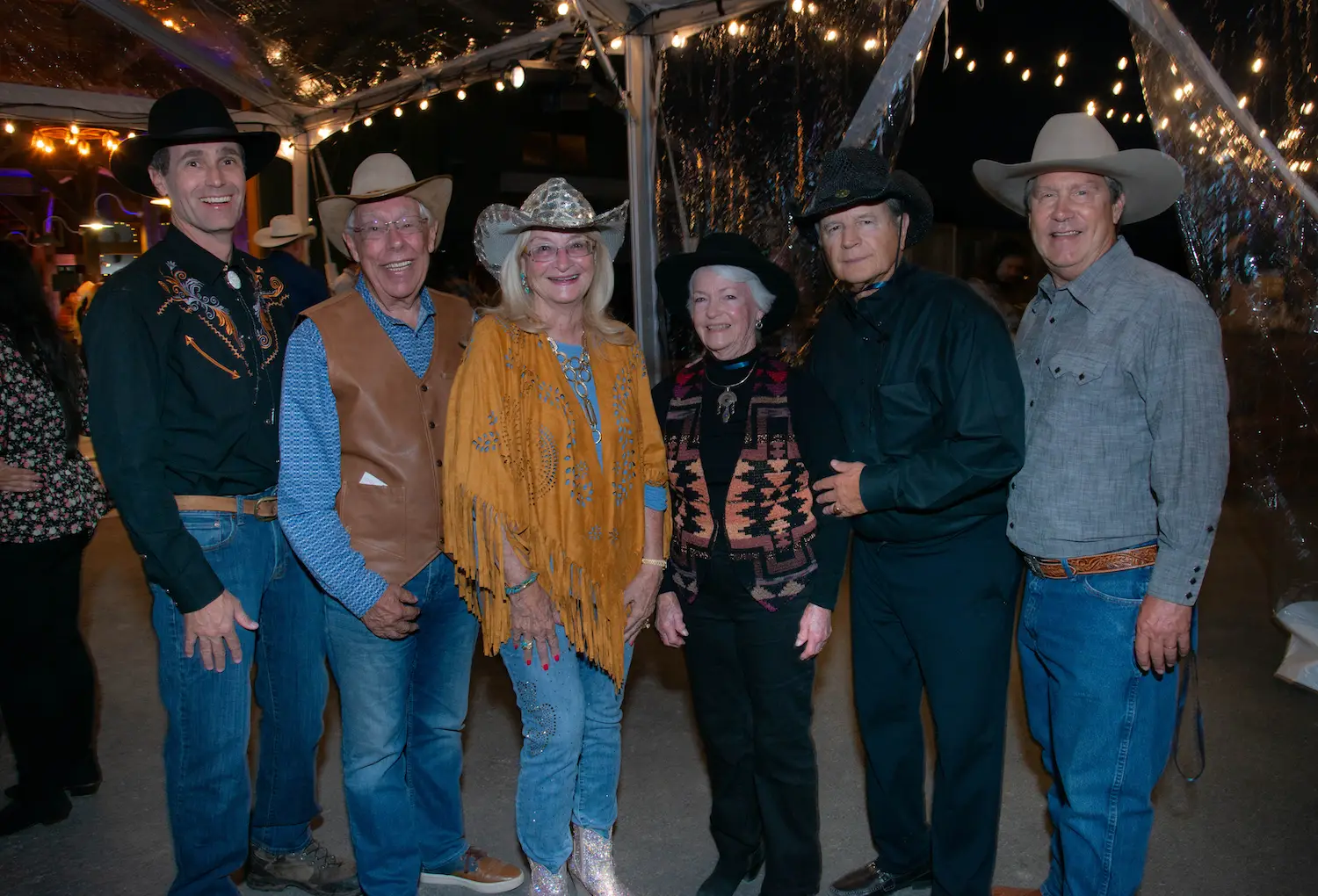
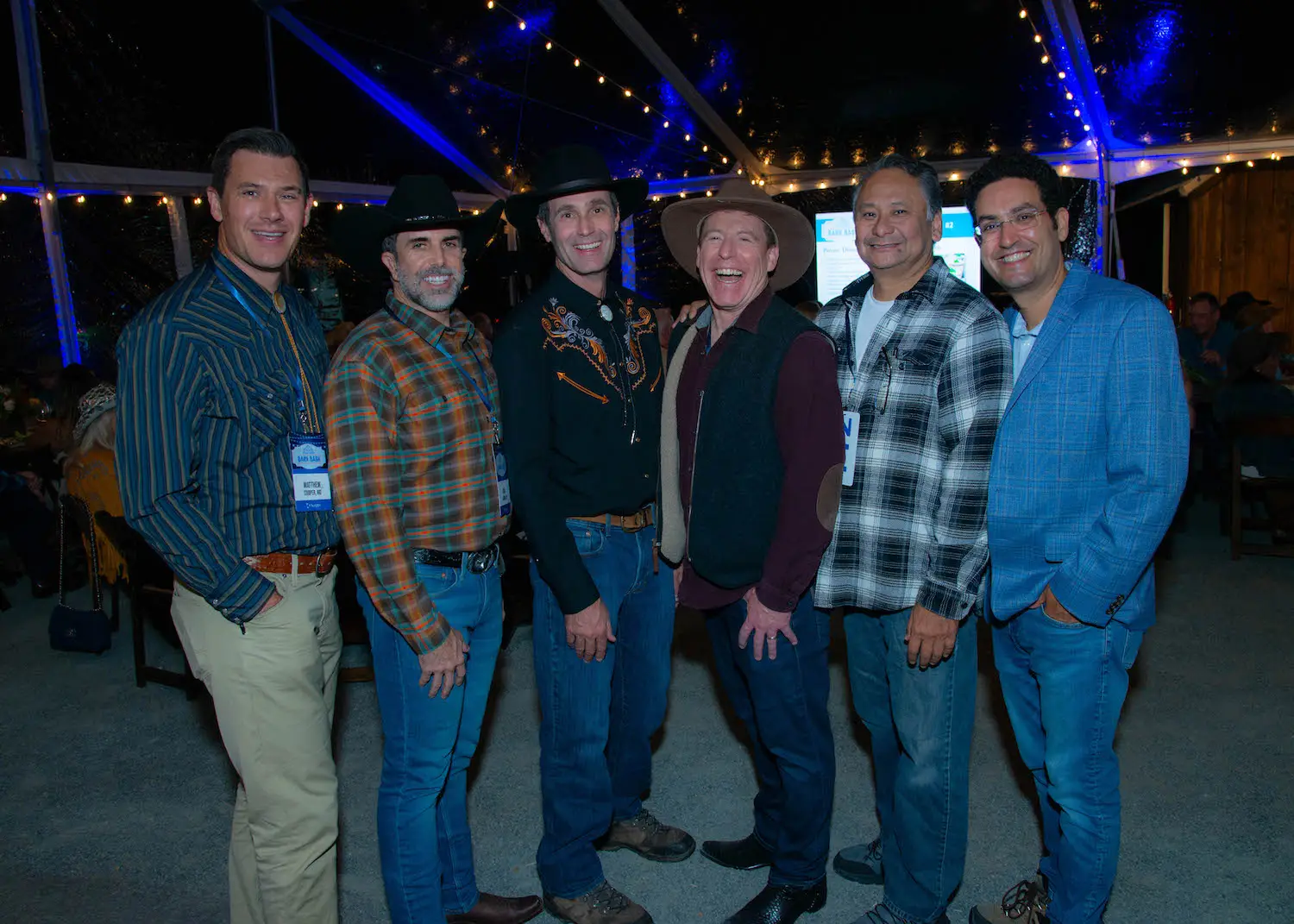
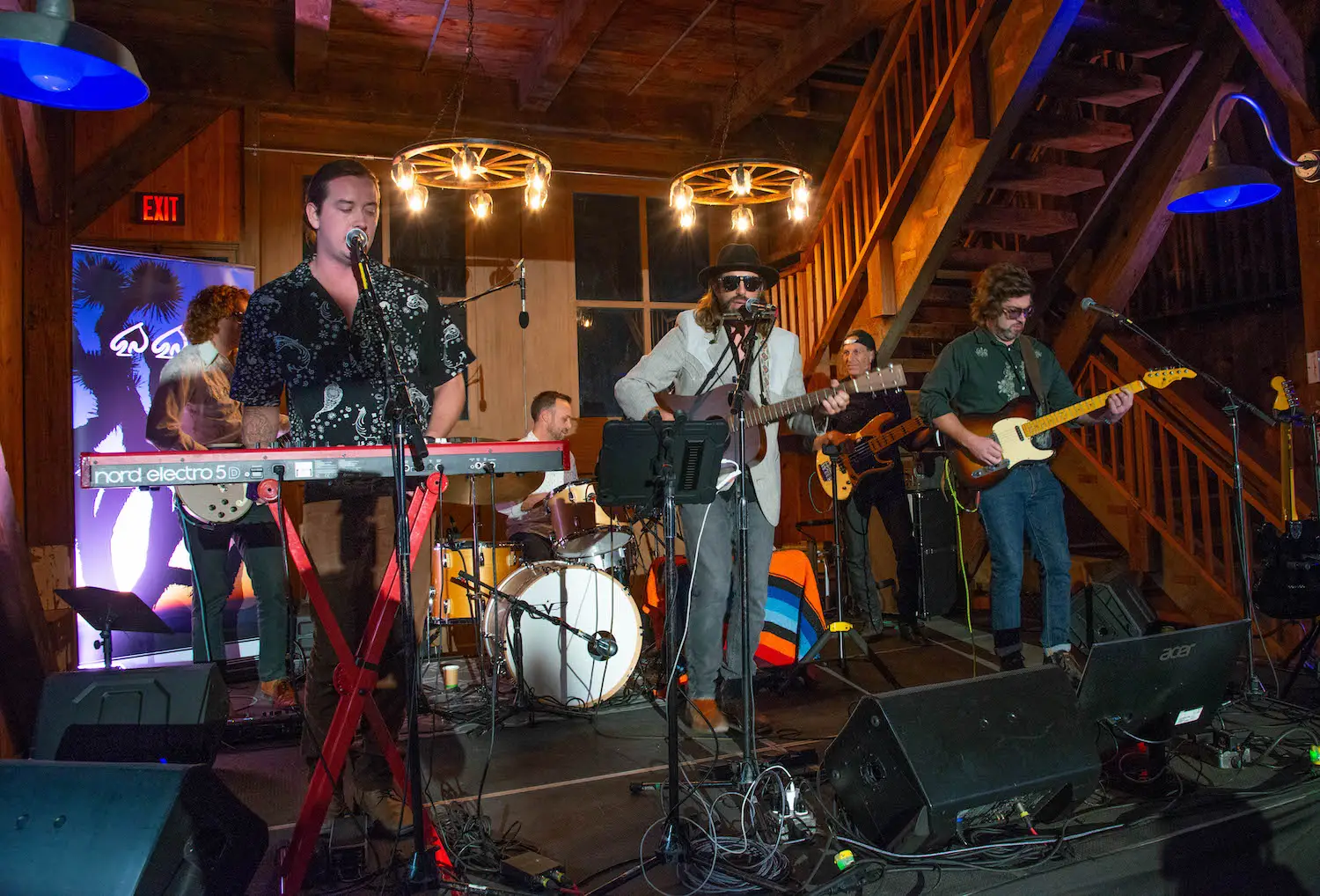
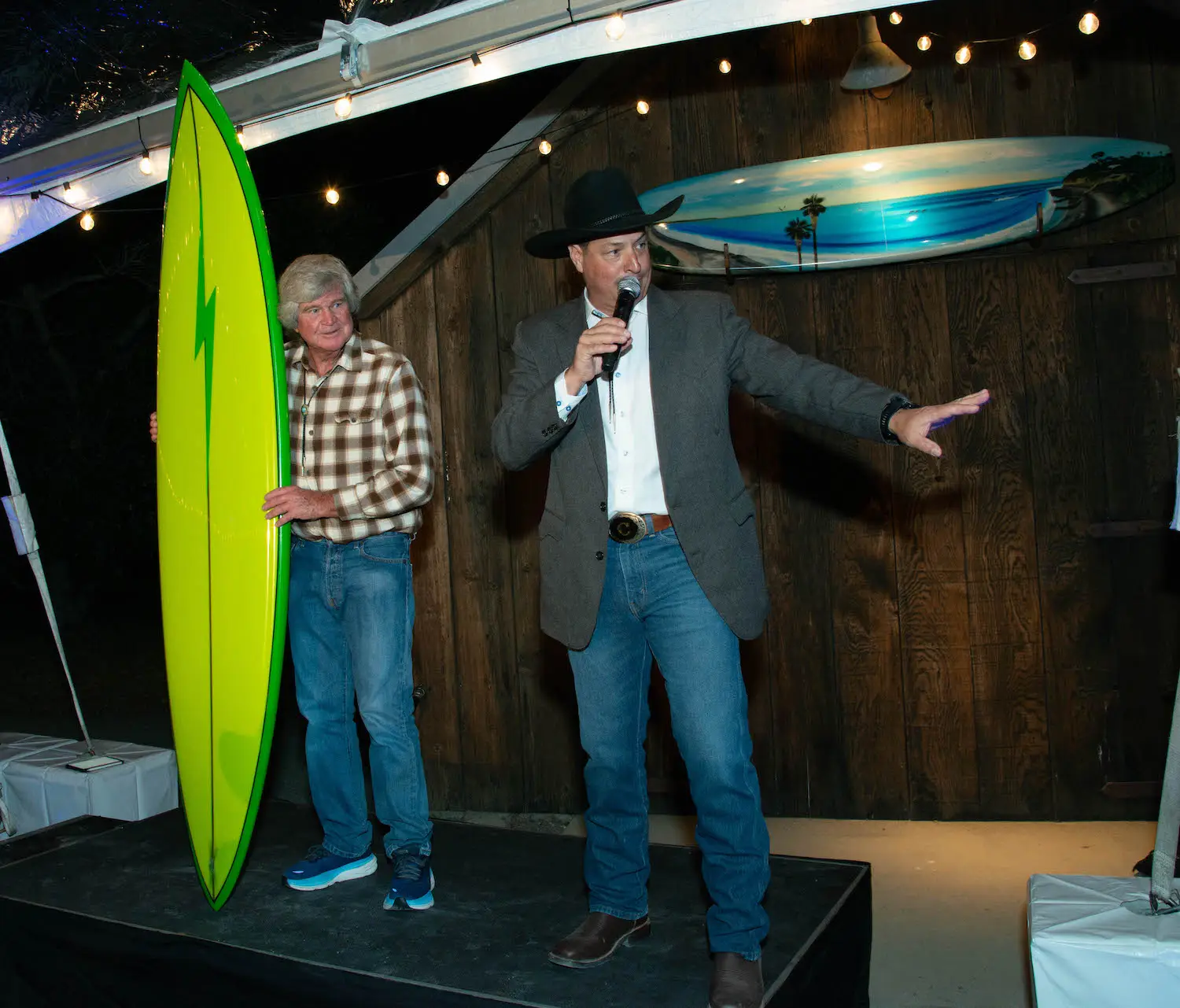
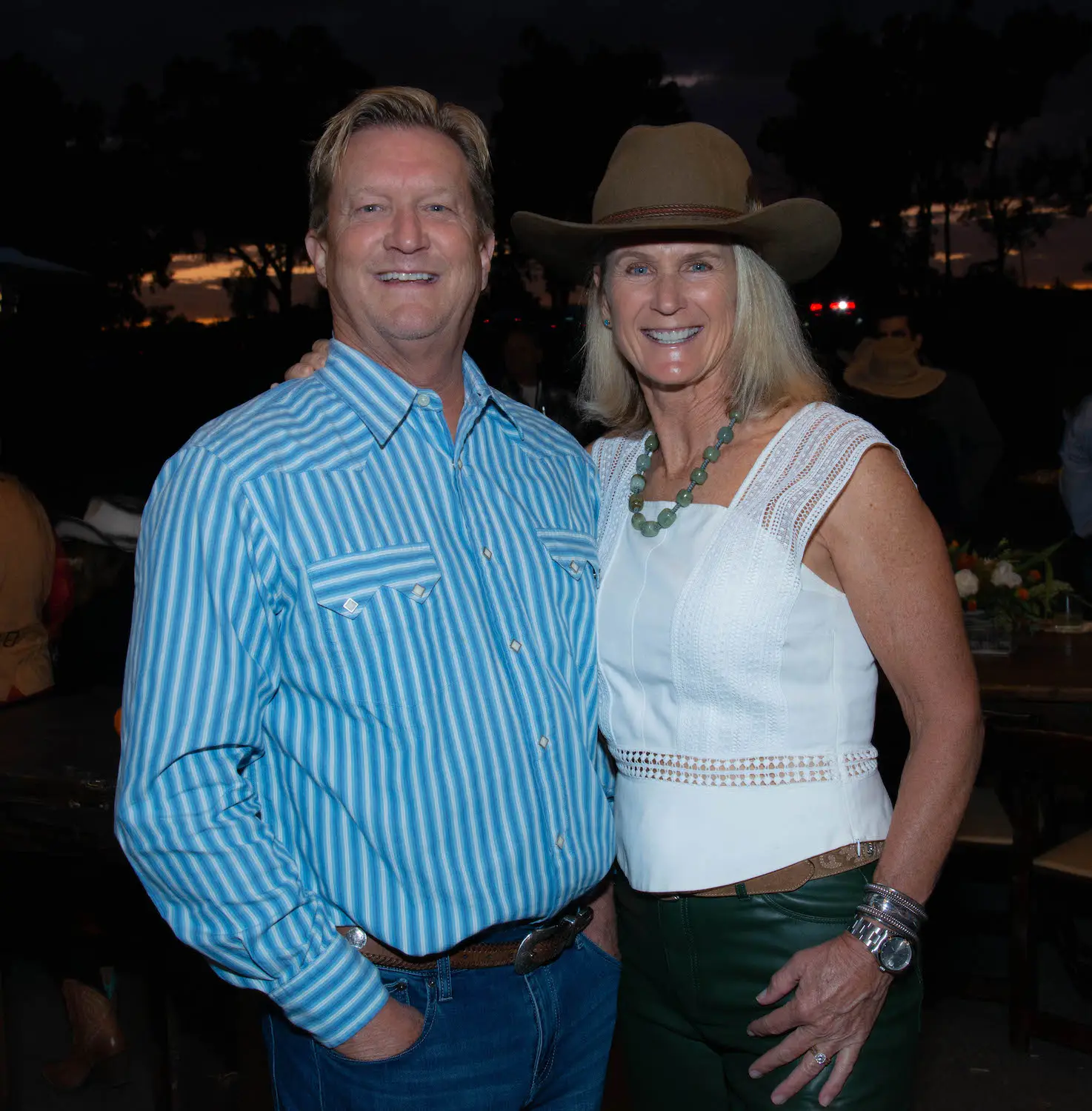
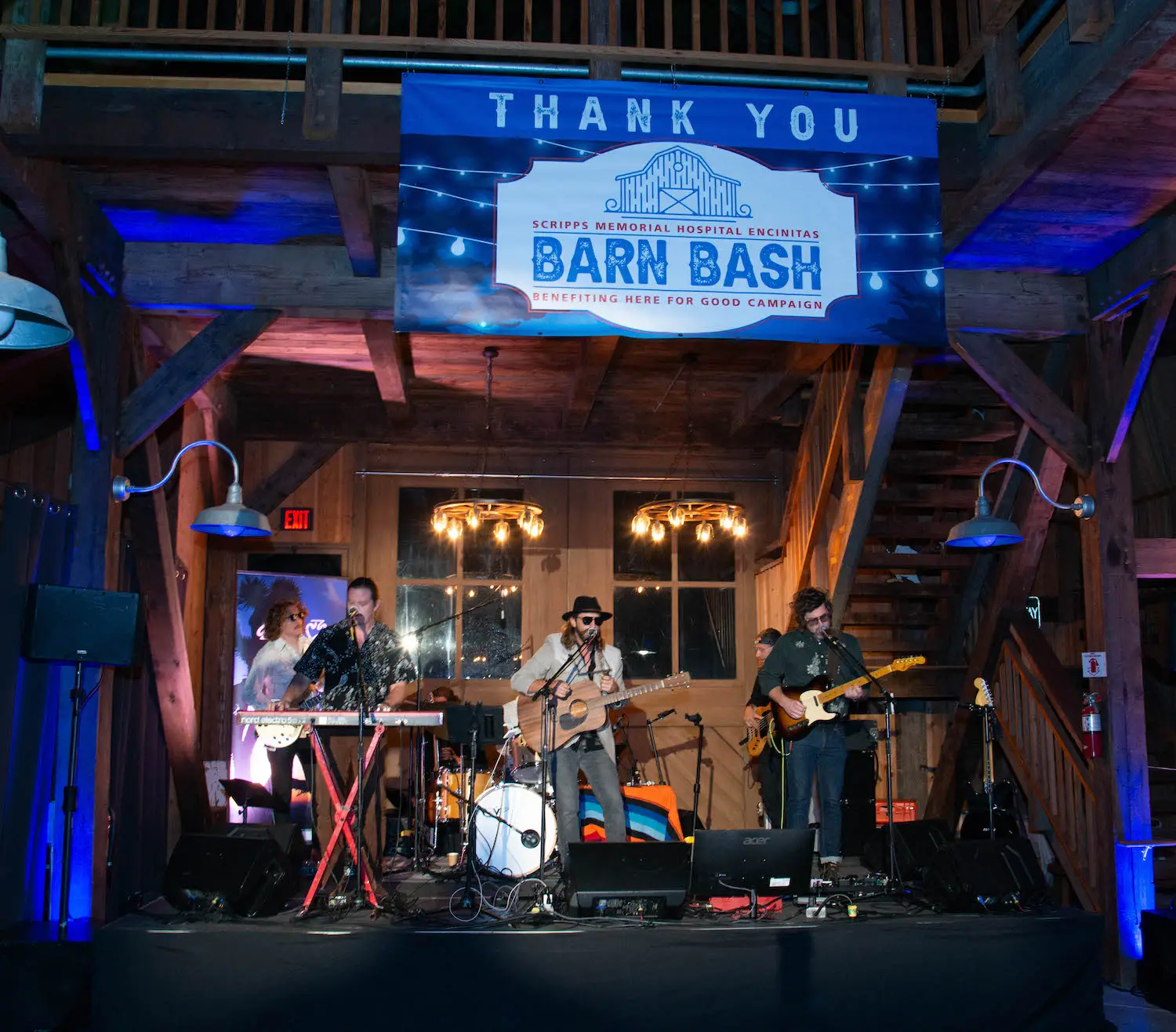
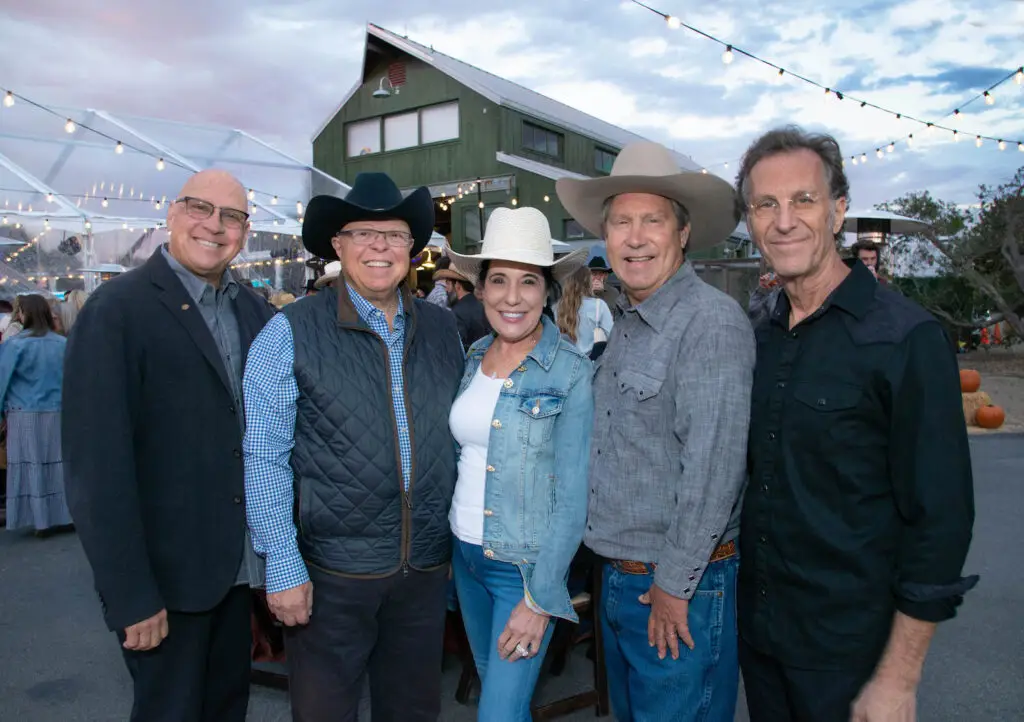
On October 9, the Scripps Memorial Hospital Encinitas Barn Bash raised nearly $800,000 in funds to support the Gerry and Jeannie Ranglas Intensive Care Unit in the new Lusardi Tower at Scripps Encinitas. Attendees donned cowboy hats and boots for a Western-themed event held at Ecke Barn. The evening featured cocktails, a live auction, dinner, and entertainment by the Jesse Ray Smith Band. See photos from the affair below.

Photos Courtesy of Scripps Encinitas
Sarah Sapeda

About Sarah Sapeda

Sarah Sapeda is San Diego Magazine’s Custom Content Editor. In her 15 years in San Diego journalism, she has covered charitable events, health care, education, crime, current events, and more.

Subscribe to our newsletters

Select Options

By subscribing you confirm that you agree with our Terms and Conditions and Privacy Policy.

Charitable SD SEPTEMBER 21, 2026

Preserving Military History Aboard the USS Midway Museum

More than 750 volunteers help support the decommissioned aircraft carrier and share its “Midway Magic” with over 1 million guests each year

Preserving Military History Aboard the USS Midway Museum
Courtesy of USS Midway Museum

The USS Midway has a storied history. The longest-serving aircraft carrier of the 20th century has served as a home base for helicopters carrying fleeing refugees during the fall of Saigon, played a key role in developing naval missile warfare, and evacuated civilian personnel after the eruption of Mount Pinatubo in the Philippines. The Midway was decommissioned in 1992 and today stands as a monument to military history, drawing more than 1 million visitors each year. Its team of more than 750 volunteers supports this mission, doing everything from leading tours to controlling corrosion to operating HAM radio. Among them is Paul “Chappie” Ward, who has clocked more than 12,000 volunteer hours at the museum since 2018. Here, he details how he helps “bring history to life.” 

*Responses edited for length and clarity.  

San Diego nonprofit organization Homes for Wounded Warriors

How did you first get involved with the USS Midway Museum?

My connection to the USS Midway Museum began in 2010, when my wife and I came to San Diego for a Civil Air Patrol conference. My wife Nan and I had wanted to live in San Diego since vacationing here over the years, so San Diego was always on our radar. A couple of days before the conference began, my oldest son, his father-in-law, and I toured the Midway and I was immediately inspired by the experience. I remember telling Nan on the trip home that if we ever retired to San Diego, I would love to become involved with the Midway. In the subsequent years, our two granddaughters were born. In 2017, we retired and moved from San Luis Obispo to be closer to family. Nan reminded me of what I had said years earlier and encouraged me to follow through. I joined Docent Class #57 in January 2018, earned my “yellow hat” [upon completing the training] that March, and have been proud to be part of the Midway ever since.

What do your duties entail? 

The Midway offers an incredible range of ways to serve, and I’ve had the privilege of contributing to five teams while also serving as the museum’s volunteer chaplain. As a docent, I bring the ship’s history to life through stories and guided experiences. With Guest Services, I help visitors plan their time aboard and make the most of their visit. On the Exhibits team, I help ensure the displays tell the Midway’s story accurately and meaningfully. Along with other members of the Library/Curatorial team, I research and provide information to former Midway sailors and their family members. Through Outreach and the Speakers Bureau, I represent the museum at community events, parades, and service clubs. I also administer the Midway Sailors Program Facebook group, where former crewmembers can reconnect with one another and with the ship. As chaplain, I help plan and officiate celebrations of life and weddings, and I offer invocations and benedictions at special events aboard the Midway. 

What do you like best about volunteering for the Midway?

What I value most is what we call “Midway Magic.” It’s hard to define, but you feel it the moment you step aboard—the camaraderie among staff and volunteers, the shared passion for the ship, and the commitment to giving every guest an unforgettable experience.

At the end of the day, there is deep satisfaction in knowing you helped preserve and share something important. The Midway is “America’s Living Symbol of Freedom,” and we have the privilege of honoring the more than 200,000 people who served aboard her during 47 years of service, from the end of World War II through the Persian Gulf War. Sharing their service and sacrifice with my granddaughters and with visitors from around the world is one of the greatest rewards of volunteering here.

What’s the biggest challenge you’ve faced?

My biggest challenge was simply wondering if I could do this. I came from the civilian world as a retired pastor and former computer IT professional with a law enforcement agency. I had also served as a volunteer chaplain with the Civil Air Patrol, the U.S. Air Force Auxiliary, but I was not a veteran and had no Navy background. Stepping onto a Navy ship and learning its systems, language, and culture was a real adjustment. What made the difference was the Midway’s commitment to training and mentorship. Every department gives volunteers the knowledge, resources, and hands-on support they need to succeed. Docents, for example, complete a seven-week course combined with on-the-job training with experienced volunteers. Over time, I learned, grew, and found my place. More than 12,000 volunteer hours later, I can confidently say that I could do it, and so can others who are willing to learn.

Can you describe your favorite or most memorable moment or experience while volunteering?    

One of my most memorable experiences began in April 2025, when a former Midway sailor contacted me through the Facebook group I administer. During Operation Desert Storm, his wife had sent him a birthday card. As he was preparing to leave Yokosuka in 1991, the card slipped behind a desk in his stateroom and disappeared into a narrow space. His wife passed away in 2015, and he told me how much it would mean to hold that card again and share it with their daughter. I reached out to the Safety Office, and when he returned to the Midway on April 30, our team worked a little “Midway Magic.” With access to the stateroom and help moving the desk, we found the card and placed it back in his hands. After 34 years, he was able to share it with his daughter, Cheryl. It was a powerful reminder that this ship holds not only history, but deeply personal stories that are still unfolding.

Any advice for someone considering volunteering as a way to give back?

Start by finding a cause or organization that genuinely aligns with your interests and values. Then take the time to learn its story, understand its purpose, and get involved. The more you invest, the more meaningful the experience becomes—not only for the people you serve, but for you as well. Volunteering is a powerful way to give back, build community, and discover just how much you have to offer.

Sarah Sapeda

About Sarah Sapeda

Sarah Sapeda is San Diego Magazine’s Custom Content Editor. In her 15 years in San Diego journalism, she has covered charitable events, health care, education, crime, current events, and more.

Charitable SD SEPTEMBER 21, 2026

In Photos: The Country Friends’ Art of Fashion

The 72-year-old nonprofit hosted its annual Art of Fashion runway show and luncheon, with proceeds benefiting dozens of local nonprofits

In Photos: The Country Friends’ Art of Fashion
Photo Credit: Melissa Jacobs

Giving back is always in fashion. The Country Friends, a 72-year-old nonprofit that fundraises for charitable causes, hosted its annual Art of Fashion runway show and luncheon at The Inn at Rancho Santa Fe on September 10. Models showcased the latest designer looks from Balmain, Camilla, Eleventy, Eres, Ferragamo, Lanvin, Max Mara, and Monique Lhuillier, while guests shopped mini-boutiques set up by event partner South Coast Plaza, participated in a live auction, and dined on a three-course luncheon. Proceeds from the event will support dozens of local nonprofits that provide assistance to women, children, seniors, military families, and people with disabilities. To date, The Country Friends has provided more than $15 million to San Diego-based charities.

Photo Credit: Melissa Jacobs

Sarah Sapeda

About Sarah Sapeda

Sarah Sapeda is San Diego Magazine’s Custom Content Editor. In her 15 years in San Diego journalism, she has covered charitable events, health care, education, crime, current events, and more.

Charitable SD SEPTEMBER 17, 2026

8 Charitable Events to Attend in October

Here’s where to celebrate, connect, give back, and make a difference this month

8 Charitable Events to Attend in October
Courtesy of Robin’s Nest Rescue

October 2: Drew Brees Celebrity Pickleball Tournament

Former NFL quarterback Drew Brees will host a slew of celebrity athletes, chefs, and other hunger-relief supporters for a Celebrity Pickleball Tournament to raise money for Feeding San Diego. The tournament at the Barnes Tennis Center in Point Loma is part of the Del Mar Wine & Food Festival, which has raised more than $100,000 for Feeding San Diego and other local nonprofit organizations since 2023.

October 3: Sanford Burnham Prebys Medical Discovery Institute Illumination Gala

Sanford Burnham Prebys Medical Discovery Institute will celebrate 50 years of groundbreaking research at its Illumination Gala at the Fairmont Grand Del Mar. Support from the gala will help Sanford Burnham Prebys continue to advance medicine and change lives.  

Courtesy of San Diego Humane Society

October 3: San Diego Humane Society’s 40th Annual Fur Ball

San Diego Humane Society supporters—both people and pets—will get dressed to the nines for the 40th annual Fur Ball. Proceeds from the event at San Diego Humane Society’s Gaines Street campus will support the organization’s efforts to care for more than 40,000 animals each year. 

October 3: Voices for Children Starry Starry Night Gala

Voices for Children will celebrate the impact of its Court Appointed Special Advocates (CASAs) at its Starry Starry Night Gala on the Heron Lawn at the Park Hyatt Aviara Resort. The 46-year-old organization is the only agency in the county designated to provide CASAs to advocate for local foster children.

October 3: Autism Society of San Diego Diamond Anniversary Gala 

Show off your sparkle at the Autism Society of San Diego Diamond Anniversary Gala at the Town & Country Resort. The nonprofit will celebrate six decades of service with dinner, entertainment, and special guests.   

October 11: Robin’s Nest Rescue Rockin’ Robin Music Fest

More than 30 performers will take the stage to support Robin’s Nest Rescue at its fourth annual Rockin’ Robin Music Fest. The five-acre animal sanctuary in Ramona will also celebrate America’s 250th birthday, showcase local artisans, and introduce guests to some of its rescue animals. 

October 17: Adjoin Soil to Soul Garden Party

Local nonprofit Adjoin will host a whimsical garden party fundraiser at a private home in La Mesa. The Soil to Soul Garden Party will support Adjoin’s mission to build inclusive communities and support independence for people with disabilities and veteran families experiencing homelessness.

October 24: Living Coast Discovery Center Farm to Bay

Enjoy bites, beverages, and animal encounters at Living Coast Discovery Center’s Farm to Bay fundraiser. The annual event at the nonprofit zoo and aquarium on the San Diego Bay National Wildlife Refuge will support coastal conservation efforts.

Sarah Sapeda

About Sarah Sapeda

Sarah Sapeda is San Diego Magazine’s Custom Content Editor. In her 15 years in San Diego journalism, she has covered charitable events, health care, education, crime, current events, and more.

Studio S MAY 5, 2026

Artistry, Aesthetics, and Inclusive Luxury

KQ Aesthetic Society goes beyond cosmetic to provide comprehensive care and transformative results

Artistry, Aesthetics, and Inclusive Luxury

Kelly H. Harfouche, founder of KQ Aesthetic Society, knows firsthand that cosmetic treatments like fillers, neurotoxins, and microneedling, can not only enhance a person’s appearance and restore confidence, they have the power to truly change a person’s life. An expert injector has the ability to tailor treatments to each individual patient’s anatomy and goals for personalized results. Harfouche, a board-certified nurse practitioner, has spent nearly a decade perfecting her craft as an aesthetic injector and integrating her multifaceted artistic skills with precision patient care. Her commitment to continual education and training, plus a passion for helping people look—and feel—their best, set KQ Aesthetic Society apart in a sea of local medspas. 

For many people considering nonsurgical treatments, the intent is to look refreshed and refined. KQ Aesthetic Society’s philosophy eschews a cookie cutter approach that bases treatments around units, instead working to understand each person’s unique goals, then curating a treatment plan to fit that vision. Harfouche focuses on “inclusive luxury,” the belief that everyone deserves access to aesthetic treatments, respective of budget restrictions. She develops long-standing trusted relationships with her patients, and works with each one to achieve their aesthetic objectives and address the underlying causes of their concerns. 

“For me, forming an honest and open relationship with every patient who walks through the door is essential. This means understanding them on a deeper level and meeting them where they are to define and achieve their individual goals,” she says. 

Drawing on her artistic background, which inspired her transition into medical aesthetics, Harfouche sees each client as a “unique canvas.” Rather than relying on standardized procedures, the practitioner’s distinctive approach combines her profound understanding of the physiological and anatomical changes associated with aging with an unwavering commitment to ongoing education about the newest products and their mechanisms of action. Her goal is to make each patient feel beautiful in their own skin and to embrace their individuality. 

She has also pioneered a way to combine her talent for aesthetic artistry with her philanthropic nature. Harfouche is one of only a handful of providers using dermal fillers to treat patients with lip asymmetry and scarring resulting from cleft lip surgery. Patients travel from around the country for this transformative treatment, noting increased confidence and a restored identity. She hopes to eventually launch a training program to help fill the void in this space.  

“My passion has always been connecting with people and giving back in any capacity that I can,” she says. In the rapidly advancing landscape of aesthetic medicine, you can place your confidence in Harfouche and KQ Aesthetic Society to deliver exceptional care. To learn more or book a consultation, please visit kqaestheticsociety.com.

Arts & Culture SEPTEMBER 14, 2026

What Will It Take to Make San Diego a Global Arts City?

Jonathon Glus on the Art + Design District, investing in the creative economy, keeping artists in the city, and what we can learn from places like London and Chicago

What Will It Take to Make San Diego a Global Arts City?
Photo Credit: Stacy Keck

Jonathon Glus is the Prebys Foundation senior fellow leading the development of the Art + Design District at the Downtown San Diego Partnership. He has been asked what an arts and design district is many times. In our conversation, I asked him instead to describe what it isn’t. His answer opened up a broader discussion about what San Diego has and hasn’t invested in, what it has the capacity to become, and what other cities have done that we haven’t. Glus speaks about global art fairs and architecture biennials in Chicago and long tables at dinner parties all with the same fluency. He also discusses who gets to live in the neighborhoods where creative work happens, and what it means when they can’t afford to stay.

Claire Johnson: You have been asked what an arts and design district is many times. Can you tell me what it isn’t?

Jonathon Glus: It is not a place designed intentionally and specifically for tourists. Of course there will be opportunities for tourists to come, but the district is really focused on creatives, on creative education, and on the creative workforce—as well as our major performing arts organizations. That is the emphasis.

What does the district need to do in the next five years for you to consider it a success?

[It needs to] develop greater connectivity between the anchor institutions—the symphony, Broadway San Diego, the opera, all the wonderful things happening in Balboa [Park]—and the creative workforce that will be living and working in that neighborhood 24/7.

What does San Diego not have that you wish it did?

We have not been intentionally investing in the contemporary art product that other major cities have been building. A contemporary art fair. A biennial that reflects the ethos of this region. Chicago developed an architecture biennial about eight years ago. London has a design biennial. Desert X, right here in Southern California, invests in and elevates contemporary artists inside a city. We have not really been playing in the global art market in a way that we have the capacity to.

What capacity do we have?

We have a wonderful foundation. Two theater companies that produce work that goes to Broadway more than many regional theaters in the country, major museums, artists teaching at UC San Diego and University of San Diego. What a city does when it wants to take itself to the next level is intentionally create the product. Miami went after the Art Basel fair; they did not passively receive it. You have to have the intention and the will, and you have to go after it. We haven’t done that in the way that other cities have.

Look at what we did with the tech sector; we’re now a major tech center. That was intentional. Leadership organized around it. We have to do the same thing around the arts. We have a lot of contemporary art collectors here. We have a lot of galleries. But the ecosystem of the business of contemporary art is not as organized or as visible as it should be.

Which city is your North Star?

It’s bits and pieces of different cities. Dubai has invested very quickly and very intentionally in contemporary art—art fairs, design fairs, higher education, artist residencies from all over the world. London has centered artists and creatives in the contemporary zeitgeist in a way that was not true 40 years ago. They built biennials. They ensured British artists had affordable housing and workspace. They made sure the media paid attention to what they were doing.

If you don’t have an artist at your dinner table, it’s not a dinner party. That sounds elitist, but it’s true. It shows the value that artists have in a community. Our relationship culturally with Tijuana is really significant here because artists in Baja seem to be at the table.

We’ve talked before about how food, fashion, design, and art aren’t siloed anymore.

They aren’t. When super creative people are in a community doing extraordinary work, that draws other super creative people doing extraordinary work. That’s why other arts and design districts around the world end up populated with some of the most interesting restaurants and young fashion designers. Creatives want to be around other creatives.

Which leads to the economic argument…

Our creative economy already employs about 170,000 people and generates more than $11 billion in economic activity. It’s large and robust. But we must center all of this in accessibility and affordability. Williamsburg used to be affordable. Artists can’t afford to live there anymore. Wicker Park and Bucktown in Chicago—artist central, now unaffordable. If we’re going to invest in this district, we have to be really intentional about housing and workspace, so creatives have a place in the future of this district.

I see all these new supper clubs and creative collectives popping up. What is the lesson there for San Diego in terms of the commercialization of cultural and creative groups?

I think the lesson is that nothing changes. What do people love? Long tables. Why? Because you’re with a lot of people—some you may have known your entire life, but most you don’t. And if it’s driven by a creative process, all the better. We know one of the best ways to do that is around food, but also music.

For the Art + Design District, part of why we’re leaning into the process is because, culturally, we’re bringing down the barriers between film, fashion, multimedia, tech, and architecture. It’s an experiential mashup in the best possible way.

And it’s not just about art and design, but community writ large. Creative expression is something we all desire. Whether it’s at a long table, at the opera, or in your studio, we gravitate toward creative expression as a way of building community and communicating with the people around us.

Is there a question I should have asked you but haven’t?

I hope you are writing about this in seven years when the district is fully mature. But this is just the beginning for all of this. I think that’s what’s most exciting to me. We don’t know what this is going to be like, but we know it’s going to be creatively centered, and that’s super exciting to me.

Everything SD AUGUST 28, 2026

The Best Things to See, Do & Explore in Balboa Park

Whether you're a lover of the arts, music, or a leisurely stroll through the park, these are Balboa's best attractions

The Best Things to See, Do & Explore in Balboa Park
Photo Credit: Jennifer Curry Wingrove

SDMA’s 100th Anniversary

On February 28, 1926, the Fine Arts Gallery of San Diego (now called the San Diego Museum of Art) opened its Plateresque doors to 3,000 guests for opening day. Over the next century, the museum changed with the times—even once functioning as a naval hospital after Pearl Harbor. This year, the museum is celebrating its 100th birthday with an exhibit (open through January 24, 2027) featuring photographs, ephemera, and film footage spanning the museum’s history.

Courtesy of Tim Novara

Free Concerts at Spreckels Organ Pavilion

Every Sunday from 2 to 3 p.m., stop by the historic Spreckels Organ Pavilion for a free concert presented by the City of San Diego on the largest outdoor organ in the world (more than 5,000 pipes). The pavilion seats 2,400 for performances by the civic organist or guest artists.

The New Natural History Museum

Some think natural history museums are just cemeteries for dioramas that haven’t received an update since the Reagan administration. When it comes to The Nat, which just finished a $7.5 million rejuvenation, they’re totally wrong. The museum debuted a new rooftop that replaces its 25-year-old atrium. The old roof created a greenhouse effect that steamed up some exhibits, so the new one—which includes 200 solar panels and better temperature control—will help preserve the artifacts inside. Each Friday in the summer, The Nat also becomes one of the season’s vibiest hotspots during Nat at Night, with food from places like Wolf in the Woods and The Craft Taco, bars and signature cocktails on several floors, and a rooftop DJ.

Fleet Science Theater Remodel

The Fleet Science Center just received its most significant update since the 1990s. It expanded its exhibit space by 20 percent and introduced a newly designed entrance gallery (formerly the IMAX theater lobby) that includes free exhibits for visitors who want a taste of the science without paying an admission fee. The former ticketing area now houses the Mindbender Mansion exhibit, and there’s a new café, Element 8, that will, of course, sell the center’s famous soft serve.

Partner Content MARCH 26, 2026

Design Leaders & Innovative Interiors: AVRP Studios

A look at San Diego's top designers creating unique environments that combine creativity and function

Design Leaders & Innovative Interiors: AVRP Studios


AVRP Studios’ tradition for Design Excellence and Innovation began in 1976 with Doug Austin, FAIA, in Solana Beach, California. The firm has since grown to complete major projects throughout the United States and Canada. We think of ourselves as a family and we care deeply about people. We want to inspire, help make their lives richer and more complete through our efforts. We believe that architecture is one of the most important art forms because of the impact it can have on the lives of those it touches. We’re delighted to have been recognized with over 150 awards for design excellence.

703 16th Street, Suite 200, San Diego, California 92101  |  619-704-2700  |  avrpstudios.com

Make an Impact in San Diego.

Once a month, get an inside look at the people, causes, and events behind the good in our city and how to be part of it.

Close the CTA

Contact Us

1230 Columbia Street, Suite 800,

San Diego, CA