Featured articles
Featured articles
Featured articles
What's next
Featured articles
Featured articles
Featured articles
Ready to know more about San Diego?
SubscribeReady to know more about San Diego?
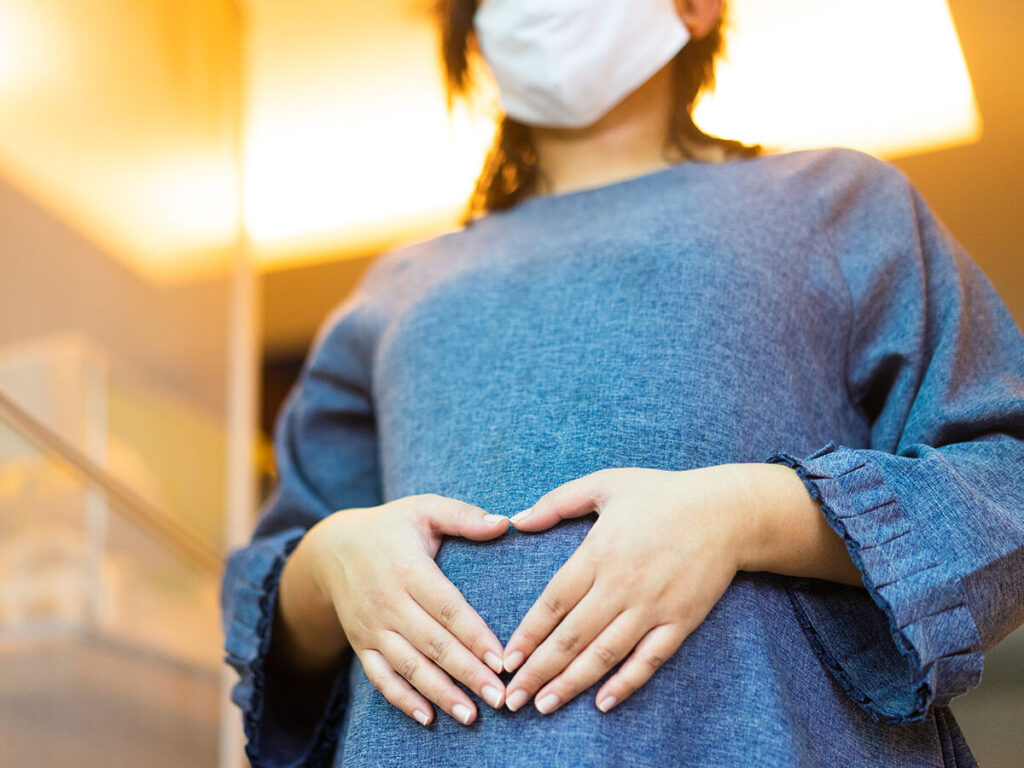
Two personal accounts on being pregnant and giving birth amid a global pandemic
In labor for 37 hours while wearing a mask
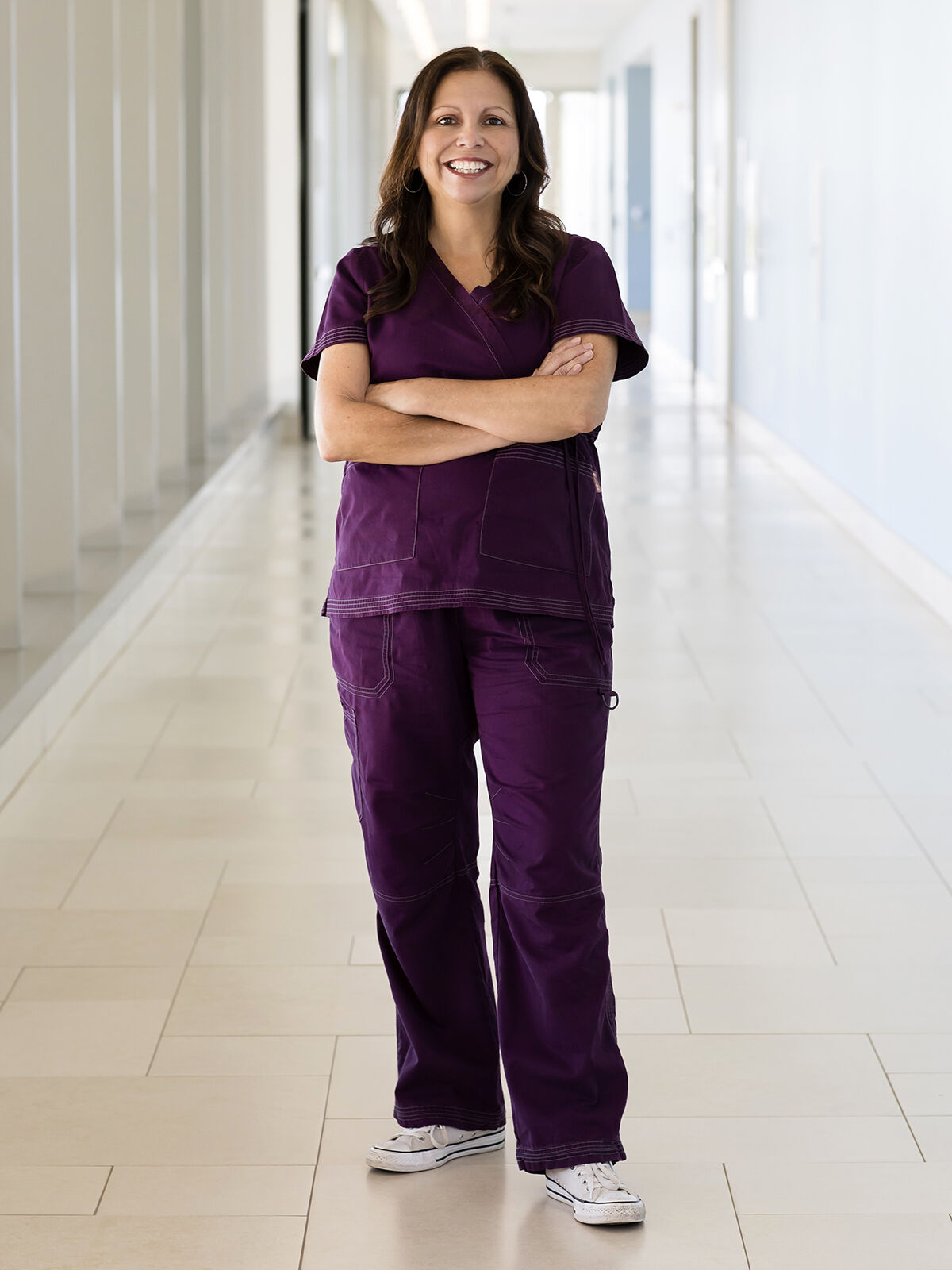
I was just entering my third trimester in March. The weekend before everything happened (the stay-at-home order), I started to keep a low profile, refrained from going to the store, and just started being cautious. In your third trimester, you have to start going to the doctor every two weeks—and I had heard, based on what was happening in New York, that there was a chance your significant other may not be able to be there for your appointments. But since I hadn’t heard anything from my doctor, I remained hopeful. We went to my next appointment, and once we arrived, they told my husband that he couldn’t come in. I thought, This is serious. And what does that mean for me? This is my first child.
But eventually, he was able to come to the appointments once they had screenings (such as temperature checks) set up. I felt lucky to have a doctor who was allowing significant others—I had friends who were expecting who had to FaceTime their significant others during their appointments.
Another thing I was worried about was delivering without my husband there—I had heard about women having to deliver their baby alone, or even talking about having home births. It definitely brought up a lot of anxiety and sleepless nights.
My doctor told me that things were changing by the day, and finally he was able to assure me that I wouldn’t have to deliver my baby alone, if I tested negative for COVID-19.
At the beginning of the pandemic, I was just starting to show. When I was far along, my family couldn’t come and see me. Our moms, sisters, and best friends would like to have felt the baby kick, or see me pregnant (in person), but they couldn’t. Also, I wanted to have a baby shower—that couldn’t happen either. My family did put together a “drive-by” baby shower. It was nice to at least say hi and bye to everybody.
I didn’t leave the house, other than going to the doctor, until early June. I’m very lucky that my husband was working from home. He also carried the burden of running all the errands, doing all the grocery shopping.
Yariela Freeman (right) and Amara Gigi Freeman born June 24, 2020 at 8 pounds, 21 inches
The day I was admitted to the hospital, one of the first things they did was test me for coronavirus. I was induced, and my husband couldn’t come into the room for about an hour—I had to have my tests and IV done.
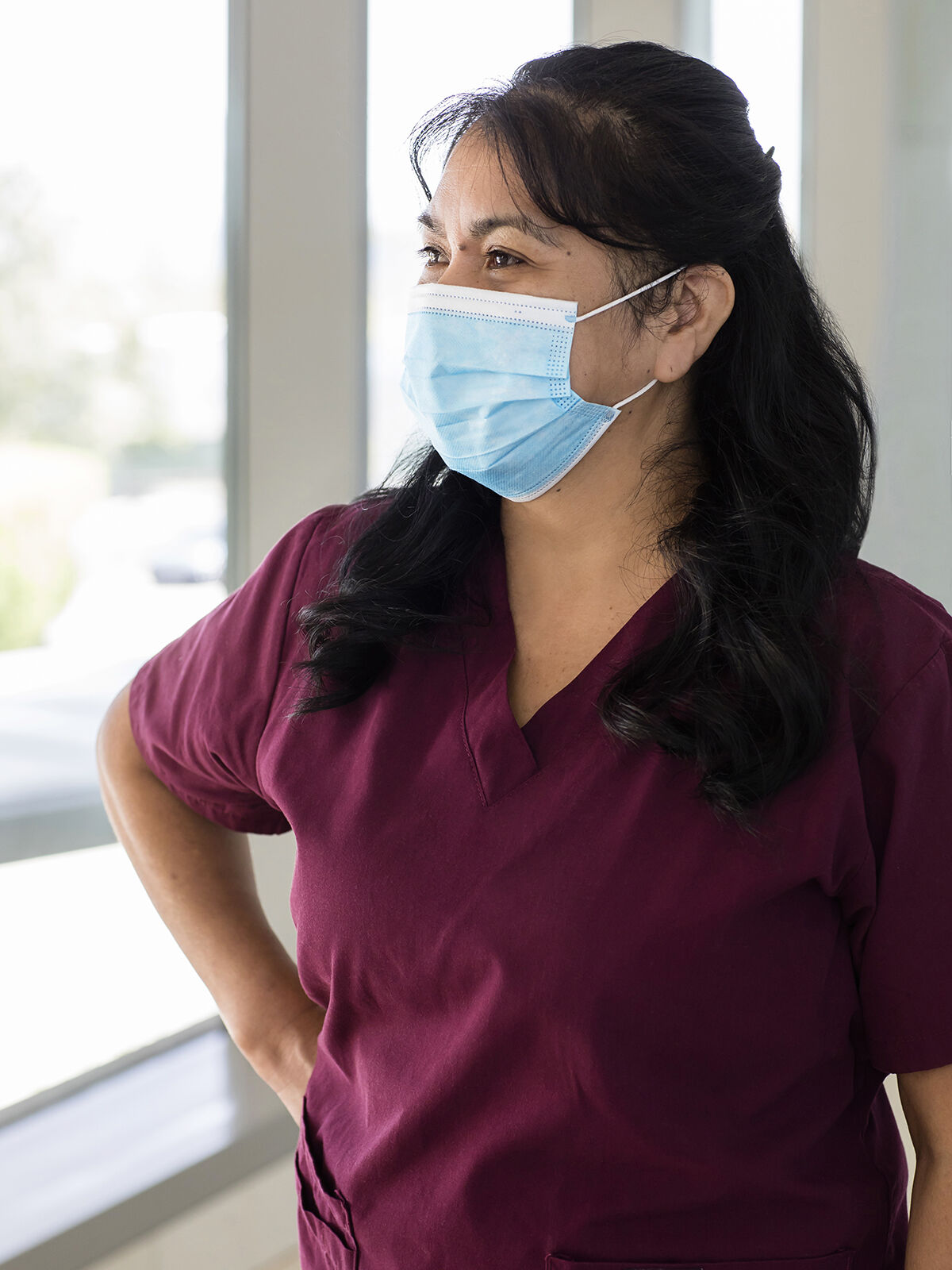
Except for when my husband and I were alone in the room, I had to wear a mask the whole time, even while delivering my daughter, and I had a 37-hour labor. My mind was so focused on pushing, and after a while you’re hot, but I didn’t have a hard time breathing with it on. It did feel constraining, and I felt smothered by it at times because I had to wear it for so long. After I delivered my baby, I was able to take it off to kiss her and talk to her. So I was able to have that moment.
Normally, significant others can leave the hospital and come back, but my husband was confined to my room the entire time. He couldn’t go to the cafeteria, or out to the car if he forgot something. We packed up practically my entire house to prepare, to make sure he had food, snacks, clothes. Being in there as long as we were, he was definitely getting tired of the hospital.
Find that community of mothers who have given birth during the pandemic and have this discussion with them. It was hard for me. At the time, some people didn’t understand why I was being so cautious. Do what’s right for you and your family, and don’t allow anyone else to dictate that.
A mom-to-be works through the worries of a pandemic labor
Top Doctors 2020 / Pregnancy Amanda Thomas
Amanda Thomas anticipated the typical nerves of a first-time pregnancy: wondering about the labor, the long nights, and the health of her baby. What she didn’t anticipate was giving birth during a global pandemic. “All moms are anxious about germs and the safety of their new babies, but the pandemic makes things a little scarier.”
As part of a long list of safety measures from the hospital, only one person is allowed to be with her—her husband, Dalton. While some women may miss sharing the experience with more family members in the room, Thomas finds some comfort in the policy. “There’s a lot of pressure on new parents because everyone wants to see the baby, but it can be a lot to navigate,” she says. “In a way, the pandemic has helped me realize it’s okay to set boundaries and do things in our own time.”
And though it won’t be the birthing experience she anticipated, she has found a lot of strength in knowing that many others are going through the same thing: “Wearing a mask during labor and dealing with the unknown of COVID-19 makes us pretty badass.”

PARTNER CONTENT
Top Doctors 2020 / Pregnancy
For the newbies, the experts, and the doomscrollers
Best for: Beginners
Price: $12/month or $50/year
Balance starts with the basics, walking you through foundational tools like body scanning and breath focus in five in-depth sections. Once you master those techniques, you can personalize your practice to what works best for you with as little or as much guidance as you need.
Best for: Experienced users
Price: $13/month or $70/year
Ever wanted Harry Styles to whisk you off into dreamland? The Calm app makes it happen. In addition to its extensive library of freeform practices—ideal for the more skilled users—you can also select a sleep session narrated by celebrities like Laura Dern, Matthew McConaughey, and the former One Direction star.
Best for: Managing anxiety and stress
Price: $13/month or $70/year
Headspace makes meditation look fun, with cool illustrations and an app that’s easy to navigate. Their library consists of a wide variety of meditative practices to address specific issues, including anxiety, stress, work, and kids. Session lengths vary, so you can sneak in a meditative moment even if you have only three minutes on hand.
The Chopra Center is making it easier than ever to take your self-care on the go. Their new app, launched in September, has guided meditation, helpful articles, and personalized tips for your personal growth and overall well-being.
Can’t get into meditation? Try mindfulness instead. The trick is to tackle one task at a time and to focus on being fully present in just that one task. Whether it’s washing your car, going for a walk, or sweeping the floors, you can still give your mind a break from the busyness without sitting down and saying “om.”
Top Doctors 2020 / Mindful Apps
Our annual list of the top talent defining the future of San Diego’s health care
Castle Connolly Top Doctors is a health care research company and the official source for Top Doctors for the past 25 years. Castle Connolly’s established nomination survey, research, screening, and selection process, under the direction of an MD, involves many hundreds of thousands of physicians as well as academic medical centers, specialty hospitals, and regional and community hospitals all across the nation.
The online nominations process, located at castleconnolly.com/nominations, is open to all licensed physicians in America, who are able to nominate physicians in any medical specialty and in any part of the country, as well as indicate whether the nominated physicians are, in their opinion, among the best in their region in their medical specialty or among the best in the nation in their medical specialty. Once these nominations have been made, Castle Connolly’s physician-led team of researchers follows a rigorous screening process to select top doctors on both the national and regional levels.
Careful screening of doctors’ educational and professional experience is essential before final selection is made among those physicians most highly regarded by their peers. The result: We identify the top doctors in America and provide you, the consumer, with detailed information about their education, training, and special expertise in our paperback guides, national and regional magazine “Top Doctors” features, and online directories.
Doctors do not and cannot pay to be selected and profiled as Castle Connolly Top Doctors.
Physicians selected for inclusion in this magazine’s “Top Doctors” feature also appear online at castleconnolly.com, or in conjunction with other Castle Connolly Top Doctors databases online on other sites and/or in print.
Castle Connolly was acquired by Everyday Health Group (EHG), one of the world’s most prominent digital health care companies, in late 2018. EHG, a recognized leader in patient and provider education, attracts an engaged audience of over 53 million health consumers and over 780,000 US practicing physicians and clinicians to its premier health and wellness websites. EHG combines social listening data and analytics expertise to deliver highly personalized health care consumer content and effective patient engagement solutions. EHG’s vision is to drive better clinical and health outcomes through decision-making informed by highly relevant data and analytics. Health care professionals and consumers are empowered with trusted content and services through Everyday Health Group’s flagship brands, including Everyday Health, What to Expect, MedPage Today, Health eCareers, PRIME Education, and our exclusive partnership with MayoClinic.org and The Mayo Clinic Diet. Everyday Health Group is a division of J2 Global Inc. (NASDAQ: JCOM), and is headquartered in New York City.
Fred Berger, MD
Scripps Clinic La Jolla
9850 Genesee Ave., Ste 420
La Jolla, CA 92037
(619) 298-3251
Karen S. Loper, MD
Children’s Healthcare Medical Associates
550 Washington St., Suite 300
San Diego, CA 92103
(619) 297-5437
John M. Kelso, MD
Scripps Clinic Carmel Valley
3811 Valley Center Dr. Floor 4 Suite A
San Diego, CA 92130
(858) 764-9010
Stephanie A. Leonard, MD
Asthma, Allergy & Immunology
3030 Childrens Way, Floor 2-North
San Diego, CA 92123
(858) 966-5961
John D. Pauls, MD, PhD
Sharp Rees-Stealy Medical Group
300 1st Ave., Floor 1
San Diego, CA 92101
(619) 446-1515
Marc A. Riedl, MD
UC San Diego Health
Angioedema, Allergy & Immunology Center
8899 University Center Ln., Suite 230
San Diego, CA 92122
(858) 657-5350
Andrew A. White, MD
Scripps Clinic Carmel Valley
3811 Valley Center Dr. Floor 4 Suite A
San Diego, CA 92130
(858) 764-9010
Katharine M. Woessner, MD
Scripps Clinic Carmel Valley
3811 Valley Center Dr., Floor 4 Suite A
San Diego, CA 92130
(858) 764-9010
Charles A. Athill, MD
San Diego Cardiac Center
3131 Berger Ave., Suite 200
San Diego, CA 92123
(858) 244-6800
Hanh M. Bui, MD
Blue Coast Cardiology
3909 Waring Rd., Suite A Oceanside, CA 92056
(760) 592-4317
Gregory K. Feld, MD
UCSD Sulpizio Cardiovascular Center
9434 Medical Center Dr.
La Jolla, CA 92037
(858) 657-8530
Douglas N. Gibson, MD
9898 Genesee Ave., Floor 3
La Jolla, CA 92037
858-824-5004
Ali R. Hamzei, MD
San Diego Cardiovascular Associates
9834 Genesee Ave., Suite 300
La Jolla, CA 92037
(858) 824-2900
Alborz Hassankhani, MD, PhD
Pacific Arrhythmia Service
8851 Center Dr., Suite 405
La Mesa, CA 91942
(619) 668-0044
Kurt S Hoffmayer, MD
UCSD Sulpizio Cardiovascular Center
9434 Medical Center Dr.
La Jolla, CA 92037
(858) 657-8530
Manish K. Wadhwa, MD
San Diego Heart & Vascular Associates
501 Washington St., Suite 512
San Diego, CA 92103
(619) 297-0014
Eric D. Adler, MD
Sulpizio Cardiovascular Center
9434 Medical Center Dr.
La Jolla, CA 92037
(858) 657-8530
How one of San Diego’s prominent health care centers fought their way through the first days of the pandemic
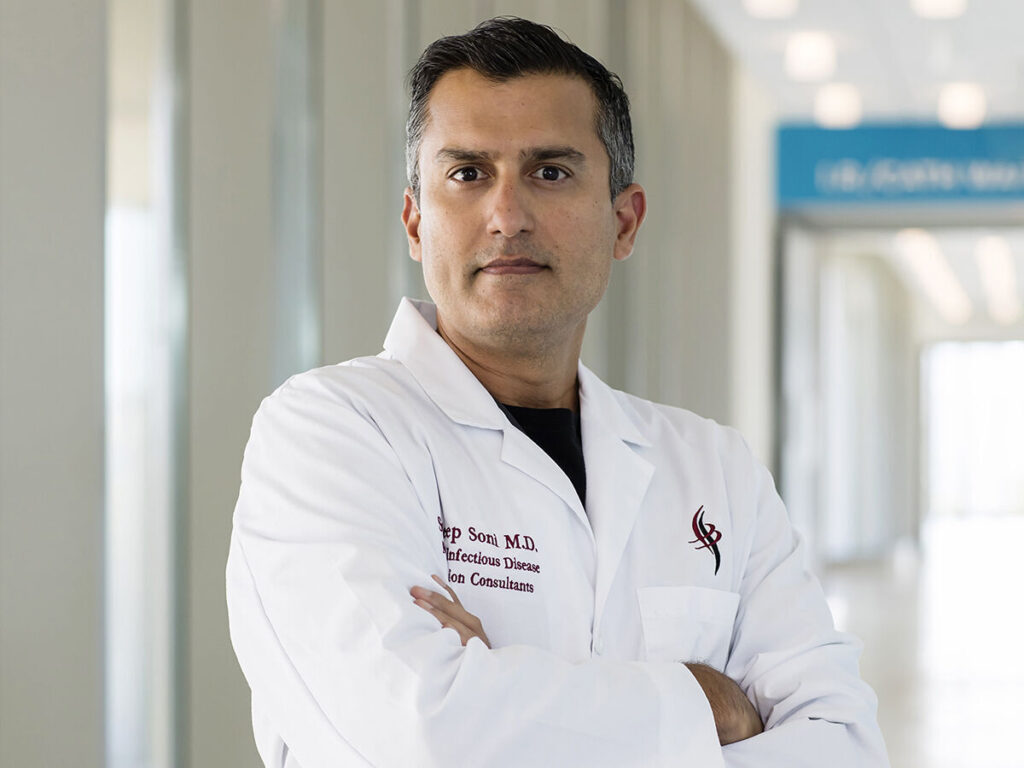
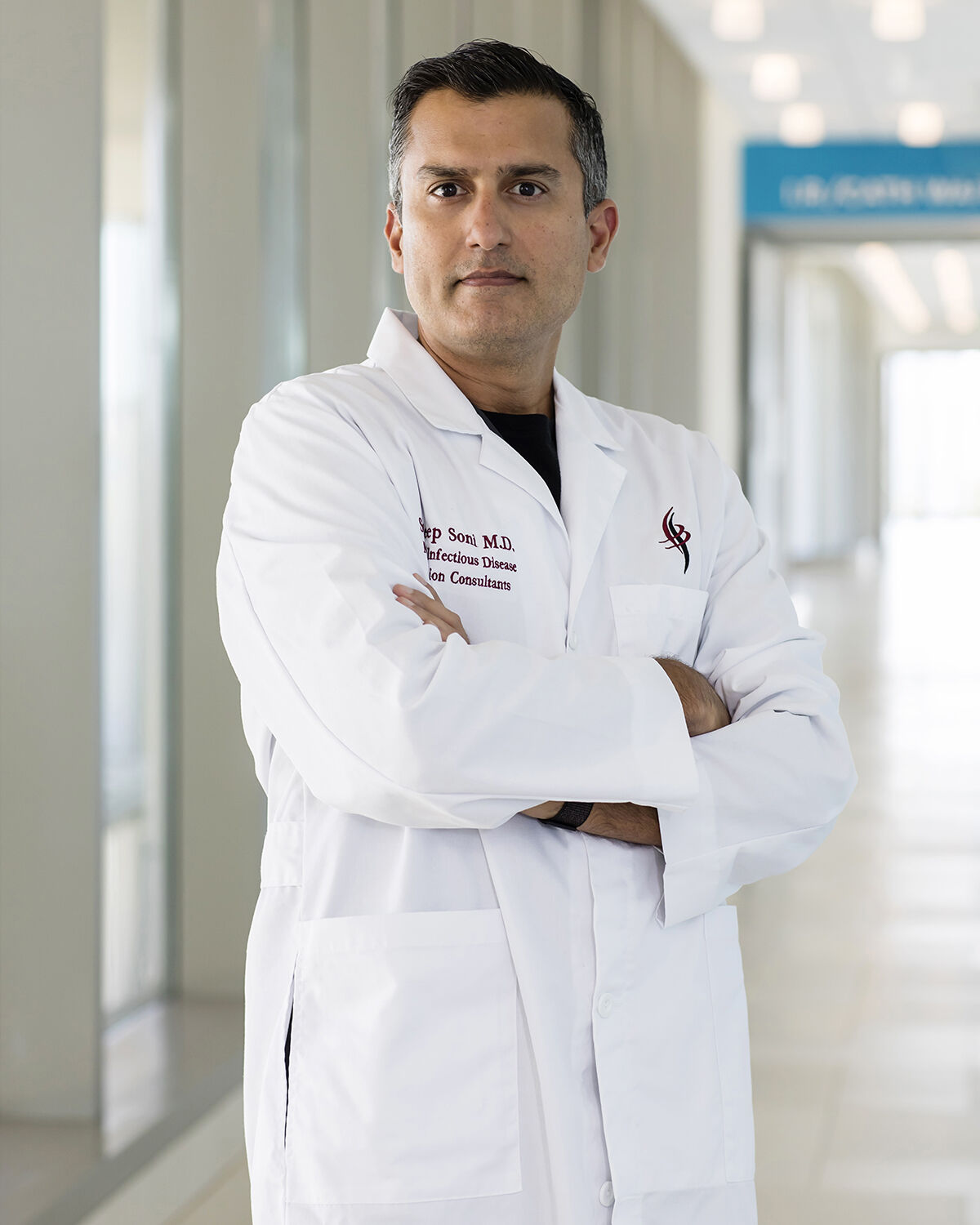
Palomar Health’s infectious disease specialist and medical director, Dr. Sandeep Soni
Jenny Siegwart
Palomar Health admitted its first COVID-19 patient March 13, only two days after the World Health Organization declared the novel coronavirus a global pandemic. However, at both its Poway and Escondido medical centers, preparation had been ongoing for months. Hospital directors produced coronavirus protocols beginning in January, with a strong focus on treating those infected without letting the illness spread to staff or any other patients in the building. They succeeded.
As of press time, Palomar Health had administered 1,075 positive COVID-19 tests since early February, and admitted 389 patients. Yet not a single patient or staff member contracted the virus while on campus during this time.
Leading the effort was infectious disease specialist and medical director Dr. Sandeep Soni, who, like most first responders, felt personally invested in preventing further spread of the coronavirus. “My wife is a critical care specialist at Palomar Health,” he says. Their biggest concern was “making sure we’re not taking everything home to our family.”
Working closely with Dr. Soni was Valerie Martinez, a nurse with three decades’ experience who serves as Palomar’s infection control officer, directing a team of infection preventionists. “We used to be called ‘infection control personnel,’” she clarifies, “but we changed our name across the US to ‘infection prevention,’ because we want to prevent rather than have to go in and try to control it.”
First priority, says Soni, was to increase the hospitals’ number of negative pressure rooms. These rooms are equipped with ventilation systems that keep airborne contagions isolated by siphoning the air flow through filtered exhaust vents that lead outside the building.
Palomar’s two campuses had 27 such rooms between them at the beginning of the year. But its facilities operations department went to work around the clock to convert an additional 57.
Valerie Martinez, infection control officer at Palomar Health.
Jenny Siegwart
In normal times, negative pressure rooms might isolate patients with tuberculosis, or other well-studied infectious diseases. At this point, very little was known about this coronavirus—the CDC wouldn’t advise that its transmission is primarily airborne until May—and the Palomar team was able to disregard public health guidelines calling for only conditional use of negative pressure rooms. Instead, it isolated every patient possible in this way, primarily on its Escondido campus.
They also required facial coverings for everyone entering the hospital from the outset, “before it was a directive from county public health,” notes Martinez. This early action looks prescient now, due not only to the well-publicized risk of asymptomatic spreaders, but also that of presymptomatic carriers. “You can transmit the virus about 48 hours before you start showing symptoms,” she explains.
But Soni and Martinez didn’t have to act on foresight. They based many of their decisions on their experience with another coronavirus. “We had to go through this when SARS was on the map a few years ago,” Soni says. “We put those protocols in place because they were very similar.”
Year-round, Martinez and her team work closely with the county to identify the presence of viruses and bacteria before they spread. But more immediately, they work with the hospitals’ environmental services staff—its cleaning crews.
While the facilities department worked to keep hospital air free of coronavirus, Maria Zaragoza-Magno and 124 other custodial employees were implementing best practices to eradicate it from surfaces. On a daily basis, they don protective gear and thoroughly sanitize the rooms of COVID-19 patients, including those on ventilators. Zaragoza-Magno and her colleagues already possessed the skills needed to safely clean isolation rooms before the pandemic, and now they’ve taken additional measures, like using oxycide, a specialized disinfectant, on high-touch surfaces like faucet handles, light switches, and call buttons.
Dr. Soni points out that the work of environmental services staff carries as much risk of infection as that of doctors and nurses. “They still have to gear up, gown up, put on N95 masks, and go into that room,” he says. “They’ve stepped up.” From top to bottom, the roughly 700 employees at work in the two Palomar hospitals on any given day have all faced the risk of picking up the illness and taking it home to their families. “I don’t think there’s a group of nurses or physicians who have not worked with COVID-19 patients.”
Since the pandemic started, the number of non-coronavirus patients in the hospital has steeply declined, most likely because people are avoiding seeking treatment due to fear of catching the virus. For better or for worse, this has left specialists from other departments available to step in to help with COVID-19’s myriad complications, from thickening blood (thrombosis) to loss of elasticity in the lungs (fibrosis).
Maria Zaragoza-Magno is one of 125 environmental health services workers dedicated to sanitizing the isolation rooms.
Jenny Siegwart
As professional and public understanding of this confounding new illness changed, at times drastically, Soni credits department leaders with helping develop and implement new protocols on the fly. “I think, as a patient, you’re coming into the hospital expecting your physicians to know everything,” he says. “But we were kind of in a no-man’s land.”
A committee of department heads worked together, seven days a week, deliberating over email threads in response to new data and treatment guidance. The pharmacy team fought to secure medications, lab directors sought materials to reduce test result times from days to hours, anesthesiologists implemented plasma transfusion plans, the heads of emergency and critical care kept teams up to date, and the IT staff kept the hospitals’ internal systems updated so providers could successfully order and track shifting courses of treatment.
Soni also lauds the Palomar Health board of directors, who, by May’s end, had spent $4 million to keep the medical centers supplied with materials necessary for both prevention and treatment. In addition to the cost of negative pressure rooms, protective gear, and hard-to-find medications, Palomar Health boosted the number of ventilators on hand from 40 to 160.
Meanwhile, less-invasive treatments have evolved from pursuing unproven long shots (like hydroxychloroquine) to banking on a four-pronged combination supported by the latest research: anticoagulants to prevent thrombosis; plasma infusions from COVID-19 survivors to accelerate immune system response; the corticosteroid dexamethasone to reduce inflammation; and the go-to antiviral drug remdesivir, which has only recently become readily available to all patients who need it.
As September began, 47 Palomar Health patients had died from COVID-19, so the system stood at an 88 percent survival rate, versus 78 percent in San Diego overall. Soni observes that the results have improved since this spring, but he already has his mind set on the upcoming flu season. “How is your body going to react?” he wonders. “That’s the big unknown right now. That’s what keeps me up at night.”
Nevertheless, Martinez stresses that people who need treatment for ailments other than COVID-19 should feel confident and safe in visiting the hospital. “It is safe to come in,” she says.

The annual event honors middle market companies creating jobs, scaling up, and investing in the region
San Diego is known for its startup culture and innovation economy, but what happens when the company moves beyond its early-stage years? The San Diego Business Impact Awards aim to answer that question, spotlighting the middle market businesses helping drive the region’s economy.
Hosted by San Diego Regional Economic Development Corporation (EDC) and JPMorganChase, the second annual awards celebration takes place on Thursday, July 23, from 4:30 to 7:00 p.m. at Scripps Research Auditorium. More than 200 executives, entrepreneurs, and business leaders are expected to attend the networking and cocktail event honoring some of San Diego County’s fastest-growing companies.
Businesses headquartered in San Diego County that have operated for at least two years are encouraged to submit their nomination by Thursday, June 18 at 4 p.m. Companies across industries—from technology and life sciences to tourism and consumer products, as well as pre-revenue startups—are eligible for recognition.
For EDC President and CEO Mark Cafferty, the event is as much about building connections as celebrating success. “We’ve had a longtime partnership with JPMorganChase; their work aligns with our efforts to support underserved communities and drive talent development,” says Cafferty. “And the networking was invaluable last year. I’m still in touch with people I met at last year’s awards.”

EDC is an independently-funded nonprofit that works directly with San Diego companies to help them grow the local economy, make the region as a whole more competitive, and attract and retain top-tier talent with quality jobs. Through EDC, companies can get help starting or expanding their business with support for things like site selection, permit navigation, and regulatory guidance, plus connections to local resources and potential business collaborators.
The San Diego Business Impact Awards began as an idea with one of EDC’s longtime strategic partners, JPMorganChase. The two organizations share a commitment to San Diego and are dedicated to bolstering middle market businesses.
“We’re blessed with a robust innovation economy and startup community,” says Aaron Ryan, San Diego Region Manager for JPMorgan’s Commercial and Investment Bank and vice chair of the firm’s’ San Diego Market Leadership Team. “But one of the segments of the business community we felt was overlooked was emerging middle market companies—the businesses that are no longer small but not yet large.”
Ryan says supporting those companies is critical as they scale and decide where to invest, hire, and grow.
San Diego’s high cost of living remains one of the region’s biggest business challenges, making talent recruitment and retention increasingly competitive. But local leaders point to the region’s quality of life, climate, and collaborative business community as advantages that continue to attract employers and workers.

“In order to support thriving households, there has to be enough high-quality jobs for people to be able to afford to live here,” Cafferty says. “Once a company grows and excels past that middle market point in their growth cycle, they become much more likely to pay higher wages and compete globally.”

Both Cafferty and Ryan proudly tout the unique collaboration that exists among San Diego County businesses. Bringing together top universities producing high-quality talent, cutting-edge research institutions, a robust military and defense presence, leading ocean science and environmental organizations, and a binational, cross-border identity creates a distinct business ecosystem that defines and strengthens the San Diego region.

Last year’s San Diego Business Impact Awards celebrated nearly 60 honorees from 49 industries, representing a total of 8,232 jobs across eight sectors, including: software and technology, healthcare and life sciences, consumer goods, professional services, finance, construction and manufacturing, defense, and hospitality and tourism. On average, honoree companies doubled their revenues over the previous year, employed more than 145 San Diegans each, and offered an average annual compensation of $192,415.
Top honorees included defense contractor Innoflight, environmental consulting firm Bancroft Construction Services, life sciences startup Element Biosciences, defense technology contractor GALT Aerospace, organic grocery store chain Jimbo’s, and biopharmaceutical company LENZ Therapeutics. During the event, Innoflight Founder and CEO Jeff Janicik held a fireside chat offering his insights on investing in the community and embracing San Diego culture.
This year, organizers hope to continue highlighting the middle market players driving economic impact across the region. Nominations are now open through June 18 at 4 p.m. Get your tickets to the San Diego Business Impact Awards celebration to enjoy drinks by Snake Oil Cocktail Co., light bites, live music, and networking.
Our annual list, plus stories on fighting the pandemic at Palomar Health, respiratory therapists, nurse support, giving birth while masked, and why you should put your mental health first—ASAP!
Palomar Health infection control officer Valerie Martinez, infectious disease specialist and medical director Dr. Sandeep Soni, and environmental health services worker Maria Zaragoza-Magno
Jenny Siegwart
A healthy helping of the breakthroughs, milestones, and on-the-rise practices sweeping San Diego's medical community
San Diego’s Top Doctors 2019
Scripps study shows that some patients may be able to taper their dose and maintain results
While glucagon-like peptide-1 (GLP-1) receptor agents have been used to treat Type 2 diabetes for more than 20 years, their recent emergence as weight-loss wonder drugs marked a new frontier in medicine. But their effectiveness has left some patients wondering what to do once they’ve reached their goal. Stopping the medication could mean regaining some, if not all, of the weight. A Scripps Clinic internal medicine physician recently conducted a small study of whether GLP-1 patients who had reached their goal weight could maintain that weight by taking their regularly prescribed injection every other week instead of weekly. Spoiler alert: 30 of 34 patients did. Read more about the study here and what that may mean as pharmaceutical companies roll out oral GLP-1s.
For more nutrition, wellness, and healthy living tips, sign up for the San Diego Health newsletter here.