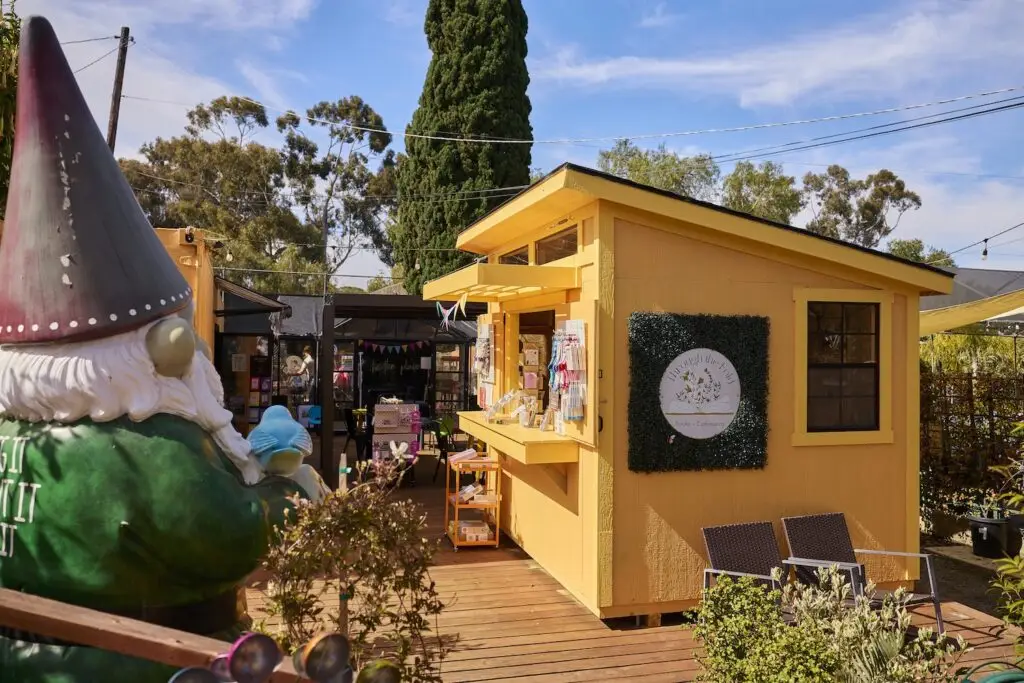
Beauty + Cosmetic
Brow Studio
Elicia Marie Beauty
Hair Removal Business (Non-Laser)
Brazilia Skin Care
Laser Hair Removal
San Diego Aesthetics and Med Spa
Lash + Brow Technician
Elicia Soltesz, Elicia Marie Beauty
Lash Studio
Cupid Complexion
Makeup Artist
Ashley Fierro, Ashley Fierro Makeup
Microblading Artist
Sunny Olais, Sunny Bee Brows
Microneedling
Michelle Langston, MSN, APRN, FNP-BC, HNB-BC, Starlite Aesthetics
Spa for Skin Care (Non–Med Spa)
Honest Skin
Spray Tan Artist
Alysa Espiritu, Afterglo Beauty Lounge
Spray Tan Studio
Afterglo Beauty Lounge
Waxer
Tracy McMaster, The Wax Lady
Cosmetic or Beauty Product: San Diego–Based
KOA+ROY
Barber
Ronnie Page, Gold Comb Barbershop North Park
Barbershop
Hillside Barber
 Courtesy of The Blow Dry Lounge
Blow Dry Bar
The Blow Dry Lounge
Colorist (Balayage)
Mariela Urbina, Rinse Salon
Colorist (Highlights)
Ryleigh Hunter, Headbang Salon
Colorist (Single-Process)
Mariela Urbina, Rinse Salon
Hair Extensions
The Hair Extension Bar
Hair Salon
Pixiedot Salon
Hair Stylist
Ann Teresa Degischer, Maen the Salon
Keratin or Smoothing Treatment Specialist
Lindsay Axelrod, Pixiedot Salon
Scalp Treatment Specialist
Cheng Tan, Koda Salon
Manicurist
Moni, Clawed Up by Moni
Nail Salon
Lulu Nails
Pedicurist
Zoe Walter, Pure Nailz
Piercing Studio
Enigma
Tattoo Artist
Lauren Skinker, Lucky Cat Tattoo
Tattoo Studio
Lucky Cat Tattoo
 Courtesy of SUVA Fitness
Fitness
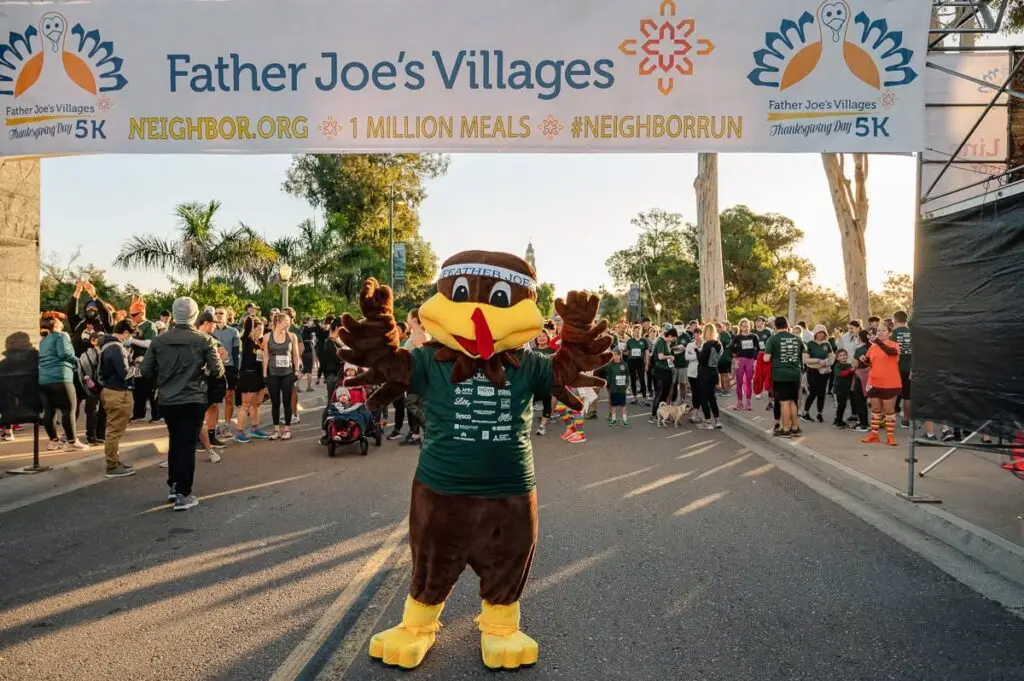
5K Run
Father Joe’s Villages Turkey Trot
Aerial Fitness Studio
Aerial Revolution
Barre Studio
barre3
Best New Class/Program, Opened 2025
SUVA Fitness
Best New Fitness Studio, Opened 2025
Sculpted. A Lagree Studio
Body Sculpting Studio
Move Madly
Boutique Gym
MK Fitness
Boxing Studio
City Boxing
Climbing Gym (Indoor Rock Climbing)
Mesa Rim Climbing
CrossFit Studio
Invictus Fitness
Dance Studio
Madhouse Dance
Fitness Bootcamp
The Camp Transformation Center, West Chula Vista
Fun Run
San Diego Santa Run
Golf Clinic
Singing Hills Golf Club at Sycuan
Half Marathon
Carlsbad Half Marathon
HIIT Studio
Orangetheory Fitness
Kickboxing Studio
9Round Kickboxing Fitness
Lagree Studio
Rise Lagree Studio
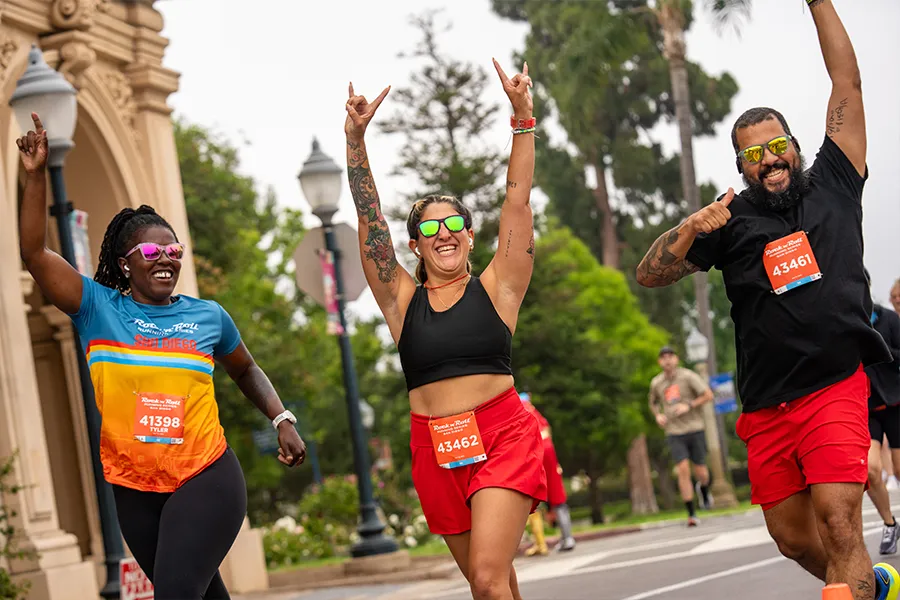 Courtesy of Rock ‘n’ Roll San Diego
Marathon
Rock ‘n’ Roll San Diego
Martial Arts Studio (Including Jiu-Jitsu, Judo, Karate, Krav Maga, and MMA)
Legacy San Diego
Personal Trainer
Camila Casanueva, The Yard Gym
Pickleball Courts
Barnes Tennis Center
Pickleball Lessons
The Hub Pickleball Club
Pilates Studio
SaltVault
Pole Fitness Studio
The Dollhouse Fitness
Spin Studio
Activate House
Surf Lessons
Little Groms Surf Camp
Tennis Club
Balboa Tennis Club
Tennis Courts
La Jolla Beach & Tennis Club
Tennis Lessons
Mission Hills Tennis
Traditional Gym/Fitness Center
Fit Athletic Club
Triathlon
San Diego Triathlon Series
Yoga Studio
Yoga Box
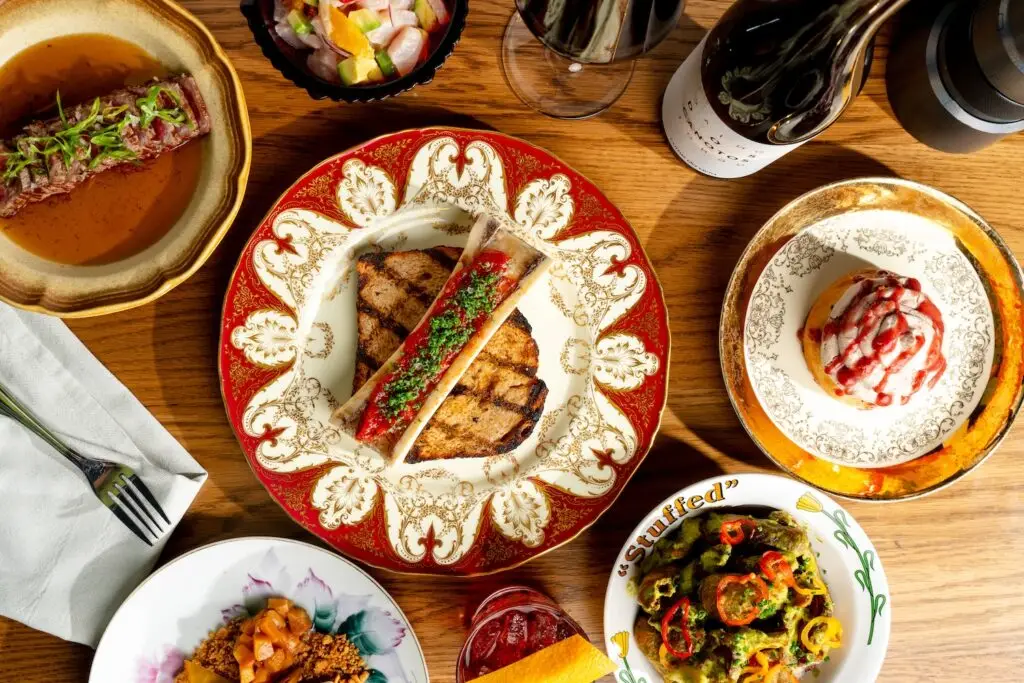 Photo Credit: James Tran
Food + Drink
Açaí Bowl
everbowl
Bagel
Big City Bagels
Bakery
Valerio’s Bakeshop
Bar
Happy Medium
Bartender
Austin Harrington, Captain’s Quarters
Best Local Alt-Drink, Alcoholic
Bivouac Ciderworks, Savoy Dry Apple Cider
Best New Bar Opened 2025
Kiku Room
Best New Brewery Opened 2025
Good Pressure Brewing Company
Birria
Birria El Rey
Bloody Mary
Waterfront Grill
Bread
Izola
Brewery
Harland Brewing Company
Burrito
The Taco Stand
Canned Cocktails
Cutwater
Caterer
Snake Oil Cocktail Company
Cheese Shop
Venissimo Cheese
Chips & Salsa
La Puerta
Chocolate Shop
San Diego Chocolate Co.
Coffee Beans/Roaster
Bird Rock Coffee Roasters
Craft Cocktails
Happy Medium
Distillery
Cutwater
Dive Bar
Aero Club
Donuts
Nomad Donuts
Farmers Market
Little Italy Mercato
Farmers Market Food Vendor
Flavors of East Africa
Fish Market
Tunaville Market and Grocery
Fish Taco
Oscars Mexican Seafood
Food Truck
Shawarma Guys
Fries
The Crack Shack
Gourmet Grocery Store
Lazy Acres
Happy Hour
La Puerta
Ice Cream/Gelato
Stella Jean’s
Juice Bar
Señor Mangos
Kombucha
Juneshine
Liquor Store
Old Town Liquor
Local Agave Spirits (Tequila/Mezcal)
Bebemos
Local Beer
Pure Project
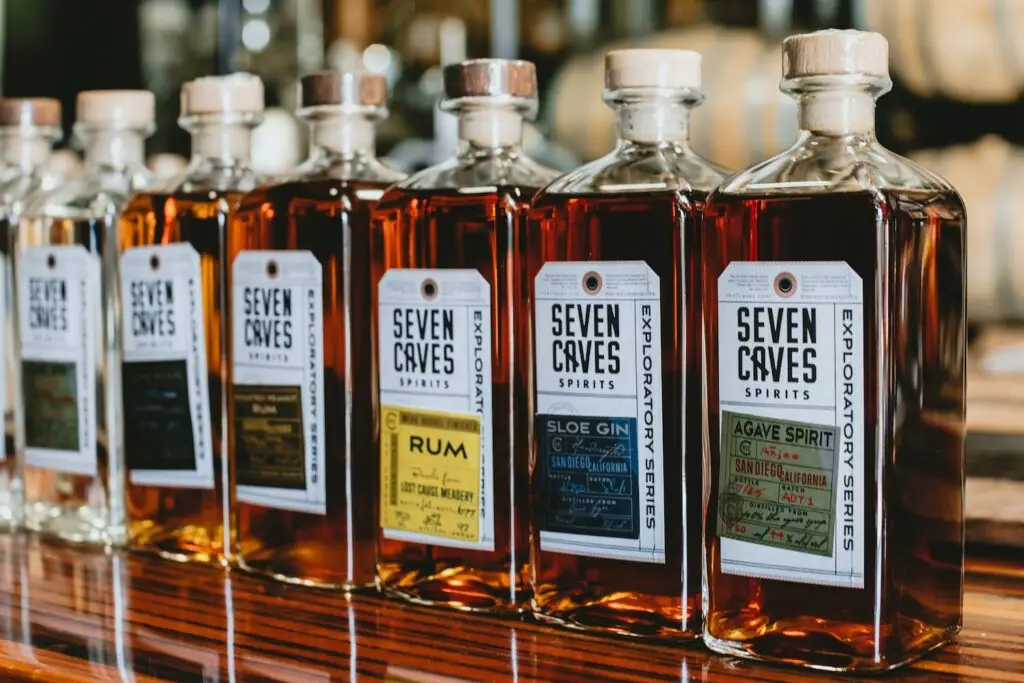 Courtesy of Seven Caves Distillery
Local Gin
Seven Caves Distillery
Local Vodka
619 Spirits North Park
Local Whiskey
Skrewball Whiskey
Local Wine
Bernardo Winery
Margarita
Cantina Mayahuel
Martini
Turf Supper Club
Mocktails
Juniper and Ivy
Negroni
Sonny’s Pizza
Old Fashioned
Cowboy Star
Pasta
Pazza Market & Cucina
Phở
Phở Ca Dao
Pizza
Tribute Pizza
Pop Up
Mon Chourie
Produce Market
Specialty Produce
Romantic Bar
Starlite
Rooftop Bar
Communion
Sandwich
Big Jim’s Roast Beef
Smoothies
Señor Mangos
Sommelier
Missi Burns, Et Voila
Speakeasy
Raised by Wolves
Specialty Food Store
The Wise Ox
Sports Bar
Fairplay
Taco
Tacos El Gordo
Taproom/Tasting Room
Pure Project
Tequila/Mezcal Bar
Cantina Mayahuel
Whiskey Bar
Seven Grand
Wine Bar
Finca
Wine Store
Vino Carta
Winery
Gianni Buonomo Vintners
Wings
OB Noodle House
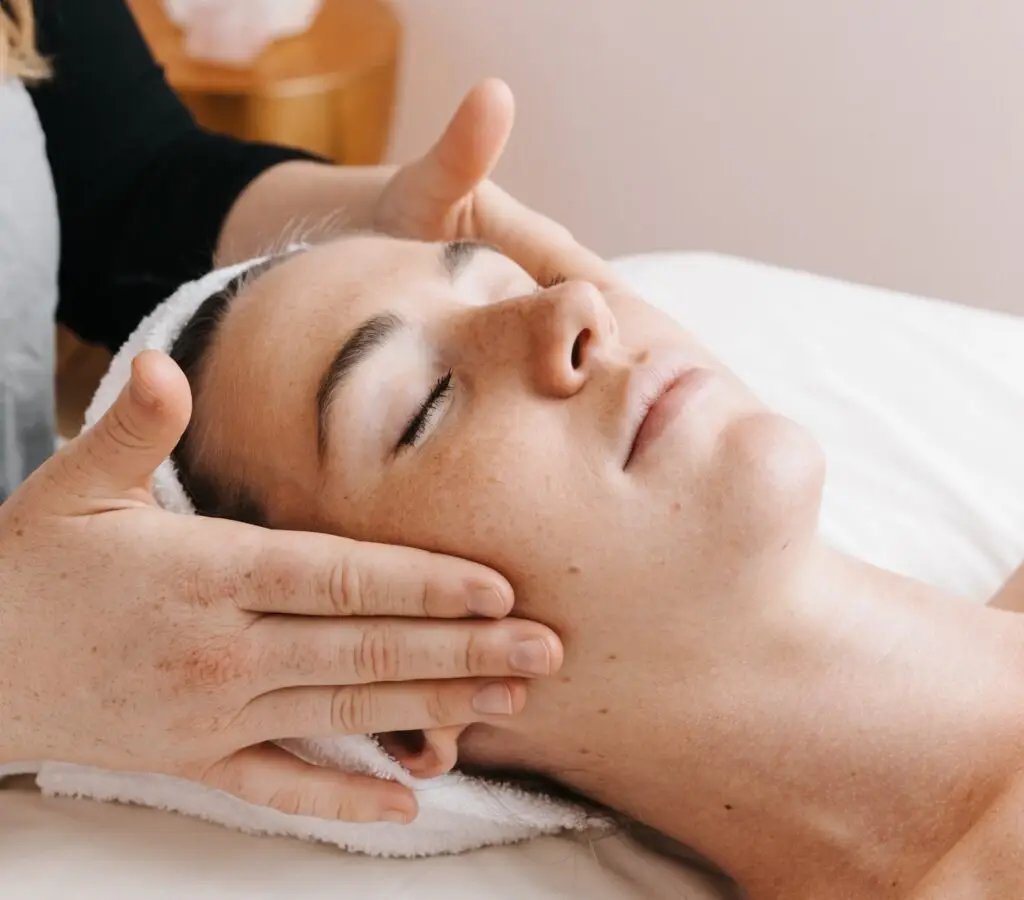 Courtesy of Four Moons Spa
Health + Wellness
Aesthetics + Med Spas: Aesthetician for Facials/Peels/Non-Medical Skincare
Cara Paymaster, CARA Studios
Aesthetics + Med Spas: CoolSculpting/Body Contouring Clinic
Cosmetic Laser Dermatology
Aesthetics + Med Spas: Hormone Therapy/Anti-Aging Clinic
Prospera Internal Medicine and Aesthetics
Aesthetics + Med Spas: IV Therapy/Hydration Lounge
San Diego Aesthetics and Med Spa
Aesthetics + Med Spas: Med Spa for Injectables/Laser
La Jolla Cosmetic Medical Spa
Health & Wellness: Sleep Clinic/Sleep Specialist
UC San Diego Health Sleep Center
Medical: Concierge Medical Services
A Personal Physician, Dr. Karanbir Brar
Medical: Cosmetic Dentist
Dr. Ali Fakhimi, Soft Touch Dental
Medical: Cosmetic Dermatology (Practice)
La Jolla Dermatology & Laser Surgery Center
Medical: Cosmetic Surgeon (Tie)
Dr. Michael Rossi, Changes Plastic Surgery & Spa
Medical: Cosmetic Surgeon (Tie)
Dr. Sirius Yoo, Sky Facial Plastic Surgery
Medical: Cosmetic Surgery Group (Practice)
La Jolla Cosmetic Surgery Centre
Medical: Dental Office/General Dentist (Practice)
Urban Dental San Diego
Medical: Dentist
Dr. Jessica Kim, Urban Dental San Diego
Medical: Dermatologist
Dr. William Groff, Cosmetic Laser Dermatology
Medical: Health Insurance
Sharp Health Plan
Medical: Hospital/Medical Center (Organization)
Scripps Memorial Hospital La Jolla
Medical: LASIK Provider
Julio Echegoyen, Gordon Schanzlin New Vision Institute
Medical: Local/Independent Pharmacy
Good Pharma
Medical: Ophthalmologist
Kellie Satterfield, San Diego Eye & Face
Medical: Optometrist
Alyssa Pack, Eyecare at the Cove
Medical: Orthodontist
Dr. Sarah Winter, Espire Dental | La Jolla
Medical: Orthodontist (Practice)
Chula Vista Orthodontics
Medical: Pediatric Group (Practice)
Children’s Primary Care Medical Group
Medical: Independent Pediatric Practice
Coast Pediatrics
Medical: Primary Care Doctor
Dr. Hawkins, Scripps Santee
Medical: Primary Care Medical Group (Practice)
Sharp Rees-Stealy
Nutrition: Weight Loss Clinic/Program
Scripps Del Mar Weight Management Clinic
Nutrition: Nutritionist/Dietitian
Tara Coleman, Tara Coleman, CN
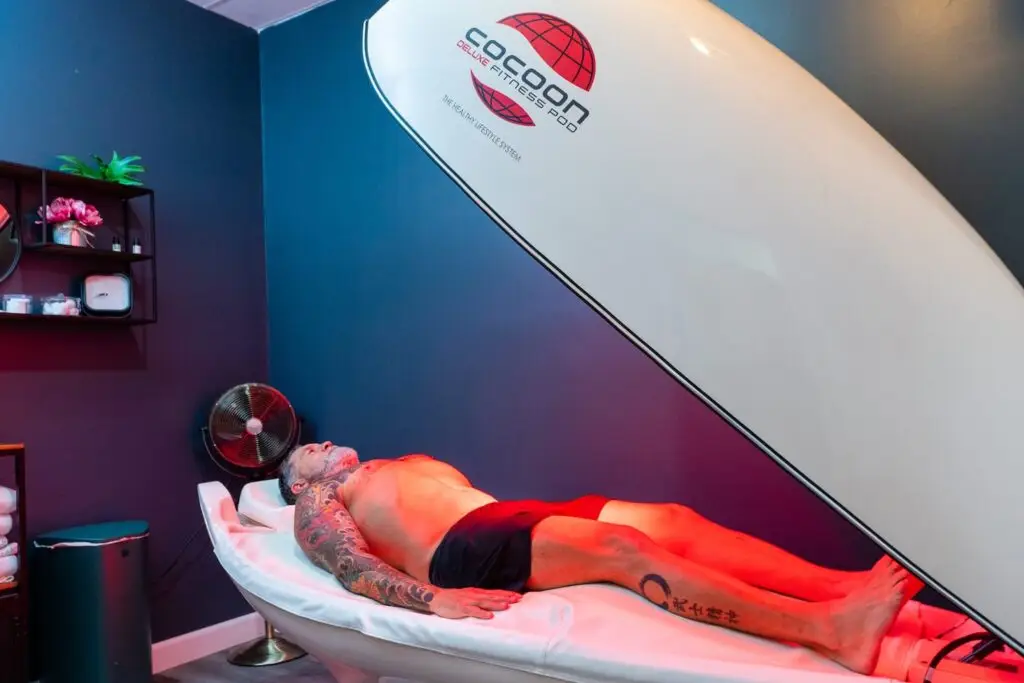 Courtesy of Cryo Republic
Recovery: Cryotherapy Studio
Cryo Republic
Recovery: Float/Sensory Deprivation Tanks
True REST Float Spa
Recovery: Sauna/Infrared Spa
Pure Infrared Sauna Studio
Recovery: Wellness Studio
Pure Infrared Sauna Studio
Reproductive + Family Health: Doula
Joy Kobrick, Joyful Roots
Reproductive + Family Health: Fertility Center (Business)
Reproductive Partners Fertility Center
Reproductive + Family Health: Postpartum Specialist/Lactation Consultant
Babies in Bloom
Therapy + Holistic Care: Acupuncturist
Lisa Pugliese, Concept Wellness
Therapy + Holistic Care: Chiropractor
Travis Johnson, Healcove Chiropractic and Wellness
Therapy + Holistic Care: Day Spa (Non-Resort or Hotel)
Four Moons Spa
Therapy + Holistic Care: Massage Studio (Business)
Four Moons Spa
Therapy + Holistic Care: Massage Therapist
Erin Parente, Be Balanced
Therapy + Holistic Care: Mental Health & Wellness Center
AToN Center
Therapy + Holistic Care: Physical Therapist
D.J. Mortimer, Regenerate Physical Therapy
Therapy + Holistic Care: Physical Therapy Practice
Regenerate Physical Therapy
Therapy + Holistic Care: Psychiatry (Practice) (Tie)
UC San Diego Health (General Psychiatry Services)
Therapy + Holistic Care: Psychiatry (Practice) (Tie)
KMG Psychiatry
Therapy + Holistic Care: Reiki Practitioner
Yukari Allen, BRAVE Wellness Studio
Therapy + Holistic Care: Resort or Hotel Day Spa
The Spa at Omni La Costa
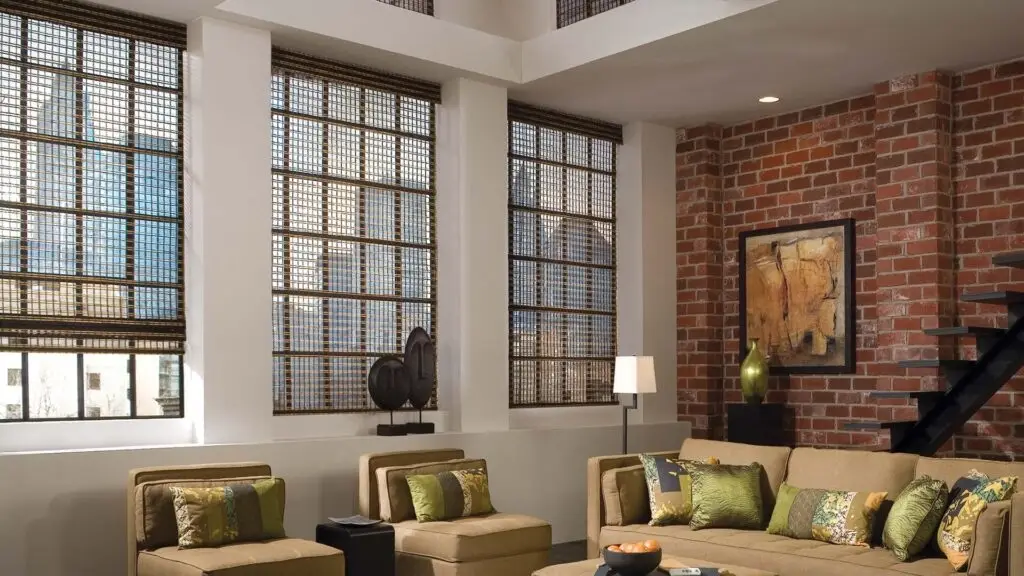 Courtesy of Lessler’s Draperies & Design Inc.
Home + Garden
Architect
Scott Bales, Cuningham Group
Architecture Firm
Safdie Rabines Architects
Custom Drapery
Lessler’s Draperies & Design Inc.
Custom Furniture Designer/Maker
Casa Dega Design
Home Staging Specialist
Brooke Paper Scissors
Interior Designer
Rachel Larraine Crawford, Tiger Veil
Landscape Architect
John Kensla, Infinite Sky Landscape Design
Landscape Architecture Firm for Hardscape
Fredrickson Landscape
Landscape Design
Drab to Fab
Artificial Turf & Lawn
Greenway Landscape Design & Build
Building Contractor
Nestadu
Doors
Cabana Concepts
Electrician Company
Baker Electric
Fence/Gate Installation Company
San Diego Custom Gates
Garage/Storage Solutions Contractor
ProperShop Garage Door Services
General Contractor
Kaminskiy Design and Remodeling
Heating, Ventilation & Air Conditioning (HVAC)
Clear Heating and Air
Home Builder
Weston Builders, Inc.
Home Remodeling
Lars Remodeling & Design
Irrigation/Sprinkler Installation
Greenway Landscape Design & Build
Masonry/Stonework Contractor
San Diego Masonry Contractors
Painting Contractor
The Paint Guru
Patio/Deck Contractor
Pacific Patio
Plumbing Company
Bill Howe Plumbing
Roofing Company
RC Roofing Inc.
Solar Panel/Green Energy Provider
RC Solar & Roofing
Swimming Pool Builder
Blue Haven Pools & Spas San Diego
Window Treatment Installer
San Diego Shade
Appliance Service/Repair
The Repair Tech
Carpet Cleaner
Super Mario Carpet Cleaning & Floor Care
Gutter Cleaning
Absolute Duct & Chimney Cleaning
Home Cleaning Service
Clean Spaces SD
Home Security
Alpha & Omega Electric Inc.
Moving Company
A Smart Move, LLC
Pest Control Company
Pest Patrol, Inc.
Pool & Hot Tub Service Company
GL Pools, LLC
Property Management Company
Good Life Property Management
Water Filtration/Softener Services
Mauzy Cooling, Heating, Plumbing & Electrical
Antique Furnishing Store
Kurtz Street Antique Mall
Appliance Store
Aztec Appliance
Carpet Store
Sid’s Carpet Barn
Flooring Store
RH Flooring
Furniture Store
Room & Board
Garden & Nursery Center
Walter Anderson
Hardware Store
Ace
Kitchen & Bath Showroom (Tie)
Boyar’s Kitchen Cabinets
Kitchen & Bath Showroom (Tie)
Porcelanosa
Lighting Store
Black Whale Home
Lumber Supply
Dixieline
Mattress Store
Yawnder
Paint Store
Colorama Paints San Diego
Patio Furniture Store
Patio Productions
Tile Store
San Diego Marble and Tile
Apartment Community
800 Broadway
Best New Residential Community Opened 2025
Harrington Heights
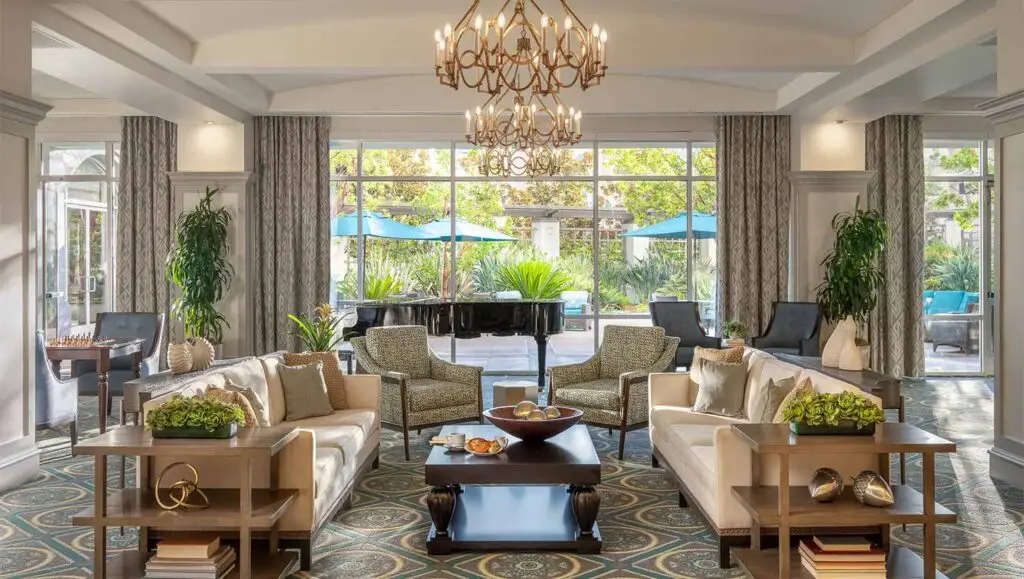 Courtesy of Vi Living at La Jolla Village
Independent Living Community
Vi Living at La Jolla Village
Neighborhood (Tie)
Little Italy
Neighborhood (Tie)
South Park
Senior Living Community
Casa de las Campanas
Real Estate: Best Agent Team
Canter Real Estate Group
Real Estate: Best Brokerage Company
Compass
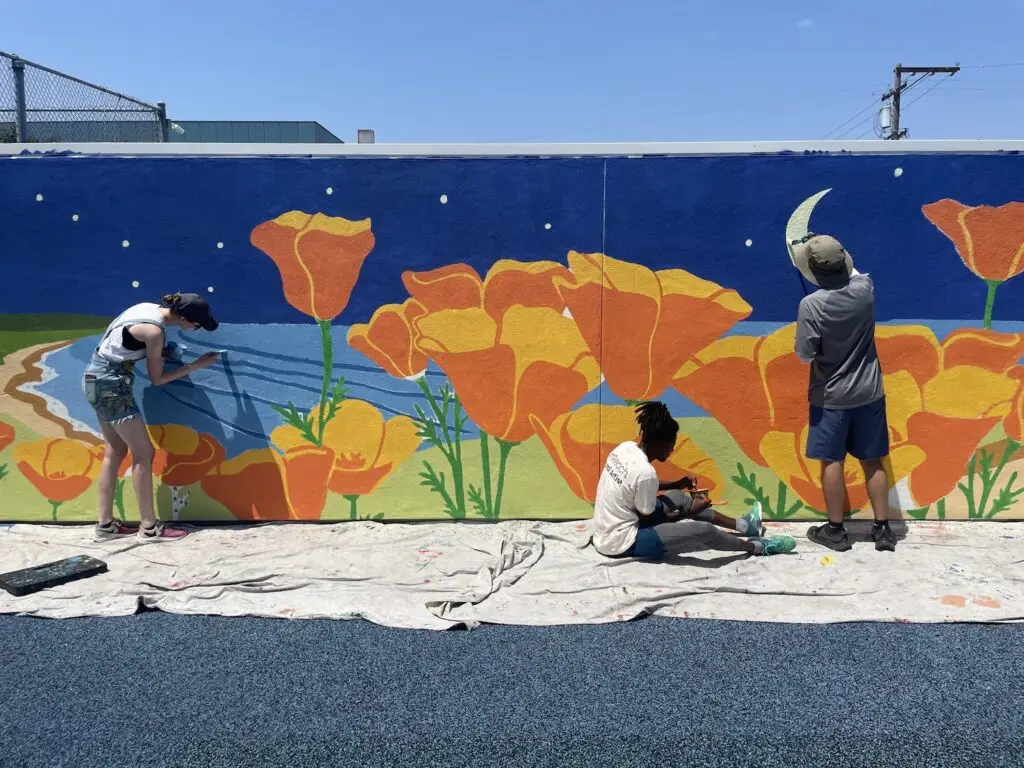 Courtesy of ArtReach San Diego
Kids
After-School Program
The New Children’s Museum
Art Classes for Kids
ArtReach San Diego
Baby/Children’s Clothing Store
Moon & Sun
Children’s Bookstore
Book Catapult
Children’s Party Venue
Squarena
Dance Classes for Kids
San Diego Junior Theatre
Day Camp
ArtReach San Diego
Daycare
Celine Theano, La Petite Étoile 360
Family Beach
La Jolla Shores
Local SAT/ACT Prep Service
Tutor Doctor San Diego County
Martial Arts School for Kids
White Dragon Martial Arts
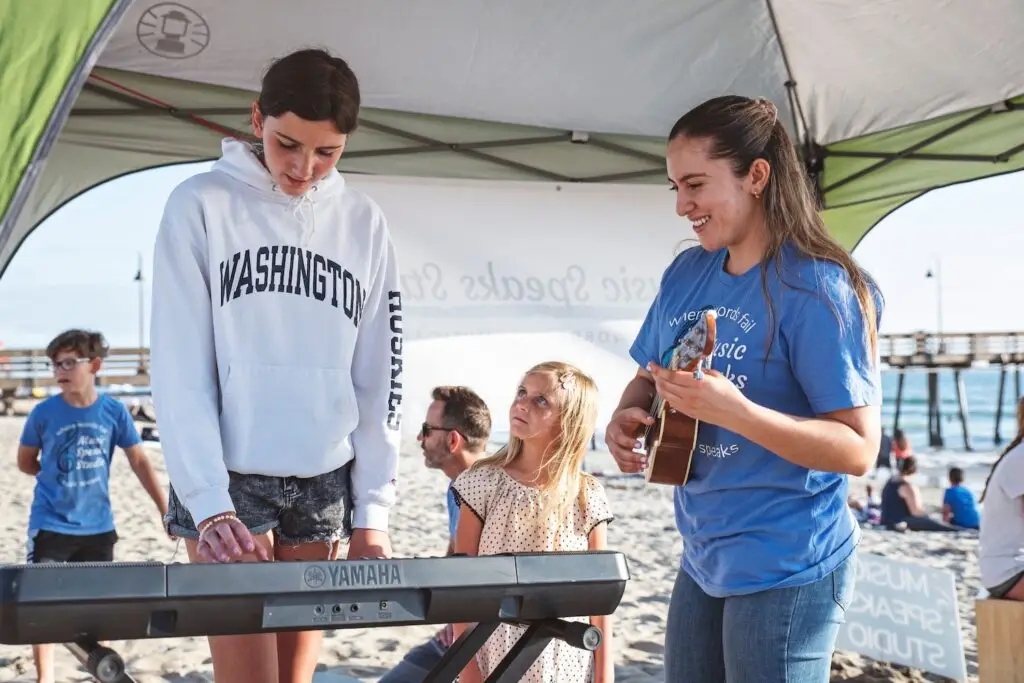 Courtesy of Music Speaks Studio
Music Classes for Kids
Music Speaks Studio
Park
Balboa Park
Photography Classes for Kids
Museum of Photographic Arts at San Diego Museum of Art
Playground
Civita Park
Sleepaway Camp
Roar & Snore Safari, San Diego Zoo Safari Park
STEM/Coding Classes for Kids
Children’s Museum of Discovery
Surf School/Lessons for Kids
Surf Diva
Swim School
My Baby Swims
Theater Class for Kids
San Diego Junior Theatre
Toy Store
Geppetto’s
Tutoring/Academic Enrichment (Business)
Ignite Learning Center
Youth Sports League
Boys and Girls Club
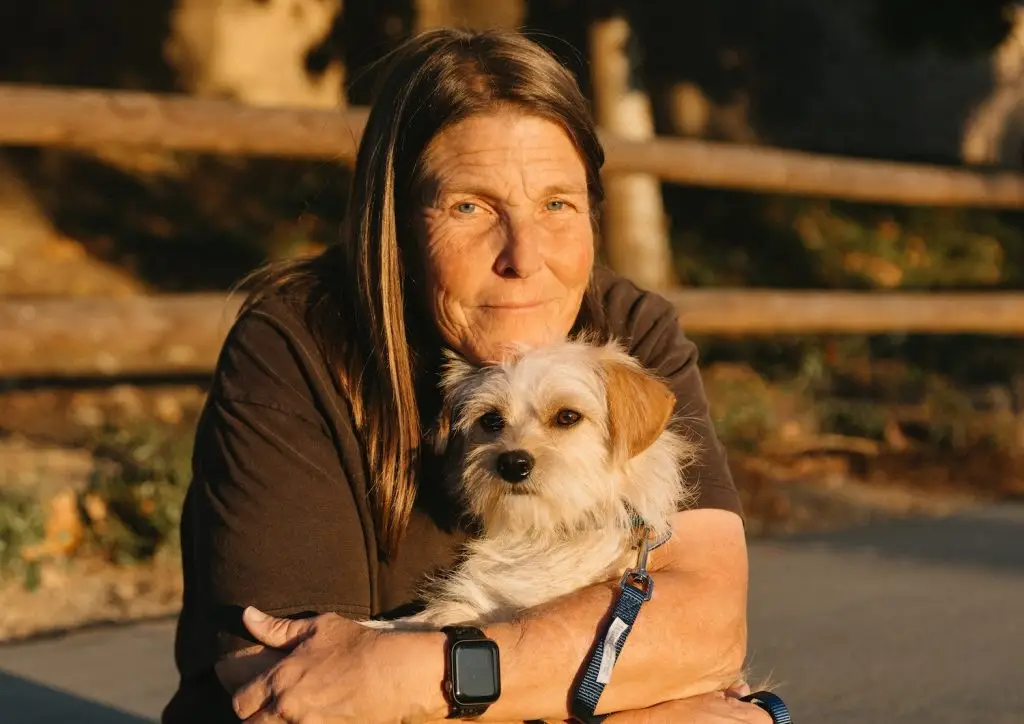 Photo Credit: Liv Shaw
People
Jewelry
Cielo Nublado
Muralist
Josue Baltezar
Painter
Michaela Jean
Photographer
Fedella Lizeth
Athlete
Fernando Tatís Jr.
Comedian
Kyle Mooney
Do-Gooder
Babs Fry, A Way Home For Dogs
Entrepreneur
Bob Harrington, Specialty Produce
Local Band
Band of Gringos
Local Influencer: Fashion
Sophie Hague, @positive_phee
Local Influencer: Fitness
Sylvia Wrosz, @sandiego.sylv
Local Influencer: Food
Jordan Howlett, @jordan_the_stallion8
Local Influencer: Parenting
Jennifer Coleman, @SanDiegoFunFamily
Local Influencer: Travel
Marissa Xiong, Internal Dandelion, @internaldandelion
Meteorologist
Shawn Styles, CBS8
Musician/Band: Country
Miranda Ramos Band
Musician/Band: Cover Band
Kisstroyer
Musician/Band: Jazz
Gilbert Castellanos
Musician/Band: Pop
Jessie Lark
 Photo Credit: Gus Olivares
Musician/Band: R&B
Thee Sacred Souls
Musician/Band: Rock/Metal
The Dimes
Musician/Band: Singer/Songwriter
Sutton James
News Anchor
Raoul Martinez, Fox 5
Party Band
Miranda Ramos Band
Philanthropist
Irwin and Joan Jacobs
Radio DJ
Geena the Latina, Channel 93.3
Real Estate Agent: Alpine
Teri Parker, Parker Properties
Real Estate Agent: Carlsbad
DeAnn Dillard, eXp Realty
Real Estate Agent: Carmel Valley (Tie)
Kevin Burke, Burke Real Estate Consultants, Inc.
Real Estate Agent: Carmel Valley (Tie)
Sara Ghodsi, Keller Williams
Real Estate Agent: Chula Vista
Monica Reyes, Reyes Group
Real Estate Agent: Clairemont
Sidnev Muldrow, Compass
Real Estate Agent: Condominium Specialist
Sidnev Muldrow, Compass
Real Estate Agent: Coronado
Gerri-Lynn Fives, Pacific Sotheby’s
Real Estate Agent: Del Mar
Maxine & Marti Gellens, Berkshire Hathaway
Real Estate Agent: Downsizing/Retirement Specialist
Lenna Doyle, Compass Plus San Diego
Real Estate Agent: Downtown San Diego
Christine Baker, Willis Allen Real Estate
Real Estate Agent: Eastlake
Ruben Rodriguez, Coldwell Banker West
Real Estate Agent: El Cajon
Tina Etue, Compass
Real Estate Agent: Encinitas
Nikol Klein, Compass
Real Estate Agent: Escondido
Chris Heller, eXp Realty
Real Estate Agent: Family Home Specialist
Dee Dee Angel, Wisdom Properties
Real Estate Agent: High-Rise Living Specialist
Jeannine Savory, The Savory Group
Real Estate Agent: Hillcrest
Todd Armstrong, Compass
Real Estate Agent: Historic Home Specialist
Keith York
Real Estate Agent: La Costa/Olivenhain
Nikol Klein, Compass
Real Estate Agent: La Jolla
Andrew Canter
Real Estate Agent: La Mesa
Rachel Carroll, Coldwell Banker West
Real Estate Agent: Luxury Home Specialist
Todd Armstrong, Compass
Real Estate Agent: Midcentury Specialist
Greg Erickson, Keller Williams
Real Estate Agent: Mission Beach
Kara Watkins, Big Block Realty
Real Estate Agent: Mission Valley
Evan Tando, ANR
Real Estate Agent: Normal Heights
Evan Tando, ANR
Real Estate Agent: North Park
Alli Urguby, Compass
Real Estate Agent: Oceanside
Dee Dee Angel, Wisdom Properties
Real Estate Agent: Pacific Beach
Scott Booth, Compass
Real Estate Agent: Point Loma/Ocean Beach
Tami Fuller, Coldwell Banker West
Real Estate Agent: Poway
Alan Shafran
Real Estate Agent: Rancho Peñasquitos/4S Ranch
Jocelyn Lomahan
Real Estate Agent: Rancho Santa Fe (Tie)
Julie Feld, Pacific Sotheby’s
Real Estate Agent: Rancho Santa Fe (Tie)
Laura Barry, Barry Estates
Real Estate Agent: San Marcos
Ilana Huff, Compass
Real Estate Agent: Santee
Kyndal Gross, Douglas Elliman of California, Inc.
Real Estate Agent: Second Home Specialist
Jeannine Savory, The Savory Group
Real Estate Agent: Vista/Fallbrook
Tim Kirk, EPIC Realty Group
Sports Anchor
Mark Grant, San Diego Padres
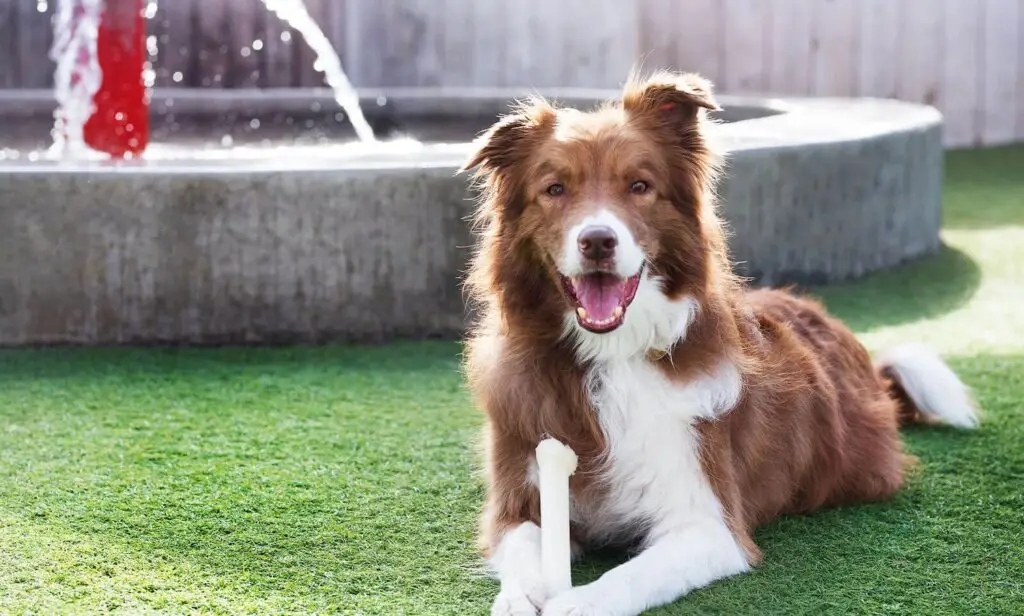 Courtesy of Camp Run-A-Mutt
Pets
Animal Sanctuary
Lions Tigers & Bears
Animal Welfare Organization
San Diego Humane Society
Dog Park
Grape Street Dog Park
Dog Walker
Davis Dogs, LLC—Claudine Davis
Doggy Daycare
Camp Run-A-Mutt
Mobile Groomer
Pampered Paws Mobile Pet Grooming
Pet Boarding
Coastal Paws San Diego
Pet Groomer (Tie)
Groomer19 & Friends Pet Salon
Pet Groomer (Tie)
South Bark Dog Wash
Pet Insurance
ASPCA Pet Insurance
Pet Photographer/Portrait Studio
Allison Shamrell
Pet Rescue
Babs Fry, A Way Home for Dogs
Pet Store
Dexter’s Deli
Pet Trainer
Whole Damn Dog
Veterinarian (Business)
The Drake Center for Veterinary Care
Veterinarian (Individual)
Dr. Tracy Nicole Frey, SoftSurg Incorporated
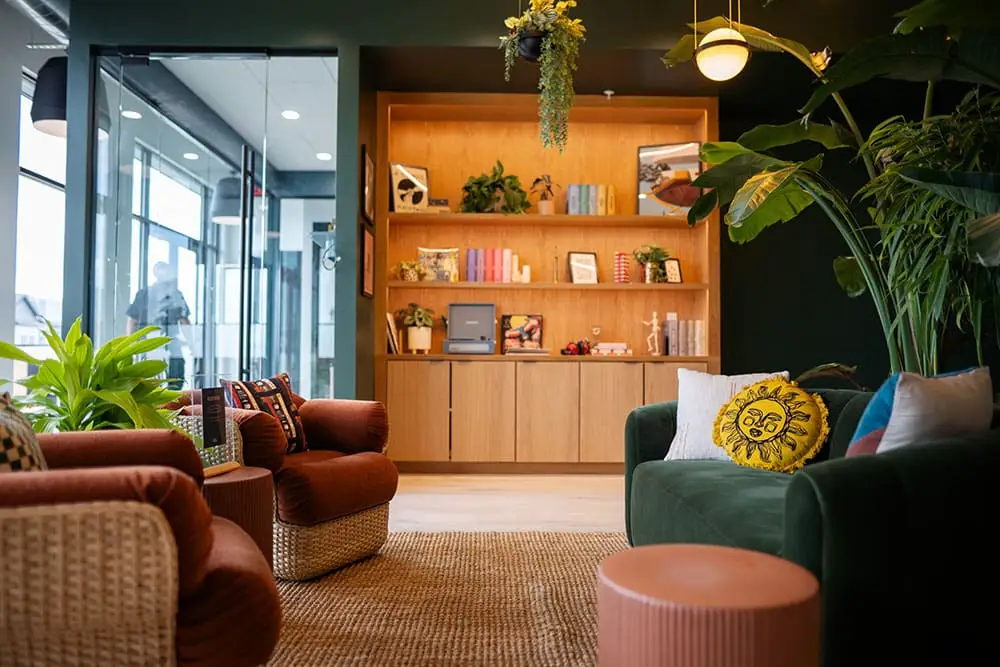 Courtesy of Kiln
Professional + Services
Accountant/CPA
Avi Taheripour, Number Nerds, Inc.
Accounting Firm
Number Nerds, Inc.
Auto Repair Shop
Miramar Automotive & Transmission
Bicycle Repair Shop
Adams Avenue Bicycles
Car Detailing
Elite Finish
Car Wash
Soapy Joe’s
Car/Limo Service
Always Ride On Time
Co-Working Space
Kiln
Commercial Real Estate Company
Hughes Marino
Computer Repair
BrenTech, Inc.
Custom Printing
aka Screen Printing
Dry Cleaning
Margaret’s Dry Cleaning
Fashion Stylist/Wardrobe Consultant
Dean Hall
Financial Planner
Alec Williams, WestPac Wealth Partners
Health Insurance Agency
Schulte Insurance Agency
Home Escrow Company
Foundation Escrow
Home Insurance Provider
State Farm
Home Loan Provider
Shelter Island Capital
Janitorial Services
DAPA Services Inc.
Law: Bankruptcy Law Firm (Tie)
Law Offices of Krystina T. Tran
Law: Bankruptcy Law Firm (Tie)
Shanner & Associates
Law: Bankruptcy Lawyer
Tom Shanner, Shanner & Associates
Law: Estate Planner
Daniel Weiner, San Diego Probate Attorneys
Law: Estate Planning Firm
Lawyer in Blue Jeans Group
Law: Family Law Firm
Family Law San Diego
Law: Family Law Lawyer
Colleen A. Warren, Genesis Family Law, APC
Law: Full Service/General Practice Law Firm
Noonan Lance Boyer & Banach, LLP
Law: Labor & Employment Law Firm
Omega Law Group, PC
Law: Labor & Employment Lawyer
James Thompson, Minerva Law, LLP
Law: Litigation Law Firm
Omega Law Group, PC
Law: Litigation Lawyer
Daniel Weiner, San Diego Probate Attorneys
Law: Mediation Lawyer
Raul Maravilla, Genesis Family Law, APC
Law: Personal Injury Law Firm
Jurewitz Law Group Injury & Accident Lawyers
Law: Personal Injury Lawyer
Michael Hernandez, HHJ Trial Attorneys
Law: Real Estate Law Firm
Hickman Robinson LLP
Law: Real Estate Lawyer
James Thompson, Minerva Law, LLP
Law: Tax Law Firm
RJS Law
Law: Tax Law Lawyer
Ronson J. Shamoun, RJS Law
Loan Provider (Other Than Home)
North Island Credit Union
Local Bank Branch
US Bank
Local Credit Union
Wheelhouse Credit Union
Portrait Photographer
Melissa Madden Photography
Professional Organizer
Bee Organized San Diego
Tailoring/Alterations
Casa De Oro Tailoring
Tax Consulting Firm
Pacific Tax & Financial Group, Inc.
Tax Preparer (Individual)
Angeles Galindo
Travel Agency
Balboa Travel
Travel Agent (Individual)
MacKenna Martinet
Watch Repair Shop
Unicorn Jewelry
Wealth Management Firm
Canter Wealth
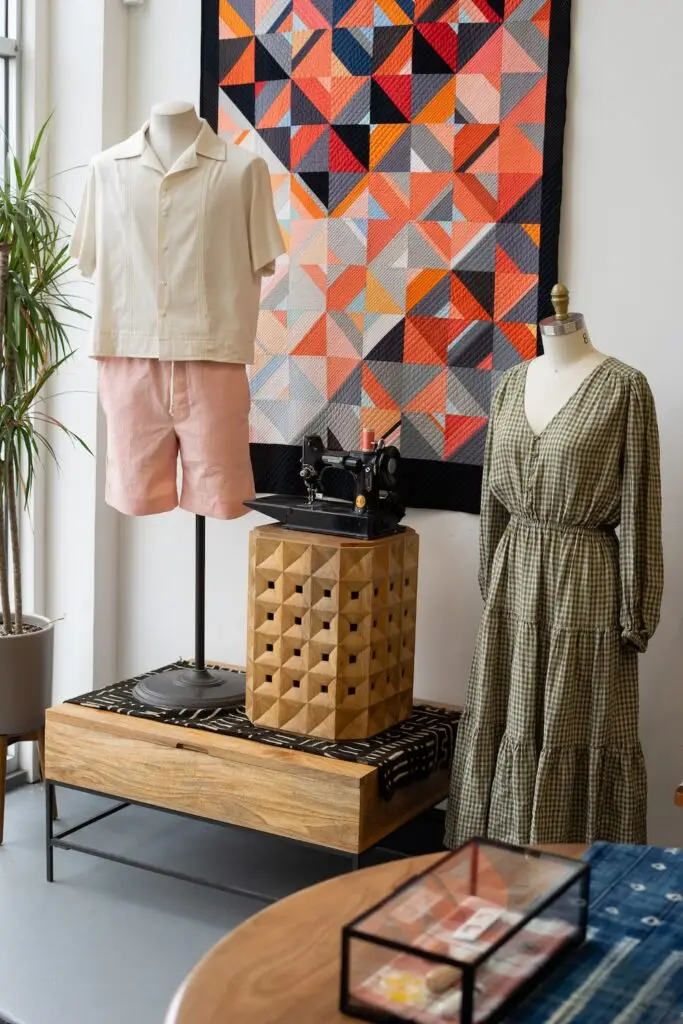 Courtesy of Fringe Fabrics
Shopping
Antique Store
Consignment Classics
Art Gallery
Krista Schumacher Art Gallery
Art Supply Store
Blick Art Materials
Bait & Tackle Shop
Fisherman’s Landing Tackle
Barware Store
Collins & Coupe
Bookstore
Verbatim Books
Camera Store
I’m Still Developing
Cannabis Dispensary
March and Ash
Comic Book Store
Comics-N-Stuff
Crafts/Hobby Store
Art FORM
Eyeglass Store
Revival Vintage Eyewear
Fabric Store
Fringe Fabrics
Florist
Native Poppy
Golf Store
Super Swings
Home Decorating Store
Artelexia
Independent Bookstore
Warwick’s
Jewelry Store
Leo Hamel Fine Jewelers
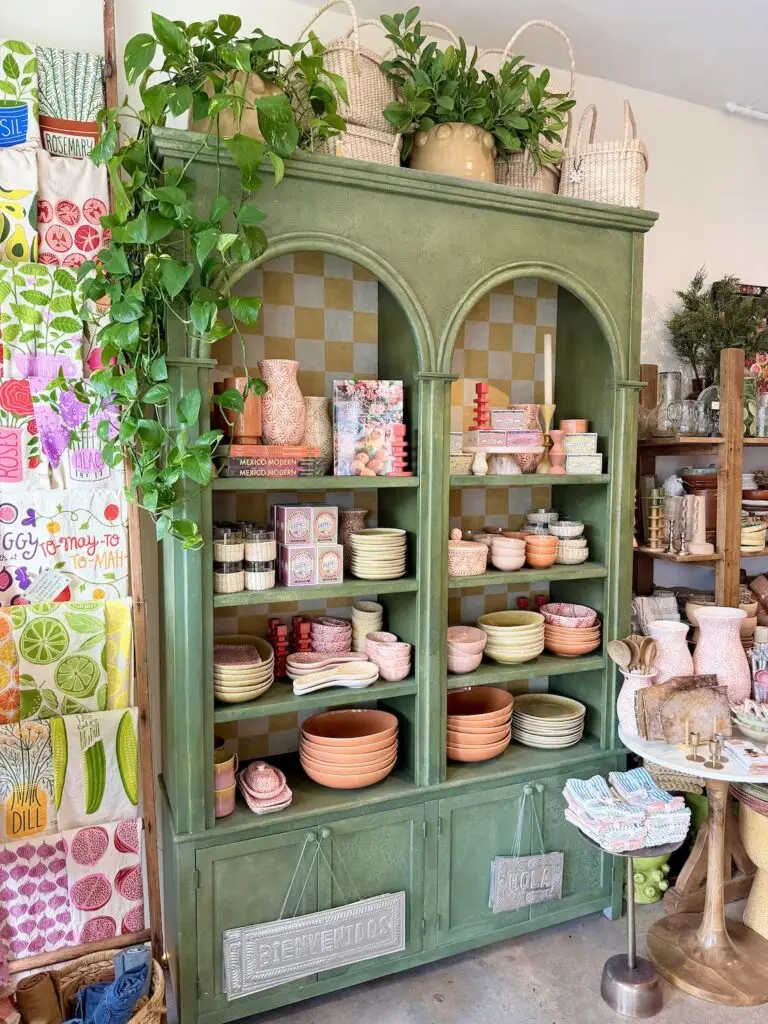 Courtesy of Casa y Cocina
Kitchenware Store
Casa y Cocina
Major Shopping Mall
Westfield UTC
Men’s Clothing Store/Boutique
Barrack22
Musical Instrument Store
Alan’s Music Center
Outdoor Apparel & Equipment Store
Nomad Ventures
Place to Buy a Motorcycle
Motoworld of El Cajon
Place to Buy a New Car
DCH Honda
Place to Buy a Used Car
Ball Auto Group
Place to Buy Tires
Discount Tires
Plant Shop
Terra Bella Nursery
Record Store
Lou’s Records
Shopping Center (Not a Mall)
Liberty Station
Ski & Snowboard Shop
Hanger 94
Stationery & Paper Goods
Pigment
Surf Shop
Hansens Surfboards
Thrift Shop
Honest Thrift Studio
Vintage Clothing Store
La Loupe
Watch Store
Leo Hamel Fine Jewelers
Women’s Clothing Store/Boutique
Stroll
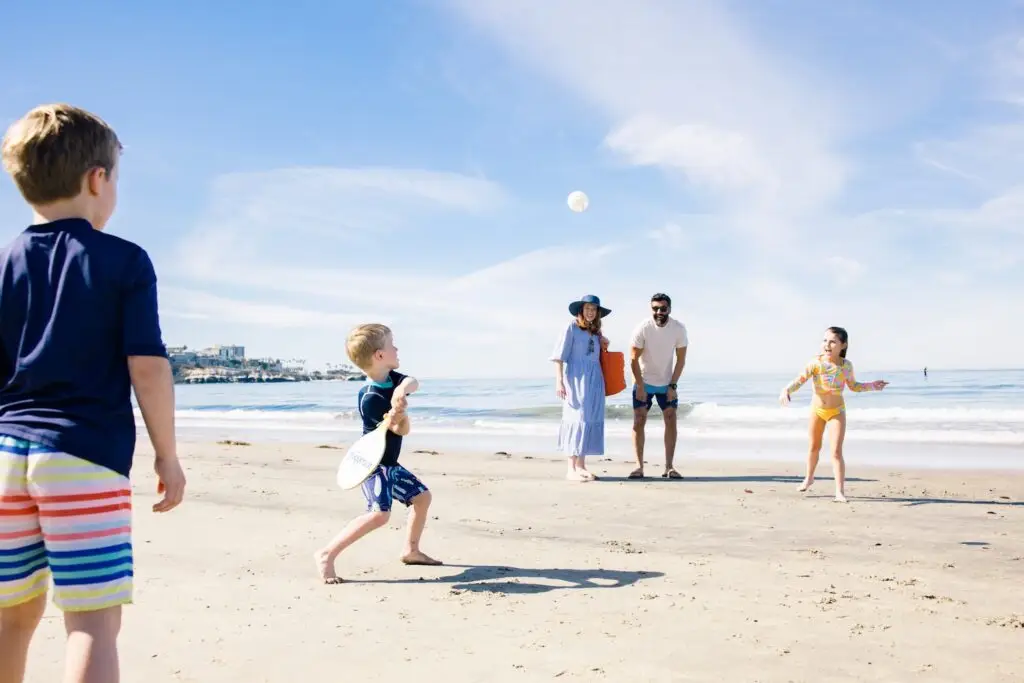 Courtesy of La Jolla Beach & Tennis Club
Travel + Entertainment
Airline Service from San Diego
Alaska Airlines
Annual Food &/or Wine Festival
La Jolla Art & Wine Festival
Annual Music Festival
Wonderfront
Beach Club
La Jolla Beach & Tennis Club
Boat Rental
Sunset Charters
Bowling Alley
Mira Mesa Lane
Campground
Lake Jennings
Casino
Valley View Casino & Hotel
Casino Pool
Sycuan Casino & Resort
Christmas Attraction
December Nights, Balboa Park
Comedy Club
National Comedy Theatre
Concert Venue
Belly Up
Country Western Bar
Moonshine Flats
Cultural Festival
La Mesa Oktoberfest
Evening News Broadcast
PBS News
Event Venue (Non-Music)
Petco Park
Film Festival
San Diego International Film Festival
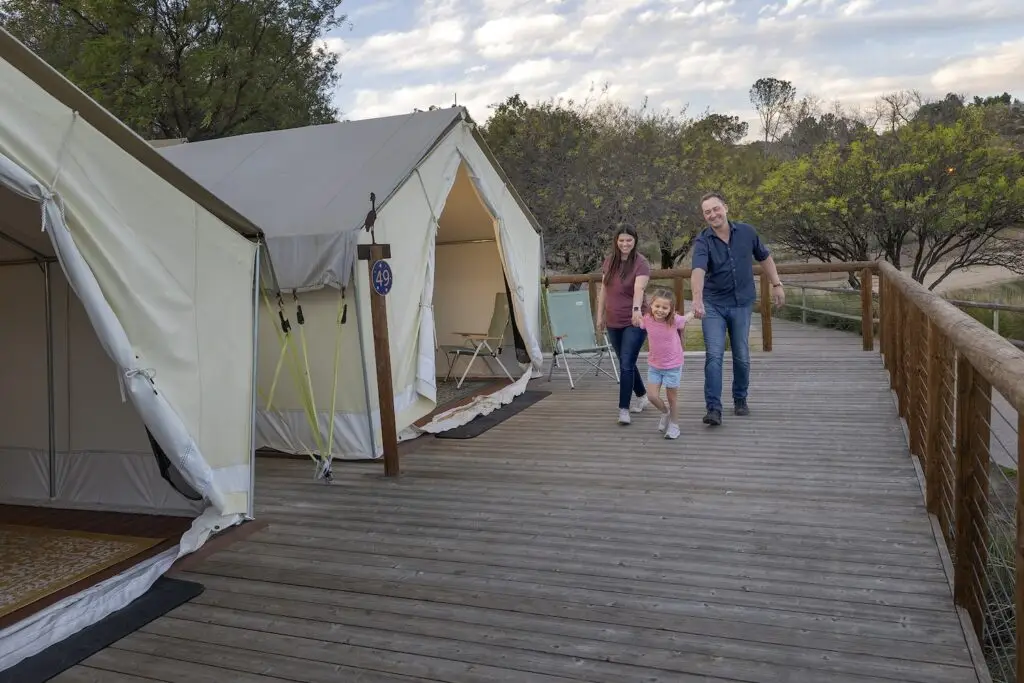 Courtesy of San Diego Zoo Safari Park
Glamping Resort
Roar & Snore Safari, San Diego Zoo Safari Park
Halloween Attraction
Haunted Trail, Balboa Park
Harbor Tour
SEAL Tours, Old Town Trolley Tours of San Diego
Hiking Trail
Torrey Pines
Hotel: Boutique
Jacumba Hot Springs Hotel
Hotel: Family-Friendly
Town and Country Resort
Hotel: Full Service
Hotel del Coronado
Hotel: Luxury
The Lodge at Torrey Pines
Hotel: Pet-Friendly
Paradise Point Resort & Spa
Hotel: Resort
Paradise Point Resort & Spa
Hotel: Staycation
Town and Country Resort
Jazz Club
Lou Lou’s
Karaoke Bar
Lamplighter
Kayak/Canoe Rental
Mission Bay Sportcenter
Library
San Diego Central Library
Local Attraction/Theme Park
San Diego Zoo
Local Podcast
KPBS Midday Edition
Morning News Broadcast
FOX 5
Movie Theater
The LOT
Museum
Birch Aquarium
Music Venue
Rady Shell
Nightclub
Rich’s
Parade
San Diego Pride Parade
Party Venue
Punch Bowl Social
Picnic Spot
Kate Sessions
Private Golf Course
The Country Club of Rancho Bernardo
Public Golf Course
Torrey Pines Golf Course
Radio Drive Time Show
97.3 Ben & Woods
Radio Morning Show
The Show 105.3
San Diego Airline Lounge
Chase Sapphire Lounge by The Club
San Diego Sports Team
San Diego Padres
Scenic Spot
Sunset Cliffs
Stand-Up Paddle Boarding Rental
Mission Bay Stand Up Paddle
Sunset Viewing Spot
Sunset Cliffs
Surf Spot
La Jolla Shores
Theater Group (Stage Performances)
Old Globe Theatre
Vacation Rental
Bluewater Vacation Homes
Weekend Road Trip
Palm Springs
Whale-Watching Tour
San Diego Whale Watch
Yacht Club
San Diego Yacht Club
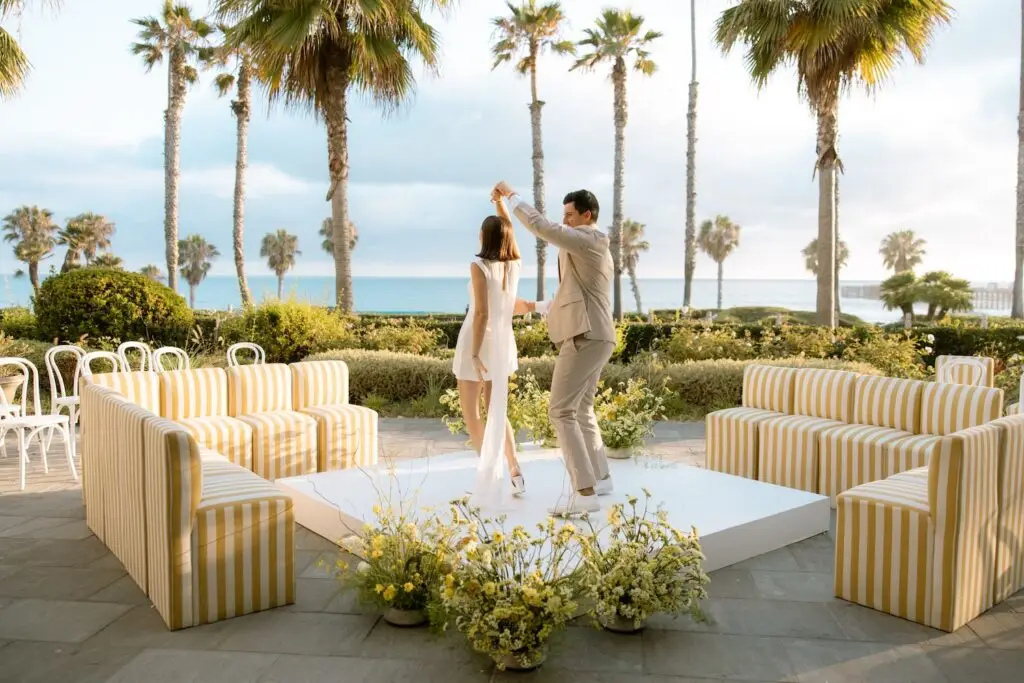 Photo Credit: Brogen Jessup Photography
Weddings
Bridal Dress Shop
The Dress Theory
Bridal Seamstress for Alterations/Fittings
Sarra’s Petals
Bridal Veil Shop
Lovely Bride San Diego
Engagement Photographer
Jay Resh Photography
First Dance Lessons
BrickHouse Dance Productions
Honeymoon Destination
The Seabird Ocean Resort and Spa
 Courtesy of Presley and Co. Fine Jewelers
Jeweler for Engagement/Wedding Rings
Presley & Co. Fine Jewelers
Live Wedding Painter
Art by Bianca GA
Photo Booth Rental
Selfie Station
Rehearsal Dinner Venue
Bali Hai Restaurant
Audio/Visual Company
Brilliant Event Lighting
Bar Service Company
Snake Oil Cocktail Company
Cakes
Extraordinary Desserts
Caterer
Harvest Kitchen
Dessert Caterer
Frost Me Cafe and Bakery
DJ (Company)
Sound Prodigy
DJ (Individual)
Tyler Williams, Williams SoCal Entertainment
Event Rentals
Bright Event Rentals
Florist
Flowers by Sunshine
Food Truck/Late-Night Bites
The Crack Shack
Hair Stylist
Brooklyn Cardenas
Live Band
The Mighty Untouchables
Makeup Artist
Tiffany Thater, That Goddess Glow
Officiant
Amy Bouvin & Caroline Christian, Choose Love Weddings
Photographer
Salome Palomino, Photos by Salomé
Planner
I Do Weddings and Events
Rehearsal Dinner
Juniper and Ivy
Stationery
Sunkissed Native
Transportation/Getaway Car Service
“Bella,” Old Town Trolley Tours of San Diego
Tuxedo Retailer
Friar Tux
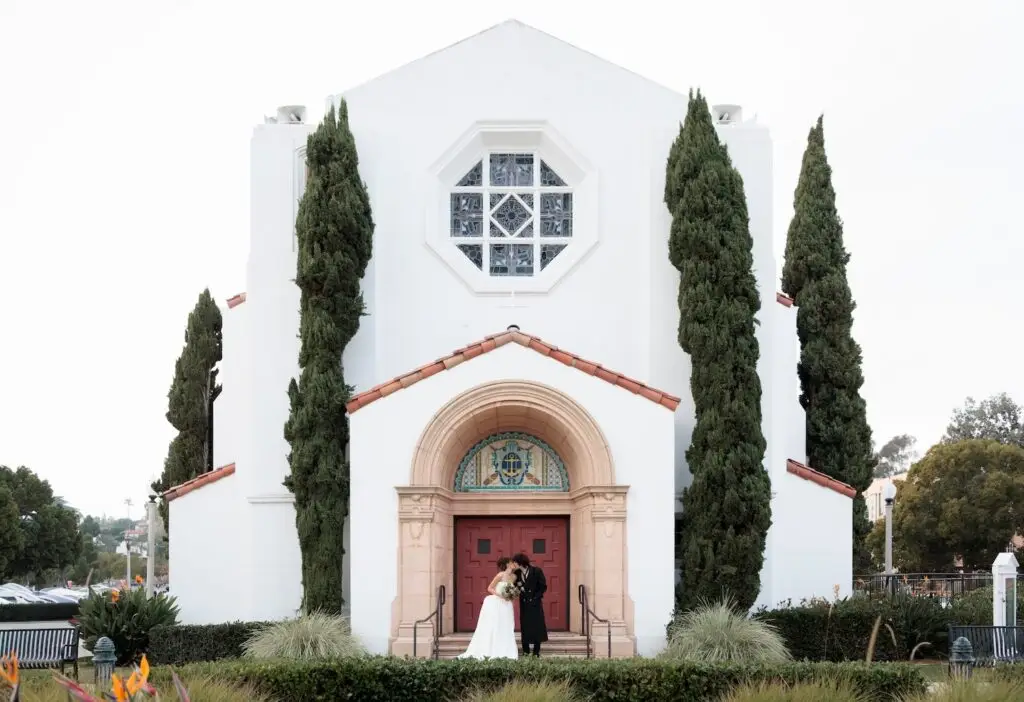 Photo Credit: Theshukans Film & Photo
Venue: Ceremony Site (Not a Full Venue)
Chapel at Liberty Station
Venue: Country Club/Golf Course
The Lodge at Torrey Pines
Venue: Estate/Private Home
Darlington House
Venue: Garden
Japanese Friendship Garden & Museum
Venue: Hotel/Resort
Estancia La Jolla
Venue: Hotel/Resort
The Seabird Ocean Resort and Spa
Venue: Urban
Julep Venue
Venue: Waterfront
Hotel del Coronado
Venue: Winery
Monserate Winery
Videographer
Taylor Film Co. by Jack Taylor