
Featured articles
Food & Drink
Food & Drink
Food & Drink
Featured articles

Everything SD

Everything SD
Everything SD
Featured articles

Things to Do

Things to Do

Everything SD
Featured articles
podcast-ep
podcast-ep

podcast-ep
Featured articles

Features

Features

Features
Featured articles

Everything SD
Things to Do
Things to Do
Ready to know more about San Diego?
SubscribeReady to know more about San Diego?
From championship runs to hometown heroes, these are the people, places, and moments that kept San Diego moving this year
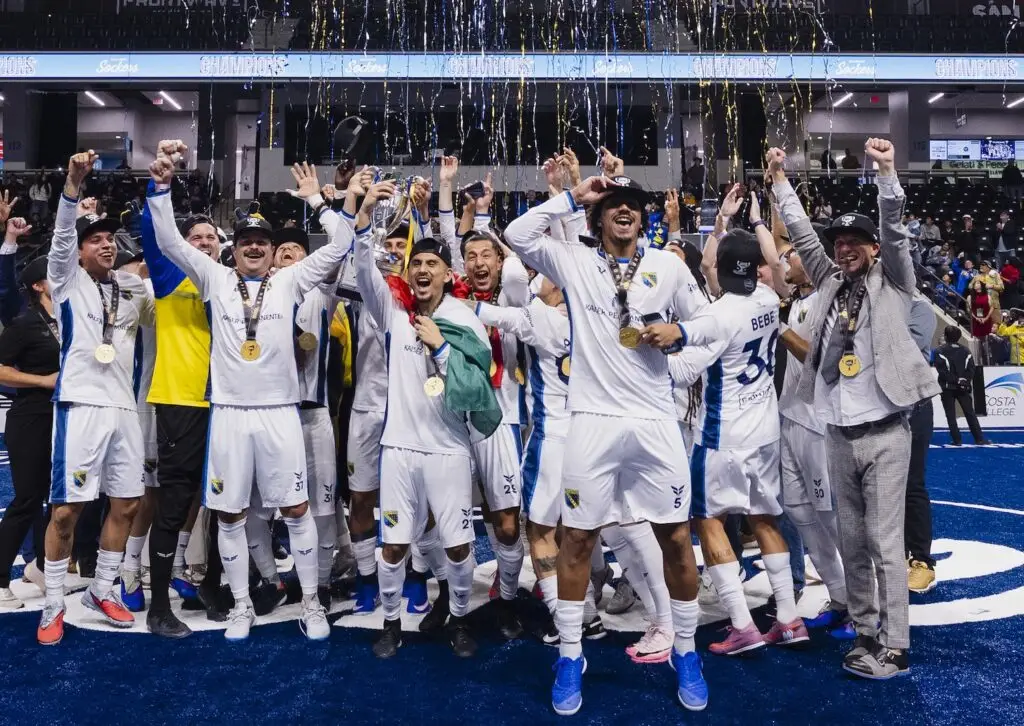
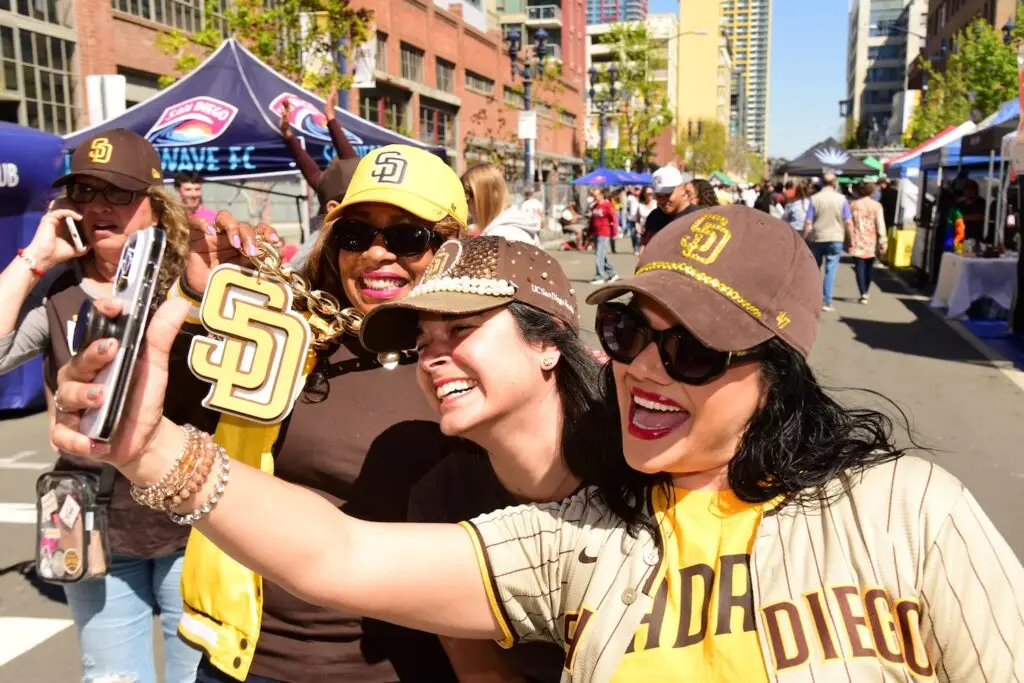
As soccer mania hit full tilt the last few years, the OG team continued their habit of winning excessively. In April, the San Diego Sockers won their 17th Major Arena Soccer League championship trophy in front of a home crowd at Frontwave Arena—defeating the Milwaukee Wave 10–3 in the Ron Newman Cup series. Twelve-year veteran Leonardo de Oliveira was crowned Finals MVP with two goals and an assist. The Sockers finished the 2026 season with a league-best 11 road wins. More importantly, attendance was up six percent on the year. Long live the legend of Juli Veee.
The world’s largest and longest-running women’s skateboarding event? In San Diego, run by Vista’s Exposure Skate. Founded by Olympian skater Amelia Brodka and Lesli Cohen, the nonprofit puts on year-round skateboarding classes, camps, and retreats at parks and pools across the county, even funding college scholarships for women, girls, and nonbinary individuals. It’s wellness and community through grip tape and trucks. This year marks its 15th annual event—world-class athletes, young talent, a skate extravaganza.
San Diego may have only gotten secondhand smoke from the World Cup, but the city will get its fútbol fix soon enough. In March, the 2028 Olympic and Paralympic Games announced San Diego was chosen as one of seven cities to host Olympic soccer matches. Eleven men’s and women’s matches—including the bronze medal games on both sides—will be held at Snapdragon Stadium in July 2028. That might feel far off, but ticket sales have already begun, so remember where you stored the face paint.
Not sure if the news is that Barnes Tennis Center has now fully emerged as the city’s racket-sports mothership or that it’s operated by a nonprofit (Youth Tennis San Diego) whose mission is to bring tennis to underserved communities. Regardless, since hosting its first ATP pro tournament five years ago, Barnes has expanded—25 tennis courts, 19 pickleball courts, seven padel courts—and is now home to the USTA Billie Jean King Girls’ National Championships (girls junior tennis), the USA Pickleball National Championships, the San Diego Open (pro tennis), and the Stingrays, our resident Professional Padel League squad. They built it, and everyone’s coming.
Thought you had grip strength? Vital Climbing Gym in Oceanside and Carlsbad will put that to the test—and activate every micro-muscle in your forearms—with hangboards and 16-foot-tall bouldering walls. For days you’re not willing to go full-send but still want to test gravity’s limits, go P!nk mode and try the aerial silks classes. Caution: There will be youth competition climbers who flash your project on their warm-up.

Remember when construction sites were the unofficial BMX tracks of San Diego youth? Hard-hat workers would show up on Mondays and find Mongoose or Diamondback grooves crisscrossing all over their giant piles of work dirt. But kids in the know have been at the San Diego BMX track in Kearny Mesa since 1980. One of the oldest BMX tracks in the country, it’s got a starter gate launching into a downhill, banks, turns, rollers, rhythm sections, tabletops, jumps—the works. The track operator is Tyler Brown, a three-time US pro champion and two-time world champion. From tykes on glider bikes to Olympic hopefuls, this dirt palace is a self-powered kind of rad.
If you’ve ever watched a flood of runners take over Pacific Beach like the I-5 at rush hour—sometimes carrying a flag bearing their crest—chances are you’ve witnessed the Pacific Beach Run Club. With almost 25,000 followers on Instagram (plus their own app), the self-proclaimed “social club that likes to run” has evolved into a wildly popular way for locals to make friends while shedding the effects of Taco Tuesdays. Meeting every Wednesday at 6 p.m. and Saturday at 8:30 a.m., the group makes its way along a 5K route through PB with pump-up music blasting and four organized stops throughout to catch your breath and socialize along the way.
Filipino roots run deep in San Diego (the fifth-largest Filipino American community in the US), and now we’re adding the most legendary boxer in Filipino history to the fold. This year, Hall of Famer Manny Pacquiao announced he’s coming in as owner, ambassador, and competitor of the San Diego TJs (a Team Boxing League expansion franchise). The Philippines-born fighter is set to begin his time with the TJs in 2027 as a captain before stepping into the ring in future seasons.
Table tennis is an art form, and we won’t hear otherwise. Tucked inside the Balboa Park Activity Center, the San Diego Table Tennis Association boasts a whopping 25 Butterfly tables and over 400 members who play regularly. Weekly Thursday night Round Robin tournaments keep the competition lively, and as home to the Senior Table Tennis Olympics, SDTTA welcomes players of all ages and levels to compete in a friendly, supportive atmosphere.
SDSU women’s basketball got back on the dance floor and was invited to the NCAA tournament for the first time in 13 years. The team also tied the program’s highest win total (27, the same as the last time it made March Madness) and won its seventh Mountain West championship. The now-graduated Nala Williams won Conference Player of the Year, sophomore Kaelyn Hamilton was named Sixth Player of the Year, and Stacie Terry-Hutson took home Coach of the Year (a first for SDSU women’s basketball). The point is, as women’s sports continues its rapid rise—and basketball specifically, especially with Caitlin Clark tearing up the WNBA—SDSU women’s hoops is getting its own wings.
It’s like a pickleball flash mob. Gaslamp Urban Pickleball is taking “the kitchen” to the next level this month by turning Fifth Avenue into an open-air, urban pickleball arena. Every Thursday from July 30 to September 3 (so, right now), it’ll be lined with eight open-air courts for all of your dinking desires. Live DJs will bring the hype. Nearby restaurants and bars will run Paddle Hour specials. A Zero-Proof Garden will do NA/wellness beverages, hydration stations, and a laid-back lounge. If this means potholes will be fixed, we’re all in.
Fresh openings, inventive pours, and can't-stop-thinking-about-it dishes—here's what has defined our food scene this year
Most San Diego spots serve phở bò—the dark-brothed, beef-boned Southern Vietnamese specialty, loaded with the loud spices (star anise, cloves, cardamom, etc.). But Kim Pham, one of the sisters behind Crab Hut and perennial best-restaurants list-maker Kingfisher, is doing her mom’s phở gà.
The Northern Vietnamese original has a lighter, cleaner broth, using runner chickens (free-range diet and action means more flavor), the garlic from Gilroy’s famed Christopher Ranch (intense garlic-garlic), organic ginger, and housemade noodles. For condiments, Phở Gà Go uses Red Boat (the gold standard, barrel-aged 12 months). It’s essentially the same broth made at Kingfisher, served casual in Mira Mesa.
This issue isn’t about shame, but let’s add a touch for emotional tension. We live on the water, but only about 10 percent of seafood eaten in San Diego is caught locally. Meanwhile, the local fishing industry that once employed 40,000 people is down to about 130 commercial fishers. Local fishing families are a crucial (my words, and they feel right) but endangered species. And three groups have joined forces for one pretty killer event that does a lot about it.
Puffer Malarkey Group (operator Chris Puffer and celeb chef Brian Malarkey) joined with Tuna Harbor Dockside Market—the spot where local boats drop their catch every weekend, a waterline treasure. Each year, Dockside Night Market gathers live musicians and the city’s top chefs who cook with local boat fish on the water. Even better: 100 percent of the profits go to the San Diego Working Fishermen’s Group (the third group—the actual fishers). Make it a quarterly/monthly thing, for chrissakes.
Hard to find a more special place to eat lunch than Make Cafe. Finally with a permanent address, Make is where refugee women new to life in the US cook recipes from their various home countries: like mandazis (East African fry bread, like a beignet), koftas, congees (Asian ginger-rice bowls), lemongrass soda waters, and clean-eating creations. Exec chef Ashley McBrady (who helped turn Cellar Hand into a farm-obsessive hit) oversees the operation and teaches the women everything she’s learned.
Make Projects (which includes a farm and a training center) is a nonprofit that director Anchi Mei spun off from the International Rescue Committee—and now includes the cafe, a farm, and a training center. The idea is to help women refugees—often those who’ve worked fields and didn’t get great access to education—develop job, language, and cultural skills to adjust to this radically new and disorienting life. Even if you’re immune to an emotional backstory: Normal Heights has a charming new 5,000-square-foot bistro with a talented chef.

The slander of SPAM is part of its allure. Those who have either been raised in the musubi arts or converted to the minor food religion tend to exude a higher-than-expected life happiness. This Musubi Love, a Leucadia musubi speakeasy (you heard that right), focuses exclusively on the Hawaiian/Asian tradition of SPAM “sushi.” It’s a MEHKO (Micro Enterprise Home Kitchen Operation) from founder Roger Post, serving classics and riffs like the Cordon Bleu-Subi made with panko-fried SPAM, shredded rotisserie chicken, Swiss cheese, and Bachan’s Japanese BBQ sauce. Or try the Dawn Patrol with SPAM, egg, bacon, cheddar cheese, and spicy mayo.
How many of your favorite bands don’t have a talented lead singer? Due respect to Charles Mingus, but kinda hard to get emotional without someone expressing a story in a compelling way. The same is true for restaurants: a likable storyteller who deeply knows their stuff and can translate the stories of the food, drink, people, and place is both key and exceedingly, exceedingly rare. Well—found one.
Valentina General Manager Todd Henderson is a likable certified sommelier who can wax on about the history of the breed of pigs used to create the famed jamón (Cinco Jotas), trace each Spanish pintxo back to its origin tale, or orate the Ken Burns doc of 20 different types of Champagne. Valentina had the design charm and the roots (Leucadia locals wanted better restaurants, so they built them). But with Henderson and chef Enrique Ñol (who trained under Davin Waite at Wrench & Rodent), Leucadia’s date-night bistro feels like it pulled up a rung.
Some local legends engrave so deep that it’d feel wrong if even their original locations they outgrew became, like, some chain lamp store. Kiku Room feels like a rightful heir to the Casbah’s first throne. Kurt Cobain played in this tiny box on Kettner, dammit. Kiku’s a minimalist steel-concrete-and-punky-wheatpaste box, loaded with enough red lights to summon some beanie diehards and chill demons. One “bar” is a DJ deck (dark disco, Balearic house, everything), and the other is proper craft cocktails. They even brought back Midori Sours. The room is small and the line is not, so plan ahead or amiably accept fate.
Some locals would prefer if Coronado’s historic charms were flash-frozen and preserved. Others feel that Elisha Babcock and Hampton Story (the 19th-century developers who modernized the “island” and birthed the Hotel del) were radical change agents, and that spirit should be renewed. Undoubtedly, Baby Grand is a renewal. The newest hotel from CH Projects (Lafayette Hotel) turned an old, meh motor lodge (La Avenida Inn) into a freshly feral cocktail lagoon with Greek food and statues and plus-sized plant life, a tuckaway bar (Fallen Empire), and rooms with clamshell beds and obscenely giant bathrooms. All due respect to our hearts’ desire to embalm old magic—this feels like a grand Coronado win.
Two local dreamers truly understood the emotional voltage of Captain Keno’s, Leucadia’s affordable family restaurant/dive bar (a real hospitality mullet). When owner Gerry Sova closed it after 54 years, they basically battled it out to buy Keno’s beloved bones—knickknacks, plucky furniture, signage—and memorialized that old meatloaf-and-vodka-cranberry voodoo in their own places. The first is Encinitas’ tuckaway bar, the highly designed, Tarot-fied Anigma (from the DIY industry vets who own The Roxy). Second is Breakers, the Hawaiian-inspired hang from pro surfer Benji Weatherley, who grew up between Encinitas and Oahu. Long live Cap.

When it opened in 2014, Ironside Fish & Oyster hit all the right notes. A giant fish house and craft cocktail spot dedicated to local fishing lore—created by locals. They put in the area’s first oyster bar at the time. It didn’t make the rapid evolution of Little Italy feel like a cheap land grab, and filled holes rather than piling more glitter on already-filled holes. A key part of that magic was opening chef Jason McLeod, who was in charge of Ria in Chicago when it earned two Michelin stars. Twelve years later, after bouncing between big projects, he came back this year and set down permanent roots in a landmark kitchen.
From neighborhood milestones to citywide movements, this issue celebrates the stories that shaped San Diego over the past year
In April, Swizz Beatz and Alicia Keys climbed onto the rooftop of Arts-Rec in Barrio Logan.
Beatz, who has produced some of the biggest artists of the last few decades (DMX, Beyoncé, Lil Wayne), lugged up his turntables and flipped the switch. Keys stood nearby, absolutely grooving. Then she launched into “No One,” singing to the fairly massive crowd below.
Pop stars didn’t have to show up. But they did. And it lifted Chicano Park Day—an important cultural anniversary for the city—into national headlines. Local photographer and videographer Zack Mack was on the roof when it happened, and captured the scene: Keys full of emotion, serenading the people who gathered to support one of our favorite neighborhoods in San Diego. Mack’s an SD native who cut his teeth shooting videos while street skating, and is friends with one of the owners of Arts-Rec, which has become an arts-skate-culture-community hub on Logan Avenue.
We chose the image for the cover because it was a fairly beautiful moment for the people of the city. A needle moved. And this issue is dedicated to those needle moments.
“Best of San Diego” isn’t a “point at cool things and tell people to go” list. We dug through the past year’s headlines—international, national, local, down to each neighborhood. We talked about the major issues facing the city, what laws were passed, what pockets of culture evolved, what days will be remembered and meant something to people who live here. Then we chose people, places, and things that are a compelling/positive/best example of those cultural notes.
For instance, live events are booming as people try to reconnect in real life. So we point to venues and annual events that nailed it—plus one dreamer who’s seen busking at every major public gathering. As the legal debate over e-bikes escalates, we highlight the pedal-powered dirt bike track in Kearny Mesa run by a two-time world champion BMX pro. We frame the continued rise of women’s sports through a former Olympian who helps host the longest-running girls skate competition.
First we make a cultural roadmap, and then we find the inspiring things that speak to those moments. And we’re not the only ones chiming in. One part of being a San Diego Magazine editor is knowing when to shut up and let the locals speak. Months ago, we asked you, our readers, to submit your picks for the Best Of anything in San Diego in over 500 categories. Y’all showed up. We received nearly 134,000 votes. If you need recs on wedding venues, 5Ks, dermatologists, and everything in between, get them straight from your community with the reader-determined winners.
We hope it inspires you to find your rooftop and get on it.
Emma Veidt is an editor at San Diego Magazine. She earned her bachelor's and master's degrees from the Missouri School of Journalism. She loves running, hiking, and rock climbing, but really, she mostly loves encounters with the street cats around North Park.
Why a well-known San Diego restaurateur launched a skincare brand with a name you can’t unhear
In Mexico for a wedding, a friend got a tourist-level sunburn. One of San Diego’s top restaurateurs—Arturo Kassel, founder of Catania and Gravity Heights—was on hand. He made a joke about how basic sunscreen literacy seems to be a male-pattern blindness.
“I said, ‘You know what? I’m going to start a men’s sunscreen brand, and I’m going to call it 4-Skin—because men are dicks and they need to cover up,’” he explains. “We spent the whole weekend thinking of puns and innuendos for this hypothetical brand we were never actually going to launch.”
The joke refused to die. Days later, one of the Mexico-wedding friends—a top marketer in the city—called Kassel and said the highly intentional dude humor might have a couple top notes of genius. So Kassel did a little digging into men and very basic skincare/sunscreen usage. Turns out, 1 in 29 are at risk of developing melanoma compared to 1 in 40 women.
“I was shocked to learn that only about one in 10 men actively use sunscreen, and that’s at the beach, on the golf course, or at the pool, when you’re going to get fried,” he says. “Daily use is essentially nonexistent.” During the process, Kassel became part of the story.
“My dermatologist called and told me I had basal cell carcinoma,” he says. “At that point, it went from being a business to a very personal mission. I became determined to move the needle when it comes to men’s apathy toward sunscreen.” And so—hundreds of hours later, including a still-going crash course on launching a CPG brand—a local restaurateur launched a jarringly named sunscreen and moisturizer for men. Broad spectrum, high-quality, SPF 50, lightweight, goes on clear, all the things. The daily-use morning routine version is called Morning Rub. Of course it is.
Kassel reached out to his friend Troy Johnson—San Diego Magazine co-owner and co-founder of Here We Are Studios,—to collaborate on creating two commercials for the brand. They launched July weekend. Friends went down to the beach to talk to strangers about their 4-Skin. Awkward, funny, and if all goes to plan: making men rethink their relationship to the blazing ouchie star in the sky.
“4-Skin is funny as a brand, but there’s nothing funny about skin cancer,” says Kassel. “That’s the one-two punch: we got your attention, maybe we made you laugh. And now we can tell you something that might extend your life.”
For this special-edition podcast from Here We Are Studios, Troy and Arturo sit down and tell the entire story of how a joke became a brand with a serious mission.
This month, the 2026 San Diego Business Impact Awards recognized local businesses making an impact in clean energy, biotech, hospitality, and beyond
Renewable energy companies building hundreds of power plants. Biotech startups using artificial intelligence to create personalized medicine for children with rare diseases. Hospitality companies quietly powering thousands of local events. Consumer brands growing from beach-town startups into national businesses. These are the kinds of companies driving San Diego’s economy today, and the businesses recognized at this year’s San Diego Business Impact Awards offer a snapshot of where the region is headed.
Hosted July 23 by San Diego Regional Economic Development Corporation (EDC) and JPMorganChase, the second annual awards event honored four local companies for innovation, growth, and economic impact. More than 100 nominations from San Diego’s middle-market businesses were reviewed by a 10-person judging committee, with winners selected across four categories: startup, early-stage innovator, rising star, and established heavyweight.
Two-time honoree Jimbo Someck, founder of Jimbo’s organic grocery stores, also joined the event for a fireside chat on buying local, supporting emerging brands, and giving back to the community.
“San Diego’s strength comes from its makers and builders—the resilient people who endure great risks and overcome obstacles to build and scale a company,” says Aaron Ryan, San Diego Region Manager and Middle Market Banking at JPMorganChase & Co. “These awards aren’t just recognition; they spotlight the talent, grit, and innovation shaping our region’s future. By celebrating those who create and build, we foster connections and fuel the growth that keeps San Diego thriving.”

Heavyweight honoree SOLV Energy has grown alongside the country’s rapid investment in renewable power. “It’s an exciting time for SOLV Energy as we are experiencing significant growth,” says CEO George Hershman. “The business has doubled over the last year and has almost double-digit growth since its inception.”
The Rancho Bernardo-based company designs, builds, operates, and maintains utility-scale solar and energy storage facilities. Since its founding in 2008, SOLV Energy has built more than 500 power plants.
Growth has translated directly into hiring. About 200 employees work from the company’s local headquarters, including roughly 20 interns. “Our intern program is a big part of the way that we grow our workforce,” Hershman says. “Last year, 43 percent of our interns became full-time employees. We believe San Diego is a great community to build and grow a high-tech infrastructure and technology company because of the incredible workforce—the ability to attract top talent and draw from world-class universities.”

Startup honoree La Jolla Labs is tackling one of medicine’s biggest challenges by developing personalized RNA therapeutics for patients with rare diseases—many of them children with neurological disorders like ALS. Using proprietary artificial intelligence and machine learning tools, the biotech company develops treatments tailored to each patient’s specific genetic mutation.
CEO Tamar Grossman says the recognition reflects how far the company has come despite limited resources. “We’re honored to be recognized for our ability to change and save patients’ lives and turn our lean startup into a clinical company with very minimal resources,” she says.
Grossman credits San Diego’s concentration of research institutions—including UC San Diego, the Salk Institute, and Scripps Research—with creating a pipeline of talent and collaboration. “San Diego is one of the world-leading centers for technology, genomics, and RNA therapeutics,” she says. “We have over 30 RNA therapeutics companies here, and we support each other and help with anything related to drug discovery.”
She says that collaborative spirit extends beyond formal partnerships. “You can walk around Torrey Pines, go into a café, and find colleagues from the industry and have an ad hoc conversation,” Grossman says. “That’s something very unique to San Diego.”

While Snake Oil Venue Company may not be a household name, chances are many San Diegans have attended one of its events. The early-stage innovator honoree has expanded from beverage catering and mixology consulting into venue management, operating Julep Venue in Mission Hills, Bramble Bay Venue in Imperial Beach, Vesper Venue, the Chapel at Liberty Station, and five outdoor venues throughout Liberty Station—more than 500,000 square feet of event space altogether.
“We do a lot of launch parties for corporations and new products,” says CEO Mike Esposito. “I really like working on the entrepreneur side of things, where new businesses are entering the San Diego market and looking to make a splash.”
Snake Oil has executed more than 16,000 events, employed more than 1,000 people, and partnered with more than 900 local vendors, including caterers, florists, photographers, entertainers, and other hospitality businesses. The company also works with many of San Diego’s nonprofits, museums, and cultural institutions. “We get to celebrate people’s most important moments,” Esposito says. “Whether that’s a wedding, celebration of life, or quinceañera, we’re fortunate to be involved in the community in so many different ways.”

Rising star honoree ALOHA Collection is proof that a simple idea can grow into a thriving company. Founded by two roommates who wanted a better way to carry wet swimsuits after a day at the beach, the lifestyle brand has grown into a business while maintaining strong year-over-year growth.
Now headquartered in Carlsbad, ALOHA Collection employs more than 100 people and operates its California flagship store in Encinitas, which is slated for a remodel. With roots in Hawaii, the company is known for its lightweight, splash-proof travel bags that have become a familiar sight on beaches in San Diego and beyond.
“‘Aloha’ is part of our name, but it’s also how we move through the world,” says CEO Lynna Barnard. “It’s how we show up for people, the way we travel, the way we give back.” Since day one, the company has maintained a 5 percent giveback to Hawaii conservation efforts, contributing millions of dollars over the years.
“I think what’s so inspiring about ALOHA Collection, and the founders in particular, is when you dream big, those dreams can come true when you work hard and trust in the universe,” Barnard says. “It’s inspiring to be a role model for other people wanting to start businesses from humble beginnings. Start small and watch it grow.”
Together, businesses like these form a cornerstone of San Diego’s economy—not only through the jobs and revenue they generate—but through the local workers they hire, vendors they support, and investments they make in the region. Their growth doesn’t happen in isolation; it ripples outward, strengthening the broader business community and the people who call San Diego home.

For a city that lives outdoors, these hometown makers understand exactly what your complexion is up against
San Diego has always worshipped at the altar of good skin. Equal parts surf town, biotech hub, and wellness capital, it’s a city where lunch breaks become beach walks and sunscreen sits beside car keys by the front door. The products that get used here earn their place. With 266 sunny days a year and one of the highest rates of skin cancer in the country, we take skincare seriously. Dr. Bronner’s has been making soap in North County since the 1960s. Sun Bum was born in Encinitas and is now on shelves in over 70 countries. The tradition runs deep.
“Living in San Diego means your skin is exposed to sun almost every day of the year,” says Sue Zhang, M.D., a San Diego physician specializing in aesthetic medicine. “The products that tend to succeed here are the ones that can keep up with daily life, UV exposure, sweat, and movement, while still supporting long-term skin health.”
From a mineral powder that solves the sunscreen-over-makeup problem to an acorn oil serum rooted in Indigenous plant medicine, the local San Diego shelf is more diverse, and comprehensive, than most of us realize.

A hydrating gel-oil hybrid that applies like a body treatment and leaves skin with a sheen that reads as healthy rather than oily. La Jolla–founded Kopari built its reputation on cold-pressed coconut oil sourced from family farms in the Philippines, and the Sun Shield Body Glow SPF is exactly that in summer form: coverage that doubles as skincare.

The name is intentional. The founder got a basal cell carcinoma diagnosis that his dermatologist caught—she’s now his business partner. The question he couldn’t shake was why the skincare industry hadn’t yet figured out how to talk to men, and 4-Skin is the answer: a premium sunscreen and skincare line built around the kind of blunt, self-aware humor that gets guys to pay attention. Men’s skincare has needed this for a long time, and the formulas are serious enough to deliver.

Carlsbad-based Coola was formulating organic SPF before “clean sunscreen” was a marketing category, and the Classic Face Sunscreen is the brand’s thesis: protection that disappears into skin and layers cleanly under makeup. Sheer and lightly hydrating, it makes sunscreen easy to reapply before an afternoon walk at Torrey Pines.

Squalane, argan, jojoba, and CoQ10: a short ingredient list that does a lot. The Glow Finishing Oil from Mission Hills wellness sanctuary Saffron and Sage is plant-based, scientifically grounded, and formulated to absorb rather than sit on the skin. The brand started as an integrative health practice where acupuncture, naturopathic care, and functional medicine share a roof, and the skincare line runs on the same philosophy.

The Restorative Skin Complex is powered by TriHex+, a patented peptide blend developed by Carlsbad-based Alastin’s team of SkinMedica veterans. It promises to clear out damaged collagen and elastin while supporting new production, the kind of gradual improvement that makes a product hard to quit.

Beldi is a multi-functional cleansing tradition rooted in Moroccan hammam culture, dating back over 12 centuries. Alia Jouj is the brand’s flagship product, and San Diego–based founder Dr. Mia Chae Reddy built a brand around it. Alia Jouj uses 100 percent organic, cold-pressed argan oil and the same ancient saponification method to produce a honey-thick liquid cleanser that softens skin without stripping it.

Acorn oil has been used by California’s Indigenous communities as plant medicine for generations. Ruth-Ann Thorn, an enrolled member of the Rincon Band of Luiseño Indians, built N8iV around it as the first Native American–owned skincare brand to reach the national mainstream. The Móyla Moon Polish, named for the Luiseño word for moon, is an exfoliant centered on acorn oil Thorn gathers herself each year from the La Jolla reservation. Find it at the Gaslamp Quarter store Thorn owns at the historic Yuma Building.

This product solved the reapplication problem. As a brush applicator, this mineral SPF goes over makeup without disturbing it, which is why it has been on derm-office retail shelves in Carlsbad and beyond for over two decades. The tinted version doubles as foundation.

This steroid-free, petroleum-free eczema treatment was built specifically for babies and toddlers (although grown-ups can use it, too). It’s centered on FDA-approved 1 percent colloidal oatmeal with a base of sunflower seed oil, beeswax, and jojoba. The “linoleic-acid-rich sunflower oil is helpful for atopic, eczema-prone skin that is often deficient in that fatty acid,” says Dr. Zhang. Gentle enough for newborns, safe for daily use, and tested by both pediatricians and dermatologists.

The Mandelic Night Serum pairs mandelic acid, an AHA derived from almonds and gentler than glycolic acid on sensitive skin, with lactic acid, niacinamide, and urea to brighten, smooth texture, and reduce breakouts overnight. Fragrance-free, vegan, cruelty-free. The brand name is the initials of the founder’s five daughters, pronounced like courage. Dr. Zhang also says she “really value[s] [the founder’s] mission to create pregnancy-safe skincare products that are both effective and wallet-friendly.”
Ingrid Yang, M.D., J.D. is a hospital-based physician in San Diego, CA, certified yoga therapist, and longevity specialist. She loves *double hearts* San Diego and spends her days helping people fully engage in long, healthy lives through evidence-based lifestyle medicine. Her books include Adaptive Yoga, Zen Mindfulness, and Hatha Yoga Asanas. When she’s not leading international wellness retreats, she is chasing sunsets, handstanding in nature, or geeking out over mitochondria.
After Captain Keno's closed, pro surfer Benji Weatherley gave its tables, dishes, and memories a second life at Breakers Cafe Bar & Grill
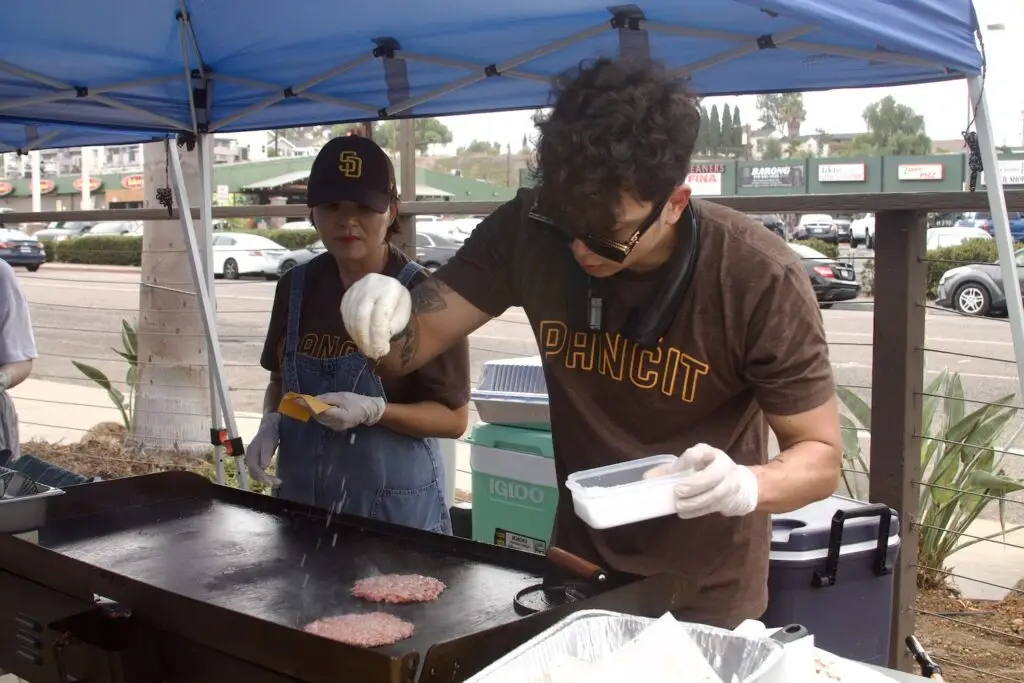
Captain Keno’s No. 8 special—pancakes, sausage, toast, home fries, and eggs for $2.99—was the fuel that powered Benji Weatherley for surf competitions as a teenage pro. A couple decades later, tears were shed when the Coast Highway dive-slash-eatery called it a day after 54 years. Usually, the guts of a shuttered restaurant go to liquidation auctions or straight to the dump to decompose along with its legend. Instead, Weatherley took in Keno’s spare parts—plus other relics from Encinitas’ past—and used them to build the newest community hangout.
Every single piece in the place is from somewhere in this town,” Weatherley says about Breakers Cafe Bar & Grill. “I’m not going to settle for anything less.”
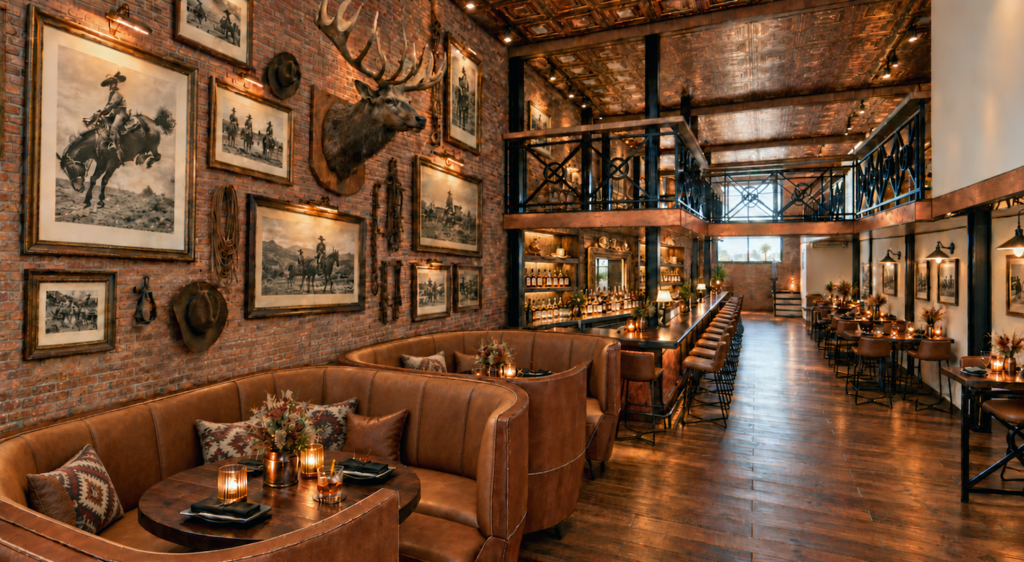
Breakers is a Hawaiian hideout in an uncool part of the coastal surf town, but it’s got the set design of an Encinitas superfan. The plates, silverware, and coffee mugs are from Keno’s. So are the tables and booths. There’s a bench made from the last table preserved in The Derby House (a building that, for over a century, was a hotel, then became a hospital, a religious retreat, and a private home). Weatherley’s not performing CPR on old upholstery because he’s a fan of antique furniture. It’s a method to bring people together.
“Representing nostalgia in this town is the only way to grasp a hold of the community,” Weatherley says. “Everyone wants to touch and feel something different from what they’re experiencing on their phones.”

Every week, locals bring him photos, artifacts, and bits of paraphernalia from Encinitas’ past and ask Weatherley to give them a new home. “I’ve had ladies who were there when [Captain Keno’s] opened cry in my arms and say, ‘This table is where I had my second birthday with my grandma,’” he says. “They tell me these stories, and I tell them I have all the same stories about my mom.” (Weatherley’s mom first brought him to Keno’s and helped raise the young surfers from the Momentum Generation documentary—Weatherley, Taylor Steele, Rob Machado, Kelly Slater, etc.—as they surfed some of the world’s most dangerous waves at Pipeline in Hawaii. Back then, she owned Breakers Restaurant & Bar in Haleiwa. Name sound familiar?)
Weatherley has always been the funniest man in the room. He calls Breakers “the Chuck E. Cheese of Encinitas.” The restaurant hosts hula dancing classes, open-mic comedy nights, and evenings bartended by longtime Captain Keno’s barkeep Vaka Kaufusi. Cult-loved reggae band Steel Pulse hit the Breakers stage recently to perform a new song that Weatherley also helped write. His longtime friend Jack Johnson has dropped by to sing a few, too.
Despite not having a fancy location along the 101, people are catching on. Fire stations and hospitals have held staff parties there. Weatherley also currently sponsors four sports teams.
“Last night, I had a girl say, ‘I want my birthday party at Breakers,’” he says. “That, to me, is community in a nutshell.”
Emma Veidt is an editor at San Diego Magazine. She earned her bachelor's and master's degrees from the Missouri School of Journalism. She loves running, hiking, and rock climbing, but really, she mostly loves encounters with the street cats around North Park.
San Diego Magazine's 2026 Guide to Aging Well
San Diego seniors are redefining retirement. In an era where staying active and connected is more important than ever, San Diego seniors are empowered to spend their golden years living life to the fullest. Aging gracefully in America’s finest city means luxury living, access to exceptional healthcare, and thoughtfully planned social activities that bring people together and build supportive networks. From vibrant, resort-like communities built around everyday life to senior-friendly ventures spanning city and shore, San Diego is full of opportunities to remain happy and healthy. Retirement isn’t the end—it’s just the beginning.
San Diego is home to some of California’s most sought-after retirement communities. Many of these communities feel more like luxury resorts than traditional senior housing, and focus on active aging, meaning overall well-being and quality of life are just as important as medical care. Amenities often include ocean views, fine dining, concierge services, wellness spas, lifelong learning programs, and full continuum-of-care options with specially trained medical staff. These communities ensure that San Diego seniors enjoy independence as well as a level of assistance appropriate to their individual needs. When it comes to aging gracefully, San Diego is the place to be.
Belmont Village Senior Living communities combine luxury hospitality and higher-acuity care services, including memory care and cognitive support. Experiences are tailored to each resident, including couples requiring different levels of care. Residents can expect chef-prepared dining, fitness and wellness programming, transportation services, social activities, and spaces designed to encourage connection and engagement. The community also works with thought leaders in the field to develop initiatives that empower residents to live life to the fullest.
At Lantern Crest Senior Living, retirement is an opportunity to thrive. Nestled on over 30 beautifully landscaped acres in East County, Lantern Crest offers a variety of living options within a premier resort-style community. Residents enjoy an exceptional collection of amenities, including heated pools, fitness & wellness centers, movie theaters, chef-prepared dining, putting greens, dog parks, salons, social clubs, an on-site Sharp clinic, pharmacy services, and countless opportunities to connect, learn, and thrive. Lantern Crest is dedicated to delivering personalized service, meaningful experiences, and a lifestyle that empowers residents to live with purpose, independence, and joy.
A chef-curated menu with healthy plant-forward options, holistic wellness programs, lifelong learning seminars, and a variety of thoughtfully designed social activities help set Senior Resource Group’s properties apart from the pack. Its La Vida Del Mar community in Solana Beach offers residents a high-end coastal lifestyle a stone’s throw from Old Del Mar and the Cedros Design District. La Vida Del Mar provides independent living and assisted living options, and as the CARF-accredited community in North County, prioritizes personalized onsite medical care, exceptional hospitality, and celebrating every resident.
Vi at La Jolla Village offers a resort-style retirement lifestyle in the heart of San Diego’s cultural attractions. Exceptional accommodations, upscale dining, and thoughtfully designed amenities support well-being and help residents live each day to the fullest. Plus, with a continuum of on-site care available at no additional charge,* residents can feel confident knowing that if their needs change, assisted living, memory support and skilled nursing are available right here. Dedicated rehabilitation services are also available to non-residents in a Medicare® certified environment.
*Care options are subject to ancillary fees for items such as extra meals and supplies. Annual, community-wide monthly fee increases also apply.
Some seniors prefer the comfort of their own homes over retirement communities—no matter how luxurious the lifestyle may be. Homewatch CareGivers in northwest San Diego and Santee provides compassionate in-home care for peace of mind. With no minimum hour requirements, Homewatch makes it easy to get support, whether it’s a few hours a week or around-the-clock care. Care plans and services are tailored to help each senior maintain independence while accommodating their lifestyle, medical needs, and preferred living environment. Homewatch also offers technology solutions that connect clients with 24/7 support when they’re home alone.