Featured articles
Featured articles
Things to Do
Guides
Things to Do
Featured articles
Things to Do
Things to Do
Things to Do
What's next
Featured articles
Featured articles
Featured articles
Things to Do
Things to Do
Guides
Ready to know more about San Diego?
SubscribeReady to know more about San Diego?
From doggie bootcamps to intense bodybuilding programs, it's an exciting time to get in shape. What are you waiting for?
Paddle Into Fitness
760-803-6293
$25 for a single class
paddleintofitness.com
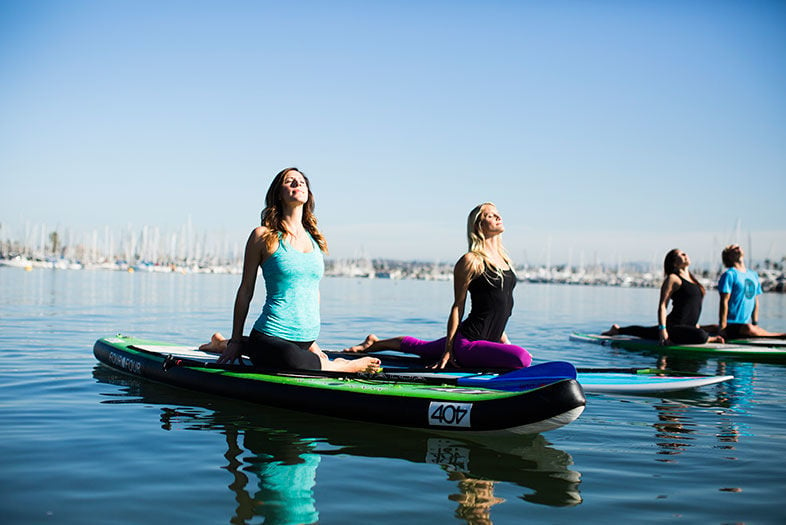
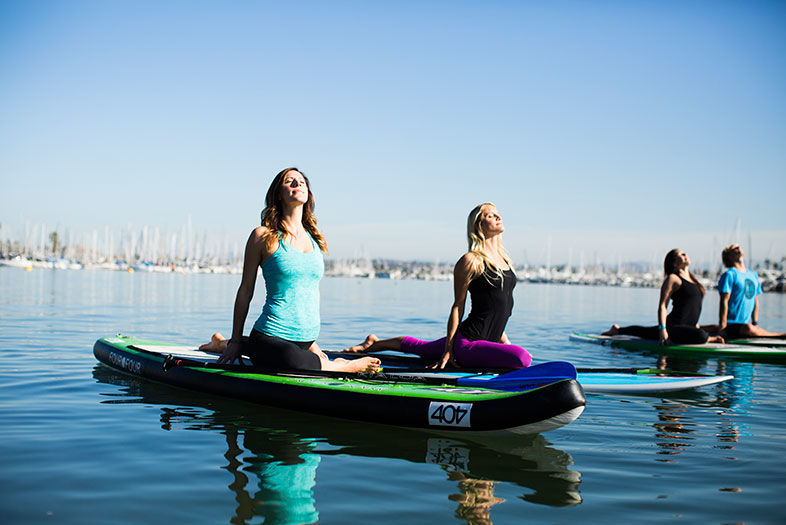
I’ve been practicing yoga for a few years and gravitate toward athletic styles like Vinyasa and Ashtanga, where the flow is continuous. I like leaving class feeling peaceful but strong. The idea of taking my practice to the water and trying SUP yoga had always been appealing. I thought the paddle workout combined with yoga would be like getting two workouts in one. Plus, even the nicest yoga studio can’t beat a bay view.
I met Gillian Gibree from Paddle Into Fitness on a Sunday morning at Kellogg Beach in Point Loma. For my first time trying SUP yoga, I was excited to have the water (almost) all to myself. I was also relieved—fewer boats in the bay meant calmer seas and a lower chance of my ending up in the water.
Gillian went over paddleboarding basics on the beach first, and then we paddled out. The paddling wasn’t strenuous and made for an ideal warmup. We stopped at a small cove away from boat traffic, in shallow water. My board was equipped with a small anchor that I was instructed to drop into the water to better stabilize my board during practice.
As we started class seated on the board with our eyes closed, the sun warmed my face. The sounds of the waves lapping and the seagulls overhead created a beautiful soundtrack. It was instantly calming.
We moved into standing sun salutations, then into the first downward dog. The most surprising part was how limited I was in movement. The tiniest step forward or backward would challenge my balance. I was keenly aware of where my feet were at all times, and my core was working overtime. Even familiar poses felt drastically different on the water. In most yoga classes, I am always thinking about getting into the next pose. For once, I was focused on keeping still.
I was surprised by the variety of poses that could be done on a paddleboard. Side plank, extended side angle, reverse warrior. I was more limited in my expression, but still felt the strength and stretch of each pose.
After 45 minutes, we came back to a seated position on the board, closed our eyes and brought our hands to our heart. I felt invigorated. I had been so focused on staying in the poses and out of the water, my mind really hadn’t wandered anywhere else. There was no clock to watch, no water to sip, no towel to wipe. I think I discovered the ultimate way to stay present.
Get Fit & Have Fun in San Diego
Jay Reilly
Beginner Taiko Drumming
Classes start at $15
sandiegotaiko.org, naruwantaiko.org
Like many parents, I too have those days where dealing with kids, work, school, and spouse just makes me want to hit something really hard and yell really loud.
Thankfully, I found a way to channel that: taiko, the art of Japanese drumming. I wanted to challenge myself, learn something new, tap into an inner desire to make music, and be a good role model for my daughters. I’m not a gym rat or a yoga mom, and exercise bores me.
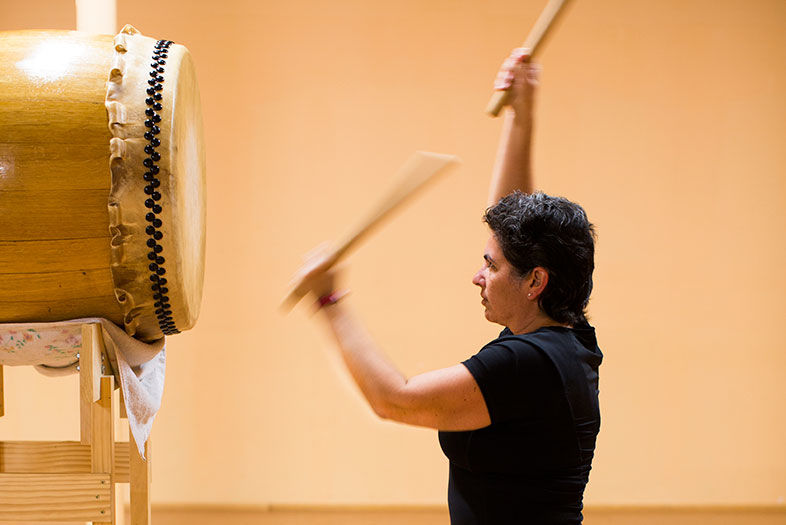
I wasn’t sure what to expect at the beginners’ class offered by San Diego Taiko, at the WorldBeat Cultural Center in Balboa Park. The first thing I saw was a row of huge traditional chu-daiko (medium-sized taiko drums) set up on the performance floor. It was exciting to imagine hitting the big drums and the sound it would make.
As we got started, I realized that taiko has a lot in common with Asian martial arts and karate. For example, the power and strength of your playing comes from the koshi (core), and your kata (form) is all-important, to strike the drum properly.
Taiko is about respect for the culture and its traditions, not just banging a drum. We learned musical patterns and made loud vocalizations (kiai) to motivate ourselves and the other students. It’s fun and distracting from the fitness required to play the daiko.
As for the fitness—every taiko class begins with stretching and warm-ups, from aerobics to push-ups and sit-ups to build core strength. Once you begin working on your form and strike, though, the pain really starts. Instructor Noel Garcia, who studied in Japan and has been performing taiko for 16 years, takes a traditional approach. I’m not in the best of shape, but I was relieved to see some of the more fit fellow beginners sweating and shaking as we held our form and practiced a proper strike.
Over at Naruwan Taiko, classes are held in North County. Instructor Diana Wu focuses on high energy and group drumming, with a level of enthusiasm that’s infectious. At Naruwan Taiko, we learned to strike with positive energy, and to listen to each other and feed off each other’s enthusiasm. Like Garcia, Wu also covers the cultural aspect of the art form, teaching the history of taiko in America and all the different styles of playing (I’m particularly interested in the giant o-daiko, that you play with your arms over your head, and yatai seated style, which is basically the craziest ab workout you’ll ever see).
Finally, we got to hit the drums. With the proper form, it’s like hitting the sweetest sweet spot in any sport you can imagine. For me, the sound was unbelievable—a deep BOOM that resonated through my arms and vibrated my insides. When you’re striking the daiko, you feel like you’re tapping into the energy of the earth itself, traveling up through your feet and energizing your entire body.
By the end of my first class, I was drenched in sweat and could barely lift my arms. With two classes a week, combined with practicing at home, I knew this would be a great way to get a workout (core, abs, legs, and especially upper body) and also learn about an exciting centuries-old art form. You get to push your musical and physical limits, and bang on big drums as hard as you possibly can. And every mom could use that once in a while.
Get Fit & Have Fun in San Diego
Culture Shock Dance Center
2110 Hancock Street,
Middletown
619-299-2110
$15 per class
cultureshock dancecenter.com
I’d say I was reluctant but open when I agreed to try the Shorty-N-Me toddler dance class with my almost-three-year-old, Jack. We watch as much Yo Gabba Gabba as the next family, but Jack isn’t the type to get up and dance with Foofa, Brobie, and DJ Lance. I’m not a great dancer, either, and have never been a gym-goer or fitness class-taker. We are more of a hiking, gardening, bike-riding, park-playing family. But after having two kids in three years, I needed to step up my game. As a busy working mom, being able to exercise while playing with my kid sounded great. And the 9:30 a.m. class on Saturdays is perfect for toddlers: on the week-end, after breakfast, before naps.
On our first attempt, the parking was hard (the center is in an industrial area), and Jack was already uneasy. He saw the teacher at the front, the kids in the line, and could tell he was going to be forced to do something. He tried to block me from opening the door, so we didn’t go in. I wanted it to be fun for him.
Then, on the last Saturday before this story went to print, we got to the class 10 minutes late and just busted in and started doing it. I’m sad to report that he didn’t like it. I think it was the music. It’s pretty loud. Like DJ music at a wedding. The instructor has to turn it off to give out the instructions. Jack also doesn’t hear a lot of hip hop in our house. We’re more Jimmy Buffet people. He immediately plugged his ears and climbed up my legs. I picked him up—all 35 pounds—and tried to slide and step and jump around. That lasted 10 minutes or so, and then it was just distracting to the class. Other kids wanted to be picked up, and I am not in good enough shape to do hip hop holding 35 pounds of kid. His shoes kept coming off. Squatting down while holding him to pick up his shoes was the real workout for me.
We both needed a time out. We stepped outside the class and sat in the hallway. I took his picture, still plugging his ears, and texted it to the editor and art director of this story. “Sorry.” We left and went to the park, where Jack ran wild for an hour.
But here’s the bright side: Every other kid in the class—all girls the day we were there—was loving it! Running and stepping and jumping with cute attitude. They wore tutus and sweat suits and bright sneakers. The instructor was patient, fun, go-with-the-flow. She even tried to move the speaker for us so it wasn’t so loud.
What did I learn, overall? First, I need to diversify the music my kids are exposed to. And second, our kids really are influenced by what we do, not what we tell them to do. I’m not a gym person, a class person, or a very organized person in general, and I see some of that in my kid. Which means we need to stay active in other ways, like walks, hikes, and running around outside.
I guess hip hop will have to wait ‘til his sixth grade dance.
Get Fit & Have Fun in San Diego
Jay Reilly
The Sporting Club
8930 University Center Lane, UTC area
858-522-8000
$25–$35 per session, for members
thesportingclub.com
I’m not an elite runner by any stretch, but I do challenge myself to break my personal records, or PRs, when I race. Running a race faster than I ever have before makes me feel like I’ve trained hard and accomplished a goal.
When I lined up at the Silver Strand Half Marathon in November, I was hoping to break my record of 1:48:47. But it was not to be. I’d caught a cold the week before, and as I passed mile 8 my legs felt weak and my pace began to slow. I pushed as hard as I could.
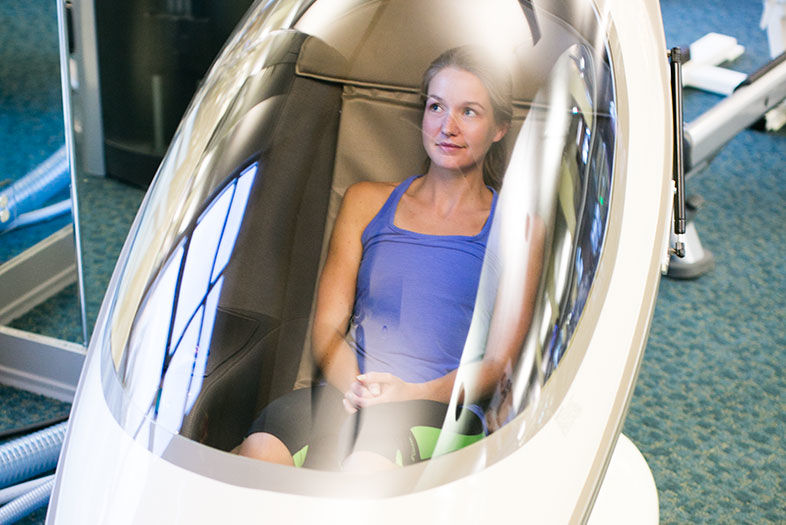
Shortly after that disappointing race, my editor asked me to try a new contraption. It’s called the Cyclic Variations in Adaptive Conditioning, or CVAC, pod.
“Advanced technology and science combine to deliver progressive low-pressure air changes that rhythmically squeeze and relax the whole body, including the organs and even blood, right down to a cellular level,” according to the website.
This “cellular massage” is supposed to help your lymphatic system reduce inflammation, which means your muscles are less tired and sore after hard workouts. It is also supposed to increase stamina and energy, and create deeper sleep.
I met CVAC representative Ian Robb at The Sporting Club, and he showed me to the pod. As I climbed inside I tried not to think about the spaceship from Contact and its ability to teleport to an alternate universe. Robb promised I’d be perfectly safe—all I had to do was sit there and let the pod do its thing. “Some people even fall asleep,” he said.
The CVAC pod doesn’t move, but it does take you on a journey. Using changing amounts of air pressure, it simulates elevations from sea level to mountaintops, and quickly raises you and drops you between those extremes over and over during a five-minute session. I started on the most mild level. I felt like I was in an airplane taking off. My ears repeatedly clogged.
“It gets a little more exciting at the end,” Robb said to me via walkie-talkie—the sealed door and rushing air mean you can’t hear outside. My ears popped again and again, until finally I glided smoothly back to sea level. I definitely wasn’t falling asleep.
Most pod devotees do two to three 20-minute sessions a week, and Robb said I’d need at least 10 to notice a difference. But after two sessions, I ran 14 miles with four miles at race pace and nailed it. Maybe it was the pod, or maybe its fancy science was tricking me into thinking I was stronger.
After a few more sessions and a lot more miles run, I lined up at the Holiday Half. I felt strong during the entire race and broke my personal record by more than five minutes, with a time of 1:43:25. I can’t say whether it was the CVAC or all the training I did, or because the race had a lot of downhills. I do know that during the race I ran from 700 feet to sea level without my ears popping once.
Get Fit & Have Fun in San Diego
Jay Reilly
Leash Your Fitness
Locations available throughout the county
619-822-3296
$20 for a single class
leashyourfitness.com
I spent much of 2014 “off the wagon” of regular exercise, with the occasional heart-pumping burst during a quick jog around the block with my dogs. But those two rascals, Toby and Tilly—particularly Tilly, a beagle-dachshund mix with a lot of destructive puppy energy to burn—need more exercise than that. So it only makes sense the class that finally got me off the couch was “Bonding with Bootcamp,” a comprehensive cardio, strength training, dog-obedience, and agility class all in one. Offered by Leash Your Fitness, the hour-long session seemed like just what I needed to jump-start my workout routine and provide some extra exercise for my restless pooch.
Tilly and I took a Sunday morning class at Markim Pet Resort in Carmel Valley. Class rules say one dog per participant, so Toby had to stay home, but it was for the best: It’s hard enough to hold the leash of one dog while focusing on the proper form for lunges. Two dogs would have been a disaster.
I’ve taken many a bootcamp class in my day and, workout-wise, this one was similar, with intervals of running, lunges, squats, ab work, resistance band work, and even some weighted hula-hooping. What made the class different—and so much more fun—was that Tilly was right alongside me the whole time, jogging, sitting and staying on command (well, we may have to work on the staying part), and enjoying the energy of 15 other dogs and their owners. The best part, for both my two-year-old pup and her proud owner, was the obstacle course that included the dog-only A-frame climb and a series of high and low hurdles for both of us. I’ve never taught Tilly a “jump” or “over” cue, but she was a natural, her short legs leaping through the air with ease. She was smiling and wagging her tail the entire time.
If the class sounds like it was more for Tilly than it was for me, make no mistake: I was tired, sore, and extremely well-exercised at the end of 60 minutes. But I also barely even noticed an hour had gone by. My dog provided a joyful distraction and even though there were times I didn’t want to run that second lap, Tilly was having so much fun I didn’t want to let her down.
A happy, tired dog is just one benefit of the Leash Your Fitness bootcamp, but there are plenty more: One woman in the class has lost 30 pounds. Another no longer has to take medication for high blood pressure. And all the participants enjoy the guilt-free feeling of not leaving their dogs at home alone while they enjoy the great outdoors. It was enough to make me want to go back—and maybe take Toby along for the fun next time.
Get Fit & Have Fun in San Diego
Luis :Garcia Luis Garcia
Feldenkrais
Rancho La Puerta
800-443-7565
$300 for four hours of classes (Saturdays); $3,250 for one week
rancholapuerta.com
I’m out at Rancho La Puerta, a 3,000-acre spa-hotel that’s more than twice the size of Balboa Park, just south of the Mexico border on the outskirts of Tecate, where boulders, cows, and vineyards abound. I’m a mere 40 miles from central San Diego. But like most of the other people here—be it for a week, half-week, or just the day—I feel worlds away.
Simplifying the international commute comes as part of the package; staff members meet guests on the U.S. side of the border, walk into Mexico together, and chauffeur them back to the property, a five-minute car ride down the road.
Among the roster of some 75 classes offered daily is a crash course on the Feldenkrais Method, a somatic educational system developed by Israeli doctor Moshé Feldenkrais in the 1970s that’s described as an “internal journey to rediscover balance, flexibility, and coordination.”
I’m a fairly active 30-something who exercises as regularly as possible. Weights and cardio, mostly, with the occasional yoga or swim session. I’ve never heard of Feldenkrais, but my stiff, 30-something neck, lower back, and hamstrings—ever-reminiscent of our more agile days—are already signing me up.
Our instructor is Donna, a lanky woman with an aikido background who’s been practicing Feldenkrais for 19 years. She says it’s ultimately given her the ability to engage more fully in the world, and enhanced her creativity in how she habitually moves her body.
That’s pretty deep. Nevertheless, my neck, back, and hamstrings are now buckled up and ready for blastoff.
Taking shoes off in the middle of the room, I notice I’m the youngest of my nine classmates, who range from their 40s to 80s. And I’m the only man. But Donna assures me the beauty of Feldenkrais is that the same class can benefit anyone and everyone, be it a paraplegic or an Olympic medalist.
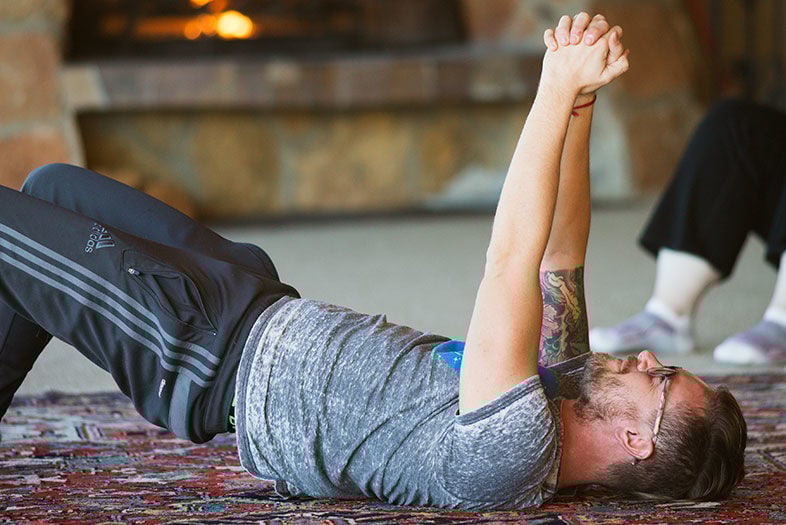
The session lasts an hour, enough time to take us through 10 basic movements. We observe how our bones connect with the floor, and notice how much effort it takes to lift our pelvises with our feet and knees together. We rest. Then we do the same, now with our feet and knees apart. Then we rest again, comparing how we feel while lying still before and after each move. We clasp our hands and point to the ceiling, drawing circles and lines in the air and noticing the movement of our shoulder blades. Then we clasp our hands again, but now with the opposite index finger on top, and do the same. Then we rest and observe again.
After an hour on the floor praying to the rafters and resting, I feel relaxed, sure. Almost as if I were sinking into the floor. But I haven’t broken a sweat. I haven’t exerted myself whatsoever. I actually feel as though I’ve done very little, and that’s exactly the idea, Donna says: to strain the body less by making each movement as efficient as possible. And, also, lots and lots of rests.
“Take a rest before you need a rest,” she says. “That way you never need a rest.”
And that’s when I realize I’ve been a Feldenkraiser all my life.
Get Fit & Have Fun in San Diego
Jacqueline Campbell for Birds of a Feather
Prenatal Massage
Equilibrio Massage
3320 Third Avenue, Hillcrest
619-955-6670
equilibriomassage.com
A Thai masseuse once told me that massage is like yoga for lazy people. And like a religious zealot, I have clung to this idea ever since. Whenever I didn’t feel like downward dogging, I headed to Massage Envy. So I am no stranger to the many benefits massage can bring, including increased circulation and decreased stress.
But all of that changed when I became pregnant. I’ve developed common ailments like leg cramps, restless leg syndrome, lower back pain, and insomnia.
I tried one prenatal massage at a fancy resort, where the answer to my big belly was a foam pillow with cutouts for my stomach and breasts. Well-endowed women, beware! I think those pillows are made for smaller chests.
I have also found that, aside from the random person who rubs my belly, people are generally afraid to touch pregnant women. Rare is the soul willing to risk a lawsuit or worse by putting any kind of pressure on a woman with child.
Then my boss referred me to Equilibrio Massage in Hillcrest. Owner Nicole Trombley and her staff are experts in the needs of pregnant women. Most are doulas and make house calls for massage. Some will even come to the hospital to provide a rubdown during labor.
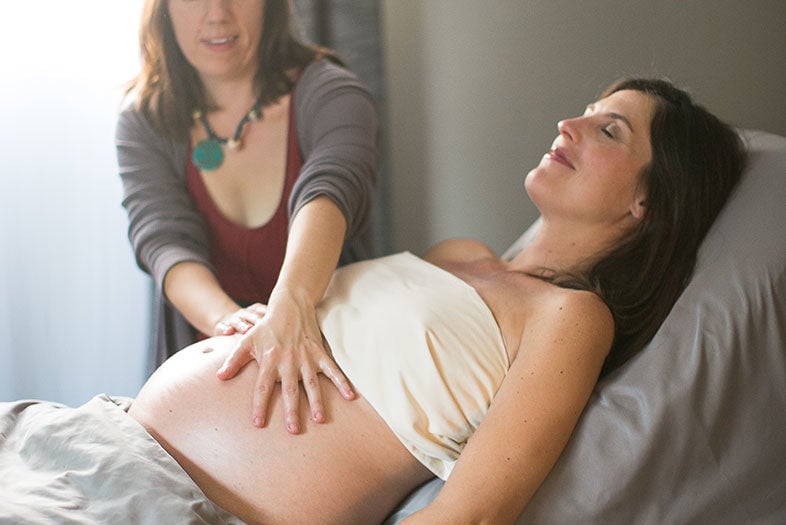
Nicole is not a fan of those foam cutout pillows, citing concerns like increased uterine pressure and nasal congestion, common in pregnancy, especially when lying facedown. She has me lie on my side and builds a mountain of pillows around me. I counted seven in total—under my head, side, stomach, knees, calves, feet, and elsewhere. I instantly feel like I might fall asleep.
She also tells me in a calm whisper that she prefers deep pressure, if I’m okay with that. I am. And as I drift in and out of sleep, she proceeds to work out the kinks. At some point, we switch sides. We finish on the back in a semi-reclined position, where she rubs my scalp, neck, and shoulders.
That night, while watching TV, I notice my restless leg syndrome is nonexistent. As are the leg cramps that sometimes wake me up at 1 a.m. I’m also so blissed out that I don’t bite my fiancé’s head off when he wants to watch football while I am in the middle of The Bachelor.
Before bed, I try to recreate Nicole’s mountain of massage pillows. The next morning I have an email from Equilibrio: “Did you like our massage pillows?” It directs me to a free download link. Turns out, Nicole has written a book, titled Sleeping While Pregnant Guide.
I went back to Equilibrio two more times—each as pleasant as the first visit, prompting similar results (75-minute sessions start at $105; discount packages available). If you have the means, it is a lovely gift to give yourself or someone you love who’s expecting. Here’s to a happy pregnancy, with restful nights and TV remote sharing without the threat of divorce!
Get Fit & Have Fun in San Diego
I’m on a tight budget. I’m saving for my wedding this summer, trying my best to stay zen and not turn into a Bridezilla. Yoga has always helped me find an open heart, clear mind, and stretched body. I decided to look for free or donation-based yoga classes. In San Diego, I found there’s at least one happening every day of the week.
The first place I discovered is the Bergamot Spa in Encinitas. It is packed with Buddha heads and bamboo, succulents, and plumeria. The instructor turns on a portable plastic fireplace to heat the yoga room. Jimi Hendrix plays on low, and we start on our backs in Shavasana. By the time the two-hour class is over, I am so sore I can barely walk to my car.
The next day, I opt for Laughter Yoga. I meet the class in Balboa Park, south of the playground at Spruce Street and Sixth Avenue. We stand in a circle and warm up by laughing. I have never felt so awkward. By the end of the class, though, I’m laughing naturally with them. “Laughter gives us a different way to react to the things life throws at us,” says Michael Coleman, founder of the nonprofit Laughter Matters. I leave the class feeling like nothing could awaken the Bridezilla inside me.
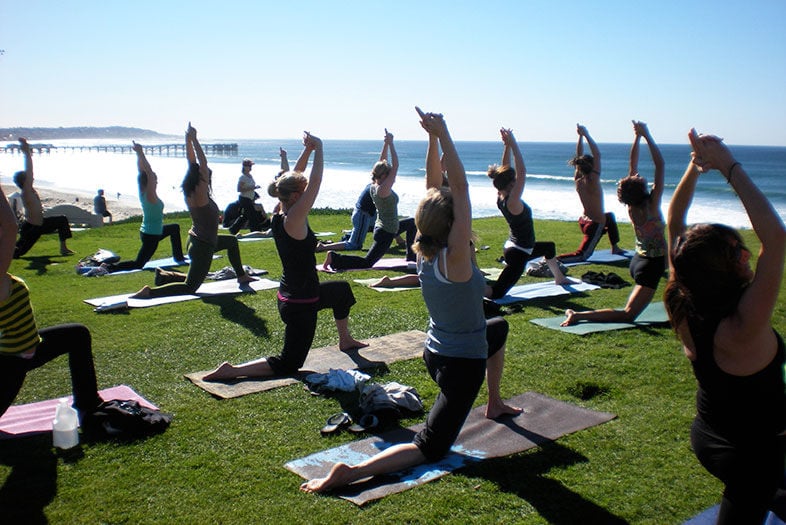
On day three I drag my mat to the beach for yoga with Namasteve, a local P.B. celebrity. The grass where he teaches every weekend at the end of Law Street is packed with more than 100 yogis.
On the fourth day of my yogic journey, I am craving some furry companionship. On Facebook, I find Sara, who teaches Puppy Yoga behind the Ocean Villa Inn, for some gentle Hatha yoga. The class takes place in O.B.’s dog park. On this day, it’s just the instructor’s Chihuahua. The yoga is not too challenging, and I leave with a tan.
On day five, I visit a class taught by Lauren, who is part of One Love Yoga, an online community that lists free and donation-based classes throughout the city. Inside the Swedenborgian Church in University Heights, we practice Vinyasa with Ashtanga inspiration in the downstairs hall. No organ here—the instructor has chosen a mellow playlist. Still, I feel as if I’ve had a kind of spiritual experience.
On the second-to-last day, I head to Lorna Jane in La Jolla for a free booty yoga class, which works the abs and core. The clothing store has its own private studio, with free classes offered every day. Luckily, there is no pressure to shop, nor mention of merchandise.
On the final day, I drive to Yoga One on Seventh Avenue, downtown. The place has a natural om vibe. The room is dark, with candles and smells of cinnamon and honey. The free weekly Candlelight Flow class is soothing and relaxing for my body and mind. As I leave my final class, I take a deep inhale and think about this journey. Great things in life can be found at little to no cost at all. Namaste.
Get Fit & Have Fun in San Diego
Jay Reilly
San Diego Athletics
5026 Cass Street, Pacific Beach
10 sessions for $230; memberships start at $149 per month
pbcrossfit.com
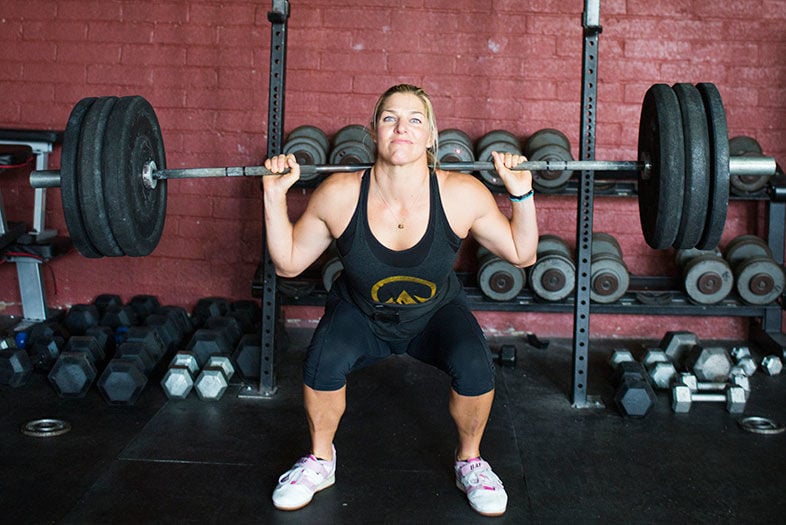
When my CrossFit gym, San Diego Athletics in P.B., began offering a bodybuilding program, my first reaction was “Oh, heck no.”
For four years I’d attended CrossFit classes four to five times a week. I learned about Olympic weightlifting, gymnastics, full-body functional movements, and the concept of intensity. I’d switched my focus from what my body looks like to what it can do. However, my progress had slowed down in the last year. I was battling chronic tendinosis in my knee, and I was looking to try something new.
But bodybuilding? Really?
If you’re a woman who’s been told most of her life that smaller is better, the idea of intentionally building up your body is slightly terrifying. There’s a reason the phrase “strong is the new skinny” became so popular. It’s the word “skinny.” While I don’t subscribe to celebrity trainer Tracy Anderson’s belief that women shouldn’t lift more than three pounds, I also don’t post aspirational photos of Arnold Schwarzenegger on Instagram. I want to be strong and cute.
Gym co-owner Bryan Boorstein wrote a convincing blog post about how a base of strength is important, and how building muscles spikes the metabolism, even when you’re not exercising. One line in particular hit home: “Your body is desperately hoping you stop breaking it down. It’s time to get strong.”
So, I committed to eight weeks of bodybuilding, exclusively. In the first few weeks, I was often the only woman in the class. Some of the exercises were familiar to me—like back squats, bench presses, pull-ups, and ring dips—but I was clueless about anything that involved a dumbbell.
The movements may be old-school, but the atmosphere in a San Diego Athletics bodybuilding class is completely novel. Instead of everyone following their own program and fighting over weights, the class works together, sharing benches and dumbbells. The music is loud—sometimes it’s Pearl Jam, sometimes it’s 2 Chainz, sometimes (sadly, for me) it’s country. The trainers lead everyone through the movements, offering guidance on form and technique and how much weight to use. Once a week we leave the gym and do hill sprints, followed by ab exercises.
The first week was rough. I felt like an addict, obsessing about what I was missing in the CrossFit workouts. What if I got too muscular? Or what if I got fat?
In the second week I started to figure out how to push myself and what weights to use for the seemingly endless variety of exercises.
After a few weeks I started seeing some interesting results.
My knee pain disappeared. Completely. Then, one day, I did three sets of eight strict pull-ups, something I had never managed to do in four years of CrossFit. And even though my weight stayed the same and I didn’t change my diet, I noticed more definition in my abs. For a 41-year-old mother of two, this was kind of a big deal.
As the weeks went on, more women showed up to class. I can now do dumbbell flies and hammer curls like a champ. And I’m happy to report, there is still no Schwarzenegger photo in my Instagram feed.
Photography by Jay Reilly, Jacqueline Campbell & Luis Garcia
Get Fit & Have Fun in San Diego
Jay Reilly
Why a well-known San Diego restaurateur launched a skincare brand with a name you can’t unhear
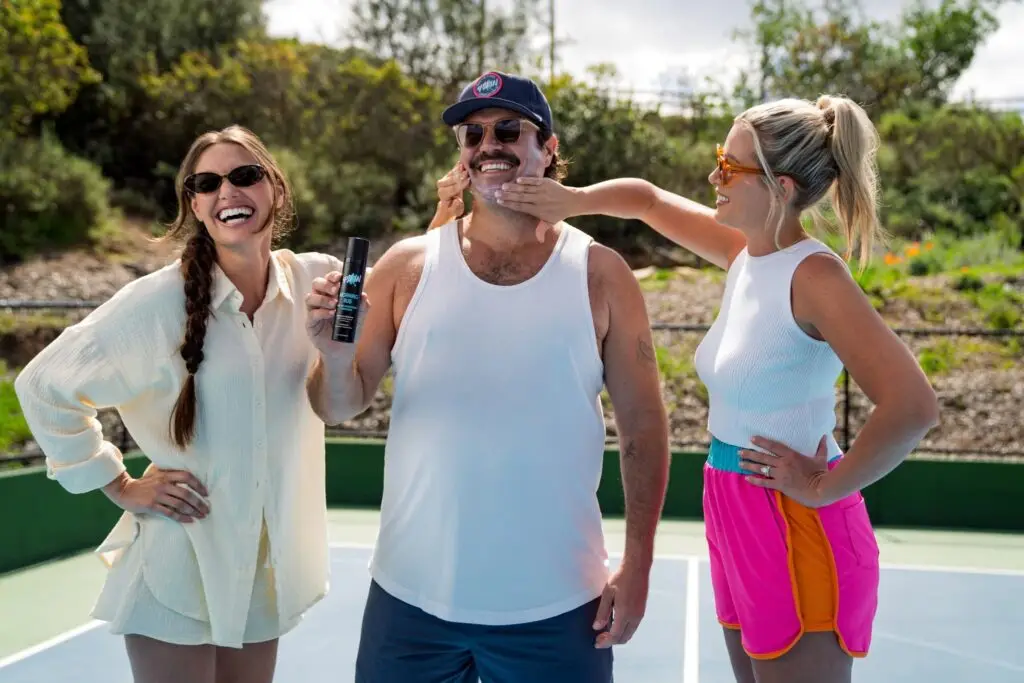
In Mexico for a wedding, a friend got a tourist-level sunburn. One of San Diego’s top restaurateurs—Arturo Kassel, founder of Catania and Gravity Heights—was on hand. He made a joke about how basic sunscreen literacy seems to be a male-pattern blindness.
“I said, ‘You know what? I’m going to start a men’s sunscreen brand, and I’m going to call it 4-Skin—because men are dicks and they need to cover up,’” he explains. “We spent the whole weekend thinking of puns and innuendos for this hypothetical brand we were never actually going to launch.”

The joke refused to die. Days later, one of the Mexico-wedding friends—a top marketer in the city—called Kassel and said the highly intentional dude humor might have a couple top notes of genius. So Kassel did a little digging into men and very basic skincare/sunscreen usage. Turns out, 1 in 29 are at risk of developing melanoma compared to 1 in 40 women.
“I was shocked to learn that only about one in 10 men actively use sunscreen, and that’s at the beach, on the golf course, or at the pool, when you’re going to get fried,” he says. “Daily use is essentially nonexistent.” During the process, Kassel became part of the story.
“My dermatologist called and told me I had basal cell carcinoma,” he says. “At that point, it went from being a business to a very personal mission. I became determined to move the needle when it comes to men’s apathy toward sunscreen.” And so—hundreds of hours later, including a still-going crash course on launching a CPG brand—a local restaurateur launched a jarringly named sunscreen and moisturizer for men. Broad spectrum, high-quality, SPF 50, lightweight, goes on clear, all the things. The daily-use morning routine version is called Morning Rub. Of course it is.
Kassel reached out to his friend Troy Johnson—San Diego Magazine co-owner and co-founder of Here We Are Studios,—to collaborate on creating two commercials for the brand. They launched July weekend. Friends went down to the beach to talk to strangers about their 4-Skin. Awkward, funny, and if all goes to plan: making men rethink their relationship to the blazing ouchie star in the sky.
“4-Skin is funny as a brand, but there’s nothing funny about skin cancer,” says Kassel. “That’s the one-two punch: we got your attention, maybe we made you laugh. And now we can tell you something that might extend your life.”
For this special-edition podcast from Here We Are Studios, Troy and Arturo sit down and tell the entire story of how a joke became a brand with a serious mission.
For a city that lives outdoors, these hometown makers understand exactly what your complexion is up against
San Diego has always worshipped at the altar of good skin. Equal parts surf town, biotech hub, and wellness capital, it’s a city where lunch breaks become beach walks and sunscreen sits beside car keys by the front door. The products that get used here earn their place. With 266 sunny days a year and one of the highest rates of skin cancer in the country, we take skincare seriously. Dr. Bronner’s has been making soap in North County since the 1960s. Sun Bum was born in Encinitas and is now on shelves in over 70 countries. The tradition runs deep.
“Living in San Diego means your skin is exposed to sun almost every day of the year,” says Sue Zhang, M.D., a San Diego physician specializing in aesthetic medicine. “The products that tend to succeed here are the ones that can keep up with daily life, UV exposure, sweat, and movement, while still supporting long-term skin health.”
From a mineral powder that solves the sunscreen-over-makeup problem to an acorn oil serum rooted in Indigenous plant medicine, the local San Diego shelf is more diverse, and comprehensive, than most of us realize.

A hydrating gel-oil hybrid that applies like a body treatment and leaves skin with a sheen that reads as healthy rather than oily. La Jolla–founded Kopari built its reputation on cold-pressed coconut oil sourced from family farms in the Philippines, and the Sun Shield Body Glow SPF is exactly that in summer form: coverage that doubles as skincare.

The name is intentional. The founder got a basal cell carcinoma diagnosis that his dermatologist caught—she’s now his business partner. The question he couldn’t shake was why the skincare industry hadn’t yet figured out how to talk to men, and 4-Skin is the answer: a premium sunscreen and skincare line built around the kind of blunt, self-aware humor that gets guys to pay attention. Men’s skincare has needed this for a long time, and the formulas are serious enough to deliver.

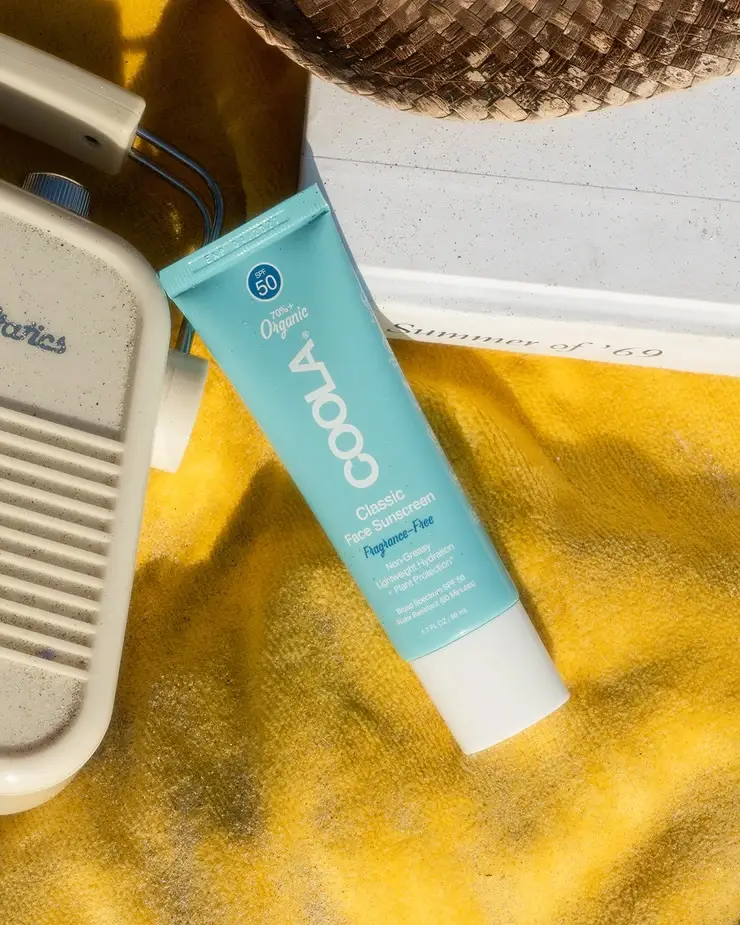
Carlsbad-based Coola was formulating organic SPF before “clean sunscreen” was a marketing category, and the Classic Face Sunscreen is the brand’s thesis: protection that disappears into skin and layers cleanly under makeup. Sheer and lightly hydrating, it makes sunscreen easy to reapply before an afternoon walk at Torrey Pines.

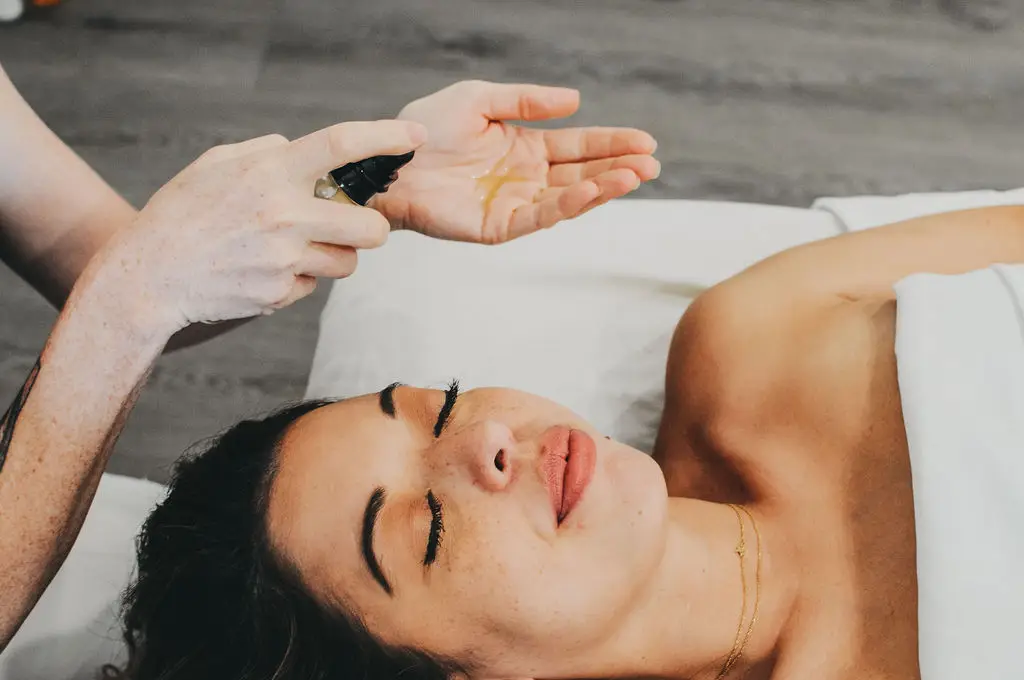
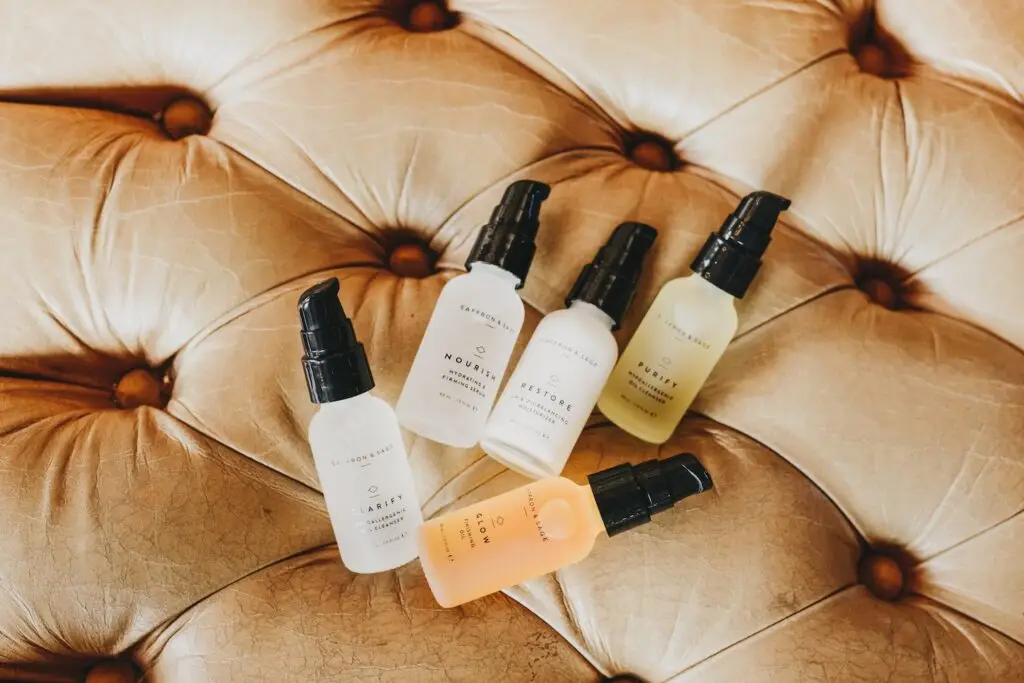
Squalane, argan, jojoba, and CoQ10: a short ingredient list that does a lot. The Glow Finishing Oil from Mission Hills wellness sanctuary Saffron and Sage is plant-based, scientifically grounded, and formulated to absorb rather than sit on the skin. The brand started as an integrative health practice where acupuncture, naturopathic care, and functional medicine share a roof, and the skincare line runs on the same philosophy.

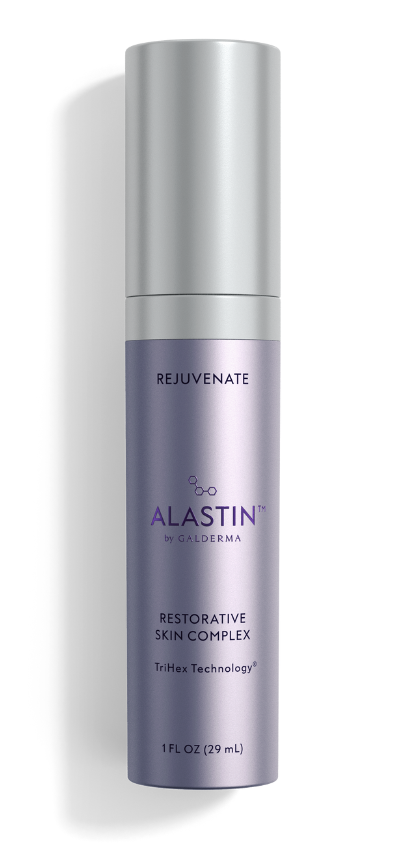
The Restorative Skin Complex is powered by TriHex+, a patented peptide blend developed by Carlsbad-based Alastin’s team of SkinMedica veterans. It promises to clear out damaged collagen and elastin while supporting new production, the kind of gradual improvement that makes a product hard to quit.

Beldi is a multi-functional cleansing tradition rooted in Moroccan hammam culture, dating back over 12 centuries. Alia Jouj is the brand’s flagship product, and San Diego–based founder Dr. Mia Chae Reddy built a brand around it. Alia Jouj uses 100 percent organic, cold-pressed argan oil and the same ancient saponification method to produce a honey-thick liquid cleanser that softens skin without stripping it.

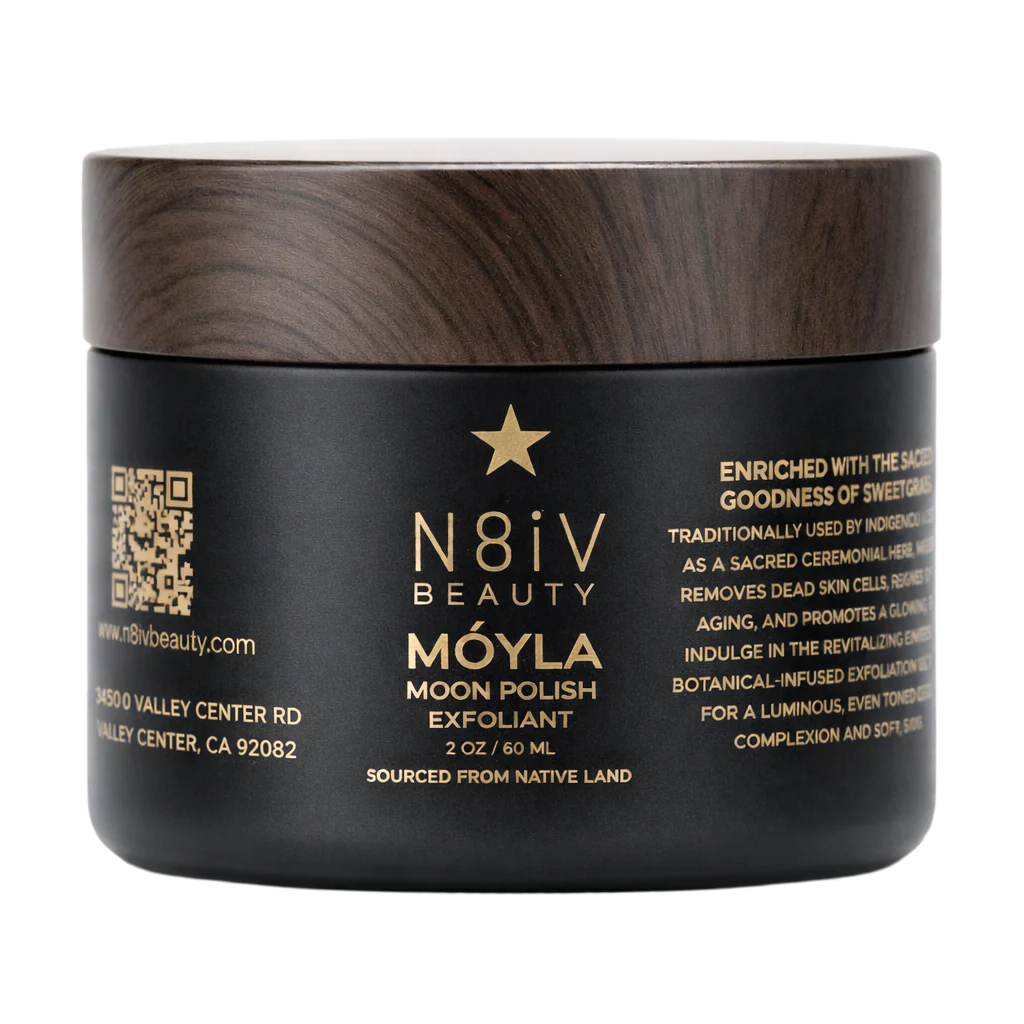
Acorn oil has been used by California’s Indigenous communities as plant medicine for generations. Ruth-Ann Thorn, an enrolled member of the Rincon Band of Luiseño Indians, built N8iV around it as the first Native American–owned skincare brand to reach the national mainstream. The Móyla Moon Polish, named for the Luiseño word for moon, is an exfoliant centered on acorn oil Thorn gathers herself each year from the La Jolla reservation. Find it at the Gaslamp Quarter store Thorn owns at the historic Yuma Building.

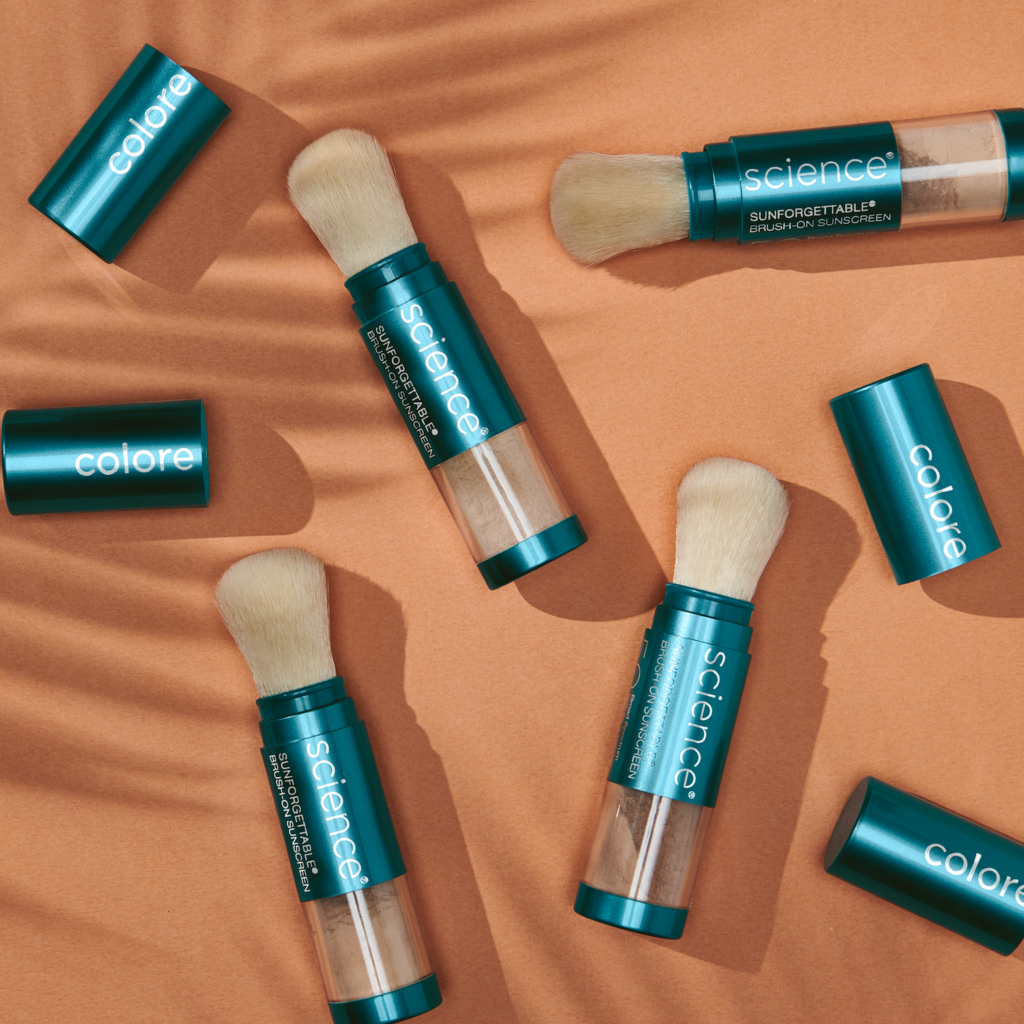
This product solved the reapplication problem. As a brush applicator, this mineral SPF goes over makeup without disturbing it, which is why it has been on derm-office retail shelves in Carlsbad and beyond for over two decades. The tinted version doubles as foundation.

This steroid-free, petroleum-free eczema treatment was built specifically for babies and toddlers (although grown-ups can use it, too). It’s centered on FDA-approved 1 percent colloidal oatmeal with a base of sunflower seed oil, beeswax, and jojoba. The “linoleic-acid-rich sunflower oil is helpful for atopic, eczema-prone skin that is often deficient in that fatty acid,” says Dr. Zhang. Gentle enough for newborns, safe for daily use, and tested by both pediatricians and dermatologists.

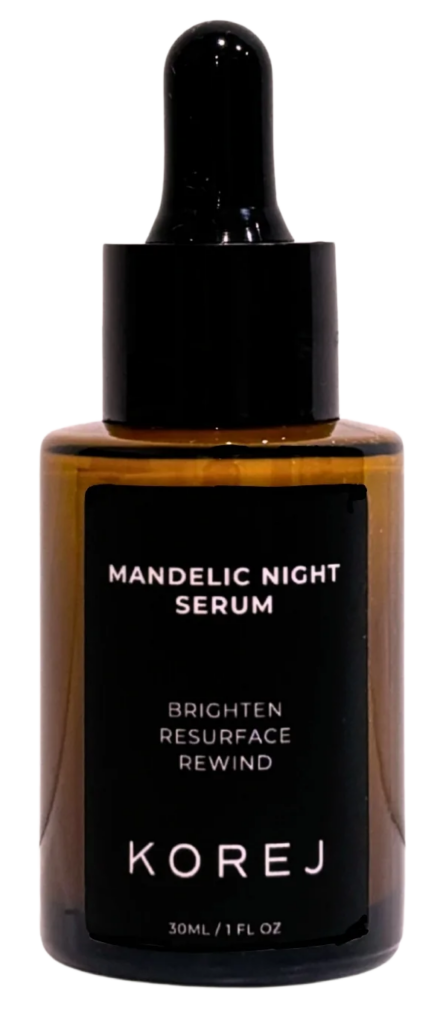
The Mandelic Night Serum pairs mandelic acid, an AHA derived from almonds and gentler than glycolic acid on sensitive skin, with lactic acid, niacinamide, and urea to brighten, smooth texture, and reduce breakouts overnight. Fragrance-free, vegan, cruelty-free. The brand name is the initials of the founder’s five daughters, pronounced like courage. Dr. Zhang also says she “really value[s] [the founder’s] mission to create pregnancy-safe skincare products that are both effective and wallet-friendly.”
Ingrid Yang, M.D., J.D. is a hospital-based physician in San Diego, CA, certified yoga therapist, and longevity specialist. She loves *double hearts* San Diego and spends her days helping people fully engage in long, healthy lives through evidence-based lifestyle medicine. Her books include Adaptive Yoga, Zen Mindfulness, and Hatha Yoga Asanas. When she’s not leading international wellness retreats, she is chasing sunsets, handstanding in nature, or geeking out over mitochondria.
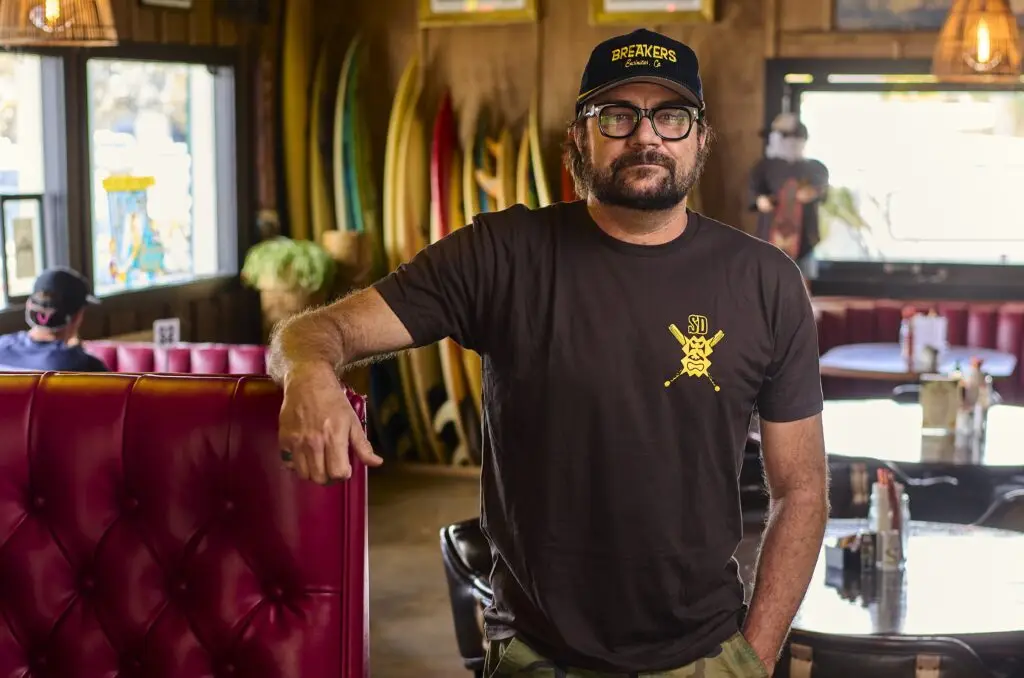
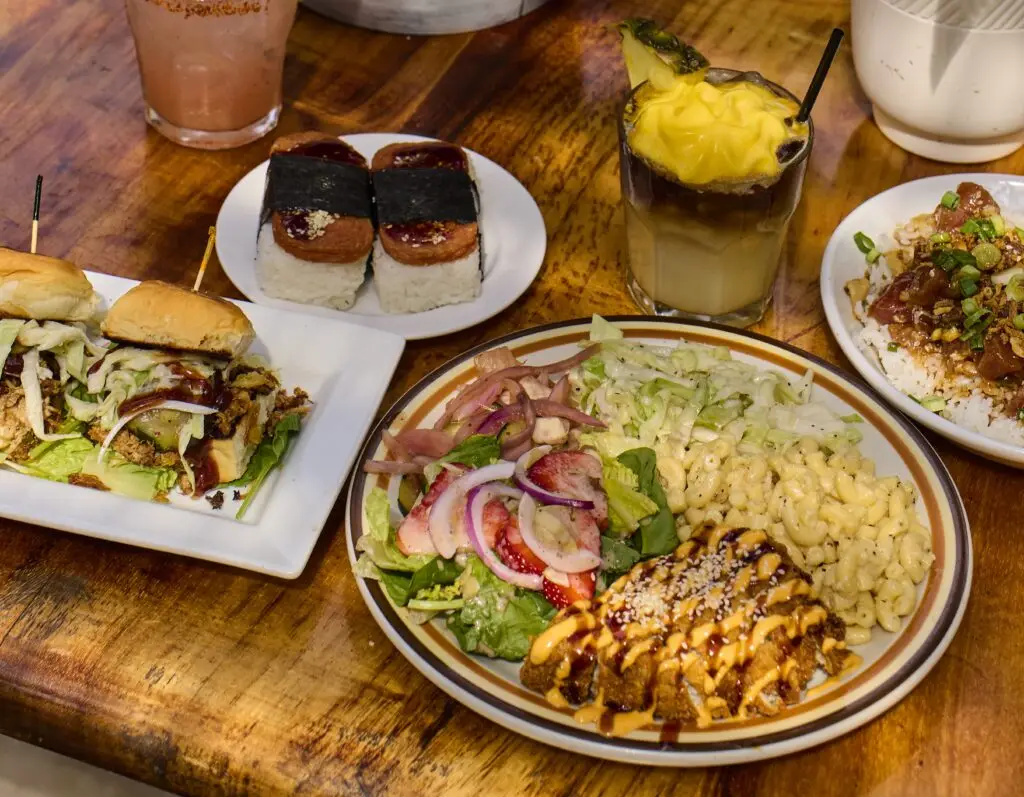
After Captain Keno's closed, pro surfer Benji Weatherley gave its tables, dishes, and memories a second life at Breakers Cafe Bar & Grill
Captain Keno’s No. 8 special—pancakes, sausage, toast, home fries, and eggs for $2.99—was the fuel that powered Benji Weatherley for surf competitions as a teenage pro. A couple decades later, tears were shed when the Coast Highway dive-slash-eatery called it a day after 54 years. Usually, the guts of a shuttered restaurant go to liquidation auctions or straight to the dump to decompose along with its legend. Instead, Weatherley took in Keno’s spare parts—plus other relics from Encinitas’ past—and used them to build the newest community hangout.
Every single piece in the place is from somewhere in this town,” Weatherley says about Breakers Cafe Bar & Grill. “I’m not going to settle for anything less.”
Breakers is a Hawaiian hideout in an uncool part of the coastal surf town, but it’s got the set design of an Encinitas superfan. The plates, silverware, and coffee mugs are from Keno’s. So are the tables and booths. There’s a bench made from the last table preserved in The Derby House (a building that, for over a century, was a hotel, then became a hospital, a religious retreat, and a private home). Weatherley’s not performing CPR on old upholstery because he’s a fan of antique furniture. It’s a method to bring people together.
“Representing nostalgia in this town is the only way to grasp a hold of the community,” Weatherley says. “Everyone wants to touch and feel something different from what they’re experiencing on their phones.”

Every week, locals bring him photos, artifacts, and bits of paraphernalia from Encinitas’ past and ask Weatherley to give them a new home. “I’ve had ladies who were there when [Captain Keno’s] opened cry in my arms and say, ‘This table is where I had my second birthday with my grandma,’” he says. “They tell me these stories, and I tell them I have all the same stories about my mom.” (Weatherley’s mom first brought him to Keno’s and helped raise the young surfers from the Momentum Generation documentary—Weatherley, Taylor Steele, Rob Machado, Kelly Slater, etc.—as they surfed some of the world’s most dangerous waves at Pipeline in Hawaii. Back then, she owned Breakers Restaurant & Bar in Haleiwa. Name sound familiar?)
Weatherley has always been the funniest man in the room. He calls Breakers “the Chuck E. Cheese of Encinitas.” The restaurant hosts hula dancing classes, open-mic comedy nights, and evenings bartended by longtime Captain Keno’s barkeep Vaka Kaufusi. Cult-loved reggae band Steel Pulse hit the Breakers stage recently to perform a new song that Weatherley also helped write. His longtime friend Jack Johnson has dropped by to sing a few, too.
Despite not having a fancy location along the 101, people are catching on. Fire stations and hospitals have held staff parties there. Weatherley also currently sponsors four sports teams.
“Last night, I had a girl say, ‘I want my birthday party at Breakers,’” he says. “That, to me, is community in a nutshell.”
Emma Veidt is an editor at San Diego Magazine. She earned her bachelor's and master's degrees from the Missouri School of Journalism. She loves running, hiking, and rock climbing, but really, she mostly loves encounters with the street cats around North Park.
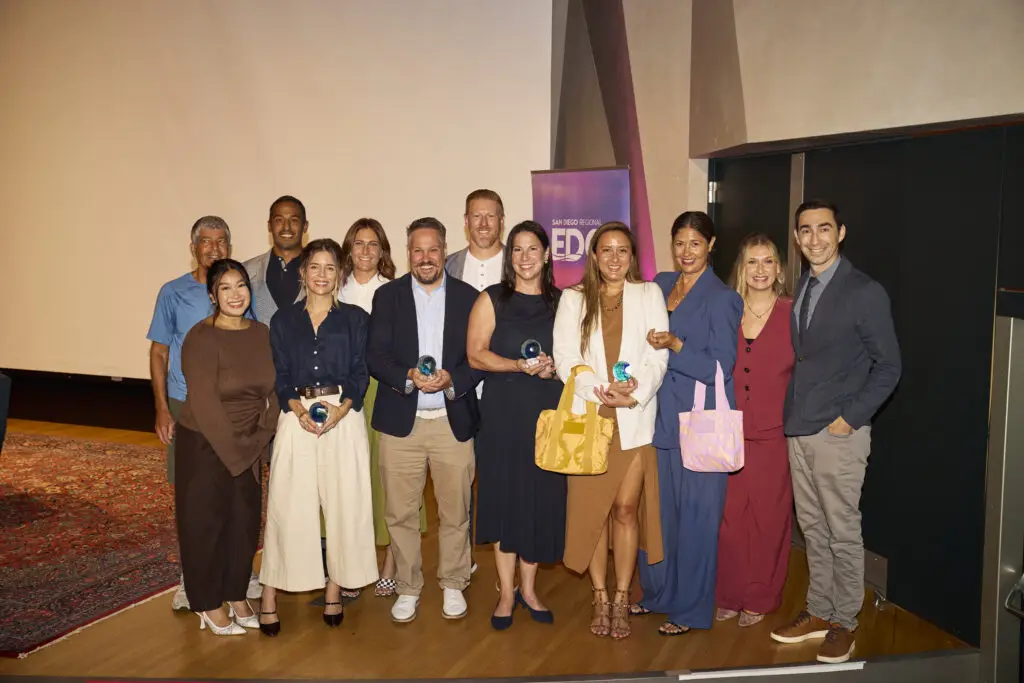
This month, the 2026 San Diego Business Impact Awards recognized local businesses making an impact in clean energy, biotech, hospitality, and beyond
Renewable energy companies building hundreds of power plants. Biotech startups using artificial intelligence to create personalized medicine for children with rare diseases. Hospitality companies quietly powering thousands of local events. Consumer brands growing from beach-town startups into national businesses. These are the kinds of companies driving San Diego’s economy today, and the businesses recognized at this year’s San Diego Business Impact Awards offer a snapshot of where the region is headed.
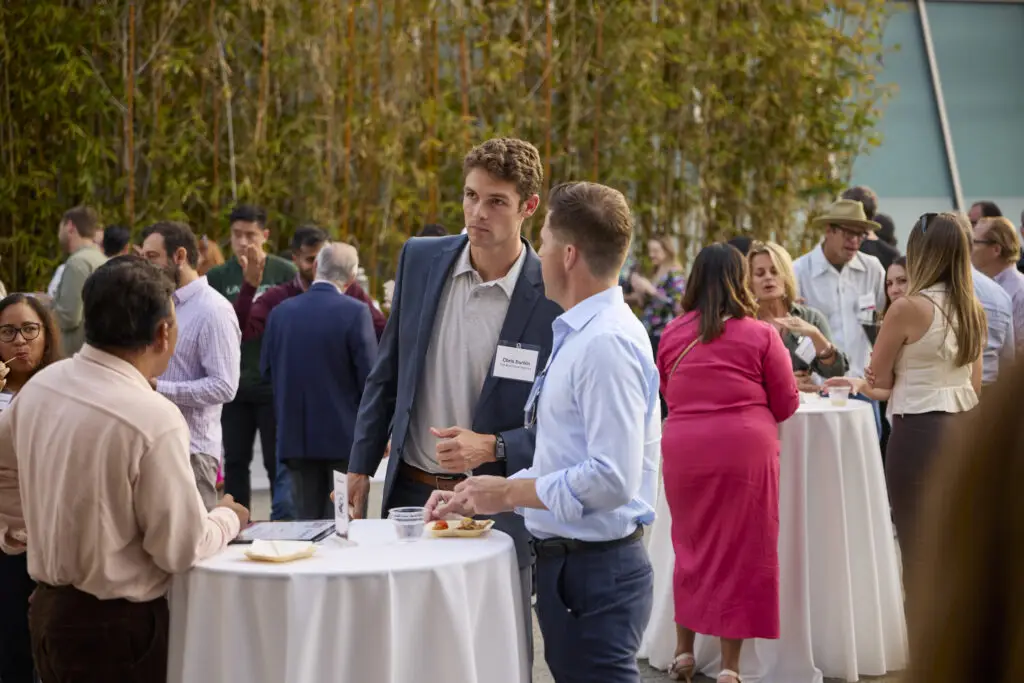
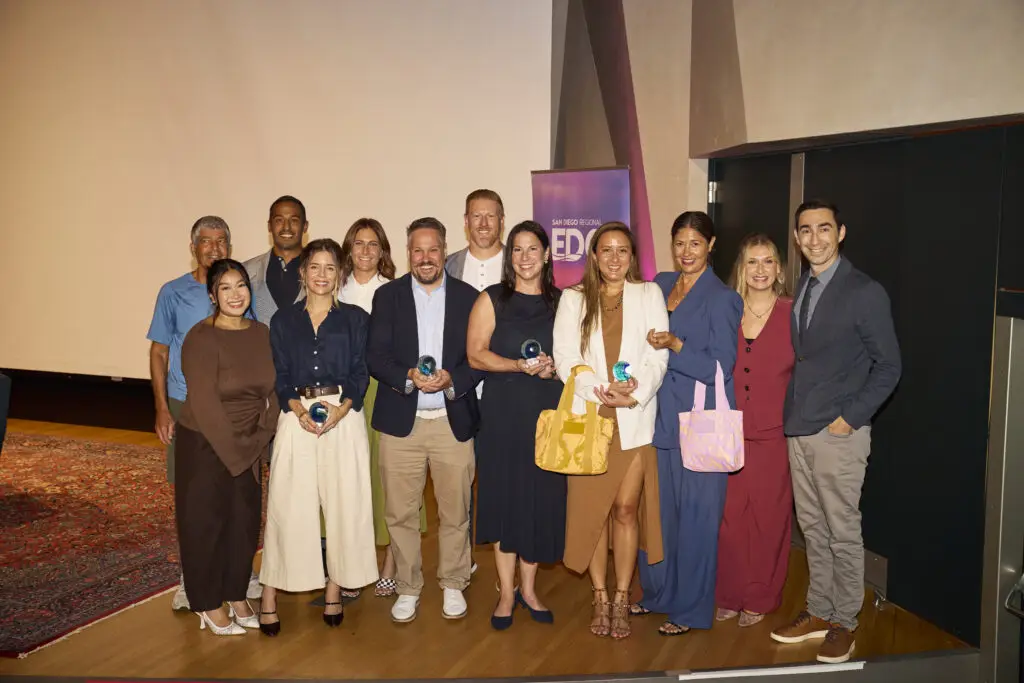
Hosted July 23 by San Diego Regional Economic Development Corporation (EDC) and JPMorganChase, the second annual awards event honored four local companies for innovation, growth, and economic impact. More than 100 nominations from San Diego’s middle-market businesses were reviewed by a 10-person judging committee, with winners selected across four categories: startup, early-stage innovator, rising star, and established heavyweight.
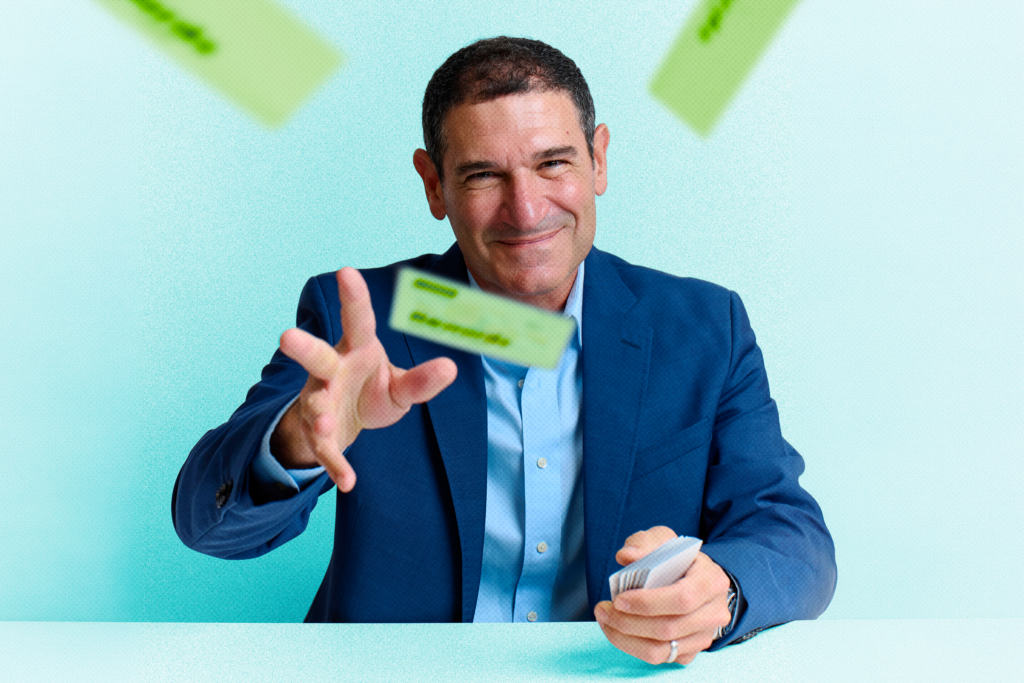
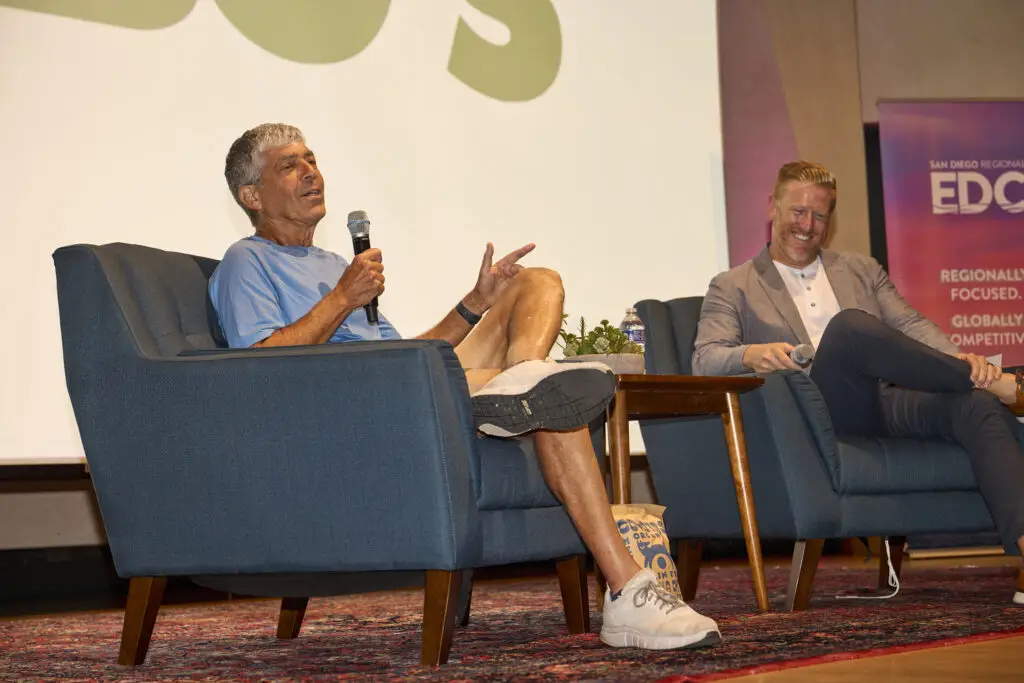
Two-time honoree Jimbo Someck, founder of Jimbo’s organic grocery stores, also joined the event for a fireside chat on buying local, supporting emerging brands, and giving back to the community.
“San Diego’s strength comes from its makers and builders—the resilient people who endure great risks and overcome obstacles to build and scale a company,” says Aaron Ryan, San Diego Region Manager and Middle Market Banking at JPMorganChase & Co. “These awards aren’t just recognition; they spotlight the talent, grit, and innovation shaping our region’s future. By celebrating those who create and build, we foster connections and fuel the growth that keeps San Diego thriving.”

Heavyweight honoree SOLV Energy has grown alongside the country’s rapid investment in renewable power. “It’s an exciting time for SOLV Energy as we are experiencing significant growth,” says CEO George Hershman. “The business has doubled over the last year and has almost double-digit growth since its inception.”
The Rancho Bernardo-based company designs, builds, operates, and maintains utility-scale solar and energy storage facilities. Since its founding in 2008, SOLV Energy has built more than 500 power plants.
Growth has translated directly into hiring. About 200 employees work from the company’s local headquarters, including roughly 20 interns. “Our intern program is a big part of the way that we grow our workforce,” Hershman says. “Last year, 43 percent of our interns became full-time employees. We believe San Diego is a great community to build and grow a high-tech infrastructure and technology company because of the incredible workforce—the ability to attract top talent and draw from world-class universities.”

Startup honoree La Jolla Labs is tackling one of medicine’s biggest challenges by developing personalized RNA therapeutics for patients with rare diseases—many of them children with neurological disorders like ALS. Using proprietary artificial intelligence and machine learning tools, the biotech company develops treatments tailored to each patient’s specific genetic mutation.
CEO Tamar Grossman says the recognition reflects how far the company has come despite limited resources. “We’re honored to be recognized for our ability to change and save patients’ lives and turn our lean startup into a clinical company with very minimal resources,” she says.
Grossman credits San Diego’s concentration of research institutions—including UC San Diego, the Salk Institute, and Scripps Research—with creating a pipeline of talent and collaboration. “San Diego is one of the world-leading centers for technology, genomics, and RNA therapeutics,” she says. “We have over 30 RNA therapeutics companies here, and we support each other and help with anything related to drug discovery.”
She says that collaborative spirit extends beyond formal partnerships. “You can walk around Torrey Pines, go into a café, and find colleagues from the industry and have an ad hoc conversation,” Grossman says. “That’s something very unique to San Diego.”

While Snake Oil Venue Company may not be a household name, chances are many San Diegans have attended one of its events. The early-stage innovator honoree has expanded from beverage catering and mixology consulting into venue management, operating Julep Venue in Mission Hills, Bramble Bay Venue in Imperial Beach, Vesper Venue, the Chapel at Liberty Station, and five outdoor venues throughout Liberty Station—more than 500,000 square feet of event space altogether.
“We do a lot of launch parties for corporations and new products,” says CEO Mike Esposito. “I really like working on the entrepreneur side of things, where new businesses are entering the San Diego market and looking to make a splash.”
Snake Oil has executed more than 16,000 events, employed more than 1,000 people, and partnered with more than 900 local vendors, including caterers, florists, photographers, entertainers, and other hospitality businesses. The company also works with many of San Diego’s nonprofits, museums, and cultural institutions. “We get to celebrate people’s most important moments,” Esposito says. “Whether that’s a wedding, celebration of life, or quinceañera, we’re fortunate to be involved in the community in so many different ways.”

Rising star honoree ALOHA Collection is proof that a simple idea can grow into a thriving company. Founded by two roommates who wanted a better way to carry wet swimsuits after a day at the beach, the lifestyle brand has grown into a business while maintaining strong year-over-year growth.
Now headquartered in Carlsbad, ALOHA Collection employs more than 100 people and operates its California flagship store in Encinitas, which is slated for a remodel. With roots in Hawaii, the company is known for its lightweight, splash-proof travel bags that have become a familiar sight on beaches in San Diego and beyond.
“‘Aloha’ is part of our name, but it’s also how we move through the world,” says CEO Lynna Barnard. “It’s how we show up for people, the way we travel, the way we give back.” Since day one, the company has maintained a 5 percent giveback to Hawaii conservation efforts, contributing millions of dollars over the years.
“I think what’s so inspiring about ALOHA Collection, and the founders in particular, is when you dream big, those dreams can come true when you work hard and trust in the universe,” Barnard says. “It’s inspiring to be a role model for other people wanting to start businesses from humble beginnings. Start small and watch it grow.”
Together, businesses like these form a cornerstone of San Diego’s economy—not only through the jobs and revenue they generate—but through the local workers they hire, vendors they support, and investments they make in the region. Their growth doesn’t happen in isolation; it ripples outward, strengthening the broader business community and the people who call San Diego home.

The San Diego designer has created more than 3,000 concert posters over nearly 40 years for artists including the Rolling Stones and the Red Hot Chili Peppers
Let’s start with his name.
No, not his birth name, Craig McKenzie Haskett.
Scrojo.
When he was in high school, he and his friends were trying to come up with the perfect name for their punk band that would encapsulate all their personas. Nicaragua. The Freds.
One of his friends said he was going to go by Jimmy Stacks and called it “the perfect rock and roll name.” Their names changed so much that Haskett erupted: “Fine, I’m f—ing Scrotum Joe, the true defender of the Open West.”
Their response: Wow, that’s a great name.
As a teenager, he drew chalkboards for Del Mar’s Pannikin coffee shop and would design T-shirts for surf/skate brand Life’s a Beach. He signed the shirts with his moniker, but even in punk rebellion, who wants a shirt with the words Scrotum Joe on it? “They just cut out the ‘t-u-m,’ and the next thing you know, a client referred to me as that, and it stuck,” he says.

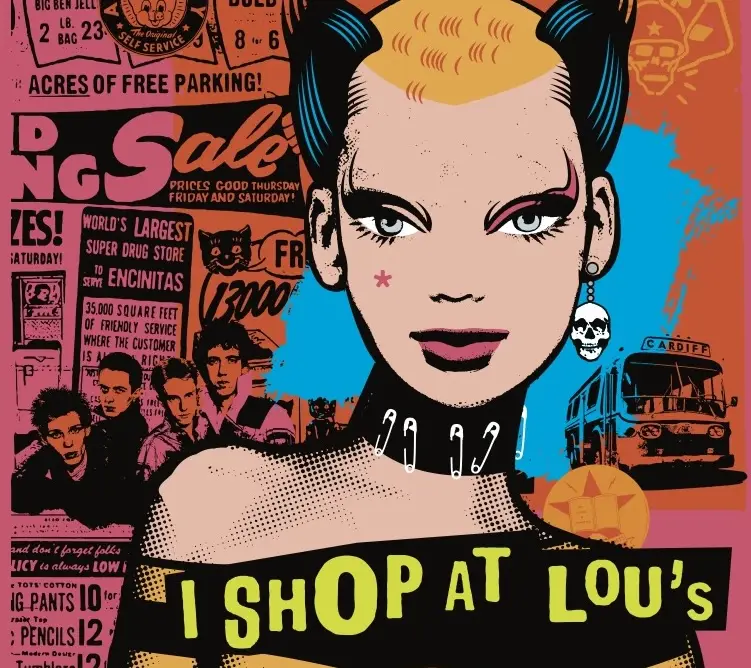
Scrojo could have been part of a band as iconic as The Misfits—had he been able to learn the famously cumbersome bassline to The Kingsmen’s “Louie Louie.” Becoming one of the most renowned concert poster designers—someone who quite literally designed the cover of Art of Modern Rock: The Poster Explosion—is a pretty good Plan B.
“To my knowledge, he’s done more rock posters than anybody else alive,” says Dennis King, whose D. King Gallery in Berkeley, California, serves as one of the largest private rock poster collections in the world. “He’s the hardest-working guy in the poster business.”
King not only co-authored the sequel to music historian Paul Grushkin’s The Art of Rock, but he also handles distribution and sales for all of Scrojo’s work. That’s more than 3,000 different posters over nearly 40 years. (That’s over one poster each week. For four decades straight.)
For anything from boxing matches to rodeos, posters have long been used as promotional items. Toulouse-Lautrec’s famous lithographs advertised Moulin Rouge in the late 1800s. Around the same time, Hatch Show Print in Nashville was making handbills for the Grand Ole Opry.
“I propose this: Cave paintings are the first poster art,” Scrojo says.

Rock and roll posters took off in the 1960s, when the hippie counterculture era replaced conformity and suburbia. Artists like Jimi Hendrix and the Grateful Dead used their vibrant, psychedelic prints as a form of rebellion from the mainstream. Posters were promotional, commemorative, collectible, and especially expressive.
If the name Scrojo is any indication, he doesn’t shy away from imagery that toes the line of being too provocative. He focused more on what inspired him instead of trying to be offensive for the sake of getting attention.
“Didn’t want to show it to my grandmother, but my parents were fine with it,” Scrojo says with a laugh.
“We’ve had to ask him to put a Band-Aid over a nipple every now and then,” says Chris Goldsmith, president of Belly Up Tavern in Solana Beach, where Scrojo started out and hundreds of his posters currently line the walls.
Scrojo spent six weeks at Otis College of Art and Design for a summer semester before drugs, alcohol, and a self-described lack of discipline prevented him from enrolling full time. Still, he taught himself concepts like text hierarchy and later found his niche at the Belly Up and in the surfing and skating world, working with brands like Quiksilver, Rip Curl, Scorpion Bay, and DGK.
His first concert poster was for North County band Borracho y Loco, of which Goldsmith was bass guitarist. Scrojo drew an abstract version of the Belly Up’s iconic shark with colorful calypso and tiki themes.
Early on, he would craft using a pencil, pen, non-reproduction blue pencil, X-Acto knife, rubber knife, and proportion scale to create each poster, and the finished product could take a week or even longer.

“I recommend every artist coming up to do that for like six weeks,” Scrojo says. “It forces you to think about every design decision as you’re going along.”
He has since mastered vector imagery through Adobe Illustrator to the point where, depending on the level of detail needed, he could finish two projects in a day. Still, he fills sketchbook after sketchbook to blueprint.
“I liked his line in particular, and he knows how to draw, which a lot of people don’t really know how to do these days,” King says.
Scrojo would research what each musician’s merchandise looks like to get a feel for each artist’s tone and voice. Once he has his central image in mind, he focuses on what and where to place the text.
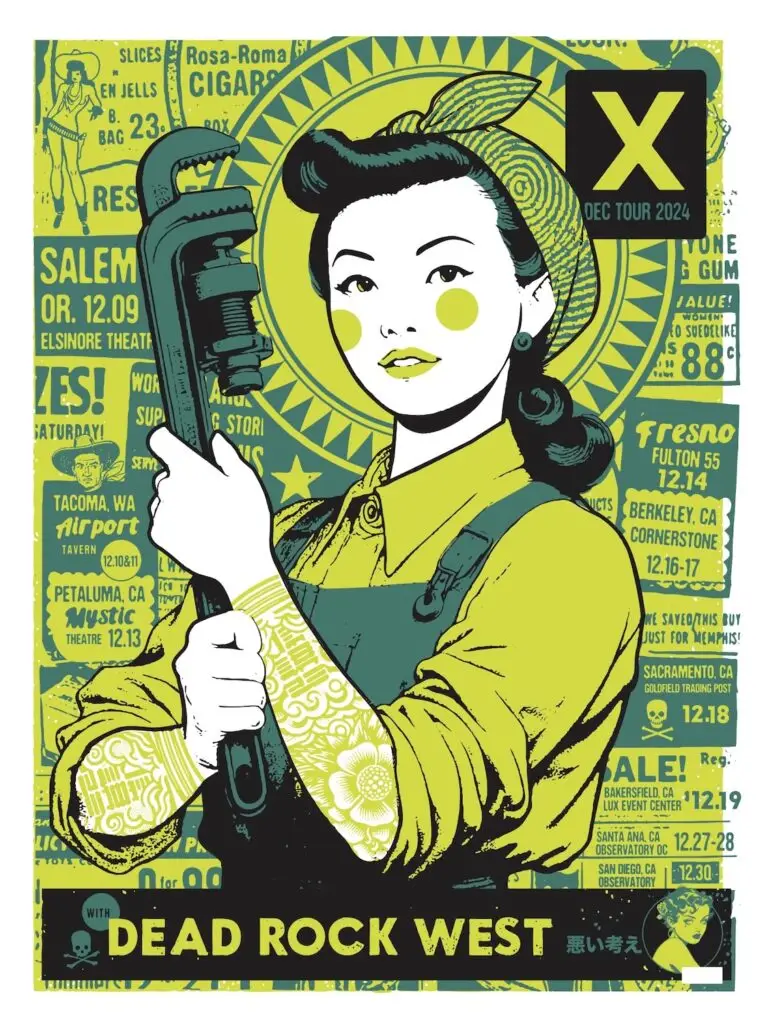
He doesn’t have one specific style, ranging his talents from art deco to psychedelic and everything in between (and outside the lines). Want a pop surrealist comic book cartoon devil with splattered paint textures, halftone dot patterns, and pure chaos? Red Hot Chili Peppers, February 1986. Want a minimalist graphic portrait with bold strokes and graffiti text? P!nk, October 2023. Want a carnival sideshow style piece with a tasteful caricature of Jeff Bridges? The Big Lebowski, August 2011.
Scrojo calls himself a jack of all trades because he can create posters for all music genres. King calls him a chameleon for his ability to adapt his voice to new eras.

“The variety of his skillset makes it possible for us to put 50 of his posters on a wall next to each other and have it look compelling, not just a bunch of the same thing over and over,” Goldsmith says.
Some of Scrojo’s favorite posters are when he feels a personal connection to the artist or the album. He has a vivid memory as a child of being trapped in a closet filled with marijuana leaves while playing hide and seek and staring at Jimmy Cliff’s “The Harder They Come” LP. “For whatever reason, as a kid, that sparked a desire to do graphic design,” Scrojo says.
Fast forward to February 2012, Cliff is performing at Belly Up. Scrojo decided to modify Cliff’s original album cover from rainbow gradient fills to classic reggae psychedelia while preserving Cliff’s striped pants and bold hat. Cliff’s manager called him and said they wanted to use it for the rest of their tour.
“We always get artists requesting that he does their posters,” Goldsmith says. “A lot of artists don’t want venues to go all rogue because they want to control how they’re being presented. With him, they’re like, ‘Let him go nuts.’”
Matt Eisenberg is an award-winning writer and photographer based in San Diego. A former ESPN editor, his work has also been published by CNN, Bleacher Report and the New York Daily News.
Explore restaurants, activities, and shops within this affluent North County community
The inland North County community of Rancho Santa Fe is often associated with wealth. It’s one of San Diego’s most expensive residential markets and is consistently ranked one of the highest-income zip codes in California and the U.S. Rancho Santa Fe is known for its large equestrian community including riding facilities and horse trails, as well as its country club lifestyle and associated golf courses.
At the center of this luxury master-planned community is a small, walkable downtown area referred to as the “village,” with The Inn at Rancho Santa Fe acting as both a landmark and social hub. Much of the community, including the historic Inn, was designed by acclaimed architect Lilian Rice, one of California’s earliest female architects. The Spanish Colonial-style architecture she brought to the village is still one of its defining characteristics today.
Whether you’re coming to Rancho Santa Fe for golf, horseback riding, or pampering at a resort spa, be sure to start with a short walk around the village to take in the neighborhood’s charm. Plan your next visit here with our neighborhood guide to the area’s best restaurants, things to do, and shopping.
Jump To: Restaurants | Things to Do | Shopping

Families congregate at The Pony Room for elevated California ranch-style cuisine. Lamb lollipops, carne asada tacos, burgers, and weekly dinner specials are offered here, alongside an extensive collection of wine and spirits (especially tequila) and sizeable kids menus. As the signature restaurant of Rancho Valencia Resort & Spa, this all-day eatery is a lively centerpiece of the local social scene.
5921 Valencia Circle
The piano bar at Mille Fleurs is the buzziest spot to be on Friday and Saturday nights in Rancho Santa Fe. French classics like escargot, lobster bisque, duck confit, and steak frites are the main dinner attractions at this local institution that has been around for more than 40 years. Spring for the four-course prix fixe menu before nabbing a coveted bar seat near the piano entertainer.
6009 Paseo Delicias
Nick & G’s is one of the most prominent restaurants in the village, with an outdoor patio that overlooks the main thoroughfare. Enjoy modern Italian food, steaks, and seafood dishes here, including homemade pasta, pizza, wagyu beef, and oysters. Be sure to check their live music schedule and events calendar for the latest happenings.
6106 Paseo Delicias
Named after renowned architect and planner Lilian Rice, Lilian’s is The Inn at Rancho Santa Fe’s flagship restaurant. Their upscale menus feature sustainable seafood, grass-fed meats, local produce, and even sushi rolls during dinner. Outdoor seating provides a bird’s-eye view of the village and an elegant backdrop for weekend brunch. Stop by Bing’s Bar (a nod to Bing Crosby) for craft cocktails, beer, wine, and light bites in a refined setting.
5951 Linea Del Cielo
Quaint cafe and bakery Thyme in the Ranch serves a small selection of breakfast and lunch items (don’t miss the tarragon chicken salad), but is perhaps best known for its pastries and baked goods. Cakes, pies, muffins, scones, and cookies fly off the shelves here, where locals come for special occasions, parties, and group catering orders.
16905 Avenida De Acacias
Located inside a historic building once home to Rancho Santa Fe’s original schoolhouse, Paseo RSF is one of the village’s newest dining options. The charming American bistro has pasta, salads, burgers, meat and seafood entrees, plus a thoughtfully selected California wine list and new sushi and omakase program. Kids and dogs are both welcome here.
6024 Paseo Delicias, Suite C
Grab a quick coffee to go from this walk-up window in the same shopping center as the post office. Cinnamon roll lattes, cold brew, spiced chai, smoothies, protein bowls, and more can be found at Rancho Roasters, where they brew beans from Dark Horse Coffee.
16950 Via De Santa Fe
Casual pizzeria and martini bar Goli is a popular spot for catching the latest sports games. Order one of their unique specialty pizzas like the Casbah with hummus and veggies, build your own pizza or burger, or go with one of their hearty wraps that’s made with an extra thin version of pizza dough.
18021 Calle Ambiente, Suite 403
Find generous portions of Mexican food at Cocina del Rancho, run by the same owners as Carlsbad’s Cicciotti’s Trattoria Italiana and Village Kabob. Get classic dishes like burritos, tacos, and enchiladas, plus their specialty items including pulpo, carne asada, and fajitas with lobster tail. Don’t skip the margaritas.
16089 San Dieguito Road
Kai Oliver-Kurtin is a San Diego-based writer who covers travel, dining, events, and culture. Her writing has been published in USA Today, Condé Nast Traveler, Fodor's Travel, Marie Claire, and HuffPost, among others.
San Diego aesthetic medicine providers help you look—and feel—your best
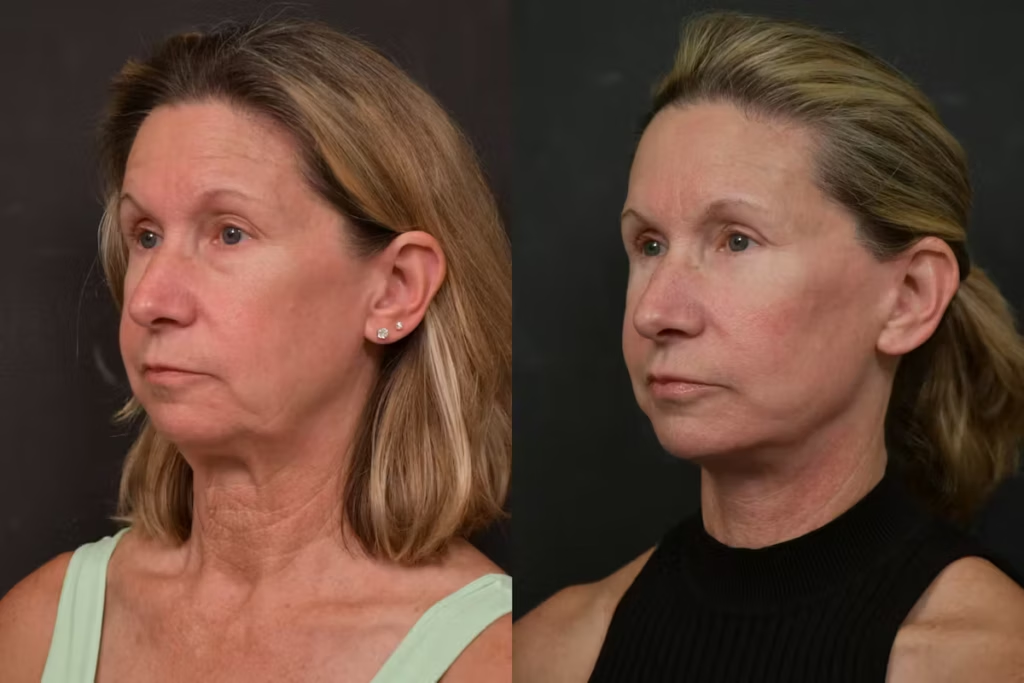
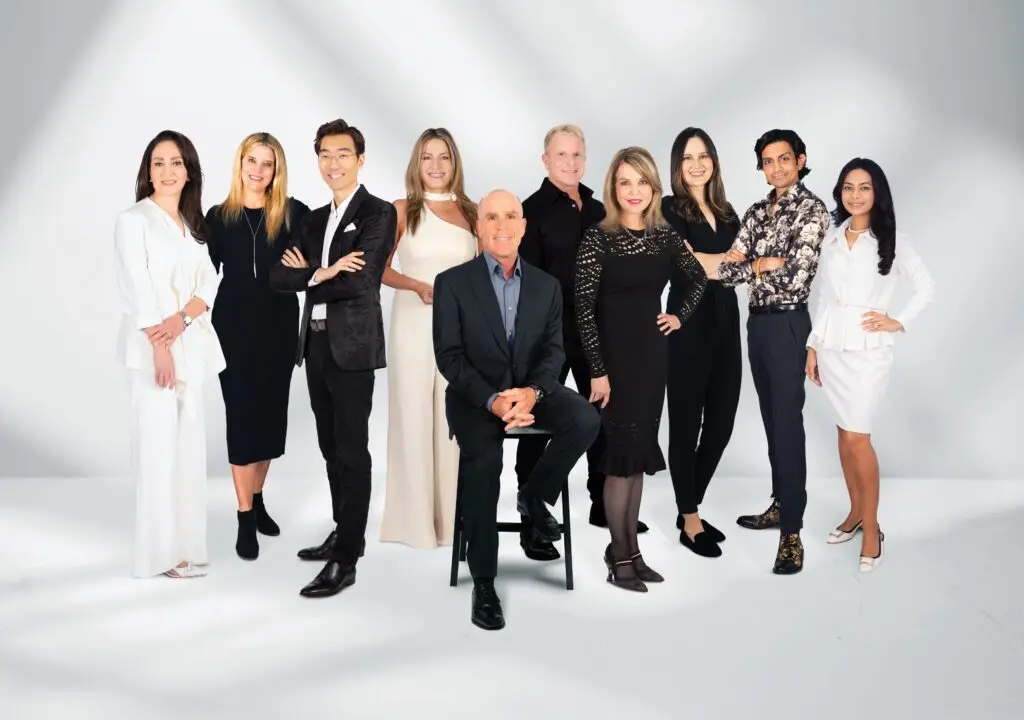
San Diego is home to world-class aestheticians, plastic surgeons, and dermatologists who can help turn back the hands of time and revitalize tired, damaged skin. Enhancing your look is a spectrum. Treatments range from noninvasive procedures like lasers or injectables to the big guns, like a deep-plane facelift—many with better results and less downtime than ever thanks to advanced techniques and technology. Whether you’re a Botox beginner or an aesthetic medical care veteran, San Diego aestheticians and aesthetic medicine providers can help you look and feel like the best version of yourself.

Changes Plastic Surgery & Spa is San Diego’s premier destination for aesthetic surgery, led by world-renowned plastic surgeon Dr. Michael Rossi. Celebrated for his artistry, precision, and natural-looking results, Dr. Rossi is known for creating customized Mommy Makeovers that help women restore confidence and reclaim their bodies after pregnancy. His expertise also extends to comprehensive post-weight loss body contouring, addressing excess skin and skin laxity with sophisticated surgical techniques tailored to each patient’s unique anatomy and goals. From breast and body rejuvenation to deep plane facelifts and eyelid surgery, every treatment plan reflects Dr. Rossi’s commitment to surgical excellence, personalized care, and transformative results that look as beautiful as they feel.

At Cosmetic Laser Dermatology, the board-certified, internationally acclaimed team has the power to erase 10+ years of aging in a single treatment. The center’s 60+ laser, light, and energy devices do it all—refining texture and tone, calming acne, minimizing pores, and erasing that ill-advised spring break tattoo of yesteryear. Their dermatologists take it further by stacking multiple devices in one session for synergistic results—the philosophy behind their signature Take5 and Take10 treatments, the latter capable of removing a decade-plus of aging in just one visit. Add a full suite of injectables, body sculpting, and vein treatments for every skin type and tone, and it’s no wonder the practice’s medical director was named the #1 cosmetic dermatologist in America by Newsweek two years running.

If it’s subtle, lasting results you’re after, Cultivé Medical Aesthetics has you covered. Cultivé purposely combines aesthetics and wellness. The Bankers Hill practice offers a full menu of services designed to improve skin health and support the three pillars of aesthetic aging: skin tone and texture, volume loss, and laxity. Cultivé offers a wide range of aesthetic treatments, including collagen boosting powerhouse Morpheus8, biostimulators like Sculptra and Radiesse, PRP therapy, laser hair removal, VI peels, and regenerative skincare treatments. They also provide wellness-focused services such as hormone replacement therapy, IV therapy, and medical weight management programs.

Starlite Aesthetics and Wellness focuses on enhancing natural beauty through science-backed treatments tailored to each client’s goals. Michelle Langston, MSN, APRN, FNP-BC, founded Starlite on the principle that aesthetic medicine should be precise, personal, and rooted in wellness. The boutique aesthetic practice in La Jolla combines modern medical aesthetics with holistic wellness principles for refined results personalized to each patient. Langston has spent more than a decade honing her skills in advanced injectables, regenerative therapies, and anti-aging care. Starlite offers regenerative therapies rooted in science, promoting skin rejuvenation using a multiple modality approach. Service offerings include RF microneedling, wrinkle relaxers, facial balancing and more.

In the rapidly advancing field of aesthetic medicine, it can be hard to tell what’s worth the hype. Here are some of the latest, most advanced, and most popular options out there.
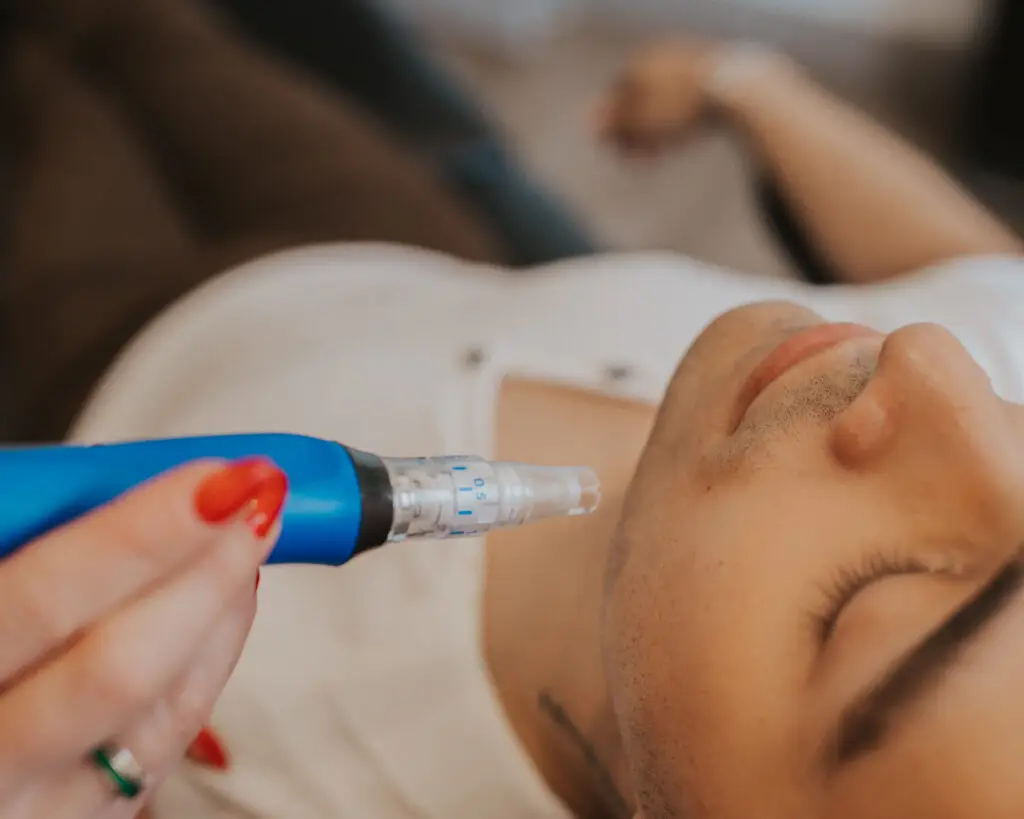
Morpheus8: This combination of microneedling and radiofrequency (RF) energy activates your skin’s own collagen and elastin without the downtime associated with some
laser treatments. It can be used to reduce wrinkles, tighten skin, improve skin tone, contour the jawline, and minimize acne scars.
Exosome Therapy: This cutting-edge treatment uses protein-packed nanoparticles to trigger repair and rejuvenation at the cellular level. Often used post-microneedling or lasers, exosomes penetrate deep into the skin to stimulate collagen production.
Post-GLP-1 Skin Removal: Rapid fat loss prompted by GLP-1 medications, including semaglutide, tirzepatide, and retatrutide, can leave users with sagging skin. Skilled surgeons can remove excess skin and reshape the figure.
Treatment Stacking: Sometimes it’s the more the merrier when it comes to aesthetic procedures. Combining multiple non-surgical treatments in a single session allows users to address several issues efficiently, with less downtime.