Featured articles
Food & Drink
Food & Drink
Food News
Featured articles
Features
Everything SD
Everything SD
Featured articles
Things to Do

Everything SD
Everything SD
Featured articles
podcast-ep
podcast-ep

video
Featured articles
Features
Everything SD
Everything SD
Featured articles
Partner content
Features
Things to Do
Ready to know more about San Diego?
SubscribeReady to know more about San Diego?
Bring home a taste of the city with local coffee, conchas, chili crisp, hot sauce, and other suitcase-worthy finds
Snacks are the best vacation souvenirs. You get all the novelty of having something to unwrap without any of the burden of keeping random crap around. I’m always game to try some chips from a place I can’t find on a map with ingredients I can’t identify by taste. Gimme that spice mix from that Southern barbecue pit whose wine list consists of light beers from lesser-known appellations. Don’t think I won’t lick the inside wrapper of some chocolate bar homemade by a grandma at a farmers market you stumbled upon in a small Midwestern town best known for giant yarn balls.
Even though San Diego is best known for our thigh-sized burritos, fish tacos, and craft beers, those travel about as well as room-temp mayo. So we gathered some of the city’s best food souvenirs: snacks, spices, and sauces worth sliding into your carry-on or gifting to a lucky out-of-towner.
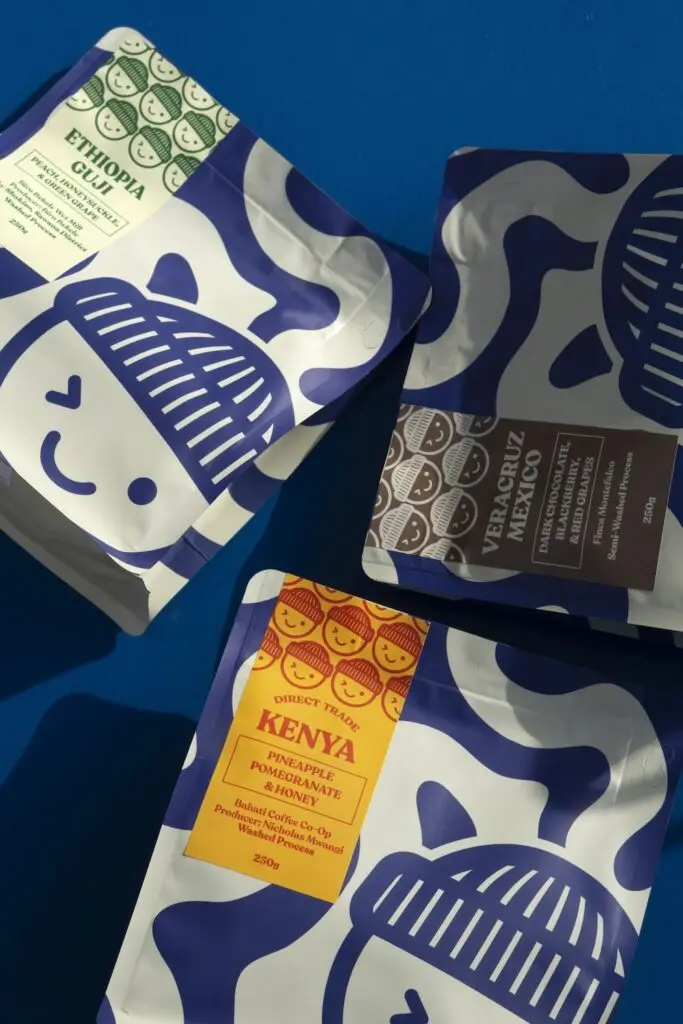
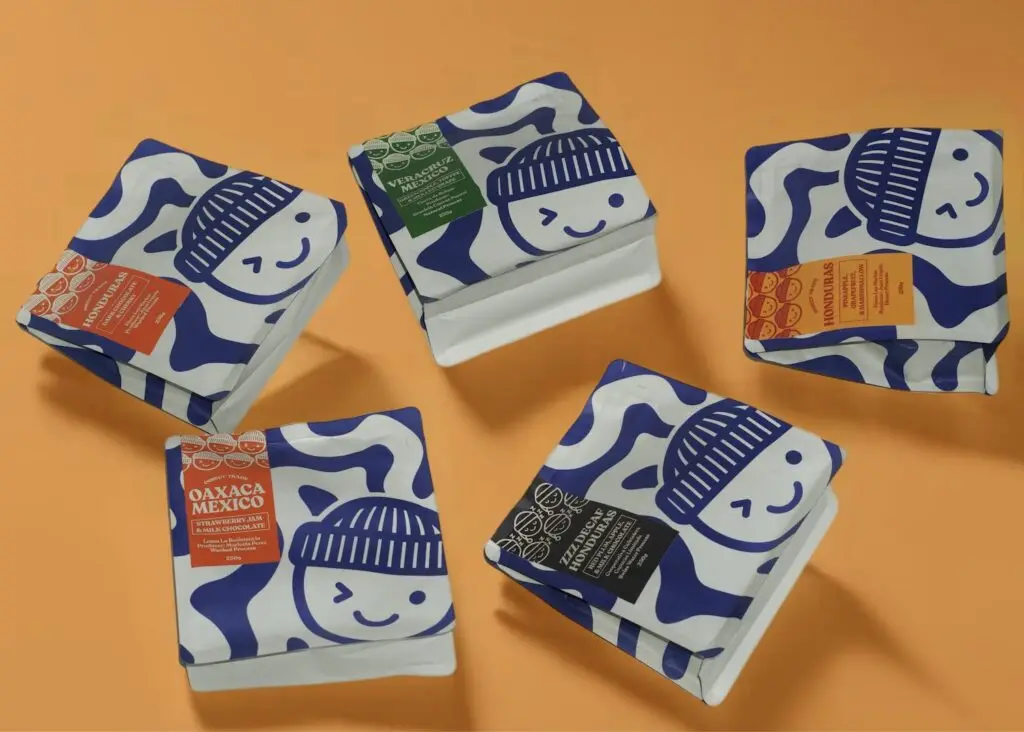
Inside Bread & Salt—Barrio Logan’s old Weber Bread Factory turned into one of the city’s most vibrant art, culture, and community spaces—there’s a cafe in front of a giant, now-defunct bread mixer. Mexican-owned specialty brew shop and roastery Provecho! Coffee started as a pop-up in 2020, but its success quickly bricked-and-mortared. Although Provecho! specializes in sourcing and roasting Mexican coffees, its consistency is variety: The lineup changes regularly as Provecho! finds new sources around the world. Get a to-go taste via the coffee bags that range between 250 g and 2 kg.
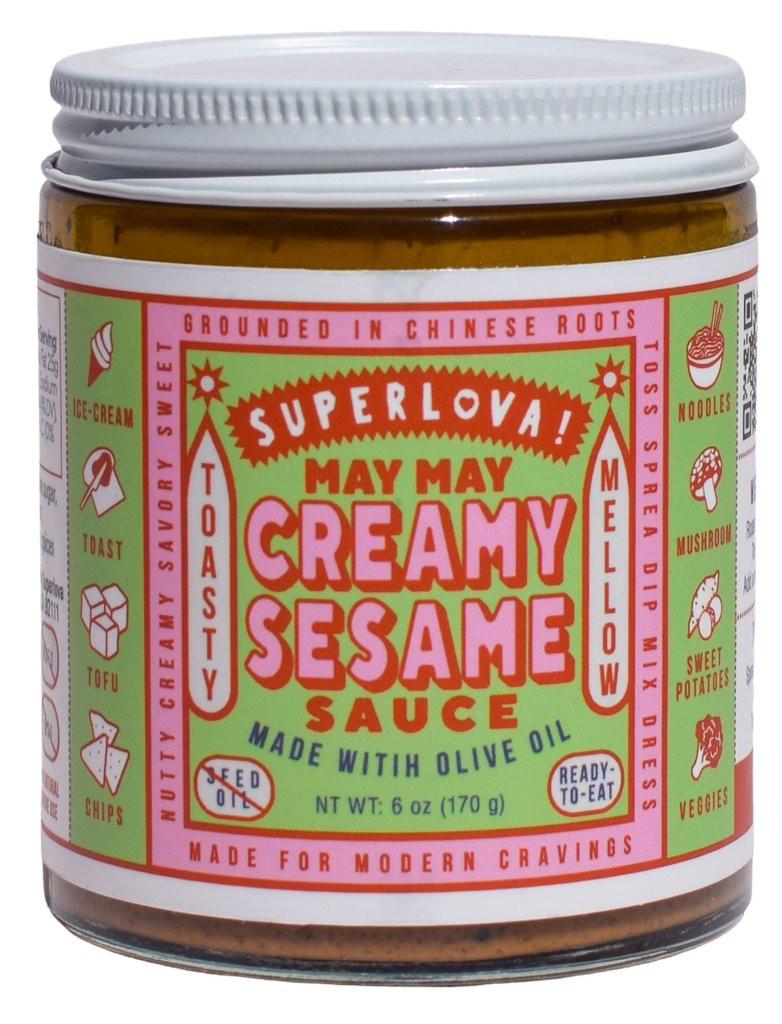
Superlova!’s Chinese-inspired, seed oil–free sauces are grocery list mainstays for San Diegans. The sesame sauces (Dan Dan is spicy, May May is tame) pair with noodles, dumplings, or any meal that could use a little more oomph. They don’t have tahini, which is de-hulled; they have Chinese sesame paste, which is dark-roasted for a nuttier flavor and packed with fiber and calcium.
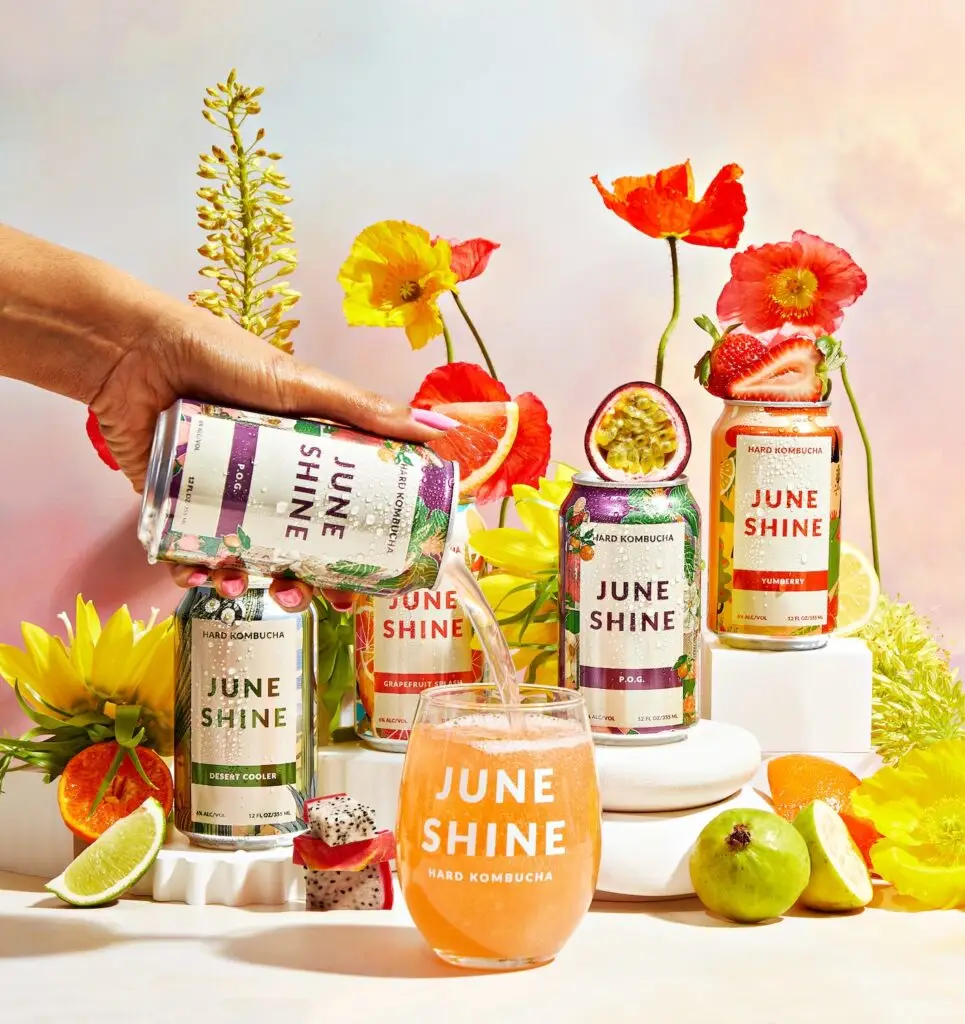
San Diego is known for beer, sure. But real locals pour from a different tap. JuneShine’s low-sugar, yet still refreshingly sweet, hard kombucha is an SD favorite. The brand has joined the canned cocktail tidal wave and now sells vodka mules, tequila palomas, and vodka sodas—all with about two shots per can, real juice, and sparkling water. But for a classic food gift, get a variety pack of the booch. Fit it into your checked bag. It’s worth it.
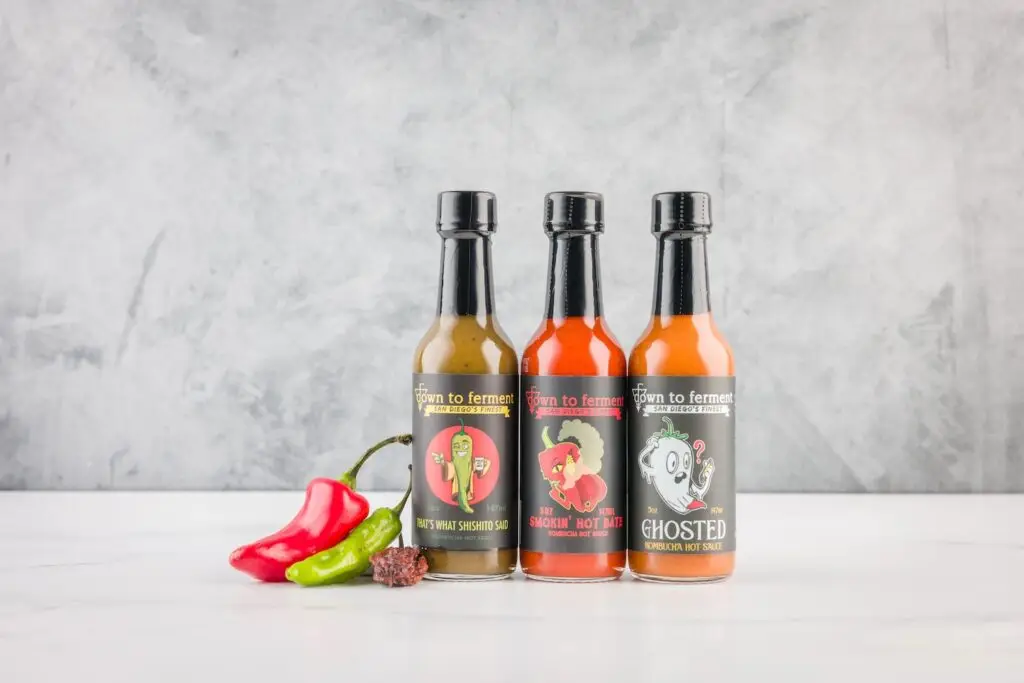
Double entendre is key to hot sauce brand Down To Ferment, aka DTF. (Popular sauces have flavor names like CornHub, Smokin’ Hot Date, and Ghosted.) But it’s no gimmick. The homemade, kombucha-based sauce is seriously good: DTF’s That’s What Shishito Said made it onto Season 30’s lineup on Internet-famous interview show Hot Ones.
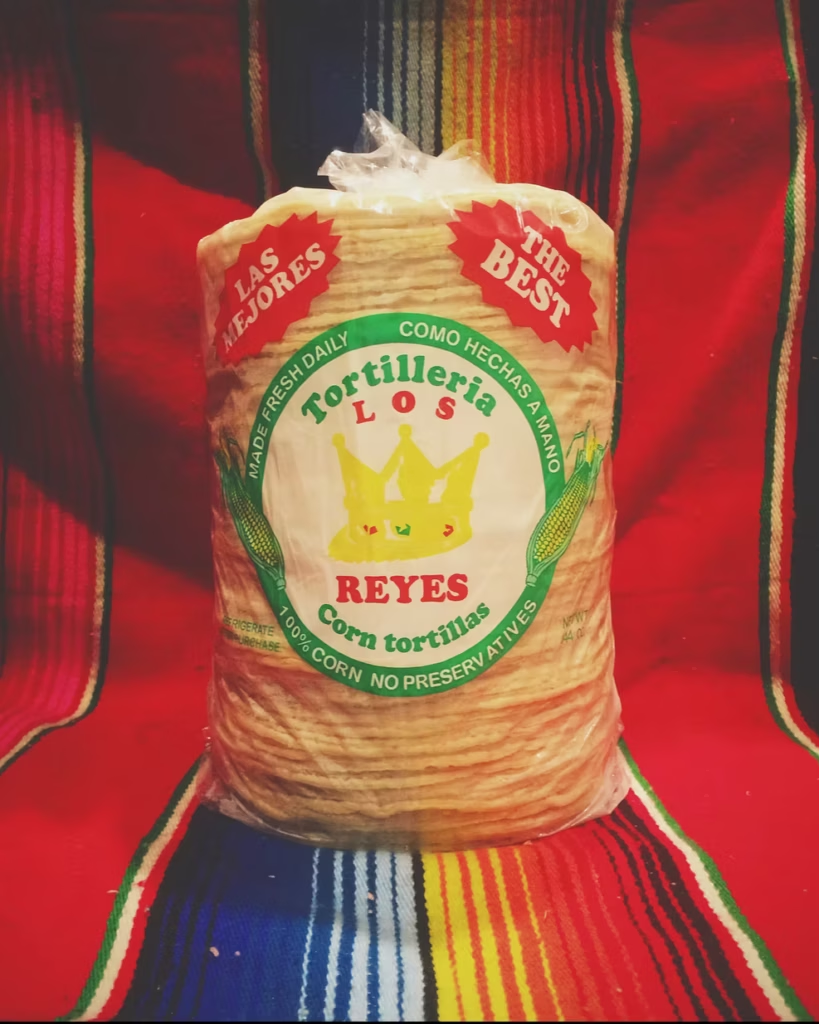
As discussed, carne asada burritos travel about as well as a toddler with emotional-regulation issues. But the soul of a truly great, San Diego burrito? It’s not the fillings. It’s the tortilla. You can’t go wrong from any locally owned spots, but our favorites are Tortilleria Los Reyes in Vista, Windmill Farms Market in Del Cerro (which uses Pancho Villa’s old tortilla press), Esperanza’s Tortilleria in Escondido, and Tortilleria Lily in City Heights.
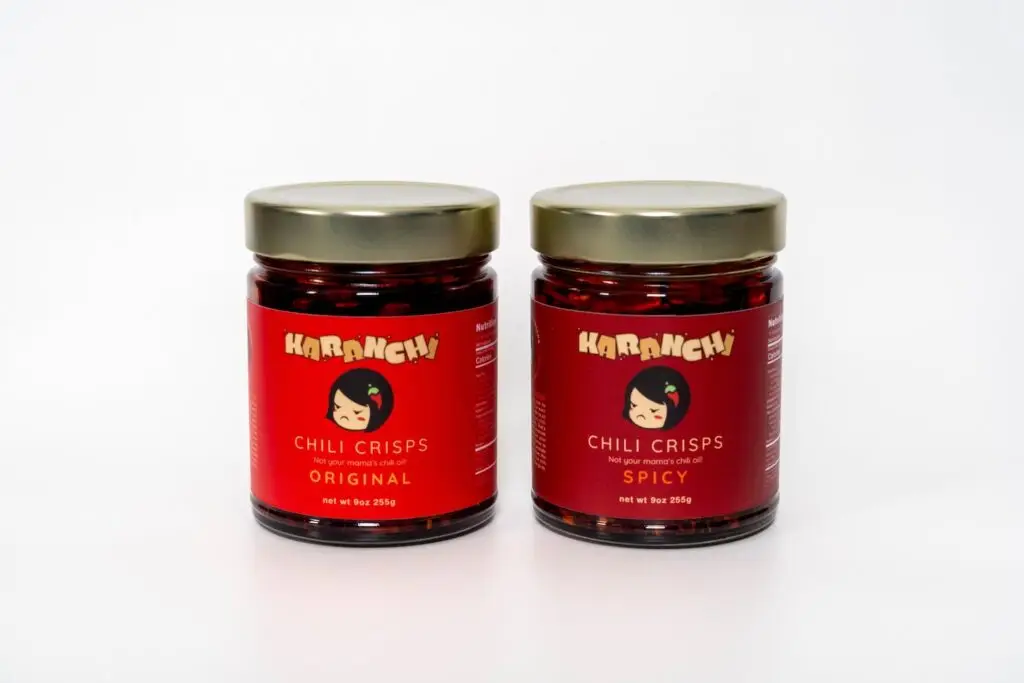
Handcrafted in small batches, Karanchi’s Sichuan peppercorn–packed chili oil comes in two varieties: original and spicy. The original warms your palate and adds depth to your meal, and the spicy is a form of mealtime masochism. Founder Nguyen Le’s favorite way to eat his garlic-studded chili crisp is on avocado toast—which makes an already San Diego meal even more San Diegan—but it’d make old shoes taste pretty good.
Fresh fish ranks low on society’s acceptable realms of carry-on items. But canned fresh fish straight from local fishermen? You’re the best part of a bruschetta. Every Saturday at the docks behind Seaport Village, fishermen step off their boats and sell what they caught as recently as that morning. While getting yourself some fresh sea urchin and squid, grab a couple cans of locally caught albacore tuna for the tinned-fish lover in your life.
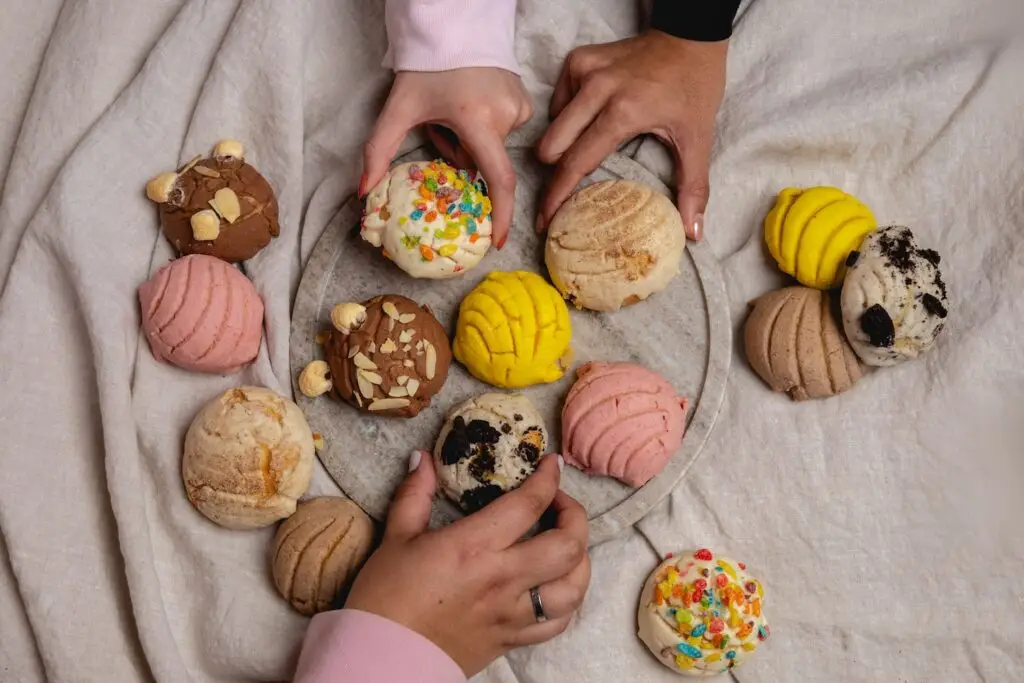
Started as a pandemic baking hobby for BFFs Natalie Rodriguez and Lesly Mendoza, Tus Chefs is now a South County favorite spot for conchas with a twist. The menu is expansive enough to get over a baker’s dozen without any repeats—why not get one of each, anyway?—but if you only have enough space in your carry-on for a few, start with popular “chocolate abuelita,” churro, mazapan, horchata, and brownie conchas.
Emma Veidt is an editor at San Diego Magazine. She earned her bachelor's and master's degrees from the Missouri School of Journalism. She loves running, hiking, and rock climbing, but really, she mostly loves encounters with the street cats around North Park.
After a blind taste test, these four desserts came out on top—see the winners here
Basque grandmothers have not been making it for centuries. If you’re a millennial, there’s a strong possibility you’re older than the dessert itself. Yet somehow in less than 40 years, the Basque cheesecake—a half-pudding, half-cake creation with a top that looks like a mistake—managed to ooze its way onto menus all over the world.
It became the undisputed dessert star of San Diego’s restaurant world this year. So we invited 19 of the top restaurants, pastry chefs, and bakers to bring their best to the San Diego Magazine office for a blind taste test to find the best in the city.
First, a little history and context.
In 1987, after failing to find a job as an electrician, Santiago Rivera started working as a bartender at his parents’ unassuming pintxo bar La Viña, in San Sebastián, Spain. He was a naturally curious, self-taught cook who spent his free time testing recipes, tinkering with ingredients, and tweaking techniques.
So when it came to the cheesecake—which hadn’t changed much since its invention (a rudimentary version was served at the first Olympics in Greece 4,000 years ago, and the modern New York version in 1872)—he got radical with it.
He removed the crust (partly just to speed up the process because time is money for a small business). Without the crumbly crust, the experience was far creamier, less granulated. Then he cranked the oven to 400 degrees, nearly 100 degrees hotter than the normal baking temperature.
The result? The top became deeply caramelized, almost burnt, while leaving the center luxuriously soft and loosely set. The restaurant became a legend because of this breakthrough in the dairy arts, and his father never let him stop making it after that.
Now, 67 years after the restaurant’s opening, La Viña stands out for the unceasing line spilling onto the street, and the remarkable amount of curd cultists standing nearby, hovering over cream-smeared plastic containers. It’s the kind of scene that makes you stop and think: What the hell are they eating?
Now, the blind tasting. To keep things fair, the contenders were divided into four categories: Restaurant Traditional, Restaurant Flavored, Bakery Traditional, and Bakery Flavored. (It’s a tad unfair to pit a baker who specializes in the one glorious thing against a restaurant that cooks dozens of things.) Each entry was served blind and judged on texture, flavor, and number of vaguely inappropriate food moans.
The logistics were chaotic, to say the least. Our fridge—not a walk-in, sadly—was packed to the brim. Each cake was sliced, secretly labeled, and shuffled onto plates while the team gathered in the conference room. The whole shebang was not in any way sponsored by Lactaid, despite our various attempts to convince them of this ripe marketing opportunity.
The judging became gloriously unhinged. We heard it all, from “I don’t care how the cheesecake gets in my mouth, it just needs to happen,” and “Is it supposed to be this jiggly?” to “Kind of a baby throw-up situation,” “Straight cheese,” and “I’m getting vague socks there.”
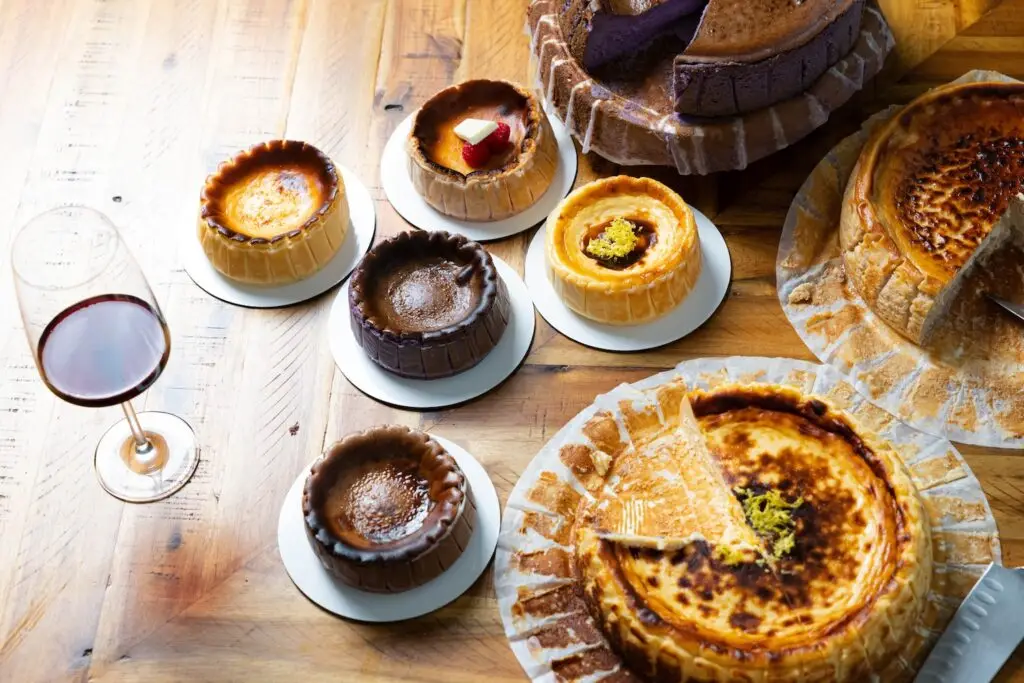
But four Basque cheesecakes stood out among the rest, earning themselves the title of Best Burnt Basque Cheesecake in San Diego.

A restaurant for the people. Rosarito native chef Juan González and Megan Strom are the ideal married couple to be running a farm-to-table joint. She’s been a farmer for decades, selling top-notch produce to some of the best restaurants in California—which is how the two met. A couple years ago, she started working at the small organic farm in Valley Center run by Mike Reeske, who had spent decades breeding the perfect heirloom beans for SoCal’s climate. He recently retired, and gifted those strains to Strom—who grows them (and other crops) for their tiny Escondido taco/burrito shop specializing in guisados (Mexican stews).
A Basque cheesecake in a taco shop? You bet. Juan’s got family roots in Spain and has cooked in Spanish kitchens.
Mesa Agricola’s winning Basque is by far the most “burnt” of all contenders—so much so that an Instagram follower declared it a mistake. But as Chef Juan notes, there’s an art to hitting the sweet spot where “the bitterness of the char balances the richness and sweetness without turning it into ‘chicharrón.’” Plus, char is a core charm of Baja cooking. It’s the perfect Basque for the people who prefer setting their campfire marshmallows fully on fire.

With red leather booths and a retro steakhouse vibe, Moe’s in Mission Beach is a good cheat day destination. The menu is flavor maximalism—dry-aged steaks, housemade pastas, brown liquors, and sides like the lobster truffle mac ’n’ cheese. Pastry chef Eli Peralta (whom some might remember as the creator of The Patio on Lamont’s “Twisted Elvis”—a peanut butter-banana brûlée stunner) brings that same intensity to the dessert menu.
Baked at sister restaurant Molly’s (6 feet away), his Basque is served on a bed of caramel with walnut brittle and a dollop of whipped cream, an indulgent recipe that converted the pastry chef himself. “I wasn’t crazy about cheesecakes,” Eli admits. “Then I started making different flavors, and I started to like them.” He’s not the only convert: During our blind tasting, one judge likened the cake to crème brûlée, concluding, “I don’t even like crème brûlée, but I like this.”

Every creative pursuit starts with a muse—and Lada Sadovnyk’s has been the Basque cheesecake for years. In Ukraine, she baked them for friends and family gatherings, never imagining she would one day build an entire bakery around them in the US. “When we moved to San Diego,” she explains, “I kept thinking, ‘What can I do? What do I really love to do?’”
The answer is pretty fantastic.
After obsessing over proportion and techniques, chasing that molten center and deeply caramelized top, what began as an online recipe evolved into something entirely of her own.
She moved from her home kitchen to a rented commercial kitchen close to Sports Arena. The orders kept coming, and so did the pressure. “At one point, I was thinking about divorcing my husband,” she says with a laugh (while sitting next to him). The grind paid off: Today, Muse Cheesecakes bakes roughly 1,200 cheesecakes a month and is planning to open its first brick-and-mortar home in Pacific Beach.
For our competition, the expectations met reality. Muse has made a quick name in San Diego as the Basque to beat. In a blind taste test, there’s no bias, no reputational shine to sway a room. The response on reveal: “Oh, of course.”

Husband-and-wife duo Alex and Anastasia Kiperband pulled off the number of failures (and then some) that are required of any search for the best recipe. After adjusting baking temps, sugar rations, and experimenting with different brands of cream cheese and heavy cream—they finally landed on something worthy of a business license.
“When we started this business in America, we were really nervous,” Anastasia says, co-owner of Bite Cheesecakes & Bakery.
Once they won over those first customers, their confidence grew enough to start tinkering. When Dubai chocolate took social media by storm, they developed their own version, making the pistachio paste from scratch before layering the buttery kataifi pastry beneath a glossy chocolate shell to create its signature Dubai Chocolate Basque Cheesecake.
“In a lot of situations, we’re converting cheesecake haters to cheesecake lovers,” they say. “That’s probably the best feedback that we get.”
Camila Ibarra Gallego is a CaliBaja native pursuing a master's degree in culinary journalism at the Basque Culinary Center. Shaped by the culturally rich, bicultural megaregion, she's passionate about sniffing out stories that connect people, territory and culture through food. When she's not tumbling down internet rabbit holes, you can find her pretending to be a wine connoisseur at a local wine bar or nose-deep in a good book.
The team behind El Agave and Nómade will open a breezy new restaurant with tapas, housemade pasta, seafood, and plenty of wine this September
After running El Agave Restaurant & Tequileria in Old Town for 30 years and opening Nómade Tapas & Records in North Park in 2025, owner Juan Carlos Gomez wasn’t actively on the hunt for a new project. But sometimes, you have to grab the opportunities as they come, unexpected though they may be.
He was taking a stroll in Bankers Hill last year when he noticed Barrio Star was closing after 17 years. “[It] was a neighborhood staple for a long time,” he says. So he figured he’d take a look. “We were talking with ownership and threw out an offer, and then it was accepted. So we were like, ‘Okay, cool, guess we’re going to get a new concept going!” (Much respect to the YOLO business style.)
That new restaurant is nearing completion. Filo will open early in September. The restaurant’s name, pronounced fie-low, references phyllo, the Greek word for “leaf” and an unleavened pastry dough commonly used in Mediterranean (often Greek) cuisines. Gomez says the menu will range from all over the Mediterranean region.
“I’ve always been a fan of European cuisine, obviously, but I can’t land on just one,” he laughs. “I’m part Spanish, so we wanted to do something Mediterranean, have a little bit of Spanish, have a little bit of French, Italian, Greek… a lot of olive oil, a lot of sea salt, and very, very light seasoning.”

Although the menu feels European, Gomez says expect the vibe and ingredients to feel very Southern Californian. There will be tapas, of course, and other small plates, along with housemade pastas, salads, with lots of seafood (like a whole branzino) coming from local purveyors. The accompanying beverage program will feel equally breezy, “fresh, very light, citrusy, salty,” he says. “We’re going to have a pretty hefty wine list and full bar.”
Gomez’s goal for Filo is for it to feel like a laid-back, seaside eatery on the craggy Mediterranean coastline—light colors, white oak, lime wash, flowing between the indoor dining room and outdoor patio. Personally, a European escape sounds pretty awesome right about now.
Filo opens at 2706 Fifth Avenue in early September. Initial operating hours are 4 p.m. to 10 p.m. daily, with lunch and happy hour coming soon. (Subject to change.)

Listen Now: The Latest in San Diego’s Food and Drink Scene
Have breaking news, exciting scoops, or great stories about new San Diego restaurants or the city’s food scene? Send your pitches to [email protected].
Beth Demmon is an award-winning writer and podcaster whose work regularly appears in national outlets and San Diego Magazine. Her first book, The Beer Lover's Guide to Cider, is now available. Find out more on bethdemmon.com.
The city's fish taco hero is opening Concrete Cowboy across the street, plus a home-cooked Mexican sandwich spot
You have to be crazy or a genius to name a restaurant Fish Guts. You have to be even crazier to open a restaurant that holds maybe two dozen people at a time—if you don’t mind elbowing one other while scarfing down some of the best fish tacos in San Diego.
And yes, “best” is a relative term. But in Fish Guts’ case, it’s for real—and that’s saying something in a town literally world-famous for fish tacos.
Ever since Pablo Becker opened up his diminutive eatery in 2023 at the corner of Logan Avenue and Sampson Street in Barrio Logan, Fish Guts has been named one of the city’s best new restaurants in 2023, Critic’s Pick for the best fish tacos in San Diego in 2024, 2025 and 2026, as well as readers’ top pick in 2024. It’s like if Rubio’s married into the royal family.
Most of his ingredients come straight from the cold waters of the Pacific Ocean, which happens to be down the street. His de espada (blackened swordfish) taco is the stuff of legend. He’s kept Fish Guts operating at an elite level, which tends to happen when you work for five years in Chicago under chef Richard Sandoval (who, by chance, is also his cousin) and open an ahead-of-its-time high-end modern Mexican restaurant in East Village (El Vitral Restaurant & Tequileria, 2009-2013).
Now Becker is branching out again, opening two new concepts in Barrio Logan this fall.
The first will be upstairs from Fish Guts, which at one point was destined to become an intimate omakase counter. Santo Poco will be a lunch-only sandwich shop, offering takeout and delivery (no dine-in), and the sandwiches will be a little Mexican, a little French, a little Italian, a little from Chicago, a little from New York. Basically, a bunch of different styles all on really, really good bread.
“There’s probably going to be a Cuban-style sandwich in there with a touch of Mexican, some cold cut Italians, too, putting my touch on them,” he says. “That’s what I feel like is my style of cooking.”
Things will be traditional, but inventive. Like his fish & chips taco at Fish Guts: two classic dishes, one killer mash-up. There will also be a hat tip to the late, great Anthony Bourdain, a sandwich called the Antonio Bourdain.
The second will be across the street from Fish Guts in the former Lia’s Lumpia space. Concrete Cowboy will be a taco-driven joint on the same wavelength as Fish Guts (keep it simple, keep it special), but featuring land animals rather than sea brethren. Think tacos made with duck confit, ribeye, pork belly, skirt steak.
The inspiration behind Concrete Cowboy comes from Becker’s father, a lifelong Western obsessive, despite growing up in Mexico City’s urban metropolis. “He always liked that cowboy life, that vibe,” he says. “I always say ‘Dad, you just grew up in the wrong city.”
He’s aiming to open Santo Poco in October and Concrete Cowboy in November. Neither require massive renovations, and while the former Lia’s Lumpia space will keep the cabin-esque aesthetic, he’s creating more of an adobe-style exterior and an interior lined with Western-themed wallpaper and taxidermied animals. He’ll also tweak the bar layout to move from a fast-casual feel to full service.
Local designer Dane Danner is designing both spaces and visual direction for menu layouts, logos, and packaging, going for low-key, but high on vibes. Once Concrete Cowboy opens, Fish Guts will temporarily close to remodel the space to switch its white palette for a warmer feel, plus introducing a refreshed menu featuring some new tacos and other items.
Could another Fish Guts be on the way somewhere else in San Diego? Not likely, says Becker. “Fish Guts is cool, “ he says. “I feel once you start branching out, it’s more forced, not as organic.” So for now, count on Becker staying in the neighborhood.
Santo Poco opens for lunch daily October 2026, 2222 Logan Avenue (above Fish Guts). Concrete Cowboy opens Tuesday through Sunday for lunch and dinner November 2026, 2219 Logan Avenue.
Beth Demmon is an award-winning writer and podcaster whose work regularly appears in national outlets and San Diego Magazine. Her first book, The Beer Lover's Guide to Cider, is now available. Find out more on bethdemmon.com.
KQ Aesthetic Society goes beyond cosmetic to provide comprehensive care and transformative results
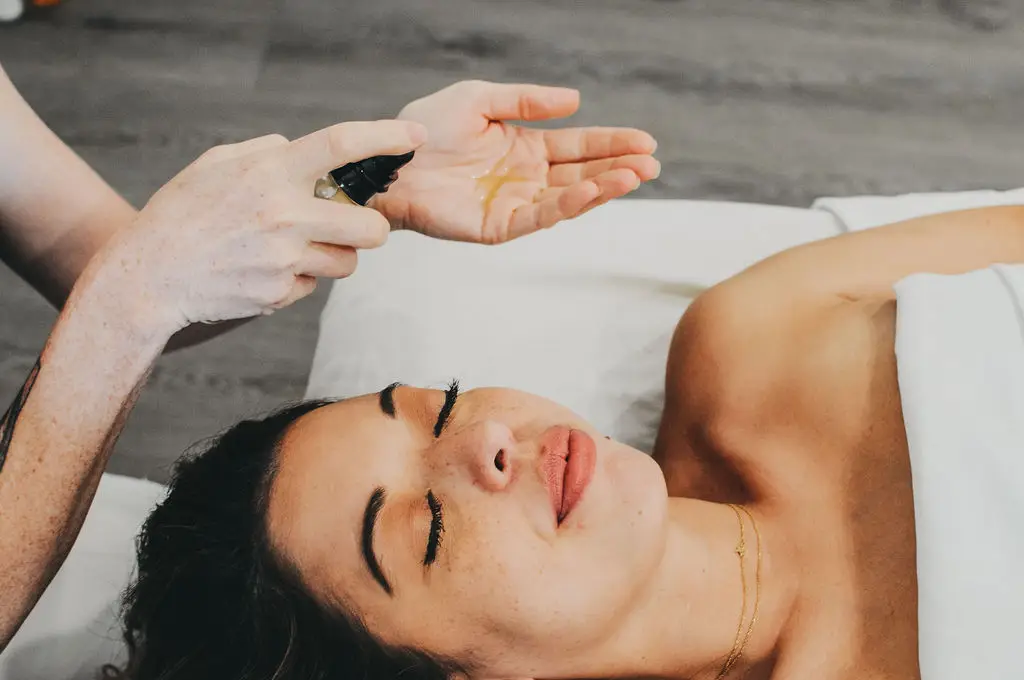
Kelly H. Harfouche, founder of KQ Aesthetic Society, knows firsthand that cosmetic treatments like fillers, neurotoxins, and microneedling, can not only enhance a person’s appearance and restore confidence, they have the power to truly change a person’s life. An expert injector has the ability to tailor treatments to each individual patient’s anatomy and goals for personalized results. Harfouche, a board-certified nurse practitioner, has spent nearly a decade perfecting her craft as an aesthetic injector and integrating her multifaceted artistic skills with precision patient care. Her commitment to continual education and training, plus a passion for helping people look—and feel—their best, set KQ Aesthetic Society apart in a sea of local medspas.
For many people considering nonsurgical treatments, the intent is to look refreshed and refined. KQ Aesthetic Society’s philosophy eschews a cookie cutter approach that bases treatments around units, instead working to understand each person’s unique goals, then curating a treatment plan to fit that vision. Harfouche focuses on “inclusive luxury,” the belief that everyone deserves access to aesthetic treatments, respective of budget restrictions. She develops long-standing trusted relationships with her patients, and works with each one to achieve their aesthetic objectives and address the underlying causes of their concerns.
“For me, forming an honest and open relationship with every patient who walks through the door is essential. This means understanding them on a deeper level and meeting them where they are to define and achieve their individual goals,” she says.

Drawing on her artistic background, which inspired her transition into medical aesthetics, Harfouche sees each client as a “unique canvas.” Rather than relying on standardized procedures, the practitioner’s distinctive approach combines her profound understanding of the physiological and anatomical changes associated with aging with an unwavering commitment to ongoing education about the newest products and their mechanisms of action. Her goal is to make each patient feel beautiful in their own skin and to embrace their individuality.
She has also pioneered a way to combine her talent for aesthetic artistry with her philanthropic nature. Harfouche is one of only a handful of providers using dermal fillers to treat patients with lip asymmetry and scarring resulting from cleft lip surgery. Patients travel from around the country for this transformative treatment, noting increased confidence and a restored identity. She hopes to eventually launch a training program to help fill the void in this space.

“My passion has always been connecting with people and giving back in any capacity that I can,” she says. In the rapidly advancing landscape of aesthetic medicine, you can place your confidence in Harfouche and KQ Aesthetic Society to deliver exceptional care. To learn more or book a consultation, please visit kqaestheticsociety.com.
The University Heights eatery will close September 7 for a multi-month renovation and rebrand
Ten years ago, restaurant design centered around sleek minimalism. Fonts lacked serifs, clean lines dominated, and any manufacturer that made globe-shaped chandeliers must have made an absolute killing.
Things have changed since then, and Jeff Fink says it’s time for Madison on Park to glow up. On September 7, Madison will temporarily close its doors for a top-to-bottom renovation of the space and concept. Fink hopes to reopen this fall ahead of the busy holiday season, with a new look he calls moody mid-century maximalism.
“We have to take into consideration what’s going on culturally,” he says. When Madison first opened, TikTok wasn’t a thing in the U.S. and craft cocktails felt relatively cutting-edge. Today, he sees a resurgence in the vintage look, handmade goods, and low-to-no ABV drinks dominating menus everywhere.

Fink and his partner Matt Sieve have already dabbled with that sort of motif at Sonny’s Pizza, their Brooklyn-inspired joint around the corner. Fully half of the cocktail menu is made up of spritzes, mocktails, and Negronis. Madison 2.0 will take it further.
The new concept doesn’t have a name yet—Fink says they have to feel out the vibes as they make progress with the design. “The name comes when you see it appear,” he says. But he has a few design elements in mind: things like more artwork and more uplighting. “Not cluttered and overstuffed… I want to keep it intimate, sexy, and immersive.”
Madison rightly earned its rep as one of the best-dressed eateries in San Diego, nabbing an Orchid Award for interior design its first year. The returning designers Anna and David Sindelar originally transformed the space from weird padded walls and fake greenery at Lei Lounge into a mid-century modern wonderland, complete with a signature arched ceiling and geometric patterns aplenty. Michelin-recognized chef Mario Cassineri (Ciccia Osteria, Bice Ristorante) built a menu heavy on Mediterranean flavors mixed with California classics.
The new menu shouldn’t feel completely jarring, but will take cues from Fink’s recent travels in Spain with his family. Expect shareable plates with lighter ingredients. “Americans eat way too much, and our portions are way too big,” he says. “I like the idea of smaller plates, healthier plates, and being creative… I’d rather see 15 items on the menu that are all less than $20 so that I can try different ones.” Bar manager Danny Kuehner will continue developing craft cocktails and mocktails for the new venture, as well as curating a selection of wine from Europe and locally.

This isn’t the only project on their plate. Besides running Sonny’s in University Heights and Madi in Normal Heights, later this fall, Fink and Sieve will also open Josie’s, a modern all-day, Midwestern-style diner inspired by Sieve’s Minnesota roots. Like all their restaurants, it’ll hold a special part of their families’ legacies—something Fink hopes people feel as soon as they enter.
“You walk into Sonny’s, you’re like ‘Oh, Jeff’s at home,’” Fink laughs. “[Josies’] will be ‘Matt’s at home.’” The next version of Madison? We’ll have to wait and see.
Madison on Park will temporarily close on September 7 until October (barring any unexpected delays). Keep up with the newest updates on Madison’s Instagram.
Listen Now: The Latest in San Diego’s Food and Drink Scene
Have breaking news, exciting scoops, or great stories about new San Diego restaurants or the city’s food scene? Send your pitches to [email protected].
Beth Demmon is an award-winning writer and podcaster whose work regularly appears in national outlets and San Diego Magazine. Her first book, The Beer Lover's Guide to Cider, is now available. Find out more on bethdemmon.com.
Sinner Buns is building a following for its slow-made, seriously gooey weekend treats
When I was pregnant, my food craving was singular and intense. If I didn’t eat at least one thing doused in cinnamon every day (ideally, more than one), I was—to put it gently—a complete monster.
Since then, my obsession has tempered somewhat. But cinnamon buns still perch high on my top treats list, so I’m always on the lookout for the next great place to indulge. IMO, The Huddle in Mission Hills’ mondo cinnamon roll remains top-tier, but after eyeing the ooey, gooey goodies from Sinner Buns, we might have a contender.
Originally from Ukraine, Daria Nadar had already done everything one can do at a bakery—business operations, wholesale contracts, actually baking, you name it—so during the pandemic, she started dabbling with perfecting her cinnamon rolls. After she got a couple fans over social media, she threw her first pop-up to see how they’d be received. She sold out.
After a few false starts with a couple storefronts and business deals, Nadar officially launched Sinner Buns in October 2025 with her partner Filipe Pazi. After making it through an unexpectedly hectic season stuffed with holiday orders, the team closed temporarily to get everything in line and reopened this April. Business has remained in full swing ever since.
There are only so many ingredients in a cinnamon roll, but “the process is what makes it special,” she says, adding they use fresh yeast rather than powder and a 48-hour process for each batch of brioche dough made to order. (Thus the need for pre-orders.) Customers can preorder until Thursday each week for pickup Friday, Saturday, or Sunday from Sinner Buns’ ghost kitchen at 780 Hollister Street, just east of Imperial Beach.
You can also catch her at various pop-ups around San Diego. Eventually, Nadar opens to offer nationwide shipping (once she figures out the logistics and quality control) and one day, her own storefront.
But it’ll be on her terms, not the whims of social media. “We already learned how to not only rely on virality of the product, because you go viral and then it fades,” she says. “It’s a slow burner, and I know eventually, it’s going to grow much more.”

Listen Now: The Latest in San Diego’s Food and Drink Scene
Have breaking news, exciting scoops, or great stories about new San Diego restaurants or the city’s food scene? Send your pitches to [email protected].
Beth Demmon is an award-winning writer and podcaster whose work regularly appears in national outlets and San Diego Magazine. Her first book, The Beer Lover's Guide to Cider, is now available. Find out more on bethdemmon.com.
A look at San Diego's top designers creating unique environments that combine creativity and function


AVRP Studios’ tradition for Design Excellence and Innovation began in 1976 with Doug Austin, FAIA, in Solana Beach, California. The firm has since grown to complete major projects throughout the United States and Canada. We think of ourselves as a family and we care deeply about people. We want to inspire, help make their lives richer and more complete through our efforts. We believe that architecture is one of the most important art forms because of the impact it can have on the lives of those it touches. We’re delighted to have been recognized with over 150 awards for design excellence.
703 16th Street, Suite 200, San Diego, California 92101 | 619-704-2700 | avrpstudios.com