

Featured articles
Featured articles
Featured articles
What's next
Featured articles
Featured articles
Featured articles
Ready to know more about San Diego?
SubscribeReady to know more about San Diego?

The omakase-only joint marks a first for sushi in San Diego
Hidden Fish Marks the Arrival of Design in Convoy
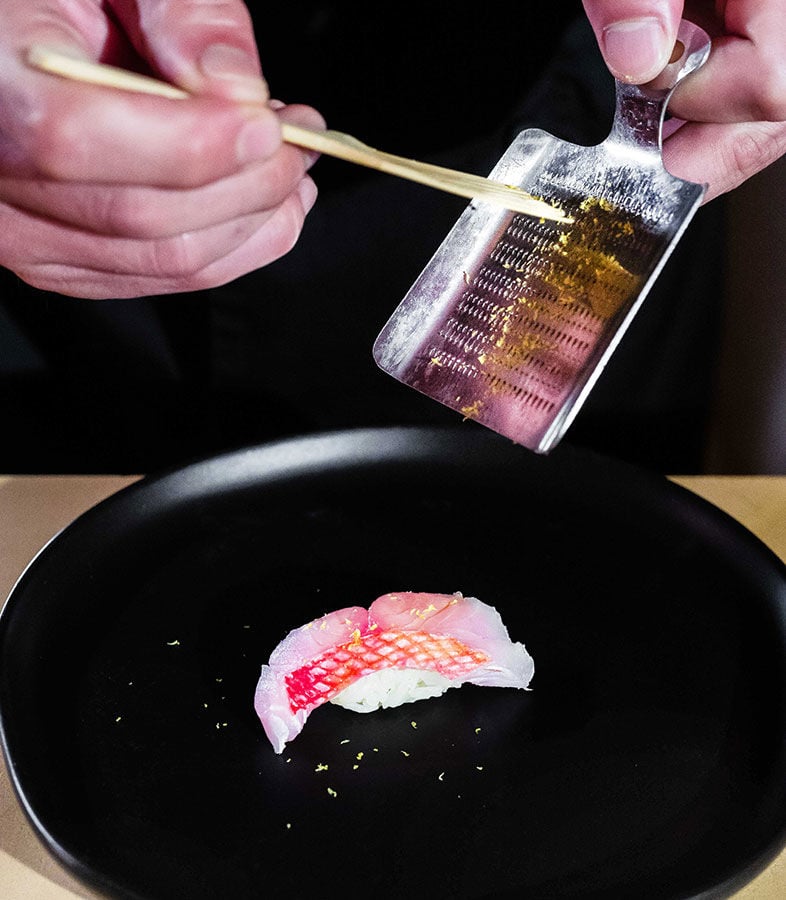
Sea bream with lemon zest
It’s a glow box in the darkness. Hui An Garden restaurant used to light this corner of Convoy Street at night, but its run has ended. There’s a Wendy’s nearby, but that’s another kind of darkness. Because the surroundings are so gothically dead, the warm amber light of Hidden Fish beams like a portal of hope, the Japanese version of Edward Hopper’s famous painting Nighthawks.
Hidden Fish is the first sushi restaurant of its kind in San Diego. There are no rolls. No edamame. No miso soup. No soy sauce on the table. No fake wasabi (Americans love our green-colored horseradish). No desserts. There is only omakase, or chef’s choice. And, of course, sake, beer, and nonalcoholic beverages. Because if you can’t sell beverages at your restaurant, you’ll probably end up selling your restaurant.
Hidden Fish Marks the Arrival of Design in Convoy
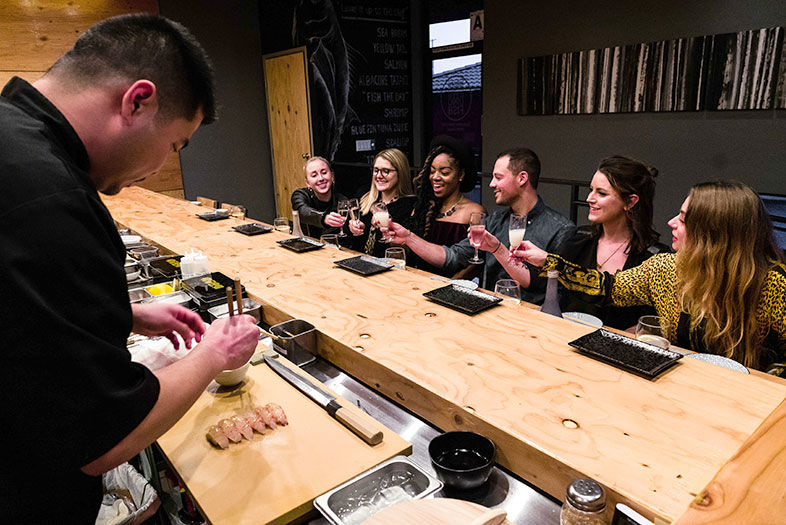
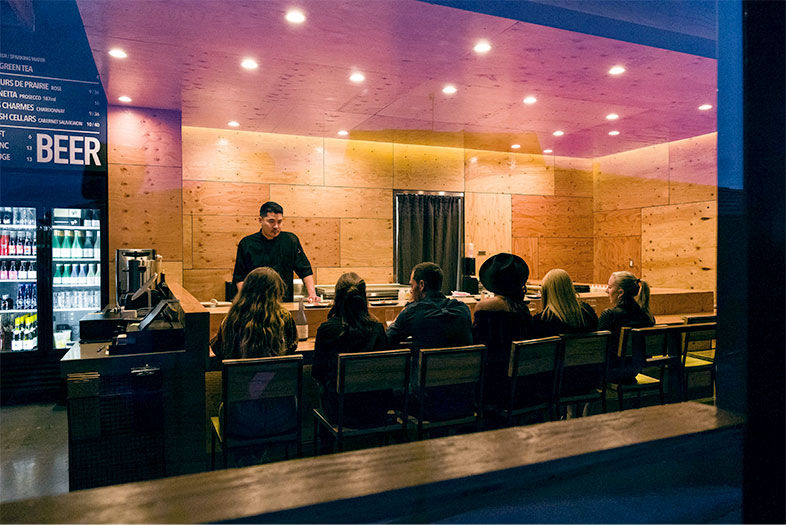
Inside Hidden Fish
“We don’t have a kitchen,” one of the chefs tells us.
Here’s how Hidden Fish works. You make a reservation, which they only offer each hour, on the hour. You arrive a few minutes before your appointed time. A late arrival throws a wrench and a crowbar and a live grenade into the spokes of the Hidden Fish business plan. With only 14 seats and two available experiences—a 50-minute omakase (12 pieces, $50) or a 90-minute one (18 pieces, $90)—micromanaging minutes is essential. As such, a visit here isn’t a dinner reservation in the traditional sense; it is an appointment, like for the doctor or tickets to a movie. The show will start with or without you. It has to, in order to prevent riots from other customers or a brutal Yelping.
That’s why they require a credit card for each reservation. If you cancel within 24 hours of your reservation, you’re charged $25. A manager at the restaurant calls twice to confirm we will be there, and on time.
You arrive and are seated in the “lounge” area (tall seats against the window, less a lounge than a holding area). A “30 Minute Omakase Zone” is painted in large black letters on the concrete floor. Apparently, they started with a 30-minute omakase, but found the time frame too short for a good experience (and now need to repaint their floors).
Hidden Fish Marks the Arrival of Design in Convoy
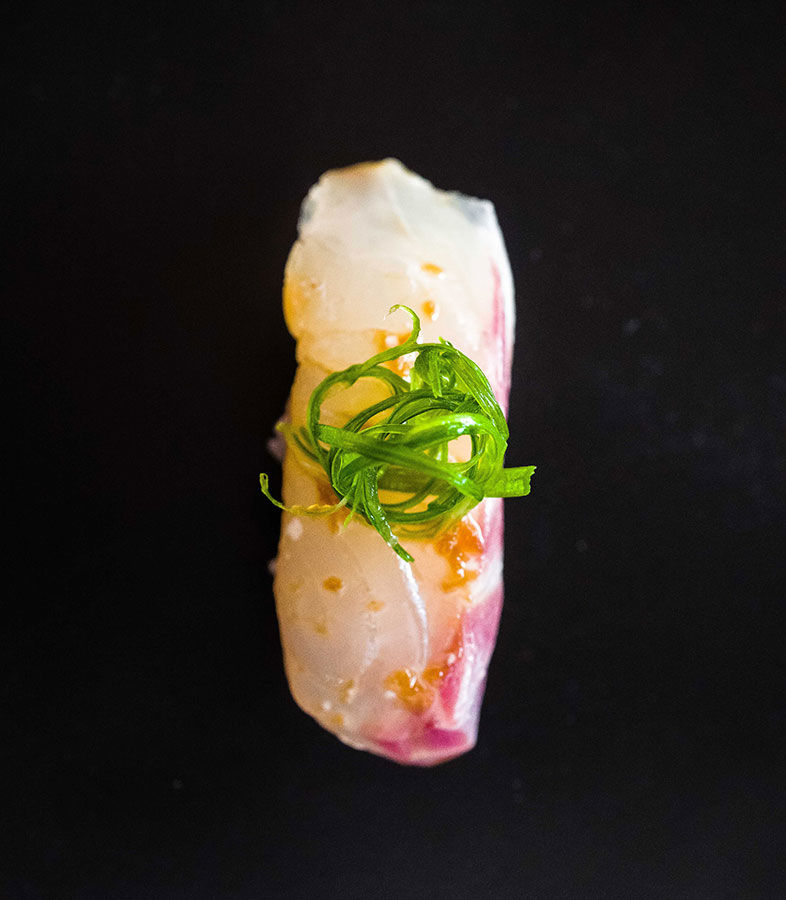
Albacore tataki
In 99 percent of sushi restaurants, omakase is merely one of many options. Hell, most sushi restaurants even serve chicken teriyaki just in case you bring the one remaining American who thinks raw fish is weird. How you enjoy a sushi restaurant best depends on what you enjoy, but many regard omakase as the ultimate experience. It’s reserved for the true sushi aficionados, the adventurous, and the expense-accounted. The word translates to “I’ll leave it to you,” and it means just that. Chefs take a look at their stock of seafood and decide what’s freshest and apex-ish. (Any sushi chef will admit not everything in their refrigerated case is the best that fish can be—the sea is a wild, unpredictable habitat that raises children of varying levels of health and attractiveness.) They serve piece after piece, herbed and sauced to their whim.
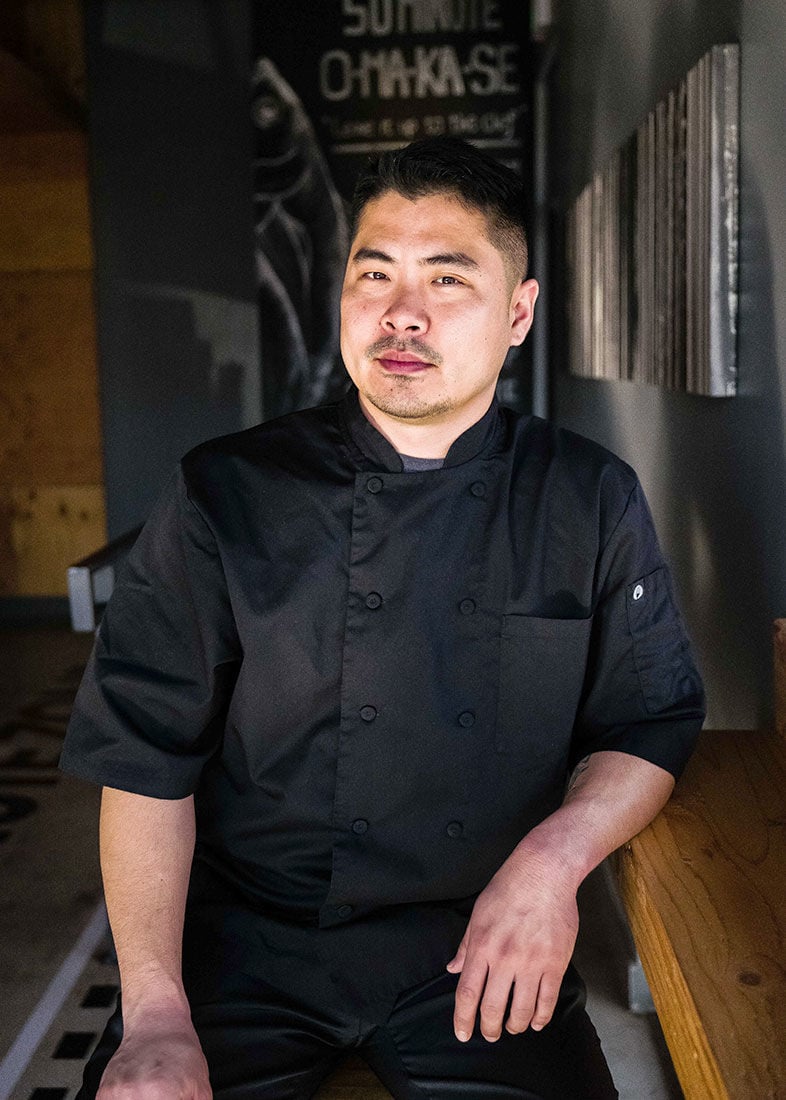
Hopefully that whim is an expert one, since you’re not getting out of Hidden Fish for less than $53.63 per person (not counting alcohol). Chef-owner John Hong (aka Chef Kappa) has a solid résumé—he was opening chef at downtown’s sushi club, Bang Bang, and spent nearly two years working under highly revered itamae Yukito Ota of Sushi Ota. Still, training under Ota does not make your name Ota, or Nobu, or Jiro.
Hidden Fish Marks the Arrival of Design in Convoy
Chef-owner John Hong
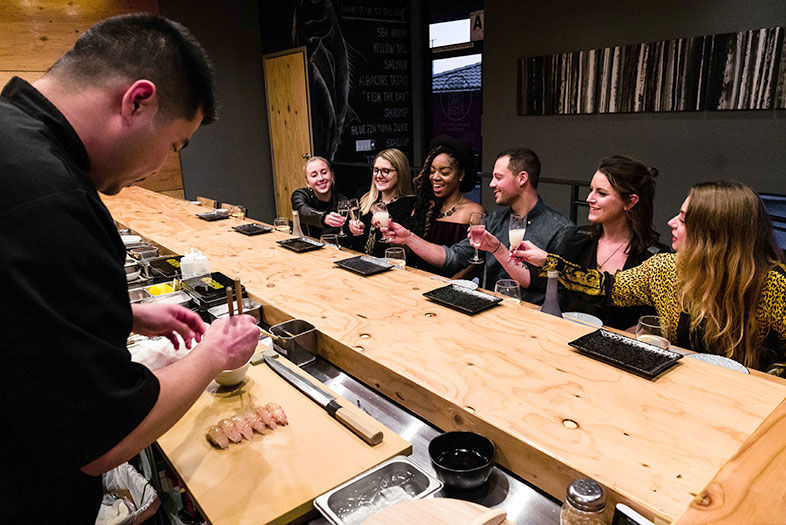
That means Chef Kappa’s still got some proving to do—especially since he’s lopped off the sushi training wheels (rolls, edamame, miso soup, fried foods, etc.). He’s attempting to attract a clientele with higher sushi acumen, and seems to have succeeded. An investment banker from Colorado explains that he chases sushi during his constant traveling, and he’s smitten with Hidden Fish. “There will be a line out the door next month,” he predicts. Another man sits alone for a 50-minute omakase, peppering questions at his chef (there are three chefs in the L-shaped omakase bar).
The omakase at Hidden Fish consists exclusively of piece after piece of nigiri (rice, wasabi, fish, garnish, and sauce). The quality of nigiri comes down to three things: the seasoning and doneness of the rice, the quality of the fish, and the flavor of the sauces (many sub-skills matter, such as storage, butchering, knife skills, a spiritual relationship with fish, etc., but we’ll leave that depth to Jiro for now). Hidden Fish has top-quality fish sourced from all over the world, including San Diego and Tokyo’s famous Tsukiji fish market. They use real wasabi, sweeter and less painful than standard “wasabi” most restaurants serve, which is not wasabi at all.
Where Hidden Fish stands out pretty spectacularly is their seasoned sushi rice and their soy sauce. Instead of the usual mirin (Japanese rice vinegar), a chef explains that they use red wine vinegar. It turns the rice vaguely tan, and the flavor is closer to a nicely reduced broth that’s infused into each fluffy kernel. Chefs should steal this idea. They also ferment their soy sauce from scratch, and the difference is stark. Comparing it to bottled commercial soy sauce is like comparing an aged Japanese whiskey (a Suntory, say) to Canadian Mist, or a Sprite. It’s worlds more delicious, deeply complex instead of merely salty.
Hidden Fish Marks the Arrival of Design in Convoy
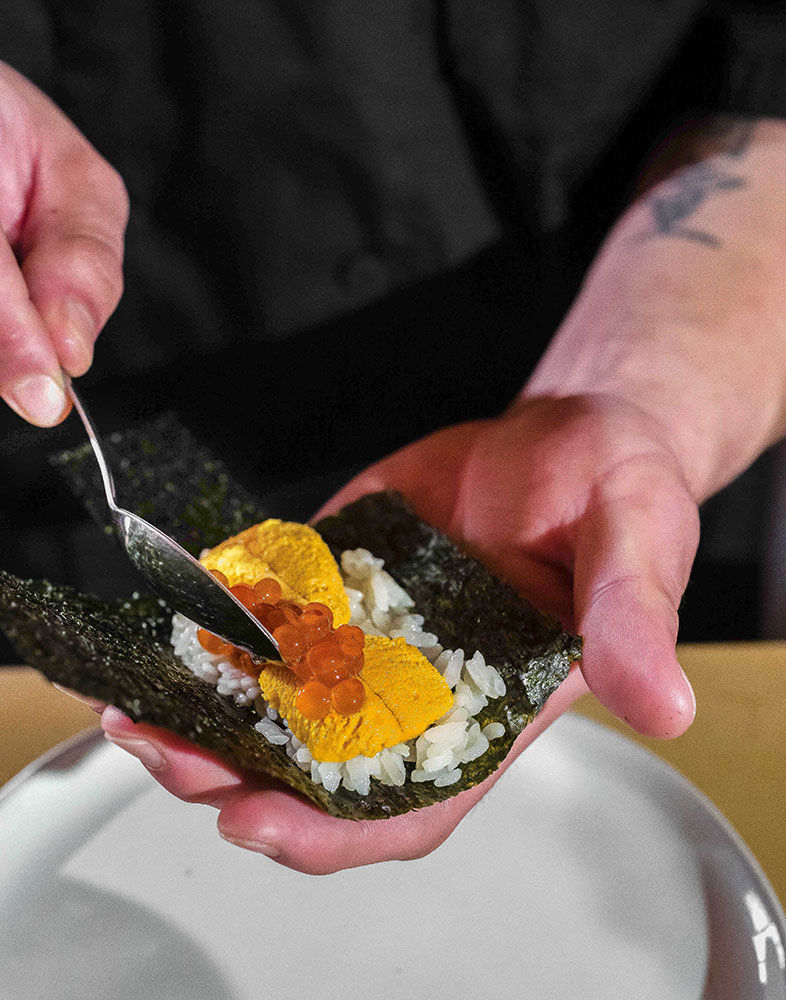
Preparing the uni and ikura roll
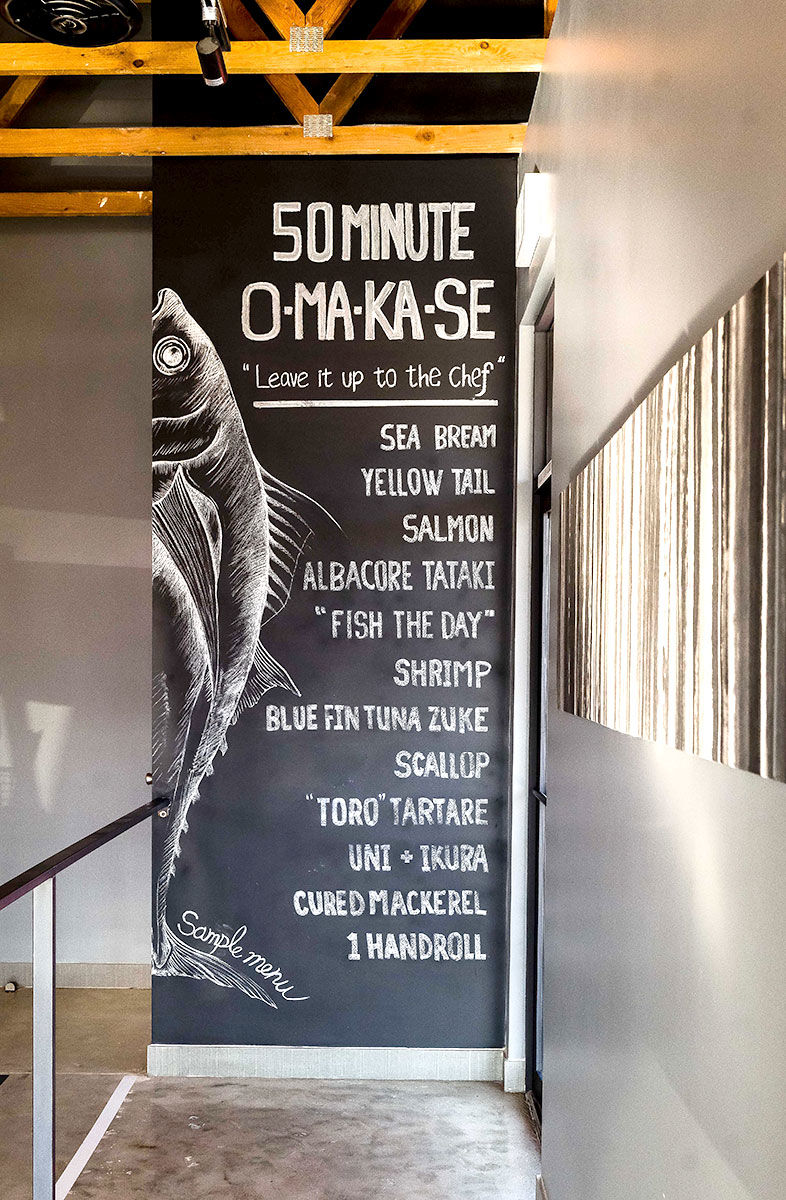
The nigiri comes out to everyone at the same time, every four minutes, almost on the dot. There is a white sea bream with white bean soy sauce and green onions, yellowtail with chimichurri, albacore with radish ponzu, amberjack slathered with truffle oil, cured black cod with sea salt, seared scallop with lemon zest and sea salt, and toro tartare (fatty tuna belly ground in the form of spicy tuna) with that housemade soy, wrapped in nori. There is uni. All of the sauces are delicious, deep with flavor, applied with just the right restrained touch so that they don’t overwhelm the fish. That radish ponzu is particularly special, a sharpness cutting through the fermented umami of the traditional sauce. You can make minor adjustments. If you don’t enjoy uni, the chef will replace your uni course with a different nigiri. If cilantro tastes like soap because of your genetics, you can ask to leave it off.
Service here is very attentive, almost stalkerish. Managers stand behind you as you eat, tending to your every need (really, all you could need is a new napkin or a drink, since that’s all they serve). It’s a small place, so you get the feeling of being voyeured—albeit by very nice and hospitable people.
Compared to the elaborate fantasylands of restaurants in Little Italy or North Park, the Hidden Fish decor doesn’t seem like much. But here in Convoy, it’s like a birth announcement for design. The floor-to-ceiling glass of the facade creates a human terrarium, projecting the restaurant far beyond its small footprint into the streets. The lacquered plywood walls, striking in their unadorned abundance, cast the room in an extreme tan. (I’d previously thought tan incapable of extremeness.) It’s both assaultive and comforting. It’s Home Depot minimalism.
Hidden Fish Marks the Arrival of Design in Convoy
A menu for the 50-minute omakase
For years, the moms and pops around here offered authentic Asian food, often cooked by people who’d spent their formative decades in Vietnam, in Thailand, in Korea. But the design of their restaurants was largely an afterthought, or not a thought at all. They’d spent their life savings on the lease, kitchen equipment, licensing, paperwork, and food. To hire a designer or spend money on fancy walls and chairs must’ve seemed financially irresponsible, if not nuts.
Maybe it is nuts. I know one restaurateur who thinks design has gone too far in San Diego restaurants. We’re valuing things, not food. Owners are spending too much time scrolling eBay, not enough reading Cook’s Illustrated. The result, says this man, is art houses whose underqualified kitchens are serving hot shrugs.
But like it or not, we’re in an art-restaurant moment. And Convoy needed good design—especially since Asian food is everywhere now. This area used to be one of the only places in the city you could find ramen, pho, curries, and azuki bean desserts. Now you can find designer ramen in every neighborhood. A restaurant at the mall serves xiao long bao.
Hidden Fish Marks the Arrival of Design in Convoy
Chef Hong serving at the omakase bar
One thing that concerns me is that, over two visits, we don’t see the sushi chefs clean their knives. We watch one 50-minute omakase before us finish up, and the chefs don’t clean their knives before starting our omakase (another 50 minutes). They’d do well to change this immediately. I’m sure they wash, religiously. Cleanliness is paramount in sushi culture, and in all other aspects Hidden Fish seems extremely dedicated to executing the art correctly. But we simply don’t see it. This should be a very demonstrative ritual at the beginning of each omakase. “Welcome. Let me clean my knives and your omakase will begin.”
When you’re finished with your omakase, you’re not rushed off. As servers explain at the beginning of your meal, you have a few bonus minutes (usually 10 or so) to order more nigiri à la carte. After that, your time is up. You may not linger. The next round of omakasers has arrived. No one seems to grouse about this. They see the next wave of customers gathering, pay up, and leave.
In fact, we find the lack of control relaxing. So a thank-you of sorts is in order to Hidden Fish for that, too. I make enough choices already. I’m making a choice to end this review right here.
Chantal Partolan’s growing food business blends her Filipino and Chinese heritage with a creative, memory-driven approach to cooking
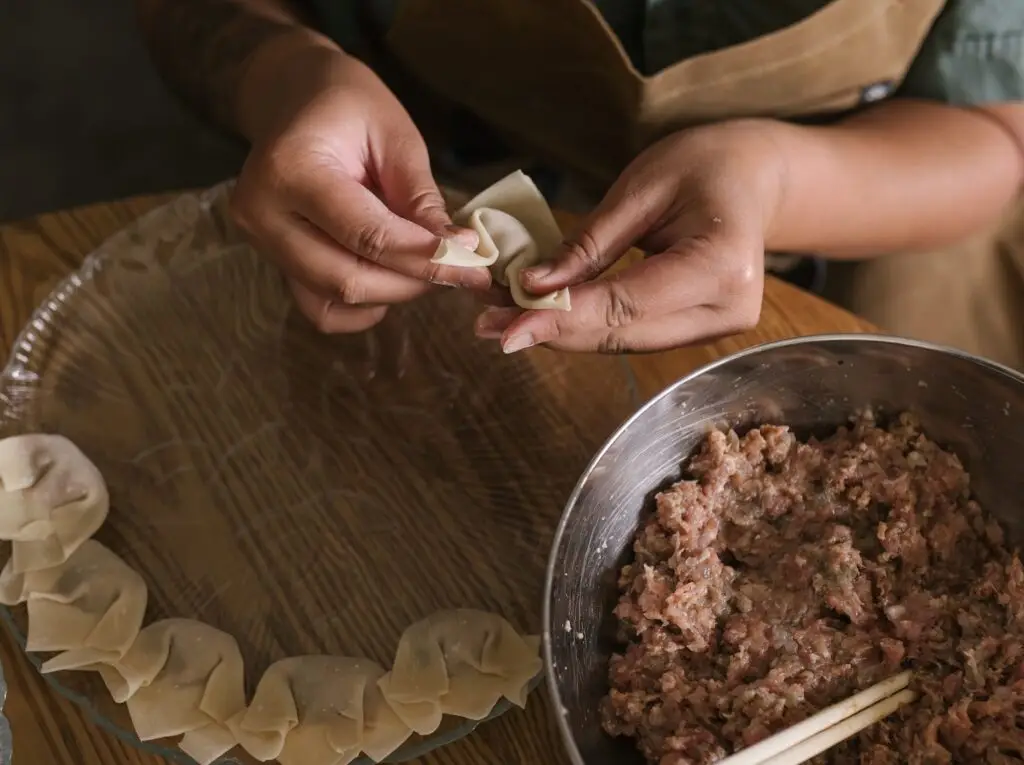
As a child, Chantal Partolan never considered cooking as a viable job route. Rather, it was a passion she could turn to as a way to flex her creative muscle, from the time she was in school all the way into adulthood working in a corporate space.
“I never felt like [cooking] was a chore, like some other people feel,” she says. To feed that passion, she started hosting supper clubs in 2022, creating menus and full tablescapes to bring together friends and family. With each successful gathering, she wondered: Could she take this further?
In 2024, she did. Officially launching as Bik-Lun, she began small, hosting baking pop-ups in Long Beach before moving back to her hometown of San Diego in 2025. Now, Partolan still mostly pops up at small local businesses like Moniker General and Joon Shoppe, but now also offers small batch catering and private chef services, all centered around her father’s Filipino and her mother’s Chinese heritages.
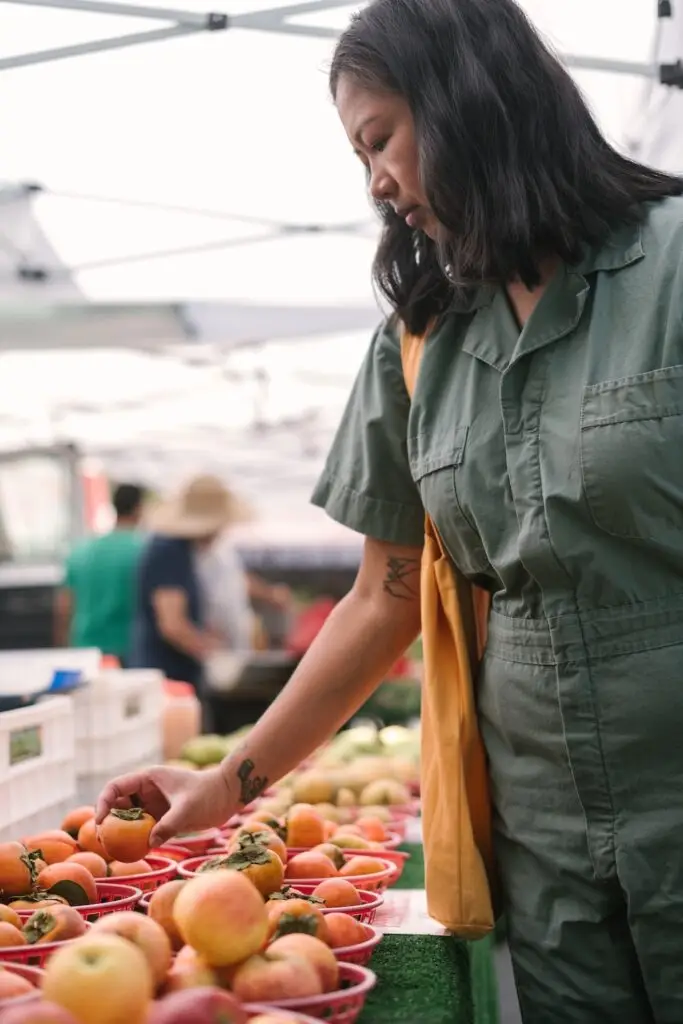
Bik-Lun (pronounced bik-LUHN, like “fun”) is named for her mother. “When she migrated to America when she was younger with all her siblings, they all got American names,” Partolan says. She doesn’t strictly adhere to rigid culinary rules—instead, she lets memories drive her creations.
“Now that my grandparents are no longer here, trying to revisit those memories and share them with others has been a really important part of this journey for me,” she explains. Ingredients like red bean and black sesame reflect her Chinese roots, while more savory items like sinigang (a sour and savory Filipino soup) pay homage to her father’s family.
Collaborating with other children of immigrants is another way she experiences flavors through a fresh lens. There are so many Filipino-run small businesses willing to share their own familial memories and inspiration, she says. “Hearing their experiences sometimes helps me recount my own.”
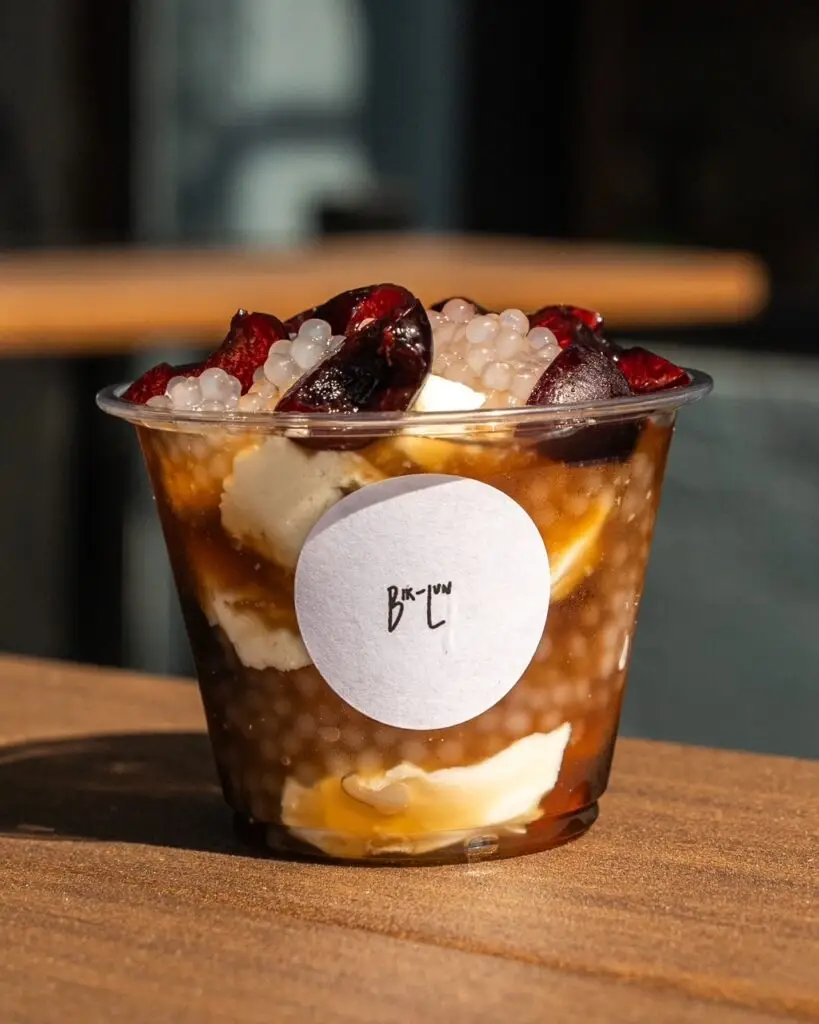
You can next catch Bik-Lun on September 27 at Home Ec + Best Bud with Magnaye (formerly One of One), October 3 at Patine’s new location in Bankers Hill, and October 10-11 at the Mingei Museum for Merkado Kultura, a makers market for Filipino producers. Partolan says since most customers are familiar with her sweet products, she’s planning to offer more savory items—like a breakfast sandwich—at the Home Ec event to give people a taste of her creative versatility.
Eventually, she hopes to add some permanent residencies to Bik-Lun’s schedule—a few are already in the works, so stay tuned—while also looking for ways to combine her food and photography expertise. (A cookbook? Maybe, she says.) But in the meantime, Partolan will remain curious about where she comes from—and how it can take her to where she’s going.
Listen Now: The Latest in San Diego’s Food and Drink Scene
Have breaking news, exciting scoops, or great stories about new San Diego restaurants or the city’s food scene? Send your pitches to [email protected].

Beth Demmon is an award-winning writer and podcaster whose work regularly appears in national outlets and San Diego Magazine. Her first book, The Beer Lover's Guide to Cider, is now available. Find out more on bethdemmon.com.
Jacob Chen’s Made for MeiMei adds protein and fiber to flavors like ube, black sesame, and PB&J
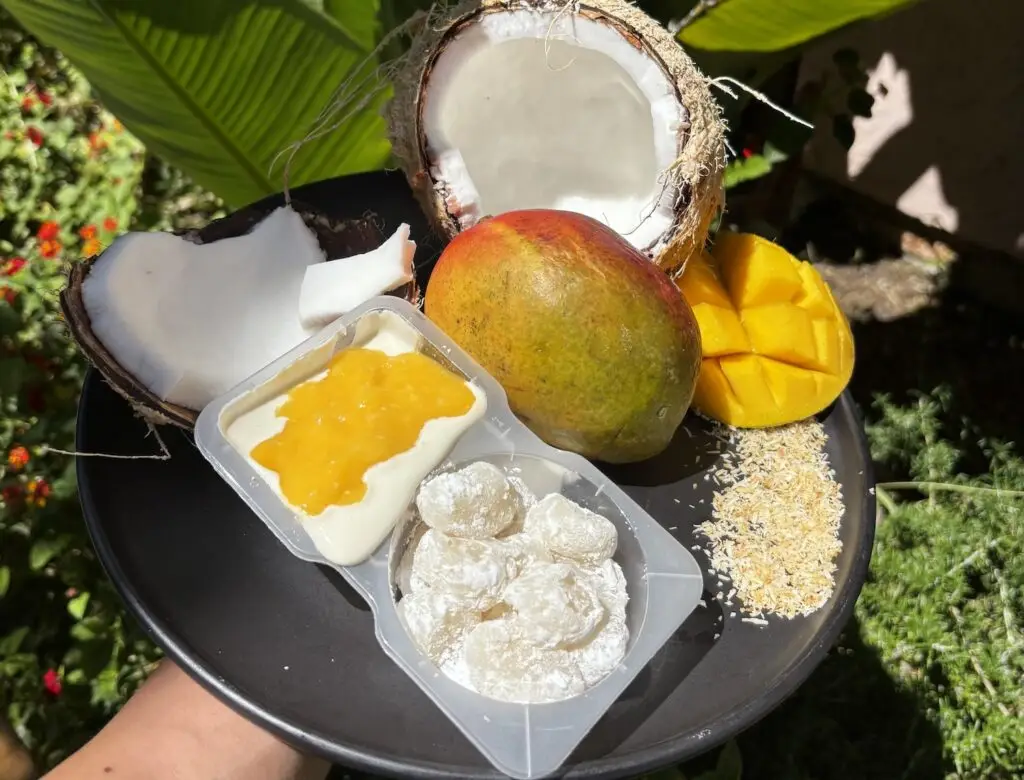
As a kid, Jacob Chen scrounged up whatever odd jobs he could—running lemonade stands, organizing garage sales, reselling appliances on Facebook Marketplace. But there was something about cooking that kept him coming back to the kitchen. “It started as a way for me to spend time with my mom,” he says. “In a way, I think it was inevitable that I would begin a food-based business.”
That business ended up being Made for MeiMei, a line of low-sugar, high protein and fiber mochi flavors like ube, matcha, red bean, black sesame, peanut butter and jelly, and chocolate hazelnut. “‘Mochi’ is derived from ‘mochigome,’ which is the special type of short grain rice that gives mochi its stretchy, chewy texture,” he explains. Traditionally served in Japan as a dessert to celebrate the new year (similar to bibingka in the Philippines and nian gao in China), American-style mochi tends to taste sweeter and often comes as mochi ice cream. However, Chen points out that wasn’t always the case.
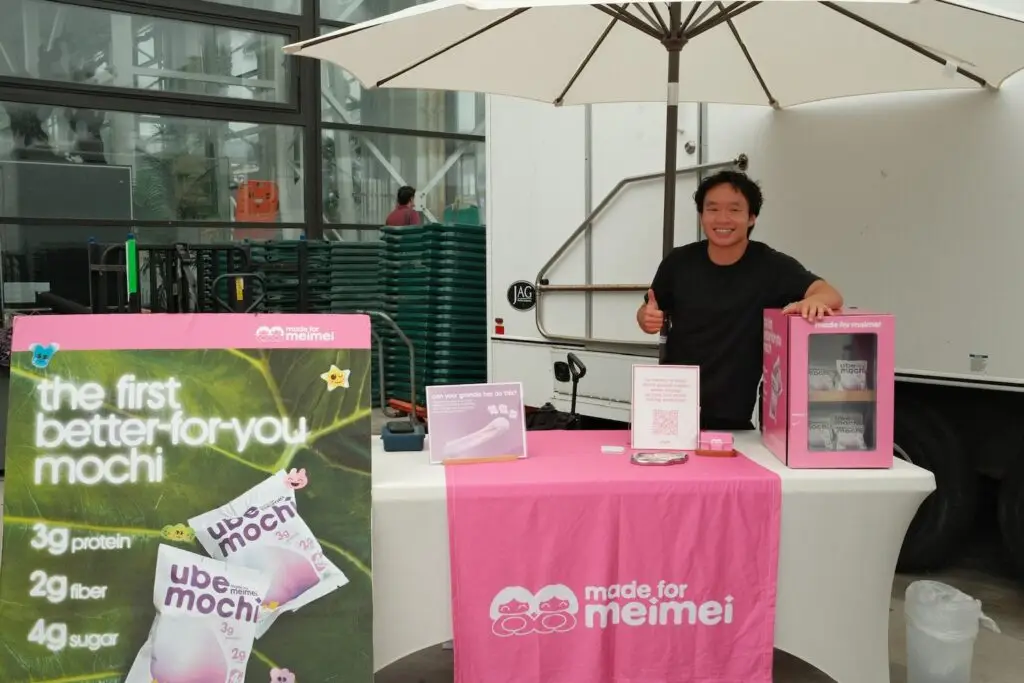
“Before mochi was synonymous with ice cream and refined sugar, it was simply a rice based snack filled with whole food ingredients,” he says. “That’s the version of mochi we’re trying to bring back.”
Made for MeiMei’s primary ingredients are rice flour and coconut milk, plus the featured ingredient for each flavor. But rather than using refined sugar, Chen sweetens his mochi with monk fruit and uses organic pumpkin seed protein and chicory root fiber to create what he calls “the first better-for-you mochi.”
Recent collaborations include a mochi-wrapped gelato with An’s Dry Cleaning, strawberry daifuku cream puff with Mon Chourie, and a funfetti chantilly cream dip mochi with The Clovery, but Chen has his sights set on retail expansion. Currently, Made for MeiMei products are available online, locally at Easy Does It Cafe, Bodega Market, or at upcoming events like Embolden Beer Company’s Taste of Shogun on September 27 (admission is free!) and a pop-up with Organic Oren on October 5.
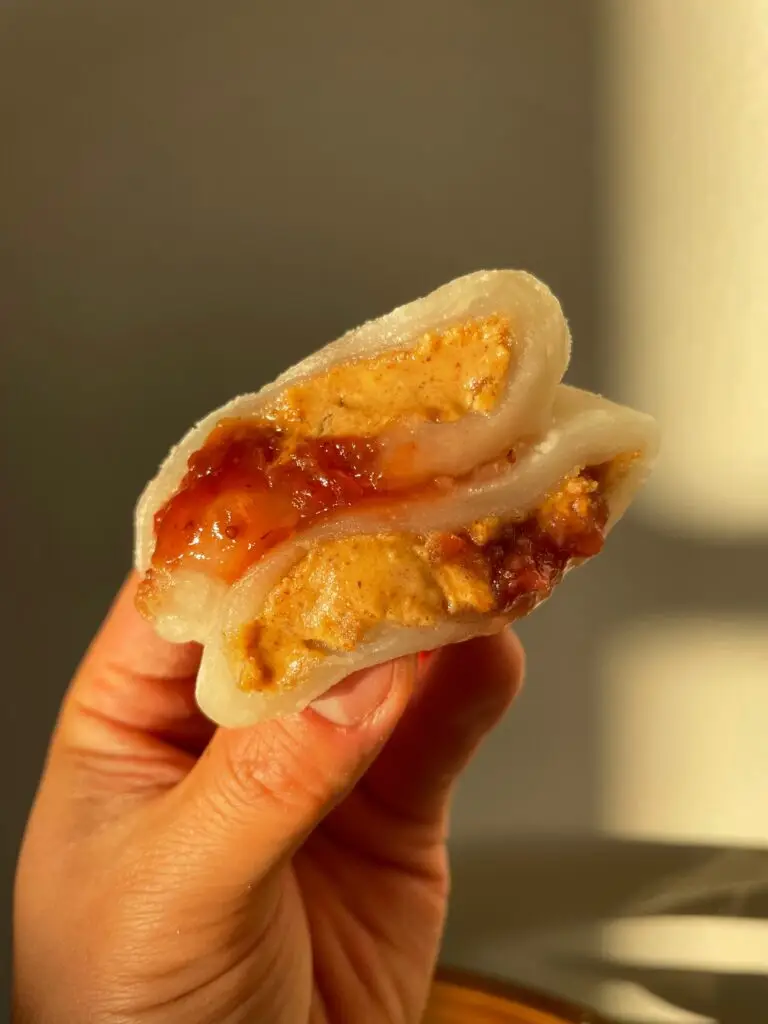
Besides being better for you nutritionally, Chen’s goal for the business is to also be better for the world. He’s worked in rehabilitation clinics and volunteered at San Quentin when he lived in Berkeley—experiences that transformed his worldview. “It really doesn’t take much to be on the other side of the fence,” he says. That’s why he donates portions of proceeds to organizations like Second Chance San Diego (which helps formerly incarcerated people find steady employment), Immigrant Defenders Law Center (a nonprofit deportation defense law firm), and Border Angels, an advocacy group working to reduce fatalities of people crossing the United States and Mexico border.
Chen has his sights aimed high, hoping to bring Made for MeiMei to more local grocery stores and cafes before hitting national retail shelves. Will he stop at mochi? Maybe not.
“There are so many childhood treats that could use an ingredient upgrade,” he says. “Mochi is just the beginning!”
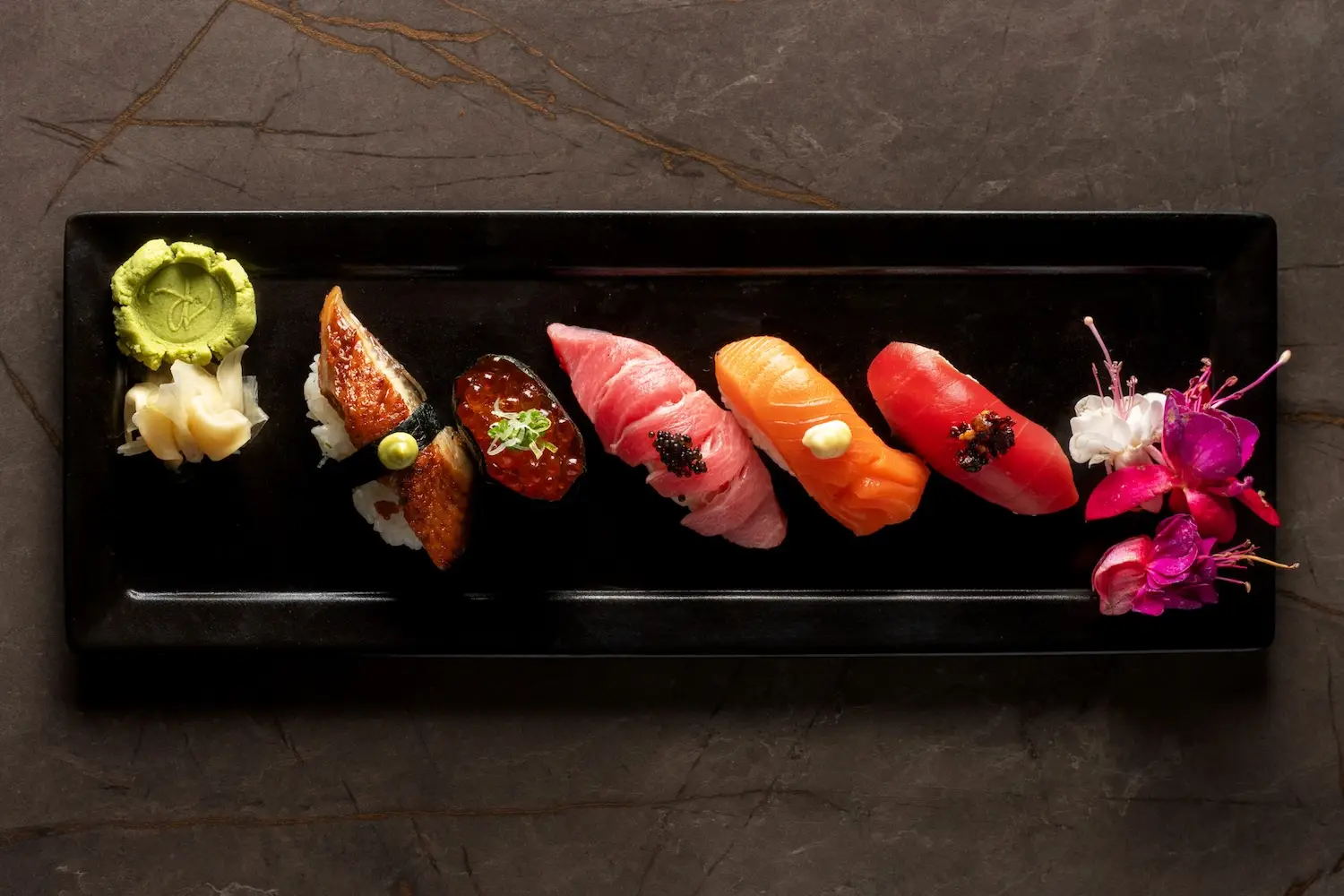
There’s no such thing as too much omakase, and we’re leaning in. On September 24, chef Davin Waite (The Plot, Wrench & Rodent) will join chef Mark Correa at Roppongi Restaurant & Lounge for a one-night-only, eight-course omakase experience with an optional (but personally recommended) beverage pairing curated by sommelier Humberto Ramirez. You definitely need to snap up a reservation for this one before they’re gone—and with a dream team like this, they will be gone.
Listen Now: The Latest in San Diego’s Food and Drink Scene
Have breaking news, exciting scoops, or great stories about new San Diego restaurants or the city’s food scene? Send your pitches to [email protected].
Beth Demmon is an award-winning writer and podcaster whose work regularly appears in national outlets and San Diego Magazine. Her first book, The Beer Lover's Guide to Cider, is now available. Find out more on bethdemmon.com.
Chef collaborations, cooking demonstrations, DJs, games, photo ops, and plenty of reasons to keep wandering on Oct 3 and Oct 4
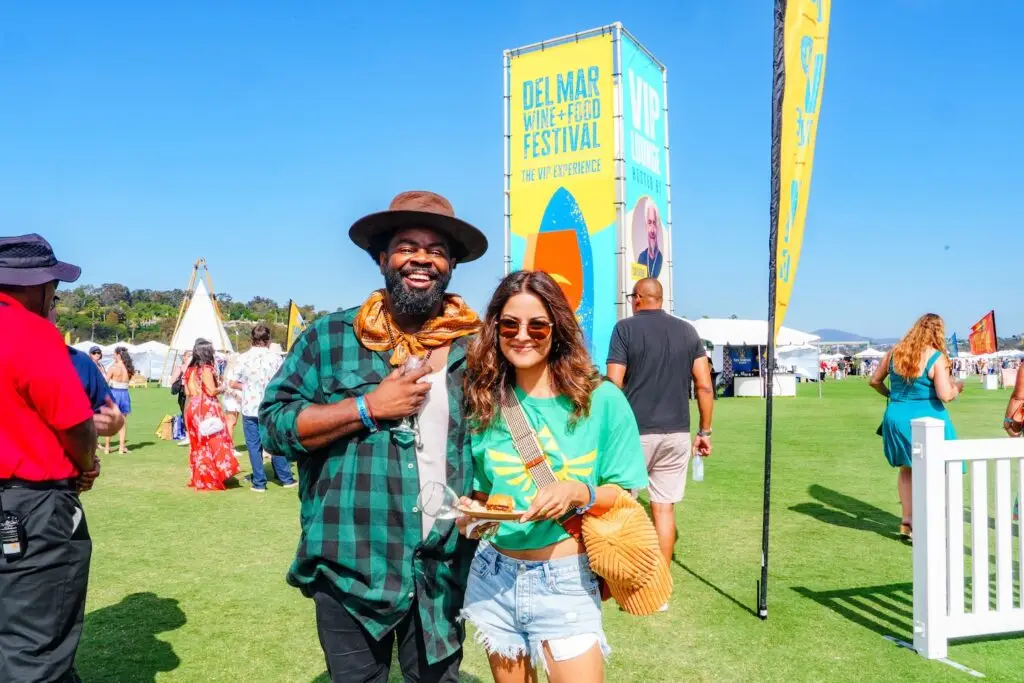
At Del Mar Wine & Food Festival’s Grand Tasting, the walk between food tents can take a while. You might stop to watch a chef competition, get pulled toward the DJ, or find yourself playing mini golf before you remember which bite you were after.
Across the Del Mar Polo Fields, there’s also line dancing, a 1961 red Beetle ready for photos, and an aviation-themed pop-up with Reno Tahoe chefs and mixologists. Need a slower stretch? Check out the wellness stops or browse the shops. Here’s what to look for as you make your way through the festival’s zones:
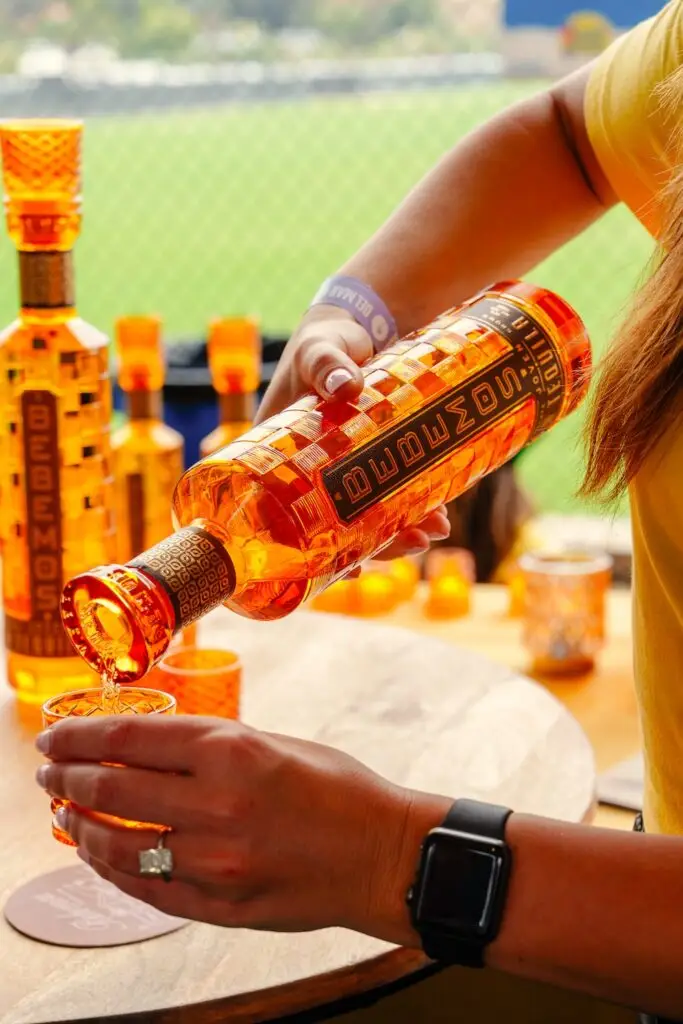
VIP ticket holders get a head start, with the VIP Reception running from 11:15 a.m. to 1 p.m. and serving first bites, first sips, and a few surprises before the Grand Tasting officially gets going. Champagne Telmont will make the festival’s first pour, while Cohn Restaurant Group brings carajillos alongside pours from Karl Strauss, Licor 43, Tap Truck San Diego, Bebemos Tequila, and Devil’s Grin Gin.
The bites are just as good. Celebrity chef Beau MacMillan will serve a first bite, while Warung RieRie is bringing one of its highly coveted dishes. Yes, this is the restaurant that currently has an eight-month waitlist. You’ll also find bites from The Shellfish Affair, The Waverly, Wolf in the Woods, Dora Ristorante, Cori Pastificio Trattoria, An’s Gelato, Pacific 333, Vintana, and more.
And because every good first act needs a soundtrack, there will be live painting and music, with Courtney Govan bringing live jazz to the reception. It’s the perfect opening act before the main event.
During the VIP Reception, chefs Tommy Gomes and Jeff Roberto will conduct a live ahi cutting. Plant Paradise brings another culinary angle, with celebrity chef Zuliya Khawaja joining the plant-based lineup. The area combines chef talent with plant-forward restaurants and brands, giving guests a chance to see just how creative plant-based cooking can get.
Throughout the weekend, The Stage keeps the cooking demonstrations coming, with celebrities and chefs sharing techniques, recipes, and plenty of inspiration for anyone who plans to actually cook something when they get home. Before you know it, you’re watching a chef demo, casting your awards vote, and sipping mezcal on the grass with friends you just met in line.

At the Grand Tasting, dancing just sort of… happens. A DJ drops the right song. Someone’s holding a taco in one hand and a glass of wine in the other. The country zone breaks into a two-step. Friends convince friends. Strangers become temporary dance partners. By the end of the day, everyone’s forgotten they were ever worried about looking cool.
DJ TENAX will be spinning in Plant Paradise, bringing house, techno, and UKG to an open-air dance floor that’s hard to leave. Chris Cantore, a veteran San Diego broadcaster, takes over the VIP Tent, while BootScootin Line Dance and PVO Events bring country-style line dancing to the Polo Fields, so you can work off your tasting itinerary one two-step at a time.
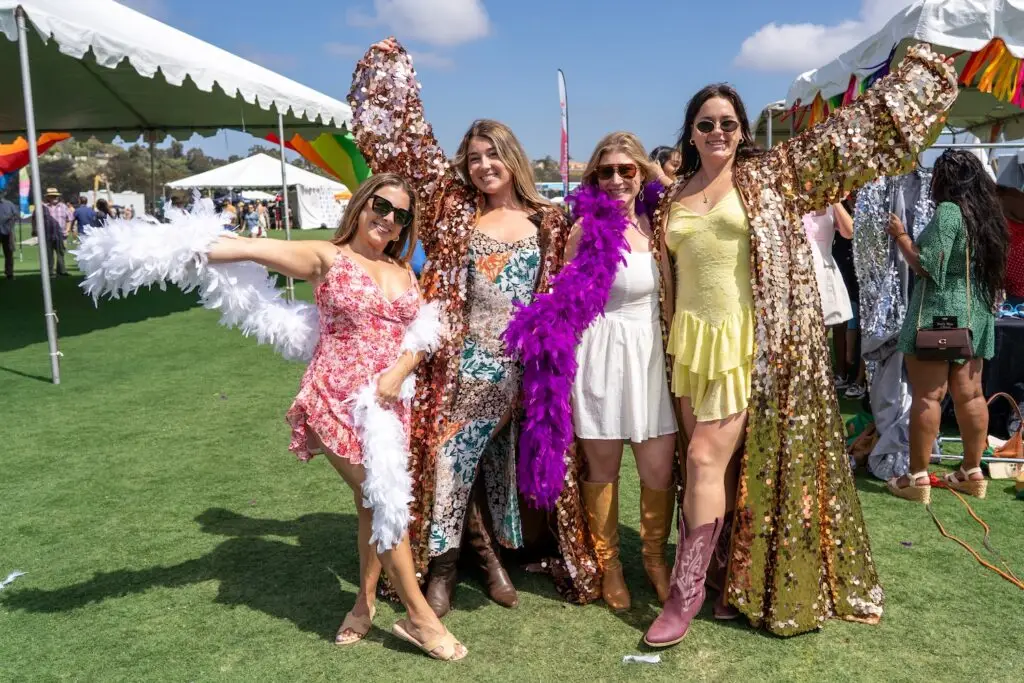
Then a live guitar hum in the distance leads you to a fuchsia boa over at the Pride Zone, where you’ll find yourself covered in sequins and having the lawn party of a lifetime.
Not every activity at the festival requires a tasting glass (although it’s certainly encouraged).
The Matchday Experience brings San Diego FC and San Diego Wave FC into the Grand Tasting, complete with interactive tents and plenty of game-day energy. Athletic Brewing is also sharing activation space with San Diego Wave FC, bringing a fun nonalcoholic option into the mix.
For golf fans, the Los Angeles Golf Club is bringing a Dryve Box golf simulator to the festival. And if your competitive streak is less fairway and more miniature windmill, SD Pop Up Mini Golf has you covered.
The Beach Zone gets in on the action, too, with surfing-inspired elements and Playavole paddle courts. Hemlock Hats and other California brands add to the coastal atmosphere, but the real draw is having somewhere to actually play. And don’t worry, you can cool down in COOLA’s turquoise beach chairs, too, and when your bestie suggests reapplying sunscreen, obviously you do. Basically, there are plenty of ways to work up an appetite between tastings.

You’re going to want to take photos, and the festival has made that extremely easy.
A Timeless Day is bringing multiple photo moments to the Grand Tasting, including a 1961 red Beetle at The Italian Getaway and a teal VW bus in The Beach Zone. For something a little more polished than the standard group selfie, head to the Locals Zone for Pixster Photo Booth and San Diego’s version of a Glam-Bot, complete with a grass red carpet.
Bebemos Tequila is also bringing back its festival-favorite hidden speakeasy. If there’s ever a time for a photo, it’s here. Otherwise, people might not believe you. The speakeasy serves bone marrow shots straight from the bone, with candlelight, a lounge area that makes it hard to believe you’re in a tent outside, and little orange shot glasses. This is “first slide of your festival photo dump” material.
You can also grab your squad and head to LaCroix’s bright and ridiculously cute setup, or swing by San Diego Magazine’s area, where you might stop for a photo in front of the larger-than-life SD Magazine sign and find yourself watching a painting come to life.
But really, you’re in Del Mar. The ocean is essentially your backdrop, and every zone gives you an excuse to stop for the obligatory “totally candid” photo. And yes, the best strategy is to get the group shot before everyone has been sampling wine for three hours.
The Grand Tasting also doubles as a little shopping excursion, with local makers, fashion, vintage finds, jewelry, and lifestyle brands scattered throughout the grounds. Smoke Revival Vintage Vault brings the thrill of vintage treasure hunting, while Nortte Hats and Hemlock Hat Company make a pretty good case for leaving with a new accessory.
Keep an eye out for jewelry and creative vendors, too, including Iris Studio Jewelry and New Nightfall Jewelry, plus local artists and makers featured throughout the festival.
You can come for an all day food and wine festival, but still leave with something shiny you definitely did not plan to buy.
We know, at some point, even the most dedicated grazer has to come up for air. The Novo Dia Wellness Zone is designed for exactly that, bringing together mocktails, coffee, hydration, wellness brands, and even bites from Parakeet Cafe.
Step away from the food and drink frenzy for a few minutes, relax in the shade, try some skincare, stretch with prAna, and maybe grab some Instant Hydration Electrolytes before round three.
There’s also nothing wrong with stopping to smell the roses at Green Air Botanicals while devouring a dairy-free cheese dip. It’s less about disappearing from the party and more about making sure you have enough energy to keep going.
The zones give you somewhere to wander, and the activities give you a reason to keep going. So grab your tasting glass, check the schedule, and leave a little room in your afternoon for something you didn’t plan on doing. At Del Mar Wine & Food, that’s usually where things get interesting.

Isabella Dallas is a freelance writer for San Diego Magazine and the Arts and Culture Editor at The Daily Aztec in her final year at San Diego State University. She previously worked as an editorial intern for SDM, but when she’s not writing, you can find her trying the best coffee spots in SD, devouring the latest rom-coms, and indulging in anything and everything pop culture.
At Vi at La Jolla Village, residents don't have to choose between security and adventure, connection and independence. They get all of it.

Today’s seniors are more connected than ever, with a renewed focus on retirement as a time of discovery and enriching experiences. The ultimate reward for a retirement well-earned is the wisdom to appreciate it all, and what better place to enjoy that unique perspective than Vi at La Jolla Village, in the heart of San Diego.
All-access pass to good living.
As a Continuing Care Retirement Community (CCRC), Vi provides access to a connected and fulfilling community while making it easy to plan for future care, should the need ever arise. With a care plan in place, residents enjoy greater financial predictability and long-term value, freeing them to focus on making the most out of retirement.
Resort-style amenities at the epicenter of a cultural hub like San Diego offer a retirement experience unlike any other. Paired with exceptional dining, spacious accommodations and dedicated staff, the best of maintenance-free living is all around. And with the introduction of Vista 360 Well-Being, Vi’s panoramic approach to wellness, there are more ways than ever for residents to access it all.
The harmony of mind, body and community.

The key to longevity is striking the right balance in maintaining an active lifestyle with an active mind in a fulfilling community. With newly renovated community spaces and restaurants, Vista brings a variety of opportunities for residents to elevate their well-being through Vi-exclusive “Signature Experiences.”
Vista Enrich takes an evidence-based approach to brain vitality, keeping residents at the forefront of cognitive health through exergaming (exercising + gaming), nutritional plans and informative workshops. It is also home to The Brain Vitality Studio, an innovative facility dedicated to cognitive fitness that has garnered national recognition.
Vista Discover invites residents into stimulating educational experiences, from chef-led cooking demos and guided wine tastings to lectures at local universities and intimate lectures following cultural outings.
While Vista Enrich focuses on brain health and Vista Discover engages residents intellectually, Vista Explore cultivates a sense of adventure through curated travel and local excursions. But broadening one’s horizons doesn’t always require a plane ticket. One recent event brought a taste of the world right to the community: an onsite “jazz cruise” featuring live music and global cuisine served at a series of themed “ports” all within the community’s own ballroom.
“Location, location, location”

One of the biggest perks of life at Vi at La Jolla Village is its proximity to just about everything. With easy access to transportation and local attractions just steps away, residents can explore and engage with their community at their own pace.
“There are trolley and bus stops within a 5-minute walk that will get you to the beach, UCSD Campus, medical appointments, downtown La Jolla or San Diego, et cetera. We rarely use our car,” said resident Tom Yager.
With the best of San Diego just steps away, residents don’t just live in the city, they live within reach of everything that makes it special.
The best of all worlds.

At Vi at La Jolla Village, retirement isn’t a chapter to slow down; it’s an invitation to discover more. Tailored community experiences created by Vista, paired with the vibrant pulse of San Diego just outside the door, mean that residents don’t have to choose between security and adventure, connection and independence. They get all of it.
This is what an all-access pass to good living looks like: the comforts of an elevated lifestyle, a community built for growth and a city made for discovery – all in one place.
To learn more about Vi at La Jolla Village or for details on available floor plans, visit ViatLaJollaVillage.com/SDM.
Founder Dharti Jadav sources cumin, turmeric, coriander, and more directly from small-scale farms across India for fresher, more flavorful results

Around the world, people prize wine from hyper-specific regions. We know that grinding whole coffee beans results in a richer cup than using preground beans. So why do so many of us rely on preground spices to flavor our food?
Dharti Jadav wants us to change that perception of spices, using her own childhood memories from growing up in Ahmedabad, a city in western India in the state of Gujarat. She’s lived in the United States for 20 years, but never had to settle for substandard, stale spices from an old spice rack in a random grocery store. Her mother, who visited every year, would always bring along as many spices from India as she would need until the next year.
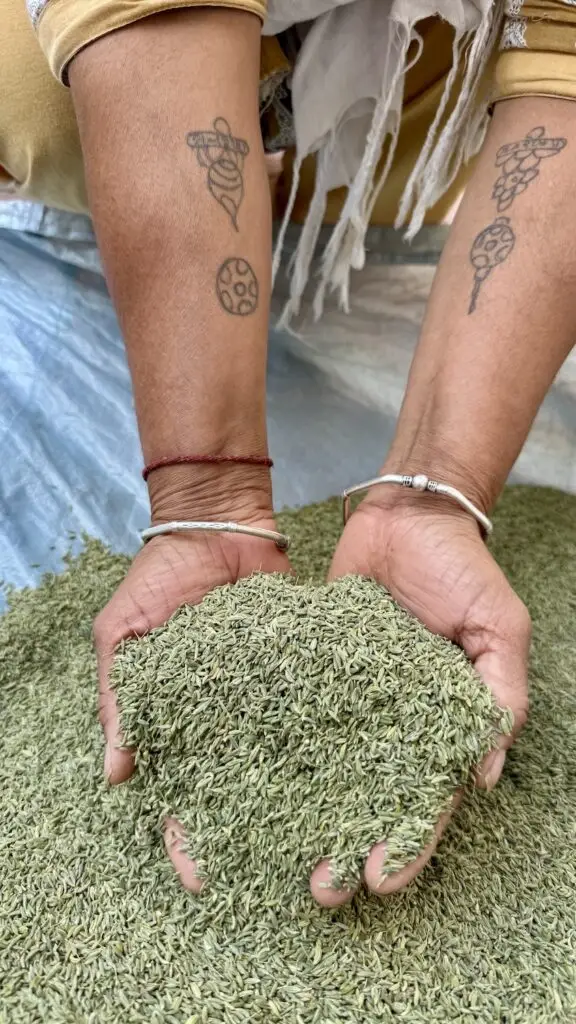
That changed with the pandemic. “I’m used to a certain freshness level in the spice,” she explains. When the world went into lockdown, she resigned herself to shopping at a large grocer to refill her shelves.
It didn’t go well.
The cumin tasted like cardboard—nothing like the piquant, aromatic herb her grandfather grew in India. “It literally felt like somebody was taking away my memories,” she says. She couldn’t let that happen. So she decided to launch Koshna to present spices in a way that actually showcases their depth.
Sharing a variety of fresh spices for people to fully experience their vibrancy is one thing. But Jadav’s business plan ensures all Koshna products are also sourced individually from small-scale farmers in India, who harvest and deliver the same year to ensure full potency. For comparison, mass-market spice brands can take two years or more to hit shelves, and every day in storage diminishes its vitality and flavor.
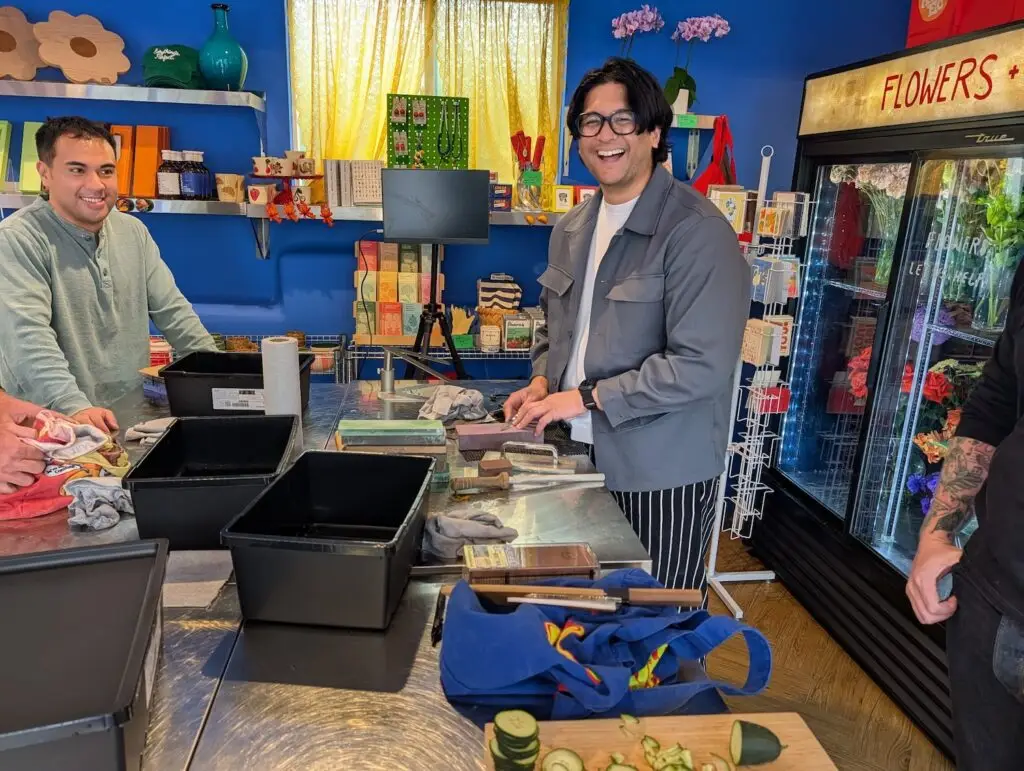
Plus, most spices aren’t just one flavor from one place, she explains. “There are varieties of specific turmeric that have their own nuances and grow in a specific region,” she says. But if you look at 99.9 percent of turmeric bottles on mass market shelves, the label will just say “turmeric.” We don’t simplify wines into just “white” or “red.” So why don’t spices, the commodity that literally launched global trade routes we still use today, get the same specificity, in stores or in restaurants?
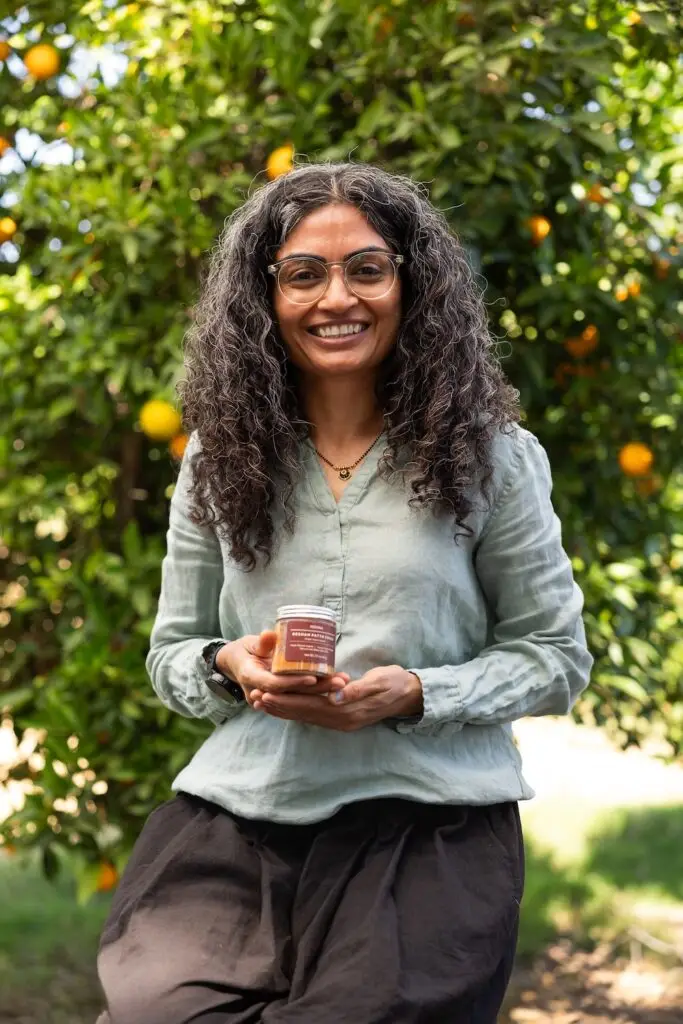
“All these restaurants, they’re all about farm-to-table,” says Jadav. The menu often says where the local lettuce was grown or where the fish was caught. “I have yet to find a restaurant that says ‘my spice comes from this farm.’” Most people don’t even know where black pepper originated from. (Hint: it’s also from India.)
Jadav sells Koshna spices online, various farmers markets in San Diego, seasonal pop-up events, and small shops like Home Ec, Bica, and Fox Point Farms. Currently, her product line features spices like Lakadong turmeric (from Umnari in the Meghalaya region), Chambal coriander (named for the Chambal River flowing through the Khera Rudhda in Rajasthan), Aaji fennel (named for the Aaji River flowing through the Ramod in Gujarat), Resham Patto chilli (from Ramod, Gujarat), and of course, the spice that started it all—Banas cumin (named after the Banas River flowing through Dungala, Gujarat).
She knows it can feel intimidating to go from a shaker of flavor to having to grind your own. But it’s worth it, she promises. “Just play with it,” she laughs. “Cooking, it’s like the simplest thing. Nothing wrong can come out of it.”
Listen Now: The Latest in San Diego’s Food and Drink Scene
Have breaking news, exciting scoops, or great stories about new San Diego restaurants or the city’s food scene? Send your pitches to [email protected].
Beth Demmon is an award-winning writer and podcaster whose work regularly appears in national outlets and San Diego Magazine. Her first book, The Beer Lover's Guide to Cider, is now available. Find out more on bethdemmon.com.
Some problems are worth having—like too many things to eat, sip, and do in one afternoon
At Del Mar Wine & Food Festival’s Grand Tasting, everyone has their own goals for the day. One friend wants oysters and Champagne. Another heard there’s line dancing. Someone disappeared into Taco Alley. The food person is making a beeline for every chef demo, the golf friend has found the simulator, and someone else is already settled into a beach chair with a mezcal cocktail and has announced they’re “never leaving.”
Consider yourself zoned in.
This year, the Grand Tasting turns the Del Mar Polo Fields into a full-blown foodie wonderland, with chef showdowns, wellness escapes, art installations, lawn games, music, and plenty of magazine-worthy plates. But the zones are where everyone gets to play their own way. You might sip your way through the SLO Zone, accidentally spend the afternoon behind the DJ booth in Plant Paradise, or live out your best beach day in The Beach Zone.
With 100-plus chefs and restaurants, 150-plus wineries, breweries, distilleries, and drink makers, plus a whole lot more happening in between, there’s no shortage of ways to spend the weekend. And with the Grand Tasting taking place October 3 and 4, there’s actually time to explore.
Because the problem with bringing your favorite people to an adult playground is that everyone wants to play differently. Luckily, you get two days to figure it out. Here’s where to start:
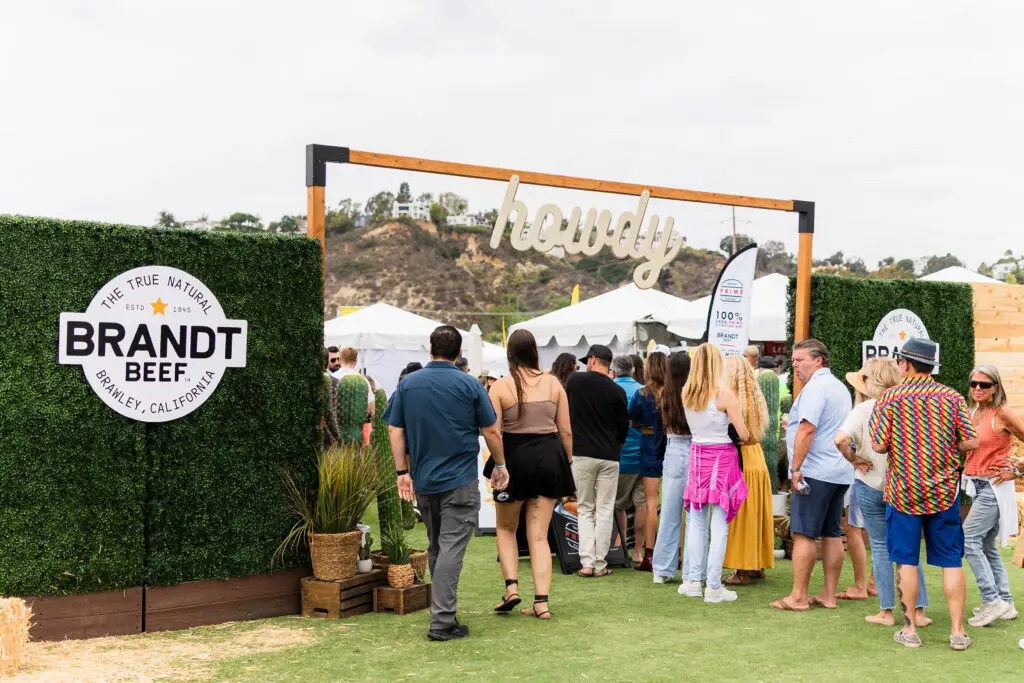
The Beef Experience, presented by Brandt Beef – One World Beef, is for the people who believe a food festival is a perfectly reasonable excuse to build an entire afternoon around meat. Brandt Beef brings its signature fare to the Polo Fields alongside a seriously stacked lineup of local favorites, from Tanner’s Prime Burgers and Ranch 45 to Jimmy’s Famous American Tavern, Order Fire Barbecue, Flying Pig Pub & Kitchen, The Pit BBQ, Aloha Rib Shack, and more.
And then there’s the tent you might almost miss.
Tucked into Brandt Beef Alley, Bebemos Tequila has set up what looks, from the outside, like a fairly unassuming tent. Walk inside, though, and you’ll find a full little speakeasy lounge, complete with a bar and one very dramatic tequila trick. The team lights the shots right in front of you before pouring them straight into guests’ mouths. Candlelight, fire, tequila, barbecue. Suddenly, your casual afternoon tasting has taken a turn.
Grab a plate of Brandt Beef tallow fries, chase it with a pour from Bebemos Tequila or Tap Truck San Diego, and maybe browse Nortte Hats while you recover. The rules are simple: follow the smoke, trust the grill, and maybe don’t make dinner plans afterward.
For the friend who thinks every good afternoon should involve a little sunshine, a cold drink, and nowhere to be, there’s The Beach Zone. Presented by Reef Lifestyle, this laid-back corner brings the San Diego summer fantasy to the Polo Fields, complete with coastal bites, beach-inspired brands, and plenty of reasons to stay awhile.
Grab bites from Duke’s La Jolla, Jake’s Del Mar, Lofty Coffee Co., Dang Brother Pizza Co., and Coral Del Mar, then cool off with Summer Club, Volley, Surfside Iced Tea and Lemonade + Vodka, Tito’s Handmade Vodka, Mezo Mezoritas, Roseade Wine Spritzer, Pinkys, and more. Hemlock Hat Co., Coola, Sambazon, Playavole, Shibumi Shade, Spritz del Conte, and Out of the Woods add a little retail therapy to the mix, because the Grand Tasting obviously needs shopping, too.
And yes, there’s a photo op. Find the teal VW bus from A Timeless Day, gather your favorite people, and pretend you’ve spent the afternoon cruising the California coast instead of wandering around a wine and food festival.
It’s an area filled with surf-inspired games, your next favorite beach accessory, and a drink in hand. Basically, San Diego summer, condensed into one very convenient patch of grass.

Neon boas, glitter-filled drinks, and enough food to make choosing a single dinner impossible. The Pride Zone presented by San Diego Pride is bringing the energy, gathering some of San Diego’s favorite restaurants, bars, breweries, and sweet spots in one very colorful corner of the Polo Fields. Expect bites and beverages from Cary Q Wines, Gossip Grill, Rootdown & Es Okay, T’Maro Brands, and more.
Plant Paradise is your green oasis, but don’t expect it to be particularly peaceful. DJ Tenax returns with house, techno, UKG, and the kind of set that can turn a quick stop into an hour on the open-air dance floor. As Green Air Botanicals sets the mood, grab a cocktail from Mission Craft Cocktails, Makku, or San Hagen Tequila, and a bite from the sprawling lineup of plant-based bites and snacks from some of San Diego’s vegan favorites.
Kindred, Nourish Eats, The Plot, Maya’s Cookies and more. There’s also a full lineup of brands to snack your way through, including Aficio 22, Bücha Hard Kombucha, Nichols Farms, Nuts For Cheese.
Isabella Dallas is a freelance writer for San Diego Magazine and the Arts and Culture Editor at The Daily Aztec in her final year at San Diego State University. She previously worked as an editorial intern for SDM, but when she’s not writing, you can find her trying the best coffee spots in SD, devouring the latest rom-coms, and indulging in anything and everything pop culture.
San Diego Magazine's Private School Guide 2026

NewBridge School is San Diego’s only school dedicated to the education of students with dyslexia and related learning profiles. For 30 years we have successfully served students with dyslexia, dysgraphia, dyscalculia, receptive/expressive language disorders, ADHD, executive functioning and memory deficits. Students transition successfully into academically rigorous high schools and colleges across the country. Why NewBridge? Training, training, training (plus intensive individualization, and comprehensive program design). All teachers are trained and retrained biennially in Orton-Gillingham, the only approach proven to remediate dyslexia based on Science of Reading research, and complete a year-long training program. Every aspect of our program is designed around our students’ learning styles and needs. Every class is taught by a highly-trained expert, and our Speech/Language and Occupational Therapy teams embed throughout the day. Our multisensory, multi-tiered math program has been developed in conjunction with sister schools and experts across the country. Don’t wait—early intervention is magic!
Enrollment: 100
Grades: K – 8
Tuition: $30,000
Deadline: Rolling
Gender: All-inclusive
Details Nonsectarian
Open House Tours by appointment

12285 Oak Knoll Road • Poway, California 92064
858-679-5744 • [email protected] • thenewbridgeschool.com