San Diego was, of course, a tuna town before it was a coffee town, but the end of one marked the beginning of the other. In the late 1800s, a wave of Portuguese immigrants formed a fishing community in Point Loma, and by the 1970s, San Diego was the tuna capital of the world. The city’s “Cannery Row” stretched across the downtown waterfront, filling warehouses with thousands of employees sorting, processing, packing, and canning fish to ship across the country.
As those halcyon fishing days waned for multiple reasons—the Marine Mammal Protection Act of 1972, increased competition from abroad, rising costs of production—some warehouse proprietors turned their sights to alternative business opportunities.

Coffee was a commodity on the rise.
At the time, only a very small handful of coffee businesses operated in San Diego, including G. H. Ballou & Co., considered to be the city’s first. Established in 1889, it began importing coffee and tea in Little Italy (taking advantage of the nearby rail line for easy shipping), eventually becoming the Adams-Henry Company in 1912. The San Diego Coffee Company purchased it in 1928, adding a roastery to its importing and distribution model.
By the mid-1900s, there were only about a dozen coffee shops across the city. Writers like the late Lou Curtiss, founder and owner of San Diego’s iconic music shop Folk Arts Rare Records, described them as mostly European salon–style respites for beatnik poets, painters, and other artist types. Torrey Lee, owner of Cafe Moto, remembers that bohemian vibe.
“Coffee shops were a place where it was like going to the beach, if you didn’t go to the beach,” he recalls. He’d hop on his scooter and search out that communal culture (he met his wife Kim in a coffee shop in the ’80s).
Lee is a second-generation San Diego coffee authority. In 1968, his mother Gay and stepfather Bob Sinclair opened Pannikin Coffee & Tea in La Jolla. It’s believed to be the first modern-era San Diego coffee roaster, which also sold specialty coffee to both wholesale and retail customers and imported tea, coffee, and Mexican cocoa. Sinclair acquired various warehouses in the Gaslamp and downtown, including the historic Wheelworks Building on J Street in East Village. He grew the coffee-roasting portion of the business so much that in 1997 he separated that facet as Cafe Moto. In 1998, Lee and Kim purchased it outright and have operated it as a wholesale company and café out of Barrio Logan for over 20 years (it’s one of the first drive-thru coffee joints in the city).
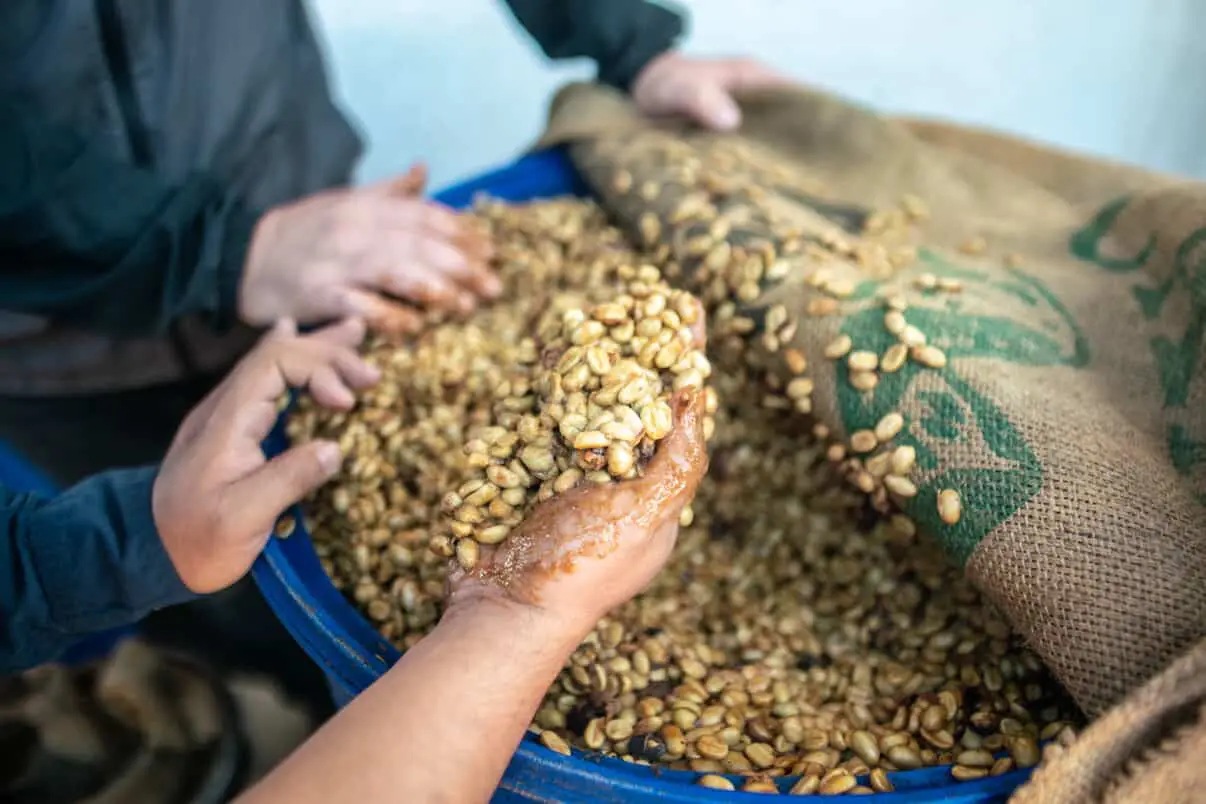
In 1989, Karen Cebreros launched Elan Organic Coffees, San Diego’s first company importing green coffee—raw, unroasted beans—from various countries of origin. Roasters buy green coffee for a few reasons: They’re less expensive, have a longer shelf life, and allow local roasters to control the flavor profile and be part of the craft instead of buying someone else’s finished product. It’s the de facto option for specialty coffee roasters. The same year Elan opened, the price of coffee collapsed across the world, giving cafés in San Diego and beyond even more incentive to give roasting their own beans a try.
Kayd Whalen is the senior trade and head of the San Diego office for InterAmerican Coffee, a global importer of specialty raw coffee across 27 countries. When she worked for Elan in 2005, “there were very few roasters here,” she says, pointing to businesses like Ryan Brothers (opened in 1994) and Bird Rock Coffee Roasters (whose founder Chuck Patton started roasting in 2002 but didn’t open the first retail location in Bird Rock until 2006). But she could see the revolution was coming.
“I think the actual birth of specialty [coffee] and the birth of roasting coffee in San Diego kind of came along hand-in-hand with the craft beer boom,” she adds.
Beer and beans’ concurrent explosion isn’t a surprise: The rise in craft in one category makes people look around and think, “What other, similar things can we do this to?” From the mid-2000s to mid-2010s, both beverages were on the rise. By 2018, at least 155 breweries operated across the city, and Wallethub ranked San Diego the 10th best coffee city in the United States.
While the 2008 recession was bad news for a lot of businesses, the silver lining was that more people started tinkering with the art. “Everybody got into roasting because they were trying to lower their cost of goods,” explains Bird Rock Coffee Roaster president Jeff Taylor. Whalen estimates the number of local roasters she worked with jumped from three or four in 2007 to well over 100 today.
San Diego’s proximity to Mexico is also crucial; we’re the closest major US city to a coffee-producing country. Roasters from Baja are beginning to attend and host cuppings in San Diego—events where coffee pros sniff, slurp, describe, and discuss characteristics like aroma, flavor, mouthfeel, and aftertaste to evaluate a particular brew. “Tijuana is really coming up,” Whalen says.
“It’s not like you have to go to Portland to get a good cup of coffee,” Taylor says, noting that everyone has access to the same beans, same machines, and same training. “The coffee culture in San Diego is 100 percent as good—maybe not as large, maybe not as intense—but absolutely as good as Seattle or Portland or New York or anywhere else.”
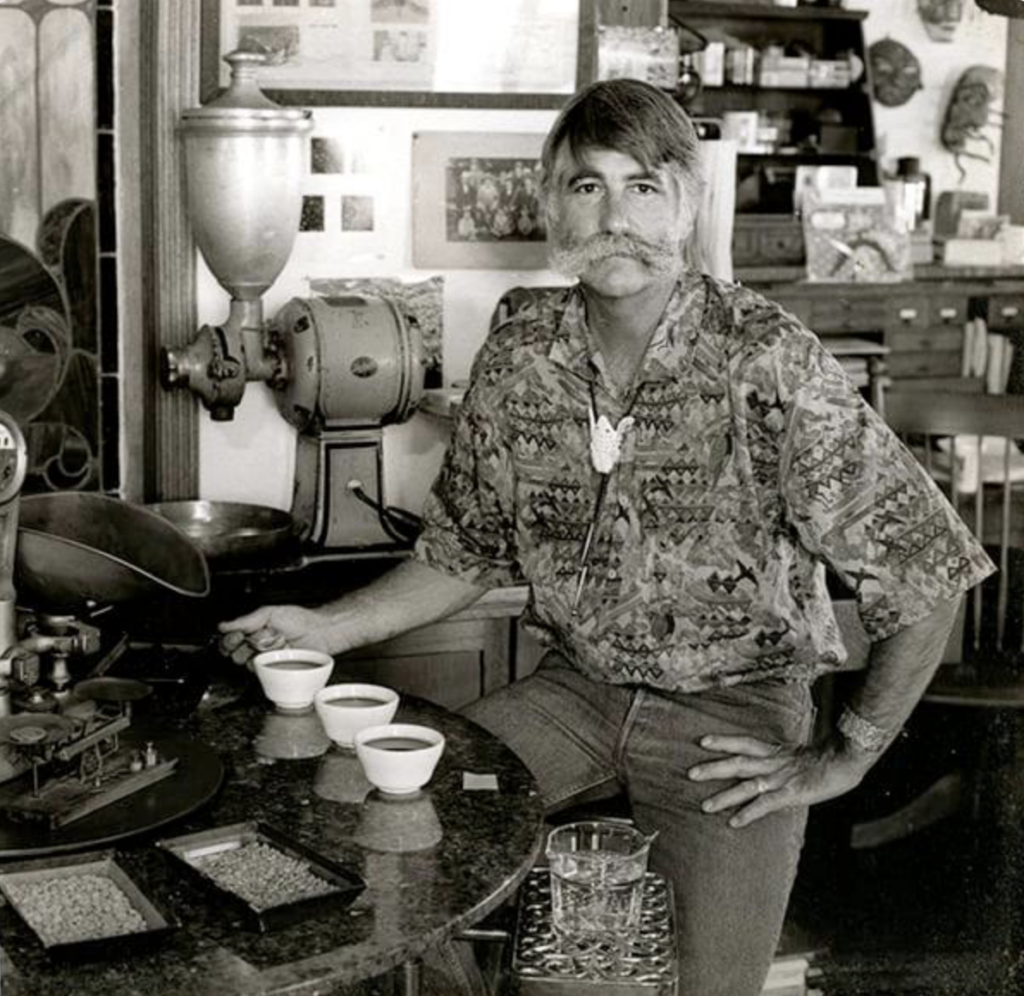
The Mentor
Cafe Moto
If the San Diego coffee industry had a Hall of Fame, there’s no doubt Cafe Moto would occupy a place of honor. Not only is it one of the OG roasters in town since 1998, but the Moto gang has also mentored many other roasters, baristas, and café owners for years, sending its influence across every corner of the county.
Owner Torrey Lee subscribes to the theory that sharing knowledge with others creates community, not competition. He works to help professionals find their feet in an increasingly crowded (and expensive) industry. “Coffee is a people business,” he says. At least two dozen different hands touch coffee beans along the supply chain, from farmers to exporters to the baristas handing over the final, finished cup. The true cost of the beverage many of us take for granted is a relentless daily grind (no pun intended) for many, many folks.
One of the biggest challenges is getting customers to try a single-origin from a lesser-known coffee region like Rwanda or Papua New Guinea—and ballooning costs aren’t helping people break out of their comfort zones. But despite the occasional sticker shock, the team makes many choices—like buying from women coffee farmers (including Las Hermanas, an organic and fair-trade cooperative in Nicaragua)—based on the belief that value comes from more than just a price tag.
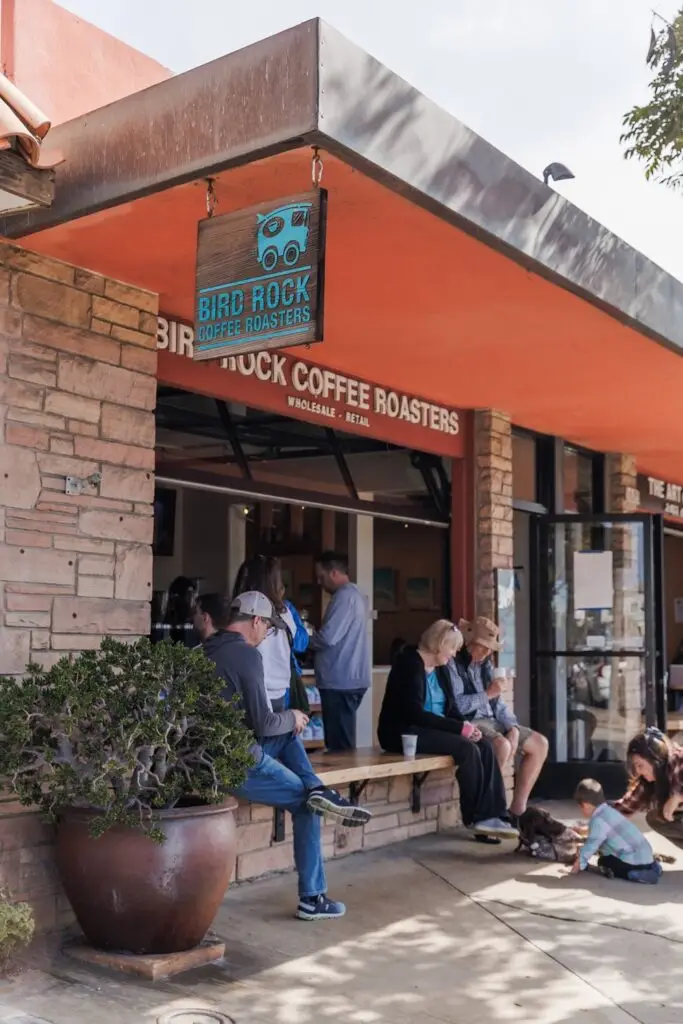
The Shape-Shifter
Bird Rock Coffee Roasters
San Diego’s coffee timeline can be divided into two eras: Before Chuck and After Chuck. Chuck Patton launched Bird Rock Coffee Roasters in 2002, riding the third wave of coffee—defined by a commitment to ethically sourced beans; more delicate roasting profiles; and, well, the art of it all. It was perfect timing to get into the coffee game, and Patton had the right touch: By 2006, he opened his first café and in 2012, Roast Magazine (which hosts what’s basically the Oscars of coffee) named Bird Rock Roaster of the Year. Then he left.
In 2017, Patton sold Bird Rock to Jeff Taylor, cofounder and CEO of PT’s Coffee out of Kansas. (The two were friends, having spent years traveling across the world on buying trips.) He stayed on as head buyer until eventually launching Chuck’s Roast and Patton Coffee Consulting in 2024, two ultra-small passion projects dedicated to coffee education, training, consulting, and roasting.
Meanwhile, Taylor took Bird Rock on a larger trajectory. He expanded café operations, opened a dozen shops across San Diego, launched wholesale accounts with Costco and Cometeer (an up-and- coming, fully recyclable alternative to plastic coffee pods), and made Bird Rock synonymous with San Diego coffee.
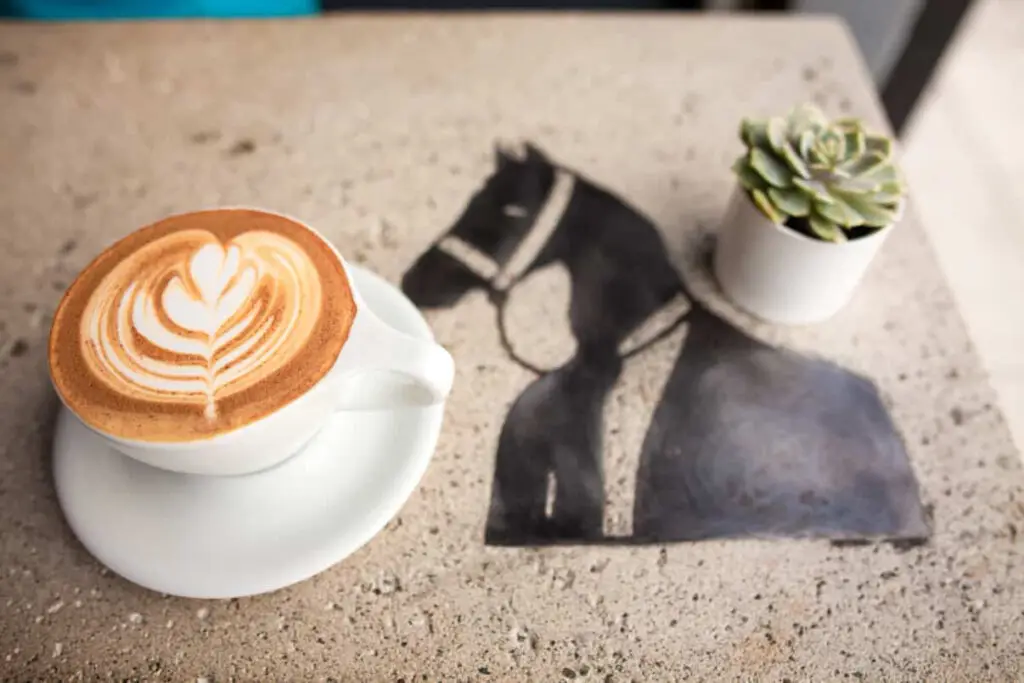
The Goldilocks
Dark Horse Coffee Roasters
In 2013, Miley Cyrus topped the charts with “Wrecking Ball,” President Obama started his second term, and brothers Daniel and Bryan Charlson opened the first Dark Horse Coffee Roasters, serving cold brew and direct-trade coffee out of a small storefront on Adams Avenue in Normal Heights.
In the years since, the punk-oriented brand has grown slowly, now operating eight coffee shops in San Diego County (with two more in Truckee, CA and Koloa, Kaua’i) and slinging merch that satirizes ’90s cultural touchstones like the D.A.R.E. program and the cover of Sonic Youth’s Goo. The branding helps, but the beans and drinks (including a buzzy nitro cold brew and “The Champ,” a latte with honey and cinnamon) have been consistently good since day one.
Some other highly renowned cafés opened before Dark Horse (Coffee & Tea Collective, 2012), and some came later (Steady State Roasting, 2018). Others grew bigger (Better Buzz Coffee Roasters has at least 50 locations and remains on a roll), and others kept things a little more niche (James Coffee has five shops). But in an increasingly crowded coffee landscape, Dark Horse has found a formula that works, partly by going beyond obvious coffee meccas like North Park and South Park to launch outposts in places such as La Mesa, Mission Gorge, and Chula Vista.
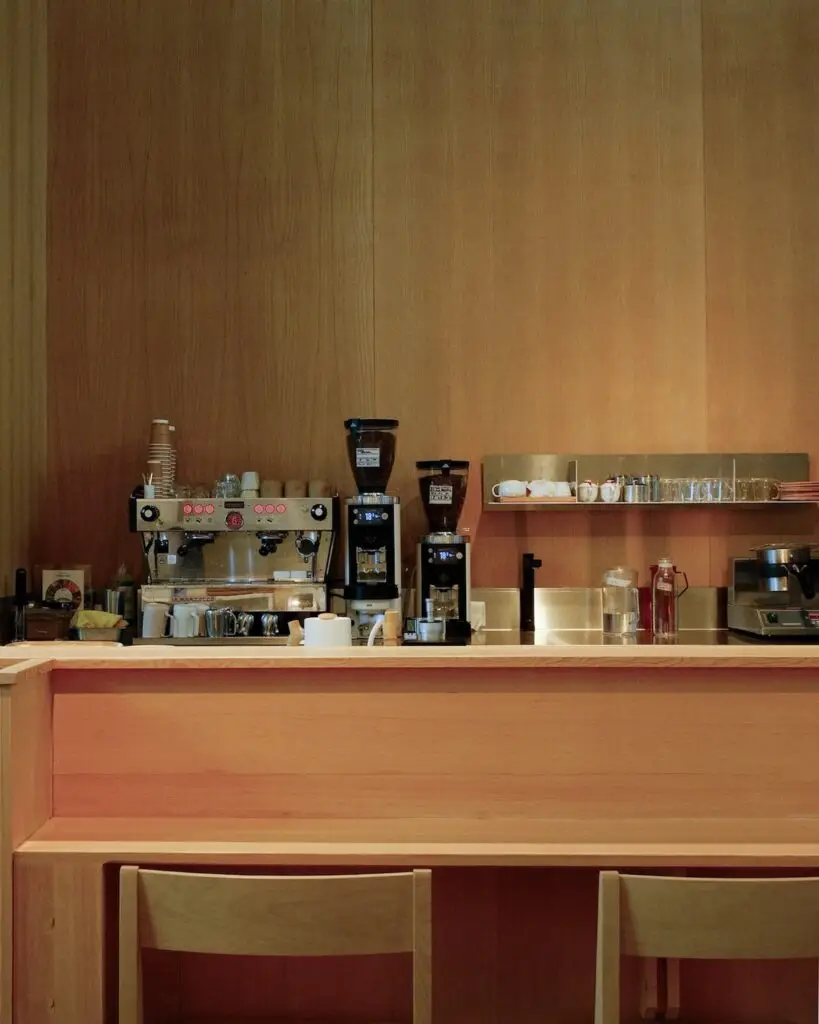
The Curator
Rikka Fika
In an era of cluttered social media algorithms and Instagram-over-flavor drinks, Rikka Fika’s simplicity manages to shine through the hubbub. Combining the Japanese word rikka (meaning the first day of summer) and the Swedish word fika (the daily ritual of slowing down for a coffee break), the brick-and-mortar opened in 2023 in East Village after a few pop-ups around San Diego.
The shop prioritizes specialty coffee beans from a small number of international roasters that are hard to find in the US, especially much lighter, delicate roasts, as well as a small, hand-picked selection of retail products. “A lot of them are more curated items that promote slow living in a more minimalist way,” explains one of the two owners (who requested to remain unnamed since she spoke on behalf of the team).
Don’t mistake the shop’s intentional selectivism for pretentiousness. Neither owner comes from a hospitality background, and instead apply their professional expertise in fields like UX design to create something new—and rather special. “There’s more freedom and more liberty to do what we believe is right and what we believe is good,” the co-owner says.
There are plenty of coffee shops to bring your laptop to work or grab a latte to go as you rush to an appointment. But Rikka Fika’s whole thing is encouraging guests to take the time to await a hand-whisked matcha, savor a rare pour-over from a small roaster rarely seen outside Japan, or browse its collection of Norwegian porcelain cups—a rare reminder that it’s okay to slow down.