


Things to Do
18 Things to Do in San Diego This Weekend: October 6-11
Read article

Featured articles
Food & Drink
Food & Drink

Food & Drink
Featured articles

Features

Features
Everything SD
Featured articles

Things to Do

Things to Do

Things to Do
Featured articles

podcast-ep

podcast-ep

podcast-ep
Featured articles
Features
Features

Features
Featured articles
Things to Do

Partner content
Food & Drink

After more than six decades of preserving the community’s past, the newly renamed museum is expanding how it tells its stories
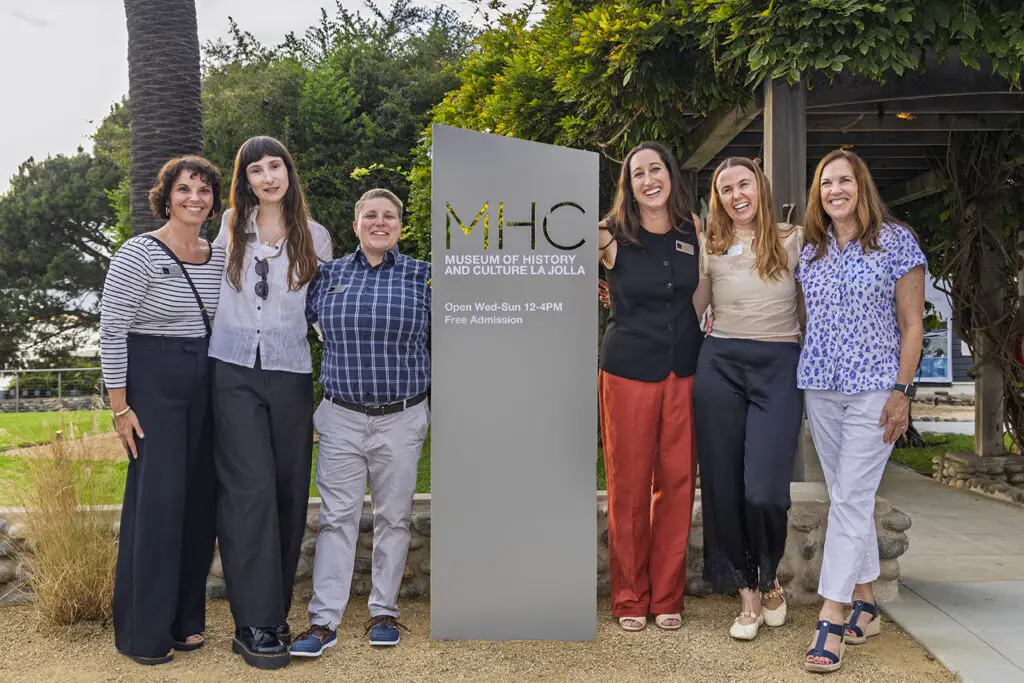
La Jolla has a rich history. From its roots as Kumeyaay territory and early days shaped by influential San Diegans like Ellen Browning Scripps to the vibrant hub for arts, culture, and education that it is today, the roughly seven-mile stretch along the coast has long been a local gem.
In 1964, a group of volunteers came together to preserve the history of the community. They formed the La Jolla Historical Society, which has since evolved into the Museum of History and Culture La Jolla. For the past 62 years, the organization has worked to protect historic buildings, archival materials, and recorded memories, ensuring the character of the neighborhood would endure well into the future.
“La Jolla is a small community, but it has a fascinating history,” says Lauren Lockhart, executive director of the Museum of History and Culture La Jolla. “The focus was always on how do we preserve the stories, places, and people that make La Jolla unique, and that remains central to our mission.”
However, in its early days, the organization was limited in what types of programming it could offer because it didn’t have a permanent homebase. A pivotal point came in 2008, when it was gifted Wisteria Cottage, originally the private residence of Virginia Scripps, by descendants of the Scripps family. The historic Craftsman cottage had been remodeled by famed architect Irving Gill, whose other modernist works are peppered throughout La Jolla, adding to its distinctive look. The organization then launched a capital campaign to expand into a museum-quality space to host exhibitions and to store the tens of thousands of photos, drawings, postcards, and other materials in its collection, Lockhart explains.

“At that point the organization could really begin to invest in developing a public space and public programs that would give back to the community,” she adds. “That effort accelerated with my predecessor, Heath Fox, who pushed the organization to think about an exhibition program that was interdisciplinary in nature. It’s something that drew me to this organization and that I’ve continued to advocate for because examining history through lenses of art, architecture, science, and literature is so compelling and such a great way to bring different audiences into the fold.”
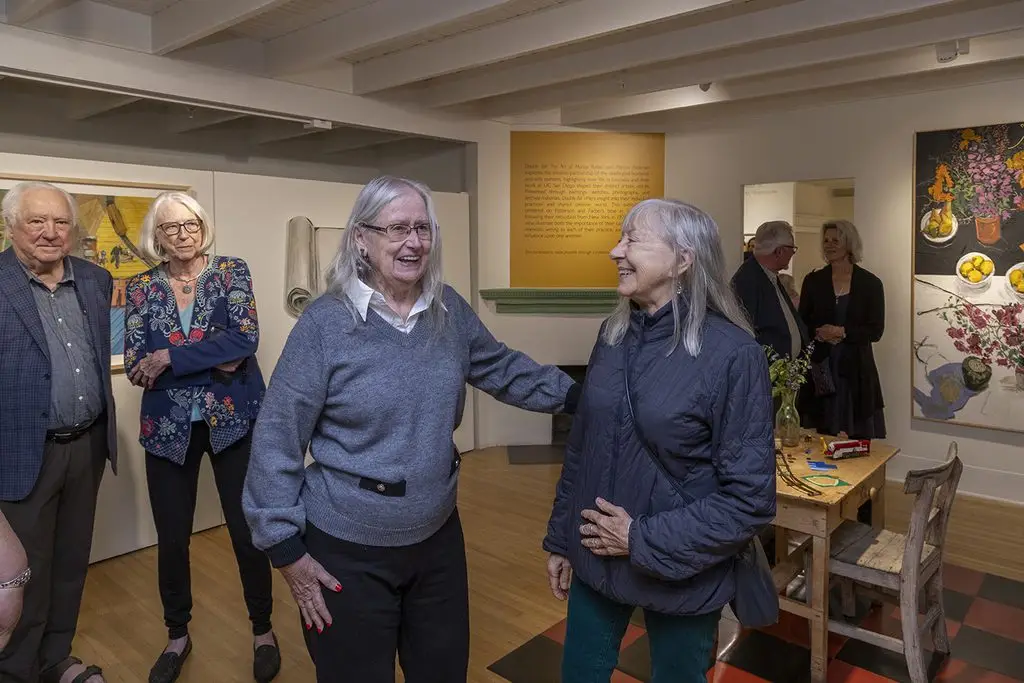
The organization entered another period of transformation this year when it “outgrew” its previous identity as La Jolla Historical Society and officially rebranded as the Museum of History and Culture La Jolla. The organization had transitioned from a traditional historical society into a professionally operated museum and wanted to reflect that while also amplifying its ability to connect with broader audiences.
“We’ve grown so far beyond what a traditional historical society might offer to the public that we were finding that often, especially younger generations, they would come through our doors and say, ‘Wow, it’s a lot cooler than I thought it would be,’ which is a nice compliment, but it made us ask ourselves who’s not coming through our doors because they’re not sure what we have to offer or that they will see themselves reflected here,” says Lockhart. “We wanted to remove that barrier and make sure that everyone, just from recognizing our name, will think, That sounds like there’s something there for me, and that definitely is evidenced in our current programming and exhibitions.”
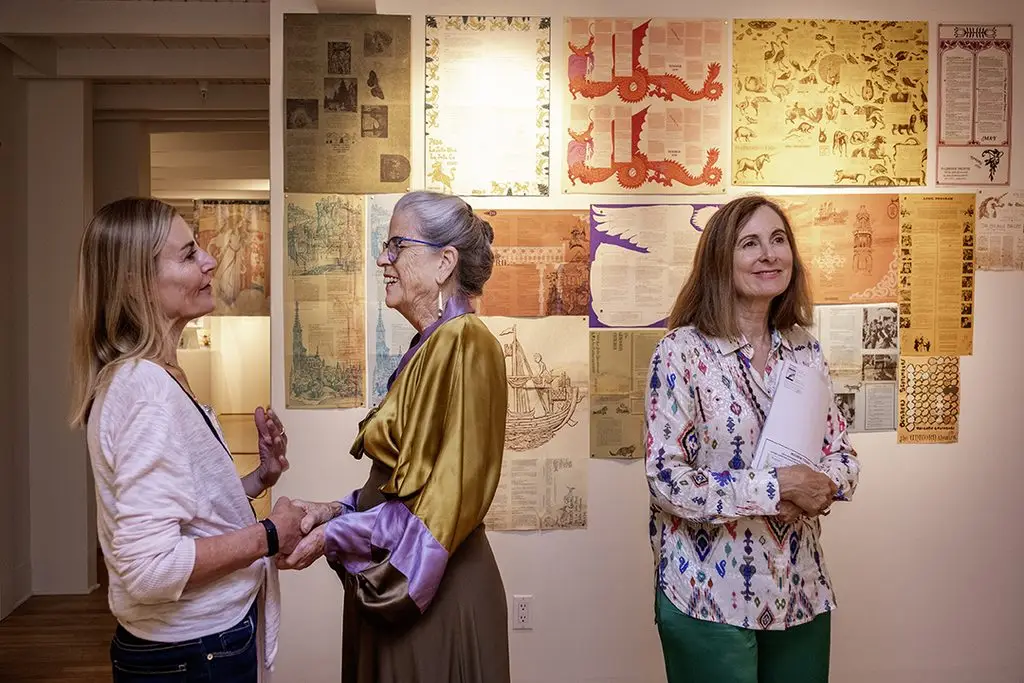
The change, she says, has been a long time coming. “We’ve already made a lot of huge strides over the years,” Lockhart says. “It’s about our name catching up to our work.”
The Museum of History and Culture La Jolla’s current exhibits include Stories in Cloth: Communicating Through Textiles, presented in partnership with the Visions Museum of Textile Art at Liberty Station, on display through September 6. On deck is The Scientific Art of Historic Preservation, which explores the processes behind the museum’s mission. To honor the philanthropic spirit of the Scripps sisters, admission to the museum and many of its public programs are free of charge.

Sarah Sapeda is San Diego Magazine’s Custom Content Editor. In her 15 years in San Diego journalism, she has covered charitable events, health care, education, crime, current events, and more.
