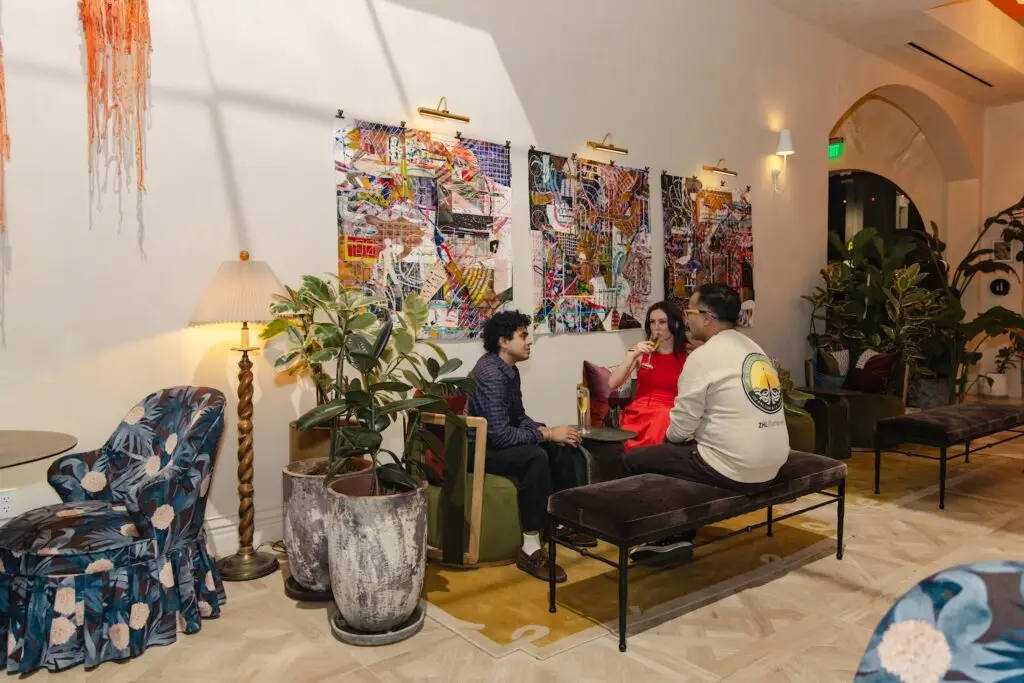
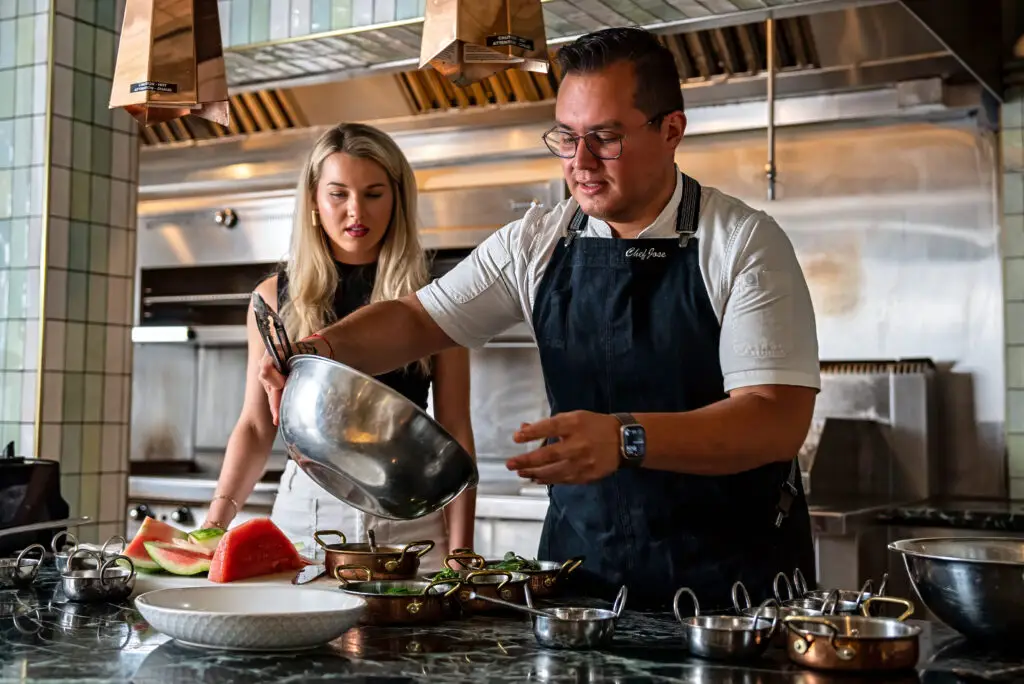
Earlier this summer, creators, advocates, and other members of the diabetes community gathered at an event hosted by Quixote Executive Chef José Cepeda and Tandem Diabetes Care, a San Diego-based diabetes technology company, at the Lafayette Hotel. The afternoon offered a space for individuals to learn more about the incredible insulin delivery technology currently available for those living with diabetes along with the chance to enjoy a meal that was glucose-friendly and delicious.
But it was also an opportunity for individuals to connect, to feel seen and understood, and to find strength in the power of their community.
Chef José treated attendees to a cooking demonstration and offered tips and recipes for confidently managing glucose levels without compromising creativity or taste. This included his signature horchata rice pudding, a dish rooted in his Mexican heritage and one inspired by his own grandmother’s recipe. “She’s been a big inspiration for me,” he shared. “She taught me how to cook and how to work. She has always been present in my recipes and what I’m doing. Mostly all of my dishes are based on her recipes.”
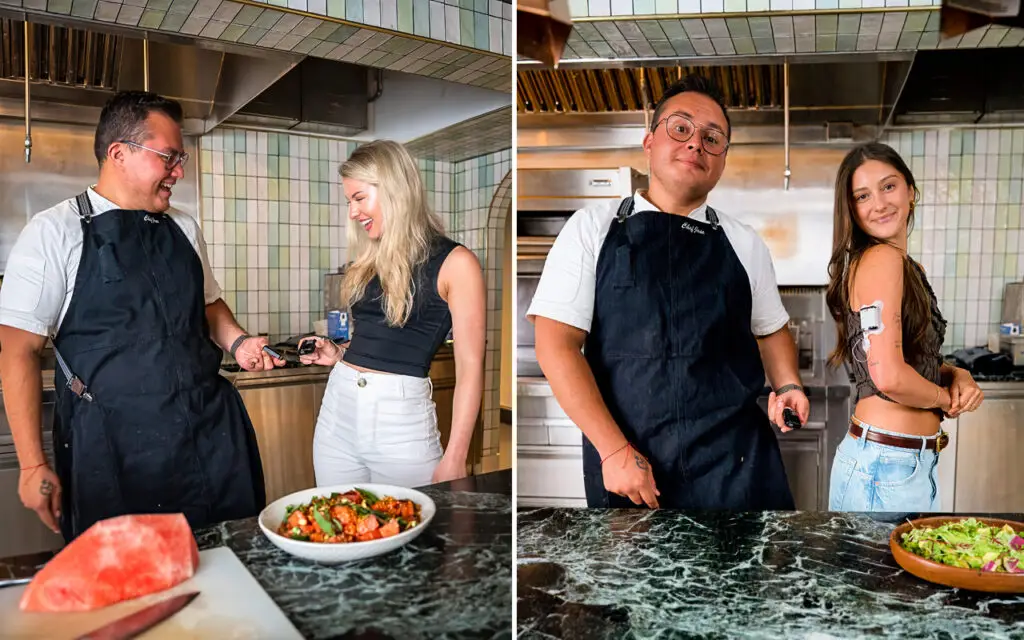
Left: Taylor Rindfleisch, director of partner management at advocacy organization Beyond Type 1 with Chef José Cepeda, showing off their Tandem Mobi insulin pumps during an event for type 1 diabetes advocates at Quixote Restaurant in the Lafayette Hotel on May 13 (Image courtesy of Dylan Leonard for Tandem Diabetes Care).Right: Soph Mosca, LA-based content creator, and Chef José Cepeda show off their Tandem Mobi insulin pumps during an event for type 1 diabetes advocates at Quixote Restaurant in the Lafayette Hotel on May 13 (Image courtesy of Dylan Leonard for Tandem Diabetes Care).
Creating healthy dishes that honor his roots has long been important to Chef José. But educating others on the impact food has on health is another one of his passions—and it’s a deeply personal one, too.
Chef José was diagnosed with type 1 diabetes at age 19 when he was in culinary school, dreaming of becoming a chef. Rather than letting the diagnosis hold him back, he took the lessons his grandmother gave him and kept working. Now 34 and having achieved his own dream, he takes pride in being a resource for other people living with type 1 diabetes. Just as he uses food to connect with his culture, he believes food can and should be a tool for connecting the diabetes community.
During his demonstration, Chef José discussed how he balances his desire to create bold, creative cooking dishes with the need to be mindful of his own health and that of his diners. He also got candid about the daily realities of living with type 1 diabetes.
He specifically credited the Tandem Mobi system with helping him manage his condition even in the high-stress, fast-paced world of a professional chef. Tandem Mobi is the world’s smallest, durable automated insulin delivery system for people living with diabetes,1 making it the #1 Favorite Pump, and the People’s Choice winner2. Chef José said the device’s small size allows him to go about his day without worrying it will get in the way and is especially perfect for working in tighter quarters, like a kitchen. The device is also equipped with Control-IQ+ technology, an automated insulin delivery (AID) feature from Tandem that can be used by those with type 1 and type 2 diabetes. With an AutoBolus feature, it is also the only AID algorithm that allows users to program extended boluses of up to eight hours, allowing it to better manage delayed glucose rises or prolonged eating. “It detects that I’m going low or high and adjusts my insulin, and that helps in my really busy lifestyle,” Chef José said. “I don’t have to prick myself or do injections.”
The Tandem Mobi is just one of the pump options offered by Tandem Diabetes Care, which is constantly working to reduce the burden of diabetes management by creating innovative solutions and empowering patients.
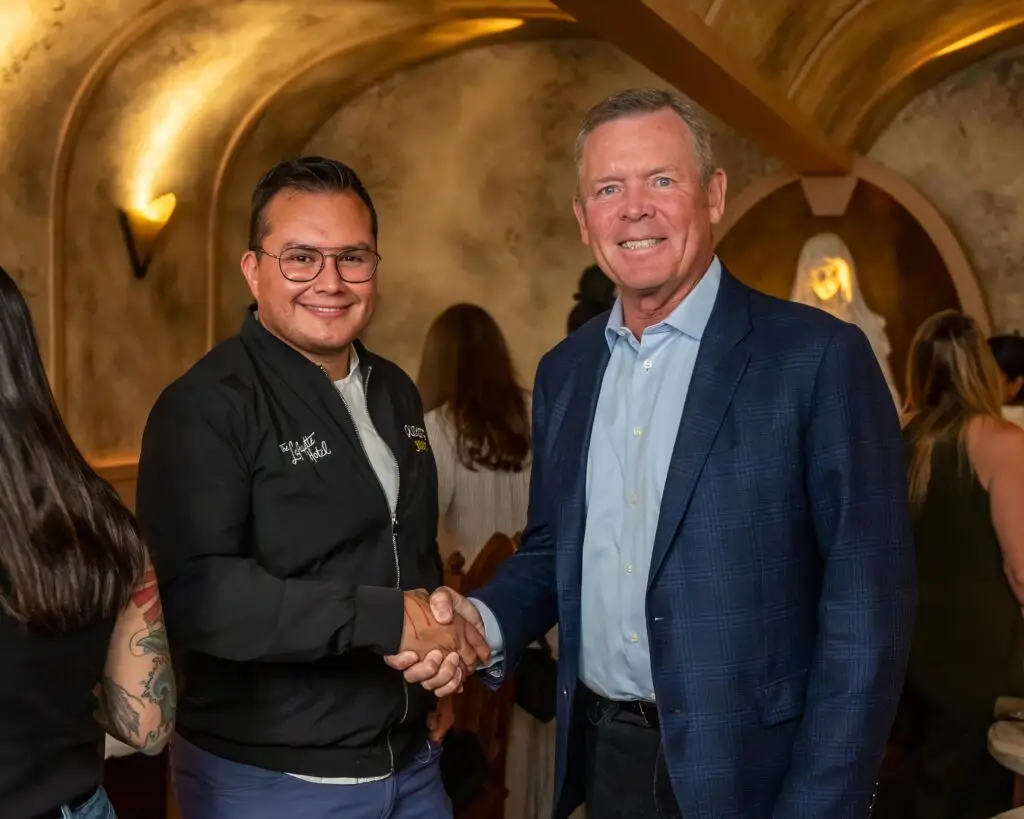
John Sheridan, President and CEO of Tandem Diabetes Care, stopped in to meet Chef José Cepeda during an event for type 1 diabetes advocates at Quixote Restaurant in the Lafayette Hotel on May 13. (Image courtesy of Dylan Leonard for Tandem Diabetes Care).
Tandem Diabetes Care President and CEO John Sheridan spoke to the importance of this mission at the event, sharing that two of his childhood friends live with type 1 diabetes. They didn’t use Tandem products when he first joined the company, but they’ve since become dedicated users. Sheridan said at the event that their ongoing feedback helps guide and inspire both his and the Tandem team’s work.
Throughout the afternoon, guests had honest and heartfelt conversations about what it’s like to live with type 1 diabetes. They bonded over diagnosis stories, hospital experiences, and the daily management of blood glucose, and they weren’t afraid to be vulnerable about the financial costs of care or the emotional impact it can have on relationships, parenting, and sleep. They even shared tips on navigating diabetes devices with different outfits—especially when creating content—and offered their own resources of support.
Jules McKelvey, one of the attendees, called the event more than a meal; it was a chance to feel seen, supported, and connected with others who share similar challenges to him. Chef José agreed. While his goal is often to be the one inspiring others, Chef José found that he was the one feeling the inspiration that afternoon. “For the first time I felt understood by all the people around me,” he said.
This may have been the first time, but it won’t be the last. Chef José said he hopes to plan more events in the future that unite the diabetes community through food.
As of June, 2025. Data on file, Tandem Diabetes Care.
Seagrove PWD Survey: Nov. 2024.
Important Safety Information: RX ONLY. Indicated for patients with type 1 diabetes, 2 years and older and for patients with type 2 diabetes, 18 years and older. BOXED WARNING: Control-IQ+ technology should not be used in anyone under the age of 2 years old with type 1 diabetes or under the age of 18 years old with type 2 diabetes. It should also not be used in patients who require less than a total daily insulin dose of 5 units of insulin per day or who weigh less than 20 pounds, as those are the required minimum values needed for Control-IQ+ to operate safely. Safety info: tandemdiabetes.com/safetyinfo.
Today’s seniors are more connected than ever, with a renewed focus on retirement as a time of discovery and enriching experiences. The ultimate reward for a retirement well-earned is the wisdom to appreciate it all, and what better place to enjoy that unique perspective than Vi at La Jolla Village, in the heart of San Diego.
All-access pass to good living.
As a Continuing Care Retirement Community (CCRC), Vi provides access to a connected and fulfilling community while making it easy to plan for future care, should the need ever arise. With a care plan in place, residents enjoy greater financial predictability and long-term value, freeing them to focus on making the most out of retirement.
Resort-style amenities at the epicenter of a cultural hub like San Diego offer a retirement experience unlike any other. Paired with exceptional dining, spacious accommodations and dedicated staff, the best of maintenance-free living is all around. And with the introduction of Vista 360 Well-Being, Vi’s panoramic approach to wellness, there are more ways than ever for residents to access it all.
The harmony of mind, body and community.
Courtesy of Vi at La Jolla Village
The key to longevity is striking the right balance in maintaining an active lifestyle with an active mind in a fulfilling community. With newly renovated community spaces and restaurants, Vista brings a variety of opportunities for residents to elevate their well-being through Vi-exclusive “Signature Experiences.”
Vista Enrich takes an evidence-based approach to brain vitality, keeping residents at the forefront of cognitive health through exergaming (exercising + gaming), nutritional plans and informative workshops. It is also home to The Brain Vitality Studio, an innovative facility dedicated to cognitive fitness that has garnered national recognition.
Vista Discover invites residents into stimulating educational experiences, from chef-led cooking demos and guided wine tastings to lectures at local universities and intimate lectures following cultural outings.
While Vista Enrich focuses on brain health and Vista Discover engages residents intellectually, Vista Explore cultivates a sense of adventure through curated travel and local excursions. But broadening one’s horizons doesn’t always require a plane ticket. One recent event brought a taste of the world right to the community: an onsite “jazz cruise” featuring live music and global cuisine served at a series of themed “ports” all within the community’s own ballroom.
“Location, location, location”
Courtesy of Vi at La Jolla Village
One of the biggest perks of life at Vi at La Jolla Village is its proximity to just about everything. With easy access to transportation and local attractions just steps away, residents can explore and engage with their community at their own pace.
“There are trolley and bus stops within a 5-minute walk that will get you to the beach, UCSD Campus, medical appointments, downtown La Jolla or San Diego, et cetera. We rarely use our car,” said resident Tom Yager.
With the best of San Diego just steps away, residents don’t just live in the city, they live within reach of everything that makes it special.
The best of all worlds.
Courtesy of Vi at La Jolla Village
At Vi at La Jolla Village, retirement isn’t a chapter to slow down; it’s an invitation to discover more. Tailored community experiences created by Vista, paired with the vibrant pulse of San Diego just outside the door, mean that residents don’t have to choose between security and adventure, connection and independence. They get all of it.
This is what an all-access pass to good living looks like: the comforts of an elevated lifestyle, a community built for growth and a city made for discovery – all in one place.
To learn more about Vi at La Jolla Village or for details on available floor plans, visit ViatLaJollaVillage.com/SDM.
NewBridge School is San Diego’s only school dedicated to the education of students with dyslexia and related learning profiles. For 30 years we have successfully served students with dyslexia, dysgraphia, dyscalculia, receptive/expressive language disorders, ADHD, executive functioning and memory deficits. Students transition successfully into academically rigorous high schools and colleges across the country. Why NewBridge? Training, training, training (plus intensive individualization, and comprehensive program design). All teachers are trained and retrained biennially in Orton-Gillingham, the only approach proven to remediate dyslexia based on Science of Reading research, and complete a year-long training program. Every aspect of our program is designed around our students’ learning styles and needs. Every class is taught by a highly-trained expert, and our Speech/Language and Occupational Therapy teams embed throughout the day. Our multisensory, multi-tiered math program has been developed in conjunction with sister schools and experts across the country. Don’t wait—early intervention is magic!
The Children’s School (TCS) is an independent school in La Jolla working with students from toddler through eighth grade. Rooted in the belief that every child has unique strengths and limitless potential, TCS provides a joyful, challenging education that inspires curiosity, confidence, and a lifelong love of learning. Experienced teachers know each student well and create meaningful opportunities for academic, social, and emotional growth through personalized instruction and hands-on, interdisciplinary learning. A culture of respect, inclusion, and collaboration encourages students to ask questions, take thoughtful risks, and develop a strong sense of responsibility to one another and the world around them. At TCS, learning extends beyond the classroom through meaningful connections with the local community and natural environment. Graduates leave TCS with a strong academic foundation, a sense of purpose, and the character to thrive in high school and beyond as engaged learners, compassionate leaders, and thoughtful citizens.
Enrollment: 240
Grades: Toddler – Grade 8
Tuition: $10,800 – $34,000
Deadline: Priority Application & Tuition Assistance for new students: Feb. 1, 2027
Gender: All-inclusive
Details Progressive, independent school. No religious affiliation
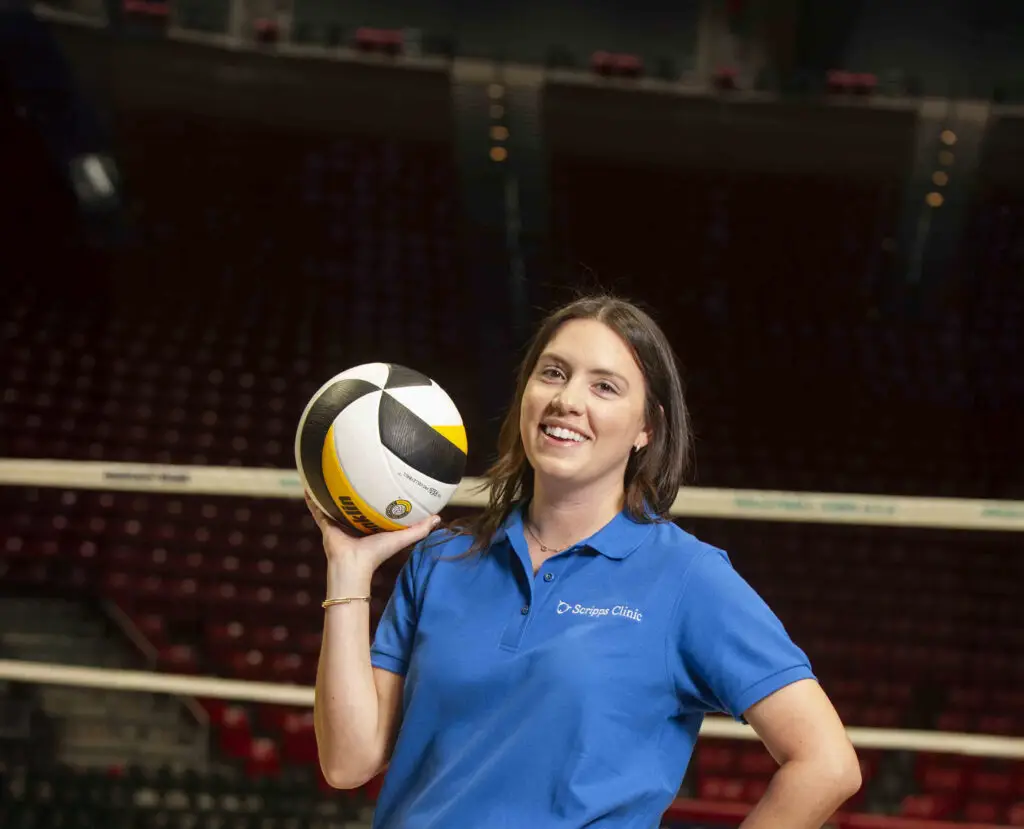
Growing up, Laika Nur, MD, Scripps Clinic sports medicine specialist, loved watching beach volleyball when the Association of Volleyball Professionals tour came to her hometown of Chicago. A talented volleyball player herself, she remembers sitting in the stands all day, and once, even got a couple autographs. Years later, Dr. Nur was attending a professional event focused on women’s sports, and the discussion turned to a new professional women’s volleyball league. The general manager and coaching staff for San Diego’s team, the Mojo, happened to be in attendance, and Dr. Nur took the opportunity to ask them if they needed a team doctor. Flash forward to the Mojo’s inaugural 2024 season, when Dr. Nur officially became the team physician. Click here to read more about Dr. Nur and how she incorporates lessons she learned on the court into her practice.
For more nutrition, wellness, and healthy living tips, sign up for the San Diego Health newsletter here.
Your feet and ankles probably aren’t something you give much thought to—until something goes wrong. Orthopedic surgeons at Scripps Clinic are on the leading edge of foot and ankle reconstruction, treating patients with sports injuries, deformities, traumatic injuries and other conditions. That includes repairing torn Achilles tendons with a minimally invasive procedure that shrinks the incision site to less than a centimeter, and performing advanced ankle replacement on some patients with ankle arthritis. Read more about Scripps’ innovations in foot and ankle care here.
For more nutrition, wellness, and healthy living tips, sign up for the San Diego Health newsletter here.
Mai Vue was just 34 weeks pregnant when she delivered her baby. Her pregnancy had been complicated, and she’d had a recent second trimester pregnancy loss, which led to her receiving specialized care from Sean Daneshmand, MD, a Scripps Clinic perinatologist who oversees high-risk pregnancies. Dr. Daneshmand and his team took care of Mai during her pregnancy, through the birth of her healthy baby girl and beyond. Mai was part of a program Scripps launched to provide support to new moms in the weeks and months after delivery. The postpartum program, known as Scripps Health’s Fourth Trimester Continuum of Care, provides care for women with high-risk pregnancies to optimize their health after childbirth and reduce the risk of complications in future pregnancies. Click here to learn more.
For more nutrition, wellness, and healthy living tips, sign up for the San Diego Health newsletter here.