If you have already tried all the major Kratom strains and now you don’t know what to try next, Trainwreck Kratom can be the best option for you. It has the blended effects of energy, clarity, and relaxation from all the best strains of Kratom.
However, since Trainwreck Kratom has the combined benefits of all the other Kratom strains, it has a high alkaloid content, making it highly potent. That’s why it’s crucial that you buy Trainwreck Kratom only from a reliable kratom brand to ensure safe usage and also consume it responsibly.
Our experts have personally tested over 12 of the best Trainwreck Kratom brands, and only 3 brands passed their quality standards.
Want to know which brands? Let’s find out!
Top Brands To Buy Trainwreck Kratom In 2024 (Updated List)
Happy Go Leafy is our expert’s top recommendation because it’s the only brand closest to meeting all the quality standards set by our experts: purity and potency, benefits, price, and safety. Its Trainwreck Kratom is a full-spectrum strain, offering the perfect blend of 11 different kratom strains containing the properties of all the colors available in these strains.
You will love Happy Go Leafy’s Trainwreck Kratom if you are a morning person and enjoy an instant boost of energy. Whether you take the capsule or the powder, the effects kick in within 30 minutes of consumption, depending on your metabolism, tolerance levels, and the method of ingestion.
Features
Categories – Happy Go Leafy offers their Trainwreck Kratom in powder and capsules. If you’re in a hurry and need a steady dose, their capsules are the best, as they are super easy to take with coffee or any drink you like. But if you want something to replace your morning coffee or want to add to your edibles, their Trainwreck Kratom powder can be your go-to option.
Sizes – Happy Go Leafy has both Trainwreck Kratom powder and capsules in 3 sizes. For the powder, you can grab a 2oz pack for $19.99, a popular 9oz pack for $79.99, or their best value 2.2 lbs pack for $199.99. Capsules start at $29.99 for 150 capsules, $89.99 for 500 capsules, and get their best deal at $169.99 for 1000 capsules.
Deals and Offers – With Happy Go Leafy, you’ve got two ways to get their Trainwreck Kratom. You can either buy it just once or sign up for a subscription. Buying it once is affordable, but there are no discounts there. If you subscribe, you can save almost $40 or get 20% off every time you order. And the coolest part? You can choose how often you want it delivered every 2, 4, 6 weeks, or even every 2 months.
The second place in our list has been grabbed by Nova Kratom, especially known for its potency, which won’t break your bank. Their Trainwreck kratom is created from the most alkaloid-rich batches, guaranteed to be at least 1.5% mitragynin, making it highly potent.
Nova Kratom offers its products in powder and capsule form. Their 250g powder pack and 250 capsule pack start from $28. Nova also sells its products in bulk, and the best part is that they offer a split kg option with their 1 kg products. It means you can split the 1kg kratom in 4 and get 500g of your favorite strains or get 1kg of the highly potent Trainwreck kratom.
Features
Categories – Nova’s Trainwreck Kratom offers two simple choices for consuming Trainwreck Kratom – capsules and powder. The capsules are perfect for discreet, on-the-go use, while the powder is versatile and great for mixing into shakes and other drinks.
Multiple Sizes – You can buy Nova’s Trainwreck Kratom powder and capsules in the 3 most convenient sizes. The prices start at just $28 for 8.8oz powder or 250 capsules and go up to $88 for 1000 capsules or a 35.2oz pack of powder.
Wide-ranging benefits – Customers have noticed that Nova’s Trainwreck Kratom has boosted their energy. It may also help people suffering from anxiety and stress. So, you might be able to focus better, allowing you to be productive.
Klarity’s Trainwreck Kratom is best for those seeking versatility in addressing different issues without being tied to a single consumption method. It is not for beginners due to its high potency, and even experienced users are advised to start with a low dose and gradually increase as their tolerance builds up.
The best part about Klarity Kratom is that they have a yearly calendar for their discount in which they have mentioned the discounts on their website under the ‘offers’ section. These offers can help you save Up to 25% and you can plan your kratom purchase plans according to these dates. For example, you can get 23% off on Father’s Day and 25% off on Independence Day, just copy and place the code on checkout and you are good to go.
Features
Blend of 11 Kratom Strains – Klarity’s Trainwreck Kratom is one of the most potent strains, having the blended effects of 11 strains of kratom, including Red Bali, Red Bentuangie, Green Maeng Da, Green Malay, White Thai, White Sumatra, Yellow Vietnam, Yellow Indo, and Gold Bali.
Multiple Sizes – You can buy Klarity’s Trainwreck Kratom capsules in multiple sizes, starting with 75 capsules for $19.99 up to 1000 capsules for $139.99. The powder comes in two sizes – 17.6oz for $89.99 and 35.2 for $139.99.
Ways to Use – With Klarity’s Trainwreck Kratom, you’ve got a lot of choices. You can brew the powder with teas, coffees, or any preferred drinks. You can also take Trainwreck capsules. Moreover, you can also go for kratom extract shots.
Trainwreck Kratom is a potent blend of multiple Kratom strains known for its strong effects. Originating from Southeast Asia, Kratom is a tropical tree scientifically named Mitragyna speciosa. Its leaves contain compounds that can have mind-altering effects.
Trainwreck is a full spectrum blend, meaning it combines various strains of Kratom, each with unique properties. This mix results in a powerful synergy, offering a broad range of effects, such as pain relief, mood enhancement, and increased energy.
It’s popular among users seeking the combined benefits of different Kratom strains in one product, but its intensity requires careful dosing.
Effects & Benefits of Trainwreck Kratom
1. Potential Effects of Trainwreck Kratom
Mood Enhancement – It often brings about positive feelings, boosting mood and promoting a sense of happiness.
Pain Relief – Known for its pain-relieving properties, Trainwreck may help alleviate mild to moderate discomfort.
Energy Boost – Some users experience increased energy levels and heightened focus, aiding productivity.
Relaxation – It can induce a calming effect, supporting relaxation and easing stress after a long day.
Anxiety Reduction – Trainwreck may assist in reducing anxiety and stress, fostering a more relaxed state of mind.
Social Comfort – For some individuals, it enhances sociability, making social interactions more enjoyable.
2. Benefits of Trainwreck Kratom
Versatility – Trainwreck’s blend of strains provides various effects catering to various needs.
Diverse Support – Its ability to offer mood enhancement, pain relief, energy, relaxation, and anxiety reduction makes it a versatile choice.
Individualized Experience – Effects vary from person to person, allowing users to find a tailored experience based on their needs and responses.
Natural Alternative – It provides a potential alternative for individuals seeking natural mood and discomfort management remedies.
Potential Risks & Side Effects of Trainwreck Kratom
Trainwreck Kratom, like any other strain, carries potential risks and side effects that users should be aware of before considering its use. While it offers diverse effects, there are associated cautions to consider.
1) Potential Risks
Dependency and Tolerance – Continuous and high-dose use of Trainwreck Kratom may lead to tolerance, where the body requires larger amounts to achieve the same effects. This can potentially lead to dependency.
Adverse Reactions – Some individuals might experience adverse reactions such as nausea, dizziness, or headaches, especially if they’re sensitive or new to kratom.
Interaction with Medications – Trainwreck Kratom may interact with certain medications, impacting their effectiveness or causing unforeseen reactions. It’s crucial to consult a healthcare professional before combining kratom with any prescribed or over-the-counter medications.
Quality and Contamination – Depending on the source and manufacturing process, there might be a risk of impurities or contamination in Trainwreck Kratom, which could pose health hazards.
2) Side Effects
Digestive Issues – Users might experience digestive discomfort, including constipation or stomach upset.
Mood Swings – While kratom is known for mood enhancement, excessive use or abrupt discontinuation may lead to mood swings or irritability.
Sleep Disruptions – Some individuals report disturbances in sleep patterns, including difficulty falling or staying asleep.
Dehydration – Kratom can have diuretic effects, potentially leading to dehydration if users don’t consume enough fluids.
Legal Status Of Kratom In U.S.
Understanding the legality of kratom in the United States goes beyond selecting the right type. It’s crucial to stay within legal boundaries. Knowing the legal status of kratom is essential for anyone exploring its use.
States with Full Kratom Legality
Alaska, Connecticut, Delaware, Hawaii, Idaho, Iowa, Kansas, Kentucky, Louisiana, Maine, Maryland, Massachusetts, Michigan, Minnesota, Missouri, Montana, Nebraska, New Jersey, New Mexico, New York, North Carolina, North Dakota, Ohio, Oklahoma, Oregon, Pennsylvania, South Carolina, South Dakota, Texas, Utah (KCPA passed), Virginia, Washington, West Virginia, Wyoming.
No-Go States
Alabama, Arkansas, Indiana, Rhode Island, Vermont, and Wisconsin strictly prohibit kratom in any form.
Gray Areas
While many states allow kratom, some hold specific regulations:
Arizona, Georgia, Nevada, and Utah have enacted the KCPA, safeguarding consumers.
California permits kratom, barring San Diego, where it’s banned.
Colorado allows kratom but not for human consumption in Denver.
Florida embraces kratom, except in Sarasota County.
Illinois sets an age limit of 18, except in Jerseyville.
Mississippi permits kratom except in Union County.
New Hampshire requires users to be 18+, and Tennessee mandates a minimum age of 21 for kratom consumption.
Things To Consider Before Buying Trainwreck Kratom
Several key factors are crucial in ensuring a satisfying purchase experience and product quality when considering a Trainwreck Kratom brand. Evaluating brand reputation, product quality and safety, transparency, pricing, customer service, and reviews becomes essential to make an informed choice.
Brand Reputation – Check out the brand’s background, how long they’ve been in the industry, and what customers say. Brands that people trust usually mean their Trainwreck Kratom is good and dependable. Positive opinions and a long history often mean they make a quality product.
Product Quality – Seek brands prioritizing top-notch kratom leaves for Trainwreck. They should use good farming methods, harvest properly, and blend effectively. This keeps the quality, strength, and consistency intact. Quality stems from how they handle and mix the leaves.
Product Safety – Ensure the Trainwreck Kratom brand you choose does lab tests on its products. Look for results showing no bad results like metals or germs, ensuring it’s safe for you to use. This helps guarantee a clean and safe experience when you take their Kratom.
Product Transparency – Trustworthy brands openly reveal where they get their Trainwreck Kratom from, how they make it, and how they test it for safety. They share lots of information about their product, making buyers feel more sure about what they’re getting. This openness builds trust between the brand and customers.
Product Price – Consider Trainwreck Kratom prices alongside quality and brand reputation. Don’t just focus on the cost—cheaper brands might sacrifice quality. Check if the price matches the quality and trustworthiness of the brand for a better kratom experience.
Customer Service – Customer service matters! Make sure the brand is good at helping customers. Look for quick and friendly support if you have questions or worries about their Trainwreck Kratom. It shows they care about you being happy with what you buy.
Customer Reviews – Checking out what other people say can be super helpful. Real users share their thoughts about the Trainwreck Kratom brand. Look at places where people talk about it to see if they like the product and service. Keep an eye out for what most people say about the quality and how they’re treated—it helps to get a clear picture before you decide.
Trainwreck Kratom User Guide: Dosage, Routine, & Safety Measures
Trainwreck Kratom can be beneficial, but it’s essential to use it responsibly and safely. Here’s a comprehensive guide covering dosage, routine, and safety measures.
Dosage Guidelines
Start Low – Begin with a small amount, typically 1-2 grams, to gauge your body’s reaction.
Gradual Increase – If needed, increase slowly by 0.5-1 gram until you find your optimal dose.
Average Dosage – A moderate dose ranges from 3-6 grams for most users. However, dosage varies based on individual tolerance and desired effects.
Usage Routine
Regular Breaks – Avoid daily use to prevent tolerance and dependency. Introduce breaks of several days between use to reduce the risk.
Rotating Strains – To avoid tolerance buildup, alternate Trainwreck Kratom with different strains periodically.
Consistent Schedule – If you choose to use Trainwreck regularly, establish a consistent schedule to maintain a routine and monitor its effects on your body.
Safety Measures
Stay Hydrated – Drink plenty of water to prevent dehydration, as kratom can have mild diuretic effects.
Avoid High Doses – Excessive amounts can lead to adverse effects. Stick to recommended dosages and avoid ‘mega-dosing.’
Avoid Mixing with Substances – Refrain from combining Trainwreck Kratom with alcohol, prescription medications, or other substances without consulting a healthcare professional.
Listen to Your Body – Pay attention to how your body responds. If you experience any discomfort or unusual symptoms, reduce or discontinue use and seek medical advice if necessary.
FAQs About Trainwreck Kratom
Q1. What makes Trainwreck Kratom different from other strains?
Trainwreck Kratom is a unique blend of at least 11 different kratom strains. This rich combination provides a balanced effect, offering both stimulation and relaxation, making it distinct from single-strain options.
Q2. Can I use Trainwreck Kratom daily?
Like other kratom strains, daily usage can lead to increased tolerance. While some long-time users might take it regularly, having breaks and monitoring your consumption is advisable to ensure you don’t become overly reliant or experience diminished effects.
Q3. Is Trainwreck Kratom ideal for pain relief?
Trainwreck can address minor aches at dosages above 5 grams. However, for significant pain relief, other strains might be more suitable. Monitoring dosage is essential, as excessive amounts might lead to sedation.
Q4. At what dosage does Trainwreck Kratom offer relaxation?
For mild relaxation, a dosage of 3-5 grams is recommended. Within this range, Trainwreck transitions from being stimulating to providing significant relaxation without excessive tiredness.
Q5. How does Trainwreck Kratom taste?
Given its blend, Trainwreck Kratom has a robust and somewhat bitter taste, characteristic of most kratom strains. Many users mix it with juices or incorporate it into recipes to mask the flavor.
Concluding Thoughts: Which Is The Best Trainwreck Kratom Brand?
When considering Trainwreck Kratom, it’s crucial to be well-informed. Knowing about different kratom strains and their effects is key. Identifying sources for high-quality Trainwreck Kratom, like Happy Go Leafy, ensures safe and beneficial use.
Happy Go Leafy is known for offering high-quality and highly potent Trainwreck Kratom. Their products are natural and pure, reflecting a commitment towards quality. The brand’s commitment towards transparency and affordability makes it a wise choice for those seeking reliable kratom.
Using Trainwreck Kratom responsibly is essential. Moderation, taking breaks, and consulting a doctor, especially when on other medications, are crucially important. This cautious approach leads to a safer and more enjoyable use of Trainwreck Kratom.
.
Studio S
NOVEMBER 16, 2026
Chef Owens Can’t Help Himself
Ten years in, Herb & Wood’s “untouchable” menu just met a chef who touches everything.
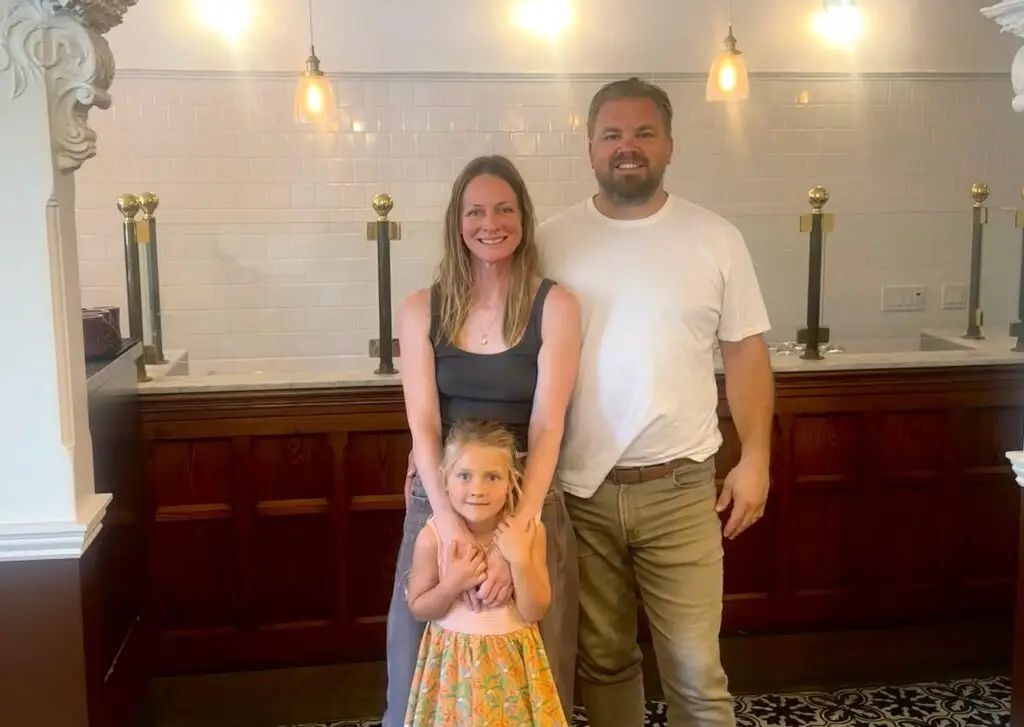
It’s not that he’s trying to be pushy or contentious exactly, it’s just that chef Aidan Owens has 260 cookbooks in his personal library and ideas come to him in the middle of the night and fresh produce gets delivered from local farmers like the lemon cucumbers from Connelly Farms and these “tomatillo things that eat fruity like a gooseberry” from Specialty Produce that he wants to go mad scientist on and, honestly, it’s just kind of boring not to change things up. (And sure, okay fine, maybe he also doesn’t mind proving people wrong sometimes.)
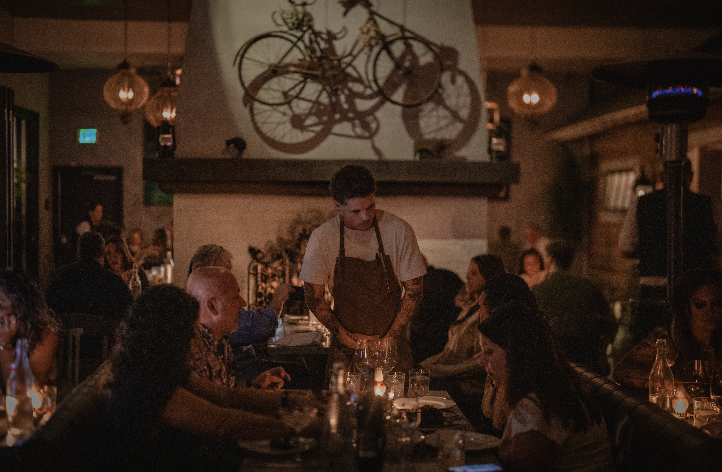
It’s mid-morning at Herb & Wood. The restaurant, adored by San Diegans, has been open for a decade. They say in human time, that’s equal to about 100,000 years. The menu, once considered rather sacred, is experiencing an unexpected and sublime revision. Chef Owens, who took over as culinary director (and recently starred on Food Network’s Chopped Castaways), is ready—confident, innovative and yet humble—to have you all come out and try it for yourself. We came in early on a Friday to get a peek.
First, let’s be clear. The OG recipes were firing and had a loyal following, but the Puffer Malarkey Collective has seasonal tastings. Top brass from all the restaurants (Le Coq, Animae, and Herb & Sea) gather to try their chefs’ new recipes. Around the big black marble table in an otherwise empty dining room of Herb & Wood, Brian Malarkey, Chris Puffer, Tara Monsod and others tried Owens’ new dishes as Owens brought them out one by one. “[Puffer and Malarkey] would say don’t touch XYZ,” explains Alisha Stoun, director of operations for the restaurant group. “[Aidan] would just put up a new version anyway.”
“So he puts up a carrot when we said we aren’t changing the carrots,” says Stoun. “And yeah, it was a better carrot.”
Courtesy of Herb & Wood
Owens sprinkles chopped pistachios and a moroccan chili crunch with 32 seeds and spices over the new rendition of Herb & Wood’s sacred roasted carrots. They’re perfectly fired with layers of texture that go from silky pistachio butter on the bottom to the crisp pickled onion on top. These freaking dirt-dwelling carrots are damn delicious. The dish is creamy, sweet, crunchy and acidic all at once. Malarkey, reportedly, says eating Owens’ food is like “eating lightning.” The metaphor makes sense with his food shoveled into my mouth.
“It used to be, like, ‘You can’t touch the branzino. You can’t touch the gnocchi. You can’t touch the chicken,’” says Stoun. “But he’s so talented we are slowly giving him the reins to make the menu his own.”
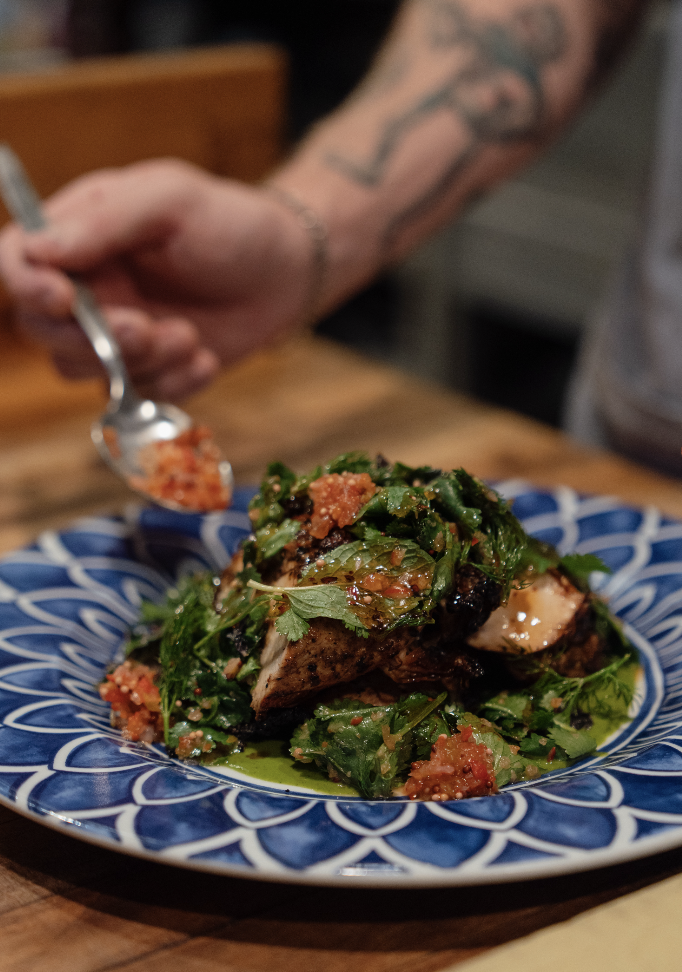
Owens is now cooking his version of Herb’s classic roasted chicken. He’s at the grill sparring with the brined bird and some flames. This chicken, unlike the original, has pepper relish, green tahini and biryani spice. It’s got crisp skin yet tender meat. Each component is a flavor-bomb, making it a magnificent game to compose each bite.
Courtesy of Herb & Wood
See, the restaurant is still Mediterranean-inspired. It’s still got those gorgeous Johnny Lane canvases on the wall and that jaw-dropping sight when you step through the door, but there’s now an extra spice in the air. “The identity of the restaurant is the same,” Stoun assures. “But the energy is different.”
While there is a playful irreverence in what Owens does, he also cares a lot about the food and the people. Owens teaches and guides and talks because he wants everybody in the kitchen to learn something everyday. “I want everyone to leave here feeling like [they’re] ready for my next restaurant […] I would love people to walk out of here like future chefs.”
Chef Owens now pulls out a 120-pound tuna. He places the head on the cutting board and then fillets it perfectly, carefully lining up the pink little squares into a refined crudo. He’s moving away from the classic olive oil and squeeze of lemon. Instead, there’s calamansi vinaigrette. There’s lime leaf oil. There’s tomatillo. “I’m after those big bold punchy flavors,” says Owens. “If I’m eating something, I want it to be like ‘Whoa!’”And whoa these tender bites of fish absolutely are.
Courtesy of Herb & Wood
While the chef cleaned his knives and wrapped up the remaining tuna, we also learn charming tidbits about him. He doesn’t like butchering lobsters. “It makes me sad,” he says. “I think they are so cute.” If they are on the menu, he’ll send out an SOS in the form of, “Anyone here want to do this today?” He also finds sea urchins inordinately endearing. “They wear hats!” he says, referring to how they will pick up nearby debris to hide under, which has led to people placing tiny sombreros near them and recording the aftermath. “It’s the cutest thing in the world,” he says.
Google it. You’ll see.
Besides the bolder new flavors, Owens hopes each visit offers his patrons a compelling and fun new memory. He explained that, as chefs, it’s easy to feel like it’s just any other day in the kitchen, but he pushes himself, his fellow chefs to think differently—to marvel at their surroundings like they did the first day they stepped through those big gorgeous doors and to get excited about what they can offer. Because at the end of the day, it’s not just about the food, it’s about the experience. “They chose to have their dinner with us—their celebrations and gatherings,” he explained of Herb & Wood’s guests, “So I’m always like, ‘Let’s make this fucking cool for them.’”
A clinical trial for an innovative new type of replacement heart valve that doesn’t require open-heart surgery saved John Rufo’s life. The 65-year-old biomedical engineer had been living day to day with severe aortic regurgitation, which forces the heart to work harder and weaken over time. Without replacing the aortic valve in his heart, John wouldn’t have survived long. But complications from an open-heart surgery more than a decade prior made a second open-heart surgery impossible. The new device and the Scripps cardiologists who helped bring it to market gave John and his family new hope. Click here to read more of John’s story.
For more nutrition, wellness, and healthy living tips, sign up for the San Diego Health newsletter here.
Philanthropists and Scientists Join Forces for a Bold $55 Million Campaign
La Jolla Institute for Immunology (LJI) is going public with a bold bet: a $55 million campaign to propel medical research into a new era. The Campaign for LJI will fuel discovery, empower scientific innovation, and expand the impact of immunology on human health.
The Institute quietly kicked things off in 2023, guided by its Board, campaign volunteers, and early believers. Nearly 80% of the $55 million goal is already in hand. Now LJI is opening the doors and inviting the whole community to carry their visions across the finish line and back discoveries that change how LJI researchers understand, treat, and prevent disease.
And there’s a bonus. To mark the public launch, LJI Board member and Campaign Honorary Chair Anthony R. Carr is offering a special matching gift so new donors can double their impact. Full details are here.
The Promise of Immunology
Immunology has already rewritten human history. Advances in immune science helped wipe out smallpox, pushed polio to the brink of elimination, and revolutionized how we prevent and treat infectious disease. Today, immune-based therapies are opening doors for patients with cancer, autoimmune disorders, and other serious illnesses once considered untreatable.
For nearly four decades, LJI scientists have stood on the front lines, driven by one insight: the immune system shapes disease in virtually every organ in the body. By decoding how the immune system works and how to harness it to prevent and treat disease, LJI researchers are chasing the Institute’s ultimate mission: Life Without Disease®.
To make that mission real, the Institute pairs world-class scientists with cutting-edge technology, speeding up breakthroughs and turning discoveries into transformative new therapies that ease suffering worldwide.
The Campaign for LJI supercharges that momentum, uniting the vision of the Institute’s scientists with a community that believes in research. Focused on advancing LJI’s most promising areas of study, the campaign aims to help build a future free from the burden of disease, a goal that demands bold ideas, lasting partnerships, and generous philanthropic support.
The Campaign for LJI will advance research across three critical pillars:
1. President’s Priority Fund. Flexible, unrestricted dollars let big ideas move now, not later. Scientists can launch high-risk, high-reward projects, bring experts together across disciplines, build transformative technologies, and train tomorrow’s scientific leaders.
2. Center for Sex-Based Differences in the Immune System. Male and female immune systems don’t respond the same way, and LJI researchers are tracing the fundamental differences down to individual cells and molecular pathways. The Campaign will speed up this pioneering work, revealing hidden drivers of disease and paving the way for more precise, biologically informed therapies for autoimmune disorders, infectious diseases, cancer, and beyond.
3. Center for Vaccine Innovation. Immunologists, bioengineers, and vaccine experts are teaming up to design the next generation of vaccines and immune-based therapies. With donor support, LJI scientists can engineer longer-lasting and more personalized vaccines, pinpoint the cellular mechanisms driving protective immunity, and refine delivery methods to prevent autoimmune disease and treat cancer.
A Lasting Impact
As the campaign enters its public phase, LJI welcomes new partners and supporters to join this landmark initiative. Community support is essential to accelerating scientific discovery, and there are many meaningful ways to help shape the future of immunology. Donors may direct their gifts to any campaign priority or other area of interest. As a comprehensive campaign, all gifts to LJI count toward the campaign goal, regardless of designation. Join the campaign, and multiply your impact with our limited-time matching opportunity.
Shiley Center for Orthopaedic Research and Education at Scripps Clinic recently received a $12.7 million grant from the California Institute for Regenerative Medicine to investigate whether they can transform stem cells into tissue that can repair some types of knee injuries. Currently, if a patient has lost most, if not all, of the cartilage in their knee, then their doctor will recommend a total joint replacement. Joint replacement is safe and effective, but patients who’ve only lost part of their cartilage often don’t qualify. A stem cell-based treatment would provide these patients an option that doesn’t involve donor tissue. Click here for more on the preclinical trial process.
For more nutrition, wellness, and healthy living tips, sign up for the San Diego Health newsletter here.
The recently opened Lusardi Tower at Scripps Memorial Hospital Encinitas is a state-of-the-art addition to the hospital staffed by dedicated team members who’ve helped make Scripps one of the nation’s leading healthcare systems. Complementary to that medical excellence, the Lusardi Tower also represents the latest expansion of the Scripps Arts for Healing Program. The philanthropic initiative strategically places nature- and community-based artwork throughout the hospital to support health and well-being. Both Scripps Encinitas and Scripps Memorial Hospital La Jolla have healing arts programs as part of new building projects and growth on the campuses. Click here to read more about the Healing Arts Program and how residents from a nearby retirement community showed their support.
For more nutrition, wellness, and healthy living tips, sign up for the San Diego Health newsletter here.
From century-old Craftsman homes to vegan fantasy bars, dive bars, and a tiki room built for exactly two people, this is one of San Diego’s great little neighborhoods
You may not realize it, but Balboa Park is bigger than Central Park (in fact, 1.5 times larger). Pressed right up against its southeastern edge is a little architecture farm built on old trolley bones, where houses look like someone was collecting architectural styles and local businesses are still run by people who seem personally invested in keeping this place interesting.
This is South Park.
To understand why it feels the way it does today—less like one commercial strip and more like a handful of tiny villages—you have to go back to the trolley.
How the Trolley Built South Park
The land that became the original South Park Addition (the subdivision’s original name) was surveyed in 1870 and officially filed in 1890, but the neighborhood really started becoming a neighborhood in the early 1900s. The Bartlett Estate Company began developing and marketing the tract in earnest around 1906, pairing lots and new homes with something extremely useful if you lived outside Downtown in the horse-and-buggy era: an electric streetcar.
On May 1, 1906, the South Park and East Side Railway made its first trip. Developers didn’t just build near transportation; they helped pay for the transportation, then used it to sell the dream. Downtown had industry, noise, and congestion. Out here were palms, sidewalks, utilities, room to breathe and a four-cent ride back to the city.
It worked. Homes began filling in around the streetcar route, and little commercial clusters grew around the places where people got on and off. That transportation pattern is still written into South Park’s geography. Some of the neighborhood’s odd street geometry is also due in part to the trolley—the old line cut across parcels instead of politely obeying the grid, leaving behind pieces of land that later businesses learned to build around. Places like Station Tavern sit on the former easement and station site of San Diego’s No. 2 trolley line.
Then San Diego went big for the 1915 Panama-California Exposition in neighboring Balboa Park. The exposition transformed much of the park and helped push the city through another burst of building and growth. South Park was right there to absorb some of that momentum.
And the people building houses here had taste.
Walk the residential streets now and it can feel like somebody planted an architectural sample garden: Craftsman, Prairie, Mission Revival, Tudor Revival, Spanish Colonial Revival. Creedence Clearwater Revival. All the revivals. The neighborhood includes work by Irving Gill, one of the defining architects of early modern California; Gill-designed Prairie homes still stand along Granada Avenue.
The city formally designated the South Park Historic District in 2017, recognizing roughly 400 properties and a period of significance stretching from 1906 through 1949. In other words, a lot of what makes the place feel old is actually old.
While the trolley eventually disappeared, the basic idea behind it didn’t. South Park is still a neighborhood organized around little pockets of human activity: a couple blocks where you can buy a record, drink a beer, find a 60-year-old lamp, eat a vegan burger beneath gothic beasts, browse a bookstore, and walk home past a century-old Craftsman.
The 30th-and-Fern area may be the clearest example. Several surviving buildings there date to South Park’s early development, including the old Fire Station No. 9, Rose Grocery building, and Burlingame Garage. What began as infrastructure for a young streetcar suburb became the neighborhood’s commercial heart.
That history is also partly why buying a house here can be competitive. There isn’t some endless supply of vacant land waiting around the corner for another subdivision. Much of the neighborhood filled in generations ago, and the architecture itself is part of the appeal.
San Diego Mag’s been documenting the city for 78 years. And we’ve been looking for a partner who loved the city enough to help us tell its stories. Redfin is that partner. They’re helping us tell the story of some of the city’s most unique neighborhoods. They launched Redfin Early Access this year to get their people in first and to see certain coming-soon and exclusive listings on Redfin before they appear on other major real-estate sites.
First up: South Park.
Here are some of the people and places worth knowing here:
Whistle Stop Bar
Big Kitchen Cafe
Start with Judy “the Beauty” Forman, because it’s difficult to explain South Park without her. The former social worker bought Big Kitchen in 1980 and turned a neighborhood breakfast joint into a gathering place for artists, musicians, activists, politicians, eccentrics, and pretty much anyone who needed somewhere to belong. As Judy puts it, “I built this for people who others passed over.”
One of those people was a young single mom named Whoopi Goldberg, who worked as a dishwasher here before the WhoopiGoldberg part of her career happened. Today Big Kitchen still serves breakfast and lunch Thursday through Monday.
3003 Grape Street
Whistle Stop Bar
Whistle Stop reopened in 2001, right as South Park’s little independent-business ecosystem was finding a new generation. Owner Sam Chammas—also connected to Live Wire and, later, Station Tavern—helped turn it into the kind of neighborhood bar where the calendar can jump from a DJ night to live bands to some strange communal event nobody at a normal sports bar would propose.
The room still has that laid-back, slightly sweaty house-party quality. Check what’s happening before you go, because Whistle Stop changes personality depending on the night: sometimes neighborhood beer, sometimes everyone dancing beneath the disco ball like work tomorrow was canceled.
2236 Fern Street
Station Tavern
Station Tavern may be the most literal example of old South Park becoming new South Park. It opened in 2009 on land once crossed diagonally by the No. 2 trolley line, and architect Lloyd Russell incorporated that history into the design rather than pretending the weirdly shaped lot wasn’t weirdly shaped. The project won the San Diego Architectural Foundation’s Grand Orchid Award the same year it opened.
Sam Chammas built the place as an open-air burger-and-beer spot with big communal tables, a backyard, room for kids, and room for dogs. It still works exactly that way: get a burger, get the tots, let everybody spread out, stay awhile.
2204 Fern Street
Kindred + Throne Room
Kindred arrived in late 2015 looking nothing like the beige-and-leafy vegan restaurant stereotype. The place went full gothic fever dream—heavy music, wild cocktails, decadent plant-based food—and eventually collected national vegan accolades plus local Restaurant of the Year and design honors.
And in 2026, it got even weirder. Hidden behind a chain-mail passage inside Kindred is Throne Room, a medieval-fantasy cocktail chamber whose mythology grew out of a Dungeons & Dragons-inspired map the Kindred team created for a 2017 Coachella pop-up. The 90-minute experience has scroll menus, plant-based mezze, cocktails and zero interest in pretending restaurants need to behave normally.
1503 30th Street
Bad Madge & Co.
Vinyl Junkies Record Shack
Vinyl Junkies has good music-scene DNA. Founder Eric Howarth previously ran indie label Hi-Speed Soul, whose roster included acts like Nada Surf and Swervedriver, then teamed with Casbah owner Tim Mays after the pair had spent years putting on Vinyl Junkies record swaps.
They opened the South Park brick-and-mortar shop in 2017, and it remains a buy-sell-trade temple for people who understand that owning music on a physical object is irrational in exactly the right way. Go flip through the new arrivals. Leave holding something you had absolutely no intention of buying.
2235 Fern Street
Bad Madge & Co.
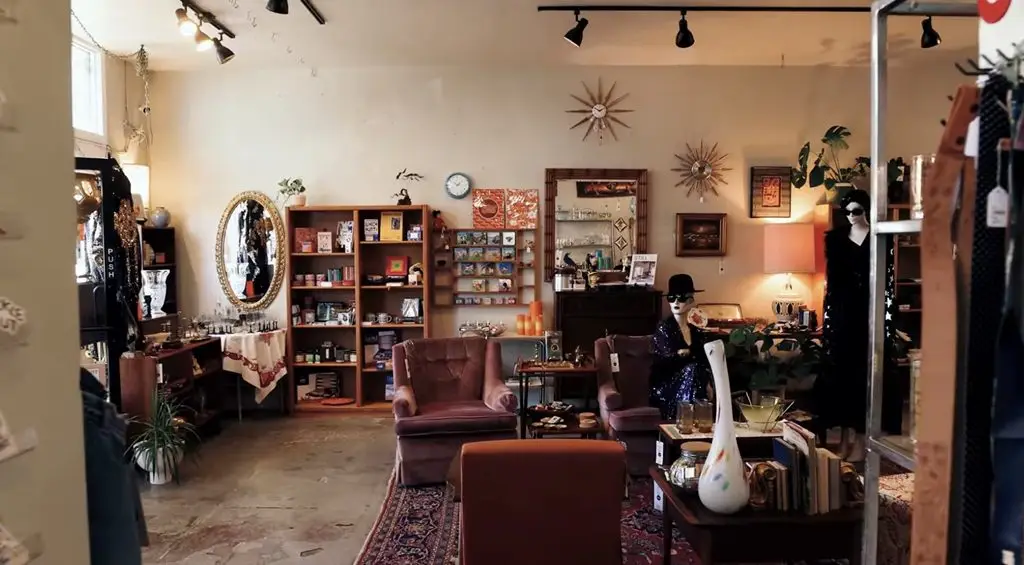
Bad Madge is what happens when “vintage store” doesn’t quite explain the situation. Owner Tanya McAnear and her team fill the shop with furniture, clothing, barware, records, art, jewelry, collectibles, and various objects that seem like they may know things about their previous owners. The shop opened in 2011 and has made reuse and upcycling part of its identity ever since. Go in without looking for anything specific—specificity will only slow you down.
2205 Fern Street
Thread + Seed
Across the neighborhood’s vintage-and-vinyl universe sits Thread + Seed, a local boutique built around clothing, denim, gifts, and personal styling. Its South Park shop has an especially deep denim program—petite, tall, wide-leg, straight, flare—and the store also offers one-on-one styling built around color and body type. In other words, this is where you go after deciding the jeans currently on your body have betrayed you. South Park understands that sometimes personal renewal begins with pants.
2220 Fern Street
The Book Catapult
Seth Marko started The Book Catapult as a book blog in 2006. In 2017, he and his wife, Jennifer Powell, turned it into an actual bookstore in South Park, specializing loosely in fiction, local interest, and children’s books while maintaining the more important bookseller skill: putting something into your hands that you didn’t know you needed.
There are staff picks, author events, signed books, and the dangerous possibility of walking in for one title and emerging with four. Because no one ever died thinking, “I shoulda read less.”