Ready to know more about San Diego?

Subscribe
Food & Drink MAY 19, 2020

The Hospitality Shift

The fries don’t need to be crispier or fluffier. The service is not too slow, forgetful, or distracted. The weird new safety protocols are not dystopian or annoying. Honestly the only thing that really matters is if the place is clean and safe. Constructive criticism of restaurants has its time and place, and now is […]
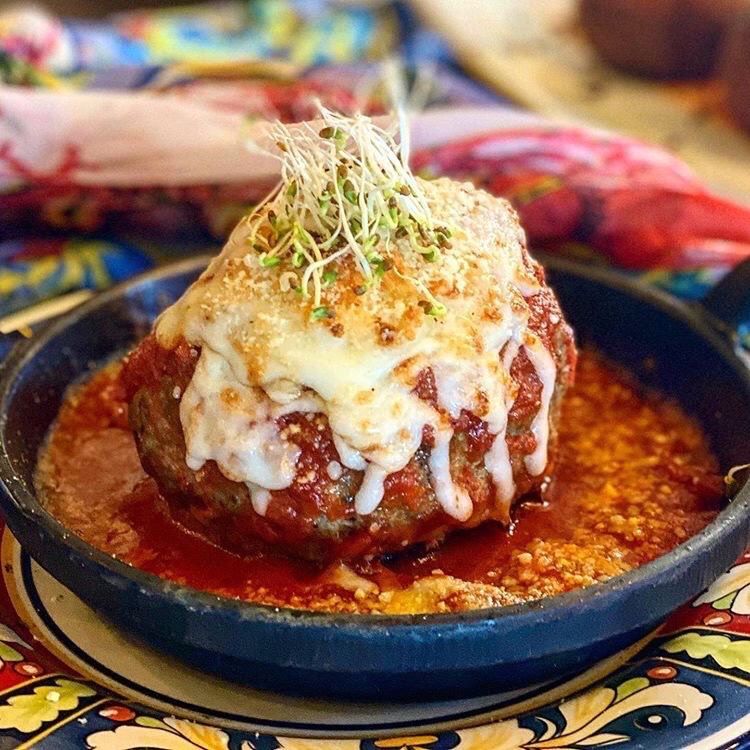
The Hospitality Shift

The fries don’t need to be crispier or fluffier. The service is not too slow, forgetful, or distracted. The weird new safety protocols are not dystopian or annoying. Honestly the only thing that really matters is if the place is clean and safe.

Constructive criticism of restaurants has its time and place, and now is not the year nor the planet. As a food writer for the last 12 years, I’ve been paid to analyze restaurant culture. I always felt a bit uneasy about the criticism part. I mostly tried to experience it firsthand and interpret its stories, share some notes on what made me swoon and what made me shrug. I was real, respectful, and sometimes too harsh.

And right now, quite frankly, no one needs that crap. Restaurants need our support, not our qualitative Yelp analysis.

Food has never been restaurants’ biggest charm or raison d’etre. Their top-line virtue, their LinkedIn header, their elevator pitch—is hospitality and escape. A welcoming place populated by people trained to cater to your wants, to become your instant momentary friend, muster snickers for your jokes, receive your bar tales of burden without judgment, feed you and quench your thirst and entertain you. And few things in life besides sex are as emotionally pleasing as a great restaurant experience.

Restaurants turn the basic human needs of eating and drinking—needs which, aside from breathing, we have to repeat most often—into micro-vacations. They helped us momentarily escape bosses, humidity, rain, taxes, exes, parking tickets, school debts, roommates, kids, laundry, bullies, the list goes on.

Well, they may not feel like escapes for a while. There will still be quality music and plant walls and hopefully damn good food and drinks. They are master party hosts, so the good ones will probably even manage to make dining in the days of COVID entertaining. But it’s hard to escape the worst modern reality when everyone in the restaurant is wearing masks and gloves and holding a bottle of hand sanitizer.

So imagine a friend’s house burnt down. At their first dinner party, you wouldn’t care if you’re sitting on folding chairs. You wouldn’t complain if they’re a bit distracted or the sauce isn’t homemade.

It’s our turn to take care of them. It’s our turn to make these locals and neighbors feel valued and appreciated, to take their mind off the crushing economic blow of COVID19. The honor of showing hospitality shifts to us as diners.

Restaurants have always been the first to revitalize a neighborhood, to curate a culture. If we help them get through their scariest, most awkward moment, they will again.

I’m working on a story for SD Mag about some ideas of what that will exactly look like. But in his guidelines for reopening restaurants, California governor Gavin Newsom painted the basic picture.

Everyone will be in masks. Some will take your temperature at the door, ask about your recent travel and if you’ve had any symptoms. People will be cleaning everywhere. Kitchens will be operating on smaller staffs. Food will take longer. Menus will be smaller, shorter. There will be no condiments. The tables will not be pre-set. Fancy menus will mostly be gone for disposable ones. Convenient self-serve items (sodas, lemons, straws, silverware, whatever) will be gone. You’ll have to fill your own to-go container. The restaurant is going to look and feel empty. There may be mannequins in seats. There may be inflatable dolls of scandalous intent. You may be seated next to a table of giant theme park stuffed animals.

Quite frankly, most of these restaurants and their employees would rather not be here. Every time they show up for work, they’re putting themselves and the people they love at risk. But they are facing nothing short of financial ruin if they don’t give it a shot.

Almost overnight, they have had to reinvent their entire business model. Every owner and employee you see in front of you is learning a drastically new and difficult way to do their job, in real time. They are going to struggle. Restaurants have long been one of the most vigilant businesses when it comes to sanitization, but it’s impossibly more of a burden now. They’ve never had to fully sanitize every inch of a table after each guest.

So, please, deal with it. And if you are healthy and have the financial means, dine out. Support these people. Put on your empathy pants, stuff your pockets with patience. Order booze (the biggest money-maker in any restaurant).

To be clear, I think we should still as a community monitor which ones seem to be taking the guidelines seriously and creating a safe, clean environment. If you see a restaurant or employee flagrantly disregarding the new standards, ask to talk to the manager. Be the Karen (but a kind, caring Karen). Chances are they don’t know they’re making you feel unsafe. They are actively re-learning how to operate in a brand new, intimidating world. It’s not going to be perfect. The last thing these people want to do is scare you off, because their existence depends on you feeling safe. Don’t go running to an online forum and rip a local restaurant for a mistake.

If you bring it to their attention and they tell you to take a hike or refuse to change it, make absolutely sure that you’re clearly in the right that they should be changing their practices before going public.

But if you have any sort of complaint about the experience that isn’t related to public safety, please, dear god, keep it to yourself for a while. Just eat your burger a tiny bit overcooked, and realize you are here to help. If it’s a highly enjoyable experience, that’s gravy.

Subscribe to our newsletters

Select Options

By subscribing you confirm that you agree with our Terms and Conditions and Privacy Policy.

Features SEPTEMBER 8, 2025

6 Top Wine Regions in California to Visit in 2025

Your ultimate guide to the state's best oenophile destinations—where to stay, what to sip & what to explore

6 Top Wine Regions in California to Visit in 2025
Photo Credit: David Collier

For some, September signals the bittersweet end of summer. For others, it’s a new beginning: the height of harvest season in California wine country. Vineyard grapes reach optimal ripeness for picking, stomping, and fermenting, while the warm, dry, and temperate weather invites wine lovers across the country outdoors to see the vineyards for themselves. Craving a vino vacation of your own? Here’s what to do, eat, and drink, plus where to stay.

California winery South Coast Winery Resort & Spa in Temecula
Courtesy of South Coast Winery Resort & Spa
South Coast Winery Resort & Spa’s villas come equipped with cozy patios where guests can gaze out at lush hills of vineyards.

Temecula

Families, in particular, should start in the Riverside County city of Temecula, where anyone age 6 or above can sightsee from the skies with family-run company Cielo Balloons. Those who prefer to keep their feet firmly on the ground might go for a sunset horseback ride with California Ranch Company before turning in for the night at the ultra-luxurious South Coast Winery Resort & Spa—the first and only five-time winner of the “Golden State Winery of the Year” award, as granted by the California State Fair Commercial Wine Competition—or a room at the Spanish-style Ponte Vineyard Inn, which has its own vineyard and is within walking distance of two more.

Interior of California winery Peltzer Family Cellars
Courtesy of Peltzer Family Cellars

From there, stroll to Bottaia Winery, where creative types looking to play winemaker for a day can blend their own vinos and bring them home as a souvenir to age. Hop in the car for your five-minute drive to lunch at the upper veranda of Flower Hill Bistro at Miramonte Winery. Wrap up your day with a tasting at the nearby Peltzer Family Cellars before heading into town for a last hurrah dinner at the 98-year-old, storied Swing Inn Cafe & BBQ.

Guide to California's best restaurants from acclaimed chefs featuring Providence in Los Angeles

Temecula Wines to Try

  • 2019 Wild Horse Peak Il Temporale at South Coast Winery: Firm-bodied with notes of black cherry. Bright acidity and velvety tannins.
  • 2023 Blush at Bottaia Winery: Simple and clean with notes of raspberry, melogold grapefruit, and lime.
  • 2024 Sauvignon Blanc at Peltzer Family Cellars: Light and crisp, with apple blossom and honeydew melon notes.
Exterior of Seven Gables Inn’s ocean-front rooms
Photo Credit: Matt Weir
Seven Gables Inn’s seaview rooms are spread across seven Victorian-era houses, including a three-story mansion constructed in 1886.

Central Coast

Head north and stop for a meal at the Hotel Californian’s Blackbird restaurant in Santa Barbara, where executive chef Travis Watson and his staff host a once-monthly series featuring a different winery or spirits company. Patrons who don’t want to build their schedule around that event can still savor offerings from local wineries like Lincourt and Firestone before checking in at The Inn at Mattei’s Tavern in Los Olivos.

After spending some time in the property’s airy restaurant and renowned spa, continue onwards to Paso Robles, where you should plan ahead to book a table at the Michelin-starred Six Test Kitchen. There, the seating counter—which can only accommodate 12—wraps around the kitchen for a real-time, behind-the-scenes view of the staff whipping up 12 delicate courses using the bounty of the area’s farms. (Traveling next month? You’re in luck— October is the region’s Harvest Wine Month, when many wineries host special events.)

California winery Lincourt Wines in central california
Courtesy of Lincourt Wines

If you’re looking instead to prioritize the “coast” part of the region’s namesake, follow Carmel-by-the-Sea’s free, self-guided wine walk (get the app for discounts on included wineries’ tastings) before holing up at the romantic, 19th-century Seven Gables Inn, which overlooks Lovers Point Beach in Monterey. Admire the stained glass windows and Victorian architecture; plus, every single one of its 25 rooms offers views of the water.

Central Coast Wines to Try

  • 2022 Estate Collection Soul of a Lion at Daou Vineyards: Fragrances of violet and strawberry jam; flavors of red fruit and chocolate-covered blueberry.
  • 2024 Rosé at Peachy Canyon: Notes of strawberry, guava, and elderberry liqueur with a spicy Tajín aftertaste.
The Livermore Wine Trolley
Courtesy of Livermore Wine Trolley
Travel between tastings on the Livermore Wine Trolley.

Livermore

Take the 101 straight to Livermore’s iconic Wine Trolley, which shuttles riders to three local vineyards for tastings. Or sit down for a casual picnic at Del Valle Regional Park with a sandwich from Ofelia’s Kitchen and a bottle from First Street Wine Company. Make a stop at McGrail Vineyards before unpacking your suitcase for a stay in one of The Purple Orchid Resort & Spa’s 10 fireplace-equipped rooms and suites. Nibble on a complimentary, made-to-order breakfast while looking out at the garden or olive orchard from every room. Guests can also enjoy a community event each evening, featuring an olive oil tasting, wine, and cheeses.

Livermore Valley’s Taste festival
Courtesy of Livermore Valley Winegrowers Association
Julie Bogen

About Julie Bogen

Julie Bogen is an experienced writer and digital strategist whose work has been featured in The Atlantic, The 19th News, Cosmopolitan Magazine, and more. She is passionate about storytelling that centers women and marginalized communities, and when not working she's either with her family or in a barre studio.

Food & Drink FEBRUARY 14, 2023

How a Former Avocado Grove Blossomed Into a Black- and Female-Owned Winery

Denise Clarke is the woman behind one of San Diego’s best kept wine secrets, Altipiano Vineyard and Winery

How a Former Avocado Grove Blossomed Into a Black- and Female-Owned Winery
Photo courtesy of Denise Clarke

Originally published August 25, 2020

Since only about 10 percent of California wineries are owned by women, and an even smaller percentage are owned by people of color (POC), it may be surprising to hear that Escondido has its very own unicorn: a Black- and female-owned winery. Denise Clarke is humble and talented (and has an impeccable palate—but we’ll get to that), and she’s the woman behind one of San Diego’s best kept wine secrets, Altipiano Vineyard and Winery. It sits on a former avocado grove, one of many in Escondido—and its origins literally rose from the ashes.

Clarke is a longtime wine enthusiast, and a 2007 trip to Tuscany sparked her deep love for Italian wine. While sipping a glass of her favorite varietal, sangiovese, and gazing out at the Tuscan countryside, she promised herself that she would own her own vineyard someday. Fast forward a few months to a raging wildfire in Escondido, and Clarke’s family frantically packing up their most cherished possessions to evacuate their home. When they returned a few days later, they found that the lush avocado grove on their property had been completely destroyed. They were devastated, but Clarke quickly saw this as an opportunity to fulfill her dream, pivot from avocados to grapes, and produce her own wine—though it was all happening much sooner than she’d expected.

In the aftermath of the 2007 fire, Clarke invited soil consultants to assess whether the land was suitable for a vineyard, and she learned about the first steps required to plant one. When it was deemed possible, she made her first purchase at Nova Vine nursery in Santa Rosa, because they grow the brunello clone she fell in love with in Italy. She planted the vineyard in June 2008, and the winery soft-opened in February 2012.

“My vineyard brought the love I felt in Italy to fruition,” Clarke says. “Altipiano was inspired directly from the fire. I didn’t want to leave my home or the land that I loved, and Mother Nature chose my new crop for me.”

Altipiano Winery

Altipiano Winery

Photo courtesy of Denise Clarke

After years of grueling work and trial and error, she became the first—and to date, only—Black woman running a winery in San Diego County.

Nearly 12 years later, Clarke still encounters the typical scrutiny trained on Black female business owners, and no matter her level of success, she finds that she must prove herself over and over again. She’s constantly asked questions like “So, your [white] husband is the one who actually owns this winery, right?”, and is skeptically quizzed about the winemaking process. She wasn’t taken seriously as a vintner until her wines started winning gold and double gold medals at major competitions like the San Francisco International Wine Competition.

The seven wineries in Escondido’s Highland Valley are a tight-knit group, but there have been times when Clarke felt like she wasn’t part of the “club.” However, she has embraced her challenges, and says that those moments of exclusion, paired with unwavering support from her family and friends, are what motivate her to work harder—and have led to some of her biggest successes.

Asked to reflect on why she’s had to jump through hoops to be taken seriously in the wine industry, she says it’s largely due to the misconception that POC don’t drink wine, especially Black people. “Just like anything that’s not traditionally Black, we don’t see POC portrayed in the wine industry drinking or purchasing wine, so POC are less inclined to purchase and drink wine themselves. This is true for nearly every industry, and the wine industry is no different.”

As a POC and number-one lover of all things wine, I can assure you this assumption is false, yet it has led to the industry excluding huge segments of the potential market for decades.

“I think wineries can fix this from within,” Clarke says. “They can start by hiring diverse staff that are reflective of the community. They can create a space that is safe, comfortable, and welcoming for people of all backgrounds. And as an industry, we can encourage POC to become involved in wine, and experience things that are nontraditional for them.”

Clarke has created the Tuscan-inspired winery she always dreamed of. The microclimate of Escondido’s Highland Valley (similar to that of France and Italy) and the area’s nutrient-rich soil are the perfect pairing for growing high-quality grapes and producing lean and balanced yet bold wines.

She focuses on Italian varietals, her favorites being her Estate Brunello Sangiovese, Estate Barbera, Primitivo, and Aglianico. Her passion for her wine really comes through when she starts describing the “personality traits” of each one, personifying them all. She calls her sangiovese her favorite child, “Lady Brunello,” and describes her as elegant with beautiful finesse.

She has big plans for Altipiano, including an upcoming renovation of the tasting room patio and an expansion of her residence to open it for farm stays.

Clarke wants her vineyard to be a place where people of all backgrounds can gather to relax over a bottle of wine.

“I’ve trained my staff to make everyone feel welcome the minute they walk into the winery,” she says. “No matter how busy we are, everyone is greeted when they arrive, and they are always welcome here.”


Nia Gordon is a psychologist by day, and spends her free time writing about wine—but most often just sipping it. Her blog is themoreyoubordeaux.com. @themoreyoubordeaux

Altipiano Winery / Denise Clarke

Photo courtesy of Denise Clarke

Food & Drink MAY 1, 2020

Staring at Food

Gerry Torres sat on the concrete outside his restaurant, City Tacos, a face mask dangling from his ear, exhaustion in his voice. He pointed his phone’s camera at some tacos on his lap—the meal he’s giving away free to anyone who shows up this week (his restaurants are otherwise closed). Tommy Nguyen of Cross Street […]

Staring at Food

Gerry Torres sat on the concrete outside his restaurant, City Tacos, a face mask dangling from his ear, exhaustion in his voice. He pointed his phone’s camera at some tacos on his lap—the meal he’s giving away free to anyone who shows up this week (his restaurants are otherwise closed). Tommy Nguyen of Cross Street Chicken & Beer had WIFI issues, but when we finally connected he showed us his spicy fried chicken sandwich and his hand sanitizer station. Priscilla Curiel, of San Ysidro’s Tuetano Taqueria, sat alone in her empty restaurant. She’s often cooking by herself in her kitchen, her children with her. She’s shortened her hours due to lack of demand, even though GQ just named Tuetano one of the best new restaurants in the country.

It’s easier to see them now. In the beginning it was heartbreaking. I’ve been interviewing restaurateurs and broadcasting their stories nearly every day since March 17, when Gavin Newsom ordered all California restaurants shut down their dining rooms (allowed to offer takeout and delivery only). Every night, I open my Instagram feed to them, their stories, and their food.

Most of them appear on my screen the same way—mask precariously afixed, voices as muffled as hope, yet still echoing in what is now their empty restaurant. Most are sweating. Behind them, a skeleton crew of cooks also wear masks, laboring over stoves, cutting various foods with their gloved hands.

Some offer curbside pickup. Others dispense the takeout at the front door. At some you can still walk in, with tape marking the social-distance six feet. At their hostess stands, once adorned with flowers or a ceramic cat waving hello, there are now giant bottles of hand sanitizer and signs telling people to stay distant, be cool. Where customers used to sit are now stacks of to-go boxes and containers and cutlery. And every time I ask the same question: “How are you doing?” They all answer just about the same way—a deep breath, a slight hesitation as they consider how much to share, how much grief to spill.

Many restaurants have closed. The fine dining ones, especially, are not designed for the current takeout or delivery. For the weeks after the stimulus package was announced, I asked if they’d received money. The co-owner of Dumpling Inn said no. Many others also said no. So I stopped asking. Then news broke that national chains, like Ruth’s Chris and Shake Shack, had received money designed for small businesses (both eventually returned the money).  

Grief exhaustion is real. I know it. They know it. Humans can only take so many crushing, emotional stories until the brain starts to avoid gloom at all costs. Restaurants have always been the relief—from the daily must-dos, grievances, inconveniences, sublimations, fatigues, injustices. And now the ones who’ve entertained us—given us a warm, welcome place to break bread so that we don’t break—are the ones who need the consoling, the help, the reassurances.

I started the video series with longer, heartfelt interviews, and I watched the numbers of viewers drop. And so now I just have the restaurateurs show viewers the food.

I have the Flavors of East Africa do closeups of their glistening, spicy jerk chicken (available for takeout here), the chef of Campfire zoom in on their coconut rice that’s part of their Caribbean dinner special (available for takeout here). Dario Gallo, owner of Civico 1845, who recently opened a fine dining spot Il Dandy with two Michelin-star chefs, gets the camera close to a lasagna (available for takeout here). Louisiana Purchase comes on screen looking professional, chef “Q” and bartender Rob on their lush patio looking like an episode of “Between Two Ferns.” They show me their fried chicken and ribeye steak with spicy crawfish cream sauce (available for takeout here). New vegetarian restaurant The Plot shows me their meatless loaf, made with mushrooms and beets (available for takeout here). Puesto’s chef shows us how to make rajas chicken on his stovetop (available for takeout here).

Puesto's home taco kit

The home taco kit from Puesto 

We all just stare at food together. It’s odd. And comforting, nearly ASMR. We get to see inside these kitchens, see the human faces of the chefs and cooks and owners and workers still on the front lines, still trying to help their community and save not only their own livelihoods, but also their employees’. We stare at mac n cheese together, pining for a time when we can sit in those restaurants again, eat it there and not be terrified.

Some have wondered if it’s irresponsible. Should we all just be cooking at home and not promoting that people get takeout and delivery? I’m not a virologist. I don’t trust my advice on health matters, and neither should you. So I searched out this interview with Paula Cannon, professor of molecular microbiology and immunology at the Keck School of Medicine at USC. “Yeah, you can [order restaurant takeout] in a way that I think is completely safe….” she said. “The chances of anything being on those food containers is vanishingly small.”

She advised to call ahead, ask about the restaurant’s takeout policy and safety precautions, pay over the phone or computer, ideally do curbside pickup, and advised against standing in a crowded line situation. But, in the end, she surmised, “If you want to feel better you can zap your takeout food in the microwave oven or 400 [degree] oven… you will absolutely wipe out any virus that probably wasn’t there in the first place.”

Hearing that, I was convinced. We can occasionally order takeout to help these small restaurant owners—our neighbors and a vital part of what makes a city special—through this pandemic. (Personally, I avoid delivery, because I feel that puts a driver at risk, but again, don’t follow my advice on health protocols).

Fact is, California has deemed restaurants as essential businesses for good reason (we need to guarantee the security of the national food system during a pandemic), I don’t feel reckless in helping our locals sell jerk chicken.

What has struck me most from this process is how compelled most of them are go give. Whether it’s City Tacos’ free weekly meals, or Philip Esteban donating a meal for every one ordered through his Instagram (@craftmealssd), or Common Stock offering free meals to anyone in the industry who’s lost their job in the pandemic.

They are helping others while desperately needing help themselves. The whole industry is tending to each other’s wounds.

The good news is that many restaurants report this takeout and delivery is saving them. It’s keeping the lights on so that, hopefully, one day, they can bring their employees and people back. For now, until better news comes or until the system breaks, that’s all we can do.

We can stare at food.

Flavors of Africa’s June Owino and his jerk chicken

Studio S JUNE 15, 2026

A Modern Take on Steak

Stake Chophouse & Bar brings contemporary classics and old-school service to the heart of Coronado

A Modern Take on Steak
Courtesy of Stake Chophouse

Stake Chophouse & Bar isn’t your average steakhouse. Blue Bridge Hospitality’s Coronado outpost is a modern interpretation of a big-city steakhouse nestled in the heart of the small coastal community. The team at Stake has reimagined the whole steakhouse experience. By prioritizing a seasonal farm-to-table sourcing philosophy, a personalized guest experience, and unique service touches, like a formal steak presentation and a bespoke knife selection process, Stake distinguishes itself in a sea of steakhouses.

Exceptional steaks, including Wagyu from Japan, Australia, and the U.S., and fresh seafood flown in daily form the core of Stake’s culinary identity. The menu features a five-course omakase-style steak experience highlighting house favorites, plus an array of cuts, and classic steakhouse staples—think a wedge salad, baked potato, or pasta carbonara—refined for a contemporary palate without losing their traditional appeal. Stake focuses on seasonal sourcing from the region’s best family farms and specialty purveyors, and incorporates intentionally unexpected touches to create something truly unique.

“I challenge our chefs and myself to take it a step further in sourcing,” says Chef Ronnie Schwandt. “It’s important to us to highlight different farms, unique one-off farms—whether it’s cattle, strawberries, a local fisherman or from anywhere in the United States, we’re always trying to find that niche.”

Beyond the menu, Stake emphasizes outstanding service, says Vinny Spatafore, Director of Hospitality Operations. Staff maintains detailed notes, allowing them to remember guests by name, recall previous orders such as a favorite martini (also memorable for the customer since it’s served in an extra tall, distinctly-shaped glass), and celebrate special occasions like birthdays and anniversaries.

“When you have those points of topic that you remember about a guest, they appreciate that,” he says. “Our servers are really good with that—we have a couple servers who have been here since the beginning and they’ll remember somebody from years ago, their name, their kids’ names, where they live. I’m really thankful to have a great front of house staff.”

Award-winning wines, rare whiskeys, special events, and a complementary black car service that provides transportation for guests throughout Coronado add to Stake’s appeal.

Schwandt stresses that Stake offers more than a meal; they aim to give patrons something unforgettable.

“It starts when you walk up the stairs and are greeted by the hostess—that sets the tone for the night. Then you’re greeted by a server, who may know you by name, and can guide you through the menu and curate as they get to know you,” says Schwandt. “Most people leave kind of blown away; they leave feeling like they just had an experience. That’s the goal, right? Whether you’re serving smash burgers or high-end steak, you want somebody to leave thinking, Wow, that was awesome.”

Partner Content
Food & Drink MARCH 27, 2020

Ordering Pizza in a Pandemic

It’s March 21st. I am sitting in my car outside of Tribute Pizza in North Park. I’m a little nervous. I have never been nervous to order a pizza. The restaurant is closed. All restaurants have been ordered closed by the state of California, only allowed to do takeout and delivery. Boxes and boxes of […]

Ordering Pizza in a Pandemic
New signage in the window at Tribute explain pizza in a time of coronavirus. Photo Credit: Claire Johnson

It’s March 21st. I am sitting in my car outside of Tribute Pizza in North Park. I’m a little nervous. I have never been nervous to order a pizza. The restaurant is closed. All restaurants have been ordered closed by the state of California, only allowed to do takeout and delivery. Boxes and boxes of food and relief goods and sanitation supplies are packed against Tribute’s windows. Construction zone barricades on the sidewalk designate pickup zones. I park my CRV. As instructed, I use my cell phone to call them and let them know I’ve arrived. New signs are posted on the windows explaining how to do this. People have to relearn how to order pizza in a pandemic.

A woman emerges. She wears gloves and carries our pizza and a CSA box of veggies from local farmers. We are careful to give her six feet of space. Anyone working serving the public right now is at risk. She gives us two options. She will put our pizza on top of our hood, or in our trunk. She will not hand us the food, and we do not want the food handed to us. We opt for the trunk, though afterward I feel the hood would’ve been safer.

On the drive home, the car smells of hand sanitizer and pizza. Once home, I place everything outside of our front door. I remove all the food from the to-go bag. I won’t allow it in the house where my eight year old is. I take a tube of Clorox wipes, and wipe down all of the containers of food on our porch.

“Is this crazy?” I ask my wife.

Wiping Down boxes

Sanitizing the pizza boxes before bringing it into the house.

Photo Credit: Claire Johnson

Italy and Spain and China are on lockdown. California and New York are on lockdown. A third of the country is on lockdown. “Death toll” is a number well wake up to, hospitals are getting crushed with the flood of sick people, healthcare workers are working to the point of exhaustion while exposing themselves to coronavirus every minute of their lifesaving work. For the first time in my life I know what a ventilator is, how many are available in the U.S., and that it’s not enough.

It is definitely crazy. Everything is crazy. Nothing is normal.

Hand sanitizer to-go station

Hand sanitizer at the to-go station inside Tribute Pizza.

Photo Credit: Claire Johnson

I carry the food containers into the house, making sure not to put them down on our kitchen counters. I sanitize one free hand, use that hand to grab a clean plate from the cupboard, and dump the contents of the meatballs onto the plate. I do the same with the pizza.

Once all the food is safely on clean plates, I discard the containers. I go to the sink and wash my hands thoroughly for two birthday songs. Finally, we sit down to eat. It is delicious. And yet I’m not totally comfortable doing this. Maybe there is no comfortable way to eat in the pandemic.

Let’s back up to how we got here.

It’s March 8th. I’m at a crowded Mexican restaurant in San Diego taking notes on ceviche. This is my job. I take it very seriously. I’m unaware how wildly luxurious it will be a week from now to think about ceviche. I’m unaware how wildly free it was to be in a crowded restaurant and not worry about endangering a healthcare worker or a grandparent or humanity. Beyond washing our hands every hour or so, life is relatively normal. There are many birthday parties happening around us.

It’s March 9th. In four days, I’m scheduled to fly to the Midwest to film a TV show about restaurants. But the country’s starting to quiver a little bit. My wife and I decide to keep our two-day trip to the mountains. It’s important. I’m going to be gone for weeks. I need her to remember who I am.

It’s March 10th. I wake up in Big Bear to a text from my co-host: “I’m a little nervous.” She’s not a nervous type. Five days earlier I had asked her if she was concerned and she said she would kick coronavirus’s ass. I believed her. We laughed it off, a tad uneasily.

I get on a call with our producers to gauge their concern. They just don’t know. Nobody knows. We’re not epidemiologists. Just average people binging on the news cycle, trying to not be on the wrong side of history. At that point it was still valid to ask, “Is it bad enough to cancel things and ruin people’s lives economically?” Our TV show helps restaurants by telling their stories. At this point they are struggling because the virus has reduced customers to a trickle, and their people—dishwashers, cooks, servers, bussers, bartenders, owners, suppliers—need help. Four hours after that call, the WHO declares coronavirus a pandemic. We cancel our flights, postpone the show. It feels terrible and right, but even then we’re not sure.

Car park

Construction cones denote where to park for curbside pickup.

Photo Credit: Claire Johnson

Archive MAY 25, 2017

Jason Mraz Is Growing Coffee on a Farm in Oceanside

We spoke to the musician about all the whys — why food, why farming, why Oceanside, why coffee?

Jason Mraz Is Growing Coffee on a Farm in Oceanside
Jason Mraz overlooking the South Morro Hills. | Photo: Louis Hayward

The middle of nowhere is the best nowhere to be. After all the development in San Diego over the decades, it’s hard to believe a place like South Morro Hills exists. This is farmland. You’ve read about it in books. It’s east of downtown Oceanside, across the 5 Freeway, down some windy roads, a couple blocks past the moon.

Jason Mraz stands on a makeshift stage, guitar in hand, at the future site of what he hopes will be his and his wife’s “little coffee laboratory.” Following the lead of pioneering farmer Jay Ruskey, Mraz and a handful of others are growing the equatorial plant in Southern California.

He tells a story about his grandfather, a farmer. He sings a song about him, “Frank D. Fixer.” As a musician, Mraz has sold millions of records. It’s nice for community morale and cocktail party chat when a creative of his caliber makes his home in San Diego. It’s even nicer that he didn’t just buy a big plot of land and build a fortress.

Mraz is a farmer. For years, he’s been growing organic avocados near his Oceanside home. Now, with the help of a couple of top organic farmers, Jay Ruskey and Scott Murray, he’s nursing his baby coffee trees into fruition. Mraz also goes to city council meetings to help make sure San Diego farmers, and especially his neighbors in South Morro Hills, can survive. As SoCal’s recurring droughts jack up water prices, and labor costs climb, it’s getting difficult to make a living as a farmer. It’s getting harder to say no when housing developer after housing developer offer piles of money for your family’s farmland.

That’s why we’re all here on Mraz Family Farms for the first annual O’Side Feast. The City of Oceanside has dedicated money to explore agritourism. The idea is to make the area’s vast farmland a destination for locals and tourists, whether that’s for tastings at Beach House Winery, a tour of Cyclops Farms, or cuppings at Mraz’s eventual coffee lab in the country. Maybe there’ll be bed and breakfasts. Craft beer breweries. Micro distilleries. Mead breweries. Kombucha huts. Farm stands, cheese stands, creameries, apiaries (bee farms). Maybe one day Mraz will bring musician friends for a Farmchella.

The hope is that as Oceanside beaches and restaurants thrive, the farm country that delivers fresh food to their kitchens will do the same.

Who knows. They’re still mapping it out. Events like O’Side Feast are a start. A jovial toe dip into the unknown future of local farmers. The eventual hope is that as Oceanside beaches and restaurants thrive (the scene is booming), the farm country that delivers fresh food to their kitchens will do the same. That Oceanside, and San Diego, will see as much value in crops as they do condos.

On the drive up to Mraz Family Farms, there are so many avocado trees, waxy green herds of them. Looks like someone hit pause on a Morgan Freeman documentary film about their migration. The heat is venting an ancient, mean grudge. There’s no Big! Lots! and I can’t find a quality Applebees to save my life.

Jason Mraz Is Growing Coffee on a Farm in Oceanside

Jason Mraz Is Growing Coffee on a Farm in Oceanside

Photo: Louis Hayward

The event is lined by tents, and more avocado trees, where local food people worship shade and share what they made. Davin Waite from Oceanside’s Wrench & Rodent is here with his clean, righteous sushi. So is 608 chef-owner Willy Eick, who’s slicing hunks of fresh big-eye tuna loin, dipping it in white shoyu, and sprinkling some elderflower on top (“from that bush right there,” he says, pointing). Trailblazing bistro and pork whisperers The Flying Pig is there with trucker hats and, well, pork. Jan DeLyser shows me how to properly cut an avocado, and gives me a temporary avocado tattoo. Jan’s the vice president of marketing for California Avocado Commission, and San Diego County grows 40 percent of America’s avocados.

There’s an Oceanside company, Misadventure, that’s making vodka out of past-due baked goods that would otherwise go to waste. Golden Coast is serving tasters of their craft mead, the oldest alcohol in the world. Oceanside’s damn good Beach House Winery pours sips.

It’s all of Mraz’s neighbors, on an undeveloped hilltop that grows food, making a case for preserving hilltops that grow food.

He and I spoke about why food, why farming, why Oceanside, why coffee. A lot of whys. And a couple whats.

Why farming? Why food?

I guess it was probably somewhere between 2006 and 2009. It’s a little blurred. I saw the importance of healthy eating so that I could sustain myself on tour, not come home depleted and sick. I discovered the good food movement, and started to meet people into vegan, organic, slow food, different types of food narrative. And one of those narratives was farm-to-table and “eat your own zip code.” People were eating local because you could see the impact of food being shipped all around the world, and the negative effects on climate and carbon emissions.

I realized I live in an ag area. I’d lived in that region for five years, and I didn’t know anybody. I was kind of hiding there, or touring a lot. I held an event in 2009 or 2010, where I invited my whole neighborhood over to my house. I wanted to see who had a tractor, who was growing what, who’s composting, what can I learn from these neighbors before I commit to some big project and waste money and time. I got to meet a lot of people, and that’s only grown now.

What’s special about where you live?

It’s called South Morro Hills. It’s the western gate of Fallbrook. Many people, including myself, didn’t know it existed. Oceanside is the new Brooklyn of San Diego. Great restaurants, the best shops, still super low key and about surfers and makers, military families, and growers. Morro Hills is such a beautiful little island of green. When you drive on the 76 you can see it on the left, past the drive-in movie theater. And Oceanside could really benefit from saving this beautiful little island.

Oceanside is the new Brooklyn of San Diego.

Much like Luke Gerling’s farm, Cyclops, we could have more of those that could contribute to the restaurants, families, households of Oceanside. It’s a progressive, local community that sustains itself. Rather than importing things from all over the country or the world that we know puts pressure on the planet. It’s a gem of a resource.

This program that we’re doing is hopefully waking people up to this gem. And not just see it as more land to develop and more houses. I think there are other places we could put houses. There’s a great Rumi quote that the “earth turns to gold in the hands of the wise.”

Has Oceanside’s investment in agritourism helped?

The city’s been very gracious in helping and hearing us out. There’s only about 3,500 acres of remaining farmland. And if the land does get rezoned for high or medium density housing, it could become a domino effect. The large pieces of land could quickly turn into neighborhoods that save a couple acres for community gardens. We’ve just asked for a little more time to create a very comprehensive vision plan.

What do you and other farmers need?

What we need most are participants. There are only a handful of people who are creating farm businesses out here. There are commercial farmers, but they’ve never had a visitor setup. At Mellano Farm, you can go to Carlsbad and see their flower field; now that’s a proper visitor center.

Morro Hills isn’t really set up as a visitor center. What would help us is more young people interested in farming, be aggressive with whatever crop they’re interested in, whether it’s wine, coffee, guavas. One of the things that’s happening is the commercial farmer is retiring. The thing that looks best for their land is selling to a developer. What we need the most in my experience are participants. Young families who want to come out and start a farm business and use a small acreage of land to accommodate that.

You’re growing coffee. In California?

Scott Murray, my farming mentor, was the one who helped me eat my zip code right away when I moved here. He and his wife have a CSA program. I loved that. Scott helped me build my own garden, just a modest four rows with tomatoes and lettuce. Each year the garden grew and took shape and became my little hobby when I wasn’t making music.

In that narrative I said, “I want to convert these 40-year old avocados to organic.” I saw how expensive it was, and how commercial farming wasn’t profitable for my neighbors or myself. It required new laborers, new applications, certain transformations in terms of water runoff and whatever. My problem was I was a monoculture of avocados. I didn’t have enough diversity to pay back my water bill alone, with the rising water cost during the drought. I learned I needed to diversify.

Through the many different narratives, I asked, ‘What do chefs and people want? What is no one else growing that no one else can provide?’ We looked into saffron or artichokes or gooseberries. We put our feelers out there, and Scott came to us with this idea of coffee after hearing a lecture by Jay Ruskey of Good Land Organics. He said, if you can grow avocados, you can grow coffee.

Jason Mraz Is Growing Coffee on a Farm in Oceanside

Jason Mraz Is Growing Coffee on a Farm in Oceanside

Mraz speaks with reporter Jeff Zevely | Photo by Shae Geary

Understand it’s a personal thing?

My wife and I just perked up, because I started my career in coffee shops, and I met my wife in a coffee shop. She used to own a coffee shop. Everywhere I tour, I just go into a corner and hide in coffee shops and take it all in. I love coffee shop culture. I love this idea of bringing coffee into our life. It’s a brand new industry for California. Maybe there are 20 or two dozen farmers, thanks to the research of Jay and Mark [Gaskell]. It’s a trial to be honest with you. We don’t know if it’s going to work or how productive it’s going to be.

When did you start planting?

They arrived in April of 2015, and the first ones went into the ground that October. We’ve had them in our care for over two years. The first six months were just us nursing them. Suddenly 2000 coffee trees show up at your door and shit gets real—real quick. We had to dig 2,300 holes, 2,300 chicken baskets to go around the trees, structures around each one so winter didn’t damage or blow them over. We had to make sure they weren’t sunburned. Scott helped me give great care to these trees. But it’s been a labor of love. The first ones are starting to show some beans. I think it adds to the unique experience of agritouriism paired with a rare crop to help save farmers.

Save farmers?

Around the world, coffee is grown by poor people. It’s not growing coffee that makes them poor. Growing coffee is a great opportunity for them to get out of a bad situation. Coffee is grown in landlocked regions, conflict regions, or regions bordering conflict. They’re just crushed right from the start.

Because coffee is the second hottest commodity on the planet, it’s this great opportunity for farmers to provide for their families. It’s showed up now in California at a time when farmers are facing failures, water costs, labor costs. After 1,500 years of people growing it around the world, I think it’s interesting that coffee as an opportunity shows up in California right now.

Almost as if the plant could feel us and it said, ‘Here you go.’ I love a good story. My music career gives an advantage as a farmer because I have a name. But I have to tell you my experience in farming has affected the way I write music.

Think California coffee can really be commercially viable?

Yes. I do. Specialty coffee, for specialty coffee enthusiasts. It’s for that market that’s willing to pay for a really good cup and story. I’ve paid 13 dollars for a cup of coffee. But it comes with the knowledge of the farmer, the flavor notes I’m looking for, the story of the land. I’m not just drinking a brilliant cup of coffee, I’m also drinking a story. And I think that’s what’s going to help our coffee but also our agricultural region.

What’s different about growing coffee in California, as opposed to the equatorial regions it’s usually grown in?

We have winter. And that slows down the maturation period in general. In 10 years, we’ll have beautiful flowers in the summer and hopefully they’ll be pollinated. It’ll take 10-12 months for that bean to fully ripen. In the equatorial regions, when you hear about shade grown coffee or high-altitude coffee, they have a similar effect—the slowing down of the maturation. And that can be a great thing. You’re giving that sugar in that cherry more time to influence the coffee bean. When it’s finally ready, you have more flavor potential. With the right roaster, you can bring up that flavor profile. Ruskey’s already had some great blind cuppings [blind taste tests by experts]. And his rate as some of the best in the world.

When could we see Mraz coffee in stores?

Well, I’m going to say 2020 or after. That’s when we should start to have a substantial amount of beans to play with. Some might show their flavor profile develops better after six or seven production runs. We have 11 different varieties, and each has different characteristics. This is not necessarily commodity coffee. What makes coffee possible in California is specialty coffee.

So maybe a Mraz coffee shop in Oceanside?

We’re holding O’Side Feast on what I hope is the future site of our own little coffee laboratory. It’s something we anticipate building in 2018 or 2019. It’ll be a sustainable structure that’ll be more of a flex space.

The footprint of the building is going to have to depend on what my zoning ordinance will allow, and that we haven’t figured out yet. It’s a collaboration with CalEarth. They help design and build sustainable structures that can last 500 years, as opposed to one where you’ve got to replace the roof in 50 years.

We not only want to inspire, but wow you when you see it. A lot of time it won’t be open to the public, where we’re drying coffee as well as avocados and various other tropical fruits. Maybe people will want to hold a wedding or a retreat there, bring in some chairs, get a sense of nature. It’s wild out here. I mean, everything is planted by man, but you still get a sense that you’re in the natural wild, which I love.

Jason Mraz Is Growing Coffee on a Farm in Oceanside

Jason Mraz overlooking the South Morro Hills. | Photo: Louis Hayward

Partner Content JULY 8, 2022

9 Destinations on the California Coast You Should Visit This Summer

sometimes, even us sun-soaked San Diegans need a getaway of our own. Fortunately, unforgettable experiences are just a short trip away.

9 Destinations on the California Coast You Should Visit This Summer

It’s hard to think of two words that go together better than summer and vacation. Every summer, visitors flock to San Diego to explore our breathtaking beaches and awesome attractions—and who could blame them?

But sometimes, even us sun-soaked San Diegans need a getaway of our own. Fortunately, unforgettable experiences abound, around the world and in our own backyard.

This guide will help you pick the perfect summer escape. Want even more ideas? Check out the Central Coast’s tourism guide here.

Ventura Harbor.png

Ventura Harbor.png

VENTURA HARBOR VILLAGE

Relax and unwind at Ventura’s seaside Ventura Harbor Village for waterfront treats, fresh seafood, patio dining, coastal shops, artisans, pampering, dive trips, live music, and fun rentals on the water! Walk from Ventura Harbor hotels to scenic beaches, Ventura Harbor Village, and Channel Islands National Park Visitor Center. SEA you SEAside! venturaharborvillage.com

Solvang

Solvang

SOLVANG

Solvang’s walkable village is brimming with wine tasting rooms and bars, museums, galleries, independently owned shops, and restaurants helmed by Michelin-level chefs. Architecture reminiscent of Northern Europe frames Danish-pastry-filled itineraries. Spot the Little Mermaid, chase windmills, brush up on Hans Christian Andersen’s fairy tales— then live one of your own. What’s your Solvang story? Solvangusa.com

Gilroy.png

Gilroy.png

STAY COOL IN GILROY

The super-splashy Water Oasis in Gilroy Gardens is the coolest place to play in Gilroy—but there’s lots more to see and do in the Garlic Capital of the World. Enjoy wine tasting, outlet shopping, golfing, hiking, and more. Visitgilroy.com

Ventura.png

Ventura.png

VENTURA

Ventura is your portal to life-changing adventure. The closest of the five islands of Channel Islands National Park are just a 70-minute boat ride from Ventura Harbor, and they offer the wild glory you’d expect from one of America’s least visited national parks. “The Galapagos of North America”? Better. visitventura.com

Paso Robles

Paso Robles

PASO ROBLES

Escape to the majestic vineyards, oak-dotted hills, and small-town charm of Paso Robles. It’s where world-class food and wine meet small-town cowboy charm, and it boasts endless lodging options, from historic inns and luxury resorts to rustic vineyard escapes. Recently named a “must-visit region” by the New York Times. travelpaso.com

Pismo Beach.png

Pismo Beach.png

PISMO BEACH

It’s all here waiting for you—a gentle climate, where sand, sun, sea, and sky converge to create the ideal getaway. California’s golden past is alive and well in Pismo Beach. Visit experiencepismobeach.com to book your stay. experiencepismobeach.com

Monterey.png

Monterey.png

MONTEREY COUNTY

Escape to an inspiring place with striking coastline, secluded redwood forests, and a culinary scene as diverse as the landscape. Now is the moment to embrace the unexpected adventures and natural beauty of Monterey County. Why wait? Plan your trip and join us here. Seemonterey.com

Santa Barbar.png

Santa Barbar.png

SANTA BARBARA

Discover a gentle crescent of California coast where the sea and mountains meet, the sun feels more golden, and the valleys overflow with a bounty of color. Santa Barbara offers exhilarating outdoor adventure, fascinating arts and culture, an incredible variety of local food and wine, and more. santabarbaraca.com

Buellton.png

Buellton.png

BUELLTON

#SkipTheBigCities and head to Buellton, nestled in the Sta. Rita Hills wine region, where you’ll also enjoy feeding an ostrich, horseback riding, taking a stroll through the botanic garden, or enjoying the collection at Mendenhall’s Museum of Gasoline Pumps and Petroliana. You’ll find accommodations for all budgets, including “glamping.” discoverbuellton.com

Eat Like a Local (Who Knows a Guy).

Restaurant news, culinary storytelling, and Troy Johnson’s sharp takes delivered straight to your inbox twice a month.

Close the CTA

Contact Us

1230 Columbia Street, Suite 800,

San Diego, CA