Ready to know more about San Diego?

Subscribe
Archive DECEMBER 23, 2015

26 BIG Ideas

The city's leaders in health, science, politics, food, and culture share their game-changing ideas for San Diego in 2016.

26 BIG Ideas

San Diego stands on the brink of becoming a leader in genomics, bioethics, public transit, criminal justice, and so much more, improving our daily lives and pushing the boundaries of possibility. For our second annual feature on game-changing ideas, the most innovative thinkers tell us how they would make America’s Finest City a whole lot finer.
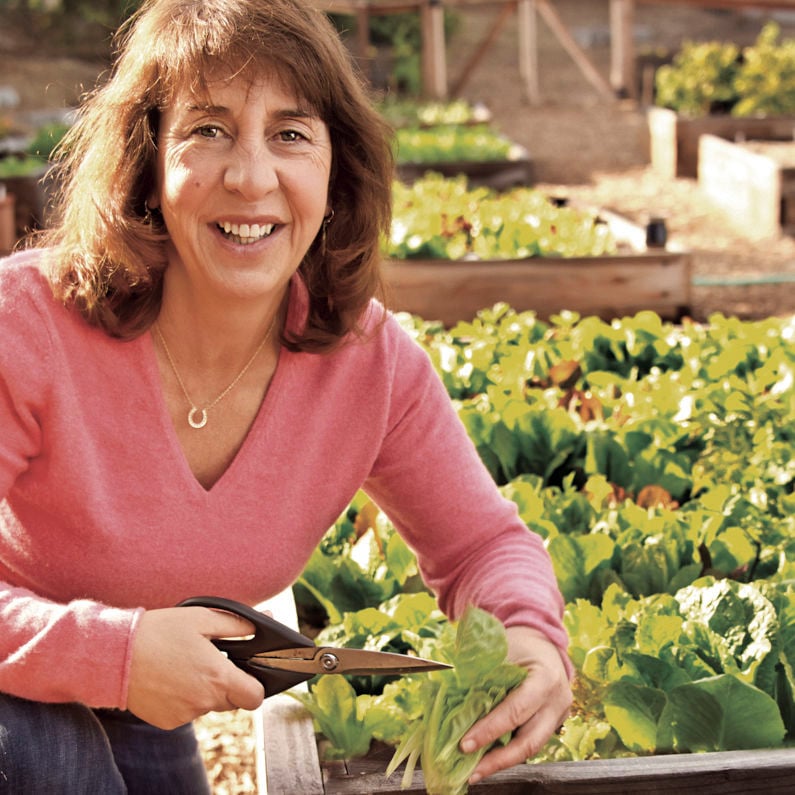

Let’s define a regional cuisine.

26 BIG Ideas

Trish in the garden

Cass Greene

Trish Watlington, Owner, The Red Door

“Because we have a year-round growing season and because it’s so easy to ship things in, we haven’t developed the kind of regional cuisine you’d find in European countries,” says Watlington, who co-owns The Red Door restaurant with her husband, Tom. “In the small regions of Europe, you start with what’s available and then you create a cuisine. We don’t do that in the U.S. It’s totally backwards.” Watlington works with local farmers to take advantage of native ingredients, including low-water crops and low-carbon-footprint animals like rabbits. The couple also owns a half-acre farm on Mount Helix that yields up to 7,000 pounds of produce, all used for their Mission Hills restaurant. Cultivating only what our surroundings can grow, she says, means supporting the local economy, eating more flavorful food, and developing a culinary identity anchored by seasonality. “True regional cuisines are made up of recipes that serve the environment and dishes that are byproducts of the primary goal, which is to protect the ecosystem for the long term,” she says. “And that cuisine should be driven by farmers, fishermen, conservationists, and environmentalists, not by the whims of a chef.”

Use the navigation below to see more Big Ideas.
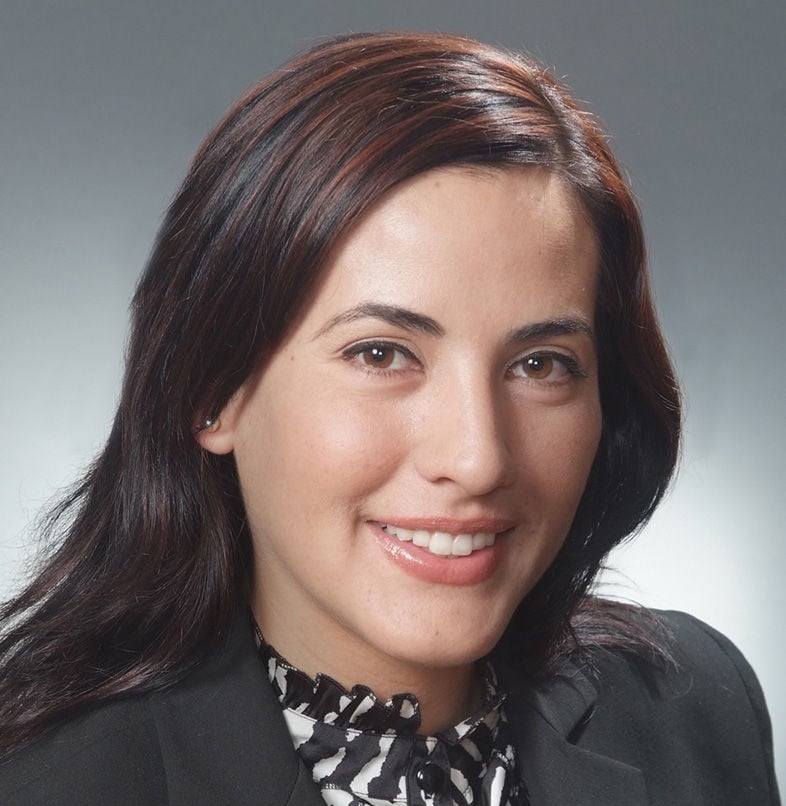
 

Let’s host more cross-border events.

26 BIG Ideas

26 BIG Ideas

Denice Garcia, Director of Binational, Affairs, Mayor’s Office 

“I’m a border child,” says the Tijuana-born Garcia. “My family did a constant back and forth and that seemed so normal.” An estimated 50,000 people cross the U.S.-Mexico border daily, making it the busiest port of entry in the Western Hemisphere. Garcia says, “It makes us extremely unique and it’s also a competitive advantage that doesn’t exist anywhere in the world.” Businesses can establish headquarters in San Diego while manufacturing products in Tijuana at a lower cost, with a more efficient supply chain. “You’re not going to manufacture in China to import it back to the U.S.” At the mayor’s office, Garcia is in charge of liaising between San Diego and Tijuana, Rosarito, Ensenada, Mexicali, and Tecate. Last year saw the first ever cross-border TEDx as well as a binational Maker Faire at Balboa Park. She would like to see more of these events, and at next year’s Maker Faire, she hopes to throw a spotlight on Baja’s culinary talents. “I consider myself a border groupie,” Garcia laughs. “I think it’s cool that you can go back and forth.” ¡Bienvenidos!

 

Let’s sequence the genome of every child who needs it. 

26 BIG Ideas

26 BIG Ideas

Dr. Stephen Kingsmore, President and CEO, Rady Pediatric Genomics and Systems Medicine Institute at Rady Children’s Hospital

When a baby is in the NICU, doctors are often treating the symptoms without a diagnosis. If a doc misses the diagnosis in the first week, the consequences could be deadly. Enter Dr. Kingsmore, who came to San Diego in September from Kansas City, where he had been experimenting with genomic sequencing at Children’s Mercy Hospital. Given the nearly 8,000 genetic diseases caused by mutations, Kingsmore sought to make genomic sequencing the standard way of identifying a genetic disease. But testing a child and their parents costs about $22,000. So he spent a year talking to universities and hospitals all around the country, until finally landing at Rady Children’s, where Ernest Rady and his family donated $120 million to establish the institute. By March, the hospital will be sequencing the genome of every child in the NICU and PICU whose condition calls for it. That means receiving a molecular diagnosis in less than a week, sometimes as soon as two days. “Each day of life is not for certain,” Kingsmore says of these babies. “Mortality is high. And complications can be long-term. Every day we can shave off the process is very meaningful.” The project will start in the NICU and PICU, where it’s most urgently needed, but even now Kingsmore’s team is developing strategies for other areas, such as autism and brain cancer.

It will take a decade, but Kingsmore plans to put genomic sequencing into the hands of every child in San Diego who needs it. He is working on the technology with local biotech company Illumina to make the testing faster and cheaper. “Illumina is a big part of the reason I came here. I’ve been working with Illumina for a decade and I knew they were keen to make it happen. Genome sequencing was kind of invented in San Diego. We’re in a position where we can become the world leader,” Kingsmore says. “In a few years, people will fly to San Diego [for treatment] if their child has a genetic disease.”
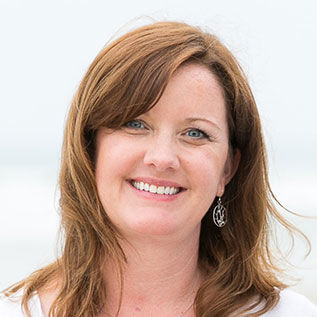
 

Let’s build a smarter city infrastructure.

26 BIG Ideas

26 BIG Ideas

Kiva Allgood, Vice President of Business Development, Qualcomm

On the Qualcomm campus in Sorrento Valley, you’ll find smart trash cans equipped with garbage compactors as well as detectors that alert maintenance workers—via smartphone app—when the containers are full and need to be picked up. And they determine the worker’s route using real-time data, in order to save time, labor, and gas. The Qualcomm buildings, too, are optimized with wireless products to show where electricity is being used. “We’re trying to live through example,” Allgood says. The campus is also a great lab for testing these ideas before taking them to the real world. Using information, communication, and intelligent connectivity, her department is solving city problems in infrastructure, transportation, building and automation, and energy. That can mean making a single-purpose lamppost multipurpose—it not only lights the sidewalk but is equipped with parking sensors; gunfire, earthquake, and pollution detectors; cellular and Wi-Fi relays; and more. That same concept could also apply to a park bench, trash can, or any type of city fixture. “There is a strong correlation between how the better infrastructure becomes, the better a person’s overall welfare is.” Qualcomm is working with local universities, the mayor’s office, and San Diego planning departments to develop that sort of thoughtful infrastructure. It gives new meaning to the term “street smarts.”
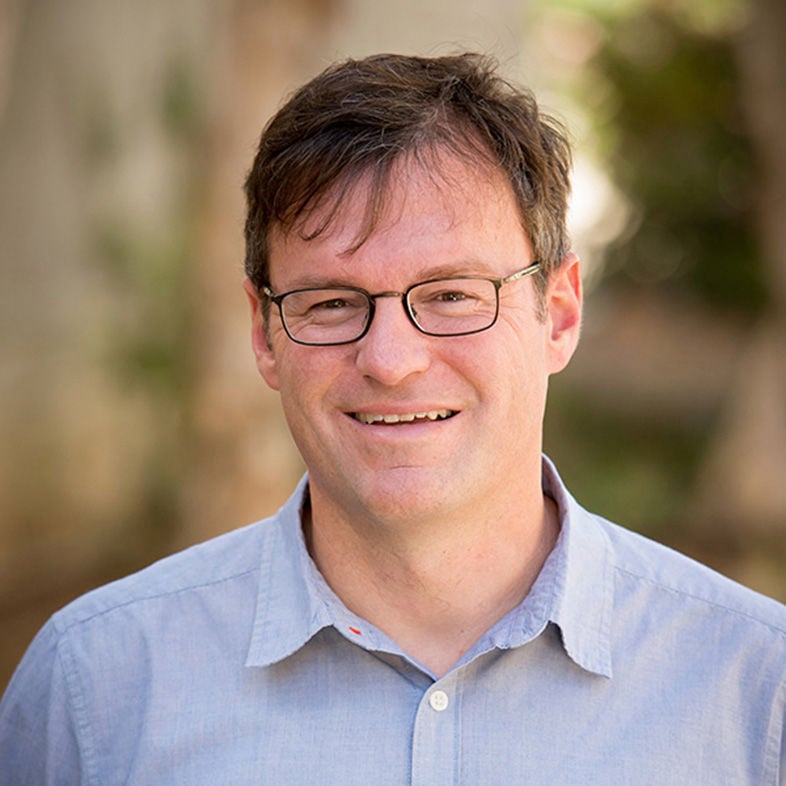
 

Let’s become a major voice on ethical science.

26 BIG Ideas

26 BIG Ideas

Craig Callender, Chair of Philosophy, UC San Diego

Designer babies, driverless cars, and modified mosquitoes—innovations may be boundary-pushing, but the moral quandaries these advances create are raising plenty of controversy. That’s why Dr. Callender, who is launching UC San Diego’s new bioethics minor this month, has big plans to establish the Institute for Practical Ethics.

At the institute, research would identify costs and benefits and, in some cases, influence policy and legislation. “Sometimes the results of research are indirect. Yet ideas have power. Look at the spread of informed consent forms throughout medicine. That idea went from the ivory tower to the hospital wards in my lifetime,” he says. “Scientists, like the rest of us, are well-meaning people and also fear these irresponsible interventions. So perhaps the bigger worry is that not knowing what’s responsible leads to paralysis. The idea is not to slow down science, but rather to figure out what’s responsible, so that we can progress.”
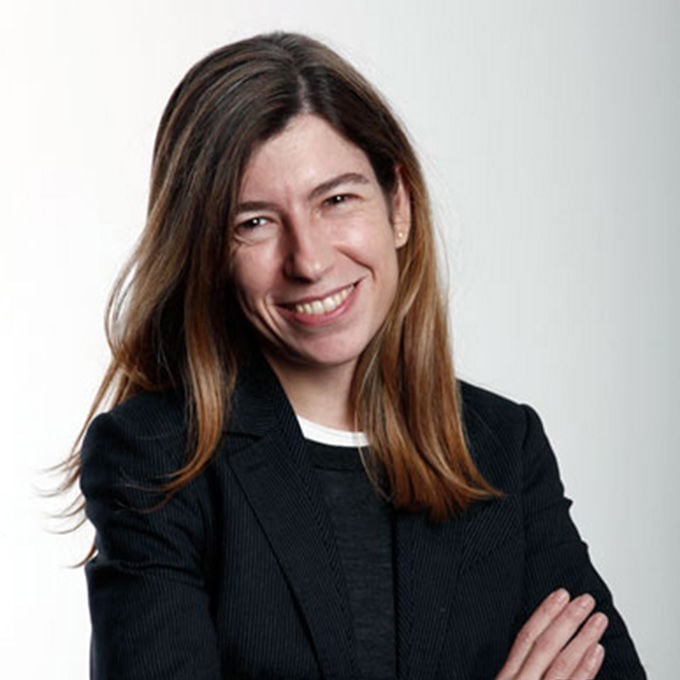
 

Let’s build a design exhibit space in SD.

26 BIG Ideas

26 BIG Ideas

AndreaRaffin

Elena Pacenti, Director, Domus Academy School of Design at NSAD

Coming from Milan, Pacenti has a unique perspective on San Diego. “I see an opportunity to reinforce the importance of design as a promoter of innovation and as a connector between technology, human beings, business, and society.” She would like to see a design exhibit space that would display items like the next GoPro, the next wearable device for preventive health, the next sustainable prefab house, or the next Car2Go. “San Diego is ripe to become part of the international design scene and conversation, but it has to give visibility to local innovations and be exposed to innovation worldwide.” She envisions design awards, satellite event series, and other programming inspired by Design Week in Milan. “The goal would be to show how design can truly innovate the way we live.”
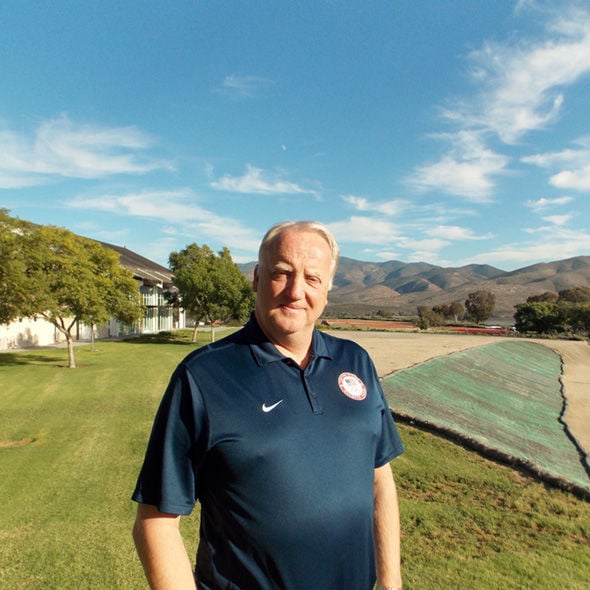
 

Let’s make rugby the new NFL.

26 BIG Ideas

26 BIG Ideas

Tracy Lamb, Director, Chula Vista Olympic Training Center

Why should the Chargers get all the attention? “Let’s get more people interested in archery, BMX, and rugby,” says Lamb, who notes that right in our own backyard, Olympic hopefuls are training for the Rio 2016 games. Rugby, especially, is having a moment. “It’s one of the fastest-growing sports in the United States. Both the men’s and women’s sevens national teams are based in Chula Vista and will make their Olympic debut this year.” While most rugby games are played internationally, you can check out local rugby clubs like the Old Aztecs, Old Mission Beach Athletic Club, and San Diego Surfers Women’s Rugby. That is, until the sport grows more visible. USA Rugby and World Rugby just announced that a pro rugby league similar to MLS and the NHL will launch in 2016. Beyond rugby, you can watch important meets at the Chula Vista Olympic Training Center this year: The second round of the U.S. Archery Team Olympic trials will be held April 17–22; the U.S. BMX Team Olympic trials are scheduled for June 11–12.
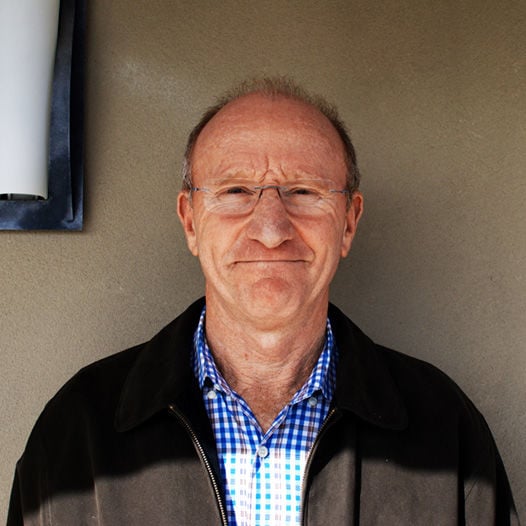
 

Let’s build a downtown for North County.

26 BIG Ideas

26 BIG Ideas

Gary Levitt, Developer, Urban Villages

The planners are calling it North City and likening it to a college town. South of Highway 78 and north of Cal State San Marcos lies space for a 204-acre mixed-use development, with a pedestrian bridge linking to the college. This city will have housing, retail, restaurants, offices, entertainment, and a hotel designed by architects Taal Safdie and Ricardo Rabines (the brains behind Harbor Drive Pedestrian Bridge and Scripps Seaside Forum). The Quad, a student housing building, has already opened and won a 2015 Orchid Award for Architecture. Next up? A mixed-use building with 197 market-rate units above retail and restaurant spaces that will open to an outdoor plaza. “Central to this concept is the need to achieve land use intensities that support smart growth and utilize available mass transit,” Levitt says. The community is highly walkable and also strings together two stations on the Sprinter light rail line. To put the size of North City’s 204 acres in perspective, Carmel Valley’s polarizing One Paseo is 23 acres—a mere shopping plaza by comparison. And the idea of having two downtowns is nothing new—L.A. has a downtown by USC and high-rises in Westwood near UCLA. Hey, if North City provides housing and improves our commute, our only question is: When can we move in?
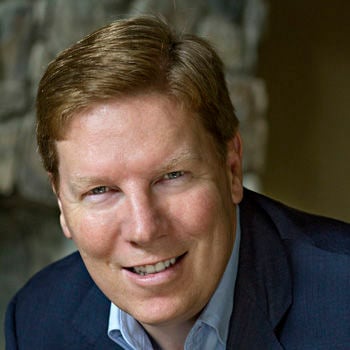
 

Let’s make San Diego a breeding ground for billion-dollar companies.

26 BIG Ideas

26 BIG Ideas

Greg McKee, CEO, Connect

McKee says San Diego’s vertical industries like agricultural tech, microbiome, genomics, and digital health are popping up quickly, and we should capitalize. “We need to get real and step up our game around how we innovate. We need to be faster and a lot more global,” urges McKee, whose company connects entrepreneurs and CEOs with great talent, capital, and technology. His startup accelerator, Connect, is developing a platform that will track emerging technologies and match teams with capital providers. This past summer the company opened its new Innovation Clubhouse, in University City, where people can meet about ideas as well as sit and work for free. “We don’t ask people to pay. We ask them to pay it forward if they’re successful.” San Diego’s billion-dollar success stories already include Illumina, Ballast Point, and Qualcomm. McKee would like to see the city build ten more billion-dollar companies in the next decade. “Enterprises of this magnitude bring economic vitality, jobs, tax revenues, international recognition and sophistication, and—perhaps most importantly—critical mass. Naturally, highly successful entrepreneurs want to be around other successful entrepreneurs, so the more successful companies we can create, the stronger the gravitational pull to San Diego becomes.”
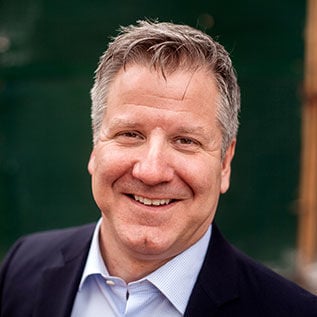
 

Let’s develop an arts district downtown.

26 BIG Ideas

26 BIG Ideas

Sam Hodgson

David Bennett, General Director, San Diego Opera

New Yorkers love their neighborhoods, and East Coast transplant David Bennett is no exception. The new general director of the opera has been studying San Diego since he arrived last summer and has found that while places like the Gaslamp, East Village, and Little Italy seem to have their own identities, our city lacks an arts district. “The institutions are in place, so why not focus on the strength of what we already have?” To wit: You can walk from the Jacobs Music Center to the Lyceum and Balboa theaters, Spreckels, the Civic, and even MCASD. Bennett adds that the closed rock venue 4th and B would make “a perfect black box theater,” if only the right people would step up. “The arts district would have its own energy. Arts should be what gives this zone its sense of identity, and a developer should build on that.” He pictures retail and restaurants in the first floors of the bank buildings, so that people coming to the theater don’t necessarily have to dine in the Gaslamp. “If you exit the Civic after a show, you’re in a plaza, and if you squint your eyes you can almost imagine you’re in an Italian piazza—but then you open your eyes. It wants to be developed.” Bennett also points out that “traffic is an issue in San Diego County… We have to be mindful and reach audiences where they are in addition to where art is being made.” He has his eye on North County performing arts centers, plus outdoor venues and nontraditional performance spaces. (Bennett once produced an opera in a New York planetarium.) Opera: coming to a theater, warehouse—and possibly our very own version of Times Square—near you.
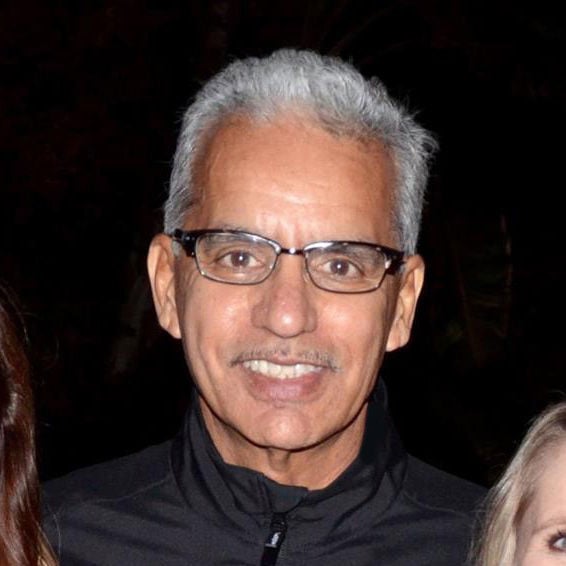
 

Let’s teach every kid in San Diego County how to swim. 

26 BIG Ideas

26 BIG Ideas

Michael Brunker, Executive Director, Jackie Robinson Family YMCA

There are only three public pools in the Southeastern San Diego community, including the Jackie Robinson Family YMCA where Brunker works. Within its service area, an estimated three-quarters of children ages 5–12 have never taken swimming lessons. “At a time when our kids see loss of life in so many venues, learning how to swim teaches children the value of life—starting with their own,” says Brunker. More pools are needed, as well as more swim instructors, more days and hours of operation, and a way to get the kids to the lessons. “Plus,” says Brunker, “the fear factor of parents who cannot swim themselves.” The San Diego Junior Lifeguard Foundation works with the region’s YMCAs to help fill this gap with its Waterproofing San Diego initiative, running a Junior Guards program, parent-child swim lessons, and more. But statistics show it’s still not enough. “Especially for a coastal region, it’s time to ensure that every child learns how to swim and develops a healthy respect for the water.”
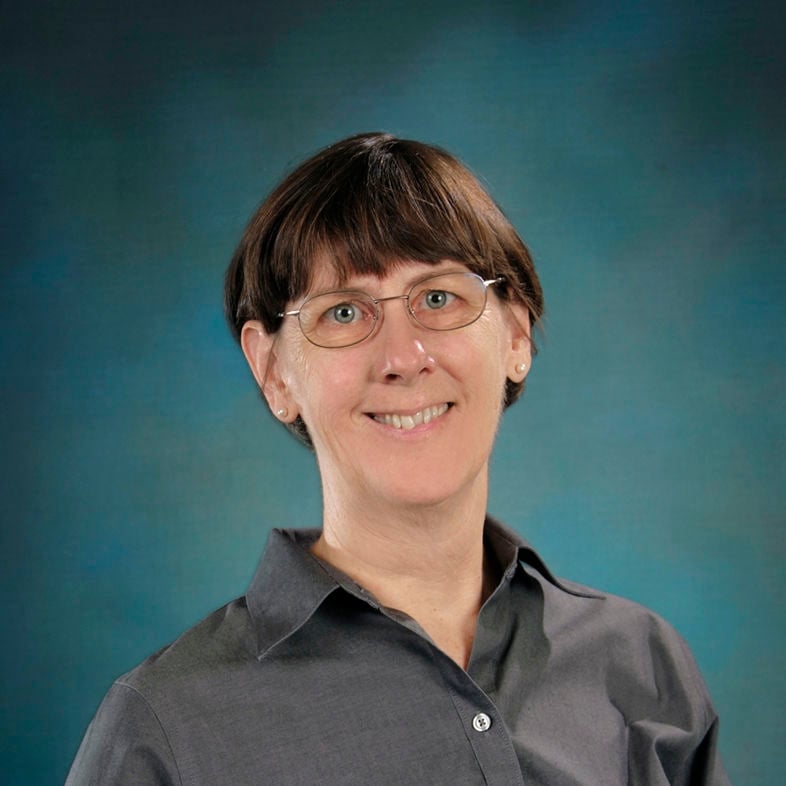
 

Let’s streamline our response to natural disasters.

26 BIG Ideas

26 BIG Ideas

Jo Ann Lane, Co-director, USC Center for Systems and Software Engineering

Floods, fires, earthquakes, tsunamis… Mother Nature could strike here at any moment. When San Diego native Jo Ann Lane was getting her PhD at USC, she studied historical crises like these—and the oftentimes lagged and insufficient responses that followed. With focus, she says, we could prepare better. Lane envisions adaptable and flexible systems, like a network of smart roads to change the direction of traffic flow in case of evacuation. And we should be able to reroute resources—divert water that is flooding, or restore power in areas where it is lost. “El Niño is the potential issue that’s on our doorstep.” She cautions that we will probably struggle with poor drainage, overloaded sewers, and other infrastructure in flood-prone areas. “When systems like that break down, it can affect water supply, our health, and more.” One of Lane’s research areas is “systems of systems,” or how we look at groups of individual systems, whether they’re electronic or bureaucratic. The key is communication and interoperability between agencies so we don’t rely on just one source, which could get overwhelmed and shut down. She recommends studying past mistakes. Looking at how we’ve responded to wildfires, she believes we should use the military sooner. “The marines were sitting there. They wanted to go fight but they weren’t allowed, because it was political.” One system needs to work with another, she says, and we need to improve our “situational awareness”—understanding what is happening and when. Only then we will be a Smart City.
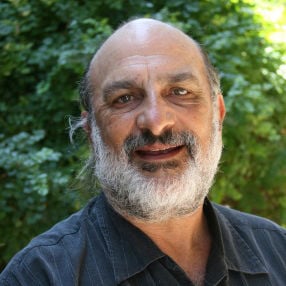
 

Let’s reduce greenhouse gases by going zero waste.

26 BIG Ideas

26 BIG Ideas

Rick Anthony, President, Zero Waste International Alliance

The top three sources of greenhouse gases in the city and county are traffic, farming, and landfills. While lifestyle solutions like carpooling and eating less meat can help with the first two issues, landfills are an increasingly problematic issue. But there’s a plan in place to fix that—so long as San Diegans do their part. Last July, the city approved a zero waste initiative that would first divert up to 75 percent of waste by 2020 and eliminate it by 2040. “In our affluence, we’re not paying attention to what we’re doing to the environment,” Anthony says. “If we don’t, we’re going to lose 10 feet of coastline. What does that mean to Ocean Beach or Pacific Beach or Baja?” While a lack of accessible composting is one of the region’s biggest impediments—Anthony says we’ll see more resources over the next five years thanks to state mandates—it also boils down to smarter consumer decisions now. “Watch what you buy and make sure what you have is recyclable and compostable. If you’re a single family resident, make soil for your garden with compost. It’s more cost effective, and it’s better for quality of life.”
 

Let’s build a bay-to-park skyway.

26 BIG Ideas

26 BIG Ideas

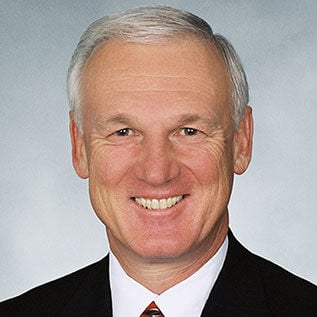
Ron Roberts, San Diego County Supervisor

Most people have heard of Roberts’s passion for adding aerial gondolas to our growing mass transit system, and now, thanks to a vote for an initial engineering study, the bay-to-park skyway is starting to take off. The first line would be a two-mile stretch up Sixth Avenue from the 12th & Imperial trolley station to Spreckles Organ Pavilion in Balboa Park. Think of moving not just the occasional cyclist, but all the crowds during December Nights and Comic-Con. “What’s not to love about a project that can fly a busload of people per minute, be powered by a 500-horsepower electric engine, pay for its operations with fares, and be fun for transit riders?” asks Roberts. The county supervisor has been enamored with aerial gondolas ever since he rode the zoo’s Skyfari in 1969, when it opened. In 2006, he was equally impressed when he rode a cable car line in Singapore that passed through the top floor of a high-rise. “Once San Diegans use this, I think they’ll find places to add more, as will other cities now considering skyways.” In fact, a federal or state grant may help fund the $75-million skyway, in the interest of beta testing it for other cities. San Diego seems to be an ideal place for a gondola network, given our unique topography. Where a trolley can’t climb a hill or descend a canyon, the gondola flies right over. Roberts envisions a system that connects our trolley, Coaster, and Sprinter stations, alleviating some of the tourist and commuter traffic into places like Pacific Beach or Sorrento Valley.
 

Let’s use data to cure San Diego’s social ills.

26 BIG Ideas

26 BIG Ideas

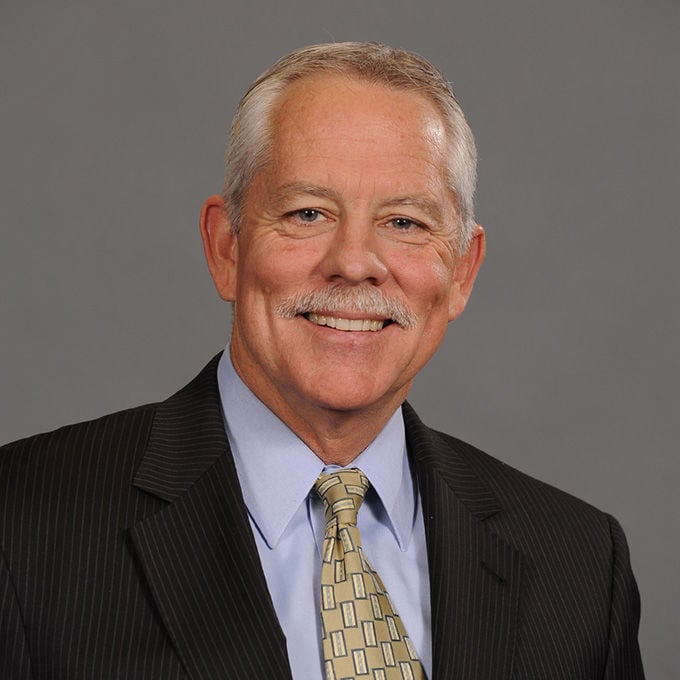
Kevin Crawford, CEO, United Way

The nonprofit world has long been missing the mark with redundancies and overlapping services. For instance, a mom might be given clothes when her child needs food and health care instead. “With the old model, a lot of good work was done but not in a coordinated fashion,” says Crawford. But United Way is changing all that. In City Heights, the organization collaborates with the Hoover Cluster of schools, which tracks and shares attendance records and reading scores. After identifying kids who are frequently absent, United Way places social work and public health interns from SDSU and Point Loma Nazarene into the classroom, who in turn reach out to the kids’ families. The interns then refer those families to area nonprofit programs and services that specifically address the issues causing the absenteeism. “They’re not just passing along a phone number, but developing a relationship,” Crawford explains. Later, they follow up to see if attendance and scores have improved. “Before, a lot of the effort was motivated by the heart, and the measuring of success was not as critical. But we’re in a day and age where we need to be more shrewd about outcomes and the cost of those outcomes.” The San Diego County chapter is just one of nine that are incorporating what they call the “collective impact model,” aligning resources among universities, school districts, and nonprofits. Here’s to United Way helping us make a united effort.
 

Let’s put a farm in every community.

26 BIG Ideas

26 BIG Ideas

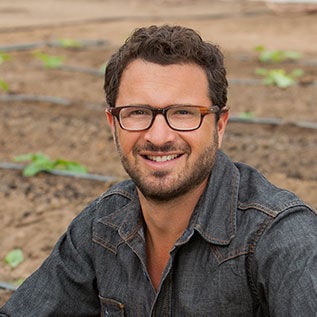
Daron Joffe, Director of Agricultural Innovation and Development, The Leichtag Foundation

When Joffe dropped out of the University of Wisconsin–Madison to buy a 175-acre farm, he got another education altogether. While he was successful in turning the land into a community-supported farm, he was living and working two hours from the nearest place where he could sell the produce and have a social life. That’s when Joffe, also known as “Farmer D,” quit and began consulting on community farms and agrihoods—housing developments built around crops instead of a golf course or pool. Joffe believes agriculture shouldn’t have to compete with urban sprawl. “There is still time to shift the paradigm to a symbiotic relationship where the land, people, and business all win,” he says. “Growing food closer to where people live helps to reduce its carbon footprint and increase freshness and nutrition, while connecting people to where their food comes from.” A community farm, he reminds us, can take root anywhere—rooftops, prisons, schools, corporate campuses, military bases, and hospitals. It provides education, a social platform, and more. In 2012, the Leichtag Foundation purchased the Ecke Ranch in Encinitas, a 67.5-acre, independently run, nonprofit community farm. About a dozen farmers live on site. “We’re creating a community farm in a really large neighborhood—the City of Encinitas—to engage community in the same way you would if you were designing an agrihood. It’s a somewhat reverse approach. We’re kind of retrofitting and preserving the presence of farmland in the area.”

 

Let’s get next-gen technology in the hands of the next generation.

26 BIG Ideas

26 BIG Ideas

Katherine Stuart Faulconer, Honorary Chair, One San Diego

“Imagine showing up to work and your computer has vanished. Your boss expects you to complete your assignments, but without an Internet connection you’re going to fall behind,” says Faulconer, wife of Mayor Kevin Faulconer. “This is the reality for many San Diego children in struggling communities who don’t have the technology at home they need to do homework and keep up in class.” Faulconer wants to fix that. In its first year of operation, the nonprofit One San Diego provided more than 100 laptops for kids to use in libraries in Logan Heights, Southeastern San Diego, San Ysidro, and Linda Vista, courtesy of local organizations and businesses like the San Diego Library Foundation, Cox Communications, Wal-Mart, and Hewlett-Packard. “Imagine a city where everyone has the opportunity to succeed, no matter which neighborhood they call home.”
 

Let’s reuse every cardboard box.

26 BIG Ideas

26 BIG Ideas

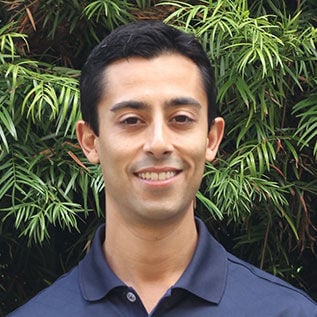
Eaman Talai, Founder and CEO, BoxedGreen

Given our transient population—Veterans! Students! Beach-loving nomads!—it’s no surprise that every year roughly half a million people in the county move. But that also means more than 12 million boxes are needed annually to accommodate those moves. Add to that the millions of boxes that stores and companies go through, and that’s a lot of cardboard waste. Though most gets recycled, local startup BoxedGreen is shifting people’s habits toward reusing before they recycle. “Recycling a cardboard box takes 70 percent of the energy needed to create a new box,” says Talai. “People sometimes forget about the ‘reuse’ in ‘reduce, reuse, recycle,’ but most boxes can be reused up to three more times.” His company’s website connects people who are moving with stores that have gently-used cardboard boxes. Customers buy the boxes, starting at $1 per box, and pick them up at retail stores and storage facilities in San Diego. Talai, who plans to expand to North County, got the idea after seeing stacks of perfectly usable cardboard at a neighborhood store. “It’s easy, good for the environment, and saves you money. No-brainer,” he explains. “We need to get to a point where anytime we discard something, we ask ourselves, ‘Can someone else reuse this?’ One man’s trash can really be another man’s treasure.”
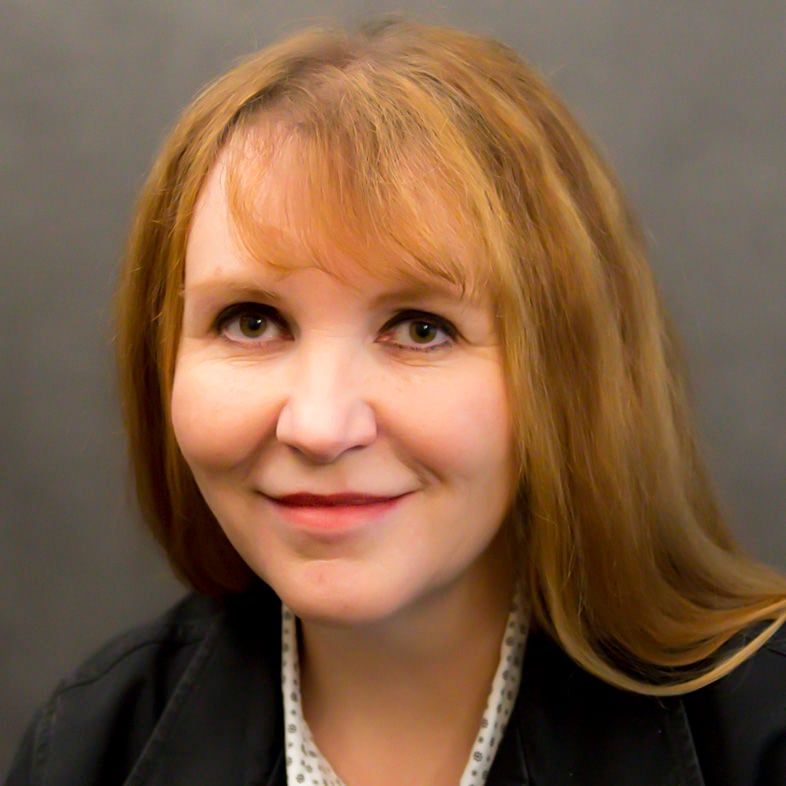
 

Let’s encourage more women to become entrepreneurs.

26 BIG Ideas

26 BIG Ideas

Lada Rasochova, Director, mystartupXX accelerator program at UCSD

​Why aren’t there more female entrepreneurs in San Diego? Rasochova says she constantly meets women who don’t think their ideas are ready. “They typically do not want to participate in startup competitions, apply for various accelerator programs, or pitch to potential investors,” she says. “They think they need to work on their startup more before they are ready and before they can be competitive. Because of that, they miss opportunities.” In 2012, Rasochova co-founded mystartupXX (“XX” as in the female chromosome) to build confidence in female entrepreneurs. At their space in UCSD’s Rady School of Management, mystartupXX holds biweekly workshops where guest speakers help teams with all aspects of building a startup, such as legal, accounting, human resources, and IT. They also host “mentor mixers,” sponsor pitch competitions and conferences, and connect entrepreneurs with potential investors. “An important part of mystartupXX accelerator is creating a community of female startup founders so they can support each other.” Rasochova and her cohorts are succeeding in their mission. Case in point: the annual UCSD startup competition, E-Challenge. “Typically, women don’t participate and the finalists are very often 100 percent males. This year, for the first time in E-Challenge history the gender ratio was 50:50, with two female-led teams from mystartupXX competing in tech track finals out of four finalists.” Now that’s a ratio we can get behind. 
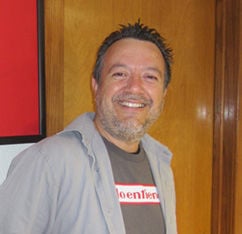
 

Let’s banish stereotypes of Latinos in American pop culture.

26 BIG Ideas

26 BIG Ideas

William Anthony Nericcio, Director, SDSU’s Master of Arts in Liberal Arts and Sciences program 

In 2007, Dr. Nericcio published a well-received book called Tex[t]-Mex: Seductive Hallucinations of the “Mexican” in America, which later led to an art exhibit featuring many of the artifacts—such as stereotypical magazines and advertisements—that appeared in his book. Two years ago, a producer from Mexico City and another from Madrid approached him to ask if he’d ever considered doing an Anthony Bourdain–style TV show. They got a $750,000 deal from a Mexican production company and began filming Mextasy in San Diego, Los Angeles, and Mexico, with Nericcio as head writer and host. “If you see Latinos on TV, they’re crooked or naked or both,” he says. “My show is the flip side. It’s about all the smart people, the artists, the intellectuals, the restaurateurs—my friends and the people in my network. I never see these people on TV.” With several episodes in the can, he has been trying to sell Mextasy for a year. “The Mexican cable networks said it was too American, and the American cable networks said it was too Mexican.” It was recently screened alongside Bordertown, Fox’s new “Simpsons meets San Ysidro” animated series. But as for distribution, it’s hard to say what the future holds. “Mextasy is the greatest unsold project that’s ever been made.” We’re looking at you, Netflix and Amazon!
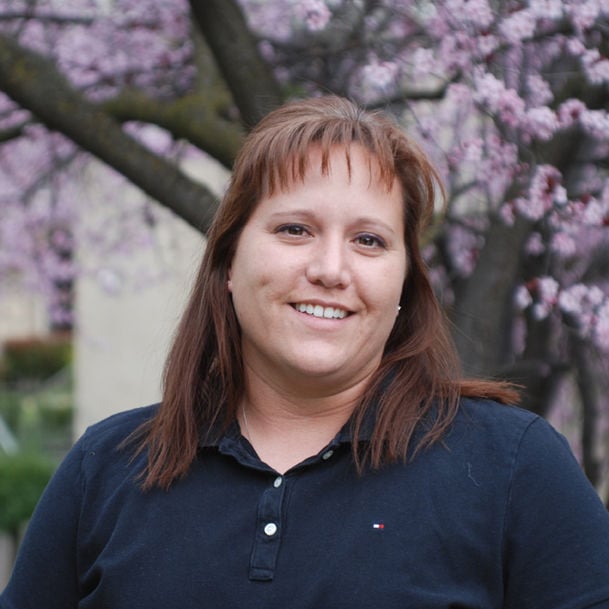
 

Let’s require San Diego’s athletic trainers to get certified before working with our kids. 

26 BIG Ideas

26 BIG Ideas

Christina Scherr, Region 6 Director, California Athletic Trainers’ Association

If your son or daughter is a student athlete, heads up: California is the only U.S. state that does not require athletic trainers to have certification. Scherr and her organization recently tried to pass a bill that would require trainers to take a “rigorous national certification exam” and earn a bachelor’s degree from an accredited university program. “Despite unanimous, bipartisan approval in the state legislature,” she says, “the bill was vetoed by Governor Jerry Brown this past September.” Thankfully, more than 70 percent of the country’s certified trainers have at least a master’s degree—and by the year 2022, it will be a requirement. But in the meantime, ATs are providing emergency care and rehab in our schools, among other services, and their expertise is critical. It’s not just footballers who are at risk for injury. According to the American Journal of Sports Medicine, football results in the most concussions, followed by soccer and lacrosse. Student athletes are also in danger of spine, growth plate, and overuse injuries, as well as sudden cardiac arrest. What’s a parent to do? Scherr, who is the only trainer serving all 23 of Torrey Pines High School’s sports teams, advises: “Verify if your high school’s athletic trainer is actually certified by searching his or her name on bocatc.org. If the person is not a certified athletic trainer, contact your school district and ask why they haven’t made student athlete safety a priority.”
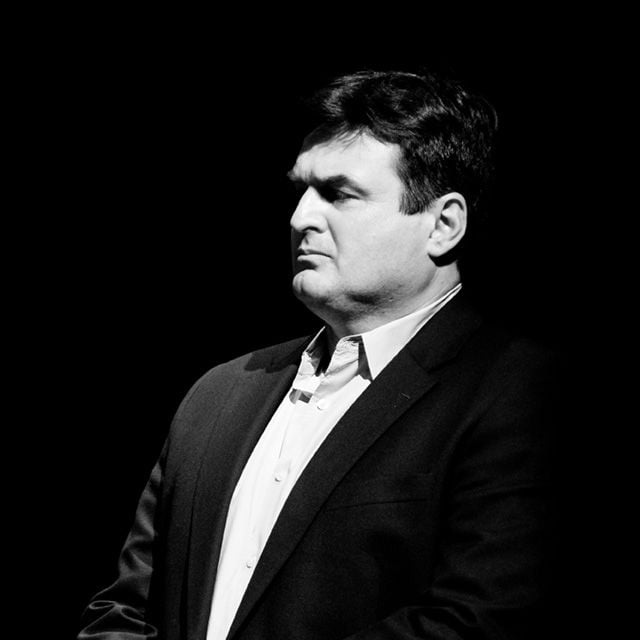
 

Let’s apply our beach density to places beyond the beach.

26 BIG Ideas

26 BIG Ideas

Howard M. Blackson III, Urban Designer, Michael Baker International

“The San Francisco Bay Area’s housing disaster tells us that our housing crisis will only get worse,” warns Blackson, “and doing nothing is not an option.” He proposes modeling our neighborhoods after San Diego’s beach areas, where “mixed-use walkable urbanism” rules the scene. “Our beach density model is essentially a residence or shop with three to five units that are no more than two or three stories on each lot.” This kind of development would support public transportation and small businesses “without dramatically altering our city’s character.” It would also instill a healthy, pedestrian-friendly lifestyle, and bolster local developers. Existing urbanized areas such as Southeastern San Diego, Golden Hill, and South Park are perfect candidates, as well as Bay Park, City Heights, and neighborhoods along our major corridors like El Cajon Boulevard and University Avenue. Unfortunately, there’s a fear of change. “‘Density’ is a polarizing term that eventually turns either to demands for no new growth or to building tall towers,” Blackson says. “Our home values are a major part of our personal wealth. Therefore, we are leery of any change that may affect any of that value. That’s why using a local model makes sense—as opposed to an imported Portland or Vancouver model.”
 

Let’s develop a model criminal justice system.

26 BIG Ideas

26 BIG Ideas

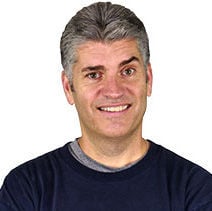
Justin Brooks, Director, California Innocence Project at California Western School of Law

When an innocent person goes to prison, the cost is high—not just to the accused, but to all taxpayers. Take into account the time spent by police pursuing a case, the use of prosecutors and defense attorneys (whom are paid by the county), and the expense of keeping the wrong person incarcerated. “All while the guilty person is walking the streets committing more crimes,” says Brooks. Since 1989, 1,702 wrongful convictions have been documented in the U.S., and according to Brooks, whose organization has exonerated 19 San Diegans so far, at least 6,000 of California’s 150,000 inmates shouldn’t even be in custody (most recently including Luis Vargas, who spent 16 years doing time for three sexual assaults that—according to new DNA evidence—were actually committed by the “Teardrop Rapist,” who is still at large).

“The leading causes of wrongful convictions are witness misidentification, false witness testimony, false confessions, bad police work, and bad lawyering,” Brooks explains. He’d like to probe deeper and do the kind of investigating that happens after a plane crash. “Law enforcement, prosecutors, and defense attorneys should come together and study the cases where people were wrongfully convicted.” San Diego is in a good position to set an example. “We already have a great public defender’s office and prosecutor’s office. The D.A. cooperates on exonerations in ways very few others do in the U.S. Our chief of police is open to reform. We now have body cameras and a low crime rate.” But to raise the bar, we should perform identification procedures based on the latest science. We should record all interrogations and use best practices to lessen the likelihood of false confession, throw out unreliable informant testimony, hire independent labs rather than police crime labs, and provide full discovery and maximum transparency in every case. How to fund these extra steps? He says we could stop pursuing costly death penalty cases, and use those resources to investigate uncharged rape and murder cases. To get the ball rolling, firsthand experience would be a great motivator for change. “I’d like to see every police officer, prosecutor, defense attorney, and judge spend one day in jail, so they have at least the slightest idea what people go through when the system gets it wrong.”
 

Let’s raise the next generation of groundbreaking scientists. 

26 BIG Ideas

26 BIG Ideas

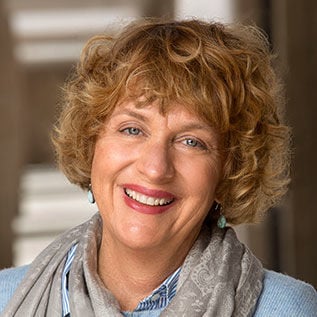
Ellen Potter, Director of Educational Outreach, Salk Institute for Biological Studies

The Salk Institute is best known for its groundbreaking scientific research, but few know the prestigious organization has been bringing science to the masses for decades. Dr. Potter’s department runs several programs that expose kids to genetics and biotechnology, subjects San Diego schoolteachers have requested because they lack experience with them. One such program is a mobile science lab that travels to middle schools and provides a three-day curriculum. “We’re not teaching content as much as awareness,” says Potter, who’s met kids in San Ysidro who have no concept of where La Jolla is, nor any clue about the breakthrough science being done on the mesa. “We want to show them that this work is fun and you can have a career and it’s close to home,” she says. “We want them to look at science as something they can understand. That’s our real mission.” Salk recently invited 300 girls from the San Diego Unified School District for a Women in Biotech presentation. And this year, Salk will begin SciChats—Skype tours and talks between researchers and students—as well as video curriculum for teachers. Sounds like science just got a lot cooler.
 

Let’s make our neighborhoods about community and connection, not about isolation and consumerism.

26 BIG Ideas

26 BIG Ideas

© weheartphotography.com

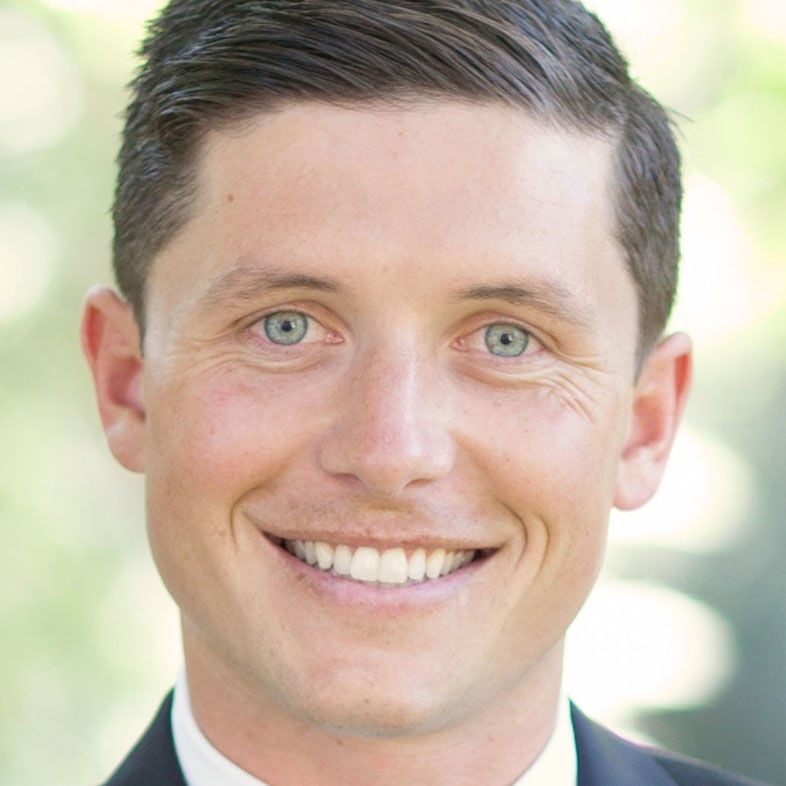
Nathan Cadieux, Vice President, The Corky McMillin Companies

In 2016, Liberty Station is set to unveil a brand new look, particularly in its north end Arts District, with more pedestrian-friendly access and new boutiques and restaurants. The makeover will define Liberty Station as its own neighborhood and redefine what it means to be a community. “Our communities and shopping centers are very car-focused and consumerist. And technology means we’re hyperconnected but disconnected personally,” Cadieux says. “We’re creating a space that you can experience by foot, which is more intimate than driving around at 65 miles per hour from one place to the next. We’re pushing against societal laziness.” While Buona Forchetta, Liberty Public Market, and luxury cinema venue The Lot are set to open in the first quarter, the next phase of development will focus on utilizing even more outdoor space. That means less screen time, more sunshine.
 

Let’s make SDSU a top 50 public research university.

26 BIG Ideas

26 BIG Ideas

Lauren Radack

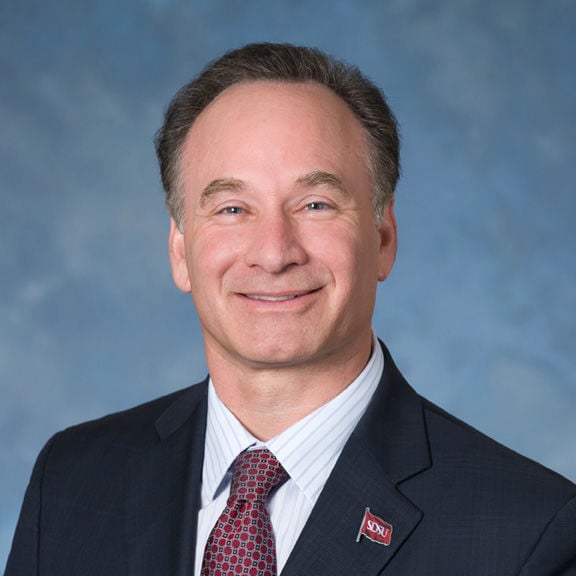
Elliot Hirshman, President, SDSU

Coming to the Aztec mesa in 2018: a $90-million, five-story, 85,000-square-foot Engineering and Interdisciplinary Sciences Complex. Bring on the engineers, biologists, climatologists, and entrepreneurs who will work together within its viromics, nanotechnology, and wireless technology labs; brain imaging center; and more. “It will provide unprecedented opportunities for our students, faculty, and staff to collaborate and learn at the cutting edge of discovery,” says Hirshman. It will stand next to the current engineering building with a quad in the middle, adding “a literal crossroads for our scientists, engineers, and entrepreneurs to gather, create, and innovate.” Go, Aztecs!

 

Subscribe to our newsletters

Select Options

By subscribing you confirm that you agree with our Terms and Conditions and Privacy Policy.

Features JUNE 8, 2026

4 San Diego Dishes We Can’t Stop Thinking About

Food writer Beth Demmon names local bites we love—both at the high and low ends of our budgets

4 San Diego Dishes We Can’t Stop Thinking About
Photo Credit: Kimberly Motos

We love a mega-fancy tasting menu, but let’s be honest—we’re not all blessed with unlimited Wagyu funds. So we picked some of the breakout dishes of the last year (or couple of years) from the best chefs in the city, reverse-engineered their chief charms (salty, smoky, caramelized?) in the test lab of our mouths, and found some budget-friendly alternatives that hit some of the same notes with an everyday price tag.

High: Caviar Ice Cream at Lilo

Where do delicately plucked marigold blossoms adorn Deer Isle scallops, or ingredients like fermented raspberry precede roasted coffee oil, shiro miso caramel, or bronze fennel in a parade of hit-after-hit dishes? Lilo in Carlsbad, of course. San Diego’s newest Michelin star changes its menu with the seasons, but one stalwart dish has kept tongues wagging since opening day last April: the caviar ice cream. A boat-shaped sliver of orgeat ice cream, smoked celery root bushi, and freshly pressed almond oil are topped with a generous heap of caviar. It’s a dish so good and defining that chef Eric Bost will tire of talking about it for a very long time.

Price: $265 for the tasting menu (before tax, tip, and drinks)

Low: S’mores Ice Cream at Stella Jean’s

There’s a reason Stella Jean’s s’mores ice cream is part of the local scoop shop’s “always available” menu. Made with fire-roasted marshmallows and coconut ash ice cream mixed with dark chocolate-covered graham crackers and mini marshmallows, its strangely ashen hue dabbled with flecks of tawny brown is a far cry from the wildly vibrant ube and pandesal toffee flavor seemingly made for Instagram reels. But it’s a sensation in your mouth—smoky, toasty, torched, creamy, marshmallowy, coconutty, ashy, and bitter from the dark chocolate. Pro tip: If you really want to DIY Lilo’s ultra-luxe treat, bring your own caviar.

Price: $6.25 for a single scoop

High: “The” Egg Dish at Lucien

There’s no question what comes first at Lucien. It’s the egg. Chef and co-owner Elijah Arizmendi’s 12-course tasting menu begins with welcome bites under the calamansi tree before moving inside to start the Journey (the actual name of this section of the menu). The first step is one of the most astounding—a perfectly intact, upright, ochre-hued eggshell containing his take on Japanese chawanmushi (egg custard), topped with a dollop of caviar. The accompanying ingredients have ranged from sweet corn and huitlacoche to banana and buckwheat, but each one has precisely demonstrated Arizmendi’s commitment to French technique with California experimentation and global influence.

Price: $260 for the chef’s tasting menu (before tax, tip, and drinks)

Low: Chawanmushi at Sushi Ota

The biggest difference (besides price) is that while Lucien’s dish changes with the season, Sushi Ota is comfortably predictable. A San Diego staple since 1990, the legendary Sushi Ota has been one of those if you know, you know joints that locals try to keep off the radar. (It hasn’t worked at all.) Known for ultra-fresh fish and ultra-traditional service, the small Pacific Beach restaurant also serves Japanese comfort foods like udon noodle soup alongside sashimi, nigiri, and rolls. But it’s the savory steamed egg custard, called chawanmushi, that really gives you the warm and fuzzies. Add a side of salmon roe (ikura) for a few bucks more, and this dupe is about as good as it gets.

Price: $12 for chawanmushi, $11 for ikura

Courtesy of Chick & Hawk

High: The Birdman Sandwich at Chick & Hawk

Enough ink—and tears, I’m sure—has been spilled over Chick & Hawk’s long and arduous journey to opening its doors. But now that the Encinitas eatery is in full swing, chef Andrew Bachelier’s tightly curated menu of fried chicken sandwiches, fries, and bowls command lines of hungry locals and skate-culture loyalists. The Birdman, the signature hot chicken sandwich named for partner and skateboarding legend Tony Hawk, is piled with cabbage slaw and pickles and slathered with a tangy kimchi comeback sauce on a soft brioche bun. Although this Nashville meets California meets Mississippi meets Korea sando doesn’t command a triple-digit price tag, the fact that it’s nearly a $20 chicken sandwich (sans side) has been a topic of conversation. Bachelier—who worked at Addison before opening Jeune et Jolie, then launched SDM’s 2024 “Best New Restaurant,” Atelier Manna—and his team earned that price tag.

Price: $18

Low: 5-Piece Korean Fried Wings at Cross Street Chicken & Beer

It’s hard to beat Koreans at the chicken game. Korean fried wings are defined by a double-fry technique—first at a low temperature to ensure the chicken is cooked through, then at a high temperature to ensure the famed extra-crispy, ear-splittingly crunchrageous magic. At Cross Street, they follow a similar fusion ethos as Chick & Hawk, using inspiration from the American South as well as Thailand, Korea, Vietnam, and more, with flavors like “Seoul Spicy” or “Honey Butter” for whatever you’re feeling that day. Pair it with a cold beer to go full chimaek (a popular Korean combination of pairing fried chicken and beer). Now that’s a combo—and price tag—that’s hard to beat.

Price: $8.75 for five wings

Courtesy of Trust Restaurant Group

High: Steak Frites at À L’ouest

PB&J. Captain & Tennille. Brad Wise and steak. Steak frites ranks among the iconic global duos. And when the holy union of prime cuts and twice-fried carbs comes from Wise and the meat-loving masters at Trust Restaurant Group, it’s a pretty safe bet. À L’ouest—the group’s newest fancy, but not fussy, drippy plant dreamscape of a French steakhouse on the prime corner of 30th and University in North Park—gives guests a choice: 12-ounce New York strip, 8-ounce filet mignon, or 8-ounce Wagyu hanger, topped with sauce au poivre (the classic French pan sauce—peppercorns, shallots, heavy cream, brandy) and served with a heaping pile of 24-hour salt-brined fries and a watercress salad. One bite acts as a transport to a Parisian brasserie, so if you think about the cost in terms of time-space travel, it’s a pretty great deal.

Price: starts at $48

Low: Shepherd’s Pie at The Shakespeare Pub & Grille

To satisfy the same urge for meat and potatoes, feel at least moderately European while doing so, and save a couple quid, a trip to The Shakespeare in Mission Hills ticks all the boxes. The classic British shepherd’s pie arrives in a piping hot oval au gratin dish, smothered with a thick layer of mashed potatoes. Beneath it lies a hefty portion of marinated ground beef and vegetables in the pub’s secret sauce, and while there are a few choices of sides, the correct order is peas and “proper” chips (a.k.a. chunky, thick-cut fries versus the typically thinner American “French” fries). It’s more tickety-boo than très bien, but it’s immensely satisfying in any language.

Price: $22.95

Beth Demmon

About Beth Demmon

Beth Demmon is an award-winning writer and podcaster whose work regularly appears in national outlets and San Diego Magazine. Her first book, The Beer Lover's Guide to Cider, is now available. Find out more on bethdemmon.com.

Features JUNE 8, 2026

5 Unsung Heroes of the San Diego Culinary World

From dedicated line cooks to seasoned bartenders, these are the people making magic happen in city's top restaurants

5 Unsung Heroes of the San Diego Culinary World
Courtesy of The Marine Room

Chefs have done gobs of thankless, lumbar-breaking work over years to land the role. Restaurateurs put their entire livelihoods on the line, microdosed sleep, took ultimate responsibility for every minor stress. They earned the spotlight they get. But ask one of them, and they almost always defer to a line cook who’s showed up for years, been deep in the thing, and whose absence would bring the kitchen to its knees. Or the bartender with a warmth that draws people whether they’re thirsty or not. Or the noble and spreadsheetable soul in charge of purchasing everything needed for the nightly show.

They call it the “heart of the house.”

Spotlight or not, these are the people who make a food culture hum at its daily core.

For this year’s “Best Restaurants” issue, we asked a handful of the top chefs and one restaurant owner—Tara Monsod (Animae/Le Coq), Jason McLeod (Ironside Fish & Oyster), Ananda Bareño (The Marine Room), Owen Beatty (A.R. Valentien), and Ryan Thorsen (Mister A’s)—who that person is for them.

These are the hearts of houses.

Photo Credit: Matt Furman

Roger Feria Krile

Line Cook, Animae

Roger Feria Krile is not only the guy you want to be friends with at work, but also the guy you want to hire: respectful, nose-to-the-grindstone, versatile. And he’ll drop off a fresh batch of cinnamon rolls at your house for the holidays. Born in Tijuana, Krile moved to the US with his mom and sister when he was in elementary school. He saw the sacrifices his mother made to give her children a better life, and he pushed himself to live up to that brighter future.

He came to cooking during the pandemic, asking himself, “What do I really love to do?” His answer: “Bake cakes for friends and break bread with people,” he says. That led to a culinary school degree and a stint in a Michelin-starred NYC kitchen, where he grew to “love and understand” fine dining. Now back in San Diego, Krile’s showing up at Animae in a major way. He does prep work three mornings a week and comes later in the day twice a week for dinner service. Most line cooks do one or the other, but he requested both tours of duty.

“Gotta get my reps, keep my skills sharp,” Krile says, “and I don’t want to miss the rush.” Prep work in the mornings helps him learn how Executive Chef Tara Monsod uses each ingredient to the fullest. Krile’s not just a line cook. One-quarter Filipino (and learning about his culinary heritage from mentor Monsod), he’s building his own Mexican-Filipino pop-up concept. Look for Sarsa—Filipino for salsa—where every dish is a play on words fusing Mexican and Philippine Spanish or Tagalog. He’s already R&D’d a breakfast sandwich, the tortantalong: a torta filled with a signature Filipino eggplant omelette called a tortang talong. Friends in the industry say it’s unexpectedly delicious.

“He shows up every day with a clear goal of one day opening his own restaurant, and that drive pushes him to go above and beyond,” says Monsod. “He is constantly learning, asking questions, and absorbing as much as possible, all while leading by example on the line.”

Photo Credit: Matt Furman

Ruben Martinez

Purchasing Manager, Mister A’s

Ruben Martinez knows every bottle of wine at Mister A’s—not necessarily by taste (though he was on the tasting committee for years), but by where they are in storage and whether they need replenishment. Owner Ryan Thorsen wants the wine list at 100 percent available every night, and Martinez’s job is to make that a reality. He’s been keeping inventory on Mister A’s wines since the 1970s, back when he worked for founder John Alessio. And it’s not just vino: Martinez also procures the ingredients, arriving at 5 a.m. to meet delivery trucks, stock shelves, and alert chefs if anything’s amiss.

Then he hits the dining room for a once- or twice-over to find any imperfections. If a light is out, if the plumbing acts up, if something major happens after he leaves in the afternoon, he’ll fix it all. He’s the best guy to ask, anyway; he knows every inch of Mister A’s. “Before ‘Google it,’ there was ‘Call Ruben,’” Thorsen says.

Martinez started out in hospitality at 17 with his father at Hotel Del. “I thought it would be easy working with my dad,” he says. “But early on, he caught me fooling around with the boys and told me, ‘We’re here to make money for the company. If you’re not willing to work, get out of here.’” That set him straight and set the foundation for Martinez’s lifelong dependability.

He moved to Mister A’s a couple years later, and after over five decades, he’s now the indispensable purchasing manager who worked with Alessio, Betrand Hug, and now Thorsen. Later this year, he’s planning on retiring—though he’s already offered to keep showing up a couple days a week and help out with Thorsen’s new project at Liberty Station.

Thorsen knows this man is a gem. “I don’t think we fully grasp what it will feel like without him,” he says. Last year, he threw Martinez a surprise birthday party in Mister A’s Blue Room, inviting Martinez’s family and a whole cast of coworkers going back to Alessio days. Martinez says he had to leave the room to hide his tears.

Photo Credit: Matt Furman

Patrick Mattoon

Lead Prep Cook, Ironside Fish and Oyster

There’s an hour most people never see, when a restaurant’s technically awake but not yet accountable, and that’s where Patrick Mattoon lives. He’s been the foundation of Ironside’s prep team for the past five years, quietly guiding the day toward success. He and his team are the first in, and they turn on ovens, check deliveries, catch mistakes before they become problems, and fix everything without ceremony so the chefs and line cooks walk into a day that already works.

Mattoon organizes, but more importantly, he owns. There’s no job too small, no detail beneath notice. In a kitchen, bad prep’s the one thing you can’t fix later, no matter how talented of a chef is at the helm.

Five years in, Mattoon still approaches each day with the same care and intensity that he had on day one. He takes every task seriously and sees it through completely—the kind of consistent work that doesn’t draw attention but makes everything else possible. When the restaurant got a soft serve machine, a notorious maintenance nightmare, he taught himself how to clean and run it just to make sure it never broke, not for credit but because that’s just how he’s wired.

“He is a silent leader who has the respect of the entire team due to leading by example,” says Ironside chef Jason McLeod.

Photo Credit: Matt Furman

Arturo Celestino

Lead Line Cook, A.R. Valentien at the Lodge at Torrey Pines

Through 23 years, three executive chefs, and a recent kitchen remodel, lead line cook Arturo Celestino is a constant at A.R. Valentien. He’s there at 6:30 a.m. five days a week—sometimes six—for the Lodge’s breakfast service. That means he’s up early prepping potatoes, slicing mushrooms, whisking pancake batter, and stirring sauces “always with a smile,” says Owen Beatty, the restaurant’s new chef de cuisine. “He’s a good leader.”

Celestino shows the younger guys how to make the eggs fluffy, so the omelettes are always perfect (don’t stop twirling the spatula!). He keeps his line in line when their spirits start to naturally droop during the morning shift home stretch when his crew just wants to get out of there. As the lead, he’s also the one chefs turn to when newbies need motivation.

His secret sauce: “mucho talking!” It keeps people happy, and it also helps the chefs retain talent in the kitchen.

Celestino learned to cook out of “necesidad,” he says. He cut his teeth on fine dining at Pacifica Del Mar at the Hyatt and moved to A.R. Valentien in 2003, just a few months after it opened in 2002.

“I’ve had good jefes,” Celestino says of the three executive chefs he’s known at A.R. Valentien: Jeff Jackson, Kelli Crosson, and now Michelin-starred Eric Sakai. Under Jackson—who’s known for pioneering farm-to-table dining in San Diego—Arturo learned to appreciate local ingredients.

“My favorite is basil,” he says, “added to tomato sauce with garlic, it’s mmm.” Fresh basil plays the supporting role in A.R. Valentien’s signature brunch plate, which is also Celestino’s top choice on the menu (to make and to eat), via the Bull’s Eyes: slow-roasted eggplant with sunny-side-up eggs, tomato sauce, and La Quercia prosciutto.

“I love my job,” Celestino says as he flashes that smile. “It’s not just a plate of food. It’s an experience.”

Photo Credit: Matt Furman

Tony Suarez

Bartender, The Marine Room

If you’ve been to The Marine Room, you’ve probably met bartender Tony Suarez. With his charming Cuban accent and dapper vest and tie, he makes it his business to regale guests coming and going—even while he’s pouring, mixing, shaking, polishing glasses, and taking orders.

“Over 90 percent of our guests are celebrating a special occasion,” he says. “So I keep up the celebration throughout their whole visit.” He’ll make you a sparkling toast and a customized cocktail, and on your way out, he’ll wish you a happy birthday (again) and invite you back for drinks on him.

“My goal is always to delight the guest,” he says. “I like to discover how you feel and lead you to what you would like to drink.” That spirit of experimentation has led to new signature cocktails, such as the Gerald—crafted for a neighbor who’s a regular—featuring housemade pomegranate puree and bourbon, or the I Drink of You with local Bebemos tequila, Gran Marnier, and Green Chartreuse. You won’t find this anywhere else.

“[Suarez] has mastered the art of the personalized guest experience,” says Marine Room’s Executive Chef Ananda Bareño. “He remembers the small details and favorite orders that make our regulars feel like family.”

Suarez’s tenure at the Marine Room started with a walk on the beach and a knock on the door. He was impressed by the beautiful location, and he asked if they were hiring. He immediately started as a server assistant—right before Valentine’s Day. The bartender took Suarez under his wing, and he took to the books to learn all about spirits.

He’s taken on the bartender role with wisdom and grace, offering a sympathetic ear, a pick-me-up, and a “human to human connection,” he says. Ten years into his career, the surroundings still inspire him as much as they did on day one.

“The Marine Room, the windows onto the ocean, [all] have a healing effect,” he says.

Leorah Gavidor won her first essay contest at age 5. She writes features, news, and non-fiction in San Diego.

Food & Drink JUNE 5, 2026

Del Mar Wine & Food Fest Returns With SoCal’s Top Chefs

San Diego’s biggest food and drink festival is back for a week-long celebration of SoCal’s best restaurants, chefs, and wineries from Sept. 30–Oct. 4

Del Mar Wine & Food Fest Returns With SoCal’s Top Chefs

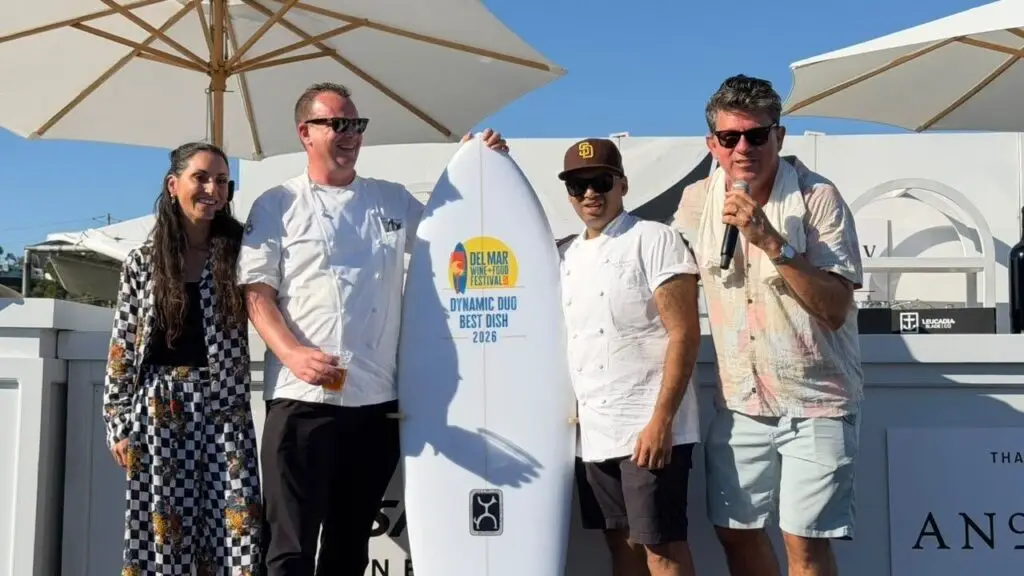
Maybe it was when Breaking Bad stars Bryan Cranston and Aaron Paul drank mezcal with chefs from San Diego and Food Network on the cliffs over Blacks Beach. Or the dinner outside under lights with Alex Morgan, celebrating some of the country’s most badass women chefs. Or the celebrity pickleball tournament hosted by NFL Hall of Famer Drew Brees, where the star of It’s Always Sunny in Philadelphia made thwacking sounds with locals. Or when Iron Chef winner Beau MacMillan commandeered (some say “stole”) a golf cart and delivered drinks and ice to chefs.

Whatever it is, Del Mar Wine & Food seems to have become the food and wine festival for people who don’t usually like food and wine festivals. The most San Diego thing.

Courtesy of Del Mar Wine & Food Festival

Two years ago, Thrillist named it one of the best food festivals in the country. Last year, 10,000 people came out to experience it, including Guy Fieri. Afterward, the founders spent a couple days trying to put their finger on why it felt so special. They had to name it, lean into whatever that was.

“It all came back to play,” says one of those founders, SDM co-owner Troy Johnson, a longtime San Diego food writer and Food Network judge. “Making world-class bread is serious, but breaking bread shouldn’t be. We gather all these incredibly talented people who take their craft very, very seriously—work their butts off all year to make some of the best food and drink in the country—and then we all just kinda play in the grass. We believe it’s possible to create something of incredible value and make the experience of that thing a laidback, easygoing, unpretentious experience. That’s what this is, and who we are in San Diego. The whole reason we did this was to shine a national spotlight on the people who make our food and drink culture hum.”

Courtesy of Del Mar Wine & Food Festival

The festival dropped its 2026 lineup today.

Headlining the fest are Food Network chefs Jet Tila, Maneet Chauhan, and Aarti Sequeira; Top Chef winner and Michelin-starred Buddha Lo; Iron Chef alum Beau MacMillan; MasterChef winner Kelsey Murphy; MasterChef Latinos winner Michelle Mathelin, chef and Guy’s Grocery Games judge Catherine McCord,  chef and former Masterchef Mexico judge Benito Molina, Top Chef alum Jackson Kalb, Michelin-starred chef Drew Deckman, Michelin-starred chef Javier Plascencia, James Beard award-winning chef Brady Ishiwata Williams, and James Beard-nominated chef Mawa McQueen.

The party kicks off on Wednesday, September 30 at Monarch Ocean Pub with Signature San Diego, a walk-around tasting of the city’s greatest bites, from Baja seafood to bold Mexican flavors. From there, the energy carries into a celebrity pickleball tournament hosted by Drew Brees at Barnes Tennis Center on October 2, pairing friendly competition with an all-inclusive tasting experience in support of Feeding San Diego.

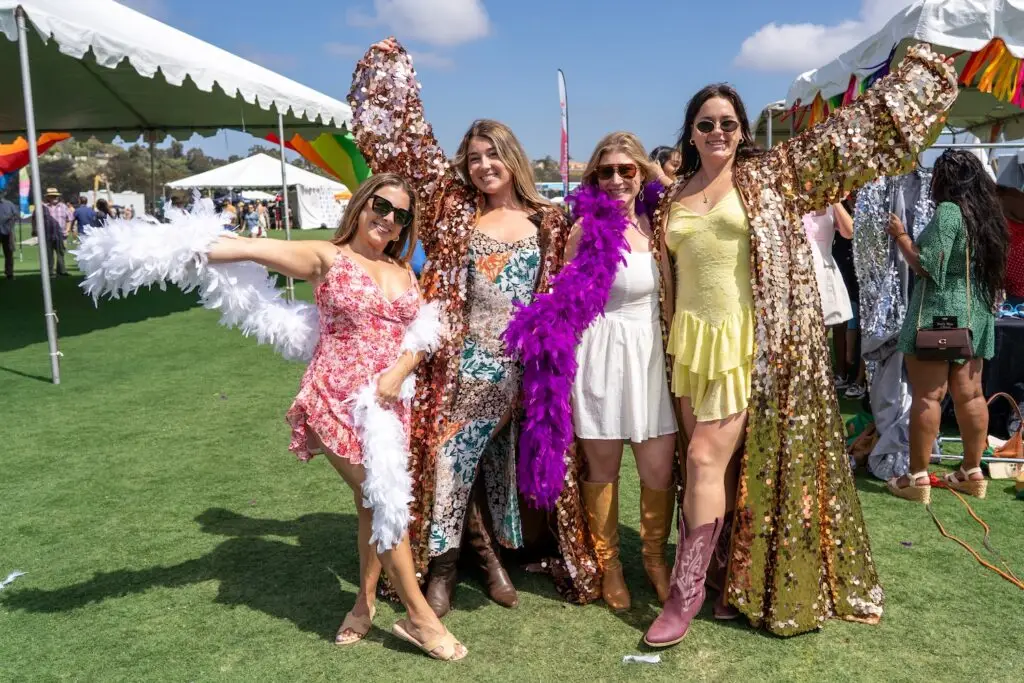
The main event is the two-day Grand Tasting at Surf Sports Park on Oct. 3 and 4. The city’s top chefs, food people from TV lands, and local tastemakers gather on the weirdly perfect grass to serve up everything from juicy Wagyu burgers and beef tallow fries to yellowtail tuna tostadas and veggies dressed up in their Sunday best. Wine and cocktail pairings are designed to round out the whole experience, including activations from Aperol Spritz, Hendrick’s Gin, Tequila Ocho, Mezcal Vago, Rioja wines, and Temecula producers.

Courtesy of Del Mar Wine & Food Festival

A VIP lounge offers exclusive access to curated small plates from Michelin-level chefs and pour from some of SoCal and Napa’s finest wineries and drink makers. The Official After Party at Guesthouse La Valle on October 3, a spirited walk-around tasting just steps from the Grand Tasting, where cocktails take center stage through imaginative bites inspired by the smoky, citrus-forward, and bittersweet flavors of classic drinks.

Zones return with activations including the Big Queer Food Fest celebrating queer chefs and queer-owned businesses; the Wellness Zone led by Novo Dia offering a built-in reset with non-alcoholic mocktails, movement-driven activations, and wellness-forward moments. Coastal lifestyle and locally made brands are also integrated throughout the festival.

“We are excited for the fourth edition of the Del Mar Wine & Food Festival this fall, which has quickly become one of the largest food and wine experiences on the West Coast,” says co-founder Chris Finn. “As the festival continues to grow, we are constantly looking to add events, experiences, and partners that will resonate with our San Diego community, and embody the Southern California way of life.”

Returning as the festival’s partner is local nonprofit Feeding San Diego. To date, Del Mar Wine & Food has raised $100,000 to support their ongoing fight against hunger across the region. 

Stay tuned for additional events hosted by festival partners including Rob Machado, San Diego Wave, San Diego FC, Town & Country, and San Diego Mojo.

Courtesy of Del Mar Wine & Food Festival

Del Mar Wine & Food Fest: Frequently Asked Questions (FAQs)

When is the 2026 Del Mar Wine & Food Festival?

The 2026 Del Mar Wine & Food Festival will take place September 30–October 4 throughout San Diego County.

Where is the Del Mar Wine & Food Festival?

The week culminates with the Grand Tasting at Surf Sports Park (formerly the Del Mar Polo Fields) at 14989 Via De La Valle, Del Mar. 

A wide variety of exclusive dinners, drink tastings, and other lifestyle events will be announced soon and available for purchase individually on Del Mar Wine & Food Festival’s website. These festivities include chef-curated dining experiences across San Diego’s hottest restaurants, a celebrity pickleball tournament, wine tastings, and more. 

When is the 2026 Grand Tasting?

The Grand Tasting takes place this year on Saturday, October 3 and Sunday, October 4. 

How much are tickets? 

General admission for the single-day Grand Tasting starts at $185. An Early Access option is also available at $235, which includes an extra four hours before general admission to meet, mingle, and feast. For a two-day pass, General Admission starts at $275, while Early Access is $375.

VIP tickets begin at $425 for a single day, offering access to pre-festival experiences, exclusive food vendors, a dedicated VIP area, and more. For the full weekend in VIP, passes are priced at $765.

Where can I buy tickets for the 2026 Del Mar Wine & Food Festival?

Buy tickets today at DelMar.Wine.

Are pets or kids allowed?

Unfortunately, only service animals are allowed at the venue. All attendees must be 21 years or older.

Sponsors: 

  • Alaska Airlines 
  • Aperol Spritz
  • Brandt Beef
  • Coola
  • Glenfiddich
  • Hendrick’s Gin 
  • Justin Winery
  • La Croix 
  • Mezcal Vago 
  • Milagro Tequila 
  • One World Beef
  • Pechanga Resort Casino
  • Rioja Spain’s Finest Wine Region 
  • San Simeon
  • Tequila Ocho
  • The Balvenie
  • Tito’s Handmade Vodka
  • Tullamore D.E.W
  • William Grant & Sons

Lifestyle Partners

  • Big Queer Food Fest 
  • Novo Dia Wellness Experience
  • Town & Country 
  • San Diego Mojo 
  • San Diego FC
  • San Diego Wave

Isabella Dallas is a freelance writer for San Diego Magazine and the Arts and Culture Editor at The Daily Aztec in her final year at San Diego State University. She previously worked as an editorial intern for SDM, but when she’s not writing, you can find her trying the best coffee spots in SD, devouring the latest rom-coms, and indulging in anything and everything pop culture.

Studio S JUNE 8, 2026

Seven Restaurants, One Rising Star

Yes, Chef! winner Emily Brubaker leads the robust culinary program at Omni La Costa Resort & Spa

Seven Restaurants, One Rising Star

For Executive Chef Emily Brubaker, Omni La Costa Resort & Spa feels like home. She grew up just a mile-and-a-half away from the 400-acre property and fondly recalls walking the golf course perimeter as a kid. Though her ambitions led her away from San Diego for nearly two decades in which she honed her craft in some of the highest of high-profile Las Vegas restaurants—including triple Michelin-starred Joël Robuchon at MGM Grand—they ultimately brought her back to North County.

Courtesy of Omni La Costa

Today, the classically French-trained chef, who’s fresh off a victory on NBC’s Yes, Chef!, judged by Martha Stewart and José Andrés, oversees Omni La Costa Resort & Spa’s seven distinct dining concepts. Her goal is to elevate the resort’s culinary program with her creative, hyperlocal ingredient-driven approach while maintaining the Spanish- inspired flavors and fresh California coastal cuisine that are the bedrock of its culinary identity.

“The San Diego food scene is really growing, and in North County alone, it’s really exploded in the last five years,” Brubaker says. “There are Michelin stars, beautiful tasting menus, craft bakers, and all this food—when I was growing up in La Costa, it was fish tacos. Now there are really cool things popping up, and I’m so happy to be here to see where it’s going to go.”

Brubaker gives chefs de cuisine at each individual restaurant autonomy, however, her influence is evident across the resort.

For example, lobby restaurant Bar Traza serves as Omni La Costa’s culinary centerpiece and features bold Spanish flavors in a lively, social atmosphere. Brubaker overhauled the menu to be more consistent and centered on casual bites with that signature vibe. Think smoky paprika, vibrant citrus, and Spanish meats and cheeses.

At VUE, the focus is on seasonal offerings, California coastal cuisine, and Baja-inspired dishes. She and Chef de Cuisine Cameron Dixon change the menu biannually, which heading into summer, will highlight farm-fresh produce and hyperlocal ingredients—the resort even has its own herb garden and honeybee hives.

Courtesy of Omni La Costa

Poolside dining options are leaning into the country’s 250th this summer with a selection of classic American dishes with an Omni La Costa twist. And Bob’s Steak & Chop House (Brubaker is a trained butcher) offers a classic steakhouse experience with elevated service.

The chef and company also plan menus for special events at the resort where her creativity can really shine. For an upcoming National Ski Association dinner, the banquet hall will be transformed into an Alpine-themed winter wonderland complete with a snow machine, savory sausages, and melty, decadent raclette. A recent dinner was built around the Carlsbad Flower Fields and each course was matched to a color of ranunculus (Did you know pink dragonfruit are grown in North County? You do now.).

“It’s my zen to be in the kitchen playing with food,” Brubaker says.

Omni La Costa’s culinary program is a key part of the resort experience. And with Brubaker’s leadership, it’s becoming a draw for visitors and locals alike.

“These aren’t just hotel restaurants, these are restaurants that you should go to. They’re destinations, and I’m really hoping for the future that’s where we’re going,” Brubaker says.

Courtesy of Omni La Costa

Brubaker is also channeling her experience on Yes, Chef! into the culture at Omni La Costa—more emphasis on teamwork and collaboration, empowering her staff to share constructive critiques, and embracing different perspectives. Alongside her leadership role, Brubaker has become an advocate for mental health in the hospitality industry, serving as chief ambassador for the Burnt Chef Project and serves on the Board of Advisors for the Apex Culinary Program, where she mentors and develops future talent.

For more on Omni La Costa Resort & Spa and its dining program, please visit omnihotels.com/hotels/san-diego-la-costa.

Partner Content
Features JUNE 5, 2026

The Best New Restaurants in San Diego

After 20 years and thousands of meals as a food critic, San Diego Mag Content Chief Troy Johnson picks the city's top standouts

The Best New Restaurants in San Diego

Dora Ristorante

His ascent has been stealth and humble, which fits the man. When Liberty Station was struggling to convince people it existed over a decade ago, Sicilian chef Accursio Lota’s food at Solare Ristorante was a tractor beam for food people who sniff out hidden talent like truffle dogs. In 2017, he won the World Pasta Championship (a legit competition from global pasta brand Barilla) and struck out on his own, opening his and his wife’s from-scratch pasta trattoria in North Park (Cori Pastificio). Gambero Rosso—the Italian version of Michelin, the most respected source—has clamored for the restaurant since it opened, naming it “New Opening of the Year” and this year giving it their highest award, “Tre Forchette” (Three Forks), only knighted on a handful of US restaurants.

So this year, Lota opened his grandest thing—Dora Ristorante—and it pulls everything together. Steps from San Diego’s world-class theater, La Jolla Playhouse, it’s laden with brass and large-format murals, tile work and mosaics—like the one on the wood-burning oven that blisters, chars, and smokes a good portion of the menu. Their housemade focaccia is a new street drug (try it with the puttanesca, his grandmother Dora’s recipe). The olive oil-cured sardines make “sustainable seafood” and ethics not taste like a compromise. Dora might finally be the one to solve the “where do I eat before the world premiere at LJP” dilemma.

Courtesy of Bacari

Bacari

The yuzu-colored building that helped build North Park’s modern food culture is alive again. Years ago, the ornate French Quarter–inspired spot on 30th Street was home to chef Matt Gordon’s Urban Solace (duck macaroni and cheese). Then it laid conspicuous and fallow until a few months ago when Bacari took it on. It’s an LA transplant, but they’re proving forgivable of that trespass. Chef and co-founder Lior Hillel cooked at Jean-Georges before opening the first of this Venetian-style restaurant in 2008 with brothers Danny and Robert Kronfi (Bobby started his food venture with a pop-up dinner series in his college apartment at USC).

For dinner, it’s house-baked bread, crudo and shrimp ceviches, Mediterranean street corn, lamb hummus, shawarma, and glazed pork belly. Weekend brunch is bellinis and French toast and burekas (famed Jewish stuffed puff pastry), and chef Noa’s cauliflower (caramelized with chipotle). It’s Italian-ish with a heavy dose of pan-Mediterranean and Middle Eastern. Doesn’t hurt that they left the iconic exterior as is, adding chandelier-farmhouse insides with charm that echoes two of the city’s dearly departed (Jayne’s Gastropub, Cafe Chloe).

Courtesy of TRUST Restaurant Group

À L’ouest

Much tolerance for friends who hate mussels because they look too biological. But if they manage to dislike À L’ouest’s—served over ice with vadouvan curry aioli and chili crisp—then you’ve successfully identified your brokemouth friend and should try bicycling or crafting with them to bond instead of eating in public places. It should be on everyone’s short list for dish of the year.

Chef Brad Wise and his team have earned their rep over multiple concepts—Trust, Fort Oak, Cardellino, Wise Ox, Rare Society. But he’s been eyeing this corner of North Park since before he opened his first (Trust, in 2016). North Park has been rising for a while, and À L’ouest feels like the missing piece—an indoor-outdoor brasserie stunner on the marquee spot of 30th and University, which long sat boarded up and vacant like a neighborhood missing a front tooth.

As with his other concepts, woodpile is king; smoldering red oak boosts the flavor of just about everything. Get the spätzle with braised rabbit, maitake mushroom, secret de compostelle (the famed Basque sheep’s milk cheese), and black truffle. Or the chicken liver parfait with persimmon, fennel aigre-doux (sweet-sour), and chives on toast. Or, like everyone else in there—the steak frites.

Photo Credit: Eric Wolfinger

Fleurette

Chef Travis Swikard’s first solo restaurant, Callie in East Village, proved how details can make the most composed of us blubber a little in fine places—from citrus left in ovens overnight to blacken and transform, to the Scripps Oceanographic Institute saltwater he keeps his spot prawns thriving in until ordered, to the days-long fermentation and stone-ground dukkah that turn carrot shavings into a statement piece.

Now, he’s focusing on French food with a fitter, less buttery San Diego heart. Fleurette is his doubling-down, a SoCal riff on the food he learned under mentors Daniel Boulud and Gavin Kaysen. The French gave us the mother sauces, and Fleurette showcases the lightest and brightest evolutions. Like the anchoïade on his beef tartare, which uses famed Italian anchovy sauce colatura di alici, mixed with cured egg yolks over tiny, uniform-sized cubes of raw, USDA Prime Flannery beef.

There is soubise (onion sauce), a sauce vierge (tomatoes and herbs), and a fennel marmalade on the duck liver and bone marrow pâté. Although the structure is stunningly pure glass, Fleurette’s in a location—an office park on the edge of La Jolla, near UTC—that few chefs would be able to pull off. But Swikard’s Michelin-bound house of saucework pulls hard.

Food from San Diego's best taco shops including Cocina de Barrio
Photo Credit: Lauren di Matteo

Mesa Agrícola

The Escondido taqueria from Rosarito-born-and-trained chef Juan González and farmer Megan Strom took the county by storm this year. The married couple started as a popup four years ago, hosting farmside dinners before taking up residency at Vino Carta in Solana Beach. Strom was working a small, 5-acre heirloom bean farm in Valley Center owned by Mike Reeske (aka “The Bean Man”) when he retired and sold them the plot.

The huge bonus was that the sale included Reeske’s famed collection of beans, curated over 20 years. The couple planted other things and now grow much of what they serve in the form of tacos and burritos at a permanent spot in Escondido: Mesa Agrícola.

The menu’s bone simple: housemade tortillas in your choice of taco or burrito norteños (which are smaller, like burritos de hielera) that change constantly and often topped with guisados (Mexican braises or stews) like lamb and garbanzo, birria, chicharrón, mushrooms al ajillo, rajas, you name it. And, of course, some of the best beans honoring the local legend of Reeske.

Courtesy of Lucien

Lucien

San Diego is now the recipient of national food buzz. The dark ages—during which we learned how to sear ahi and asada some carne and called it a day—felt prolonged, and they were. The problem was never ingredients. San Diego County always had the best raw dinner materials (more small farms per capita than any county in the US, seafood right there); it just didn’t have a critical mass of highly trained chefs to do them justice. Easy to understand the chef dearth.

For a very long time, if you wanted to be a serious chef you had to go to the restaurant superplexes of New York, San Francisco, or Chicago (which imported their raw ingredients from places like San Diego). But now—credit farmers or Alice Waters or Dan Barber or Michael Pollain or the reasonable conclusion that food picked right here tastes better than food picked way over there—some of the most talented chefs are moving to the ingredients, not the other way around.

In San Diego, we got Richard Blais, Swikard, and now Elijah Arizmendi, who cut his teeth in Vegas with Joel Robuchon (plus Boulud and Thomas Keller) and was chef de cuisine at NYC’s L’abeille when it got its first Michelin star. His debut restaurant in La Jolla—with partners Brian Hung and Melissa Yang—is a dark, moody multicourse tasting-menu hideaway with one of the best egg dishes in the city.

Troy Johnson

About Troy Johnson

Troy Johnson is the magazine’s award-winning food writer and humorist, and a long-standing expert on Food Network. His work has been featured on NatGeo, Travel Channel, NPR, and in Food Matters, a textbook of the best American food writing.

Everything SD JUNE 5, 2026

The Best Restaurants in San Diego 2026

We asked, you voted, and food critic Troy Johnson chose his favorites—these are the top food and drink people and places in the city

The Best Restaurants in San Diego 2026

Some keep lists of favorite books, of quotes, of enemies whose time shall come. At SDM we keep vast, nuanced, hotly debated lists of the best food and drink in the city. Menus are our smut novels. From Michelin stars to mom and pops, our list constantly evolves over hundreds of new bites tried every year. Here’s the 2026 list from food critic Troy Johnson and 129,000-plus votes from our readers, who really, really know their food.

Scroll down for the full list of Best Restaurant winners

Troy Johnson

About Troy Johnson

Troy Johnson is the magazine’s award-winning food writer and humorist, and a long-standing expert on Food Network. His work has been featured on NatGeo, Travel Channel, NPR, and in Food Matters, a textbook of the best American food writing.

Partner Content JUNE 5, 2026

Beautiful Balboa Park: Nine Ways to See the City’s Crown Jewel in a New Light

San Diego Magazine's 2026 Guide to Balboa Park.

Beautiful Balboa Park: Nine Ways to See the City’s Crown Jewel in a New Light

Balboa Park is San Diego’s cultural heart.

The iconic 1,200-acre preserve’s history dates back more than 150 years, evolving from a scrub-filled plot atop a mesa overlooking what’s now Downtown to an urban oasis—the largest of its kind in the country—filled with an array of museums, attractions, gardens, trails, restaurants, and more. Balboa Park is an epic playground where San Diegans and visitors alike can experience the great outdoors just as easily as they can enjoy a world-class performance or explore groundbreaking discoveries.

Tucked away in the Spanish Colonial Revival-style architecture are 18 diverse museums that allow visitors to spend the day learning about, well, anything. A great place to start is the San Diego History Center. Located in the Casa del Balboa building, the museum tells the story of the city’s past, present, and future through photographs and art, clothing and textiles, and interviews with people who witnessed history-making events firsthand. The San Diego Natural History Museum takes visitors even farther back with interactive exhibitions that show what the region was like up to 75 million years ago. 

Blast off on a simulated trip to space at the San Diego Air & Space Museum, then check out artifacts from aviation legends, including the Wright brothers, Amelia Earhart, and Buzz Aldrin. Discover new perspectives revolutionizing the science world, learn about an often overlooked but overutilized utility, and exercise your creativity at the Fleet Science Center.  

Calling all theater-lovers, Balboa Park has something for you, too. The San Diego Junior Theatre will present their musical take on beloved children’s book A Bad Case of the Stripes from June 26 through July 12. And laugh, cry, and marvel in awe as the pros of The Old Globe perform Kim’s Convenience, the award-winning comedy that inspired the popular series, from May 15 to June 14. 

There’s nowhere else in Balboa Park quite like WorldBeat Cultural Center. The institution celebrates African diaspora and indigenous cultures around the world using art, music, dance, and education. The building, a renovated water tower covered in colorful murals, houses a performing arts center, museum, gift shop, cafe, and outdoor classroom.

If you’d like a side of nature with your culture, Balboa Park has you covered there, too. Stroll through the gardens of the Japanese Friendship Garden & Museum, a monument to the relationship between San Diego and its sister city, Yokohama, Japan. Inspired by traditional Japanese design dating back centuries, the 10-acre respite features a living exhibition that showcases plants native to both cities. 

If there seems like a lot going on in Balboa Park, it’s because there is. Let the Balboa Park Cultural Partnership be your guide. The organization is the umbrella for 24 of the park’s institutions and offers an Explorer Pass that allows visitors to access multiple museums for one affordable price. The hardest part is picking where to start.

16 Museums, One Pass

Save on admission to San Diego’s top museums with the Balboa Park Explorer Pass. Explore 16 museums of art, science, history and culture across Balboa Park — all with one affordable pass. Choose the option that fits your pace: the Limited Pass (one day for up to four museums), the Parkwide Pass (seven consecutive days of access to all 16 museums) or the Annual Pass (365 days of unlimited exploring).

Looking for an experience-driven gift? Let the museum lover in your life enjoy their favorite museums all year with a Balboa Park Explorer Annual Pass gift voucher.

BuyMyExplorer.com | Phone: 619-232-7502, Press 2 for Explorer 

Fleet Science Center

Bigger experiments, brighter ideas, and boundless curiosity await at the newly reimagined Fleet Science Center. This summer, the Fleet debuts Element 8 Cafe, an expanded theater queuing and concessions space, two new gallery spaces, and, for the first time, a free entrance gallery exploring science in and around San Diego. The transformation marks a new chapter for the Fleet, keeping it a vital, innovative, and accessible science hub for the region. Visitors are invited to explore the experience this summer and connect with the power of science like never before.

Address: 1875 El Prado, San Diego, CA 92101
Website: FleetScience.org
Hours: 10 a.m. to 5 p.m. daily
Phone: 619-238-1233

Japanese Friendship Garden & Museum

An accredited cultural gem, the Japanese Friendship Garden & Museum brings traditional Japanese garden design to life with koi ponds, curving walkways and layers of greenery. Guests explore bonsai trees, streams and peaceful nooks while taking part in exhibits, educational programs and festivals that illuminate Japanese culture. Situated in the heart of Balboa Park, the garden doubles as a meditative retreat and a dynamic gathering place, welcoming visitors to slow their pace and connect more deeply.

Address: 2215 Pan American Road E, San Diego, CA 92101
Website: Niwa.org
Hours: 10 a.m. to 7 p.m. daily; last admission at 6 p.m.
Phone: 619-232-2721

The Old Globe

A San Diego summer favorite, The Old Globe invites audiences to experience a beloved local tradition in its outdoor Lowell Davies Festival Theatre. 

This summer, the 2026 Shakespeare Festival presents two thrilling tales of power, passion and romance. Measure for Measure, running June 14 through July 12, 2026, is a riveting story of justice and hypocrisy that asks who holds power, who is punished and what it truly means to be virtuous. Much Ado About Nothing, playing Aug. 2–30, 2026, is a classic rom-com packed with schemes, sparks and laughter as opposites attract. Audiences can enjoy both shows for $44.

Address: 1363 Old Globe Way, San Diego, CA 92101
Website: TheOldGlobe.org
Hours: Box office open Tuesday–Sunday, 1 p.m. to final curtain
Phone: Box office, 619-234-5623

San Diego Air & Space Museum

Aviation and space exploration come to life at the San Diego Air & Space Museum. See an airworthy replica of the Spirit of St. Louis, a Gee Bee racer and historic aircraft from World War I, World War II and the Korean and Vietnam eras. Get up close to the Apollo 9 command module — one of only 11 of its kind in the world — along with Mercury and Gemini capsules, Mission Control and space shuttle simulators, and a selfie spot beside a lunar lander on the moon. Running through 2026, Ripley’s Believe It or Not! brings oddities from around the world to Balboa Park.

Address: 2001 Pan American Plaza, San Diego, CA 92101
Website: SanDiegoAirAndSpace.org
Hours: 10 a.m. to 5 p.m.
Phone: 619-234-8291

San Diego History Center

History belongs to everyone. At the San Diego History Center, two experiences bring that history to life this summer: America at 250 and the Center for Women’s History. America at 250 traces San Diego’s place in 250 years of U.S. history, while summer programs invite children to learn and explore. The Center for Women’s History amplifies the voices of women whose leadership and creativity have shaped our region.

By understanding our past, we build a more vibrant and inclusive community together. These vital educational experiences are only possible through generous community support. Discover your roots, spark meaningful dialogue, and help keep San Diego’s stories alive for future generations.

Address: 1649 El Prado, Suite 3, San Diego, CA 92101
Website: SanDiegoHistory.org
Hours: 10 a.m. to 5 p.m. Wednesday–Sunday
Phone: 619-232-6203

San Diego Junior Theatre

Junior Theatre is San Diego’s longest-running youth theatre program, empowering students ages 4 to 18 to explore storytelling, performance, and collaboration in a supportive environment. Through classes, camps, and productions, young artists build confidence, creativity, and lifelong skills onstage and off. Each season features a wide range of opportunities, from introductory experiences to advanced training in acting and musical theatre. 

Looking for a summer adventure? Junior Theatre’s Summer Camps deliver dynamic programs for grades K–12, including musical theater intensives, acting academies and immersive JT Studio experiences. It’s a place where imagination truly takes center stage.

Address: 1650 El Prado, Suite 208, San Diego, CA 92101
Website: JuniorTheatre.com
Hours: 10 a.m. to 5 p.m.
Phone: 619-239-1311

San Diego Natural History Museum (The Nat)

This summer, The Nat is talking trash—literally. Their newest exhibition, Washed Ashore: Art to Save the Sea, features larger‑than‑life marine sculptures made of ocean debris collected from beaches. It invites visitors to explore the impact of plastic pollution and discover ways to take action.

But the experience doesn’t stop at the gallery doors. Friday nights, the exhibition transforms into an ocean-themed “dive bar” during Nat at Night. Select Sundays bring something brand new: a rooftop brunch with sweeping Balboa Park views. Add two new giant-screen films and five floors of nature to explore, and The Nat is shaping up to be one of the season’s must-visit destinations.

Address: 1788 El Prado, San Diego, CA 92101
Website: SDNat.org
Hours: 10 a.m. to 5 p.m. daily; 10 a.m. to 11 p.m. Fridays in summer
Phone: 619-232-3821

WorldBeat Cultural Center

The WorldBeat Cultural Center is a nonprofit multidisciplinary cultural organization dedicated to promoting, presenting and preserving Indigenous cultures worldwide through music, art, dance, education, sustainability and community programs. WorldBeat elevates multicultural artists, expands opportunities for cultural enrichment and fosters deeper understanding across traditions. WorldBeat offers a holistic cultural experience that inspires pride, unity, connection and belonging for all ages.

Address: 2100 Park Blvd., San Diego, CA 92101
Website: WorldBeatCenter.org
Hours: Classes: Monday, Wednesday, Thursday, 6–9 p.m. Exhibits and café: Friday–Sunday, 11 a.m.–6 p.m.
Phone: 619-230-1190


Event Calendar

Throughout 2026: Ripley’s Believe It Or Not!

Step into a world of the weird and wonderful at Ripley’s Believe It or Not! at the San Diego Air & Space Museum in Balboa Park. Explore hundreds of bizarre artifacts, interactive displays and unbelievable stories that celebrate the curious and the extraordinary.

San Diego Air & Space Museum | 2001 Pan American Plaza, San Diego, CA 92101

Throughout 2026: San Diego’s Lost Neighborhoods

Presented in partnership with the San Diego Museum of African American Fine Arts, San Diego’s Lost Neighborhoods uses augmented reality, oral histories, and archival materials to explore communities and residents displaced by redlining, freeway construction, and other discriminatory policies.

San Diego History Center | 1649 El Prado, Suite 3, San Diego, CA 92101

June –Aug: The 2026 Shakespeare Festival

Spend a summer night at The Old Globe. The Lowell Davies Festival Theatre stages Measure for Measure (June 14–July 12) and Much Ado About Nothing (Aug. 2–30), offering two unforgettable Shakespeare productions for just $44.

The Old Globe | 1363 Old Globe Way,
San Diego, CA 92101

June 8–Aug. 7: Theatre Summer Camps

Summer camps at Junior Theatre spark creativity for grades K–12 with hands-on training, musical theatre intensives, acting academies, and JT Studio experiences.

San Diego Junior Theatre | 1650 El Prado, Suite 208, San Diego, CA 92101  

June 14, July 12, Aug 9: Brunch at The Nat


A museum visit turns into a Sunday Funday with the addition of rooftop brunch, featuring mimosas, bloody Marys, and brunch bites from Wolfish by Wolf in the Woods (June 14, August 9) and Hash House a Go Go (July 12). 

San Diego Natural History Museum (The Nat)
1788 El Prado, San Diego, CA 92101

June 21: Harriet Tubman Freedom Bird Walk

Celebrate Juneteenth weekend with guided birding, storytelling, soul food, native planting and an African peace drum circle.

WorldBeat Cultural Center | 2100 Park Blvd., San Diego, CA 92101

Aug 7-8: Toro Nagashi Festival

Nagashi at the Japanese Friendship Garden & Museum by floating a lantern to honor loved ones who have passed. Stroll merchant booths, enjoy cultural performances in the Inamori Pavilion, and sample food vendors plus a beer and sake garden in the lower garden.

Japanese Friendship Garden & Museum | 1649 El Prado, Suite 3, San Diego, CA 92101


Explore arts, science, history, and culture in the Balboa Park Cultural District with one convenient, affordable Pass. The Balboa Park Explorer Pass is your ticket to up to 16 museums and endless fun! Purchase your pass at BuyMyExplorer.com.

Partner Content

Thousands of savvy locals already get it.

San Diego's best restaurants, experiences, and events—handpicked and delivered to your inbox weekly. You in?

Close the CTA

Contact Us

1230 Columbia Street, Suite 800,

San Diego, CA