Ready to know more about San Diego?

Subscribe
People OCTOBER 13, 2021

Reclaiming Mary: A New Perspective on a Cold Case Murder, 52 Years Later

The surviving relatives of Mary Scott paint a fuller picture of her memory—one that goes beyond the crime that defined her for so long
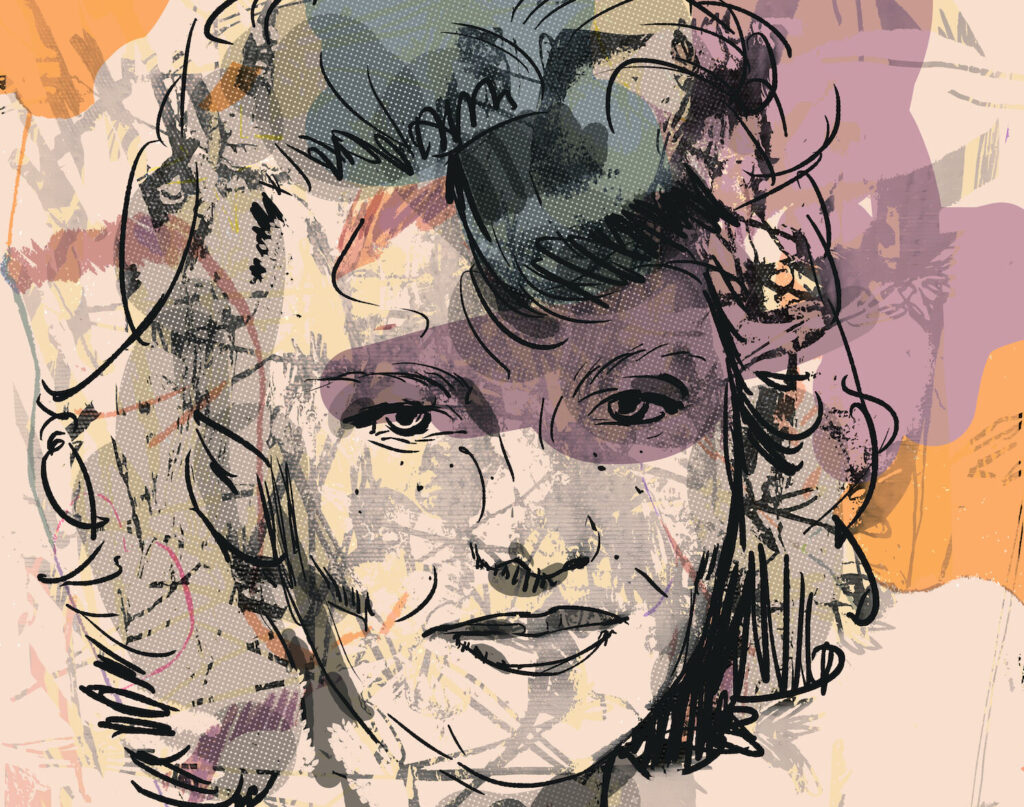
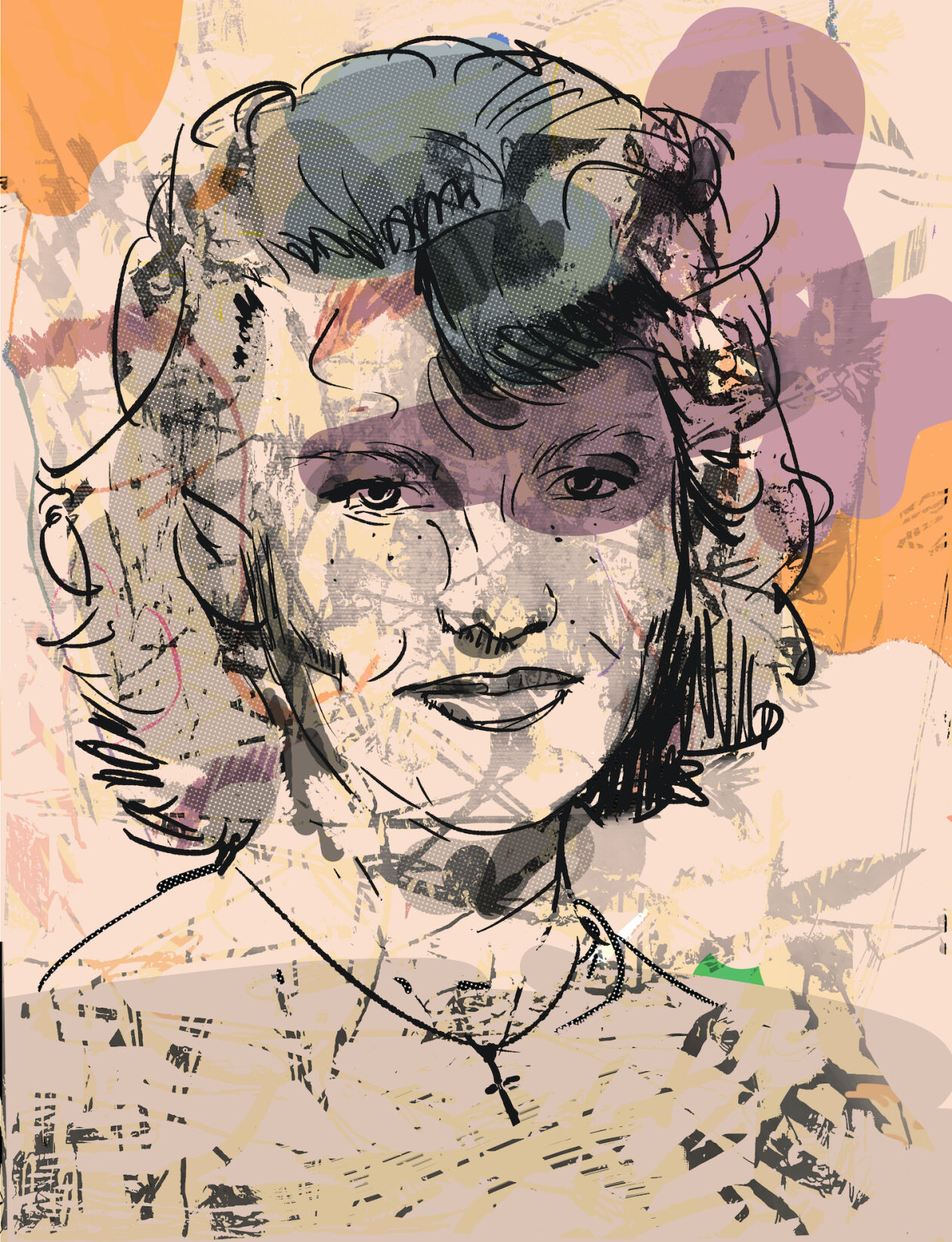
Reclaiming Mary: A New Perspective on a Cold Case Murder, 52 Years Later
Reclaiming Mary - main illus

Reclaiming Mary – main illus

Jim Salvati

For 51 years, Rosalie Sanz told the same story about her sister, Mary. It goes something like this: When she was 23 years old, Mary was raped and strangled in her City Heights apartment. The person who did it broke into her home in the middle of the night. Chairs were knocked over, furniture overturned, objects smashed. Neighbors heard screams and crashes. No one called the police.

The conversation usually ended there. Occasionally, someone would follow up and ask if the police ever arrested anyone. Up until last October, the answer was always no.

On October 24, 2020, 75-year-old John Sipos was arrested on suspicion of the 1969 murder of Mary Scott based on DNA evidence and forensic genealogy. He pleaded not guilty that December. As of press time in September, the case is still in the initial stages of the court system, with a preliminary hearing scheduled for mid-September.

Search Mary’s name online and a lot of stories will come up: “Go-go girl found dead,” “Ex-sailor arrested in murder of go-go dancer,” “Navy veteran arrested for the rape and murder of San Diego go-go dancer.

Most of these headlines aren’t from 1969; they’re recent. As so often happens to victims of violent crime, she was remembered only for what was done to her, and only in connection with the criminal. The final moments of her life eclipsed everything else about her. But Mary’s story, her real story, is not about her death, far less about her killer. It’s more about what came before, what came after, and how two loved ones she was forced to leave behind would persist for decades to seek justice and a chance to finally reclaim her memory.
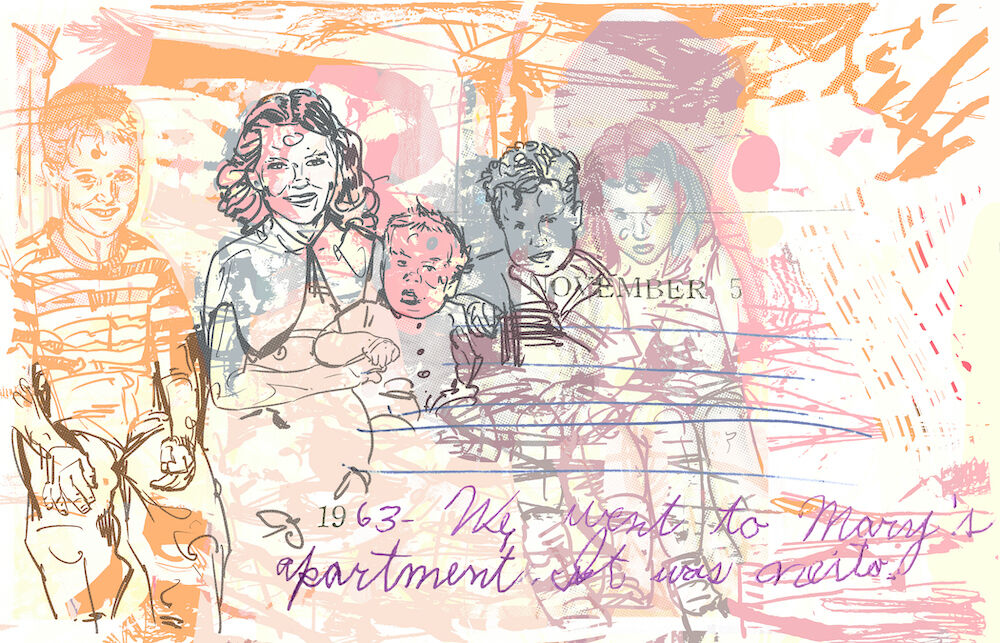
Reclaiming Mary - family illustration

Reclaiming Mary – family illustration

Illustration by Jim Salvati

One

“I always feel her with me, especially when I’m dancing,” says Rosalie. The carefree kind of dancing best saved for when you’re home alone or with a trusted group of friends. It reminds Rosalie of when she was younger, rifling through her family’s huge stack of 45s and dancing to them with her two older sisters, Nancy and Mary. Nancy would always claim she was the better dancer, so she took the lead in teaching Rosalie the Watusi, the mash, the twist. Sure, Rosalie remembers the moves, but mainly she remembers how Mary was never one to engage in her sister’s competitive repartee.

“Mary was the kindest and gentlest of us,” she says. “She was a very positive, very pleasant presence.”

That’s not time’s gentle touch softening her image of Mary. Every memory Rosalie has of her oldest sister is one that weaves a common thread of a quiet but commanding presence—the protector, the peacekeeper.

Growing up, Mary and her five younger siblings were divided into two rooms in their Clairemont home: the three boys in one and the three girls in the other. There in the girls’ bedroom, Mary taught Rosalie how to do cat-eye makeup and how to style her hair. She and Nancy would try on outfits for school

and for dances and let Rosalie play dress-up with their “twirly” skirts. Even when she was left to “lay down the law” when their parents were away, Mary always did so with a gentle hand. Once, when a nine-year-old Rosalie was caught smoking with her brothers, Mary lined each of them up and had them “swear to God” that they’d never smoke again. It would take nine years before Rosalie lit another.

Rosalie idolized her older sisters, always wanting to tag along with them when they’d head out around the neighborhood. Nancy would tell her to go home: “It wasn’t cool to have your baby sister tagging along,” Rosalie jokes—but she can still hear Mary’s voice as she’d smile and say, “Aw, let her come.”

Rosalie is 68 now. Both Mary and Nancy are gone. So are the boys. She’s had to live for all of them, in a way, but especially for Mary. Rosalie was only 16 when her sister was murdered; it left a chasm full of “what ifs” and “if onlys” that, over so many years, she’s had to learn to live with and let go of.

“For so long I only spoke of her death and felt her absence in my life,” she says. “It’s beyond time to start remembering her presence, too.”

Her presence is best felt in these snapshots, which make Rosalie’s memories of her sister spark to life. Memories of racing down the big hills and canyons surrounding Balboa Park, Rosalie strapped close to Mary on her bike, and of Mary starting family singalongs in the car ride home from church because she knew it made Rosalie happy.

As the girls got older, Mary would go off to dances and dates and recount everything to her two eager sisters when she returned home, climbing into the bottom bunk and lighting a cigarette as they asked her questions.

“I remember one time she had a date at Belmont Park and I was so excited to hear about it because I had never been before,” Rosalie says. Mary dished on every detail—what they did, what they ate, and what it was like to go on the big roller coaster. With her cigarette, she drew the track of The Giant Dipper through the air, up, down, and around again as smoke curled from her lips.

In 1963, Mary met Patrick Wyble, a shy Navy sailor from Opelousas, Louisiana, on a double date with friends. He picked her up in his car and the two hit it off instantly. Just a few months later, they were married at The Immaculata Church at University of San Diego during a week of Santa Ana winds. It was fast, but it felt right on time for Mary.

In the years that followed, they moved to Louisiana and had two daughters, Christine in 1964 and Donna in 1965. While there, Mary would write letters home about Cajun superstitions and crawdad catching and a horse named Grady.

“It all sounded so magical to me,” recalls Rosalie.

But truth be told, Mary was struggling. She and Patrick had hit a rough patch. They’d broken up and gotten back together a handful of times since they were wed; Mary would move back to San Diego with the girls, then return to Louisiana, only to come back again shortly after. In Louisiana, she missed her family and felt out of place. But back in San Diego, working and raising two girls as a single mother, with very little help for child care, felt nearly impossible.

In 1968, after one last attempt at making it work, Mary returned home without Patrick—and without the girls.

Rosalie was stunned. “She told me she didn’t have the heart to take the girls away from their family there. Mary felt that was where they needed to be because she couldn’t be the mom she wanted to be. Of course, I was heartbroken and judgmental. I didn’t empathize or understand. I have a lot of regrets about that.”

Now on her own, Mary got an apartment and started working as a cocktail waitress and then as a go-go dancer, first at the Concord downtown with Nancy; then at the Star & Garter in North Park. Both of them loved to dance. Beyond their childhood dancing around the house, the girls had spent most of their teen years at the YMCA downtown attending USO dances. It felt like a natural move for Mary to start dancing at the club, and an easy way to make money doing something she loved. And she seemed grateful for it all, always smiling and upbeat at work. Her coworkers swiftly nicknamed her “Lucky” because she was always so “happy-go-lucky” when they saw her.

“I just feel lucky,” she’d tell them. “Lucky to work here, and have a job—just lucky.”

Two

It was around 10 at night when the doorbell rang. November 20, 1969. From her room upstairs, Rosalie peered out the window and saw two men in suits standing outside. “It was odd; I knew something was not right,” she remembers. By the time she went downstairs, her parents had already closed the front door.

“I knew it had to be something horrible, so I kept asking, ‘What’s going on? What’s going on?’ My mom just turned to me and said very plainly, ‘Your sister’s been raped and strangled.’ Then she went into her bedroom and shut the door.”
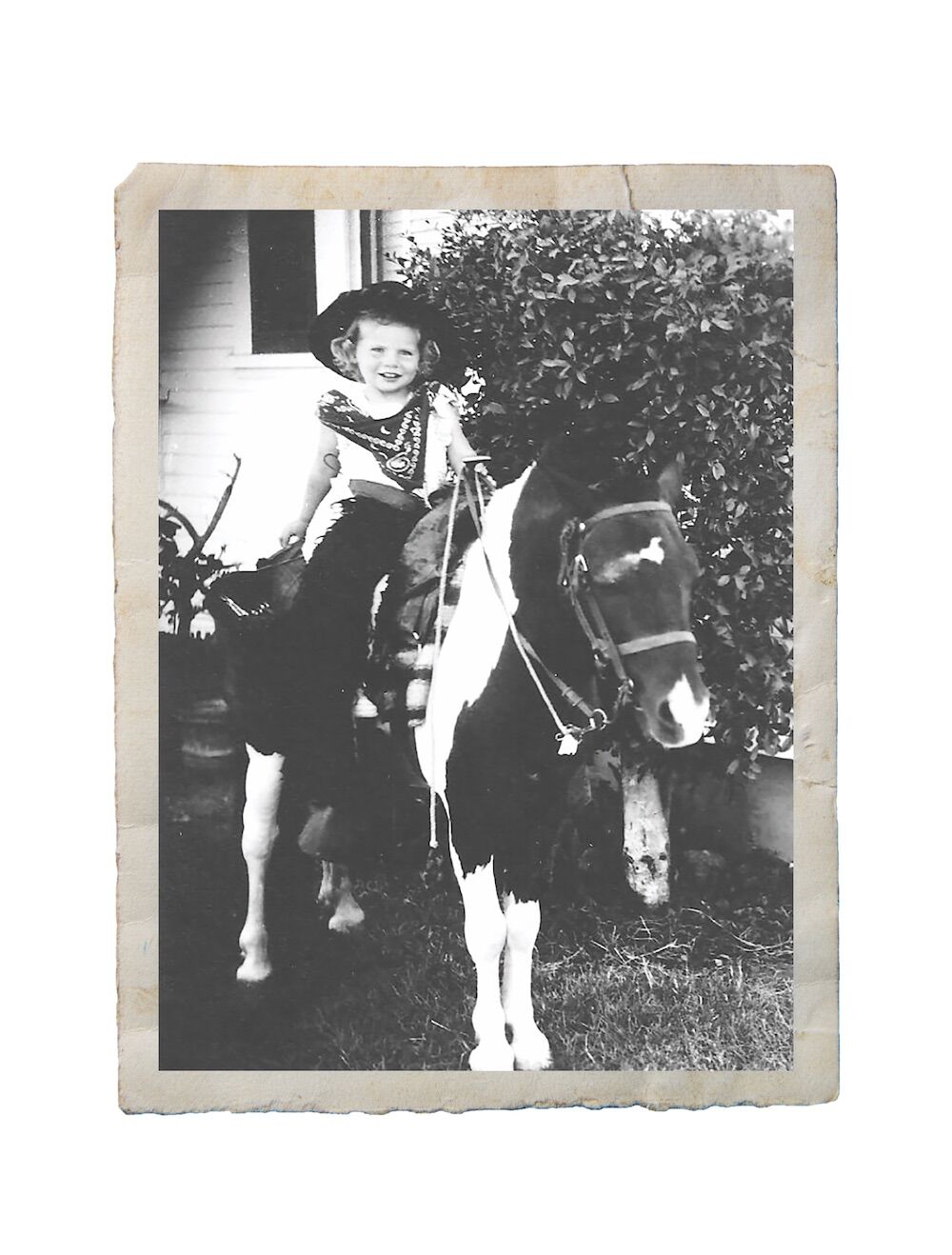
Mary - horse

Mary as a toddler in San Diego

Mary was murdered that morning at about 2 a.m., Rosalie says, shortly after returning home from work. She’d had plans with her best friend and coworker to meet at the club later that day, so Mary could help her get ready for a date. When Mary didn’t show, her friend asked her date to take her by the apartment. It wasn’t like Mary to not show up, and it was a quick stop on their way to dinner—the apartment was just a few blocks from the club. As she neared the door, she heard the television going and joked to her date about that being what had held Mary up. When they walked in, they found the apartment a wreck. The chain on the door was broken, the chairs and furniture flipped. Then she saw Mary on the living room floor—her nightgown ripped off, her jaw broken, and her body still.

“After my mom told me what had happened, I remember going into my room and punching my pillow and just screaming,” says Rosalie. “The thing that struck me the most was that it was so unfair, because she had her whole life ahead of her. She could have done anything. She could have been reunited with her kids. She could have made her dreams come true, and it was just over? Time’s up? It just wasn’t fair.”

The news traveled across the country in a yellow telegram. Donna and Christine, then five and six years old, were sitting on the front steps of their grandparents’ trailer in Louisiana, watching as their grandmother carried that piece of paper across the field toward them.

“All of a sudden she was crying, and we were so young, we really didn’t know what was going on,” says Donna, who’s now 56 years old. “It had been a while since we’d seen her, so we really couldn’t comprehend what was happening. We didn’t question it.”

Mary’s case went cold fast.

The crime scene was processed, evidence was taken, and immediate leads were exhausted. Reports of her murder stayed in the news cycle for only a few days, says Rosalie, and they focused more on her job as  a dancer than anything else. That’s still one of the things that bothers Rosalie most, 52 years later—how quickly Mary was reduced to nothing more than her profession.
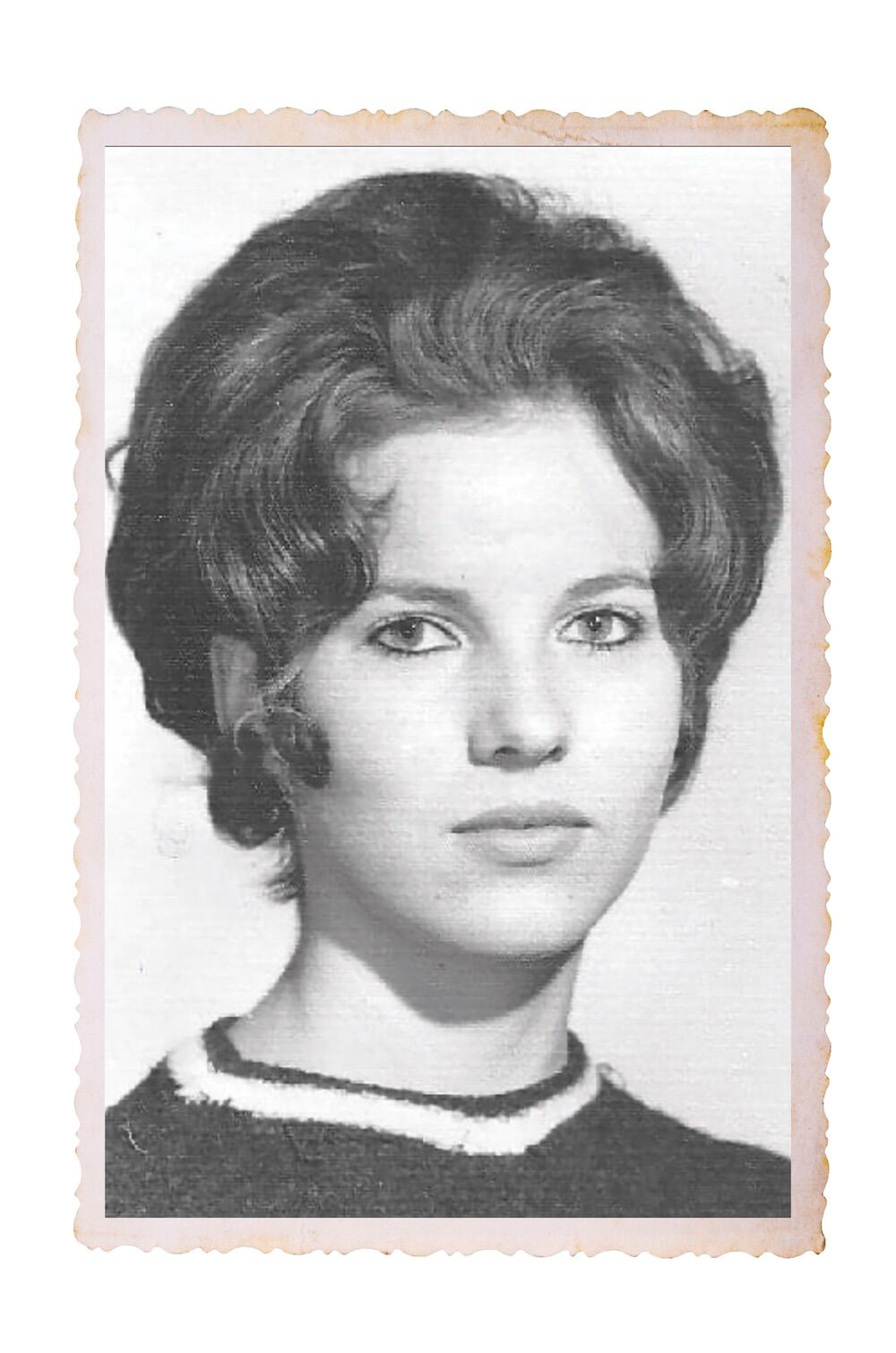
Reclaiming Mary - yearbook

A yearbook photo of Mary from Madison High School in Clairemont

It’s a familiar phenomenon. One that Joni Johnston has seen for more than thirty years as a forensic and clinical psychologist. She’s worked at a medium-maximum security prison, for California’s Board of Parole, and for the Superior Court of San Diego to understand the psychology behind why people commit the crimes they do, and, in the case of sex crimes, why it’s so common for the victim to be blamed.

“With a headline like ‘Go-go girl found dead,’ the implications are clear,” Johnston says. “There’s this unspoken attitude that if this person hadn’t been doing this thing, then they wouldn’t have gotten killed. When, of course, the reality is that there’s no link between her profession and the crime.”

It may be easiest to pin this bias on the media itself, but Johnston says the public is just as responsible.

“Obviously the media can influence public perception, but I think the media reflects public opinion just as much,” she says.

It’s a knee-jerk way of reassuring yourself that you’re still safe. “It’s this logic of ‘if I can psychologically distance myself from the victim, it’s never going to happen to me.’”

And it’s part of the reason why only one in six rape victims report their attack, she says. They’ve seen how they might be characterized in the media and decide not to come forward. Their attackers suffer no consequences, believe they can get away with it again, and the cycle continues.

This culture of victim blaming can also have an effect on how these cases are handled, Johnston adds. Generally, when law enforcement believes that the victim works in a high-risk occupation, they may be apt to assume the case will be too difficult to solve and will approach it with less scrutiny.

Rosalie watched as all of these factors seemed to crush her parents. They refused to talk to the press, she says, noting that they felt embarrassed by the way Mary was being portrayed. In those early days after the murder, they wouldn’t even speak to the police—when a detective looked at the case file in the ’90s, he found no notes or quotes from anyone in the family at all.

“No one in my family was really interested in finding out who did it—what we cared about was that she was gone and wasn’t coming back,” Rosalie says. “Life just had to carry on somehow.”

So the case went cold. Donna and Christine stayed in Louisiana to be raised by their grandparents. And back at home, Mary’s photos were taken off the walls.

“Just like that, there were no pictures of her anywhere,” Rosalie says. She went back to school three days later. Most of her friends didn’t even know it had happened, and the few who did didn’t know what to say. “It was a very isolating feeling.”

At home, her parents didn’t want to talk about it and her other siblings didn’t push. But Rosalie just couldn’t leave the photos alone. One day she snuck into her parents’ bedroom

in search of them and found them shoved into the top drawer of her father’s nightstand. “I just confronted him about it right then,” she says. “I wanted them on display so we could remember her and talk about her.” Her father said nothing, and the next time Rosalie poked around in the drawer, the photos were gone completely.

“I have very few pictures of her left.”
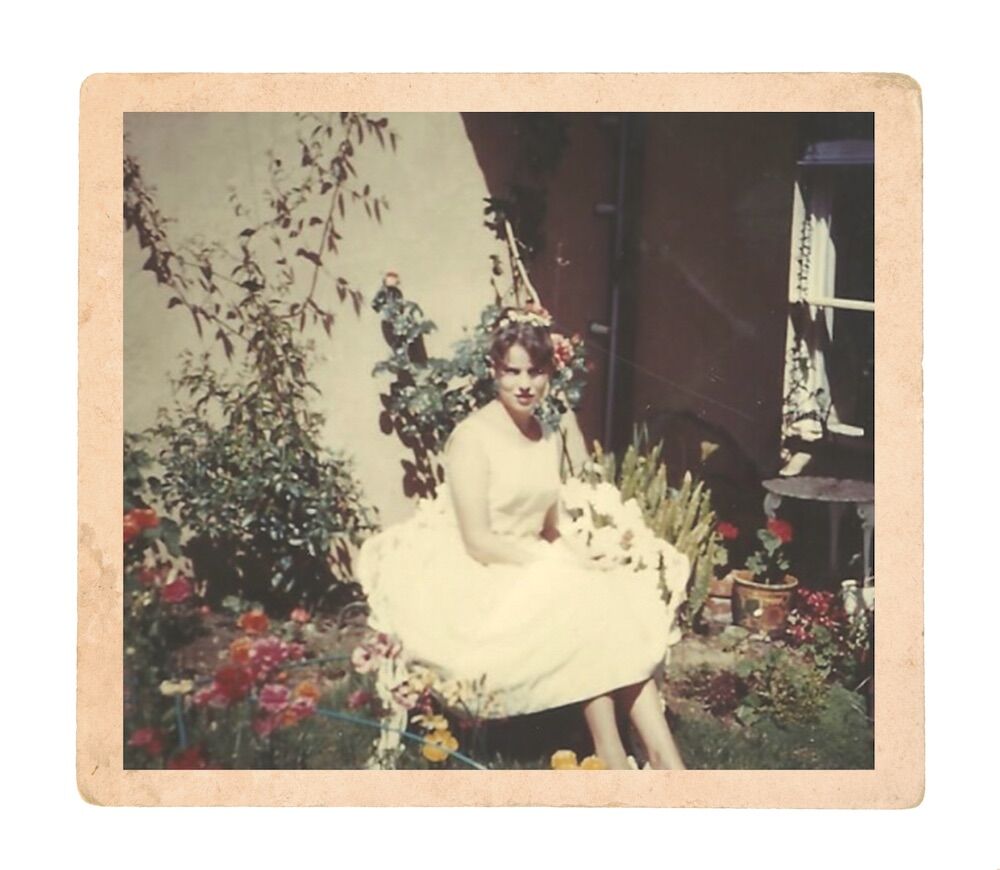
Reclaiming Mary - teenager

15-year-old Mary at her neighbor’s house

Three

Donna has only one memory of her mother. It’s Christmastime, and she and her sister Christine are surrounded by toys in their mother’s small apartment in San Diego. Against a wall, Mary had drawn and cut out a pretend fireplace made of cardboard. “For Santa to come down the chimney,” says Donna. “That’s all I remember.”

Her father’s parents raised her and her sister for most of their lives, since Patrick worked on an oil rig and was often out at sea. Growing up, they referred to their grandmother as “Mama,” and essentially had no concept of their mother or their family in California.

“She wasn’t talked about,” Donna says. “My dad was gone a lot and I think it was painful for him to talk about her; and my grandma, I think, had a fear that if we found out and went to California, we wouldn’t come back.”

As the girls grew, their curiosity got the better of them. And just as Rosalie had snuck into her parents’ bedroom to search for Mary’s photos, years later Donna and Christine would sneak into  their grandmother’s room and find a hope chest full of Mary’s belongings. Her wedding dress, her veil, her death certificate—all neatly placed inside.

“My grandma was furious when she caught us,” Donna says. “But even then, she didn’t explain how she died. She finally just told us that we had a mother from California who had passed away.”

It would be years before the girls pressed the matter further, and even when they did, it was in secret. Christine hired a private detective in 1988 to find anyone related to Mary; at the time, not even Donna wanted to be involved.

“My grandmother had told us not to fool with it and I listened to her,” she says. “She tried to protect us, in her own way, because of what happened to my mom. There was this idea that if we went, maybe what happened to my mom would happen to us. So I wanted nothing to do with it.”

But Christine felt differently. When the private detective finally tracked down Rosalie, Christine called her out of the blue and opened up about the years she’d spent wondering about and longing for her family in California.

“She told me that she wanted to meet the family that looked like her,” Rosalie says, and laughs. While Donna, her father, and her grandparents all had the same dark hair and brown eyes, Donna says that Christine was the spitting image of Mary. The same strawberry blonde hair, the same green eyes, and the same sweet—at times naive—disposition.

“My sister loved to dance and loved music,” Donna says. “She never saw anything bad in anyone; she never judged anyone. She was a good person with an innocence about her. That’s how Mary was, too.”

Christine and Rosalie exchanged letters for months, writing about Mary and what she was like, but also writing about their own lives and families. Christine was married and had two kids; Rosalie was in her 30s and living in San Diego with a family of her own. They planned for Christine to fly out so they could meet in person someday. But that day would never come.

Late at night on December 20, 1989, Christine was driving home from work. The road was icy. Donna says they still don’t know whether she fell asleep at the wheel or lost control, but the state trooper who arrived at the scene would tell her grandparents that the car flipped six times, breaking both of her legs and her neck. She died instantly.

“It was just so similar to what my mom went through. They both left behind two kids, they both died around the same age. It just felt like a curse repeating itself.”

Time stood still for Donna. Once the initial shock wore off, the weight of losing her sister slowly crept in and made a home for the next few years. But by 1992, a new resolve came over her. “That’s when I decided that I would finish what Christine started,” she says.

A year later, she was on a plane to meet Rosalie in San Diego.

They headed to Old Town as soon as she landed and drank giant margaritas. She brought one of Christine’s sons with her and they all stayed at Rosalie’s home. Donna made gumbo, one of Rosalie’s daughters helped peel the garlic, and Christine’s son recorded the gathering on video.

It was around that time Donna and Rosalie first discussed wanting someone to reopen Mary’s case. That planted a seed that would eventually lead them to a cold case detective from the San Diego County District Attorney’s office named Ron Thill in 1998.

He connected with Rosalie in Sacramento, where she had moved a few years earlier, to go over the case. Back then, the US didn’t have a national database of DNA to compare samples from crime scenes against. You could only directly compare DNA evidence against individual suspects—and that’s assuming you could get ahold of them, or their DNA was already on file in a state or local database. So they could exclude the handful of suspects the police had, including Mary’s ex-boyfriend and the boyfriend she had at the time of her death. They were both cleared, and after that, nothing but more dead ends.

“That was really disappointing,” says Rosalie. “On one hand it was good to know that it wasn’t anyone we knew. But it was still sad that it just came to an end again.”
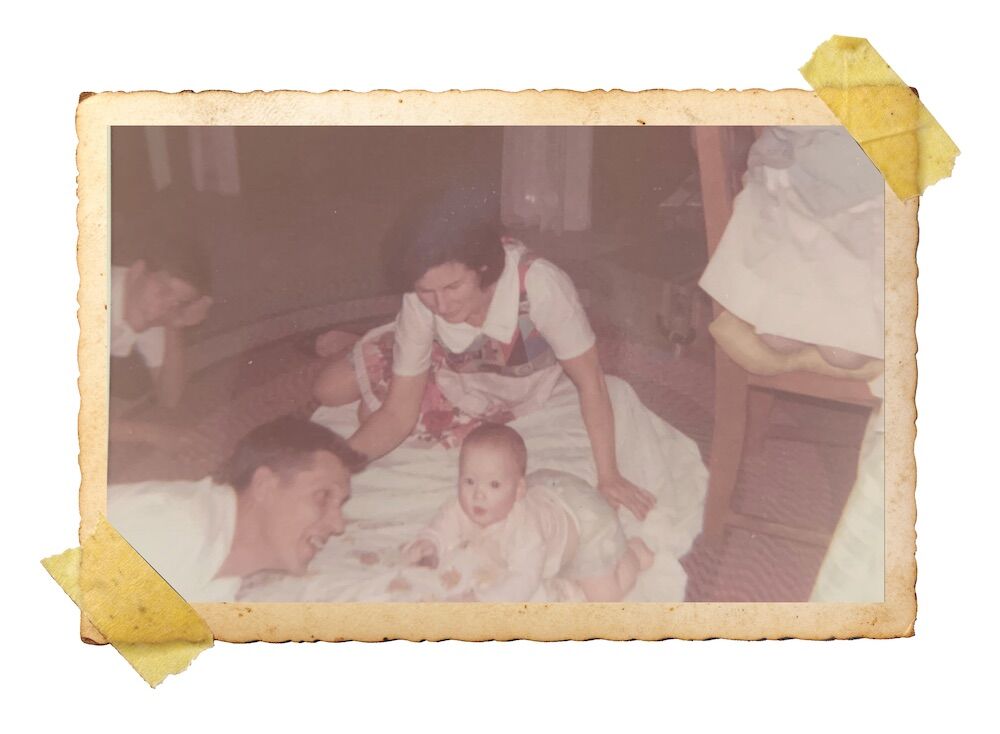
Reclaiming Mary - Christine and parents

Mary’s daughter, Christine, in between Mary’s parents, John and Dorothy Scott, in Clairemont

As she’d done before, Rosalie picked up the pieces and life carried on. She moved around Northern California with her family, got divorced and remarried, and by 2019 had settled back into Sacramento.

The year before, Joseph James DeAngelo, known as the Golden State Killer, had made headlines when he was arrested for 13 murders, 50 rapes, and 120 burglaries he committed across California during the ’70s and ’80s. It was the first widely publicized case to make an arrest using DNA that’d been uploaded to a genealogy site, and it got Rosalie thinking.

“I reached out to a friend of mine who was a retired cop and said, ‘You know, I keep reading about all these crimes from decades ago that are being solved through ancestral or forensic genealogy,” she says. She asked why they couldn’t do the same for her sister’s case. “He said, ‘Well, we probably can.’”

Four

Five months later, someone came knocking.

It was April 23, 2020 and, like  most days at the beginning of the pandemic, a pretty quiet day at home for Rosalie. “I can’t even tell you what the weather was like,” she laughs.
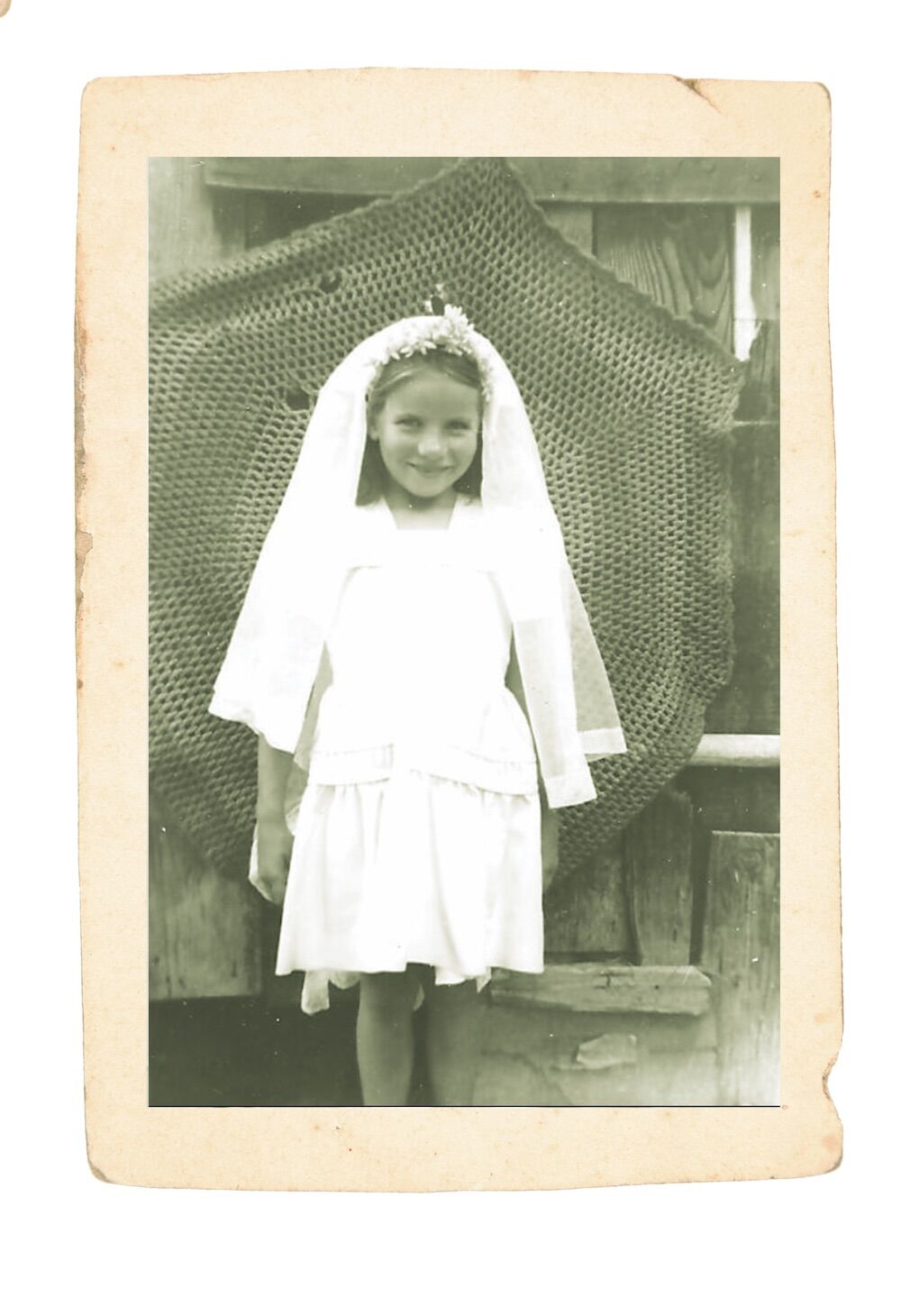
Reclaiming Mary - communion

Mary at her First Holy Communion

At the door was a Sacramento cop with a message for her to call the San Diego District Attorney’s office. When she called, she found out they were planning to use the DNA taken from Mary’s crime scene to do a forensic genealogy run and see if there was a hit.

In early September, they found a match in Pennsylvania.

“I couldn’t believe it,” says Rosalie. “I was so happy that they found him and that he was alive.”

But they couldn’t go after him just yet. The San Diego Police Department and the district attorney’s office had to secure an arrest and an extradition which, she was told, could take months.

“That was the worst part,” Donna says. “The waiting game. I’m just thinking, ‘Oh my gosh, go get him, what are you waiting for?’ But let me tell you, there are so many legalities when it comes to DNA and especially when it comes to cold cases. You bet all your t’s are crossed and your i’s dotted, because with any minor drop of the ball, the whole thing can be thrown out.”

According to Justin Brooks, a criminal defense attorney and the director and cofounder of the California Innocence Project, using genealogy sites to help solve cold cases is the new way forward for detectives and attorneys.
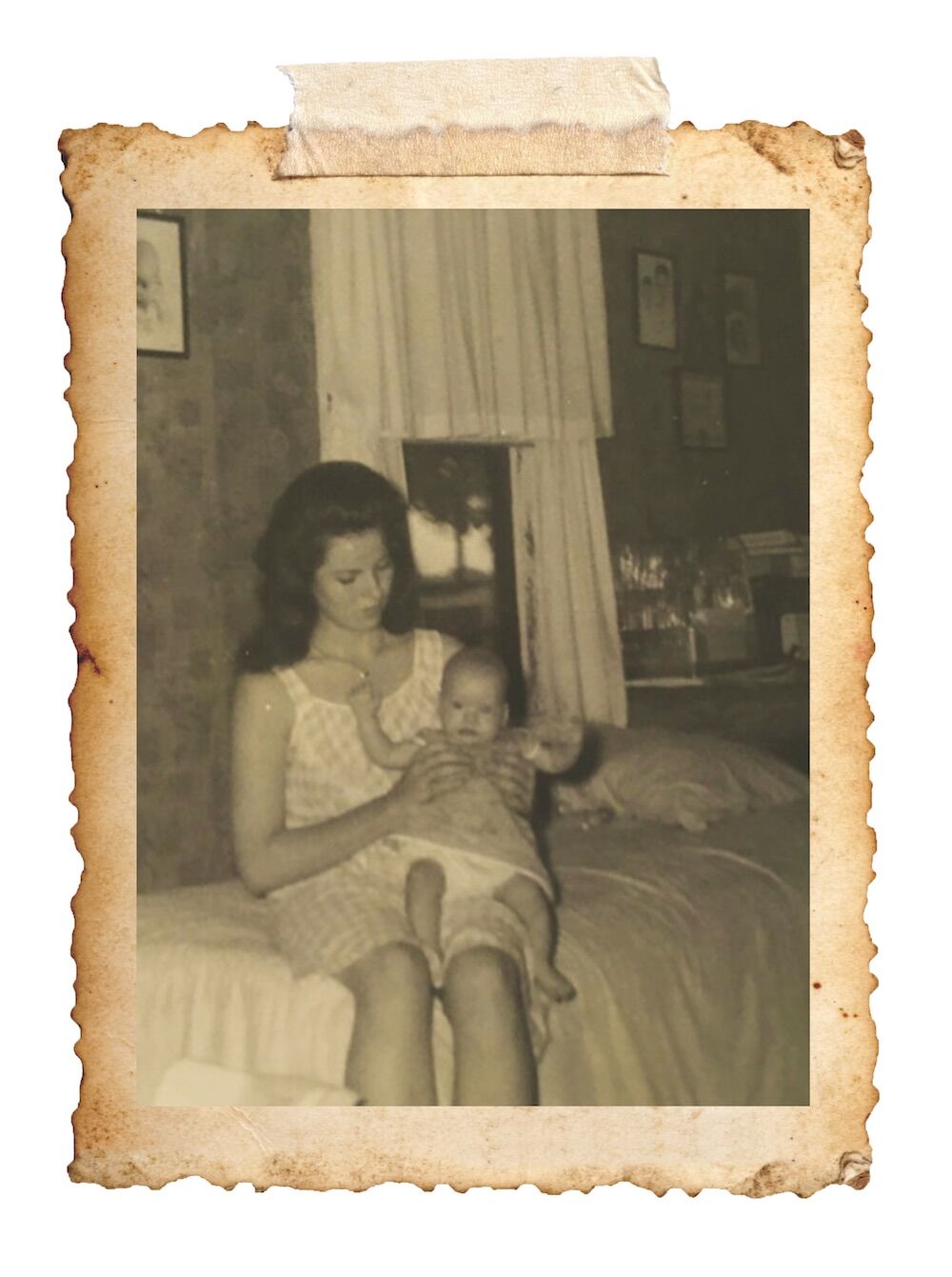
Reclaiming Mary - with Christine

Mary with baby Christine in her apartment

“DNA has made it possible to do stuff I couldn’t dream of doing,” Brooks says, noting that even the development of mitochondrial DNA testing a decade ago significantly changed the game by creating a way to test hair without its roots. “It was huge. We were able to go back and look at old cases where we had hair samples without the roots and match it up.”

Now he believes it’s only a matter of time before there’s a global DNA databank that everyone’s a part of. “That’s a long way away, but it’s a pretty interesting evolution that people who would normally not want their DNA in a databank are putting it out there onto genealogy sites because they think it’d be cool to find out more about their ethnic background.”

In Mary’s case, this advancement changed everything. Rosalie credits the San Diego Police Department and the San Diego District Attorney’s cold case unit for never closing her sister’s case. “When the DA investigator told me they got a hit using forensic genealogy,

I knew we had found the killer,” she says. “Learning he had lived in San Diego at the time just added to my confidence that this is the guy. I’m looking forward to hearing more evidence at the upcoming preliminary hearing.”

Donna notes that it’s worthwhile for any family grappling with a cold case to push for forensic genealogy testing.

“It’s not going to bring your loved one back and it’s not going to heal that pain,” she says. “But it may lead you to the person who did it, and that’s worth everything.”

It’s still unproven whether or not John Sipos is that person. He waived his right to an extradition hearing and was taken into custody from Pennsylvania willingly. At the arraignment in San Diego on December 22, 2020, Sipos pleaded not guilty.

The status hearings and preliminary hearings that were scheduled for earlier this spring were all postponed. Brooks says that can happen for a number of reasons—either the attorneys came to an agreement to postpone or, more simply, the court system is still extremely backed up from the pandemic and the case is just one of many awaiting its day in court.
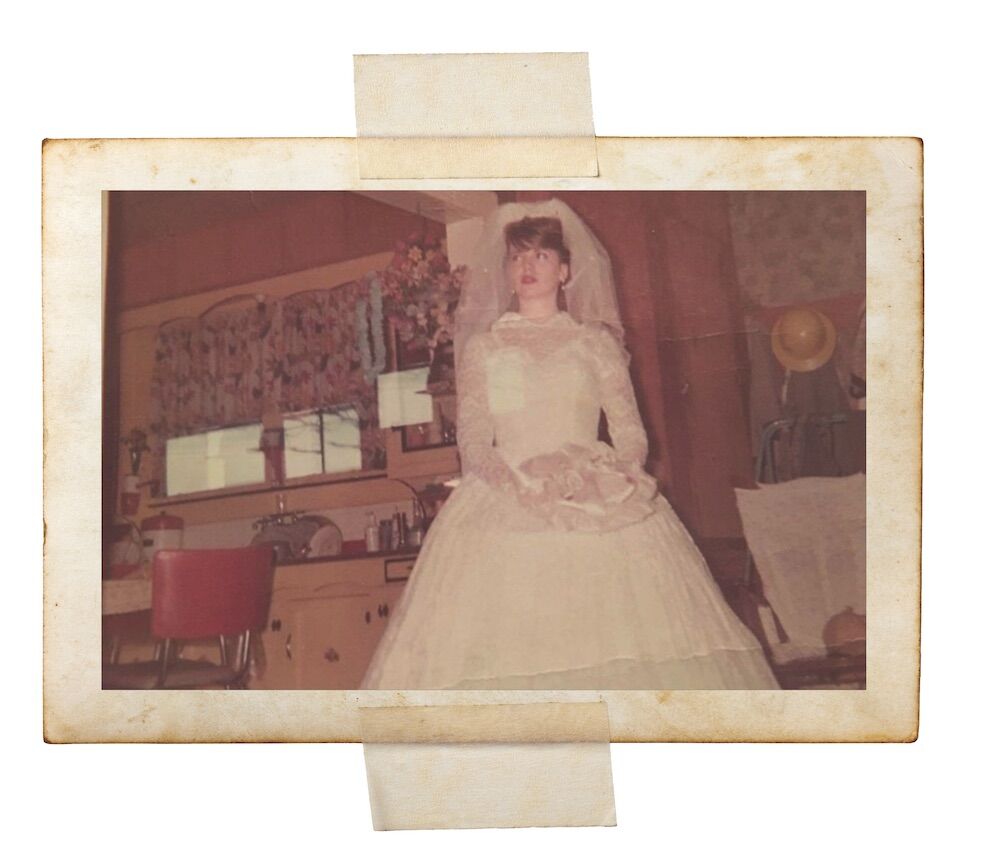
Reclaiming Mary - wedding dress

Mary in her wedding dress in 1963

What comes next remains to be seen. For Rosalie, the biggest hurdles have already been crossed. Now it’s just a waiting game to see whether a lifetime’s worth of uncertainty might find peace.

“Fifty-two years were taken from her. Who knows what she could have done or who she could have been. My whole family’s life changed at that time. It changed everything. If he is the person who did it, it is just that he would spend the rest of his life in prison.”

For Donna, the road to closure, whatever that looks like, will be a long one. “When people tell me that I finally have closure, it’s not like that.” The arrest alone hasn’t produced that feeling. “I’m still learning so many things about my mom and family. In many ways I feel like all of this is just beginning for me,” she says.

Five

The pain never really goes away, Rosalie says. But for as much as she lost when Mary was murdered, she gained some things, too.

“The often-used expression ‘life is short’ came to have an actionable meaning to me,” she says, noting that she now actively appreciates every moment she has with her husband, her children, and her eight grandchildren in a way that most people who haven’t experienced a tragedy like hers can’t comprehend
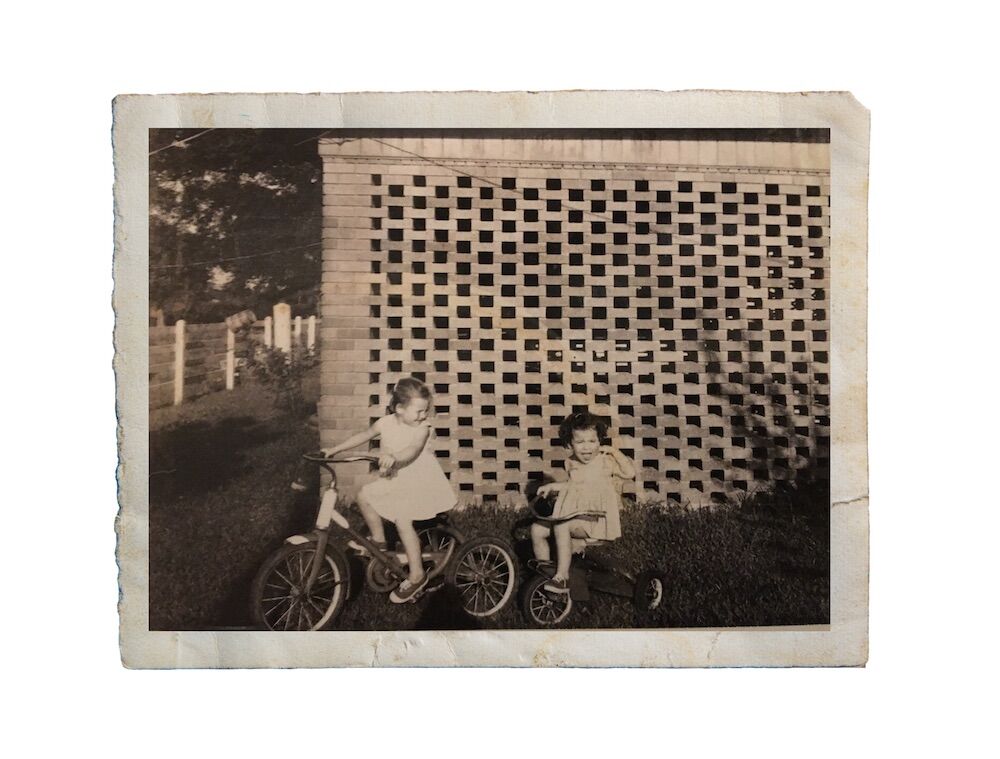
Reclaiming Mary - bikes

Christine and Donna riding bikes in Louisiana

At the time of Mary’s death, Rosalie had distanced herself from her sister quite a bit. The guilt that followed after was enough to shake her awake and change her perception, especially about her relationship with her other sister, Nancy.

“I intentionally spent more time with Nancy,” she says. “I visited her often, I helped her out when she needed it. When I lost her just three and a half years after Mary’s death, of course it had a huge impact on me, but I didn’t have the same regret of time wasted.”

She also gained her niece back. Donna still lives in Louisiana, close to her daughter and her grandchildren (“Mary has great- grandchildren now, isn’t that beautiful?” Donna adds), but she keeps in touch with Rosalie in regards to the case and the major happenings of their lives. Enough time has been lost between them—it’s about looking forward now.
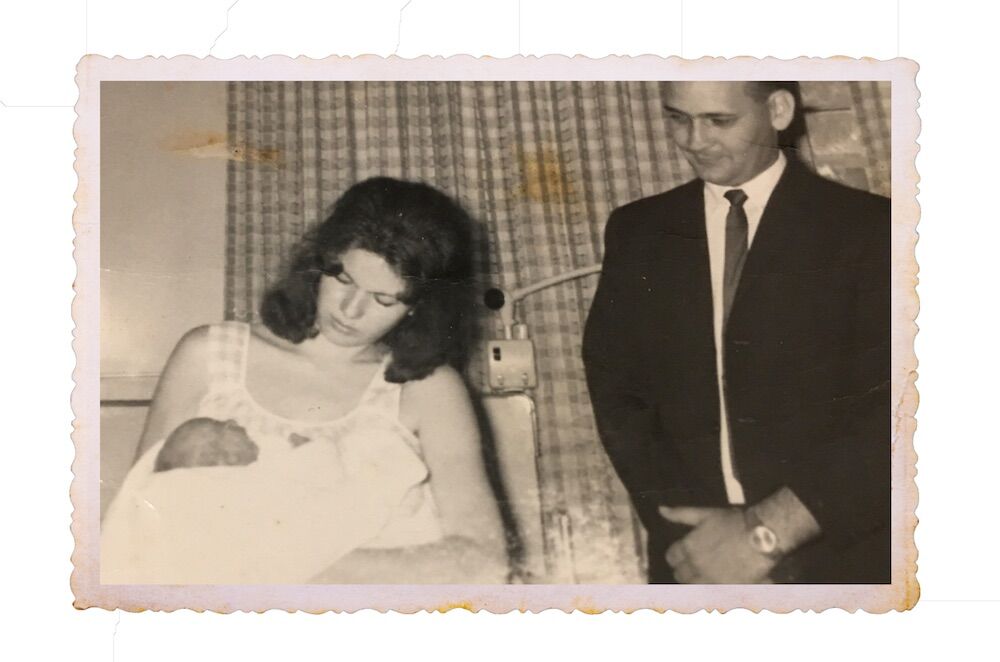
Reclaiming Mary - with baby

Mary at the hospital with newborn Christine in 1964
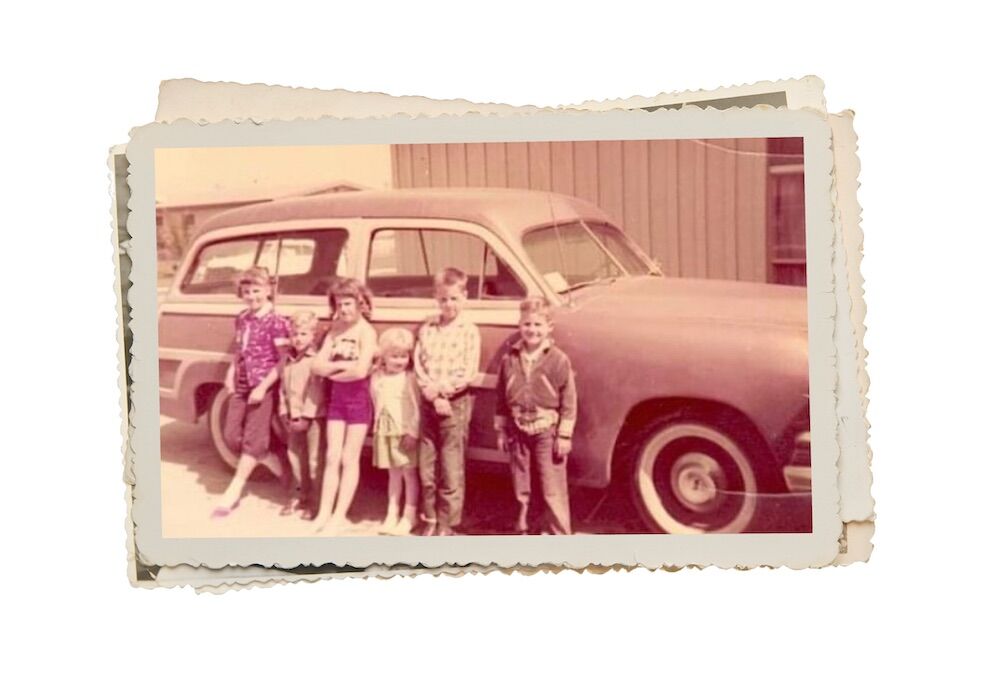
Reclaiming Mary - kids by car

Mary with her siblings, David, Nancy, Rosalie, John, and Bill, in 1956

It’s a foreign feeling for them. After 52 years of looking only to the past, it’s hard to comprehend that the future may bring resolution. The idea of justice for Mary feels twofold: There’s the justice they’re still waiting to see play out in court. Then there’s the kind they feel they’ve already won. A kind that’s much more personal; in which the narrative of Mary Scott is no longer shrunk down to a tawdry headline, but drawn wide open and reclaimed by two of the people she loved most.

“I hope to do my sister, and the memory of her, justice. Not only for her, but for me, and my siblings, and my parents,” says Rosalie. “I loved her so much. I still love her so much.”

***

After a two-day preliminary hearing in September, San Diego Superior Court Judge Jay Bloom ordered John Sipos, who was arrested last year on suspicion of murdering Mary Scott, to stand trial. Over the course of the hearing, Deputy District Attorney Chris Lindberg presented 12 witnesses to testify to prove to the court that there was enough evidence for Sipos to face a trial. Those witnesses included DNA analysts, officers who first responded to the scene, the cab driver who drove Scott home the day she was murdered, and Scott’s friend who found her body. A trial is set to start in January 2022.

Subscribe to our newsletters

Select Options

By subscribing you confirm that you agree with our Terms and Conditions and Privacy Policy.

Everything SD JUNE 18, 2026

How to Find & Build Community in San Diego

Meeting new friends is a scary and sweaty venture—that’s where the city's social event planners come in

How to Find & Build Community in San Diego
Photo Credit: Gina Ribando

Walking into a room full of strangers isn’t high on the fun index for most. It’s inherently awkward: Everyone’s standing in closed-loop clusters, deep in conversation, and, depending on your social aptitude, the feeling is somewhere between light apprehension and burning alive from the inside out. The pull to retreat or reflexively look busy on your phone is stronger than the drink you now deeply crave. Having friends is nice, but making friends can be brutal.

There’s plenty of commentary on the loneliness epidemic. Last year, the American Psychiatric Association reported that one in three adults feel lonely at least once a week; those aged 18 to 34 are more likely to feel isolated and even more likely to turn to social media as a result. Dr. Vivek Murthy’s “My Parting Prescription for America” cautioned that “being socially disconnected increases our risk of heart disease, dementia, depression, anxiety, and premature death.” So it’s not just an emotional need; it’s nearly nutritional—chit-chat and the occasional wine-fueled, emotional deep-dive are just as important as Pilates and a reasonable amount of kale.

San Diego Magazine reader-submitted best friend stories Best of San Diego 2025 edition

Finding social connections in any city is hard, but San Diego has very specific challenges. This is largely a transient population that acts as a temporary hotspot for many and a permanent home for few. Pick your reason: high rent, surreal gas prices, housing shortage, meh job opportunities (ranked 71st in the country in 2025), or the fact that active military is a sizable chunk of us (110,000-ish)—stationed here for a stretch, then gone. This constant flow of departees sucks out the potential for deeply established families and friend groups, leaving a good share of nomads, searchers, and plenty of people feeling socially awkward.

“There’s an underlying loneliness in all of us,” says Ramel Wallace, the host of monthly meetup CreativeMornings. “There are not a lot of San Diegans who are born and raised here, so [even those] San Diegans end up being just as lonely as the person who just got here.”

Photo Credit: Blair Kirby

Every month, in local libraries, breweries, and small businesses, there are ambitious social architects who have made a career out of undoing social sads. Extroverted champions of the awkward and searching, they’ve struck gold on in-person connection.

The first moments in a social situation are crucial. Sets the tone and cools the nerves.

At Pitch-A-Friend, singles recruit their close friends to present a slideshow of their dating green flags. The entry points for connection at Pitch-A-Friend are simple, old tech: stickers. Each colored sticker indicates if the wearer is single or taken, queer or straight, or practicing ethical non-monogamy (in a partnership but open to others under a mutual understanding).

At the helm of each showcase is Arielle Fuller, aka Chief Wingwoman, who is making dating hopeful again. As Fuller explains, this takes some of the fear of rejection out of a first interaction. “Putting a sticker on immediately means, ‘I wanted to leave my house and talk to someone, and I am a safe space to come and speak to me,’” she says.

Of course, not all of San Diego’s events designed to make connections are romantic. On the last Friday of every month, hundreds gather at San Diego Central Library for the local chapter of CreativeMornings—an org formed to unite creatives in various cities across the world (designers, artists, writers, producers, performers, architects, etc.).

Photo Credit: Gina Ribando

These aren’t your standard business card swaps, though. Coming from a hip-hop background, host Wallace uses call-and-response to break the fourth wall. “This is not my stage at all, this is our stage,” he says.

In your standard lecture-based meetup, the crowd silently faces the host and acknowledges nobody except those they came with. At CreativeMornings, everyone is encouraged to look around, pay attention to the strangers in the audience—not just the host. Wallace will pull volunteers to read the CM manifesto aloud, and he passes the mic to creatives, who make 30-second pitches to the community about projects they’re working on—and there’s always an invitation to connect and collaborate with the presenters whose ideas struck a chord.

The U.S. Chamber of Connection (yes it exists) says people experience life transitions nearly every year, and in these stretches are more open to forming new habits, relationships, and communities. In a revolving-door city like ours, the transition often comes when someone moves away. In 2023, the Census Bureau reported San Diego had the ninth-highest rates of domestic out-migration in the US.

This poses an issue for friendships that IRL SD addresses in monthly friend-making events called 619 Night.

“San Diego isn’t a place a lot of people stay forever,” says Alex Hunter, the creator of IRL SD. “They leave, and people [who stay] lose that community, so they’re hungry for community again.”

Their website describes the vibe as “backyard party meets college fair meets networking event meets happy hour.” Each follows a theme—wellness, sports, refresh and reset, etc.—with related community groups joining as well.

“The people I encounter are trying to get a fresh start in some capacity, so they’re more open, receptive, and ready to meet new friends,” Hunter says. “They need the circle.”

Photo Credit: Elysian Visions by Deaune Boyd LLC

Another way adults can break out of this disconnection is to revert in unison, says artist Elisa Summiel-Bey. The 2015-ish adult coloring book moment in the US was based on some real science, with multiple studies finding coloring has a noticeable meditative and stress-release effect by taking the brain away from anxieties and mental inventories, and focusing it on a simple, easy art. Summiel-Bey’s company Illustrated Melanin throws “Color & Chill” events, turning that trend into a group exercise, along with live DJ sets, wellness experts doing sound baths, and food and drink from BIPOC-owned local businesses. “I tend to think of coloring as your way to tap back into your childlike play,” she says. “As adults, I think we’re almost scared to let loose and have that unabashed joy.”

All of these social meetups attract crowds of likeminded connection-seekers, but high attendance is not the only thing that matters. Metrics nuts can track RSVPs, but spreadsheets can’t capture intangible wins: friendships made, innovative ideas sparked, collaborations kicked off. At CreativeMornings, Wallace redefines ROI as Return On Imagination. Resounding success means thoughtful inquiries over coffee, curiosity about the monthly meeting themes, and requests to take the microphone.

A simple, observable ROI is an increased number of window shoppers to the experience—on the periphery, watching from afar, looking for the right way in. Hunter from IRL SD sees the anxiety in her DMs. “The scariest part for you right now is not meeting new friends: It’s the unknown,” she says. “It’s the gap between ‘I’m here’ and ‘That’s where I need to be.’ If I can help you understand, or get a little bit of a shape around that unknown, it’s much more approachable.”

Courtesy of IRL SD

Being able to bridge that gap, however, depends on your ability to step out of your own mind. “It’s not a connection crisis; it’s a courage and confidence crisis,” says Fuller. The first hello could be as easy as, “Hey, cool shirt.” These are the types of things she includes in her confidence lab reels on Instagram and weekly newsletters.

Ever left a social event and shot straight into a spiral? Was I being weird? Why did I tell that story? I hope that person moves to another state very soon.

The experts say that post-event self-interrogation is a standard-issue part of being alive.

“I love awkward people, and I love being awkward myself,” says Wallace. “It’s humbling to experience: ‘I’m not alone. Finally someone is not put together.’ So give yourself that grace.”

Jeannine Boisse (she/her) is a freelance writer and professional creative with a background in Radio & Television. Based in sunny San Diego, Jeannine spends her time exploring the city's vibrant brewery scene, cooking up new recipes in the kitchen, and connecting with new people.

Everything SD MAY 15, 2026

The Last Rally at Ray’s Tennis

San Diego's "First Couple of Tennis" reflects on the past as they get ready to move on from Ray's Tennis, a Hillcrest landmark

The Last Rally at Ray’s Tennis
Photo Credit: Matt Furman

Ray’s Tennis doesn’t look like much from the outside. Never has. It’s just a green box with cloudy windows in Hillcrest, just steps away from a McDonald’s on University Avenue. But for nearly 60 years, this place has been the genesis for three generations of San Diego tennis dreams. Head inside, and you enter one of the tennis world’s great cornucopias.

For years, there was a tennis court behind the store, where owner Bob Ray gave countless lessons. It was like a racket-sport speakeasy; most customers didn’t realize the court existed unless Bob or his wife, Hiroko, guided them through the back door of the shop. Eventually they converted it into a half-court indoors—where a patron might take a racket for a few trial thwacks, trying to avoid rounders of tennis clothes that shared the space.

Illustration of the Club Raquetas Chula Vista tennis club for San Diego's latino community featuring tennis players on a court

The shop is an abridged living history. Relics hang from the ceiling: a model of an old metal racket used by fiery lefthander Jimmy Connors in his heyday, and a version of the wooden Donnay that Björn Borg wielded on his way to five consecutive Wimbledon championships from 1976 to 1980.

And just inside the front door is Hiroko eternally stringing new rackets, carefully threading and adjusting the tension of the polyester strings, back and forth, until she has the entire racket head strung.

Photo Credit: Matt Furman

“I worked seven days a week—five days off in the year,” she says. “My hearing is still good. Physically, I’m as good as I was. Working seven days a week, standing all day. I’m mentally healthier than most people.”

The racket stringing is an operation she does up to 20 times a day—and one that, in some ways, resembles the thread work done by her father decades ago, when he ran a tailor’s shop in Japan.

Hiroko, now 81, was born in the city of Yokosuka at the tail end of the WWII. Her family evacuated to the countryside to escape the bombing raids, and she remembers growing up surrounded by rice fields and mountains. It was in Japan that Hiroko met Bob, a third-generation San Diegan, in the late 1960s, when he was stationed there with the Navy.

Among his possessions at the time was a tennis racket. Inherited from his father, who died when Bob was 11, this racket changed the trajectory of his life: He played constantly, filling up his school days, afternoons, and evenings on the tennis court. He was one of the highest-ranked teen players in the state, and he dreamed of joining the international tournament circuit after his stint in the Navy. But—speaking plainly—he acknowledges that he wasn’t quite good enough to compete with the best of the best. So, instead, he modified his dreams. He and Hiroko returned to San Diego in 1968, and he took a job as the club pro at Morley Field. By their mid-20s, in lieu of touring the world on the tennis circuit, the couple was running the club’s tennis store.

They spent 11 years at Morley Field, which at the time was one of the city’s tennis epicenters, hosting major tournaments for juniors. When the city handed over the store lease to a wealthier applicant, the Rays took over the property on University Avenue and moved in their tennis gear. They have been there ever since—through the McEnroe and Navratilova and Evert eras; the rise of Agassi and Sampras and Graf; the reign of the Williams sisters; the Federer-Nadal-Djokovic rivalry; and into the Alcaraz era. In the near-half century they have sold tennis gear in Hillcrest, the Rays became beloved anchors of the neighborhood’s business community, symbols of stability in an ever-changing environment.

At 84, Bob is still lean and, in his Lacoste tracksuit and Adidas cap, remains every bit the club pro. Like Hiroko, he comes to the store every day—though sometimes, if he is playing tennis in the morning, he might arrive a little later.

Photo Credit: Matt Furman

But time has started to take its toll. His hearing isn’t what it used to be, and the aging process is revealing itself to be true. And much to the disappointment of their loyal clientele, San Diego’s “First Couple of Tennis” is retiring, a milestone that marks the end of an extraordinarily long chapter in the city’s tennis history.

But Ray and Hiroko didn’t sell the building to a developer for condos or to a big-box retailer looking to open a boutique outpost. Determined that Ray’s should remain a tennis temple, they have negotiated a sale to a former employee who wants to continue the Rays’ legacy.

As of this writing, Hiroko and Bob remain in charge, Hiroko stringing rackets, Bob sharing his expertise about new gear. As much as they love what they’ve built, their hope is to move on soon.

For Hiroko, the prospect of retirement is bittersweet. “What am I going to do?” she asks. “Am I going to be ok? I never had a boring life. Always busy. Business first. I’m so involved in the business—because I didn’t want to fail.”

She looks around her store as she continues stringing. For her, the gladiatorial nature of tennis has always been a metaphor for how to succeed in life. “People have to have a drive,” she says. “You can’t just quit because you lose to so-and-so. Tennis players have that mindset.”

She pauses to talk about all the people who have come through the store’s door over the decades, and the relationships she has built with them. “It’s wonderful to have a great customer. That’s probably the reason I lasted this long.”

Sasha Abramsky is the West Coast correspondent for the Nation magazine and the author of nine books. His tenth book, Chaos Comes Calling, will be published by Bold Type Books in September.

Arts & Culture NOVEMBER 4, 2025

Your TV-Show-Themed Board Game Was Probably Made in San Diego

In Carlsbad, a 31-year-old, family-owned company churns out city and pop-culture versions of Monopoly and other iconic Hasbro games

Your TV-Show-Themed Board Game Was Probably Made in San Diego
Photo Credit: Cole Novak

At the 1996 Atlanta Summer Olympics, Dane Chapin had a problem. He found himself in possession of tens of thousands of excess Monopoly games, with no plan on how to sell them. What he didn’t know at the time is that this Herculean task would shape the future of his business.

In 1994, Chapin and his sisters started their Carlsbad company, USAopoly, with a two-year license from Hasbro to make city editions of the popular Monopoly board game. “The game is a great canvas,” Chapin remarks. While some aspects of the game are “sacrosanct,” according to Chapin—the four corners, for example—many of the details can be customized to fit a theme.

Monopoly games from San Diego board game company USAopoly and The Op Games in Carlsbad
Photo Credit: Cole Novak
No matter your favorite film or TV franchise, there’s probably a USAopoly game representing it

USAopoly appealed to local customers by including San Diego and La Jolla editions in the original six games it created (alongside New York, San Francisco, Boston, and Atlanta versions). The tokens of the San Diego board included a surfer, a beach cruiser, and a copy of the Union-Tribune. Instead of Park Place or Reading Railroad, players land on the Gaslamp Quarter or the San Diego trolley. But after two years of city-specific boards, the siblings were ready to branch out.

San Diego golf company TaylorMade golf in Carlsbad featuring The Kingdom golf club fitting and production facility

In 1996, Hasbro gave them license to create an Olympic edition of Monopoly to commemorate the Atlanta games. The Olympic Committee had agreed to purchase 20,000 copies, a huge number for USAopoly in those days. They decided to manufacture 35,000, figuring they could sell the extra 15,000 on their own. The games went into production, but the Olympic Committee hadn’t actually sent over a purchase order.

“I finally get the buyer on the phone,” Chapin recounts. “And she says, ‘We’re going to order 90 games.’ Nine-zero. Not 900, not 9,000, not 90,000. Ninety.”

Dane Chapin founder and CEO of San Diego board game company USAopoly and The Op Games in Carlsbad holding up a picture of him selling Monopoly games at the 1996 Atlanta Olympics
Photo Credit: Cole Novak
Chapin shows off a snapshot from his weeks hawking Atlanta Olympics Monopoly boards on the street.

When he reminded her of the initial request for 20,000, she said that the team had changed their mind. “There was no point for me to get angry or get mad at her,” he adds, laughing. “I just had to figure out what I was going to do.”

Chapin landed in Atlanta for press coverage the week before the opening ceremony. “The Olympics are a white-hot deal, and then it’s done,” Chapin explains. “And once it’s done, there’s really no market for all those goods.” So, he shipped 20,000 games to the city. If nothing else, he’d have them on hand to replenish the stock for local stores. But, while Chapin was walking to an interview with an Olympic Monopoly board under his arm, a man stopped him on the street and asked where he bought it. Chapin sold it to him for 20 bucks. A lightbulb went off.

Interior of San Diego board game company USAopoly and The Op Games in Carlsbad known for their Monopoly games
Photo Credit: Cole Novak
USAopoly’s Carlsbad offices hold copies of the thousands of games the company has produced since 1994.

“We’re sitting with a warehouse of 20,000-plus games that need to find a home,” he recalls. Why not get them directly into consumers’ hands? He rented a van, bought a dolly, and got to work. “I spent the next two weeks on the streets of Atlanta, schlepping games,” he says. At the end of those two weeks, all the boards had been sold at $20 apiece.

Hasbro never knew the full story. But the company did notice how successful the Olympic board had been—and it was all the proof it needed to increase USAopoly’s licenses. “That was the inflection point for USAopoly,” Chapin says. “After that, [Hasbro] expanded our purview, our grants, well beyond city editions.”

Chapin and his sisters started to create pop-culture versions of Hasbro games, producing tributes to everything from Harley-Davidson to Metallica to The Simpsons. Now, three decades later, USAopoly (also known as The Op) is on track to sell over seven million games this year. It’s grown into an international family entertainment company that designs original best-sellers like Telestrations and Flip 7 in addition to twists on the Hasbro classics.

Photo Credit: Cole Novak
The board gives players the chance to invest in iconic SD properties like the Carlsbad Flower Fields and the zoo.

Peek in the archives at the Carlsbad offices, and you find shelves jam-packed with a copy of each game the company has produced since its inception, from the Atlanta Olympics Monopoly that changed USAopoly’s fate to Dragon Ball Z chessboards and RuPaul’s Drag Race Clue.

Chapin shows off the original San Diego Monopoly, still sealed in its packaging. “Think about some of your fondest memories in life,” he instructs. “My fondest memories include going to my grandparents’ house with my brother when I was 10 years old—we’d have a sleepover and play canasta for hours. Talk about joy, laughter, and lifetime memories.” He smiles. “So, that’s my job—to create games that will do that, that will bring people together and get them to put their phones away. It’s pure, and people can be present. That’s more important than ever.”

Cora Lee

About Cora Lee

Cora Lee was born and raised in San Diego. More of her work can be found at coralee.net.

Studio S JULY 1, 2026

Get Your Home Ready for (San Diego) Summer

Tips from the trusted experts at Mauzy Cooling, Heating, Plumbing, and Electrical

Get Your Home Ready for (San Diego) Summer
Courtesy of Mauzy Heating and Air

San Diego summers can be brutal. But since the hottest period is typically late summer into early fall, San Diegans still have time to prepare. The pros at Mauzy Cooling, Heating, Plumbing, and Electrical are standing by to help homeowners fortify their homes against the elements and ensure their air conditioning is as frosty as the penguins that serve as the company’s mascots. 

Many homeowners underestimate the load their AC system faces, especially in the inland valleys where temperatures regularly top 100 degrees. San Diego regularly sees multi-day heatwaves each summer, and a system that struggles on the first day will likely fail by the third. Longer run times, unusual sounds or smells, and uneven cooling from room to room are all signs that your system may not survive the next hot spell.  

Systems typically last 12 to 17 years, but there are exceptions. If a system is approaching that, or is already there, a professional evaluation is recommended before summer really heats up. A good rule of thumb: If you can’t remember when your system was last serviced, it’s due. 

“As technology changes, systems become smarter and smarter,” says Sean O’Connor, an install manager at Mauzy with 42 years of experience. “There are a lot of people out there who will say a system’s only good for 10 years. I don’t buy that—these systems are built to last as long as they’re taken care of.” 

There are also a few steps homeowners can take between services to extend the life of their system. Regularly changing a dirty filter—especially if you have kids or pets—and keeping an outdoor unit clean can help head off problems in the future, says O’Connor. 

Also, be realistic about whether it’s time to replace a unit. O’Connor likens pouring money into salvaging a faulty unit with patchwork repairs and replacement parts to “tripping over a dollar to pick up a dime.” When one part fails, others are sure to follow, and newer parts may not be compatible with older units. Mauzy recommends homeowners use the 50% rule: If a repair costs more than 50% of the system’s replacement value, and the equipment is over 10 years old, replacement is usually the better long-term value. And don’t forget the ducting. An older house that was built with heat and later had air conditioning added may not have sufficient airflow, regardless of how good the system is. 

Last but not least, homeowners should know who to trust when it comes to their homes. Built on three generations of professional integrity, Mauzy has grown into not just a leader for cooling, heating, plumbing, and electrical services, but a leader in the community known for supporting local nonprofits across an array of causes. To ensure complete peace of mind, Mauzy stands behind a comprehensive 12-point guarantee that outlines its commitment to outstanding service, quality equipment, expert technicians who understand how the local microclimates affect HVAC performance, and no upsells or surprises on the bill. 

“We go the extra mile. That’s what sets us apart,” O’Connor says. To get a free quote today, visit mauzy.com.

Courtesy of Mauzy Heating and Air
Partner Content
Everything SD APRIL 3, 2025

A Conversation With SD’s Women Entrepreneurs & Business Leaders

At the Fairmont Grand Del Mar, the city’s movers and shakers gathered for an intimate fireside chat hosted by J.P. Morgan

A Conversation With SD’s Women Entrepreneurs & Business Leaders
Photo Credit: Mi Hita Photography

Fifty of San Diego’s top women founders, CEOs, and CFOs gathered on the lawn at the Fairmont Grand Del Mar on Thursday, March 27 for an evening of wine, local food, and unfiltered conversation about leadership, mentorship, and the messier parts of ambition. 

Hosted with J.P. Morgan for International Women’s Month, the event featured locally sourced bites by chef Flor Franco and pours from three woman-owned Baja vineyards, curated by Michelle Martain, owner of La Mision Wines and Cavas Valmar. The cocktails were cheeky, the sunset did its thing, and the energy was unmistakably electric.

San Diego Women's Leadership and history event at the Fairmont Grand Del Mar
Photo Credit: Mi Hita Photography

“Stop asking yourself if you should be there—you’re already there,” advised Desi Swanson, CFO of Vuori and one of the evening’s speakers, when discussing young women facing imposter syndrome. When asked about the moment she knew she “made it,” she referenced a pre-Vuori memory from her 20s of paying off credit card debt and proudly walking into a boutique to buy herself a bee-shaped necklace she had wanted for months. That moment—vulnerable, personal, triumphant—set the tone. Success doesn’t happen in one moment; it’s the culmination of hundreds of victories throughout your life. 

San Diego women-owned business Native Poppy flower shop featuring owners Natalie Gill and Meg Blancato

Curie founder and mom to a new 10-week-old Sarah Moret discussed building her brand while challenging the myth that entrepreneurship is a man’s game. She also relived a time when businesswoman and investor Barbara Corcoran sniffed her armpits on national TV. (Yes, really.)

The conversation that followed felt real and unscripted. The panel shared their thoughts about what success looks like now, how mentorship shapes growth, and how to lead without losing yourself in the process.

San Diego Women's Leadership and history event at the Fairmont Grand Del Mar
Photo Credit: Mi Hita Photography

My husband and I acquired San Diego Magazine three years ago because we wanted to invest in our local community, and create a platform for people and businesses to tell their stories. Events like this continue to prove that for all the stories that have been told, San Diego is full of thousands who haven’t… yet

During the networking hour, Nancy Schmall, CFO of Southern Pride Trucking, talked about the rise of women and married couples in the industry and how it’s reshaping truck stop culture across the country. Later, I spoke with Abby Blunt, co-founder and CEO of MeBe, an organization that offers personalized, evidence-based therapy for neurodivergent kids and families.

I even swapped parenting stories with Kerri Kapich, COO of the San Diego Tourism Authority, and told her about my dream of producing a fashion show in this city. Our photographer shared a hack she discovered with the CFO of the Aloha Collection to transform one of their staple bags into the perfect diaper bag. 

These women collectively manage thousands of people, steer massive budgets, and help define what work, leadership, and balance look like in San Diego right now. They’re building businesses, raising families, mentoring the next wave—and they’re doing it on their own terms. The story of a city should be told by the people living and breathing it every day. Each woman on that lawn owns a piece of San Diego’s story. And thousands more are out there, quietly building what’s next. 

Stay tuned for more events like these. 

Everything SD
Everything SD FEBRUARY 18, 2025

31 Women-Owned Businesses in San Diego to Support

Celebrate International Women’s Month by visiting the city's women-founded restaurants, shops, and companies this March

31 Women-Owned Businesses in San Diego to Support
Photo Credit: Megan Guerrero

California is home to the most women-owned businesses in the country, and San Diego is a hot spot for women entrepreneurs. In March, we’re celebrating International Women’s Month by highlighting some of our favorite women-owned businesses throughout San Diego County—from food to flowers, photographers, and gift shops. Here are 31 ways to support local entrepreneurs this month and beyond.

Restaurants | Beverages & Spirits | Retail | Artists | Health & Wellness

Photo Credit: Kimberly Motos

Women-Owned Restaurants in San Diego

Nahomie’s Cafe & Deli 

Lizzette Amaya, an entrepreneur from Anyarit, Mexico who also owns a restaurant with her husband in La Mesa, delayed the opening of Nahomie’s Cafe & Deli in order to care for her ailing mother. When the spot for sandwiches, wraps, and coffee launched at last in August 2024, it won the National City Chamber of Commerce’s 2025 “New Business of the Year” award.

“It’s been hard trying to keep up the business,” Amaya says about trying to balance this spot with the other restaurant she owns with her husband in La Mesa, but she’s found the community to be supportive and that social media—despite being her only marketing tool right now—to be very effective for reaching new customers. 

450 E 8th St. Ste D, National City

The Fishery 

Annemarie Brown-Lorenz, daughter of The Fishery’s original owner—who has been working in restaurants herself since she was 15—took over the nearly 30-year-old seafood business’ operations during Covid. She and her husband also run Pacific Shellfish, and in 2022, food critic Troy Johnson said that after “15 years of studying food and eating at San Diego restaurants…the two meals at The Fishery were the single most excellent seafood experience I’ve had in the city.”

5040 Cass St, Pacific Beach

Balsamico Italian Kitchen

Elisa Borelli co-manages Balsamico Italian Kitchen in Imperial Beach with her husband, Michele. Though Borelli’s background is in finance, she curated the restaurant’s wine list herself and manages much of the front-of-house operations. The restaurant is known for its Italian food and—you guessed it—balsamic offerings.

791 Palm Ave #101, Imperial Beach

Teriyaki Grill

Teriyaki Grill is a women-owned business that is bringing a new flavor to Chula Vista. Owner Casey Vu loves to cook and learned much of her skills from her previous travels around the world. Her restaurant is a reflection of that and offers Asian fusion cuisine, which has a little bit of everything from octopus tacos to steak sandwiches and teriyaki burgers.

380 3rd Ave,Ste B, Chula Vista

Cucina Urbana 

Tracy Borkum, principal of Urban Kitchen Group, is credited with helping to revolutionize San Diego’s food scene. She’s spent 15 of her 25 years in the industry building and growing Bankers Hill’s Cucina Urbana, where she employs a full-time HR person to support her team—a rarity in the restaurant field

505 Laurel St, San Diego

Always Hungry Grocery & Goods

Always Hungry Grocery & Goods in Carlsbad Village (which also operates as a pop-up in Oceanside) is the beautiful and intentionally stocked grocery store of your dreams. “[Inventory] must be local, support an underrepresented group, be absolutely the best in their category, or just be plain fun,” owner Katie Jayne says, pointing to items like Fox Point Farms’ sugar snap peas from Encinitas or Tethos’ non-alcoholic wines from North County.

505 Oak Avenue Suite B, Carlsbad | 110 N Myers St, Oceanside

Chicken Pie Shop

North Park’s Chicken Pie Shop has been in the Townsend family for four generations over 87 years. Lisa Townsend, the daughter-in-law of the restaurant’s original owners, currently handles the day-to-day operations. As general manager, Townsend brought the business into the modern age, adding the ability to pay by credit card, launching digital time cards, and more. The restaurant makes upwards of 3,000 pies daily

2633 El Cajon Blvd, San Diego

Owners of San Diego brewery Mujeres Brew House in Barrio Logan, a local women-owned business
Courtesy of Mujeres Brew House

Women-Owned Spirits Brands in San Diego

Altipiano Vineyard & Winery

Black- and veteran-owned Altipiano Vineyard & Winery was founded by Denise Clarke, a winemaker and internationally recognized connoisseur. She and her husband built Altipiano after losing their 900 avocado trees in a 2007 fire, and, in 2012, Clarke took over as the company’s full-time, in-house winemaker. Visit the couple’s Tuscan-style vineyard in Escondido to buy wines by the bottle, join the wine club, or participate in a private tasting. 

20365 Camino Del Aguila, Escondido

Mujeres Brew House

Owner Carmen Velasco-Favela opened her Barrio Logan brewery, Mujeres Brew House, during the pandemic with an all-woman leadership team. The business takes inspiration from Mexican culture and offers fruit-forward beers and cocktail seltzers.

Julie Bogen

About Julie Bogen

Julie Bogen is an experienced writer and digital strategist whose work has been featured in The Atlantic, The 19th News, Cosmopolitan Magazine, and more. She is passionate about storytelling that centers women and marginalized communities, and when not working she's either with her family or in a barre studio.

Partner Content JULY 2, 2026

Top Lawyers 2026: Panakos LLP

Discover San Diego’s Top Lawyers — the region’s most trusted legal professionals across diverse practice areas.

Top Lawyers 2026: Panakos LLP
SDM: Top Lawyers 2026

Daniel A. Kaplan

Daniel A. Kaplan is a founding partner of Panakos LLP with more than three decades of civil litigation experience in both state and federal courts. Mr. Kaplan pursues and defends legal claims on behalf of companies, entrepreneurs, and business owners in high-stakes disputes. He focuses on business disputes including breach of contract, unfair competition, trade secret theft, securities disputes, fraud/misrepresentations, and employment matters.

“The best advocacy combines preparation, perspective, and a client relationship built on trust and candor.” — Daniel A. Kaplan

His clients include real estate investors, private and public corporations, and individuals seeking sophisticated legal counsel. Known for practical judgment and strategic advocacy, he works closely with an experienced and diverse legal team to protect, enforce, and defend his clients’ interests.

555 W. Beech Street, Ste. 500, San Diego, California 92101
619-8000-LAW
Panakos.law

Partner Content

Thousands of savvy locals already get it.

San Diego's best restaurants, experiences, and events—handpicked and delivered to your inbox weekly. You in?

Close the CTA

Contact Us

1230 Columbia Street, Suite 800,

San Diego, CA