
Ready to know more about San Diego?

Subscribe
Arts & Culture JUNE 24, 2025

15 Things to Do in San Diego This Weekend: June 26–29

See Shakira perform at Snapdragon Stadium, explore the restaurants of Adams Avenue, and enjoy a day of restoration at Anchored in Wellness
15 Things to Do in San Diego This Weekend: June 26–29
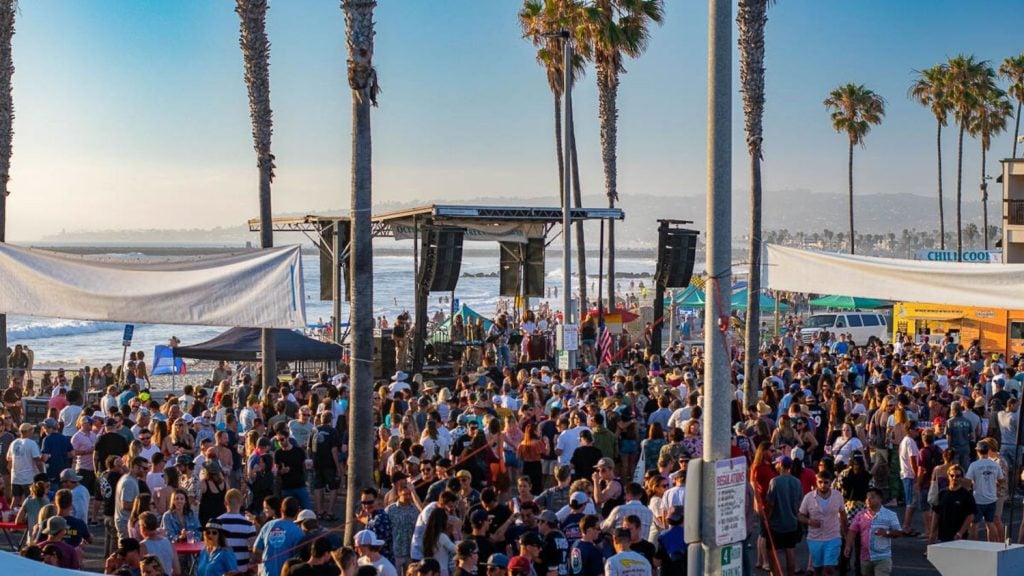
Courtesy of Ocean Beach MainStreet Association

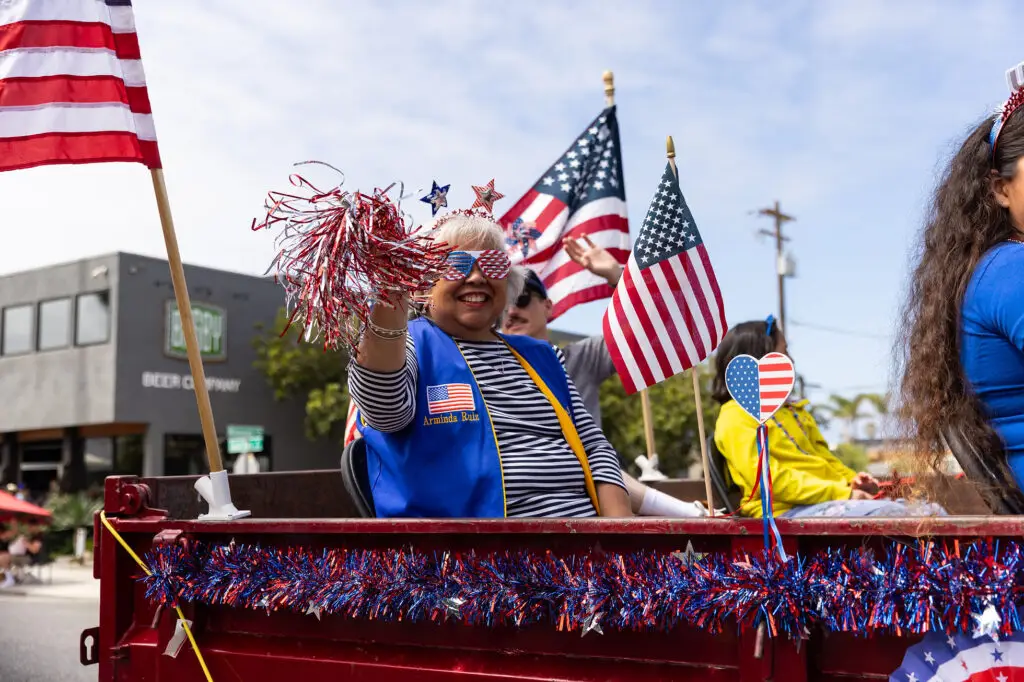
No judgement if you’ve spent the last few weeks locked into Love Island every night. But if you and your couch have had a little too much quality time lately, consider spending the weekend out and about among the community. Buy a drink from one of several local independent brewers taking part in San Diego Beer Weekend, or eat your way from University Heights to Kensington at Sunday’s Taste of Adams Avenue. Explore cultural exhibits at the San Diego Black Arts + Culture District Music Festival or sample several chili recipes at the Ocean Beach Street Fair. Or check out this weekend’s numerous ways to support local artists, from the screen (San Diego Film Awards) to the stage (Sylvia, A Streetcar Named Desire) to the walls of our fine art museums (Constellations, The Space Between). 

Food & Drink | Concerts & Festivals | Theater & Art Exhibits | More Fun Things to Do
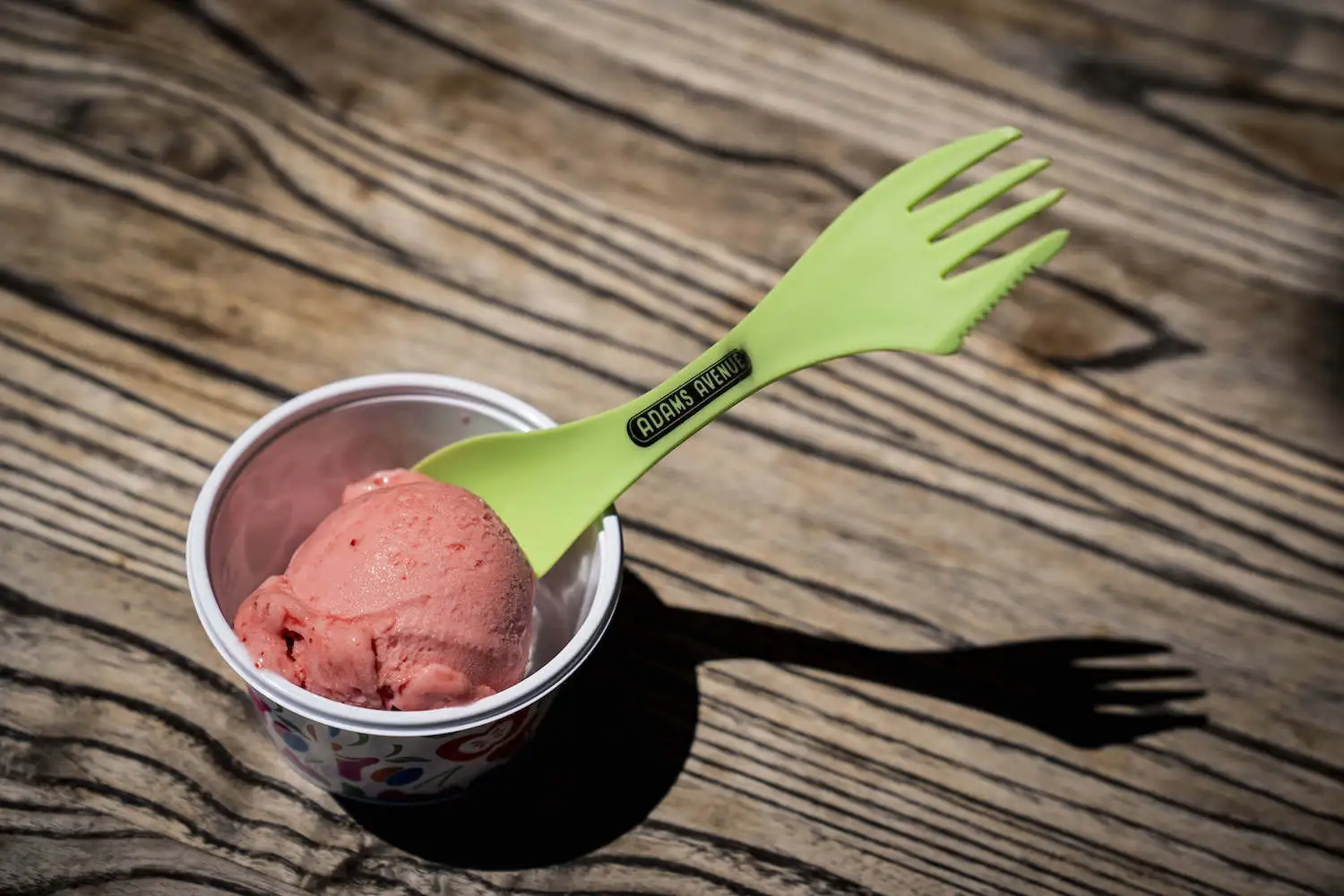
Fun things to do in San Diego this weekend June 26-29, 2025 featuring the Taste of Adams Avenue food festival event in Normal Heights
Courtesy of Adams Avenue Business Association

Food & Drink Events in San Diego This Weekend

Agave Fest

June 27

Enjoy a celebration of Mexican spirits this Friday from 6 to 9 p.m. at the Estancia La Jolla Hotel & Spa’s Agave Fest. Attendees can enjoy live music, win prizes, and dig into unlimited food and beverages. Agave-based tequilas and mezcals from a lineup of distilleries, such as Patron Tequila and Ilegal Mezcal, will be served alongside Baja-inspired cuisine, like street tacos and ceviche, from Estancia chefs. Tickets are $103 for Agave Fest.

9700 North Torrey Pines Road, La Jolla 
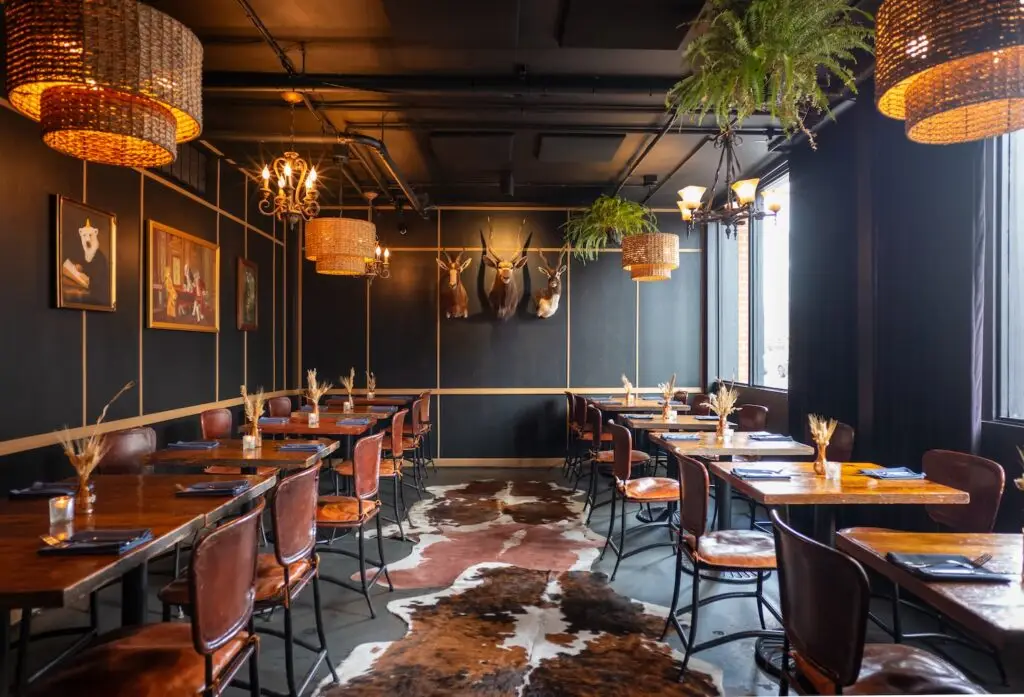
The Lion's Share

San Diego Beer Weekend

June 27–29

Support the independent craft breweries of the San Diego Brewers Guild with several specials, events, and giveaways happening for San Diego Beer Weekend. While the beer will be flowing all over the county, the weekend’s marquee event is Saturday’s Rhythm & Brews festival (1 to 4 p.m.), with live music, local vendors, and over 30 breweries gathering at the Citrus & Broadway parking lot in Vista. Ticket options include general admission ($75), designated driver tickets ($20), and VIP entry ($90), which comes with deluxe pours from noon to 1 p.m.

Citywide 

Taste of Adams Avenue 

June 29

Travel down Adams Avenue from University Heights to Kensington on foot, on a bike, or via a free trolley service this Sunday from 11 a.m. to 3 p.m. for the 24th annual Taste of Adams Avenue. Over 40 neighborhood eateries—including bars, bistros, and bakeries—will get in on the taste-tastic fun. Expect a range of options, such as local brews, elote nachos, and gelato from the best independent ice cream shop in the country (just ask USA Today). Tickets can be purchased online for $50 or on the day of for $65. 

Adams Avenue
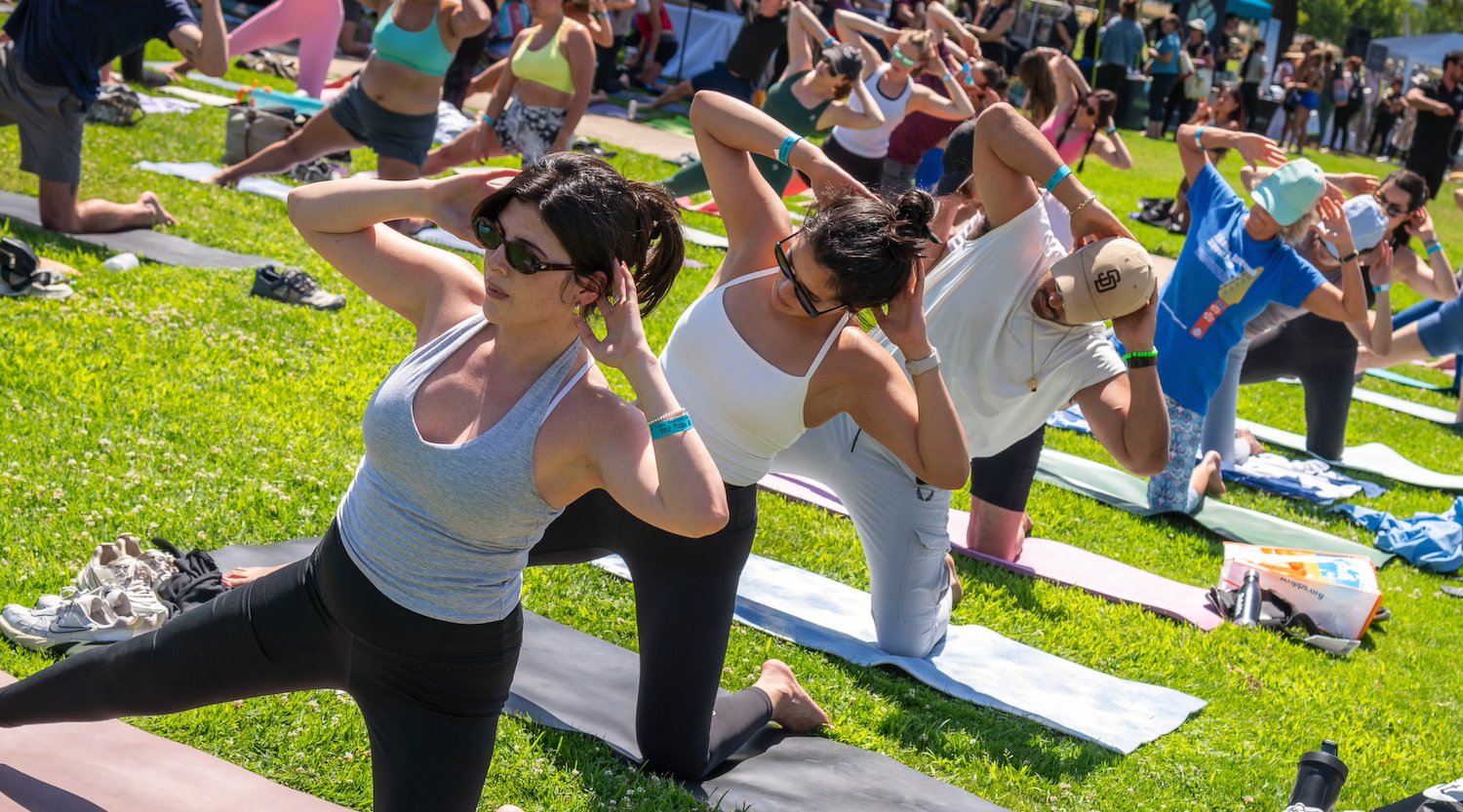
Fun things to do in San Diego this weekend June 26-29, 2025 featuring the Anchored in Wellness health and fitness festival
Courtesy of Liberty Station

Concerts & Festivals in San Diego This Weekend

Shakira at Snapdragon Stadium 

June 26 

Colombian popstar Shakira stands out “Whenever, Wherever.” Over the years, she has performed on the world’s biggest stages—from the FIFA World Cup to the Super Bowl halftime show—and now, she’s touring the globe once again for her newest album Las Mujeres Ya No Lloran. Expect to hear all the hits and pick up a few new dance moves when she comes to Snapdragon Stadium in Mission Valley this Thursday at 7:30 p.m. Tickets start at $217 for this concert.

2101 Stadium Way, Mission Valley

Opening Weekend at the Rady Shell

June 27–29

The fifth summer season at the Rady Shell in Jacobs Park kicks off this weekend with a trio of performances featuring the San Diego Symphony Orchestra. This Friday’s Opening Night will include a program of pieces conducted by Rafael Payare, along with Wynton Marsalis’ Trumpet Concerto performed by Paul Merkelo. Saturday’s Music of the Knights will be a tribute to musical legends (and knighthood recipients) Andrew Lloyd Webber, Elton John, and Paul McCartney. Then Sunday, Dolly Parton—through pre-recorded videos on screen—will share personal stories and lead a career retrospective for Dolly Parton’s Threads: My Songs in Symphony. Tickets range from $54 to $120 for each concert. 

222 Marina Park Way, Embarcadero 

Anchored in Wellness 

June 28 

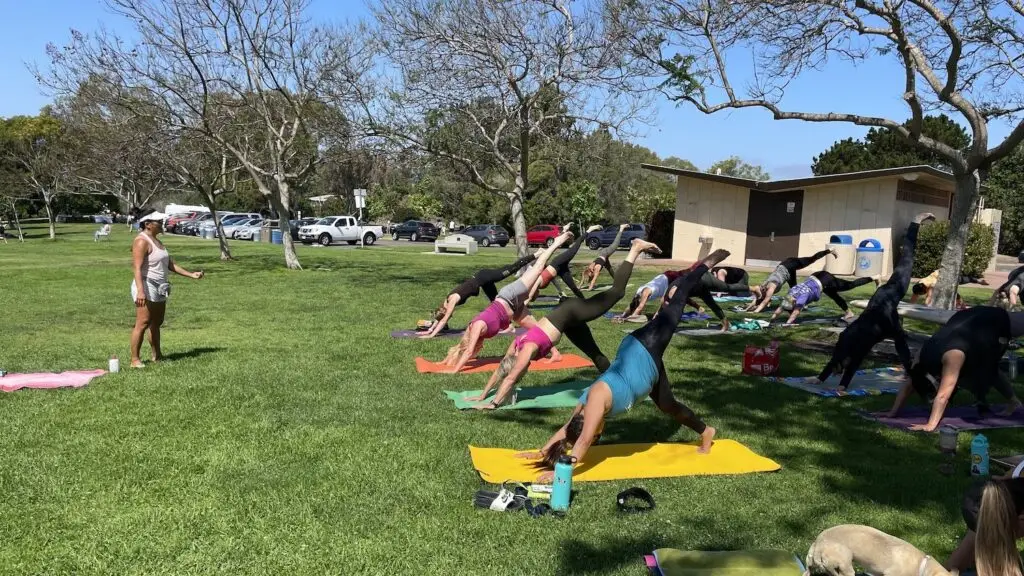
Treat yourself to a “me day” this Saturday from 9 a.m. to 3 p.m. at the second annual Anchored in Wellness. Liberty Station’s Ingram Plaza will be packed with health-filled festivities, including a range of classes, with plenty of room for movement (like Pilates, yoga, HIIT, and dance) and mindfulness (meditation, sound baths, and breathwork). The festival will also include a silent disco, a pickleball tournament, food trucks, a wine and beer garden, music from DJ Mancat, massage and chiropractic vendors, and much more. Tickets are $33 for Anchored in Wellness. 

2640 Cushing Road, Point Loma

Ocean Beach Street Fair & Chili Cook-Off 

June 28

Spend a day by the water at the free 45th annual Ocean Beach Street Fair & Chili Cook-Off this Saturday from 10 a.m. to 8 p.m. There will be eating contests, a family fun zone, an artists alley, a beer garden, two stages of live music, and a community mural, where, for $25, any budding artist can design their own square. But the main event is the illustrious Chili Cook-Off, where attendees can grub on amateur and restaurant samples ($2 per tasting, $25 to try them all) as chefs compete for awards and bragging rights. For more fun post-festival, check out the after dark happenings at Winstons Beach Club, The Harp, and The Holding Company.

4800-5000 Newport Avenue, Ocean Beach

San Diego Black Arts + Culture District Music Festival

June 28

Enjoy all-day musical performances, cultural exhibits, and community vendors at the San Diego Black Arts + Culture District Music Festival, taking place Saturday from noon to 8 p.m. at Martin Luther King Jr. Park. Celebrate Black artistic expression at this free, family-friendly event and explore STEAM activities from the Elementary Institute of Science, an African Artifacts exhibit by San Diego Mesa College, and a special look at the San Diego African American Museum of Fine Art’s augmented reality exhibit We Stand on Their Shoulders

6401 Skyline Drive, Encanto 

Fun things to do in San Diego this weekend June 26-29, 2025 featuring The Space Between: Texture Studies by Denja Harris at Oceanside Museum of Art 
Photo Credit: Nahla Valdez
Artist Denja Harris

Theater & Art Exhibits in San Diego This Weekend

A Streetcar Named Desire at Tenth Avenue Arts Center

Through July 12

Local theater fans can check out a Tennessee Williams drama with Backyard Renaissance’s adaptation of A Streetcar Named Desire onstage at Tenth Avenue Arts Center. In this Broadway staple, Blanche DuBois seeks refuge with her sister Stella in New Orleans and butts heads with her intense brother-in-law Stanley. Tickets are $20 for preview performances this Thursday and Friday and $50 for Saturday’s opening night show (7:30 p.m.) and the remainder of performances through July 12.

930 Tenth Avenue, East Village

Mirae kh REE: Constellations at the San Diego Museum of Art 

Through January 4, 2026

Born in Seoul, Korea and raised in the United States via adoption, Mirae kh RHEE looks to the stars to connect with her Korean heritage in Constellations at the San Diego Museum of Art. The exhibition considers traditional Korean objects and ancient myths. Though Constellations showcases an intimate journey, this show also speaks to the experiences of others who have been separated from their ancestral homes. 

1450 El Prado, Balboa Park

Moulin Rouge! The Musical at the Civic Theatre

June 24–July 6

As grand as the Baz Luhrmann film it’s based on, Moulin Rouge! The Musical blends popular music with Belle Époque–era Paris. In this epic romance, a young Bohemian writer falls deeply in love with the star of the Moulin Rouge cabaret. Tickets start at $51 for Moulin Rouge!, with eight performances this week at the Civic Theatre. 

1100 Third Avenue, Gaslamp

Sylvia at Point Loma Playhouse 

June 27–July 13

The comedic play Sylvia opens Friday for a three-weekend run at the Point Loma Playhouse. When the career paths of a couple of empty nesters, Greg and Kate, head in different directions following their move to Manhattan, Greg’s decision to adopt a lab and poodle mix named Sylvia threatens to drive a wedge between the middle-aged couple. Tickets are $27 for Sylvia. 

3035 Talbot Street, Point Loma 

The Space Between: Texture Studies by Denja Harris at Oceanside Museum of Art 

June 28–October 12

In The Space Between: Texture Studies, opening this Saturday at the Oceanside Museum of Art, South Bay artist Denja Harris reveals just how evocative simple shifts in texture, color, pattern, and form can be within large tufted pieces and yarn-based “soft sculptures.” The Space Between will also be the focus of an exhibition celebration on August 23 from 5 to 7 p.m. It is free for members and $15 for museum visitors. 

704 Pier View Way, Oceanside
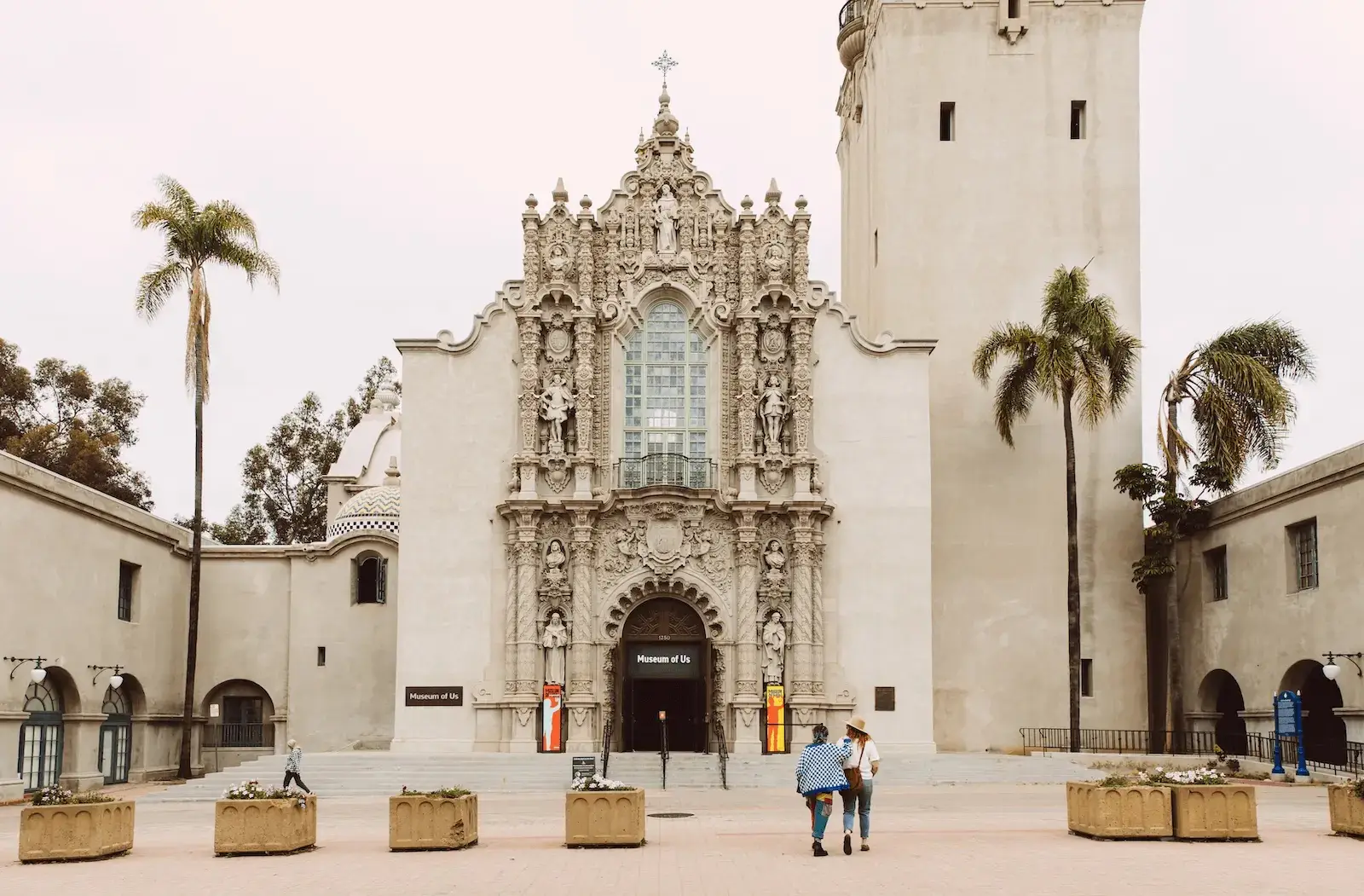
Fun things to do in San Diego this weekend June 26-29, 2025 featuring the Party With Us event at the Museum of Us
Courtesy of Balboa Park

More Fun Things to Do in San Diego This Weekend

Party With Us at the Museum of Us

June 28

This Saturday from 11 a.m. to 3 p.m., the Museum of Us and the San Diego Public Library are hosting Party With Us, a family-friendly Pride bash at the museum. There will be craft and activity stations, mini performances by the Queens of the Haus of St. James, a storytime, and a Pride-themed cookie decorating contest. Register for this free event here

1350 El Prado, Balboa Park 

San Diego Film Awards 

June 29

Celebrate all of San Diego’s movie makers, from student actors to veteran directors, at Parq Nightclub this Sunday from 5 to 10 p.m. The 2025 San Diego Film Awards, hosted annually by Film Consortium San Diego, will spotlight local filmmakers and celebrate their achievements with a red carpet, award selections, and an afterparty. General admission is $95 and VIP admission is $145, with VIP booths (six to eight people) also on sale; all VIP tickets come with a special swag bag and entry to a reception from 5 to 6 p.m. with early red carpet access and small bites. 

615 Broadway, Gaslamp

Ryan Hardison is a freelance arts and entertainment writer and recent graduate of San Diego State. When he's not staring at his laptop, he's likely eating an adobada burrito or getting sunburnt at the beach.

Subscribe to our newsletters

Select Options

By subscribing you confirm that you agree with our Terms and Conditions and Privacy Policy.

Arts & Culture SEPTEMBER 14, 2026

What Will It Take to Make San Diego a Global Arts City?

Jonathon Glus on the Art + Design District, investing in the creative economy, keeping artists in the city, and what we can learn from places like London and Chicago

What Will It Take to Make San Diego a Global Arts City?
Photo Credit: Stacy Keck

Jonathon Glus is the Prebys Foundation senior fellow leading the development of the Art + Design District at the Downtown San Diego Partnership. He has been asked what an arts and design district is many times. In our conversation, I asked him instead to describe what it isn’t. His answer opened up a broader discussion about what San Diego has and hasn’t invested in, what it has the capacity to become, and what other cities have done that we haven’t. Glus speaks about global art fairs and architecture biennials in Chicago and long tables at dinner parties all with the same fluency. He also discusses who gets to live in the neighborhoods where creative work happens, and what it means when they can’t afford to stay.

Claire Johnson: You have been asked what an arts and design district is many times. Can you tell me what it isn’t?

Jonathon Glus: It is not a place designed intentionally and specifically for tourists. Of course there will be opportunities for tourists to come, but the district is really focused on creatives, on creative education, and on the creative workforce—as well as our major performing arts organizations. That is the emphasis.

What does the district need to do in the next five years for you to consider it a success?

[It needs to] develop greater connectivity between the anchor institutions—the symphony, Broadway San Diego, the opera, all the wonderful things happening in Balboa [Park]—and the creative workforce that will be living and working in that neighborhood 24/7.

What does San Diego not have that you wish it did?

We have not been intentionally investing in the contemporary art product that other major cities have been building. A contemporary art fair. A biennial that reflects the ethos of this region. Chicago developed an architecture biennial about eight years ago. London has a design biennial. Desert X, right here in Southern California, invests in and elevates contemporary artists inside a city. We have not really been playing in the global art market in a way that we have the capacity to.

What capacity do we have?

We have a wonderful foundation. Two theater companies that produce work that goes to Broadway more than many regional theaters in the country, major museums, artists teaching at UC San Diego and University of San Diego. What a city does when it wants to take itself to the next level is intentionally create the product. Miami went after the Art Basel fair; they did not passively receive it. You have to have the intention and the will, and you have to go after it. We haven’t done that in the way that other cities have.

Look at what we did with the tech sector; we’re now a major tech center. That was intentional. Leadership organized around it. We have to do the same thing around the arts. We have a lot of contemporary art collectors here. We have a lot of galleries. But the ecosystem of the business of contemporary art is not as organized or as visible as it should be.

Which city is your North Star?

It’s bits and pieces of different cities. Dubai has invested very quickly and very intentionally in contemporary art—art fairs, design fairs, higher education, artist residencies from all over the world. London has centered artists and creatives in the contemporary zeitgeist in a way that was not true 40 years ago. They built biennials. They ensured British artists had affordable housing and workspace. They made sure the media paid attention to what they were doing.

If you don’t have an artist at your dinner table, it’s not a dinner party. That sounds elitist, but it’s true. It shows the value that artists have in a community. Our relationship culturally with Tijuana is really significant here because artists in Baja seem to be at the table.

We’ve talked before about how food, fashion, design, and art aren’t siloed anymore.

They aren’t. When super creative people are in a community doing extraordinary work, that draws other super creative people doing extraordinary work. That’s why other arts and design districts around the world end up populated with some of the most interesting restaurants and young fashion designers. Creatives want to be around other creatives.

Which leads to the economic argument…

Our creative economy already employs about 170,000 people and generates more than $11 billion in economic activity. It’s large and robust. But we must center all of this in accessibility and affordability. Williamsburg used to be affordable. Artists can’t afford to live there anymore. Wicker Park and Bucktown in Chicago—artist central, now unaffordable. If we’re going to invest in this district, we have to be really intentional about housing and workspace, so creatives have a place in the future of this district.

I see all these new supper clubs and creative collectives popping up. What is the lesson there for San Diego in terms of the commercialization of cultural and creative groups?

I think the lesson is that nothing changes. What do people love? Long tables. Why? Because you’re with a lot of people—some you may have known your entire life, but most you don’t. And if it’s driven by a creative process, all the better. We know one of the best ways to do that is around food, but also music.

For the Art + Design District, part of why we’re leaning into the process is because, culturally, we’re bringing down the barriers between film, fashion, multimedia, tech, and architecture. It’s an experiential mashup in the best possible way.

And it’s not just about art and design, but community writ large. Creative expression is something we all desire. Whether it’s at a long table, at the opera, or in your studio, we gravitate toward creative expression as a way of building community and communicating with the people around us.

Is there a question I should have asked you but haven’t?

I hope you are writing about this in seven years when the district is fully mature. But this is just the beginning for all of this. I think that’s what’s most exciting to me. We don’t know what this is going to be like, but we know it’s going to be creatively centered, and that’s super exciting to me.

Arts & Culture SEPTEMBER 11, 2026

San Diego FC’s Vision Goes Beyond the Soccer Field

A conversation with Sebastián Morúa on art, community, and why the club’s future heroes should include the creatives helping build it

San Diego FC’s Vision Goes Beyond the Soccer Field
Photo Credit: Xavier Hernandez

Sebastián Morúa is the Senior Vice President of Brand & Innovation for San Diego FC. He oversees Playmakers, the program through which the club has, over the past three years, engaged with over 80 working artists—not as marketing partners, but as co-creative directors.

Morúa didn’t build Playmakers as a community-outreach program bolted onto a Major League Soccer franchise. He built it as the identity of the franchise. When we sat down, he talked about the World Cup, San Diego’s creative workforce, his challenge to other sports franchises in the city, and the mural of heroes he hopes people will see one day when they close their eyes and picture San Diego FC.

Claire Johnson: Why does an MLS team invest in arts and culture?

Sebastián Morúa: I want to answer that in two parts. Philosophically first—because I think what you’re really asking is why should any sports team do this when most don’t.

Sport is a platform for transformation. It has proven that over and over. We saw it this summer with countries participating in the World Cup for the first time and what that did in their home countries—the sense of self-identification, pride, possibility. That is the power of sport.

When you take a sports team that’s fueled by that principle and understands what it could mean for other stakeholders in a community, you start to think about what you can accomplish in collaboration with them. One of those stakeholders, very early on, was the creative community. If we were going to build a team that represents this place and its people, we needed to go to the source. Artists are uniquely positioned to translate the essence and the soul of a community. When you zoom out and look at the multitude of artists in a place, you start to see the fabric of that local culture. That’s where the sense of pride and possibility gets unlocked.

But you’re also San Diego FC specifically. That matters.

Our mission is to create opportunities for talent to flourish and make San Diego shine. That means the club is a platform. When we started doing the early research for the brand, we brought artists into our focus groups. The response was immediate. There was a clear need. In 2024, we ran the first full year of what became Playmakers, working with more than 20 artists to help us tell the story of how San Diego FC could weave 18 distinct communities together.

We’re in the business of developing communities through sport. We’re not in the business of fútbol to entertain communities. That is an outcome—but not the purpose.

When you started, were you thinking about the profitability of this type of program?

No. I wasn’t thinking about where this was going or how much it would cost. It instinctively felt aligned with our organizational purpose, and we made a decision to go for it. Now it’s become what it’s become.

What does Playmakers look like in 10 or 20 years?

If a fan closed their eyes 20 years from now and tried to paint a mural of the heroes that make up the club, they would see a big percentage of Playmakers artists on that mural. Ask any fan about the team they’ve supported for decades, and they’ll tell you about players, maybe a coach, maybe an owner. We’re expanding that. In our mural, there’ll be artists, entrepreneurs, community leaders, youth coaches. The community will be present.

Three to five years from now, Playmakers is an established community of creatives who have co-directed the identity of the club and the evolving identity of San Diego. If we keep the pace we’ve kept, we should have collaborated with 150 to 200 artists whose stories we’ve told and whose next steps we’ve helped support.

What would you tell another organization considering this kind of investment?

There’s a huge benefit for us as a club and as a brand. This is symbiotic. The artists have a need, we can support that need, and in return the community cares more about our club because of the investment we’re doing in the community. That’s what I would tell another organization.

What excites you most about how San Diego is changing?

San Diego is waking up to how much it has to offer the global conversation around culture. There’s a purity to life here—partly because of the weather, which allows us to spend so much time outside, in nature—and that exists alongside this incredible richness in food, music, art, and now sports.

I have a sense that San Diego is ready to unlock its full potential. You see it in the artists and creatives here. They’re ready. There’s very little hesitation. It’s more like: “Hell yeah, of course I want to do this. I know I’m talented. I’ve been waiting for something like this.”

That energy, combined with the unique lifestyle and character of this place, creates a really exciting sense of what San Diego can become in the years ahead.

Is there a question I should have asked you that I haven’t?

I would ask: What would you say to the other big players in San Diego who are—or could be—shaping the cultural fabric of our community? Do they understand the symbiotic benefit? Are they supporting it?

Because Playmakers, in the end, is a cultural compass. It’s making sure that San Diego still feels—and will always feel—represented in the creative process of building San Diego FC and what that means for San Diego.

The pitch is a canvas. Athletes are painting collectively during every game. There is a story in every game. That’s the link between sport and art. At the core, it’s the same creative process.

Arts & Culture Q&A
Arts & Culture SEPTEMBER 9, 2026

Fall Arts Preview 2026

Your checklist for the best stage performances, museum exhibits, and one-night-only cinematic events hitting San Diego this autumn

Fall Arts Preview 2026
Courtesy of the San Diego Opera | Photo Credit: Karli Cadel

Fall Arts Preview presented by SDFC Playmakers

September

Cecil Beaton’s Fashionable World

Museum of Photographic Arts at the San Diego Museum of Art

Now through Jan. 10, 2027

Sift through over 200 photographs, sketches, letters, and costumes from “The King of Vogue,” who photographed World War II, modernized royal portraits, and created the aesthetic for 1920s socialites in London.

Washed Ashore: Art to Save the Sea

Natural History Museum

Now through Feb. 28, 2027

Walk through an 18-foot whale ribcage (and a couple dozen other marine-creature sculptures) made entirely of plastic bottles, flip-flops, lighters, rope, and other plastic detritus found on the beach in the Nat’s 3,000-square-foot second-floor gallery.

Forging a Legacy: 15 Years of Landmark Acquisitions

San Diego Museum of Art

Now through May 31, 2027

Part of SDMA’s centennial, “Forging a Legacy,” highlights artists from the past (Picasso, Monet) and modern day (Hugo Crosthwaite) who contributed to the museum’s collection.

ZWO Astronomy Photographer of the Year

Fleet Science Center

Now through 2027

See the stars (without the smog) at their best from the winners of the world’s largest astrophotography competition—all in the Fleet Science Center’s new basement gallery, specifically dimmed to let the cosmos shine.

Begin Again

The Old Globe

Sept. 6–Oct. 11

From the 2013 silver screen to this year’s The Old Globe stage, you can “Begin Again” (again) with a world-premiere musical adaptation featuring new songs—courtesy of Train—and a story overflowing with hope.

Dear Evan Hansen

Cygnet Theatre

Sept. 9–Oct. 4

“On the outside, always looking in…” marks the emotional crux of the Tony-, Grammy-, and Emmy-award winning musical coming to the Cygnet Theatre.

Kumeyaay Comics by the Kumeyaay Visual Storytelling Project

Museum of Us

Opening Sept. 12

Learn the history of the Kumeyaay Nation from the perspective of the members themselves in an immersive exhibit inspired by graphic novels “Our Past, Present, and Future,” and “Beyond Gaming.”

Good Night, Oscar

North Coast Repertory Theatre

Sept. 16–Oct. 11

During Oscar Levant’s appearances on “The Jack Paar Show,” he explained his reality with mental illness—the institutionalizations, electroshock therapies, nothing was too taboo for him. “Good Night, Oscar” takes us backstage in the raw moments before his 1958 television appearance.

Visiones Nocturnas: Queer Nightlife in Contemporary Art

Museum of Contemporary Art San Diego

Sept. 19–Jan. 10, 2027

A disco ball isn’t just a disco ball. It’s a symbol of where queer communities can finally exhale and be their fullest selves. “Visiones Nocturnas” uses paintings, sculptures, textiles, performances, photos, and videos from Latin American artists to explore what’s at stake when nightclub lights shut off.

Silent Movie Mondays

Balboa Theatre

Sept. 21, Oct. 26, Dec. 7

Guest organists from across the country will come to the Balboa Theatre to accompany a new silent film for each performance. This year closes out with The Headless Horseman (1922), Dr. Jekyll & Mr. Hyde (1920), and a holiday triple feature of Laurel and Hardy films.

Oh, Mary!

Civic Theatre

Sept. 29–Oct. 4

“What if Abe’s assassination wasn’t such a bad thing for Mary Todd Lincoln?” was the question that inspired Cole Escola’s play “Oh, Mary!” In the production, Mary Todd desperately tries to return to the cabaret stage, but her husband (President Lincoln in the midst of the Civil War) keeps getting in the way.

Photo Credit: Anja Koehler

October

Payare Leads Strauss’ A Hero’s Life

Jacobs Music Center

Oct. 3–4

Conductor Rafael Payare opens the San Diego Symphony’s 2026-2027 season with a three-part concert featuring composers Sofia Gubaidulina, Wolfgang Amadeus Mozart, and Richard Strauss.

Emily–No Prisoner Be

Baker-Baum Concert Hall

Oct. 8

Two dozen of Emily Dickinson’s poems are turned into songs—composed by Pulitzer Prize winner Kevin Puts and performed by Grammy-winning mezzo-soprano Joyce DiDonato—for a one-night-only exploration of love, loss, loneliness, and mortality.

Ripcord

The Roustabouts Theatre Co.

Oct. 8–Nov. 1

Roommate beef has no age limit. The latest play from Pulitzer Prize winner David Lindsay-Abaire turns that experience into a comedy through retirement home roommates Marilyn and Abby and the bet between them to see who will break first and move out.

Des Canyons aux Étoiles

La Casa del Zorro

Oct. 12

Composer Olivier Messiaen has chromesthia, so for him, sound evokes a visual connotation. His work “Des Canyons aux Étoiles” brings desert rock and the night sky to mind. See what he means from La Casa del Zorro in the Anza-Borrego Desert, in this performance immersed within nature.

San Diego International Film Festival

Locations Vary

Oct. 13–18

San Diego International Film Festival salutes the silver screen for a 25th time, now with a sixth day adding extra time for parties, screenings, and movie-star tributes.

Rigoletto

Civic Theatre

Oct. 23–25

Considered one of the masterpieces from opera great Giuseppe Verdi, San Diego Opera’s “Rigoletto” sees what happens when the prurient Duke of Mantua and his sharp-tongued court jester become entangled in a fatal curse.

Grim

La Jolla Playhouse

Oct. 27–Nov. 29

When the Grim Reaper’s job becomes too…grim…and he retires after 300,000 years, his daughter picks up the family business. But when she falls for a human and finds beauty in the souls she’s meant to reap, she questions her purpose.

Photo Credit: Ron Kerner

November

Skate Craft

Mingei International Museum

Nov. 21–May 9, 2027

San Diego is nothing without skate culture. Mingei’s “Skate Craft” portrays skateboarding as “living folk art” via its DIY roots (skateboards built in garages) and shows how that ethos shapes the future.

Emma Veidt

About Emma Veidt

Emma Veidt is an editor at San Diego Magazine. She earned her bachelor's and master's degrees from the Missouri School of Journalism. She loves running, hiking, and rock climbing, but really, she mostly loves encounters with the street cats around North Park.

Ryan Hardison is a freelance arts and entertainment writer and recent graduate of San Diego State. When he's not staring at his laptop, he's likely eating an adobada burrito or getting sunburnt at the beach.

Studio S SEPTEMBER 11, 2026

Vi at La Jolla Village – Senior Living in the Heart of Everything

At Vi at La Jolla Village, residents don't have to choose between security and adventure, connection and independence. They get all of it.

Vi at La Jolla Village – Senior Living in the Heart of Everything
Courtesy of Vi at La Jolla Village

Today’s seniors are more connected than ever, with a renewed focus on retirement as a time of discovery and enriching experiences. The ultimate reward for a retirement well-earned is the wisdom to appreciate it all, and what better place to enjoy that unique perspective than Vi at La Jolla Village, in the heart of San Diego.

All-access pass to good living.

As a Continuing Care Retirement Community (CCRC), Vi provides access to a connected and fulfilling community while making it easy to plan for future care, should the need ever arise. With a care plan in place, residents enjoy greater financial predictability and long-term value, freeing them to focus on making the most out of retirement.

Resort-style amenities at the epicenter of a cultural hub like San Diego offer a retirement experience unlike any other. Paired with exceptional dining, spacious accommodations and dedicated staff, the best of maintenance-free living is all around. And with the introduction of Vista 360 Well-Being, Vi’s panoramic approach to wellness, there are more ways than ever for residents to access it all.

The harmony of mind, body and community.

Courtesy of Vi at La Jolla Village

The key to longevity is striking the right balance in maintaining an active lifestyle with an active mind in a fulfilling community. With newly renovated community spaces and restaurants, Vista brings a variety of opportunities for residents to elevate their well-being through Vi-exclusive “Signature Experiences.”

Vista Enrich takes an evidence-based approach to brain vitality, keeping residents at the forefront of cognitive health through exergaming (exercising + gaming), nutritional plans and informative workshops. It is also home to The Brain Vitality Studio, an innovative facility dedicated to cognitive fitness that has garnered national recognition.

Vista Discover invites residents into stimulating educational experiences, from chef-led cooking demos and guided wine tastings to lectures at local universities and intimate lectures following cultural outings.

While Vista Enrich focuses on brain health and Vista Discover engages residents intellectually, Vista Explore cultivates a sense of adventure through curated travel and local excursions. But broadening one’s horizons doesn’t always require a plane ticket. One recent event brought a taste of the world right to the community: an onsite “jazz cruise” featuring live music and global cuisine served at a series of themed “ports” all within the community’s own ballroom.

“Location, location, location”

Courtesy of Vi at La Jolla Village

One of the biggest perks of life at Vi at La Jolla Village is its proximity to just about everything. With easy access to transportation and local attractions just steps away, residents can explore and engage with their community at their own pace.

“There are trolley and bus stops within a 5-minute walk that will get you to the beach, UCSD Campus, medical appointments, downtown La Jolla or San Diego, et cetera. We rarely use our car,” said resident Tom Yager.

With the best of San Diego just steps away, residents don’t just live in the city, they live within reach of everything that makes it special.

The best of all worlds.

Courtesy of Vi at La Jolla Village

At Vi at La Jolla Village, retirement isn’t a chapter to slow down; it’s an invitation to discover more. Tailored community experiences created by Vista, paired with the vibrant pulse of San Diego just outside the door, mean that residents don’t have to choose between security and adventure, connection and independence. They get all of it.

This is what an all-access pass to good living looks like: the comforts of an elevated lifestyle, a community built for growth and a city made for discovery – all in one place.

To learn more about Vi at La Jolla Village or for details on available floor plans, visit ViatLaJollaVillage.com/SDM.

Partner Content
Arts & Culture SEPTEMBER 4, 2026

What’s Next for Arts and Culture in San Diego?

Artists and advocates are building a more sustainable creative future through public funding, political organization, and cross-border collaboration

What’s Next for Arts and Culture in San Diego?
Photo Credit: Katie Gardner & Matt Furman

This is part of a three-part series. This is Act III. See Act I and Act II here.

The Future

We’ve been here before.

In 2012, city funding for the arts and culture in San Diego had eroded. As a corrective, the city council unanimously approved “Penny for the Arts”—a promise to dedicate roughly one penny of every dollar spent on hotel rooms (the Transient Occupancy Tax, or TOT).

The logic was fair and sound: Cultural institutions and events help attract visitors. Those visitors pay hotel taxes. So, the people agreed, some of that hotel-tax revenue should go back into maintaining the cultural ecosystem that helps bring those visitors and that money.

Projected as a five-year plan, the measure was supposed to increase funding to $17.9 million by 2017.

It never did. The penny was never guaranteed, so each year the city used part of it for other priorities. By 2023, the money going to arts and culture was up to about a half a penny. Even as TOT revenue has gone up significantly.

In 2019, TOT revenue was $245 million.

In 2025: $325 million.

One fix would be to guarantee the penny. Not simple, given San Diego’s financial woes. But the alternative—eroding the culture that makes San Diego San Diego, give it its identity—also doesn’t feel wise. Plus, even a locked percentage still rises and falls with tourism, which is why culture advocates want a guaranteed floor on top of it.

Another solution would be to give the arts commission actual authority.

“It’s an advisory body,” says arts commissioner Kamaal Martin. “You’d be hard-pressed to find anybody who takes our advice.”

Photo Credit: Katie Gardner & Matt Furman

He described the commissioners debating real, consequential questions this year, like whether and how to divide the cuts between funding pools. But those conversations “don’t connect to whoever’s actually deciding,” Martin says. “We haven’t been entrusted with decision-making about relevant things nearly enough.”

Christine Martinez is building political infrastructure through her organization Arts+Culture:San Diego—which is starting a 501(c)(4) lobbying structure not unlike police and fire unions. Martinez is also keeping her community actively engaged. “We won’t be caught off guard next year like we were this year,” she tells me.

Then there’s the evergreen issue of affordability and accessibility. Kiplinger’s most recent report ranks San Diego as the 11th most expensive city in the US, based on cost of living. The average home value is $980,700 (the US median is $540,000), but San Diego’s median household income is only one-third greater than the national level. Rent is also 66 percent higher than the national average ($2,716 vs. $1,636).

This is why San Diego has long suffered from the creative brain drain—creatives leaving for more affordable cities. “Artists are free to live wherever they want, and they will go where the rent is affordable,” says Jennifer de Poyen of Space 4 Art. “When they leave, they take their gifts with them, and their contributions, and their economic impact.”

One saving grace is the presence of Tijuana, where the cost of living is about 60 percent lower than San Diego, per Numbeo. Tijuana has long functioned as an affordable neighborhood for many in San Diego’s creative culture. It’s part of the reason why the binational identity is such a constant in our galleries, music, theater, murals, and culture. While that cross-border blood flow is one of San Diego’s most compelling attributes, few artists living that life would call it convenient or easy. A city is at a disadvantage when its culture creators have to cross a border to go home at night, and cross again the next morning to work.

In May, San Diego County Board of Supervisors approved a $2.75 million arts initiative of its own. It includes an Artist Space Grant Program aimed directly at the affordability crisis, as well as an artist-in-residence program, a dedicated Binational Creative Economy Investment, and a one-time investment in the Black Arts and Culture District in Encanto.

Bob Lehman of San Diego Art Matters has been doing county-level, binational organizing for years; in 2023, he helped get the county’s arts commission reestablished after 30 years of defunctness. That’s important because it gives arts and culture an official seat in county government, advising the County Board of Supervisors on arts and culture policy. He also brought in consultant Laura Zucker, who ran LA County’s arts program for three decades, to build a real regional plan.

“I really believe we’ll have something set up here that other communities come and look at,” he told me. “A national template other cities come to learn from.”

When asked who decides which artists will get the new grant money, county arts commissioner and executive director of the Chicano Park Museum and Cultural Center Monica Delgadillo Hernandez doesn’t hedge.

“That’s part of the infrastructure we’re going to be building,” she says. “What should a panel of reviewers look like? Should it be the commissioners? Should it be other folks? A supervisor?” She was just as candid that the commission itself doesn’t reflect San Diego’s population—Chicano communities are roughly a third of the city, she tells me, “and that’s not represented at the table yet.”

Photo Credit: Katie Gardner & Matt Furman

What Other Cities Prove Is Possible

The great news is that none of these solutions have to be invented from scratch. Numerous cities serve as examples of what’s possible—if we have the will.

Jonathon Glus—Prebys Foundation Senior Fellow for Art & Design, the Executive Director of the Art + Design District, and board president for California for the Arts—worked in Houston before coming to San Diego. The Texas city dedicates 74.5 percent of its hotel tax to arts grants by formula, and that support is guaranteed. Washington, DC locked in dedicated arts funding in 2019. Salt Lake City, my hometown, has run a voter-approved arts tax for almost 30 years, most recently reauthorized through 2034. And just this summer, New York City pushed cultural funding to a record $323.8 million, even incorporating an emergency fund.

Denver’s model is interesting because instead of a city-dependent funding model, theirs is a 0.1 percent regional sales tax. In place since 1988 and renewed by voters three times, their Scientific & Cultural Facilities District has distributed between $54 million and $85 million to arts, culture, and scientific orgs—each of the last 12 years.

This is part of a three-part series. This is Act III. See Act I and Act II here.

None of these cities got there by accident. They decided, on purpose, that arts and culture were worth protecting from politics—and, in some cases, worth building an entire identity around.

“That’s how Miami has flipped the switch,” says Glus. “People go to Miami for culture as much as they do the beach.”

San Diego has spent decades selling itself backward: Beach and weather first, culture as an afterthought you might stumble into. Glus would love to see the strategy flipped: Visitors should come for the art, “and then, by the way, you’re on the beach.”

Photo Credit: Katie Gardner & Matt Furman

So What Happens From Here?

“I do think it was a wake-up call for the community,” de Poyen says of the budget fight. “People understand that our funding is vulnerable. It was a lesson in how much power people have when they coalesce. But wow, is it painful.”

Glus says he’s genuinely optimistic. “The players have all changed seats, but the work is moving forward.”

“I believe optimism is a moral duty,” says Martin, who’s both power-fist and polite.

In eight months, there will be another budget fight. Everyone I talked to expects it will be worse. But something happened this spring that can’t be undone.

“I hope this rupture has brought us together in a moment of self-realization,” says Leticia Gomez Franco of the Balboa Art Conservation Center. “I hope we stop being so transactional; we begin to see ourselves and each other as partners in this work.”

That’s the whole ask, really. And it’s on all of us.

This is part of a three-part series. This is Act III. See Act I and Act II here.

A

About Aaryn Belfer

Aaryn Belfer is a writer and editor specializing in nonfiction across art, architecture, and culture. Once upon a time, she wrote a provocative column for San Diego CityBeat (RIP). She was a runner up in the 2025 Matchbook Stories contest at the San Diego Central Library and is irrationally happy about it. Currently in her Soft Girl Era, Aaryn has expensive taste in (mostly flat) shoes and will choose a great art exhibit or live jazz concert over almost anything else. Except, possibly, Javier Bardem.

Art Arts & Culture
Arts & Culture SEPTEMBER 4, 2026

How San Diego Became a City of Art and Culture

The history, communities, and creative movements behind a cultural scene that extends far beyond the city’s postcard image

How San Diego Became a City of Art and Culture
Photo Credit: Katie Gardner & Matt Furman

This is part of a three-part series. This is Act II. See Act I and Act III here.

Without concrete, wildflowers are just weeds. Any honest history of San Diego art and culture is tension and its reckonings. It begins before the name existed, with the Kumeyaay. It must pass through the Panama-California Exposition, one hell of a county fair that conjured Balboa Park as our grand cultural stage. It pays tribute to the lights of La Jolla, where the donor pool helped realize unrealizable things. It should mention names like Marston, Scripps, Ochoa, DeWitt, Lopez, Klauber, Baldessari, Torres… so many.

In short spaces like this, long histories like that become roll calls. So this is more of a walk through pressure points, notes on recurring forces and regional oddities.

Border life is key to understanding the here of here. Art without dialogue is just decoration. At its best, that dialogue should be a tad muddy, emotionally gassed. In other words, it should be in need of art—to widen perspective, parse meaning, see the unseen.

San Diego’s central dialogue—the magic and the stressor—is being flatmates with Mexico’s second-largest city by population. That makes San Diego a swing-gate of shared and vastly different perspectives, both its own place and something larger. And in no other major city in the US do the fresh flow of ideas from two countries—different governments, laws, mores, expressions, arts, cultures, traditions, economies, loves, and resentments—mingle at such a constant daily rate (due respect to El Paso).

That binational steam created Chicano Park, one of the most uniquely San Diegan contributions to national and international culture. When construction of the I-5 and Coronado Bridge divided Logan Heights, neighbors protested by transmuting prejudicial concrete into redwoods of Chicano art. Turning a civic wound into a beautiful and enduring landmark that expressed and preserved a core identity—like East Side Gallery in Berlin or Constitution Hill in Johannesburg—is damn near the core of what art is supposed to do.

Like any city, the underground-overground friction is crucial in San Diego. Our culture is headlined by institutions that lift creative work onto national and international stages: MCASD, The Nat, SDMA, Centro Cultural de la Raza, the Symphony, WorldBeat Center, The Old Globe, La Jolla Playhouse, Mingei, Museum of Us, Stuart Collection, Timken, ICA, Comic-Con, etc. The next mutations grow in the seams: street murals, music dives, tattoo shops, wheatpasted walls, graffiti, lowriders, surf and skate art (though in San Diego, this is mainstream), pop-up shows, backyard shows, beach raves, any place with room for people and a loose relationship with regulations.

Photo Credit: Katie Gardner & Matt Furman

Both art and culture get their power from power. They’re fundamentally a conversation with and retort against dominant structures. San Diego’s most pervasive structure is arguably the most rigid form: the military. Its presence is heavy in the southern tip (Border Patrol), the middle (Navy and MCAS Miramar), and northern edge (Camp Pendleton). The military is San Diego’s largest employer, by a long shot.

Within this plus-sized environment of order and hierarchy, it’s understandable that Shepard Fairey’s “OBEY” posters in the late ’90s struck such a potent chord. The most compelling punk rock is often outside a strong governor’s window. (The “OBEY” series featured an ominous, propaganda-style André the Giant wheatpasted on random ugly surfaces across San Diego—launching Fairey’s style that he eventually used for Obama’s “HOPE” poster.)

Armed forces are often viewed as the absence of creative culture—understandably so, since rogue individual expression feels like a pretty sure way to sink a war effort.

But in San Diego, the Navy’s unsuspecting role as art creator—directly or indirectly—is hard to ignore. Tattoos are a dawn-of-time practice of many early cultures, including the Kumeyaay. But Polynesia was a core realm. Sailors were exposed to it on deployment in the Pacific Rim, inking their arms with the names of loved ones and unit insignia. Back in San Diego, they’d flaunt those tats in the beaches and bars of Mission Beach or PB (Marines did the same in Oceanside.) Enlistees were the muscular flesh galleries that helped turn skin art into one of the city’s most widespread modern art forms.

During WWII, the military also trained huge legions of San Diego laborers how to build war machines. Those mechanics, engineers, machinists, welders, painters, and metal fabricators used those skills for creative good in their neighborhoods—especially in custom car culture, which took off in the post-war ’50s and ’60s. Mexican-American vets helped develop the lowrider scene, a deeply rooted part of San Diego creative expression. Galleries on slow-moving wheels.

Tourism is the other mainstream force ripe for creating against. It is both critical to San Diego’s economy, and one of the greatest barriers to deeper, more nuanced expressions of what and who San Diego is. The industry of selling our city to passers-through creates a gigantic tarp of cultural tropes. It reinforces the most obvious charms—cute zoo animal takes in an epic sunset with a giant margarita—and doesn’t yield much airspace to the thrilling micro-cultures that live and breathe where locals live and breathe. Nothing against watercolors of dolphins, but much against the hegemony of watercolors of dolphins.

Maybe because of these dominant forces, San Diegans especially tend to force underground and institutional art into a needless cage match. It’s human instinct to champion the underdog as more worthy, but that has always felt like a form of articide.

Photo Credit: Katie Gardner & Matt Furman

It’s like saying the only good food is made by gritty upstarts who crafted their own whisks from discarded shopping carts. Most of those plucky whisk-makers would love to eventually be paid properly, would love a stage, a grant, a building, a donor, a lighting rig, health insurance, maybe even one chair that doesn’t threaten the spine.

That’s what the major institutions do. Both stages—the duct-taped and the donored—serve vital roles and deserve commensurate support if we care about the entire lifespan of creative expression and not just its first exciting steps. Championing the starving artist exclusively just secures an enduring poverty for the creative class at large.

I’ve often theorized it’s harder to create great art and culture in cities like San Diego, where the climate is supernaturally pleasant. In colder/hotter/rainier/less beautiful cities, people are forced indoors to fabricate their own beauty (the grunge music of Seattle, the obscene creative output of Reykjavík). San Diego’s eternally mild sunshine tends to make the human body our art medium of choice. But scratch the surface of that surf poster (and I’ve only scratched a miniscule percent here), and this city’s far from the cultural shallows it gets accused of being.

Addendum: A Personal Agenda. In scouting the route of art and culture across San Diego county through history, two areas come up again and again: La Jolla and Barrio Logan. So I propose a collaboration between two icons of artful concrete—Chicano Park and Salk Institute (one of the world’s great examples of brutalism architecture). Let Barrio Logan’s muralists go nuts on that coastal science fortress, unite the realms for a moment in time.

This is part of a three-part series. This is Act II. See Act I and Act III here.

Troy Johnson

About Troy Johnson

Troy Johnson is the magazine’s award-winning food writer and humorist, and a long-standing expert on Food Network. His work has been featured on NatGeo, Travel Channel, NPR, and in Food Matters, a textbook of the best American food writing.

Partner Content OCTOBER 15, 2025

National Philanthropy Day, presented by PNC Bank, Celebrates the Best of Philanthropy in San Diego

The 53rd Annual National Philanthropy Day Takes Place on November 21. Join us from 11:00 a.m. – 1:30 p.m. at the new Gaylord Pacific Resort & Convention Center!

National Philanthropy Day, presented by PNC Bank, Celebrates the Best of Philanthropy in San Diego

Once yearly, AFP San Diego joins with others worldwide to celebrate National Philanthropy Day (NPD), a special day set aside to recognize the great contributions of donors and nonprofits that enrich of our community and the world. San Diego’s NPD is one of the largest and most successful in the U.S., attracting nearly 900 participants, including philanthropists, nonprofit leaders, CEOs, board members, development professionals, and business, community, and civic leaders.

Sponsorship proceeds from National Philanthropy Day are reinvested in education, training, scholarships, career development, and the advancement of fundraising professionals throughout San Diego. These resources and training provide fundraising professionals with the tools necessary to support our region’s diverse array of nonprofit organizations, which rely on charitable giving for close to half of their annual revenues.

The National Philanthropy Day Honorees are selected by the NPD Honorary Committee, a group of highly respected, diverse nonprofit and business leaders. Our 2025 Honorees include:

  • Outstanding Development Emerging Leader – Taylor Thompson
    Self-Nominated
  • Outstanding Development Professional – Sharyn Goodson
    Nominated by: AJ Steinberg & Jeanne Schmelzer
  • Outstanding Organization for IDEA – Accessity
    Self-Nominated
  • Outstanding Philanthropic Institution – Life Science Cares San Diego
    Nominated by: Blair Search Partners
  • Outstanding Philanthropist – Dan & Phyllis Epstein
    Nominated by: CSU San Marcos & KPBS
  • Outstanding Student Volunteer – Camden Hall
    Nominated by: Curebound
  • Outstanding Volunteer – Mateo Magaña
    Nominated by: Chicano Federation

National Philanthropy Day San Diego provides an opportunity to reflect on the meaning of giving and to celebrate the selfless contributions of individuals and organizations across the region. We look forward to celebrating with you!

Sponsorship opportunities and individual tickets are available. Please visit www.afpsd.org for more information.

Thousands of savvy locals already get it.

San Diego's best restaurants, experiences, and events—handpicked and delivered to your inbox weekly. You in?

Close the CTA

Contact Us

1230 Columbia Street, Suite 800,

San Diego, CA