


Food & Drink
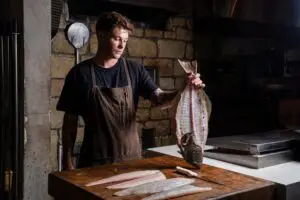
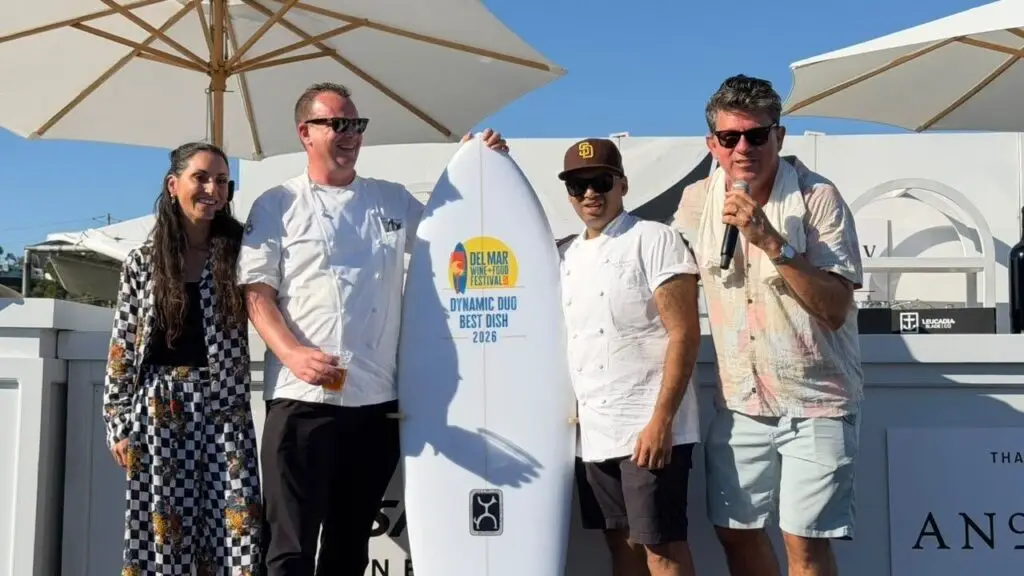
Meet the Del Mar Wine & Food Festival’s 2026 Culinary Comp...
Read article

Featured articles
Food & Drink

Food & Drink
Food & Drink
Featured articles

Features

Features
Everything SD
Featured articles
Things to Do

Things to Do

Things to Do
Featured articles

podcast-ep

podcast-ep

podcast-ep
Featured articles
Features
Features

Features
Featured articles
Food & Drink
Food & Drink
Food & Drink

Meet David Robertson, volunteer docent and educator for the Encinitas-based nonprofit
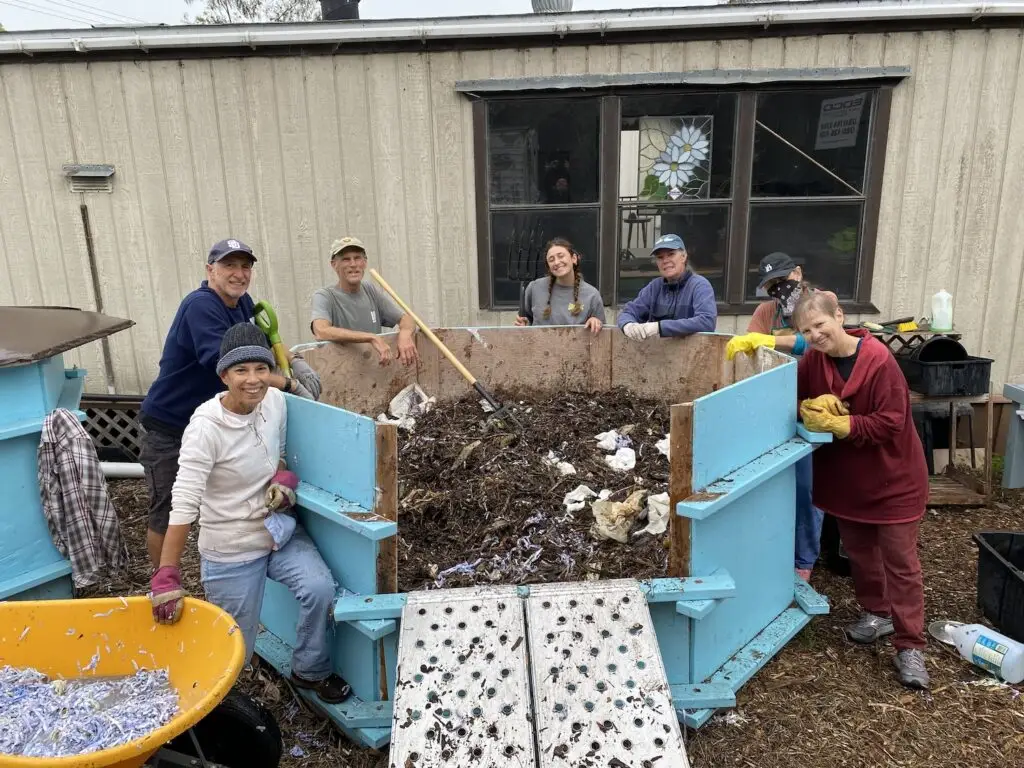
Just over 40 years ago, a grad student frustrated with the lack of local recycling options gathered a group of San Diegans to create a solution. They called themselves Solana Recyclers and launched a curbside recycling program—the first in San Diego and one of the earliest in California.
The program was eventually picked up by a trash hauling company. The group refocused its efforts on education and sustainability, and later moved to Encinitas and rebranded as the Solana Center for Environmental Innovation.
Today, the small staff is supplemented by a team of dedicated volunteers, which includes David Robertson, who signed on after retiring from the School of Global Policy & Strategy at UC San Diego. Here, he shares what he loves about the organization.
I started thinking about what I wanted to do with my time once I retired and I’ve always been focused on climate and environmental issues, having previously been a volunteer docent with Blue Sky Ecological Reserve in Poway. I knew of some alumni and former students from my work at UCSD who were involved with the Solana Center for Environmental Innovation, so I was familiar with its work, and after taking some of the workshops, decided to apply for their docent program.
The Solana Center is just an amazing powerhouse of a nonprofit. They don’t have a lot of funding and they don’t have a lot of staff, but their footprint is big and they really impact the entire county. Docents are like extra hands to help relieve the staff at the center.
I do a variety of things: I give our “Green Living” tour of our demonstration site at the Solana Center for Environmental Innovation where we focus on soil, water and waste. This is a 1.5 hour tour where I point out all of the ways someone can live more sustainably. And I’ll assist staff with workshops and educational events for residents, businesses, ranchers, and farmers on how to reduce waste and water consumption, improve the soil, and those kinds of things. I also represent the center in the community by staffing educational booths at festivals, fairs, and other events.
I think climate change and shrinking/degrading natural resources is the most important issue facing humanity now and in the coming years, so doing everything we can to live more sustainably is critical. Being able to help spread that message and get more people on board with this mission helps me feel like I’m doing something to support this cause.
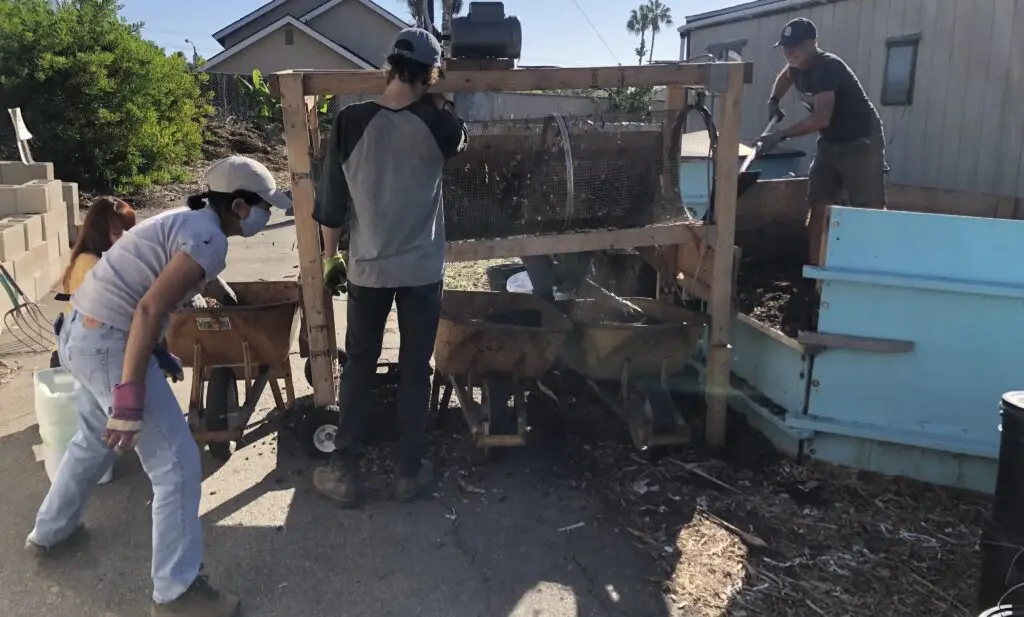
It has been challenging to communicate to the public how important it is to keep organics (our food waste) out of the landfills. With the passage of AB 1383 a few years ago and then the implementation of household food waste collection beginning in 2024, some people have pushed back on having to do this. I understand that it can be a bit confusing on what goes in the green bin and avoiding things like flies and smells, but these are manageable and hopefully with time, we’ll all get used to this new way of helping the planet. By keeping organics out of the landfill we can greatly reduce the amount of methane, a potent greenhouse gas, out of our atmosphere.
My favorite experience is when I’m at the center, interacting with other volunteers and staff, conducting a workshop, or getting our hands dirty by working on an improvement project to the site. I’m always inspired and feel some hope when talking with and working side by side with people who feel like I do about improving our community and planet.
Yes! I encourage everyone to think about how they can improve their community throughout their life. There are so many advantages to doing so besides the obvious reasons like improving our society and personal satisfaction. It is also a great way to meet like-minded people. It is also helpful as a way for someone to test out or ease into a new career. I advise people to think about something they are passionate about and then research online and via networking to determine their options. And even if it is just a few hours a week or a month, anything and everything helps.

Sarah Sapeda is San Diego Magazine’s Custom Content Editor. In her 15 years in San Diego journalism, she has covered charitable events, health care, education, crime, current events, and more.
