Implementing a farm-to-table model hardly deserves acknowledgement these days. It’s not a stretch. It’s not innovative. “It’s the bare f**king minimum,” says Herb & Sea‘s executive chef Aidan Owens.
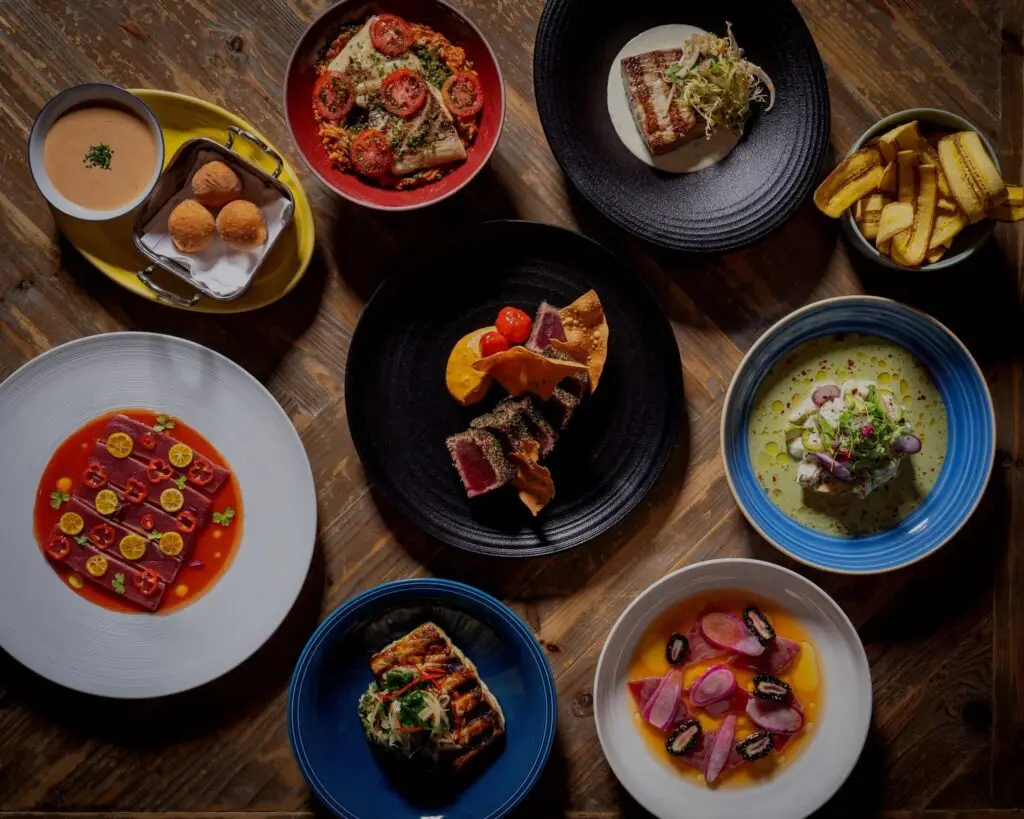
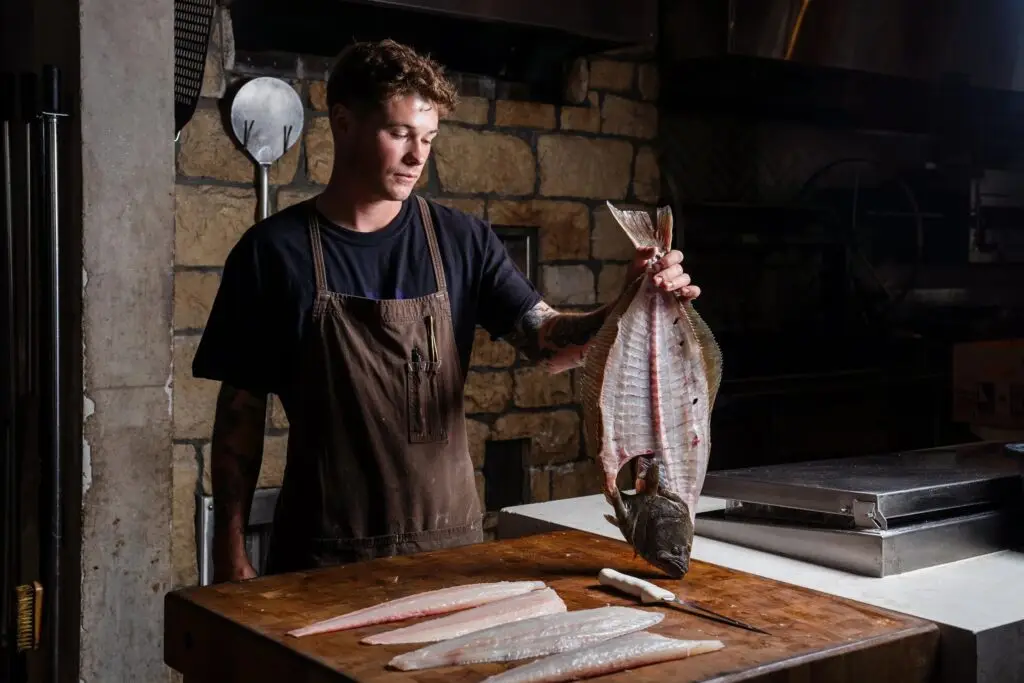
When I arrive at the Encinitas restaurant, I’m ready to talk sustainability, farm-to-table stuff, with Owens. “Did you see the chin on that?” he says of the extra big jiggly chin on the sheephead that just arrived with the day’s fresh catch. I did. It was Jay Leno adjacent.
I learn quickly that he somehow oozes both charm and stone-cold honesty. Maybe he could construct a new dish with chin goo, like he did when he had a bunch of tuna scraps and voila’d it into a smooth and crowd-pleasing ‘nduja. “I want to know what’s in there,” he says.
Courtesy of Herb & Sea
The instinct to look closer, to dig into what others might discard, says a lot about the chef’s approach. I guide him back to our topic, but he has something else on his mind. “We’re overcomplicating food—what happened to just cooking good food and having fun with it?”
Owens grew up on a farm in Byron Bay, Australia, where sustainability wasn’t a concept you chat about so much as a way of life. Think dirt roads, backyard chickens, pulling vegetables straight from the ground, and a mother who believed that if you couldn’t pronounce the ingredients on a package, you shouldn’t eat what was inside.
Food wasn’t precious or performative. Making it was what you did because you were hungry and that’s still what inspires Owens today. “I like to cook good food because I like to eat good food,” he says.
His approach to sustainability at Herb & Sea began so naturally that it felt just like instinct. “I was just like, ‘Let’s order food from the people who live and work here,’” he says.
Courtesy of Herb & Sea
And why wouldn’t he when lives in San Diego? Cities all over the world vie for our goods. Our tuna is sent overseas. Our spiny lobsters hit dinner plates in China and Japan. Not to mention California’s producing a third of the country’s vegetables and three-quarters of its fruits and nuts.
“Why would we outsource when it’s all here?” Owens asks.
Sustainability, in this context, is about cooking what exists in abundance, nearby, right now. “I love the local fish here. It’s f**king delicious and San Diego citrus, I mean, it is so f**ing good,” he says.
Instead of importing ingredients, Owens also looks for nearby alternatives. “You can find really cool things in the local waters,” he says, pointing out that stingray cheeks taste similar to scallops.
Courtesy of Herb & Sea
Whatever he finds in that sheephead chin might just be the next substitute for marrow. But to make this work, it means getting diners amped up about the slightly unfamiliar.
Tasting menus, where diners are completely in his hands, become an opportunity to gently push boundaries. “I’ll serve mackerel, because people think they hate it,” Owens says, noting that the abundant local fish can have some fishiness. “But when it’s fresh, it’s arguably one of the best fish in the ocean.”
He also tweaks the language on the menu so people might feel more compelled to give dishes a try without preconceived notions. He might use “lengua” instead of “tongue.” “Whelk” instead of “snail.” When he puts “stingray throat” on the menu, he disarmingly calls it “skate.”
To reduce waste, scraps aren’t always discarded but rather turned into something new. Sometimes they’re smoked, cured or fermented. Apples going bad turn into apple ponzu. Lemons turn to marmalade, which stretches their usefulness far beyond peak season. “And it’s super tasty on our pizza,” he says.
What makes the food even richer, is the relationships he’s built with farmers. Though it didn’t always feel natural, Owens sought personal connection first. He recalls approaching a fisherman at the Tuna Harbor Dockside Market. “I was awkward,” he says. “I went up to him and said, ‘I like your fish.’”
Owen’s is now so close to his suppliers—like fishermen Ryan Sebo and Joe Daly—that he gets texted pictures of fresh catches right as they flop on the boat. The messages always ask if he wants first dibs. “I say yes to a lot of fish,” Owens says, noting that Herb & Sea can go through 2,000 pounds of seafood a week.
Courtesy of Herb & Sea
The next evolution of sustainability, in his view, will be chefs working directly with producers such as his alliance with Sebo, cutting out middlemen and purveyors where possible. “It will put more money in the pockets of the people doing the work,” he says.
It will mean that chefs can’t just know their local farmers and producers, but they’ll choose to work with the ones who have the best practices. Dining and sustainability will become much less about the final plate. “It will be more about the impact that plate has on the Earth,” he says.
Ultimately, he believes sustainability doesn’t need to be loud. It doesn’t need hashtags. It just needs to be honest.
“We aren’t saving lives. We’re feeding people good food,” he says.
And yet, in feeding people well—simply, thoughtfully, responsibly—something meaningful happens. Guests leave satisfied. Ingredients are respected. Local ecosystems are supported and food returns to what it has always been at its core: nourishment, pleasure, and a quiet reflection of the place it comes from.
Today’s seniors are more connected than ever, with a renewed focus on retirement as a time of discovery and enriching experiences. The ultimate reward for a retirement well-earned is the wisdom to appreciate it all, and what better place to enjoy that unique perspective than Vi at La Jolla Village, in the heart of San Diego.
All-access pass to good living.
As a Continuing Care Retirement Community (CCRC), Vi provides access to a connected and fulfilling community while making it easy to plan for future care, should the need ever arise. With a care plan in place, residents enjoy greater financial predictability and long-term value, freeing them to focus on making the most out of retirement.
Resort-style amenities at the epicenter of a cultural hub like San Diego offer a retirement experience unlike any other. Paired with exceptional dining, spacious accommodations and dedicated staff, the best of maintenance-free living is all around. And with the introduction of Vista 360 Well-Being, Vi’s panoramic approach to wellness, there are more ways than ever for residents to access it all.
The harmony of mind, body and community.
Courtesy of Vi at La Jolla Village
The key to longevity is striking the right balance in maintaining an active lifestyle with an active mind in a fulfilling community. With newly renovated community spaces and restaurants, Vista brings a variety of opportunities for residents to elevate their well-being through Vi-exclusive “Signature Experiences.”
Vista Enrich takes an evidence-based approach to brain vitality, keeping residents at the forefront of cognitive health through exergaming (exercising + gaming), nutritional plans and informative workshops. It is also home to The Brain Vitality Studio, an innovative facility dedicated to cognitive fitness that has garnered national recognition.
Vista Discover invites residents into stimulating educational experiences, from chef-led cooking demos and guided wine tastings to lectures at local universities and intimate lectures following cultural outings.
While Vista Enrich focuses on brain health and Vista Discover engages residents intellectually, Vista Explore cultivates a sense of adventure through curated travel and local excursions. But broadening one’s horizons doesn’t always require a plane ticket. One recent event brought a taste of the world right to the community: an onsite “jazz cruise” featuring live music and global cuisine served at a series of themed “ports” all within the community’s own ballroom.
“Location, location, location”
Courtesy of Vi at La Jolla Village
One of the biggest perks of life at Vi at La Jolla Village is its proximity to just about everything. With easy access to transportation and local attractions just steps away, residents can explore and engage with their community at their own pace.
“There are trolley and bus stops within a 5-minute walk that will get you to the beach, UCSD Campus, medical appointments, downtown La Jolla or San Diego, et cetera. We rarely use our car,” said resident Tom Yager.
With the best of San Diego just steps away, residents don’t just live in the city, they live within reach of everything that makes it special.
The best of all worlds.
Courtesy of Vi at La Jolla Village
At Vi at La Jolla Village, retirement isn’t a chapter to slow down; it’s an invitation to discover more. Tailored community experiences created by Vista, paired with the vibrant pulse of San Diego just outside the door, mean that residents don’t have to choose between security and adventure, connection and independence. They get all of it.
This is what an all-access pass to good living looks like: the comforts of an elevated lifestyle, a community built for growth and a city made for discovery – all in one place.
To learn more about Vi at La Jolla Village or for details on available floor plans, visit ViatLaJollaVillage.com/SDM.
As we’re getting closer to closing out 2026, it’s an ideal time to turn the focus back to health and wellness and really think about what you need to feel your best. You can’t give your best self to other people unless you’re taking care of yourself.
But what health and wellness means is totally up to you. Sometimes, self-care looks like addressing stress, anxiety, or burnout. Or, it can mean taking the time to realign your body spirit. And some other times still, it involves trading your 9 to 5 responsibilities for a sweat session on the court. Only you can decide what you truly need. We’re just here to help you find the best ways to get it.
Healcove Chiropractic
Maybe you’ve been feeling a bit tense or stressed out—totally understandable in today’s hustle and bustle world. Or it could be that you’re not quite moving the way you want to. Sometimes, it’s just that the accumulation of days, weeks, or even years of daily strain is starting to take a toll. If your body’s out of sync, everything else tends to be, too. Low-grade chronic pain and reduced mobility can take a lot out of a person.
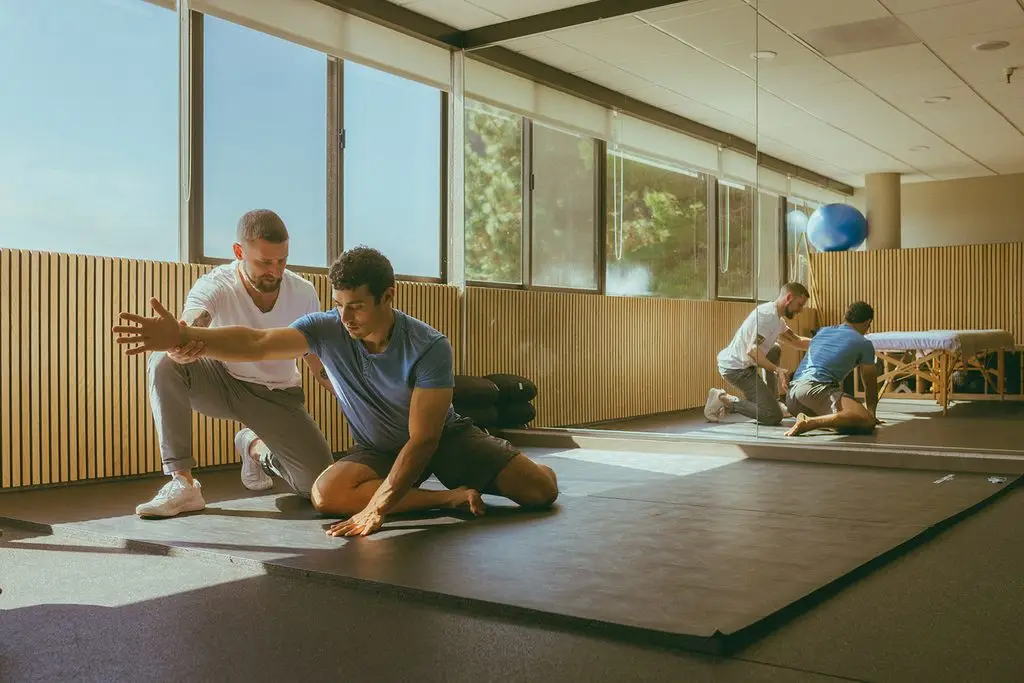
The board-certified chiropractors and wellness professionals at Healcove Chiropractic are experts at addressing that stage where you’re not injured, exactly, but you’re not at 100%, either. Named San Diego Magazine’s “Best Chiropractor in San Diego” in 2025 and 2026, Healcover Chiropractic aims to provide integrated, preventative care centered on long-term, science-backed approaches that ensure each patient can stay as active as possible and live life with less pain. The secret is individualized care. Every patient can expect a thorough 60-minute consultation session that includes a posture and movement screening, which allows the team to develop a personalized plan.
Courtesy of Healcove Chiropractic
Depending on the results, that may include any combination of chiropractic care, acupuncture, massage therapy, physical therapy, or functional fitness training. Whatever the team recommends, you can be sure that it’s tailored to meeting your body’s needs today and the future.
Healcove also uses unconventional therapies to treat common conditions, like Dynamic Neuromuscular Stabilization, a clinical rehabilitation method that retrains the body’s stabilization systems and helps active adults and former athletes improve core strength, mobility, and movement efficiency. Then there’s vibration and sound therapy. Healcove’s Vibe Table uses precise sound frequencies and gentle vibration to relax and recalibrate the body.
Everwell Acupuncture
Research shows that by stimulating specific points on the body with tiny, painless needles, a natural healing response is activated, helping to restore balance, regulate the nervous system, and improve overall wellbeing.
The practice of acupuncture has been used for centuries to address an expansive range of conditions, from chronic pain, autoimmune disorders, and digestive issues to stress and burnout, migraines, fertility and postpartum struggles, hormonal imbalances, sleep concerns, and more. Everwell, a holistic acupuncture practice based in Solana Beach, works to heal body, mind, and spirit with a blend of modern, evidence-based acupuncture, classical Chinese medicine, and personalized care. Its highly trained, doctorate-level practitioners don’t subscribe to a one-size-fits-all approach. Instead, they aim to transform what care can look like. No more feeling rushed, misunderstood, or like the answers you were seeking are still out of reach.
Patients at Everwell are invited to slow down, reconnect with themselves, and experience care rooted in intentional listening and radical empathy that leaves patients feeling seen, heard, and genuinely cared for. Providers at Everwell focus on uncovering the underlying imbalances that drive physical symptoms. For example, its General Vitality regimen—a combination of acupuncture, herbal medicine, and lifestyle guidance—is designed for women on the go.
Courtesy of Everwell
This offering can support low energy and burnout, brain fog and poor focus, disrupted sleep, stress resilience and nervous system regulation, and whole-body balance and stamina. If you’ve never tried acupuncture before or aren’t sure if the team will be a fit, Everwell’s complimentary 20-minute consultation is highly recommended. What follows is a two-hour initial in-take appointment to determine the best course of action. Every question and concern will be addressed by a dedicated practitioner who wants to find the specific solutions that work best for you.
Everwell isn’t just another healthcare provider; it’s a dedicated partner who will be there for each patient’s health journey.
USA Pickleball Association
Pickleball is one of the hottest hobbies in the health and wellness space right now. Its popularity has soared over the past few years, so much so that it’s become the fastest-growing sport in the country, with an estimated 24 million people (or more!) regularly picking up the pickleball paddle.
Courtesy of USA Pickleball National Championships
Pickleball has captivated players of all ages and fitness levels, and it’s easy to see why. It’s fairly easy to learn, it’s fun, and because the court is smaller than a traditional tennis court, it requires far less running, though it’s still a high-energy sport. It’s also a great form of stress relief that encourages social connection. Though pickleball is generally thought of as a newer sport, it’s likely a lot older than people may think. The novel racket sport’s history dates back to the mid-60s, when it was created as a combination of badminton and ping pong, and it started gaining traction among hobbyists in the decades that followed. The USA Pickleball Association (USAPA) formed as the national governing body for the sport more than 40 years ago. The nonprofit organization has grown over the years, and today, USA Pickleball plays a vital role in promoting its growth, maintaining official rules, supporting local tournaments, and fostering inclusive, vibrant pickleball communities.
Beyond its tournament sanctioning and officiating certification programs, the organization works to raise the sport’s national profile through flagship events. Most notably, USAPA will host the country’s top amateur and professional players at the 2026 Oceanview USA Pickleball National Championships from October 31 through November 8 at the Barnes Tennis Center here in San Diego.
This premier tournament highlights the evolution of pickleball into a major competitive sport while bringing thousands of athletes and enthusiasts together.
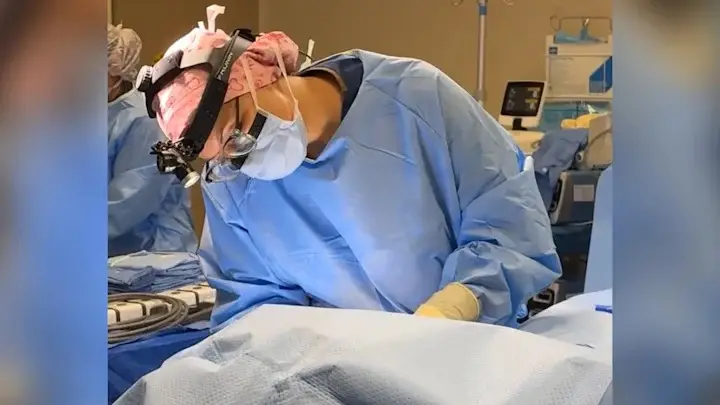
In May 2026, Dr. Noran Barry performed Southern California’s first robotic-assisted nipple-sparing mastectomy since the procedure received FDA approval. The milestone brought a new option for patients facing breast cancer surgery. It also reflects the specialized care available through Sharp Rees-Stealy Medical Group, where Dr. Barry works alongside other doctors and specialists as part of a coordinated care team.
Dr. Barry is a fellowship-trained breast cancer surgeon with Sharp Rees-Stealy and Sharp HealthCare’s medical director of breast health. She is affiliated with Sharp Mary Birch Hospital for Women & Newborns and Sharp Memorial Hospital. Sharp Mary Birch was the first hospital in Southern California and one of just 15 in the United States to offer the procedure.
For a patient considering a mastectomy, treating cancer is the first concern. Questions about appearance, sensation and recovery matter, too. Robotic-assisted nipple-sparing mastectomy gives Dr. Barry another way to address those concerns while working with patients and their care teams on the treatment ahead.
What makes the procedure different
A nipple-sparing mastectomy removes breast tissue while preserving the nipple and surrounding tissue for reconstruction. Dr. Barry uses a single-port robotic system, guiding surgical instruments and a high-definition camera through one small incision. She can often place that incision in a less visible area, such as near the underarm.
That placement can leave a smaller, more hidden scar than a traditional mastectomy. Preserving tissue for reconstruction may also help create a more natural-looking breast. In some cases, the surgery may preserve nerves in the remaining tissue and help maintain breast sensation.
Compared with traditional methods, the robotic-assisted approach may offer less blood loss during surgery, less pain during recovery and a faster recovery. Early results also suggest a lower likelihood of nipple necrosis, a complication in which loss of blood flow damages the nipple and areola.
For Dr. Barry, the ability to place the incision strategically is especially meaningful. It allows her to treat the cancer while considering the scar a patient will see after surgery. Along with reconstruction, that detail can make a difference to someone adjusting to changes in their body.
Care that continues beyond surgery
Breast cancer care extends beyond one surgical technique. At Sharp Rees-Stealy, doctors and specialists work together to support patients through decisions about their care. The medical group’s breast cancer navigation program also supports patients as they move through diagnosis, treatment and the steps that follow.
That team approach is evident in Dr. Barry’s work. After she performs the breast surgery, plastic surgeons complete the reconstruction. Together, their work addresses the cancer treatment and the patient’s appearance after surgery. Dr. Barry understands how difficult breast cancer diagnosis and treatment can be, and how meaningful it is to offer an option that may help patients feel more like themselves.
For patients, the care surrounding the operation matters alongside the technology. They may want to understand how the surgery works, what reconstruction involves and what to expect during recovery. They can bring those questions to a team that works together, with navigation support through the course of their care.
Dr. Barry’s milestone expands the surgical options available to her patients. Her work within Sharp Rees-Stealy’s coordinated care brings the story back to what patients need: skilled specialists, clear conversations about their choices and support that extends beyond one procedure.
Sharp Community Medical Group connects patients with high-quality, coordinated health care close to home while supporting the communities its physicians serve.
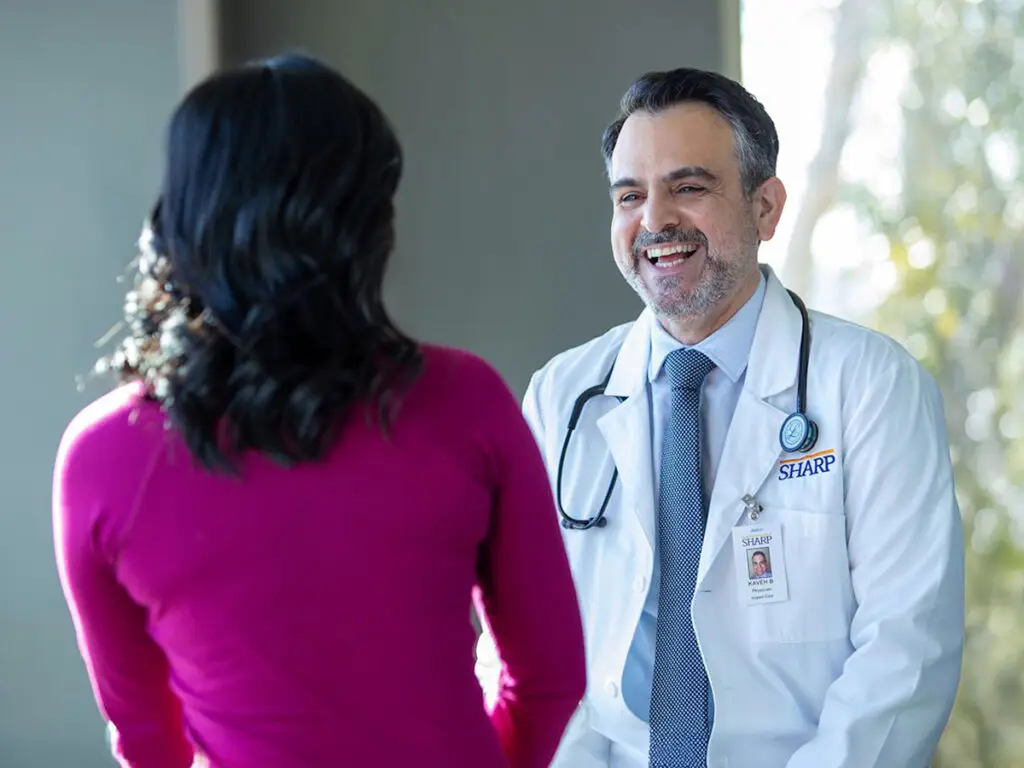
Courtesy of Sharp Community Medical Group | Dr. Kaveh Bahmanpour, a family medicine physician and patient
When it comes to health care, convenience matters. Whether you need a routine checkup, a specialist appointment, diagnostic imaging, or hospital care, receiving services close to home can make a meaningful difference for you and your family. That is the philosophy behind Sharp Community Medical Group (SCMG), one of Southern California’s largest physician networks, built around a simple idea: exceptional health care should be available in the communities where people live, work, and raise their families.
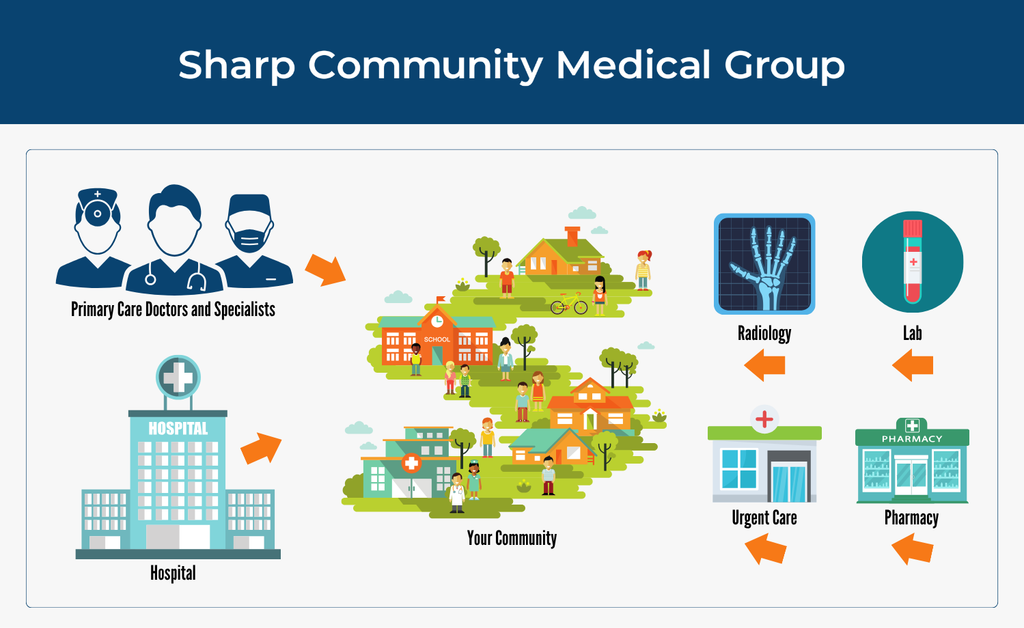
SCMG’s local care delivery model begins with choosing a primary care physician in your neighborhood. When specialty care is needed, your doctor can refer you to local specialists who are part of the SCMG network. Those specialists can admit patients to nearby Sharp HealthCare or Palomar UC San Diego Health hospitals, helping ensure care remains coordinated and close to home.
Courtesy of Sharp Community Medical Group | Sharp Community Medical Group’s local care delivery model
The benefits extend far beyond physician visits. SCMG patients have access to community-based laboratories, MRI and radiology centers, urgent care locations, pharmacies, and other ancillary services throughout the region. Instead of traveling across the county for care, patients can often receive the services they need in the communities they know and trust. As a result, care becomes more convenient, more connected, and easier to navigate.
For many SCMG physicians, the word “Community” in the organization’s name is more than branding. It reflects a commitment to giving back to the people and neighborhoods they serve.
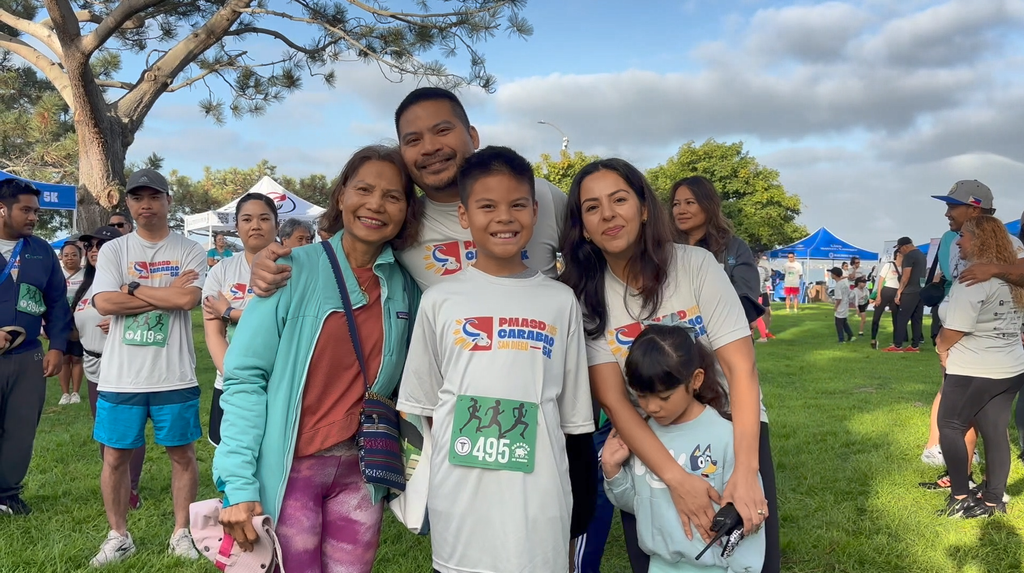
That commitment is evident in the work of Dr. Joseph Novencido, an SCMG-affiliated physician and President of the Filipino Medical Association of San Diego, who organized the inaugural 2025 Carabao 5K. The event was created to encourage healthy lifestyles and physical activity among Filipino Americans, a population that experiences cardiovascular disease at significantly higher rates than the general U.S. population.
“Community is extremely important to me,” said Dr. Novencido. “I grew up in a very diverse community, and working in this area, in the community I grew up in is so fulfilling. It is so nice to be in a position where I can make a difference in the lives of the people here.”
Courtesy of Sharp Community Medical Group | Dr. Joseph Novincido, a family medicine physician and his family
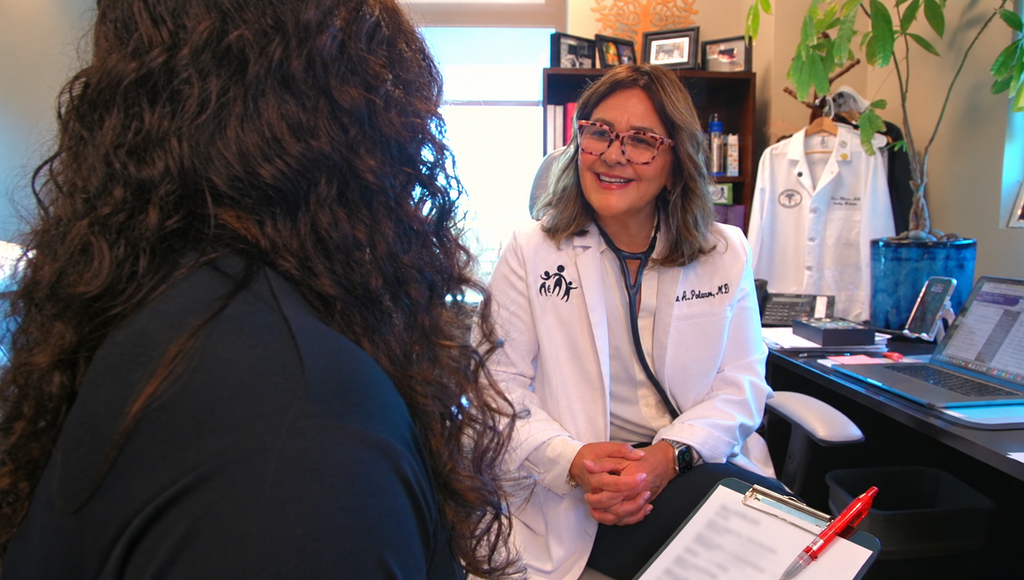
SCMG physician Dr. Leticia Polanco shares a similar passion for serving her community in Chula Vista.
“The reason I decided to go into medicine is because I felt there was an overwhelming need for people like me to take care of the community that I live in,” she said. “In our practice, we work as a team, we collaborate with our staff, and we really want to give that warm feeling to people who come here for care.”
Courtesy of Sharp Community Medical Group | Dr. Leticia Polanco, a family medicine physician and a staff member
Stories like these highlight what distinguishes SCMG: a network of physicians who are deeply invested in the health and well-being of the communities they serve, while providing patients with access to a coordinated local system of care. From preventive care and specialty services to imaging, urgent care, and hospital treatment, SCMG helps patients receive the right care, in the right place, close to home.
About Sharp Community Medical Group
Sharp Community Medical Group (SCMG) is one of Southern California’s largest physician networks, with more than 1,200 affiliated primary care and specialty physicians practicing throughout San Diego County. SCMG physicians can admit patients to local Sharp HealthCare and Palomar UC San Diego Health hospitals, providing convenient access to coordinated care throughout the community. For more information, visit scmg.org.
It’s fall again. You’ve done the cider tasting. You’ve done the three-legged race at the rec center down the street. You’ve done the craft fairs and candle-making class but have you pedaled down a railroad track built in the 1880s in a two-person, auto-assisted Railbike with the wind blowing through your hair as you take in the sights—citrus groves dotted with bright yellow lemons, sun-drenched mountains—and stopped at a pumpkin patch (with a petting zoo!) along the way?
Enter Sunburst Railbikes in Santa Paula, the bucket-list experience your bucket didn’t even know it was missing. Until now. “It’s the perfect escape from the city, from the hustle and bustle,” said Nicholas Martinez, who, as a manager and frequent guide for the Railbikes, has taken more than 500 rides and wants to do at least 500 more. “It’s exhilarating.”
It goes like this: You meet at the quaint historic Santa Paula Depot and hop on a bike, one specially created to perch snugly on the tracks. Because of the electric assist, you get to be as lazy or overachieving as you’d like. Kids three years old and up can do it, too. The whole journey is 10 miles and takes two hours, during which you take in fresh air and listen peacefully to the hypnotic clickety-clack while snaking in and out of lush groves. In April and August, you’ll see the avocado harvest. During fall, it’s all about the lemons. “It’s just a thrill to be gliding along,” says Martinez, explaining the uniqueness of the experience. “It’s like nothing else.”
The activity is a fit for all ages, with children under three riding in a front-facing chest carrier. Adults love the feeling of freedom. Kids love railroad crossings. They often wave at the stopped car traffic as they cruise by. “It’s such a hoot!” says Martinez.
Courtesy of Sunburst Railbikes
Toward the end of the journey, there’s a stop at Prancer’s Farm, a local business which is pretty much the holy grail of October activities. You can buy local produce like avocados, strawberries and honey, but also zipline, pet animals, pick a pumpkin or fresh produce, and go on hayrides or horse rides, get lost in a corn maze, pose in a marigold field or a sunflower field, ride a barrel train or…or…or maybe all of the above.
You’ll also experience a bit of history along the way. The tracks, laid down in 1887, used to shuttle passengers between Los Angeles and San Francisco. You can envision it as you go—travelers embarking on big trips before air travel. Later, in the 1940s and ’50s, freight trains used the tracks to haul fresh citrus.
It’s still a working railroad today, but it’s also a bit of a celebrity. The very tracks used by the Railbikes have been in more than 500 television and movie productions, everything from a Dr. Pepper commercial to the feature film Seabiscuit. So yeah, riding those tracks is Hollywood adjacent, kind of like meeting a well-known prop like the sofa from Central Perk.
While driving up from San Diego and back in one day is possible, you can easily turn the occasion into a fun weekend getaway. The cute-as-heck town of Ojai is a short car ride away. Think idyllic meanderings through nature, picturesque historic downtown and top-notch food choices. Ventura, equally close, is a chock-full of craft breweries and beach walks. Book a night somewhere and indulge.
Fall has plenty of traditions. So yes, you could spend another autumn afternoon at another craft fair. You could make some soup or play pin the stem on the pumpkin, but you also might want to climb aboard a Sunburst Railbike, pedal down a 139-year-old railroad track, wave at confused motorists and make an entirely unique core memory for you and your people.
Come experience the Sunburst Railbikes for yourself during their year-round trips through the citrus groves – sunset, extended, and other themed rides available seasonally.
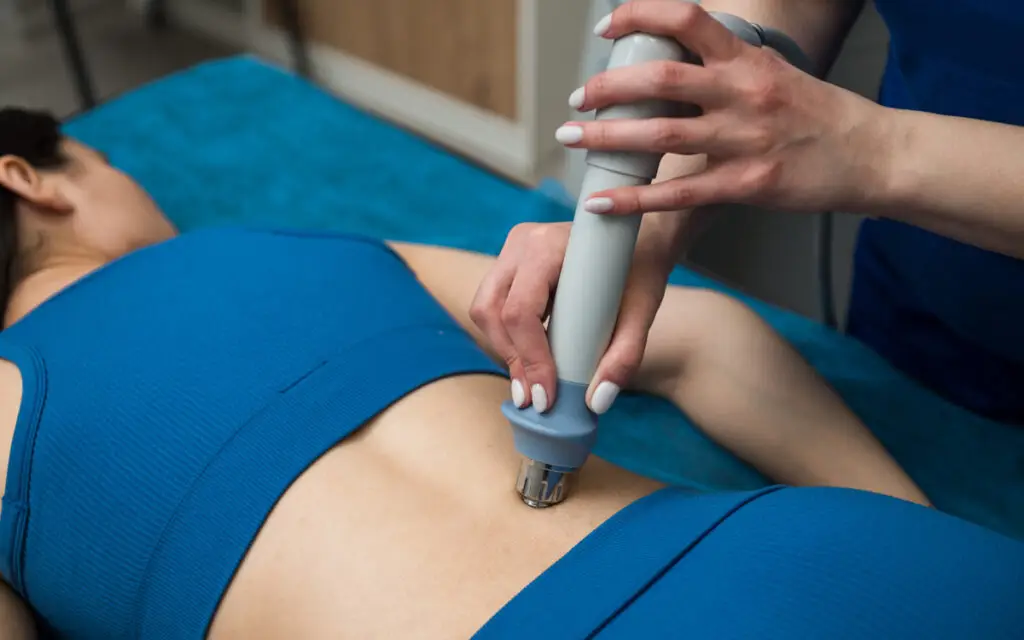
Though shock waves may sound like something more likely to cause pain than relieve it, physicians have been using the technology to treat musculoskeletal conditions for decades. Shockwave therapy is a non-invasive treatment used in sports medicine for a variety of tendon, muscle and ligament injuries. By delivering acoustic energy via targeted sound waves, it activates the body’s natural healing processes. Scripps officially launched its shockwave therapy program earlier this year, making it one of the first major healthcare organizations in the region to offer the innovative service. Click here to read more about shockwave therapy and the doctor who advocated to bring the treatment to Scripps.
For more nutrition, wellness, and healthy living tips, sign up for the San Diego Health newsletter here.