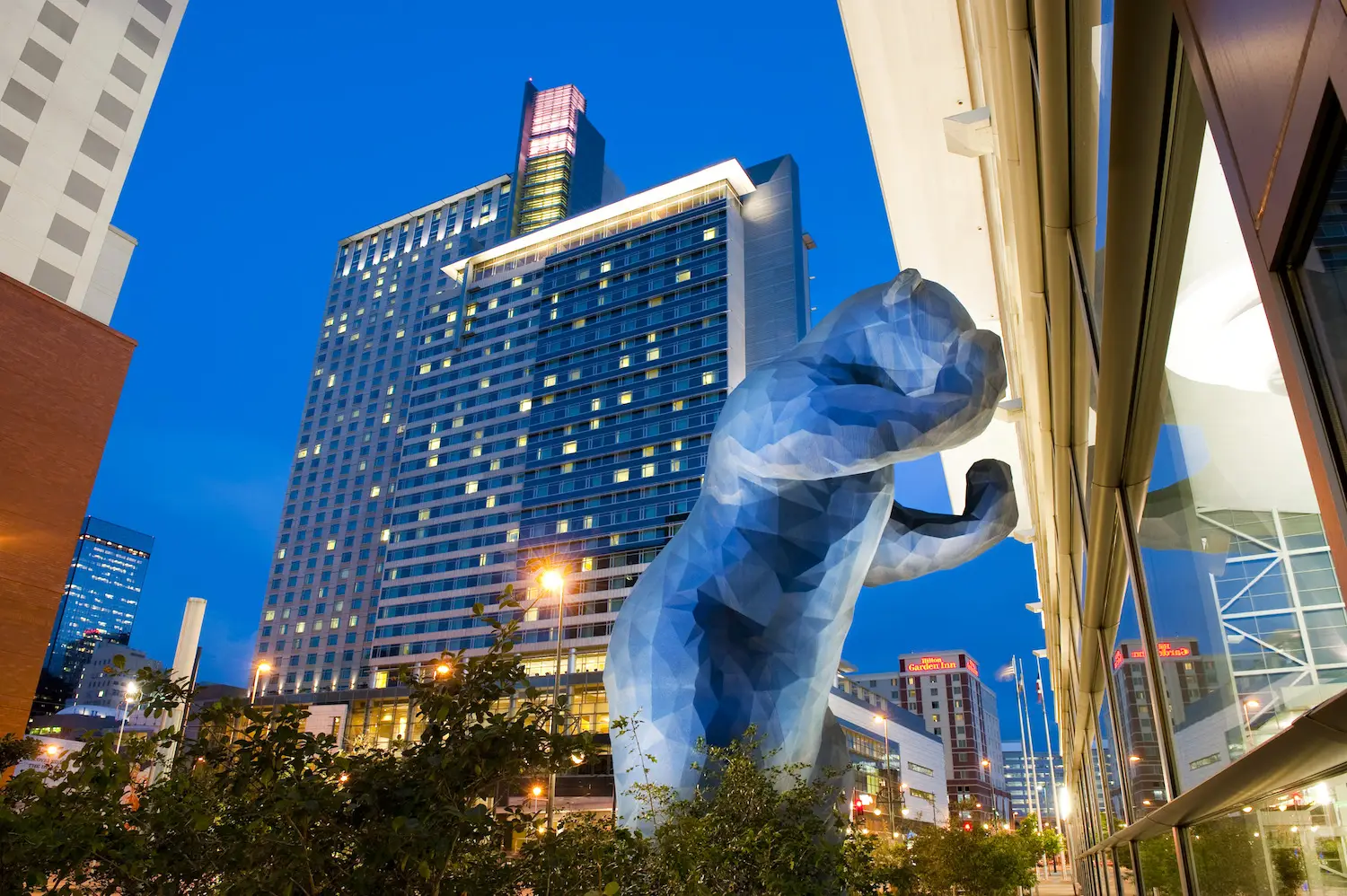
How many American cities do you know that radiate an energy and cast a spell? A handful probably come to mind: New Orleans, New York, San Francisco.
But Tennessee Williams said beyond those few, every place else is just Cleveland, which is a category you may assume Denver, Colorado fits snugly into. However, Denver, I’ve found, if done right, packs a particular type of flavor that might make it more memorable than expected—you just need to put your walking boots on. Cleveland (much love) be damned.
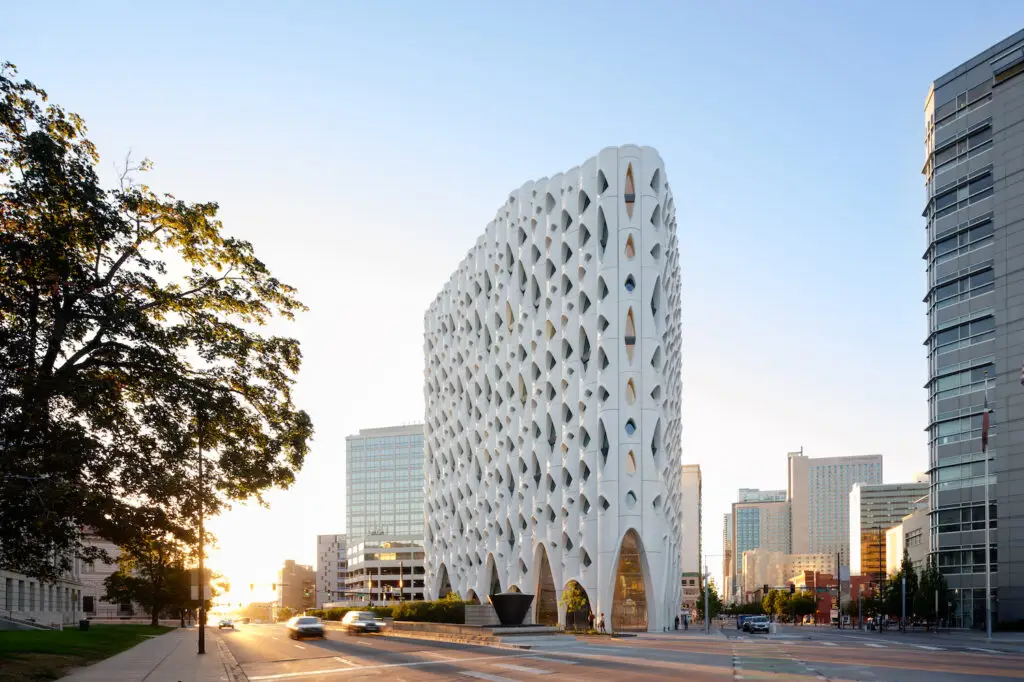
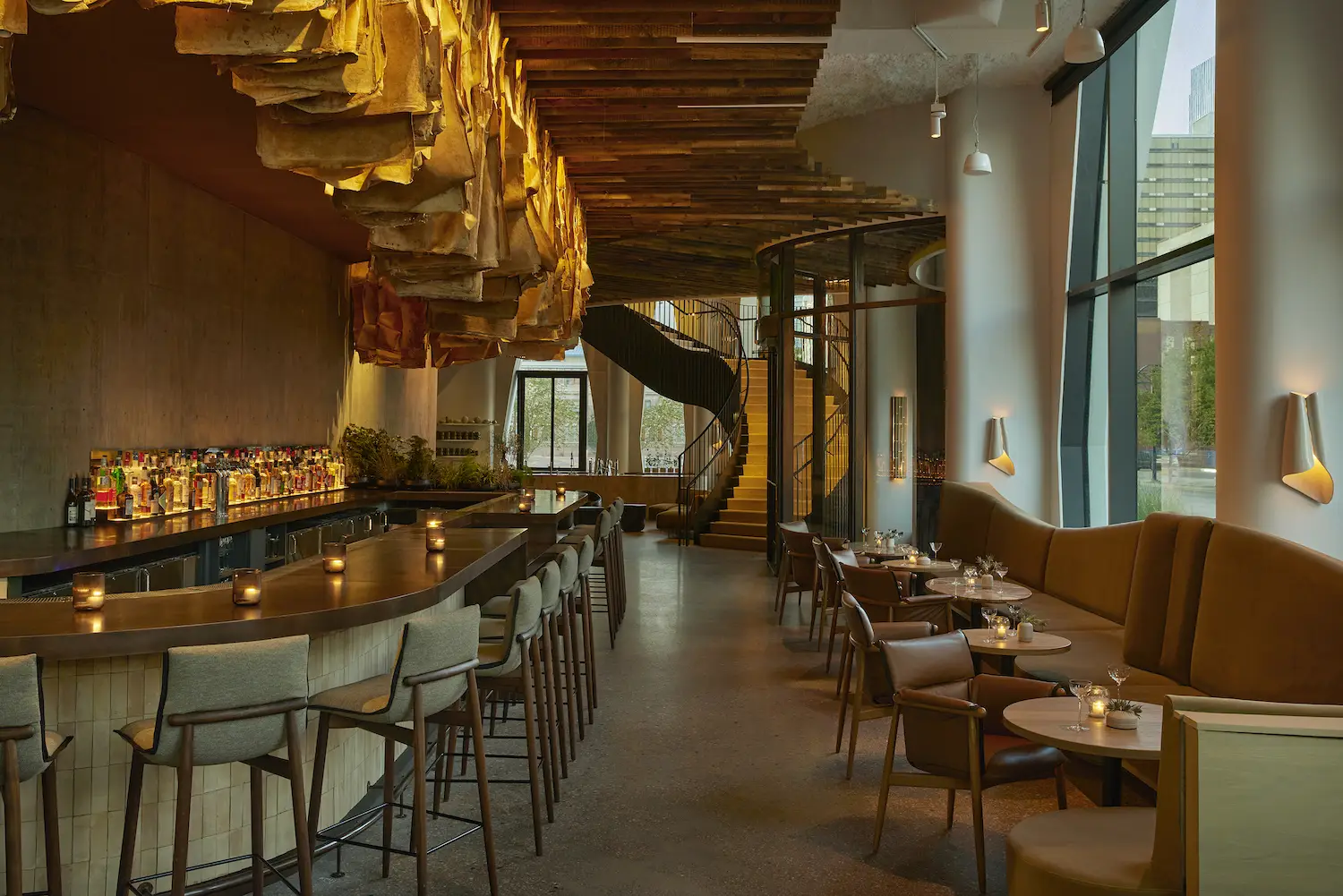
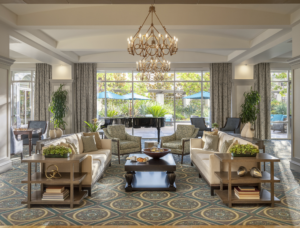
The Populus Hotel, Denver’s newest architectural icon, is a solid jumping-off point for visitors. Modeled after Colorado’s iconic aspen trees, Populus is fetching outside and in with nature-inspired design woven throughout. With reclaimed beetle-kill wood in the main areas and mushroom-based fabrics hanging from lobby restaurant ceilings, it’s a forest-lover’s downtown dream, built with an eye toward ecological harmony. The hotel composts all food waste with an onsite biodigester, utilizes no single-use plastics, and claims to plant a tree for every night a guest stays. The room fobs are crafted from wood and given to guests in a square sleeve of handmade paper strewn with wildflower seeds for planting.
Photo Credit: Jason O’Rear
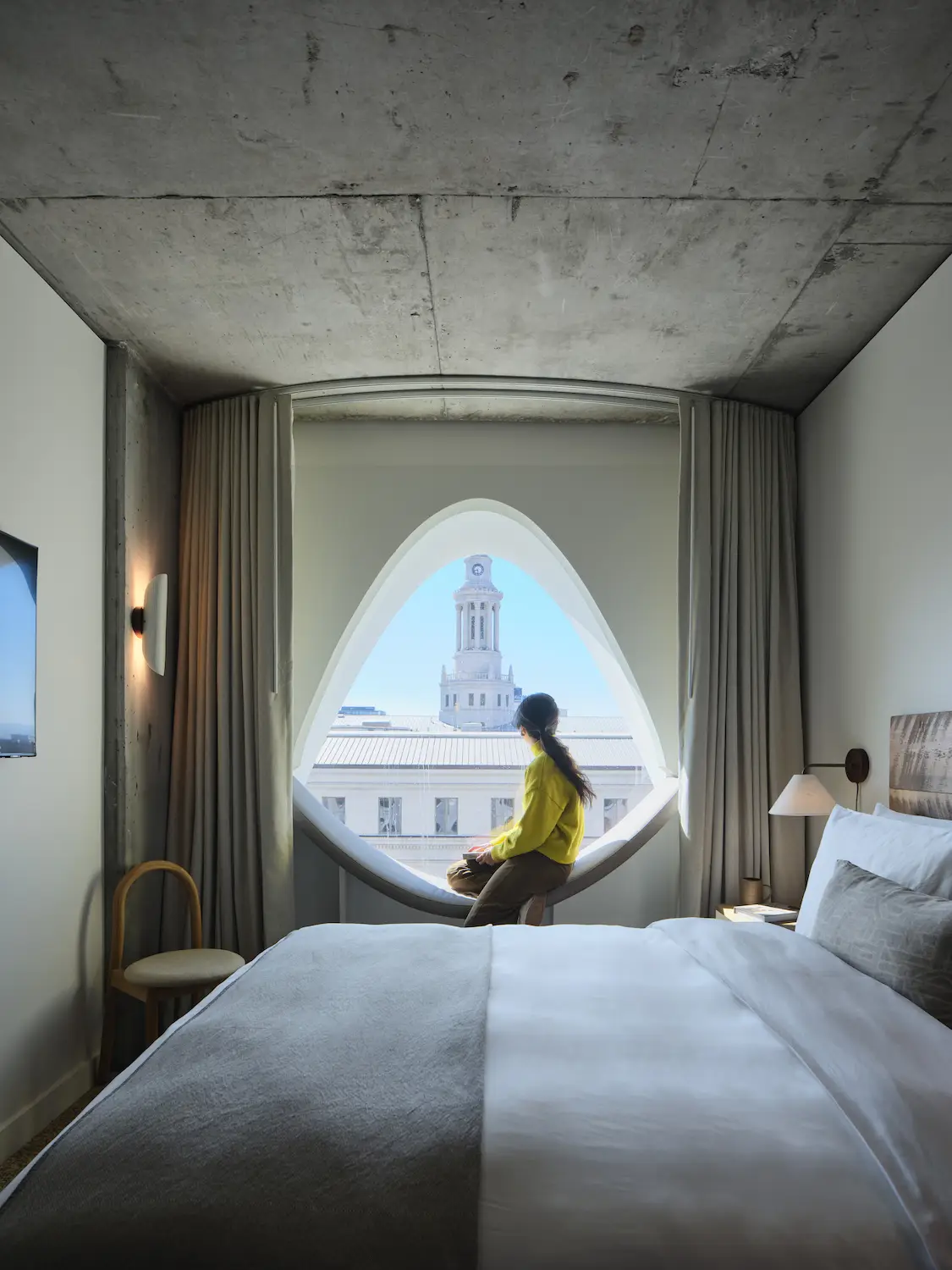
The king rooms are cozy but still new-feeling, clean, and—most importantly—comfortable. Almond-shaped windows frame curved, hammock-like padded benches (presumably for lounging, but lord only knows what the neighboring office buildings see). Outside, it’s all city views, with the Rocky Mountains in the distance. From up here, Denver vibrates.
Photo Credit: Yoshihiro Makino
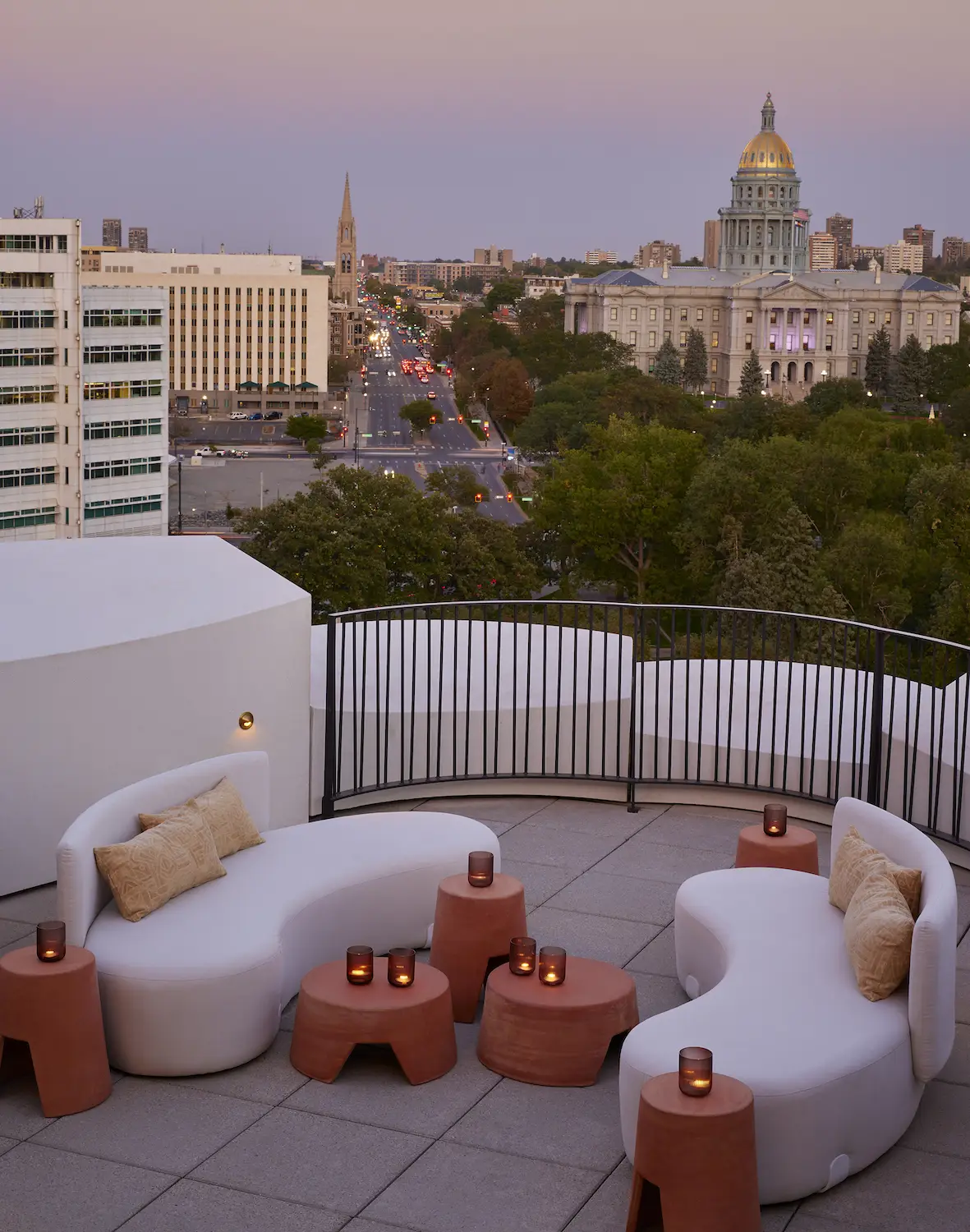
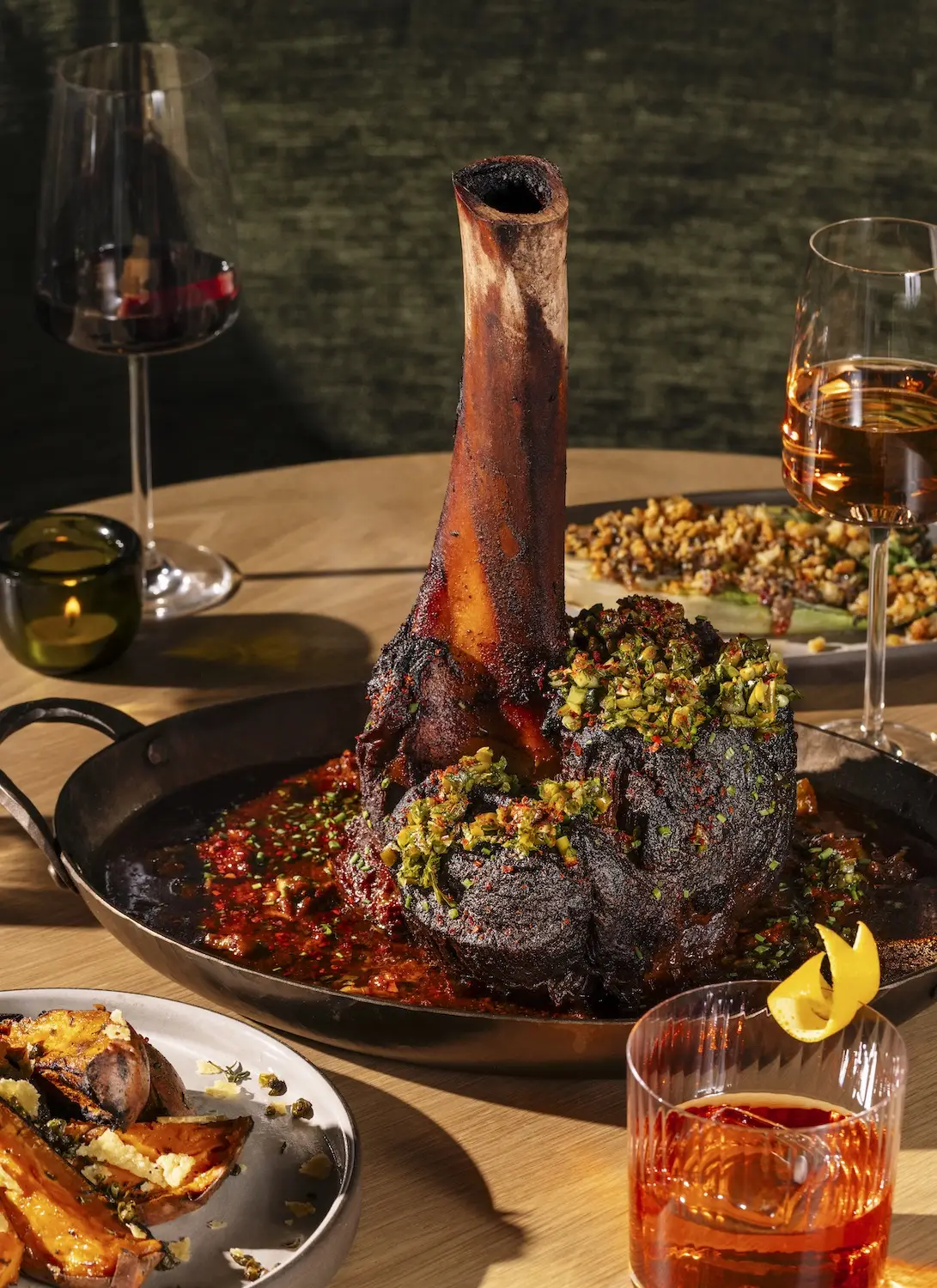
The rooftop restaurant, Stellar Jay, is worth visiting whether you call a coast home or live nearby. Here, the specialty is open-flame cooking—meat mostly, but some veggie sides can be arranged. The fires in the open kitchen grow large, hypnotizing visitors with flares as tall as barstools. An aroma of campfire grill fills the air (and, disconcertingly, the upper floors of the hotel below). The restaurant sources local ingredients from regenerative farms, and the food arrives with a relaxed elegance that matches the space—farm-to-table, but without rubbing your face in it.
Photo Credit: Alanna Hale
The local trout with pickled fingerling potatoes and fennel gremolata ($31) felt presidential. My wife and I don’t really eat pork, but when the chef sent out a bone-in pork chop ($41) with puréed parsnip, star anise, and radicchio agrodolce (an Italian sweet-and-sour sauce), we were surprised to find ourselves finishing the plate. The spicy carrots with cannellini beans ($16) and harissa and the sugar snap peas with tahini ($16) were worthy of a return trip.
The vibe up here: unexpectedly fabulous. One would not be far off to assume that— not unlike San Diego—Denver’s upscale restaurants see plenty of baseball hats, golf shirts, shorts, and yoga pants, alongside the occasional parking cone–orange Broncos jersey. But we saw more designer dresses than athleisure, which for Denver (or SD, for that matter) is saying something. A refined mood with a view where the food shines like the sun glinting off a ski run is nothing to take for granted.
Photo Credit: Yoshihiro Makino
Outside, Denver, with its oft-cited 300 days of sunshine a year, is walkable year-round. In spring through fall, the heart of Denver is best explored on foot (possibly with a coat and scarf for comfort). Walking a city is all about improvisation. Go where the green lights guide you; let the winds blow you where they may. As long as the coffee is hot and the beer is cold, you’re good. Denver, it turns out, is all about improvisation.
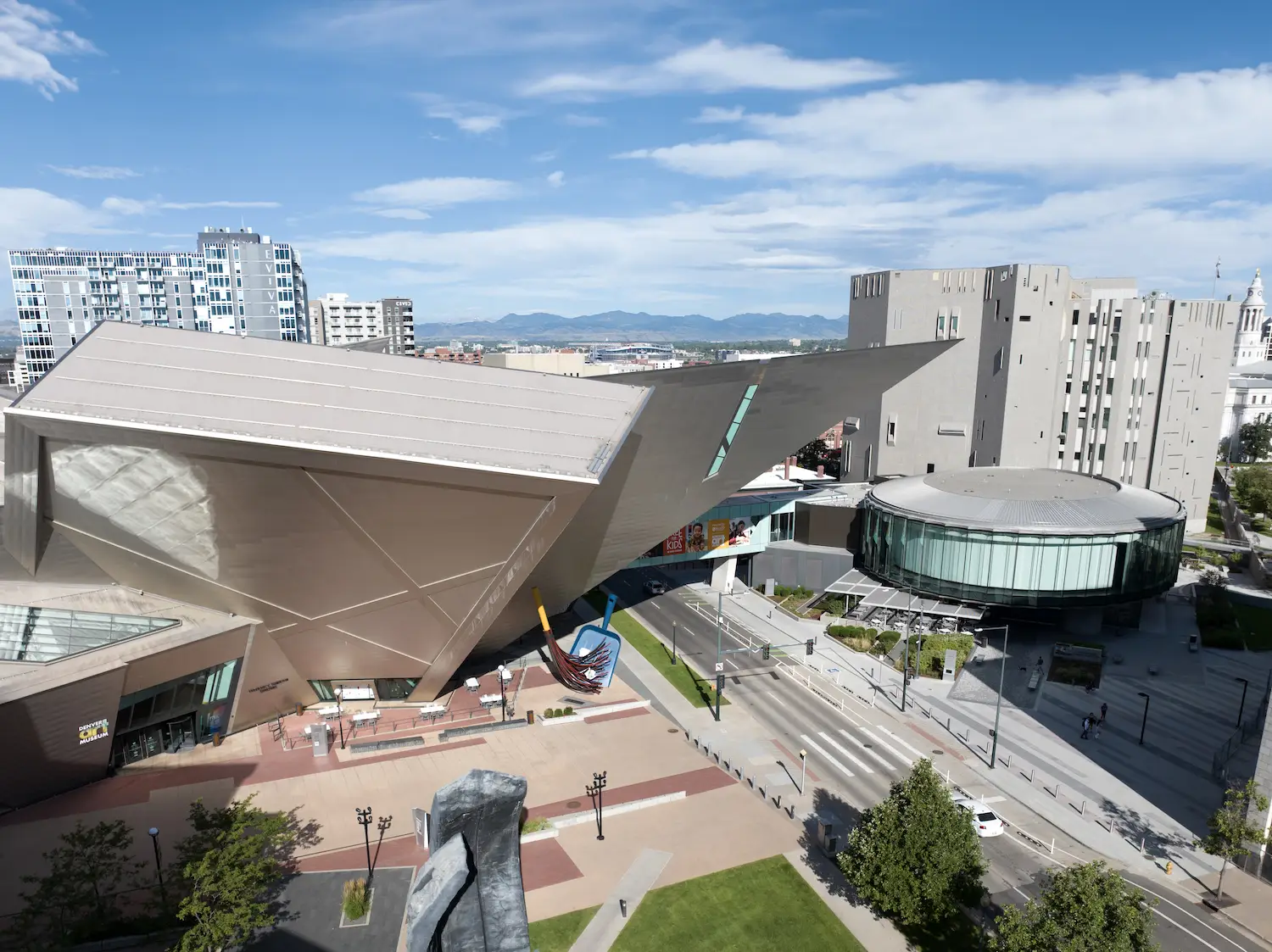
I like to start in Capitol Hill, full of countless classic bars, restaurants, and music venues, as well as Denver’s best museums. For this, Populus’ location is solid—you can cross a few streets and be in the artistic embraces of the architecturally wild and tremendously underrated Denver Art Museum or the Clyfford Still Museum (less cool architecturally but unbelievably cool inside), where American abstract expressionists’ paintings get the star treatment they deserve. If you’ve ever found yourself punched in the heart by a Rothko, then the Still may prove your mile-high cathedral. Even the nearby central library is fun to explore.
The Colorado State Capitol building is here (obviously), as well as one of the best food and drink spots in all of Denver: City o’ City, a coffee and booze diner where the area’s hipsters have long gone to work, eat, hang out, and drink carefully crafted stimulants and depressants. If you happen to be gluten-free or prefer a veg-forward meal, this is your Denver office.
Courtesy Visit Denver
From here, head down 16th Street, the walking-mall heart of downtown with an abundance of tourist shops, bars, and dispensaries. The restaurants on this strip are hit or miss, and so are the crowds, but you can still find solid vibes at the Appaloosa Grill, which spotlights live music every night of the week. Don’t miss The Yard milkshake bar for treats, and grab a Mission-style burrito (and queso) at Illegal Pete’s, a Colorado institution.
A free mall-ride shuttle runs the length of 16th Street, so if you want to give your feet a rest, this is the move. Either way, at the east end, you hit Lower Downtown (LoDo), where tons of restaurants are doing cool things and the shops get a touch less touristy and a bit more refined.
Photo Credit: Jimena Peck
From here, you can head over a walking bridge across the South Platt River to Lower Highlands (LoHi), a residential neighborhood spoiled with great places to eat. El Five, a top-floor tapas and paella spot, offers killer views and food worth waiting for, if you can get a table. The coveted patio is next-level.
An alternative option: From LoDo, you can easily stroll north-ish to the historic neighborhood of Five Points, dubbed the River North Arts District (RiNo) by developers. RiNo is arguably the hottest ’hood in the city these days— think music, food, drinks, street art. Then add more music and more drinks.
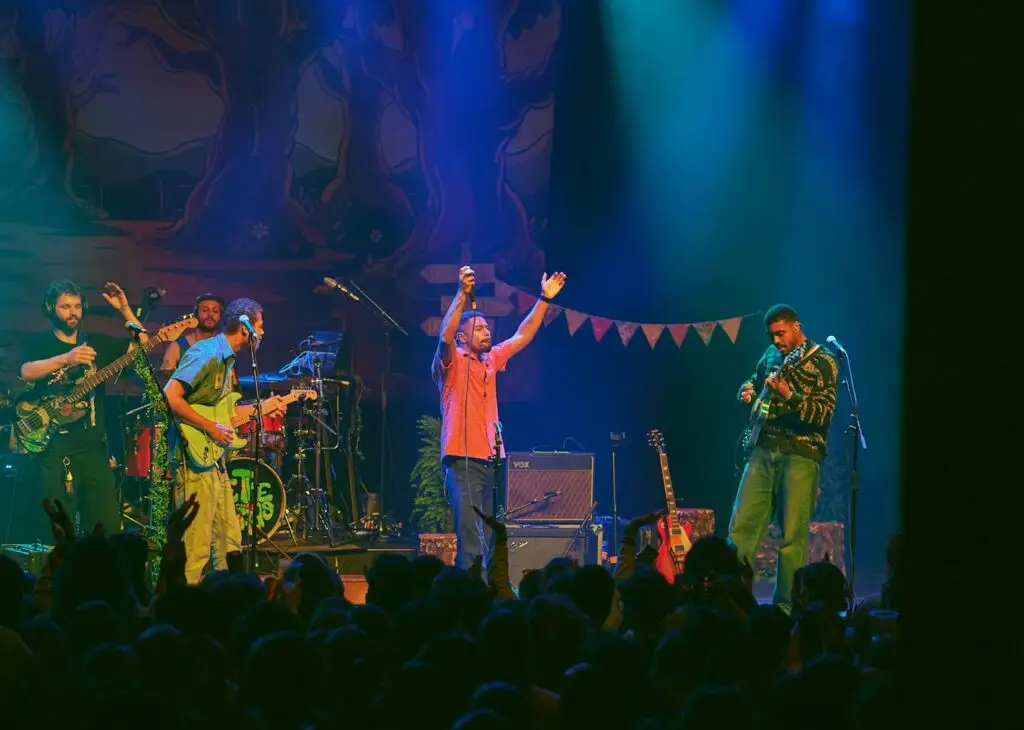
If you happen to be in RiNo on a Wednesday night, you can plug into one of the best scenes in all of Denver at the underground bar Meadowlark. Here, an intimate outside back patio houses the Off the Cuff series, a weekly residency bringing local and national acts for extended improv jam sessions with host Eman Alexander (@namebackwardss). Alexander, a talented musician and Denver native, puts on these shows to highlight music from his city’s rich, multicultural community of artists. The crowd is mixed in age, ethnicity, fashion, and reverence for Chappell Roan. It’s a welcoming space for dates or meet-ups or to simply come through for music and dancing. And, unbelievably, it’s free.
Photo Credit: Scott Dressel-Martin
“There’s a huge underground scene that’s happening, and it’s not really being talked about,” Alexander tells me when I hit him up later to discuss Denver’s unique, understated energy. “It’s psychedelic; it’s R&B, jazz. I expect to walk into a bar here and be like, ‘Oh, I’m gonna chill here, because the music is good.’ You can be listening to a live hip-hop band, and then you walk into another bar down the street, and they’re playing some bluegrass or folk, and they’re killing it, you know? There’s a real diversity here.”
Indeed, Denver is quietly popping off with music. The city’s legendary Mercury Cafe (LoDo) hosts Friday night jazz jams; Herb’s (LoDo) brings out some of the best underground talent in the city; Dazzle (downtown) leans hard into improvisational music in a true jazz club setting; Two Moons Music Hall (RiNo) features everything from bluegrass to neo-soul; and Gerard’s Pool Hall (RiNo) is a deep-cut venue for live acts. “That’s where I go on Thursdays when I’m trying to catch a vibe,” Alexander says.
Sure, this ain’t the Lower East Side; it’s not the French Quarter or the Marigny; it’s not the Mission. But the best thing about Denver is it’s not trying to be.
“There’s definitely something that’s bubbling,” Alexander says. “Once you see that all these amazing musicians live in Denver, you understand, Oh my god, this is so dope.”
So, get walking. A trip to Denver is what you make of it. It’s improv. It’s who you talk to and how many steps you’re willing to take to get where you really want to be.
Courtesy So-GNAR Creative Division
Must-Visit Neighborhoods in Denver
16th Street
Stretching over a mile through the heart of downtown, 16th is Denver’s pedestrian-only promenade, with historic brick buildings, street performers, chess players, and restaurants galore. Some downtowns can be overwhelming. Denver’s is not. This is where you come to embrace being a tourist.
Little Finch: For coffee, pastries, and cocktails. Get the shakshuka danish.
Appaloosa Grill: Live music, plus bison burgers and local beer.
Lower Downtown
LoDo is one of the liveliest neighborhoods for late nights. Cobblestone streets and exposed brick buildings are now home to rooftop watering holes and the kinds of beer joints college kids flock to like mosquitos to a blue zapper. This is where you close down the bars and grab late-night eats.
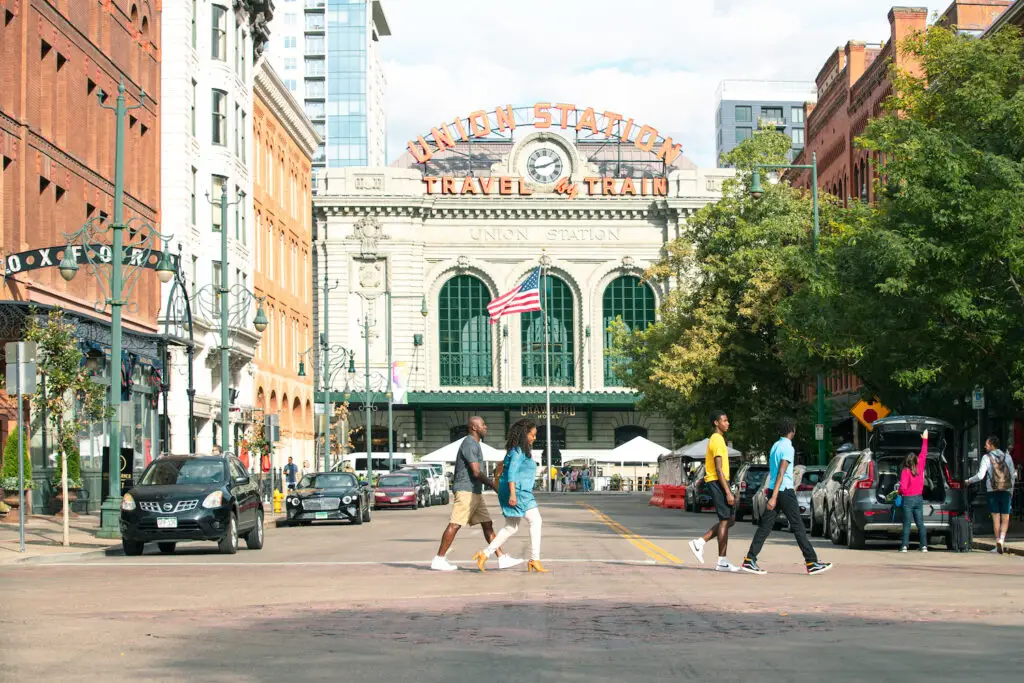
Union Station: Refurbished into a stunning hub with boutiques, bars, and Mercantile Dining & Provision, which offers a killer brunch from a James Beard Award–winning chef.
Coors Field: Catch a Rockies game or just grab a local lager at The ViewHouse’s massive rooftop patio.
Rockmount Ranch Wear: Colorado cowboy fashion. Snap up a snap-button Western shirt here.
River North
Once a warehouse district, RiNo is now Denver’s creative playground, a mecca for street art, small-batch breweries, and galleries that moonlight as secret music venues. Think hipster coffee and tons of great food options. This is where you come for the muse-like inspiration many travelers seek.
Improper City: Coffee, beer, food trucks, and an outdoor space made for groups.
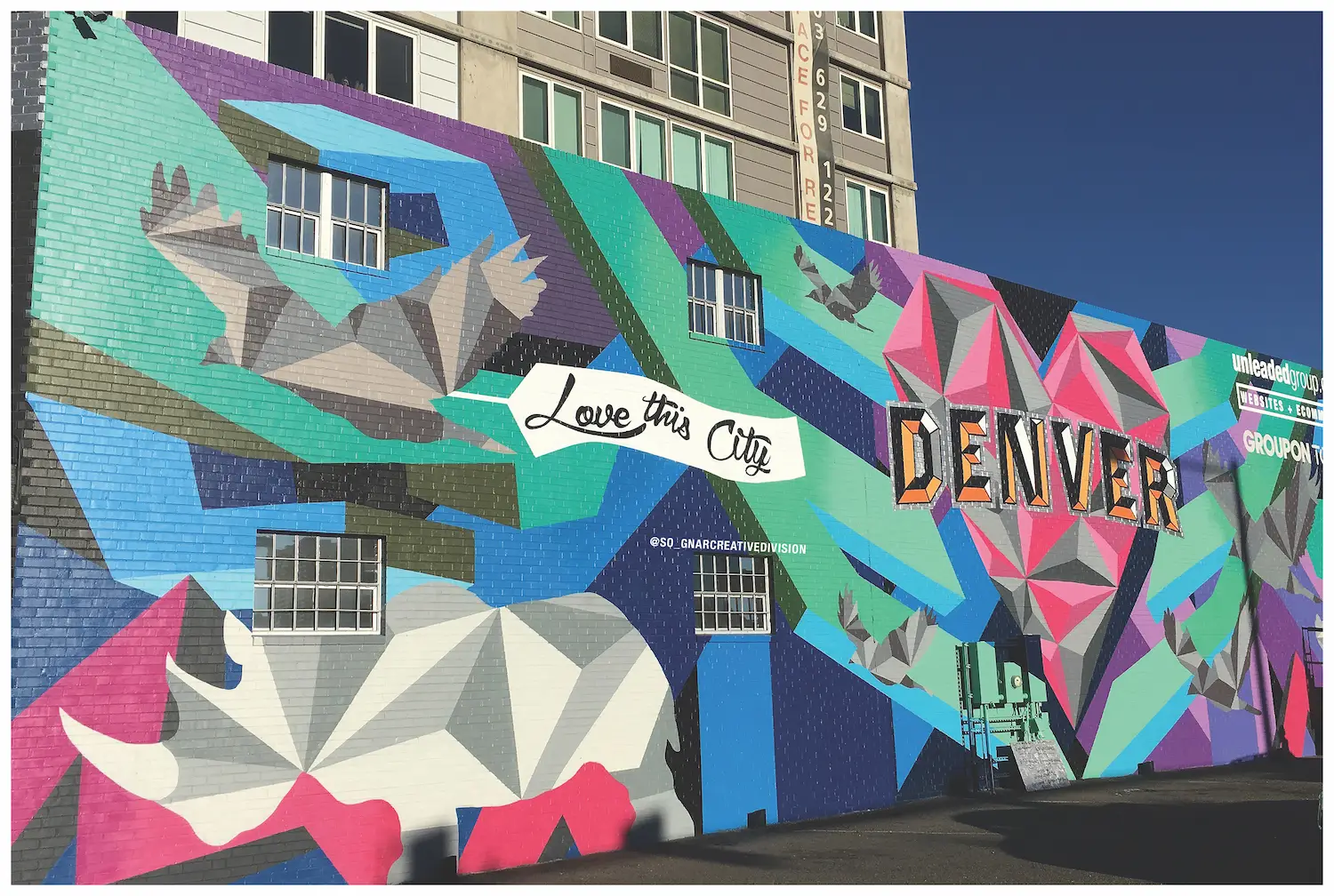
Denver Graffiti Tour: Bring your camera on a walk around the neighborhood, where Denver’s vibrant arts scene is everywhere you look.
Lower Highlands
Hip and homey, LoHi is full of Victorian houses, scenic walks, and some of the best food in the city. This is where to bring the fam.
Linger: Located in a former mortuary, this global small plates restaurant offers a rooftop patio with a bar made from a ’70s GMC RV and a repurposed food truck for a kitchen.
Little Man Ice Cream: Shaped like a giant milk can and serving scoops worth the wait.
My Brother’s Bar: Denver’s oldest bar. Beer, burgers, boots. Smells like history.
Capitol Hill
In CapHill, Denver gets weird in a good way—poets, punks, and politicos and historic mansions, dive bars, and high art. This is where you’ll find your new favorite kombucha flavor or decide to quit your 9-to-5 to become an abstract sculptor.
Molly Brown House Museum: The heroine of the Titanic is remembered in a lovingly preserved Victorian.
Hudson Hill: Craft cocktails and coffee in a lush, light-and-plant-filled setting.
Wax Trax Records: A shrine to music nerds and one of the greatest vinyl shops this side of Cleveland.
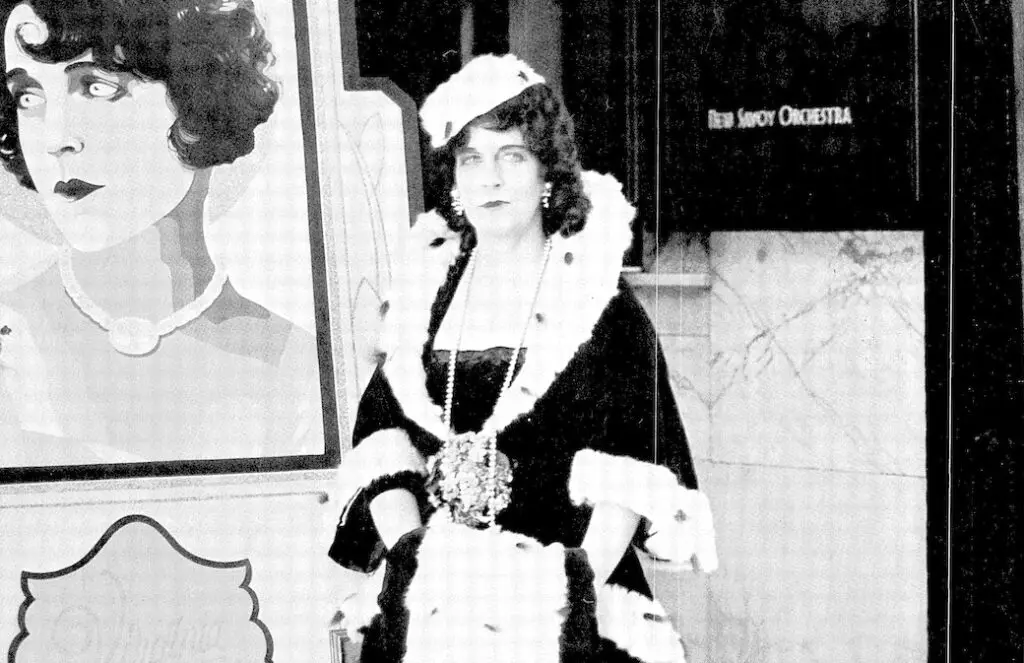
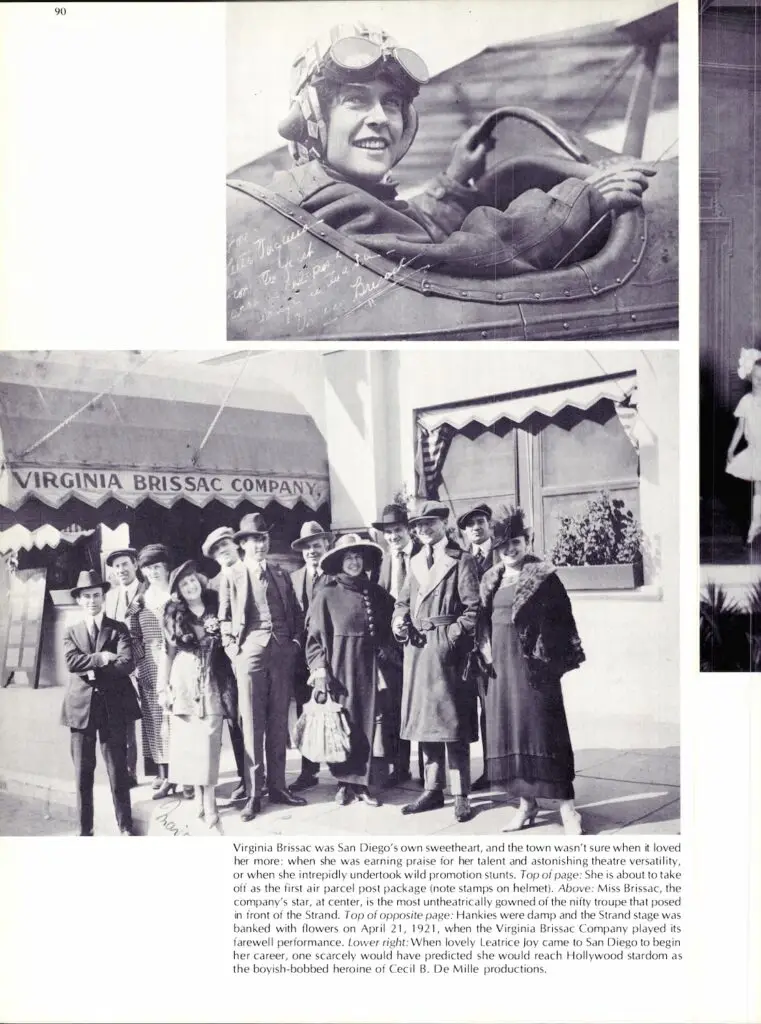
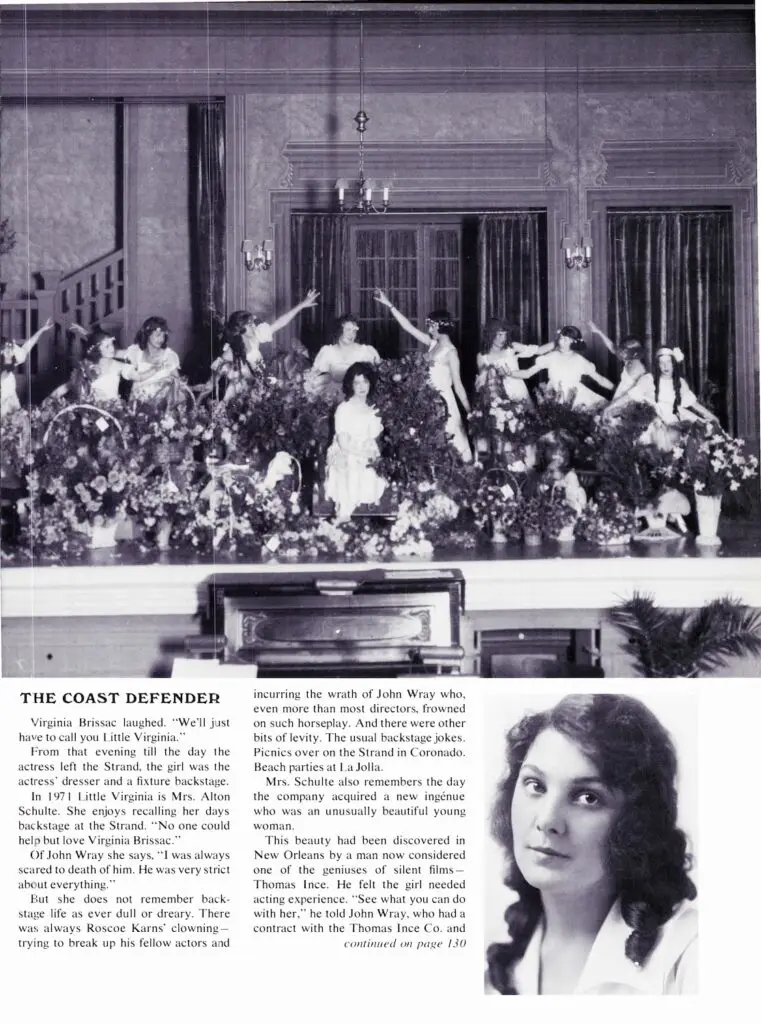
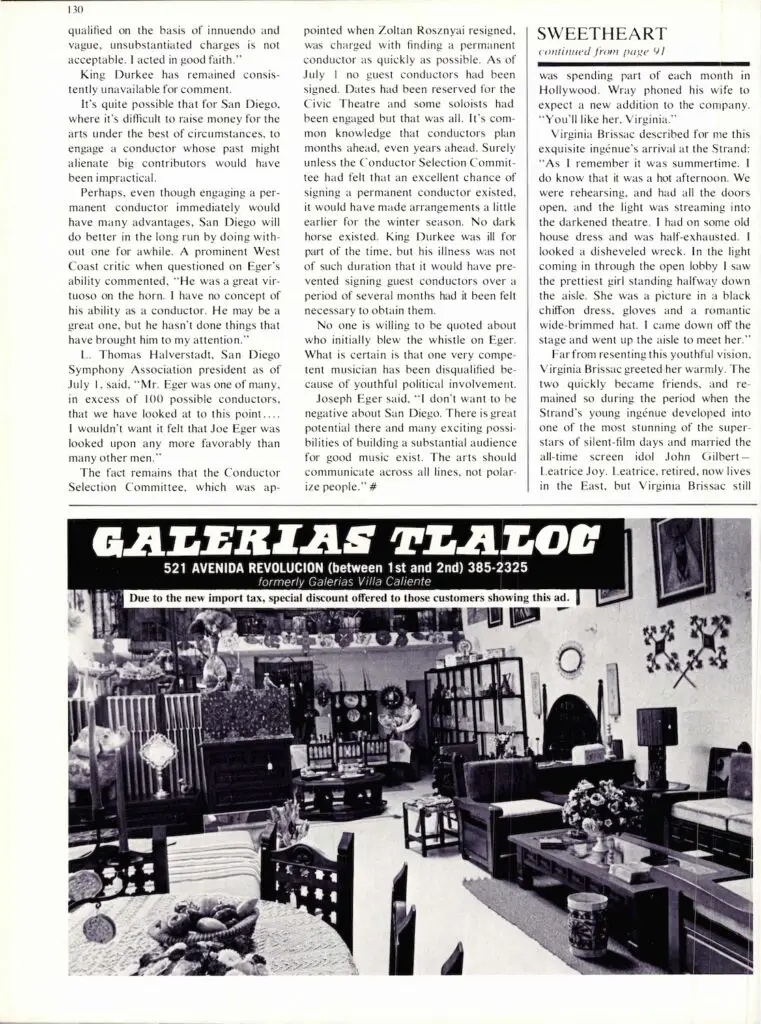
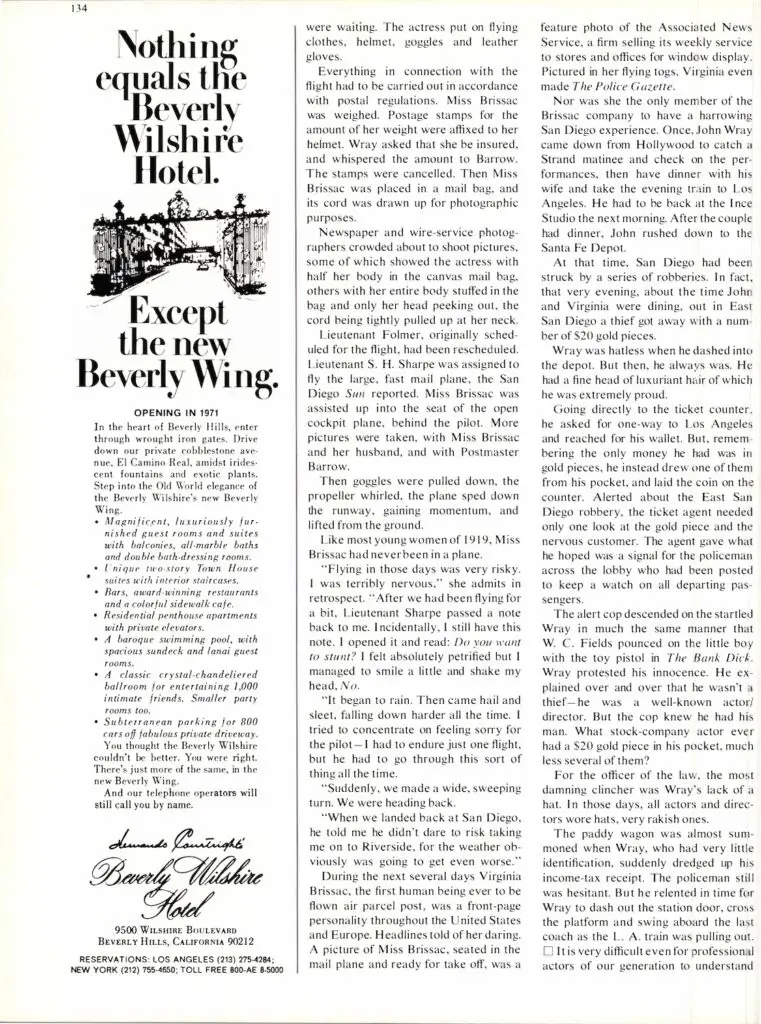
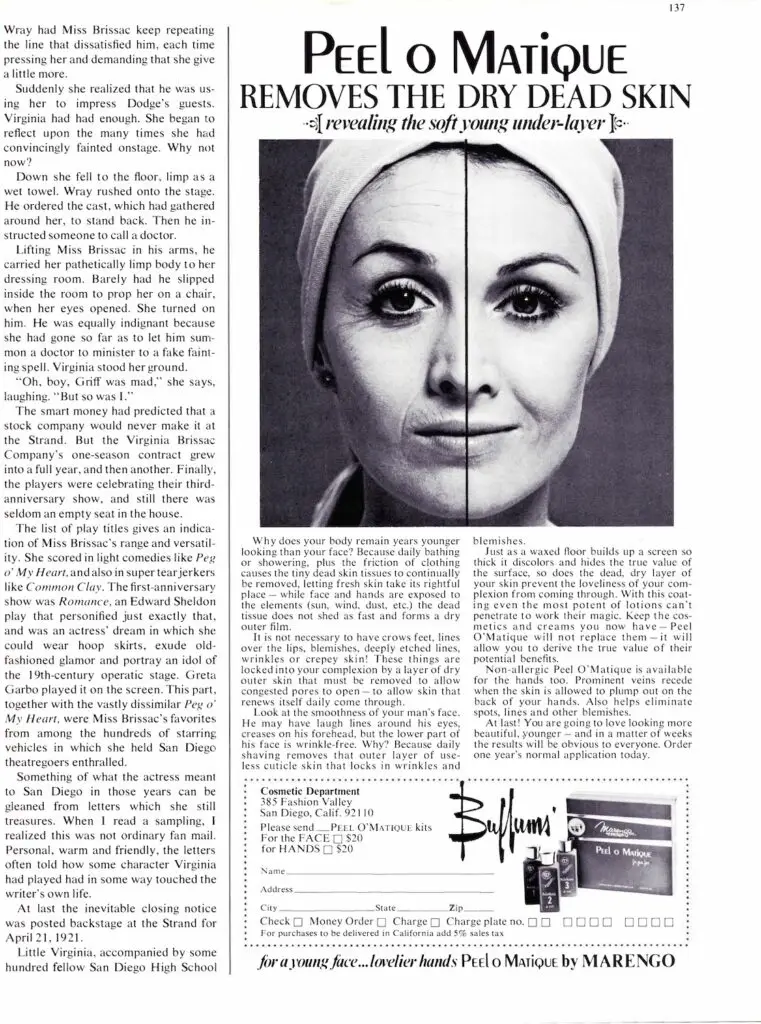
There was once an actress known as “San Diego’s Sweetheart” who mailed herself to Los Angeles—donning a helmet covered in postage stamps and boarding a two-seater, single-engine mail plane. The publicity stunt was billed as the first air parcel package in the US. It wasn’t. She wasn’t even the first human to be mailed: When the US parcel post started in 1913, at least seven people mailed their newborns to relatives (an innovative loophole eventually outlawed).
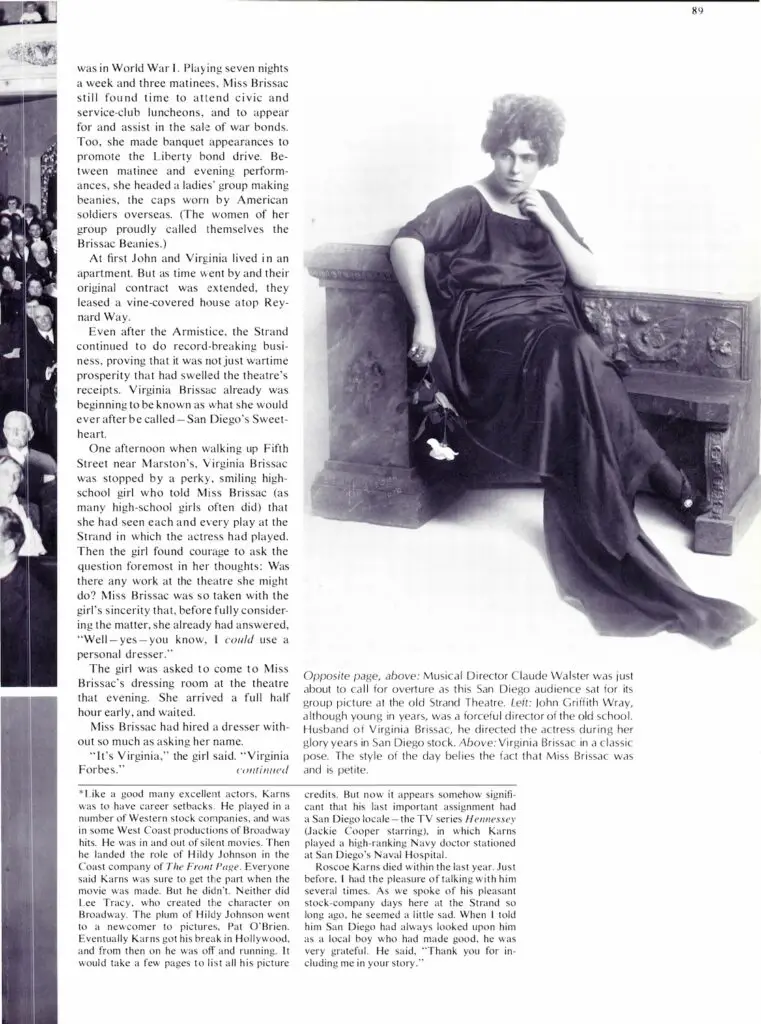
Technicalities be damned. That kind of nose for spectacle was why Virginia Brissac was such a star—landing bit parts in TV shows (I Love Lucy, Dragnet) and 155 films, notably playing James Dean’s grandmother in Rebel Without a Cause. “Nobody could help but love her,” her dresser told San Diego Magazine in a 1971 feature, published when Brissac was 88 years old.
In 1911, she topped the Playbill at the opening of the Savoy Theatre at 3rd and C streets in Downtown—a grand live-performance hall built for $150,000 ($5.2 million in today’s money). It became one of the premiere vaudeville theaters in the country (under vaudeville king Alexander Patages). The theater helped make San Diego a destination for stars like silent-film comedian Roscoe “Fatty” Arbuckle, heavyweight champ Jack Dempsey, plus classical legends Rachmaninoff and Anna Pavlova. As theaters converted to movie houses through the ’20s and ’30s, the Savoy remained dedicated to live humans. It closed in 1940, and the Civic Theater now stands in its footprint.
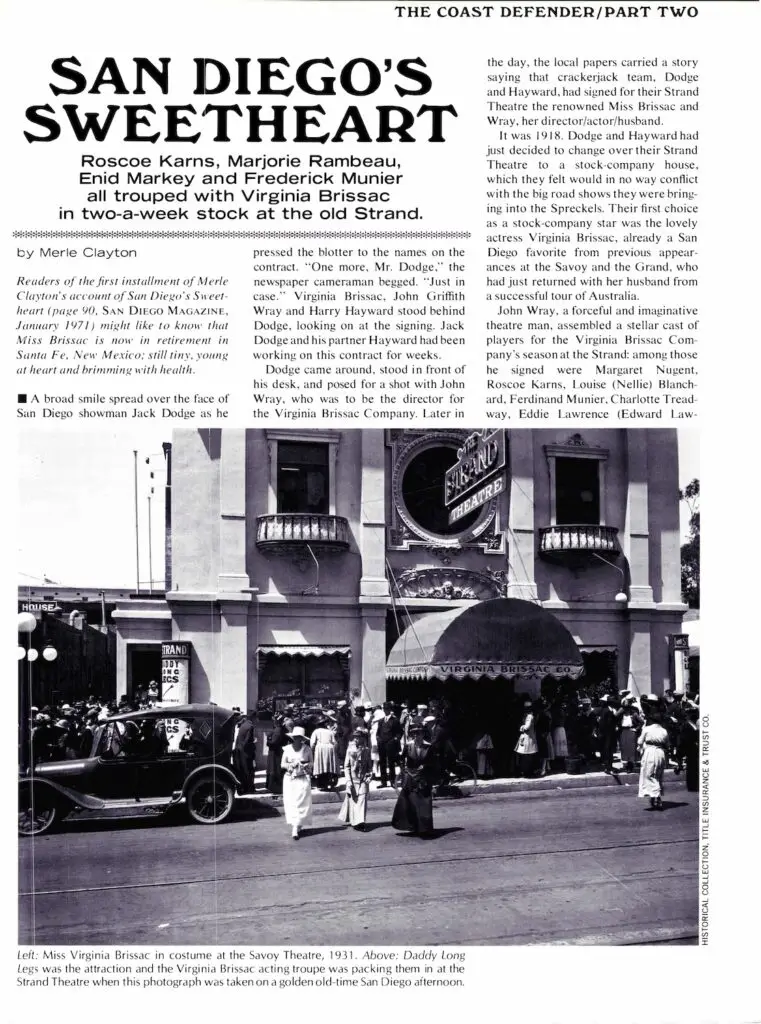
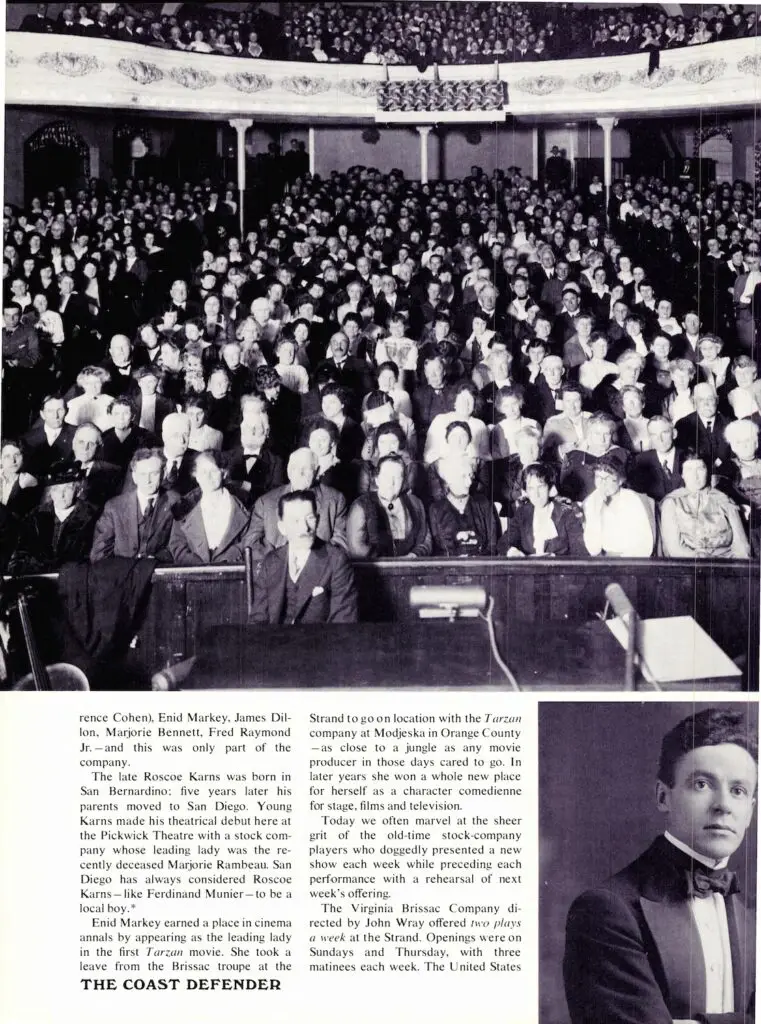
As for Brissac, during a time when women couldn’t even vote, she led a stock company under her own name at the Strand Theatre. The Brissac Company held a four-year residency, “an all-time successful record run for San Diego,” the article says. That classic Ocean Beach theater (featured in San Diego film legend Cameron Crowe’s Almost Famous) has been closed for decades, its bones now a chain beachwear and souvenir store. But Brissac’s legacy lives through the women leading San Diego’s theater scene.
Read the entire 1971 article by Merle Clayton below…
Emma Veidt is an editor at San Diego Magazine. She earned her bachelor's and master's degrees from the Missouri School of Journalism. She loves running, hiking, and rock climbing, but really, she mostly loves encounters with the street cats around North Park.
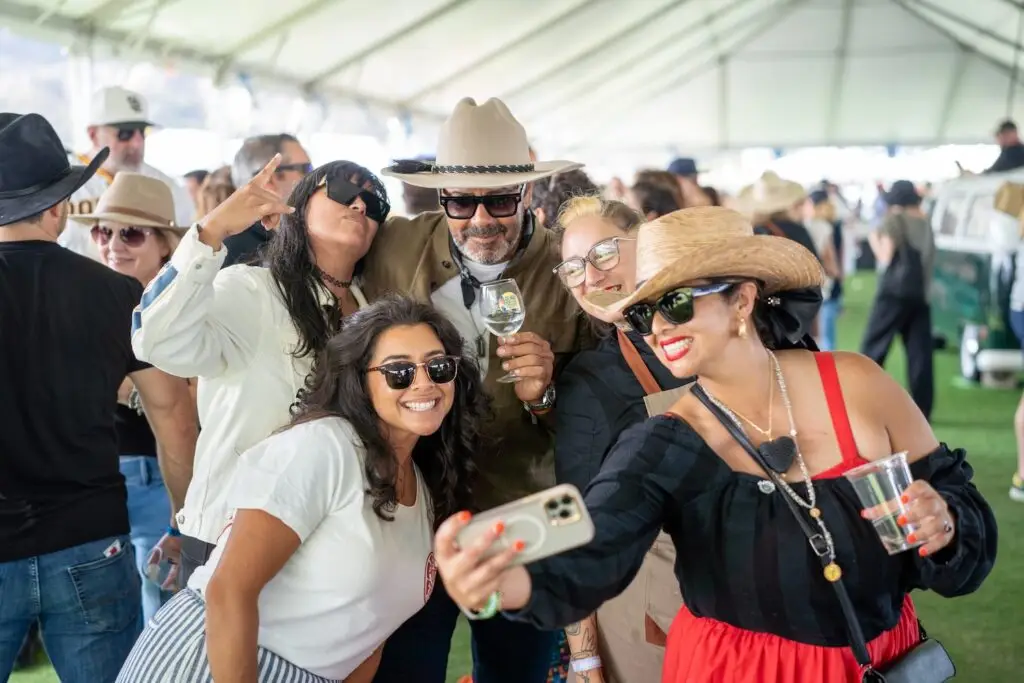
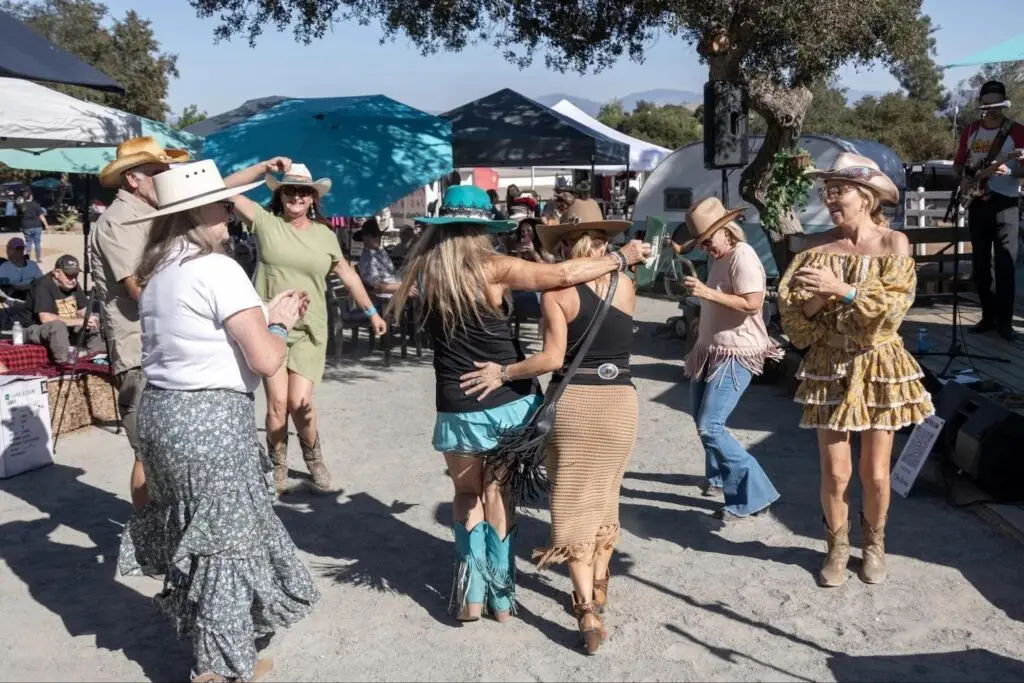
At Del Mar Wine & Food Festival’s Grand Tasting, everyone has their own goals for the day. One friend wants oysters and Champagne. Another heard there’s line dancing. Someone disappeared into Taco Alley. The food person is making a beeline for every chef demo, the golf friend has found the simulator, and someone else is already settled into a beach chair with a mezcal cocktail and has announced they’re “never leaving.”
Consider yourself zoned in.
This year, the Grand Tasting turns the Del Mar Polo Fields into a full-blown foodie wonderland, with chef showdowns, wellness escapes, art installations, lawn games, music, and plenty of magazine-worthy plates. But the zones are where everyone gets to play their own way. You might sip your way through the SLO Zone, accidentally spend the afternoon behind the DJ booth in Plant Paradise, or live out your best beach day in The Beach Zone.
With 100-plus chefs and restaurants, 150-plus wineries, breweries, distilleries, and drink makers, plus a whole lot more happening in between, there’s no shortage of ways to spend the weekend. And with the Grand Tasting taking place October 3 and 4, there’s actually time to explore.
Because the problem with bringing your favorite people to an adult playground is that everyone wants to play differently. Luckily, you get two days to figure it out. Here’s where to start:
Courtesy of Del Mar Wine & Food Festival
The Beef Experience
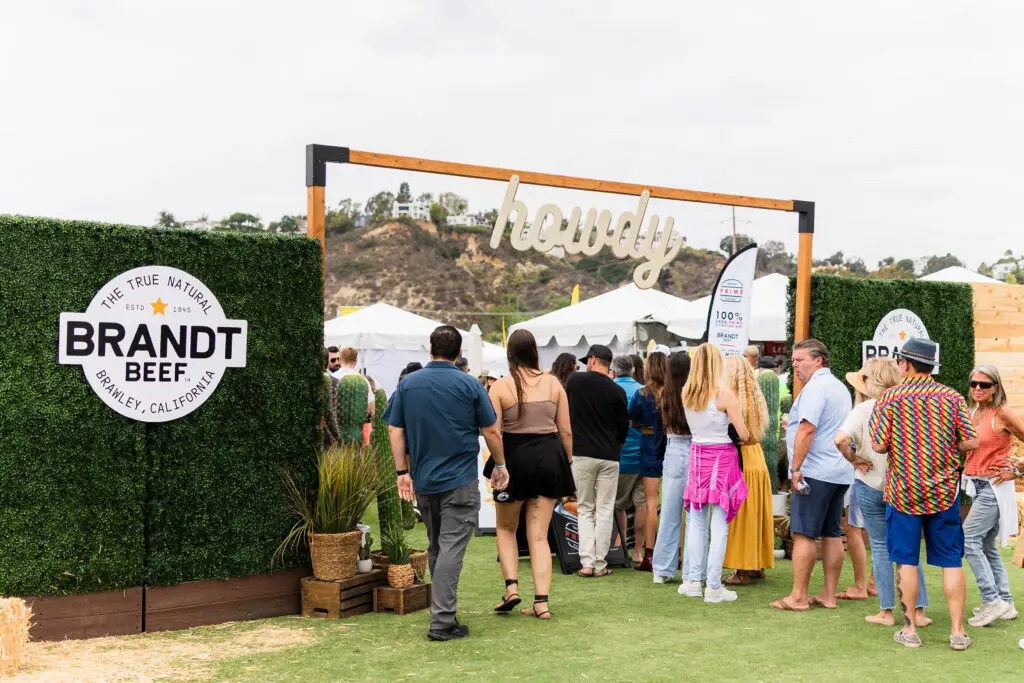
The Beef Experience, presented by Brandt Beef – One World Beef, is for the people who believe a food festival is a perfectly reasonable excuse to build an entire afternoon around meat. Brandt Beef brings its signature fare to the Polo Fields alongside a seriously stacked lineup of local favorites, from Tanner’s Prime Burgers and Ranch 45 to Jimmy’s Famous American Tavern, Order Fire Barbecue, Flying Pig Pub & Kitchen, The Pit BBQ, Aloha Rib Shack, and more.
And then there’s the tent you might almost miss.
Tucked into Brandt Beef Alley, Bebemos Tequila has set up what looks, from the outside, like a fairly unassuming tent. Walk inside, though, and you’ll find a full little speakeasy lounge, complete with a bar and one very dramatic tequila trick. The team lights the shots right in front of you before pouring them straight into guests’ mouths. Candlelight, fire, tequila, barbecue. Suddenly, your casual afternoon tasting has taken a turn.
Grab a plate of Brandt Beef tallow fries, chase it with a pour from Bebemos Tequila or Tap Truck San Diego, and maybe browse Nortte Hats while you recover. The rules are simple: follow the smoke, trust the grill, and maybe don’t make dinner plans afterward.
The Beach Zone
For the friend who thinks every good afternoon should involve a little sunshine, a cold drink, and nowhere to be, there’s The Beach Zone. Presented by Reef Lifestyle, this laid-back corner brings the San Diego summer fantasy to the Polo Fields, complete with coastal bites, beach-inspired brands, and plenty of reasons to stay awhile.
Grab bites from Duke’s La Jolla, Jake’s Del Mar, Lofty Coffee Co., Dang Brother Pizza Co., and Coral Del Mar, then cool off with Summer Club, Volley, Surfside Iced Tea and Lemonade + Vodka, Tito’s Handmade Vodka, Mezo Mezoritas, Roseade Wine Spritzer, Pinkys, and more. Hemlock Hat Co., Coola, Sambazon, Playavole, Shibumi Shade, Spritz del Conte, and Out of the Woods add a little retail therapy to the mix, because the Grand Tasting obviously needs shopping, too.
And yes, there’s a photo op. Find the teal VW bus from A Timeless Day, gather your favorite people, and pretend you’ve spent the afternoon cruising the California coast instead of wandering around a wine and food festival.
It’s an area filled with surf-inspired games, your next favorite beach accessory, and a drink in hand. Basically, San Diego summer, condensed into one very convenient patch of grass.
Courtesy of Del Mar Wine & Food Festival
Pride Zone
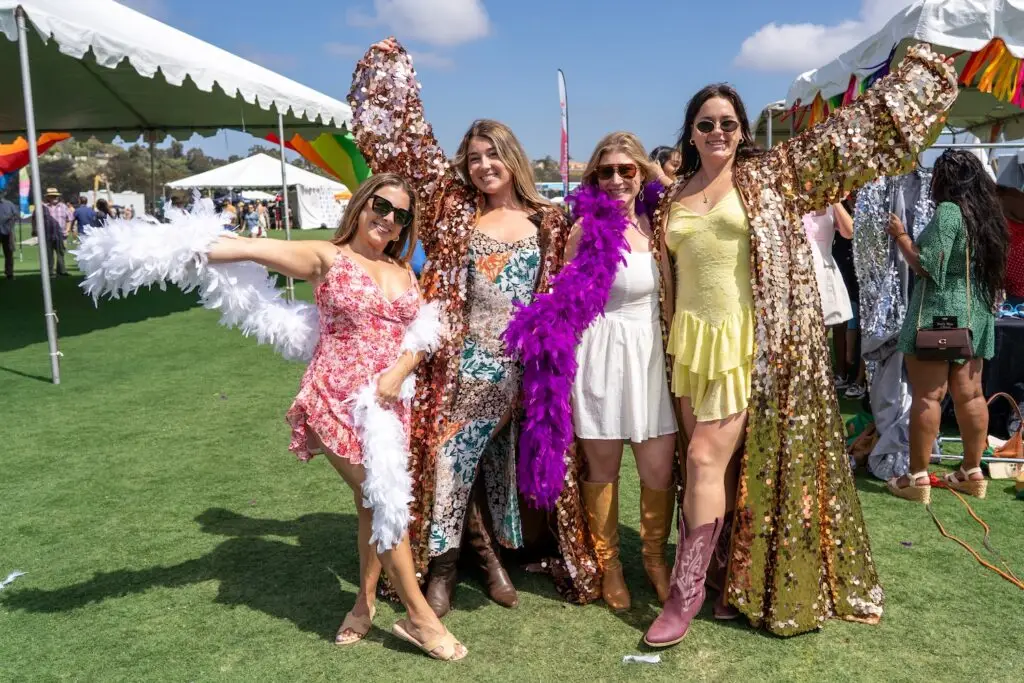
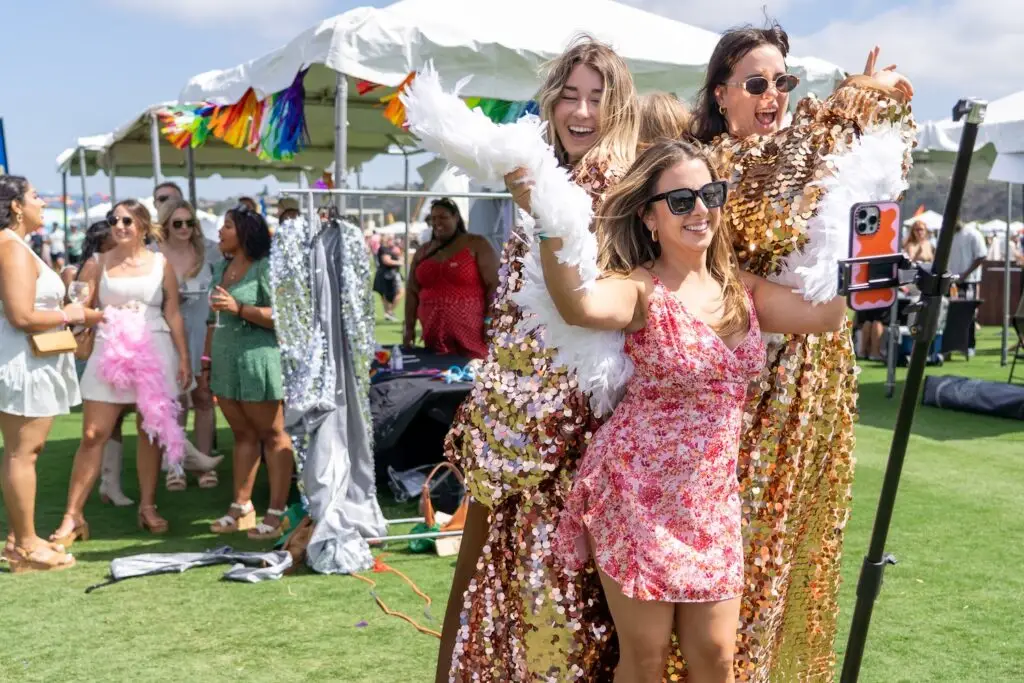
Neon boas, glitter-filled drinks, and enough food to make choosing a single dinner impossible. The Pride Zone presented by San Diego Pride is bringing the energy, gathering some of San Diego’s favorite restaurants, bars, breweries, and sweet spots in one very colorful corner of the Polo Fields. Expect bites and beverages from Cary Q Wines, Gossip Grill, Rootdown & Es Okay, T’Maro Brands, and more.
Plant Paradise
Plant Paradise is your green oasis, but don’t expect it to be particularly peaceful. DJ Tenax returns with house, techno, UKG, and the kind of set that can turn a quick stop into an hour on the open-air dance floor. As Green Air Botanicals sets the mood, grab a cocktail from Mission Craft Cocktails, Makku, or San Hagen Tequila, and a bite from the sprawling lineup of plant-based bites and snacks from some of San Diego’s vegan favorites.
Kindred, Nourish Eats, The Plot, Maya’s Cookies and more. There’s also a full lineup of brands to snack your way through, including Aficio 22, Bücha Hard Kombucha, Nichols Farms, Nuts For Cheese.
Isabella Dallas is a freelance writer for San Diego Magazine and the Arts and Culture Editor at The Daily Aztec in her final year at San Diego State University. She previously worked as an editorial intern for SDM, but when she’s not writing, you can find her trying the best coffee spots in SD, devouring the latest rom-coms, and indulging in anything and everything pop culture.
San Diego is full of people who deserve a few thousand words on what they make, who they bring together, and how their work changes the city around them. The artists, makers, advocates, and behind-the-scenes talent below are a small part of that larger ecosystem.
To help us narrow our list, we looked for names that kept coming up, work that reflects the diversity of our region, and people building something bigger than themselves.
Jackie is a long-time freelance journalist covering cannabis, food/restaurants, travel, labor, wine, spirits, arts & culture, design, and other topics. Her work has been selected twice for Best American Travel Writing, and she has won a variety of national and local awards for her writing and reporting.
Isabella Dallas is a freelance writer for San Diego Magazine and the Arts and Culture Editor at The Daily Aztec in her final year at San Diego State University. She previously worked as an editorial intern for SDM, but when she’s not writing, you can find her trying the best coffee spots in SD, devouring the latest rom-coms, and indulging in anything and everything pop culture.
Matt Eisenberg is an award-winning writer and photographer based in San Diego. A former ESPN editor, his work has also been published by CNN, Bleacher Report and the New York Daily News.
Aaryn Belfer is a writer and editor specializing in nonfiction across art, architecture, and culture. Once upon a time, she wrote a provocative column for San Diego CityBeat (RIP). She was a runner up in the 2025 Matchbook Stories contest at the San Diego Central Library and is irrationally happy about it. Currently in her Soft Girl Era, Aaryn has expensive taste in (mostly flat) shoes and will choose a great art exhibit or live jazz concert over almost anything else. Except, possibly, Javier Bardem.
Lili Kim is a content coordinator and writer for San Diego Magazine, with experience highlighting local businesses and communities. When not writing or shooting film, she is likely brewing her seventh cup of tea of the day or strolling along Sunset Cliffs.
Emma Veidt is an editor at San Diego Magazine. She earned her bachelor's and master's degrees from the Missouri School of Journalism. She loves running, hiking, and rock climbing, but really, she mostly loves encounters with the street cats around North Park.
Gail Czyszczon is owner/copywriter at Z3 Writing and best-selling author of a children’s book series. As a strategic communications professional and editorialist, she's passionate about discovering untold stories and themes that ignite fresh conversation and true change in communities.
Today’s seniors are more connected than ever, with a renewed focus on retirement as a time of discovery and enriching experiences. The ultimate reward for a retirement well-earned is the wisdom to appreciate it all, and what better place to enjoy that unique perspective than Vi at La Jolla Village, in the heart of San Diego.
All-access pass to good living.
As a Continuing Care Retirement Community (CCRC), Vi provides access to a connected and fulfilling community while making it easy to plan for future care, should the need ever arise. With a care plan in place, residents enjoy greater financial predictability and long-term value, freeing them to focus on making the most out of retirement.
Resort-style amenities at the epicenter of a cultural hub like San Diego offer a retirement experience unlike any other. Paired with exceptional dining, spacious accommodations and dedicated staff, the best of maintenance-free living is all around. And with the introduction of Vista 360 Well-Being, Vi’s panoramic approach to wellness, there are more ways than ever for residents to access it all.
The harmony of mind, body and community.
Courtesy of Vi at La Jolla Village
The key to longevity is striking the right balance in maintaining an active lifestyle with an active mind in a fulfilling community. With newly renovated community spaces and restaurants, Vista brings a variety of opportunities for residents to elevate their well-being through Vi-exclusive “Signature Experiences.”
Vista Enrich takes an evidence-based approach to brain vitality, keeping residents at the forefront of cognitive health through exergaming (exercising + gaming), nutritional plans and informative workshops. It is also home to The Brain Vitality Studio, an innovative facility dedicated to cognitive fitness that has garnered national recognition.
Vista Discover invites residents into stimulating educational experiences, from chef-led cooking demos and guided wine tastings to lectures at local universities and intimate lectures following cultural outings.
While Vista Enrich focuses on brain health and Vista Discover engages residents intellectually, Vista Explore cultivates a sense of adventure through curated travel and local excursions. But broadening one’s horizons doesn’t always require a plane ticket. One recent event brought a taste of the world right to the community: an onsite “jazz cruise” featuring live music and global cuisine served at a series of themed “ports” all within the community’s own ballroom.
“Location, location, location”
Courtesy of Vi at La Jolla Village
One of the biggest perks of life at Vi at La Jolla Village is its proximity to just about everything. With easy access to transportation and local attractions just steps away, residents can explore and engage with their community at their own pace.
“There are trolley and bus stops within a 5-minute walk that will get you to the beach, UCSD Campus, medical appointments, downtown La Jolla or San Diego, et cetera. We rarely use our car,” said resident Tom Yager.
With the best of San Diego just steps away, residents don’t just live in the city, they live within reach of everything that makes it special.
The best of all worlds.
Courtesy of Vi at La Jolla Village
At Vi at La Jolla Village, retirement isn’t a chapter to slow down; it’s an invitation to discover more. Tailored community experiences created by Vista, paired with the vibrant pulse of San Diego just outside the door, mean that residents don’t have to choose between security and adventure, connection and independence. They get all of it.
This is what an all-access pass to good living looks like: the comforts of an elevated lifestyle, a community built for growth and a city made for discovery – all in one place.
To learn more about Vi at La Jolla Village or for details on available floor plans, visit ViatLaJollaVillage.com/SDM.
Imagine being the song continuously getting skipped on the playlist. Not because no one wants to hear you, but because you never quite fit the moment. For years, San Diego has been that song on the touring circuit. Artists who have outgrown intimate clubs but aren’t yet filling arenas and stadiums have often passed us by, heading north to venues better suited to the size of their show. San Diego wasn’t missing the audience, it was missing the room.
That’s all about to change.
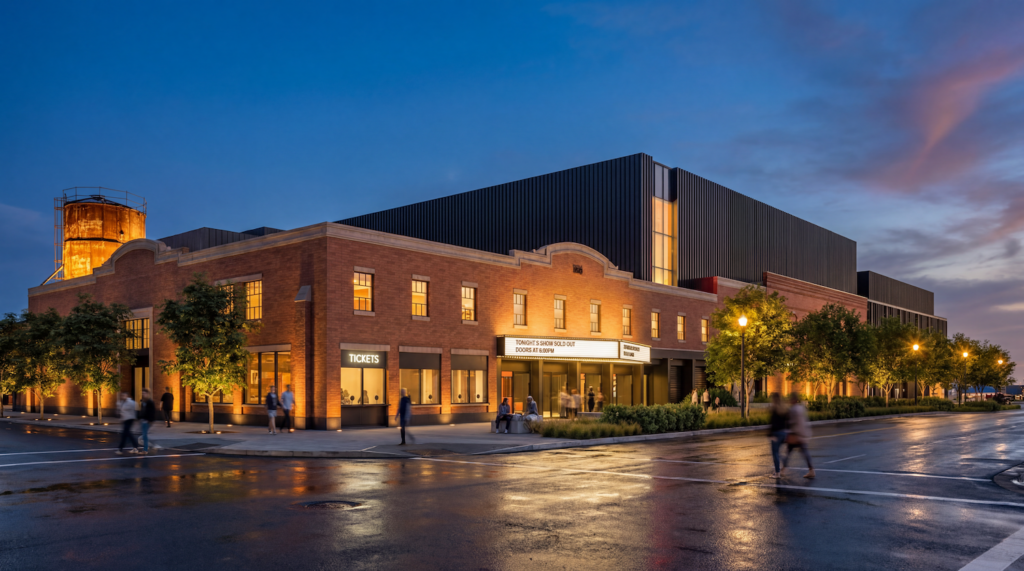
On August 17, Live Nation Entertainment announced plans to transform the historic Wonder Bread Building, which it purchased in June for $16.8 million, into a 4,000-capacity indoor venue slated to open in fall 2028. The new space will host music acts as well as private, corporate, and community events.
Currently, San Diego’s concert landscape jumps quickly from intimate clubs like the Casbah, Winston’s, and Belly Up to larger theaters, amphitheaters, arenas, and stadiums. What’s largely missing—particularly downtown—is a modern indoor room built specifically for roughly 4,000 concertgoers. This leaves a gap in mid-size venues for touring acts that land stages like the Hollywood Palladium or Boston’s MGM Music Hall at Fenway.
“We are filling a void in the market,” says John Schalk, Live Nation’s Vice President, San Diego Market. “There are other venues in town, but this […] building is just something that doesn’t currently exist.” Although SDSU’s Cal Coast Credit Union Amphitheater serves the 4,000-capacity range, its outdoor, fixed-seating arrangement isn’t as versatile as the proposed Live Nation project.
Located at 171 14th Street, just a six-minute walk from Petco Park, the building carries a century of history. Architect Eugene Hoffman designed it in 1924, a year after completing the Barcelona Apartment Hotel in Bankers Hill. The landmark brick building served as a bakery and warehouse for the Southern California Baking Company before Continental Baking Company, producers of Wonder Bread, took over in the 1950s and operated there through 1988 continued at the site until 2007.
In the early 2000s, Bob and Gay Sinclair, the couple behind a portfolio of East Village properties, purchased the building. After Bob—the founder of Pannikin Coffee & Tea—died in 2011, Gay sold much of their real estate portfolio but held onto the Wonder Bread Building. Mission Brewing eventually took over the space, where it operated for more than a decade before announcing its 2026 departure.
Now, the building is preparing for another reinvention. Live Nation plans to preserve the historic bakery’s four exterior walls, red brick façade, grain silo, barrel-vaulted trusses, and skylights as part of its next chapter.
Live Nation isn’t looking to erase its history but to celebrate it, allowing the building’s past to give the new venue some soul. “It’s really important for us that we maintain the integrity and the history of that building,” Schalk says. “There will be new construction and design elements as we go through the process to create the concert venue, but we’re working really hard to preserve it.”
Blueprint Studio, Live Nation’s in-house design and development group, and Gensler, the architecture firm behind San Diego International Airport Terminal 1 and Snapdragon Stadium, will be heading the project. The plan is to design the ground-floor space as an open, general-admission area with a premium level above with 600-plus fixed seats, in addition to box and suite sections. There will also be an additional structure built on top of the historical portion of the building (the four original walls that house the lobby) called the Vinyl Room—a Japanese-inspired hi-fi listening VIP lounge serving elevated food options.
One of the most reassuring aspects of the project is the focus on the concertgoer’s experience—specifically the “pet peeves” we all know too well: long bathroom lines, cramped exits, obstructed views. According to Schalk, one of the best things about building upon the existing structure is having the ability to consider potential obstacles and tackle them before construction begins. “I’d say we are ‘purpose building’ the entirety of the project for a music venue,” says Gensler lead project architect Garrett van Leeuwen. “As part of our design process, we do an in-depth sightline analysis to make sure that sightlines are optimized from every point and seat within the venue.”
Circulation design is also being implemented to ease traffic flow, alongside acoustic optimization and a transformative outdoor beautification effort. According to van Leeuwen, this “public realm space” will grow the existing 14-foot sidewalk to a 32-foot sidewalk complete with plazas and landscaping.
“This venue is for the fans. For the music lovers,” Schalk explains. The vision is intimate: “I want a fan to walk up to that building, see that red brick facade, grab their ticket from the box office, go into the lobby and see some of the history that will present itself… and feel like you entered a home.” Schalk also expressed a “keen interest in making sure that we work with the local artists, the local bands, the local musicians in town.” It’s a project that recognizes San Diego as a growing market that is hungry and ready to see a vibrant arts and culture community thrive.
According to an analysis by Oxford Economics analysis shared by Live Nation, the venue is projected to deliver a significant boost to the local economy, generating approximately $97 million in annual economic impact and supporting 660 jobs. This also includes welcoming 316,000 fans each year—with 126,000 traveling from outside the San Diego metro area—and driving $53 million in local spending at nearby restaurants, hotels, and retail establishments.
Considering its proximity to other major event spaces and overall busy urban areas, traffic and parking may be a concern, especially on nights of overlapping events. But in those cases, Schalk said they would work together on communication efforts; parking availability; and staggering start, end, and loading times; as well as providing easy access to designated rideshare areas. With transit stations nearby (the closest one being a 4-minute walk at 12th & Imperial), public transportation is another great option for enjoying your night out.
There are still two years of design, construction, and plenty of logistics between now and opening night. But the bigger promise of the Wonder Bread Building is simple: San Diego finally gets a venue built for the artists who have historically passed it by. After years of getting skipped on the touring playlist, the city may finally be getting its turn on repeat.
Camila Ibarra Gallego is a CaliBaja native pursuing a master's degree in culinary journalism at the Basque Culinary Center. Shaped by the culturally rich, bicultural megaregion, she's passionate about sniffing out stories that connect people, territory and culture through food. When she's not tumbling down internet rabbit holes, you can find her pretending to be a wine connoisseur at a local wine bar or nose-deep in a good book.
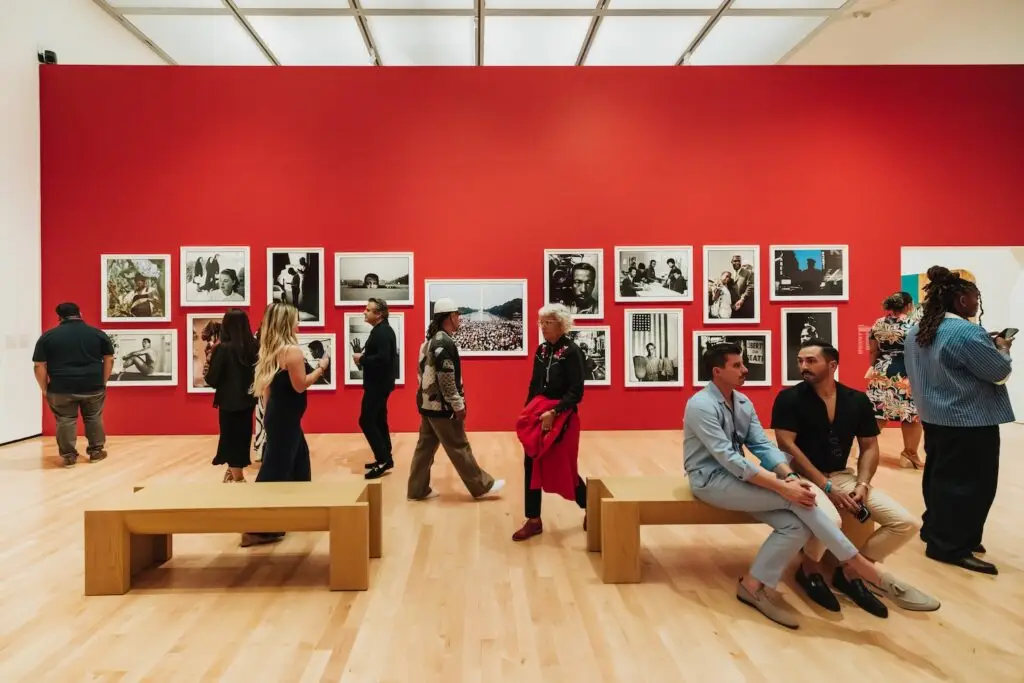
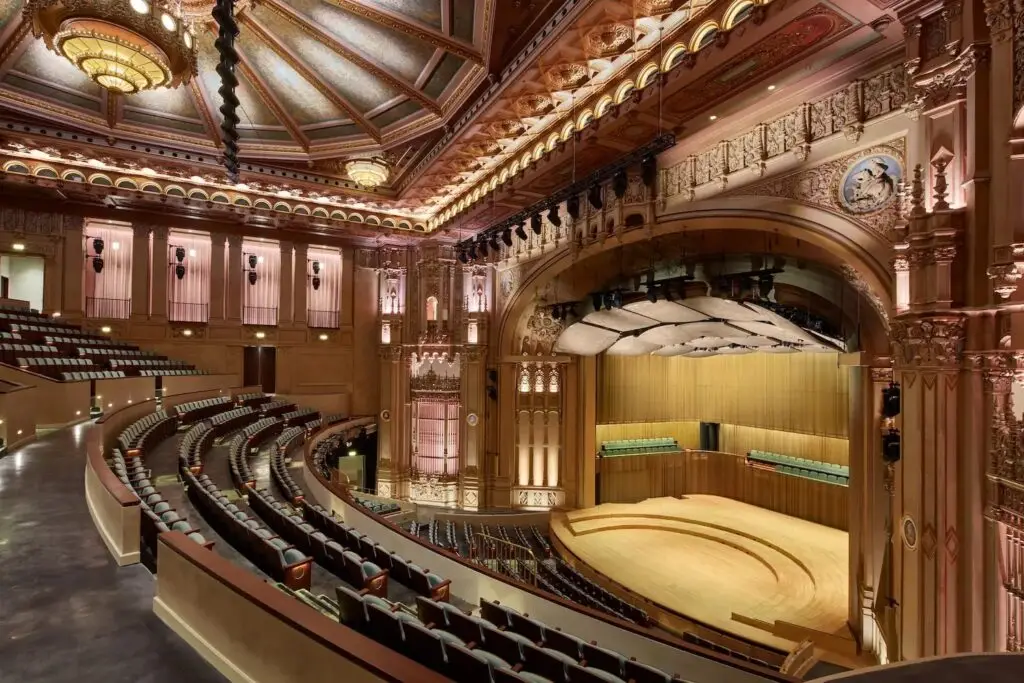
Arts District Liberty Station officially became one of the state’s designated cultural districts, joining a list reserved for places with thriving creative communities. Considering the campus is home to more than 100 galleries, artist studios, museums, and arts organizations—not to mention The Joan, the 42,000-square-foot performance center housing Cygnet Theatre—it was only a matter of time until the district got its flowers.
Best Deterrent of Public Vandalism
Vision Culture Foundation
If you can’t beat ’em, join ’em. The National City Public Works building has been a target of graffiti artists for years, only to be constantly painted over (and the cycle restarts). Now, it’s working with the local artists from Vision Culture Foundation to create intentional public murals. A win-win in our book.
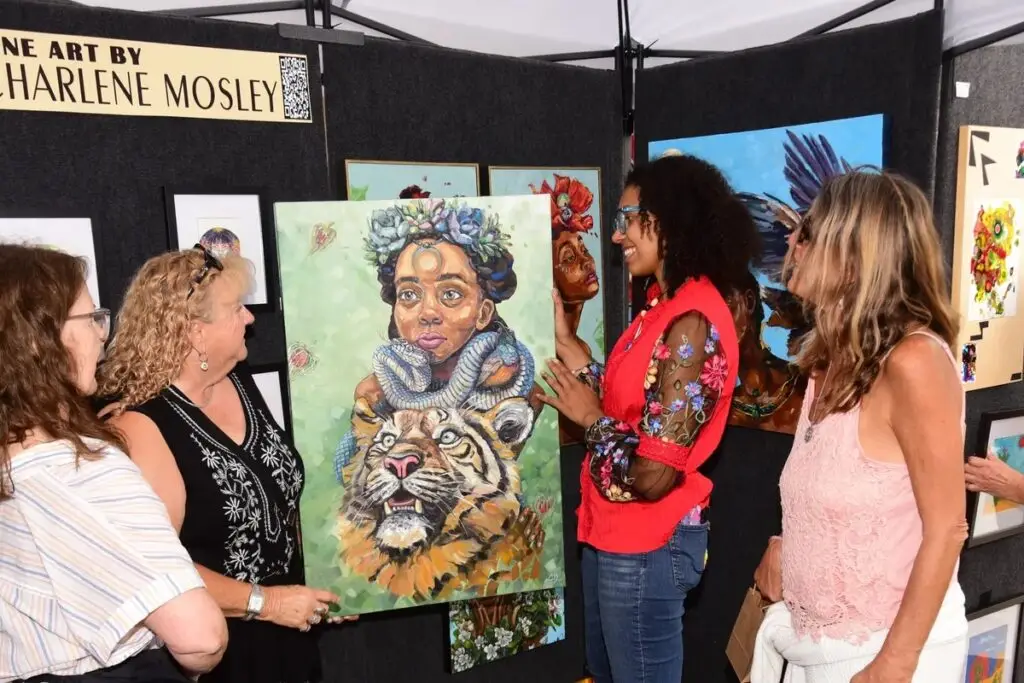
One of the biggest questions this year is who will show up for San Diego arts and culture—so a Best Of nod goes to a nonprofit that’s been doing it for years. Founded by longtime arts advocate Susanna Peredo Swap, Vanguard Culture has staged events for creatives, told their stories, and just created an SD ARTS Pass—a single ticket that gets you access to 39 creative spots.
Photo credit: Carly Topazio
Best Way to Overcome Your Fear of Ghosts
The Rosin Box Project
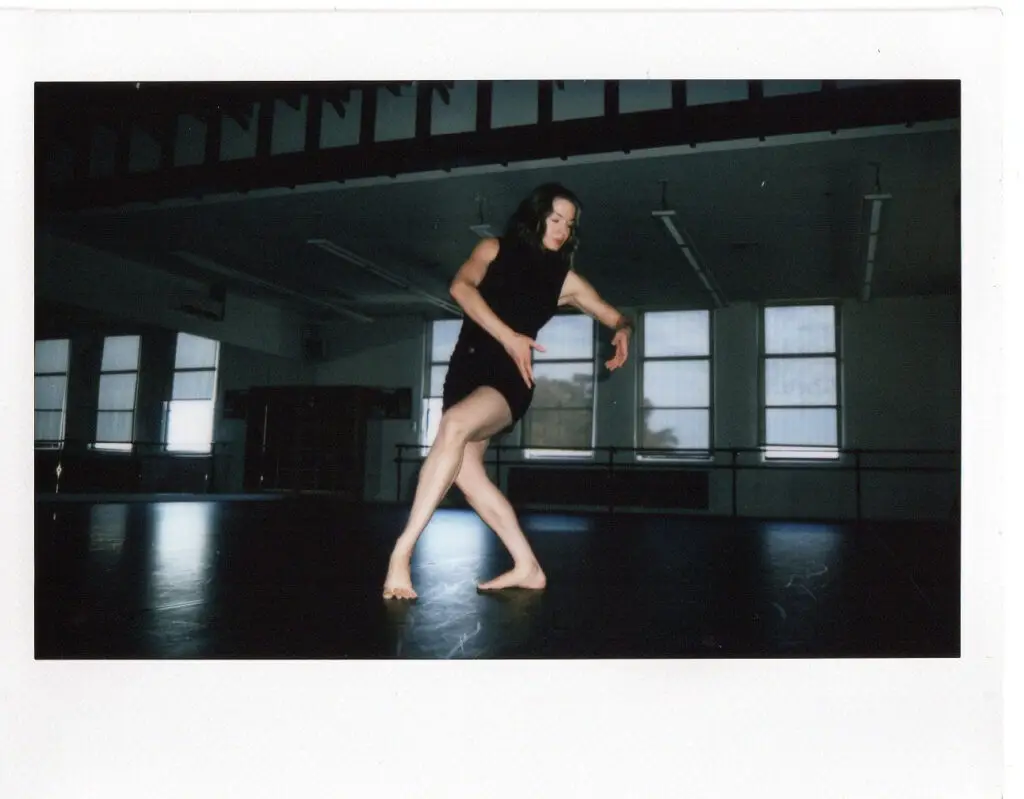
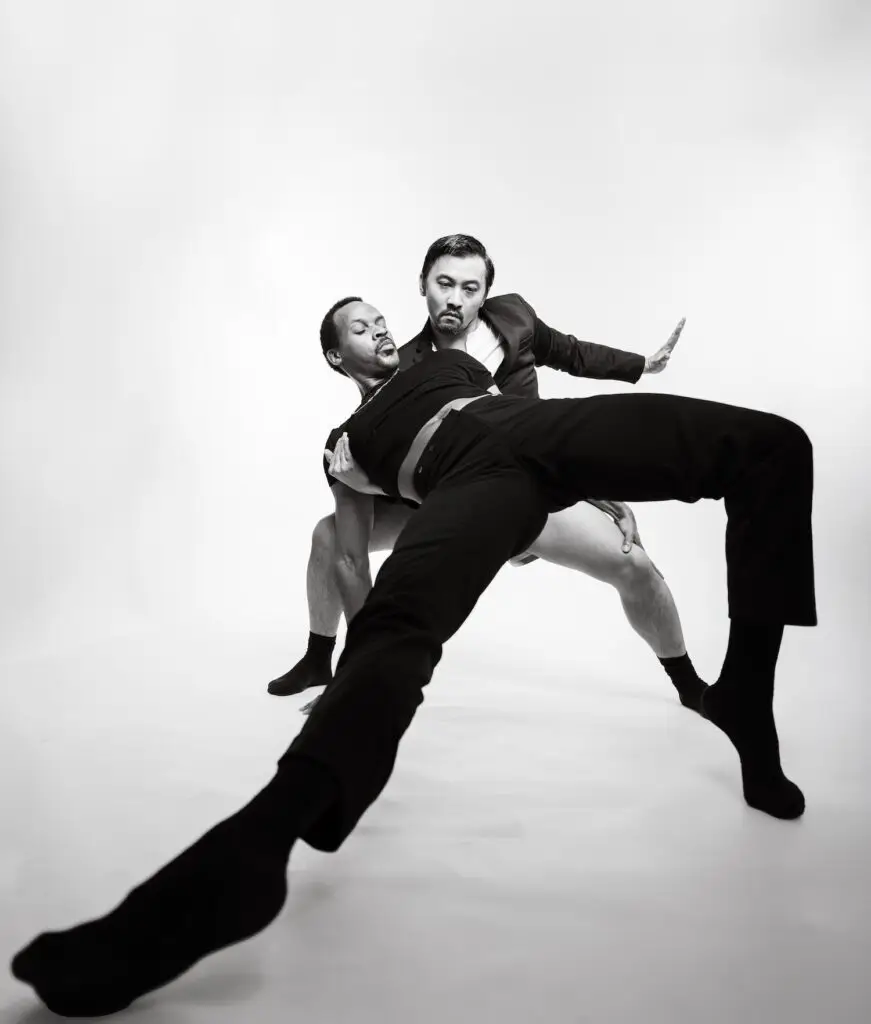
Ballet’s already got a sort of otherworldly thing going for it, with people morphing into 90-degree angles and defying gravity with each pirouette. The Rosin Box Project feels like a raw, creative new force in the classic art form, though—especially with its annual Ghost Light Masquerade. It’s a dance of eerie spirits that makes you second-guess what’s real and what’s not.
Best Music Venue That Also Sells Hot Dogs
Gallagher Square
Once upon a time, Gallagher Square was just a grassy knoll behind the outfield wall at Petco Park. Now, it’s a concert venue, playground, play ball field, dog park, and unofficial home for those who prefer the vibe of baseball more than the actual game. Big-time performers are showing up: Ms. Lauryn Hill, Cypress Hill, and Peach Pit.
Best Local Canvas
Casa Casillas
Casa Casillas has filled a long-standing gap in Chula Vista’s art scene. Open since last August, the space gives local artists a dedicated venue to display their work and visitors a chance to explore the neighborhood’s vibrant art. Two rotating resident artists always keep the space moving, so it rarely looks the same twice.
Courtesy of Alley Cat Art Fest
Best Place to Say “I Think It’s About Capitalism”
Alley Cat Art Fest
El Cajon translates to “the box” in Spanish—a nod to the city’s surrounding hills—but Alley Cat Art Fest (previously called Artivál) doesn’t stay inside it. As the first arts festival in East County, it celebrates local galleries, sculpture, live music, and food trucks—the whole nine.
Best On-Two-Feet Art Tour
Barrio Art Crawl
Every second Saturday, Barrio Logan turns into a choose-your-own-adventure with the Barrio Art Crawl, a free self-guided art tour through galleries, museums, and murals, with street food and music filling in the gaps. Barrio is one of the city’s most thriving arts neighborhoods, and it’s worth getting a bit lost in.
Leave it to The Old Globe to give the local theater scene some Hollywood glamour. Katie Holmes led the premiere of Henrik Ibsen’s Hedda Gabler this past spring, turning the classic Norwegian play into one of the most buzzed-about theater productions of the year.
National Philanthropy Day, presented by PNC Bank, Celebrates the Best of Philanthropy in San Diego
The 53rd Annual National Philanthropy Day Takes Place on November 21. Join us from 11:00 a.m. – 1:30 p.m. at the new Gaylord Pacific Resort & Convention Center!
Once yearly, AFP San Diego joins with others worldwide to celebrate National Philanthropy Day (NPD), a special day set aside to recognize the great contributions of donors and nonprofits that enrich of our community and the world. San Diego’s NPD is one of the largest and most successful in the U.S., attracting nearly 900 participants, including philanthropists, nonprofit leaders, CEOs, board members, development professionals, and business, community, and civic leaders.
Sponsorship proceeds from National Philanthropy Day are reinvested in education, training, scholarships, career development, and the advancement of fundraising professionals throughout San Diego. These resources and training provide fundraising professionals with the tools necessary to support our region’s diverse array of nonprofit organizations, which rely on charitable giving for close to half of their annual revenues.
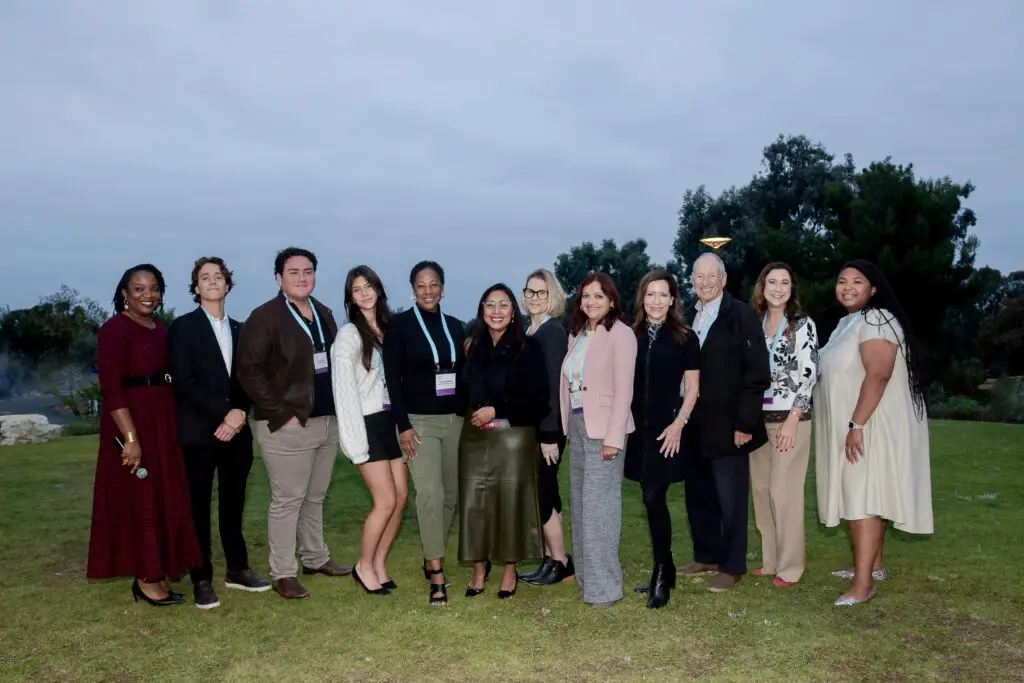
The National Philanthropy Day Honorees are selected by the NPD Honorary Committee, a group of highly respected, diverse nonprofit and business leaders. Our 2025 Honorees include:
Outstanding Development Emerging Leader – Taylor Thompson Self-Nominated
Outstanding Development Professional – Sharyn Goodson Nominated by: AJ Steinberg & Jeanne Schmelzer
Outstanding Organization for IDEA – Accessity Self-Nominated
Outstanding Philanthropic Institution – Life Science Cares San Diego Nominated by: Blair Search Partners
Outstanding Philanthropist – Dan & Phyllis Epstein Nominated by: CSU San Marcos & KPBS
Outstanding Student Volunteer – Camden Hall Nominated by: Curebound
National Philanthropy Day San Diego provides an opportunity to reflect on the meaning of giving and to celebrate the selfless contributions of individuals and organizations across the region. We look forward to celebrating with you!
Sponsorship opportunities and individual tickets are available. Please visit www.afpsd.org for more information.