


Food & Drink
Aries Takes Over Sea & Sky in La Jolla This November
Read article

Featured articles

Food & Drink
Food News
Food & Drink
Featured articles

Things to Do

Everything SD

Everything SD
Featured articles
Things to Do

Things to Do

Things to Do
Featured articles

podcast-ep

podcast-ep

podcast-ep
Featured articles

Features

Features

Features
Featured articles
Food & Drink

Partner content
Food News

The locals captivating, entertaining, and changing the face of the city right now and for years to come
When we talk about a city’s culture, we’re talking about about people. Year-round, SDM editors analyze the flares and shifts and leaps and fissures in the culture of here. Then we find the humans tinkering in the heart of those moments, and we tell their stories.
We document the ineffable charm of San Diego through the eyes of the individuals building it.
For our “50 People to Watch” issue, SDM’s creative team gathered all of the most compelling storylines unfolding across San Diego County at this moment in our time—like the art of harvesting water in a cloud-challenged sea town (Pure Water Project). The loss of a city icon and its reincarnation (Ocean Beach Pier). The radical reinvention of a city’s central nerve (Riverwalk San Diego). The birth of a tech unicorn in a place with far better tacos than Silicon Valley (Iru).
These are the people playing critical roles in our story as a city. In ways large and other-sized, their work will alter us and help define where we are. Oh, and we also added a few fascinating celebrities and athletes and culture icons for fun and salt.
(Note: You’ll notice there’s no one here from the food and drink world, which is intentional—we save those for year-round coverage and our massive annual “Best Restaurants” issue.)
Jump To: Entertainment | Business | Science & Civic Leadership
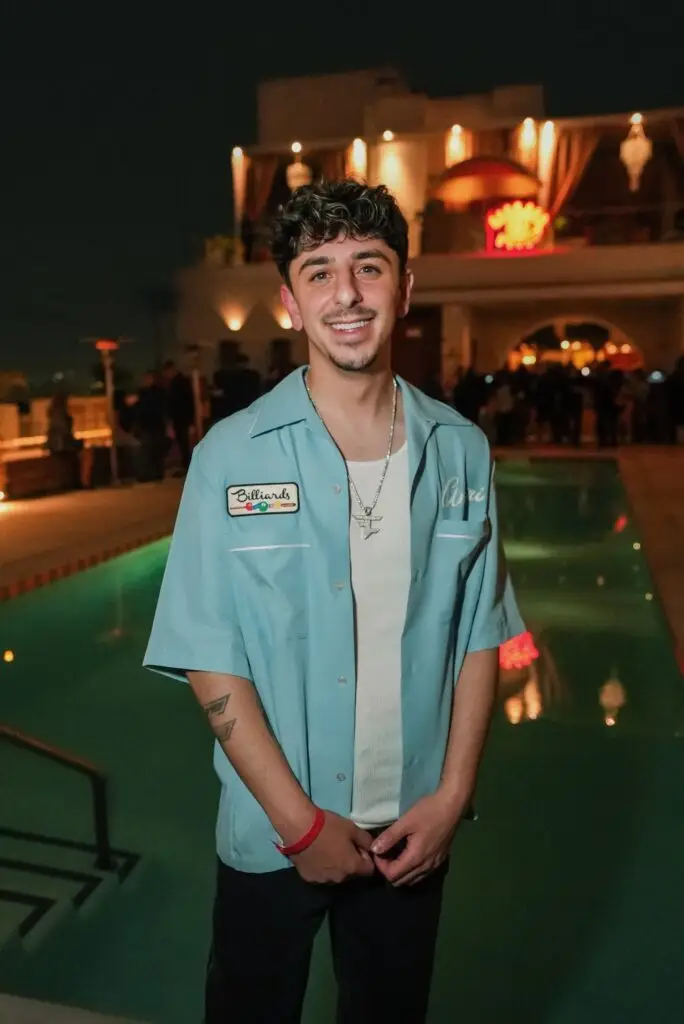
Video games are a $188 billion global market (about $50 billion in the US)—larger than the film and music industries combined. Consoles are producing global stars, few as big as San Diego’s Brian Awadis, AKA FaZe Rug. As of late 2025, Awadis had 28.5 million subscribers on YouTube, a global army of people who started by watching him adroitly smoke competitors on Call of Duty. His online personality—kind, humble, supportive—was a breath of fresh air in a cutthroat gamer realm. So far, his videos (which range from cooking shows to stunts and lifestyle skits) have amassed over 10 billion views.
Awadis’ Chaldean-Assyrian parents immigrated to San Diego from Iraq, his dad working in and owning liquor stores to pave their way. Awadis graduated from Mira Mesa High in 2014 and enrolled in Miramar College. Announcing his plans to go gamer-pro did not land well, parentally, until YouTube sent him an $11,000 check for his first viral video.
His e-sports gaming collective, FaZe Clan, went public on NASDAQ in 2022, valued at around $725 million. That scale is hard, and stock eventually sunk. But a sale to GameSquare in 2023 for $17 million is a decent consolation prize for a first-gen video game kid who built a global empire from his parents’ Mira Mesa home. In late December, Faze announced he was leaving FaZe Clan, hinting “now the new chapter begins.” 2026 will unveil to millions of his fans what that chapter entails.
The Freddie Mercury mustache. The border-town brio.
His lolling swing between Spanish and English that captures the soundtrack of the South Bay. Thirty-two-year-old Eddie Zuko occupies a pretty sweet musical space somewhere in the orbit of (somehow) both Bad Bunny and Benson Boone—crooner pop, hip-hop, reggae, the traditional Mexican music he learned from his mom. He’s a real genre sundae. He calls his fashion
sense “tio-core:” white t-shirts tucked into jeans for maximum fun-uncle effect. His video for the song “Made” became an anthem for Mexican-Americans navigating the twin and sometimes opposing cultural source codes within themselves.
There’s an argument to be made that a guy with tens of millions of Spotify listens should be on a “50 People You Shoulda Watched” list. But, on concert posters, the Imperial Valley native and San Diego resident is still listed in that slightly smaller font just below the headliners. It feels like this is the year Zuko’s font size increases.
In 2024, his set at a Coachella side stage was a crowning moment, his first time at the festival he could never afford as a teen, performing for thousands of kids like him as they sung along and shook their asses. Few capture the Chicano psyche quite like Zuko does—or sound so good doing it.
Pablo Picasso and the person many dub his artistic successor—14-year-old San Diegan Andres Valencia—both showed very early promise as painters.
Valencia picked up a brush at 5; Picasso began training at 7. And while the legendary Cubist was raking in big money for his work by 40, Valencia’s got him beat: At 10, he was featured in Forbes, Artnet, and The New York Times. By 11, his pieces were selling for $50,000; $125,000; a whopping $230,000, with Brooke Shields and Sofía Vergara among his most high-profile collectors.
Valencia released his first book, Painting Without Rules, in February 2025, at the age of 13. Taking readers inside his home studio and process, the coffee-table tome contains glossy shots of Valencia’s works, which have Cubism’s signature fragmentation and angular geometry. In sped-up videos on social media, more than 300,000 followers watch him map out abstracted faces, bulls, fellow artists (including, lately, Frida Kahlo and Andy Warhol) in thick, black oil pastel lines, then fill them in with rich, vibrant shades of acrylic paint—his signature style since he was still small enough to need a stepladder to reach the top of his canvas.
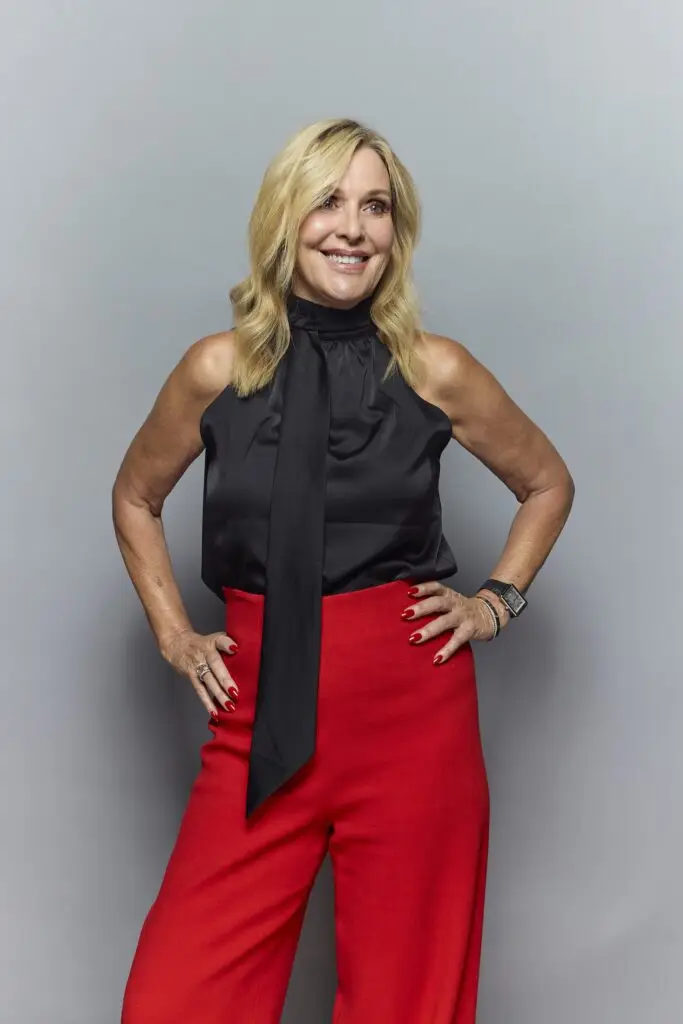
Seasoned collectors know the must-visit cities for art: New York, Paris, London… Solana Beach? Yup—at least if gallerist Lorna York has anything to say about it.
“I’m in a smaller market for contemporary art, but I’m being recognized by my peers
at a global level,” says York, who founded Madison Gallery in 2001. “Every 45 days, I host a major international artist.” Among the most recent were Los Angeles–born graffiti artist RETNA and sculptural painter Donald Martiny.

At York’s airy, 4,000-square-foot North County space, you’ll see work from mid-career and established artists (many of whom have chosen to make Madison their sole carrier in the United States), all ranging from around $5,000 to six figures. York has been intentional about creating a gallery where first-time collectors feel comfortable dipping their toes into the art world. “[It’s about] learning what the next generation is looking for,” York says. “They aren’t gonna be about elitism. They’re wanting connection.”
For York, that means offering aesthetes a place to engage with art in person, both in Solana Beach and at fairs and shows around the world. In 2026, she’ll take her gallery on the road to Mexico City’s Zona Maco, the largest art fair in Latin America; Germany’s Art Düsseldorf; and Turkey’s Contemporary Istanbul.
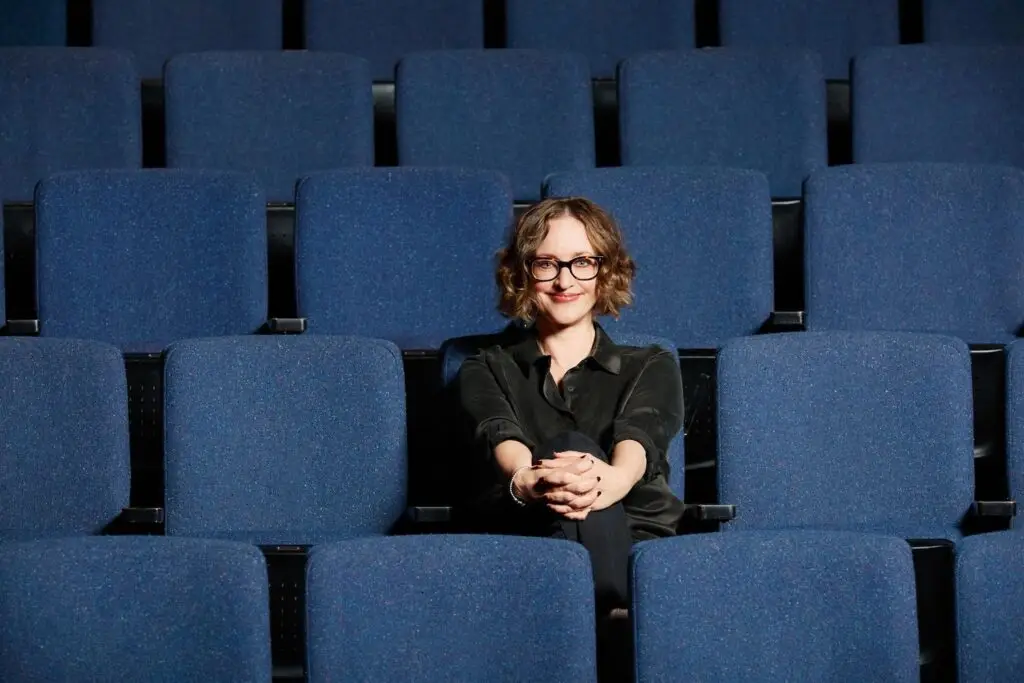
By age 10, Jessica Stone—the newly minted artistic director of La Jolla Playhouse—had collected more playbills than the average person does in a lifetime. Her New York City–dwelling, musicologist father took her to “everything,” she recalls. “But Annie rocked my world. It’s the thing that made me realize I wanted to do that.”
She became a professional actor in middle school and, after years on screen and stage, transitioned to directing in adulthood, nabbing two Tony nominations and Outer Critics Circle and Drama Desk awards for best director (and spending some time working at The Old Globe in Balboa Park).
Meanwhile, last year, longtime LJP artistic director Christopher Ashley announced he was leaving. His successor would have huge shoes to fill, since he’d helped put San Diego theater on the national map, sending multiple premieres to Broadway. After an exhaustive nationwide search, LJP approached Stone with the role. “I was so impressed and inspired by the playhouse’s thirst for audacious theater,” she says.
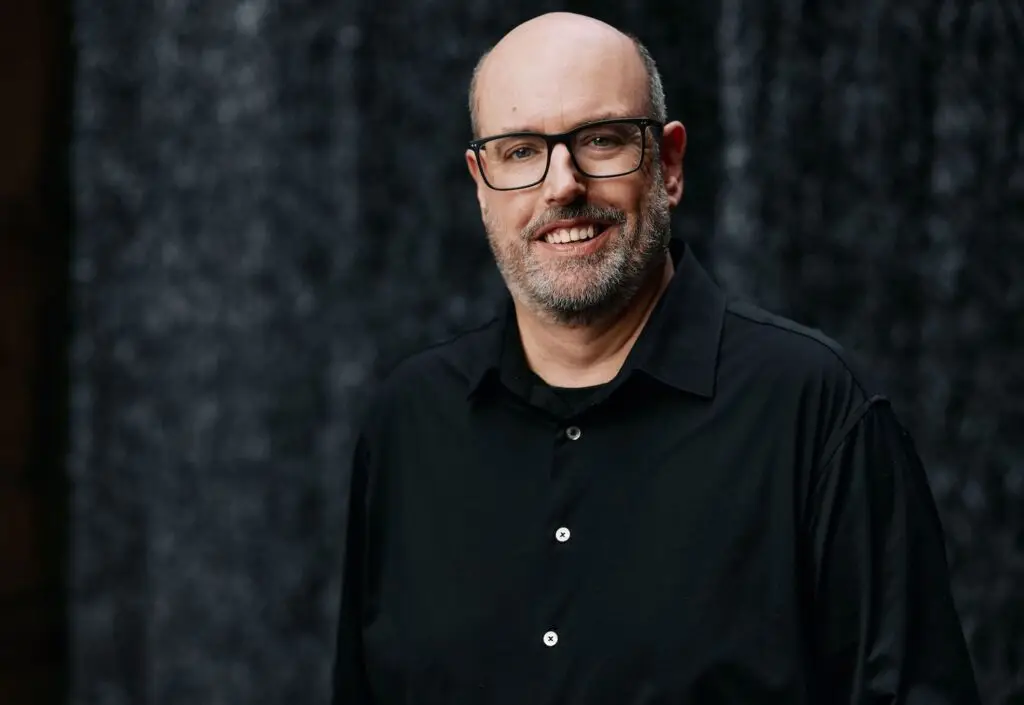
That word—audacious—is her guiding light as she embarks upon leading the playhouse. She’s committed to “making an artistic home for more artists and being a part of the cultivation of our newest and most exciting voices,” she says. “And one of the most satisfying things about directing is the opportunity to collaborate with set designers, and I’m really interested in pushing boundaries and playing in that sandbox and seeing all the different ways in which we can physically explore different worlds and ideas.”
Are Adrian Patterson and RJ Chumbley best friends or romantic partners? Are they 21 or 43? The social media–famous duo known as “The Goddess Boys” have content that supports all the theories—which is just as well. A little mystery suits them.
The pair started posting several years ago, gaining attention for their fantastical fashion content, immersive vampire cosplay, and impossibly good looks. TikTok platformed The Goddess Boys in 2021 as part of a Pride month creator spotlight. Nowadays, you’ll see them dressed in their iconic yin-and-yang style (Patterson almost always wears white, while Chumbley’s signature color is black), filming playful and uplifting short-form videos in front of a gorgeous spread from some of SD’s most photogenic restaurants. At home, they produce “Coffee Couture,” a series of chaotic and elaborate drink recipe videos that turn the tropes of food and ASMR content up to 11 (lots of gasping, tapping, and full-size umbrellas as outfit protection).
Where other influencers built an audience on being relatable, Patterson and Chumbley lean hard into aspirational whimsy—yet they always drop a third straw into every Coffee Couture beverage to offer viewers a sip. It’s a masterclass in personal branding and, as the duo’s nine million followers prove, just plain fun to watch.
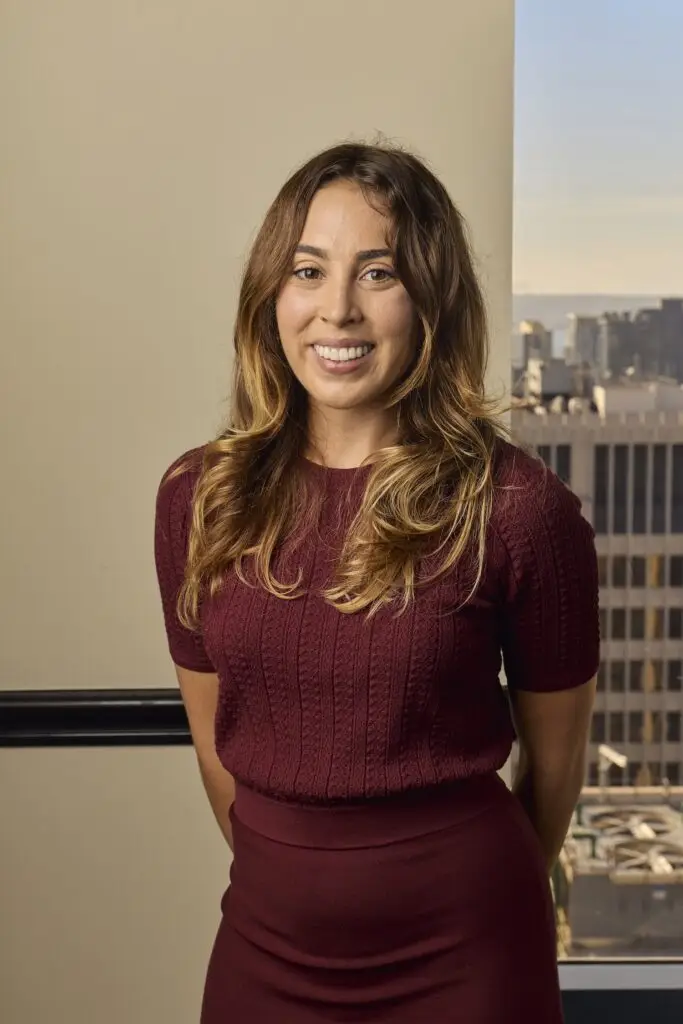
When Sofía Mejías-Pascoe was a college student, people told her not to go into the perilous world of journalism. Yet Mejías-Pascoe still felt called—she’d grown up in San Diego, listening to KPBS on the drive to school every morning. She interned at San Diego CityBeat, the Union-Tribune, and inewsource. Then, last year, less than a decade after pushing past the warnings, she became the San Diego Press Club’s youngest-ever Journalist of the Year at just 27.
Mejías-Pascoe was recognized for her work as inewsource’s full-time immigration and border investigative reporter, penning articles that shed light on injustice. Her dedication is such that she once spent more than 48 straight hours covering a makeshift holding area for recent arrivals to the US. Nowadays, she says, she’s “spending a lot of time in federal courts,” exploring another angle of her beat.
“One family facing deportation—they’ve been here for more than a decade. The mother is afraid to leave her house,” she said in her Journalist of the Year acceptance speech, which moved many in the audience to tears. “Yet she tells me, ‘We have to keep going.’ I always take lessons from the people I talk to in my work.”

Every world-class art house is faced with a basal concern: how to gather the young? How to keep the next gen art-stimulated IRL when they’ve got an infinity of creative stim on their tiny pocket screens?
Teaming up with Erwin Hines and Future Is Color seems to help.
Four times a year at the Museum of Contemporary Art San Diego (MCASD) in La Jolla, up to a thousand young-leaning, creatively piqued locals gather for Studio Sessions, listening to jazz and DJs and mingling near some famous art by Jennifer Bartlett, Damien Hirst, Yan Pei-Ming, or whatever new creative force MCASD director Kathryn Kanjo is championing.
Hines started Future is Color and Studio Sessions (which he also produces in other SD locations, including once-monthly at downtown’s Quartyard) as a way to rise out of a bleak personal spot. The year was 2020. Covid wasn’t a joyride. For a Black and Filipino man in the US, George Floyd’s death brought on some additional existential vertigo. He started to think about welcoming—who was welcome, who wasn’t, where welcome was.
A creative director who’d worked on campaigns for massive brands (Beats by Dre, Google, Patagonia), he’d long used his creativity as a clarion call. For his first Studio Sessions, he localized that into a warehouse in Barrio Logan—with house band SkateJazz playing in the corner, moody lighting, Hines’ art and phrases projected onto the wall.
A scene emerged. It became a weekly welcome for fresh faces in San Diego’s creative culture. And, not for nothing, Foot Locker started selling Future is Color hoodies across the US.

Sit at Public Square Coffee in La Mesa and order the scone with ube frosting. Look at the small window above the shop. Behind it, one of the city’s most promising comedians is probably recording his podcast with Melissa, his cohost and wife and their company’s CEO. Dustin Nickerson is naturally hilarious in a deadpan, dad-of-three-by-age-20-something way. He looks like a former youth counselor (he was). Their studio is six square feet with a tiny couch, three mics, studio lights, a producer named Andy, and some Nerds Gummy Clusters if you’re lucky.
The Don’t Make Me Come Back There podcast drops weekly on Nateland, the good, clean comedy network run by one of the country’s top modern comedians, Nate Bargatze. It’s been downloaded over three million times. Nickerson, a Seattle transplant, has opened for Bargatze a bunch—both he and Melissa have been beamed up into Bargatze’s comedy mothership.
Nickerson’s done The Tonight Show with Jimmy Fallon, Kevin Hart’s Hart of the City (Comedy Central, Netflix), The Late Late Show with James Corden. His 2020 special on Amazon Prime—a Covid-masked giggle into the abyss—has about as near-perfect of a rating standup specials get. This year, he’s got approximately two billion shows booked across the country with some of the biggest names in the game, plus a new standup special. Then, he’ll come back here and be a national voice of comedy above a La Mesa coffee shop with a killer scone.

Rudy Francisco‘s story, like many, starts with love. The Belizean-American San Diego hometowner first flexed his writing chops with a romantic poem in high school. When he saw HBO’s Def Poetry Jam—a spoken word series that ran in the early 2000s—something clicked. He started going to open mics, then founded his own.
Now, the voice he honed in SD’s coffee shops and creative spaces has made him one of the most recognizable stars in the national slam poetry scene. His viral performances (including one that name drops Del Mar) have drawn millions of YouTube views, and, in 2018, he became the first person to showcase a poem on The Tonight Show Starring Jimmy Fallon.
Francisco continues to tour the country and lead the San Diego PoetrySLAM Team (which snagged a championship around the same time as his Fallon appearance). “Let’s sing loudly, off beat and out of tune,” he wrote in a short poem recently posted to Instagram. “Let the world know we don’t care how it sounds.” If his seven published books and his 700,000-plus social media followers are any indication, though, Francisco has found his beat.

Mikey Varas must be a fireworks show at a poker table. In the all-eyes-on-you, high-pressure, inaugural year of Major League Soccer in San Diego, the coach had his team passing the ball in front of their own net with heart-stopping regularity—baiting opponents to lunge, and then zipping it downfield soon as they tried. They spent more time in fast breaks than any other MLS team. They gargled risk. The result? San Diego FC broke nearly every record for an MLS expansion team. Most points. Most wins. One of the youngest rosters in the league. They took the title in the Western Conference and won two playoff rounds before falling to the Vancouver Whitecaps in the finals.
Credit is due all around: CEO Tom Penn, Tyler Heaps (the youngest sporting director in the MLS), the players (especially breakout star Anders Dreyer), the theatrics of the supporter section (the masked, flag-waving, drum-beating, constantly chanting soul of every home game). But Varas looks like the perfect pick for a new era of sports.
The Spanish-fluent Chilean-American has spent his career developing young players. With the Right to Dream Academy—a $50 million, 28-acre state-of-the-art soccer training center for kids from both San Diego and Tijuana—Varas will be central not just to SDFC, but creating a youth-driven soccer culture in an increasingly fútbol-obsessed border town.
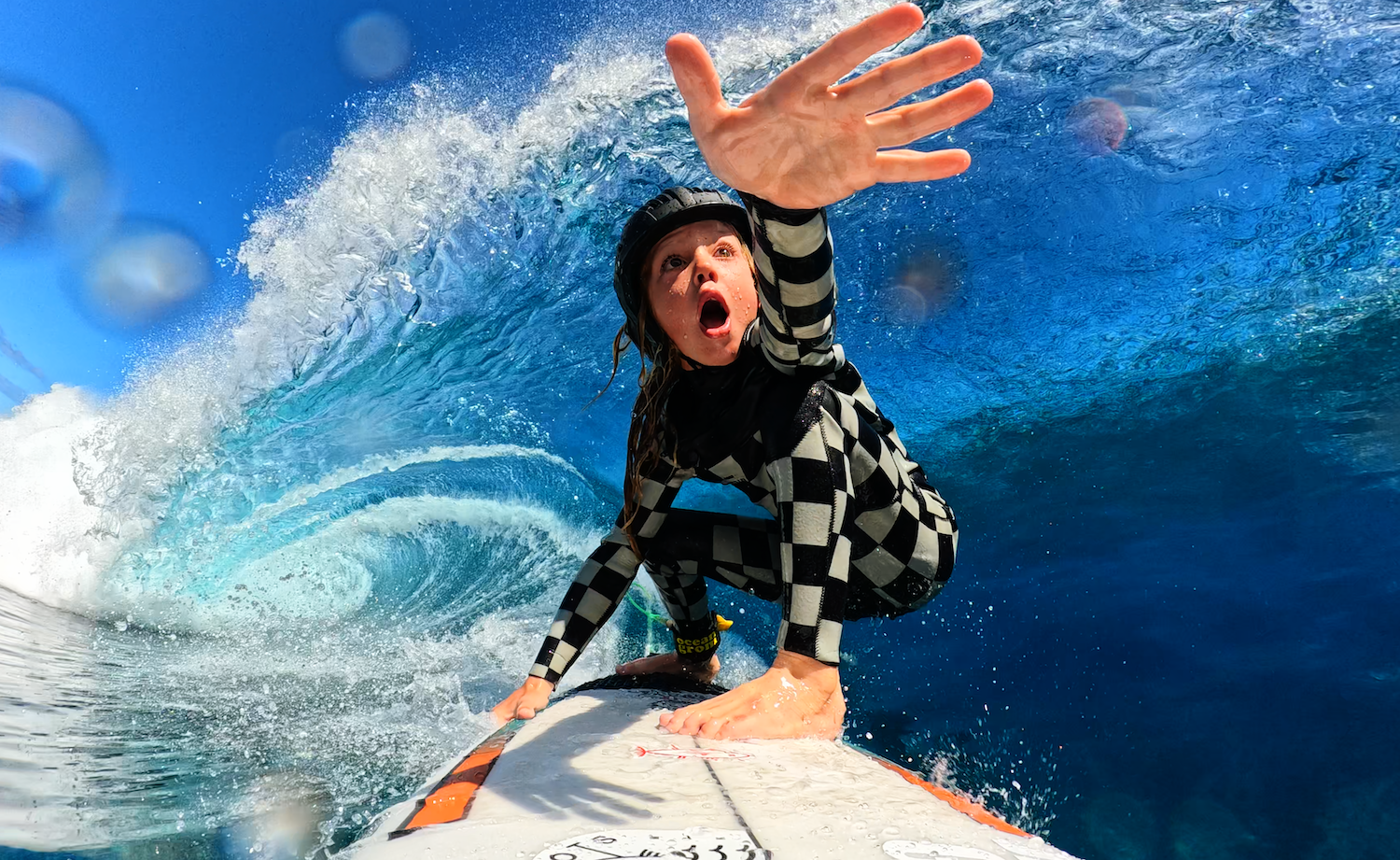
Next time you’re paddling out near the Oceanside Pier, don’t be surprised to see an especially tiny grom waiting in the lineup for his chance at a bomb. “I’ve been surfing since I was 1 or 2,” O’side local Uriah McDonald told his 180,000-plus Instagram followers in a video. “My first memory, I was standing up [on a board] with my dad. I’m like a friend with the ocean.”
Now, at the ripe old age of 8, McDonald needs no assistance popping up. As comfortable in front of a camera as he is on a shortboard (or skateboard or snowboard, his other two sports of choice), he’s regularly seen riding legendary breaks (including one of the world’s most dangerous big waves, Teahupo‛o), pulling off backflips on the slopes, extolling his love for extreme sports, and—like any dedicated pro—wiping out on his parent-run social media channels.
The pint-sized phenom is sponsored by GoPro, Shaun White’s Whitespace, and other major brands, and he nabbed a win at the 2024 U7 Surfing Championship in Oceanside (and reached the podium in the U9 and U10 showdowns). Bigger stages may be on the horizon before we know it: “I really want to be an athlete and go into the Olympics,” McDonald told Fox 5 after his win.

It was one of the wildest, most emotional storylines in the history of WWE. Two pro wrestlers, Eddie Guerrero and San Diego’s Rey Mysterio, faced off in a ladder match. A piece of paper dangled above the ring. Whoever walloped their way up the ladder and retrieved the paper would win—get this—parental custody of 8-year-old Dominik Mysterio, who stood off to the side watching his future unfold (Rey had raised Dominik, but Guerrero claimed to be his biological father… dun dun dun). Rey emerged victorious and got to keep his son, introducing the world to the Chula Vista kid who would eventually become one of WWE’s greatest villains.
Dominik’s path to the dark side? In 2017, he trained with his father, and, a year later, they won the WWE SmackDown Tag Team Championship—the first father-son duo to ever hold the title. But then, in 2022, pro wrestler Edge (“The Rated-R Superstar”) came out of retirement and replaced Dominik as his dad’s partner. Resentment broiled. In the fateful 2022 “Clash at the Castle,” Dominik kicked Edge below the belt; clotheslined his dad; and joined the no-good, rotten evilcore of WWE’s Judgment Day faction.
“Dirty Dom” was born. Dom won the 2025 WWE Intercontinental Championship and The AAA Mega Championship (Mexico’s biggest title), becoming the first wrestler in history to hold both. A cross-border superstar was born.
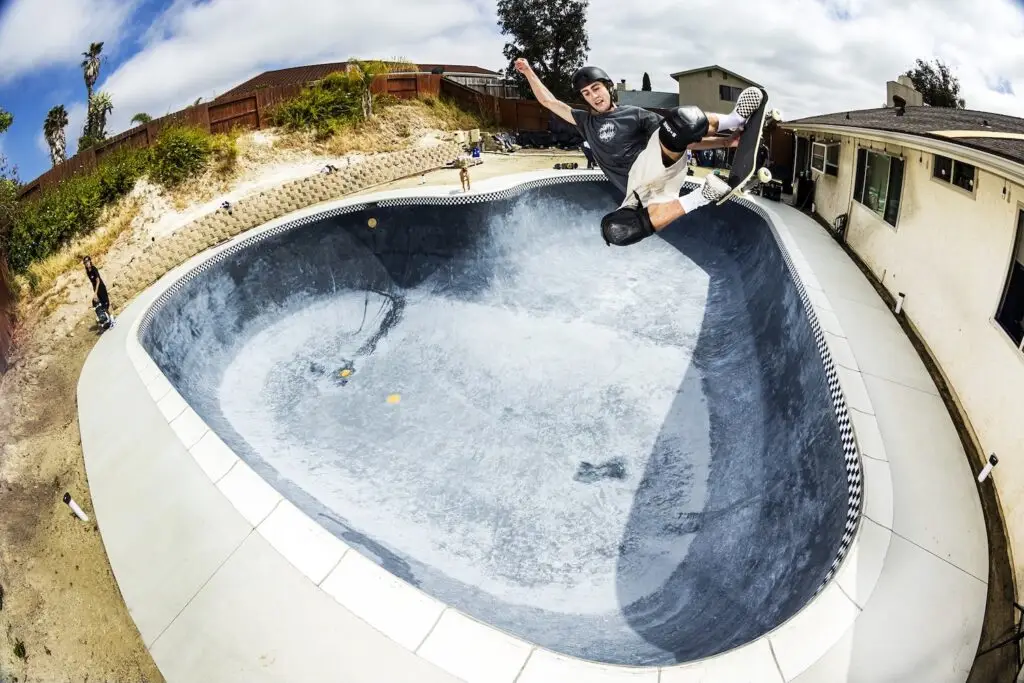
In the months leading up to the 2024 Olympic qualifiers, Point Loma skateboarder Tate Carew broke his collarbone. Physically, he recovered pretty quick (19-year-old bones tend to do that), but it was a hell of a time for a mental block. Fear leads to hesitation, which is a pretty terrible Olympic attribute. It was long talks with his sponsor—San Diego’s global skate legend Tony Hawk, who signed Carew to his Birdhouse Skateboards brand—that helped him break through.
Carew flew to Australia to train with his longtime friend, 2021 Olympic gold medalist Keegan Palmer (also a San Diego native). A few months later, at the Olympic qualifiers, Carew fell again. This was the defining moment: Could he get the tumble out of his head immediately? On his next run—in his trademark smooth, relaxed style—he pulled off an indie grab and transitioned into his signature 540 aerial, winning the whole competition and earning him the rank of number-one skateboarder in the world (he’d finish fifth in the Paris Olympics).
Carew seemed destined for this, from the moment he got a board under him at the OB Skatepark. At 14, after honing his skills at the more advanced parks of the Clairemont and Mission Valley YMCA, he became the youngest finalist at the 2019 World Skateboarding Competition. Then he won the 2022 USA National Championship. Next up: Los Angeles 2028.
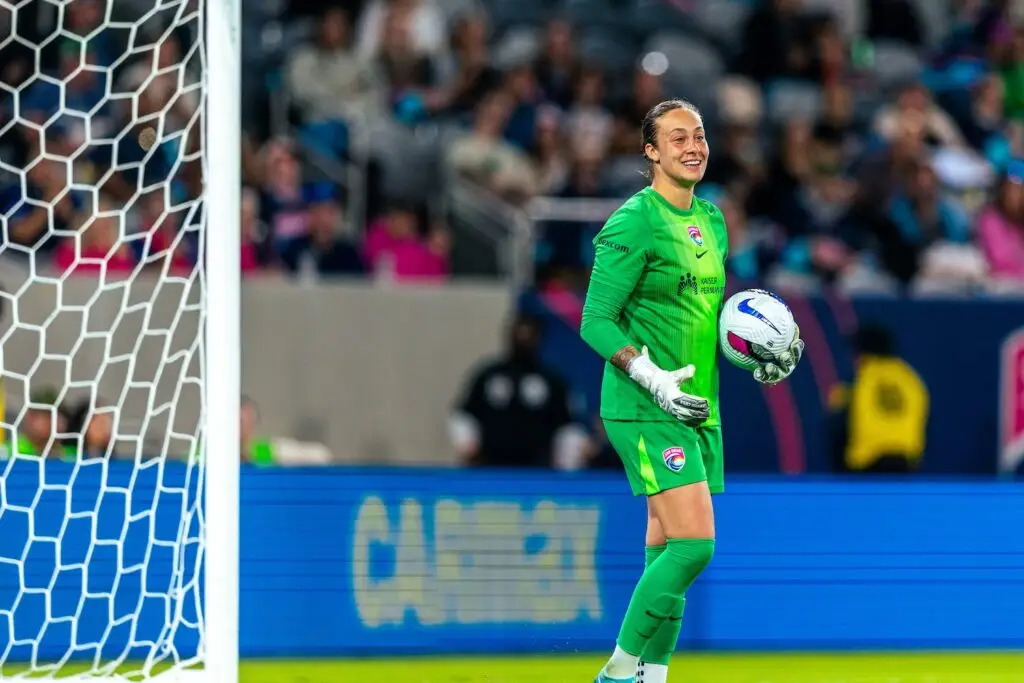
San Diego Wave FC’s arrival and rise has been one of the most seismic stories in the city in the past few years—for women’s sports overall, sure, but also just for sports. Having international superstar Alex Morgan anchor the debut year of the franchise in 2022 brought national headlines. Their inaugural game at Snapdragon Stadium (after they spent most of their first year at USD) set a NWSL attendance record. When Morgan retired and moved into club ownership, other stars would have to rise—like scorers Kenza Dali and Delphine Cascarino and, on defense, Trinity Armstrong and goalie and new captain Kailen Sheridan.
An import from Ontario, Sheridan is keeper for the Canadian World Cup team. In 2022, she won the Golden Glove at the championships and was named NWSL’s Goalkeeper of the Year. With star defender Naomi Girma leaving last season, even more pressure fell on the keeper. She delivered another top-seven performance and helped the Wave return to the playoffs (they missed ’em in 2024), recording her 600th career save late in the season and bringing even more oomph to San Diego’s soccer success story. A new face of a franchise.

Shots were nearly not swatted, and now they shall be. Because of Magoon Gwath. San Diego State men’s basketball has become a main attraction in city sports, largely credited to coach Steve Fisher’s arrival in 1999. Since his retirement, Brian Dutcher has turned the team into a national force. In 2023, they became the only Mountain West Conference team to ever make the NCAA championship game. Their biggest threat? The NIL (“Name, Image, and Likeness,” which allows college athletes to get paid) and the transfer portal. Schools with massive NIL budgets (like Kentucky, Duke, and Michigan) can outbid smaller markets like SDSU, luring their best talent away right when they’re about to have their breakout years (“Thanks for developing them; we’ll take it from here”).
This year, SDSU nearly lost sophomore superstar Magoon Gwath to the portal (Kentucky was in hot pursuit) or the NBA draft. As a freshman, Gwath—at seven feet tall with a wingspan of another 7.4 feet—was already one of college hoops’ top defensive players. A good college defender blocks an average of 1.6 shots a game, and an elite defender blocks 2.0. Gwath averaged 2.6, second in the NCAA. He also shoots, totaling 25 points in a game (including three three-pointers), a feat not done since Kawhi Leonard. Gwath announced he’d stay with SDSU this season, and now he’s chasing the near-mythical 3.0 shots blocked per game.
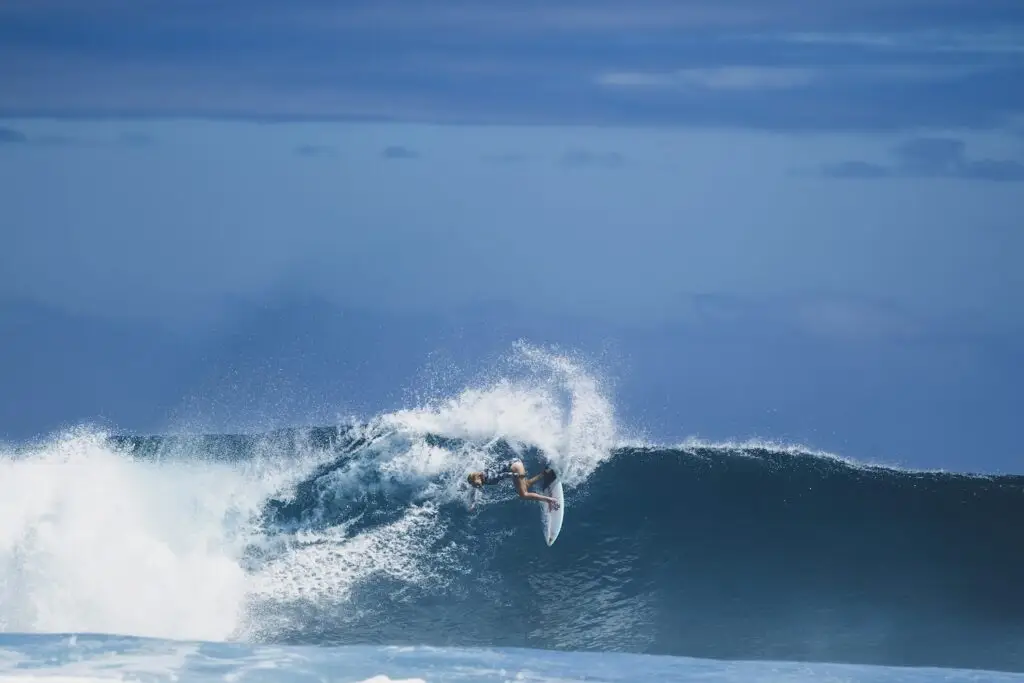
It was gray the day it nearly didn’t happen for didn’t happen for Caitlin Simmers. In the final heat of 2024’s Rip Curl Pro at famed Australian surf spot Bells Beach, Simmers trailed Johanne Defay of France pretty badly. She’d just ridden a wave and made the long paddle back out, gassed. With
13 seconds of the championship heat remaining and TV commentators all but expressing their condolences to the young ripper from Oceanside, Simmers scraped and scrambled and took a steep drop into her last chance.
She smacked a big off-the-lip (points! but probably not enough). The wave went weak in the middle section, and the airhorn went off, meaning the competition was over as soon as she finished this ride. Simmers worked up as much speed as she could, and as the wave gave its last hurl, she smacked the lip again. The trophy was hers.
Five months later, at the World Surf League championships at Lower Trestles (a 22-minute drive from the break where she grew up surfing with her dad and brother), Simmers would set a record for the highest score in a world championship final. A group of absolutely stoked young female fans carried her on their shoulders out of the water. She was 18 years, 10 months, and 12 days old—as noted by Guinness World Records, who anointed her the youngest women’s world surf champion in the history of the sport. She’s also the first California woman in about 40 years to win the championship, and she’s just getting started.
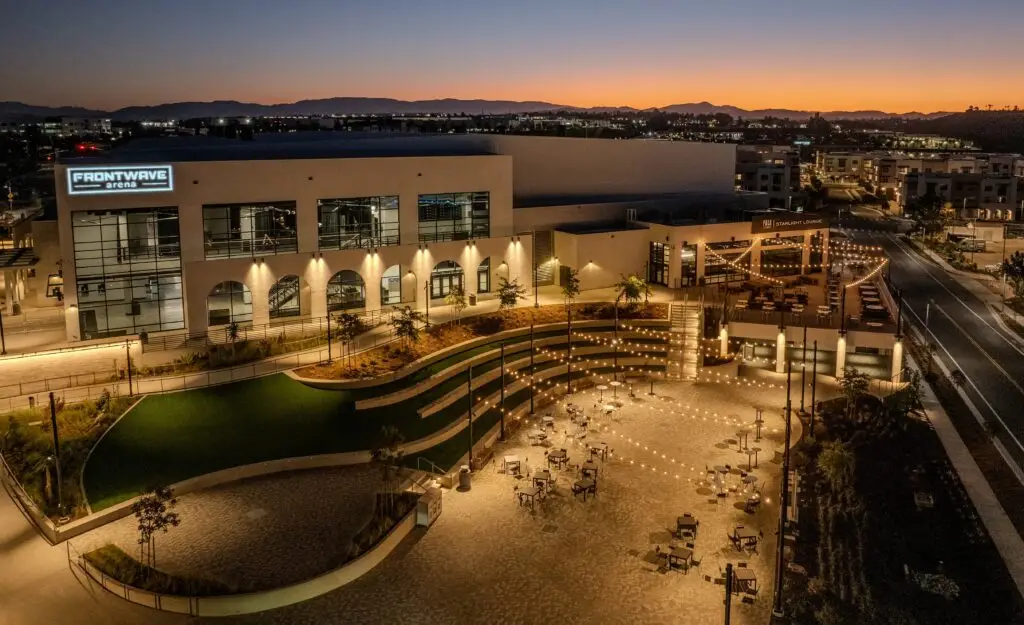
Frontwave’s story isn’t exclusively a soccer story—it also brought the Clippers back to town in the form of a G-league team—but let’s make it one. With no NFL, NBA, or NHL, other pro sports are thriving in San Diego. The Padres are setting attendance records. In 2024, San Diego Wave FC ranked number two in the world for women’s pro soccer attendance. San Diego FC pulled an average of 28,000 fans to each game. The San Diego Sockers’ crowd is smaller—about 3,000 per match—but it grew 95 percent year over year.
So, is this a true countywide soccer fever? We’ll find out as the Major Arena Soccer League team under coach Phil Salvagio, who leads stars like Kraig Chiles, Brian Farber, and Boris Prado—plays their first full season at Oceanside’s year-old Frontwave Arena. CEO Joshua Elias told SDM he built it as a home for the Sockers.
Frontwave solves one of the biggest problems for emerging and mid-level sports: Teams that are popular enough to draw a few thousand fans (and growing) are often forced to play in arenas built for major-league franchises and Coldplay concerts. In a half-empty room, success looks like the opposite. Frontwave has 7,500 seats (about half the number at Viejas Arena and Pechanga Arena), only 16 rows per section, and no upper deck, which means every chair in the $85 million venue is on top of the newly rejuvenated soccer action.

Demi Bagby was always athletic. Growing up in San Diego, the now-24-year-old played soccer, then joined a competitive cheer squad in sixth grade. With no prior experience, a few private lessons, and lots of practice on a pile of cushions at home, Bagby trained herself how to flip. Within a couple of months, she was tumbling with the squad’s most elite cheerleaders—but a basket toss gone wrong led to a broken back that took Bagby more than a year to recover from.
Others might have sworn off extreme sports completely. Not Bagby. At 14, she got into CrossFit, quickly progressing to 23rd in the world in the teenage bracket of the CrossFit Open. She picked up board sports, race car driving, skydiving. There seems to be nothing her 4’11” frame can’t tackle, and she shares it all on social, racking up brand sponsorships while more than 19 million followers watch her fly down SD’s streets on motorcycles, do one-handed push-ups, and toss out a few flips before throwing the first pitch at a Padres game. Feeling inspired? Bagby’s literally got an app for that: DemiFit, which offers training plans for all levels, from beginners to back-handspringers.
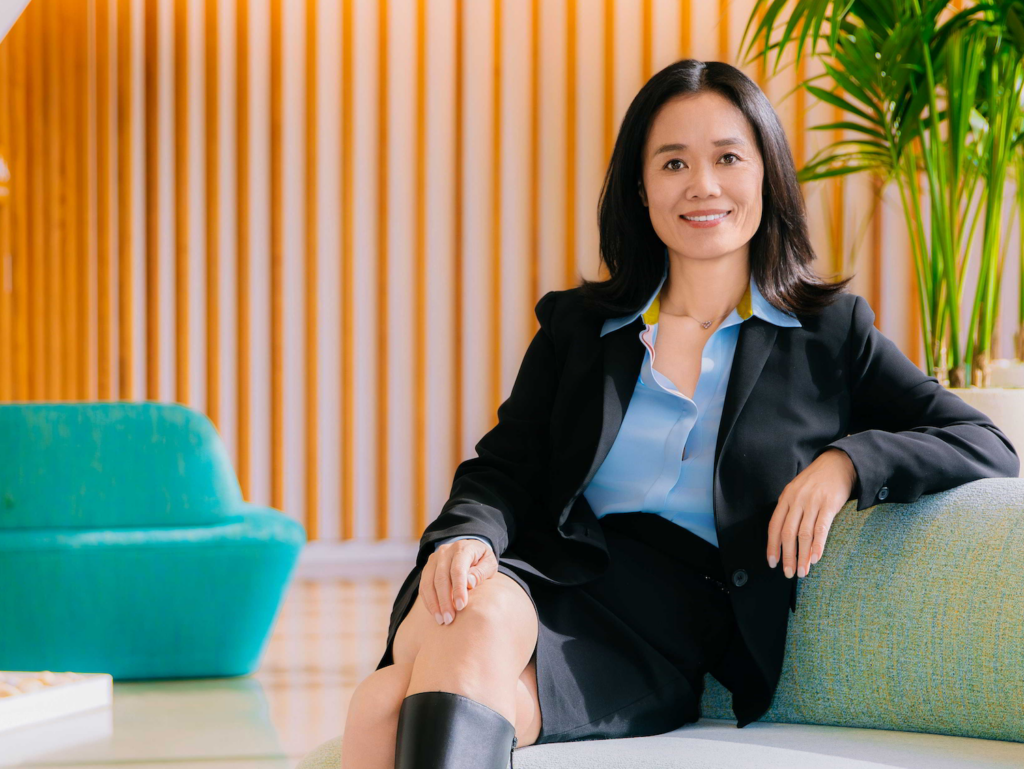
All humans are born with an instruction manual: the genome, our Rosetta Stone. Decoding it—for as many humans as possible, as affordably as possible—is the holy grail of healthcare.
And Molly He is at the center of that in San Diego. After earning a PhD in protein biophysics from UCLA, she helped design cancer drugs in the pharmaceutical industry. Next came a leadership role at Pacific Biosciences, followed by her position as senior director of scientific research at local genomic sequencing company Illumina. Then, she became a venture partner at healthcare investing firm Foresite Capital.
With experience in both the science and business sides under her belt, she founded Element Biosciences with two partners in 2017. As CEO, He oversees a team developing new an increasingly cost-efficient genetic analysis tech, supported by serious investor funding (Element has secured $675 million since its launch).
In 2022, the company debuted AVITI, a small, powerful instrument that allows scientists to sequence genomes for costs lower than any other machine in the industry. He told KPBS last year that Element saw $60 million in revenue in 2024—but it also regularly offers grants to get AVITI into the hands of researchers with small budgets but big ideas. Now, He’s team will focus on innovating new generations of AVITI and other life-saving tech.
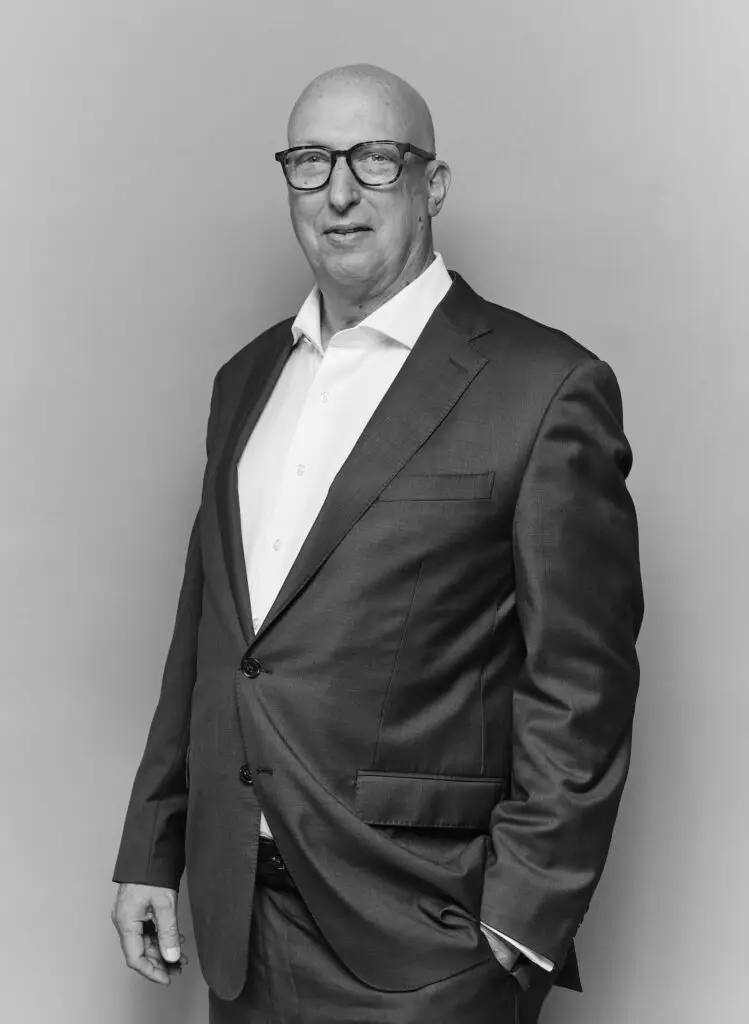
It is the biggest hotel on the west coast of the US. At its initial job fair (800 hires), the line of applicants worked its way through the municipal grid. Before it opened, it had a million nights booked.
By all marks, the 36-acre, 1.8-million-square-foot, 1,600-room Gaylord Pacific Resort and Convention Center was San Diego’s biggest hospitality news of 2025, the marquee of Chula Vista’s $1.35 billion bayfront redevelopment project. The hotel includes a 4.25-acre water park, a half million square feet of convention space, a 140,00-square-foot ballroom (the largest in the state), and 12 restaurants and bars.
Now the question is: Will it work? Who’s going to manage all that? The answer is Scott Siebert. Siebert’s got a 35-year track record as a giant-tamer, overseeing the 2,888-room Gaylord Opryland before coming to San Diego. San Diego’s southern waterfront has needed the inevitable love for a long time. The hope is that the Gaylord will succeed and dramatically expand the gravitational tourism pull of the county, become a massive economic driver for South Bay, and expand to offer nearly 4,000 jobs. No pressure.
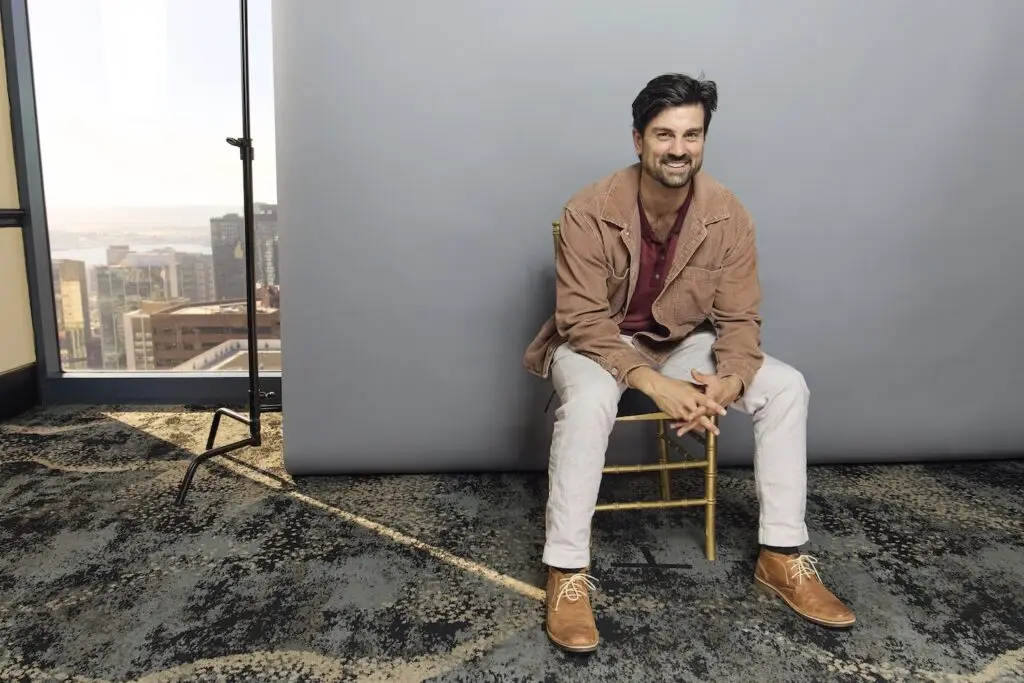
San Diego’s tech industry ranks in the top 20 nationally with 80,000-ish jobs. It’s anchored by pioneers (Qualcomm, Illumina), newish emerging giants (Iru, Shield AI, ClickUp), icons with satellites (like Apple and its Rancho Bernardo campus), and universities feeding a strong upstart force. In Deloitte’s “Fast 500”—an annual ranking of tech’s fastest growing North American companies—San Diego ranked eighth (our top entry was Drata, which develops security compliance AI).
Still, the industry has sputtered a tad. Developers are trying to beckon talent with life science campuses (downtown’s Research and Development District, Bioterra, Pacific Center), but anchor tenants aren’t easy to find. What tech might need is some old-fashioned face time. When people get together, relationships become ventures become talent magnets become industry phloem.
Jonah Peake is a rising star in solving that with The Social Coyote, a curated list of tech gatherings across the city, emailed out every Monday morning (to 2,500 subscribers and growing). With that resource—plus his role as program director for Techstars San Diego, the SDSU-backed local branch of the national accelerator program—he’s become the social glue for a tech scene that can easily get separated and lost in San Diego’s never-ending geographic sprawl.

The site of Pechanga Arena (longtime locals know it as Sports Arena) will dramatically change the face of the city. Pending final approvals, the aging rock-concert icon and swap-meet ritual grounds will become “Midway Rising,” which includes a brand-new, 16,000-seat stadium, plus 130,000 square feet of shops and restaurants, 14.5 acres of parks and public space, and housing—lots of it.
In addition to 2,250 market-rate apartments, we’ll see 2,000 affordable units, courtesy of Carlsbad-based Chelsea Investment Corporation and its president and chief investment officer, Cheri Hoffman. A financial expert with an accounting degree from CSU Fullerton, Hoffman has leveraged $2 billion in financing to help develop more than 125 affordable apartment communities over the course of her career. In 2022, her team unveiled a 407-unit development built in partnership with Father Joe’s Villages as part of the city’s 10-year plan to tackle homelessness. A year later, she inked a deal to bring up to 291 affordable apartments and a 6,220-square-foot childcare center to San Diego State University’s Mission Valley expansion.
Even with all this experience, the Midway Rising project might be Hoffman’s biggest challenge yet it may well be the largest affordable housing development in California’s history. If it can overcome opposition from locals concerned about traffic mitigation and other issues, it’ll break ground as soon as the end of this year.
They call San Diego “Biotech Beach,” thanks to the major research institutions in La Jolla and Torrey Pines. But can biotech go even bigger in central San Diego? All eyes are on the most ambitious projects—especially the 10-acre, $1.9 billion, 1.7-million-square-foot Research and Development District (RaDD) along the waterfront in downtown. As co-CEO and co-founder of IQHQ, Tracy Murphy is one of the minds leading the growth of the project, which includes five labs, green space, retail and dining, public art, and event spaces (including Eve, a venue run by the Padres).
In May 2025, IQHQ secured its first tenant: genomics research group J. Craig Venter Institute, which is vacating its space on the UC San Diego campus. The company will lease a floor in the life sciences hub for 100 employees beginning this year. IQHQ also opened Progress Park, a 1.5-acre public waterfront park adjacent to the RaDD, in October 2025 and introduced an art walk featuring 19 contemporary pieces.
Murphy called the district a place “where lifestyle meets life sciences” in a conversation at the Urban Land Institute’s 2022 Spring Meeting. The concept is IQHQ’s signature—the company is working on similar projects in Boston, San Francisco, and the UK.
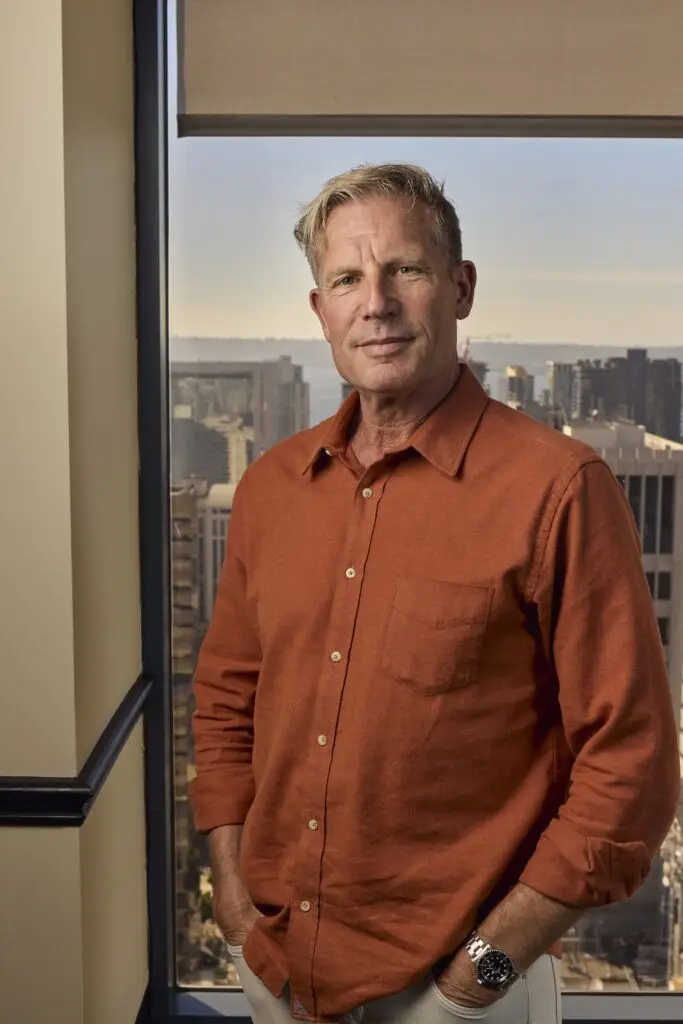
Our multi-generational coastal surf snobbery is at grave risk: Pro surfing’s next Kelly Slater might just come from Gilbert, Arizona (home to Revel Surf Park). The drastic leap in wave pool technology is the single biggest technological advancement in surfing history, unless you count the founding of Earth as a planet with water on it.
Surfing legends—mainly Slater, but also Mick Fanning—have partnered with tech innovators (like Tom Lochtefeld, CEO of Surf Loch) to take wave pools from knee-high crumble to perfect, predictable, head-high barrels. And San Diego’s getting its first one as the central attraction at Ocean Kamp, a 92-acre Oceanside resort with a 300-room hotel, retail, and up to 667 homes.
The proposal to turn the city’s old drive-in theater and swap meet lot into an artificial break was first introduced in 2018 and hit the usual lawsuits and delays. But master developer Jon Corn, president of N4FL Worldwide, convinced the city to greenlight the dream. When it comes to the surf lagoon, he defers all potential glory or otherwise to Palm Springs Surf Club, which will own and build it. But Corn got the vision through the municipal hurdles, installed the streets, and turned the lights on for the next chapter in San Diego surf culture.
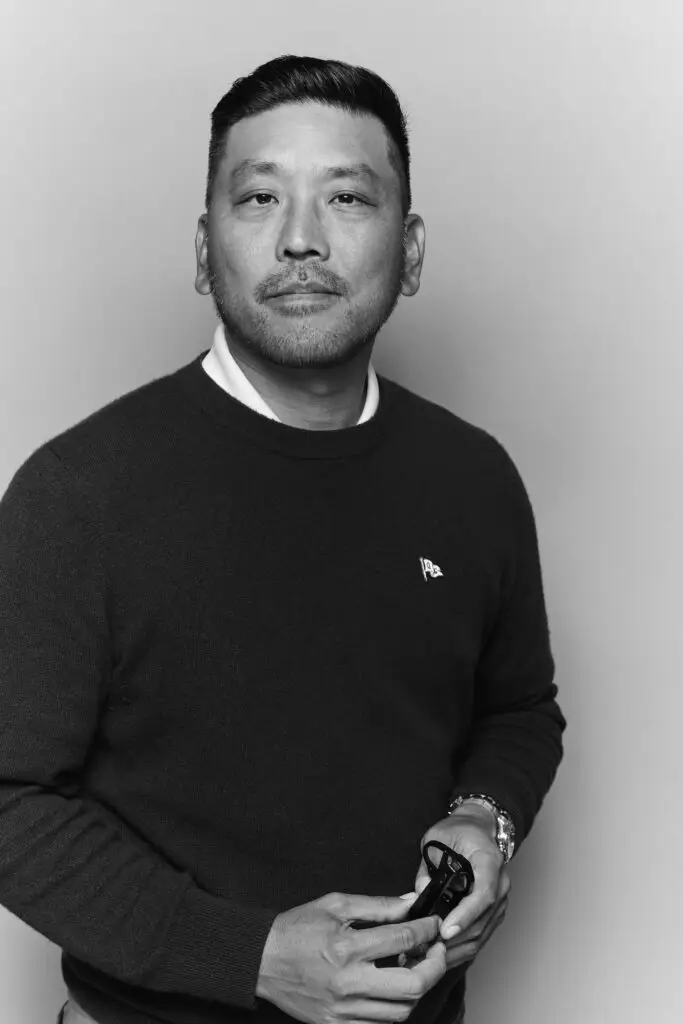
The seeds of the Asian food wonderland known as Convoy District were planted in 1979 with a couple grocery stores, Woo Chee Chong and Zion Market. So, it’s fitting that, nearly 50 years later, the sons of Zion’s original owner Kyu Hwang are spearheading the area’s biggest development in decades.
Zion was San Diego’s first Korean grocery store; Kevin Hwang and his brother Moses helped their father expand it to six locations across the US. Last year, the flagship relocated to the old Kmart location with a grand vision: the store, flanked by a handful of restaurants with outdoor dining, and a show-stopping, 25,000-square-foot rooftop bazaar designed by Michael Soriano (the architect behind Realm of the 52 Remedies and Vin de Syrah) on top of the supermarket, including a speakeasy-ish cocktail bar and nearly a dozen food stalls. A rooftop hang for Convoy’s next generation.
The market opened a year ago. In 2026, the restaurants arrive, including Marugame Udon, Em Coffee, Gom Seol Ga, Gosu Korean BBQ, Chagee Tea House, Pepper Lunch, Fika Fika ice cream, and Chez Burger by Alvin Cailan (he’s the chef and host of The Burger Show on Hulu and YouTube, and his burger was ranked number 25 in the world by The World’s 50 Best Restaurants). Hwang says the rooftop extravaganza is still two years out—and no doubt worth the wait.
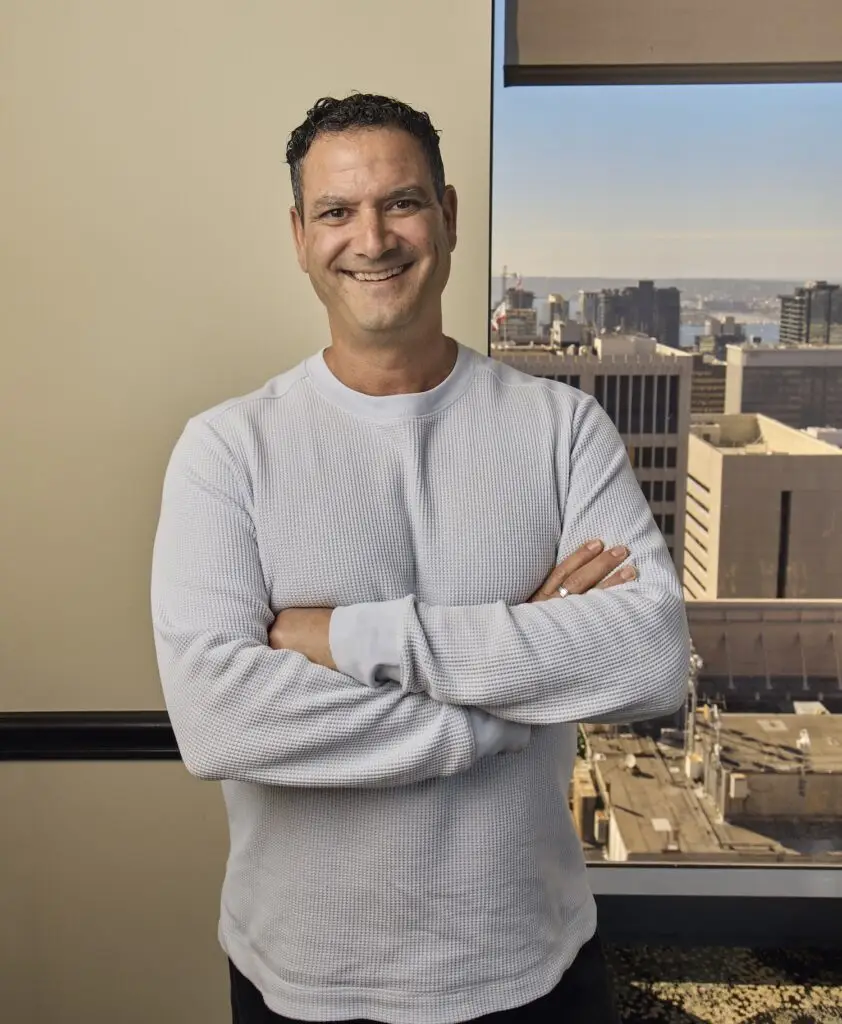
They told him he couldn’t build a global marketing company out of San Diego. Those were New York pursuits, LA dreams. So Dan Khabie did it anyway. His parents fled Beirut with only what they could carry on a plane. Decades later, Khabie and his wife moved to San Diego with $100 in their pockets, and, in 1997, he launched Digitaria.
At the time, data and analytics were the forensic investigators of marketing, pulled in only after the creative had run its course. Digitaria flipped the script. It brought data to the front of the process, embedding tip-to-tail analytics inside the creative journey. Some of the biggest entertainment and sports brands signed on, including NBC, DreamWorks, ESPN, and the NFL. Digitaria was eventually acquired by global giant WPP and merged into Mirum, a 2,500-employee digital experience agency with offices on six continents. Khabie served as Mirum’s founder and CEO.
But he missed being an entrepreneur, so he resigned and co-founded a new company in his San Diego garage with his business partner Kenny Tomlin: CourtAvenue, a digital transformation company and collective. In five years, it’s become one of the fastest-growing companies in the country, handling strategy, AI, and data, rebuilding and marketing digital existences. Its next big project? Reimagining the entire digital ecosystem for a little startup called AT&T.

We’ve been crowing about the pending renaissance of Mission Valley for years, and now it begins. One of the most high-profile projects is Riverwalk San Diego, a 200-acre community with 4,300 housing units, two plazas, a new trolley stop, and office space. The project got funding for phase one last October.
The crown jewel of Riverwalk—what could really transform the city, if done right—will be the 110 acres of parks, trails, playgrounds, dog runs, sports fields, and open spaces along the San Diego River pathway. Right now, the San Diego River is largely a spooky, trashy, overgrown bramble. Most people forget it exists until it floods and TV news crews announce that we’d better find another way to Fashion Valley mall. The ideal is to turn it into a clean, green, riverfront attraction (like in Chicago or San Antonio). Utopia is a fool’s errand, but just the simple act of cleaning up, greenifying, and landscaping over 100 acres near its shores should be a stark, stark shift. The people taking on the challenge: San Diego landscape architects Schmidt Design Group and its president and managing partner, JT Barr. Schmidt has handled projects all over the city, from Encinitas’ Fox Point Farms to Arts District Liberty Station.
“Our firm is very fortunate that we work within the public sphere,” he says. “We create spaces for families and the community to come together. That really is the driving force behind the work that we do: How can we leverage our craft to have a positive environmental and cultural impact on the city of San Diego?”
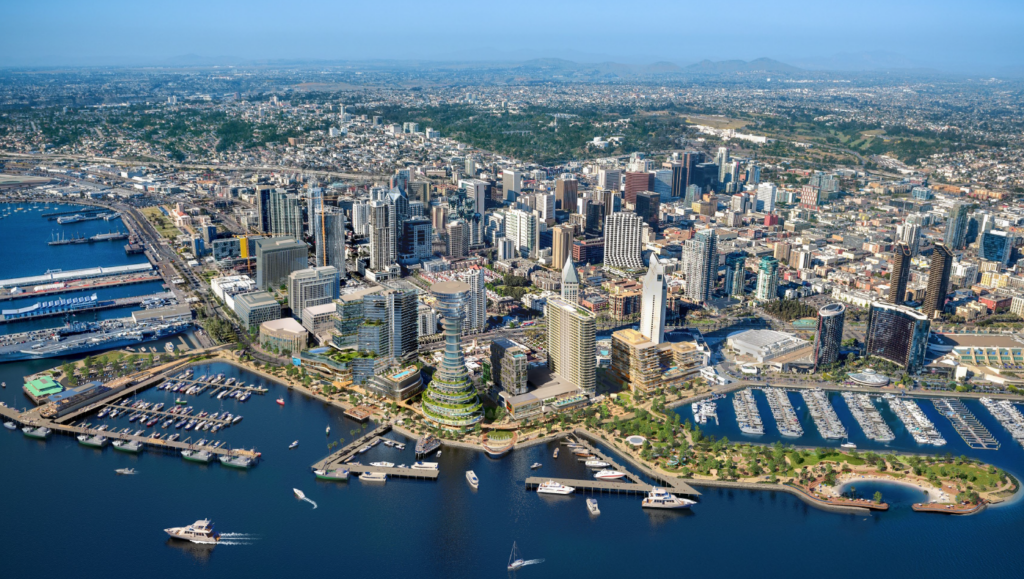
Longtime locals regard Seaport Village with a mix of fond memories and secret disappointments. It could be more historic, more special, have some real vision.
Enter Seaport San Diego. In 2016, the Port selected the 1HWY1 development team, allowing it to propose a project. Though not yet approved, the project is a $3.8 billion dream from Yehudi “Gaf” Gaffen and his company 1HWY1, with support from the Jacobs family. It includes seven new hotels (that’s 2,000-plus hotel rooms), a 500-foot observation tower, an aquarium, a butterfly pavilion, a marine innovation center, 16 acres of parks and public space, retail, restaurants, a public events center, and an urban beach.
It’s been held up in environmental review—a direly necessary step and also an extremely long one since 2023. The results of the review are due bye end of 2026. If approved, Seaport San Diego will alter the entire centrifugal force of downtown, transforming it back into that iconic waterfront corner where tuna boats once lorded and kids in the 1900s learned how to ride a carousel.
Stick with us to understand how Adam Pettit co-founded one of the country’s biggest emerging tech unicorns—Iru—in San Diego.
To start, let’s talk about vulnerability. We’re vulnerable. You’re vulnerable. Your MacBook is vulnerable—to hackers, scammers, buggy little codes, rancid cookies. Now let’s imagine you own a thousand MacBooks. You would do this because you operate an enterprise company (a very large, successful one—like Canva, which uses Iru). You hand them to your employees to help them do their jobs. Your employees take them home. They store all kinds of sensitive information on those Apple devices, that, in the wrong hands, could quickly ruin your pretty good company. Maybe sometimes employees also use their work Macs for more recreational pursuits, such as downloading some trendy jewel-crushing game created by Russian cyber cartels.
In the past, companies had an information security guard who would find the bad digital goop that had breached the system. That person would have to email an IT pal to fix it. They worked in silos. Iru broke down that wall and became both the security guard and the fixer—in Pulp Fiction terms, both Vincent Vega and The Wolf. Iru also added a whole host of other perks and is now valued at around a billion dollars.
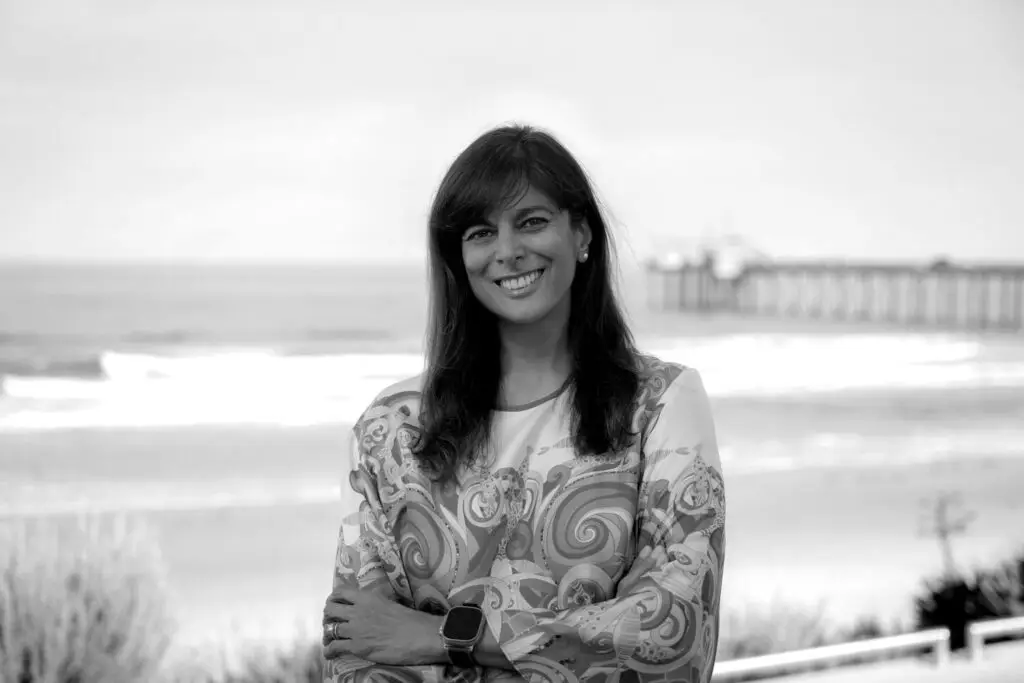
She helped NASA analyze the viability of life on Mars. Now, Dr. Meenakshi Wadhwa is set up in La Jolla, analyzing the viability of life on earth.
In 1994, Wadhwa arrived at UCSD as a postdoctoral scholar in geochemistry, fresh from a PhD program at Washington University in St. Louis. She went on to leadership roles at the Field Museum of Natural Sciences in Chicago and Arizona State University. She worked to figure out when our solar system formed and was part of the team that planned NASA’s first Mars mission.
And last October, she came back to San Diego to start her new role as director of UCSD’s Scripps Institution of Oceanography—our world-famous science lab of the sea. “The opportunity to lead this institution during this period of unprecedented planetary change was one I couldn’t pass up,” she says. “I feel very strongly that this is one of the few places in the world that can have a significant impact in understanding and protecting our planet … for our future generations.”
She intends to make Scripps more interdisciplinary, bringing together experts from multiple fields to create practical solutions for big global issues and “applying data science and artificial intelligence to environmental challenges,” she adds. Welcome home, Dr. Wadhwa.
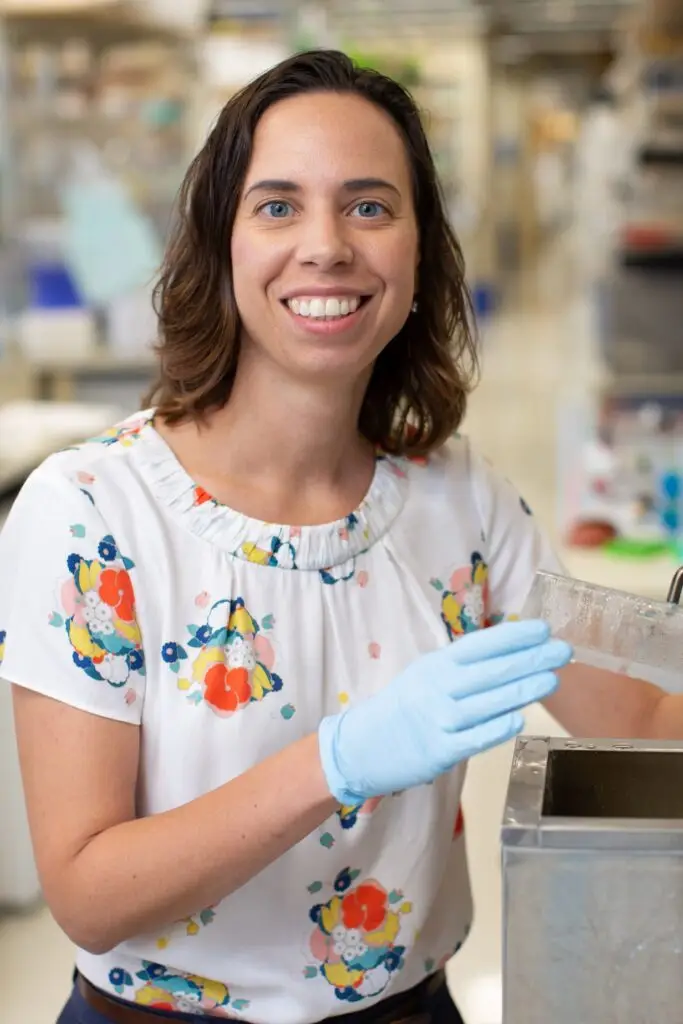
San Diego is a big US cancer research hub, and the Salk Institute for Biological Studies is one of the reasons for that. There—in a stunning, brutalist architectural wonder perched on a cliff over the ocean—some of the top minds in the world go Sherlock Holmes on the secrets of our corporeal forms. That includes Dr. Diana Hargreaves, who in the last decade has secured two awards and grants from national cancer research org V Foundation.
The newest is for her work on one of the most promising breakthroughs in pancreatic cancer.
One primary challenge of cancer cells is that they have a cloaking device: proteins that prevent our immune systems from attacking the rogue cells. Immunotherapy boosts our immune cells’ ability to fight back, cloaking device be damned. It works exceptionally well for many forms of cancer—but not pancreatic.
In 2021, UCSD’s Gregory Botta and a group of clinicians discovered a genetic mutation that dramatically improves immunotherapy’s success rate in pancreatic patients. The challenge? Only around 10 percent of patients have the mutation. So, Hargreaves is working on developing a combination therapy with drugs that “mimic” the mutation, hopefully increasing the efficacy of immunotherapy for people with pancreatic cancer.
Hargreaves says cross-discipline partnerships between cancer biologists and immunologists are a key driver of Salk’s innovation. “We don’t have any laboratories or dividers or anything that would either physically or virtually compartmentalize us here,” she explains. “That is what really enables interdisciplinary collaboration.”
In San Diego’s South Bay, when it rains, it pours. The amount of raw sewage that flowed from the Tijuana River into coastal waters in recent years (largely due to faulty processing plants) was staggering: 20 to 40 million gallons a day, soaring to over 100 million gallons during storms.
That means that, between 2023 and last summer, Imperial Beach was closed to swimmers and surfers more than 90 percent of the time. From June 2023 to June 2024, Coronado had 169 days of “Don’t Swim” advisories. The impact on tourism—which San Diego counts on for roughly $22 billion a year—was not small. There’s also the human health factor: Locals are affected by chemicals and pathogens and airborne toxic gases (hydrogen sulfide levels in South Bay often soar to hundreds of times higher than acceptable national standard).
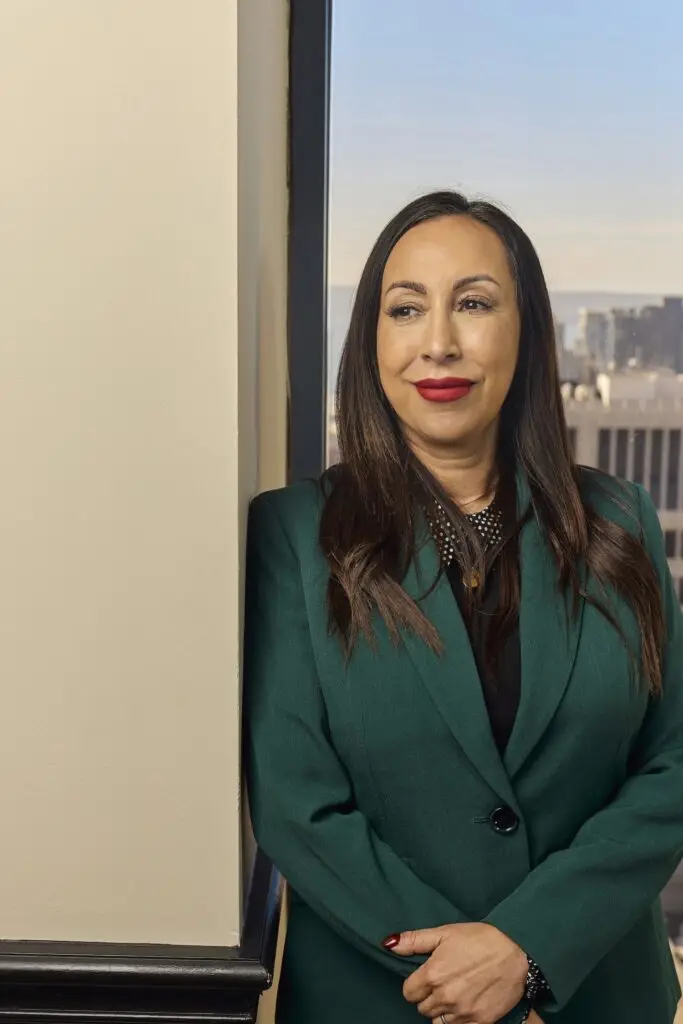
“Most people don’t know that this is the biggest health and environmental crisis in the Western hemisphere,” says county supervisor Paloma Aguirre, who co-founded the Tijuana River Action Network and has been leading the charge on the issue for years. “It is an issue that is fixable with enough political will.”
The good news? In the last few years, governments—local and federal, on both sides of the border finally stepped up, investing hundreds of millions into repairing and improving wastewater treatment facilities in the US and Mexico. The bad news? There’s still work to be done.
Aguirre emerged victorious from a competitive special election to the Board of Supervisors last July and immediately pushed for infrastructure to help mitigate emissions from the contaminated water. A far healthier, cleaner, more usable coastline of south San Diego is finally within reach, and she’s the one making sure it happens.
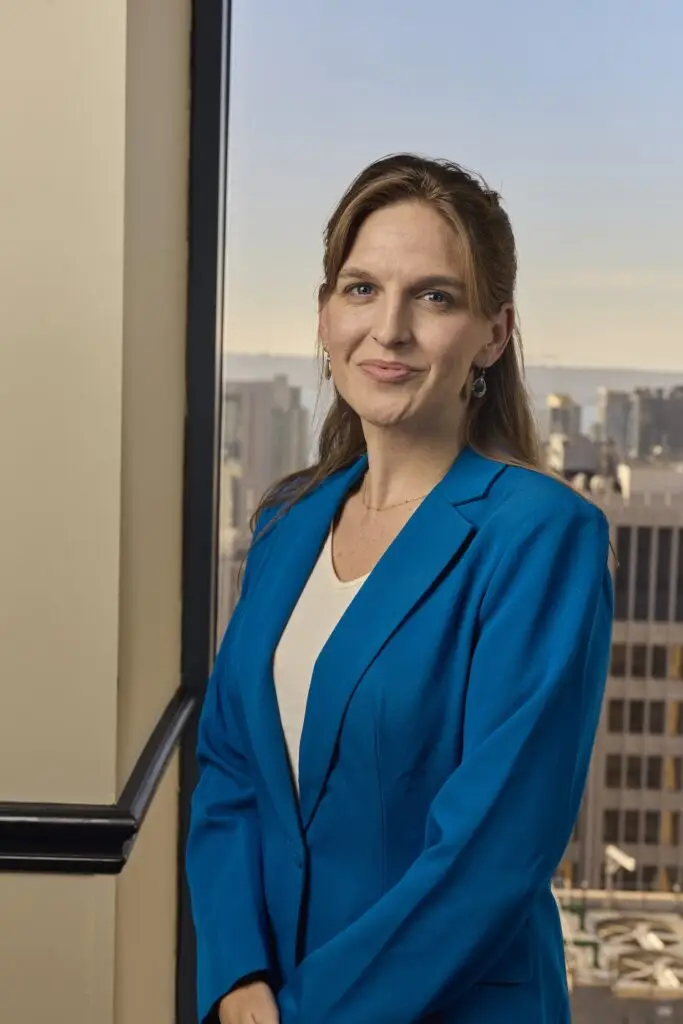
She has planted more than 12,000 trees in San Diego. Sounds like a lovely hobby, but it’s also critical to life across the city.
In modern parlance, “shade” is a bad thing—yet San Diego could certainly benefit from a lot more of it. A 2014 study showed that the city’s “urban canopy” coverage (the amount of land shaded by tree leaves and branches) was just 13 percent, about 70 percent below a healthy amount for the environment and the people who live in it. In an increasingly urban and drought-plagued place, what’s a deforested city to do?
That’s where Elektra Fike-Data comes in. As executive director of Tree San Diego, she heads up the organization’s efforts to make San Diego greener. Her group distributes and plants native and drought-tolerant trees all over SD, then educates volunteers, community members, and paid workforce development program participants on tree care so that a more livable San Diego canopy has a chance. In 2023, a $2 million grant from the Department of Agriculture’s Forest Service helped her team launch the Plan & Plant Project. One goal: to bring 1,500 trees to disproportionately nature-less areas, fostering cleaner, cooler air and plenty of shade for all.
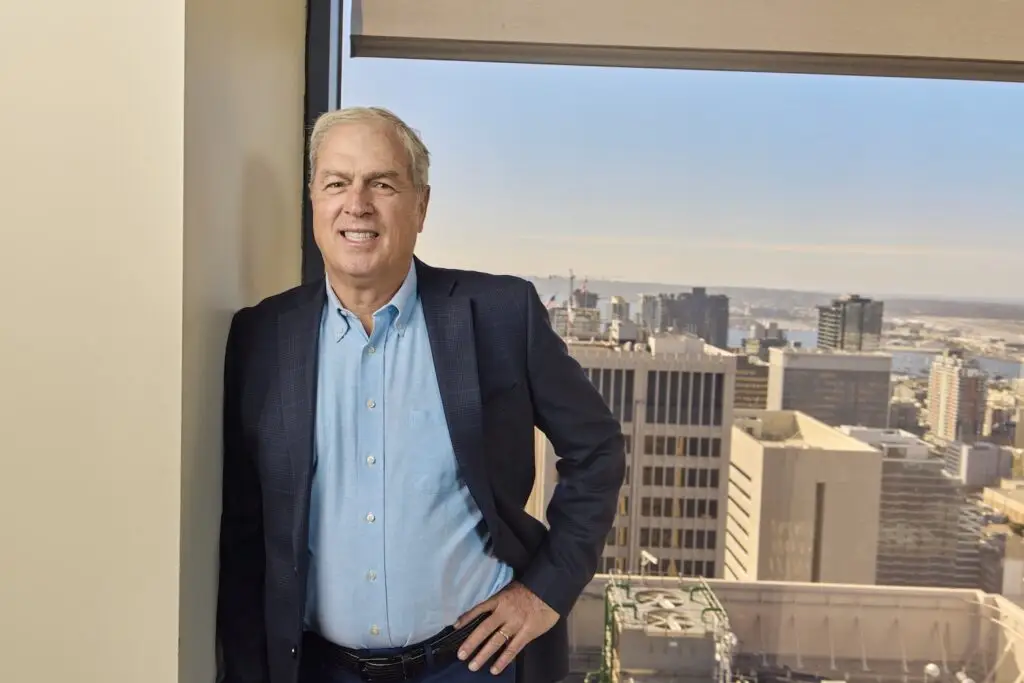
Rob Hixson is eight years into what may well be a lifetime role as chair of the Otay Mesa Planning Group. “No one else seems to want to run,” he jokes. “I’m stuck with it.”
Hixson has already more than proved his commitment to the area. He’s worked in Otay Mesa for over two decades. Alongside the other members of the planning group, he’s doing all he can to help the region become an economic engine for San Diego County (and a place to build more affordably priced housing to help address SD’s critical shortage). A major piece of that puzzle is the Brown Field Municipal Airport, which has been due for a refresh for decades. “It’s an eyesore,” Hixson says. “No one’s done anything with it since World War II.”
Now, revitalization efforts are finally getting off the ground. In October 2025, developer San Diego Airpark started construction on state-of-the-art aviation, commercial, and industrial facilities at Brown Field as part of a redevelopment master plan. The project will transform more than 330 acres into a modern terminal, a new customs inspection facility, dozens of commercial hangars, and more than a million square feet of retail space. City officials estimate the project will create about 2,500 jobs and make a $1.5 billion economic impact on the San Diego region.
We’re aware that turning sewage water into drinking water seems like dystopian, post-climate-apocalypse stuff. And so it’s a tad awkward to report that a combo of never-ending drought and aging infrastructure have made that concept our current reality. But once you get past the ick, you might end up fascinated by Pure Water—the historic recycled wastewater project led by San Diego Public Utilities Director Juan Guerreiro. The goal: 83 million gallons of purified water per day by 2035.
Nearly a decade in the making, it’s the first program of its kind in California. The first phase—a collection of pipelines, pump stations, and treatment facilities in areas like Bay Park, UTC, and Scripps Ranch—is nearly complete. Now stage two starts, Guerreiro’s running point, and the nation is watching.
The project will do a few things: allow for local control of water (we’ll be less reliant on our friend, the Colorado River), render a pricy upgrade to the Point Loma Wastewater Treatment Plant unnecessary, and save San Diegans billions in water bills (even with the infrastructure investment costs). Critics have long derided it as “toilet to tap,” but, c’mon—the world is one giant toilet-to-tap system (wastewater gets treated and put back into the rivers and lakes, then eventually ends up at our local restaurants). Pure Water just shortens the production line. Science promises that the difference between fresh water and purified wastewater is purely psychological. So get psyched.
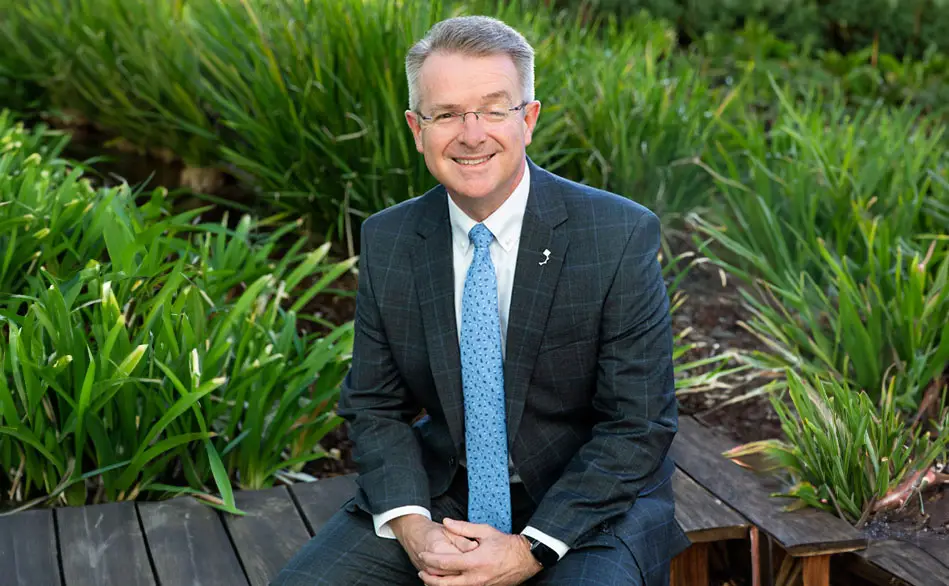
When the state attorney general has to approve something, it’s a fairly strong indicator that the move will impact the well-being of the entire state. That happened when the AG greenlit the merger of Rady Children’s Hospital and the Children’s Hospital of Orange County (CHOC) in late 2024. Together, the two institutions became a nonprofit called Rady Children’s Health (RCH), the largest pediatric healthcare system in the West.
Why does it matter to San Diego? Ideally, the move improves pediatric care in Southern California by organizing the resources of two cities in one unified direction: expertise, research, innovation, access for families. The system now has more beds for kids (Rady has more than 500; CHOC adds another 400-plus) and nearly double the ability to raise money. Its bigger size means it will be able to attract elite physicians and healthcare workers from around the country.
For now, RCH is co-led by the two CEOs, CHOC’s Kimberly Chavalas Cripe and Rady Children’s Patrick Frias. Aligning two massive systems under one roof is no small task (they’re retaining separate medical staffs and governing boards for now). The first year after a merger is usually mostly spent coming up with a plan, and, in 2026, those plans will start to really come into action. Eventually, Frias will become sole CEO, one of the most important people overseeing the healthcare of kids in the US.
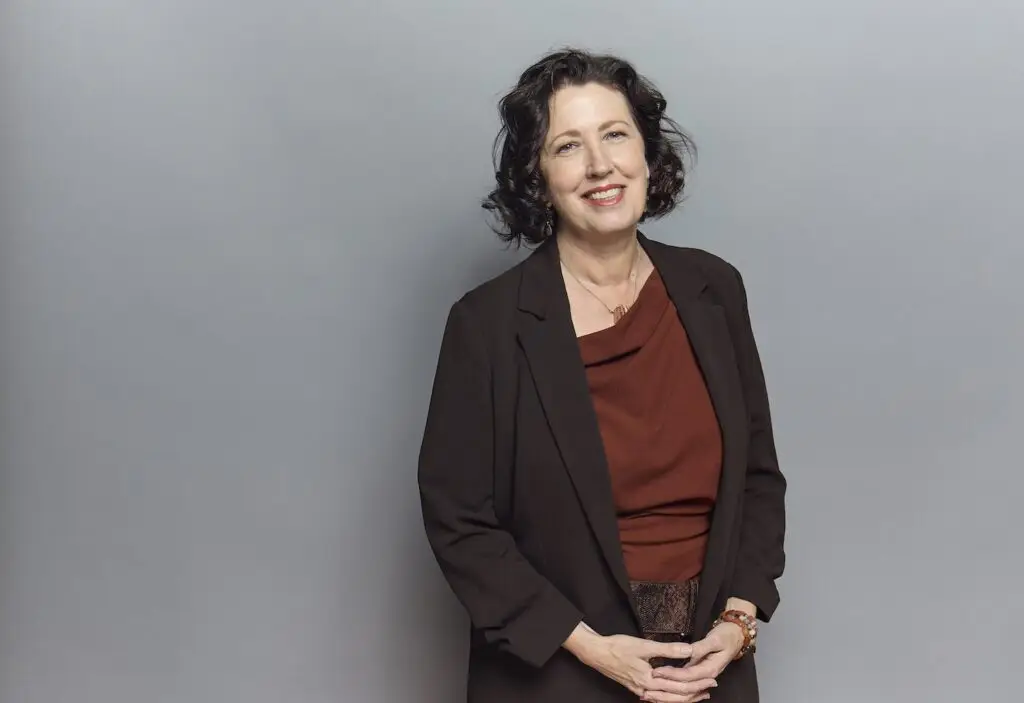
Fact: Housing in San Diego is really, really expensive. (According to Zillow, a studio will set you back an average of $1,900 a month.)
Another fact: Lisa Jones is working on it. As president and CEO of the San Diego Housing Commission (SDHC), Jones develops affordable housing, addresses homelessness, and helps locals with rent. Last year, SDHC received two national awards of merit: one for a community garden that offers low-income seniors access to fresh produce and the other for its programs supporting residents who were displaced following the January 2024 floods. And, now, as costs continue to rise, Jones is envisioning what the future of affordability in SD might look like.
“One five- to 10-year project we’re really focused on is densifying across our existing [housing] portfolio,” Jones explains. SDHC owns about 4,300 units across 150 different sites in San Diego, but many are in aging buildings that are only a few stories tall.
“So they’re up for rehabilitation,” Jones adds. “There’s an opportunity to densify and create more housing in that existing site—while still creating a lot of green space and vibrant community space.”

The world of local STEM (science, technology, engineering, and mathematics) found its center at University of San Diego when local philanthropist Darlene Marcos Shiley donated $75 million—the largest gift in university history.
And when you want to engineer an engineering program, you call Chell Roberts. Dr. Roberts built the curriculum at Arizona State from scratch. In 2013, when Shiley funded the establishment of the Shiley-Marcos School of Engineering at USD, Roberts became its founding dean. He turned it into the nation’s 12th best engineering program, partly by encouraging students to work closely with scientists in other fields and at international institutions.
Roberts and other leaders are the ones implementing the $75 million Shiley STEM Initiative, offering research scholarships and fellowships and building a collaborative place on campus where students can work across disciplines, make powerful discoveries in state-of-the-art biomedical engineering labs, and experiment in well-equipped makers’ spaces. All this comes at a time when USD is seeing a 50 percent increase in students majoring in STEM—and the innovations they begin to develop at school today may well become the life-altering solutions of tomorrow.
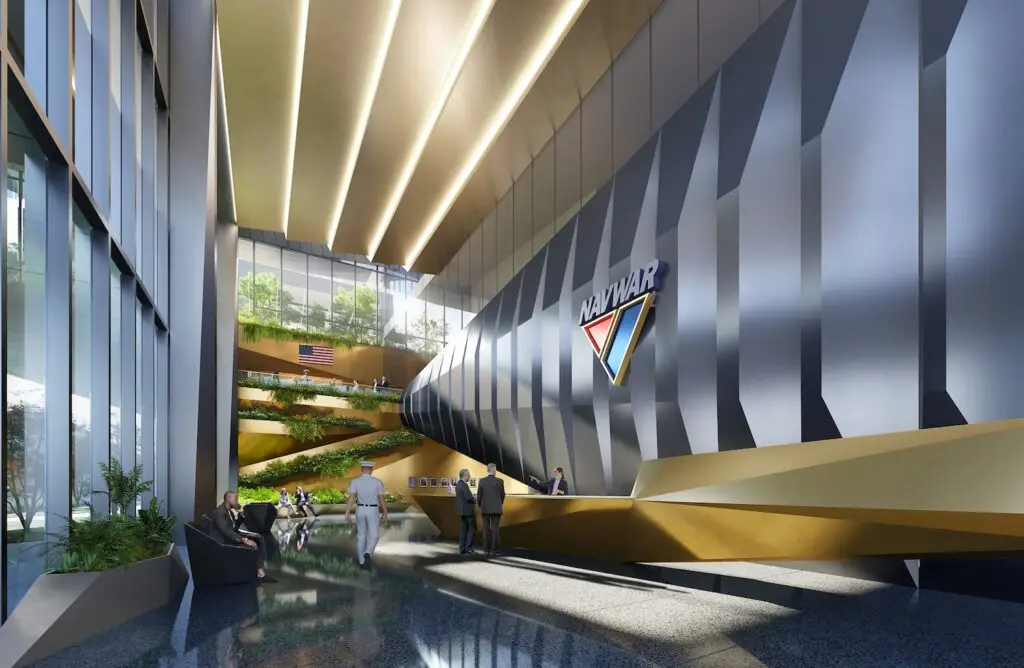
The Navy is San Diego’s Google, our biggest employer by a wide mark. With deep local roots (North Island was established in 1917), it’s also one of the largest landowners. And that land is prime, including the 70.3-acre row of gigantic hangars along the 5 freeway near the airport, across from Mission Hills, a stone’s throw from Little Italy. It’s the NAVWAR campus, where about 5,000 employees handle the US Navy’s informational warfare—intelligence, surveillance, recon, info technology. And by all reports, the buildings, constructed in 1997, aren’t up to the rapidly evolving info-tech needs of the now.
To fund modern facilities, the Navy opened up the largest real estate competition in its history. The winning bidder would agree to build a new, state-of-the-art campus for the Navy free of cost and, in exchange, be allowed to develop the rest of the land. San Diego’s Manchester Financial Group (going in on a 50-50 partnership with Virginia’s Edgemoor Infrastructure) is the local choice. The companies’ proposal: two hotels, about 9,000 residential units, nearly three million square feet of commercial space, and 280,000-plus feet of retail and restaurants, plus a greenway, parks, and new roads. Manchester president Ted Eldredge is heading the project that will both modernize the Navy and dramatically alter the face of the city center.
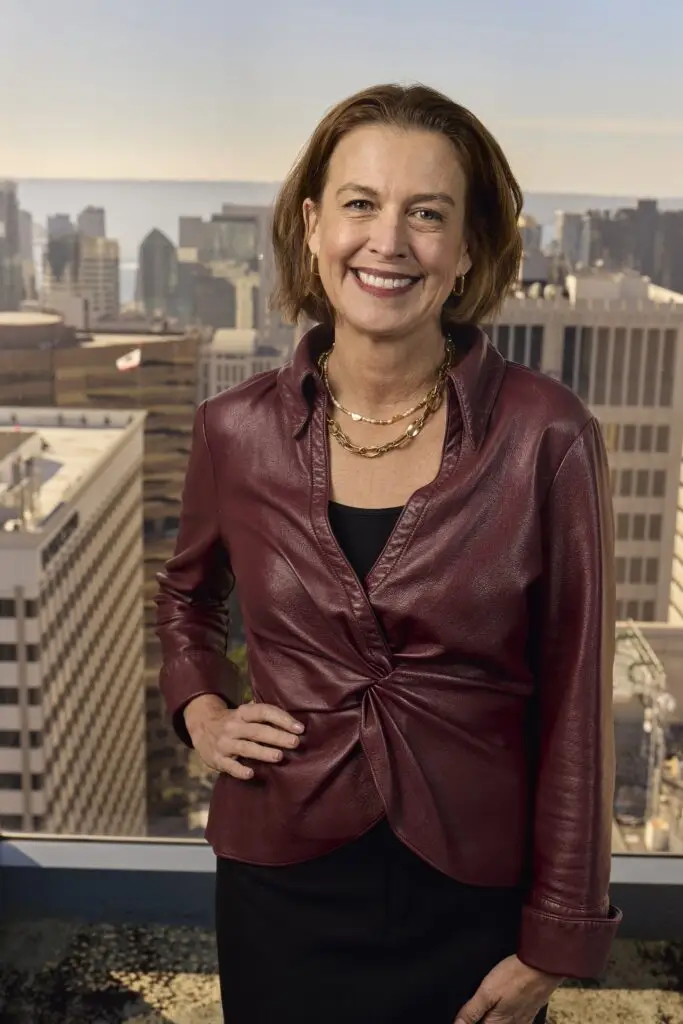
Could she be the one who finally unsticks one of downtown San Diego’s biggest clogs? The six-block Civic Center (home to City Hall, the Civic Theater, and Golden Hall) was built in the 1960s, idealized as the living room of downtown. What we ended up with was a pretty impersonal collection of brutalism-adjacent structures and a biblically big parking garage—something closer to Chicago’s concrete fetish than San Diego’s naturalist al fresco chi.
It’s in municipal hospice now, with an estimated $150 million of deferred maintenance. Mayor Todd Gloria launched the revitalization effort in 2022, but the city ran out of money. That’s where Betsy Brennan’s nonprofit—the Downtown San Diego Partnership, which works to help private businesses on over 275 city blocks thrive—grabbed the torch. Working with the
Prebys Foundation and Philadelphia’s U3 Advisors, the Partnership unveiled its vision: a wide-open civic cultural center, a major arts and education hub, nearly 3,000 housing units (with a focus on affordability), and a world-class entertainplex in place of Golden Hall.
It isn’t the first grand dream concepted for the center, and the project would take billions. But with the heft of Prebys (which seems laser-focused on resuscitating downtown), the post-pandemic need for cities to reinvent themselves with gathering spaces, the still-down blues of commercial real estate (empty office spaces are the state bird of the Civic Center), and local buy-in (over 20 local orgs contributed to their vision), our money’s leaning toward the group finally getting the concrete stick out of San Diego’s spokes.
“Downtown San Diego has 42,000 residents, and I’m really proud of that,” Brennan says. “But we are planning to have 90,000 residents by 2040. We want everybody to feel welcome here.”
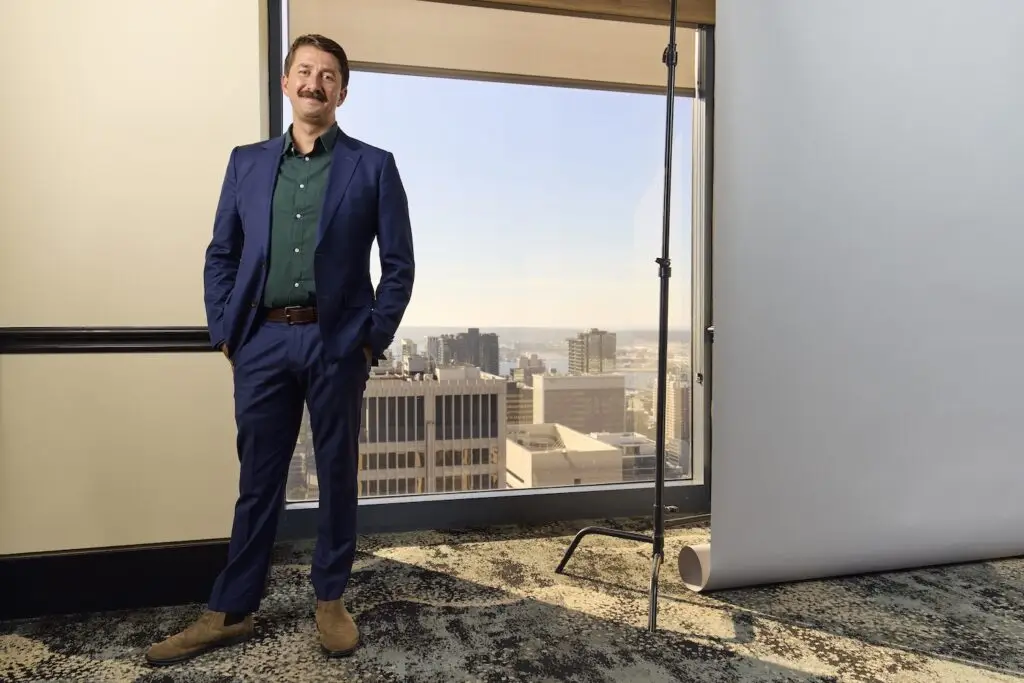
San Diegans love the sea, but we’d like it to stay put, thank you very much. Nick Sadrpour, a senior coastal scientist at GHD, an environmental consulting and engineering firm, is one of the very important people helping keep the ocean off our doorsteps as sea levels creep up worldwide.
Manmade structures like sea walls are a classic solution for shoreline flooding and erosion. Sadrpour, though, prefers to collab with Mother Earth. He’s led the effort to make Oceanside where half of the city shoreline has no sandy beaches—a state leader in artificial reefs, stacking rocks and other materials underwater to preserve beaches and make sea creatures happy. “By using more natural systems and looking to nature for those buffers, you get those risk reductions and you also get to provide some areas for habitat and critters to thrive,” he says.
Sadrpour is one of the authors of the Coastal Resilience Master Plan, which the city of San Diego passed in September 2025 in response to sea-level rise. He’s particularly excited about the plan’s vision for Ocean Beach, where proposals include increasing coastal access and beach usage and incorporating a walking and biking path that connects the dog beach to the pier.
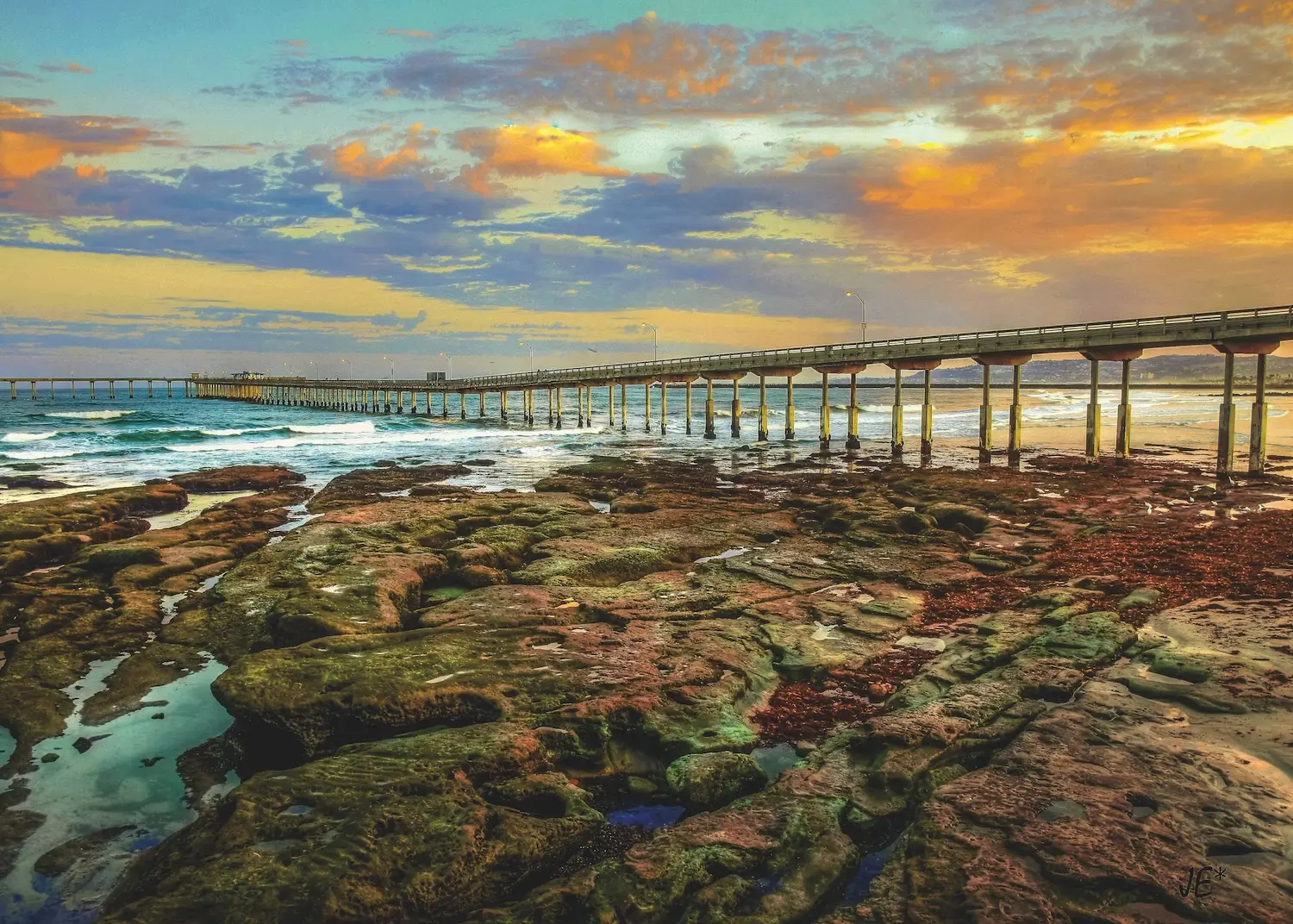
The history of San Diego is Point Loma and Ocean Beach, the history of Point Loma and OB is fishing. The bay side birthed the industry. The west side is for the people, thanks to the OB Municipal Pier, the second-longest public fishing pier on the west coast (1,971 feet). Opened in 1966, it served as the social water cooler—locals met at the end of Niagra to check surf and sunsets; joggers and families ambled the deck, walking past fishers with folding chairs (no license required); and below, OB’s addressless locals held daily unofficial town halls.
After 50-plus years, the saltwater and big surf finally did it in. The city closed it for good in 2024 and hired global infrastructure firm Moffatt & Nichol to find a new pier solution. The San Diego man on the job? OB native and 45-year waterfront structural engineer Matt Martinez. As a kid, Martinez showed up on the day the pier opened with his reel in hand and caught his first fish. He surfed OB. His Little League coach was Chuck Bahde, the industrial designer and artist who ran point on the first pier 60 years ago. The city has a big challenge ahead (funding is the next obstacle), but you’d be hard-pressed to find a more qualified person to caretake the legacy of an icon in a neighborhood that is acutely suspicious of outsiders.
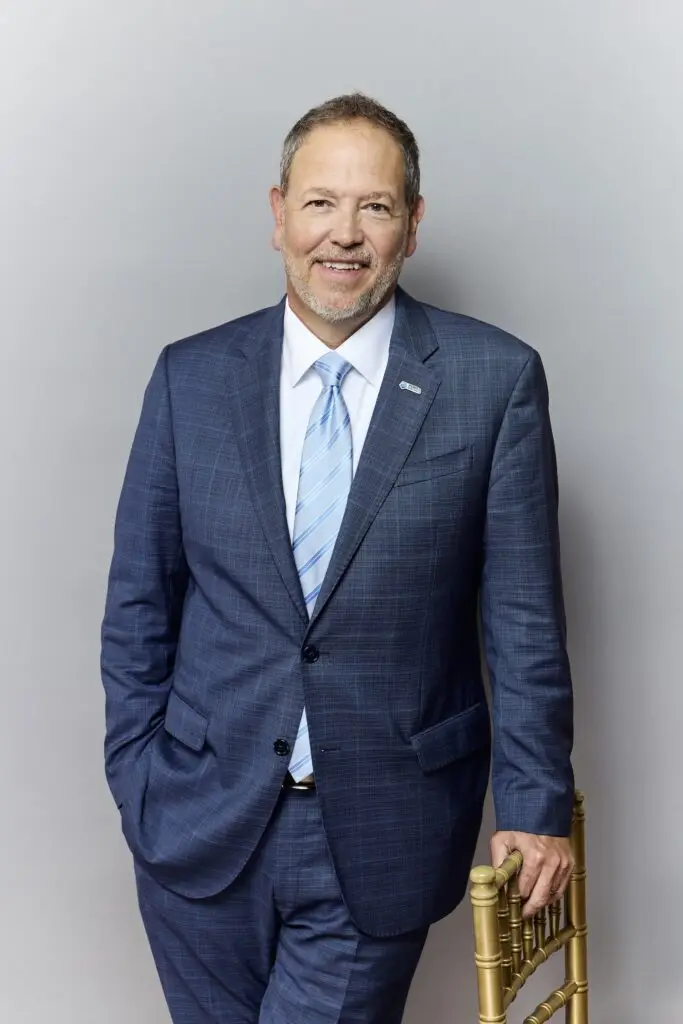
Fourth-generation San Diegan Scott Chadwick has lived many lives. A former intelligence analyst for the Army, he moved on from what we presume was a James Bond–esque super-spy lifestyle to public service at the City of San Diego, spending 14 years in roles like COO, HR director, and labor relations director. Next came six-plus years as the city manager of beautiful, coastal Carlsbad—great prep, we imagine, for his current role as president and CEO of the Port of San Diego, which he assumed in January 2025.
Under Chadwick’s leadership, the Port oversees nearly 600 employees and manages more than 14,000 acres of tidelands, bay, and beaches along 34 miles of waterfront across five cities.
And big changes are launching under his watch. The Port approved a master plan for San Diego’s Bayfront in 2024 (a win after over 10 years of deliberation). Despite some local opposition, the Port is moving forward with a stated mission to improve environmental justice and accessibility along the coast. Expect nearly 4,000 additional hotel rooms; 340,000 square feet of new retail shops and restaurants; and just over 20 more acres of parks, plazas, and open space (plus hundreds more boat slips and anchorages in the water) by 2050.
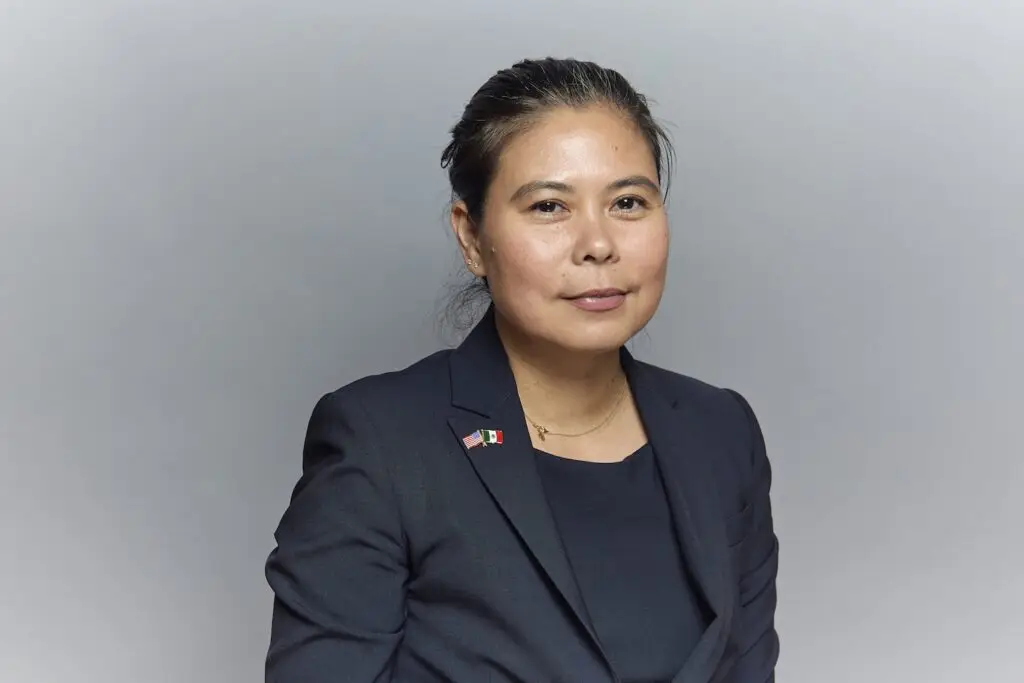
The San Ysidro Port of Entry is the one of the busiest border crossings in the world—a massive economic and cultural driver for San Diego. But it’s also a pain, with hours-long waits. Nikki Tiongco’s working on solutions.
California Department of Transportation (Caltrans) may be a state agency, but Tiongco, as the South San Diego County and Trade Corridor Director, plays a critical role for two countries, serving as the point person for big projects at the border. “San Diego and Tijuana understand this border region really is considered one community,” she says.
Her current venture: the Otay Mesa East Port of Entry, slated for completion in late 2027. With tens of billions of trade passing through the existing Otay Mesa and
Tecate ports each year, Otay Mesa East will be an economic boon to an ever-growing area. It will also incorporate state-of-the art tech to improve efficiency and sustainability. Dynamic tolling will change prices based on demand to help manage the flow of vehicles, helping the port serve as a release valve for traffic at other border crossings, like San Ysidro. The resulting shorter wait times will mean vehicles idle less, reducing emissions and pollution.
Ultimately, Tiongco’s goal is to make the entire border system more efficient. She’s part of the team leading plans for a rail study on both sides of the line and facilitating a binational dialogue to prioritize the planning of projects for the forthcoming Border Master Plan.
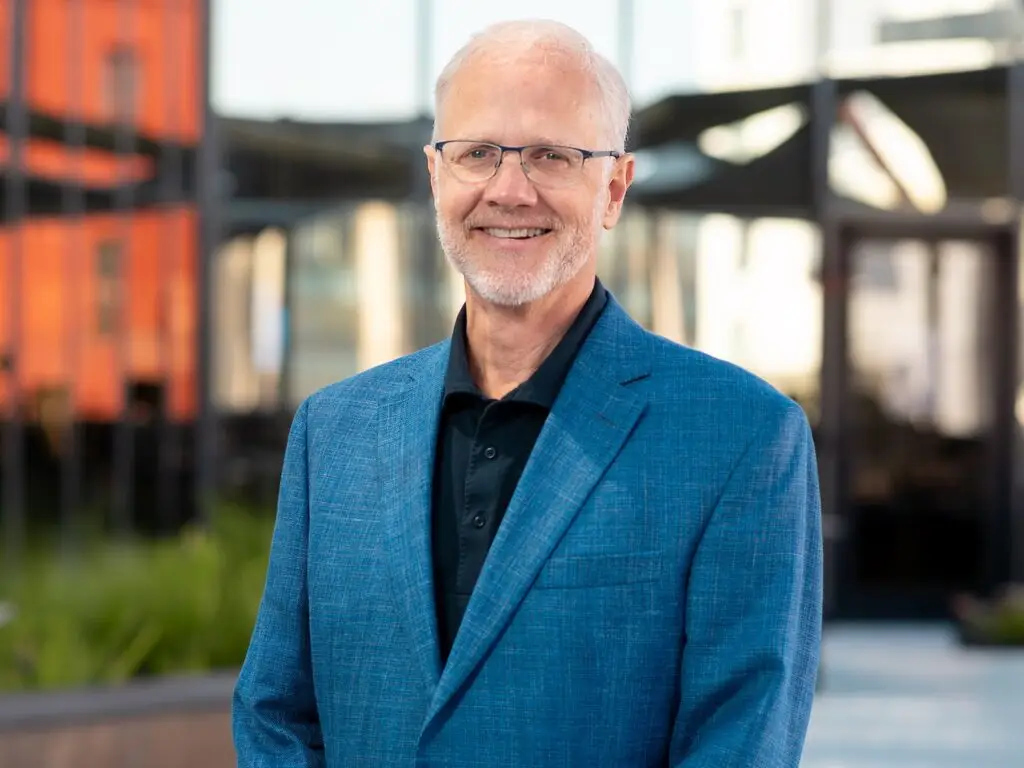
In another life, Grant Oliphant might’ve been one of our colleagues at SDM—a writer himself, he used to run a political magazine in Washington, DC and published a novel in 2019. But Oliphant chose philanthropy.
The Swarthmore and Pepperdine grad ran nonprofits in Pittsburgh before becoming CEO of San Diego’s Prebys Foundation in 2022. That means he’s the guy in charge of distributing more than $45 million in grants annually to organizations and leaders making change throughout the county. In the last few years, the foundation helped fund arts venues, create paid internships for young people in key local industries, and finance critical medical research, among other initiatives. In 2025, under Oliphant’s guidance, it also launched Prebys Ventures, the foundation’s venture capital arm dedicated to investing $50 million into local companies.
We’re watching Oliphant and Prebys for a few reasons—least of which is that the foundation seems to be taking the revitalization of downtown San Diego personally. It bought the 24-story Wells Fargo building and contributed $300,000 to the visioning of a culturally relevant and totally reinvented Civic Center. Oliphant told SDM last year he wanted to “explore how the city could integrate culture in a reimagining of downtown.” Then, he proved it: When many arts and culture orgs lost government funding in 2025, Prebys awarded 61 of those orgs a very existential total of $13.35 million.
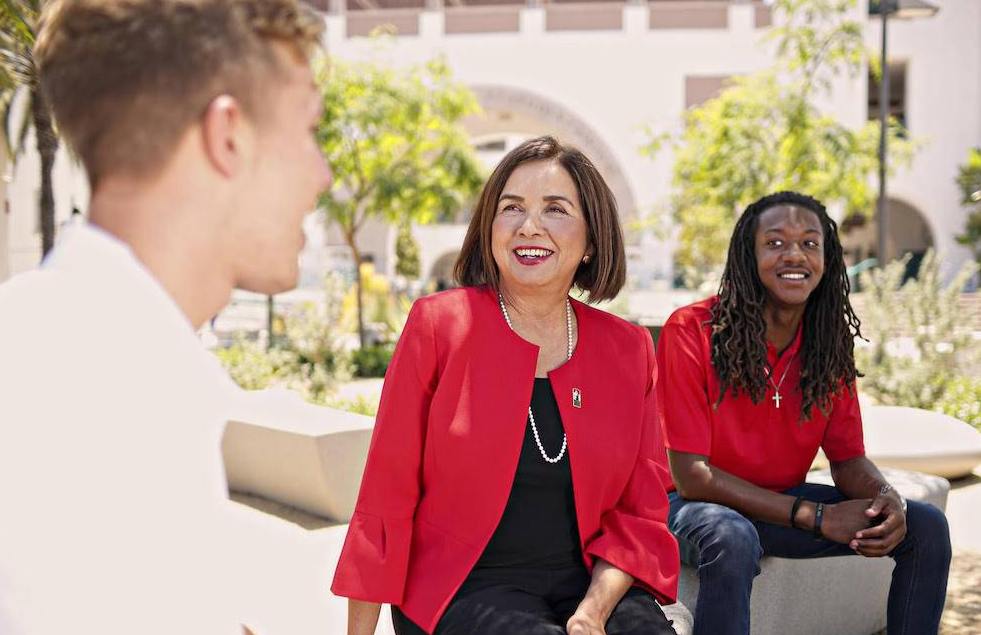
The city council hasn’t accepted our pitch to rename Mission Valley “College Area 2” yet, but with the work San Diego State University President Adela de la Torre is up to, we think they’ll come around.
After she took on the role in 2018, one of her goals was to expand the student body to 50,000 (it’s currently a tad over 37,000). To do that, SDSU needed more land. So, the university purchased the Qualcomm Stadium site from the city in 2020—135 acres for $86 million—and started work on SDSU Mission Valley. It’s shaping up to be a massive change for the central corridor long known for car dealerships, supermalls, supercondos, and the historic Town & Country Resort. Already built are the 35,000-seat Snapdragon Stadium and the 34-acre River Park. Builders just broke ground on AvalonBay, a mixed-use structure with 621 apartments and 30,000 square feet of retail. Then comes the Innovation District (1.6 million square feet of office, tech, and research spaces for entrepreneurs); a community college with accelerated STEM degrees; and a whole campus focused on key San Diego industries.
When finished, SDSU Mission Valley will have 80-plus acres of parks and public recreation space, 4,600 residential units, 400 hotel rooms, 95,000 square feet of retail space, and a projected economic impact of $3.1 billion. So far, the growth has already helped the school become an R1 institution—a university with the highest level of research activity—and its athletics will enter the higher-profile Pac-12 conference this year.
While this all will inevitably improve students’ experience at school, de la Torre is also thinking about what comes after. “You’re going to see a lot of career focus in order to ensure our students see the real return-on-investment from higher education,” she promises.
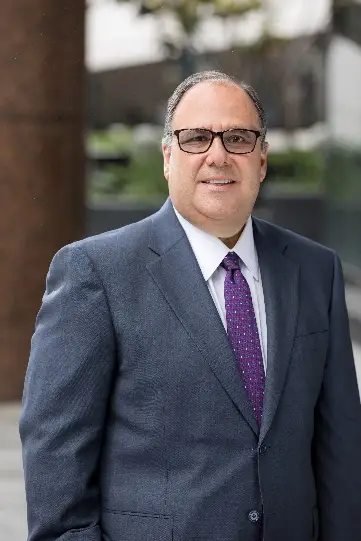
How do you erode a problem like erosion? We’re going to find out in Del Mar.
The Pacific Surfliner railway has long been the locals’ hack for a stress-free journey to LA—a smooth ride along the cliffs overlooking the surf instead of hours stuck behind jammed-up Priuses on the 5. But, in recent years, SD residents have sometimes been forced to gas up the old jalopy as bluff collapses temporarily shut down the rail line. Del Mar’s epic cliffs are wearing away an average of six inches a year, and in some places (like 11th Street), the tracks lay only feet away from the cliff’s edge.
So, the San Diego Association of Governments (SANDAG) is working overtime to figure out how to realign our portion of that rail corridor. Leading that effort is Mario Orso, who became SANDAG’s new CEO in 2024 after 32 years at Caltrans. In the short-term, Orso and his team are installing supports and directing stormwater runoff to help stabilize the bluffs. The agency is also evaluating long-term solutions—its top five options run the gamut from low-impact (continued restabilization work, with no change to the tracks’ location) to huge feat (moving the tracks completely off the bluffs).
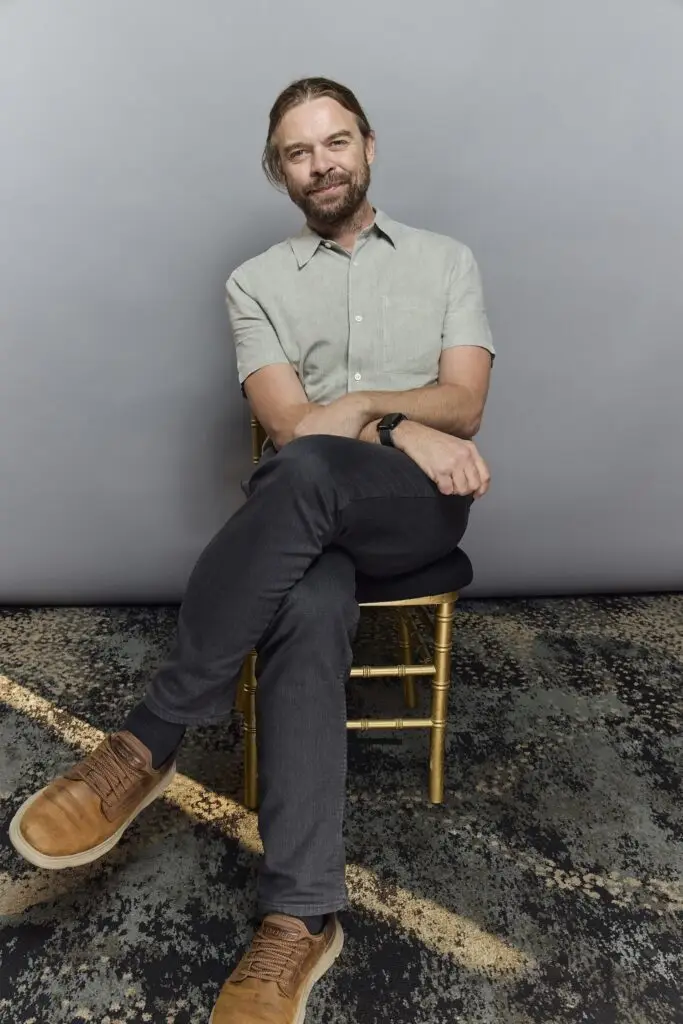
That kombucha in your hand suggests you’ve heard about gut health, a modern craze for good reason. In San Diego, UCSD and Scripps Institution of Oceanography professor Jack Gilbert is the vanguard. He calls himself a microbial evangelist. The term’s fitting—like certain deities, those eensy-weensy organisms are everywhere and eternal. For billions of years, microbes were earth’s only resident, and bacteria remain the most abundant living thing on the planet, with trillions of them dwelling in your body alone.
Gilbert founded the American Gut Project, the world’s largest citizen science microbiome effort, analyzing samples from over 11,000 people. He’s also the UCSD PI (principal investigator, AKA head researcher) for the National Institute of Health’s $175 million program Nutrition for Precision Medicine program.
He believes deeply that microbes are the key to solving some of humanity’s greatest challenges. “You can tie [them] into food equality, health, water quality, protecting our planet from the ravages of climate change,” he says. “[The microbiome is] a universal toolkit of biological transformation of both our bodies and our world.”
Currently, he’s working on preserving microbiomes in soil, which can improve food security and reduce the impacts of climate change. He’s also putting together a list of microbes at risk of disappearing completely. “Microbes are fundamental to the function of all ecosystems,” he explains. “If we don’t understand how they work and don’t conserve how they work, the whole ecosystem will collapse.”

Kumeyaay history is San Diego’s deepest root—but not everyone knows it. “Making our history available to the public is not really something that has been done before,” says Ethan Banegas, an American Indian Studies professor at San Diego State and a member of the Barona Band of Mission Indians.
After growing up on East County’s Barona Reservation and earning an MA in history from USD, Banegas dedicated himself to the telling. He partnered with the San Diego History Center and 33 Indigenous elders and published the Kumeyaay Oral History Project in 2022. Two years later, he and four partners dropped two graphic novels exploring the tribe’s past, present, and future. “[They’ve got] our culture, our tradition of gaming, our understanding of sovereignty—all these incredible, very important things,” Banegas says. “It’s almost like a textbook.”
Now, Banegas hopes to bring that collection of Kumeyaay stories to the most dramatic form—film. “My brother and I formed a production company, Screech Owl Productions, to tell the correct version of mission history and the beginning of California,” he says. “We have 30 episodes already mapped out, and we’ve been shopping it around to producers.” Hint, hint.
Troy Johnson is the magazine’s award-winning food writer and humorist, and a long-standing expert on Food Network. His work has been featured on NatGeo, Travel Channel, NPR, and in Food Matters, a textbook of the best American food writing.

Amelia Rodriguez is a writer and journalist and winner of the San Diego Press Club's 2023 Rising Star Award and 2024 Best of Show Award, she’s also covered music, food, arts and culture, fashion, and design for Rolling Stone, Palm Springs Life, and other national and regional publications. After work, you can find her hunting down San Diego’s best pastries and maintaining her five-year Duolingo streak.
Maya Srikrishnan is a San Diego-based journalist. Her work has appeared in the Los Angeles Times, Voice of San Diego and the Center for Public Integrity.
