Archive SEPTEMBER 22, 2017

The Vegan Fast Food Revolution

From Evolution to Plant Power, two local vegans look to revolutionize fast food

The Vegan Fast Food Revolution
Dizzle Management

Drive-thru restaurants are as depressing as they are useful. Once the celebratory hangout of car culture (America’s drive-thru boom was intimately tied to the development of highways), now they’re the unlucky embodiment of all that’s wrong with commodity food and our waistlines. Whenever we hear a stat like 70.7% of Americans are overweight (and 37.9% of us obese), we think of a burger clown, tailpipe exhaust, chicken-nuggeted kids, shakes, fries, ketchup, ranch, and an obligatory “salad in a cup” that no person of sane mind ever orders.

No city charter states “we need more fast food.” City planners try their hardest to zone them out. There are many reasons, including environmental impact of cars and trash. But the main reason for anti-fast foodism is tied to their deep-fried, sugar-filled, salt-spackled food and its inflationary effect on our human bodies. They’re a bigger villain in modern American than gluten or man-buns.

But what if fast food were different? What if it was ecologically conscious, served more plant-based foods, and generally tilted society in a progressive direction instead of a diabetic direction? Slow-food purists will tell you that food shouldn’t be rushed. That’s great for purists. But life is no casual stroll. Can’t we have the best of both worlds? Healthier food produced with somewhere near the expediency of McDonald’s? Why throw the baby (fast food) out with the bathwater (fattening, cheap, bad food)?

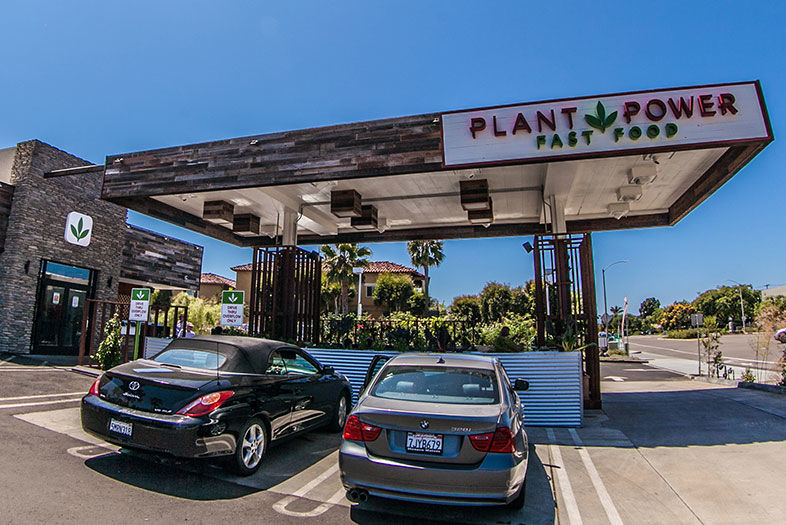
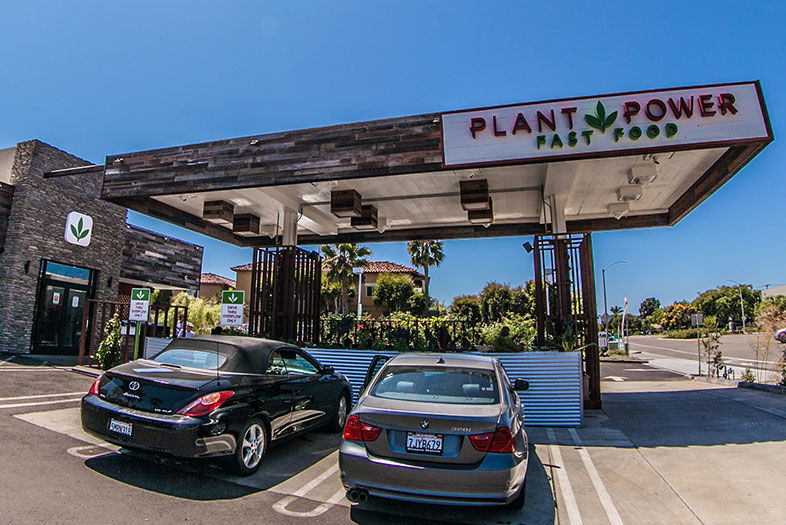
That’s the idea behind San Diego’s Plant Power, and they’re not alone. They serve plant-based fast food. All of their materials (utensils, etc.) are made from recycled material or plant material. The owners even dream of having a drive-thru that looks like a domed garden, with a canopy of plants and greenery that help offset the greenhouse emissions from cars.

The need for fast food and drive-thrus is still real. More than 160,000 fast food joints feed over 50 million Americans every day, with sales of over $110 billion. That’s because it doesn’t matter how educated we become about commodity food problems (hormones, antibiotics, CAFOs, etc.), we’re still busy. We still have demanding jobs, kids, spouses, friends, social media notifications, and lives. Minutes have never been more gold.

Now it’s happening. Healthy fast food is the future. The movement actually started in San Diego with Evolution Fast Food in Hillcrest—the first vegan drive-thru restaurant in the world. And now it’s in full swing across the country with concepts like Amy’s Drive-Thru, Salad and Go, Grown Miami, Eatsa, Dig Inn, The Kitchen, and Freshii.

Evolution’s owner Mitch Wallis is one of the partners behind Plant Power along with Zach Vouga, an ethical vegan who worked at Evolution. They wanted to streamline Evolution’s branding, experience, and make the menu more approachable. They didn’t want meat eaters to feel like outsiders or somehow shamed in their house of leaf cuisine. The result was Plant Power, which opened its first location in Ocean Beach in 2016. It has the feel of an In N Out, but it’s all plant-based food. Now they’ve taken over a failed Burger King location in Encinitas, providing the community with vegan “fast food.”

Vouga is quick to point out that Plant Power isn’t necessarily “healthy.” It’s simply plant-based. But, as multiple studies have shown, the health of Americans could use a much bigger supply of plant-based foods for their well-being. I talked to Vouga about Plant Power’s new drive-thru, and the future of the company.

Why vegan food?

I’m a longtime vegan. I was in college in Chicago, and finishing up there when I made the switch. I got a job at Evolution Fast Food where I met my business partner, Mitch, the founder of Evolution. Mitch and I started planning for the future. We wanted something more accessible, friendly and inclusive, not just a vegan restaurant. We didn’t want it to feel like a vegan restaurant when they walked in. We wanted something that could be replicated, scalable, clean and easy.

Plant Power doesn’t seem overtly vegan. Why?

We wanted to rid ourselves of that stigma. Some people would come into a vegan restaurant and feel almost like they were in enemy territory. We realized that was a problem. A majority of our customers are not vegan. Maybe they’re just there for Meatless Monday, or they’re a flexitarian, or just exploring new things. There are so many heavily-charged emotions with veganism. I never wanted to be a “meat is murder!”, in-your-face vegan. We wanted to change the conversation about vegan food. It’s just another type of cuisine. It’s not cultish. And that’s the great thing about Plant Power. A few of our customers don’t even realize we’re vegan until the second or third time they eat there.

What ingredients are most integral to vegan cuisine?

Anytime you’re trying to make a vegan meat, it’s primarily a mix of vital wheat gluten or soy protein. Those are two very versatile ingredients. They can absorb any flavor and become a chameleon-type ingredient.

Do you use tons of nuts? Cashew cheese and things?

No. Most of our stuff is free of nuts, because we know people have allergies. Many of our burgers can be made with a gluten-free bun, too. I’ve always hated gluten-free bread. So I’m the best person to try it. After trying so many types, we finally found a bakery out of L.A. called Rising Hearts. Since I don’t like gluten-free bread, I knew it was a winner when I actually liked it.

Is drive-thru the business model going forward?

Absolutely. As Americans, with how busy we are, we desperately need healthier, more eco-friendly options on the go.

What’s eco-friendly about Plant Power?

We work with Hubbell and Hubbell Architects. They’re known for being one of the best environmentally friendly firms. Our tables are made of bamboo. We use recycled aluminum. Our compostables—plastic straws or forks or whatever—are made from renewable, plant-based sources. Our forks are made from potato starch. Our containers are made from sugar cane. We don’t even have recycling because most of our stuff isn’t recyclable.

That’s more expensive, right?

It does cost a lot more. I’m hoping as we expand, the price will come down. But if we were going to do this, I needed to do it right. We needed to bite the bullet. To top it all off, there are no subsidies on these vegan products. If I wanted to do a beef and dairy burger, I’d be able to buy a lot cheaper, subsidized food. But we’re getting by. It’s all about volume and demand, and I’m hopeful.

All right. I’m an omnivore. What am I ordering?

The buffalo chicken sandwich. It has that wow factor. It’s “chicken”—wheat protein, soy protein, quinoa—breaded in house batter, dipped in buffalo sauce, with a whole wheat bun and homemade ranch dressing. It’s amazing how easy it is to omit the eggs and milk in something like ranch. Sometimes people think that veganizing food is a huge mountain to climb, but the answer is right there in front of you.

Why do vegan restaurants always try to “imitate” meat?

One, we’re a bridge restaurant. We have tons of super healthy offerings, but we’re not at our core a healthy restaurant. We want to create an experience that’s accessible and redefines vegan food. Plus, nostalgia plays a part. I didn’t become a vegan because I hated the taste of meat. I still love the meat experience and I funnel all of that energy into what we create at Plant Power.

Where to next?

We’re not wanting to do three, four, or five restaurants. We’re looking at hundreds. All over the nation, the globe, and pursuing avenues to do that over the next ten to 15 years.

Plant Power has two locations: in Ocean Beach (2204 Sunset Cliffs Blvd.) and Encinitas (411 Santa Fe Dr.). plantpowerfastfood.com
Subscribe to our newsletters

Select Options

By subscribing you confirm that you agree with our Terms and Conditions and Privacy Policy.

Food & Drink FEBRUARY 6, 2025

Vegan Darling Ready to Reopen in North Park

Donna Jean joins Evolution Fast Food this month in the former Village space

Vegan Darling Ready to Reopen in North Park
Photo Credit: Sam Rishe

The triangular building one block west of North Park’s iconic water tower has been a revolving door of restaurants for years. Its most recent tenants, The Village, caused a stir during the pandemic by defying stay-at-home orders. Before that, Anthem Vegan held on for about a year, preceded by Lil B’s Urban Eatery (whose space-age gaudiness I actually loved). Johnny R’s Family Restaurant mesmerized passersby with its rotating sign before my time. 

The TL;DR is that El Cajon Boulevard has a long history of feeding hungry crowds of vegans, carnivores, and everyone in between. 

Soon, it’ll host a partnership a long time in the making, when local vegan concept Donna Jean joins similarly plant-based Evolution Fast Food on Thursday, February 13 for the next chapter of both the space and the businesses.

When Donna Jean first got word they had to vacate their Bankers Hill location they’d occupied since 2017, it led to a bit of a scramble to find a new spot, says director of operations Leslie Funabashi. “Rent has increased dramatically in San Diego,” she says. It was pure chance they heard about the former Village location becoming available, even before it was listed online. “It was just kind of a lucky break, and it all ended up working out.”

Evolution Fast Food faced a similar involuntary eviction notice after 15 years in Hillcrest, but with one shared owner already operating both businesses, it made sense to join forces. Evolution opened in the North Park location this past December, and Donna Jean got their keys to the shared space just this week. Despite the tight timeline, Funabashi says they’ll be open for Valentine’s Day, one of their busiest holidays. 

Because of both pent-up demand and the popularity of Valentine’s Day, she says Donna Jean is aiming to open for to-go orders by this weekend. However, with some accelerated construction projects like a new patio and pizza oven installation, she’s not 100 percent sure and urges guests to double-check their Instagram page to confirm. 

“If we do end up opening to-go, that will be all over my social media,” she promises. But reservations for both Valentine’s Day and the rest of February are now open on Donna Jean’s website. “I recommend that, because I already have a huge amount of requests,” she warns.

Funabashi says they anticipate greater success than the space’s predecessors, thanks in part to both the symbiotic relationship between the two businesses as well as the building’s size. It proved to be a hindrance for a single business, but “there’s a huge kitchen space in this restaurant, like it was already almost made for two concepts to exist together,” she explains. Donna Jean will command most of the indoor seats for onsite dining, while Evolution’s more grab-and-go style will have a few counter seats as well as their own small patio. 

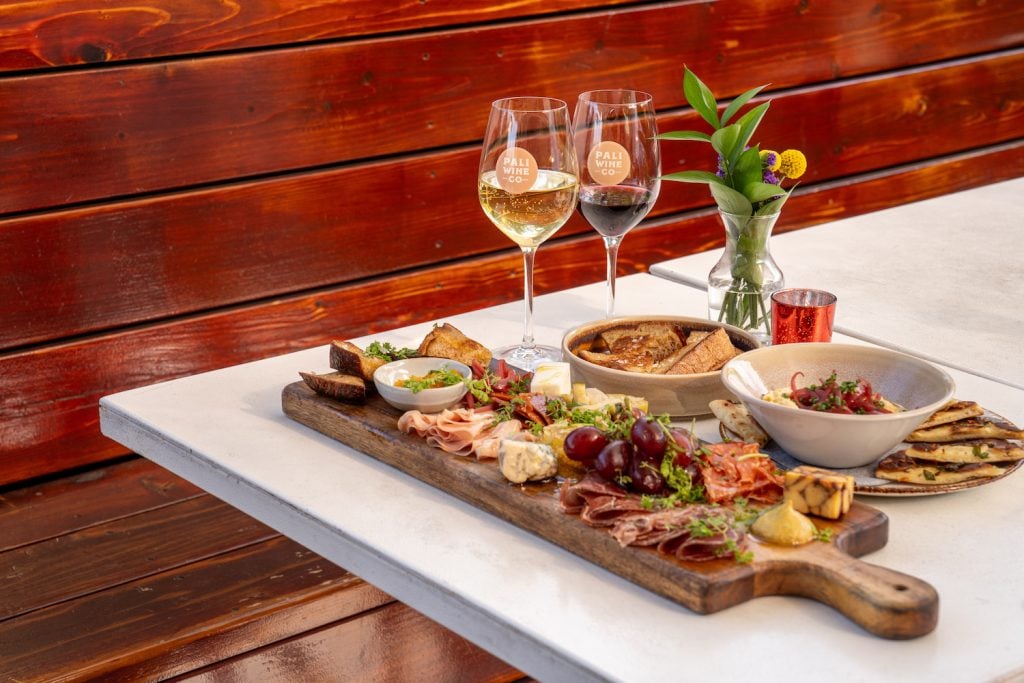
San Diego restaurant Pali Wine Co. featuring Valentine's Day Dinner specials in 2025

Besides the venue, much will stay the same. Donna Jean’s hours are still lunch and dinner Wednesday through Sunday, weekend brunch, dinner on Monday, and closed Tuesdays. (There’s a chance it’ll open for lunch on Mondays eventually, but Funabashi says that’s a future maybe.) While they’ve been closed, the group took the opportunity to evaluate how to best serve their customers in both San Diego and Los Angeles. 

“We’ve made some changes to our pricing to be more affordable for people,” she says, emphasizing that this doesn’t mean relaxing their quality standards. Steps like making their own carrot cashew instead of buying it and adding new pasta options to the menu will allow Donna Jean to remain an everyday option for people, not just for special occasions—or just for vegans. “We want to be able to be accessible to as many people as possible,” she says. “We’re looking forward to being a part of such a vibrant neighborhood.”

Courtesy of Olivewood Gardens

San Diego Restaurant News & Food Events

Support Olivewood Gardens’ Mission At The Seedling Soireé

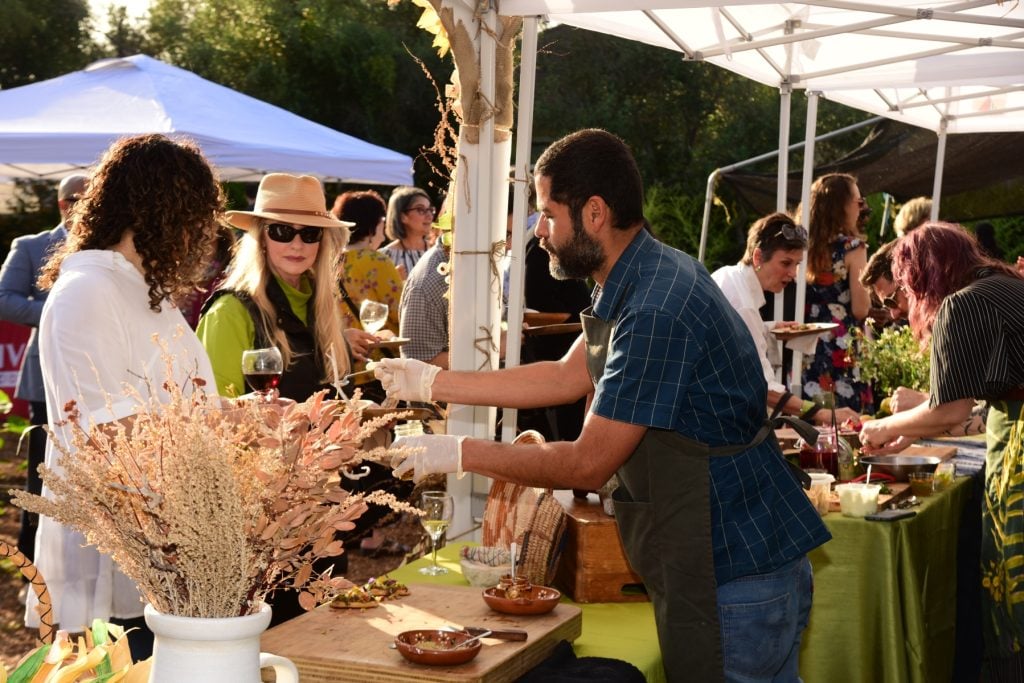
Olivewood Gardens, the nearly eight-acre garden and interactive learning center in the heart of National City, is one of those incredible resources that (I personally feel) not enough people know about. If you’re interested in learning about their mission or supporting their efforts to change the city’s relationship with food and nature, their annual Seedling Soireé on Saturday, May 31 is a great time to pony up. Join chefs, gardeners, farmers, and other local experts for a night of drinking, dining, and bidding on items during their fundraising auction. Can’t make the event? Pop by their weekly produce stand on Thursday mornings to pick up fresh produce at whatever price you can afford.

Beth Demmon

About Beth Demmon

Beth Demmon is an award-winning writer and podcaster whose work regularly appears in national outlets and San Diego Magazine. Her first book, The Beer Lover's Guide to Cider, is now available. Find out more on bethdemmon.com.

Food & Drink NOVEMBER 11, 2022

Vegan Food Pop-Up Expands to North Park

The farmers-market-style event is now featured in three San Diego locations with nearly 100% plant-based businesses

Vegan Food Pop-Up Expands to North Park
Vista Weekly Popups

Vista Weekly Popups

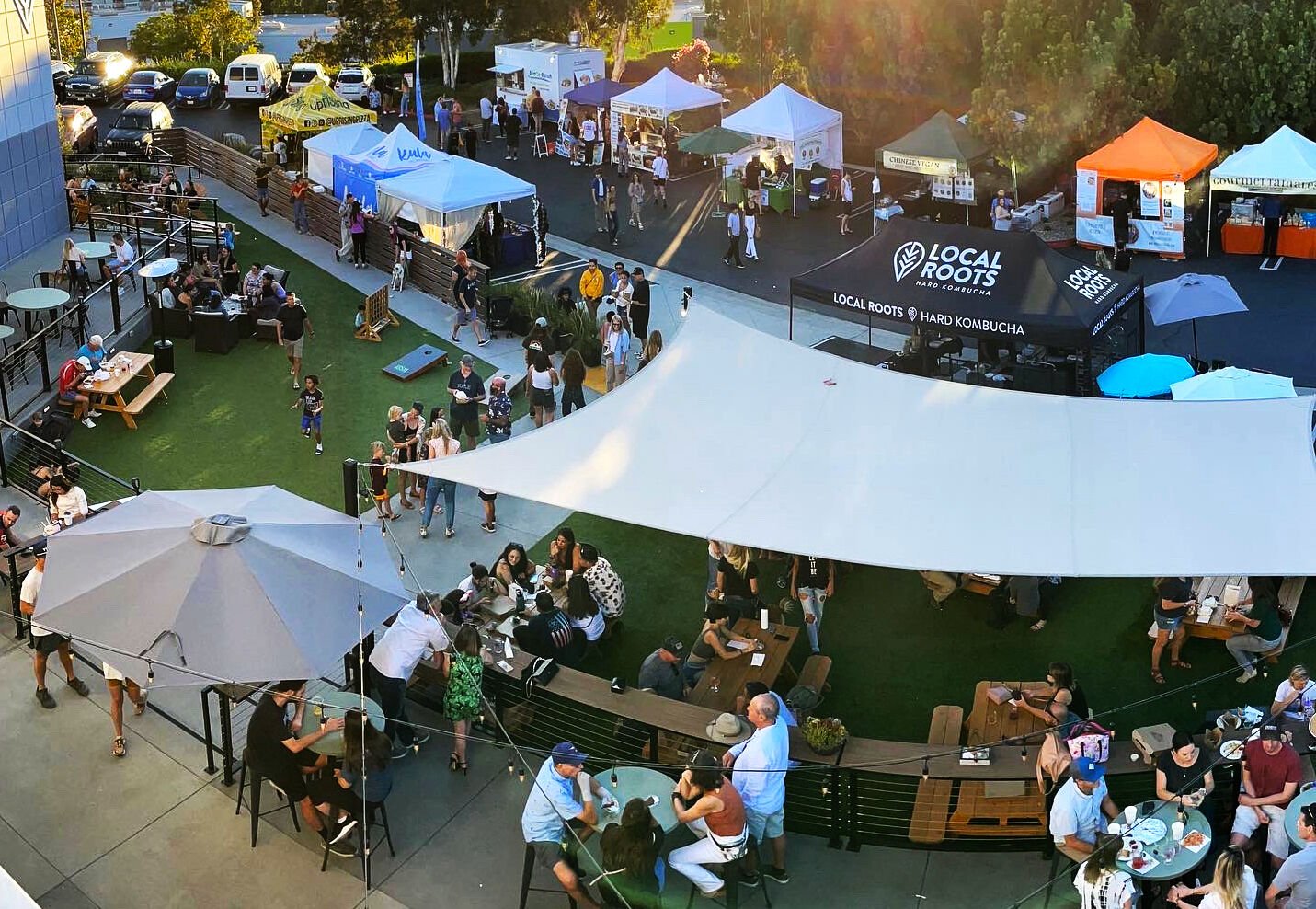
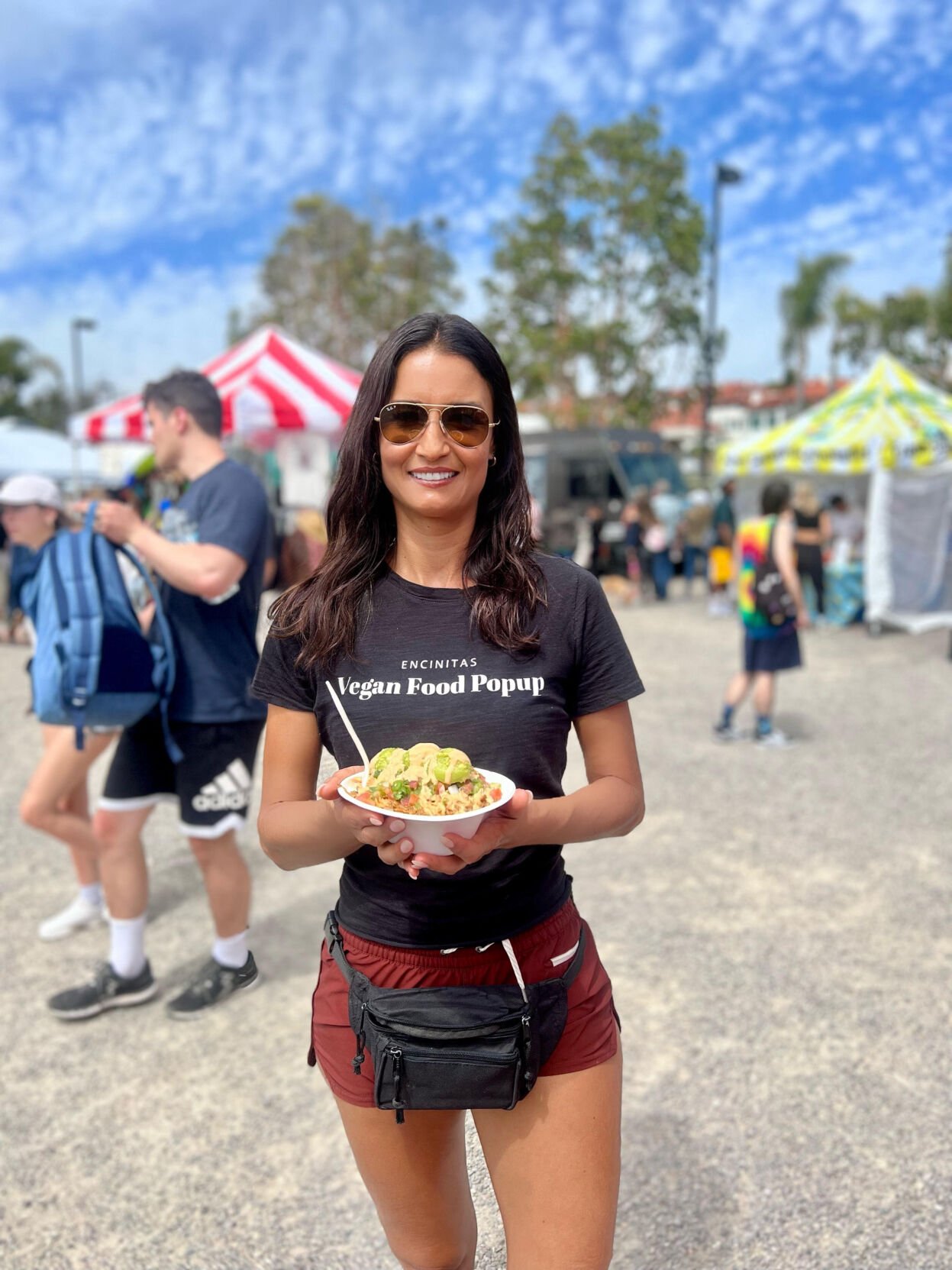
The plant-based food scene is growing throughout San Diego. And a big part of this growth is Vegan Food Pop-Up, which now boasts three monthly locations, thanks to the November 12 arrival of its Saturday market in North Park. The farmers-market-style event attracts vendors from all over Southern California, bringing everything from sushi to dog treats (including donuts and jewelry), all of it made within the bounds of a plant-based lifestyle.

Organizer Michelle May launched Vegan Food Pop-Up as a bimonthly event in Encinitas back in 2019. Now having made it past a few Covid-era speed bumps, VFP is expanding toward a goal of hosting a market somewhere in the county every weekend.

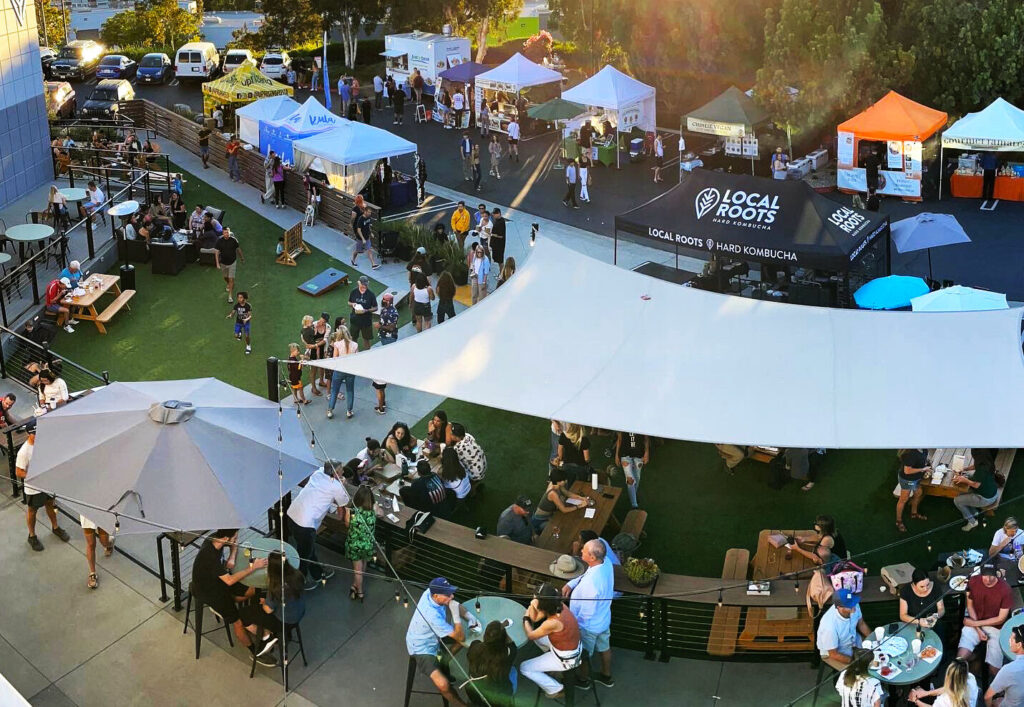
The market is currently scheduled to pop up the first Saturday of every month at the Heritage Museum in Encinitas (12 p.m.-4 p.m.), every third Friday at the Local Roots kombucha brewery in Vista (5 p.m. to 9 p.m.), and every second Saturday at the North Park Mini Park (12 p.m. to 4 p.m.), which was recently installed behind the Observatory music venue.

But May—who also operates vegan space ice cream and coconut jerky brand Seva Foods—is not finished. Approaching holidays in November and December preclude launching a fourth weekend in 2022, but the vegan entrepreneur is already on the hunt for additional spots. She says, “I’m hoping that by January we’ll be ready to announce at least one more new location.”

Michelle May Vegan popups

Michelle May Vegan popups

In addition to bringing the plant-based market to additional communities, one of the reasons May wants to increase the number of market days is that she says she’s got a waiting list of vendors wanting to participate. “There’s just such a hunger (pun intended) for these kind of events that it’s been really easy to book them,” she explains.

The pop-up expands mostly by word of mouth. In a tight-knit Southern California vegan community, Los Angeles and Orange County-based vendors have grown to appreciate San Diego’s reliable vegan demand. To the north, May speculates, a higher frequency of vegan events leads to uneven attendance and increased competition between vendors. They’re willing to come south, she says, because “They tend to do better at the pop-up than they do at some of the regular markets in L.A.”

May does her part by carefully curating each event to prevent overlap and prevent food waste. “I’m straddling this very fine line of wanting a great user experience for my attendees,” she says, “I don’t want them to wait in line too long or—God forbid—get there and all the food’s gone.” She invites roughly 50 vendors to the Encinitas market, while Vista and North Park run smaller, about 30 a piece. A few core vendors appear at every market, including plant-based fish substitute SeaCo Catch, Vegan Mirai Sushi, and Maribel y Olivia Cocina, purveyors of vegan Mexican dishes such as jackfruit and mushroom birria.

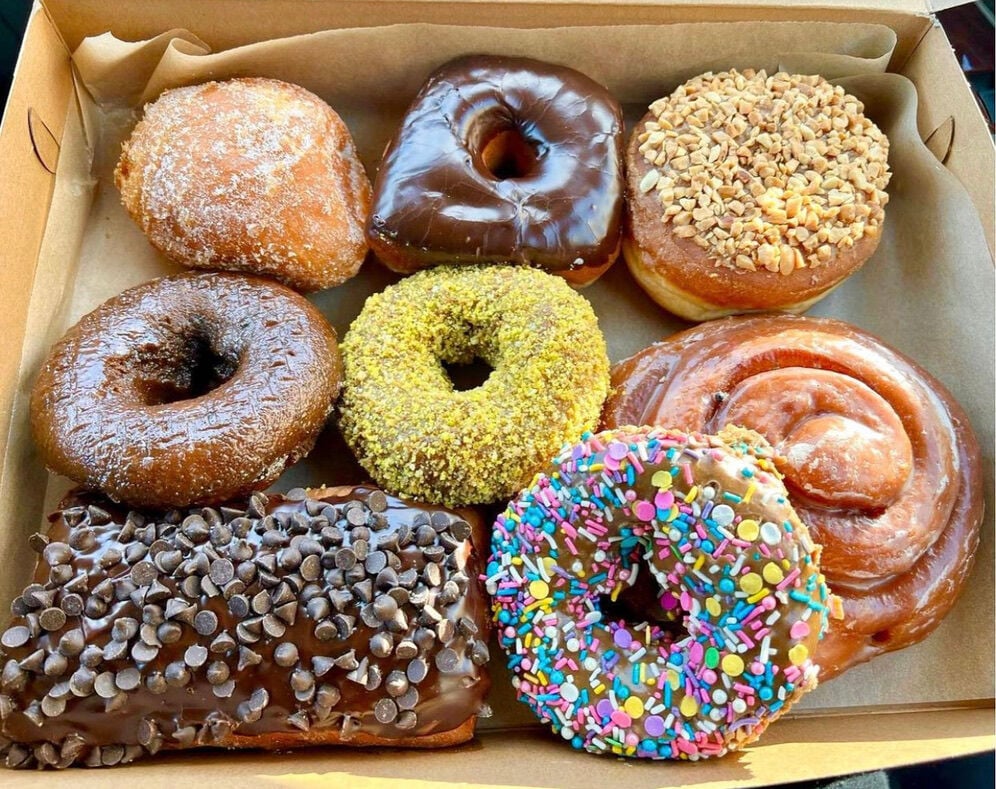
The vendor drawing the longest lines at each event is OC-based food truck The Donuttery. “I don’t think you can mention the pop-up without talking about The Donuttery,” May says, “They are without a doubt the most popular vendor that we have… the line is usually nonstop.”

While most of the food vendors represent 100 percent plant-based businesses, May is open to omnivores that serve vegan-friendly menus. One example, Sabor Piri Piri Kitchen, appears regularly at farmers markets serving traditional dishes of Mozambique, but for the pop-up it forgoes chicken curries for the broccoli, black eyed peas, and collard greens of its vegan menu.

the-donuttery.jpeg

the-donuttery.jpeg

Similarly, the baker behind market mainstay Bonjour Patisserie has found ways to produce plant-based versions of traditional French pastries including croissants and crème brûlées. “He’s worked really hard to source some really high-quality vegan butters,” says May, noting Bonjour will be one of the vendors appearing in North Park.

Clearly, culinary diversity is a priority at all the pop-ups, but perhaps the best reason to attend regularly is that vendors at the pop-up have been the first to introduce local vegans to a growing spate of plant-based meat alternatives coming to market. The past year has witnessed the introduction of meat replacements by Omni Foods, Next Meats, and Nature’s Fynd, which makes sausage and cream cheese out of mushrooms. Attendees can be the first to try these meaty treats, in addition to activities like tarot card readings, henna painting, and reiki massage.

Ian Anderson

About Ian Anderson

Based in San Diego, Ian Anderson writes contemplative features about food, drinks, travel, and culture. On the side, he authors left coast road trip guidebooks, and is currently at work on a collection of autobiographical essays, Stories from Before We Were Connected. He did not form British prog rock band Jethro Tull in 1967.

Food & Drink MAY 6, 2022

Chef Rob Ruiz Comes Home

The notable sushi chef had to grapple with grief and shovel fish guts to get here

Chef Rob Ruiz Comes Home
Ligaya Malones
The Kitchen - sandwich

The Kitchen – sandwich

Ligaya Malones

Chef Rob Ruiz is back. But the notable sushi chef and sustainable seafood advocate needed to grapple with grief and shovel literal fish guts to get here. We’re in between lunch and dinner service at The Kitchen, Ruiz’s new passion project in Vista.

“I learned all these things,” he begins: classical French cooking, Hawaiian Regional Cuisine (including how to slice sashimi from Alan Wong’s team), sushi, fine dining.

“After what all of us have gone through the last couple years, what’s my answer to ‘What could I do for people?’ And I’m like, I’m gonna make ’em really awesome food and I’m gonna do it for seven bucks.”

Welcome to The Kitchen

The Kitchen started as a commissary for Crownview Co-Occurring Institute’s food program, which Ruiz oversees. Crownview, located in Oceanside, shepherds recovery programs for people facing post-traumatic stress disorder, substance abuse, and other mental health conditions. Ruiz and team, including some Crownview graduates, make and deliver meals for its programs. On the day I visited, dinner was chipotle shrimp and penne pasta.

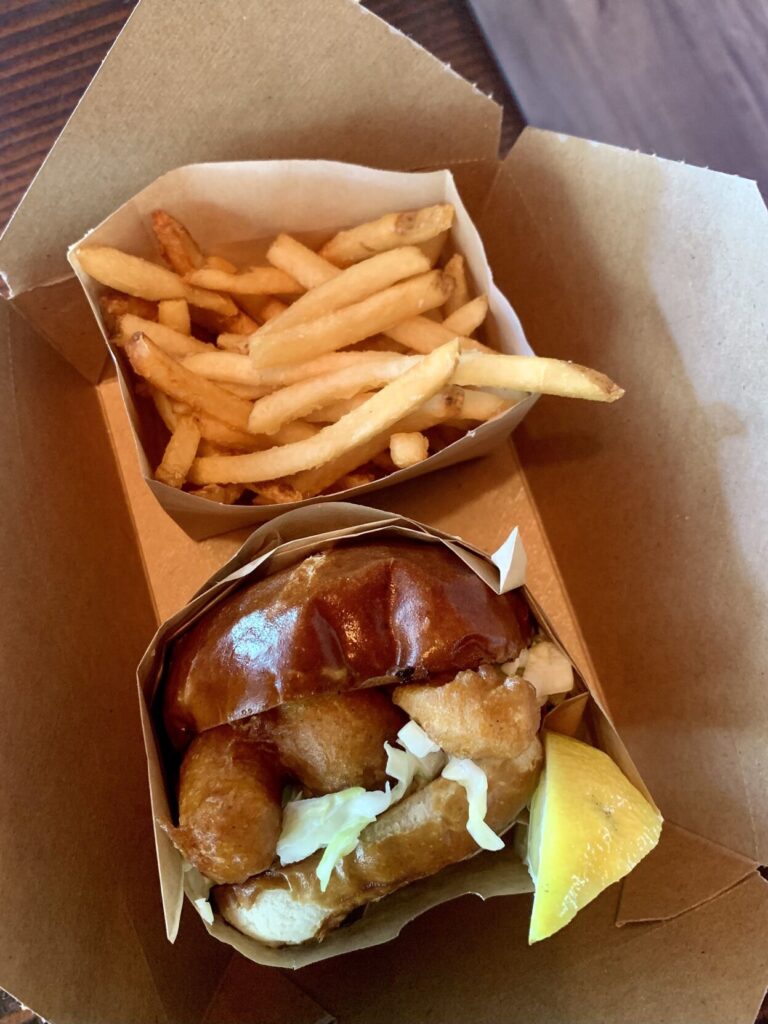
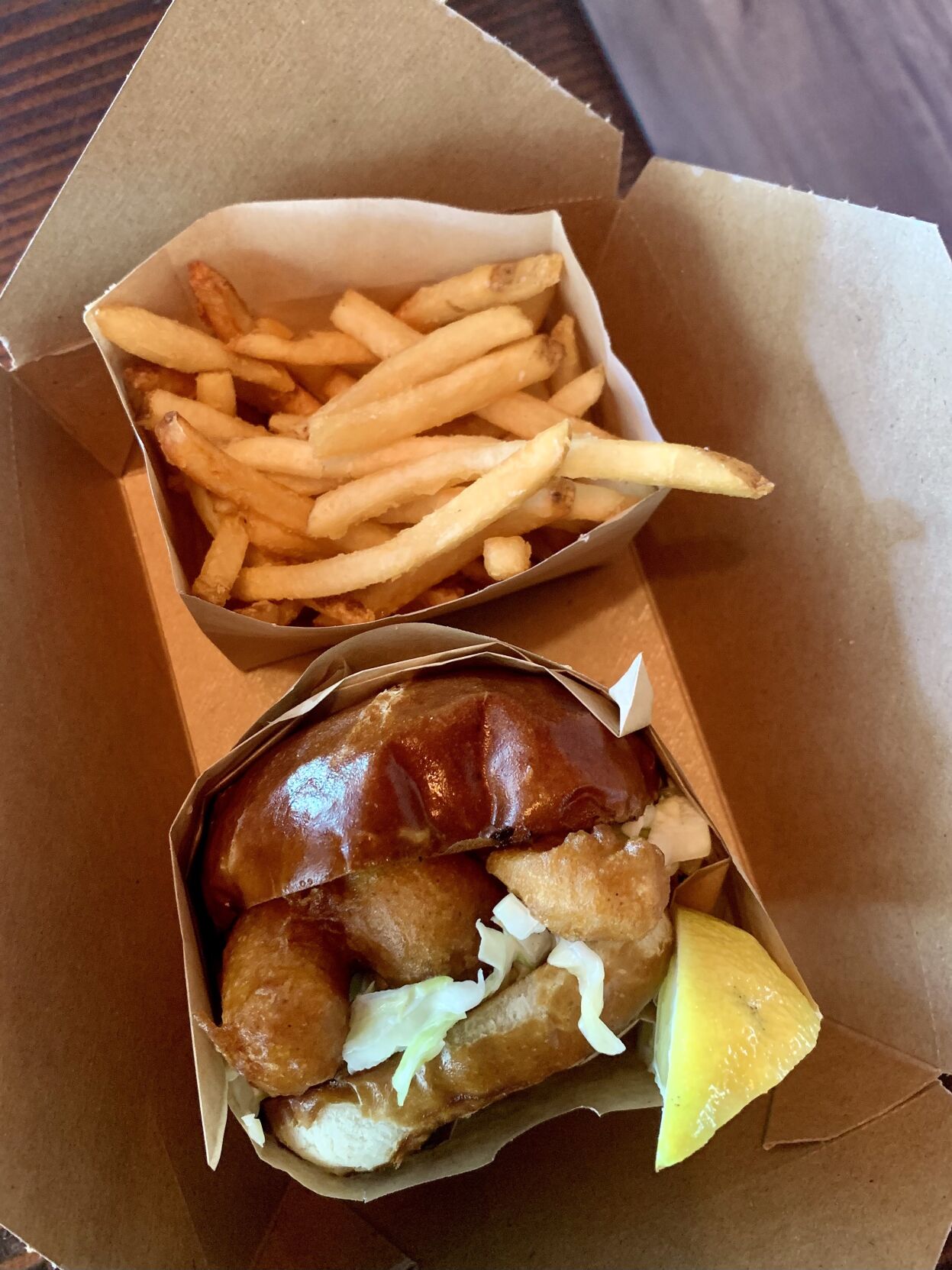
As of March, it’s also a fast-casual sit-down restaurant. From the counter, you order simple yet delicious food—delicately battered fish and chips, chicken sandwiches on housemade biscuits, salads, and burgers. All ingredients are either grown at The Kitchen’s farm in Bonsall or otherwise locally produced, which helps keep overhead low. Salads are named for the seeds that spawned their leafy greens, and virtually all dressings, condiments, and baked goods are made from scratch, which also keeps costs down. 

A Tsunami of Humility

Just a few years ago, before The Kitchen, adversity slammed Ruiz from every angle. His signature sushi restaurant shuttered. Death came for someone close to him. Then the pandemic came for us all. Ruiz, like many in the hospitality business, was furloughed. 

Fishmonger Tommy Gomes and team threw him a line processing fish to eke out a paycheck.

 “I was like, okay, put me wherever you want,” Ruiz says. “So they put me on the boat, right. And you’re on the boat, and they have a crane that goes down and picks up like 500 or 600 pounds of tuna at a time. There’s seawater washing through the deck of the boat—it’s in the harbor, but it’s still gonna move. And then you have a cutting board that you’re just hoping to land the fish on because it’s moving. The fish is moving. The crane is moving. You have 10 guys all around you, all moving.

“And my job was to pick up a 100-plus-pound fish by yourself, carry it over, put it down, then get the head off of it, hand the head off, break the fillets off, go all the way and break it down to nothing. And then go run and get another one. You just do that nonstop. And you can’t wash your knife; you can’t wash your cutting board.

 “This is just a few hours. These guys who do that for a living, these guys are beasts. These guys are a different breed. These guys are amazing.”

The point is, the once-rigid Ruiz is more malleable now, more balanced, yet the pursuit for bigger and better is still on. During the decade he spent cooking and surfing on Hawai‘i Island (the Big Island), some coworkers from Oaxaca gave him the kitchen name “El Diablo Sin Cola,” or The Devil Without a Tail.

“I really do things 110 percent,” he explains. He attributes his drive to his grandfather, a former Navy captain, who “always had a high bar of what was expected.” Give him a chapter to read and Ruiz will rip through the entire book, and then some. 

Fine dining is still on his mind, maybe, eventually. So are whole paycheck-worthy tasting menus. Right now though, Ruiz is giving The Kitchen 110 percent.


Ligaya Malones grew up in Kaua’i, Hawai’i and is a San Diego-based writer covering the intersection of food, travel, and culture. Her work has appeared in publications including Food52, Condé Nast Traveler, Lonely Planet, and Salt & Wind Travel.

Studio S JUNE 12, 2026

Nominations Open for the San Diego Business Impact Awards

The annual event honors middle market companies creating jobs, scaling up, and investing in the region

Nominations Open for the San Diego Business Impact Awards
Photo Credit: Kimberly Motos

San Diego is known for its startup culture and innovation economy, but what happens when the company moves beyond its early-stage years? The San Diego Business Impact Awards aim to answer that question, spotlighting the middle market businesses helping drive the region’s economy.

Hosted by San Diego Regional Economic Development Corporation (EDC) and JPMorganChase, the second annual awards celebration takes place on Thursday, July 23, from 4:30 to 7:00 p.m. at Scripps Research Auditorium. More than 200 executives, entrepreneurs, and business leaders are expected to attend the networking and cocktail event honoring some of San Diego County’s fastest-growing companies.

Businesses headquartered in San Diego County that have operated for at least two years are encouraged to submit their nomination by Thursday, June 18 at 4 p.m. Companies across industries—from technology and life sciences to tourism and consumer products, as well as pre-revenue startups—are eligible for recognition.

For EDC President and CEO Mark Cafferty, the event is as much about building connections as celebrating success. “We’ve had a longtime partnership with JPMorganChase; their work aligns with our efforts to support underserved communities and drive talent development,” says Cafferty. “And the networking was invaluable last year. I’m still in touch with people I met at last year’s awards.”

Photo Credit: Kimberly Motos

EDC is an independently-funded nonprofit that works directly with San Diego companies to help them grow the local economy, make the region as a whole more competitive, and attract and retain top-tier talent with quality jobs. Through EDC, companies can get help starting or expanding their business with support for things like site selection, permit navigation, and regulatory guidance, plus connections to local resources and potential business collaborators.

The San Diego Business Impact Awards began as an idea with one of EDC’s longtime strategic partners, JPMorganChase. The two organizations share a commitment to San Diego and are dedicated to bolstering middle market businesses.

“We’re blessed with a robust innovation economy and startup community,” says Aaron Ryan, San Diego Region Manager for JPMorgan’s Commercial and Investment Bank and vice chair of the firm’s’ San Diego Market Leadership Team. “But one of the segments of the business community we felt was overlooked was emerging middle market companies—the businesses that are no longer small but not yet large.”

Ryan says supporting those companies is critical as they scale and decide where to invest, hire, and grow.

San Diego’s high cost of living remains one of the region’s biggest business challenges, making talent recruitment and retention increasingly competitive. But local leaders point to the region’s quality of life, climate, and collaborative business community as advantages that continue to attract employers and workers.

Photo Credit: Kimberly Motos

“In order to support thriving households, there has to be enough high-quality jobs for people to be able to afford to live here,” Cafferty says. “Once a company grows and excels past that middle market point in their growth cycle, they become much more likely to pay higher wages and compete globally.”

Both Cafferty and Ryan proudly tout the unique collaboration that exists among San Diego County businesses. Bringing together top universities producing high-quality talent, cutting-edge research institutions, a robust military and defense presence, leading ocean science and environmental organizations, and a binational, cross-border identity creates a distinct business ecosystem that defines and strengthens the San Diego region. 

Last year’s San Diego Business Impact Awards celebrated nearly 60 honorees from 49 industries, representing a total of 8,232 jobs across eight sectors, including: software and technology, healthcare and life sciences, consumer goods, professional services, finance, construction and manufacturing, defense, and hospitality and tourism. On average, honoree companies doubled their revenues over the previous year, employed more than 145 San Diegans each, and offered an average annual compensation of $192,415.

Top honorees included defense contractor Innoflight, environmental consulting firm Bancroft Construction Services, life sciences startup Element Biosciences, defense technology contractor GALT Aerospace, organic grocery store chain Jimbo’s, and biopharmaceutical company LENZ Therapeutics. During the event, Innoflight Founder and CEO Jeff Janicik held a fireside chat offering his insights on investing in the community and embracing San Diego culture.

This year, organizers hope to continue highlighting the middle market players driving economic impact across the region. Nominations are now open through June 18 at 4 p.m. Get your tickets to the San Diego Business Impact Awards celebration to enjoy drinks by Snake Oil Cocktail Co., light bites, live music, and networking.

Food & Drink JUNE 26, 2020

Vegan Death Metal Restaurant Adapts with “Crypt Sessions”

Kindred recasts half their restaurant for elaborate seven-course pop-ups

Vegan Death Metal Restaurant Adapts with “Crypt Sessions”
Photo courtesy of Kindred

It’s maddening enough rebuilding your restaurant for pandemic dining. Everyone’s give-up instinct is inflamed. Many of your trusted business practices have been deep fried into oblivion, and owners have to create new ones from the ashes. They have to reinvent with skeleton crews, since the shutdown meant most staff was laid off. It’s at that point that all employees become co-architects of an entirely new model.

“There was an empowering of our staff to step up and own our solutions,” says Kory Stetina, owner of South Park’s vegan death metal restaurant, Kindred. “Including efforts they made to help our other staff out, working with grants and getting employee meals set up.”

Dining During COVID / Kindred Food

Dining During COVID / Kindred Food

Photo courtesy of Kindred

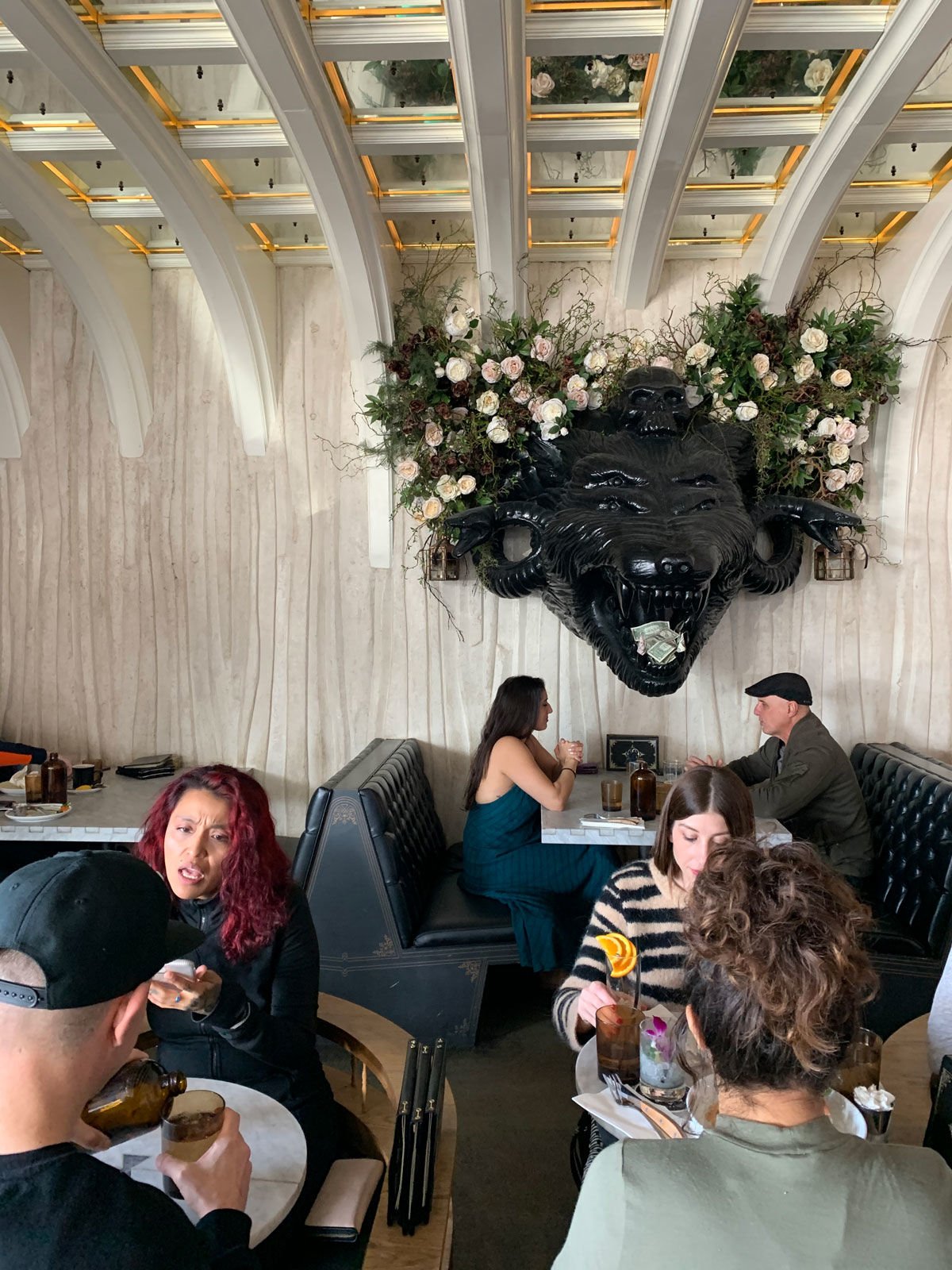
Stetina and his crew’s solution? “Kindred Crypt Sessions,” where they transformed half their space into a restaurant-within-a-restaurant for a series of seven-course pop-up dinners (five food courses, two cocktail courses). So much of Kindred’s appeal depends on the art of its decoration (from the ornate grandma-on-psychedelics wallpaper, to the massive black demon head lording over the dining room). The thought of making it a cubicle farm of social-distance Plexiglas crushed their soul a bit.

“We were a bit skeptical that it would be a diluted version of itself,” he says.

Dining During COVID / Kindred Interior

Dining During COVID / Kindred Interior

Photo courtesy of Kindred

Crypt Sessions solves this. By selling tickets ahead of time, Stetina can send the “do’s and don’ts” over email, and doesn’t have to clutter up the environment with handmade lists of rules. Guests enter through a separate side alcove. A few tables in the middle of the dining room have been turned into a plant installation, a lush way to ensure six feet. A chandelier in the bar has been interspersed with pulsing gothic candlelight. Flowers abound. Their pagan church windows are propped open for airflow.

“It’s the answer to ‘What if we throw out all our normal rules of efficiency and really reach for our most experimental and ambitious sense of identity?’” Stetina explains. “We envisioned guests getting lured into our space to have a private meal from these fictitious mystics that dwell inside Kindred.”

What the hell does that mean? Well, Kindred is San Diego’s version of a prog-rock band, infusing their food and drinks with Tolkienian backstory. Practically, it means using more primitive sourcing methods (foraging for local pine for one of their cocktails), ancient cooking methods (grilling, which also helps speed up the cooking process), and older-world spirits (sherry, brandy, fortified wine, Chartreuse). Menus like old archeological stone carvings. Anything to cast the vibe of the night back a few hundred years, to anywhere but now.
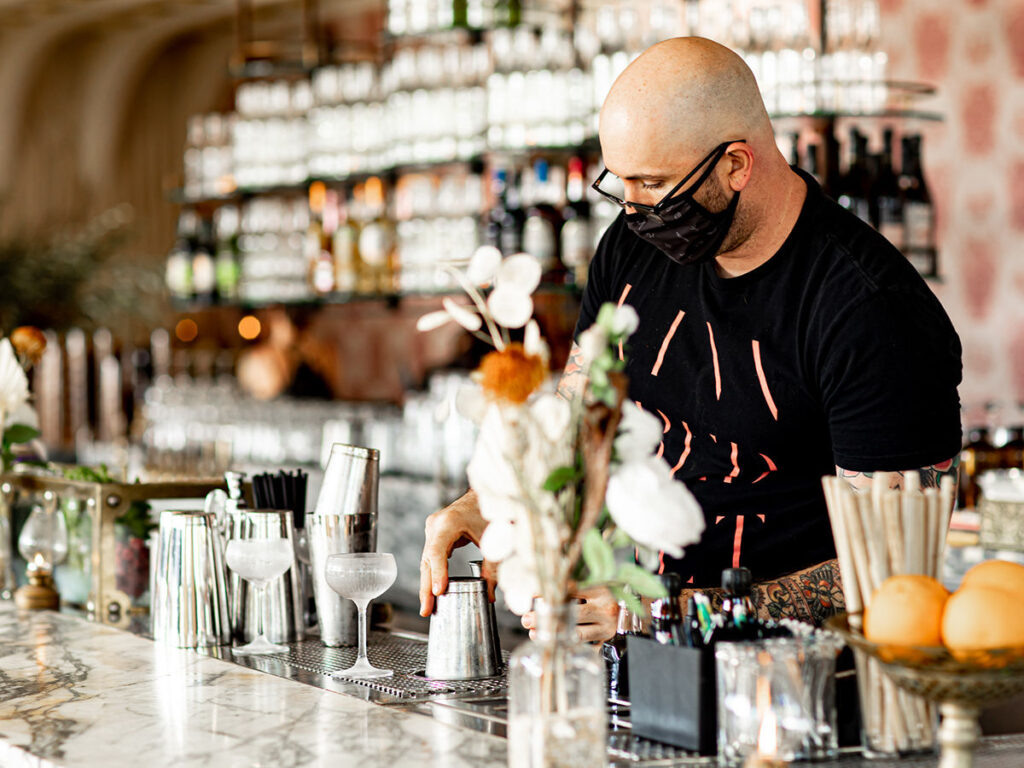
Dining During COVID / Kindred Cocktail

Dining During COVID / Kindred Cocktail

Photo courtesy of Kindred

It also gives the cooks a creative license they didn’t have before coronavirus, when they were too slammed to tinker. “The hope is that we strip away our constraints and do some really fun and wild things with our menu,” he says. “Start to think about some of these dishes as part of our eventual reopening.”

For Stetina, the best part about the Crypt Sessions is, because the more elaborate food requires a ton of prep, he’s been able to hire back almost 100 percent of what he calls the “heart of the house”—the kitchen staff.
“The day I had to furlough my employees was by far the worst day of my professional career,” he says, noting that through the Crypt Sessions and the daily takeout and partial dine-in service, he’s been able to hire about 60 percent of his total staff back. “The good side of all this is the conversation and understanding between restaurants and customers has become more real. We’ve been far more transparent with our financials. They’ve shown a greater desire to learn. They’re asking, ‘How can we help?’”


Kindred

1503 30th Street, South Park

Dining During COVID / Kindred Feature

Photo courtesy of Kindred

Troy Johnson

About Troy Johnson

Troy Johnson is the magazine’s award-winning food writer and humorist, and a long-standing expert on Food Network. His work has been featured on NatGeo, Travel Channel, NPR, and in Food Matters, a textbook of the best American food writing.

Vegan
Food & Drink MARCH 2, 2020

Destination: Kindred

The thriving South Park hangout is a vital crossroads of food cultures

Destination: Kindred

If this is vegan brunch, I might bid a pretty unemotional farewell to bacon some day. If this is the vegan scene, it’s drastically more awesome than haters would like to believe. For years, I’ve considered veganism a very good thing and reflexively generalized vegans as smug, sanctimonious blowhards.

To be fair, the badgering went both ways. Vegans (some, not all) accused omnivores of being murderers driven only by our own gluttony, environmental nihilists ushering in doomsday with every callous bite. Omnivores (some, not all) in turn belittled vegans as sickly looking crusaders, just another wacky religious sect, the Scientologists of food. Eventually, I assumed we’d get to a less judgmental middle ground. Someone would give San Diego an exciting vegan restaurant and bar that was less a territorial pissing and more of a come-all plant party.

Kindred in South Park is that place. It’s a restaurant for any human, really, who likes cool things. I’ve been a fan for years. I hadn’t, however, ventured in with their late morning crowd and seen the full evolution. Now that the food is catching up with (or caught up with) the cocktails, Kindred is a force.

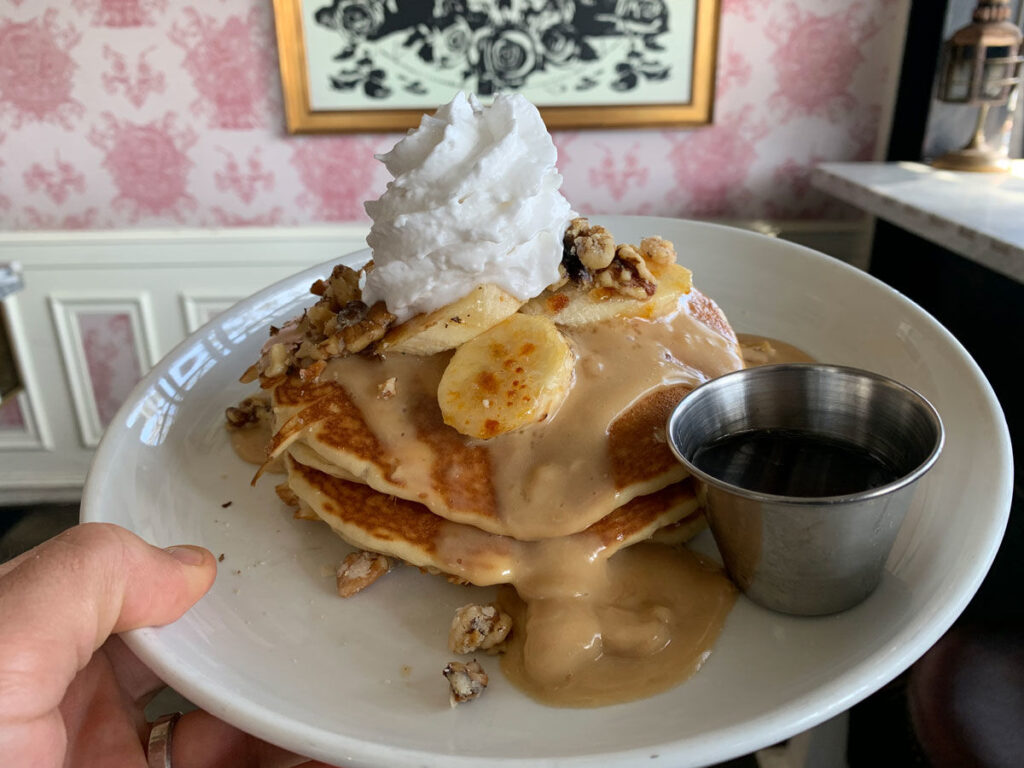
Their breakfast strudels are some intoxicating carbs. Our favorite is the savory shaved seitan with tapioca mozzarella and pickled peppers. It’s spicy, meaty, cheesy, bready. The cinnamon and brown sugar strudel with candied pecans and coconut syrup is flaky on the outside, pure molten, thick, and gooey cinnamon roll inside. The pancakes with bruléed bananas, bourbon butterscotch, and whipped coconut cream aren’t good for your waist size, but they are good for your soul. Their hash is also very good, with fried potatoes, black beans, smoked coconut (vegan bacon), soy curls, maitake mushrooms, charred kale, jicama salsa, and Creole aioli.

The vibe has always been modern art. It’s the massive shiny-black demon head that lords over the main dining area. What an elegant, imposing beast. It’s the ornate pink wallpaper that appears cute and grandmotherly until a closer inspection reveals illicit scenery. It’s the gothic windows and the two-top tables that look like desks pulled from pagan Sunday school, or sidecars for Wiccan motorcycles. It’s the sludgy heavy metal on the speakers offset by the flood of fresh, natural light pouring in.

Destination Kindred

Previously, plant-based restaurants had a reputation as antiseptic prayer rooms for self-serious wellness people. Kindred owner Kory Stetina decided not to do that, and enlisted art-restaurant makers Consortium Holdings (Morning Glory, Born & Raised) to build a noisier temple for more entertaining urges.

In doing so, he positioned Kindred to be the Casbah or CBGB of vegan food and drink.

Because the plant-based movement is not just here to stay—it’s remodeling a sizable wing of the restaurant industry. Overall, the stats are still small. Gallup reports that about 5 percent of Americans claim to be vegetarian, and 3 percent vegan. But a report by The Economist in late 2018 raised eyebrows when it reported a full quarter—25 percent—of Americans in the 25-34 age demo claim to be either vegetarian or vegan.

There’s a good chance some of those people secretly cheeseburger in the dark. But even if they’re pretending to be plant-based, that means the lifestyle is now an aspiration, a status badge for an entire age demo.

If your eyes are open, you know it’s at least partially real. Meatless Mondays have been growing in number for years. Serena Williams and Tom Brady are vegan. So are Ellen Degeneres, Bill Clinton, Joaquin Phoenix, Paul McCartney—just lots of famous people. Plant-based meat companies like Impossible and Beyond are booming. Some of the world’s top chefs have plant-based menus (at French Laundry, we preferred the plant-based menu) or even entire restaurants (like ABCV from Jean-Georges in New York).

In San Diego, Kindred is the weird and fuzzy center of the movement. It’s not a trap meant to get omnivores drunk on Prohibition cocktails and guilt them into declaring legumes the one true god. At least from an outsider’s perspective, there doesn’t seem to be any agenda aside from being an exciting restaurant. And it’s pulling this off.

Kindred’s vision of the future isn’t the only one, but it is one of them. And their brunch is excellent whether you’re omnivore, vegan, or merely ambivalent and hungry.

Destination Kindred 3

Kindred, 1503 30th St., South Park

Troy Johnson

About Troy Johnson

Troy Johnson is the magazine’s award-winning food writer and humorist, and a long-standing expert on Food Network. His work has been featured on NatGeo, Travel Channel, NPR, and in Food Matters, a textbook of the best American food writing.

Partner Content JUNE 10, 2026

New Options for GLP-1 Users

Scripps study shows that some patients may be able to taper their dose and maintain results

New Options for GLP-1 Users
Courtesy of Scripps Health

While glucagon-like peptide-1 (GLP-1) receptor agents have been used to treat Type 2 diabetes for more than 20 years, their recent emergence as weight-loss wonder drugs marked a new frontier in medicine. But their effectiveness has left some patients wondering what to do once they’ve reached their goal. Stopping the medication could mean regaining some, if not all, of the weight. A Scripps Clinic internal medicine physician recently conducted a small study of whether GLP-1 patients who had reached their goal weight could maintain that weight by taking their regularly prescribed injection every other week instead of weekly. Spoiler alert: 30 of 34 patients did. Read more about the study here and what that may mean as pharmaceutical companies roll out oral GLP-1s.

For more nutrition, wellness, and healthy living tips, sign up for the San Diego Health newsletter here.

Partner Content

Eat Like a Local (Who Knows a Guy).

Restaurant news, culinary storytelling, and Troy Johnson’s sharp takes delivered straight to your inbox twice a month.

Close the CTA

Contact Us

1230 Columbia Street, Suite 800,

San Diego, CA