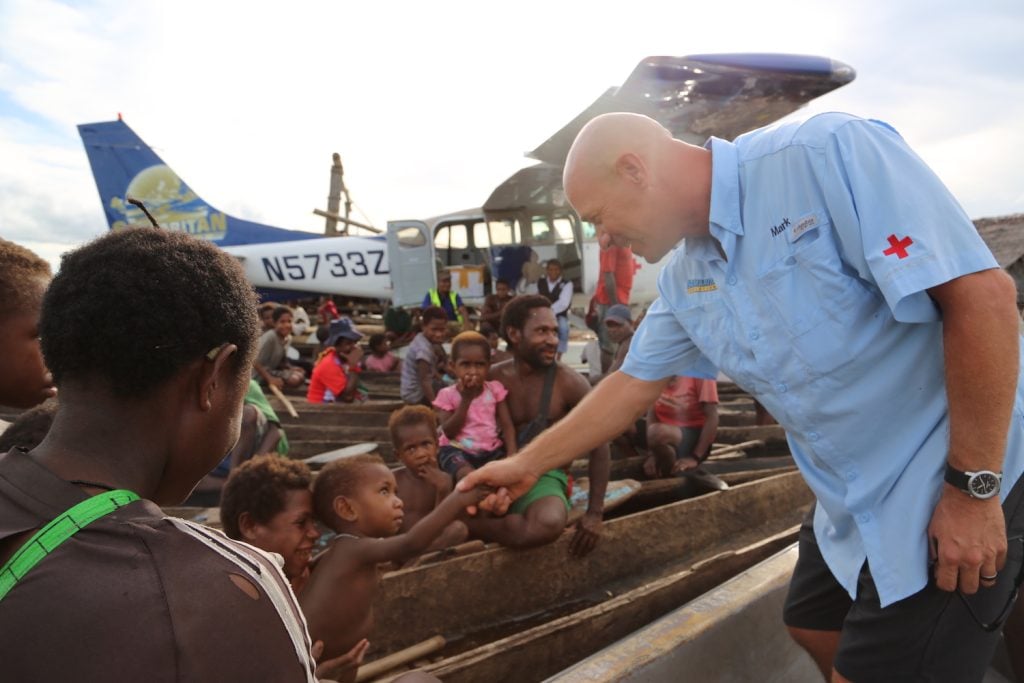
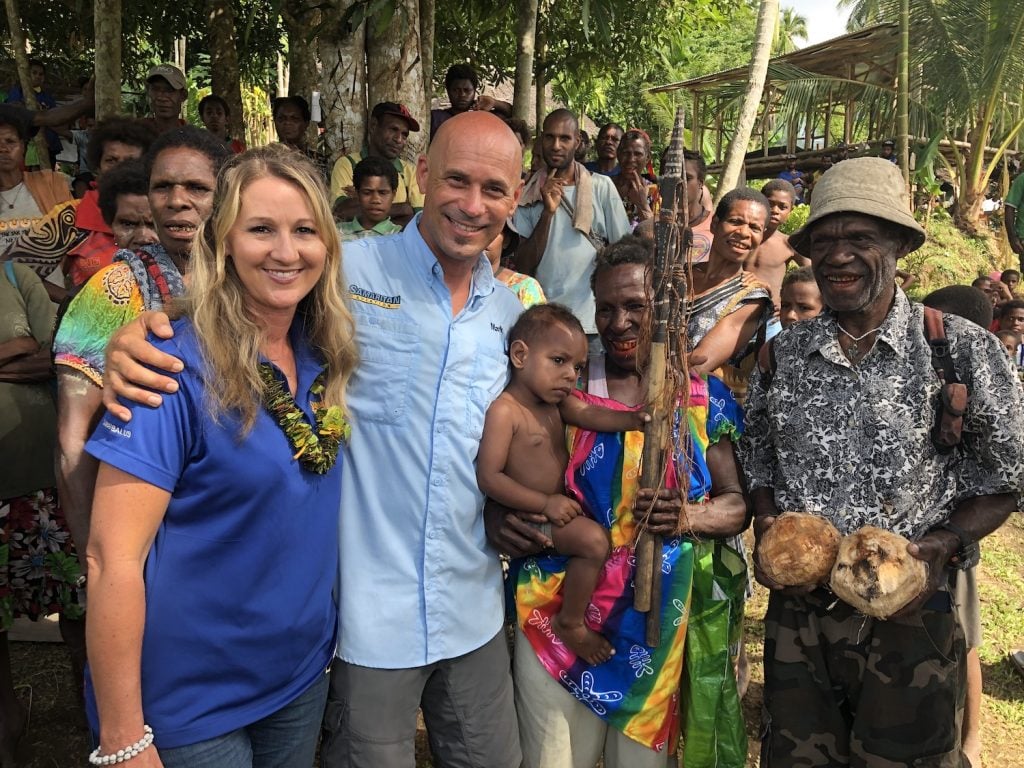
For several months each year, Carlsbad father of three Mark Palm can be found halfway around the world delivering medicine to a clinic via seaplane, flying a pregnant woman suffering complications to a hospital, or rescuing a snake bite victim who would have faced certain death without intervention.
He estimates that the faith-based charity he cofounded 13 years ago, Samaritan Aviation, has flown thousands of patients from remote villages of Papua New Guinea to the city of Wewak, which has the only hospital in the area—a trip that would take days without a plane.
Raised in a family of preachers and pilots, Palm says he was called to use his passions for serving others and aviation skills from a young age. When a college friend from Papua New Guinea showed Palm his home country, his philanthropic nature took hold.
“The goal of the trip was to go see how they lived and what were the things they struggle with, and it was very obvious, very quickly that they didn’t have access to medical supplies, they didn’t have access to hospitals,” he says. “I kept hearing stories of people just giving up when there was any type of serious medical condition because there was no hope. So, we had this vision—aviation was something I was planning on doing, and what if we could turn a three-day trip to the hospital into a one-hour flight in a seaplane?”
Papua New Guinea, which covers half the island of New Guinea, has a population of more than 10 million people. Roughly 80 percent of its residents live in remote villages, far from medical care. Samaritan Aviation and its four aircraft conduct life flights, medicine delivery, and disaster relief flights, serving more than 350,000 villagers.
“A few weeks ago, we had a lady with pregnancy complications and another patient that had been in a trauma situation, tribal attack,” Palm recounts. “So, we have him in a stretcher of the lady sitting up next to him. Wewak was a 35-minute flight—and she delivered twins in the plane sitting up.”
Though Palm has dedicated his life to helping others access health care, he recently faced a health challenge of his own. Palm was diagnosed with B-cell lymphoma and spent months undergoing treatment. He says he has a newfound appreciation of what it’s like to be a patient and to have access to top-quality care.
“I’ve picked up thousands of people over the years, and it’s like I’m the guy helping. But now, all of a sudden, I was the patient and that was a humbling experience, to be at a place where you can’t help yourself,” he says. “The other humbling part of it was knowing if I was living in New Guinea, I wouldn’t be here because they don’t have the medicine that we have. With the type of cancer I had, I would’ve died in probably a matter of weeks. I feel God’s given me more time here.”
Now in remission, he has resumed splitting his time between his Carlsbad home and his duties overseas. Samaritan Aviation has been busy building a new seaplane, enlisting more staff to cover more of the island, and fundraising for the nonprofit’s Fuel for Life campaign.
“To see the need over there, that’s what drives me now,” says Palm. “We’ve done really well, and we’re having the biggest year we’ve ever had, but the needs are continuing to grow. We’re getting better at what we do, and now it’s time to take Samaritan Aviation to the other side of the island. And then there’s two other provinces that we want to move in the next five to seven years. Our goal is to be a serving a million people.”
Marcella Johnson’s Comfort Cubs Help Families Carry Grief
The San Diego nonprofit grew from Johnson’s experience losing her infant son and now provides therapeutic teddy bears to grieving families and survivors of violent crimes
Grief is a complicated emotion. A profound loss can break a heart and bring unexpected emotional and physical pain that lasts for months or even years. As Marcella Johnson says, “Grief has no expiration date.” It can devastate, but it can also inspire.
Johnson knows this from experience. In 1999, her fourth child was diagnosed in utero with osteogenesis imperfecta type 2, a life-limiting disease. George was born on April 11, 1999, and died that same day.
“I got to hold him and look into his big blue eyes and tell him that I loved him,” she recalls. “That was very special for my family.”
In the days that followed, Johnson was swept up in sorrow and a physical pain she couldn’t understand. Her heart felt as though it physically ached; the only relief came from pressing on her chest, as if tending to an open wound. Her arms hurt, too, and rubbing them or applying ointment did nothing to ease the pain. She later came to understand the heart pain as stress-induced cardiomyopathy, also known as takotsubo syndrome or broken heart syndrome, a condition that was little understood at the time. She also experienced what’s commonly called empty arm syndrome, though it isn’t an official diagnosis. “It’s when your arms are literally aching to hold your child,” she says.
A week later, Johnson found an unexpected source of relief. Someone had left a terracotta pot of flowers at George’s gravesite, and her father urged her to take it home. When she held the pot, the aching began to subside.
“It was a cold, hard terracotta pot, but the weight of it gave me comfort. I felt an immediate response, and I thought, I can’t say anything to anyone. This is so weird,” she says. “I got home and I did not want to put that terracotta pot down. I found myself walking around the house, and every time I put it down, my pain would return. So I didn’t let go of it … I was so desperate to get myself out of pain that I [would] do whatever it takes.”
Courtesy of Marcella Johnson
Johnson soon learned she wasn’t the only grieving mother to find comfort in an inanimate object. Women had found solace in a sack of flour, a pillow, even a pineapple.
Johnson set aside her own grief and thought, I have to do something for these women.
“We needed to get to them before they left the hospital, because for me, leaving the hospital empty-handed was the worst experience of my life,” she says.
She began thinking about what might help. At George’s funeral, guests had brought stuffed animals to donate. Seeing a Beanie Baby at the top of the pile sparked an idea: What if she made a teddy bear about the size of a baby?
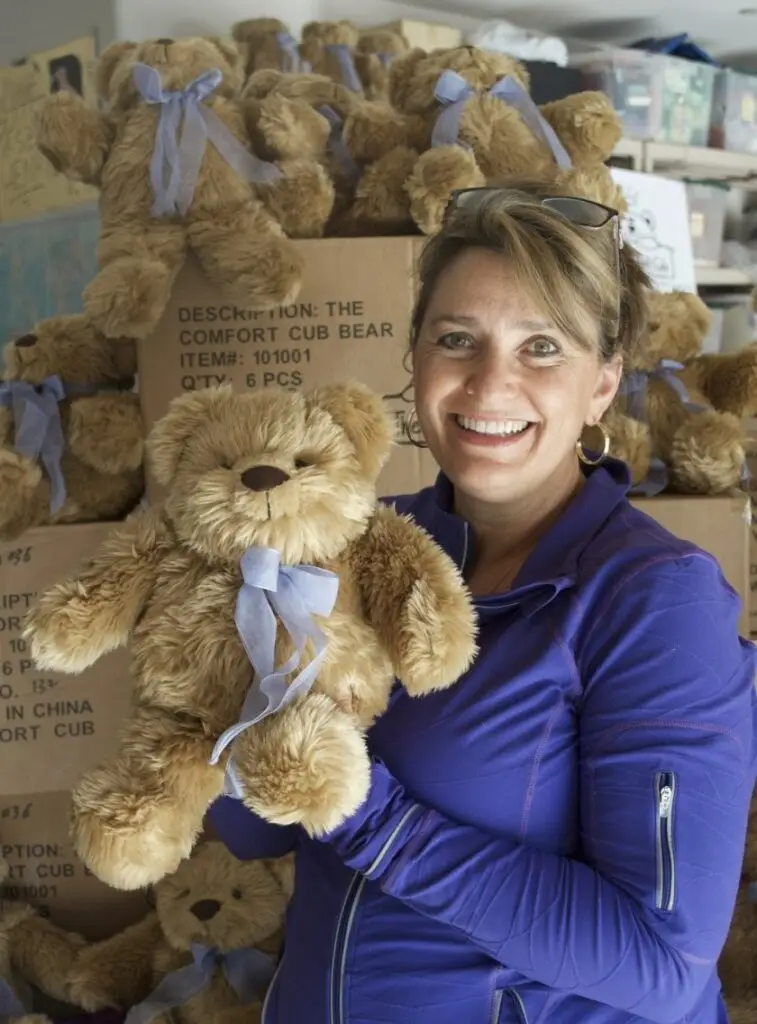
“It’s not uncommon for a grown woman to have a stuffed animal. And the teddy bear, the Comfort Cub that we came up with, if you look at it, you have no idea that it’s a therapeutic tool,” she says.
Johnson went to a predecessor of Build-A-Bear Workshop and filled a teddy bear with split peas. After a few tries, she found a weight that felt right. At first, she made every Comfort Cub by hand and included a personalized note. Soon, the bears were being donated to mothers who had lost a child at hospitals throughout San Diego. Johnson’s effort later expanded to select hospitals across the country.
As weighted blankets became more popular, Johnson saw growing interest in the calming effects of deep pressure. Research on weighted blankets suggests they may help some people feel calmer, though the evidence remains limited. Johnson also realized Comfort Cubs might help people beyond grieving mothers. She brought them to the San Diego Police Department for use during trauma cases. “They were very well received,” she says.
Today, through her nonprofit, the Comfort Cub Program, therapeutic bears are given to families grieving the loss of an infant and to survivors of violent crimes.
Courtesy of Marcella Johnson
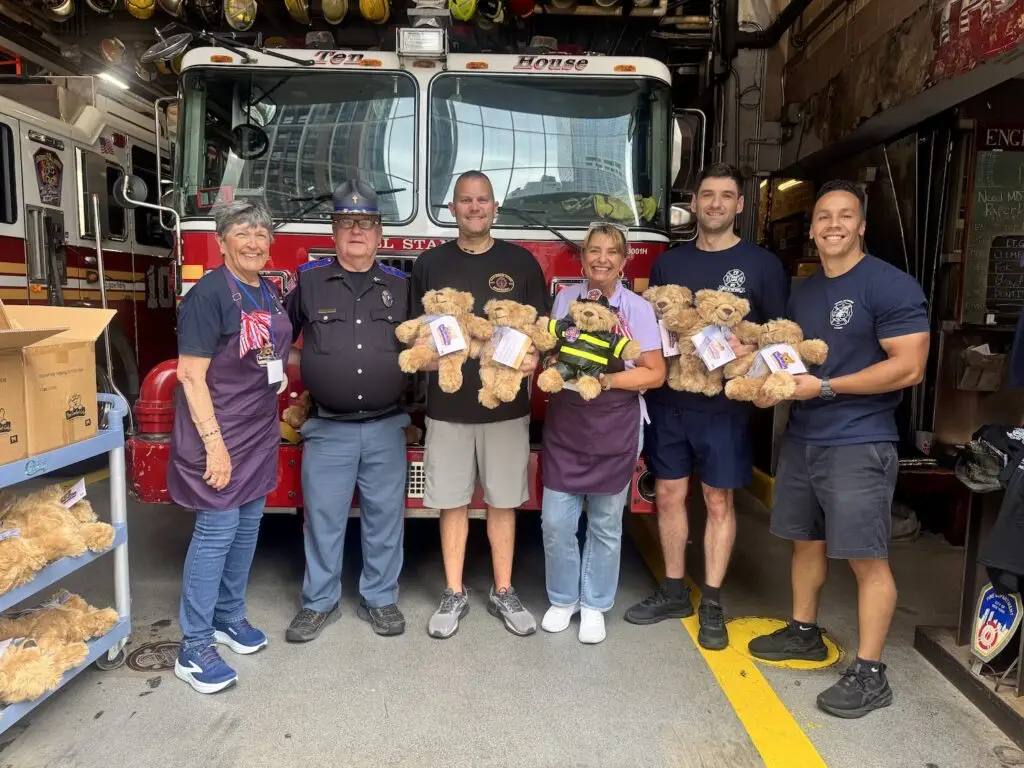
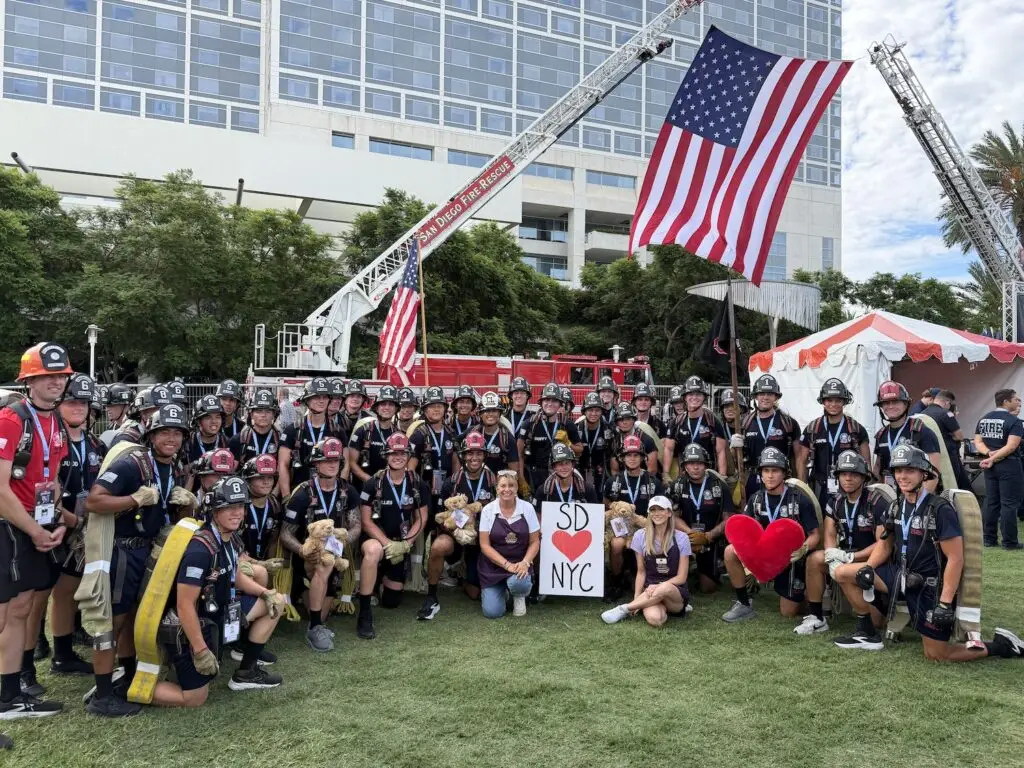
The organization has provided Comfort Cubs to individuals, families, first responders, and communities across the country affected by tragedy, trauma, and loss. Bears went to families of victims after the 2012 Sandy Hook shooting and the 2017 Las Vegas mass shooting, as well as to people affected by the wildfires in Maui and Los Angeles and the catastrophic flood that killed 28 people at Camp Mystic for Girls in Hunt, Texas. Johnson recently traveled to New York to donate more than 1,000 bears to surviving family members attending the VOICES 25th Anniversary NYC Symposium and Commemorative Luncheon, a 9/11 memorial event.
Johnson called the experience “humbling.”
“Whether a loss happened yesterday, five years ago, or 25 years ago, the need for emotional healing and support remains essential,” Johnson says. “Grief has no expiration date—and neither should comfort.”
Sarah Sapeda is San Diego Magazine’s Custom Content Editor. In her 15 years in San Diego journalism, she has covered charitable events, health care, education, crime, current events, and more.
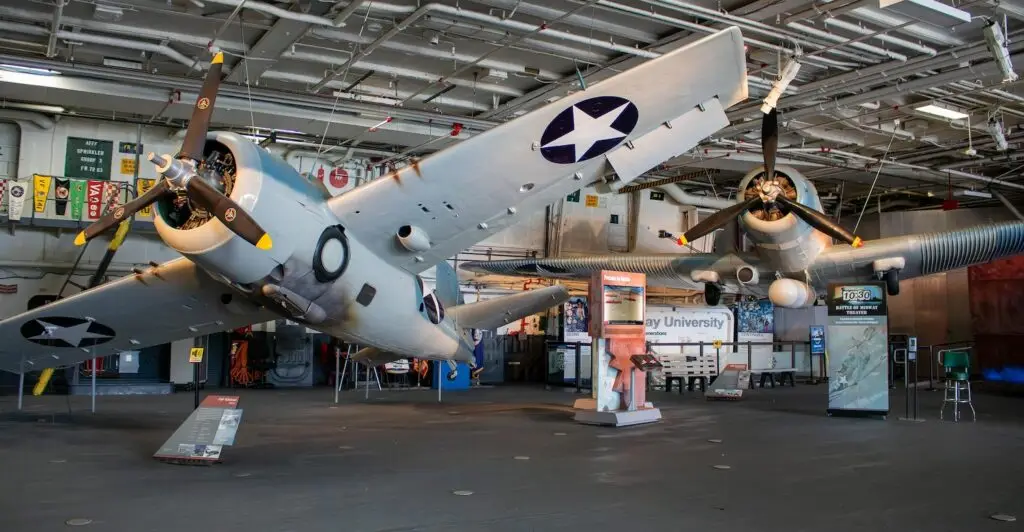
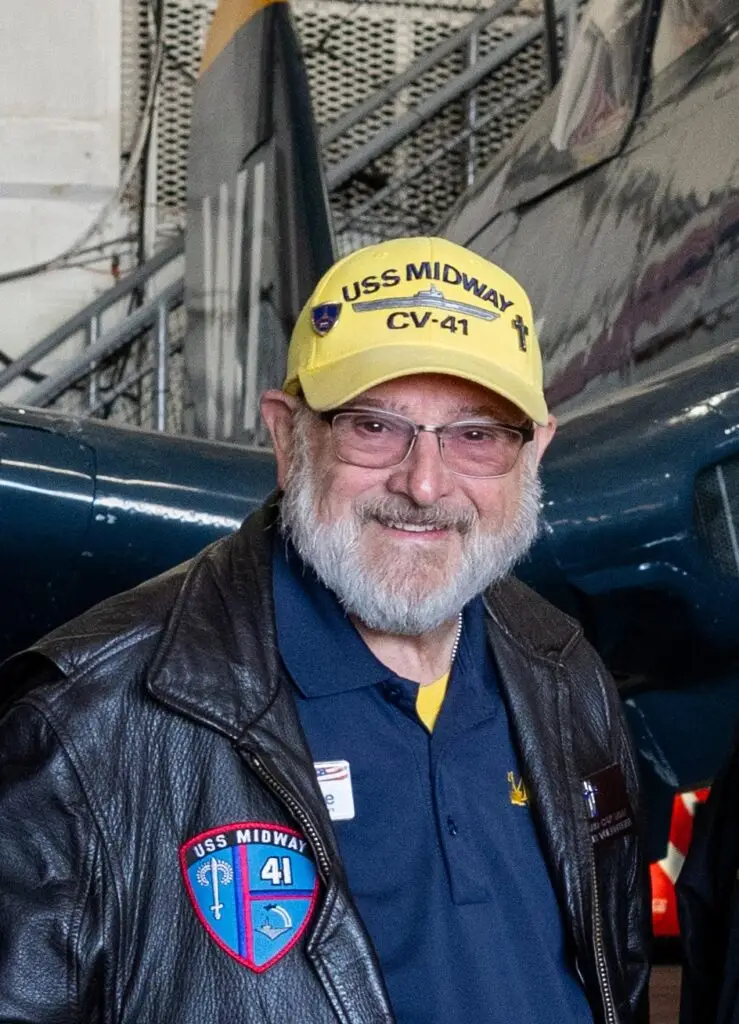
The USS Midway has a storied history. The longest-serving aircraft carrier of the 20th century has served as a home base for helicopters carrying fleeing refugees during the fall of Saigon, played a key role in developing naval missile warfare, and evacuated civilian personnel after the eruption of Mount Pinatubo in the Philippines. The Midway was decommissioned in 1992 and today stands as a monument to military history, drawing more than 1 million visitors each year. Its team of more than 750 volunteers supports this mission, doing everything from leading tours to controlling corrosion to operating HAM radio. Among them is Paul “Chappie” Ward, who has clocked more than 12,000 volunteer hours at the museum since 2018. Here, he details how he helps “bring history to life.”
How did you first get involved with the USS Midway Museum?
My connection to the USS Midway Museum began in 2010, when my wife and I came to San Diego for a Civil Air Patrol conference. My wife Nan and I had wanted to live in San Diego since vacationing here over the years, so San Diego was always on our radar. A couple of days before the conference began, my oldest son, his father-in-law, and I toured the Midway and I was immediately inspired by the experience. I remember telling Nan on the trip home that if we ever retired to San Diego, I would love to become involved with the Midway. In the subsequent years, our two granddaughters were born. In 2017, we retired and moved from San Luis Obispo to be closer to family. Nan reminded me of what I had said years earlier and encouraged me to follow through. I joined Docent Class #57 in January 2018, earned my “yellow hat” [upon completing the training] that March, and have been proud to be part of the Midway ever since.
What do your duties entail?
The Midway offers an incredible range of ways to serve, and I’ve had the privilege of contributing to five teams while also serving as the museum’s volunteer chaplain. As a docent, I bring the ship’s history to life through stories and guided experiences. With Guest Services, I help visitors plan their time aboard and make the most of their visit. On the Exhibits team, I help ensure the displays tell the Midway’s story accurately and meaningfully. Along with other members of the Library/Curatorial team, I research and provide information to former Midway sailors and their family members. Through Outreach and the Speakers Bureau, I represent the museum at community events, parades, and service clubs. I also administer the Midway Sailors Program Facebook group, where former crewmembers can reconnect with one another and with the ship. As chaplain, I help plan and officiate celebrations of life and weddings, and I offer invocations and benedictions at special events aboard the Midway.
What do you like best about volunteering for the Midway?
What I value most is what we call “Midway Magic.” It’s hard to define, but you feel it the moment you step aboard—the camaraderie among staff and volunteers, the shared passion for the ship, and the commitment to giving every guest an unforgettable experience.
At the end of the day, there is deep satisfaction in knowing you helped preserve and share something important. The Midway is “America’s Living Symbol of Freedom,” and we have the privilege of honoring the more than 200,000 people who served aboard her during 47 years of service, from the end of World War II through the Persian Gulf War. Sharing their service and sacrifice with my granddaughters and with visitors from around the world is one of the greatest rewards of volunteering here.
What’s the biggest challenge you’ve faced?
My biggest challenge was simply wondering if I could do this. I came from the civilian world as a retired pastor and former computer IT professional with a law enforcement agency. I had also served as a volunteer chaplain with the Civil Air Patrol, the U.S. Air Force Auxiliary, but I was not a veteran and had no Navy background. Stepping onto a Navy ship and learning its systems, language, and culture was a real adjustment. What made the difference was the Midway’s commitment to training and mentorship. Every department gives volunteers the knowledge, resources, and hands-on support they need to succeed. Docents, for example, complete a seven-week course combined with on-the-job training with experienced volunteers. Over time, I learned, grew, and found my place. More than 12,000 volunteer hours later, I can confidently say that I could do it, and so can others who are willing to learn.
Can you describe your favorite or most memorable moment or experience while volunteering?
One of my most memorable experiences began in April 2025, when a former Midway sailor contacted me through the Facebook group I administer. During Operation Desert Storm, his wife had sent him a birthday card. As he was preparing to leave Yokosuka in 1991, the card slipped behind a desk in his stateroom and disappeared into a narrow space. His wife passed away in 2015, and he told me how much it would mean to hold that card again and share it with their daughter. I reached out to the Safety Office, and when he returned to the Midway on April 30, our team worked a little “Midway Magic.” With access to the stateroom and help moving the desk, we found the card and placed it back in his hands. After 34 years, he was able to share it with his daughter, Cheryl. It was a powerful reminder that this ship holds not only history, but deeply personal stories that are still unfolding.
Any advice for someone considering volunteering as a way to give back?
Start by finding a cause or organization that genuinely aligns with your interests and values. Then take the time to learn its story, understand its purpose, and get involved. The more you invest, the more meaningful the experience becomes—not only for the people you serve, but for you as well. Volunteering is a powerful way to give back, build community, and discover just how much you have to offer.
Sarah Sapeda is San Diego Magazine’s Custom Content Editor. In her 15 years in San Diego journalism, she has covered charitable events, health care, education, crime, current events, and more.
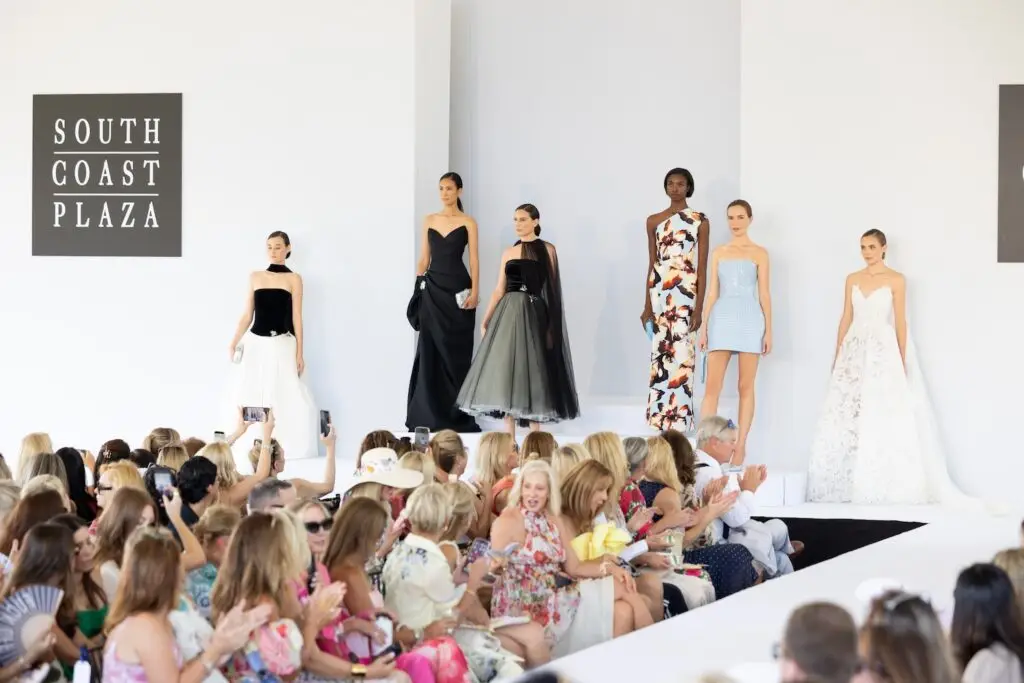
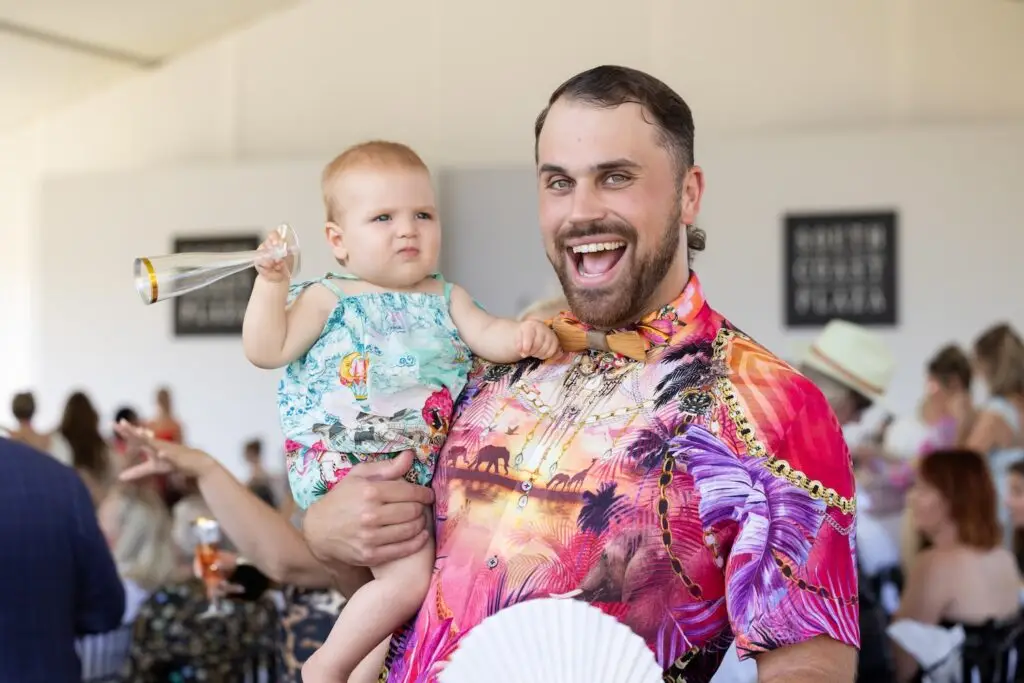
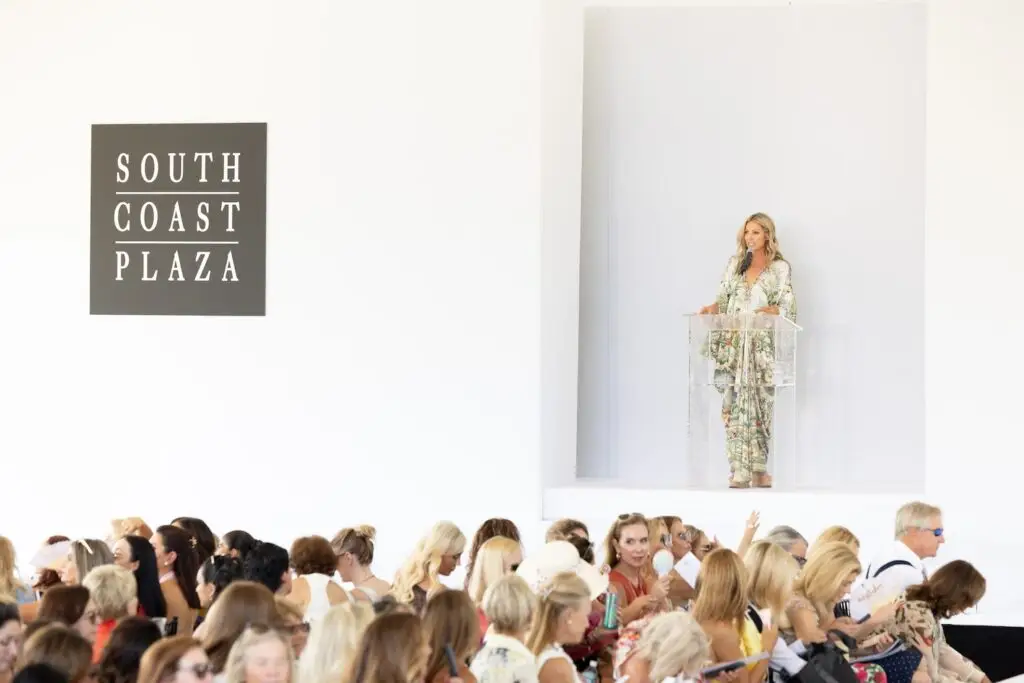
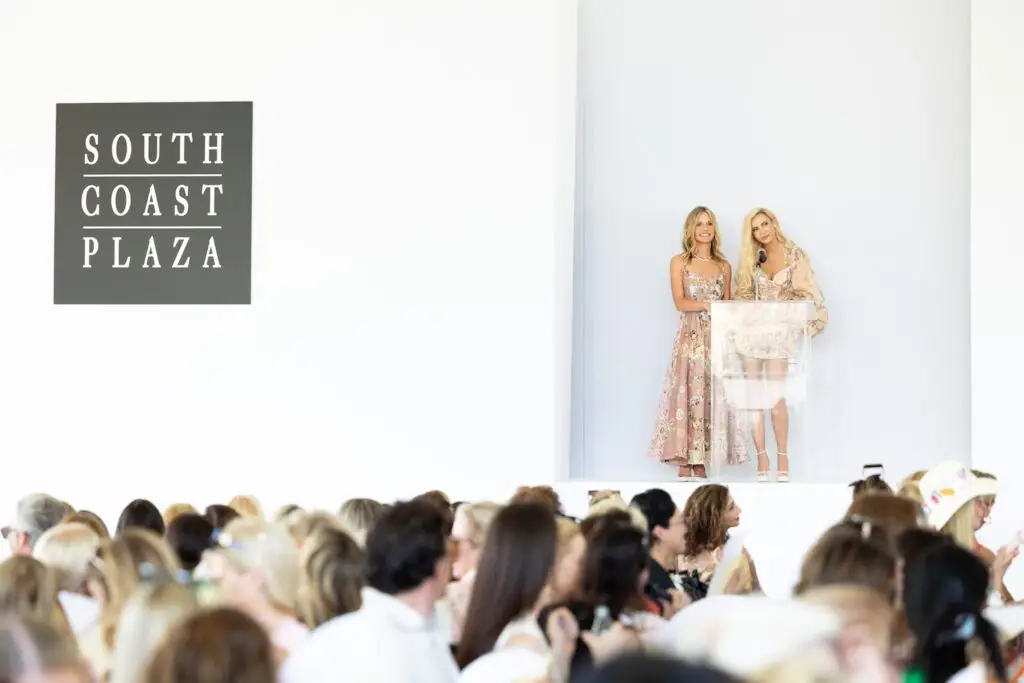
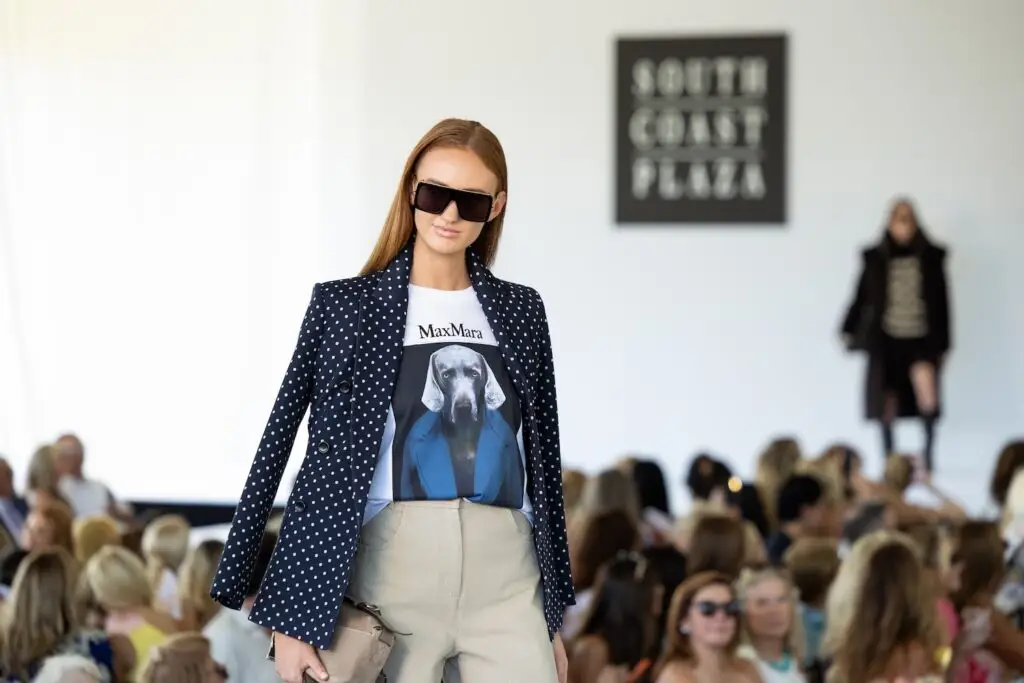
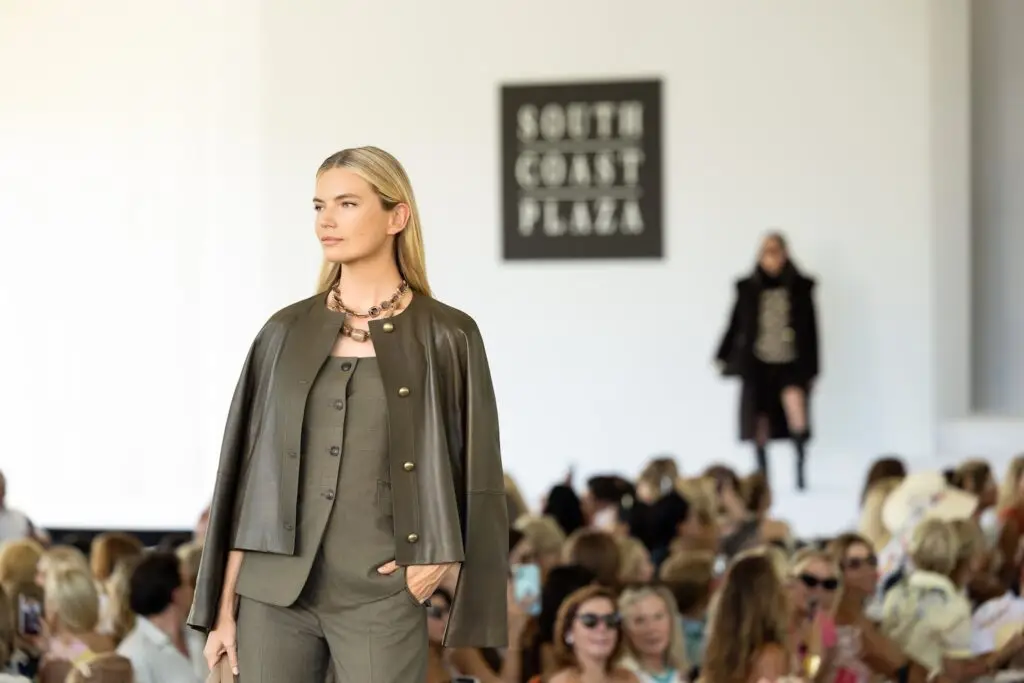
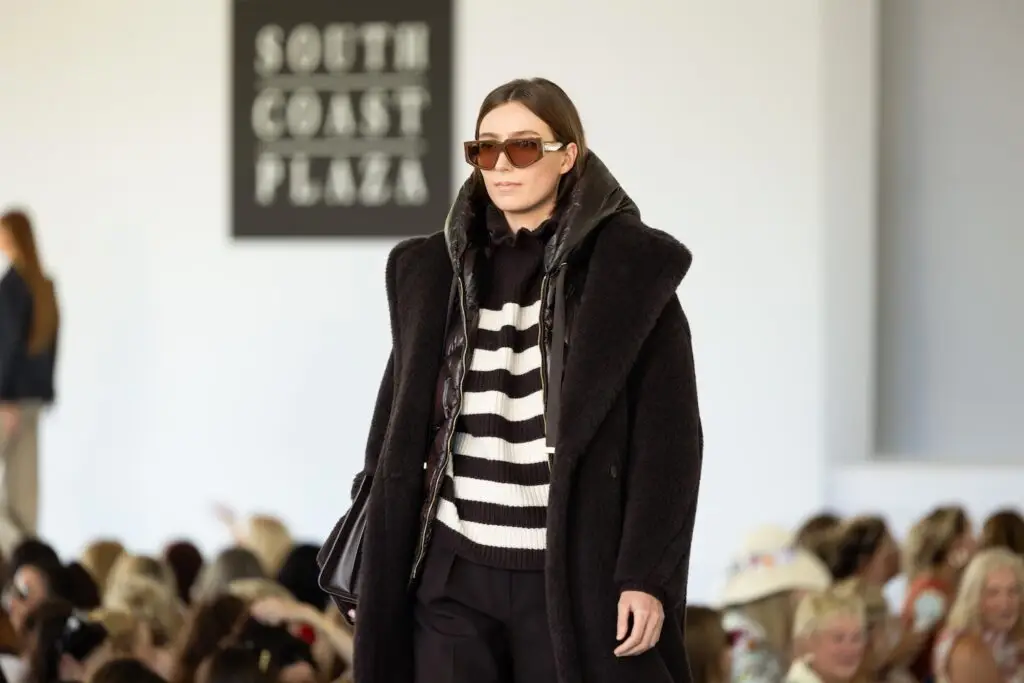
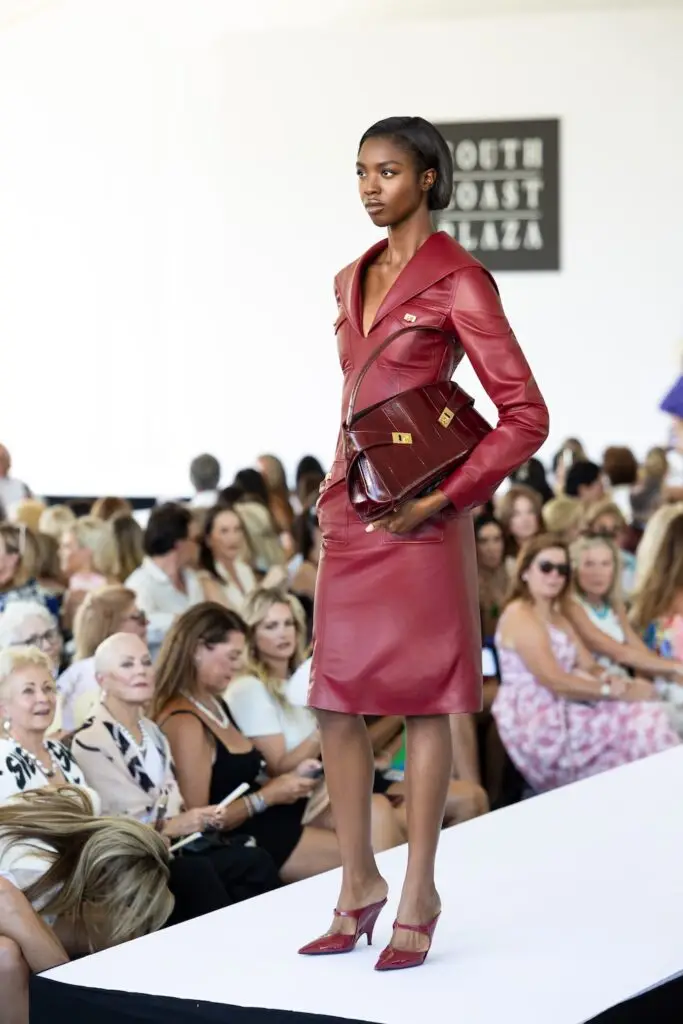
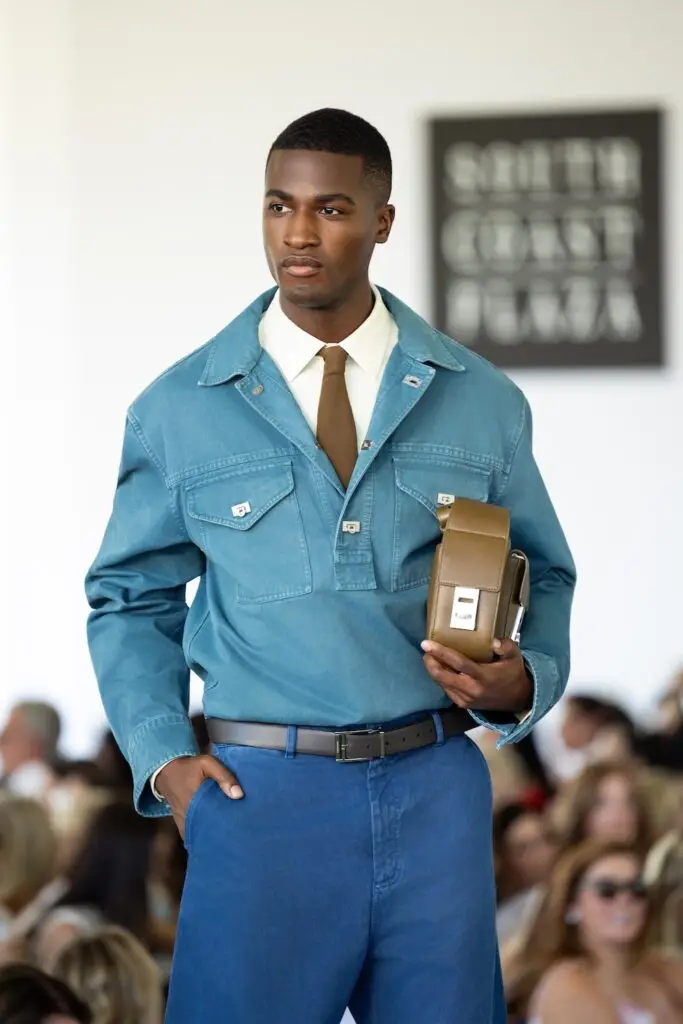
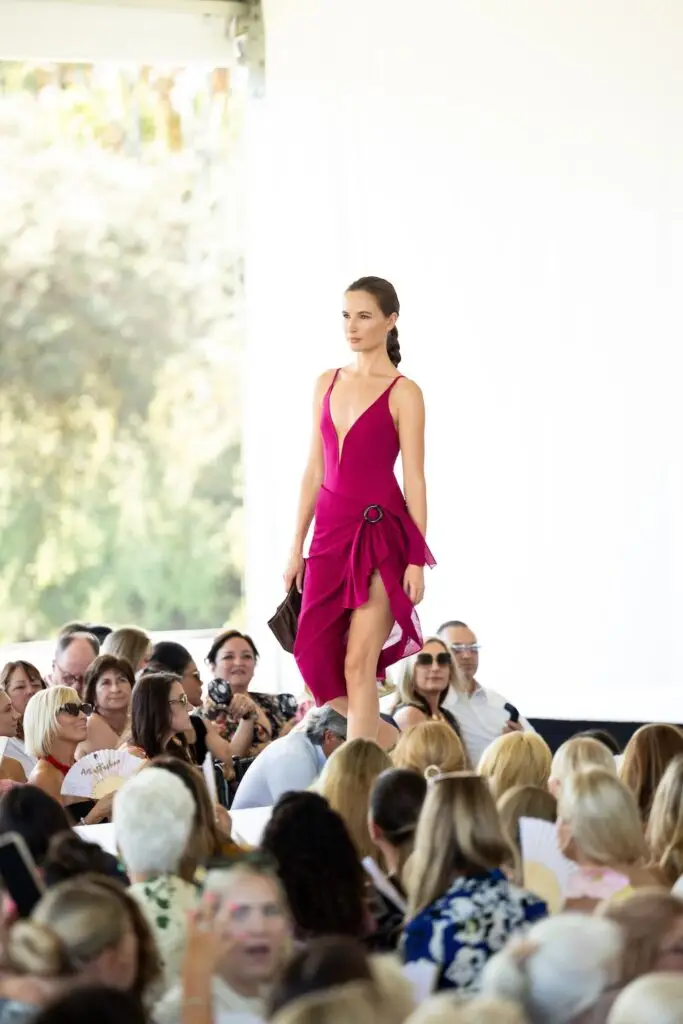
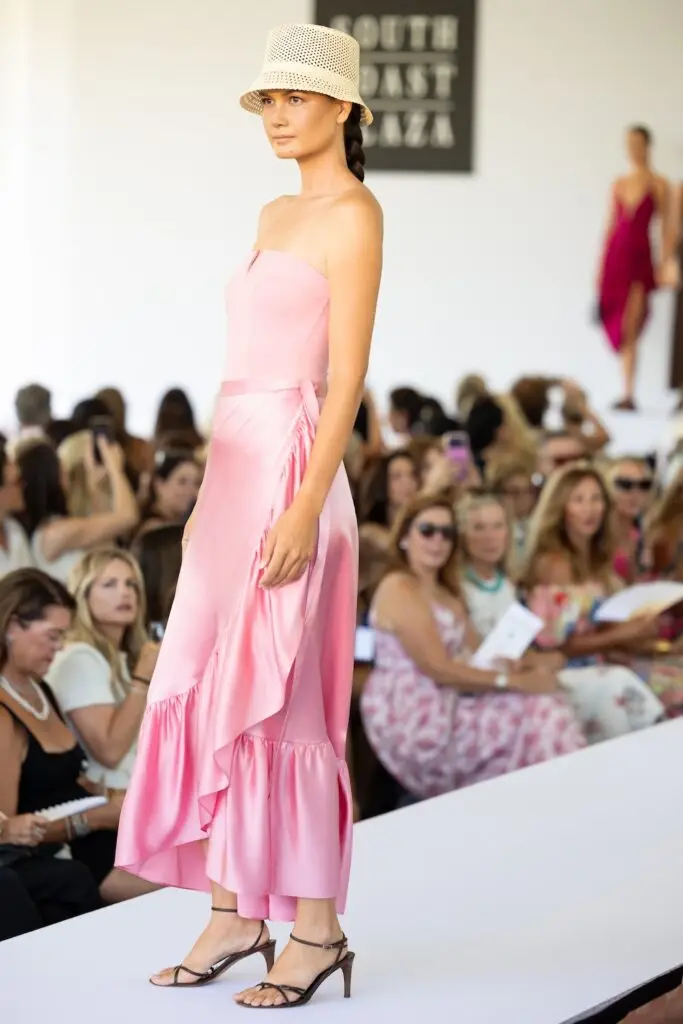
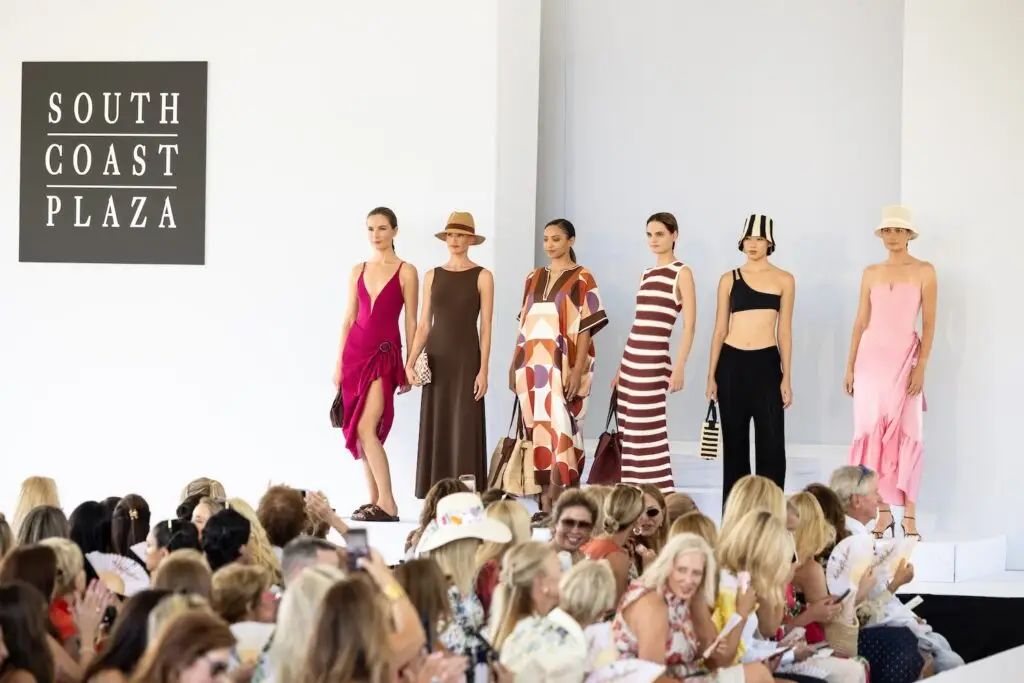
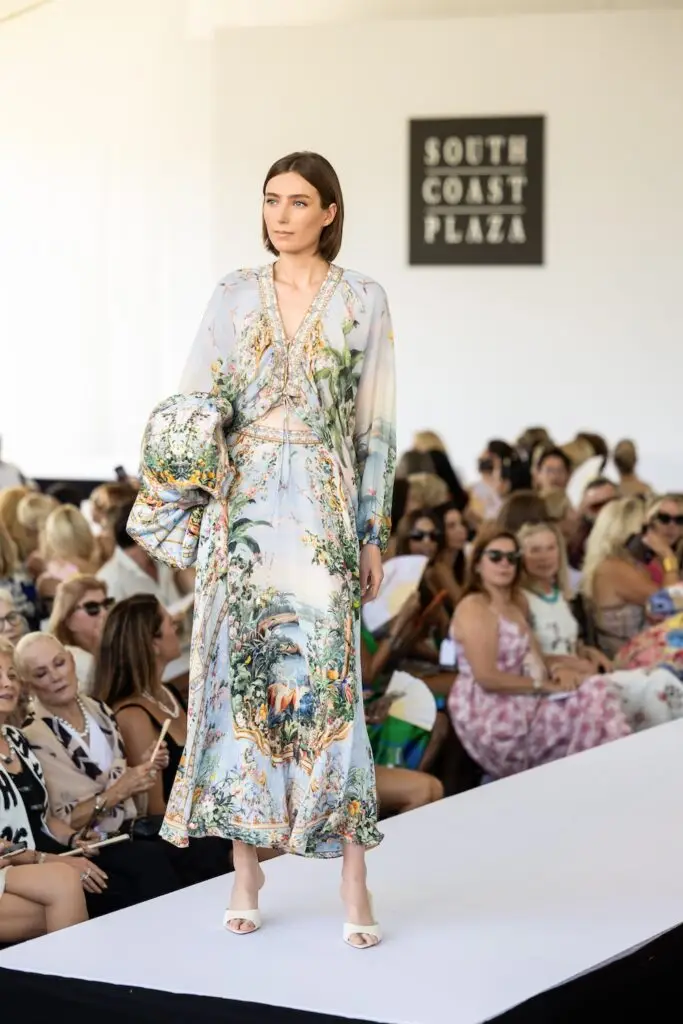
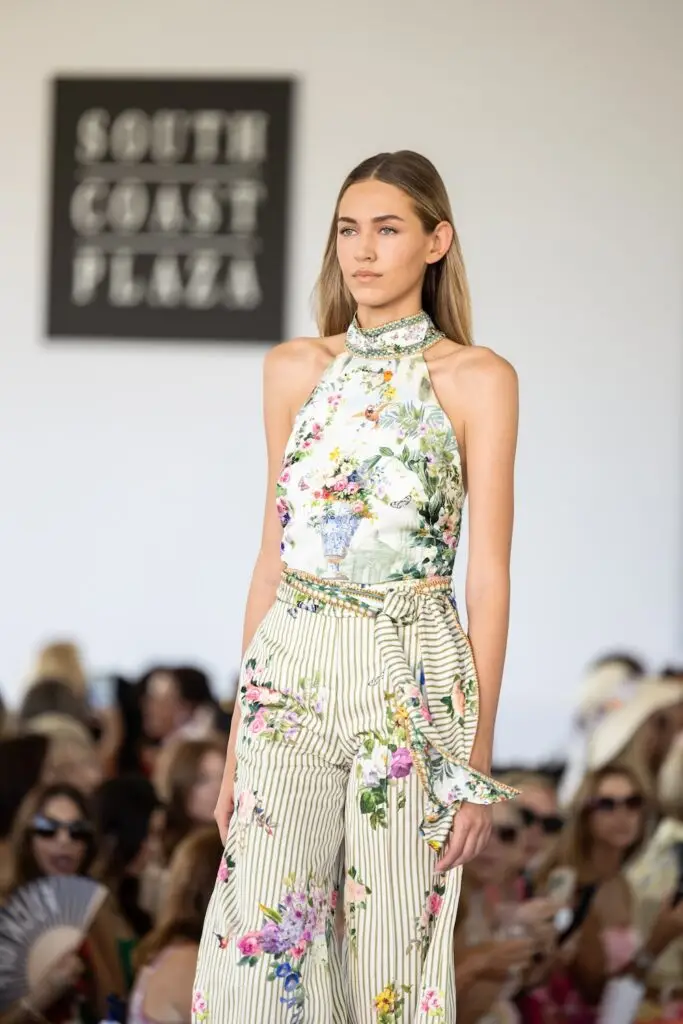
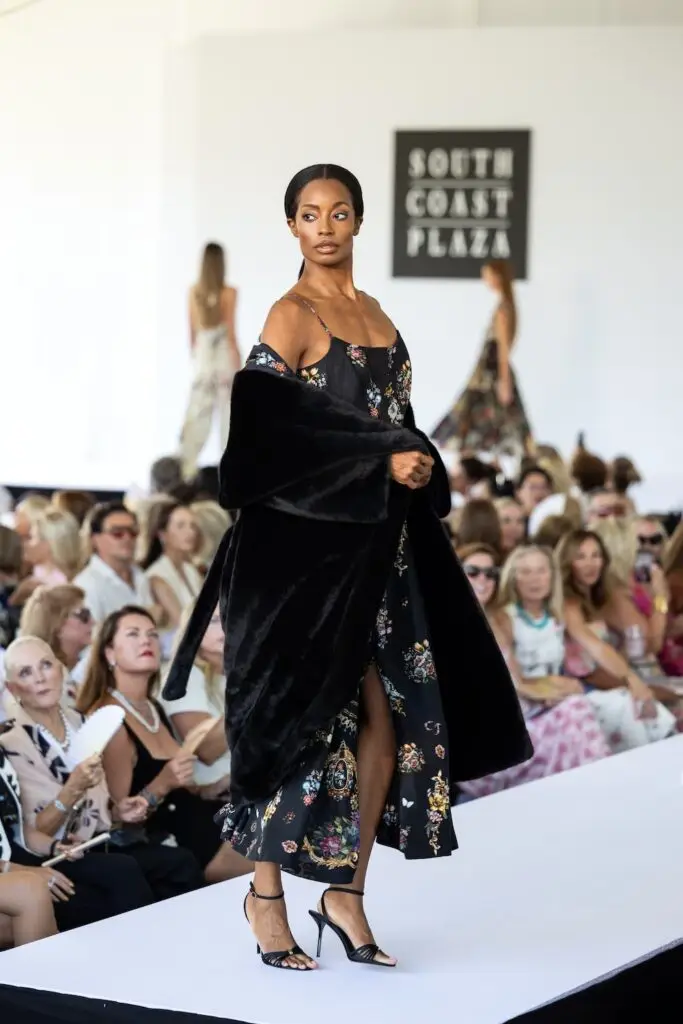
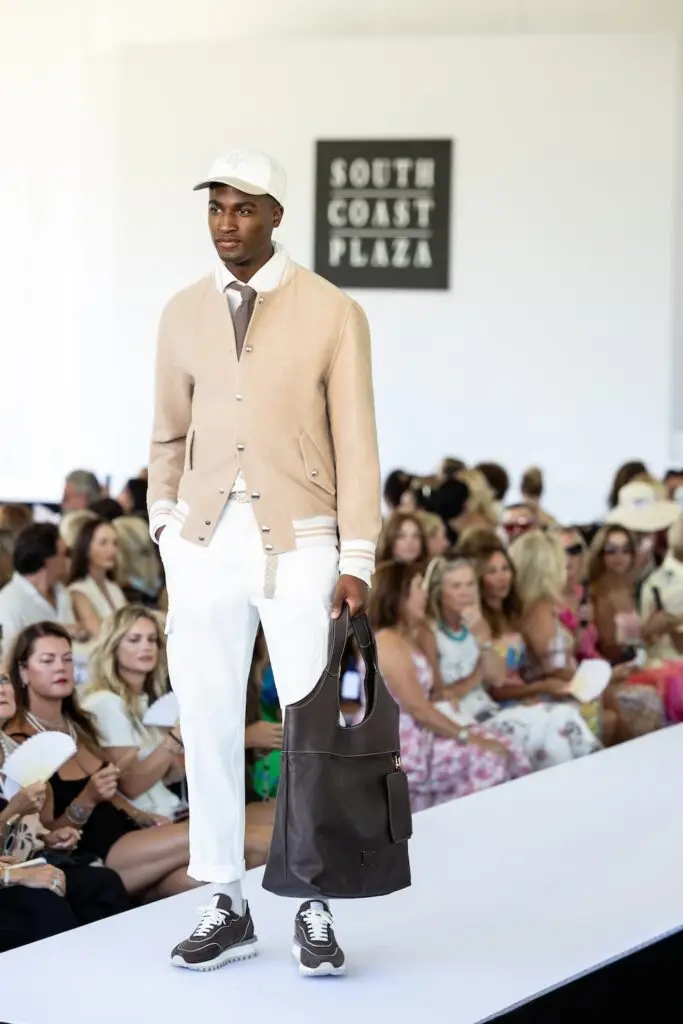
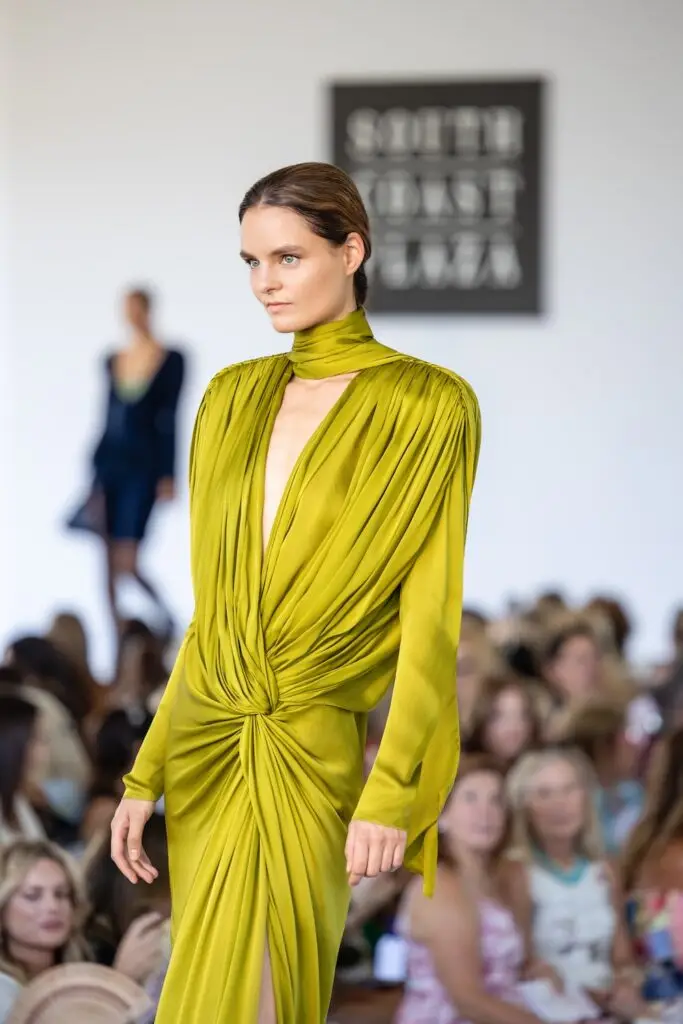
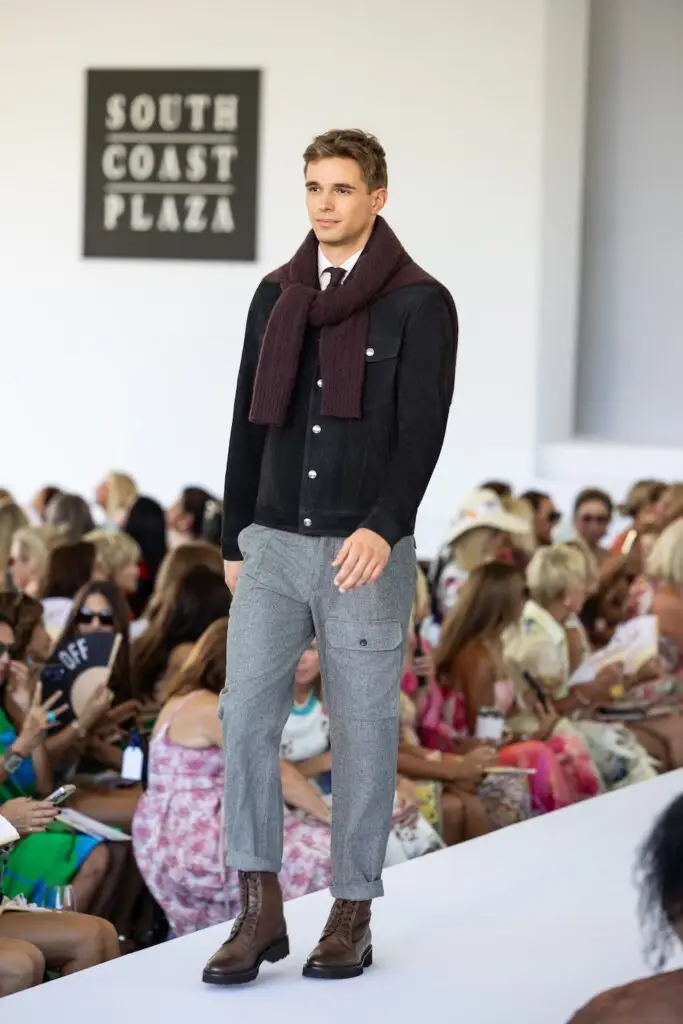
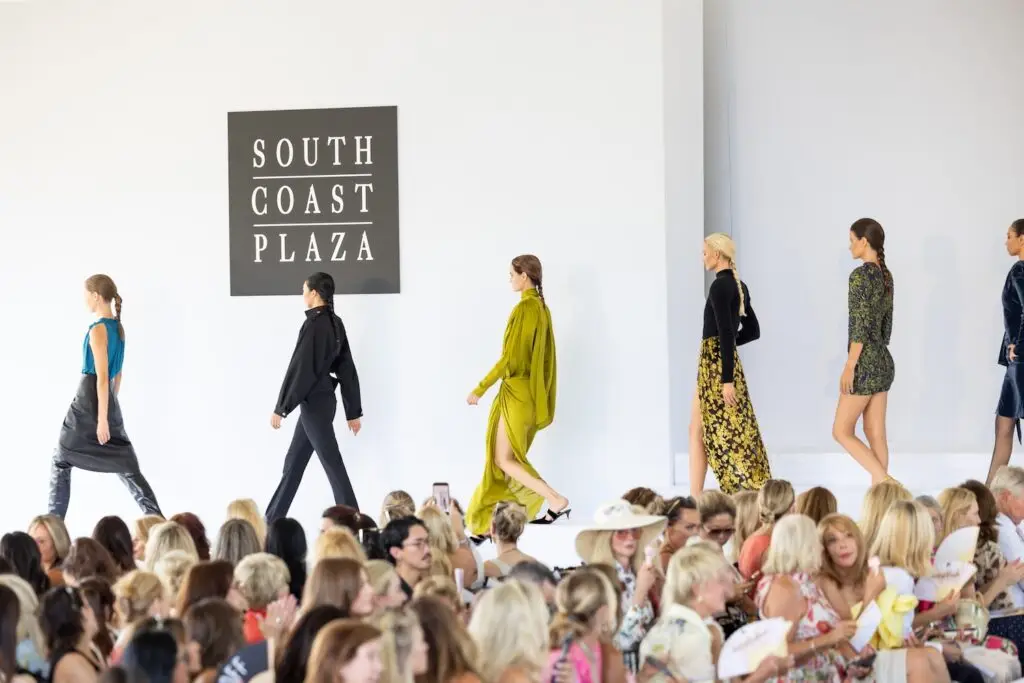
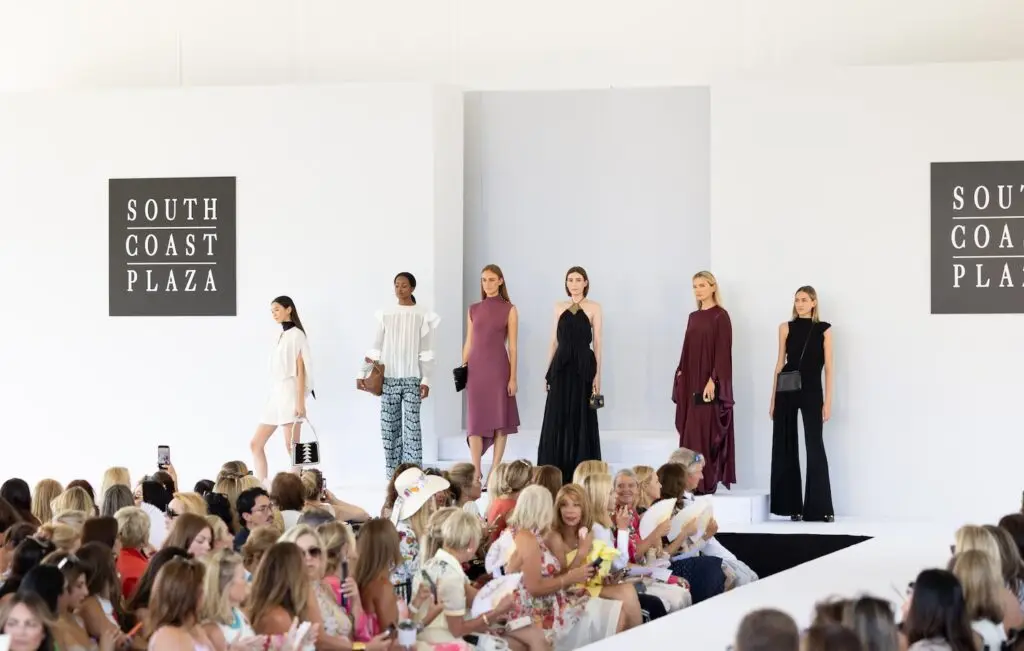
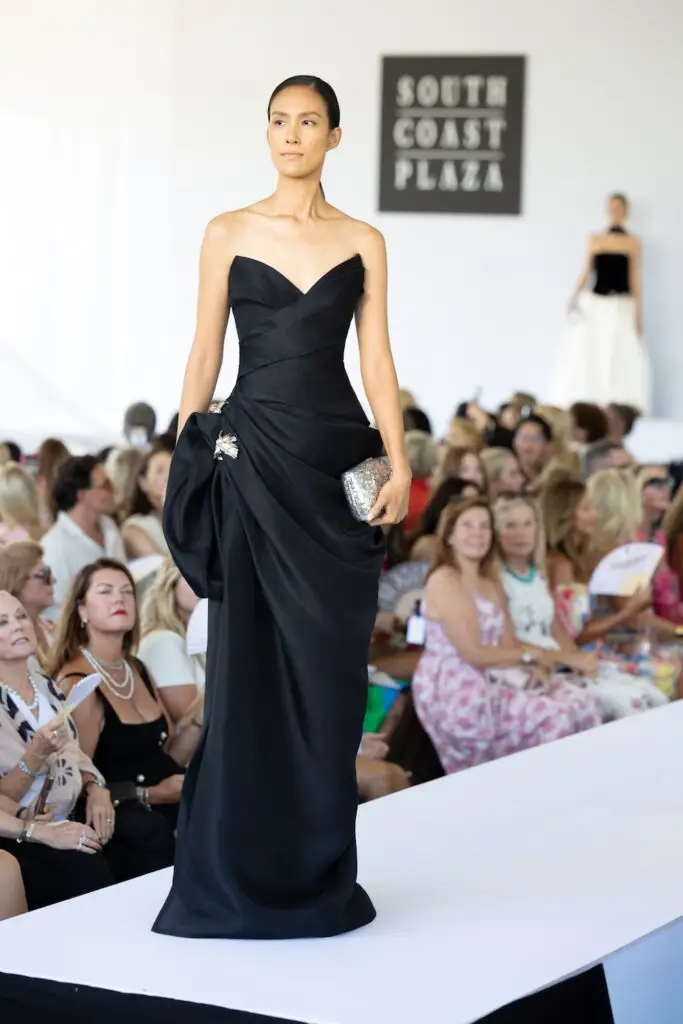
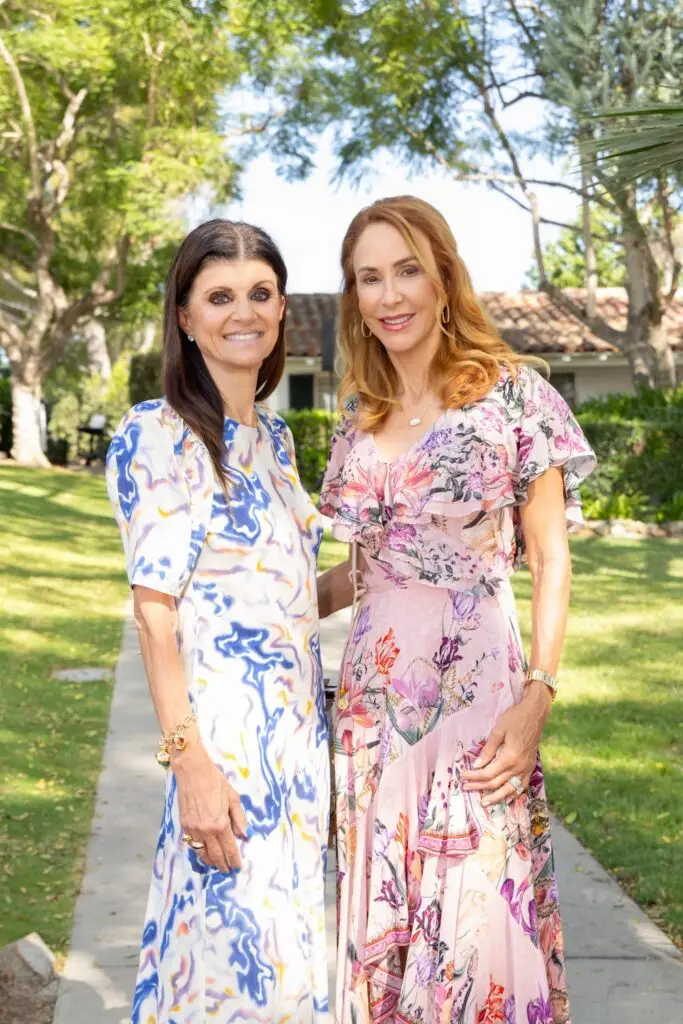
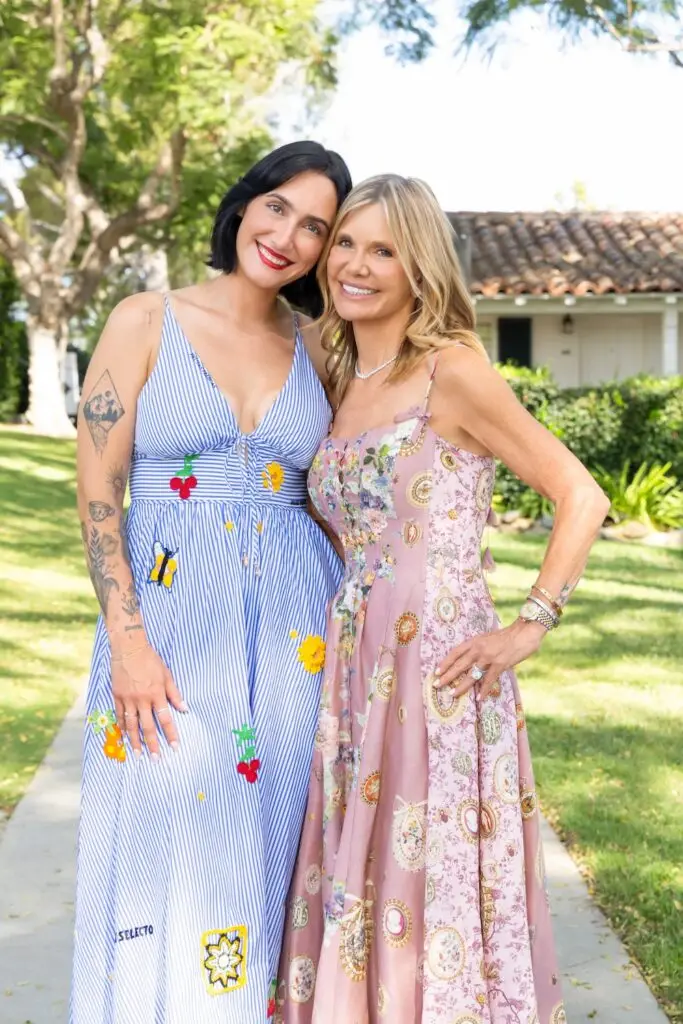
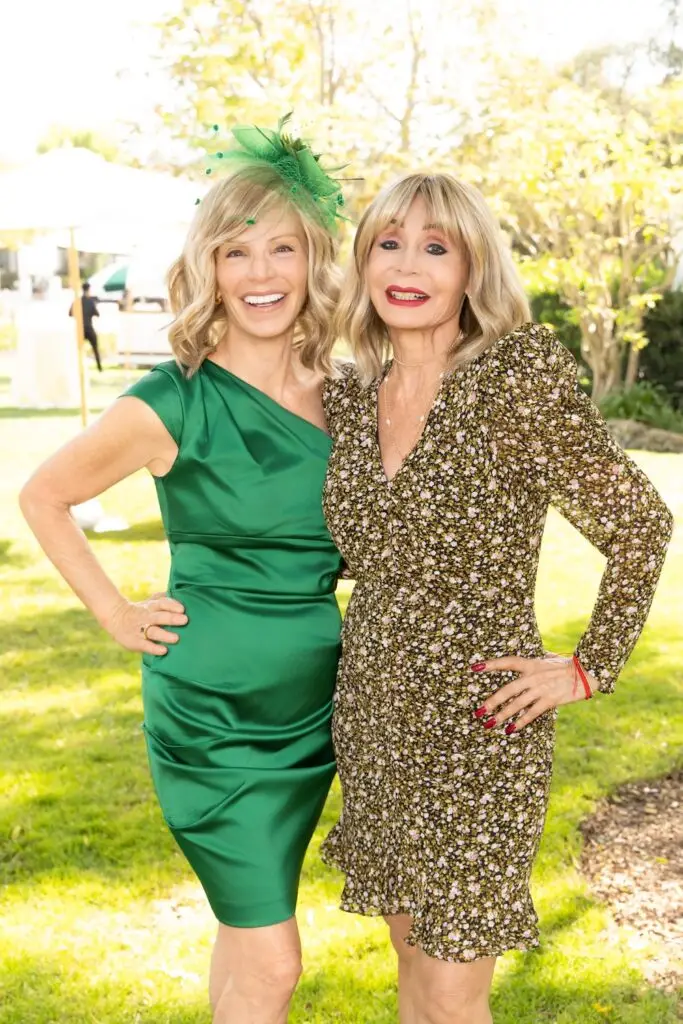
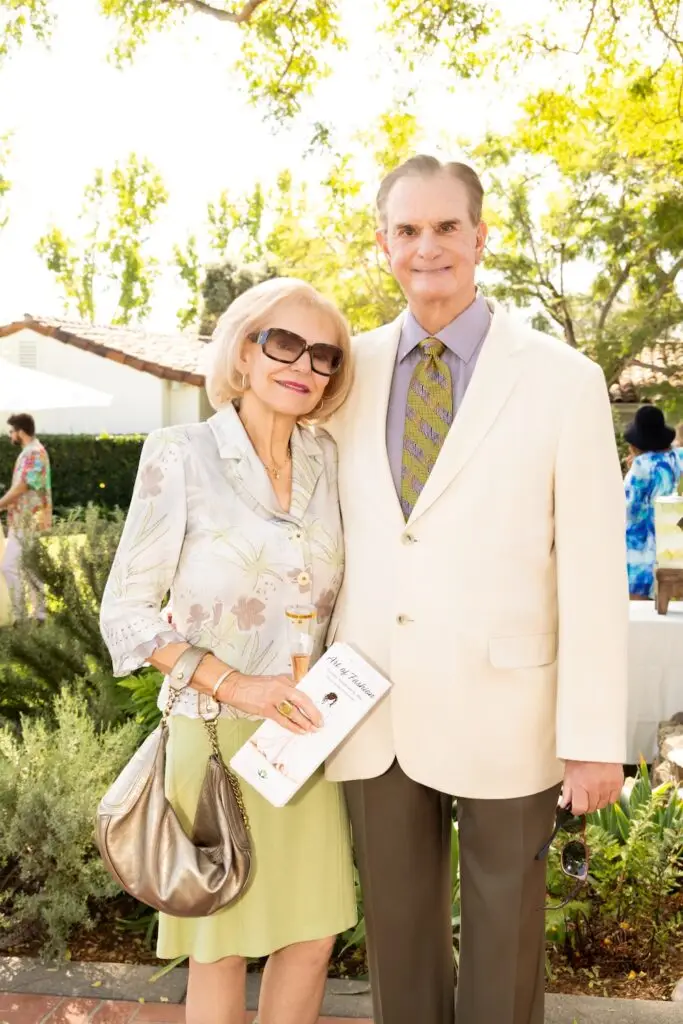
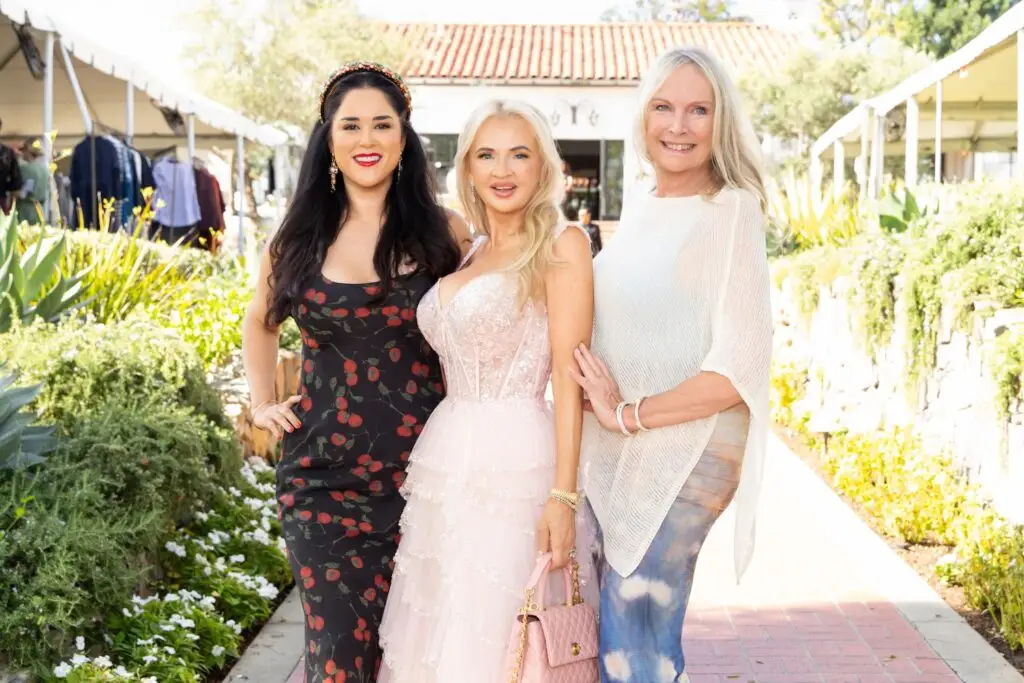
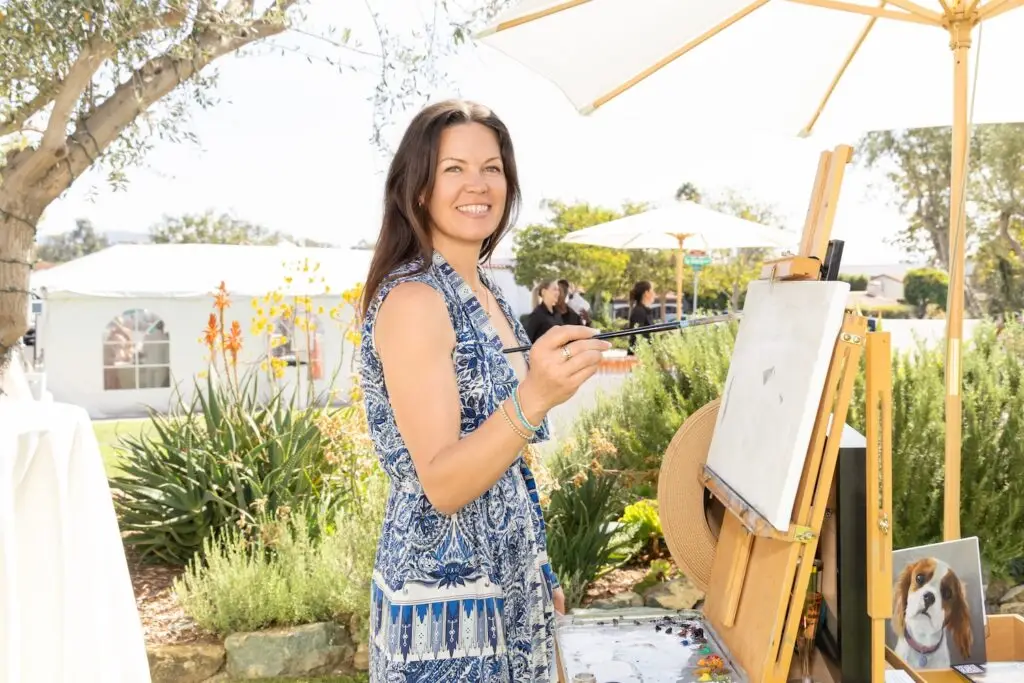
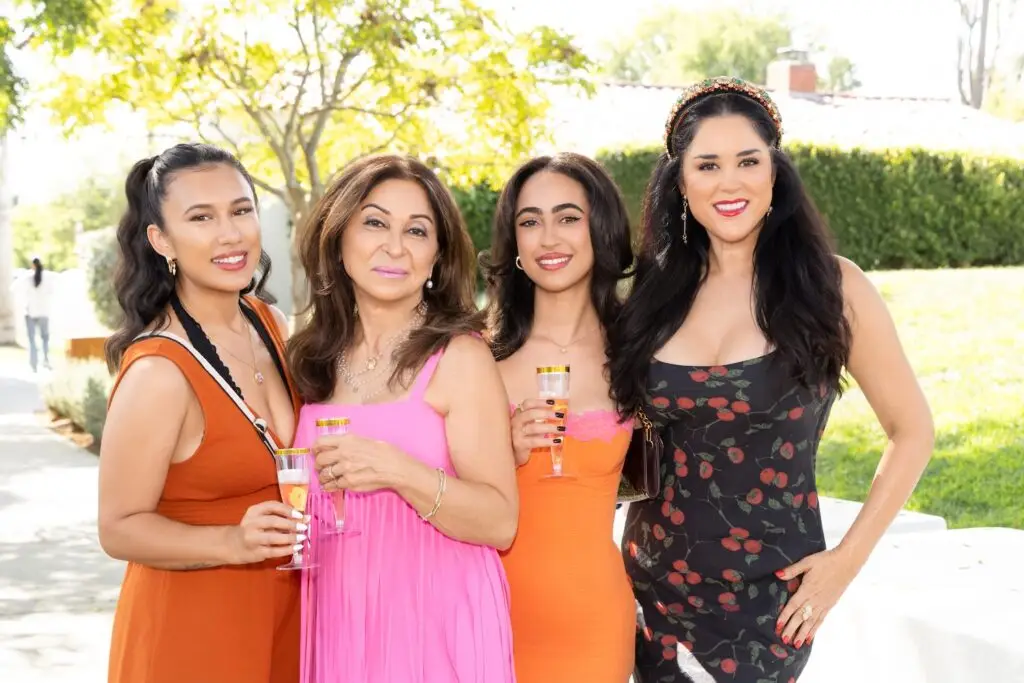
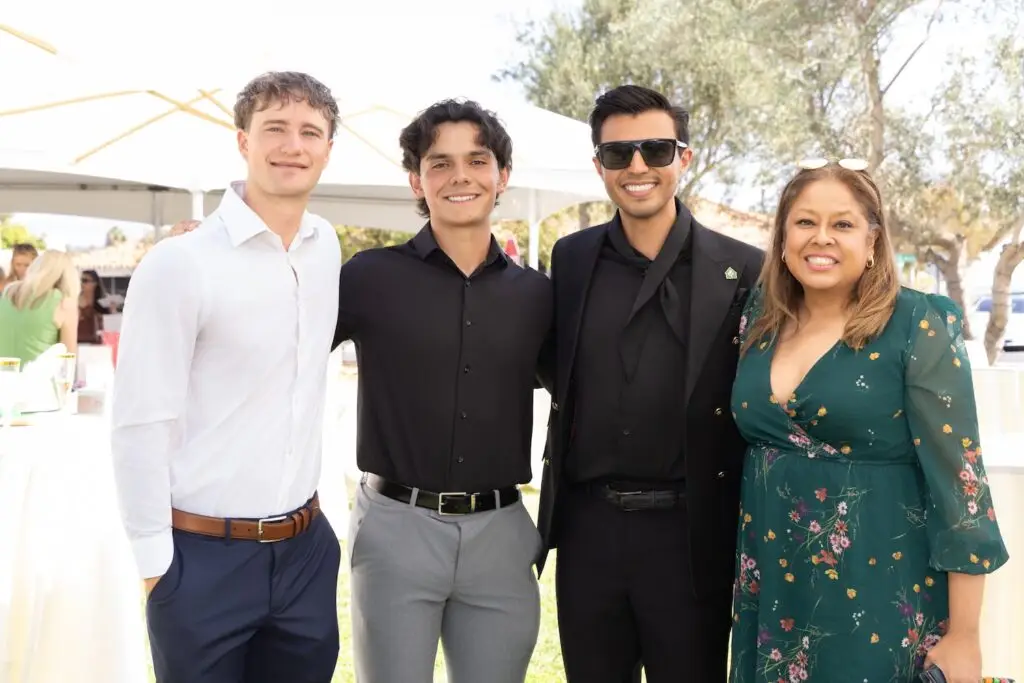
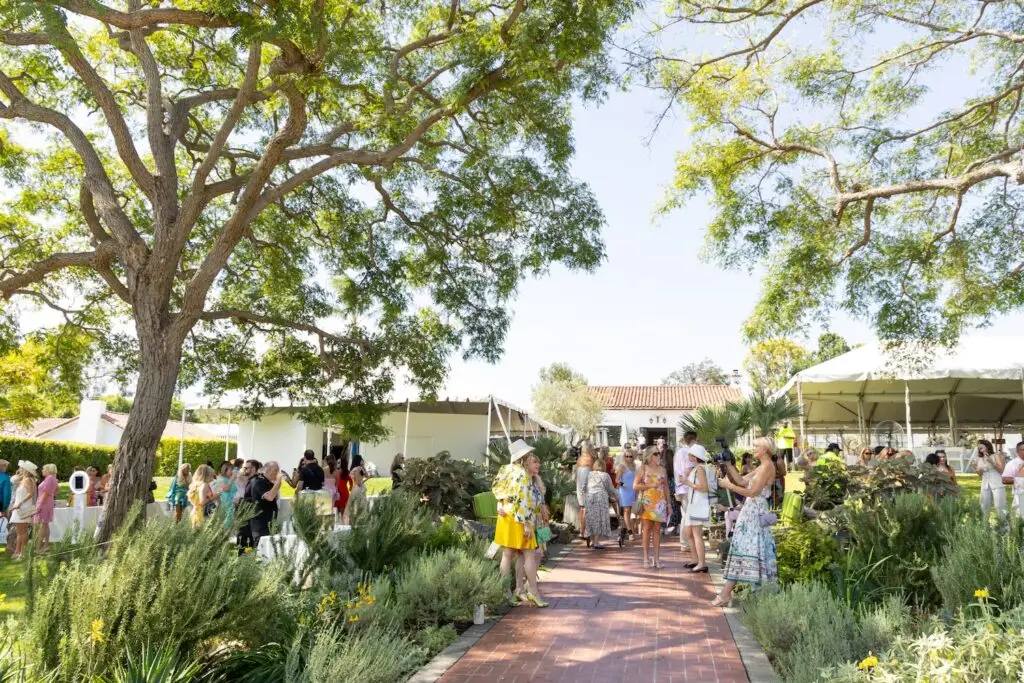
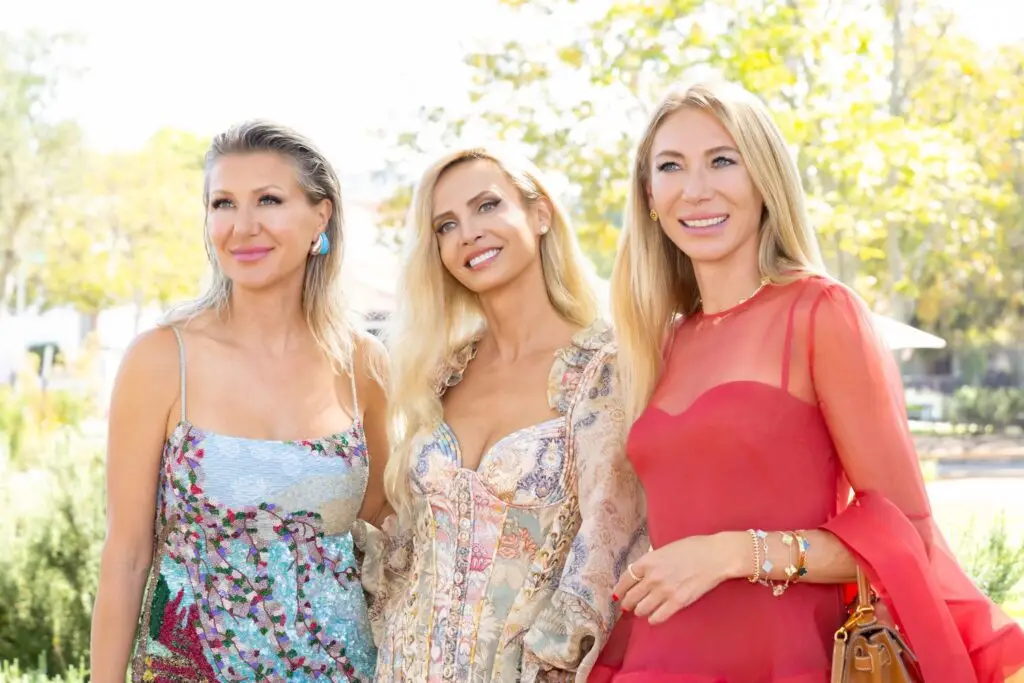
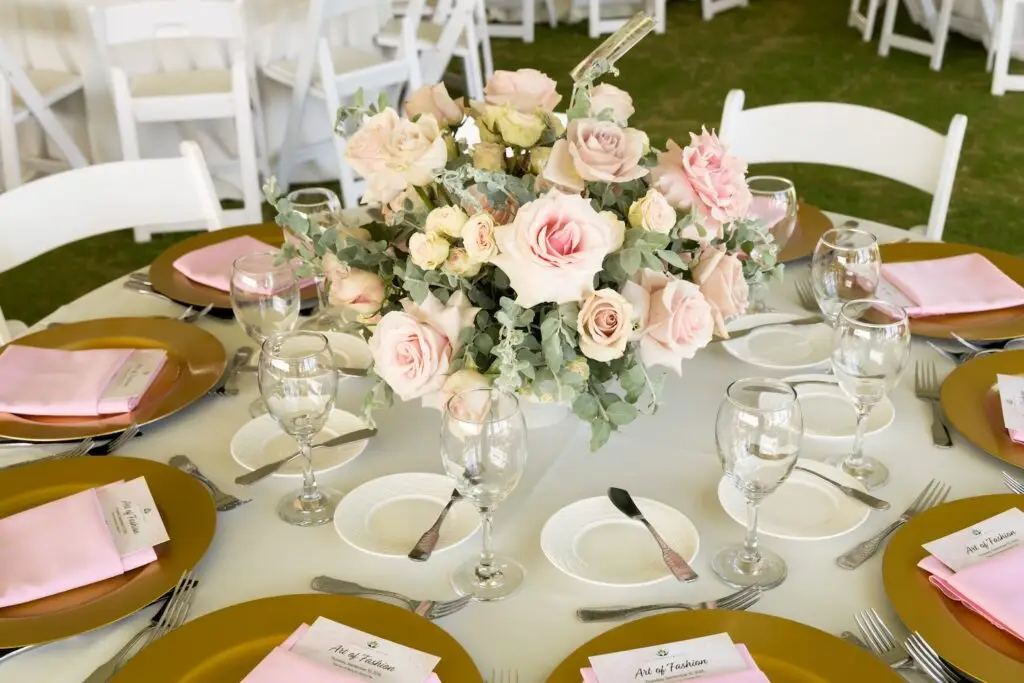
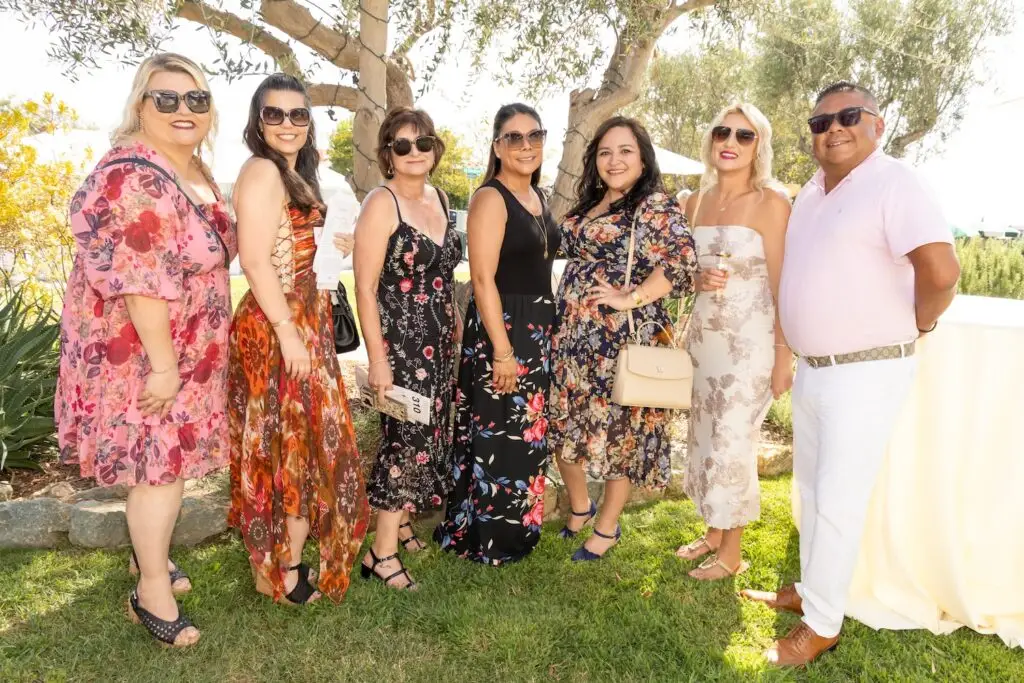
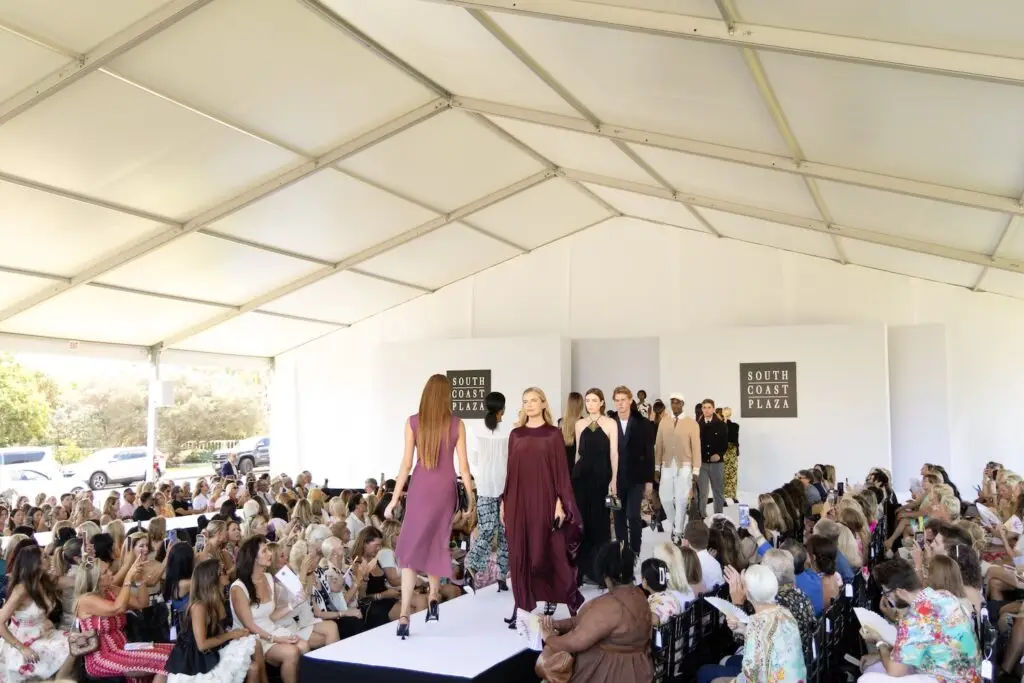
Giving back is always in fashion. The Country Friends, a 72-year-old nonprofit that fundraises for charitable causes, hosted its annual Art of Fashion runway show and luncheon at The Inn at Rancho Santa Fe on September 10. Models showcased the latest designer looks from Balmain, Camilla, Eleventy, Eres, Ferragamo, Lanvin, Max Mara, and Monique Lhuillier, while guests shopped mini-boutiques set up by event partner South Coast Plaza, participated in a live auction, and dined on a three-course luncheon. Proceeds from the event will support dozens of local nonprofits that provide assistance to women, children, seniors, military families, and people with disabilities. To date, The Country Friends has provided more than $15 million to San Diego-based charities.
Sarah Sapeda is San Diego Magazine’s Custom Content Editor. In her 15 years in San Diego journalism, she has covered charitable events, health care, education, crime, current events, and more.
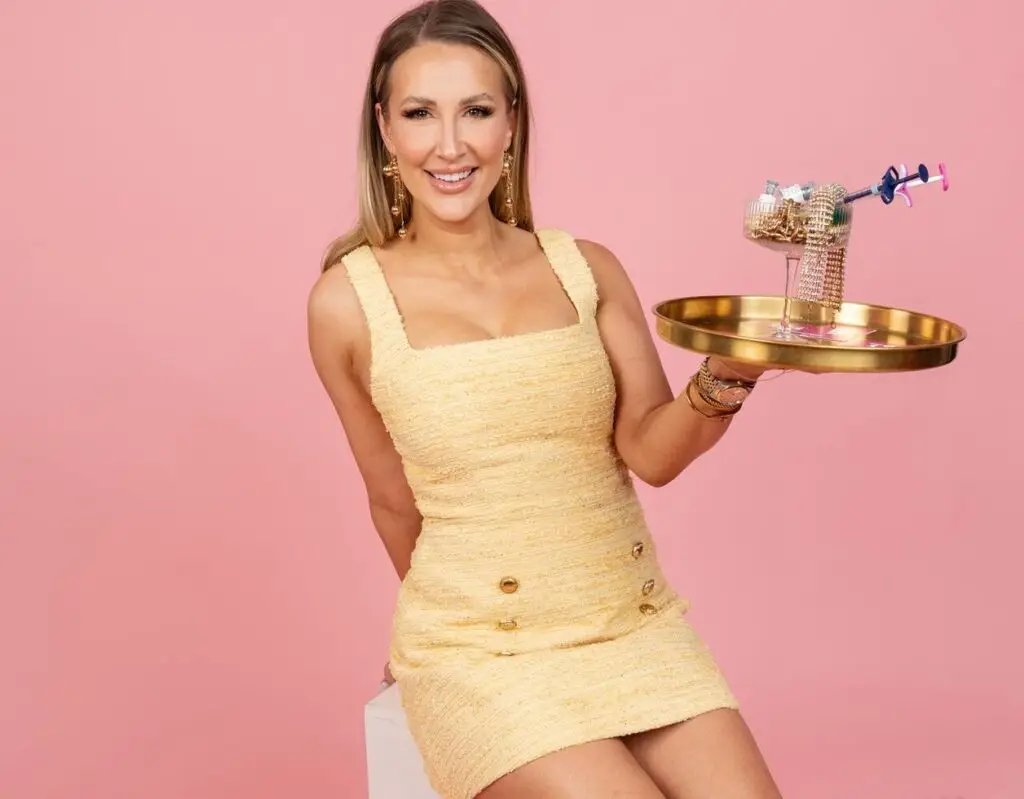
Kelly H. Harfouche, founder of KQ Aesthetic Society, knows firsthand that cosmetic treatments like fillers, neurotoxins, and microneedling, can not only enhance a person’s appearance and restore confidence, they have the power to truly change a person’s life. An expert injector has the ability to tailor treatments to each individual patient’s anatomy and goals for personalized results. Harfouche, a board-certified nurse practitioner, has spent nearly a decade perfecting her craft as an aesthetic injector and integrating her multifaceted artistic skills with precision patient care. Her commitment to continual education and training, plus a passion for helping people look—and feel—their best, set KQ Aesthetic Society apart in a sea of local medspas.
For many people considering nonsurgical treatments, the intent is to look refreshed and refined. KQ Aesthetic Society’s philosophy eschews a cookie cutter approach that bases treatments around units, instead working to understand each person’s unique goals, then curating a treatment plan to fit that vision. Harfouche focuses on “inclusive luxury,” the belief that everyone deserves access to aesthetic treatments, respective of budget restrictions. She develops long-standing trusted relationships with her patients, and works with each one to achieve their aesthetic objectives and address the underlying causes of their concerns.
“For me, forming an honest and open relationship with every patient who walks through the door is essential. This means understanding them on a deeper level and meeting them where they are to define and achieve their individual goals,” she says.
Drawing on her artistic background, which inspired her transition into medical aesthetics, Harfouche sees each client as a “unique canvas.” Rather than relying on standardized procedures, the practitioner’s distinctive approach combines her profound understanding of the physiological and anatomical changes associated with aging with an unwavering commitment to ongoing education about the newest products and their mechanisms of action. Her goal is to make each patient feel beautiful in their own skin and to embrace their individuality.
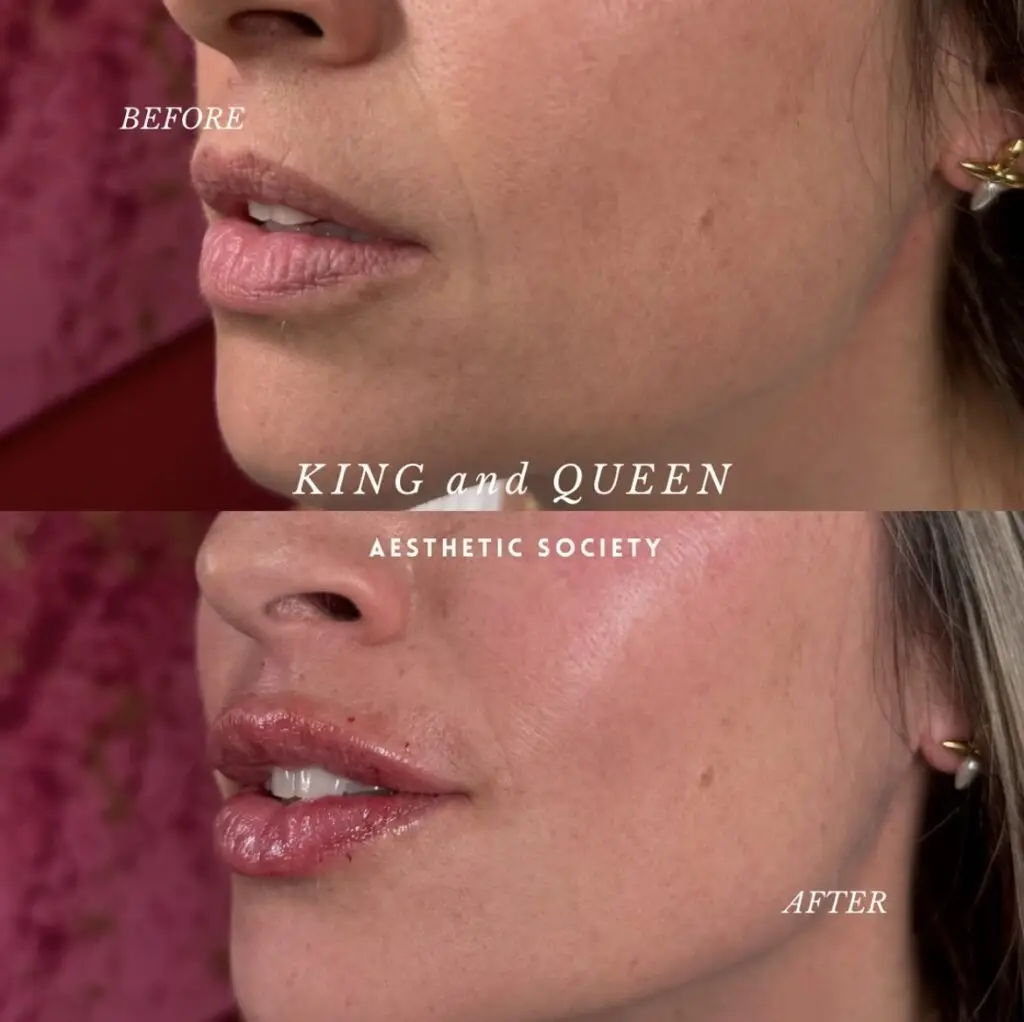
She has also pioneered a way to combine her talent for aesthetic artistry with her philanthropic nature. Harfouche is one of only a handful of providers using dermal fillers to treat patients with lip asymmetry and scarring resulting from cleft lip surgery. Patients travel from around the country for this transformative treatment, noting increased confidence and a restored identity. She hopes to eventually launch a training program to help fill the void in this space.
“My passion has always been connecting with people and giving back in any capacity that I can,” she says. In the rapidly advancing landscape of aesthetic medicine, you can place your confidence in Harfouche and KQ Aesthetic Society to deliver exceptional care. To learn more or book a consultation, please visit kqaestheticsociety.com.
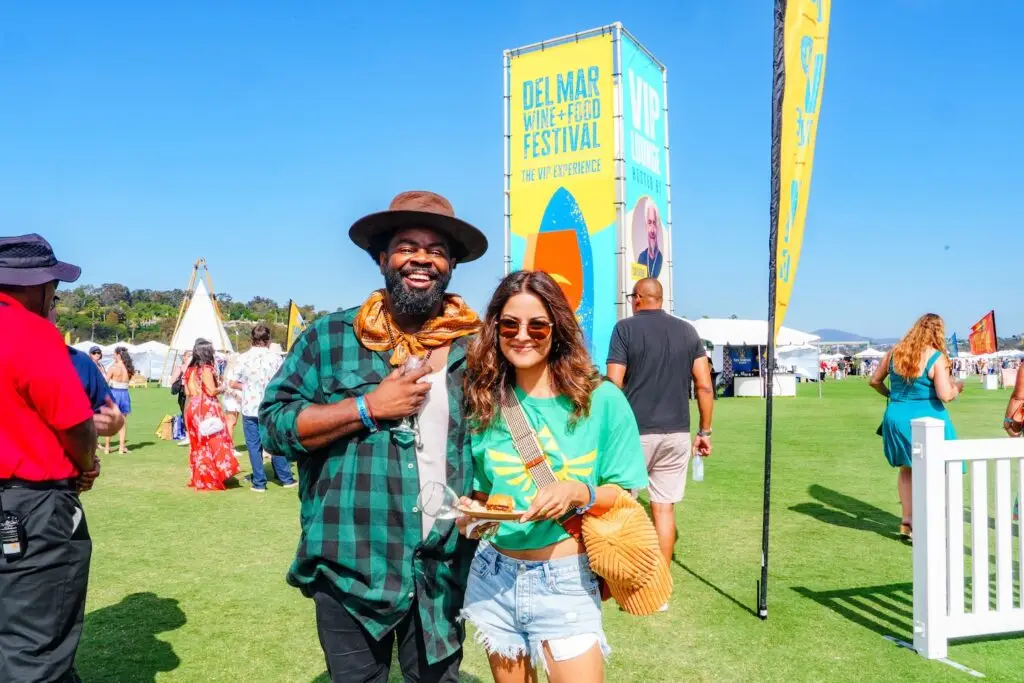
Join a slew of celebrity athletes—former world No. 4 tennis star James Blake, and former MLB players Brett Tomko and Eric Byrnes, to name a few—chefs, and other hunger-relief supporters for a Celebrity Pickleball Tournament to raise money for Feeding San Diego. The tournament at the Barnes Tennis Center in Point Loma is part of the Del Mar Wine & Food Festival, which has raised more than $100,000 for Feeding San Diego and other local nonprofit organizations since 2023.
October 3: Sanford Burnham Prebys Medical Discovery Institute Illumination Gala
Sanford Burnham Prebys Medical Discovery Institute will celebrate 50 years of groundbreaking research at its Illumination Gala at the Fairmont Grand Del Mar. Support from the gala will help Sanford Burnham Prebys continue to advance medicine and change lives.
Courtesy of San Diego Humane Society
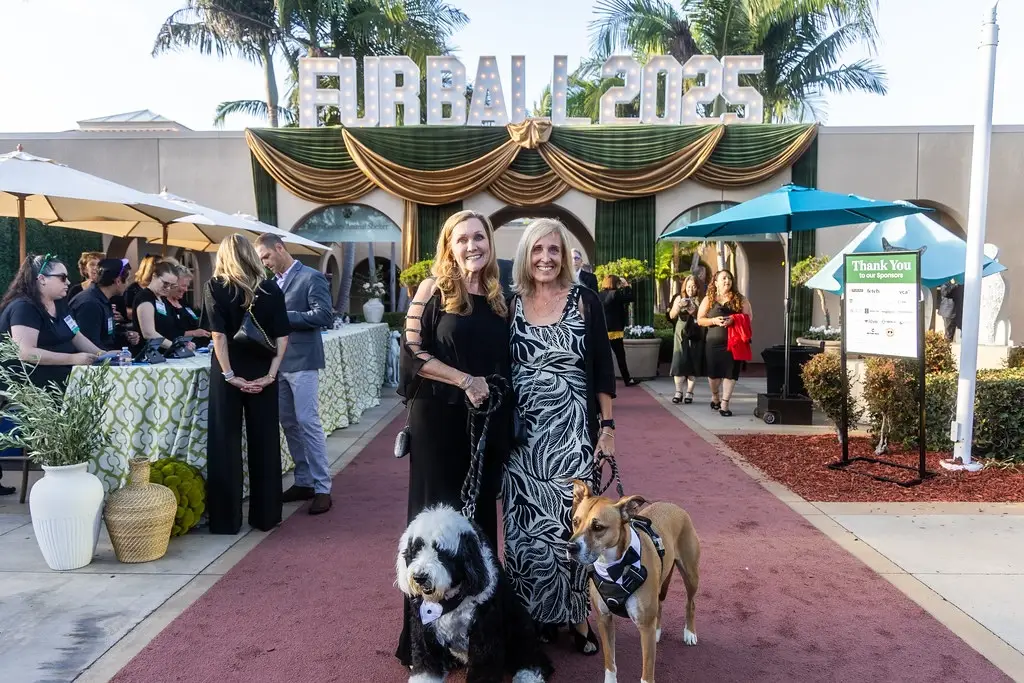
October 3: San Diego Humane Society’s 40th Annual Fur Ball
San Diego Humane Society supporters—both people and pets—will get dressed to the nines for the 40th annual Fur Ball. Proceeds from the event at San Diego Humane Society’s Gaines Street campus will support the organization’s efforts to care for more than 40,000 animals each year.
October 3: Voices for Children Starry Starry Night Gala
Voices for Children will celebrate the impact of its Court Appointed Special Advocates (CASAs) at its Starry Starry Night Gala on the Heron Lawn at the Park Hyatt Aviara Resort. The 46-year-old organization is the only agency in the county designated to provide CASAs to advocate for local foster children.
October 3: Autism Society of San Diego Diamond Anniversary Gala
Show off your sparkle at the Autism Society of San Diego Diamond Anniversary Gala at the Town & Country Resort. The nonprofit will celebrate six decades of service with dinner, entertainment, and special guests.
October 11: Robin’s Nest Rescue Rockin’ Robin Music Fest
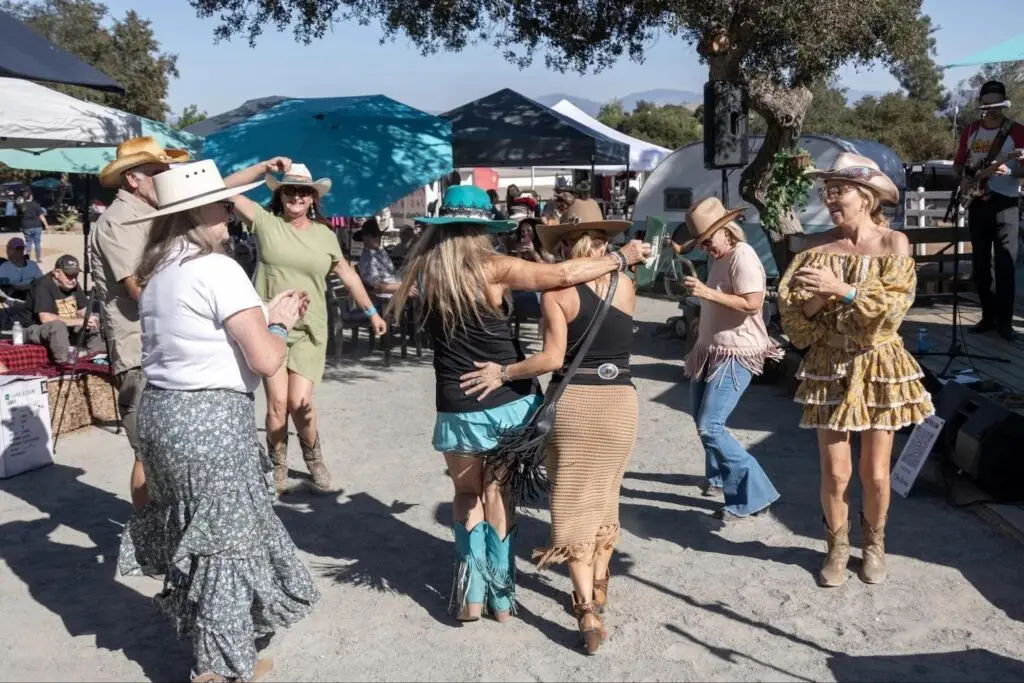
More than 30 performers will take the stage to support Robin’s Nest Rescue at its fourth annual Rockin’ Robin Music Fest. The five-acre animal sanctuary in Ramona will also celebrate America’s 250th birthday, showcase local artisans, and introduce guests to some of its rescue animals.
October 17: Adjoin Soil to Soul Garden Party
Local nonprofit Adjoin will host a whimsical garden party fundraiser at a private home in La Mesa. The Soil to Soul Garden Party will support Adjoin’s mission to build inclusive communities and support independence for people with disabilities and veteran families experiencing homelessness.
October 24: Living Coast Discovery Center Farm to Bay
Enjoy bites, beverages, and animal encounters at Living Coast Discovery Center’s Farm to Bay fundraiser. The annual event at the nonprofit zoo and aquarium on the San Diego Bay National Wildlife Refuge will support coastal conservation efforts.
Sarah Sapeda is San Diego Magazine’s Custom Content Editor. In her 15 years in San Diego journalism, she has covered charitable events, health care, education, crime, current events, and more.
La Jolla has a rich history. From its roots as Kumeyaay territory and early days shaped by influential San Diegans like Ellen Browning Scripps to the vibrant hub for arts, culture, and education that it is today, the roughly seven-mile stretch along the coast has long been a local gem.
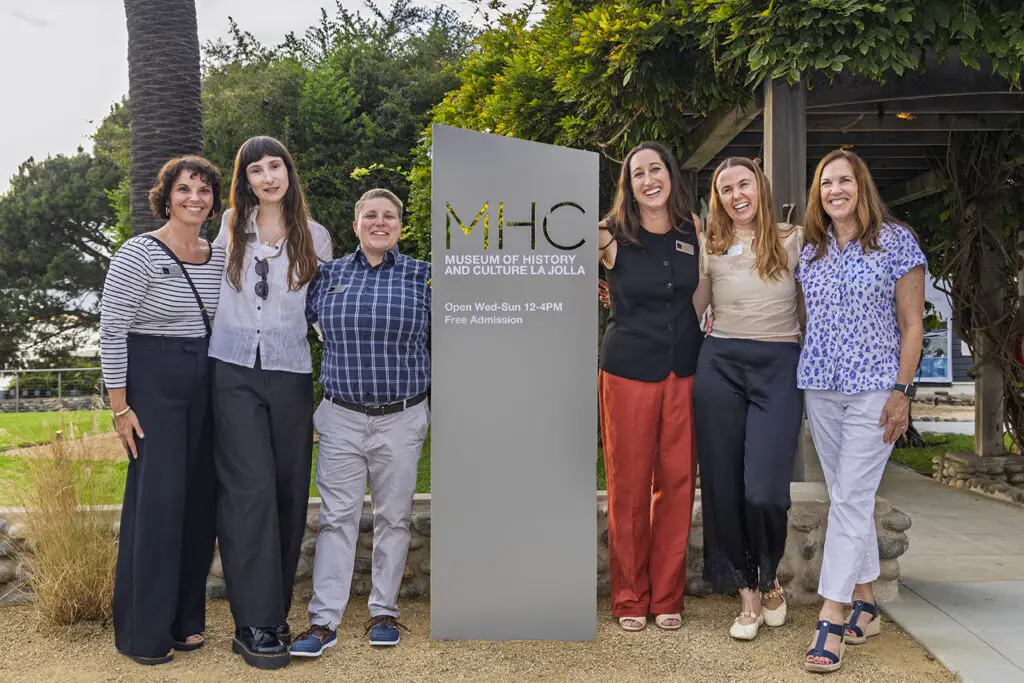
In 1964, a group of volunteers came together to preserve the history of the community. They formed the La Jolla Historical Society, which has since evolved into the Museum of History and Culture La Jolla. For the past 62 years, the organization has worked to protect historic buildings, archival materials, and recorded memories, ensuring the character of the neighborhood would endure well into the future.
“La Jolla is a small community, but it has a fascinating history,” says Lauren Lockhart, executive director of the Museum of History and Culture La Jolla. “The focus was always on how do we preserve the stories, places, and people that make La Jolla unique, and that remains central to our mission.”
However, in its early days, the organization was limited in what types of programming it could offer because it didn’t have a permanent homebase. A pivotal point came in 2008, when it was gifted Wisteria Cottage, originally the private residence of Virginia Scripps, by descendants of the Scripps family. The historic Craftsman cottage had been remodeled by famed architect Irving Gill, whose other modernist works are peppered throughout La Jolla, adding to its distinctive look. The organization then launched a capital campaign to expand into a museum-quality space to host exhibitions and to store the tens of thousands of photos, drawings, postcards, and other materials in its collection, Lockhart explains.
“At that point the organization could really begin to invest in developing a public space and public programs that would give back to the community,” she adds. “That effort accelerated with my predecessor, Heath Fox, who pushed the organization to think about an exhibition program that was interdisciplinary in nature. It’s something that drew me to this organization and that I’ve continued to advocate for because examining history through lenses of art, architecture, science, and literature is so compelling and such a great way to bring different audiences into the fold.”
Courtesy of Museum of History and Culture La Jolla
The organization entered another period of transformation this year when it “outgrew” its previous identity as La Jolla Historical Society and officially rebranded as the Museum of History and Culture La Jolla. The organization had transitioned from a traditional historical society into a professionally operated museum and wanted to reflect that while also amplifying its ability to connect with broader audiences.
“We’ve grown so far beyond what a traditional historical society might offer to the public that we were finding that often, especially younger generations, they would come through our doors and say, ‘Wow, it’s a lot cooler than I thought it would be,’ which is a nice compliment, but it made us ask ourselves who’s not coming through our doors because they’re not sure what we have to offer or that they will see themselves reflected here,” says Lockhart. “We wanted to remove that barrier and make sure that everyone, just from recognizing our name, will think, That sounds like there’s something there for me, and that definitely is evidenced in our current programming and exhibitions.”
Courtesy of Museum of History and Culture La Jolla
The change, she says, has been a long time coming. “We’ve already made a lot of huge strides over the years,” Lockhart says. “It’s about our name catching up to our work.”
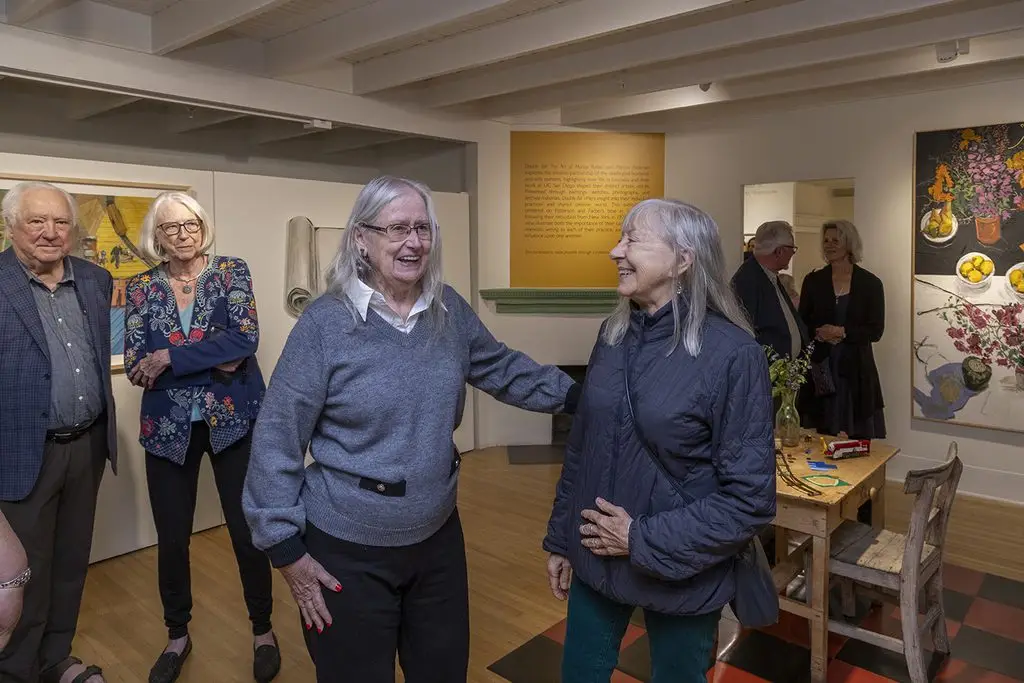
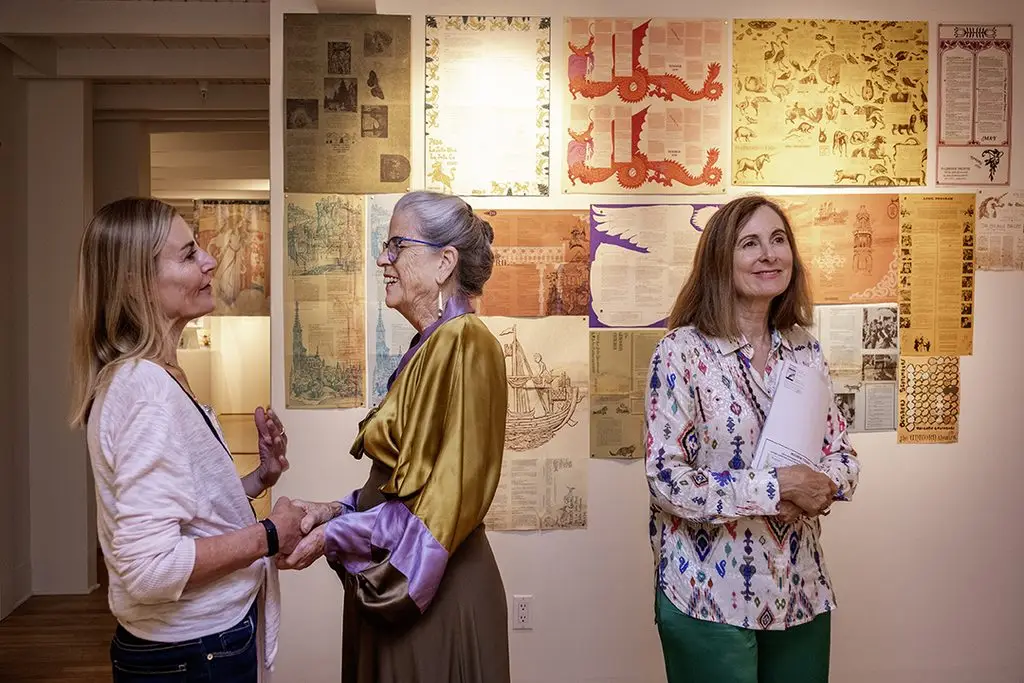
The Museum of History and Culture La Jolla’s current exhibits include Stories in Cloth: Communicating Through Textiles, presented in partnership with the Visions Museum of Textile Art at Liberty Station, on display through September 6. On deck is The Scientific Art of Historic Preservation, which explores the processes behind the museum’s mission. To honor the philanthropic spirit of the Scripps sisters, admission to the museum and many of its public programs are free of charge.
Sarah Sapeda is San Diego Magazine’s Custom Content Editor. In her 15 years in San Diego journalism, she has covered charitable events, health care, education, crime, current events, and more.
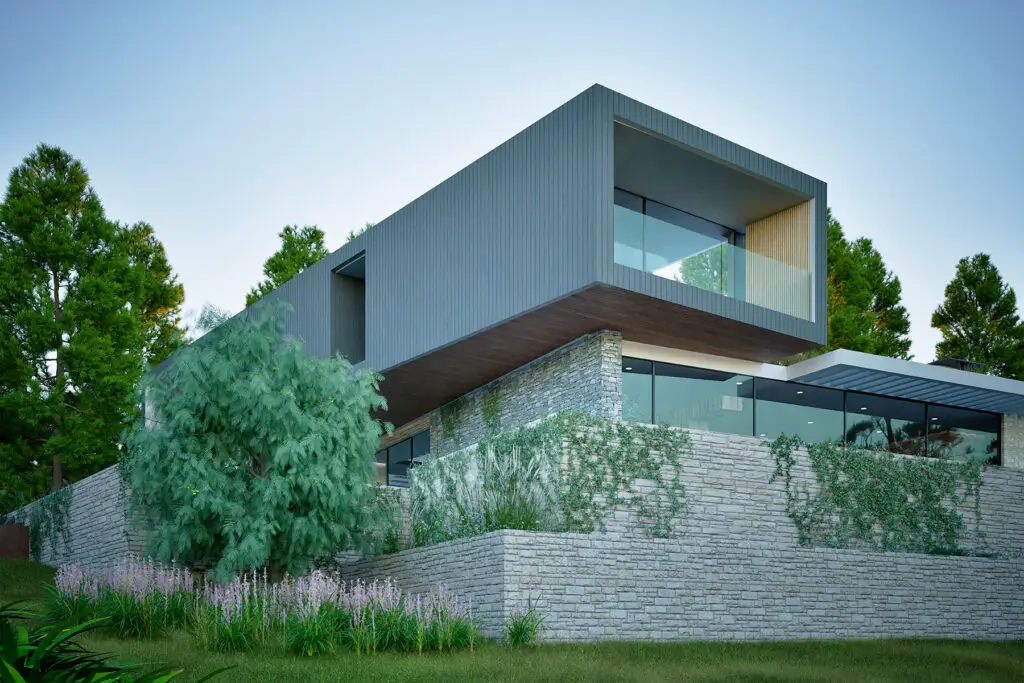
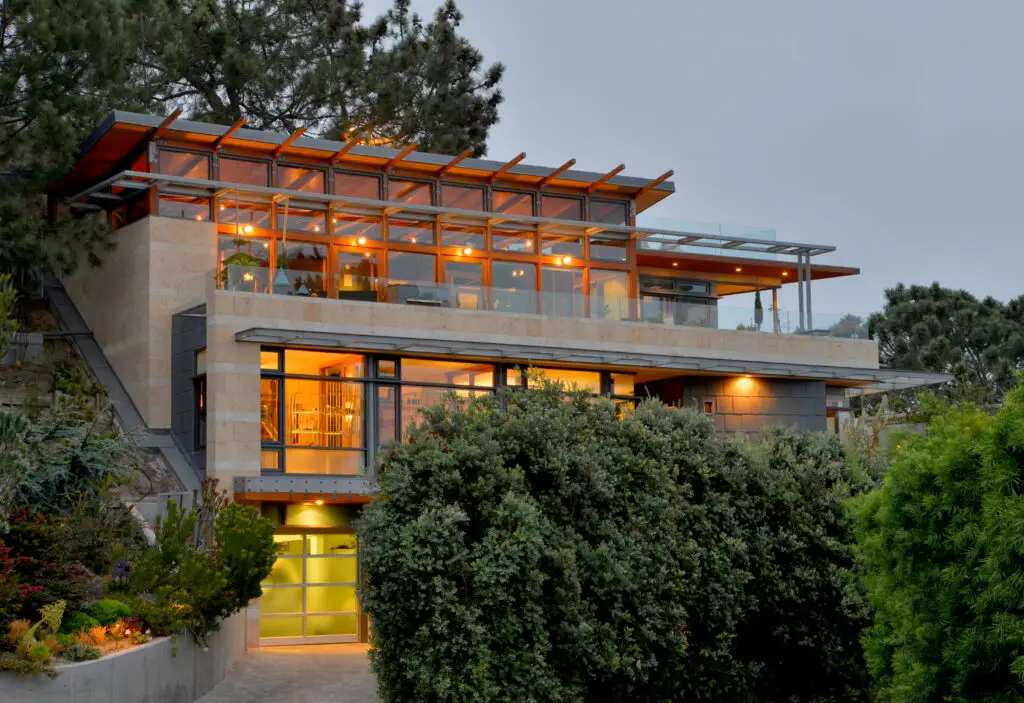
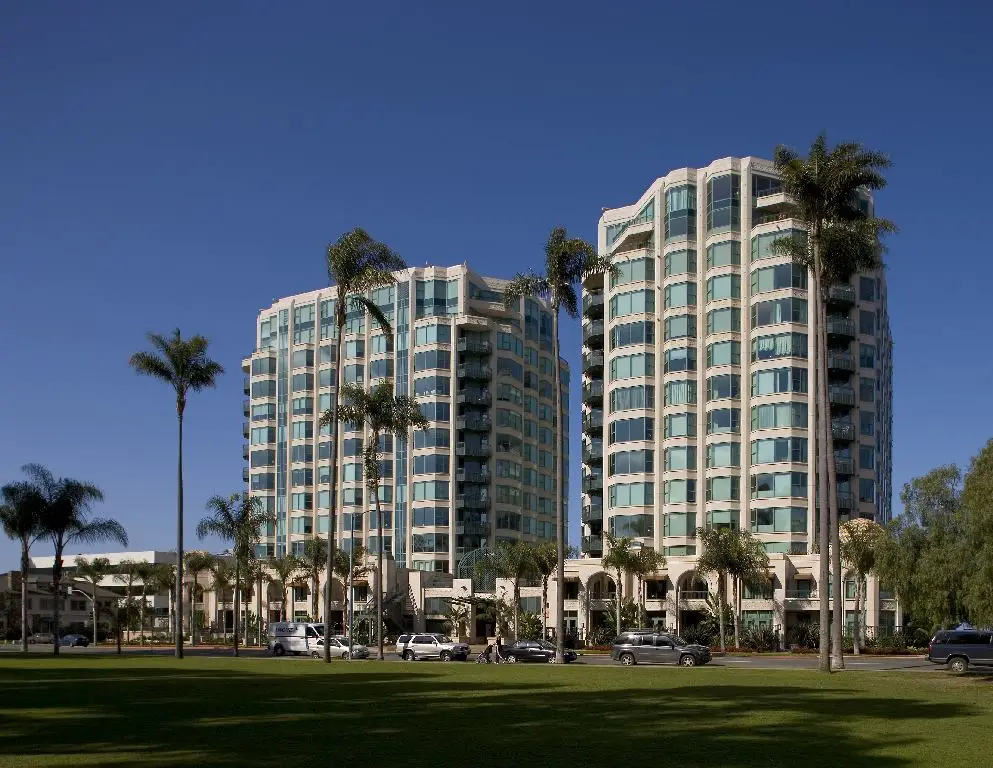
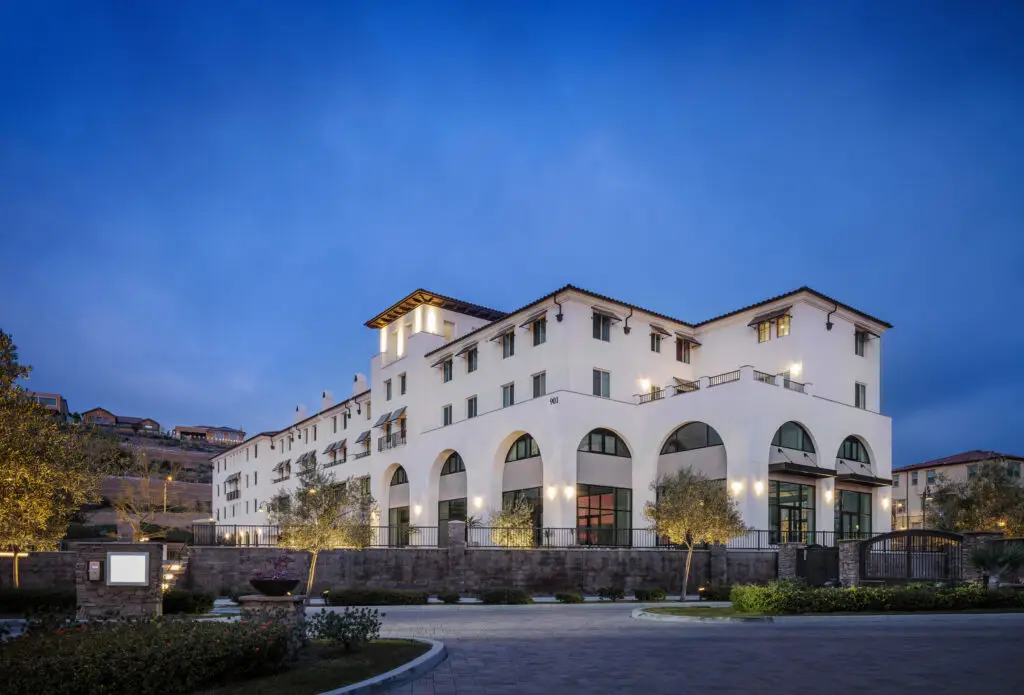
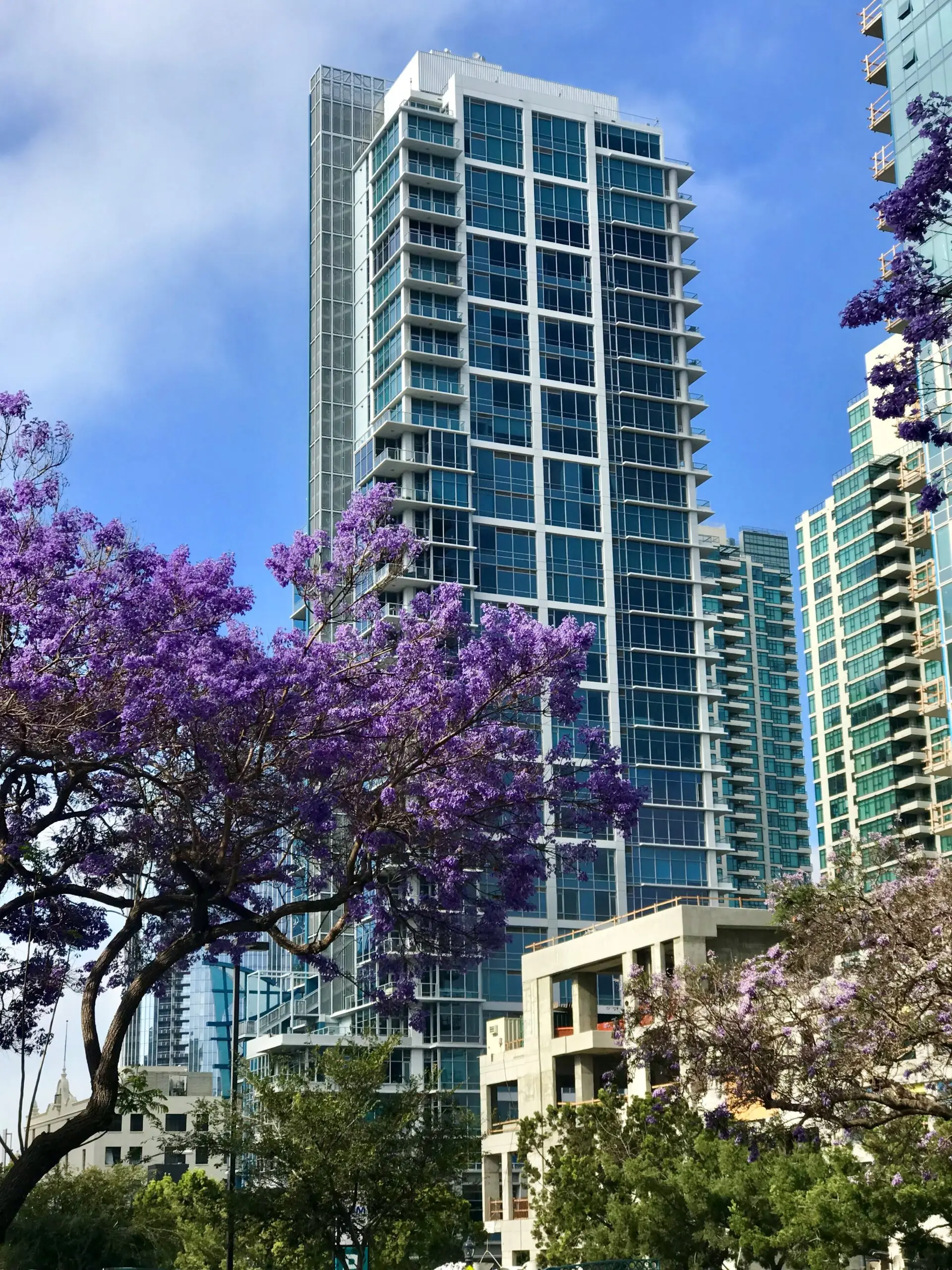
AVRP Studios’ tradition for Design Excellence and Innovation began in 1976 with Doug Austin, FAIA, in Solana Beach, California. The firm has since grown to complete major projects throughout the United States and Canada. We think of ourselves as a family and we care deeply about people. We want to inspire, help make their lives richer and more complete through our efforts. We believe that architecture is one of the most important art forms because of the impact it can have on the lives of those it touches. We’re delighted to have been recognized with over 150 awards for design excellence.
703 16th Street, Suite 200, San Diego, California 92101 | 619-704-2700 | avrpstudios.com