
Featured articles
Featured articles
Featured articles
What's next
Featured articles
Featured articles
Featured articles
Ready to know more about San Diego?
SubscribeReady to know more about San Diego?

Plus, Founders First CDC and Pacific Western Bank launch an accelerator for Black-owned businesses
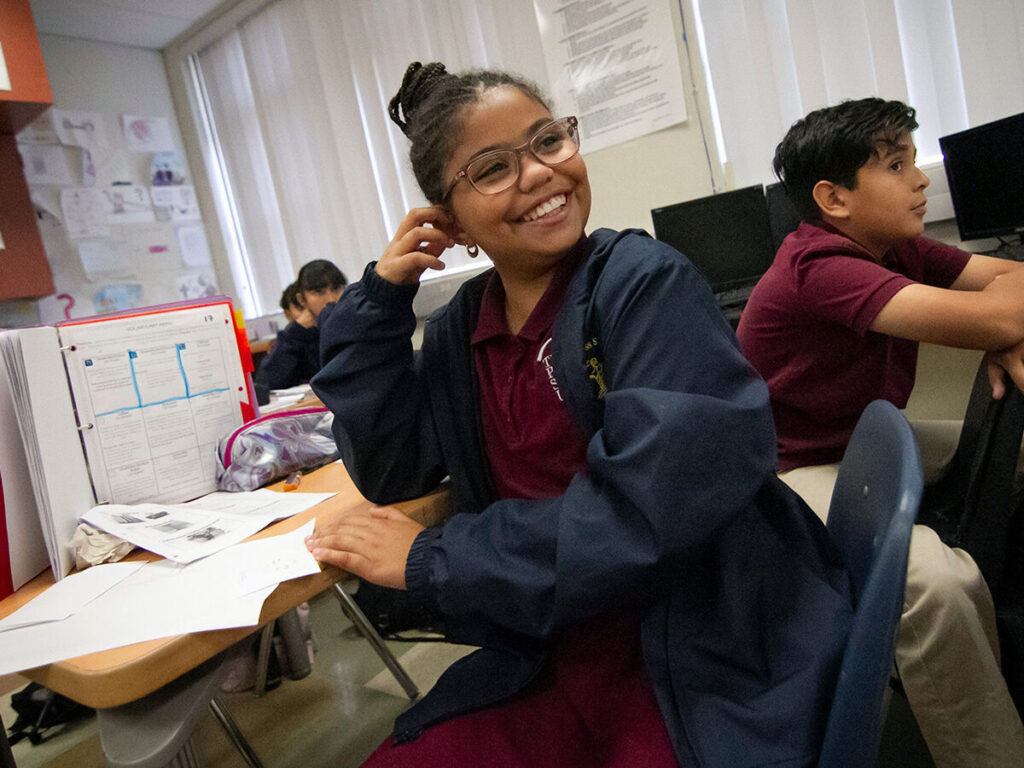
During its Digital Day of Giving fundraiser, The Preuss School raised $595,000 to help furnish its roughly 800 students with laptops, cameras, software, and other tools necessary for distance-learning success. The charter school on the UC San Diego campus serves economically disadvantaged students striving to be the first in their family to graduate from college.
“It is through the support of our committed donors and talented faculty that we can build a bridge to success for underserved scholars by closing the achievement gap,” said Helen V. Griffith, executive director of The Preuss School. “But more than that, we create a belief system that our scholars belong, that they can compete against any other student in college and will become tomorrow’s leaders.”
The pandemic prompted The Preuss School to switch to a distance-learning model in mid-March. The school was able to distribute laptops and hot spots to promote connectivity. Within two weeks, all 850 students were able to access the online curriculum. Philanthropy also enabled the school to launch the Preuss Scholar Support Mobile Library, which lets students pick up and return library books, textbooks, and supplies for art, engineering, and music.
Founders First CDC and Pacific Western Bank have launched the San Diego Clydesdale Community Leaders Program, an accelerator for Black-owned small businesses. The curriculum includes a 24-month intensive transformational growth program, access to new business contracts, and the opportunity to secure flexible-revenue-based business loans. The first cohort will start October 20.
“We are thrilled to help position San Diego as a center for growth-oriented entrepreneurship by continuing to have a significant impact in using best practices, experience, and leveraging combined expertise of leadership, stakeholders/corporates, investors, and mentors to guide and implement a deliberate, sequenced, and prioritized small business development strategy,” said Kim Folsom, founder and CEO of Founders First. “We actively work to improve the well-being of those we serve by committing financial and human resources in San Diego County and throughout the state of California and beyond.”
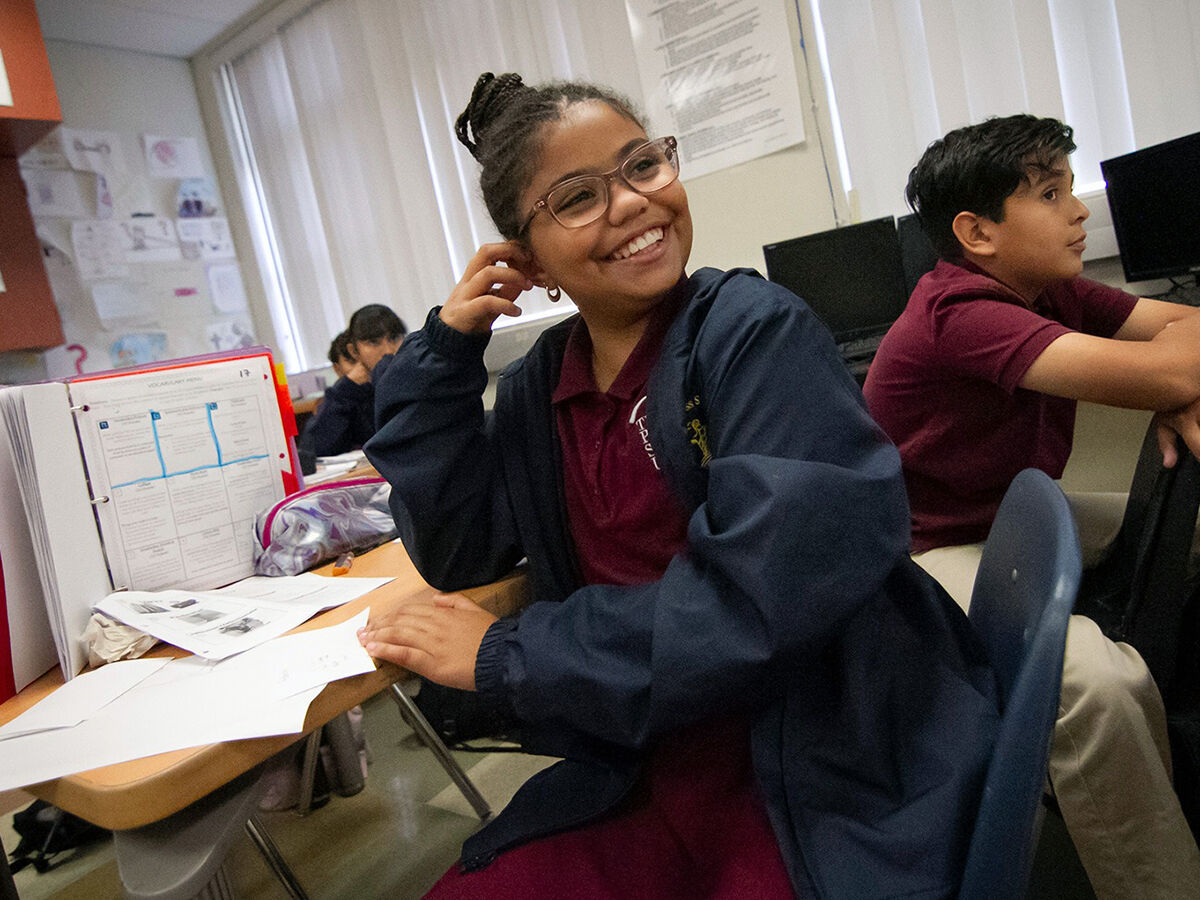
Nearly $600,000 was raised to help Preuss School students, like seventh-grader Jaya Carter, shown here before the pandemic.
Erika Johnson
The massive donation from philanthropists Matthew and Iris Strauss will serve as the foundation for the campus project set to open in 2026
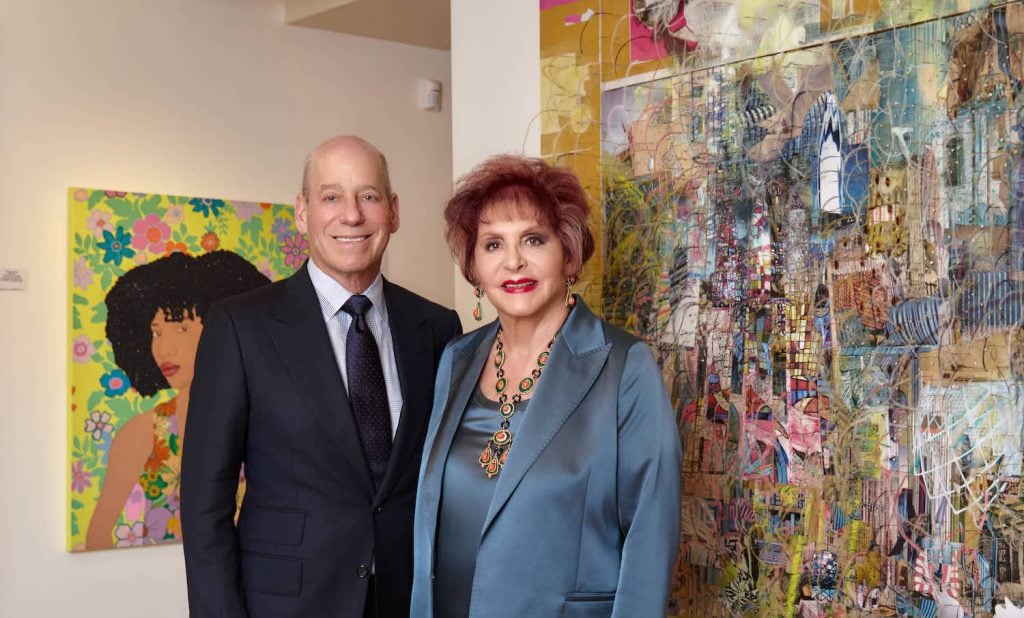
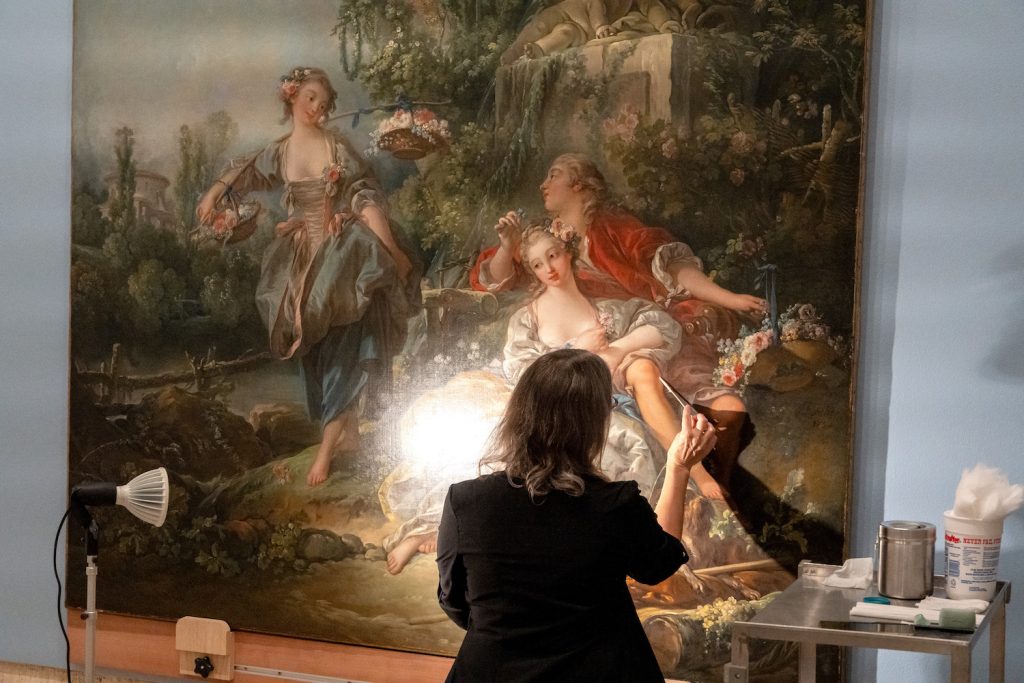
The bones are here. A mirrored closet reflecting a massive painting. A pleated window shade peeking out from behind a frame. Reminders that, before this place was a museum, it was a regular—albeit expansive—house tucked away in the North County neighborhood of Rancho Santa Fe.
Real estate moguls Matthew and Iris Strauss purchased the 6,000-square-foot dwelling, situated directly next door to their own art-filled private residence, in 1999. “We more or less took it down to the base, with an eye toward turning it into an art gallery,” Iris says. Ever since, it’s held the Strauss Family Foundation, a contemporary art collection that steadily expanded with the Strausses’ trips to Miami’s Art Basel, the Venice Biennale, and other renowned art fairs. Today, the collection is valued at approximately $20 million, according to the family.

But, soon, all that art will move to a new home: In October 2023, the Strauss family donated the entire collection to UC San Diego. They also gave the foundation house, which will be sold to create an endowment fund for the art’s maintenance. UCSD, in turn, is building a museum as part of the incoming Triton Center, a new central campus hub that will also include an alumni building. Named The Strauss, the arts space is slated to open in fall 2026.
It’s a natural progression of the Strausses’ longtime vision. “Mom and Dad always felt it was very important that the art be seen by the public,” says the couple’s son, Steven Strauss.
The foundation offered 12 to 15 pre-booked tours a year. Matthew, who passed away in August 2024 at the age of 91, particularly enjoyed welcoming student visitors and often led tours himself. “He loved it when they would come in with their phones and then, after a few minutes, they would put their phone away, and they’d start looking at the art and they’d start asking questions,” Steven remembers.
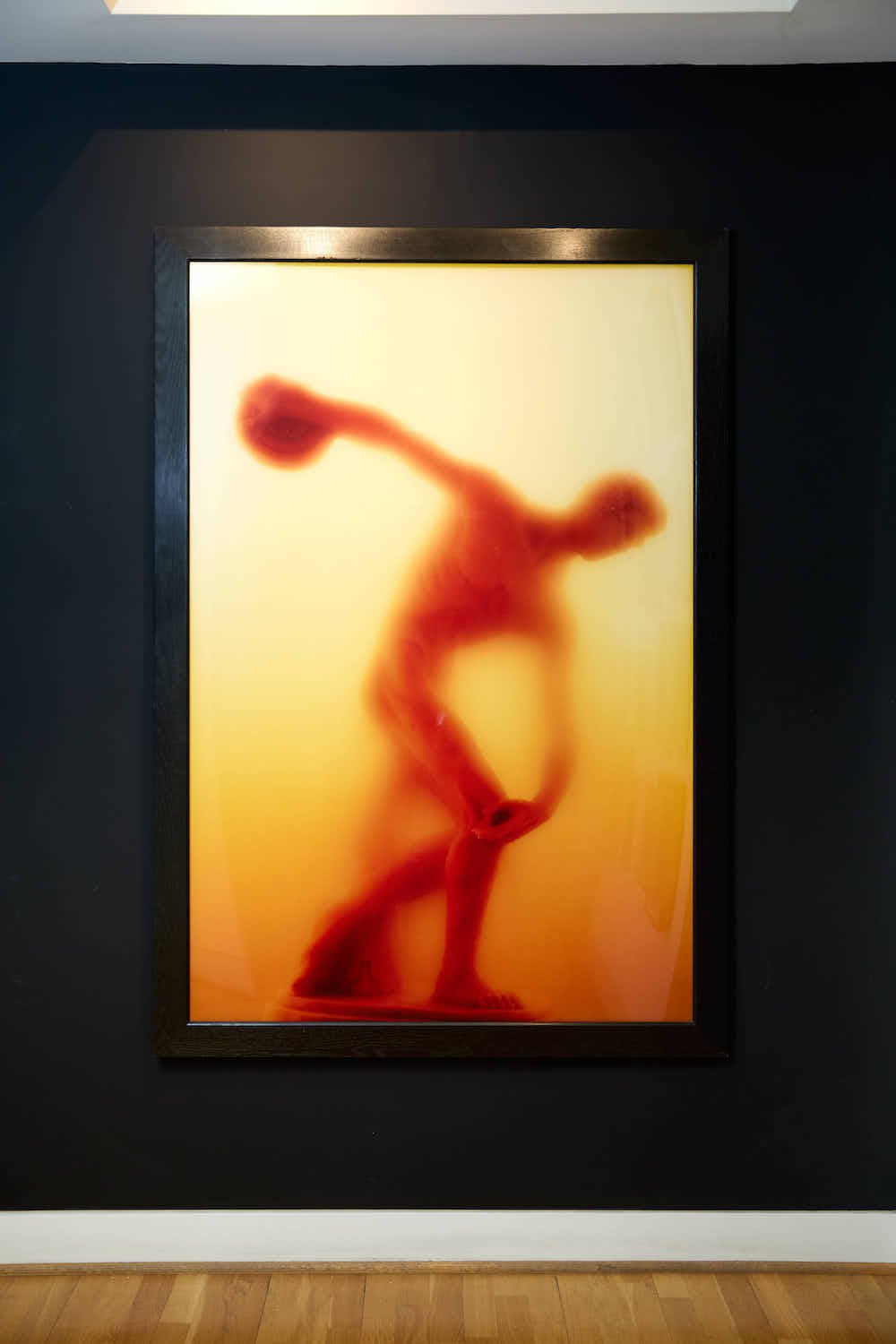
The family has also been deeply involved with UCSD for years. After their two daughters passed away from cancer, Matthew and Iris became leaders at UC San Diego Health, donating significant funds to research a cancer vaccine and establishing the Iris and Matthew Strauss Center for Early Detection of Ovarian Cancer. Steven and his wife funded the new Steven Strauss and Lise Wilson Cardiomyopathy Center in 2021. However, they dreamed of doing more for the campus’s arts scene, as well.
“[Matthew] used to say, ‘Every great institution has a museum,’” Iris recalls. “‘You look at Yale, you look at Harvard, you look at Stanford—they all have an art museum. We should have one here [at UCSD], too.’”
The museum’s presence on campus will offer students increased opportunities to do what Matthew didn’t: get into art in their youth.
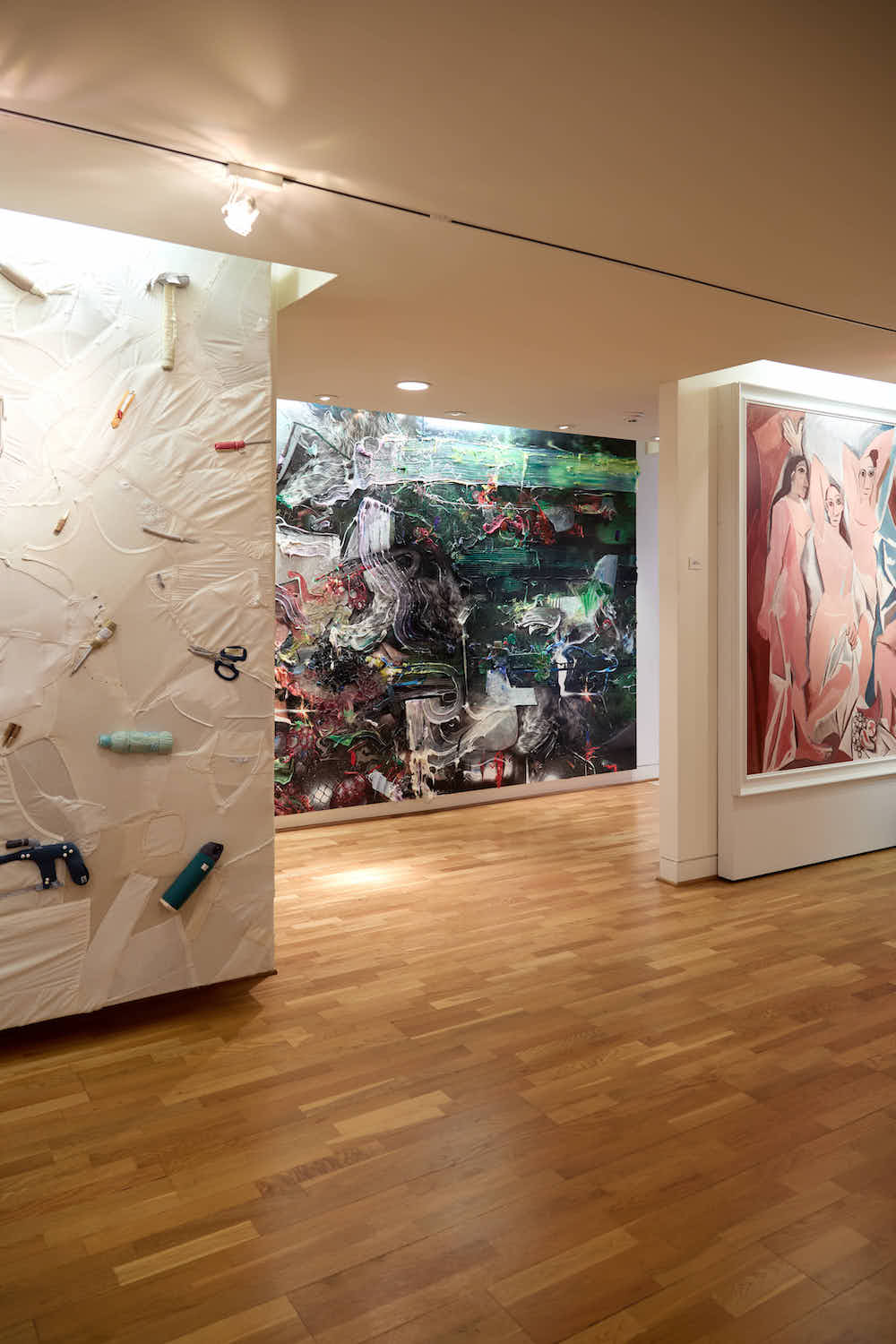
“My husband never really knew anything about art, and he was never that interested. He was too busy being a businessman,” Iris says of the early days of their marriage. “I was an art major in school, so I knew something. Once we got the house [in the 1980s], we started looking at the walls. We said, ‘We need art. It’s empty.’”
They began by hiring an art consultant, but within two months, Matthew’s curiosity had grown. The couple elected to handle acquisition themselves. “We decided we wanted art of our time,” Iris adds. They began attending art fairs and then became involved with the Museum of Contemporary Art in La Jolla.
“Once we joined the museum, we really got going,” Iris says. “The director at that time was Hugh Davies, and he had arranged a trip for collectors to go to Documenta in Germany, which was and is one of the greatest art shows ever. We signed up—our kids were grown and married, our grandchildren in college, so we went and we made friends there.” Among them were Irwin Jacobs and his late wife Joan, who became Iris’ best friend. “We really saw art,” Iris continues. “Oh, boy, we saw great art, and that really was it.”

By 2009, ArtNews Magazine named the couple among the world’s top 200 collectors. Matthew eventually wrote a 600-page almanac documenting more than 860 major artists of the last 800 years. But he maintained an interest in up-and-coming, boundary-pushing creatives, as well.
“He wouldn’t just look for the most pleasing pieces, but pieces that he thought were unique, the best work of the artist, maybe challenging,” Steven says. When the Strausses began separating the foundation collection from their personal one, those edgier, younger works became the focus of the former.
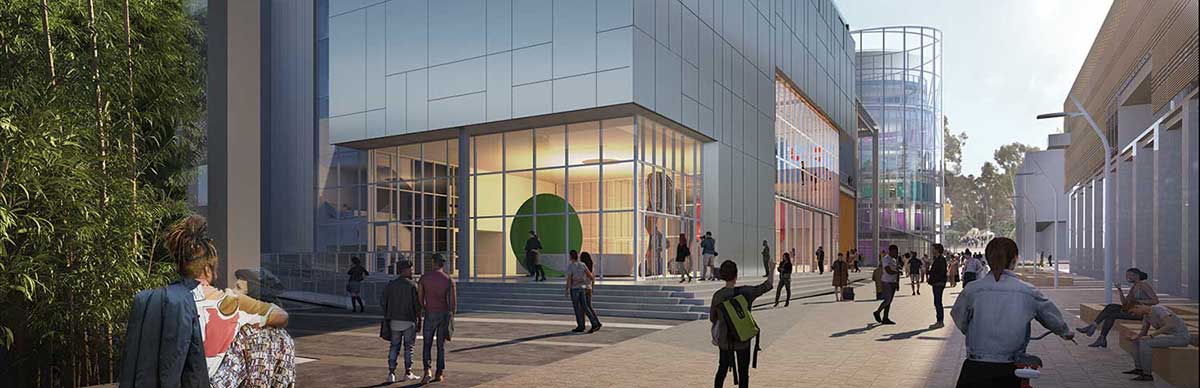
New acquisitions, commissions, and exhibitions at The Strauss museum will share that polestar. “It’s really where contemporary art will meet technology,” says Jess Berlanga Taylor, director and curator of UCSD’s Stuart Collection. She’s leading the creation of The Strauss. “We’re also asking ourselves what the future of art is through our programs. We’ll be presenting immersive environments. We’ll be working with augmented realities and VR and AI and everything that digital artists are doing nowadays.”
She wants the museum to be a “portal”—to a place both familiar and transformative. “Most museums are still based on the 18th-century tradition in which art is in one place, and life happens elsewhere. That is something that doesn’t work for our societies nowadays. So we’re really looking at creating a space where it’s truly social, and you’re surrounded by art,” Taylor says. “We’re hoping that, because of one of our exhibitions, you suddenly feel connected to something much bigger than yourself.”
For her part, Iris’ dream is to drive a new generation of art lovers. “I hope that [visiting The Strauss] enhances their way of thinking, or perhaps even their life, because art just does that for you,” she says. “It would be very empty to live without it.”
The foundation house—mostly devoid of furniture but nearly bursting at the seams with color and history—is proof.

Amelia Rodriguez is a writer and journalist and winner of the San Diego Press Club's 2023 Rising Star Award and 2024 Best of Show Award, she’s also covered music, food, arts and culture, fashion, and design for Rolling Stone, Palm Springs Life, and other national and regional publications. After work, you can find her hunting down San Diego’s best pastries and maintaining her five-year Duolingo streak.
Philanthropist Joan Waitt teams up with Nordstrom Fashion Valley to bring the famous shoe designer to town
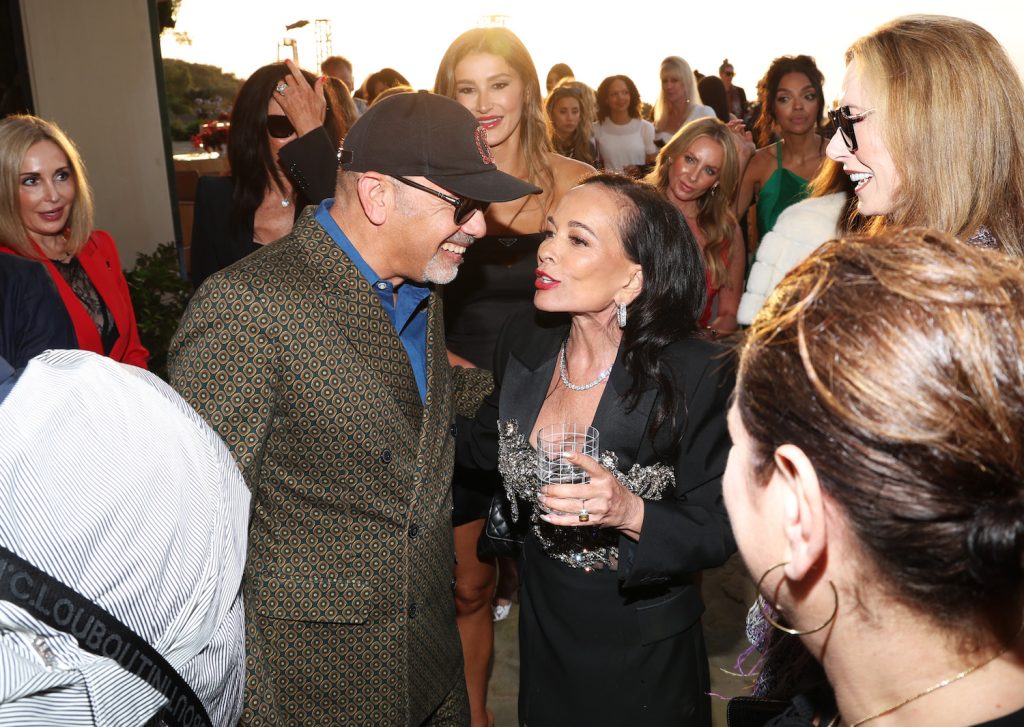
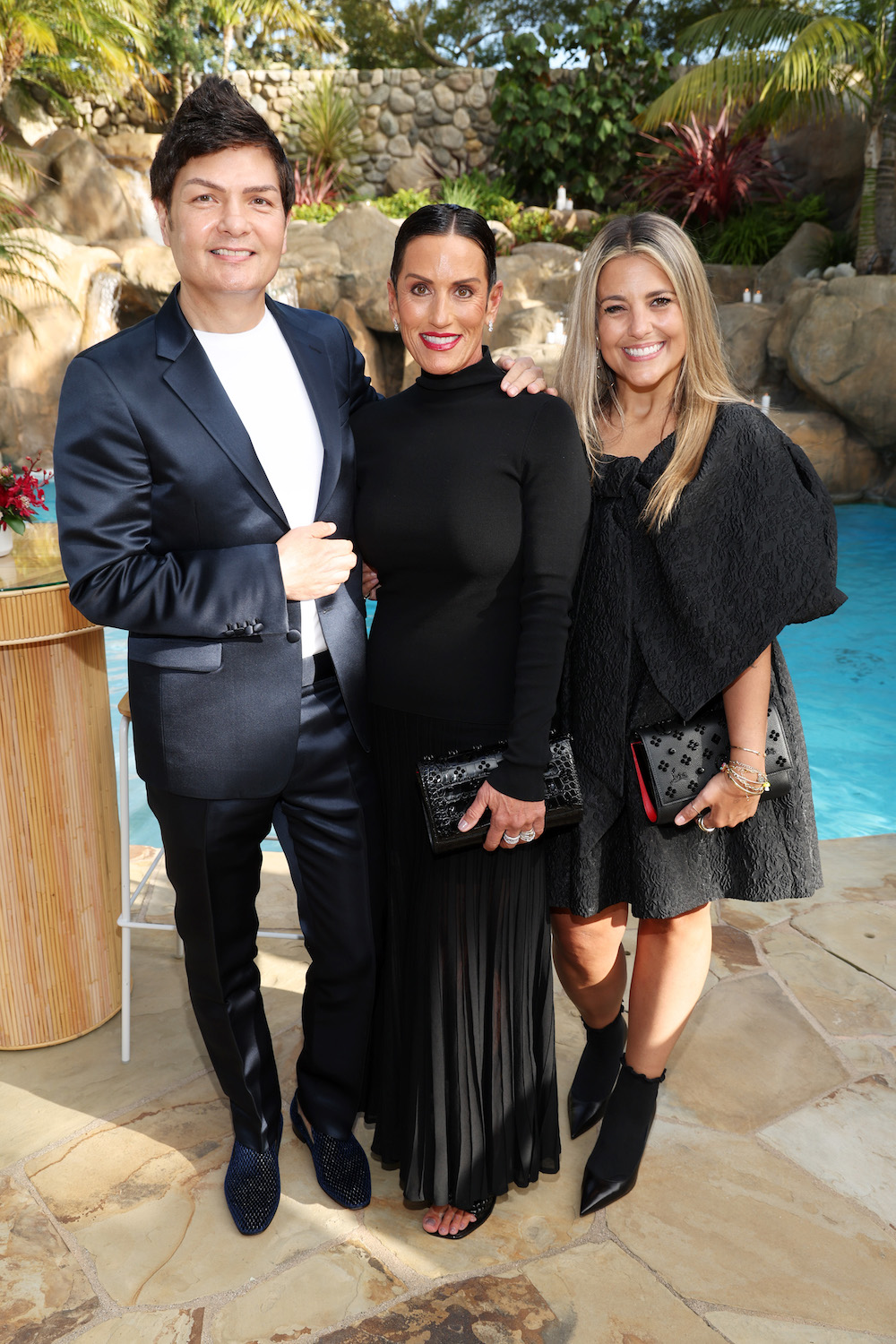
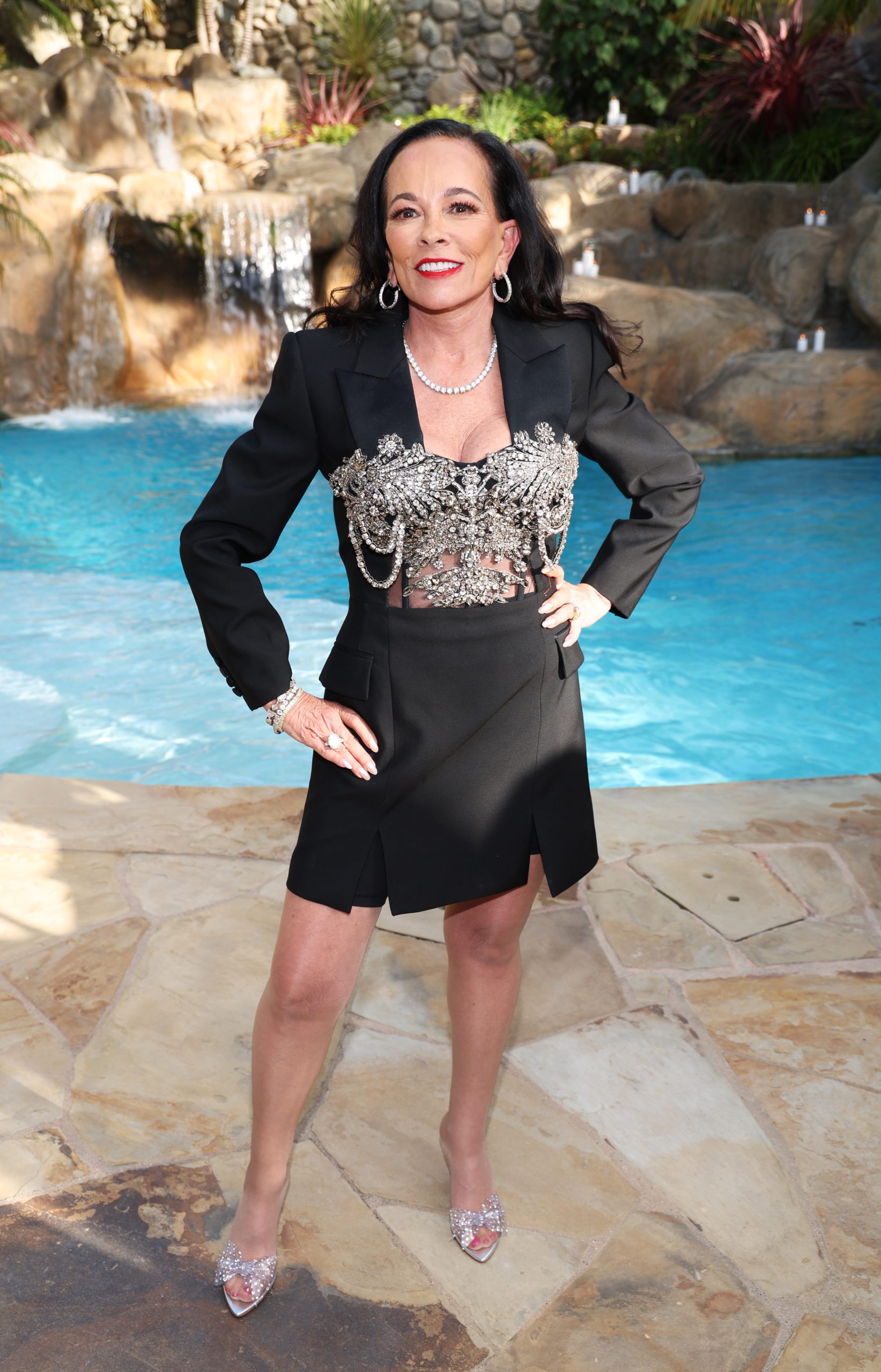
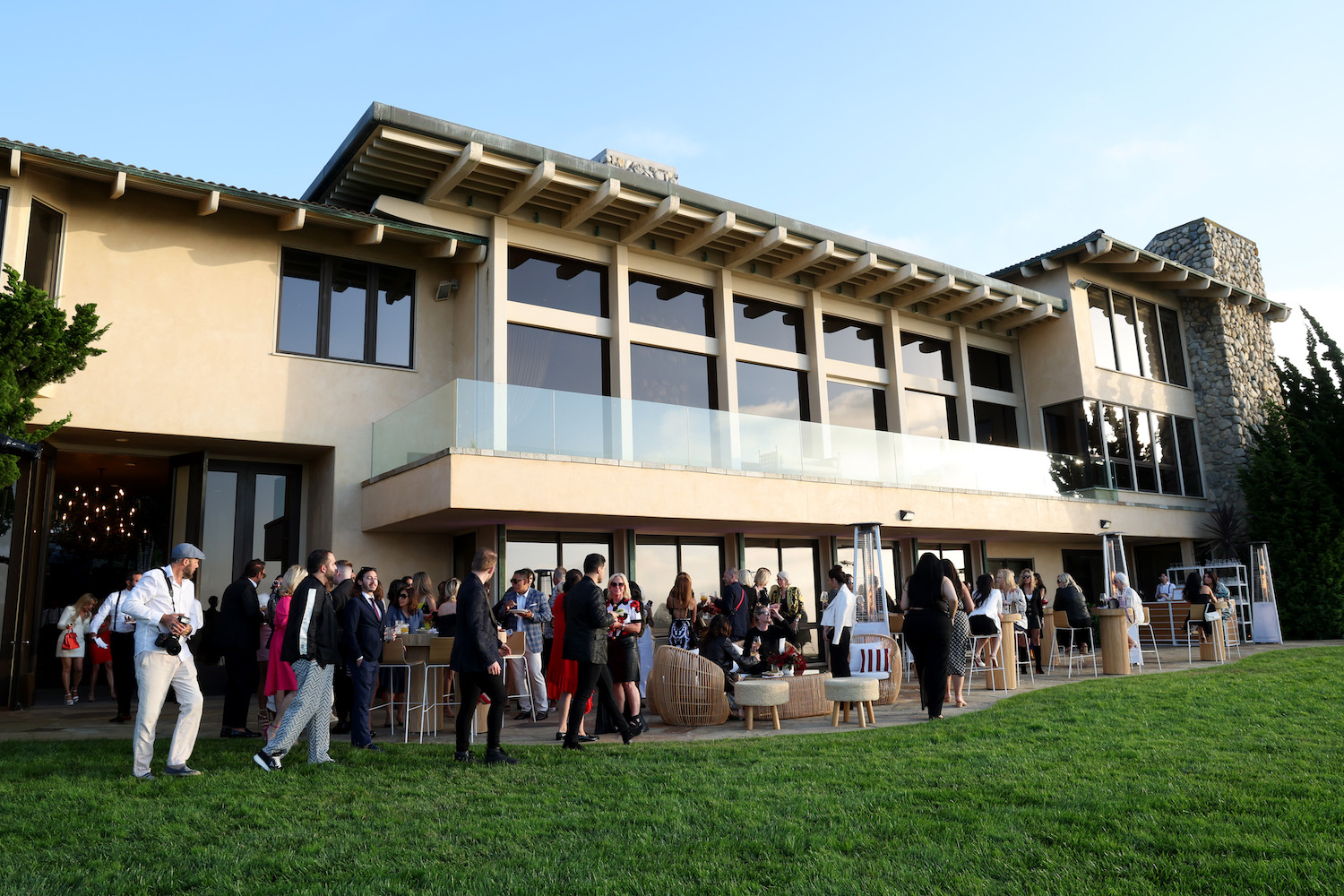
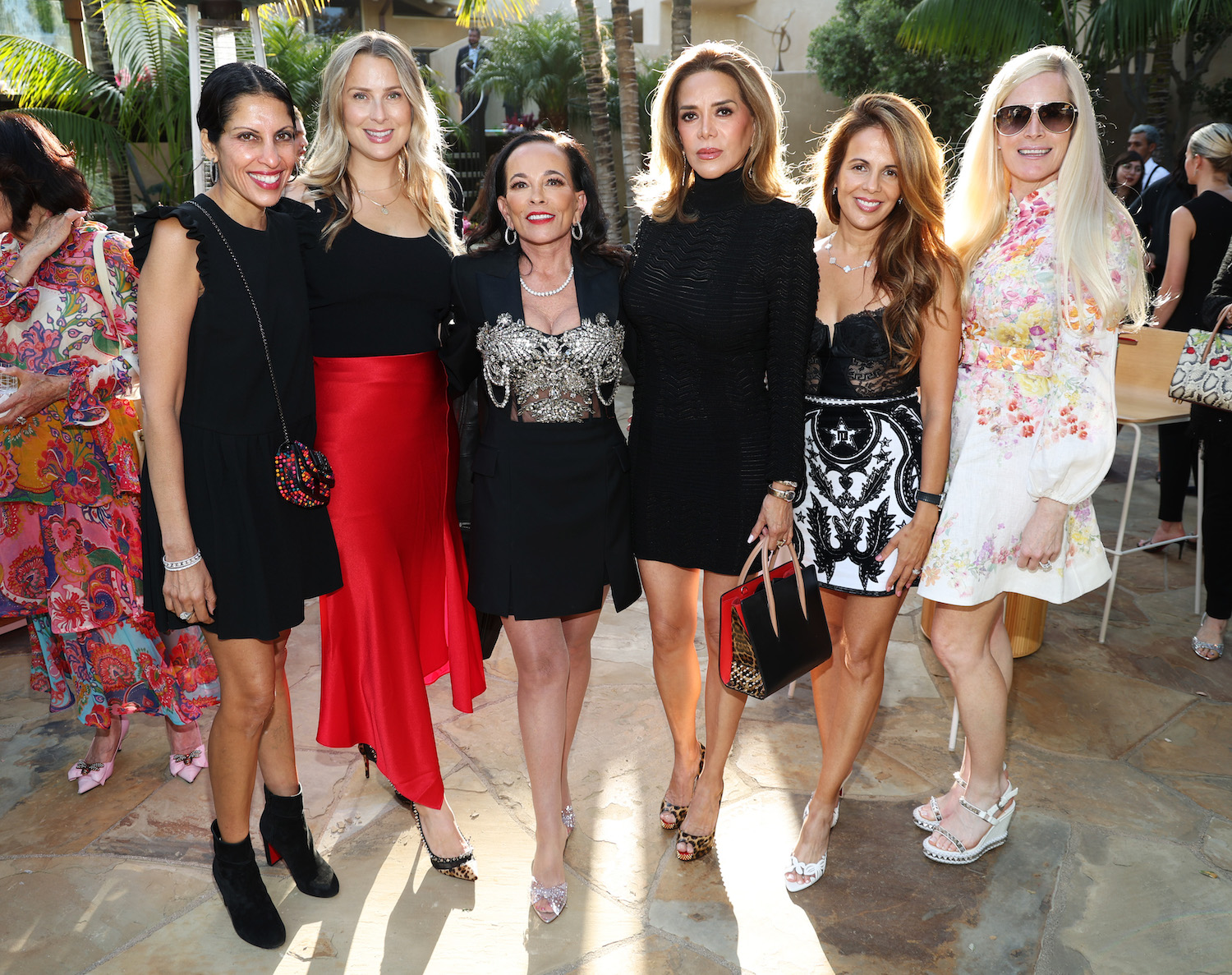
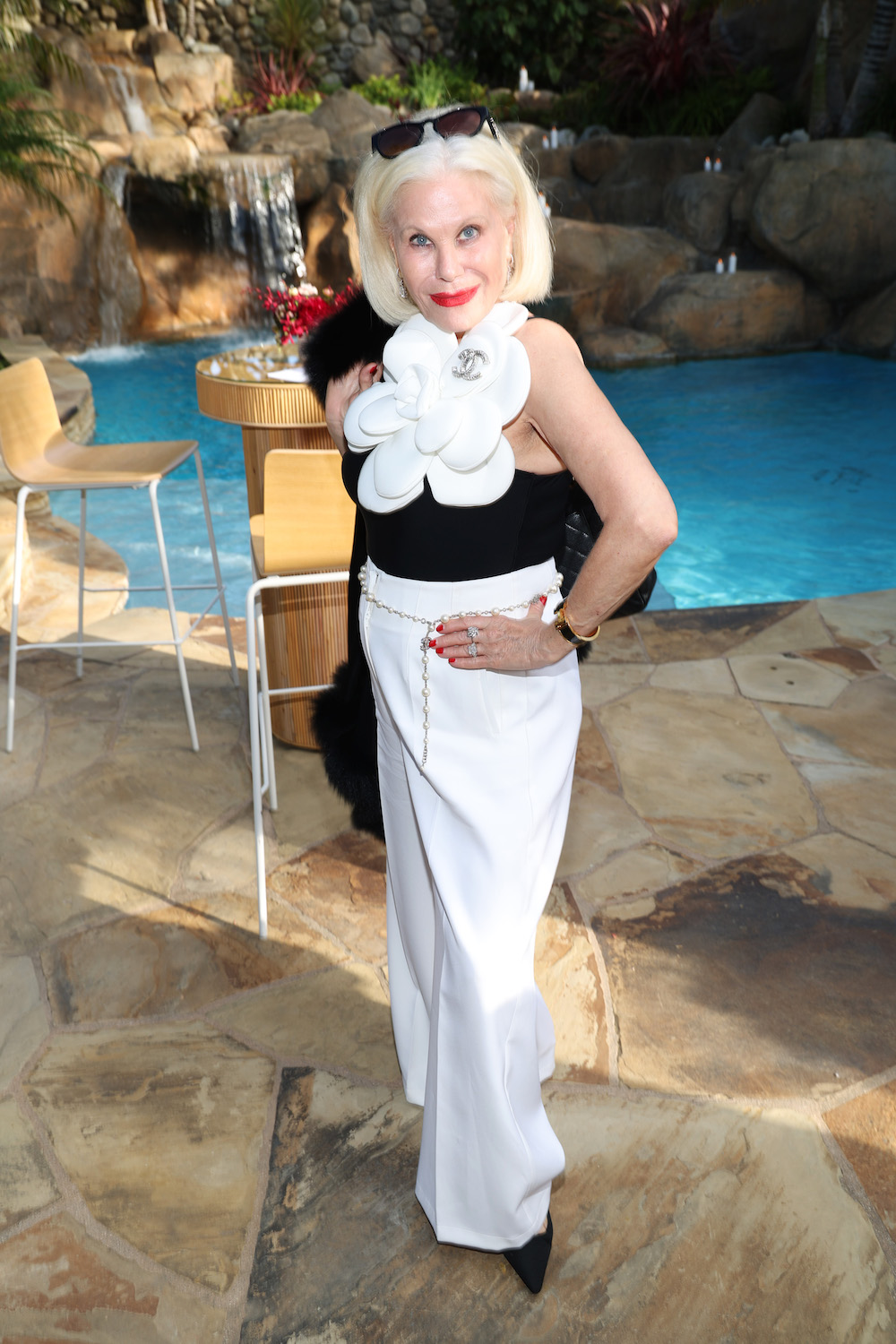
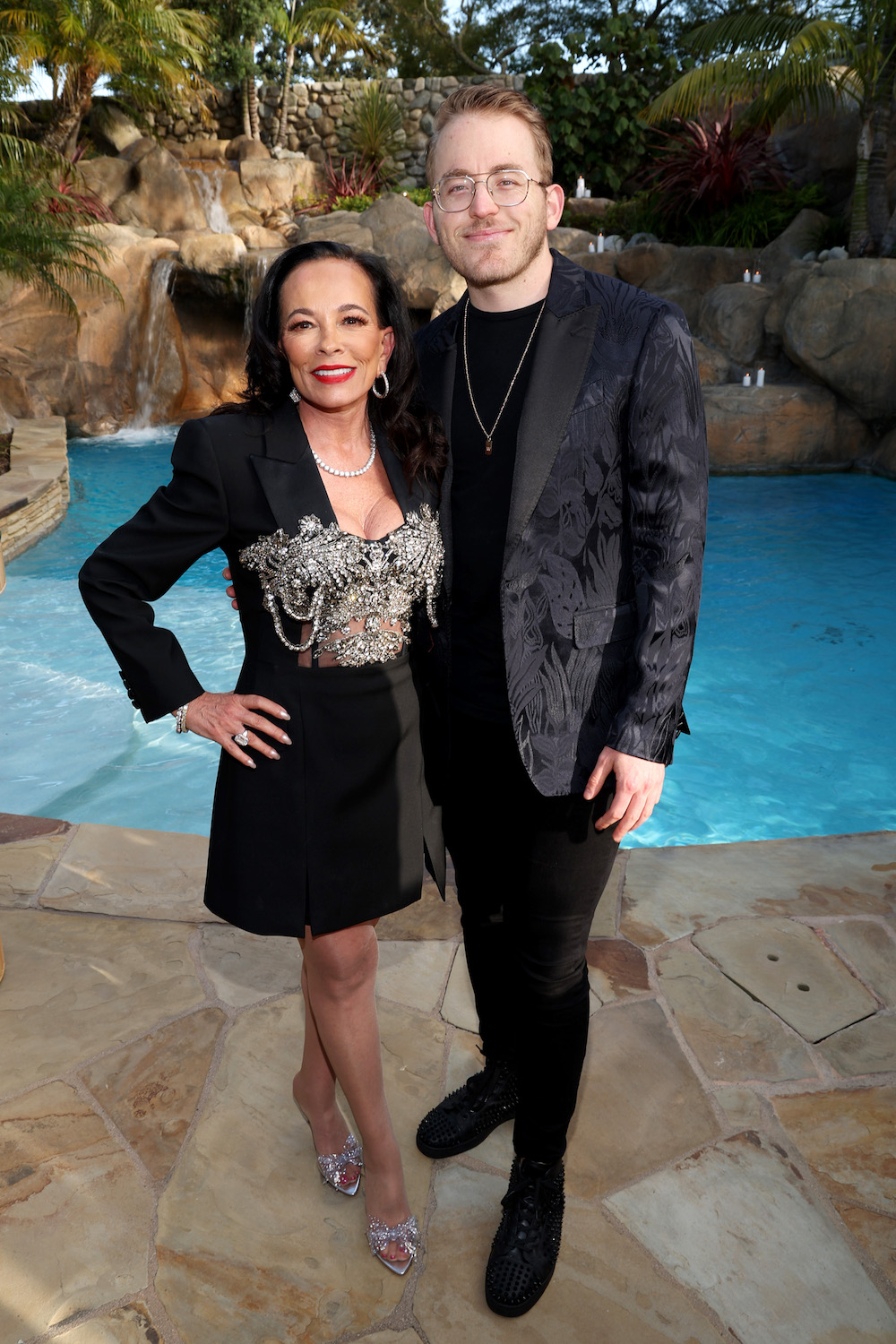
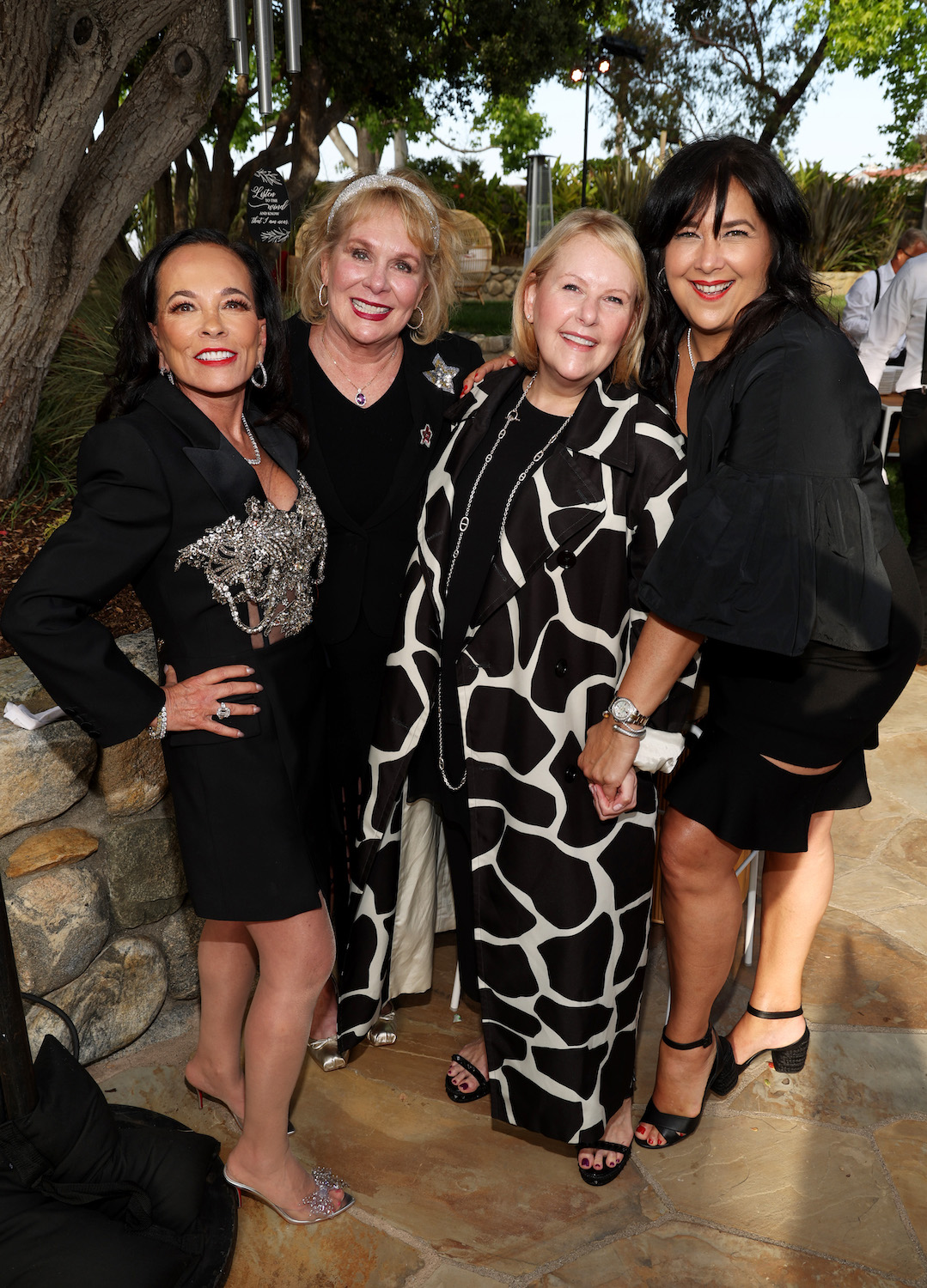
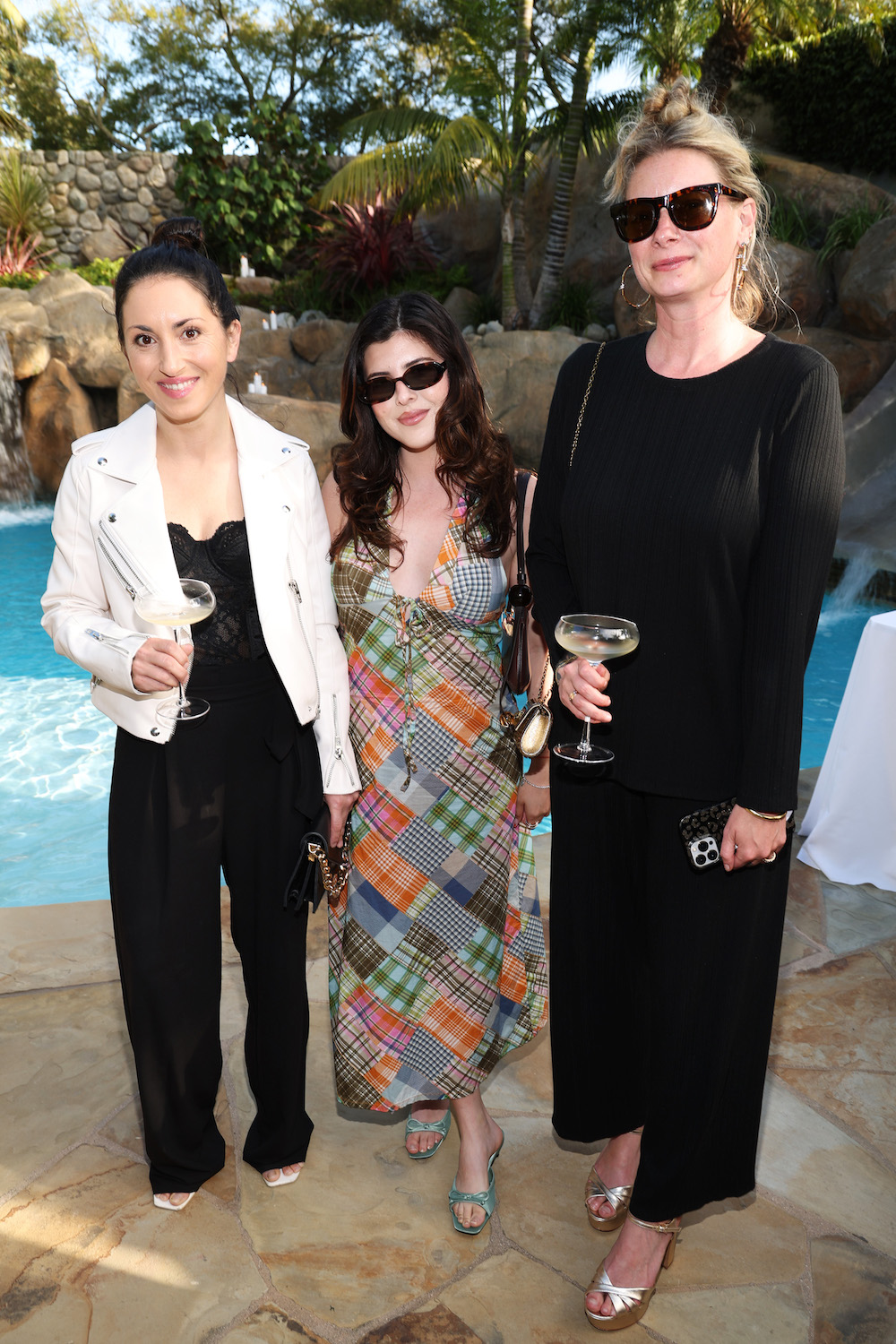
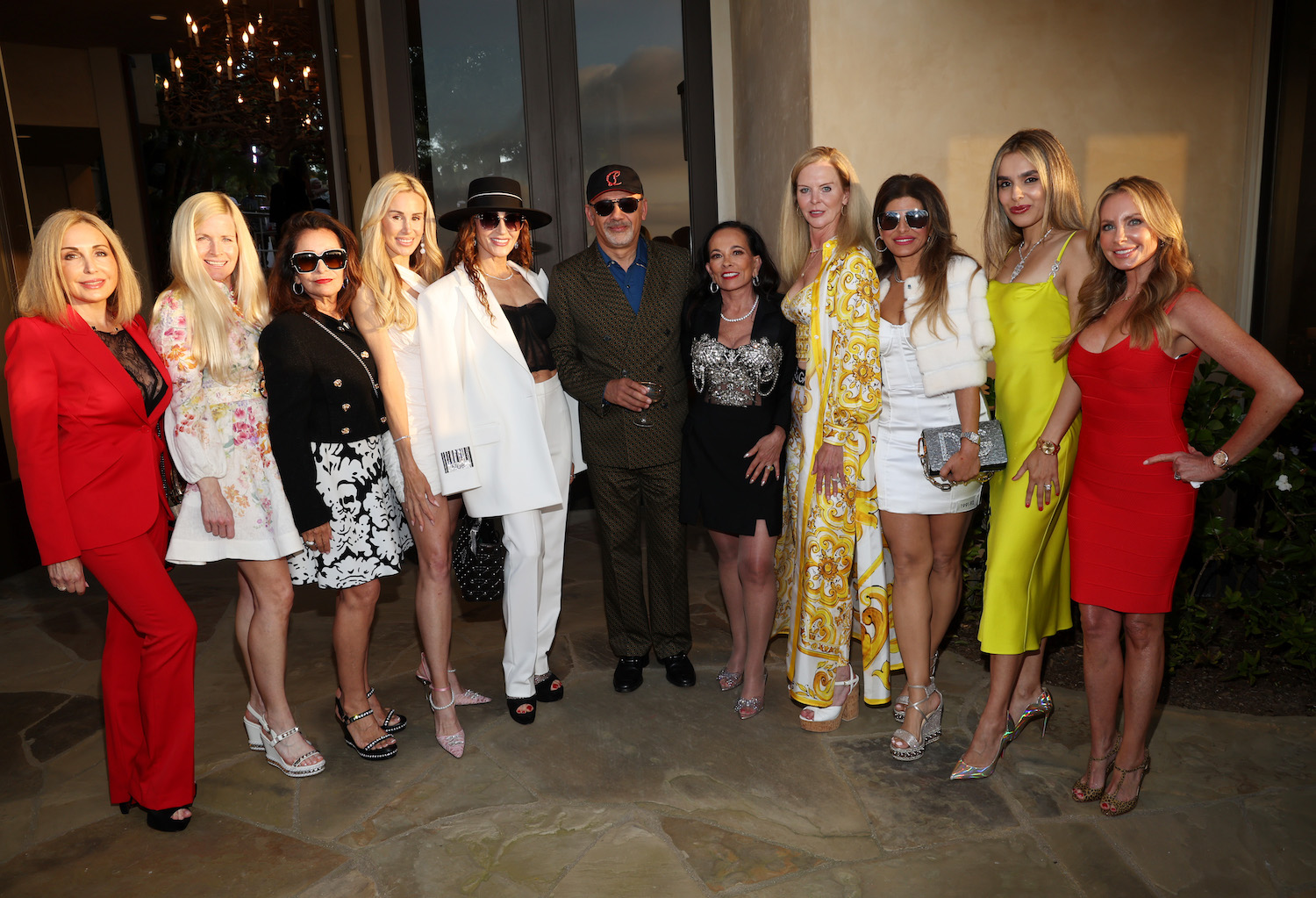
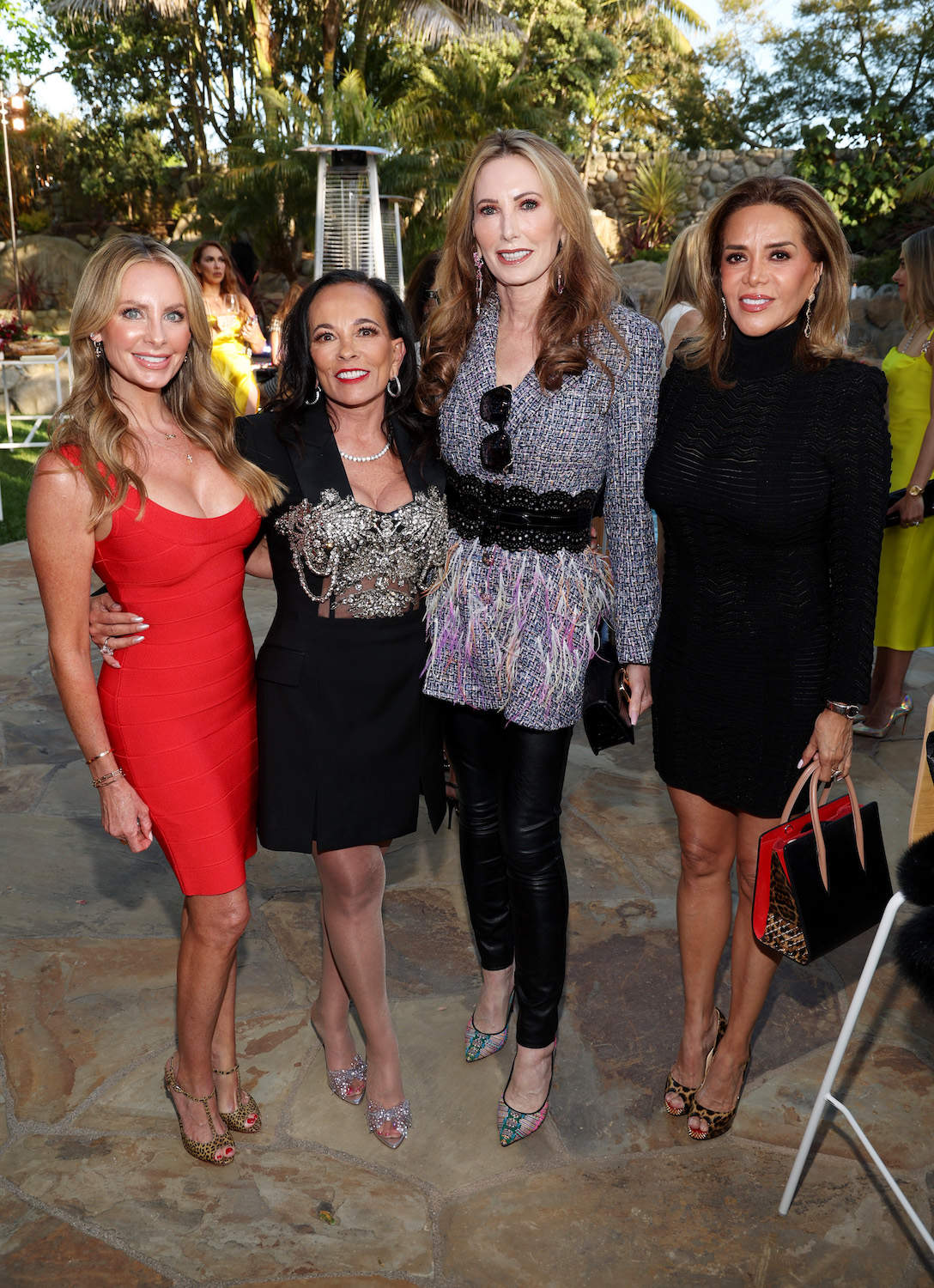
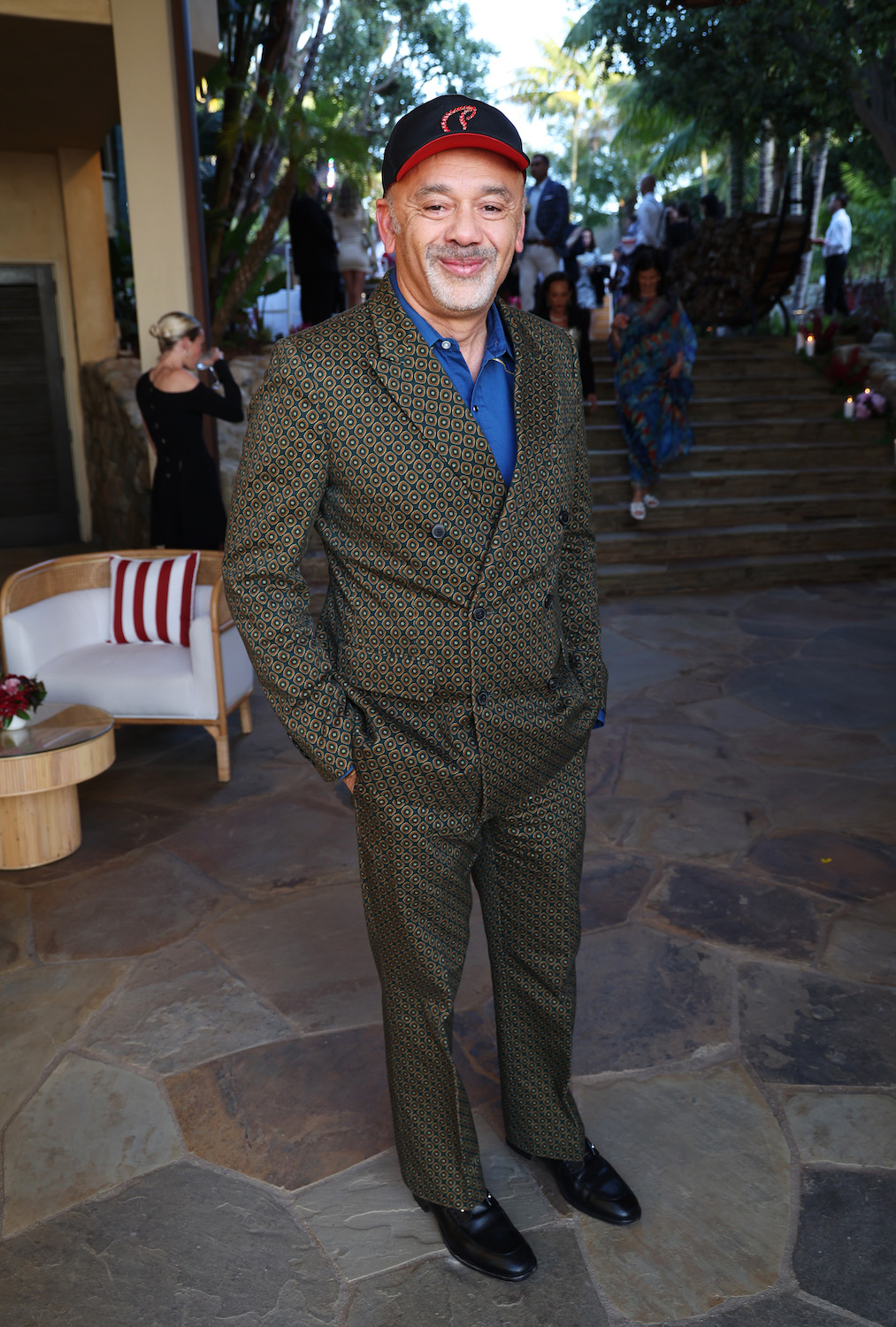
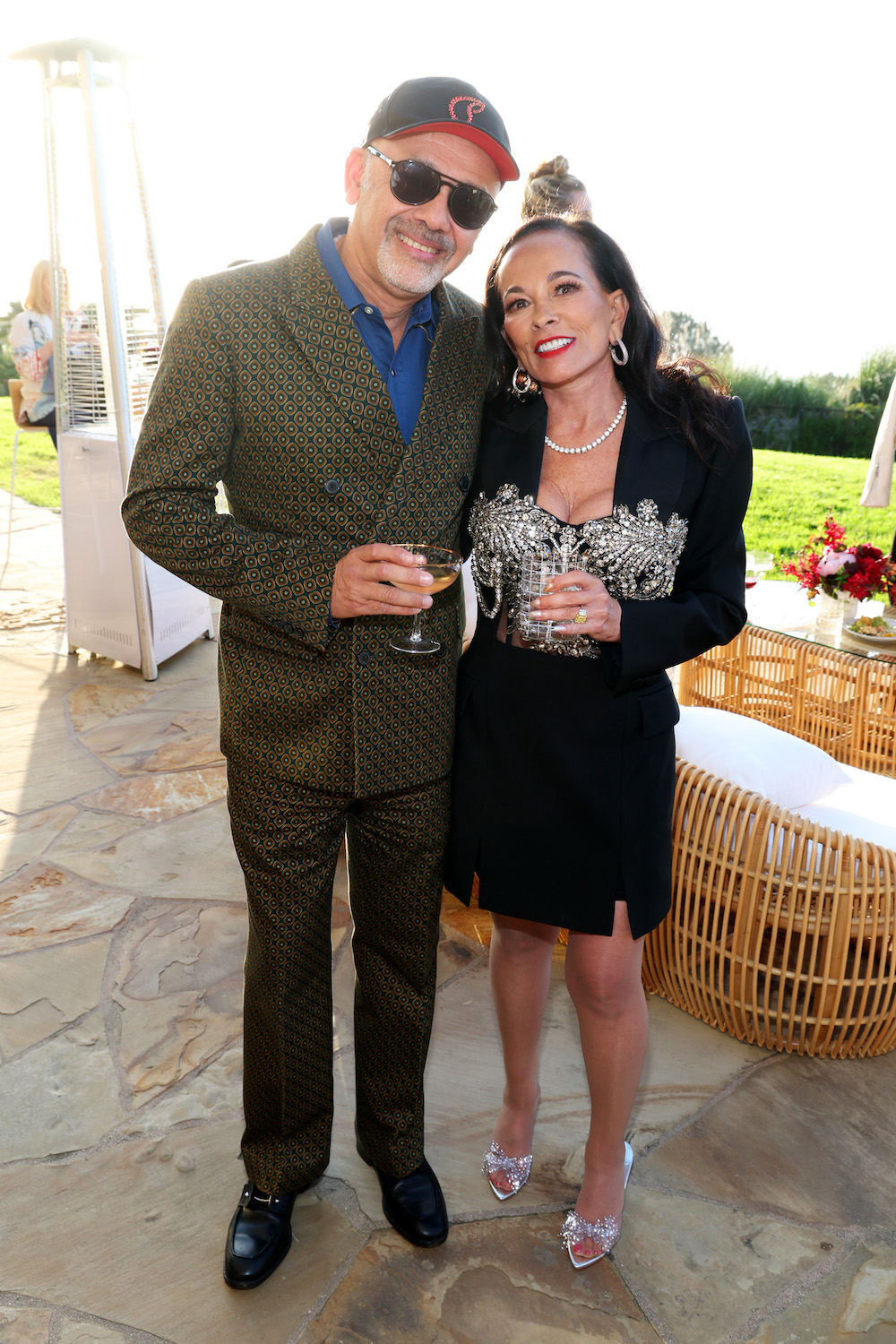
Local philanthropist Joan Waitt hosted a meet and greet for shoe designer Christian Louboutin at her La Jolla home on June 19 with Nordstrom Fashion Valley. Louboutin is known for his signature red-soled high-heeled shoes, which adorned the feet of many guests.
In addition to her prolific philanthropic activities around town, she’s a long-time Promises2Kids Board member and a past chair of the organization’s Board of Directors. She also hosts the nonprofit’s Dream On Concert Gala at her home. This year, it will be held on Monday, September 9, and will feature a Kool & The Gang concert for 500+ of San Diego‘s top business and philanthropic leaders, who will raise awareness and funds for foster children.
“I was honored to have Christian Louboutin for a private meet and greet event at my home. He is known for his success with his red-soled shoes all over the world. Despite his highly recognizable brand, he is a humble man who loves small gatherings and is very private,” says Waitt. “We got to know the man behind the shoes and hear his stories of how he got started in the fashion business. A special thank you to Nordstrom Fashion Valley for hosting him at my home.”
Photos by Phillip Faraone

Jackie is a long-time freelance journalist covering cannabis, food/restaurants, travel, labor, wine, spirits, arts & culture, design, and other topics. Her work has been selected twice for Best American Travel Writing, and she has won a variety of national and local awards for her writing and reporting.
Volunteer Michelle Harris shares her experience teaching marine biology and supporting conservation efforts
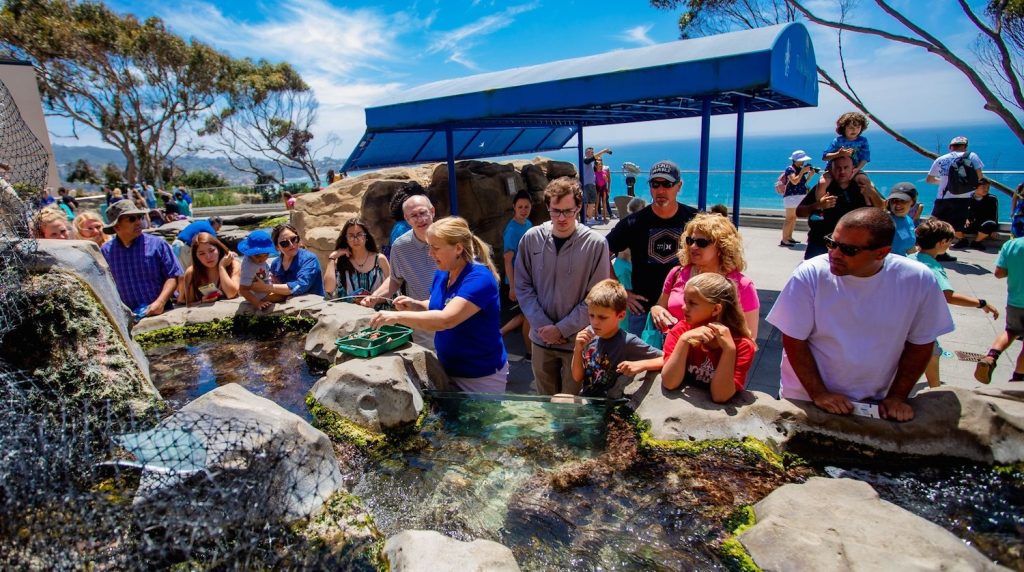
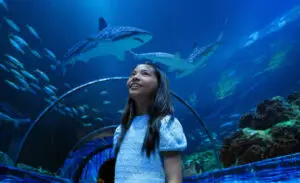
Birch Aquarium at Scripps Institution of Oceanography is not only a place where visitors can get up close and personal with their favorite sea creatures, but also a center for science and conservation dedicated to protecting the ocean. More than half a million people visit the aquarium each year to view its exhibits and enjoy hands-on experiences, some led by volunteers like Michelle Harris. Harris spends her spare time wherever she’s needed and isn’t afraid to get her hands dirty—or wet, in this case.
I moved to the San Diego area from the Bay Area in late 2022, but I’ve lived all over. I was born in the Midwest and grew up in Hawaii, so I have a connection with the ocean—tide pools were part of my childhood for sure. I loved that Birch Aquarium was a smaller aquarium and was really dedicated to animal preservation and education. Conservation and protecting the environment is something near and dear to my heart. Not everybody has access to the ocean and to be able to give back in that way and provide that experience is unique.
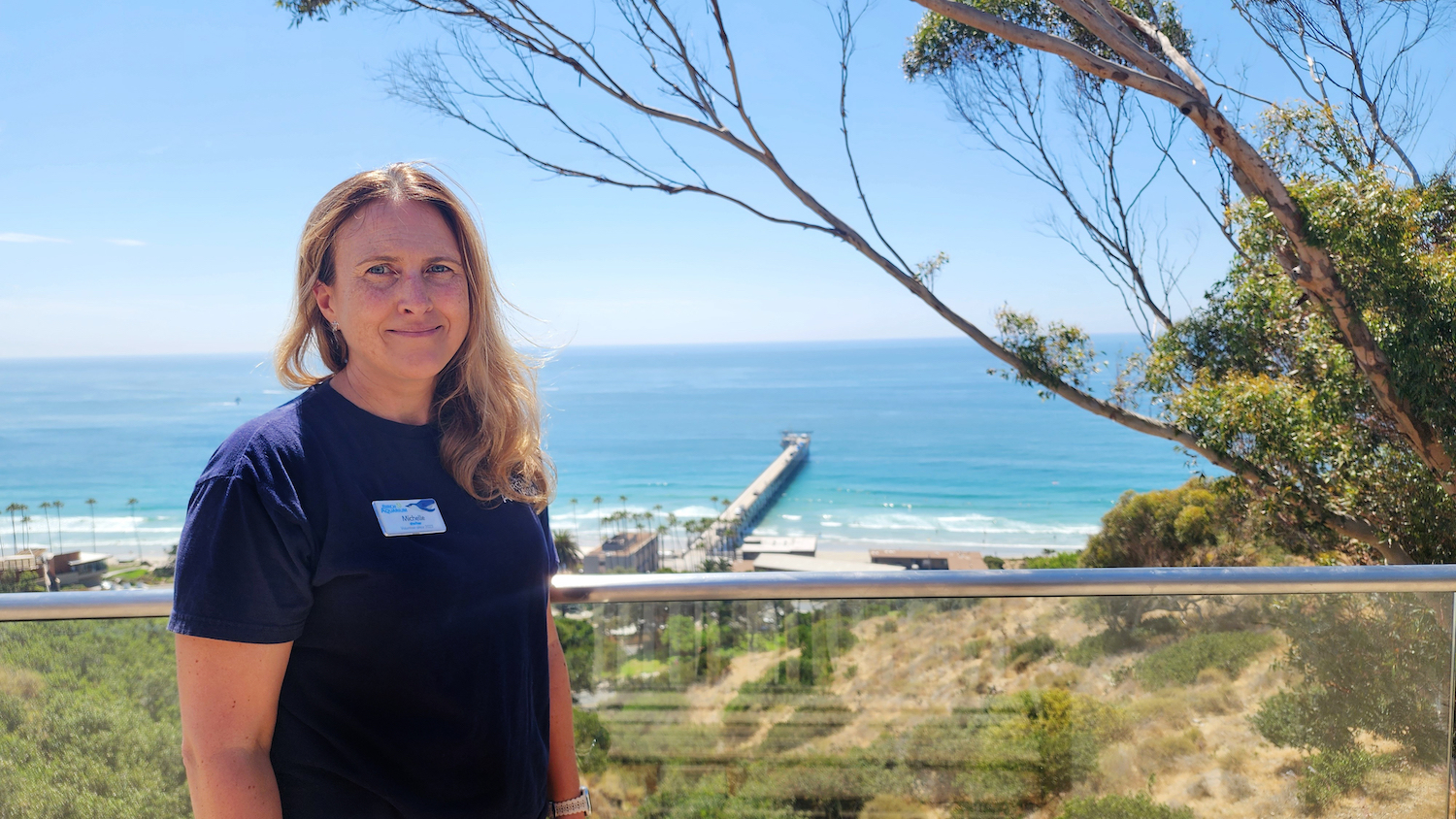
I try to do whatever is needed. Sometimes I read, sometimes I help in the classroom. It’s based on what the need is and the availability I have and how I feel. It could be interacting with kids or the tide pools or helping out at a corporate event. They offer a variety of areas that volunteers are able to help in.
One of my favorite things is to see some people’s initial reaction with wildlife. For example, in the tide pools when you’re showing people different species of shark eggs, and some people don’t even know that sharks lay eggs, or they’d seen them washed up on shore but didn’t know what they were. I think that’s fun.
Just trying to make time. That’s the biggest challenge because it’s so rewarding.
Definitely give it a shot and contact the volunteer office. There’s a lot of information on Birch Aquarium’s website. Look at the things that are important and see if your values align. Do something because your heart is in it.

Sarah Sapeda is San Diego Magazine’s Custom Content Editor. In her 15 years in San Diego journalism, she has covered charitable events, health care, education, crime, current events, and more.
At Vi at La Jolla Village, residents don't have to choose between security and adventure, connection and independence. They get all of it.

Today’s seniors are more connected than ever, with a renewed focus on retirement as a time of discovery and enriching experiences. The ultimate reward for a retirement well-earned is the wisdom to appreciate it all, and what better place to enjoy that unique perspective than Vi at La Jolla Village, in the heart of San Diego.
All-access pass to good living.
As a Continuing Care Retirement Community (CCRC), Vi provides access to a connected and fulfilling community while making it easy to plan for future care, should the need ever arise. With a care plan in place, residents enjoy greater financial predictability and long-term value, freeing them to focus on making the most out of retirement.
Resort-style amenities at the epicenter of a cultural hub like San Diego offer a retirement experience unlike any other. Paired with exceptional dining, spacious accommodations and dedicated staff, the best of maintenance-free living is all around. And with the introduction of Vista 360 Well-Being, Vi’s panoramic approach to wellness, there are more ways than ever for residents to access it all.
The harmony of mind, body and community.

The key to longevity is striking the right balance in maintaining an active lifestyle with an active mind in a fulfilling community. With newly renovated community spaces and restaurants, Vista brings a variety of opportunities for residents to elevate their well-being through Vi-exclusive “Signature Experiences.”
Vista Enrich takes an evidence-based approach to brain vitality, keeping residents at the forefront of cognitive health through exergaming (exercising + gaming), nutritional plans and informative workshops. It is also home to The Brain Vitality Studio, an innovative facility dedicated to cognitive fitness that has garnered national recognition.
Vista Discover invites residents into stimulating educational experiences, from chef-led cooking demos and guided wine tastings to lectures at local universities and intimate lectures following cultural outings.
While Vista Enrich focuses on brain health and Vista Discover engages residents intellectually, Vista Explore cultivates a sense of adventure through curated travel and local excursions. But broadening one’s horizons doesn’t always require a plane ticket. One recent event brought a taste of the world right to the community: an onsite “jazz cruise” featuring live music and global cuisine served at a series of themed “ports” all within the community’s own ballroom.
“Location, location, location”

One of the biggest perks of life at Vi at La Jolla Village is its proximity to just about everything. With easy access to transportation and local attractions just steps away, residents can explore and engage with their community at their own pace.
“There are trolley and bus stops within a 5-minute walk that will get you to the beach, UCSD Campus, medical appointments, downtown La Jolla or San Diego, et cetera. We rarely use our car,” said resident Tom Yager.
With the best of San Diego just steps away, residents don’t just live in the city, they live within reach of everything that makes it special.
The best of all worlds.

At Vi at La Jolla Village, retirement isn’t a chapter to slow down; it’s an invitation to discover more. Tailored community experiences created by Vista, paired with the vibrant pulse of San Diego just outside the door, mean that residents don’t have to choose between security and adventure, connection and independence. They get all of it.
This is what an all-access pass to good living looks like: the comforts of an elevated lifestyle, a community built for growth and a city made for discovery – all in one place.
To learn more about Vi at La Jolla Village or for details on available floor plans, visit ViatLaJollaVillage.com/SDM.
Art enthusiasts gathered to support the museum's exhibitions, acquisitions, and education programs
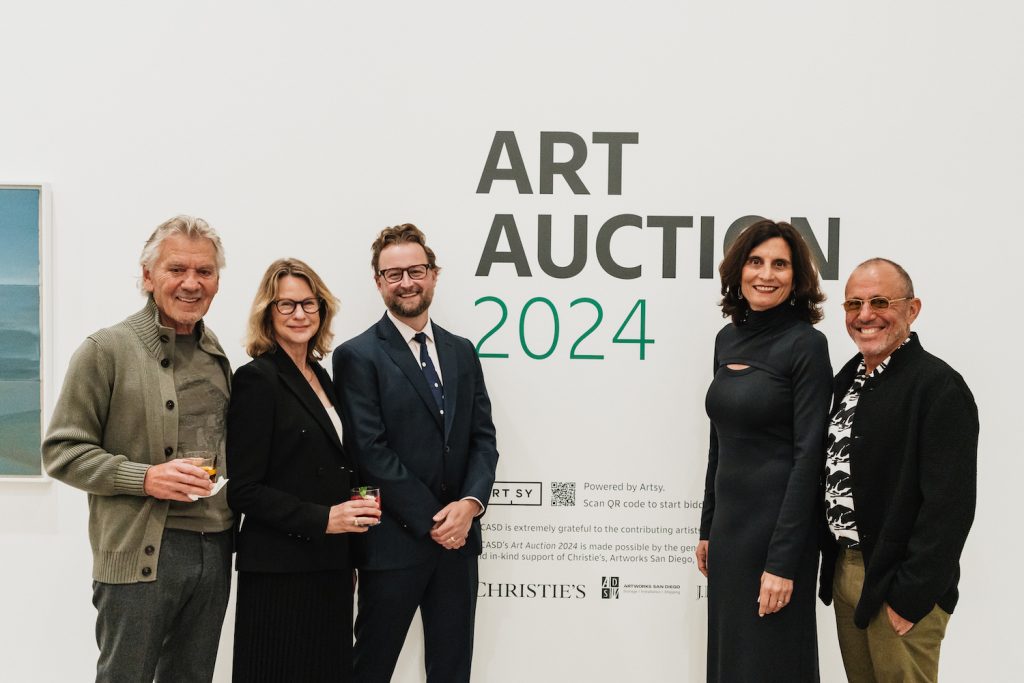
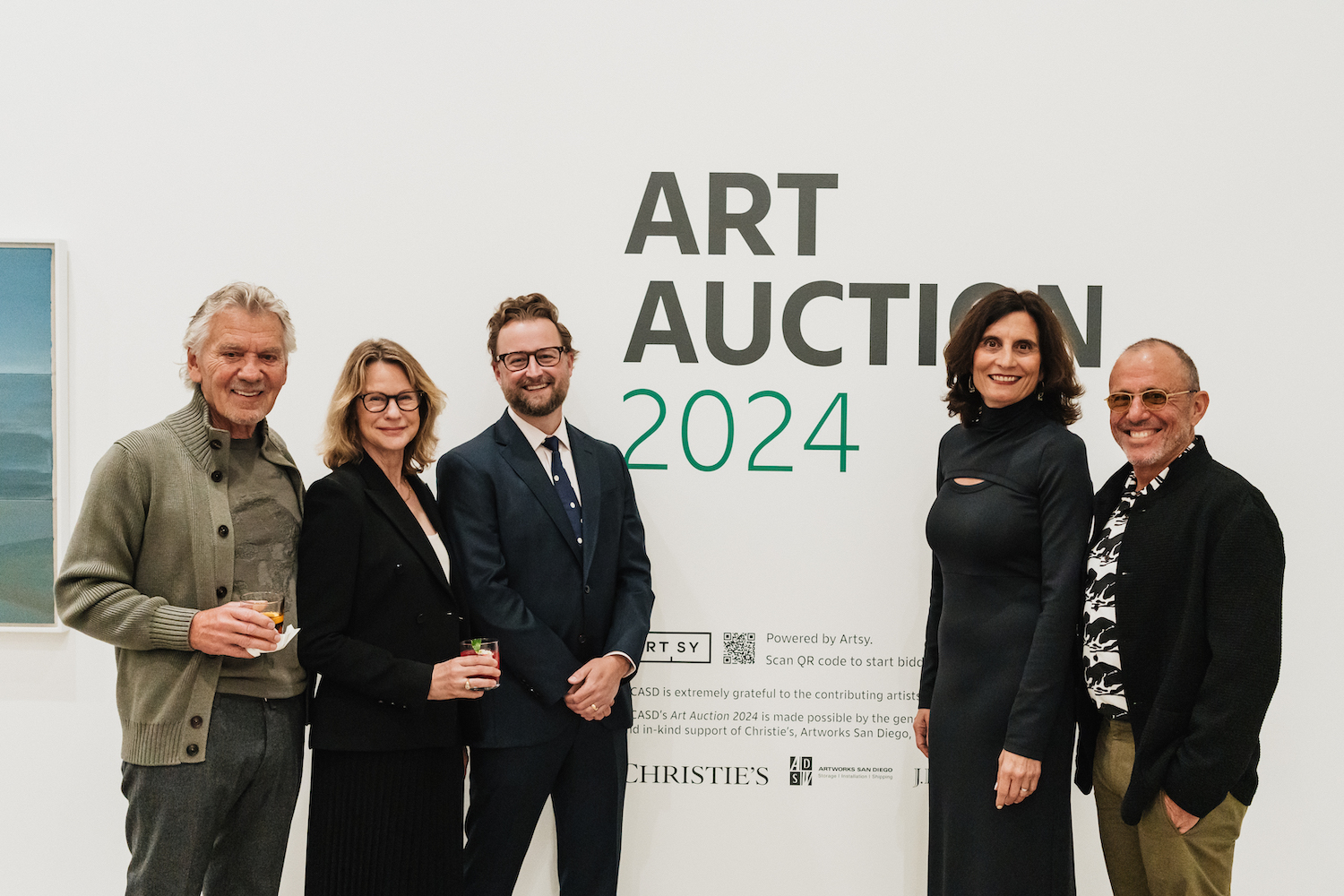
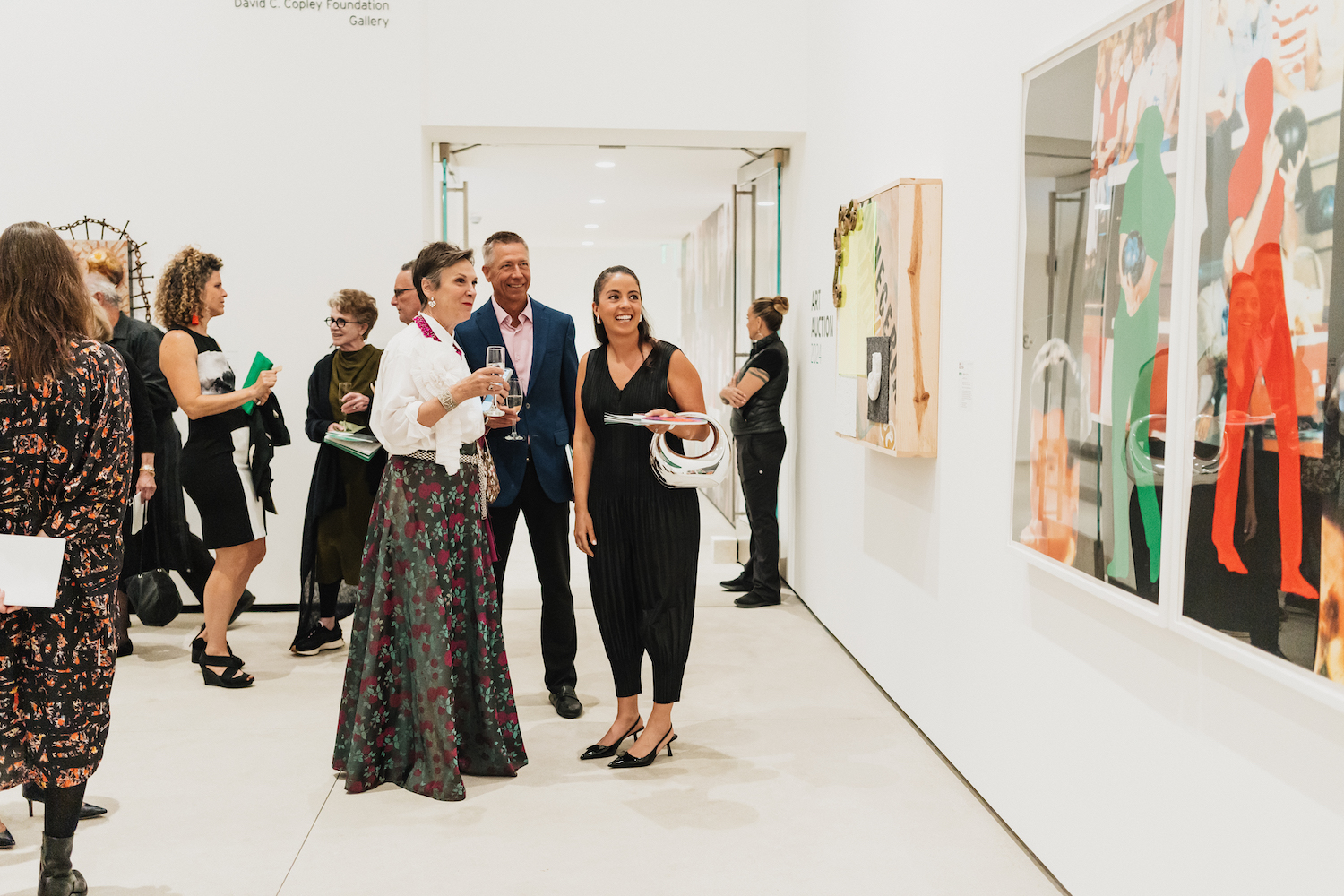
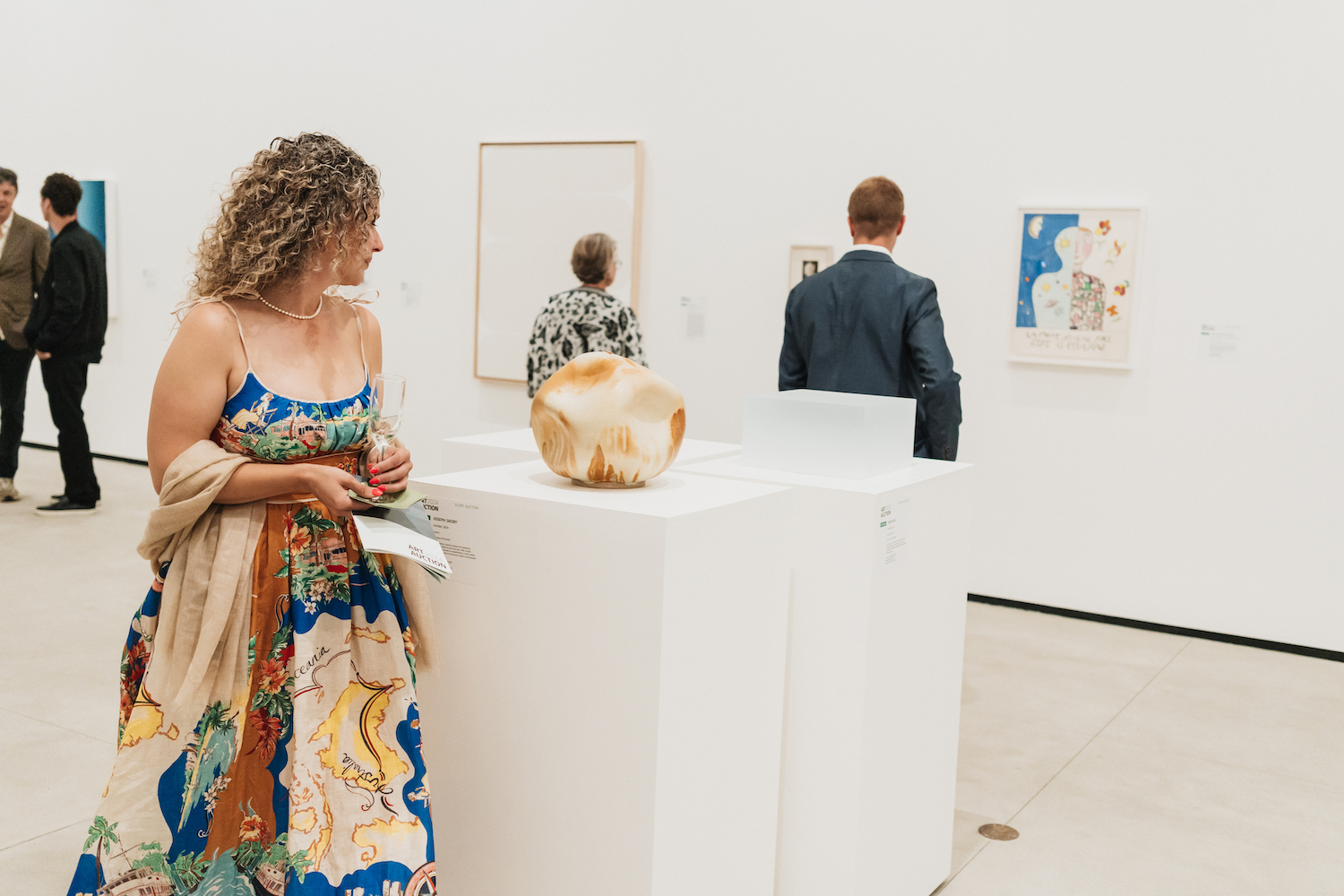
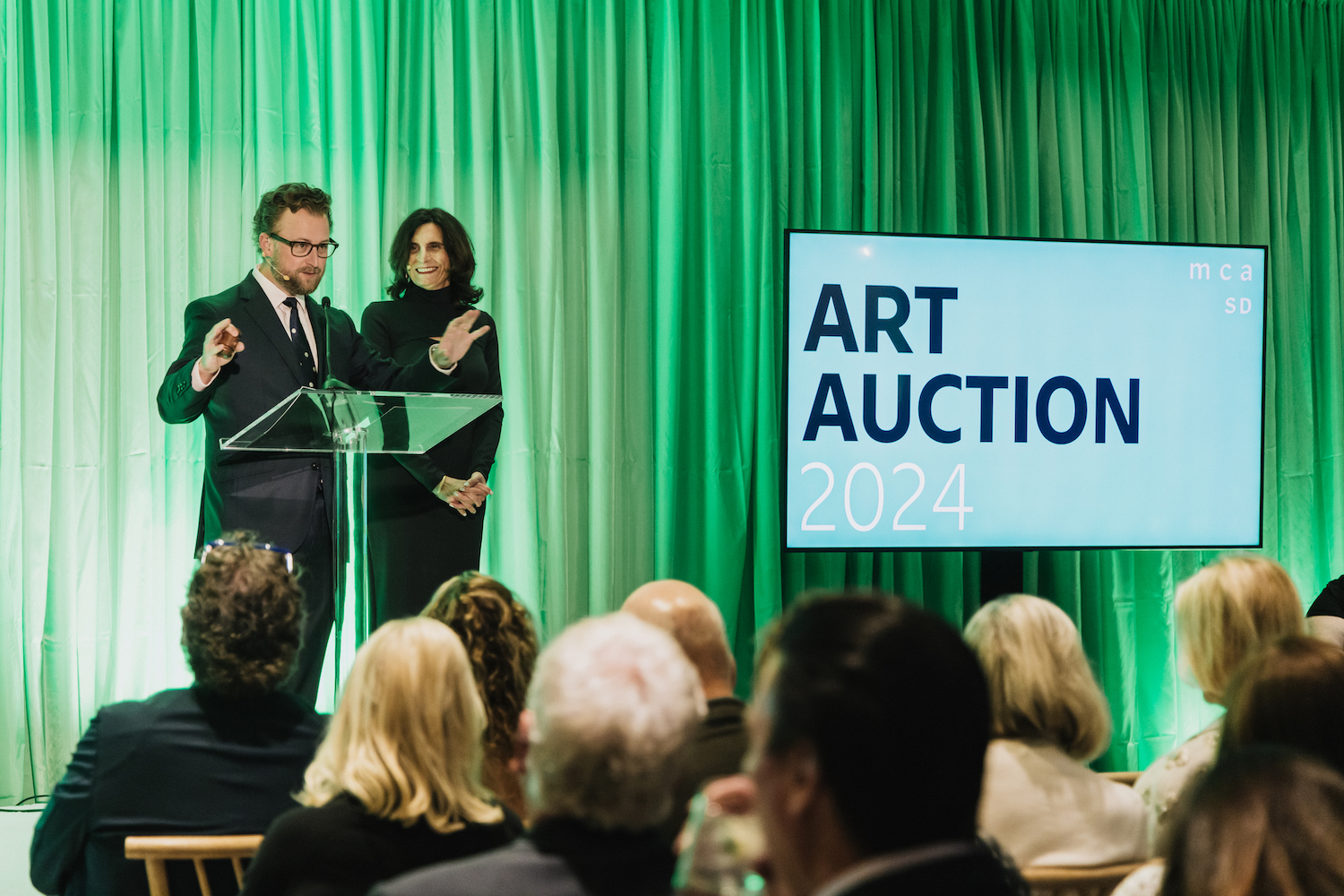
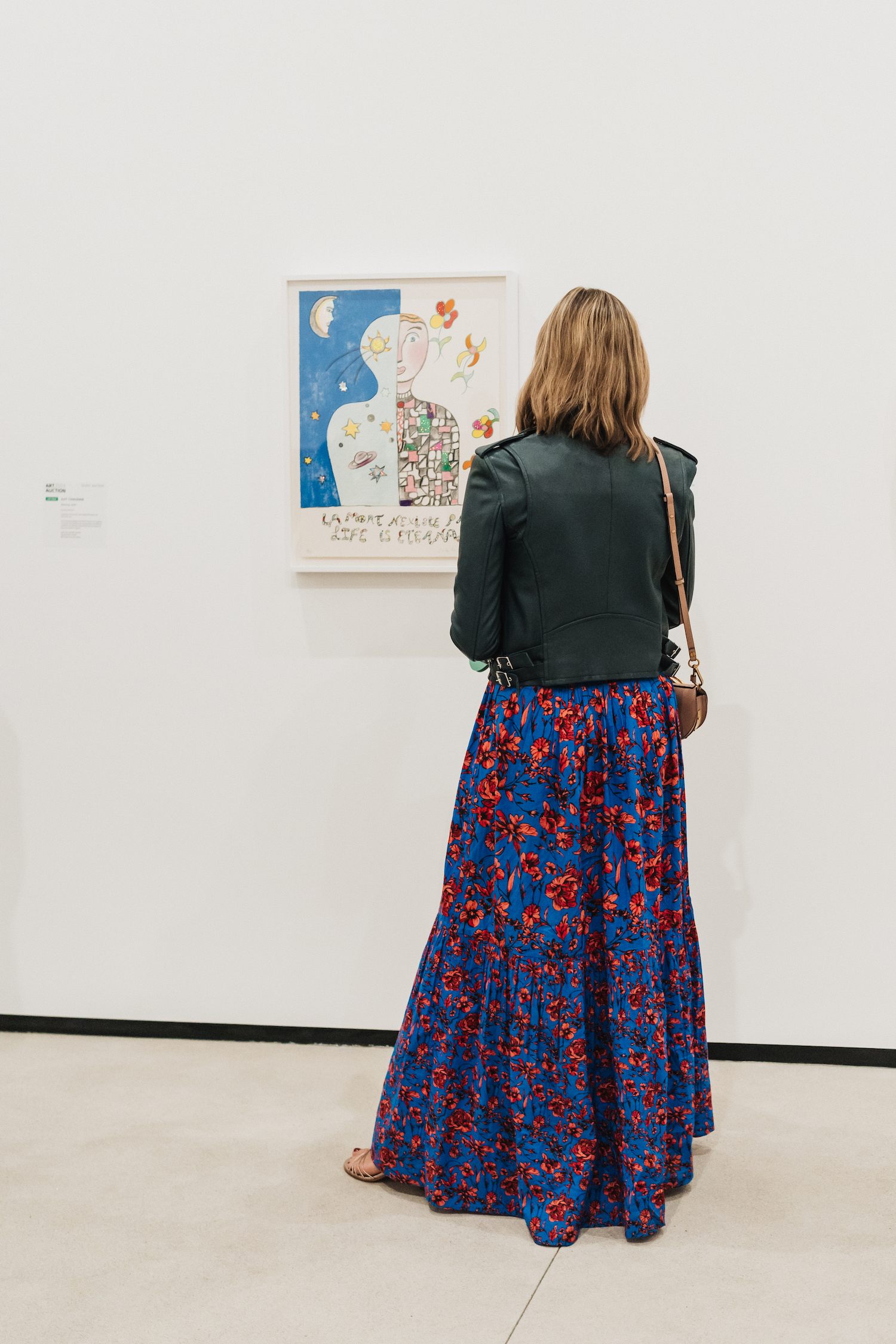
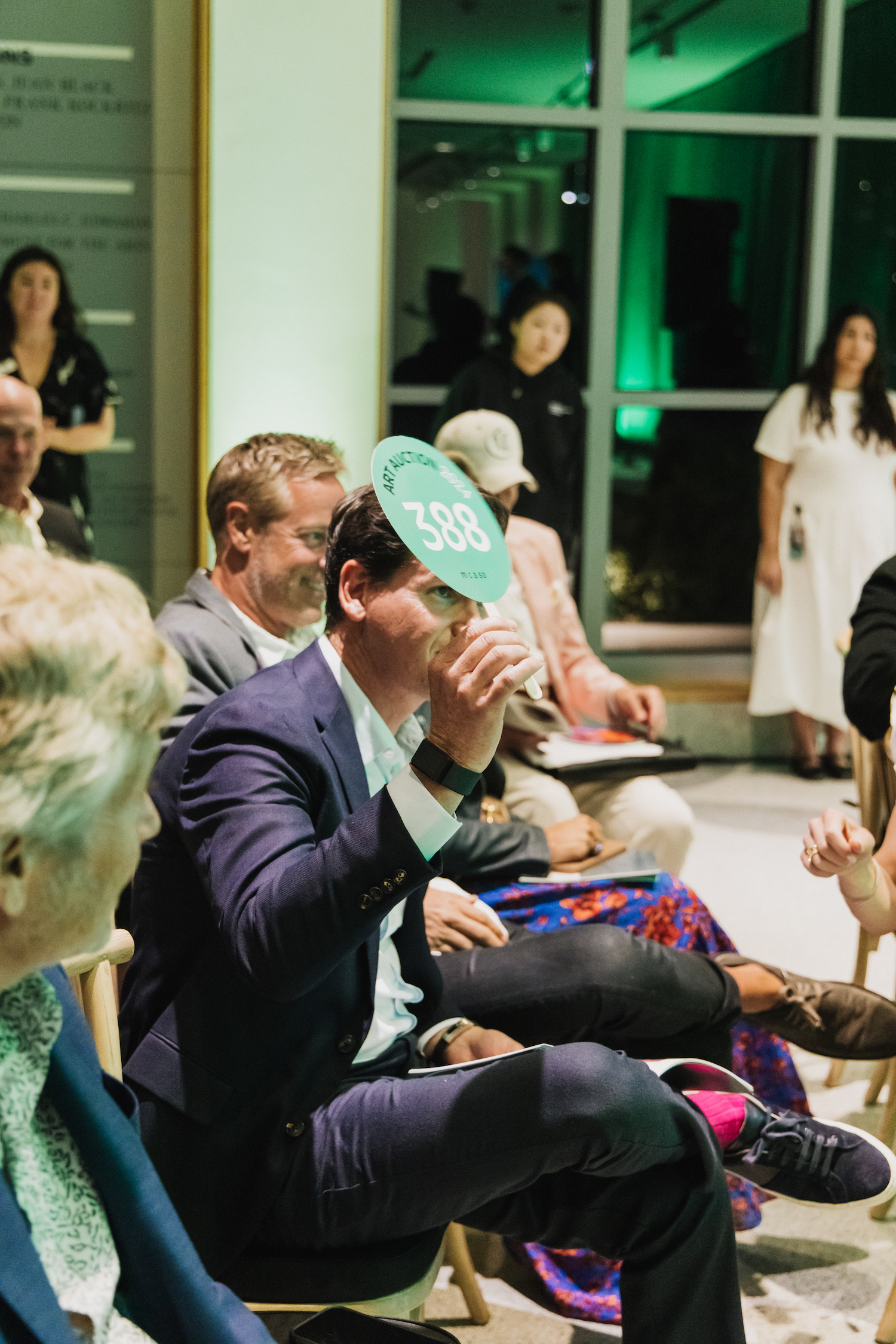
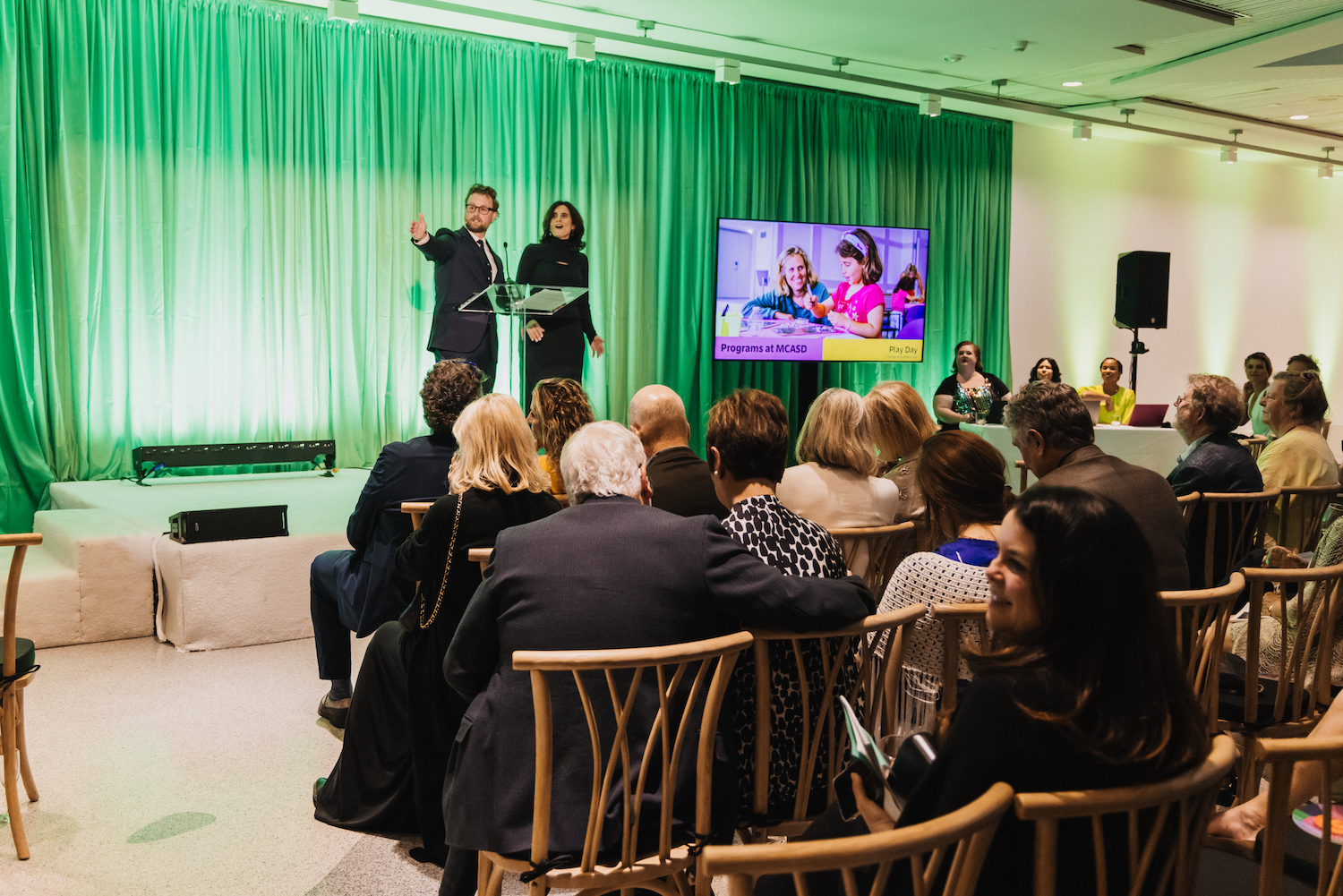
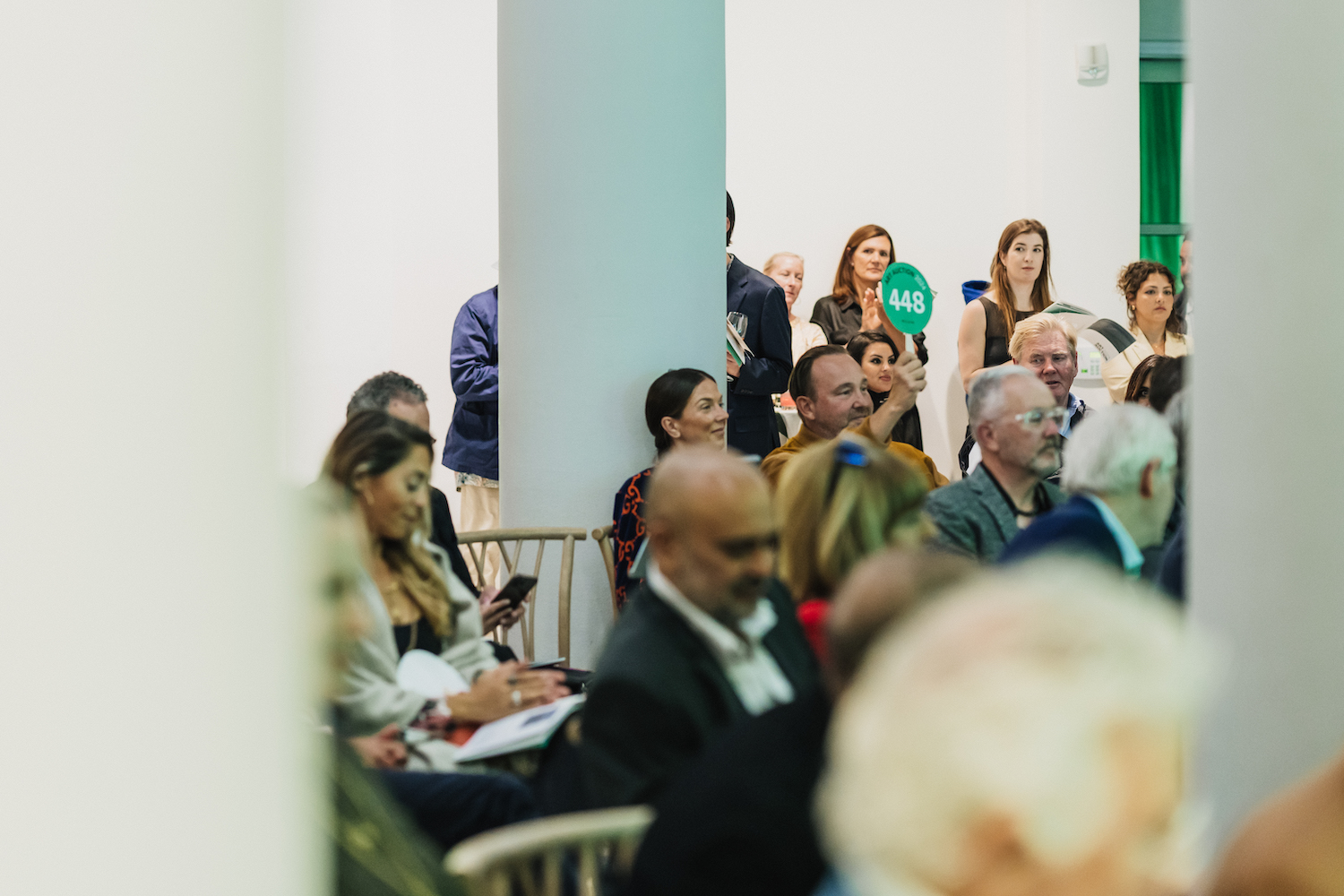
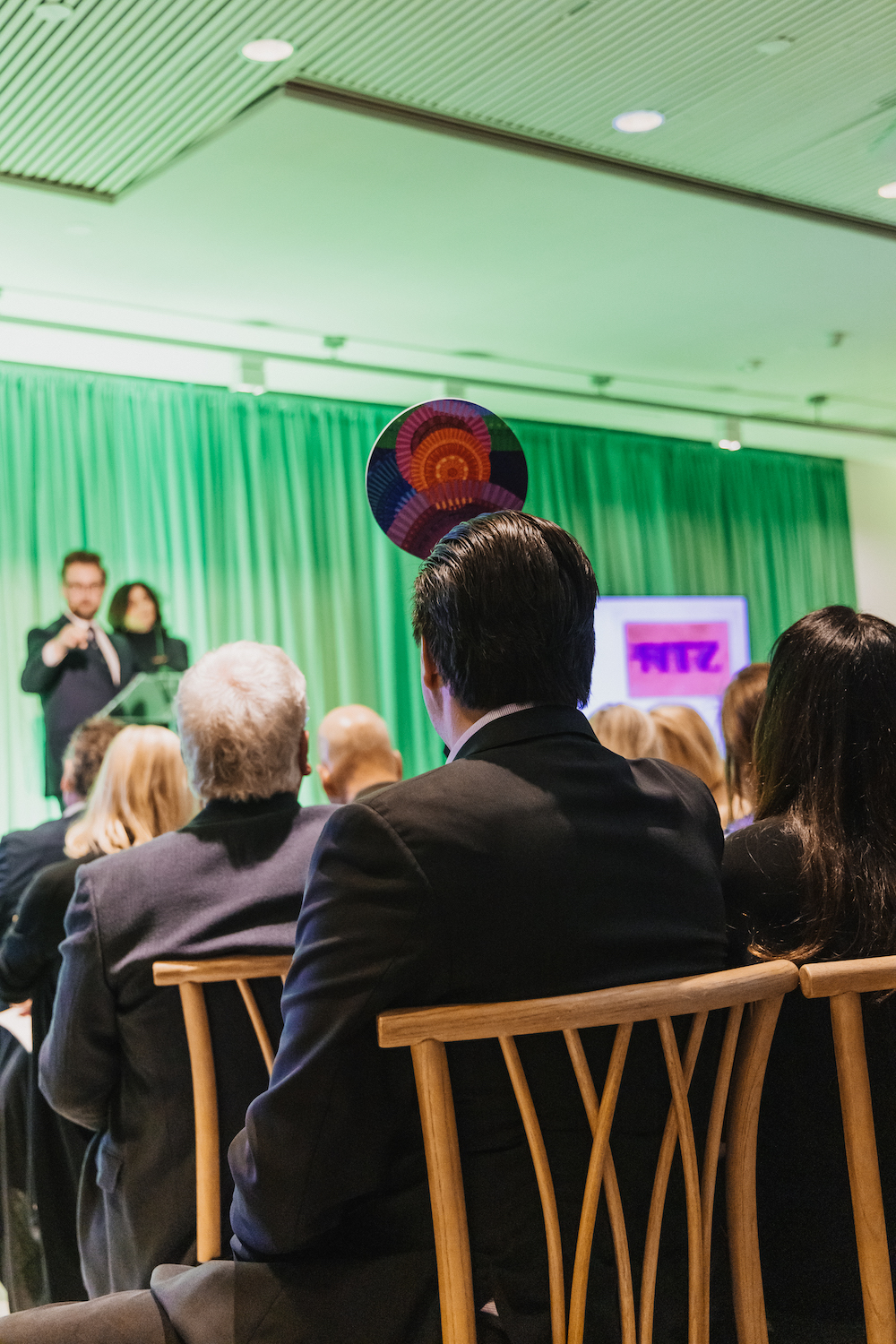
The Museum of Contemporary Art San Diego’s (MCASD) Art Auction returned after a four-year hiatus to raise money for the museum’s exhibitions, acquisitions, and education programs. Guests enjoyed a hosted bar and food stations while perusing the pieces up for bid in the fundraiser’s silent auction. Auctioneer Andrew M. Lueck of Christie’s Auction House led the live auction and certain attendees received a special edition auction paddle, created by artist June Edmonds.
Photos by Stacy Keck
Sarah Sapeda is San Diego Magazine’s Custom Content Editor. In her 15 years in San Diego journalism, she has covered charitable events, health care, education, crime, current events, and more.
The San Diego nonprofit grew from Johnson’s experience losing her infant son and now provides therapeutic teddy bears to grieving families and survivors of violent crimes
Grief is a complicated emotion. A profound loss can break a heart and bring unexpected emotional and physical pain that lasts for months or even years. As Marcella Johnson says, “Grief has no expiration date.” It can devastate, but it can also inspire.
Johnson knows this from experience. In 1999, her fourth child was diagnosed in utero with osteogenesis imperfecta type 2, a life-limiting disease. George was born on April 11, 1999, and died that same day.
“I got to hold him and look into his big blue eyes and tell him that I loved him,” she recalls. “That was very special for my family.”
In the days that followed, Johnson was swept up in sorrow and a physical pain she couldn’t understand. Her heart felt as though it physically ached; the only relief came from pressing on her chest, as if tending to an open wound. Her arms hurt, too, and rubbing them or applying ointment did nothing to ease the pain. She later came to understand the heart pain as stress-induced cardiomyopathy, also known as takotsubo syndrome or broken heart syndrome, a condition that was little understood at the time. She also experienced what’s commonly called empty arm syndrome, though it isn’t an official diagnosis. “It’s when your arms are literally aching to hold your child,” she says.
A week later, Johnson found an unexpected source of relief. Someone had left a terracotta pot of flowers at George’s gravesite, and her father urged her to take it home. When she held the pot, the aching began to subside.
“It was a cold, hard terracotta pot, but the weight of it gave me comfort. I felt an immediate response, and I thought, I can’t say anything to anyone. This is so weird,” she says. “I got home and I did not want to put that terracotta pot down. I found myself walking around the house, and every time I put it down, my pain would return. So I didn’t let go of it … I was so desperate to get myself out of pain that I [would] do whatever it takes.”
Johnson soon learned she wasn’t the only grieving mother to find comfort in an inanimate object. Women had found solace in a sack of flour, a pillow, even a pineapple.
Johnson set aside her own grief and thought, I have to do something for these women.
“We needed to get to them before they left the hospital, because for me, leaving the hospital empty-handed was the worst experience of my life,” she says.
She began thinking about what might help. At George’s funeral, guests had brought stuffed animals to donate. Seeing a Beanie Baby at the top of the pile sparked an idea: What if she made a teddy bear about the size of a baby?
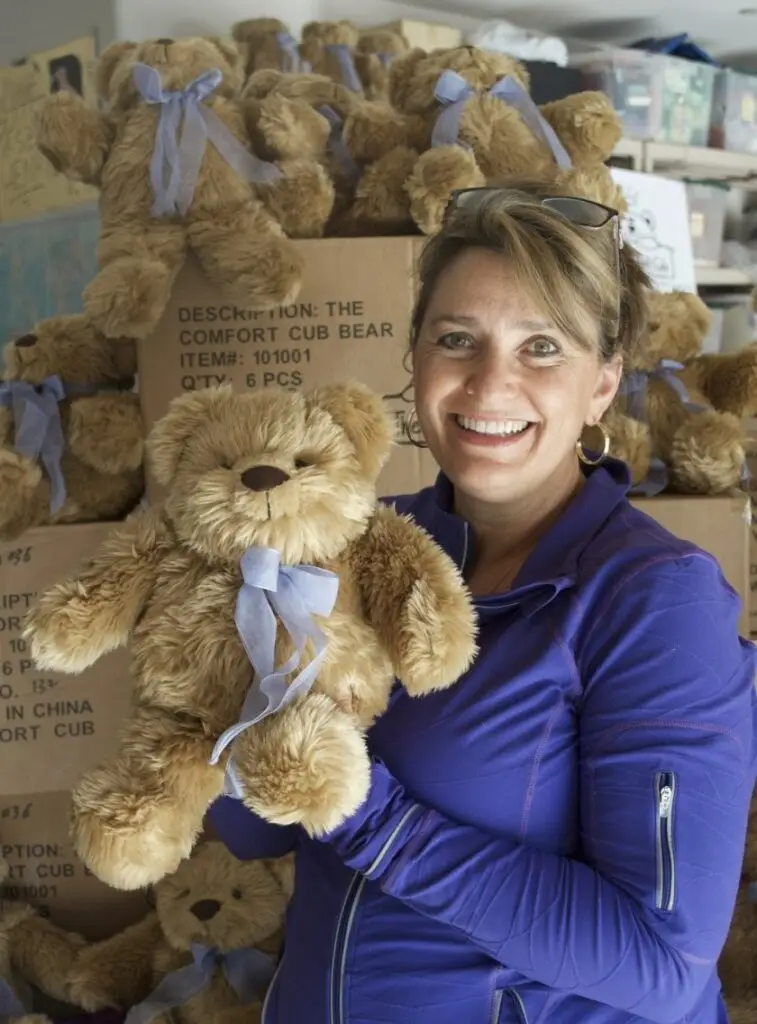
“It’s not uncommon for a grown woman to have a stuffed animal. And the teddy bear, the Comfort Cub that we came up with, if you look at it, you have no idea that it’s a therapeutic tool,” she says.
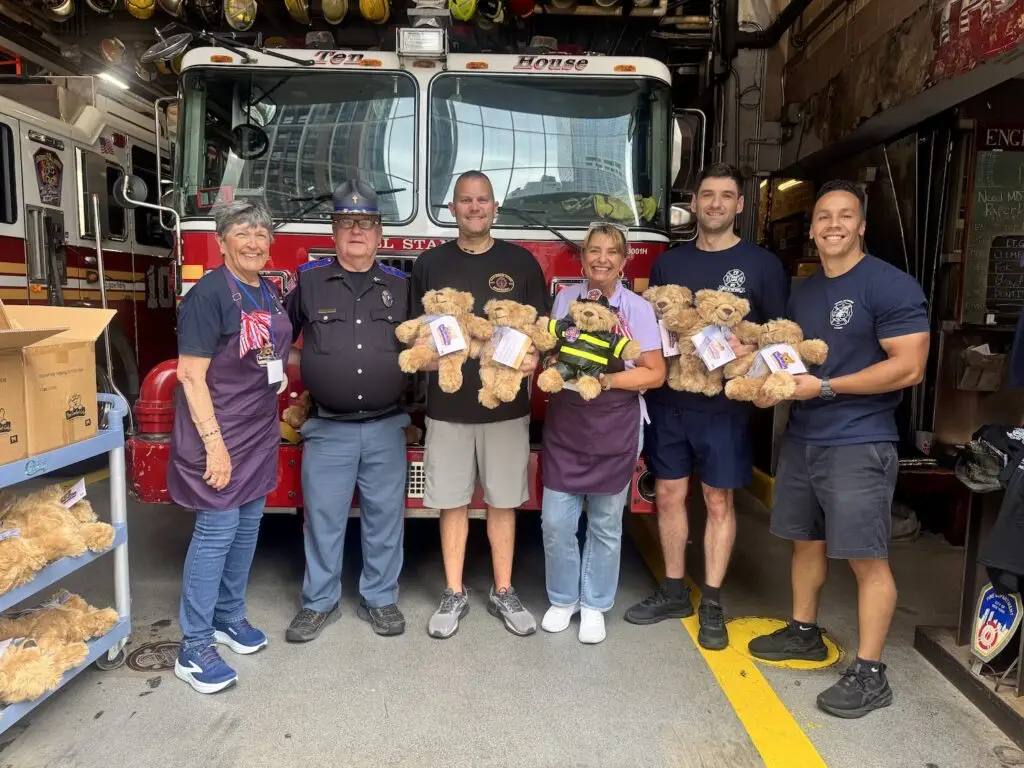
Johnson went to a predecessor of Build-A-Bear Workshop and filled a teddy bear with split peas. After a few tries, she found a weight that felt right. At first, she made every Comfort Cub by hand and included a personalized note. Soon, the bears were being donated to mothers who had lost a child at hospitals throughout San Diego. Johnson’s effort later expanded to select hospitals across the country.
As weighted blankets became more popular, Johnson saw growing interest in the calming effects of deep pressure. Research on weighted blankets suggests they may help some people feel calmer, though the evidence remains limited. Johnson also realized Comfort Cubs might help people beyond grieving mothers. She brought them to the San Diego Police Department for use during trauma cases. “They were very well received,” she says.
Today, through her nonprofit, the Comfort Cub Program, therapeutic bears are given to families grieving the loss of an infant and to survivors of violent crimes.
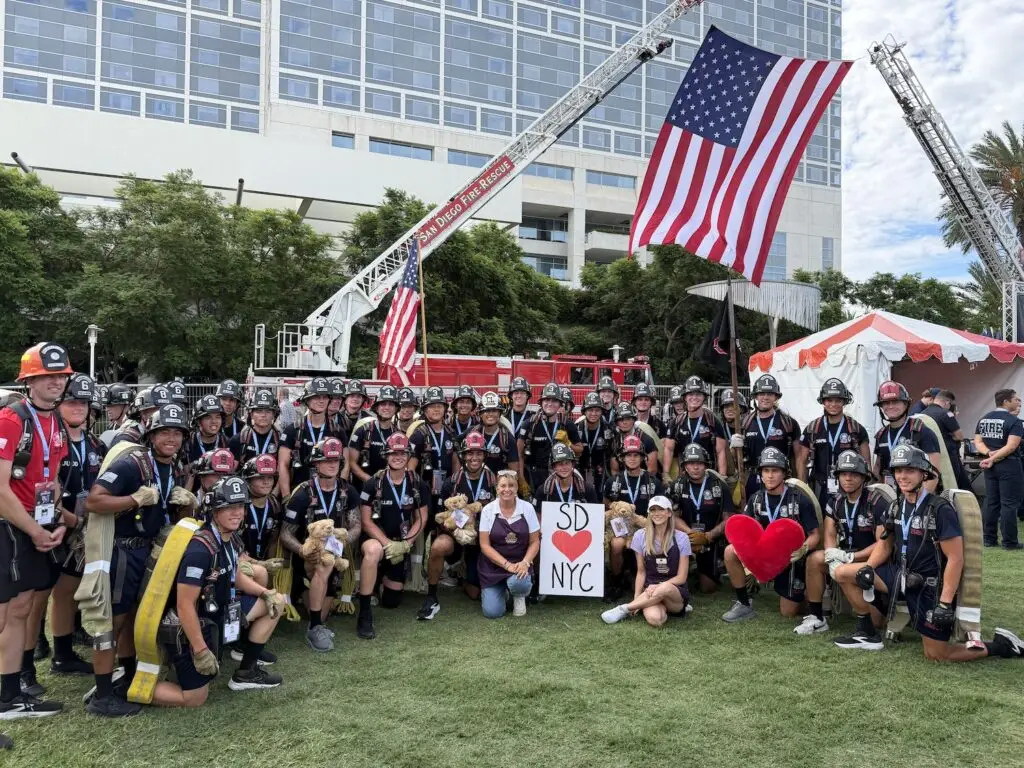
The organization has provided Comfort Cubs to individuals, families, first responders, and communities across the country affected by tragedy, trauma, and loss. Bears went to families of victims after the 2012 Sandy Hook shooting and the 2017 Las Vegas mass shooting, as well as to people affected by the wildfires in Maui and Los Angeles and the catastrophic flood that killed 28 people at Camp Mystic for Girls in Hunt, Texas. Johnson recently traveled to New York to donate more than 1,000 bears to surviving family members attending the VOICES 25th Anniversary NYC Symposium and Commemorative Luncheon, a 9/11 memorial event.
Johnson called the experience “humbling.”
“Whether a loss happened yesterday, five years ago, or 25 years ago, the need for emotional healing and support remains essential,” Johnson says. “Grief has no expiration date—and neither should comfort.”
Sarah Sapeda is San Diego Magazine’s Custom Content Editor. In her 15 years in San Diego journalism, she has covered charitable events, health care, education, crime, current events, and more.
San Diego Magazine's Private School Guide 2026
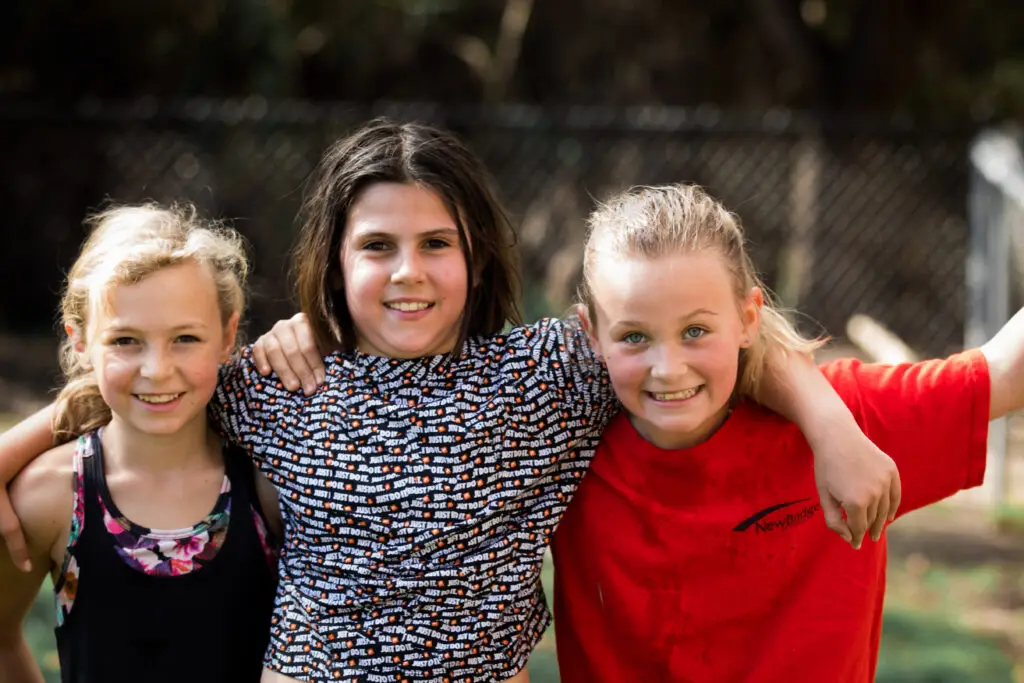
NewBridge School is San Diego’s only school dedicated to the education of students with dyslexia and related learning profiles. For 30 years we have successfully served students with dyslexia, dysgraphia, dyscalculia, receptive/expressive language disorders, ADHD, executive functioning and memory deficits. Students transition successfully into academically rigorous high schools and colleges across the country. Why NewBridge? Training, training, training (plus intensive individualization, and comprehensive program design). All teachers are trained and retrained biennially in Orton-Gillingham, the only approach proven to remediate dyslexia based on Science of Reading research, and complete a year-long training program. Every aspect of our program is designed around our students’ learning styles and needs. Every class is taught by a highly-trained expert, and our Speech/Language and Occupational Therapy teams embed throughout the day. Our multisensory, multi-tiered math program has been developed in conjunction with sister schools and experts across the country. Don’t wait—early intervention is magic!
Enrollment: 100
Grades: K – 8
Tuition: $30,000
Deadline: Rolling
Gender: All-inclusive
Details Nonsectarian
Open House Tours by appointment

12285 Oak Knoll Road • Poway, California 92064
858-679-5744 • [email protected] • thenewbridgeschool.com