Featured articles
Food & Drink
Food & Drink
Food & Drink
Featured articles

Things to Do
Things to Do
Things to Do
Featured articles

Things to Do
Things to Do
Things to Do
What's next
Featured articles
podcast-ep
podcast-ep
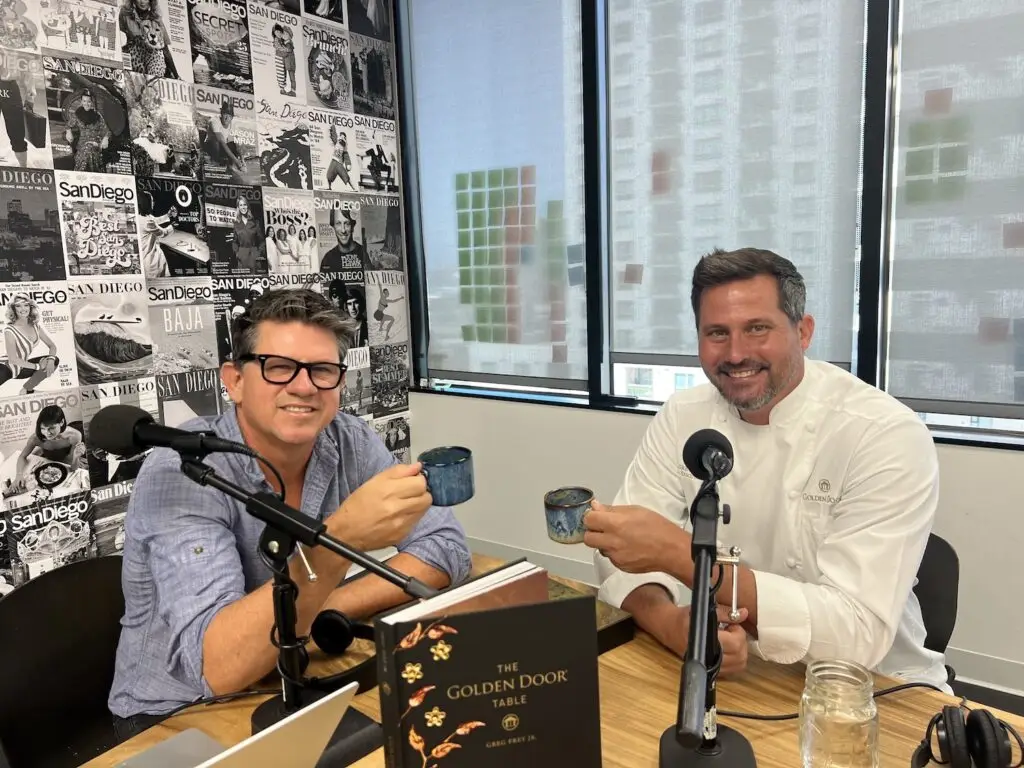
podcast-ep
Featured articles
Things to Do
Features
Food & Drink
Featured articles
Food & Drink
Food & Drink
Things to Do
Ready to know more about San Diego?
SubscribeReady to know more about San Diego?
From quirky spots uplifting emerging artists to heavy-hitters exhibiting major 20th-century and contemporary legends, here’s where art lives in SD
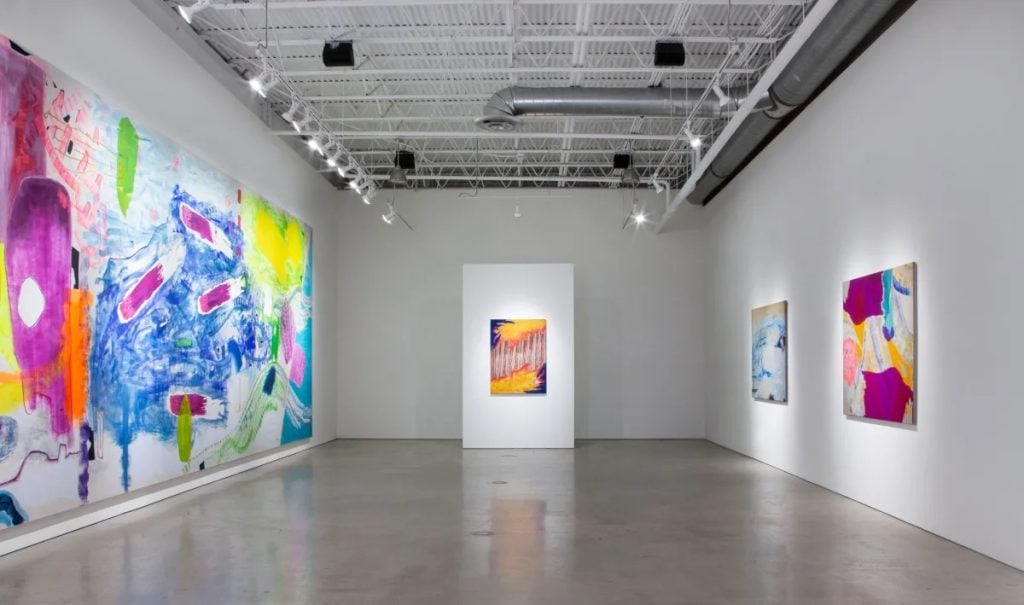
Thought Balboa Park and the Cardiff Kook were the only examples of art in San Diego? Think again. While we may not have the near-endless gallery network of creative centers like LA, London, or New York (yet), there’s a whole scene here for those who know where to look. Plenty of artistic polestars are quietly shining away beneath San Diego’s sun-and-sand exterior, providing spaces for artists to showcase their work and collectors to find their next big score. Visit these 13 San Diego galleries to recharge your creative batteries and invest in some art.
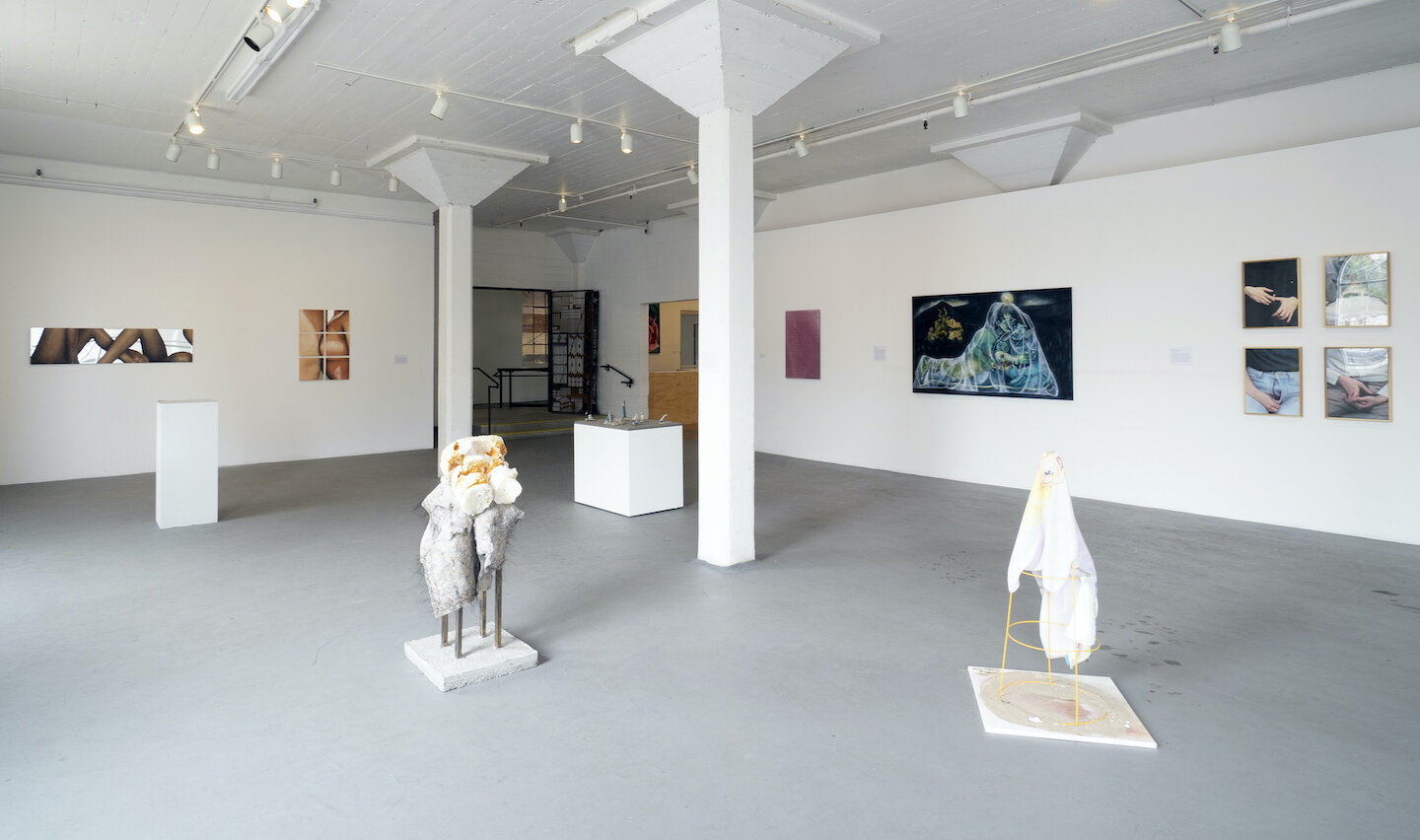
Launched in a former Logan Heights bread factory in 2013, Bread & Salt has become one of San Diego County’s most active and important cultural hubs. In addition to showcasing contemporary art across mediums, the institution supports resident artists and hosts concerts, vendors, and other independent galleries (see below). Bread & Salt is open Tuesday through Saturday from 11 a.m. to 4 p.m.
1955 Julian Avenue, Logan Heights
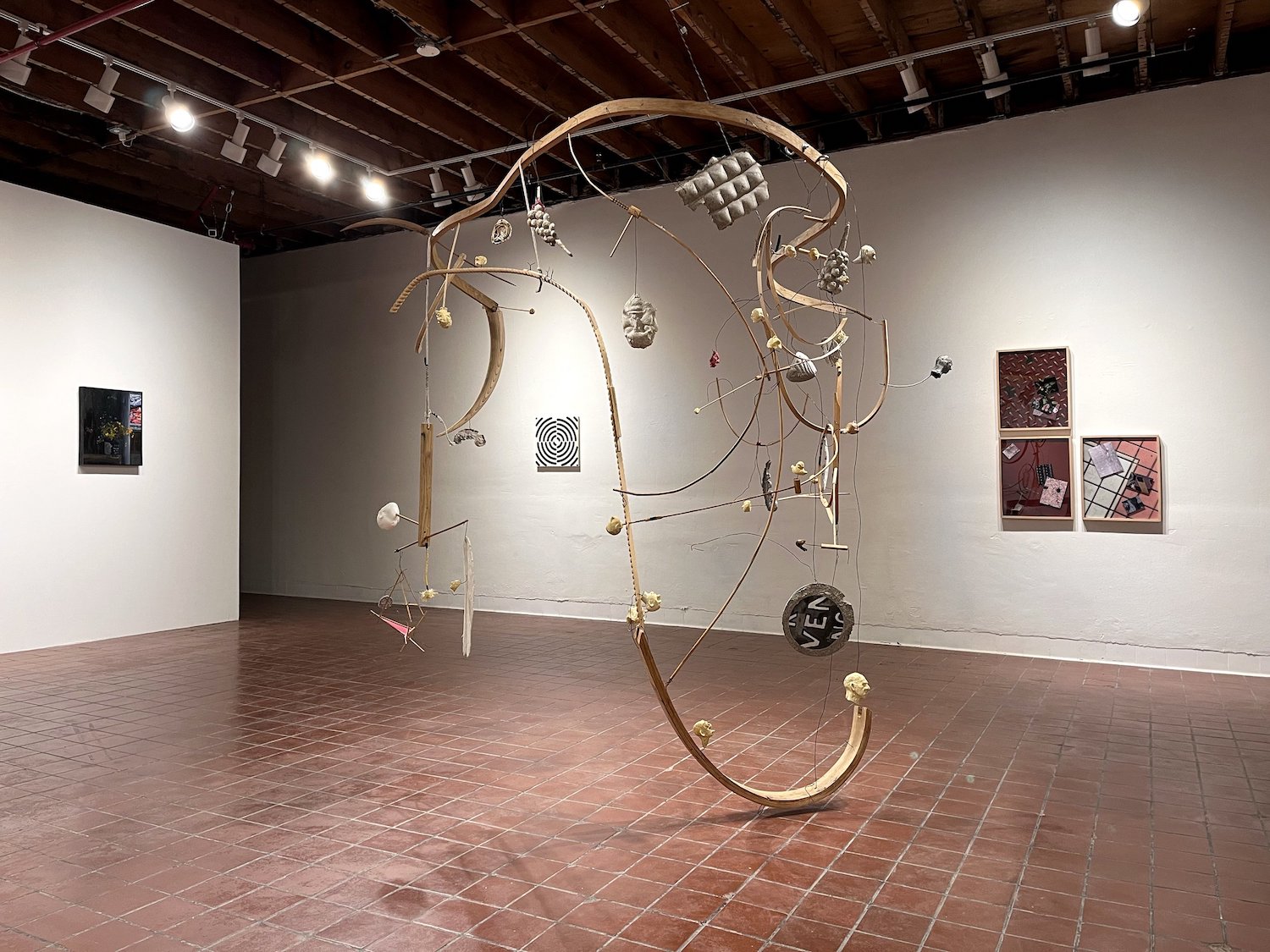
Founded by Joe Yorty and Allie Mundt in 2016, Best Practice is located within Bread & Salt. Funky, boundary-pushing, and often highly conceptual, the gallery’s contemporary art exhibitions highlight local and international artists tackling major social issues through paintings, film, large-scale immersive installations, and more. Visit during Bread & Salt’s regular hours (Tuesday–Sunday, 11 a.m.–4 p.m.).
1955 Julian Avenue, Logan Heights
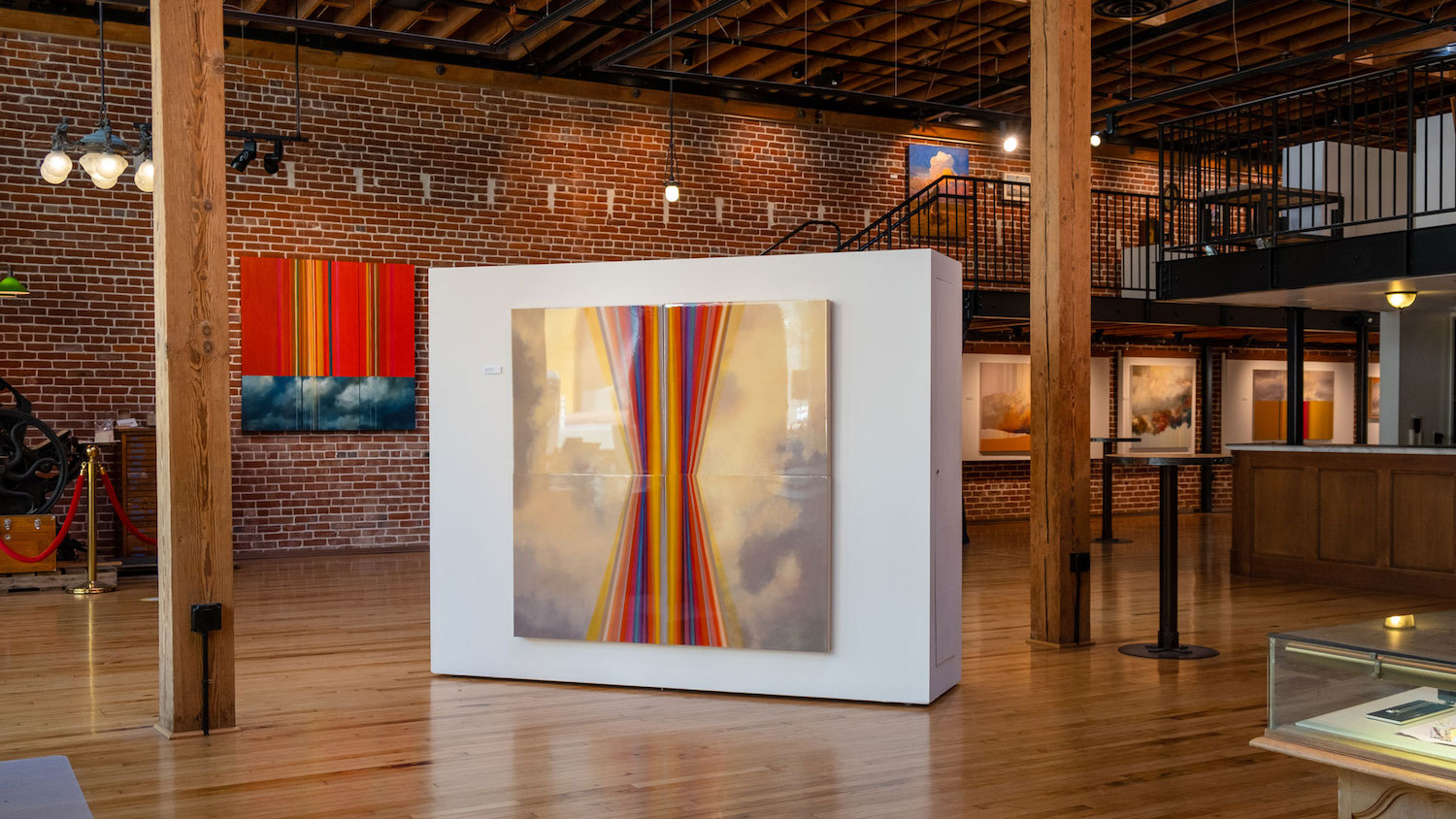
Located in the Gaslamp, Sparks Gallery has championed contemporary Southern California artists—including local luminaries like James Hubbell, Stefanie Bales, and Oriana Poindexter—working in a broad range of styles and mediums since 2013. Stop by Monday, Thursday, and Friday from 10 a.m to 6 p.m., Saturday from 11 a.m. to 7 p.m., and Sunday from 11 a.m. to 5 p.m.
530 Sixth Avenue, Gaslamp
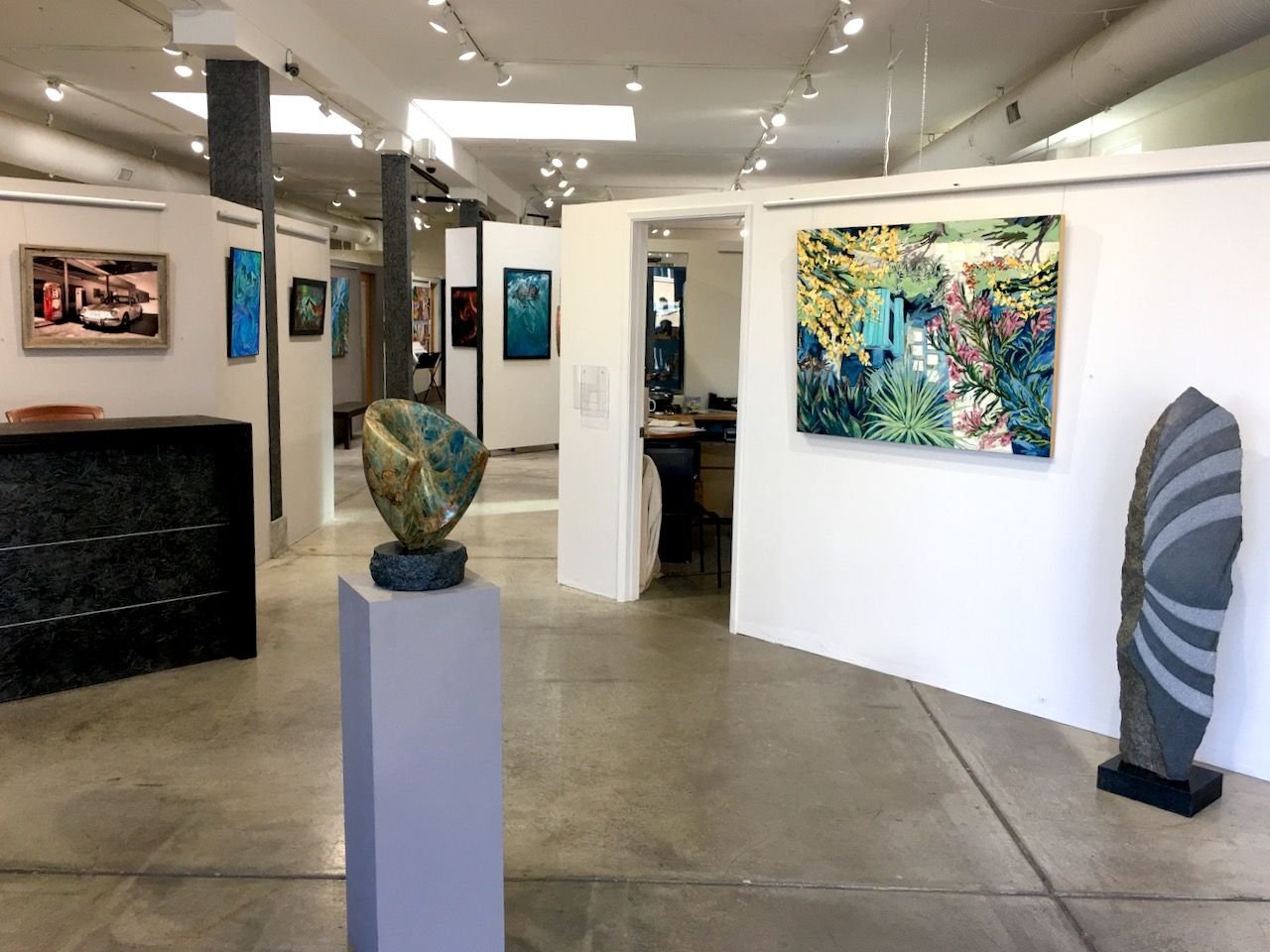
Gay-owned gallery The Studio Door is a fixture of Hillcrest’s monthly neighborhood art walk. Founder Patric Stillman hosts an annual themed, juried exhibition. Throughout the year, collectors can wander through the gallery’s network of small studios to explore a diverse array of works from partner artists. Open hours are Tuesday through Saturday from 11 a.m. to 6 p.m.
3867 4th Avenue, Hillcrest
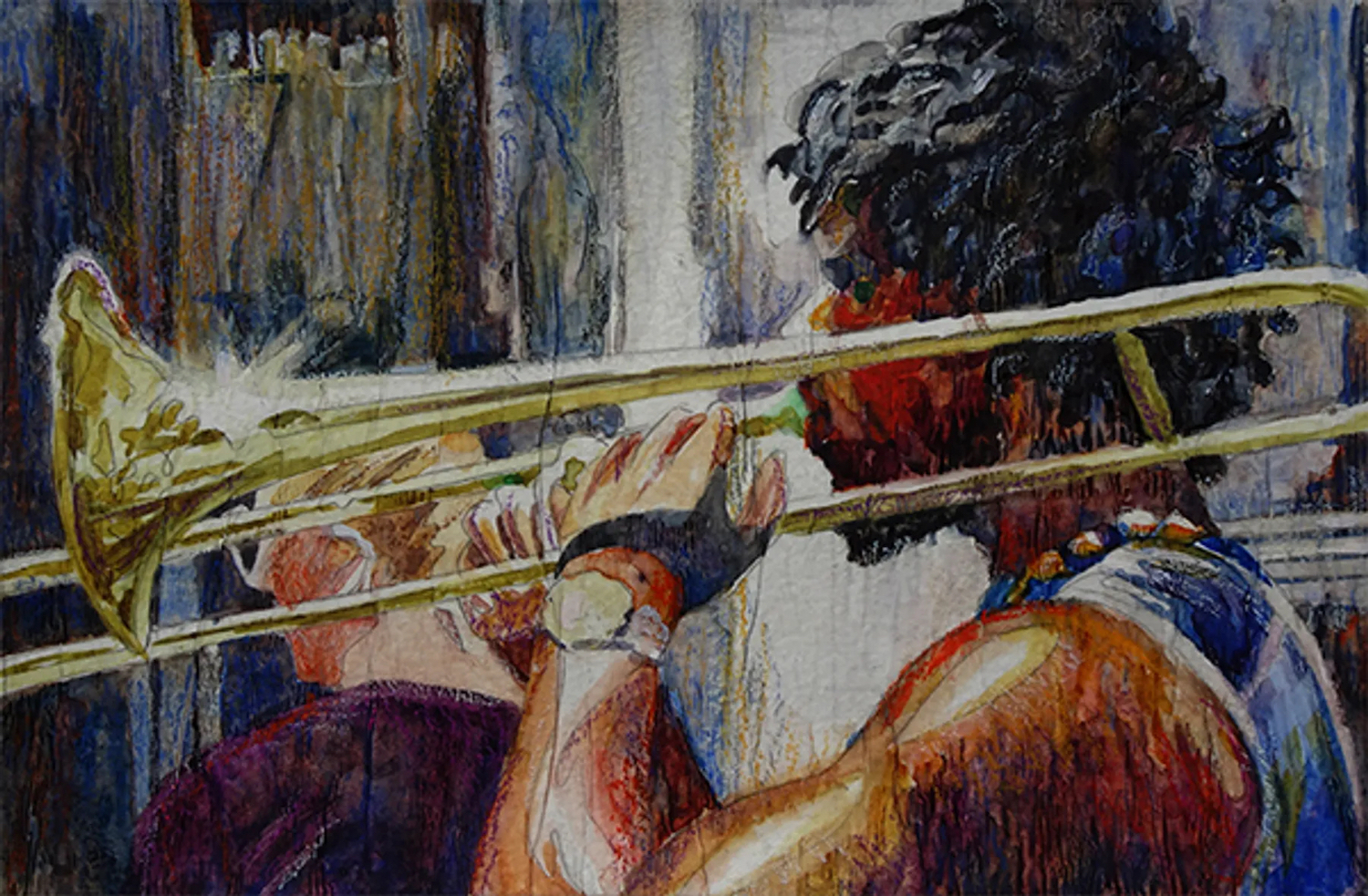
The San Diego Watercolor Society Gallery serves as a vibrant hub for watercolor enthusiasts in Point Loma, offering exhibitions, workshops, and educational programs. Major annual shows include an exhibition of work by member artists and one showcasing paintings from international watercolorists. The gallery is open Wednesday through Sunday from 11 a.m. to 3 p.m.
2825 Dewey Road, Suite 105, Building 202, Point Loma
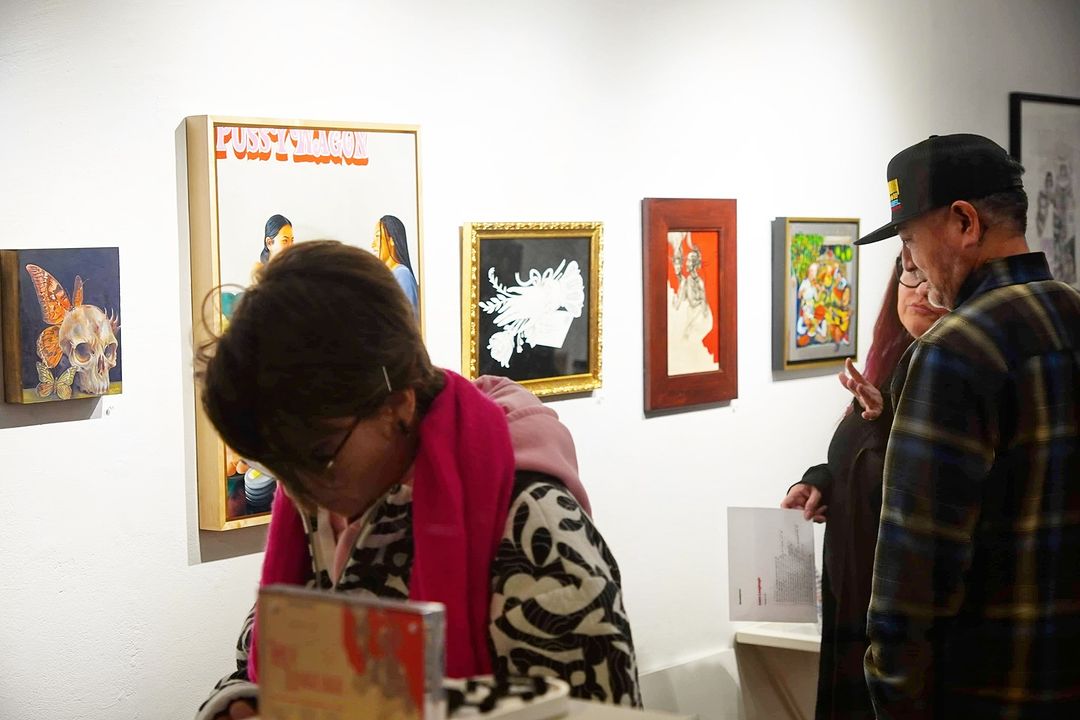
Many of the eclectic, playful works at Thumbprint Gallery draw from pop culture and digital-age aesthetics. The La Jolla space, launched in 2009 by Paul Ecdao and Johnny Tran, is a must-visit for collectors just starting out; Ecdao and Tran partner often with emerging artists to vend work at an approachable price point. Shop Saturdays and Sundays from 12 to 4 p.m.
920 Kline Street, La Jolla
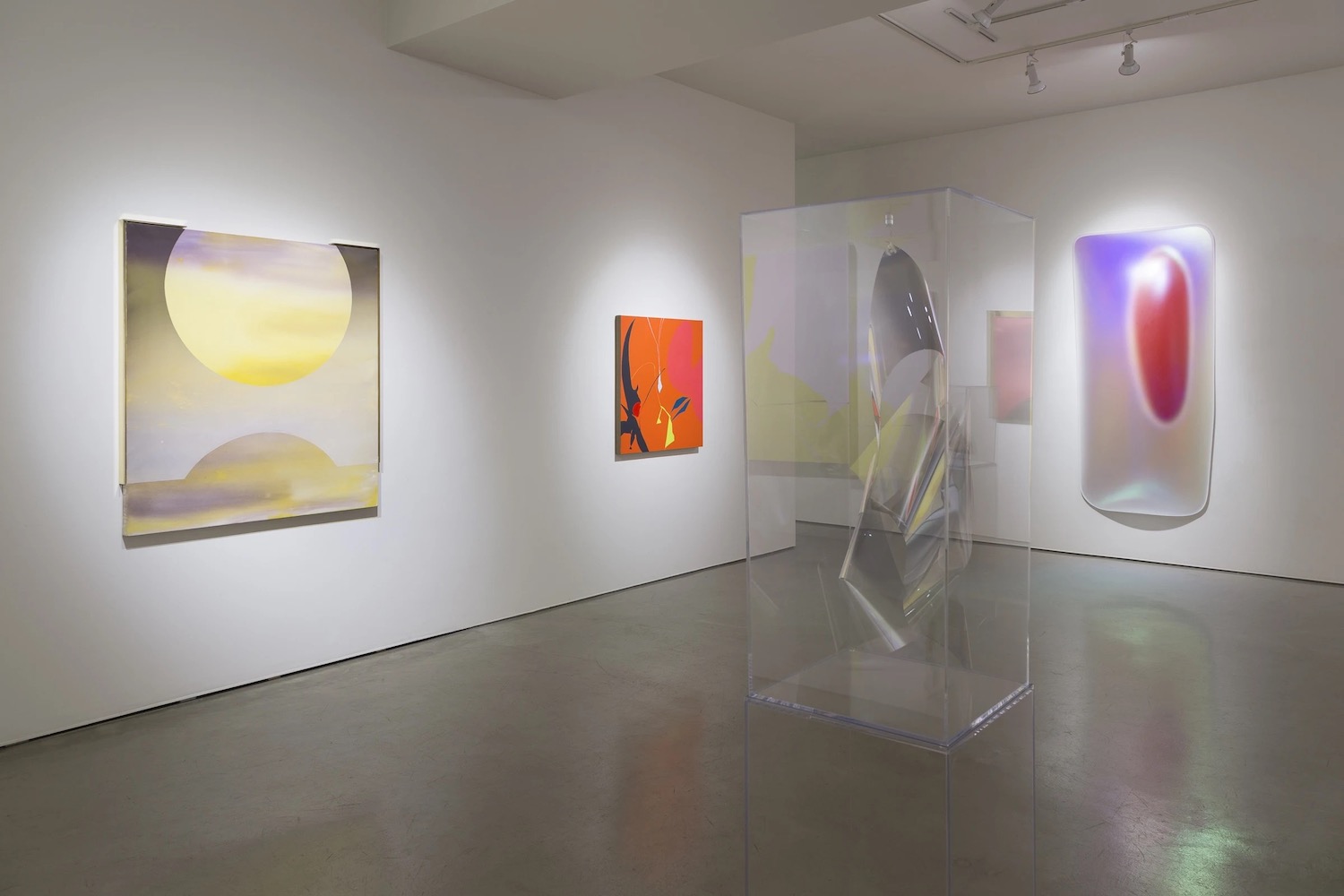
Founded in 1981, La Jolla’s Quint has long been one of San Diego’s foremost commercial art spaces, mounting forward-thinking works from an esteemed list of contemporary artists, such as local stars Taylor Chapin, Robert Irwin, and Einar and Jamex De La Torre. Visit Tuesday through Saturday from 11 a.m. to 5 p.m.
7722 Girard Avenue, La Jolla
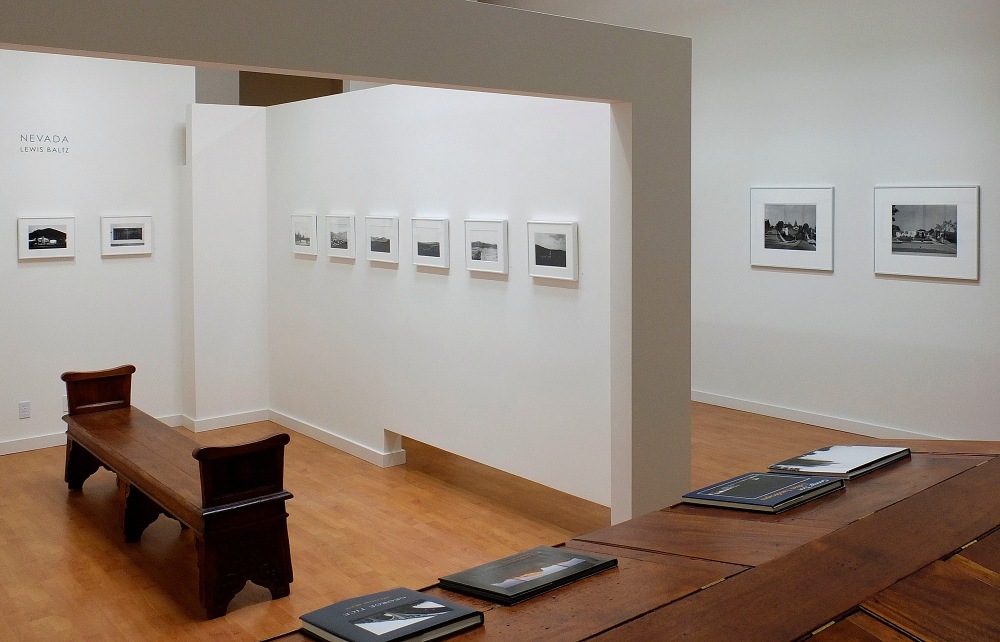
Located just upstairs from Quint, Joseph Bellows Gallery focuses exclusively on photography, housing a nostalgia-inducing collection of black-and-white photographs depicting American life, as well as a robust library of photographic books. Explore the gallery on Tuesdays, Wednesdays, and Fridays from 10 a.m. to 5 p.m. and Saturdays from 11 a.m. to 4 p.m.
7661 Girard Avenue, La Jolla
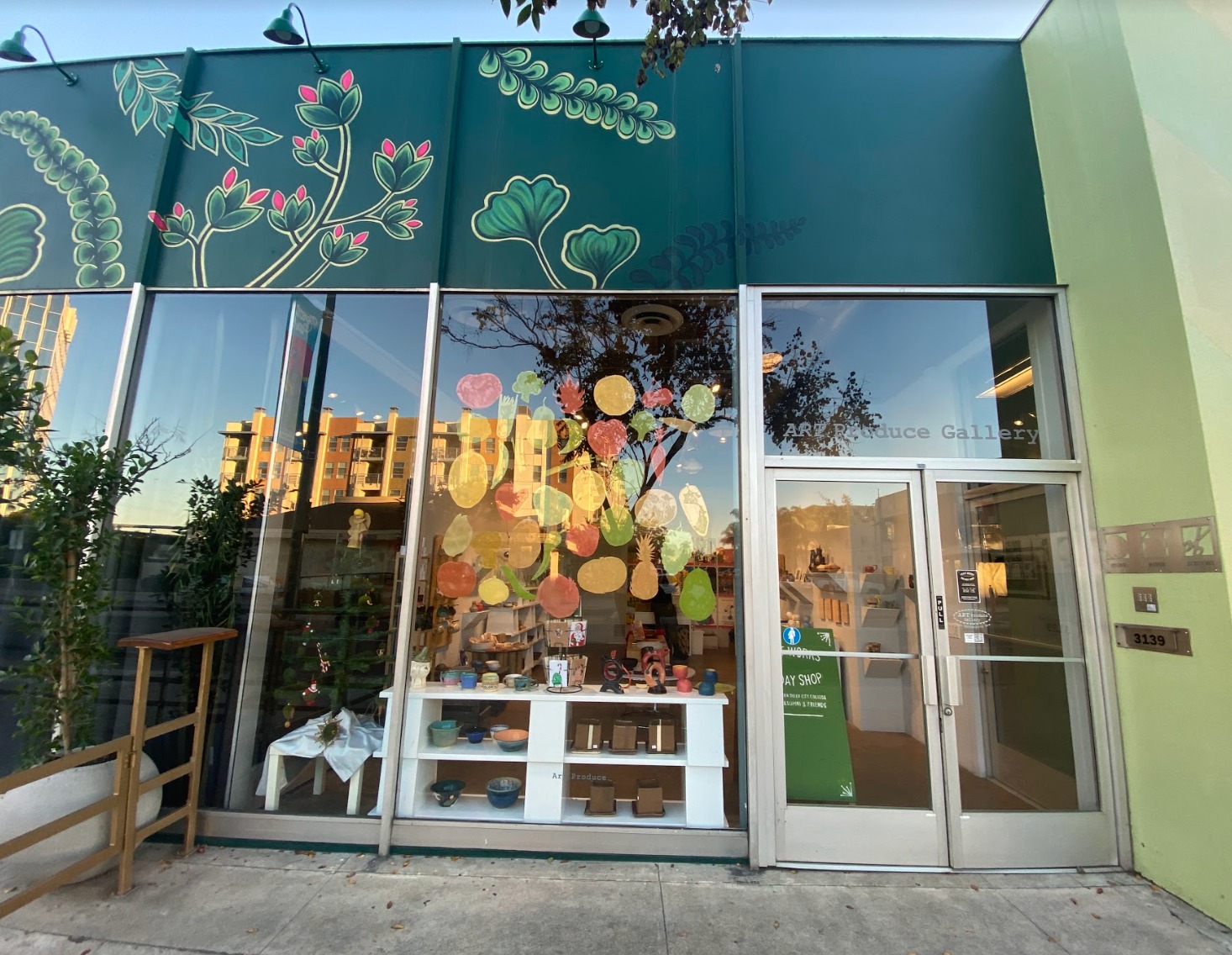
City-supported nonprofit Art Produce moved into the renovated space that once housed North Park Produce in 1999. Part gallery and part venue for public art, the organization offers bold, often interactive showcases visible from the sidewalk through massive glass walls. The gallery is open Thursday and Friday from 2 to 5 p.m., though you may be able to visit Art Produce at additional times for performances, workshops, and other events.
3139 University Avenue, North Park
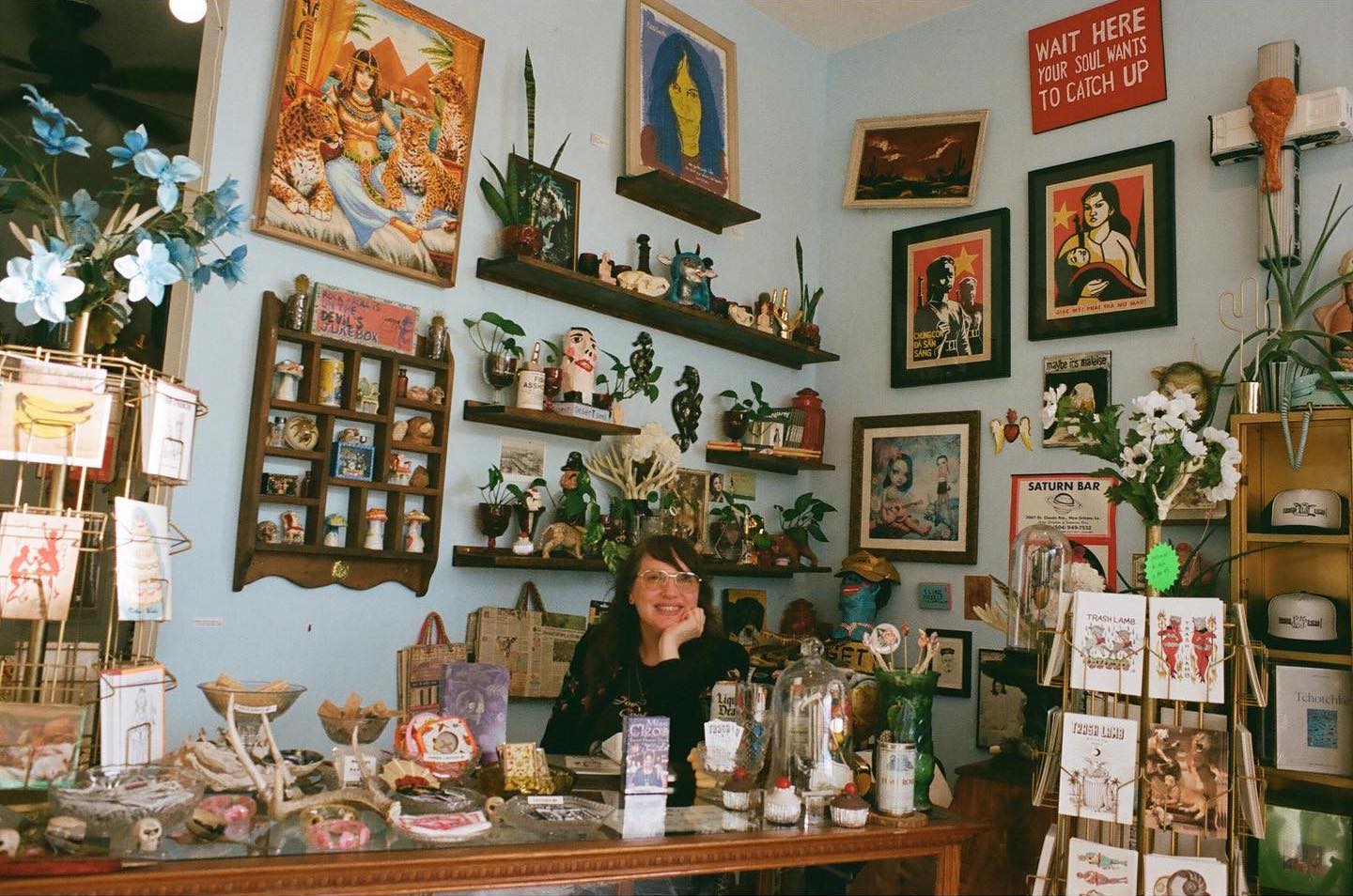
Lovers of the odd and macabre (and of affordable original art) will meet their match at Trash Lamb, a tiny, quirky gallery-slash-gift-shop in South Park. Founded in 2020, the space shows conversation-starting works from emerging and established artists, including Jason Sherry and Jon Bok. Trash Lamb is open Thursday through Saturday from 12 to 6 p.m. and Sunday from 12 to 5 p.m.
2365 30th Street, South Park
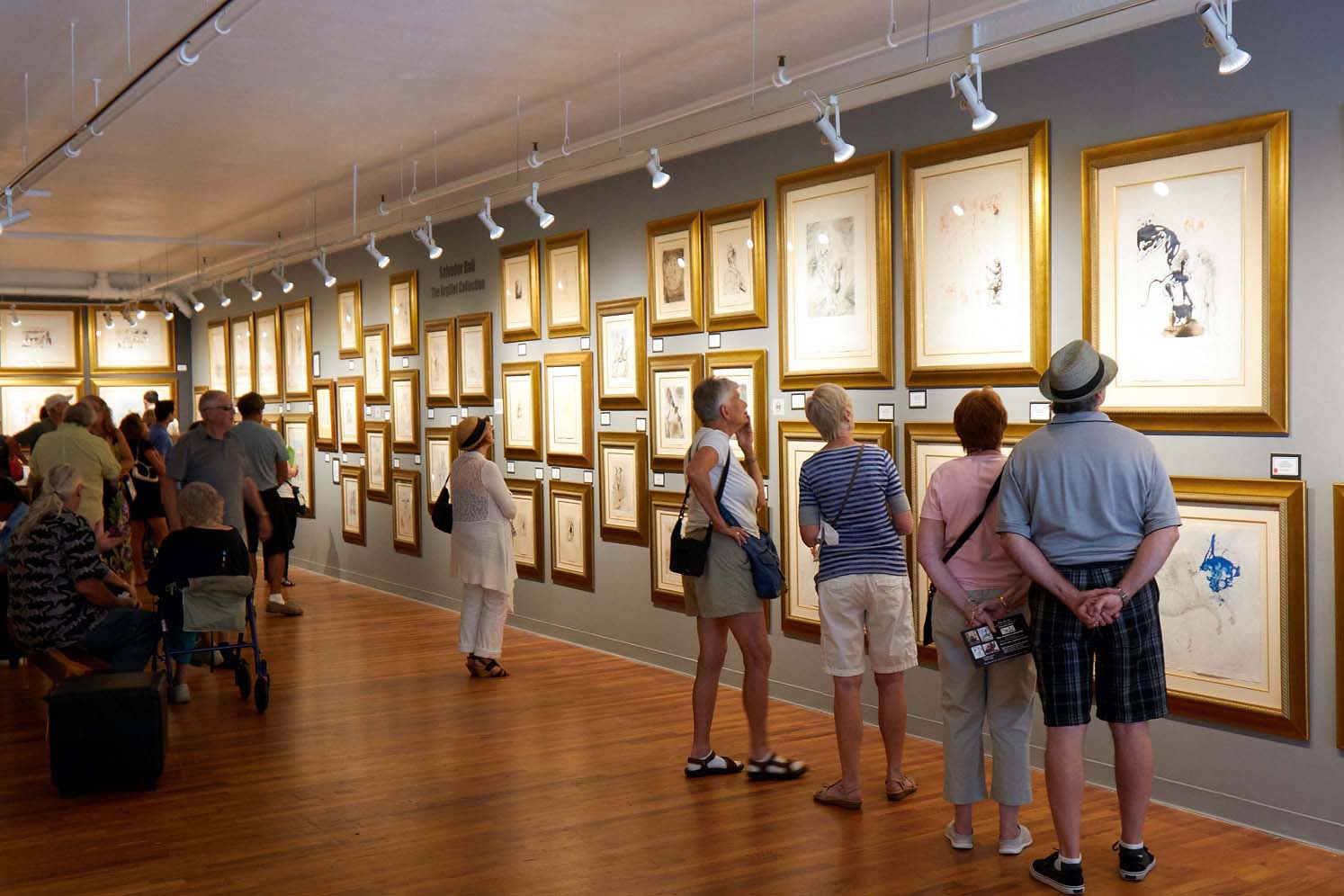
Founded in 1978, Meyer Fine Art is located in Little Italy’s Art & Design District. The gallery has shown work from artists like Marc Chagall, Pablo Picasso, Francisco Zuniga, José Luis Cuevas, and Andy Warhol, among others. Mayer Fine Art is open Wednesday through Sunday from 11 a.m. to 5 pm.
2400 Kettner Boulevard, Suite 104, Little Italy
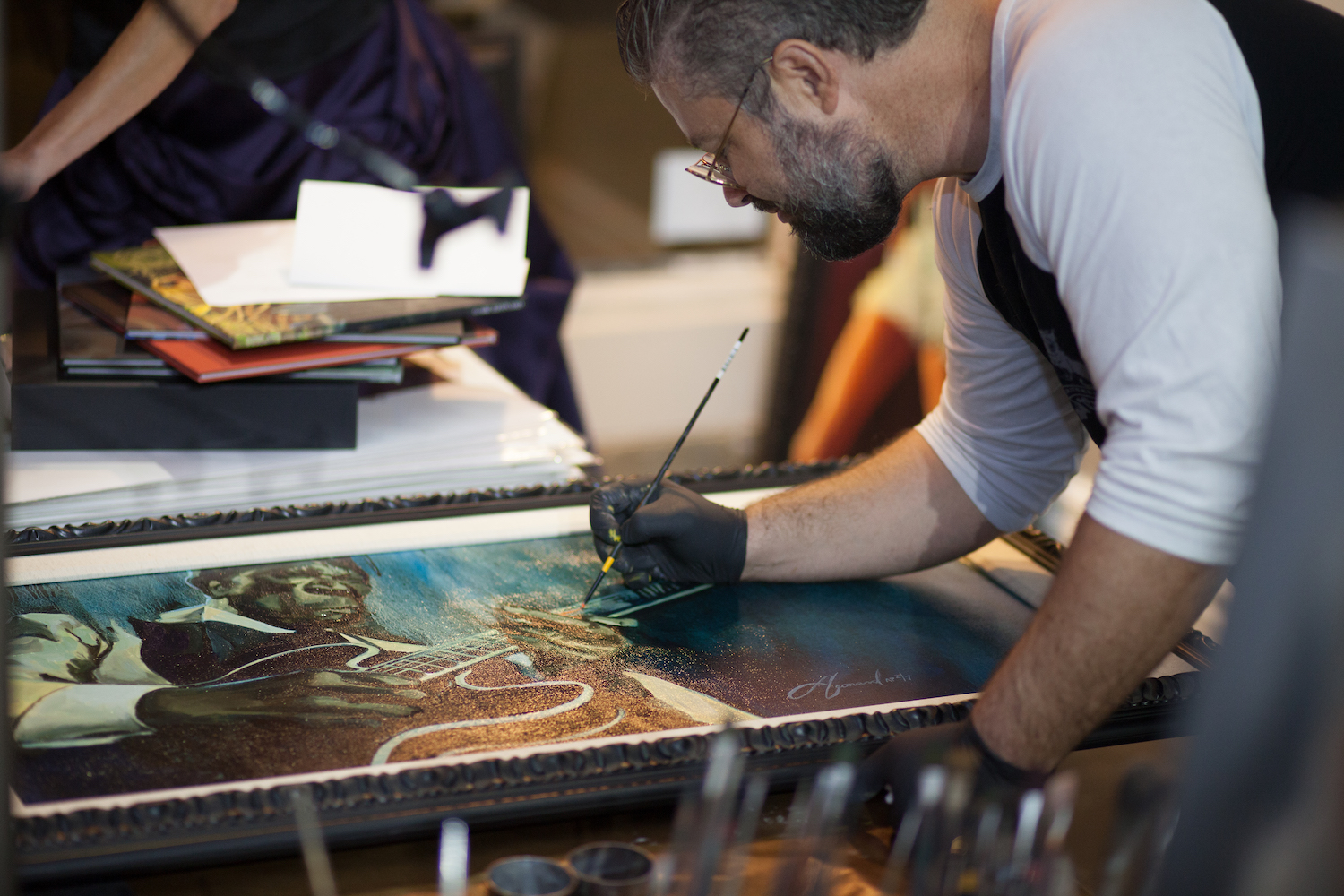
Distinction Gallery has hosted more than 100 exhibitions since its 2004 founding. The gallery runs a free art program for teens, and while certainly not a children’s gallery in any traditional sense, kids and kids-at-heart might find themselves especially drawn to the space’s technicolor, strange, sometimes spooky tastes. Distinction is open Tuesday through Friday from 11 a.m. to 5 p.m. and Saturdays from 12 to 5 p.m.
317 East Grand Avenue, Suite A, Escondido
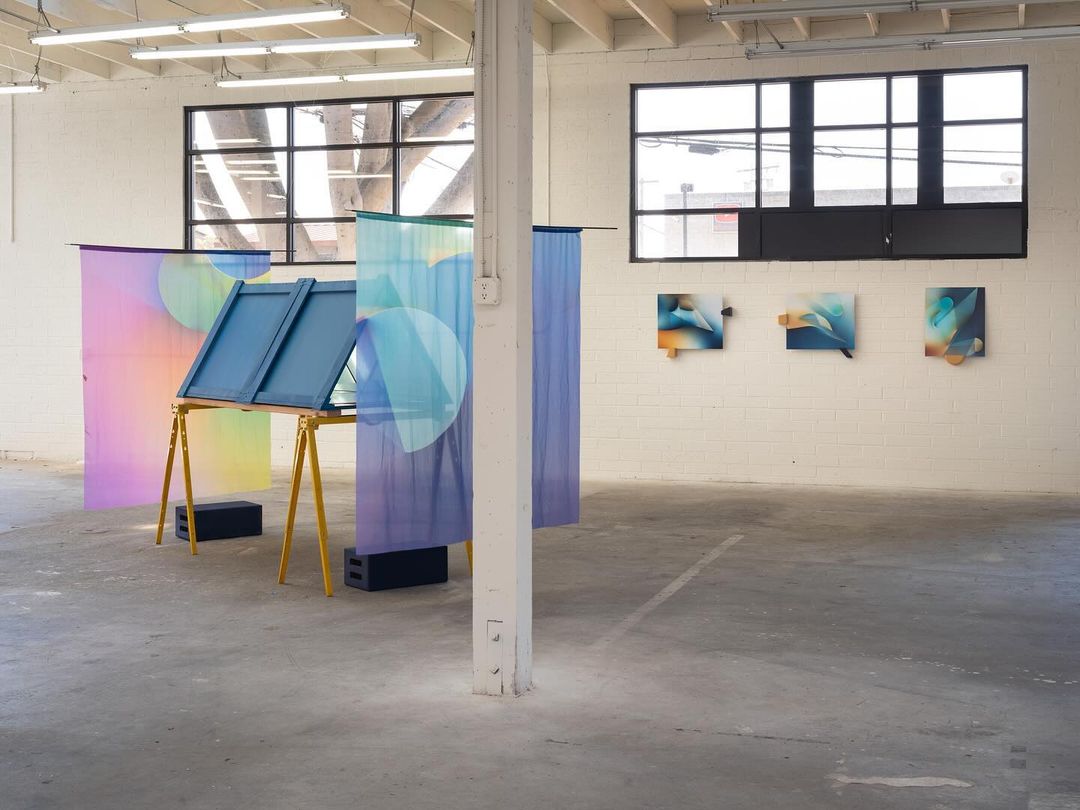
Perched in an airy former warehouse in Encinitas and led by knowledgeable owner Eric Laine, Oolong Gallery mounts exhibitions of 2D and 3D art from around the globe, often pairing two or more artists to draw powerful thematic and visual connections between their work. Explore Oolong’s shows Wednesday through Sunday from 10 a.m. to 4 p.m.
687 Second Street, Encinitas

Amelia Rodriguez is a writer and journalist and winner of the San Diego Press Club's 2023 Rising Star Award and 2024 Best of Show Award, she’s also covered music, food, arts and culture, fashion, and design for Rolling Stone, Palm Springs Life, and other national and regional publications. After work, you can find her hunting down San Diego’s best pastries and maintaining her five-year Duolingo streak.
Live Nation is turning the historic Wonder Bread Building into a 4,000-capacity concert hall designed to bring more touring acts to the city
Imagine being the song continuously getting skipped on the playlist. Not because no one wants to hear you, but because you never quite fit the moment. For years, San Diego has been that song on the touring circuit. Artists who have outgrown intimate clubs but aren’t yet filling arenas and stadiums have often passed us by, heading north to venues better suited to the size of their show. San Diego wasn’t missing the audience, it was missing the room.
That’s all about to change.
On August 17, Live Nation Entertainment announced plans to transform the historic Wonder Bread Building, which it purchased in June for $16.8 million, into a 4,000-capacity indoor venue slated to open in fall 2028. The new space will host music acts as well as private, corporate, and community events.
Currently, San Diego’s concert landscape jumps quickly from intimate clubs like the Casbah, Winston’s, and Belly Up to larger theaters, amphitheaters, arenas, and stadiums. What’s largely missing—particularly downtown—is a modern indoor room built specifically for roughly 4,000 concertgoers. This leaves a gap in mid-size venues for touring acts that land stages like the Hollywood Palladium or Boston’s MGM Music Hall at Fenway.
“We are filling a void in the market,” says John Schalk, Live Nation’s Vice President, San Diego Market. “There are other venues in town, but this […] building is just something that doesn’t currently exist.” Although SDSU’s Cal Coast Credit Union Amphitheater serves the 4,000-capacity range, its outdoor, fixed-seating arrangement isn’t as versatile as the proposed Live Nation project.
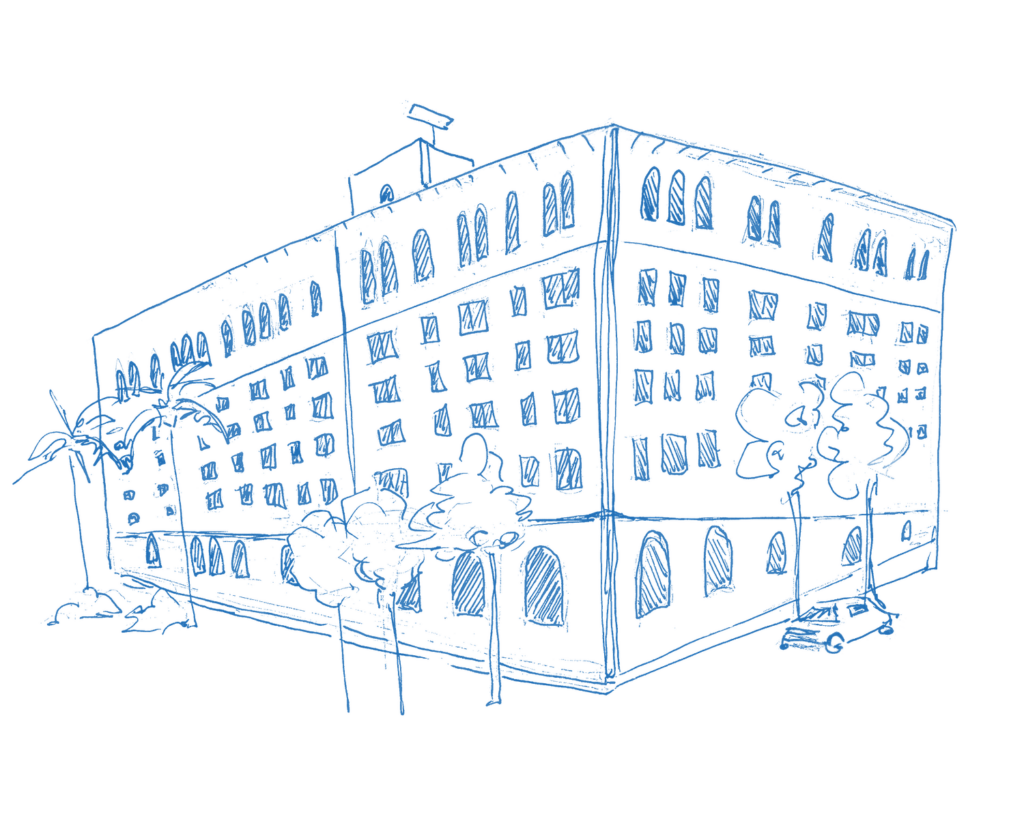
Located at 171 14th Street, just a six-minute walk from Petco Park, the building carries a century of history. Architect Eugene Hoffman designed it in 1924, a year after completing the Barcelona Apartment Hotel in Bankers Hill. The landmark brick building served as a bakery and warehouse for the Southern California Baking Company before Continental Baking Company, producers of Wonder Bread, took over in the 1950s and operated there through 1988 continued at the site until 2007.
In the early 2000s, Bob and Gay Sinclair, the couple behind a portfolio of East Village properties, purchased the building. After Bob—the founder of Pannikin Coffee & Tea—died in 2011, Gay sold much of their real estate portfolio but held onto the Wonder Bread Building. Mission Brewing eventually took over the space, where it operated for more than a decade before announcing its 2026 departure.
Now, the building is preparing for another reinvention. Live Nation plans to preserve the historic bakery’s four exterior walls, red brick façade, grain silo, barrel-vaulted trusses, and skylights as part of its next chapter.
Live Nation isn’t looking to erase its history but to celebrate it, allowing the building’s past to give the new venue some soul. “It’s really important for us that we maintain the integrity and the history of that building,” Schalk says. “There will be new construction and design elements as we go through the process to create the concert venue, but we’re working really hard to preserve it.”
Blueprint Studio, Live Nation’s in-house design and development group, and Gensler, the architecture firm behind San Diego International Airport Terminal 1 and Snapdragon Stadium, will be heading the project. The plan is to design the ground-floor space as an open, general-admission area with a premium level above with 600-plus fixed seats, in addition to box and suite sections. There will also be an additional structure built on top of the historical portion of the building (the four original walls that house the lobby) called the Vinyl Room—a Japanese-inspired hi-fi listening VIP lounge serving elevated food options.
One of the most reassuring aspects of the project is the focus on the concertgoer’s experience—specifically the “pet peeves” we all know too well: long bathroom lines, cramped exits, obstructed views. According to Schalk, one of the best things about building upon the existing structure is having the ability to consider potential obstacles and tackle them before construction begins. “I’d say we are ‘purpose building’ the entirety of the project for a music venue,” says Gensler lead project architect Garrett van Leeuwen. “As part of our design process, we do an in-depth sightline analysis to make sure that sightlines are optimized from every point and seat within the venue.”
Circulation design is also being implemented to ease traffic flow, alongside acoustic optimization and a transformative outdoor beautification effort. According to van Leeuwen, this “public realm space” will grow the existing 14-foot sidewalk to a 32-foot sidewalk complete with plazas and landscaping.
“This venue is for the fans. For the music lovers,” Schalk explains. The vision is intimate: “I want a fan to walk up to that building, see that red brick facade, grab their ticket from the box office, go into the lobby and see some of the history that will present itself… and feel like you entered a home.” Schalk also expressed a “keen interest in making sure that we work with the local artists, the local bands, the local musicians in town.” It’s a project that recognizes San Diego as a growing market that is hungry and ready to see a vibrant arts and culture community thrive.
According to an analysis by Oxford Economics analysis shared by Live Nation, the venue is projected to deliver a significant boost to the local economy, generating approximately $97 million in annual economic impact and supporting 660 jobs. This also includes welcoming 316,000 fans each year—with 126,000 traveling from outside the San Diego metro area—and driving $53 million in local spending at nearby restaurants, hotels, and retail establishments.
Considering its proximity to other major event spaces and overall busy urban areas, traffic and parking may be a concern, especially on nights of overlapping events. But in those cases, Schalk said they would work together on communication efforts; parking availability; and staggering start, end, and loading times; as well as providing easy access to designated rideshare areas. With transit stations nearby (the closest one being a 4-minute walk at 12th & Imperial), public transportation is another great option for enjoying your night out.
There are still two years of design, construction, and plenty of logistics between now and opening night. But the bigger promise of the Wonder Bread Building is simple: San Diego finally gets a venue built for the artists who have historically passed it by. After years of getting skipped on the touring playlist, the city may finally be getting its turn on repeat.
Camila Ibarra Gallego is a CaliBaja native pursuing a master's degree in culinary journalism at the Basque Culinary Center. Shaped by the culturally rich, bicultural megaregion, she's passionate about sniffing out stories that connect people, territory and culture through food. When she's not tumbling down internet rabbit holes, you can find her pretending to be a wine connoisseur at a local wine bar or nose-deep in a good book.
Whether you're a lover of the arts, music, or a leisurely stroll through the park, these are Balboa's best attractions
On February 28, 1926, the Fine Arts Gallery of San Diego (now called the San Diego Museum of Art) opened its Plateresque doors to 3,000 guests for opening day. Over the next century, the museum changed with the times—even once functioning as a naval hospital after Pearl Harbor. This year, the museum is celebrating its 100th birthday with an exhibit (open through January 24, 2027) featuring photographs, ephemera, and film footage spanning the museum’s history.

Every Sunday from 2 to 3 p.m., stop by the historic Spreckels Organ Pavilion for a free concert presented by the City of San Diego on the largest outdoor organ in the world (more than 5,000 pipes). The pavilion seats 2,400 for performances by the civic organist or guest artists.
Some think natural history museums are just cemeteries for dioramas that haven’t received an update since the Reagan administration. When it comes to The Nat, which just finished a $7.5 million rejuvenation, they’re totally wrong. The museum debuted a new rooftop that replaces its 25-year-old atrium. The old roof created a greenhouse effect that steamed up some exhibits, so the new one—which includes 200 solar panels and better temperature control—will help preserve the artifacts inside. Each Friday in the summer, The Nat also becomes one of the season’s vibiest hotspots during Nat at Night, with food from places like Wolf in the Woods and The Craft Taco, bars and signature cocktails on several floors, and a rooftop DJ.
The Fleet Science Center just received its most significant update since the 1990s. It expanded its exhibit space by 20 percent and introduced a newly designed entrance gallery (formerly the IMAX theater lobby) that includes free exhibits for visitors who want a taste of the science without paying an admission fee. The former ticketing area now houses the Mindbender Mansion exhibit, and there’s a new café, Element 8, that will, of course, sell the center’s famous soft serve.
Whether you’re ready to lean into fall or determined to keep summer going, here are all the best things to do this month
September is San Diego’s unofficial second summer—the crowds thin, the weather stays warm, and the city’s calendar somehow gets even busier. This month brings stadium-sized rock shows, Broadway’s buzziest comedy, a new anime convention, world-premiere theater, gallery openings, food festivals, and the first signs of spooky season. Whether you’re ready to lean into fall or determined to keep summer going, here are the best things to do in San Diego this September.
Concerts & Festivals | Theater & Art Exhibits | More Fun Things to Do

As Guns N’ Roses storm into decade five, their appetite for destruction persists. During their Snapdragon Stadium concert, hear the hard rock anthems, new material and a set from The Black Crowes.
Kehlani is proof that the romance and earnest sensuality of old-school R&B will never go out of style. Hear her take it back to the aughts at Viejas Arena.
From the silver screen to The Old Globe stage, John Carney will Begin Again (again) with a world premiere musical adaptation featuring new songs—courtesy of Train—and a story overflowing with hope.
The concept of work is a guiding principle for San Diego native and multidisciplinary creative noé olivas. Observe his community-informed approach via Tierra y Cielo (Earth and Sky) at Best Practice Gallery.
Two workers grapple with the weight of their roles at a temporary migrant shelter in Mario Vega’s world premiere play Our Lady of the San Diego Convention Center, set for citywide performances.
Luminous visions of peace and the Punjabi-American roots of Rupinder Kaloti inform The Gathering, a wondrous unification of family foretold via paintings at Oceanside Museum of Art.
It’s Mary Todd Lincoln’s world and we’re just living in it. See the presidential paramour barrel to her way to stardom at the Civic Theatre during Oh, Mary!, Cole Escola’s political spoof.

Pros and Con(vention)s: Anime San Diego will debut at the San Diego Convention Center with cosplayers, panels and more than 400 vendors well-versed in Japanese animation.
Scaredy cats beware: SeaWorld San Diego’s Howl-O-Scream embraces frights forged in darkness. Enjoy an ominous lineup of live shows, scare zones and bloody bars ahead of Halloween.
The best parts of Artivál and the Alley Cat Art Walk have united for the free Alley Cat Art Fest, an all-day outing for live music and immersive artwork in Downtown El Cajon.
Take a Grecian vacation for a fraction of the price during the annual Cardiff Greek Festival, two days of immersive cuisine and culture—with plenty of dancing—on the Encinitas coast.
Step away from the stove! The California Restaurant Association has eight days of eating experiences with your name on it. During San Diego Restaurant Week, explore by meal, neighborhood or cuisine for your personal dining plan.
Nourish yourself with an all-inclusive spread of Pacific Beach eats and locally-crafted artwork during the HeArt of PB Restaurant Walk on Garnet Avenue.
When it comes to stand-up comedy, Chelsea Handler is always ready to roast. See Handler tell anecdotes and skewer an assemblage of victims during her Balboa Theatre performance.
Ryan Hardison is a freelance arts and entertainment writer and recent graduate of San Diego State. When he's not staring at his laptop, he's likely eating an adobada burrito or getting sunburnt at the beach.
KQ Aesthetic Society goes beyond cosmetic to provide comprehensive care and transformative results
Kelly H. Harfouche, founder of KQ Aesthetic Society, knows firsthand that cosmetic treatments like fillers, neurotoxins, and microneedling, can not only enhance a person’s appearance and restore confidence, they have the power to truly change a person’s life. An expert injector has the ability to tailor treatments to each individual patient’s anatomy and goals for personalized results. Harfouche, a board-certified nurse practitioner, has spent nearly a decade perfecting her craft as an aesthetic injector and integrating her multifaceted artistic skills with precision patient care. Her commitment to continual education and training, plus a passion for helping people look—and feel—their best, set KQ Aesthetic Society apart in a sea of local medspas.
For many people considering nonsurgical treatments, the intent is to look refreshed and refined. KQ Aesthetic Society’s philosophy eschews a cookie cutter approach that bases treatments around units, instead working to understand each person’s unique goals, then curating a treatment plan to fit that vision. Harfouche focuses on “inclusive luxury,” the belief that everyone deserves access to aesthetic treatments, respective of budget restrictions. She develops long-standing trusted relationships with her patients, and works with each one to achieve their aesthetic objectives and address the underlying causes of their concerns.
“For me, forming an honest and open relationship with every patient who walks through the door is essential. This means understanding them on a deeper level and meeting them where they are to define and achieve their individual goals,” she says.

Drawing on her artistic background, which inspired her transition into medical aesthetics, Harfouche sees each client as a “unique canvas.” Rather than relying on standardized procedures, the practitioner’s distinctive approach combines her profound understanding of the physiological and anatomical changes associated with aging with an unwavering commitment to ongoing education about the newest products and their mechanisms of action. Her goal is to make each patient feel beautiful in their own skin and to embrace their individuality.
She has also pioneered a way to combine her talent for aesthetic artistry with her philanthropic nature. Harfouche is one of only a handful of providers using dermal fillers to treat patients with lip asymmetry and scarring resulting from cleft lip surgery. Patients travel from around the country for this transformative treatment, noting increased confidence and a restored identity. She hopes to eventually launch a training program to help fill the void in this space.

“My passion has always been connecting with people and giving back in any capacity that I can,” she says. In the rapidly advancing landscape of aesthetic medicine, you can place your confidence in Harfouche and KQ Aesthetic Society to deliver exceptional care. To learn more or book a consultation, please visit kqaestheticsociety.com.
Outside the Lens puts cameras in the hands of local youth, giving them the tools to capture their communities from the inside
Big feelings hit us all. Younger populations—or those who haven’t yet developed their own language of expression—outsource angst through external means. That’s where homemade haircuts, studded belts, and musicians like The Cure, Elliott Smith, or Phoebe Bridgers come around. In San Diego, though, there’s a nonprofit that gives youth a way to feel not only heard, but also understood, through photography and digital storytelling.
Outside The Lens’ mission is to amplify the voices of systemically marginalized young people and help them develop the confidence (and artistry) to tell their stories and shape their communities. OTL just celebrated its 25th anniversary earlier this year with dual exhibitions of student work at San Diego Central Library and Museum of Contemporary of Art San Diego. Since 2001, more than 30,000 students have completed programs at OTL, getting their hands on industry-respected DSLR cameras (no shade to iPhone photographers), editing files and images with Adobe Creative Suite, and recording podcasts. Participants explore their worlds through the lens and on the mic.
“Our biggest opportunity, and what’s really needed, is to bridge the understanding between the youth and their communities and how people are seeing what youth are going through right now,” says OTL Executive Director Sarah Beckman.
OTL’s participants, Beckman explains, are young people navigating systems that never gave them access to the tools and mentorship that inspire creative expression, financial mobility, and civic engagement. The nonprofit offers support—in the form of meals, transportation, and healing-centered educators—and a creative outlet for exploring and coping with those challenges.
OTL’s in-school programs meet California core standards for arts and partners with at least 37 schools and community sites throughout San Diego, including the Monarch School in Barrio Logan, East County Community School in El Cajon, and Creative Performing and Media Arts School in Clairemont Mesa. The nonprofit doesn’t just work within the school system. Its Media Makers program invites young adults with intellectual and developmental disabilities to express their place and purpose in the world through film, photography, animation, design, and entrepreneurship.
“We’re always asking the question, and we’re engaging youth in our civic discussions [of], ‘How can we make this city somewhere youth want to be?’” Beckman says. “‘How can we make San Diego somewhere for young people to build a future?’”
This year OTL’s annual Voice Out celebration event spotlighted student work that hung on gallery walls beside “Giants,” the Dean Collection at MCASD. The Voice Out contest is open to all San Diego youth ages 8 to 25; all submissions are published in a catalogue and displayed in a public exhibition. These are some of the students’ works, and their words, from the past three years of Voice Out.

“I wonder how the architect decided to connect the beams [at Del Norte High School] by creating repetition. Without color [in the photo], the structure becomes the focus of the image.” –Monroe S., 15

“Every day, time slips forward, whether we notice it or not, and life can feel overwhelming in its constant motion. In this long-exposure photograph, the blurred train rushes past, symbolizing the speed of life, while the still subject remains grounded and aware. It’s easy to become tangled in society’s expectations: what to wear, what grades to earn, what future to chase. In that rush, we forget to pause. The stillness in this image becomes a breath, a moment of reflection. Through it, I hope to show that wonder lives in slowing down, in watching the world blur while choosing, even briefly, to stand still.” –Leo N., 15

“Teenagers constantly wonder if they will ever be enough. I wrote words on the mirror that might represent what a teenager thinks about when it comes to being ‘enough’ for the people around them. They might wonder if they are pretty, smart, or good enough. I wanted to bring attention to what thoughts teenagers struggle with in everyday life.” –Illiana I., 16

“I took this picture during Go Skate Day in 2023 or 2024 I think … but who cares? It’s sick! Keep riding!” –Danny I., 18

“This was taken at an all-women’s retreat in the mountains to heal inner trauma, at the end of the trip where we all hugged each other and healed. My mother is the one being hugged and one of her friends is embracing her. Place is somewhere you belong, somewhere you feel comfortable in, and somewhere you can be yourself. I believe womanhood and friendship is not only a place but home.” –Michelle G., 16
Leorah Gavidor won her first essay contest at age 5. She writes features, news, and non-fiction in San Diego.
No gatekeepers, no creative rules, no perfect definition—the city’s DIY publishing scene makes room for anyone with something to say.
If magazines are like the adultier eldest daughters who know exactly how much anarchy they can get away with, zines are the far less predictable younger siblings going on whim and instinct. Those who draw on the walls around the house, DIY their own piercings, and experiment with different emo/straight-edge/back to emo phases (or not-phases). Boundaries and routines are what zines were created to rail against.
Walk into Verbatim Books’ zine corner, and this rebellion is immediately clear. Zines have no singular form, no clean category or definition. Vintage magazine scraps are collaged into new meaning alongside mini fandom zines. Single sheets of plain white printer paper are covered in nothing but black ballpoint pen. Repurposed hardback book covers are folded into something entirely new. Some are duct-taped together, others stapled. Some glossy, others matte. There are guides to anything and everything, comic panels, photography, hand-drawn cartoons, poetry, recipes, diaries, and ramblings that only make sense to the person who made them—and that’s on purpose.
Zines are creative magic. And with no rules, they’re incredibly accessible. Anyone can zine and have a voice, regardless of artistic training or work life experience.
You are your own Anna Wintour, Graydon Carter, Ruth Whitney.
San Diego–based zine creator Lyssette Williams specializes in mini zines—often limited to eight pages, they’re meditations in abbreviation. Outlining, thumbnailing, and revision all move quickly from idea to page. Larger projects, including Williams’ long-form graphic novel thesis, move at a slower pace. For those, she often returns to pen and ink, a choice that resists the over-editability of digital work.
Raised by a single mother and navigating mixed-race identity in a predominantly white town, she finds a home for processing it all in zines. Her work deals in identity, belonging, self-definition, and punk-rock childhood. But it isn’t always heavy; Williams creates a mini duck-themed zine called Backyard Duck Propaganda that’s hard not to love. “When I create, I think about what would have helped me find the words back then, what my younger self would’ve needed,” Williams says. “[Zines] put the tools in your hands and democratize art. They’re translations of memories and identities.”

For Williams, a big reason she keeps creating is being surrounded by other creatives—a scene that extends across the border. She points to Verbatim and Comicbook Artists of San Diego, plus events like Zine Fest (October 17–18 this year at Woo in Barrio Logan) and Black Comix Day at the WorldBeat Cultural Center.
Zines have always been a road for subcultures. During the Harlem Renaissance, Black creatives like Langston Hughes and Zora Neale Hurston self-published one issue of Fire!!, which inspired other Black authors. In the 1930s, zines (then called fanzines) were hubs for sci-fi nerds to write fanfiction, address the fandom, and create new characters. Superman actually made his public debut in a fanzine called Science Fiction (he was originally cast as a villain with a fully receded hairline). A couple decades later, zines about feminism and riot grrrl became subculture de rigueur.
The internet nearly killed zines, of course. But now, people tired of the algorithm’s firehose are finding comfort and renewed inspiration in analog. Zines, a salve for digital fatigue.

A giant figure in San Diego zine culture is Burn All Books. Founded by Amanda and Nick Bernal, BAB started as a risograph (digital screen printing) studio and turned into one of those places that keeps expanding the whole scene around it, even forming its own archive group, SCANNNERS. Since opening in January 2023, it has published over 35 works and collaborated with more than 100 artists, writers, and zinesters.
For Duophobia, the pseudonym for local twin sisters Alora and Kiani Dotson (affectionately known as the “possum twins”), zines make room for experimentation and play that doesn’t fit anywhere else. Room for eclectic cartoons and dirty jokes. For sticker-covered sketchbooks.
It’s that same brand of nostalgia you might feel when, say, you walk past the carcass of an abandoned mall and see a faded cartoon mural. Their work lives somewhere between childhood and adulthood, where being unserious is taken very, very seriously.
“We’re born and raised in San Diego, and the community of artists here is a main reason we started publishing,” Kiani Dotson says. “There are people here like Trixxie Land who run open art gatherings. Show up, and you’re part of it.”
Land, a zinester herself (she made 250 single-page zines during 2020’s lockdown), is all about storytelling over hierarchy. Art shouldn’t be about gatekeeping or intimidation, she says. So she holds open-invite arts shows at Subterranean Coffee.

Duophobia regularly share their work at local galleries like Subterranean, filling that lowbrow space with pieces that answer: “What would’ve made us laugh as kids?” Children are often the first to pick up their zines, unfolding them in every direction while parents briefly panic at the impulsive destruction. The twins always step in. “No, no, it’s okay,” they say, before showing how one sheet of paper folds into an entire little book. “It’s like magic.” More often than not, the kids leave with a tiny zine tucked under a tiny arm, future San Diego zinesters in the making.
When asked what a zine really is, Alora Dotson’s response was simple: “It’s anything. Literally anything. The more genuine you are, the more people are going to hear what you have to say. Your voice matters, even if it’s just a silly joke or story. People want to hear about it.”
Not a perfect definition? Exactly. Zines inherently resist categories. Want to turn a single playing card into a storybook? Do it. What about your favorite graffiti artist’s signature tag at Prince Memorial Skatepark? Turn it into a zine.
Everything’s a zine.
Isabella Dallas is a freelance writer for San Diego Magazine and the Arts and Culture Editor at The Daily Aztec in her final year at San Diego State University. She previously worked as an editorial intern for SDM, but when she’s not writing, you can find her trying the best coffee spots in SD, devouring the latest rom-coms, and indulging in anything and everything pop culture.
A look at San Diego's top designers creating unique environments that combine creativity and function


AVRP Studios’ tradition for Design Excellence and Innovation began in 1976 with Doug Austin, FAIA, in Solana Beach, California. The firm has since grown to complete major projects throughout the United States and Canada. We think of ourselves as a family and we care deeply about people. We want to inspire, help make their lives richer and more complete through our efforts. We believe that architecture is one of the most important art forms because of the impact it can have on the lives of those it touches. We’re delighted to have been recognized with over 150 awards for design excellence.
703 16th Street, Suite 200, San Diego, California 92101 | 619-704-2700 | avrpstudios.com