Featured articles
Featured articles
Featured articles
What's next
Featured articles
Featured articles
Featured articles
Ready to know more about San Diego?
SubscribeReady to know more about San Diego?
Virtual events and nontraditional fundraising help San Diego nonprofits stay connected with donors
The pandemic has affected nearly all facets of society, upending lives and sending businesses and nonprofits alike into a tailspin of uncertainty. Like their counterparts across the country, San Diego nonprofits directly helping those impacted—or that had been impacted themselves—had to innovate and re-evaluate what role charitable giving would play in this new normal.
Nonprofits on the front lines of COVID-19 response understandably garnered a lot of initial support, but arts organizations and others that relied on in-person events faced the challenge of how to engage donors without those offerings. Soraya Alexander, senior vice president of Marketing and Customer Growth for online fundraising platform Classy, says that the solution involved thinking outside the box: “We were expecting that in times of such economic pressure people would start closing their wallets, but people have been incredibly generous. And the way they’re being generous has really changed.”
For United Way of San Diego County and many other local nonprofits, the pandemic meant rethinking its big-ticket events. Social distancing recommendations threw a wrench into the planning of galas already months in the making, and traditional event-based fundraising was put on hold indefinitely.
Before the pandemic, United Way had been going all in on its Centennial Celebration—an organization only turns 100 once, after all—and was planning a gala for 600–700 people at Port Pavilion. Once the pandemic hit, the organization got busy ramping up its food distribution efforts and operating its new, much-appreciated Worker Assistance Initiative, which helped individuals with their rent, mortgage, and utility bills. It received about 8,400 applications in its first two weeks.
“We had no idea what the future was going to hold,” says Nancy Sasaki, CEO of United Way of San Diego County. As the pandemic stretched on, the centennial’s planners first considered scaling down their diamond anniversary, then ultimately made the decision to go virtual.
They wanted to make sure their event still honored the past, the present, and the future in a fun way. With a date set for early October, they had plenty of time to study other virtual fundraisers and craft a plan.
“When you’re planning, you’re shooting in the dark because you have nothing to compare to; there’s nothing in the past you can say, ‘That’s what it should look like now,” Sasaki says. “We were fortunate that other nonprofits had to make that shift before we did, so we got to see what works and what didn’t, because when you’re online, your attention span is very different.”
To drive up interest, United Way incentivized ticket sales, including a chance to win two tickets to anywhere Southwest Airlines flies, and took the bidding for their silent auction online. Planners also took cues from news media on how to maintain viewers’ attention while moving from topic to topic, settling on a mix of live-streamed and prerecorded segments to minimize glitches. They modeled their centennial event after the TV telethons of yore, with a 21st-century twist—participants could text to donate. They also hired local musicians and performers, who are hurting for gigs at the moment too.
Some organizations are using online platforms like Zoom and YouTube to connect with donors and show them how their contributions are helping those in need.
“When COVID hit, we realized what a significant impact it was going to have on our community and that there was going to be a place for philanthropy and charitable giving to play a significant role,” says Brian Zumbano, vice president of Development and Stewardship for The San Diego Foundation.
In the early days of the pandemic, the foundation drew from previous disaster response experience and assembled a regional coalition to launch the San Diego COVID-19 Community Response Fund. The fund bolsters nonprofits that are working to provide food, compensate for lost income, and help with rent and utilities; it also helps sustain their counterparts who were adversely impacted by the pandemic.
In a crisis situation, people want to give, Zumbano says. The San Diego Foundation’s existing fundholders jumped in right away, donating millions. Local foundations, businesses, and individuals stepped up too. By October, the fund had raised more than $50 million. On top of phone calls and other traditional means of contacting its fundholders, the foundation updated them through webinars with info on where help was still needed. Individual donors could also give smaller amounts through the foundation’s website.
“This isn’t over,” Zumbano says. “Even when the disease is gone, the impact and the need for philanthropic support to help the community is going to stay around for a very long time.”
The coronavirus prompted Rady Children’s Hospital Foundation to halt in-person plans for its upcoming 112th Charity Ball. The long-running annual event had previously only been canceled during the World Wars and the Great Depression.
“The Charity Ball is the antithesis of social distancing,” says Ellen Moxham, a member of the event’s advisory committee. “We quickly realized that it very likely was not something we would be able to schedule for February.”
The group remained committed to the cause and began to rethink its fundraising initiative. The 2021 ball was slated to benefit programs related to mental and behavioral health, which were themselves already a public health crisis before the pandemic. “We recognized that we must not allow the thread to be broken and must carry on our tradition, especially at a time when children and families are struggling,” Moxham says.
They funneled their fundraising efforts into finding sponsors, advertisers, and underwriters for a special edition of the Charity Ball program, which will be unveiled during a virtual VIP reception on February 26. The program will chronicle this eventful year’s philanthropic efforts and explore themes of nature and the outdoors, which should allow subjects being photographed to maintain a safe distance. The program will feature art by renowned illustrator Rafael López, whose son was treated at Rady Children’s. Once completed, the program will be sent to donors, available to the public as a downloadable PDF, and archived at the San Diego History Center along with those of previous years.
“We’re carrying out our same mission and putting children first, as we always have,” Moxham says. “There’s a real sense of responsibility when you’re part of an organization that has a 112-year history. It’s sort of like carrying the Olympic torch; you must keep it alive.”
Performing arts organizations suffered a substantial blow when productions were paused and venues went dark at the start of the pandemic. The San Diego Opera became the first opera company in the country to cancel a production, when parents of the youth chorus that was supposed to guest star were hesitant to travel from out of state. But instead of accepting that as their last curtain call, the team buckled down and brainstormed new ways to engage their patrons.
The opera postponed upcoming productions not already in the works and let ticket holders choose to receive a refund, convert the value to a charitable donation, or carry the value forward to a future show. Only about 15 percent wanted their money back.
“This community is behind us,” says the opera’s general director, David Bennett. “They saw us through some difficult times not too long ago, and I think everyone wants to make sure we’re going to be here in the future.”
They also came up with an evolving repertoire of online offerings to deepen their relationship with existing supporters and draw in new ones. The series began with Zoom discussions about San Diego Opera’s productions, which were later edited and shown on YouTube. The popularity of this series soared, and soon other distinctive virtual events were added to the mix, among them Apertivo with Artists, a series of conversations with big-name players in the opera world, and Ópera en tu Sofá, a celebration of Hispanic musical heritage. The opera began inching its way back into live performances as well, with a drive-in-movie-style performance of La Bohème.
“We started off these events as mostly conversations, and now we’re starting to weave in actual performances,” Bennett says. “It’s another way to use the medium we have to connect with a live performance and be thankful at the same time.”
Virtual events are a relatively new medium for many organizations, and their popularity has skyrocketed in recent months as nonprofits have had to pivot and rethink their delivery.
Classy’s Soraya Alexander says the positives are many. In addition to convenience for the audience and lower production costs, this format lifts geographic barriers and the speakers, guests, and performers can stream or record segments without travel or lengthy time commitments. The organizations that are doing it well are making it exciting and engaging while also showing their impact.
“Even if we go back to ‘normal,’ we’re never getting rid of virtual events,” Alexander says. “There’s so much benefit.”
PARTNER CONTENT
Philanthropy in a Pandemic

The 24-year-old nonprofit helps teens celebrate the milestone while promoting fashion sustainability
Prom is a rite of passage for high schoolers, but a flashy new dress can cost hundreds of dollars. The Princess Project helps girls cut costs while promoting fashion sustainability. The nonprofit collects new and gently used formal dresses and accessories throughout the year, then when prom season rolls around, launches pop-up boutiques where girls can shop for their dream dress at no cost. The only criteria is they have to be a high school student who’s going to prom.
The Princess Project started in San Francisco in 2002 with a small dress drive. The movement grew exponentially over the years, and expanded to San Diego in 2008. Today, it’s headquartered at Parkway Plaza in El Cajon and has chapters in San Francisco, Silicon Valley, and Sonoma.
“We really want to celebrate teens, make them feel good about themselves, and save them some money because it costs a lot to go to prom. This is one way that we can help alleviate the cost,” says Karen Martin-Spellerberg, corporate board chairman and head of the San Diego chapter. “There’s no financial requirement to come get a dress with us because we are all about everybody being equal and having the same opportunity.”
The experience is more than just picking out a dress, says Martin-Spellerberg. The Princess Project works to create a bubble of inclusiveness and confidence, where all shapes and sizes are celebrated, and all comments are positive.

In the months leading up to prom season, teens can book an hour-long appointment at the Parkway Plaza location to try on dresses and accessories, which they get to keep. Volunteers act as personal shoppers, curating an experience unique to each kid. This year, the Princess Projects also brought dresses to eight library branches throughout San Diego County to reach girls who couldn’t make it to the main event.
Because the Princess Project relies on donations, they often do not receive enough dresses in “fringe sizes” (00-2 and 14 and up), so they hold fundraising events to purchase new dresses in those specific sizes to maintain an inclusive range. Its signature $5 Dress Sale Fundraiser event will take place on May 30-31 at Parkway Plaza, where non-prom dresses (cocktail, casual, business) donated throughout the year are sold for a minimum $5 donation per dress. All proceeds from this fundraiser are used to purchase the understocked sizes.
“We’ve got dress drop off sites throughout San Diego County and people sometimes will donate dresses that are non-prom—sometimes they’re cocktail, casual, summer, business. So, what happens is when we are done with the season, we flip our dress store and we put out all of the non-prom dresses,” says Martin-Spellerberg. “People can come shop and get as many dresses as they want and 100 percent of the proceeds go toward us purchasing dresses in the sizes we don’t have enough of.”
The Princess Project also relies heavily on volunteers, including teen ambassadors, the latter who meet monthly, help organize the store, work outreach tables, and host a fashion show to help spread the word to their fellow students that the dresses are premium-quality and “ready to wear, beautiful and amazing.”
“It’s all about kindness and making kids feel good about themselves,” says Martin-Spellerberg.
Sarah Sapeda is San Diego Magazine’s Custom Content Editor. In her 15 years in San Diego journalism, she has covered charitable events, health care, education, crime, current events, and more.
The nonprofit has distributed more than 50 million pounds of food in the last year
The Jacobs & Cushman San Diego Food Bank is the largest hunger-relief organization in San Diego County, serving roughly 400,000 people per month. The nonprofit has a range of programs that help vulnerable San Diegans, including its grocery store–style food pantry and an initiative to provide weekend meals to local students who are at risk for hunger.
The food bank also partners with more than 450 other organizations to expand access to nutritious food. A big part of that effort relies on volunteers. The food bank counts more than 15,000 volunteers among its ranks who sort, pack, and help distribute the millions of pounds that move through its donation centers. Here, volunteer Carol Hunt shares why the Jacobs & Cushman San Diego Food Bank keeps her coming back.
I got involved right after things started opening back up after Covid. I stopped working, and I was just looking for something to fill my days and to give back to the community. I heard about food insecurity and the food bank, and thought, “Let me go check it out and see if I like it.” I was hooked from the first time.
I have been really involved with the Food 4 Kids Backpack Program where we pack individual meals that go home with children in their backpacks on Fridays that give them meals that they can prepare themselves for Saturday and Sunday—breakfast and lunch to bridge the gap. There’s an assembly line, and what I do mainly is I keep the assembly line stocked.
So, we might have eight people running the line. Each person is putting a different thing into a bag, and then we’re putting those bags into boxes and onto pallets that will go to individual schools.
We’re packing for individual schools, and also individual students. Everybody gets the exact same thing that’s planned and purchased through the meal program for the kids. I mainly do that during the school year, and then when that’s not running, then I also work in the pantry. People can come and individually shop, or we prepare to-go bags for people, and sort foods and fruits and vegetables and those kinds of things.
I love that it’s super busy and we work really hard, and then at the end we’re given a total of how many bags we packed. On one of our busiest days we did, like, 1,200 bags. That means we’ve literally affected 1,200 kids in three hours. It’s so satisfying. I worked in healthcare for 30 years, so I really missed being with people. And here you just meet people from all different walks of life. You’ve got a unique mix of people that you wouldn’t necessarily come in contact with—which, you know, that’s what makes the world go around.
It’s sad to see how many people have food insecurity. And when we’re sorting food, the food waste—things that have gotten spoiled before you’re able to get them packaged and out to people.
I don’t know that I have a singular event, but there are some days I leave thinking that it was just so great. You’ve met somebody that you just really jive with or with some groups of people, the flow is just so great and the energy’s really fun.
I feel like more people should volunteer because you benefit so much when you do something that affects other people. It’s almost selfish to do this—you receive so much out of it. When you’re in a room of other volunteers and you’re able to pack 1,200 meals for someone—you wouldn’t be able to do that if you had to pay somebody. It’s just really inspiring, and it’s very enjoyable. Even if you can do it once a year, or if you can do it twice a week, I would really encourage people to get out there and try it and find the thing that they enjoy. Come and meet some new people and do some good work.
*Responses edited for length and clarity.
Sarah Sapeda is San Diego Magazine’s Custom Content Editor. In her 15 years in San Diego journalism, she has covered charitable events, health care, education, crime, current events, and more.
Here’s where to celebrate, connect, give back, and make a difference this month
St. Germaine Children’s Charity will host its annual grant awards dinner at the Museum of Contemporary Art San Diego. The grant funds that will be donated to local agencies that work to end child abuse were raised at various St. Germaine Children’s Charity fundraisers and events throughout the year.
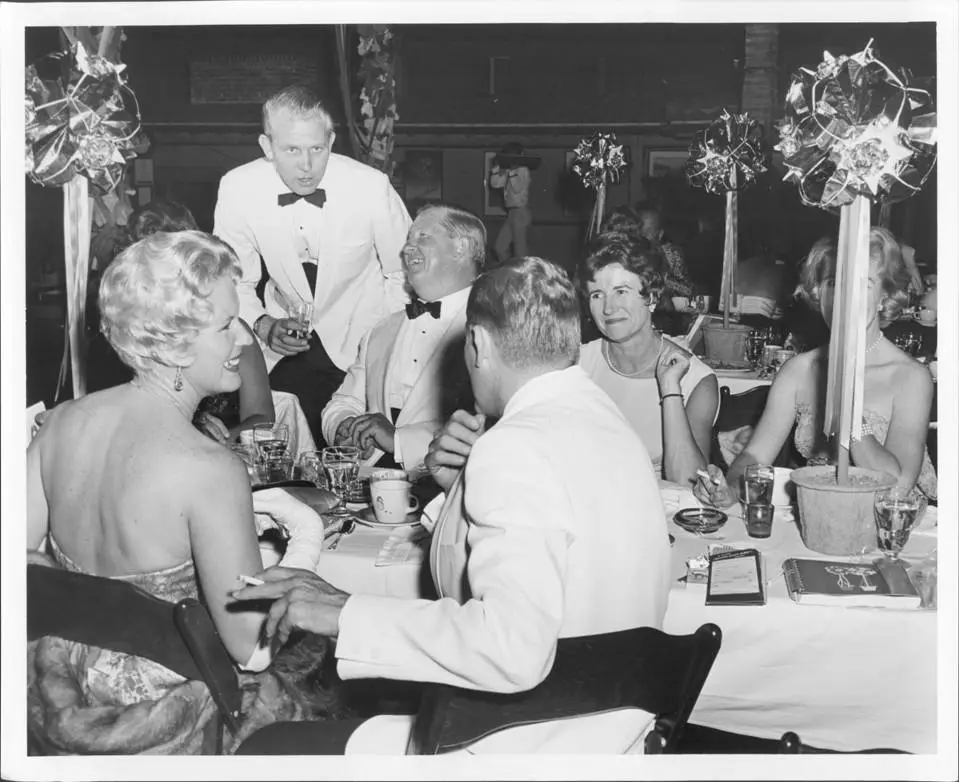
Help San Diego seniors age gracefully at Senior Prom: Forever Young, a fundraiser for Meals on Wheels San Diego County. The retro school dance-themed gala at the Kona Kai San Diego Resort will help the nonprofit continue to deliver daily nutritious meals and friendly visits to local seniors.
San Diego nonprofit GenerateHope and international charity Freedom Challenge will host a 45-mile, three-day walk from Oceanside to Coronado to help combat human trafficking. Funds raised will go toward Freedom Challenge’s work around the world and GenerateHope’s local programs that serve survivors of sex trafficking.
Roughly 300 guests will gather at a private residence in Solana Beach for bites prepared by San Diego’s top sustainable chefs, along with fine wine, craft beer, and small batch mezcal and tequila to support coastal conservation in the U.S. and Mexico. Funds raised at Wildcoast’s Baja Bash will help expand its programs in 2026 and beyond.
Local law enforcement, first responders, and military personnel will face off in a boxing match aboard the USS Midway Museum to raise money for the Community Youth Athletic Center. Now in its 21st year, the Battle of the Badges supports CYAC’s boxing programs for underprivileged youth.
Sarah Sapeda is San Diego Magazine’s Custom Content Editor. In her 15 years in San Diego journalism, she has covered charitable events, health care, education, crime, current events, and more.
The annual event honors middle market companies creating jobs, scaling up, and investing in the region
San Diego is known for its startup culture and innovation economy, but what happens when the company moves beyond its early-stage years? The San Diego Business Impact Awards aim to answer that question, spotlighting the middle market businesses helping drive the region’s economy.
Hosted by San Diego Regional Economic Development Corporation (EDC) and JPMorganChase, the second annual awards celebration takes place on Thursday, July 23, from 4:30 to 7:00 p.m. at Scripps Research Auditorium. More than 200 executives, entrepreneurs, and business leaders are expected to attend the networking and cocktail event honoring some of San Diego County’s fastest-growing companies.
Businesses headquartered in San Diego County that have operated for at least two years are encouraged to submit their nomination by Thursday, June 18 at 4 p.m. Companies across industries—from technology and life sciences to tourism and consumer products, as well as pre-revenue startups—are eligible for recognition.
For EDC President and CEO Mark Cafferty, the event is as much about building connections as celebrating success. “We’ve had a longtime partnership with JPMorganChase; their work aligns with our efforts to support underserved communities and drive talent development,” says Cafferty. “And the networking was invaluable last year. I’m still in touch with people I met at last year’s awards.”

EDC is an independently-funded nonprofit that works directly with San Diego companies to help them grow the local economy, make the region as a whole more competitive, and attract and retain top-tier talent with quality jobs. Through EDC, companies can get help starting or expanding their business with support for things like site selection, permit navigation, and regulatory guidance, plus connections to local resources and potential business collaborators.
The San Diego Business Impact Awards began as an idea with one of EDC’s longtime strategic partners, JPMorganChase. The two organizations share a commitment to San Diego and are dedicated to bolstering middle market businesses.
“We’re blessed with a robust innovation economy and startup community,” says Aaron Ryan, San Diego Region Manager for JPMorgan’s Commercial and Investment Bank and vice chair of the firm’s’ San Diego Market Leadership Team. “But one of the segments of the business community we felt was overlooked was emerging middle market companies—the businesses that are no longer small but not yet large.”
Ryan says supporting those companies is critical as they scale and decide where to invest, hire, and grow.
San Diego’s high cost of living remains one of the region’s biggest business challenges, making talent recruitment and retention increasingly competitive. But local leaders point to the region’s quality of life, climate, and collaborative business community as advantages that continue to attract employers and workers.

“In order to support thriving households, there has to be enough high-quality jobs for people to be able to afford to live here,” Cafferty says. “Once a company grows and excels past that middle market point in their growth cycle, they become much more likely to pay higher wages and compete globally.”
Both Cafferty and Ryan proudly tout the unique collaboration that exists among San Diego County businesses. Bringing together top universities producing high-quality talent, cutting-edge research institutions, a robust military and defense presence, leading ocean science and environmental organizations, and a binational, cross-border identity creates a distinct business ecosystem that defines and strengthens the San Diego region.
Last year’s San Diego Business Impact Awards celebrated nearly 60 honorees from 49 industries, representing a total of 8,232 jobs across eight sectors, including: software and technology, healthcare and life sciences, consumer goods, professional services, finance, construction and manufacturing, defense, and hospitality and tourism. On average, honoree companies doubled their revenues over the previous year, employed more than 145 San Diegans each, and offered an average annual compensation of $192,415.
Top honorees included defense contractor Innoflight, environmental consulting firm Bancroft Construction Services, life sciences startup Element Biosciences, defense technology contractor GALT Aerospace, organic grocery store chain Jimbo’s, and biopharmaceutical company LENZ Therapeutics. During the event, Innoflight Founder and CEO Jeff Janicik held a fireside chat offering his insights on investing in the community and embracing San Diego culture.
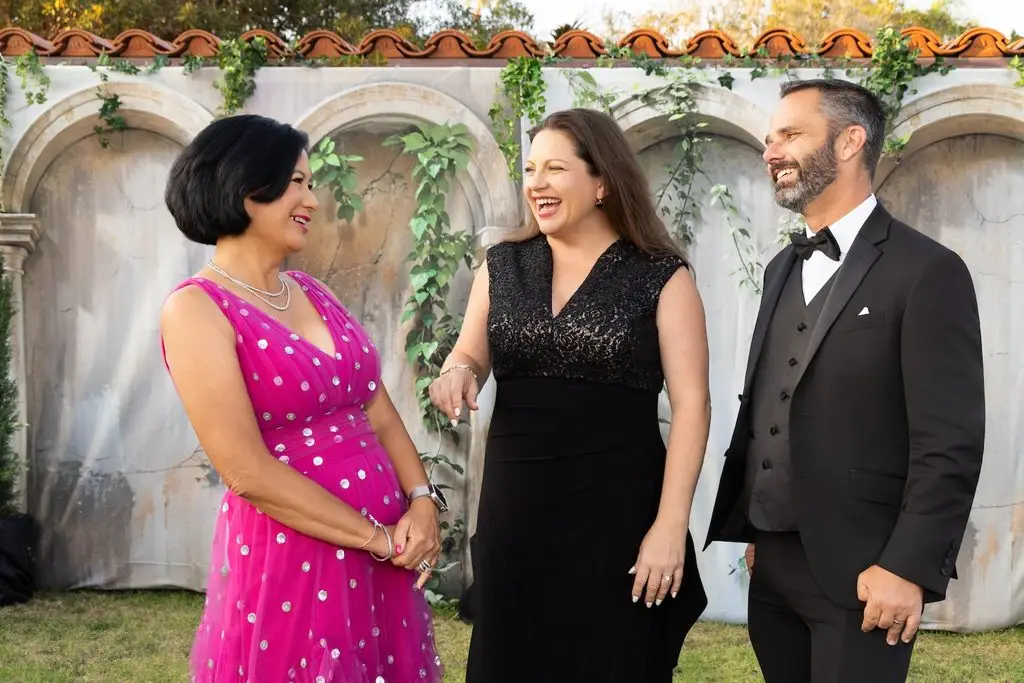
This year, organizers hope to continue highlighting the middle market players driving economic impact across the region. Nominations are now open through June 18 at 4 p.m. Get your tickets to the San Diego Business Impact Awards celebration to enjoy drinks by Snake Oil Cocktail Co., light bites, live music, and networking.
The event raised $700,000 in support of the company’s mission to bring meaningful arts experiences to the San Diego community
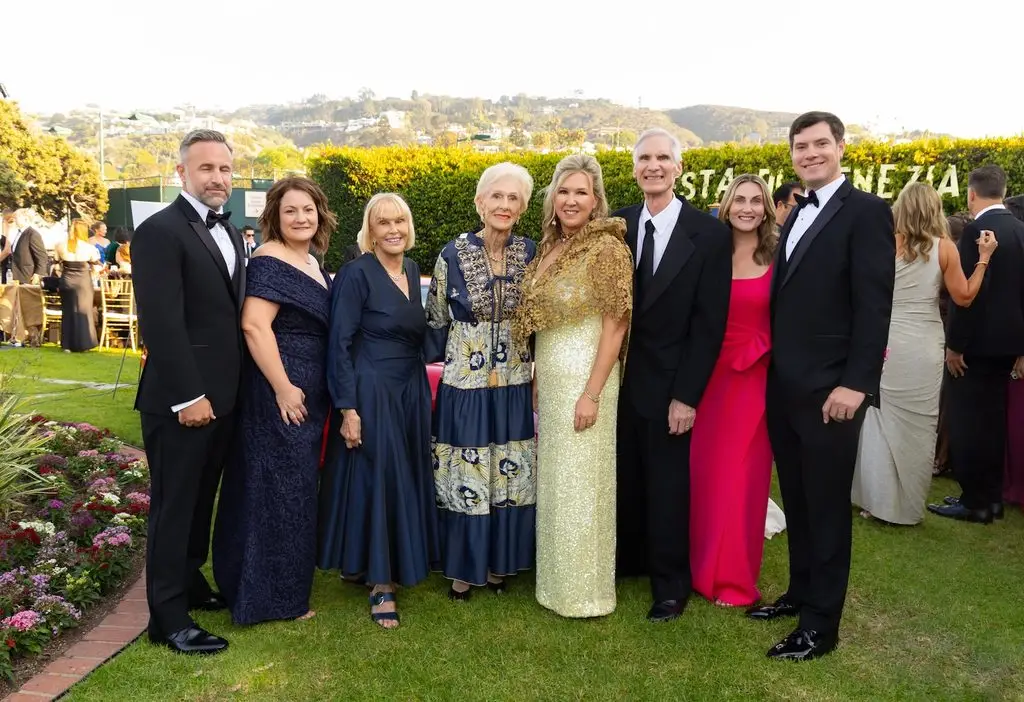
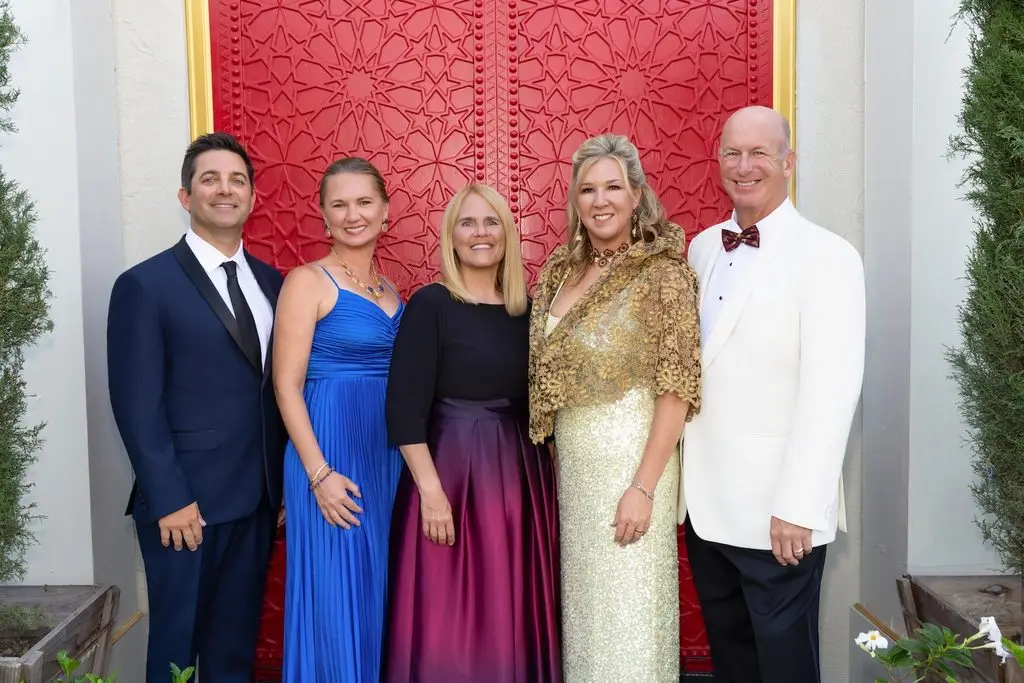
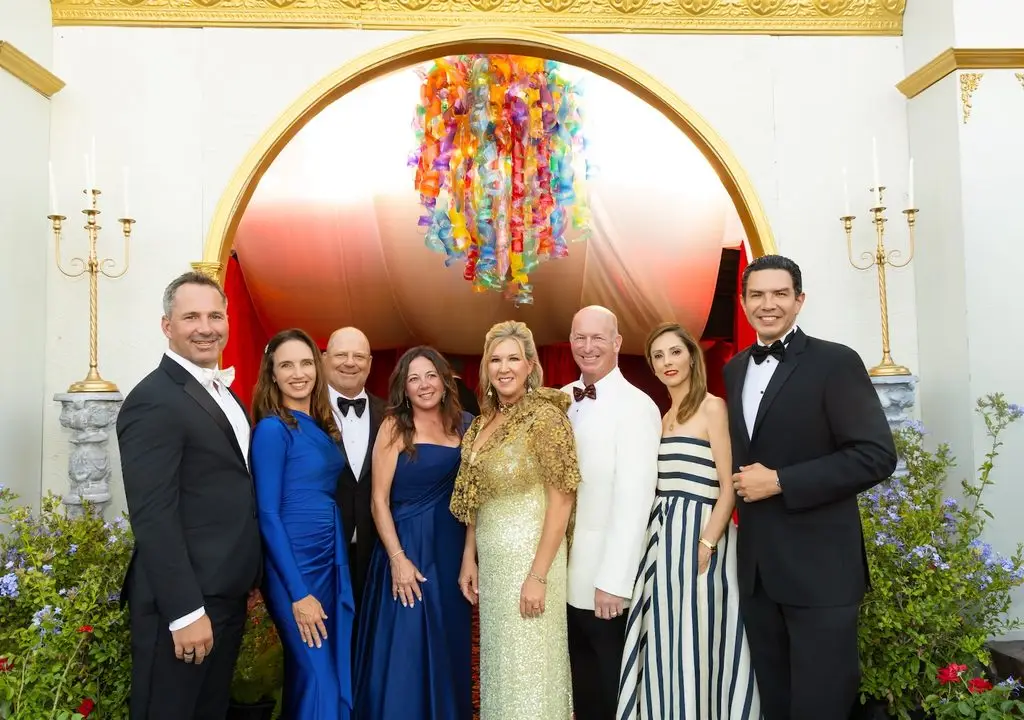
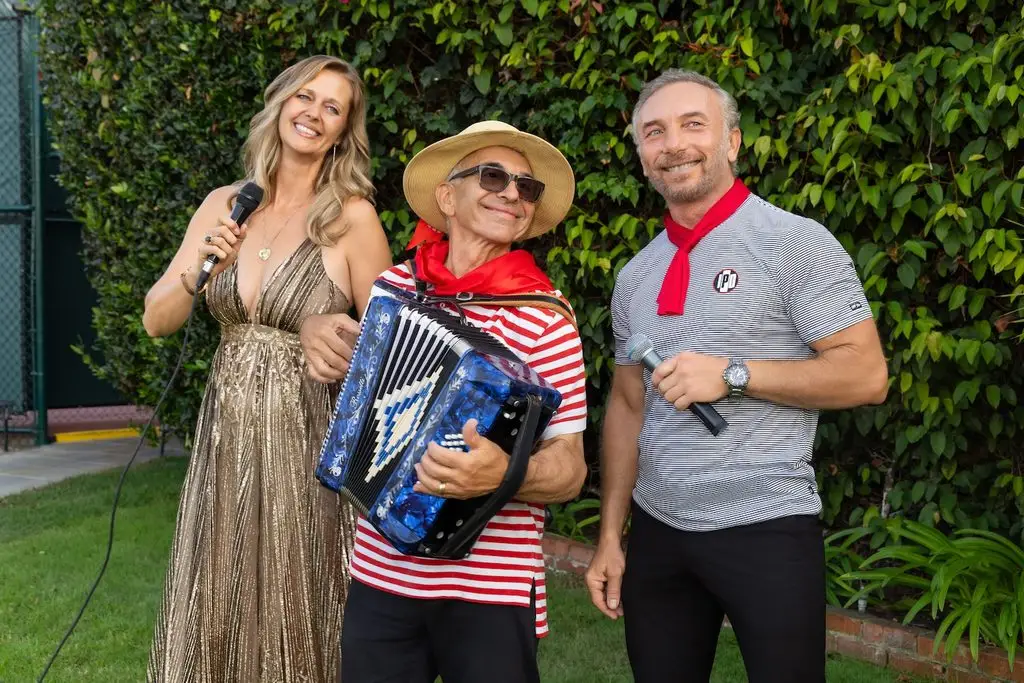
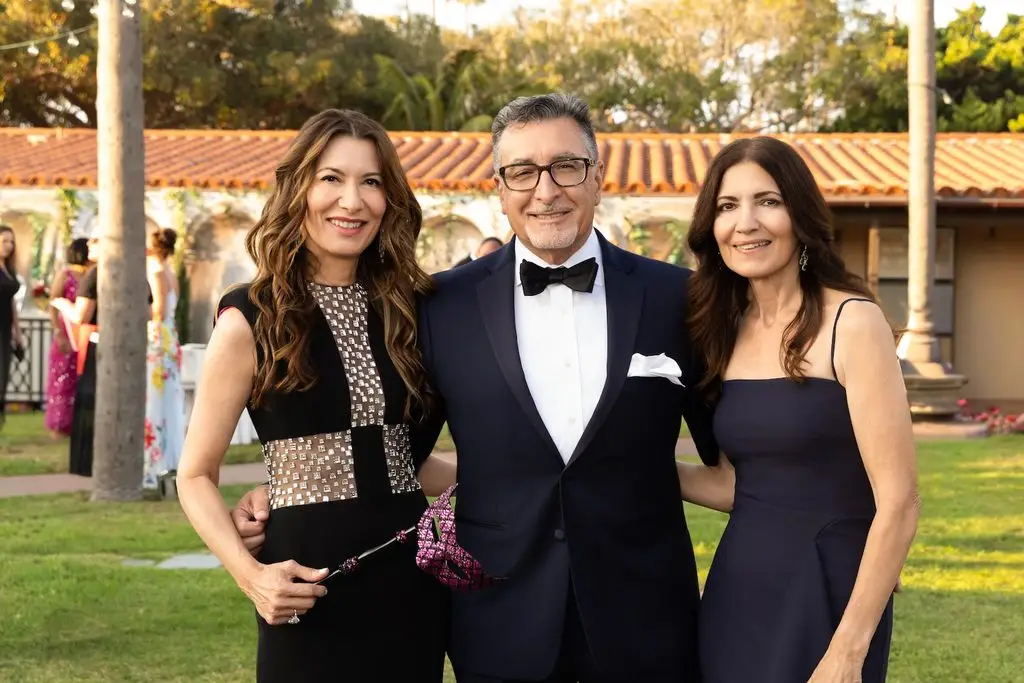
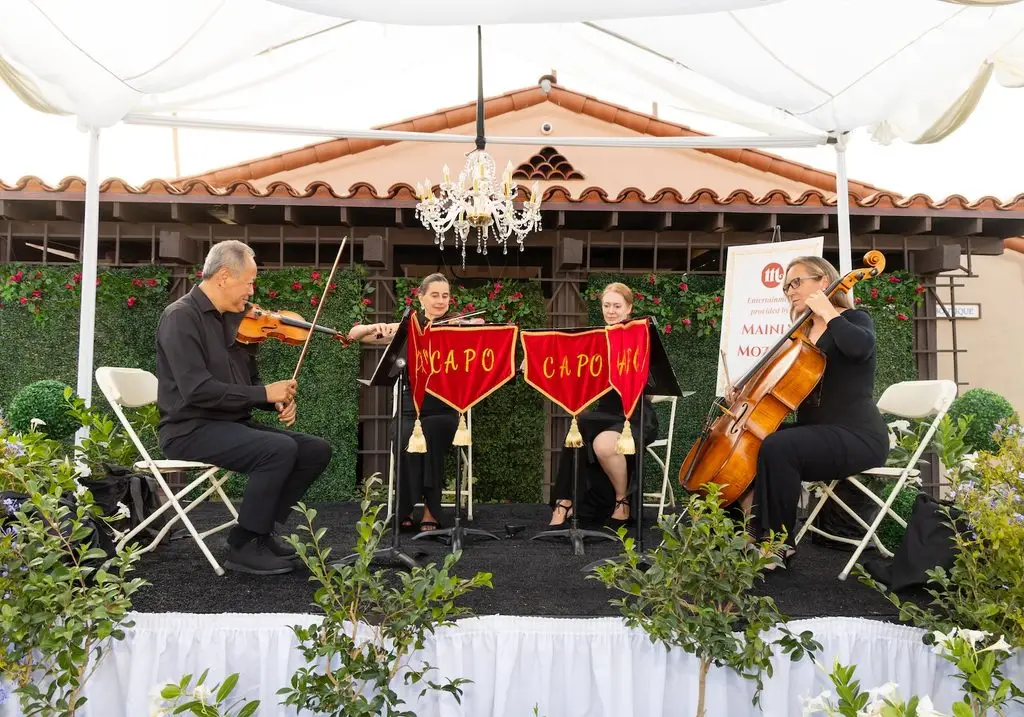
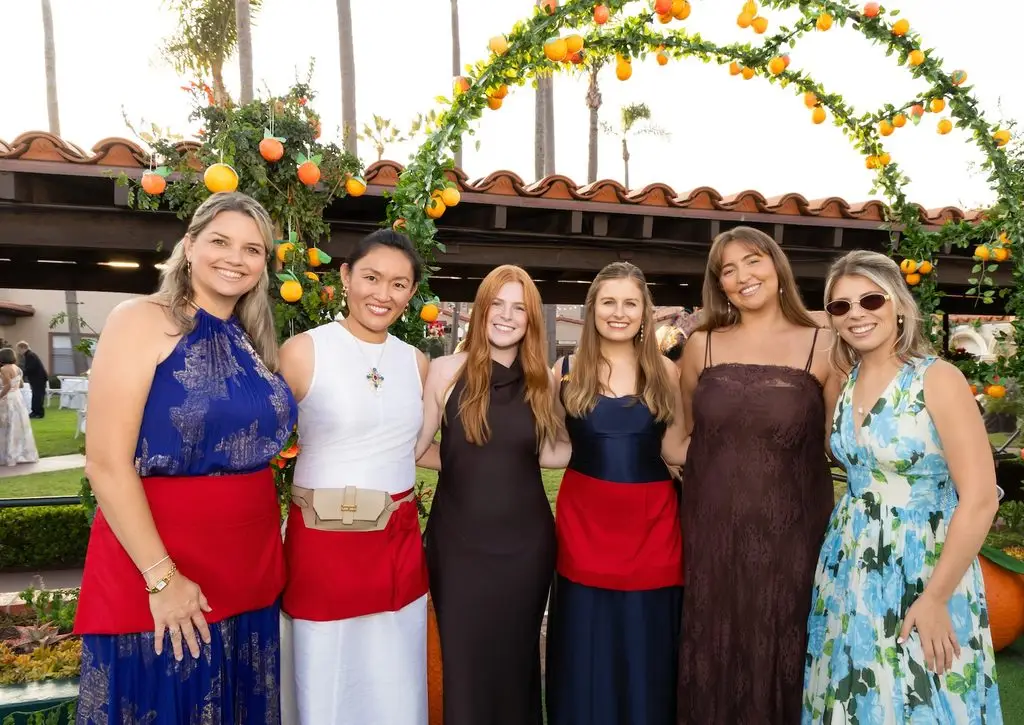
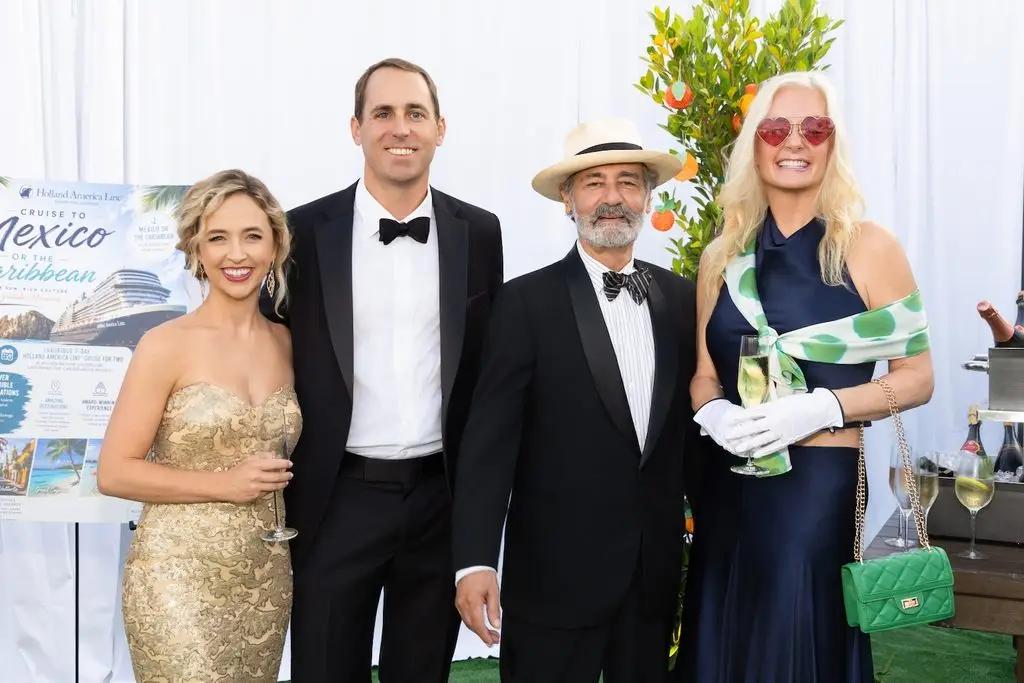
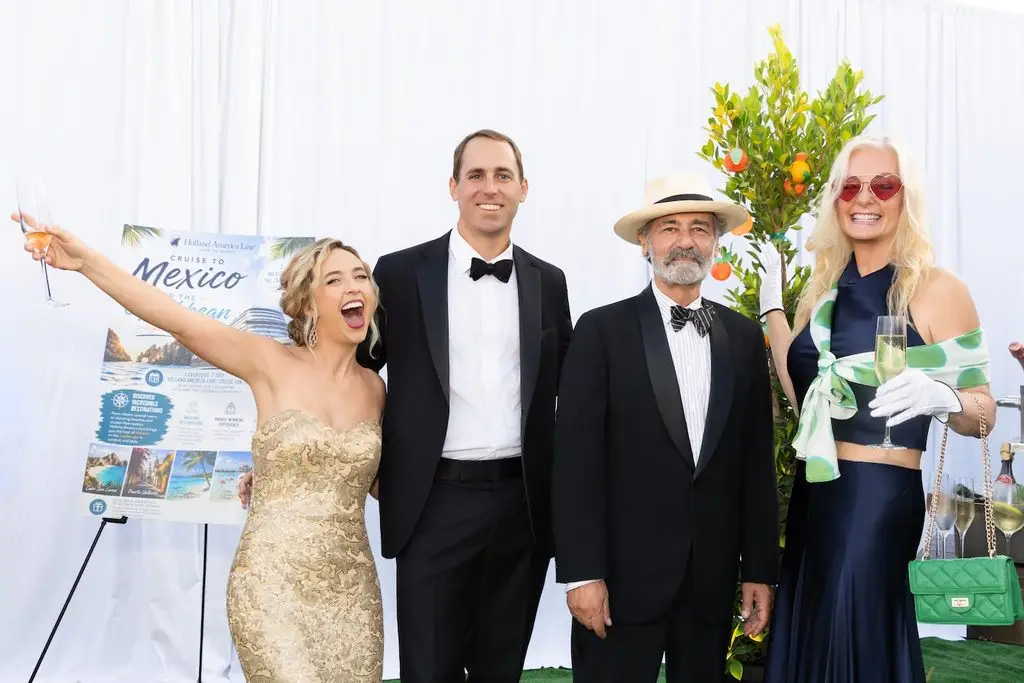
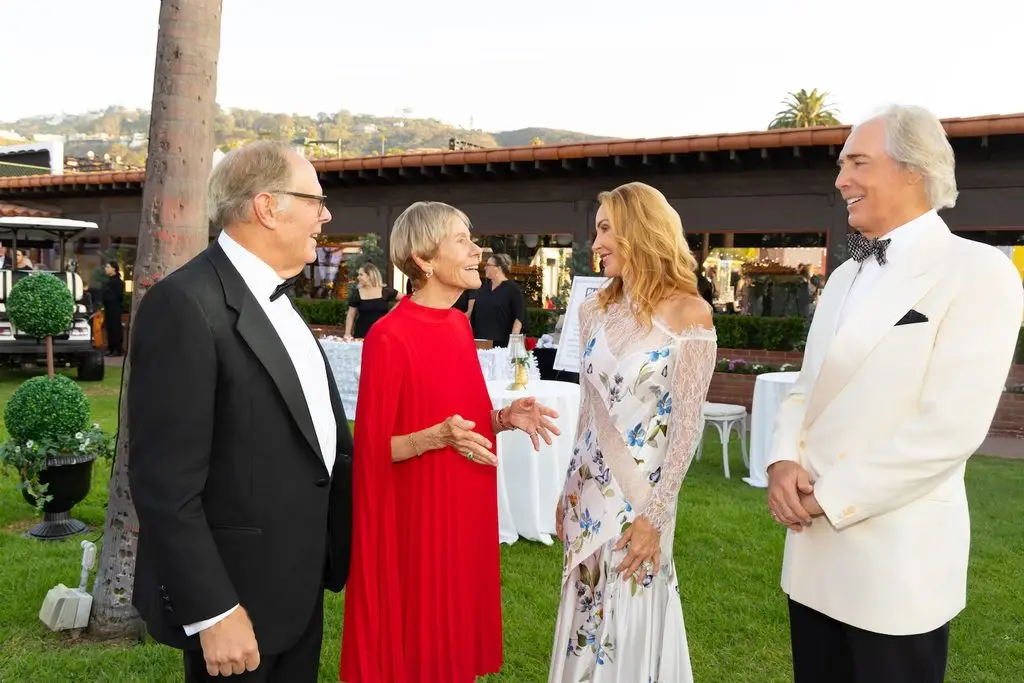
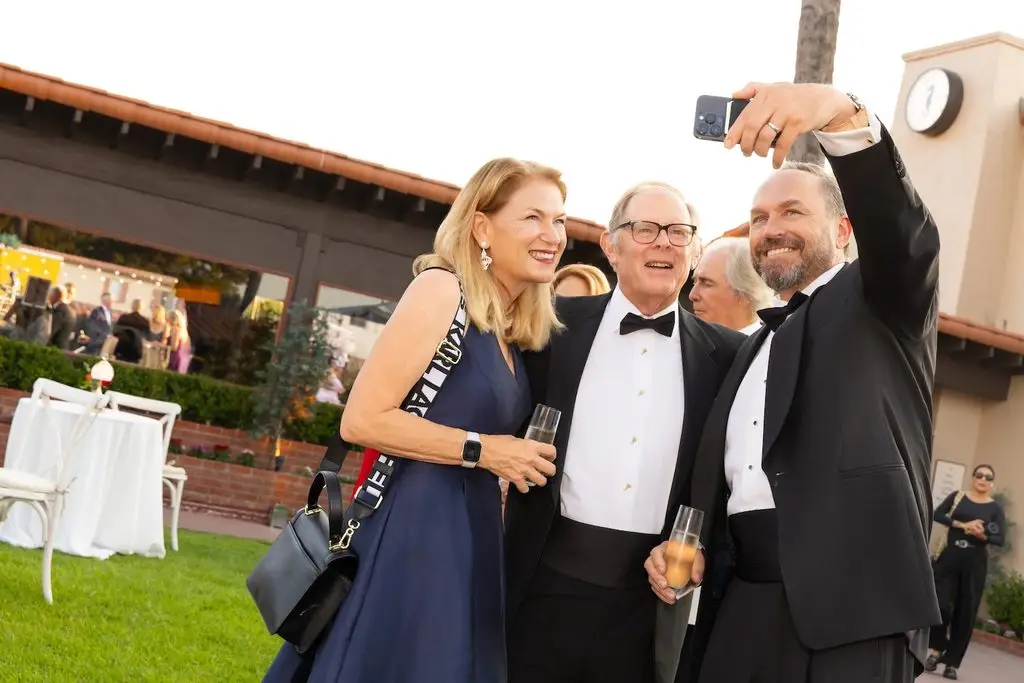
More than 200 opera aficionados attended the San Diego Opera’s 2026 Opera Ball for All May 2 at the Estancia La Jolla Hotel & Spa. The theme of the evening, Noche Sevillana, ¡Olé!, was an ode to two of this season’s operas: The Barber of Seville and Carmen. The event, which featured performances by Stephanie Doche and brothers Felipe and Xavier Prado, raised $700,000 in support of the company’s mission to bring meaningful arts experiences to the San Diego community.
See photos below.


Sarah Sapeda is San Diego Magazine’s Custom Content Editor. In her 15 years in San Diego journalism, she has covered charitable events, health care, education, crime, current events, and more.
The 50-year-old nonprofit provides transitional housing and financial literacy services to youth leaving the system
For young adults transitioning out of foster care, housing instability is often among the greatest challenges they face. This, along with underemployment or unemployment and a sudden lack of support and resources, significantly increases the likelihood that they will ultimately slip through the cracks.
Walden Family Services, a 50-year-old nonprofit that helps find stable, supportive home environments for local youth in foster care, is addressing the problem head-on through transitional housing programs that integrate financial literacy, case management, and life-skills development to help young adults learn how to live independently.
“It was pretty much a foster care to homelessness pipeline—or prison,” says Teresa Stivers, Walden Family Services CEO. In response, Walden Family Services launched an initiative called Independent Futures to help clients between 18 and 21 acclimate to their newfound independence. There’s also an extended care program for those ages 22 to 24.
Clients are provided furnished housing, food, and job training, and learn basic life skills, like how to cook and grocery shop, save money, pay bills, and budget. They pay rent that’s deposited into a savings account and matched by Walden Family Services. Clients are also required to work, attend school, or do a combination of both for 40 hours a week.

Roughly 90 percent of existing clients live in safe, sustainable housing, 83 percent maintain stable employment, and 83 percent leave the program with significant savings.
“There’s a reason why every young person in this country can be on their parents’ health benefits until 26. Research shows that’s about how long it takes for someone to fully take off—and that’s for somebody who grew up with their parents and maybe went to college,” says Stivers. “As you can imagine, it’s more difficult for someone who went from family to family, school to school, exiting at 18 without a diploma.”
The program’s success stories exemplify its impact, Stivers says. Clients have gone on to become entrepreneurs, advocates, scholars, and loving parents who break the cycle of child abuse and neglect. Many also want to give back and help other kids in the foster care system. Walden Family Services is working to develop an alumni program and build a mentoring component into its transitional program.
“We’ve done all kinds of peer mentoring, peer therapy, and have a lot of staff members who grew up in our program or have lived experience, and it’s been really impactful. So now we want to formalize that program for our alumni and give our graduates an opportunity to help other folks,” Stivers says.

Walden is also looking ahead, focusing on expanding housing partnerships, strengthening prevention efforts, and increasing community involvement to meet growing demand. However, rising housing costs and funding constraints are taking their toll on nonprofits like Walden Family Services.
“It’s challenging for all of us,” Stivers says. “We are all still trying to provide the best care that we can with the limited dollars.”
Those considering ways to help can make a monetary donation to the organization or attend a fundraising event like the Walden Family Services’ “There’s No Place Like Home” gala on April 30 at The Thursday Club. The organization is currently looking for volunteers to host activities or training sessions for clients, help out in the office, serve on the board, or participate in holiday drives. If you’re a local property owner, they’re also looking for partnerships with those willing to rent reasonably priced apartments to their clients.
“There are so many things that people can do to make an investment in their community,” Stivers says. “Many people don’t realize that there are children in their own backyard who are going hungry, who are sad and scared and lonely, and that they can make a difference. We hope that people will do that so we can all benefit.”
Sarah Sapeda is San Diego Magazine’s Custom Content Editor. In her 15 years in San Diego journalism, she has covered charitable events, health care, education, crime, current events, and more.
Scripps study shows that some patients may be able to taper their dose and maintain results
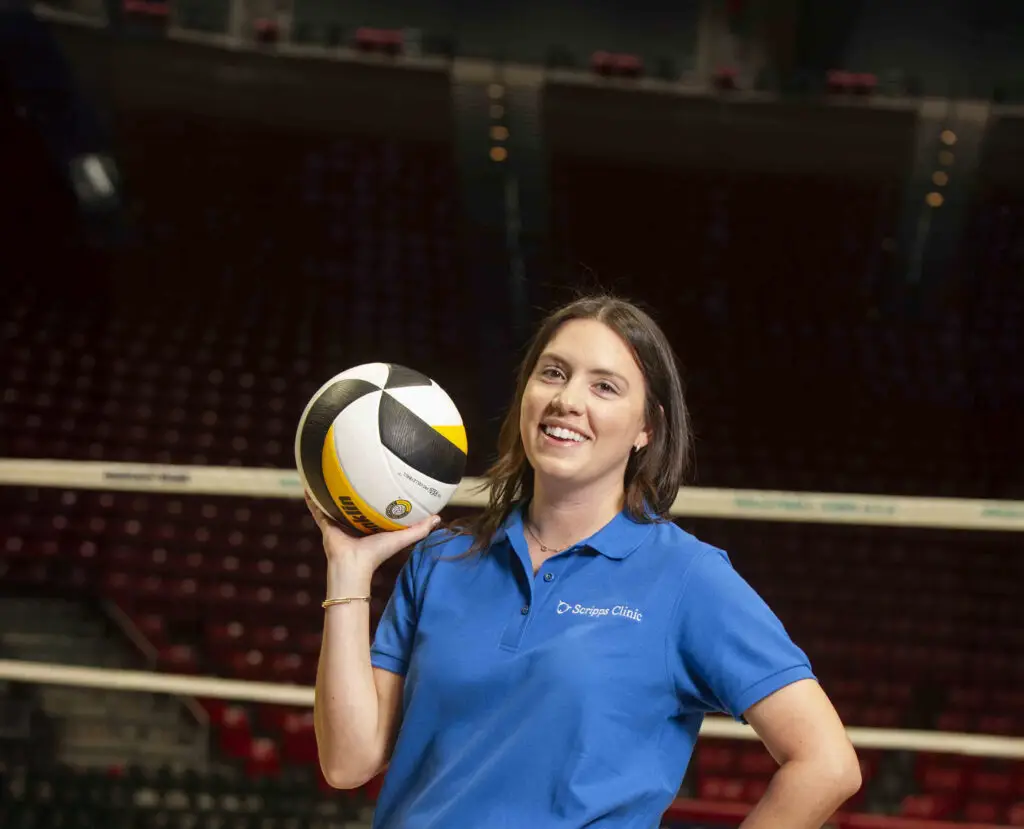
While glucagon-like peptide-1 (GLP-1) receptor agents have been used to treat Type 2 diabetes for more than 20 years, their recent emergence as weight-loss wonder drugs marked a new frontier in medicine. But their effectiveness has left some patients wondering what to do once they’ve reached their goal. Stopping the medication could mean regaining some, if not all, of the weight. A Scripps Clinic internal medicine physician recently conducted a small study of whether GLP-1 patients who had reached their goal weight could maintain that weight by taking their regularly prescribed injection every other week instead of weekly. Spoiler alert: 30 of 34 patients did. Read more about the study here and what that may mean as pharmaceutical companies roll out oral GLP-1s.
For more nutrition, wellness, and healthy living tips, sign up for the San Diego Health newsletter here.