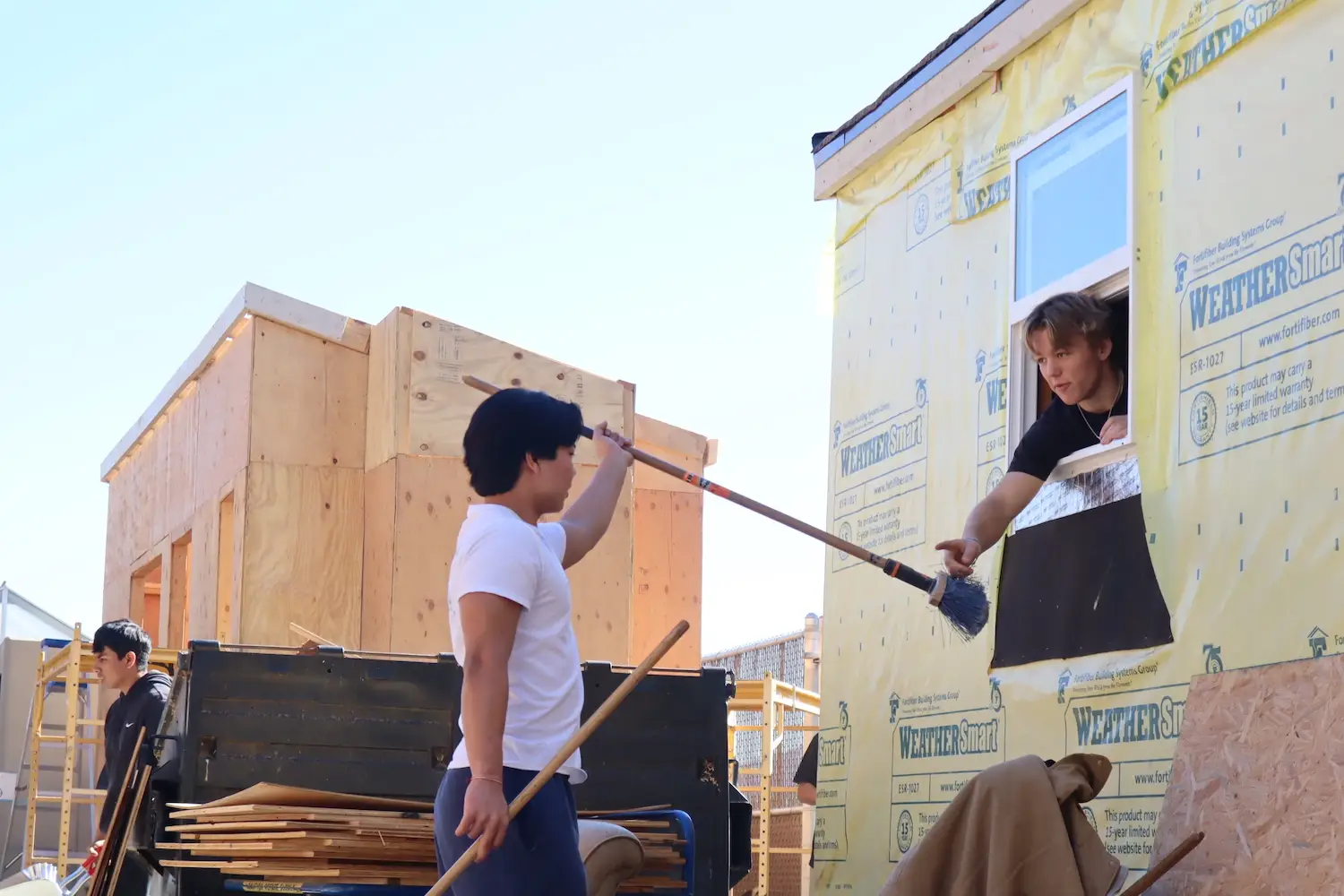
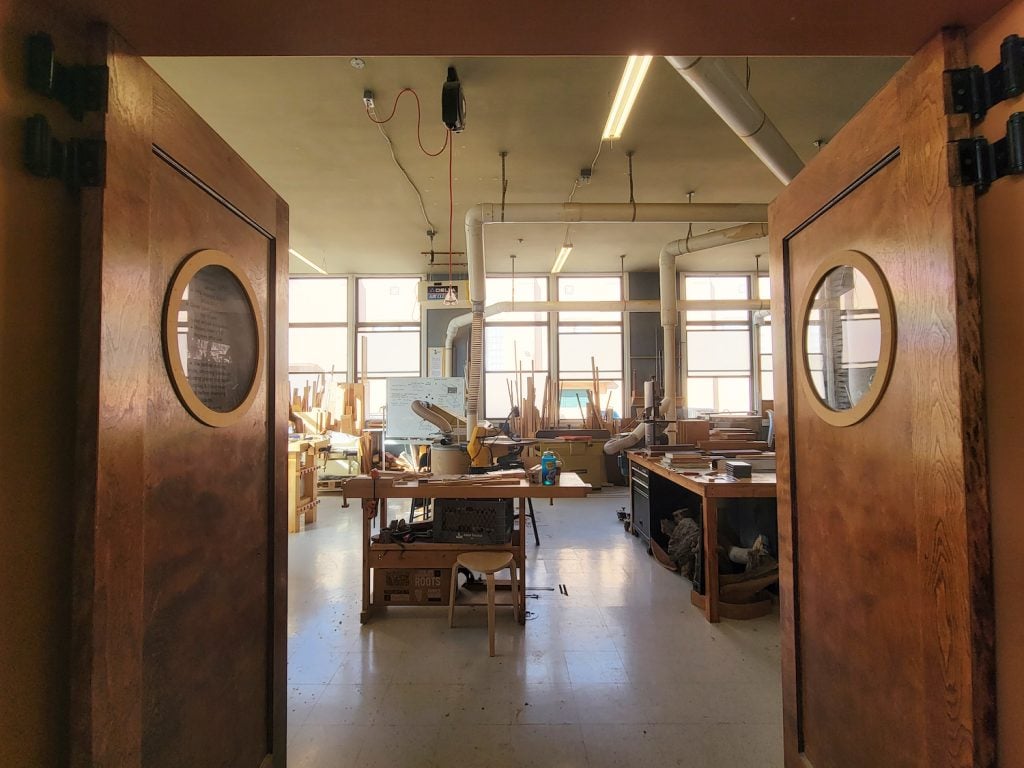
In the time before classes begin at San Marcos High School (SMHS), Warrior Village Project founder Mark Pilcher drops off school supplies for wood shop teacher Chris Geldart’s class. You won’t see him schlepping laptops or books, though—instead, Pilcher’s delivery includes materials like lumber and door frames.
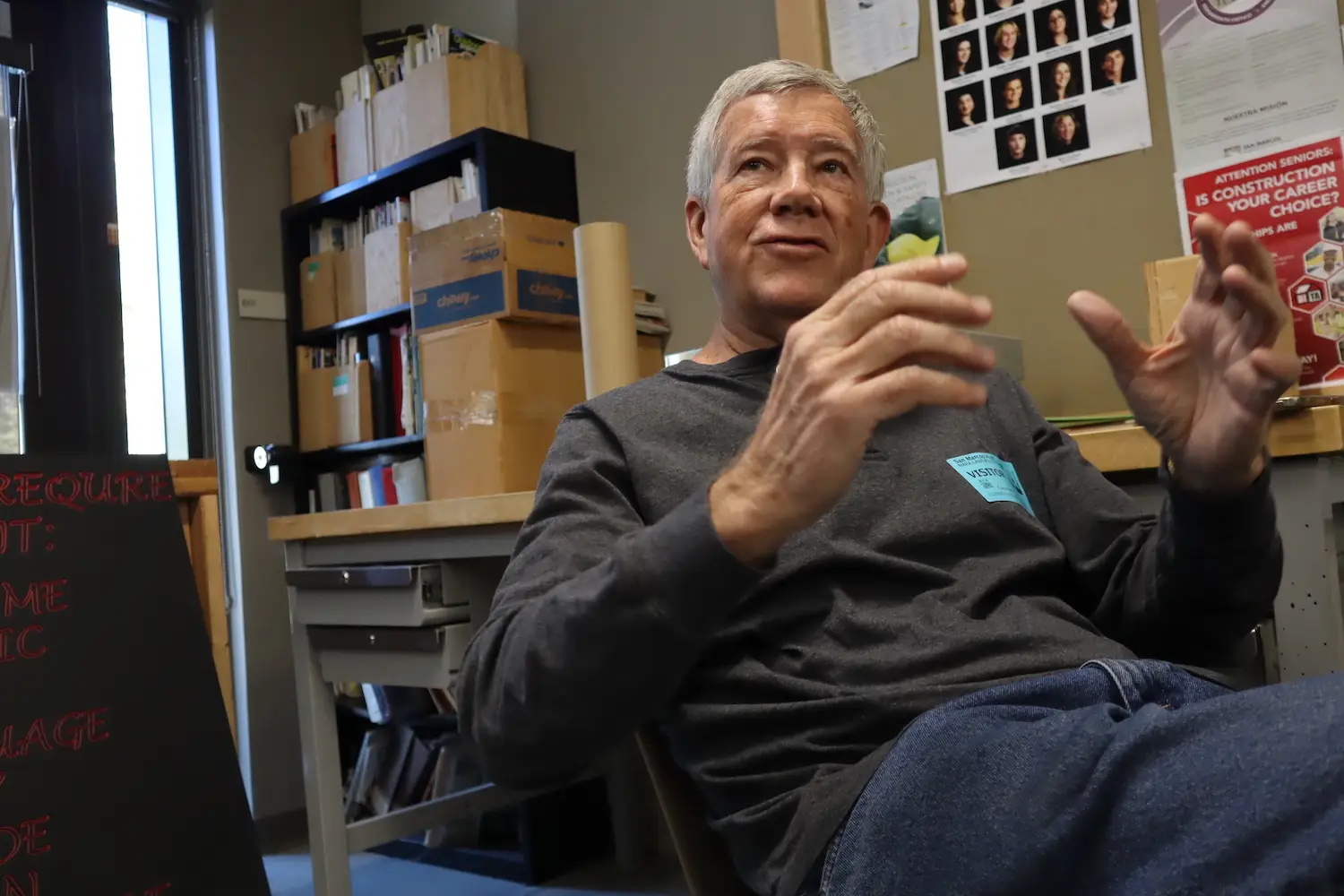
“It was my idea to start building tiny houses in high school construction classes to provide houses for homeless veterans,” Pilcher says. “My vision—my goal—is to build villages of tiny homes.”
Pilcher created The Warrior Village Project in September 2019, reaching out to high schools across San Diego County to see if he could work with their wood shop classes to craft those little abodes. With help from the San Diego Building Industry Association, SMHS became the Warrior Village Project’s first partner school. Today, the program has expanded to include Rancho Buena Vista High School and San Pasqual High School.
Photo Credit: Joshua Silla
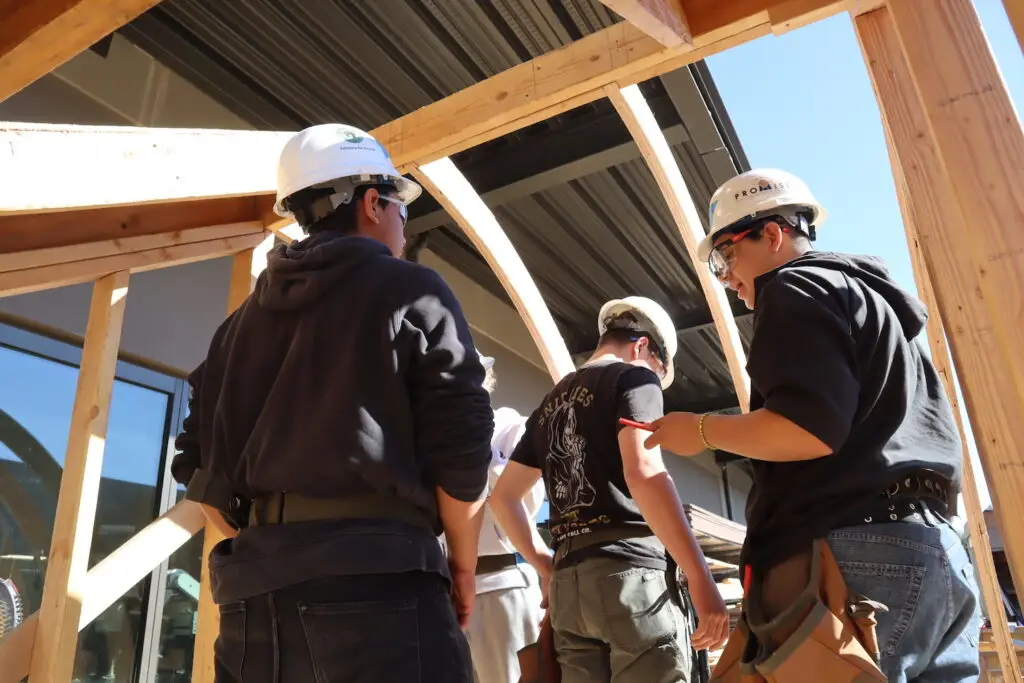
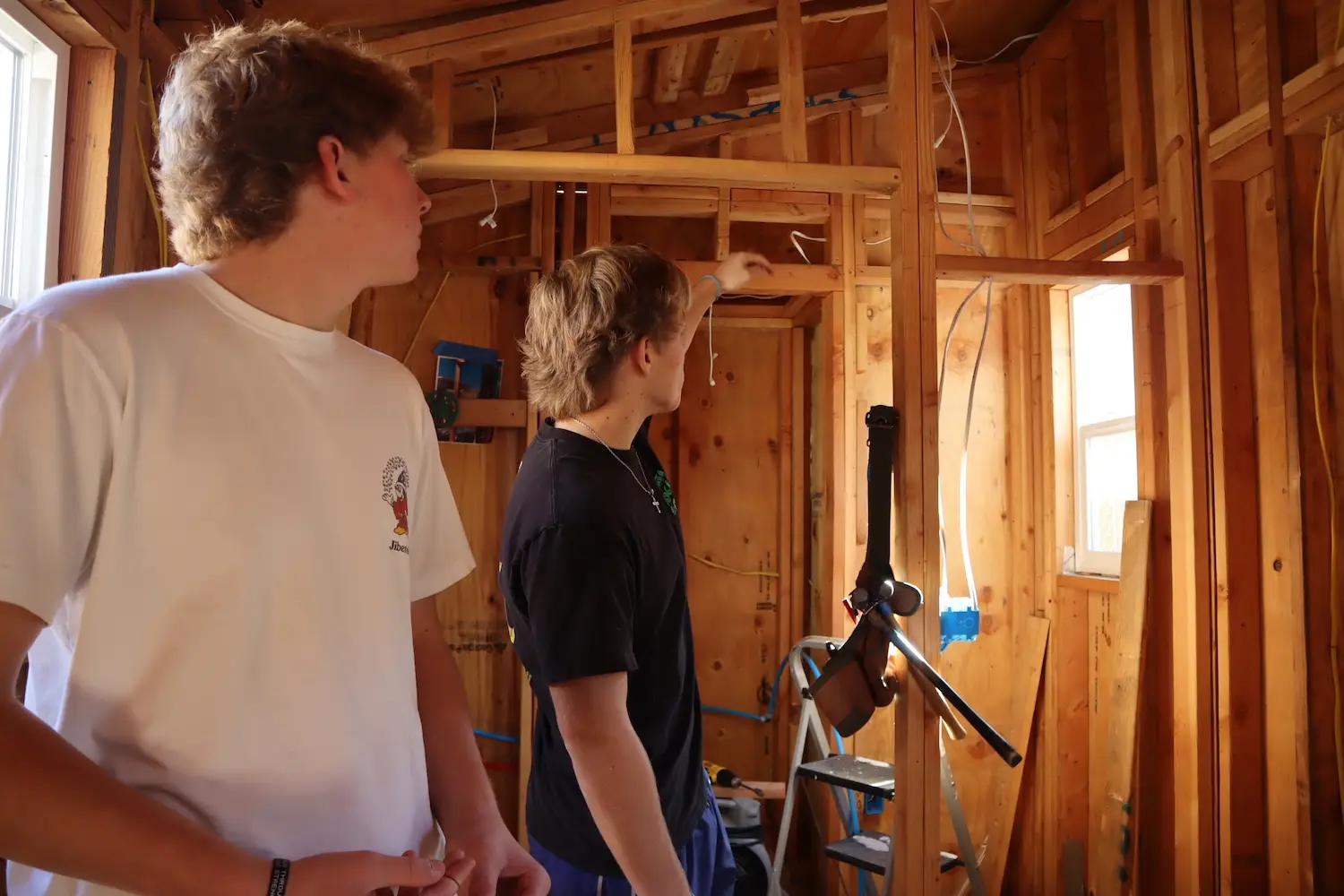
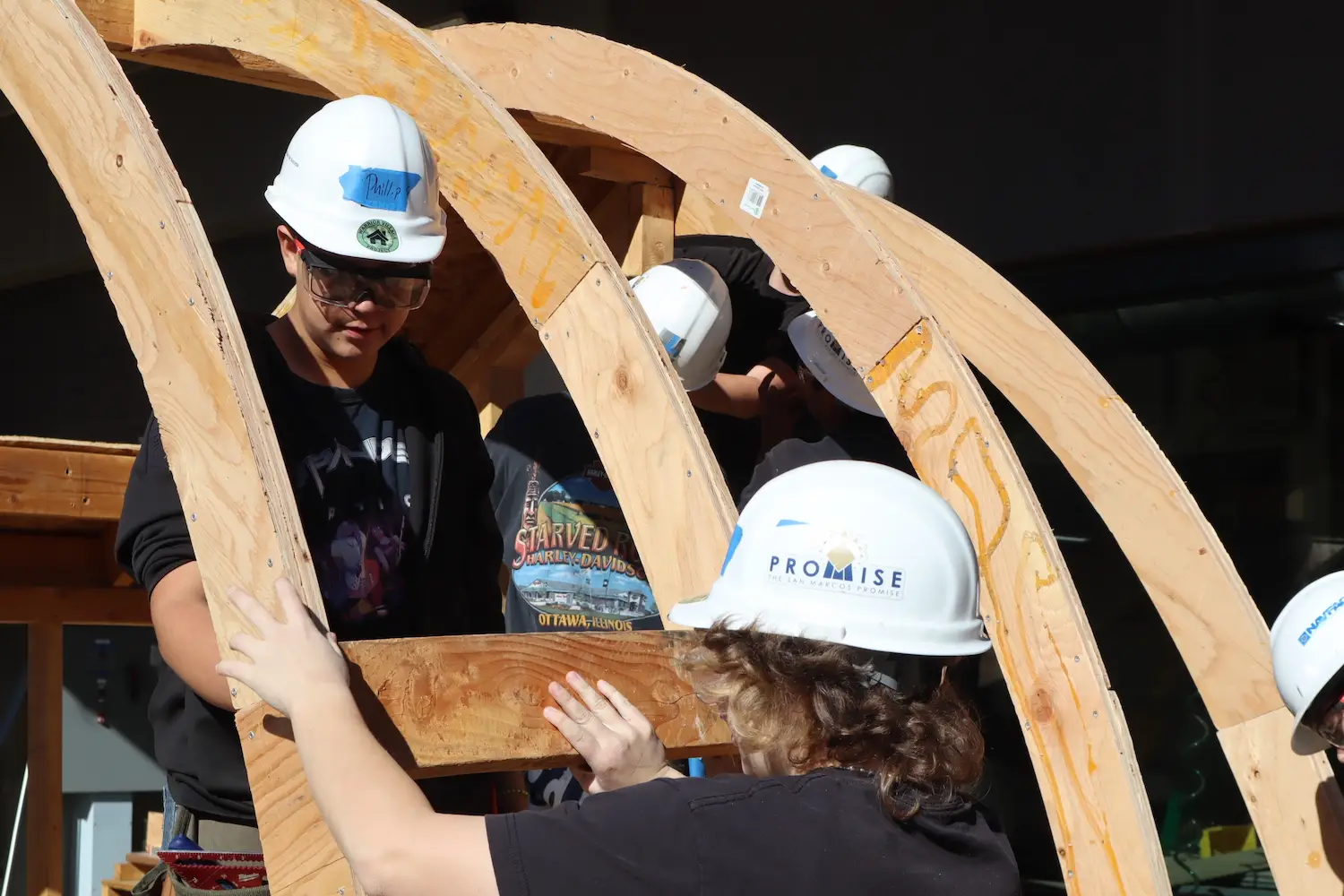
All together, students at the three schools are in the process of constructing four tiny homes—two of which are at SMHS. Clocking in at just 168 square feet, the structures are built on trailers that are 8 feet wide by 20 feet long. Each home contains two rooms: a studio-style living space with a bedroom and kitchen area, complete with windows over the sink and by the door, and a bathroom space perched over the hitch of the trailer.
SMHS anticipates that both houses will be complete by the end of the fall 2025 semester, but that’s a rough estimate. Teachers like Geldart have to assess how fast construction can go based on their students’ know-how. Each school’s class has around 25 to 30 students, with many returning and some graduating. And in a course like shop, there’s bound to be a learning curve—especially for certain skills.
For example, the students handle plumbing and electricity, but those more finicky elements of construction require proper professional inspection. Electricians stop by SMHS to lead and oversee students’ work. If the electrical wiring isn’t done by the time their visit is over, they’ll provide further instruction, then check back again for any progress during their next visit.
“The idea is [that students] get an appreciation for what electricians do,” Pilcher says. “The hope is any student can walk out of class saying ‘Hey, I can be an electrician.’ Or, if a light goes out in their house, they feel comfortable fixing it. They’re learning life skills.”
Pilcher envisions that, as time goes on, students with less experience will learn from more adept students, and the whole construction process will run more smoothly.
After all, “[the entire class is] learning a lot from building this,” Geldart’s student Max Hackett says, gesturing toward one of the houses.
Photo Credit: Joshua Silla
Hackett is a part of what Pilcher and Geldart call the “A Team”—a group of four advanced students who don’t require as much technical guidance as their peers. Both juniors, Hackett and Grey Boysen have taken Geldart’s class since their first year at SMHS. When he heads to college, Hackett plans to pursue a minor in construction project management.
“My returning students have a little bit more knowledge of what’s going on,” Geldart explains. “I can check in on them a little bit less, which pairs well with having a second house.”
As a result, the home overseen by the A Team is significantly further along than the other house, which is being built by other high schoolers who are new to the program or have less advanced technical skills. It’s a motivating force—students will “look around and say, ‘Okay, this is what it’ll eventually look like,’” Boysen points out.
The goal is to place the four houses in a village with eight other tiny homes and a community center, a safe place for veterans who need shelter. Pilcher has offered all four homes to Solutions For Change, a nonprofit based in Vista that recently acquired property in Green Oak Ranch.
Logistically, the program is a significant improvement over Pilcher’s original approach. Pilcher’s first house—a stick-built home started by students and completed by volunteers, member companies of the Building Industry Association, HomeAid San Diego, Associated General Contractors of America, and Seabees—was installed as an ADU at a Wounded Warrior Homes residence.
“When you build a house that way, the plans have to be approved and the home has to be inspected by the jurisdiction where it’s going,” Pilcher says.
Photo Credit: Joshua Silla
Stick-built houses are traditionally constructed and inspected onsite. But that inspection process—and ensuring that the house follows the specific policies and laws of the city where it’s headed—becomes significantly more difficult when students build the structures on campus.
The Warrior Village Project’s second house sat until it was eventually sold; Pilcher was unable to find a suitable site in a cooperative jurisdiction. Using that money, Pilcher pivoted to tiny homes.
“We couldn’t make it work under that model,” he says. “[We now create] movable tiny houses, which are built to a national code, so it doesn’t matter where they’re going. We still have the zoning and permitting issues to deal with, but that’s getting better all the time.”
Back in Geldart’s classroom, construction wraps, with students putting away materials and sweeping away dust and debris with brooms. Tomorrow, they’ll pick up where they left off—again and again, until graduation.
“It’s not perfect, but it’s trial-and-error,” Boysen says. “It gets better with every iteration—every graduating class. Then, the next class will come over, and they’ll start a new house.”
Joshua Silla is an award-winning editorial intern for San Diego Magazine, also interning for The San Diego Sun and EdSource in his last semester at San Diego State University. When he’s not writing, he’s either out biking, burning CDs, or calling his mom.
September 4: Margaritaville Hotel San Diego Gaslamp Quarter Day of Service
Margaritaville Hotel San Diego Gaslamp Quarter will honor the legacy of the late Jimmy Buffet with a fundraiser for the San Diego Music Foundation. Its Day of Service at its rooftop bar will feature a performance by The Buffett Band, a travel and experience themed silent auction, and interactive entertainment.
September 5: McAlister Institute Walk for Sobriety
Hundreds of San Diegans will gather at NTC Park at Liberty Station for the McAlister Institute’s 14th Annual Walk for Sobriety. In addition to the walk, the event will include a resource fair with more than 35 nonprofits, healthcare providers, and community organizations that are part of a network of support for those in recovery.
September 12: Drew Brees Celebrity Pickleball Event
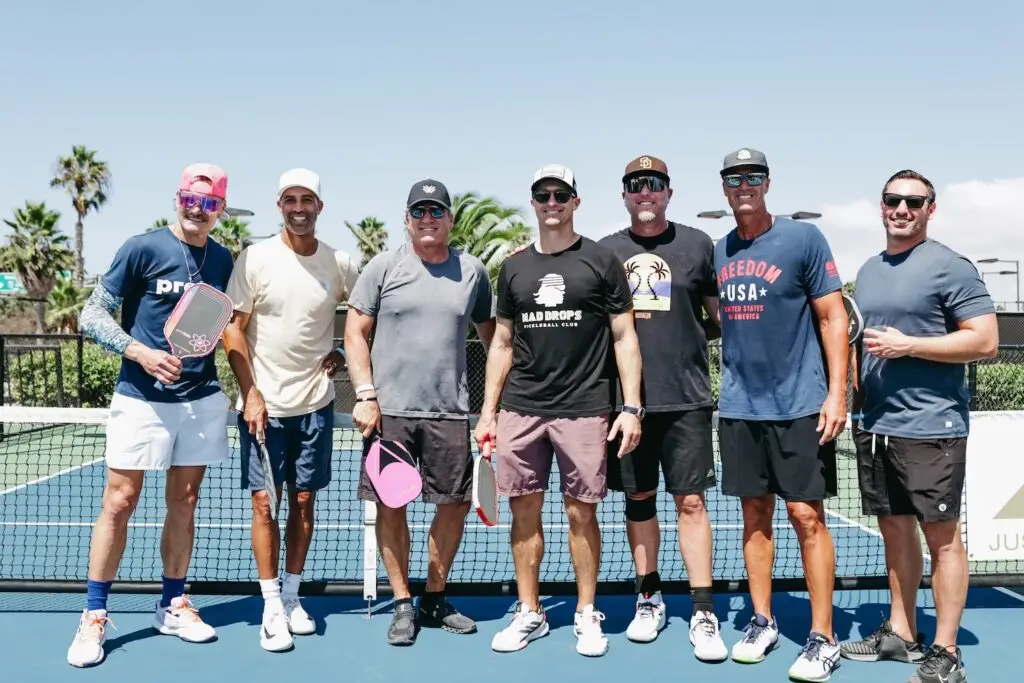
Celebrities, athletes, and other notable names will face off for a great cause at the Drew Brees Celebrity Pickleball Event at the Barnes Tennis Center. The friendly competition, part of the Del Mar Wine + Food Festival, will benefit Feeding San Diego.
September 14: Promises2Kids Dream On Concert Gala
Foreigner will take the stage to benefit Promises2Kids at its Dream On Concert Gala at a private home in La Jolla. Proceeds from the exclusive event will help Promises2Kids create a brighter future for local foster kids.
September 17: Lucky Duck Foundation 2026 Showcase Soirée
The Lucky Duck Foundation will host its annual Showcase Soirée at the Estancia La Jolla Hotel & Spa. Proceeds from the event will support the nonprofit’s mission to prevent and alleviate the suffering of homelessness throughout San Diego County.
September 17: Emilio Nares Foundation Harvest for Hope
Show your support for families of local children with life-threatening diseases at the Emilio Nares Foundation’s Harvest for Hope at the Fairmont Grand Del Mar. Funds raised will benefit programs like Ride With Emilio, which provides no-cost transportation for families seeking medical treatment, and Healing Through Nature activities for kids in recent cancer remission.
September 18: Girl Scouts San Diego Urban Campout 2026
To celebrate the 50th anniversary of Girl Scouts San Diego’s Camp Winacka, the organization will host a nostalgic evening under the stars. This year’s Urban Campout: Ignite the Possibilities at Girl Scouts San Diego’s Balboa Campus will feature camp-inspired cuisine, cocktails, and activities.
September 19: Boys and Girls Clubs of Greater San Diego’s An Evening of Changing Lives
The Boys and Girls Clubs of Greater San Diego will celebrate its impact on local youth at its 13th annual An Evening of Changing Lives. Proceeds from the gala at the Marriott Marquis San Diego Marina support programs that promote academic success, character development, and healthy lifestyles.
Youth Tennis San Diego will honor the sport’s American icons at its annual gala at the Barnes Tennis Center. An Evening Celebrating Tennis Heritage & Legends will help the nonprofit make tennis accessible to all youth in San Diego, regardless of background or skill level.
September 19: Serving Seniors Sunshine Gala
Serving Seniors will produce a Jukebox Broadway-style show for its highly anticipated Sunshine Gala. The evening at the Hilton San Diego/Del Mar will support Serving Seniors’ compassionate and life-changing services for seniors in need throughout San Diego.
September 26: Doors of Change 2026 Concert of Hope
Tom Petty Tribute Band, PettyBreakers, will take the stage at the Doors of Change 2026 Concert of Hope at the California Center for the Arts in Escondido. This year, the nonprofit will celebrate its 25th year of transforming the lives of unhoused youth.
September 26: Boys to Men Mentoring 100 Wave Challenge
Boys to Men Mentoring will celebrate30 years of service this year at its annual 100 Wave Challenge. The annual surf-a-thon event welcomes hundreds of surfers who attempt to catch 100 waves in one day and raise $1,000 or more to support Boys to Men Mentoring.
September 26: The Party in the Park
The San Diego Automotive Museum will host The Party in the Park to raise money for the museum and programs that equip youth for careers in the automotive industry. The Roaring 20s-themed event at the Balboa Park institution will feature live jazz and an exhibit of 1920s automobiles.
Sarah Sapeda is San Diego Magazine’s Custom Content Editor. In her 15 years in San Diego journalism, she has covered charitable events, health care, education, crime, current events, and more.
A Rare Look Inside Callaway Golf’s San Diego Test Center
The Ely Callaway Performance Center is where tour-level fittings, cutting-edge technology, and golf equipment you can’t buy yet all come together
Courtesy of Ely Callaway Performance Center
By Tina Mickelson
“Come test something.”
Those are quite possibly my three favorite words in the English language—all due respect to “I love you” or the highly underrated “you were right.”
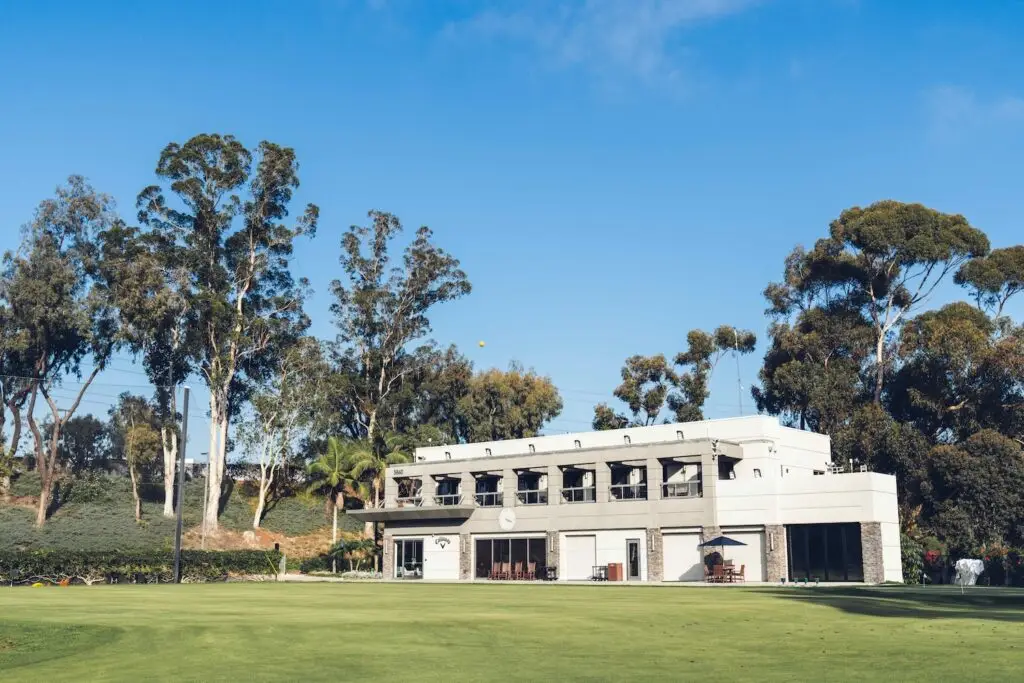
I’ve been a PGA Golf Professional since 1994, and yes, full bias disclosure, a Callaway Golf Ambassador for 18 years. One of the bonuses that comes with that combo is access to the Ely Callaway Performance Center—a place so exclusive it gives “velvet rope” vibes.
Originally opened in 2006 as a highly functional (yet not exactly breathtaking) test facility, the ECPC got a serious glow-up in 2018 when Gil Hanse (along with partner Geoff Shackelford) turned it into what can only be described as a fully engineered golf playground. Hanse is no stranger to golf course renovations. In 2024, he completed an extensive redesign of the Omni La Costa North Course in Carlsbad, so it could host the NCAA Division 1 Golf Championships. He also worked on acclaimed courses like Winged Foot, Merion Golf Club, and Oakmont Country Club.
In just two months, it went from a standard test center and R&D lab to a fully dialed-in golf playground.
Courtesy of Ely Callaway Performance Center
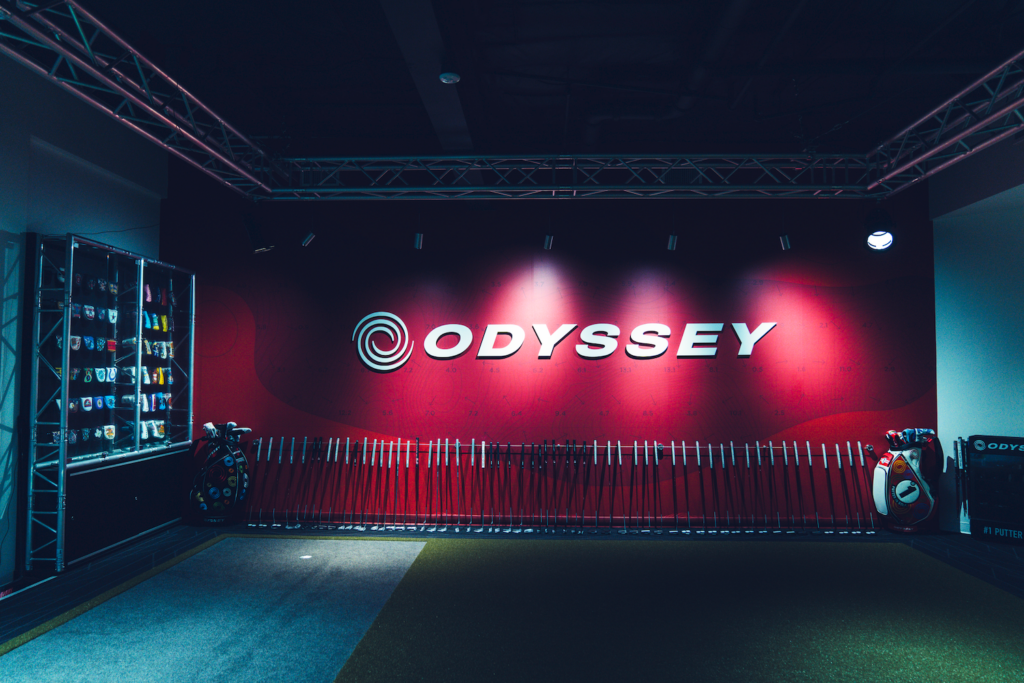
What was once purely practical is now intentionally designed to be both precise and inspiring. The targets are staggered with purpose—forcing creative shot-making while also calling you out on your actual distances (no more “that’s my 150-yard club … ish”).
Add a massive hitting area, bunkers and greens that mimic real on-course conditions, a “Himalayas” putting green (named for its roller-coaster undulations), an upgraded indoor putting lab, and a 120-decibel sound system blasting a very golf-appropriate playlist, and suddenly it’s a rare blend of high-performance testing facility and “don’t mind if I stay here all day” energy. Since this isn’t exactly open to the public, SDM asked me to take you behind the curtain.
As the iron gates part, it feels less like arriving at a practice facility and more like being granted backstage access at a rock concert—if the bandmembers were made entirely of launch monitors and perfectly manicured turf.
There are no mats. No guessing. No “I think that one felt good?” Just conditions that mirror exactly what tour players see in competition. Because when you’re testing equipment at this level, accuracy isn’t a bonus—it’s the whole point.
Even the sand matters. Different textures. Different densities. Because bunkers have personalities, too, and they are often unfriendly. And the golf balls? Brand. New. Not the usual “these have seen some things” range balls. New balls mean consistent spin, truer trajectory, and no surprises. The older a golf ball gets—and the more it’s been baked in the sun, scuffed, or generally lived a full and complicated life—the less reliable it becomes. Think of it like this: fresh ball, predictable performance; old range ball, slight chaos with a side of mystery.
I’m escorted to my personal hitting bay—basically a pop-up shaded oasis stocked with enough equipment to make a gear junkie weak in the knees. Shafts in every weight and profile imaginable. Heads lined up like they’re waiting to be drafted by their favorite team.
Courtesy of Ely Callaway Performance Center
Toptracer technology was patiently waiting to track every one of my swings, each shot instantly delivering ball speed, launch, spin, carry distance, and dispersion (a polite way of saying consistency, or lack thereof), so there’s no guessing—just data telling the truth, whether I like it or not.
We start with irons. Different heads, different feels, different results. When I miss a shot, the ball tends to leak right, so we check lie angle. A quick adjustment—2 degrees upright—and suddenly the clubface is consistently square at impact like it remembered its job. Effort level: down. Ball flight: improved. Confidence: creeping back.
Next we look at the different shaft options—because nothing says “fun afternoon” like realizing a higher kick point can change your entire golf identity. Shaft flex (how much the shaft bends during your swing) helps determine whether you get more height and distance or more control, while kick point (where the shaft bends the most) influences your ball flight—lower kick point for higher launch, higher kick point for a flatter, more penetrating shot. In other words, one small tweak and suddenly you’re hitting shots you’d normally only describe later, slightly exaggerated, over a glass of wine.
Then we move through the bag: hybrids, fairway woods, drivers, wedges. It’s a full rotation of “try this,” “now try this,” and “okay wait … THAT one.”
And yes—the new Quantum driver and fairway woods made an appearance. Without getting too deep in the weeds, they’re faster, more forgiving, and smarter (thanks to AI face mapping) than previous models. Translation: Even your mishits are now slightly less embarrassing. And they were not the only things getting tested. My patience was under attack because the driver and woods would not be available to the public for a good three months.
Courtesy of Ely Callaway Performance Center
Watching the fitting team work is like watching a Formula 1 pit crew. Clubs are swapped in seconds. Shafts tightened, adjusted, replaced. One minute you’re swinging something that seems “fine,” and the next, you’re holding a club that feels like it is a part of your DNA.
Then there’s the putter fitting. Drivers are physics. Putters are therapy. Inside the putting lab, sensors track everything—tempo, face angle, path—things you didn’t even know could be measured. Within minutes, my data politely informs me that my putter face is slightly closed at impact. Not shocking, but also not ideal.
A few quick adjustments—different head (with a bit more weight at the toe to discourage the face swinging closed at impact), shorter shaft (so I feel more over the ball, which helps my eyeline)—and suddenly the ball starts rolling exactly where I’m aimed.
Same stroke. Same golfer. Completely different outcome. If only the rest of life worked like that.
And then there’s the part that feels slightly classified. The ECPC isn’t “just” a performance center—it’s also where future equipment lives before the public even knows it exists. I’ve been there when certain clubs were basically under surveillance. Not “don’t touch,” but more “please keep phones in your pocket.”
It’s golf’s version of Area 51. Except instead of aliens, it’s drivers that won’t hit shelves for another year—and like I mentioned, waiting is not my strong suit.
Getting to test the newest equipment isn’t just a perk—it’s part of the job. It’s what allows me to stand in front of students and say, “I’ve tried it. I know what works and what doesn’t. And more importantly, I know why.” And if I happen to sprint to my car every time the phone rings and someone says, “Come test something” … well, that’s just professional courtesy.
Callaway isn’t the only place to get your swing analyzed and clubs fitted. You can stroll into big retail spots like The Golf Mart or Golf Galaxy, book a next-level session at a dedicated studio like Club Champion or True Spec Golf, test brand-specific gear at various manufacturing companies (many located in Carlsbad), or even combine a lesson and a fitting at GOLFTEC. And let’s not forget your local golf course, where fittings happen on actual turf, on a driving range you have some history with—many times with the golf professional who is familiar with your swing so they can give you valuable input. With this many options, there’s really no excuse, other than pride, to keep blaming your clubs.
Seniors today face challenges that were unimaginable to previous generations, and some turn to nonprofit organizations to bridge the gap. Serving Seniors helps low-income older adults with housing assistance, social services, and more. The nonprofit provides 1.5 million meals and coordinated services to 13,265 older adults each year, the majority living on less than $1,125 per month.
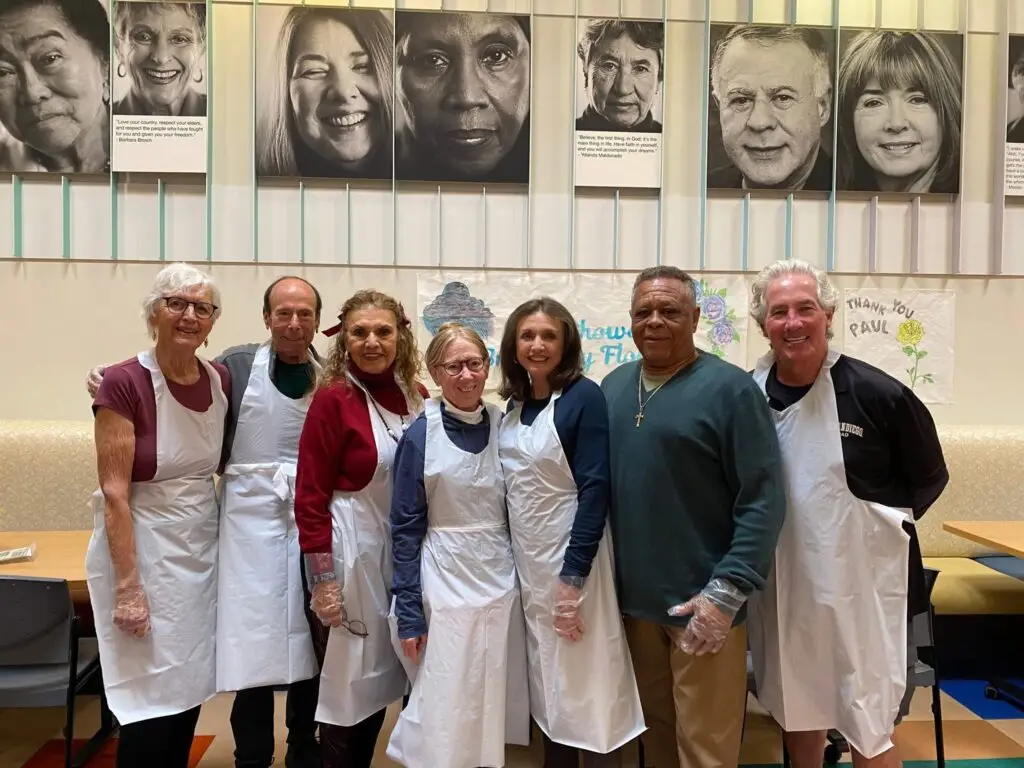
Dedicated volunteers, like Fred Davis, help make this important work possible. Since roughly 2008, Davis has spent six days a week at the Serving Seniors Gary and Mary West Senior Wellness Center serves as a liaison to help clients access much-needed resources. Here, he shares what keeps him coming back day after day.
Courtesy of Serving Seniors
What made you want to get involved with Serving Seniors?
I have a community outreach ministry and my grandson and I were on the streets downtown handing out sack lunches, water, hygiene products, clothes and shoes, and things like that and I noticed that most of the people I met appeared to be seniors. So the next logical step for me was to find a senior group that I could work with. I heard about Serving Seniors, and I made a few phone calls. No one really responded to me, so I showed up. They opened the door for me and now they can’t get rid of me. I found a home. I’ve met some really good people over the years. And as it turned out, I’ve been here longer than most of them. I’ve been here at the West Center ever since the doors opened. And matter of fact, I was the one who gave Gary and Mary West an award for their generous donation that made it possible to open up this center.
What do your volunteer duties entail?
I’m in ministry, but I don’t want that to be the highlight of what I do. It’s not just a passion for serving people, it’s a calling. I like the idea of giving and serving people and trying to meet their needs. So I counsel, I oversee the serving of the lunches, and I work with the head of the volunteer group. I’m involved in different activities. Matter of fact, this coming Saturday, I’m going to take a group of seniors out sailing. I also helped start the Civic Engagement Group. It was a group of us, and there are about three members that are left from when we originally started it. Now Serving Seniors is taking it over, and my role is to work with them. I also took it a little bit further and ended up joining Aging and Independent Services and sat on that advisory board for a number of years. That led to me being elected to the California Senior Legislature. So I’ve been advocating for seniors for a very long time. They’re a vulnerable group. They worked hard and don’t always get the respect that they deserve.
Courtesy of Serving Seniors
What do you like best about volunteering at Serving Seniors?
The people—this is my target group right here. I don’t have to walk the streets like my grandson and I did anymore; they’re right here. I’m here every day at the West Center but Sunday.
What’s the biggest challenge you’ve faced?
The biggest challenge is not being able to help someone who really needs the help. But we try to find a way. I reach out to different organizations, faith-based organizations or other nonprofits, sometimes with success and a lot of times without success. There are quite a few people that are in need who are hardworking people, dedicated people who still want to provide for themselves and their family, and they’re just caught in that void.
Courtesy of Serving Seniors
Can you describe your favorite or most memorable experience while volunteering?
I was handing out clothes; I usually have a sock drive and I gave a homeless person a pair of socks. As they peeled their filthy socks off their feet, this person cried. You don’t know how important these little things are that we take for granted. It was really touching.
Any advice for someone considering volunteering as a way to give back?
A lot of people use the term giving back, but I just say giving. When you say ‘giving back,’ that means you’re trying to repay something and you’re taking credit. But giving is a passion. It’s something that you do from your heart, not out of obligation.
Sarah Sapeda is San Diego Magazine’s Custom Content Editor. In her 15 years in San Diego journalism, she has covered charitable events, health care, education, crime, current events, and more.
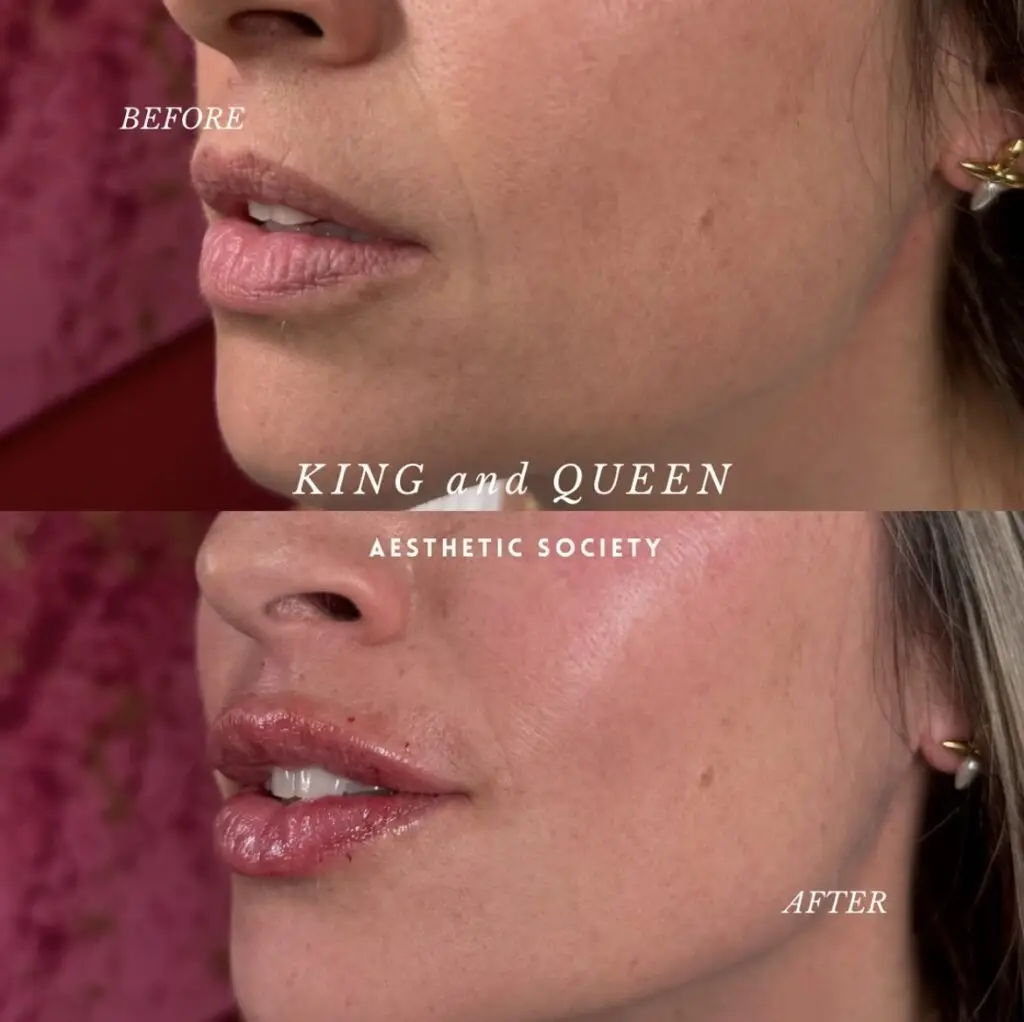
Kelly H. Harfouche, founder of KQ Aesthetic Society, knows firsthand that cosmetic treatments like fillers, neurotoxins, and microneedling, can not only enhance a person’s appearance and restore confidence, they have the power to truly change a person’s life. An expert injector has the ability to tailor treatments to each individual patient’s anatomy and goals for personalized results. Harfouche, a board-certified nurse practitioner, has spent nearly a decade perfecting her craft as an aesthetic injector and integrating her multifaceted artistic skills with precision patient care. Her commitment to continual education and training, plus a passion for helping people look—and feel—their best, set KQ Aesthetic Society apart in a sea of local medspas.
For many people considering nonsurgical treatments, the intent is to look refreshed and refined. KQ Aesthetic Society’s philosophy eschews a cookie cutter approach that bases treatments around units, instead working to understand each person’s unique goals, then curating a treatment plan to fit that vision. Harfouche focuses on “inclusive luxury,” the belief that everyone deserves access to aesthetic treatments, respective of budget restrictions. She develops long-standing trusted relationships with her patients, and works with each one to achieve their aesthetic objectives and address the underlying causes of their concerns.
“For me, forming an honest and open relationship with every patient who walks through the door is essential. This means understanding them on a deeper level and meeting them where they are to define and achieve their individual goals,” she says.
Drawing on her artistic background, which inspired her transition into medical aesthetics, Harfouche sees each client as a “unique canvas.” Rather than relying on standardized procedures, the practitioner’s distinctive approach combines her profound understanding of the physiological and anatomical changes associated with aging with an unwavering commitment to ongoing education about the newest products and their mechanisms of action. Her goal is to make each patient feel beautiful in their own skin and to embrace their individuality.
She has also pioneered a way to combine her talent for aesthetic artistry with her philanthropic nature. Harfouche is one of only a handful of providers using dermal fillers to treat patients with lip asymmetry and scarring resulting from cleft lip surgery. Patients travel from around the country for this transformative treatment, noting increased confidence and a restored identity. She hopes to eventually launch a training program to help fill the void in this space.
“My passion has always been connecting with people and giving back in any capacity that I can,” she says. In the rapidly advancing landscape of aesthetic medicine, you can place your confidence in Harfouche and KQ Aesthetic Society to deliver exceptional care. To learn more or book a consultation, please visit kqaestheticsociety.com.
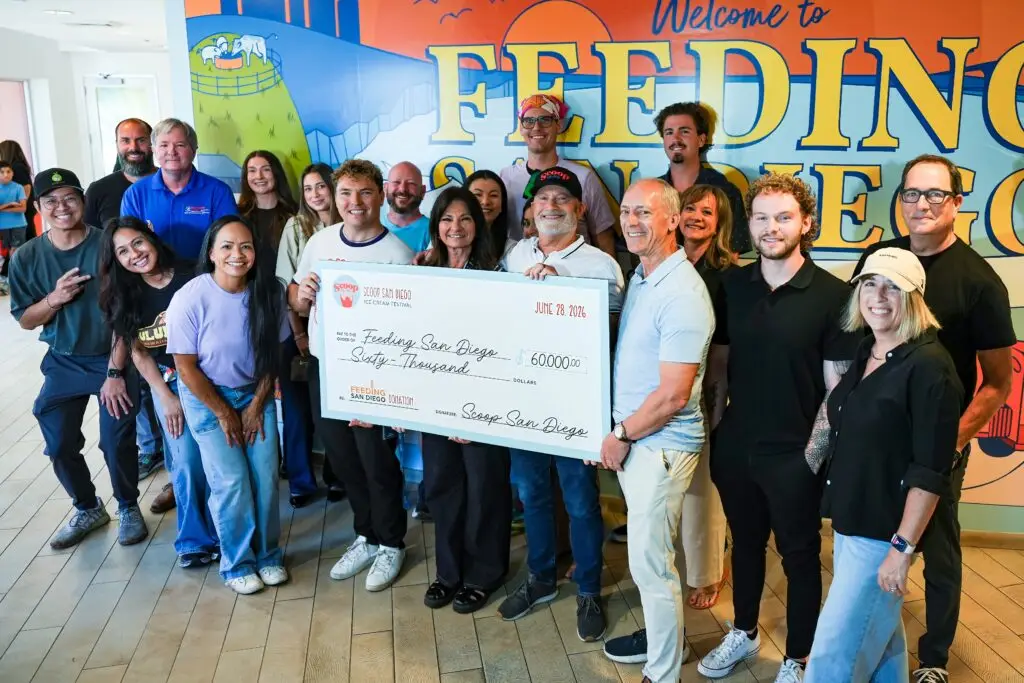
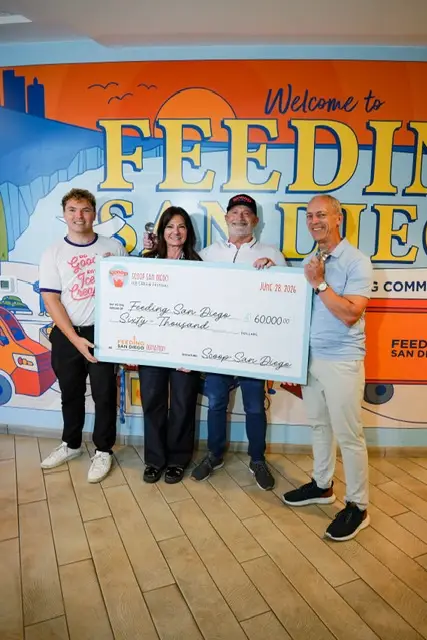
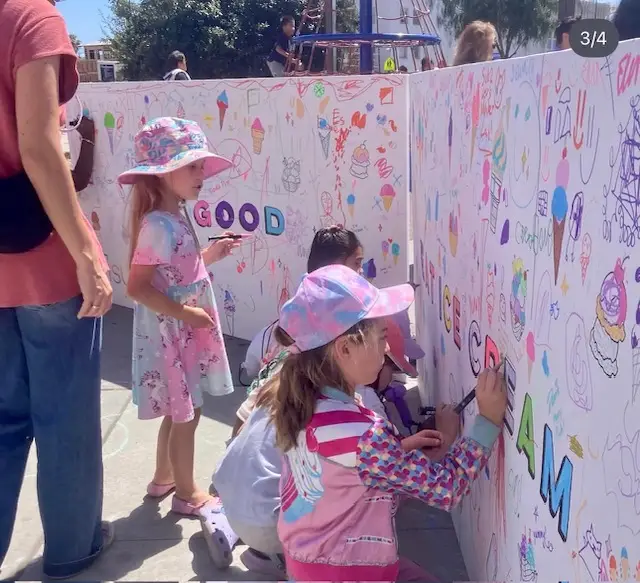
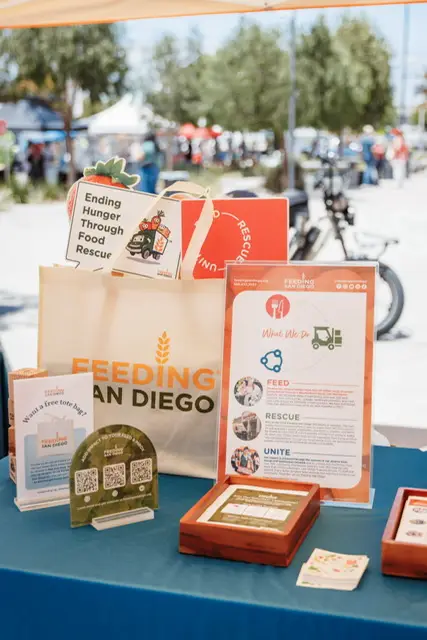
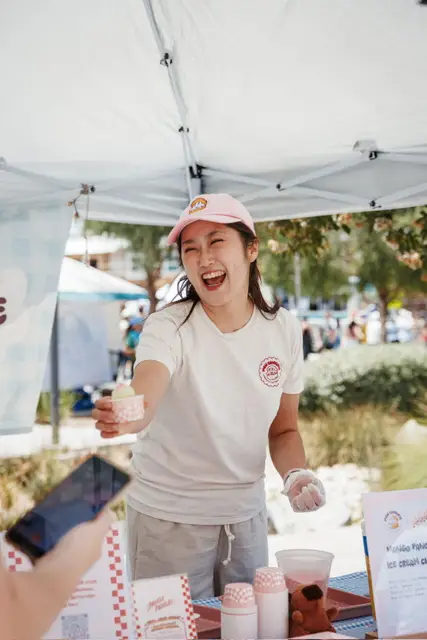
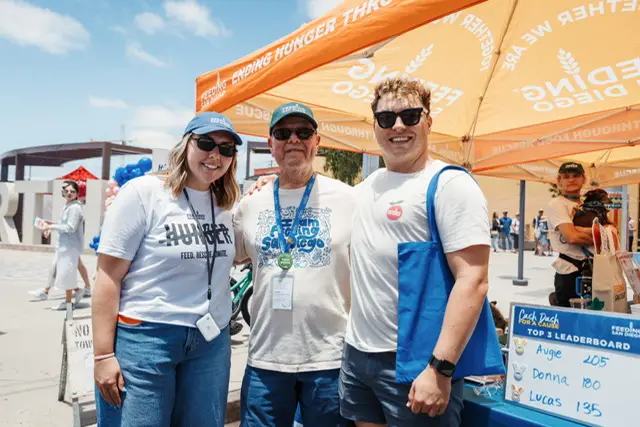
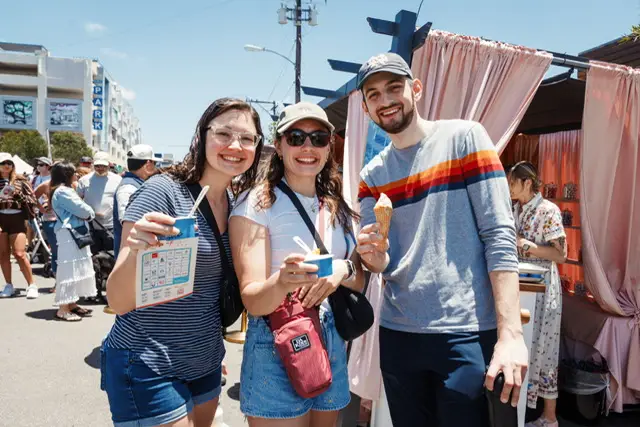
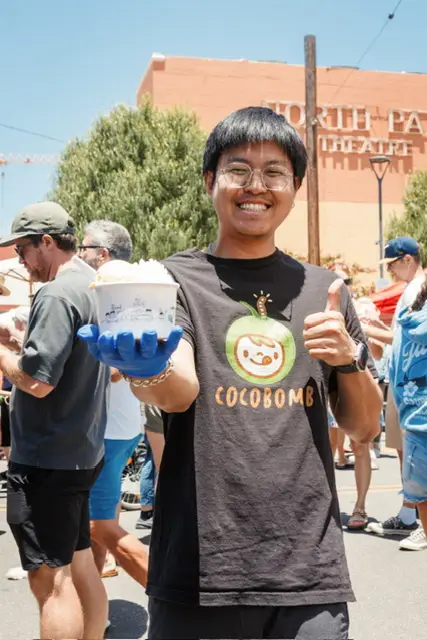
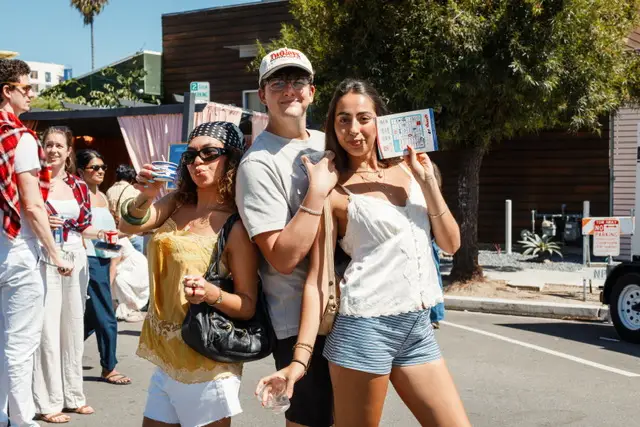
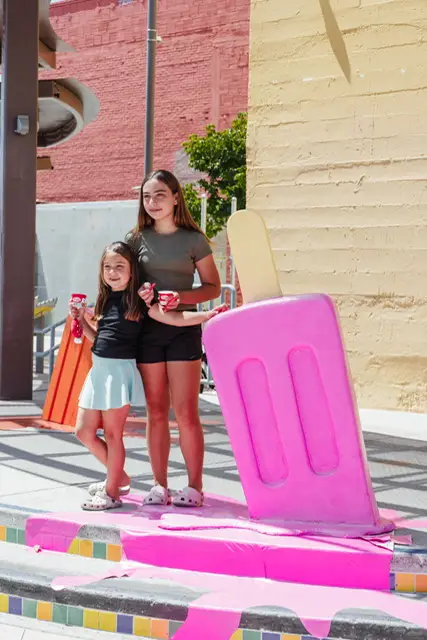
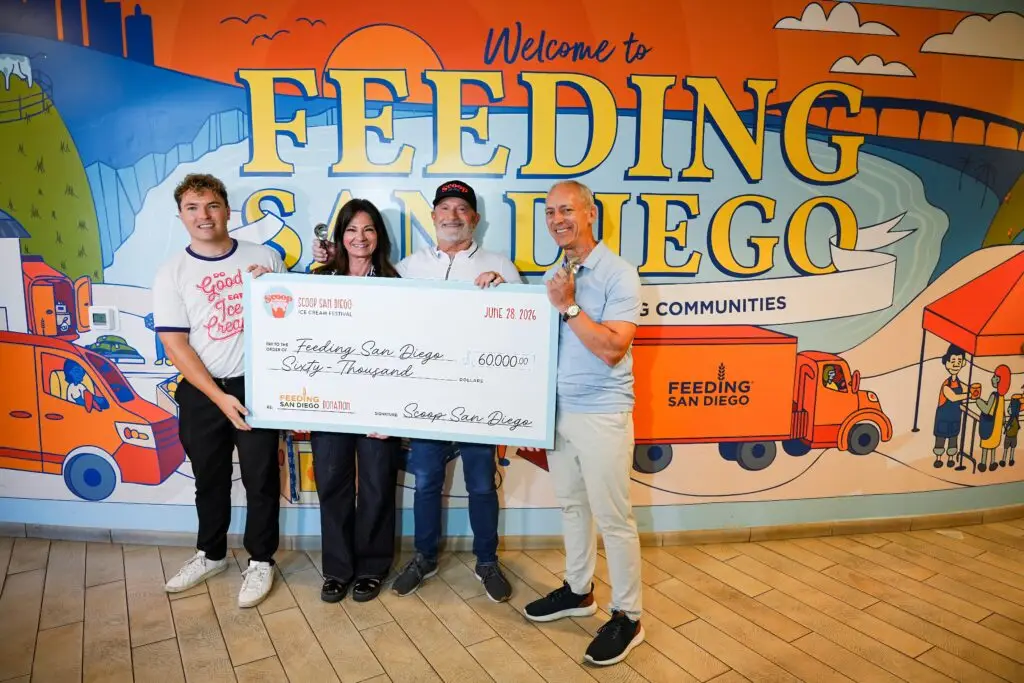
More than 6,000 ice cream lovers devoured tasty treats at this year’s Scoop Ice Cream Festival for a great cause. The event on June 28 launched an ongoing partnership with Feeding San Diego and raised $60,000, or enough to provide 120,000 meals to San Diegans facing hunger.
Sarah Sapeda is San Diego Magazine’s Custom Content Editor. In her 15 years in San Diego journalism, she has covered charitable events, health care, education, crime, current events, and more.
Raise money for cancer research while you work out at the Curebound Cancer Challenge. Fundraisers will cycle along the San Diego coastline, run a 10K on the UC San Diego campus, and participate in group spin, yoga, and strength classes.
August 1: No Curveballs: Rally for Type 1 Diabetes Early Detection The San Diego Padres, Nick Jonas’ nonprofit Beyond Type 1, and the King of the Hill Foundation will host No Curveballs: Rally for Type 1 Diabetes Early Detection at Gallagher Square. Padres pitchers Mason Miller, who lives with Type 1 diabetes, and Michael King, whose wife, Sheila, lives with T1D, will share their stories during a panel discussion, and on-site education and screening will be available.
August 1: No Curveballs: Rally for Type 1 Diabetes Early Detection
The San Diego Padres, Nick Jonas’ nonprofit Beyond Type 1, and the King of the Hill Foundation will host No Curveballs: Rally for Type 1 Diabetes Early Detection at Gallagher Square. Padres pitchers Mason Miller, who lives with Type 1 diabetes, and Michael King, whose wife, Sheila, lives with T1D, will share their stories during a panel discussion, and on-site education and screening will be available.
August 1: Club Masterpiece: One Haute Havana Night
Patrons of the Prado will channel 1950s Havana at this year’s Masterpiece Gala. Club Masterpiece: One Haute Havana Night will raise money for Balboa Park cultural institutions and will include a special honor for philanthropists Joan and Irwin Jacobs.
August 3: CaddyHack Golf Festival
Golfers will tee off to support Boys to Men Mentoring at the CaddyHack Golf Festival. Celebrating its 10th anniversary this year, the charity golf tournament will include golf, music, food, and fun at Fairbanks Ranch Country Club.
August 7: Music By Eras Fundraiser for TERI Campus of Life
Acclaimed San Diego musicians will join together to support TERI’s programs and services for individuals with intellectual and developmental disabilities. The Music By Eras performance at TERI’s Bornemann Theatre will feature artists Whitney Shay, Jesse Ray Smith, Lauren Leigh, and Will Stucky.
August 8: 80th Annual Jewel Ball
Las Patronas will recreate the magic of Venice at its 80th annual Jewel Ball. Las Patronas has spent the entire year preparing for the event, as well as raising money to support nonprofit organizations across San Diego County.
August 14: Shelter to Soldier Be the Light Gala
Help Shelter to Soldier train rescue dogs to be psychiatric service animals for local veterans at the 14th annual Be the Light Gala aboard the USS Midway Museum. The gala will include silent and live auctions, dinner, dessert, and appearances by canine ambassadors and veteran recipients.
August 15: Haute with Heart Fashion Show
St. Madeline Sophie’s Center will celebrate its “hidden diamonds” at its 48th annual Haute with Heart Fashion Show. The lively event at the Hilton San Diego Bayfront will include a pre-luncheon reception, live music, a live auction, a stunning fashion show, and surprise entertainment to benefit the nonprofit’s programs for adults with intellectual and developmental disabilities.
August 15: Symphony at Salk’s Concert Under the Stars
The Bacon Brothers will perform with the San Diego Symphony at this year’s Concert Under the Stars. Now in its 30th year, Symphony at Salk supports research in areas such as cancer, Alzheimer’s, wellness, and agriculture.
August 22: SummerFest Gala 2026
La Jolla Music Society supporters will enjoy an evening of exclusive performances at its SummerFest Gala 2026. The event at the Museum of Contemporary Art San Diego will raise money for La Jolla Music Society’s artistic, learning, and engagement programs.
August 28: 2026 Alpha Project Golf Tournament
Tee off to help San Diegans facing homelessness at Alpha Project’s 16th Annual Charity Golf Classic. The four-person scramble at the Rancho Bernardo Inn Golf Resort and Spa will support the Alpha Project’s housing, employment, recovery, and support services.
August 29: Relay for Life of San Diego
Walkers will join forces to celebrate cancer survivors and remember those who lost their fight at the annual Relay for Life of San Diego. The 24-hour relay at Liberty Station NTC Park is part of a global network of similar events that raise money for the American Cancer Society.
August 29: A Night United: Illuminating the Way
United Way of San Diego County will host its A Night United: Illuminating the Way gala at Eve, an event destination on San Diego Bay. The elegant evening will benefit UWSD’s mission to improve lives and strengthen communities across the region.
Sarah Sapeda is San Diego Magazine’s Custom Content Editor. In her 15 years in San Diego journalism, she has covered charitable events, health care, education, crime, current events, and more.
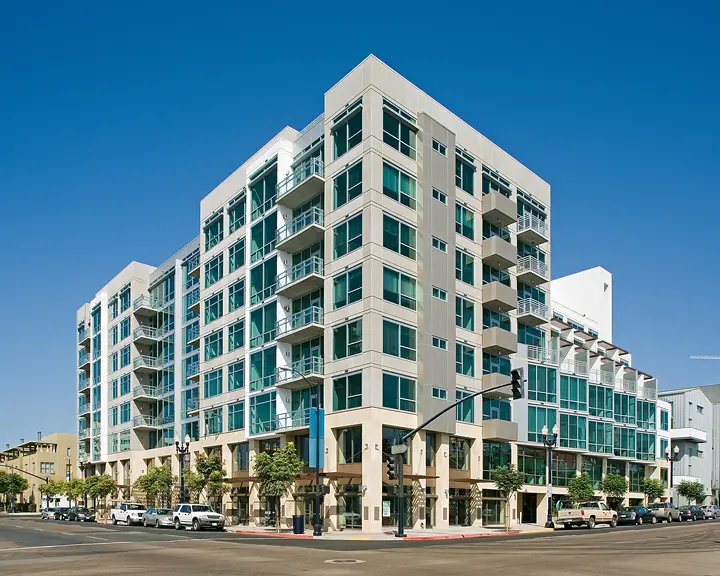
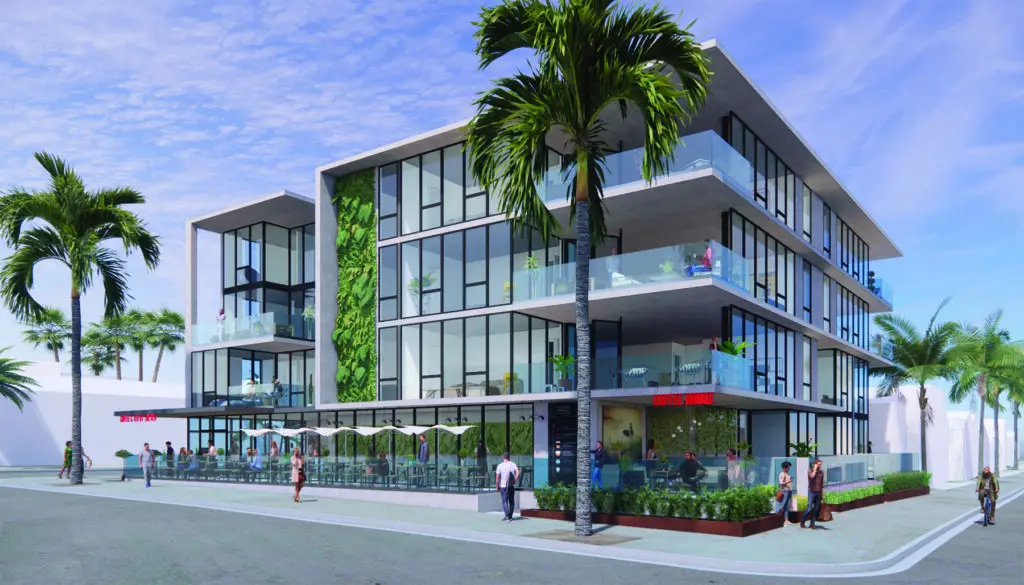
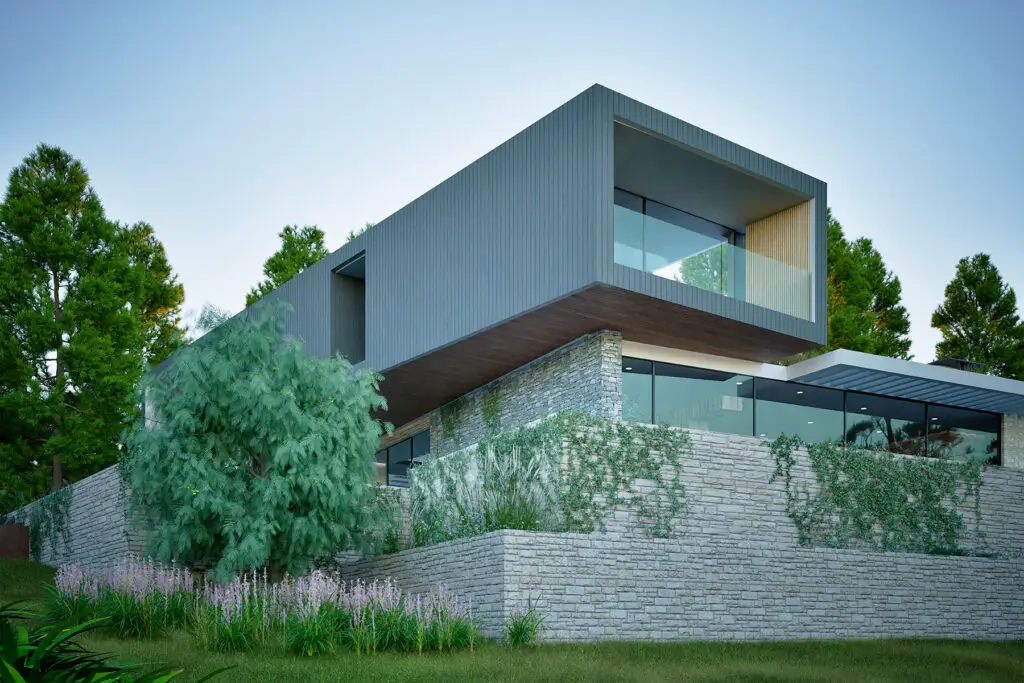
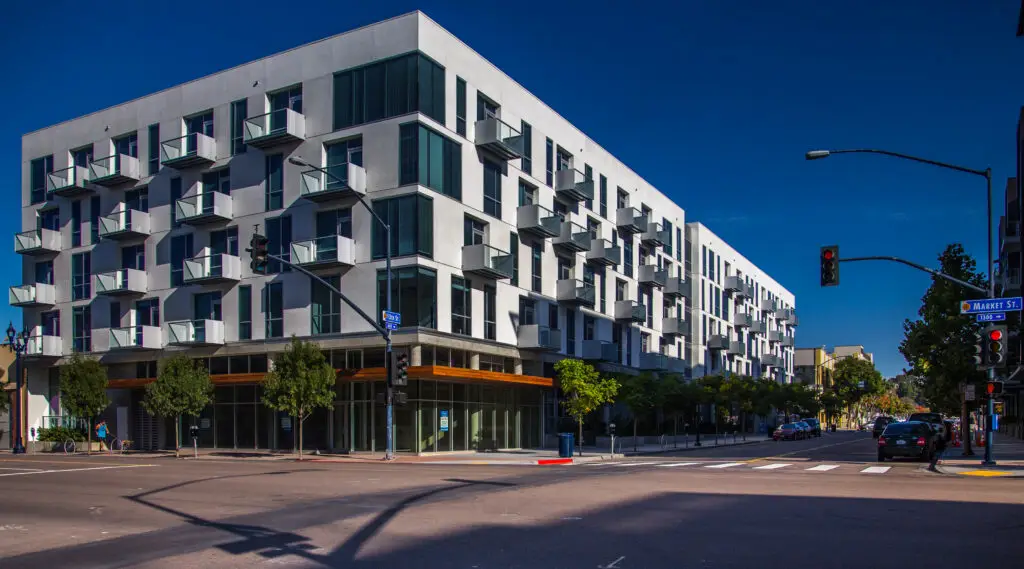
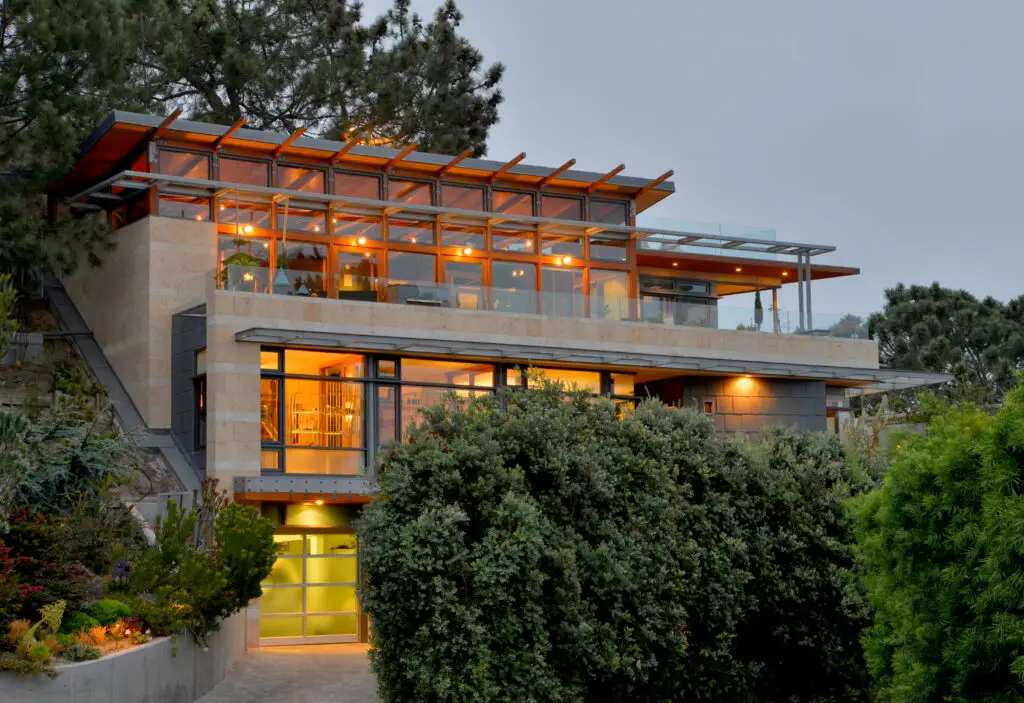
AVRP Studios’ tradition for Design Excellence and Innovation began in 1976 with Doug Austin, FAIA, in Solana Beach, California. The firm has since grown to complete major projects throughout the United States and Canada. We think of ourselves as a family and we care deeply about people. We want to inspire, help make their lives richer and more complete through our efforts. We believe that architecture is one of the most important art forms because of the impact it can have on the lives of those it touches. We’re delighted to have been recognized with over 150 awards for design excellence.
703 16th Street, Suite 200, San Diego, California 92101 | 619-704-2700 | avrpstudios.com