Featured articles
Food & Drink
Food & Drink
Food News
Featured articles
Everything SD
Everything SD
Everything SD
Featured articles
Things to Do
Things to Do
Everything SD
Featured articles
podcast-ep
podcast-ep
podcast-ep
Featured articles
Everything SD
Everything SD
Food & Drink
Featured articles
Partner content
Everything SD
Everything SD
Ready to know more about San Diego?
SubscribeReady to know more about San Diego?
Middle Eastern cuisines are flourishing in El Cajon, and we have the scoop on what to try and where
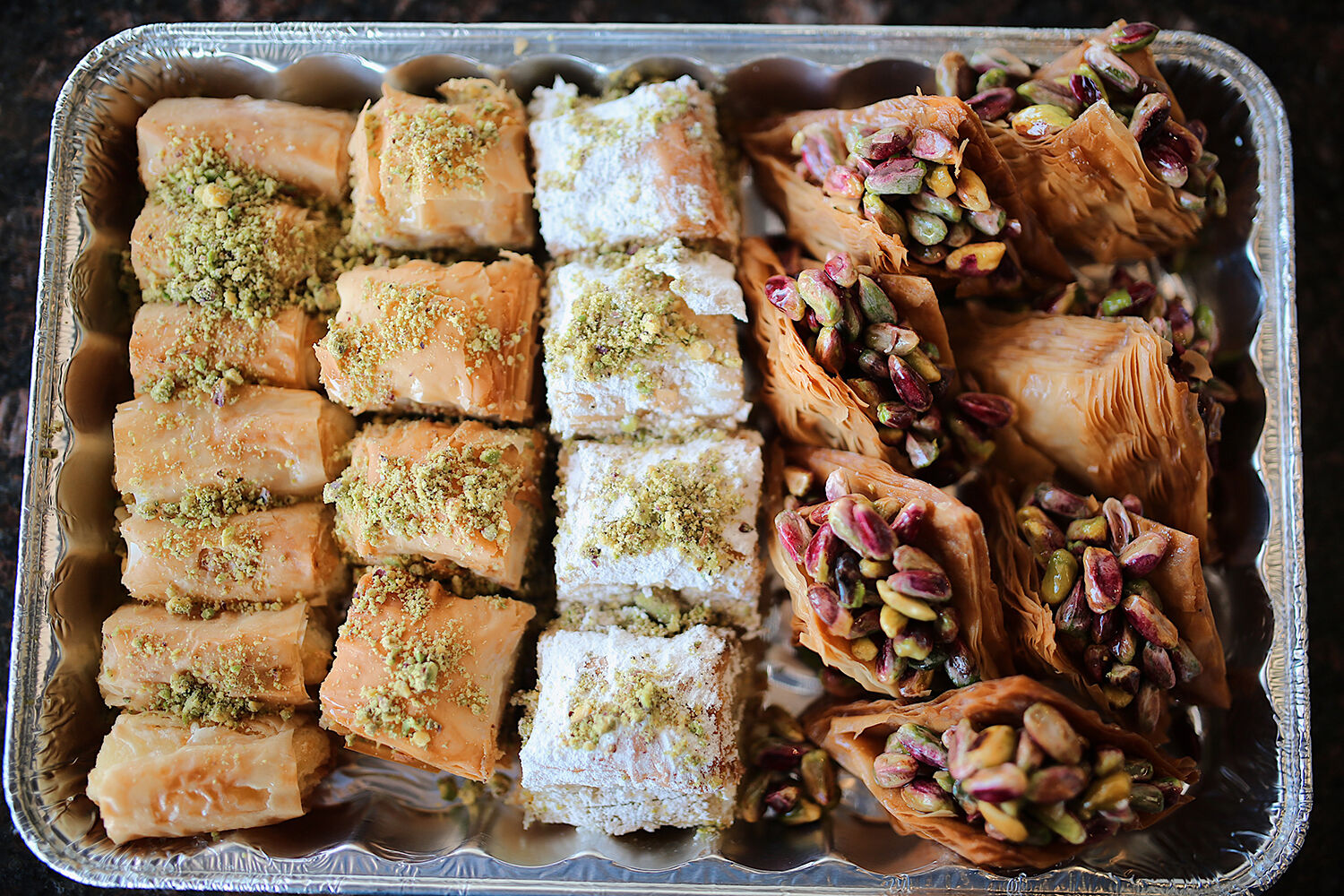
The days are sweeter with baklava tacos from Al Sultan Baklava.
Often the first city that comes to mind when we think East County, El Cajon has developed into one of our region’s more complex communities. On the one hand, “The Big Box” is characterized by classic cars cruising its Main Street every Wednesday night, and by its pride in hometown sports heroes, including auto racing icon Jimmie Johnson, and Padres ace Joe Musgrove.
On the other, thanks to a three-decade influx of Middle Eastern immigration, its box-shaped valley has earned a newer nickname: “Little Baghdad.” An estimated 30 percent of its 105,000 residents hail from abroad, led by Chaldean and Arab Iraqis, followed by more recent thousands fleeing wars in Syria and Afghanistan.
Their contributions have transformed the suburban valley into San Diego’s epicenter for Middle Eastern cuisine. Not every El Cajon restaurant hails from this tradition, but thanks in large part to those that do, there’s never been a better time to eat here.
For going on 20 years, this Arabian Nights-inspired family restaurant has introduced Iraqi fare ranging from lamb shank quzi to lamb offal pacha. But Ali Baba’s standouts are also its most accessible dishes: beef, chicken, and sumptuous lamb kababs, which are long strips of seasoned ground meat. The charcoal-grilled skewers featuring hunks of meat go by the name tekka.
Despite the name, the modest Masgoof at Nahrain Fish & Chicken Grill eatery wins its fans by roasting fish and fowl in a clay tandoor oven, in particular the Iraqi whole fish preparation, masgoof. In the style of San Diego’s beloved fish markets, customers may peruse a glass counter filled with fish and decide which will wind up on their plates. Popular choices include red snapper and striped bass, but it’s worth remembering the word Nahrain translates to “two rivers.” For freshwater fish traditionally associated with the Tigris and Euphrates, choose carp.
This Syrian kitchen at Mal Al Sham: The Taste Of Damascus is dominated by a pair of shawerma rotisseries, and skewered meats on the menu likewise reinforce the link between Arab and Mediterranean cuisines. For something more distinctly Syrian, look to the kibbeh makkliyah: fried dumplings stuffed with seasoned ground beef and crushed walnuts. Better yet, if you have 30 minutes to spare, wait on the grilled version: kibbeh mashweeyeh.
It’s not al halal in El Cajon. This scratch kitchen at Crafted Greens on Jamacha Road embraces modern terms such as grass-fed, organic, free-range, and sustainable. That said, the keys to Crafted Greens’ success are its myriad salads, flatbreads and hot sandwiches loaded with house-made dressings and vibrant produce sourced from California farms.
Not to be confused with downtown El Cajon’s stylish baklava bakery Sultan Baklava, Al Sultan sits farther east, just off Jamacha Road. This Turkish dessert specialist offers little to look at beyond bare walls, meaning all eyes are on its rich phyllo-dough pastries, decadently soaked in honey and simple syrup, stuffed with ground nuts, and perhaps drizzled with chocolate.
Another of El Cajon’s refugee populations recently scored a win with his new restaurant devoted to Vietnamese fare, alongside a limited assortment of sushi. But reason number one to pay attention is Grandpa Táo Kitchen‘s phở menu. Whether based in chicken or beef stock, they’re made fragrant thanks to long hours steeped with clove, onions, and star anise—and the best noodles east of the 15.

Based in San Diego, Ian Anderson writes contemplative features about food, drinks, travel, and culture. On the side, he authors left coast road trip guidebooks, and is currently at work on a collection of autobiographical essays, Stories from Before We Were Connected. He did not form British prog rock band Jethro Tull in 1967.
Owner Bob Taylor celebrates half a century of outfitting the world’s top musicians with his acoustic guitars
If you ask Bob Taylor of Taylor Guitars, his company’s success was a beautiful mistake.
“Our sound is clean; it’s clear. It cuts through,” Taylor says. But when asked how long it took to engineer that classic Taylor sound, he laughs. “Oh, I did not [engineer it]. It was just like, ‘Oh, you really like it? Oh, okay, yeah, I meant to do that.’ We made a guitar that was very innocent, half an accident, but it helped change the music industry.”
Taylor, who started making guitars at 16, only knew one thing when he began: He’d turn his passion into a career. Three years later, he partnered with Kurt Listug, who was 21 at the time. The pair purchased a small guitar shop in Lemon Grove and began building.

On October 15, 1974, they founded Westland Music Company, which became Taylor Guitars in 1976. This year, the company celebrates its 50th anniversary. Having grown sales worldwide to $125M, Taylor counts among its fans some of the music industry’s biggest artists: John Fogerty, Jewel, Zac Brown, Jason Mraz, Katy Perry, and Taylor Swift, to name a few.
But it took more than three decades before Taylor Guitars was a household name. In the ’80s, music was all about heavy metal, synth, and glam—acoustic guitars weren’t exactly flying off the shelves.

“We started selling in Los Angeles during the Laurel Canyon days. And, you know, music was changing a lot then,” Taylor says. “Acoustic guitars were always hard to play. The necks were too big, the strings were too high; it took a death grip to play them.”
But Taylor and Listug had faith in their product. They packed up their axes and headed to the 1985 National Association of Music Merchants (NAMM) show, an annual trade event that is the largest of its kind today.
There, they showcased a new line of guitars called the Artist Series, limited-edition models finished in colored stain. One of Taylor Guitars’ distributors challenged them to make a 12-string purple guitar for Prince, who had just released “Purple Rain,” garnering him global stardom.
Prince played his new 655 Artist Series guitar in a Live Aid video that year, though he requested no branding be shown at the time. Luckily, the industry found out who was behind the artist’s new instrument. The calls from musicians trickled in. The shift had begun.

Acoustic guitars began reclaiming their popularity. In 1989, MTV Unplugged started showcasing musicians playing acoustic versions of their songs. Riding this wave of renewed interest, Taylor Guitars ramped up production in the ’90s and early aughts. Taylor refined his guitar-making process and, in 1992, found the business a new home in El Cajon, where they remain today, occupying eight buildings.
Around that time, a young Taylor Swift purchased a Baby Taylor, which she used to write songs in the backseat of her car. Swift’s dad dropped off a cassette tape to Taylor’s office while the now-billionaire Swift was still flying under the radar, Taylor recalls.
“I know that every dad thinks his daughter’s special, but mine really is. Would you listen to that cassette?” Swift’s father said to Taylor. In 2008, Swift held her Fearless album release party at the factory.

Two years later, the company hired Andy Powers—an Oceanside native who began crafting guitars at the age of 7 and previously ran an instrument-building business of his own—as Taylor’s design successor. Powers re-engineered the brand’s entire lineup of guitars, created new body styles, offered a more diverse range of musical sounds, and developed new guitar voicing architectures. Taylor Guitars sealed its name as one of the best in the industry.
But today, as we tour the facilities, Taylor’s stories are less about the many musicians he’s worked with and more about the families his company—which became fully employee-owned in 2021—has been able to help along the way.
“[Wuhan] came to us from Cambodia,” says Taylor, who gave her a job shortly after she arrived in the states. “She worked for six months and got a raise. She was like, ‘I never thought that life could be like this.’”
Walking along the factory floor, we’re surrounded by half-finished guitar bodies, tiny lasers, larger-than life robots buffing wood, and workers installing fretboards, applying back bracing, and cutting sound holes. Wherever we go, Taylor takes the time to say hello to his countless employees by name.
I ask him what he’s most proud of after half a century of crafting instruments. Even with his focus on his team, I still half-expect him to gesture toward a wall of various celebs playing his guitars. But his reply is swift: “That we were able to make this career out of guitar-making for all these people. That’s what I’m most pleased with.”
Nicolle Monico is an award-winning writer and the director of creative projects, digital editor for San Diego Magazine with more than 16 years of experience in media including Outside Run, JustLuxe and The San Francisco Chronicle.
A foodie's guide to El Cajon's top restaurants and where to explore outdoors
Feast for Three plate at Ali Baba
Ariana Drehsler
Ali Baba: This Mediterranean spot is known best for its big portions. Order the Feast for Three, which comes with skewers of kebab, chicken tekka, shawarma, cream chop (fried chicken cutlet), salad, rice, bulgur, and hummus. Pair all of that with their homemade naan, then order their Arabic coffee to wrap up your experience.
Sahara: This Iraqi restaurant does falafel best, but you can’t go wrong with chicken and beef kufta kebabs paired with beet salad and tabbouleh.
Hummus and chicken shawarma plate from Mal Al Sham
Ariana Drehsler
Mal Al Sham: Find Syrian food at this halal eatery. The restaurant opened in 2018 and is known for their chicken shawarma wraps, kibbeh makliyah (deep-fried beef, bulgur, and walnut meatballs) and fresh, flavorful hummus.
Al Azayem: While this eatery may look small, its flavorful, tender meat makes it mighty. Highlights from the extensive menu include the lamb shank plate, eggplant stew, and Iraqi samoon bread.
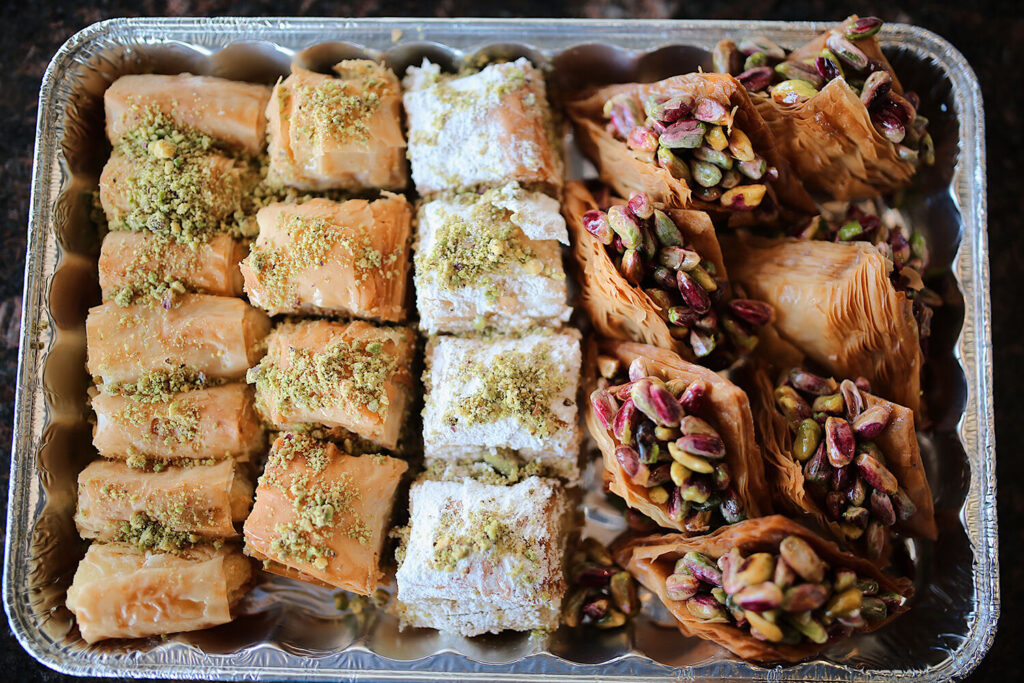
Baklava at Royal Sweets
Ariana Drehsler
Royal Sweets: The options seem endless at this bakery that specializes in traditional Middle Eastern pastries. Try the pistachio baklava, honey-drizzled cheese kanafeh, and sweet Turkish delight to expand your palate and satisfy your sweet tooth.
Grand Ole BBQ Flinn Springs: The East County outpost of this beloved barbecue joint still hits the spot with their popular beef short ribs, brisket, pulled pork, seasoned hot sausage links, and filling sides. Order, then sit outside on the patio to enjoy live music and dancing.
Summers Past Farms Nursery
Ariana Drehsler
Roam through the family-owned Summers Past Farms nursery, which also houses an herbal soap store and outdoor coffee bar with views of El Capitan Reservoir. The Water Conservation Garden at Cuyamaca College calls for botanical fun with the family. Travel through the park’s six acres and learn about California ecology in the park’s themed gardens. Lastly, check out the Olaf Wieghorst Museum & Western Heritage Center to ponder the history of the American West through the local artist’s paintings of Native Americans, cowboys, and desert landscapes. While not currently open for tours, the Taylor Guitars factory is one of the largest guitar manufacturers in the country, whose axes have been played by artists as iconic as Prince
Jeff Russell traded dreams of SNL for bee rescues, building a social media following of more than 4 million people along the way
The Groundlings improv theater has churned out world-famous comedic talents like Will Ferrell and Maya Rudolph. And in San Diego, a former Groundling has used that training to campaign for a higher power. The power to protect bees.
“The goal was to try and get on SNL,” says Jeff Russell of his time in the improv troupe. “[But now], I have an audience, and I get to crack jokes and be silly and entertain and educate.”
That audience? The over 4 million people who follow Mr. and Mrs. Bee Rescue in the socialmediaverse. Jeff and his wife, Julie, operate the business, which means they remove unwelcome bees without harming them and rehome them to apiaries throughout the county. Their social media is a hub of videos of Jeff peeling open car trunks, flooring, barbecues—any cozy spot for a bee to set up shop—and using smoke to coax them out of the hive (sometimes working sans gloves or protective gear).
Bees in a hive will follow their queen, so finding and moving her helps speed along the relocation process. It’s “a really hard game of Where’s Waldo,” Julie says. But there’s a secret to it: “If the bees start running completely in some random opposite direction in a hurry, then we know that the queen is probably that direction,” says Jeff. Their social videos document this process in a way that turns a reasonable nightmare (being swarmed by bees) into a form of entertainment and advocacy. The Russells spread the apian gospel, sharing why relocating bees is the only option to consider.
Since the 1960s, bee populations across the US have shrunk drastically for a slew of reasons—habitat loss (postwar industrialization led to fewer farms and crops), climate change (petulant temps affect blooming schedules), and pesticides (when used improperly, they can be toxic for bees).
Bees are also responsible for up to 75 percent of all flowering plants; 35 percent of food crops rely on animal pollinators to reproduce. So, basically, we’d be living in a flowerless world fueled by a diet of wind-pollinated oats and Red Dye 40 without them.
Jeff and Julie met on Tinder in 2016. “It would have been more appropriate if we met on Bumble,” Julie says. A photographer and graphic designer, she had no experience in a swarm of stingers before 2018. When Jeff broke his back surfing, she had no choice but to step in. Later, when she was laid off from her job in 2020, she focused on growing Mr. and Mrs. Bee Removal’s social media accounts. That’s when their business took off. These videos work. People are learning.
“Quite a lot of my customers were [initially] like, ‘Why don’t we just kill?’” Jeff says. “Now, the vast majority are like, ‘You take them alive, don’t you?’”
Emma Veidt is an editor at San Diego Magazine. She earned her bachelor's and master's degrees from the Missouri School of Journalism. She loves running, hiking, and rock climbing, but really, she mostly loves encounters with the street cats around North Park.
Stake Chophouse & Bar brings contemporary classics and old-school service to the heart of Coronado
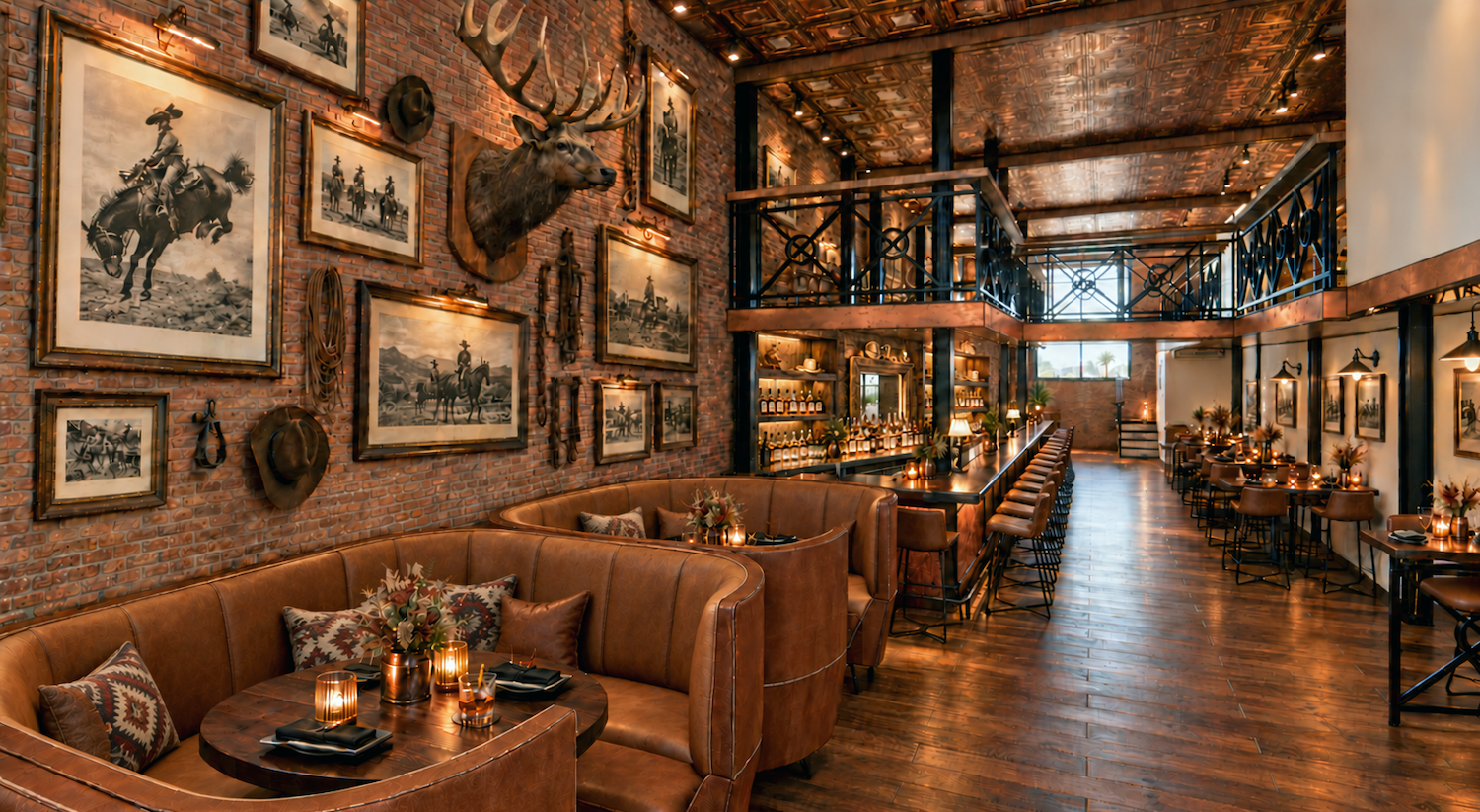
Stake Chophouse & Bar isn’t your average steakhouse. Blue Bridge Hospitality’s Coronado outpost is a modern interpretation of a big-city steakhouse nestled in the heart of the small coastal community. The team at Stake has reimagined the whole steakhouse experience. By prioritizing a seasonal farm-to-table sourcing philosophy, a personalized guest experience, and unique service touches, like a formal steak presentation and a bespoke knife selection process, Stake distinguishes itself in a sea of steakhouses.
Exceptional steaks, including Wagyu from Japan, Australia, and the U.S., and fresh seafood flown in daily form the core of Stake’s culinary identity. The menu features a five-course omakase-style steak experience highlighting house favorites, plus an array of cuts, and classic steakhouse staples—think a wedge salad, baked potato, or pasta carbonara—refined for a contemporary palate without losing their traditional appeal. Stake focuses on seasonal sourcing from the region’s best family farms and specialty purveyors, and incorporates intentionally unexpected touches to create something truly unique.
“I challenge our chefs and myself to take it a step further in sourcing,” says Chef Ronnie Schwandt. “It’s important to us to highlight different farms, unique one-off farms—whether it’s cattle, strawberries, a local fisherman or from anywhere in the United States, we’re always trying to find that niche.”
Beyond the menu, Stake emphasizes outstanding service, says Vinny Spatafore, Director of Hospitality Operations. Staff maintains detailed notes, allowing them to remember guests by name, recall previous orders such as a favorite martini (also memorable for the customer since it’s served in an extra tall, distinctly-shaped glass), and celebrate special occasions like birthdays and anniversaries.
“When you have those points of topic that you remember about a guest, they appreciate that,” he says. “Our servers are really good with that—we have a couple servers who have been here since the beginning and they’ll remember somebody from years ago, their name, their kids’ names, where they live. I’m really thankful to have a great front of house staff.”
Award-winning wines, rare whiskeys, special events, and a complementary black car service that provides transportation for guests throughout Coronado add to Stake’s appeal.
Schwandt stresses that Stake offers more than a meal; they aim to give patrons something unforgettable.
“It starts when you walk up the stairs and are greeted by the hostess—that sets the tone for the night. Then you’re greeted by a server, who may know you by name, and can guide you through the menu and curate as they get to know you,” says Schwandt. “Most people leave kind of blown away; they leave feeling like they just had an experience. That’s the goal, right? Whether you’re serving smash burgers or high-end steak, you want somebody to leave thinking, Wow, that was awesome.”
Jordan Glazier's Wildfire Systems is reinventing loyalty rewards for some of the world's biggest brands
You visit your favorite ancient Egyptian merchant, and as you’re buying some papyrus to hieroglyph your way to the 3000 B.C. version of a Pulitzer, he slips you a special token as a thank you for being so loyal. It’s the least he can do for keeping him in business, and you can use that reward to barter for anything you want—like beer.
A few thousand years later, those tokens would evolve to copper coins that American retailers handed out so you could spend. The Sperry & Hutchinson company introduced its groundbreaking “Green Stamps” program in the late 1800s. Today, your sandwich shop’s loyalty card is one hole punch away from giving you a free sub. And you’ve surely justified some extravagant purchases in the name of airline miles.
Point is: Free stuff has always been a compelling way to earn human loyalty. And with his Solana Beach–based company Wildfire Systems, Jordan Glazier has built one of the city’s biggest tech companies by modernizing that simple, ancient idea.
“Being able to save money when you shop is nice to have when times are good,” Glazier says. “When you have periods of inflation or financial stress, that nice-to-have becomes a must-have.”
He launched Wildfire in 2017. It’s essentially a white-label platform that builds and operates programs for enterprise brands across most industries—from banking (Visa, Citi, Wells Fargo) to aerospace (Lockheed Martin) to tech (Dell, Salesforce), to retail (Macy’s, Sephora), you name it. Customers of, say, HBO Max (also a client), can install a browser extension or enable a feature on a mobile app that activates savings and cashback offers. Wildfire has now spent three straight years on Inc. 5000’s list of the fastest-growing private companies.
Glazier’s no stranger to scaling new ideas. As one of the early executives at eBay, he built and ran the consumer electronics, computer, and industrial equipment verticals. Later he turned San Diego tech company Eventful into the world’s largest online calendar and events discovery platform (CBS acquired it in 2014).
“Part of being an entrepreneur is building things and solving for things that haven’t been solved before,” he says.
It’s a lesson he learned early on. His grandparents started a women’s clothing manufacturing company in Chicago in the 1910s, and it remained a family business for over seven decades. Preteen Glazier would punch in as a stock boy and sit with the sales team making phone calls.
“That was my very first paycheck,” he says with a smile.
Now he and his own team of 70 have grown Wildfire’s revenue 721 percent over the past three years.
“I want to make sure we are building a business that’s built to last,” he says. “We are eight years in, and I feel like we’re just getting started.”
Glazier named the company because of how people recommend products and services to each other. Great shirt, where’d you get it? Anyone know of a good sushi spot? “Word of mouth,” he says, “spreads like wildfire.”
San Diego’s tech industry seems to come and go. There were predictions that the post-pandemic, remote work world would see all luminous brains migrating south to our famous clime, but that has been only partially the case. As tides turn, big names like Glazier’s hold anchor.
“San Diego is such a great place to live and to build a business,” he says. “I always feel sorry for people who don’t live here.”
Matt Eisenberg is an award-winning writer and photographer based in San Diego. A former ESPN editor, his work has also been published by CNN, Bleacher Report and the New York Daily News.
Offering everything from smashburgers to sundaes, the latest food hall from Tiger Hospitality opens its doors this weekend
Omakase and fixed-price menus are one way hospitality businesses are addressing our collective food decision-making fatigue. But on the opposite end of the spectrum, some restaurateurs are offering a bonanza of totally unrelated options for people ordering on a whim. Why not pair a lobster grilled cheese sandwich, açaí bowl, and ridiculously loaded hot dog?
Starting June 27, diners can satisfy their spur-of-the-moment appetites at Global Fork in Little Italy, the latest food hall from Southern California-based Tiger Hospitality.
Six different food concepts will be featured in the 4,685-square-foot, indoor-outdoor space along the Piazza della Famiglia promenade. The space’s inaugural lineup includes a mix of Tiger Hospitality-owned concepts (Cosmos Burger, La Vida, Lobster Lab, and Prik Ki Nu Thai) and outside operators (Seattle-based Moto Pizza and Handel’s Homemade Ice Cream). The space next door, Good Enough Cocktail Club, is another Tiger-backed brand, operated by the team behind Same Same and Amor y Magia in Carlsbad.
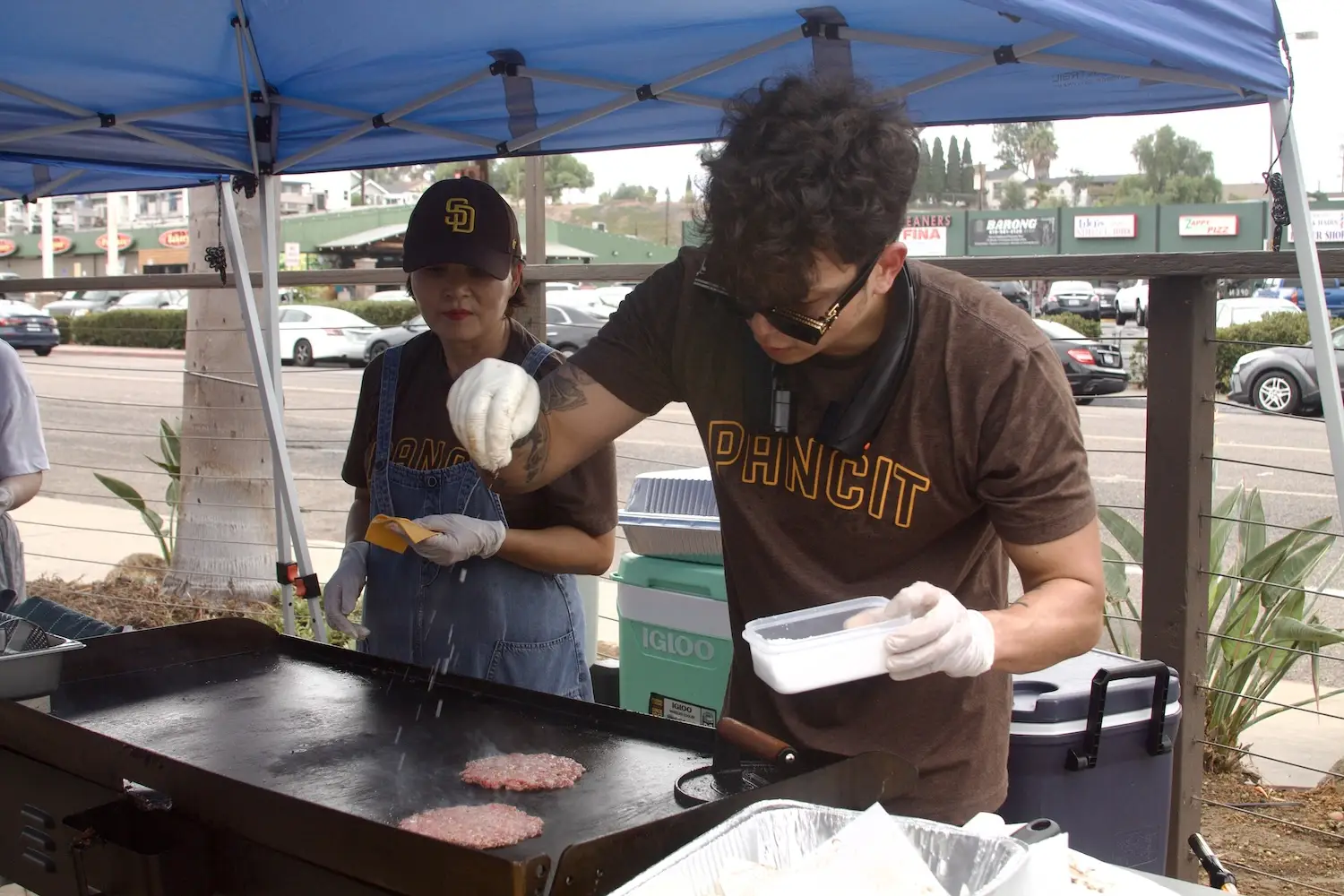
Cosmos Burger serves smashburgers stacked with classic toppings, while Lobster Lab focuses on seafood favorites including lobster rolls, shrimp rolls, and lobster mac n’ cheese. Prik Ki Nu Thai adds Thai street food to the mix, with traditional noodle, rice, and stir-fry dishes. And for those looking for something on the lighter side, La Vida offers things like smoothies, salads, and wraps.

Moto Pizza focuses on Detroit-style square pizza with Filipino influences and, despite the name, is not affiliated with Mr. Moto Pizza. Handel’s, which began in Ohio in 1945, will offer dozens of flavors ranging from staples like chocolate and vanilla to rotating specialties packed with candies, cookies, and other mix-ins. (Handel’s already has a number of locations across San Diego, with a La Mesa store coming later this year.)
Some of these vendors already operate at Miramar Food Hall, the other Tiger-owned food hall in San Clemente. And some of them will also appear in Station8, the next food hall slated to open in UC San Diego’s Theatre District Living and Learning Neighborhood later this fall. But if you ask me, reviving the space that housed the Little Italy Food Hall before its closure last February is a far better outcome than leaving empty suites smack in the middle of an area saturated with fantastic food options. Plus, where else can you order a slice of beef adobo pizza alongside squares of caviar toast and a banana split?
Global Fork opens June 27 at 550 W. Date Street, Suite B, in Little Italy. Initial operating hours are from 9 a.m. to 9 p.m., seven days a week, but vendor hours may differ.

Listen Now: The Latest in San Diego’s Food and Drink Scene
Have breaking news, exciting scoops, or great stories about new San Diego restaurants or the city’s food scene? Send your pitches to [email protected].
Beth Demmon is an award-winning writer and podcaster whose work regularly appears in national outlets and San Diego Magazine. Her first book, The Beer Lover's Guide to Cider, is now available. Find out more on bethdemmon.com.
SeaWorld dazzles with a drone show, big-name entertainers, new animal adventures and more
Nights are heating up at SeaWorld San Diego. The quintessential summertime staple on Mission Bay is transforming into a destination for unforgettable day-to-night adventures, bringing back some of its most popular Summer Nights programming and introducing exciting new experiences sure to delight both kids and adults alike.

The 2026 Summer Day to Night at SeaWorld San Diego is the park’s most ambitious season yet. SeaWorld has planned a highly anticipated entertainment lineup that features nine weeks of throwback concerts featuring R&B and hip‑hop favorites from the ‘90s and early 2000s, including Jordin Sparks, Too $hort and Warren G, Ashanti, and an array of boy band heartthrobs performing together as part of the Pop 2000 Tour.
New this season is perhaps the park’s most visible update: a nightly drone show, Ocean of Dreams, which illuminates the sky with hundreds of synchronized sparklers. Drones form sea otters, sharks, dolphins, and a majestic orca that tell a breathtaking 12-minute story of marine life and underwater ecosystems. The show culminates with a spectacular electric neon finale celebrating hope, wonder, and ocean stewardship.
Nighttime visitors are also in store for animal adventures that fuse education with high-energy fun and the dreamy ambiance of nighttime. The park has launched two all-new animal presentations: Shamu’s Celebration: Light Up the Night and Dolphins: Touch the Sky. Shamu’s Celebration: Light Up the Night features vibrant lighting, music, and dynamic choreography that celebrates the power and beauty of killer whales. Dolphins: Touch the Sky showcases playful bottlenose dolphins and the special connection between humans and the natural world. And back by popular demand is fan-favorite Sea Lions Tonite. See the charming pinnipeds splash, play, and parody pop culture in this refreshed crowd-pleaser.

More must-sees: a newly reimagined Shark Encounter, one of the country’s more immersive exhibits highlighting 11 different species up close, SeaWorld’s beloved BMX Blast! stunt show, and high-seas escapade, Pirates Ahoy! The Battle for Mermaid Cove. And don’t miss the park’s all-new Deep Sea Disco, which encourages guests to dance the night away under the glow of the SkyTower, and vibrant closing time laser light display Laser Reef Summer Spectacular.
Amp up the nighttime vibe with local craft beers, curated cocktails, and nostalgic theme park treats with $1 beer all summer long. SeaWorld is the place for day to night summer fun. When the sun goes down, SeaWorld lights up, and inspires guests of all ages to embrace their inner whimsy and see why generations of San Diegans head to SeaWorld to make memories they’ll never forget.