

Featured articles
Food & Drink
Food & Drink
Food News
Featured articles
Arts & Culture
Everything SD
Everything SD
Featured articles
Things to Do
Things to Do
Everything SD
Featured articles
podcast-ep
podcast-ep
podcast-ep
Featured articles
Everything SD
Everything SD
Food & Drink
Featured articles
Arts & Culture
Everything SD
Partner content
Ready to know more about San Diego?
SubscribeReady to know more about San Diego?
The can’t-miss virtual and socially distanced events of the month
Join this virtual series for a special viewing and discussion about Walt Disney’s Carolwood Barn in Griffith Park, Los Angeles. Learn about Disney’s great love for trains and hear from two volunteers at Walt’s Barn on the story behind the amusement park’s mine train. The series is part of the museum’s 40th anniversary campaign, raising money to commemorate its grand opening in 1981.
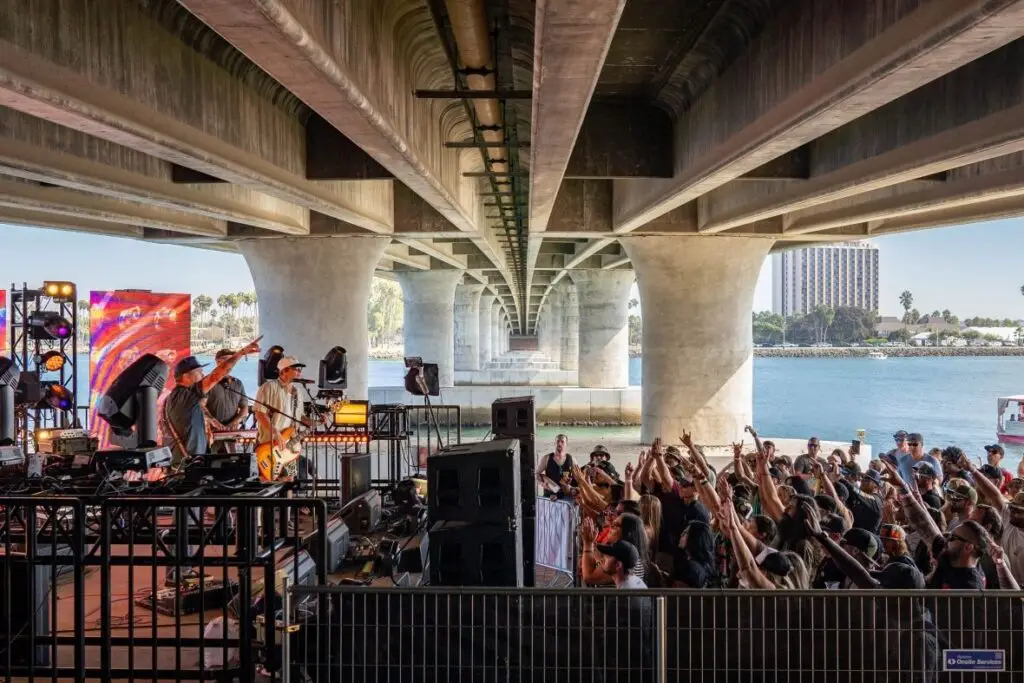
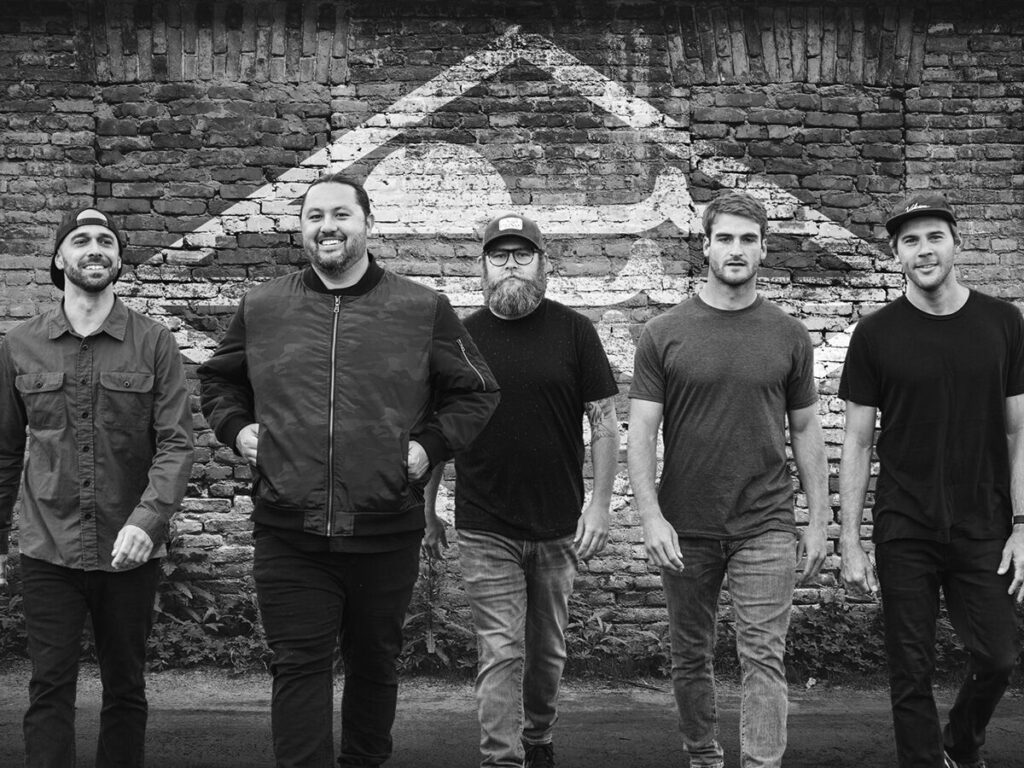
Watch the reggae rock band Iration perform music from their latest album, Coastin’, which debuted at no. 2 on the Billboard Reggae Albums chart. The live show, Coastin’ at the Drive-In, will be the band’s first in-person, socially distanced concert.
2260 Jimmy Durante Boulevard, Del Mar
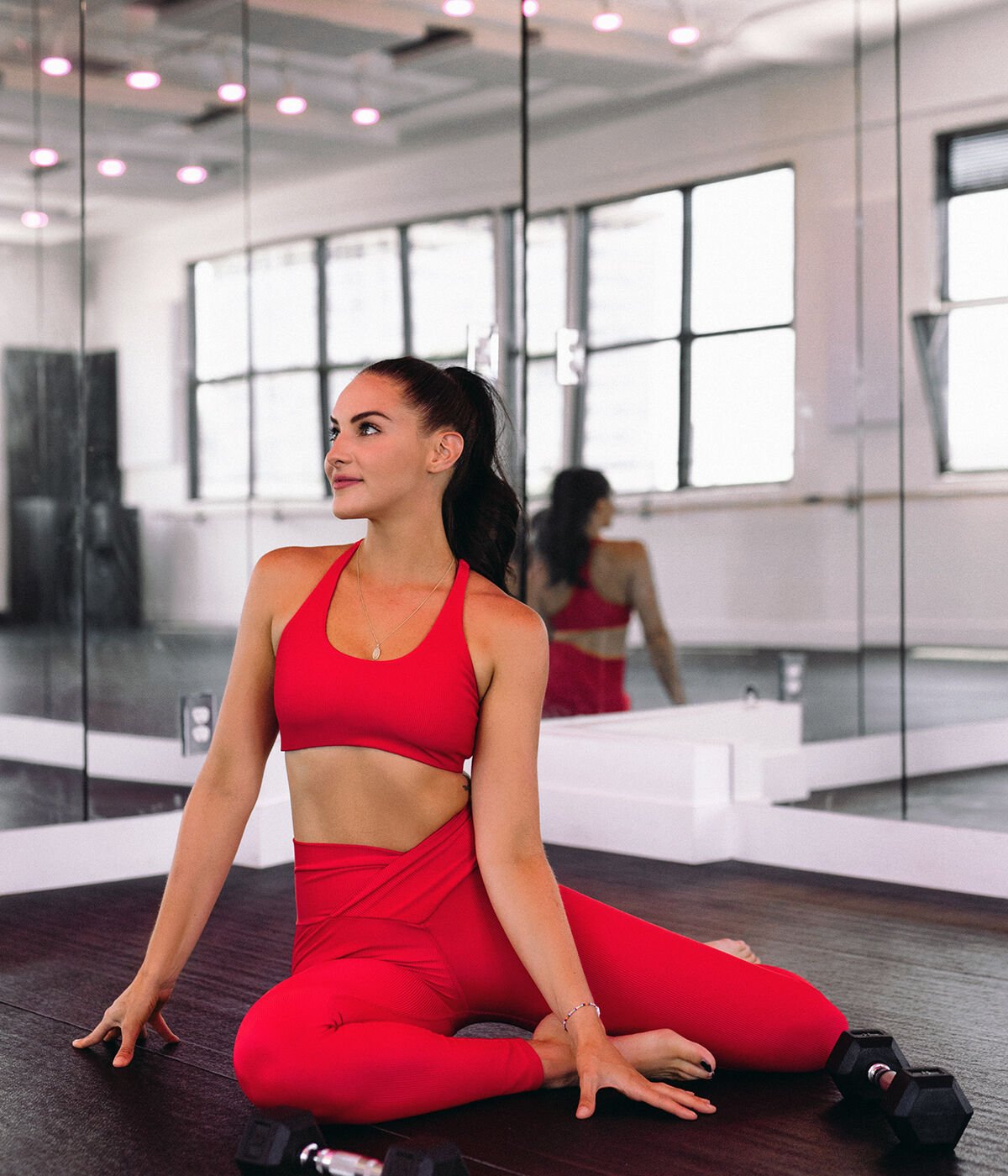
Salt Hot Pilates instructor and owner Betsy Blumenfeld teaches at the Intercontinental Hotel
The Intercontinental Hotel’s on-site restaurant, Vistal, is hosting a Pilates and happy hour combo from 3 to 5 p.m. on December 5. The event is complimentary (the ticket price is only to cover Eventbrite fees) to celebrate the restaurant’s new happy hour menu. But first, get your sweat on with Salt Hot Pilates instructor and owner Betsy Blumenfeld on the hotel’s terrace overlooking the bay. Then, reward yourself with $7 happy hour specials and White Claws to sip. Masks are required and social distancing guidelines will be enforced.
901 Bayfront Court, Embarcadero
Mission Fed ArtWalk’s 36th annual show is going virtual. The monthlong celebration of the arts will feature nearly 100 local, national, and international artists; discussions; activities for the little ones; and plenty of opportunities to purchase original works for your own personal art collection. The activities will be hosted by ArtReach San Diego, a nonprofit dedicated to providing workshops and classes to schools without an arts program.
Shop gifts from San Diego’s community of over 80 vintage and handmade vendors at Liberty Station’s Art District. The collective’s very first event will host guests with a California Dreamin’ theme and plenty of unique finds to shop for you and your loved ones. Masks are required and social distancing guidelines will be enforced.
2825 Dewey Road, Liberty Station
Head to the drive-in at Cal State San Marcos for an evening celebrating the works of Frank Sinatra, Dean Martin, and Sammy Davis Jr. The live performances, accompanied by bands like the D. Ben-jamin’ Horns, will cover the Rat Pack’s most notable hits, like “The Best Is Yet to Come” and “My Funny Valentine.”
333 South Twin Oaks Valley Road, San Marcos
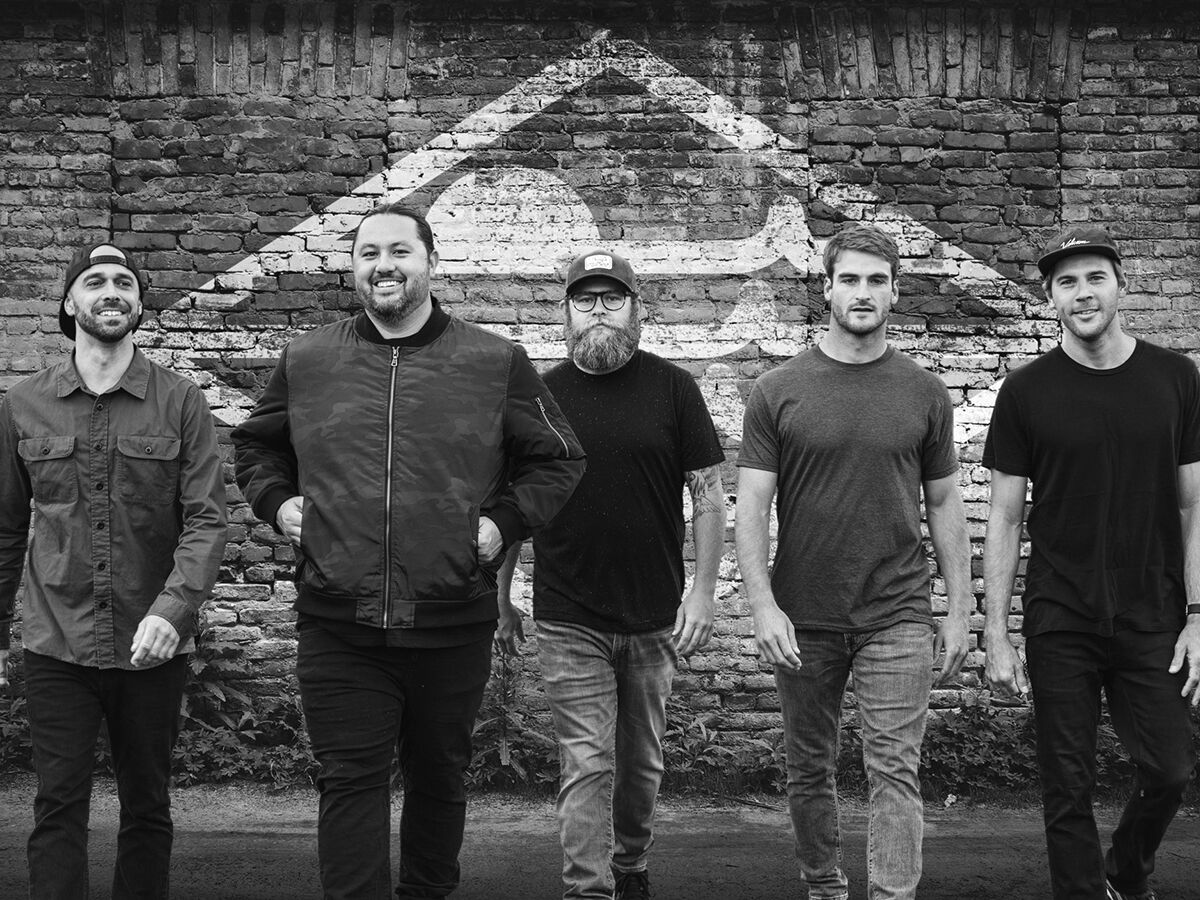
Iration at Del Mar Racetrack on December 5
Dane Hodgson
A new exhibition at UC San Diego’s Mandeville Art Gallery revisits the artist’s story quilts, paintings, and legacy of visual storytelling
A little girl floats into a night sky above a color-saturated Harlem, her arms outstretched, her two braids flying behind her. Cassie Lousie Lightfoot is weightless, soaring above the George Washington Bridge. In the award-winning 1991 children’s book Tar Beach, the act of flying is about imagination and freedom; a metaphor for the inequality faced by Black people who built the city but couldn’t be part of it. Author and mixed media artist Faith Ringgold understood the duality and that—for Black women and girls—imagination isn’t just escape, it’s authorship.
Ringgold’s expansive vision and vibrant canon has found a temporary home in La Jolla, where ArtLeadHER’s Mashonda Tifrere has curated an exhibition of Ringgold’s work at Mandeville Art Gallery on the UC San Diego campus. Faith Ringgold: Full Circle—The Teachings and Her Legacy isn’t just a retrospective (the prolific Ringgold died in 2024 at age 93), it’s another kind of homecoming: Ringgold was an art professor here, in this community, from 1984 to 2002 and changed the trajectory of what art could be and who it could be for. She’s so revered that this show was hung by students in the art program.
Opened on February 28, Full Circle is free to the public and remains on view through May 1. Art lovers have a fleeting window to experience a small fraction of Ringgold’s historic and urgently present larger body of work.

Ringgold had a vibrant imagination from her earliest days. As a child, she suffered from severe asthma and often missed school. Confined at home, Ringgold became an observer, building her own visual language and creating stories with it.
Her mother was her coconspirator: Willie Posey, a designer and seamstress, fed her daughter’s creative interior life by providing her with art supplies and teaching her how to work with fabric, pattern, and color. Perhaps one of the most transformative skills Posey taught her daughter was quilting, and she eventually helped Ringgold create her first story quilt, Echoes of Harlem, and story quilts became the young artist’s signature.
Quilting has deep roots in Black American history and is tied to the world of enslaved women who made quilts not just for function, but as storytelling devices, historical preservation, and coded expression. When, due to racism and sexism, Ringgold couldn’t be a landscape painter she turned to quilting and relied on the resilience of her ancestors. When she couldn’t get her writing published, she wrote her stories directly onto her quilts, sometimes in Sharpie. And much later, quilts enabled Ringgold to make art accessible on a wider scale: This medium could be folded and rolled and easily shipped.

Ringgold didn’t wait for permission. She never did. Whenever the artist met a barrier, she found her way under, over, or around it. She pushed beyond the male-dominated art world that excluded her and women who looked like her. By adding written narratives to her quilts, she inadvertently lifted them from the realm of a craft into something more expansive. Her quilts—stitched and painted on—have universal appeal, at once historical, political, personal, and emotional.
“Faith’s work feels like a story crafted for the soul,” Tifrere says. “Everything about it is intentional…the emotions on her pages, canvases and quilts are clear. She didn’t shy away from complexity or imperfection.”
That’s part of what makes Ringgold’s work feel so immediate and immediately accessible: You don’t stand in front of it and feel nothing. You enter it and feel everything. Each piece, from her story quilts to her quilted masks, to her political prints and her rare abstract paintings (“California Dah” which the artist painted after the death of her mother is on display as part of Full Circle) is its own universe just like her quilt Tar Beach I, which later became the storybook with our flying protagonist.
Recurring throughout her work are bridges, which Ringgold once described as a personification of women. “Bridges unite people across barriers, and that’s what we do with our families: We hurdle obstacles, we stay together, we pass it on just like a bridge.”

It’s impossible not to see that same connection in her work. There’s a throughline between Harlem and La Jolla (nobody’s ever said that before), between Ringgold and Tifrere: Also raised in Harlem, Tifrere understands this work not just from the perspective of a curator, but as someones who’s work is grounded in lived experience.
“What makes me stop is a blend of familiarity and shock,” she says. And of their shared Harlem: “I recall the scents of soul food and incense… the loud vibrations of music… [E]verything was art. Now, when I encounter art from a curatorial lens, I immediately connect with the emotions it evokes on every level.”
And that’s why this show lingers: Not just colors and textures or even the story, but the larger permissions (or lack of) behind this provocative work.
At the end of Tar Beach, Cassie tells her little brother BeBe that anyone can fly—that “all you need is somewhere to go that you can’t get to any other way.” Standing in the gallery, surrounded by work that disregarded boundaries feels eternally instructive.
Faith Ringgold: Full Circle—The Teachings and Her Legacy runs through May 1, 2026, at Mandeville Art Gallery. Admission is free.
Explore the ins-and-outs of this coastal beach town, including what to do, see, and eat
Need help deciding which of La Jolla’s seemingly endless beaches to lay your towel out at today? Each little sandy sliver between the neighborhood’s sea cliffs has its own name and character: the Cove for swimming, Children’s Pool for seal-watching, Wipeout Beach for skim-boarding. Head to La Jolla Shores for that wide, sandy, picnic-with-the-family feel, and if you know what you’re doing, go surfing at Windansea or Bird Rock (if you’re a beginner, opt instead for the Shores, where most of San Diego learned to surf).
Of course, beachy isn’t La Jolla’s only vibe. The Village (locals don’t call it downtown anymore, says La Jolla resident and senior editor of lajolla.ca Elisabeth Frausto) is La Jolla’s most walkable area—highlighted by the main drag, Prospect Street—with a wide radius of shop-lined roads sloping down to the coast.
At long standing neighborhood staples like Warwick’s bookstore and Harry’s Coffee Shop, “old-timers still belly up to the counter and talk politics,” Frausto says. Art enthusiasts visit to peruse through its many galleries, including Quint and Joseph Bellows, and check out what’s on at the Museum of Contemporary Art San Diego (MCASD). Shoppers wander Girard Avenue, picking out activewear at Lululemon and Vuori and fancier digs at Thread + Seed and Sigi’s Boutique. Friends gossip and sip coffee at locally owned outposts like Flower Pot Cafe and Il Giardino Di Lilli.

Once isolated from the rest of San Diego, La Jolla became a popular resort destination when the San Diego, Pacific Beach, and La Jolla Railway arrived in the 1890s and made the area more accessible to visitors (who wanted to spend time there so badly they stayed in tents during the summer). Some of those tourists got creative, too.
“Our tradition of supporting the arts goes back to the days of the Green Dragon Artist Colony that was founded in 1894,” says Athenaeum Music & Arts Library Executive Director Christie Mitchell. Anna Held started the Green Dragon Colony to attract visiting artists to La Jolla for a weekend getaway; it quickly became a venue for ad-hoc performances and bohemian artists’ salons.
However, it was Ellen Browning Scripps more than anyone who shaped La Jolla into the neighborhood we know today, commissioning buildings like the structure that now houses MCASD. The arrival of the Scripps Institution of Oceanography in 1907 laid the foundation for the establishment of UC San Diego 53 years later at the longtime site of the military base Camp Matthews. All of these developments helped establish La Jolla’s layered identities: high-dollar beach town, arts magnet, academic research hub.


Athenaeum Music & Arts Director Christie Mitchell is a bona fide La Jolla local, having grown up in the LJ neighborhood of Bird Rock. Her dad still surfs, and Mitchell met her own surfer husband at La Jolla High (their toddler has already tried surfing, too). Mitchell’s mom still lives in Bird Rock, and “it’s gotten a lot livelier and more pedestrian-friendly,” she says.
On weekends, she makes sure to hit Wayfarer Bread for “the gooiest, heaviest, stickiest cinnamon loaf—definitely preorder because there’s always a line,” she advises. Friday and Saturday are pizza night at Wayfarer, and the bakery’s industry collabs produce some unique pies. For coffee, head to Bird Rock Coffee Roasters, of course, where you can grab a cup and hang out in the open-air seating or stroll to La Jolla Hermosa Park for ocean views (and a skate park and bike paths for little ones to tire themselves out on).
One of Mitchell’s favorites for lunch with coworkers in the Village is Peruvian-inspired Pepino, owned by one of her high school classmates. “The sweet potato bowl is really good,” she says.

She also cherishes La Jolla institutions. The Ascot Shop, a longtime men’s clothing boutique, is a go-to for gifts; founded by a local fisherman, El Pescador Fish Market is the place for the freshest seafood and fish tacos; and The Marine Room is for special occasions, with on-point service against a backdrop of crashing waves. “And nothing says ‘La Jolla’ like George’s at the Cove,” Mitchell adds. “With the John Baldessari mural and the view, it’s a great mix of the arts and the ocean.”
There’s a surprising amount to do on the weekdays in La Jolla, Mitchell says, with free live music every Monday at the Athenaeum (and weekly ticketed events), late-night DJ sessions at Le Coq, acts at The Comedy Store, concerts at the The Conrad (home of La Jolla Music Society), and the monthly First Friday Art Walk.

The biggest talk of the town for La Jollans? Possible secession from the city of San Diego, Frausto says. Proponents want to separate so La Jolla can maintain its own infrastructure and make decisions about development (critics say La Jolla should contribute taxes to the rest of the city). If the initiative advances, final say would come down to a city-wide vote.
Additionally, locals and visitors alike are witnessing a genuine culinary explosion. Restaurateur Sami Ladeki’s Roppongi, a Japanese fusion and sushi favorite that closed in 2015, reopened in December 2025 under returning chef Alfie Szeprethy. Michelin-starred chef Elijah Arizmendi launched tasting-menu-only restaurant Lucien last year, and chef Accursio Lota of North Park’s Cori Trattoria Pastifico opened his new spot Dora in November. Local designers Paul Basile and Jules Wilson are building Roseacre, 5,000 square feet of culinary concepts on Girard Avenue. And one of La Jolla’s favorite restaurant families is opening a completely new eatery near Torrey Pines Golf Course in summer 2026: From the guys behind Puesto and Marisi comes an Eastern Mediterranean spot called Ikaria.
Back in the Village, a new boutique hotel by Orli is landing in the old nurses’ quarters (now condos) next to the original 1924 Scripps hospital (the institution moved to Genesee Avenue in 1964). La Jolla is also getting in on the thrifting trend—Goodwill opened a shop on Herschel Avenue in early 2026.
Pedestrian-friendly changes are afoot in two of LJ’s walkable areas. At La Jolla Shores, look for enhancements to Avenida de la Playa from El Paseo Grande to Calle de la Plata, where the street has been closed to vehicles since 2020 for outdoor dining. The Village Streetscape Plan is coming to Girard Avenue between Silverado Street and Prospect Street, bringing expanded walking areas, corner parks, improved lighting, new seating, public art, and landscaping to create shade canopies and gathering spaces.

Also look for beautification projects along the coast. The 1920s stairs leading down to the tide pools at Whale View Point are finally getting a redo; Ellen Browning Scripps Park will receive fresh sod and much-needed widened sidewalks. And ADA trail improvements and a new restroom facility are on their way at Torrey Pines State Natural Reserve, making the beloved natural area more accessible.
As for housing, Frausto says, affordable units are hard to come by, and that probably won’t change soon. Most new homes and apartments are geared toward the luxury market, like La Jolla’s first new gated community in 40 years, Foxhill, which broke ground in October 2025 on the site of a former golf course—with empty lots selling for more than $8 million.
Leorah Gavidor won her first essay contest at age 5. She writes features, news, and non-fiction in San Diego.
After years of closure, the wartime venue has been restored and will begin hosting community gatherings and celebrations once more
For more than 80 years, the North Chapel has been one of Liberty Station’s defining silhouettes. Opened in 1942, the multi-faith chapel has hosted Navy services, weddings, memorials, and countless community milestones during wartime years. Its story stretches from religious services for military men and women to cultural anchor.
Then came a stalemate. In 2018, a new tenant, 828 Events, proposed a modernization of the building’s interior, sparking fierce pushback from preservationists and neighbors. The San Diego Union Tribune reported that the online leasing opportunity boasted the chapel would be “perfect for a restaurant or retail tenant.” The suggestion that the historic chapel may become a restaurant caused uproar from local community members. According to Congressman Scott Peters’ official website, his office requested an investigation by the City Attorney. The plan was halted, but what remained was a structure in limbo.
In the years following, Liberty Station reshaped itself; breweries opened, restaurants buzzed with crowds, and gelato melted on children’s hands in sunny courtyards. The chapel remained unopened in a district otherwise reborn—until now, when Snake Oil Venue Company became its new stewards.

If you’re wondering why a company known for cocktails is reopening a historic chapel, the answer is simple: they’re no longer just a cocktail company. In 2019, after a decade crafting cocktails, Snake Oil launched its first venue, Julep, and pivoted into full-service events. Growth snowballed from there. This April, it opened Bramble Bay in Imperial Beach, followed quickly by Vesper at Liberty Station. In just one year, its footprint jumped from 32,000 square feet of event space to more than half a million.
But, even as experienced venue operators, the chapel was a unique endeavor. “This wasn’t acquisition; it was responsibility,” says Snake Oil’s CEO Michael Esposito.

The first time he walked inside, the neglect was unmistakable. “Here was a sacred San Diego landmark sitting quietly in a deteriorated state,” he recalls. Curtains were stained, corners layered with dust, and the once-ornate woodwork was overshadowed by a red carpet that “smelled like damp newspapers.”
The chapel had sat unoccupied since 2019, according to Joe Haeussler, executive vice president of Pendulum Properties Partners, which acquired the leasehold to the chapel and several other Liberty Station properties in 2018. After considering several proposals for the dormant space, Pendulum brought Snake Oil on in 2023 to reopen and steward the building. “We felt their plans were the most respectful of the historic asset and would open the building to the public in the right way,” Haeussler explained.

Rather than impose a new vision, Snake Oil chose preservation. While it’s now an events space, it has retained its original intent as a gathering place for the community. Restoration, in this case, meant listening to the building. When the team began pulling up the carpeting, they uncovered exquisite, period-specific 1940s Douglas Fir flooring. They refinished the planks rather than replace them, breathing life back into the chapel’s historic foundation. Even the stained glass windows, which were not part of the original Navy design, remained. The earlier plans featured frosted panes that brought in soft, controlled daylight, but the stained glass had become part of the chapel’s collective memory. The restoration cost nearly $1.2 million.

Beyond sentiment and preservation, the North Chapel’s renewed functionality includes a main hall which offers 4,000 square feet of flexible space and seats roughly 425 guests, with additional pew seating on a mezzanine. An adjacent side chapel adds another 600 square feet for more intimate gatherings. Outside, three connected exterior zones (over 3,000 square feet total) provide ample room for receptions, cocktail hours, or garden-style events.The venue will have a preferred-vendor list, with some flexibility for outside vendors. Beverage and cocktail service is handled exclusively by Snake Oil Cocktail Company.

Christopher Bittner at OBr Architecture, Tim Wright of Wright Management, and Andre Childers with Pacific Building Group Construction led the improvement process, while Melissa Strukel of We are Human Kind designed the interiors and furnishings. Bittner says the project was shaped less by reinvention than by attention to what was already there.
“The building itself was the inspiration,” he says. Rather than dramatic alteration, the work focused on careful adjustment. “The building needed small, yet thoughtful, modifications to allow the building to be used for the new use. We worked through many options for how the building would function and at each stage thought through the potential historical ramifications.”

As word spread of the restoration, the stories came streaming in, carried by people whose most meaningful life moments unfolded within its walls. “For some, it was a grandfather who found a moment of resolve here before leaving to serve in World War II,” says Esposito. “For others, a bride who walked down the aisle as a young woman, or the loved one of a first responder whose life was honored within these walls.” The stories varied, but the sentiment was shared: the chapel’s legacy matters.
Ingrid Yang, M.D., J.D. is a hospital-based physician in San Diego, CA, certified yoga therapist, and longevity specialist. She loves *double hearts* San Diego and spends her days helping people fully engage in long, healthy lives through evidence-based lifestyle medicine. Her books include Adaptive Yoga, Zen Mindfulness, and Hatha Yoga Asanas. When she’s not leading international wellness retreats, she is chasing sunsets, handstanding in nature, or geeking out over mitochondria.
Stake Chophouse & Bar brings contemporary classics and old-school service to the heart of Coronado
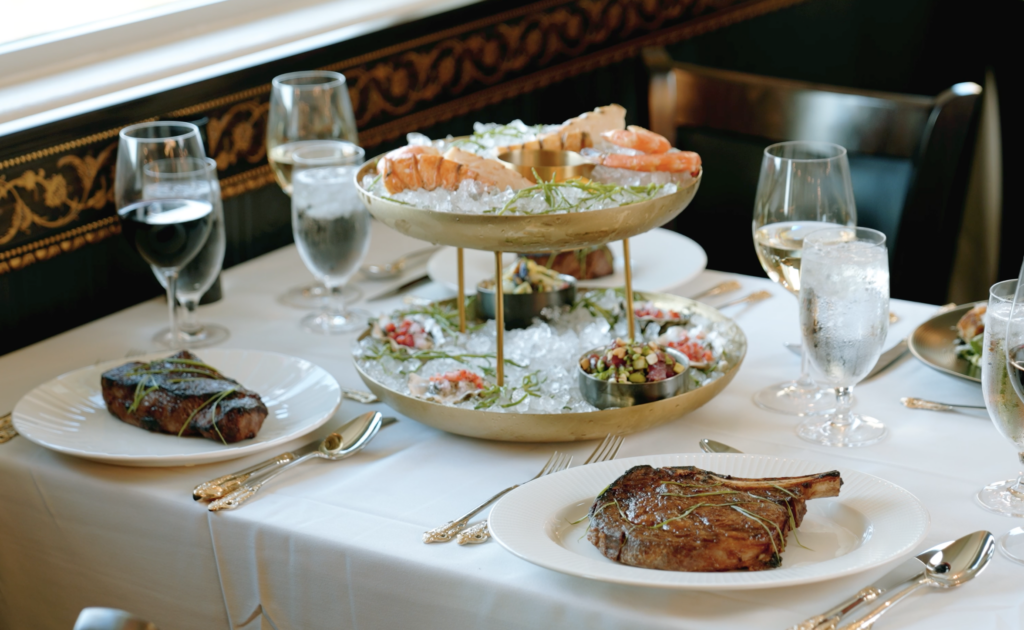
Stake Chophouse & Bar isn’t your average steakhouse. Blue Bridge Hospitality’s Coronado outpost is a modern interpretation of a big-city steakhouse nestled in the heart of the small coastal community. The team at Stake has reimagined the whole steakhouse experience. By prioritizing a seasonal farm-to-table sourcing philosophy, a personalized guest experience, and unique service touches, like a formal steak presentation and a bespoke knife selection process, Stake distinguishes itself in a sea of steakhouses.
Exceptional steaks, including Wagyu from Japan, Australia, and the U.S., and fresh seafood flown in daily form the core of Stake’s culinary identity. The menu features a five-course omakase-style steak experience highlighting house favorites, plus an array of cuts, and classic steakhouse staples—think a wedge salad, baked potato, or pasta carbonara—refined for a contemporary palate without losing their traditional appeal. Stake focuses on seasonal sourcing from the region’s best family farms and specialty purveyors, and incorporates intentionally unexpected touches to create something truly unique.
“I challenge our chefs and myself to take it a step further in sourcing,” says Chef Ronnie Schwandt. “It’s important to us to highlight different farms, unique one-off farms—whether it’s cattle, strawberries, a local fisherman or from anywhere in the United States, we’re always trying to find that niche.”
Beyond the menu, Stake emphasizes outstanding service, says Vinny Spatafore, Director of Hospitality Operations. Staff maintains detailed notes, allowing them to remember guests by name, recall previous orders such as a favorite martini (also memorable for the customer since it’s served in an extra tall, distinctly-shaped glass), and celebrate special occasions like birthdays and anniversaries.
“When you have those points of topic that you remember about a guest, they appreciate that,” he says. “Our servers are really good with that—we have a couple servers who have been here since the beginning and they’ll remember somebody from years ago, their name, their kids’ names, where they live. I’m really thankful to have a great front of house staff.”
Award-winning wines, rare whiskeys, special events, and a complementary black car service that provides transportation for guests throughout Coronado add to Stake’s appeal.
Schwandt stresses that Stake offers more than a meal; they aim to give patrons something unforgettable.
“It starts when you walk up the stairs and are greeted by the hostess—that sets the tone for the night. Then you’re greeted by a server, who may know you by name, and can guide you through the menu and curate as they get to know you,” says Schwandt. “Most people leave kind of blown away; they leave feeling like they just had an experience. That’s the goal, right? Whether you’re serving smash burgers or high-end steak, you want somebody to leave thinking, Wow, that was awesome.”
Named in honor of co-benefactor Joan Jacobs, The Joan is Liberty Station’s most recent addition to its lively Arts District and the new home of the Cygnet Theatre
Rows of untouched seats face a stage still smelling faintly of sawdust and fresh paint. The air is quiet, almost reverent, as if the newly constructed theater is holding its breath before the curtain rises. After years of planning, one of the remaining puzzle pieces of Arts District Liberty Station is finally finding its place: the $43.5 million Joan and Irwin Jacobs Performing Arts Center (The Joan).
Named in honor of co-benefactor Joan Jacobs, The Joan is Liberty Station’s most recent addition to its lively Arts District and the new home of the Cygnet Theatre, which spent the past two decades in Old Town.
Housed in Building 178 (formerly a 1940s-era Naval Base Exchange) at Truxtun and Roosevelt roads, the project marries history and modern design. Inside the 42,000-square-foot space is a 282-seat mainstage, flexible 150-seat black box theatre, and open-air lobby. Backstage, the full kit includes green rooms, dressing rooms, and even an orchestra space.

“This is beyond anything we’ve ever done,” says Lisa Johnson, president and CEO of Arts District Liberty Station (formerly NTC Foundation). “It’s going to elevate our entire Liberty Station community.” Since the late ’90s, the nonprofit has overseen the transformation of its 27 historic buildings into a cultural playground full of galleries, dance studios, and the Public Market. Adding a dedicated performance venue, she says, was always the missing piece.
The idea first surfaced in 2008, when there was talk of converting the space into a theater, but the plan was deemed too costly to operate. By 2017, however, the demand for live performance space was impossible to ignore. Meanwhile, Cygnet Theatre was ready to trade its Old Town nest for something more permanent. A partnership was born, and the two nonprofits got to work raising funds and getting the show on the road.
To execute the vision, Arts District Liberty Station tapped Christopher Bittner of obrArchitecture and the theater-design wizards at Fisher Dachs Associates. For Bittner, who’s been behind some of Liberty Station’s most striking renovations, including the Public Market, the challenge was less about creating something flashy than about honoring the bones of a 4,000-square-foot historic building with a layered past.

And what a past it was. Before The Joan, Building 178 was basically a sailor’s one-stop shop: a department store, a tailor, a coffee shop, a disco called “Hot Sounds,” a movie theatre, and even a bowling alley tucked in the basement. “The bowling alley was one of the biggest design inspirations,” Bittner says. “We thought it was so unique and weird that it was in the historic building, so the entire lobby was inspired by its design.”
Not in the neon bowling pins and cosmic carpet way, but with a sleek, open-air design; wood and steel detailing; and triangular floor inlays that point guests toward the stage like arrows on a lane. Think Gatsby, if he traded his Champagne tower for a bowling alley. Behind the scenes, the original lane numbers hang quietly by the dressing rooms—a wink to the building’s past life.
“Everything we talked about design-wise, we talked about acoustically,” Bittner explains. It’s one thing to build a well-designed theatre. It’s another to build one right under a flight-line—you can’t have the “Point Loma pause” cutting off the final act of the show. Eight inches of concrete and layers of acoustic materials and treatments fixed that right up, essentially grounding all flights until the cast takes their final bow.
Not a bad landing spot for a theatre company that spent the first five years of its life in a renovated women’s gym in Rolando. Despite its humble beginnings, Cygnet has now made a name for itself in the performing arts community and already has its full season at The Joan mapped out. Co-founder and artistic director Sean Murray compares it to “artistic whiplash,” or planning a multi-course dinner party. “You don’t want all dessert or all main entrées,” he says. “Every dish is one that complements the other, but [they] are totally different.”

Kicking off its full-course season is Goldman and Sondheim’s Follies—the gripping story of former Follies girls returning to the theater where they once performed, now to be destroyed and turned into a parking lot. The irony only makes it more riveting: the first show in a brand-new space featuring an old, crumbling 1930s theater as a set.
Plus, it’s a “ride home play,” according to Murray. “You leave the show and you don’t just forget what you saw. You actually have a conversation about it driving home,” he explains. “For us, that’s what theatre’s about. It’s not just being entertained. It’s about looking at ourselves, other communities, and other ways of living and opening our eyes to life.”
But The Joan isn’t just for loyal Cygnet fans. It’s meant to be part of the larger Liberty Station experience. The venue deliberately serves no food, nudging patrons to wander across the campus for dinner or a drink, while flyers for local artists and pottery classes dot the walls.
“We want to create that feeling that you’re not just going to see a play at Cygnet; you’re actually going to come have an experience,” Murray says. “Go to dinner, walk the grounds, have a bottle of wine, see the show, and linger after and argue about it. It’s all a part of the circular love fest.”
Ribbon cutting for The Joan will be held September 5, followed by a first preview of Follies on September 10.
Lili Kim is a content coordinator and writer for San Diego Magazine, with experience highlighting local businesses and communities. When not writing or shooting film, she is likely brewing her seventh cup of tea of the day or strolling along Sunset Cliffs.
Chef collabs, cooking demonstrations, DJs, and tailgates—your guide to all the experiences featured at this year’s affair
Slip into the moment: You’re strolling through Surf Sports Park in the fall outfit you’ve been dying to wear, maybe even snagging some handmade jewelry with rare natural gemstones from Timka Jewelry while sipping locally made hard kombucha and snacking on Michelin-starred must-try meals from San Diego restaurants. In the background, celebrity chefs mingle by small parties with DJs spinning and professional athletes passing by floral photo ops that are basically made to be framed. You pause for a wine pour that looks almost too good to drink and catch acclaimed talents like Jackson Kalb collaborating with Quixote.
This is the Del Mar Wine + Food Festival—one of SoCal’s premiere food and drink events showcasing the unique culinary experiences infused with San Diego’s fitness and wellness culture. If you’re heading to the fest this year, we put together an insider’s guide to all the standout activations at the Grand Tasting taking place from September 13 & 14. Here’s what not to miss:
Across Saturday and Sunday, festival-goers can wander the grounds to enjoy activations from sponsors like LaCroix, Landmark Vineyards, Justin Wines, and Clink. These pop-ups will be offering food and drink tastings, goodie-bags, and little surprises that make wandering the festival half the fun.
Clink will be pouring a mix of wines in the picnic area just outside the VIP tent, while Justin, Landmark, and Lewis wines will host tastings nearby. Heaven Hill Tequila Ocho and Mezcal Vago, will be outside the beach area near Feeding San Diego, and LaCroix will be available throughout the grounds with sparkling water and an Instagram-worthy floral photo-op near the Locals zone.
You can also catch San Simeon wines outside the VIP tent, Spritz in the beach area, Peroni and Blue Moon outside VIP, The Grill Dads throwing tailgate-style parties with Grillin’ Time canned cocktails flowing from branded coolers, and The Los Angeles Golf Club Dryvebox giving everyone the chance to test their swing on a golf simulator. Follow your taste buds, your camera, or your curiosity and you’re guaranteed to run into something worthy of a pause at every turn.
Chef collabs at the Del Mar Wine + Food fest mix flavor, personalities, and a little bit of culinary chaos in the best way. After all, how often do you catch two acclaimed talents sharing the same space? On Saturday, Jackson Kalb teams up with Quixote, while Jet Tila links with Serea and Lionfish for a full-on takeover of the Culinary Comp Zone. Both days feature Fox Point partnering with Haven’s Mawa McQueen in the VIP area, while Plant Paradise joins forces with Nichols Farms and chef Zuliya Khawaja.
And this is just some of many prime celebrity-spotting opportunities. Your favorite chefs will be sprinkled all across the weekend’s lineup. Get the full lowdown on where to find them here.
Beyond the zones, the weekend features some of the best SoCal names in the food and drink industry including A+M Catering, Amalfi Cucina Italiana, Quixote, Glass Box, Rosemarie’s Buns & Brews, Bianchi Winery, Rootdown Wine Cellars, and more. Saturday brings the star power of STK Steakhouse, Jake’s Del Mar, ARLO San Diego, and Provisional Kitchen, while Sunday turns the spotlight to Lana Restaurant, Waverly, Flame & Flavor, and Seasons 52. Click here to see the full list of participating restaurants.
Kyoku Knives will also make its mark as a headline sponsor throughout the festival, with chef Jeff Roberto breaking down sushi, sashimi, and Wagyu beef during the Sushi on a Roll activation in the VIP Reception Area. He’ll be joined by Brian Malarkey (Top Chef, Herb & Wood, Animae) and Tommy “The Fishmonger” Gomes (Outdoor Channel) so be sure to get your cameras ready.
Field games and foodie finds galore, throughout the weekend, attendees can catch some wiffle ball and classic ballpark eats at Ballpark in the Park, dive into a soccer experience with San Diego Wave FC or join tailgate enthusiasts with SDFC and DirecTV. Or, keep the celebration going with DJs spinning at the Mountain experience.
At Street Fleet Alley, find local food trucks and street food pop-ups serving their best fare. Plus, this year, Baja and Paso Robles head to San Diego to showcase their local breweries, restaurants, and lifestyle brands—keep an eye out for their activations.
Everywhere you turn, you’ll find art installations, local food, celebrity chefs, TV personalities, and unique pop-ups. It’s what the Grand Tasting is all about: living your best life, one sip, bite, and beat at a time.
Isabella Dallas is a freelance writer for San Diego Magazine and the Arts and Culture Editor at The Daily Aztec in her final year at San Diego State University. She previously worked as an editorial intern for SDM, but when she’s not writing, you can find her trying the best coffee spots in SD, devouring the latest rom-coms, and indulging in anything and everything pop culture.
SeaWorld dazzles with a drone show, big-name entertainers, new animal adventures and more
Nights are heating up at SeaWorld San Diego. The quintessential summertime staple on Mission Bay is transforming into a destination for unforgettable day-to-night adventures, bringing back some of its most popular Summer Nights programming and introducing exciting new experiences sure to delight both kids and adults alike.

The 2026 Summer Day to Night at SeaWorld San Diego is the park’s most ambitious season yet. SeaWorld has planned a highly anticipated entertainment lineup that features nine weeks of throwback concerts featuring R&B and hip‑hop favorites from the ‘90s and early 2000s, including Jordin Sparks, Too $hort and Warren G, Ashanti, and an array of boy band heartthrobs performing together as part of the Pop 2000 Tour.
New this season is perhaps the park’s most visible update: a nightly drone show, Ocean of Dreams, which illuminates the sky with hundreds of synchronized sparklers. Drones form sea otters, sharks, dolphins, and a majestic orca that tell a breathtaking 12-minute story of marine life and underwater ecosystems. The show culminates with a spectacular electric neon finale celebrating hope, wonder, and ocean stewardship.
Nighttime visitors are also in store for animal adventures that fuse education with high-energy fun and the dreamy ambiance of nighttime. The park has launched two all-new animal presentations: Shamu’s Celebration: Light Up the Night and Dolphins: Touch the Sky. Shamu’s Celebration: Light Up the Night features vibrant lighting, music, and dynamic choreography that celebrates the power and beauty of killer whales. Dolphins: Touch the Sky showcases playful bottlenose dolphins and the special connection between humans and the natural world. And back by popular demand is fan-favorite Sea Lions Tonite. See the charming pinnipeds splash, play, and parody pop culture in this refreshed crowd-pleaser.

More must-sees: a newly reimagined Shark Encounter, one of the country’s more immersive exhibits highlighting 11 different species up close, SeaWorld’s beloved BMX Blast! stunt show, and high-seas escapade, Pirates Ahoy! The Battle for Mermaid Cove. And don’t miss the park’s all-new Deep Sea Disco, which encourages guests to dance the night away under the glow of the SkyTower, and vibrant closing time laser light display Laser Reef Summer Spectacular.
Amp up the nighttime vibe with local craft beers, curated cocktails, and nostalgic theme park treats with $1 beer all summer long. SeaWorld is the place for day to night summer fun. When the sun goes down, SeaWorld lights up, and inspires guests of all ages to embrace their inner whimsy and see why generations of San Diegans head to SeaWorld to make memories they’ll never forget.