This weekend’s weather is expected to side-step the May gray for a few warm and sunny days, making it the perfect time to roam San Diego for things to do. Seasonal shoppers can find unique hand-crafted items in abundance at the San Diego Spring Made Market in La Mesa Village and Bernardo Winery’s annual Arts & Crafts Fair. The philanthropically inclined can attend an Elton John concert for cancer research at Petco Park or charitable galas for children experiencing homelessness and San Diegans fighting food insecurity. Plus, those still scrambling for a Mother’s Day celebration are in luck, we have the 411 on all the restaurants celebrating mom this weekend.
Spend the afternoon supporting local artists, wineries and schools during the Coronado Art & Wine Festival Saturday from noon to 5 p.m. The festivities will include over 100 artist booths, kids-focused art and STEM areas, a live DJ, and gourmet food options from Coronado eateries. Festival admission is free, but for more elevated experiences, the Wine Village ($50), Bubbles Lounge ($75) and all-inclusive VIP option ($100) include exclusive bites and wine tastings. Proceeds from this community event will go towards STEM and arts education in Coronado.
Junior League of San Diego’s Party for a Purpose: Dancing in the Moonlight
May 10
Help individuals affected by food security during Party for a Purpose: Dancing in the Moonlight, an elegant evening by the San Diego Bay with the women-led nonprofit Junior League of San Diego. Guests can enjoy raffles, auctions, a live DJ, a menu of bites and signature cocktails and a night of dancing at Bali Hai Restaurant Saturday night. General admission is $100, while $150 VIP admission comes with a gift bag and a tour of San Diego Bay on the Aolani Catamaran. VIPs can enter the event at 4:30 p.m. while general admission grants access at 5:30 p.m.
2230 Shelter Island Drive, Shelter Island
Father Joe’s Villages Children’s Charity Gala
May 10
Fundraise for children experiencing homelessness at Father Joe’s Villages’ 75th anniversary Children’s Charity Gala this Saturday at the US Grant Hotel. The night will begin with a cocktails and hors d’oeuvres reception with a silent auction, followed by a multi-course dinner, live auction and uplifting testimonials. This will be followed by an afterparty with live music and a coffee and dessert bar. Tickets include $425 general admission and $600 VIP tickets that come with premier seating, tableside Champagne and complimentary valet parking.
326 Broadway, Downtown
Mother’s Day Tea at the Fairmont Grand Del Mar
May 11
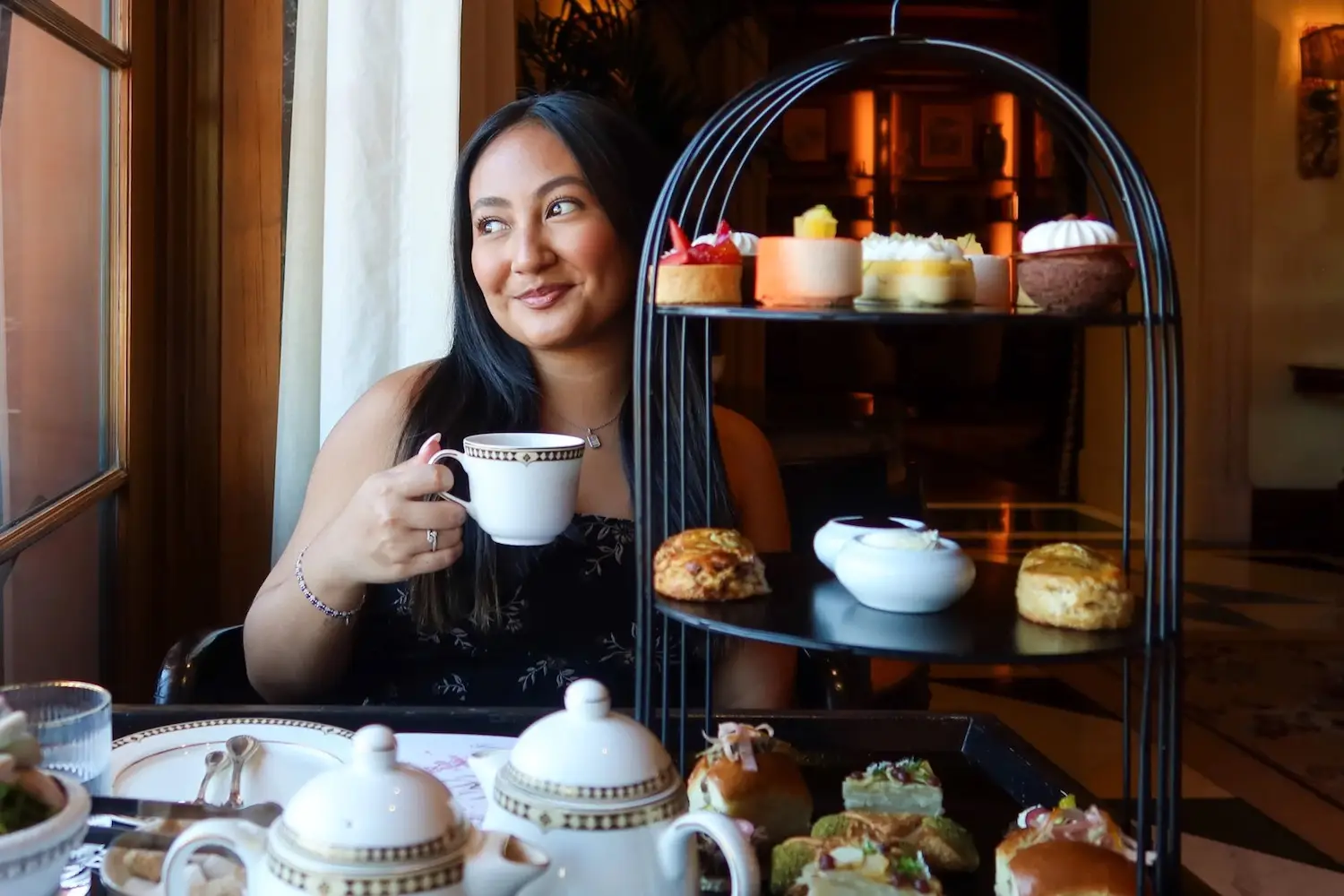
Looking for a luxurious Mother’s Day activity that’s sure to impress? Consider the Fairmont Grand Del Mar’s Mother’s Day Tea, with tea times from noon to 3:30 p.m. this Sunday in the opulent setting of The Lobby Lounge. Sip your afternoon tea with all of the classic treats: finger sandwiches, a selection of crafted pastries, and fresh scones paired with clotted cream and jam. Reservations are $125 per adult, $65 for children ages 4-11 and complimentary for kids under 3 (not including tax and gratuity).
5300 Grand Del Mar Court, Del Mar
Courtesy of Curebound
Concerts & Festivals in San Diego This Weekend
GI Film Festival
May 7-9
Active service members and military veterans will showcase their acting and directing skills throughout the three-day GI Film Festival. Over five showtimes Wednesday through Friday, 16 films will be screened at the Museum of Photographic Arts, including several narrative short films, and documentaries on the historic Montford Point Marines and the sinking of the HMT Rohna. General admission is $15 per showtime and multi-ticket packs, which come with admission to all films and events, are on sale for $60.
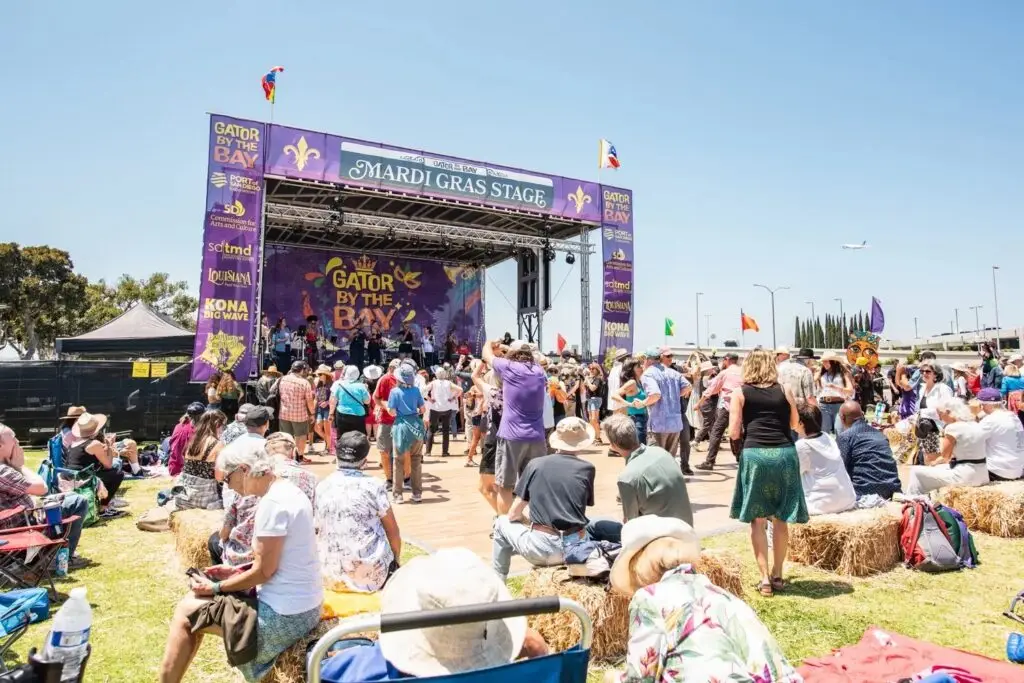
Get transported to the French Quarter at Gator by the Bay, the best bayou bash this side of New Orleans. From the seven stages of live music (like zydeco, blues, swing and roots) to the array of Cajun and Creole eats (with gumbo, beignets and 10K pounds of crawfish), Spanish Landing Park will be filled to the brim with Louisiana love this Thursday through Sunday. This annual festival from the Bon Temps Social Club also includes interactive dance lessons, kid-friendly activities, cooking demos, and a southern-themed marketplace. Single-day general admission starts at $68, while 4-day passes range from $254 to $653.
3900 North Harbor Drive, Point Loma
Curebound Concert For Cures: Elton John at Petco Park
May 9
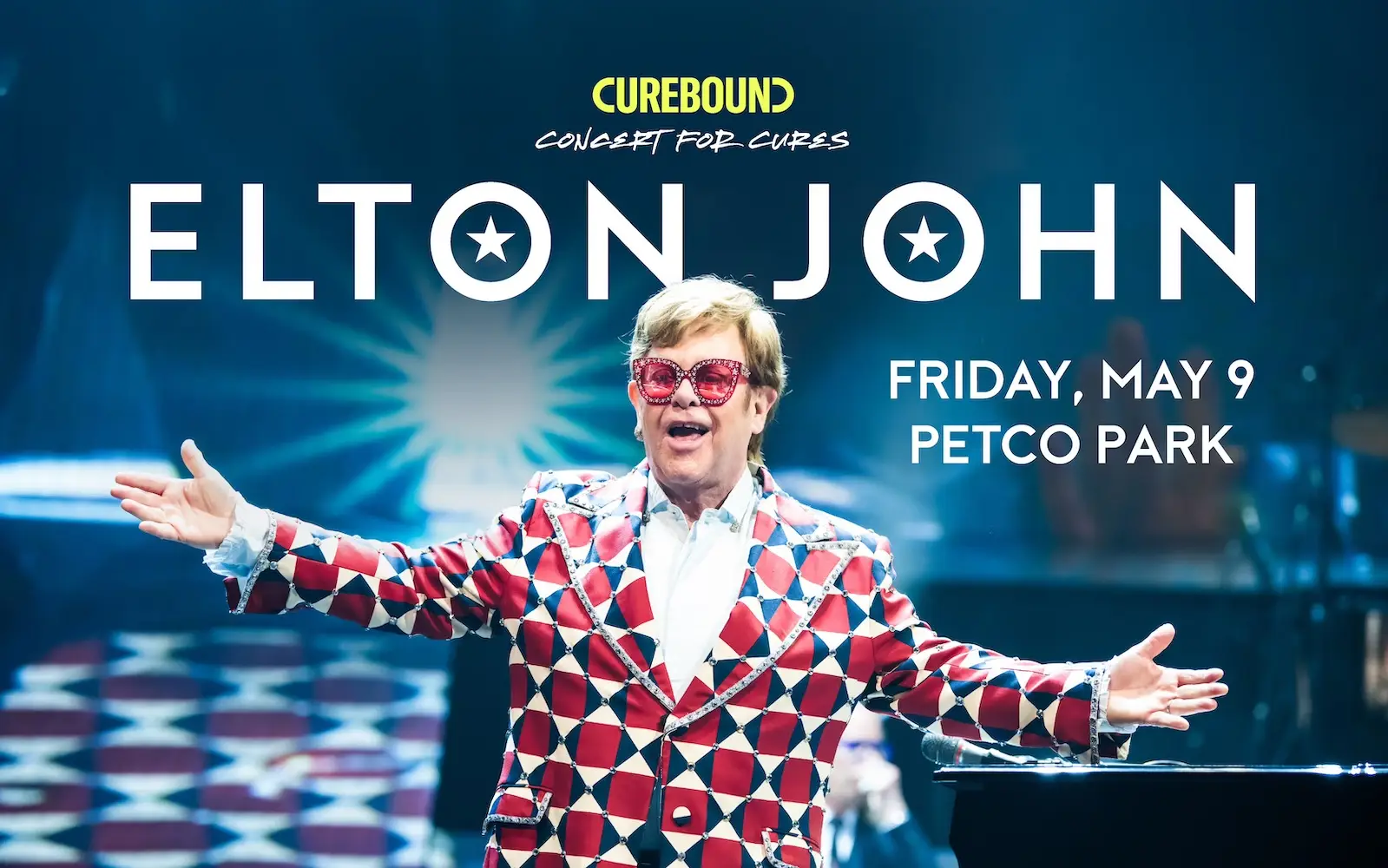
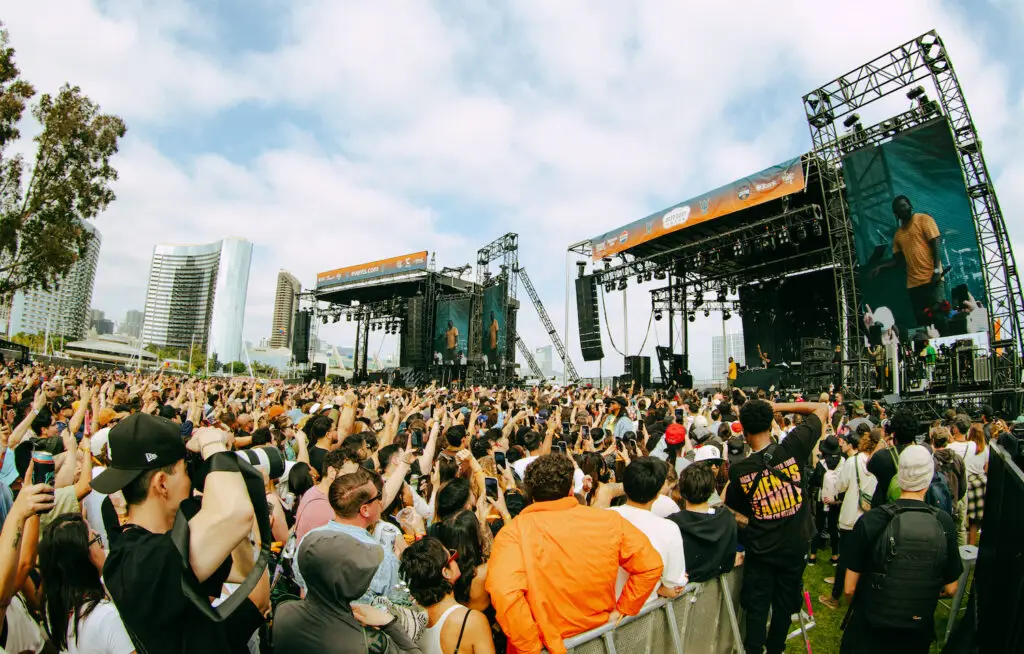
Curebound’s annual benefit show Concert for Cures is back with a new venue and a legendary name. This Friday at 8 p.m., Elton John, fresh off the release of his collaborative album Who Believes in Angels?with Brandi Carlile and a debilitating eye infection, will serve as headliner for this philanthropic show at Petco Park. Concert for Cures raises money for early-phase adult and pediatric cancer research in San Diego, with Curebound having already invested $43 million. Tickets start at $43 for this fundraiser performance.
100 Park Boulevard, Downtown
Spring Arts & Crafts Fair at Bernardo Winery
May 10 & 11
Entry is free all weekend at Bernardo Winery’s 48th Annual Spring Arts & Crafts Fair, an artisanal affair full of locally sourced and handmade goods. Saturday and Sunday from 10 p.m. to 5 p.m., peruse jewelry, fine art, clothing and more from over 125 SoCal vendors on the winery grounds. Attendees can also explore an international food court, outdoor wine bars and winery village shops throughout the festival.
13330 Paseo Del Verano Norte, Rancho Bernardo
FLO at The Observatory North Park
May 11
Following in the proud lineage of SWV, Destiny’s Child, and the Spice Girls, pop trio FLO flaunts a stylish confidence that can be found all over their music. The British girl group reached new heights on their debut album, Access All Areas, with addictive and ambitious tracks like “On & On” and “In My Bag,” showing they are poised to not only evolve, but flourish. Opening FLO’s Sunday concert at The Observatory North Park will be pop artist Jae Stephens. Tickets start at $25 for this performance, with doors opening at 7 p.m.
2891 University Avenue, North Park
Photo Credit: Marshall Williams
Theater & Art Exhibits in San Diego This Weekend
Hamilton at Civic Theatre
May 6-18
With over 3,400 Broadway performances (and counting) as well as an emphatic cultural imprint, Hamilton is one of the defining musicals of the 21st century. Lin-Manuel Miranda’s masterpiece chronicles the life and legacy of Alexander Hamilton with an audacious contemporary lens and a transcendent score that transforms meetings of the Founding Fathers into hip-hop-inspired showdowns. Hamilton will begin its two-week engagement at the Civic Theatre Tuesday night, with 15 additional performances through May 18. Tickets start at $61.
Dozens of performers with the State Ballet Theatre of Ukraine will awaken the slumberous fairytale of Sleeping Beauty through a pair of performances in San Diego this weekend. The production will incorporate elaborate scenery, sets and costumes along with Tchaikovsky’s vivid score to tell the centuries-old story of Princess Aurora. Sleeping Beauty will be performed Saturday night (7 p.m.) at the California Center for the Arts, Escondido, followed by a Sunday matinee show (2 p.m.) at the Balboa Theatre. Tickets start at $54 for these performances.
340 North Escondido Boulevard, Escondido | 868 Fourth Avenue, Gaslamp
Shipyard Nocturnes and Taco Stand Vernacular at The Photographer’s Eye Gallery
May 10 – June 7
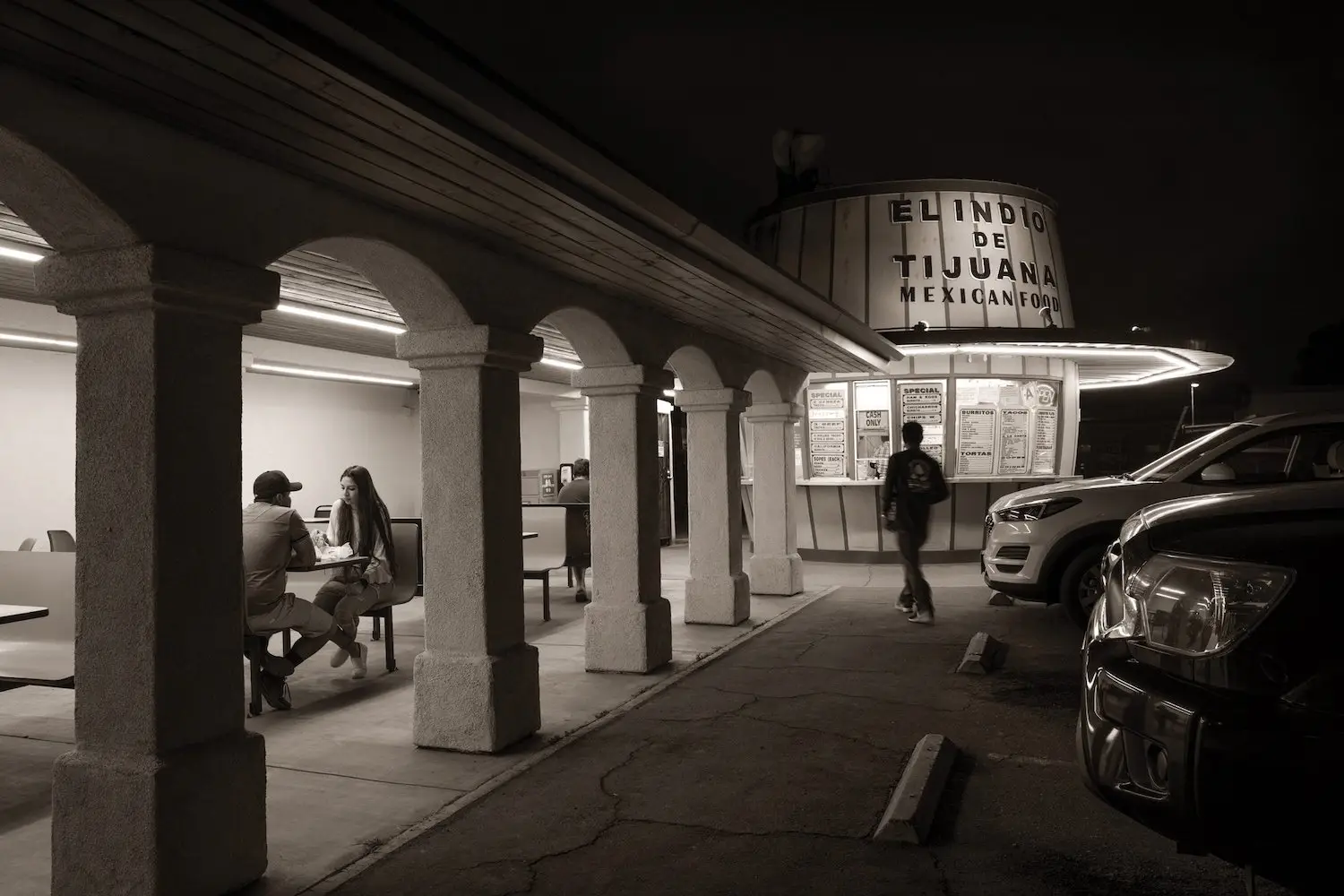
This Saturday, aligning with Escondido’s 2nd Saturday Art Walk, The Photographer’s Eye Gallery will welcome a pair of black-and-white night photography exhibitions. Philipp Scholz Rittermann’s Shipyard Nocturnes depicts the creation of the ill-fated Exxon Valdez oil tanker, while Marshall Williams’ Taco Stand Vernacular captures several SoCal taco shops illuminating at dusk. The gallery will host a free artist walk-through (4 p.m.) and opening reception (5 p.m. to 7 p.m.) this Saturday for both exhibitions. Plus, local photographers can sign up for a $45 night photography session led by Ritterman and Williams on May 15, with 25 spots available.
326 East Grand Avenue, Escondido
The Tellings and Pneumatic at Bread & Salt Gallery
May 10 – July 19
This Saturday from 5 p.m. to 8 p.m., Bread & Salt Gallery will open two innovative exhibitions, The Tellingsand Pneumaticwith a dual opening reception this Saturday from 5 p.m. to 8 p.m. Liz Stringer’s The Tellings will employ sculpture and 2D work to explore traits and contradictions of the physical body through concepts like science fiction and biopolitics. Lyndsay Bloom’s Pneumatic, an experimental and erotic 16mm film project featuring sound by Judith Hamann, will debut in the gallery’s video space.
1955 Julian Avenue, Logan Heights
Courtesy of Sound Healing Presents
More Fun Things To Do in San Diego This Weekend
The Sound Healing Symphony: Taking off at the San Diego Air & Space Museum
May 8
Lay down and let your mind wander during The Sound Healing Symphony: Taking off, an immersive sound meditation at the San Diego Air & Space Museum. Conductor Guy Douglas will lead this auditory enrichment session that blends gongs, singing bowls, didgeridoo, Celtic harp, Native American flutes and more within a soothing ensemble. Come prepared with water, a yoga mat, a blanket, and for extra comfort and support, a nice pillow. Tickets are $46 for The Sound Healing Symphony, beginning Thursday at 7 p.m..
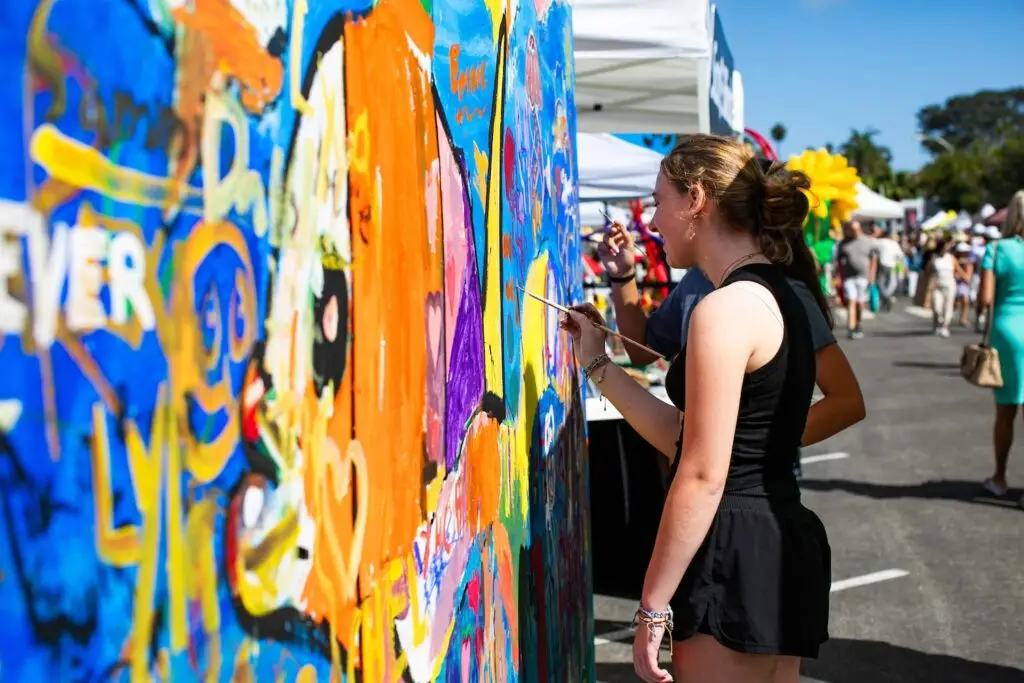
Fulfill your springtime shopping fix with a lineup of more than 125 makers at the San Diego Made Spring Market, happening from 11 a.m. to 6 p.m. Saturday in La Mesa Village. Entry to the market is free, and shoppers will get to enjoy gourmet food trucks, photo booths, floral stands, art installations, craft stations, live music and specials at select businesses along La Mesa Boulevard. RSVP for the market here and enter the drawing for a prize pack giveaway.
La Mesa Boulevard between Spring Street and 4th Street, La Mesa
Balboa Park Pow Wow
May 10 & 11
Participate in a weekend of Indigenous cultural preservation at the Balboa Park Pow Wow, a free two-day festival organized annually by the San Diego American Indian Health Center. From 10 a.m. to 6 p.m. Saturday and Sunday, explore various activities, traditional Native American dishes from local vendors, and handmade arts and crafts from Native artists. Plus there will be a range of family-friendly performances, such as bird singing, along with gourd, inter-tribal and Aztec dance showcases..
Ryan Hardison is a freelance arts and entertainment writer and recent graduate of San Diego State. When he's not staring at his laptop, he's likely eating an adobada burrito or getting sunburnt at the beach.
It’s finally fall, and although it may not feel like it (our ceiling fans are this close to flying off their hinges), San Diego is ringing in the cozy season with a heap of fun events. Whether you’re wanting to find your new favorite outfit at Fashion Week, cheer at the Oceanside Shock’s home debut, or practice meditation at the Strength in the City Festival, these are the best things to do in October.
Go beyond the menu during the Taste of North Park, with over 50 food samples and 15 beverage stops, plus live music and art-driven programming to keep all the senses engaged.
7
Cross the Coronado Bridge—and bring your appetite—for A Taste of Coronado, an island-wide culinary jaunt in support of beloved businesses and the Promises2Kids nonprofit.
Courtesy of La Jolla Art & Wine Festival
Theater & Art Exhibits in San Diego This Month
10/8–11/1
In the Roustabouts Theatre Co.’s newest comedy at Scripps Ranch Theatre, roommate beef has no age limit. In “Ripcord,” a feud between Abby and Marilyn escalates to absurd heights.
10 & 11
Pay it forward to local public schools with each pet adoption, purchased piece of art—from over 170 artists—and sip of wine, beer, or spirits at the free La Jolla Art & Wine Festival.
17
Those in search of creativity and community can find both at Other Places Art Fair South, a free showcase for independent artists and galleries at California Center for the Arts, Escondido.
Photo Credit: @gabephelan
More Fun Things to Do in San Diego This Month
9/30–10/4
Where can you play pickleball with celebs, sample local eats (including that place you’ve always been meaning to try), and take part in the scenic and delicious Grand Tasting at Surf Sports Park? There’s only one answer: the Del Mar Wine & Food Festival.
2–4
Sashay your way through the 19th annual Fashion Week San Diego, home to stunning runway couture, fall designer collections, and a trunk show—perfect for shopping for your new look.
9 & 10
Dance to Y2K throwbacks all weekend long during Ocean Beach Oktoberfest, which includes a beach party, a stein-holding competition, a brat-eating contest, and for VIP attendees, a custom “OB2K Oktoberfest” liter mug.
First comes the sting, then comes the shock. San Diego County’s newest sports franchise, Oceanside Shock, will make its home debut in the Federal Prospects Hockey League versus the Fresno Falcons at Frontwave Arena.
24
Working out is just one part of this Waterfront Park wellness experience. Practice meditation, play bingo, and recover with sauna zones during the Strength in the City Festival.
25
At the 25th annual Oceanside DÍa de los Muertos Festival, the Day of the Dead is alive and well. Walk through a chalk cemetery and Por Siempre Car Club’s decorative trunk altars during the free event.
Ryan Hardison is a freelance arts and entertainment writer and recent graduate of San Diego State. When he's not staring at his laptop, he's likely eating an adobada burrito or getting sunburnt at the beach.
Through its Playmakers initiative, San Diego FC is working with artists, musicians, and other local creatives to shape the identity of the city’s newest professional sports team
What does a soccer team have to do with San Diego’s arts scene? Quite a lot, as it turns out. When San Diego FC launched, the club could have spent its marketing budget on billboards, bus wraps, and digital ads. Instead, it went into neighborhoods, found local artists and creatives, and started building the club’s identity with them. Through its Playmakers initiative, artists have designed limited-edition merchandise, had their work featured on the stadium’s jumbotron, and found themselves in front of thousands of fans—and, in some cases, a national TV audience.
For this special edition of the podcast, created alongside San Diego Magazine’s September arts and culture issue, host Troy Johnson talks with Sebastián Morúa, SDFC’s Senior Vice President of Brand & Innovation, and longtime San Diego native and creative Tony Martinez of Barrio Junto. The conversation gets into why a professional soccer club would make local art part of its business, how Martinez’s decades in San Diego’s creative community helped shape Playmakers, and the club’s early efforts to connect with artists across the county through its Chrome Ball Tour and neighborhood events. The goal, they explain, isn’t simply to put a local artist on a T-shirt. It’s to let the people who already understand San Diego help define what the new club looks and feels like.
The conversation also gets into the less glamorous—but important—side of supporting artists: money. They talk about how Playmakers pays local creatives, the value of the platform SDFC provides, and what it means to build an ongoing relationship between a professional sports club and the artists who help shape its identity. They also discuss the club’s growing music initiative, which will bring local musicians into the fold, and the many ways artists have already contributed to SDFC through merchandise, murals, Parks & Pitches projects, and more. Ultimately, it’s a conversation about soccer, art, community, and what can happen when a major sports franchise gives the people already making culture in San Diego a bigger platform.
This summary was provided to you by AI. To hear from the humans, listen to the podcast wherever you get your podcasts.
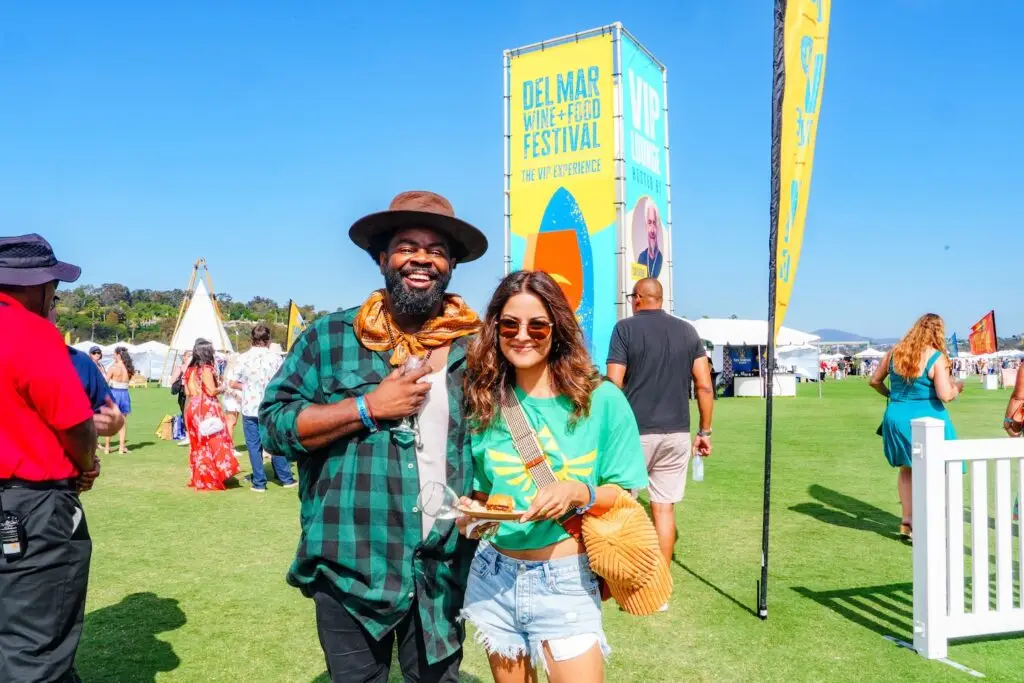
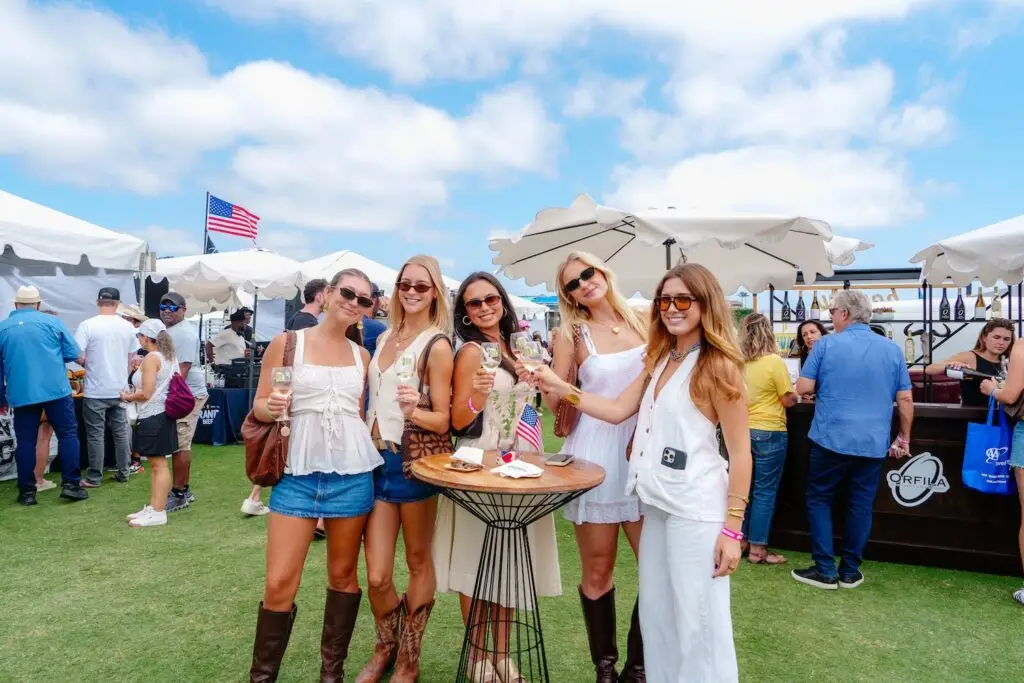
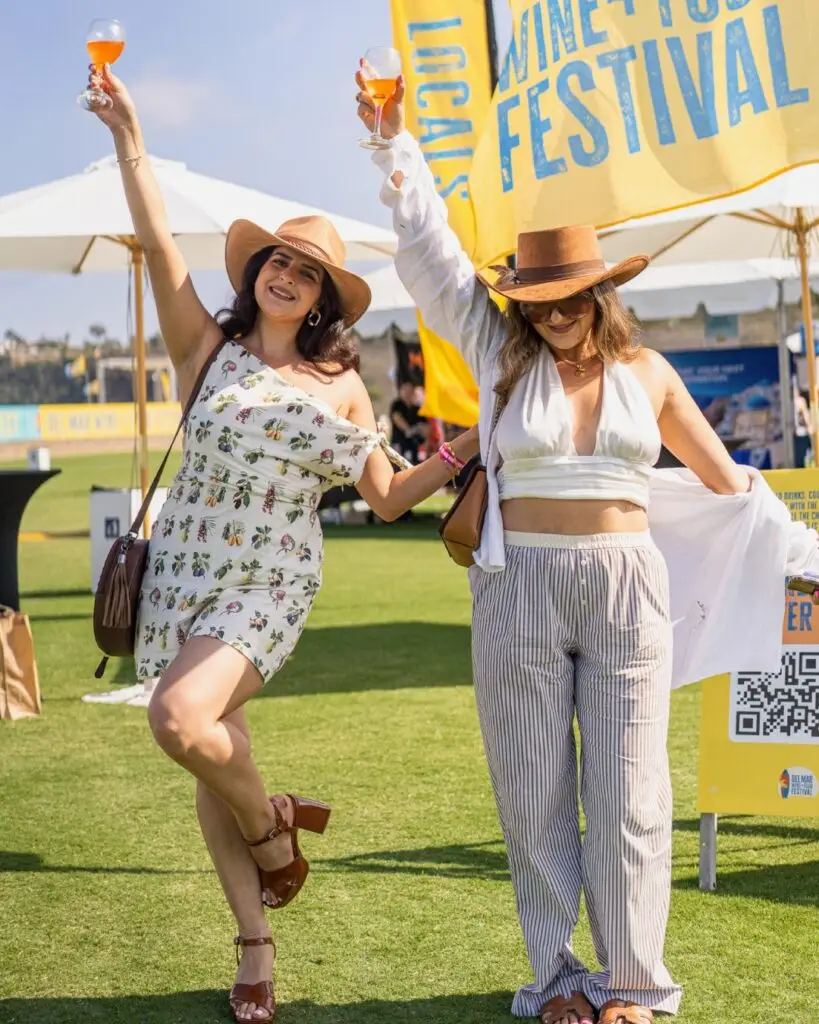
At Del Mar Wine & Food Festival’s Grand Tasting, the walk between food tents can take a while. You might stop to watch a chef competition, get pulled toward the DJ, or find yourself playing mini golf before you remember which bite you were after.
Across the Del Mar Polo Fields, there’s also line dancing, a 1961 red Beetle ready for photos, and an aviation-themed pop-up with Reno Tahoe chefs and mixologists. Need a slower stretch? Check out the wellness stops or browse the shops. Here’s what to look for as you make your way through the festival’s zones:
Courtesy of Del Mar Wine & Food Festival
VIP First Bites & First Sips
VIP ticket holders get a head start, with the VIP Reception running from 11:15 a.m. to 1 p.m. and serving first bites, first sips, and a few surprises before the Grand Tasting officially gets going. Champagne Telmont will make the festival’s first pour, while Cohn Restaurant Group brings carajillos alongside pours from Karl Strauss, Licor 43, Tap Truck San Diego, Bebemos Tequila, and Devil’s Grin Gin.
The bites are just as good. Celebrity chef Beau MacMillan will serve a first bite, while Warung RieRie is bringing one of its highly coveted dishes. Yes, this is the restaurant that currently has an eight-month waitlist. You’ll also find bites from The Shellfish Affair, The Waverly, Wolf in the Woods, Dora Ristorante, Cori Pastificio Trattoria, An’s Gelato, Pacific 333, Vintana, and more.
And because every good first act needs a soundtrack, there will be live painting and music, with Courtney Govan bringing live jazz to the reception. It’s the perfect opening act before the main event.
Live Cooking & Culinary Moments
During the VIP Reception, chefs Tommy Gomes and Jeff Roberto will conduct a live ahi cutting. Plant Paradise brings another culinary angle, with celebrity chef Zuliya Khawaja joining the plant-based lineup. The area combines chef talent with plant-forward restaurants and brands, giving guests a chance to see just how creative plant-based cooking can get.
Throughout the weekend, The Stage keeps the cooking demonstrations coming, with celebrities and chefs sharing techniques, recipes, and plenty of inspiration for anyone who plans to actually cook something when they get home. Before you know it, you’re watching a chef demo, casting your awards vote, and sipping mezcal on the grass with friends you just met in line.
Courtesy of Del Mar Wine & Food Festival
DJs, Music, & The Party
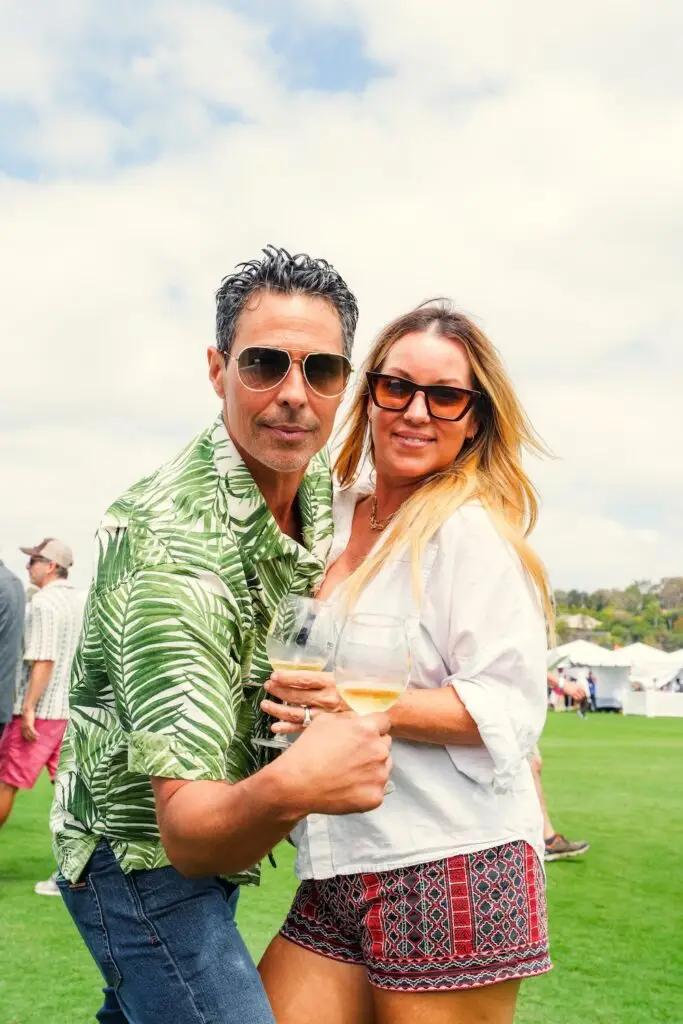
At the Grand Tasting, dancing just sort of… happens. A DJ drops the right song. Someone’s holding a taco in one hand and a glass of wine in the other. The country zone breaks into a two-step. Friends convince friends. Strangers become temporary dance partners. By the end of the day, everyone’s forgotten they were ever worried about looking cool.
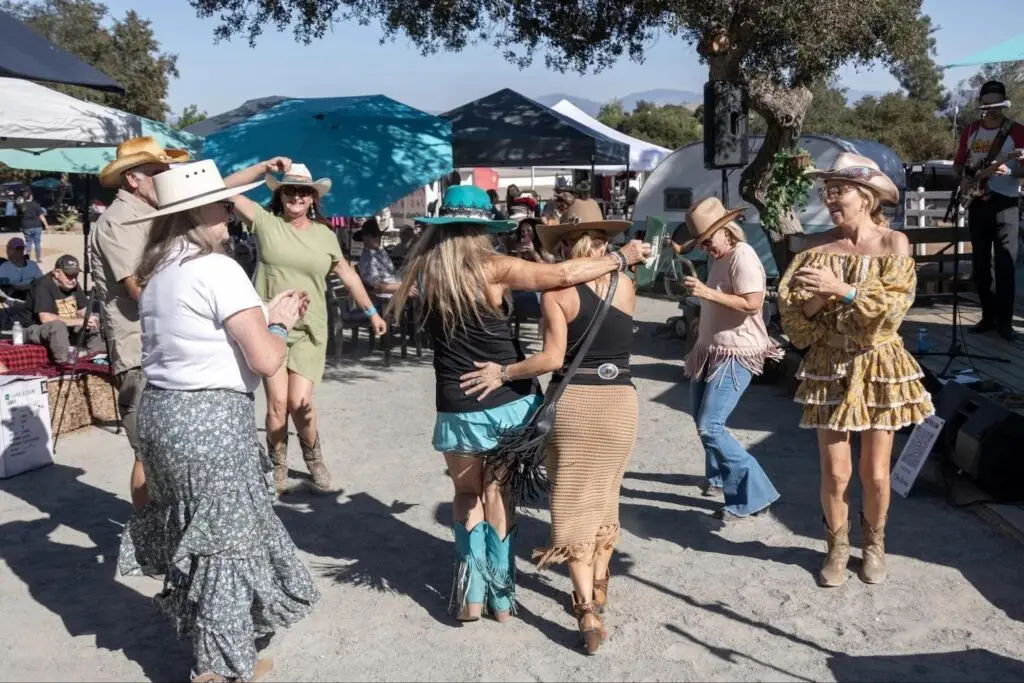
DJ TENAX will be spinning in Plant Paradise, bringing house, techno, and UKG to an open-air dance floor that’s hard to leave. Chris Cantore, a veteran San Diego broadcaster, takes over the VIP Tent, while BootScootin Line Dance and PVO Events bring country-style line dancing to the Polo Fields, so you can work off your tasting itinerary one two-step at a time.
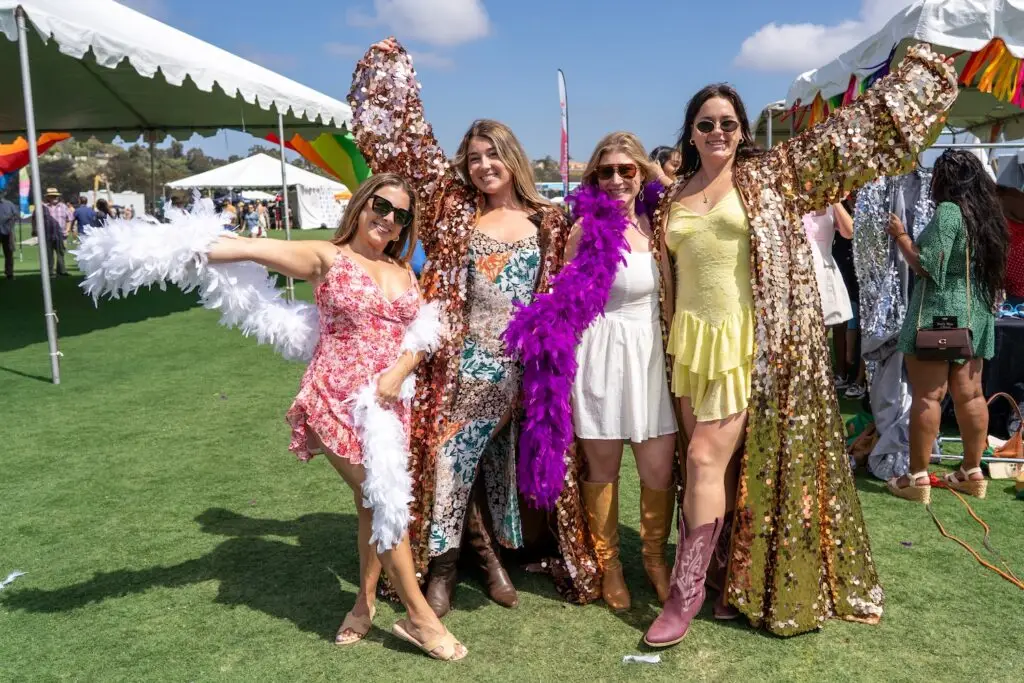
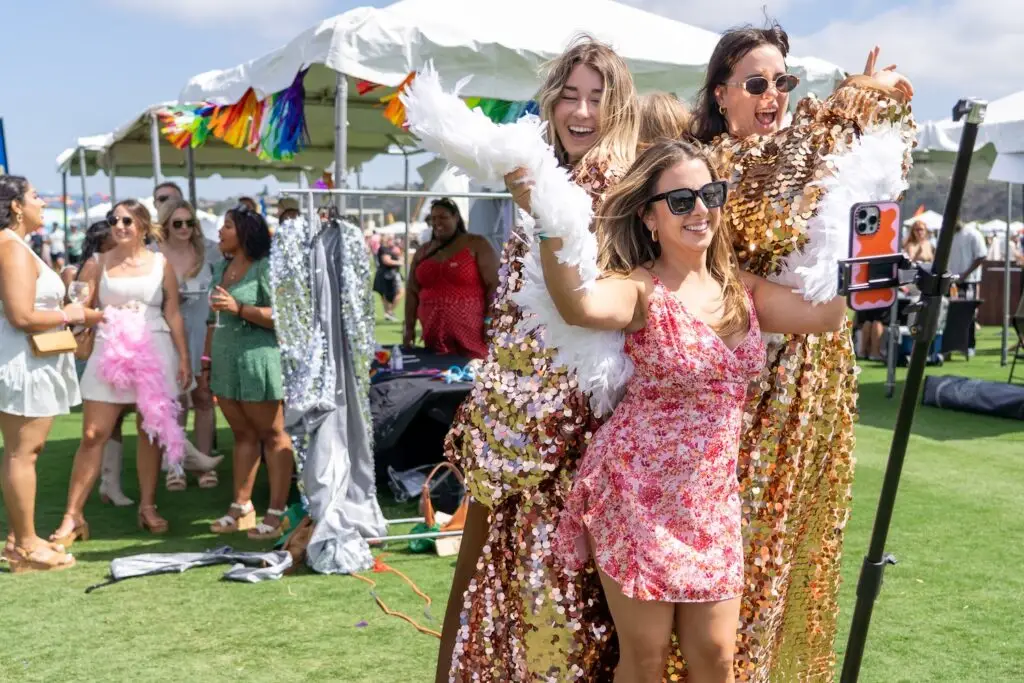
Then a live guitar hum in the distance leads you to a fuchsia boa over at the Pride Zone, where you’ll find yourself covered in sequins and having the lawn party of a lifetime.
Sports, Tailgates, & Games
Not every activity at the festival requires a tasting glass (although it’s certainly encouraged).
The Matchday Experience brings San Diego FC and San Diego Wave FC into the Grand Tasting, complete with interactive tents and plenty of game-day energy. Athletic Brewing is also sharing activation space with San Diego Wave FC, bringing a fun nonalcoholic option into the mix.
For golf fans, the Los Angeles Golf Club is bringing a Dryve Box golf simulator to the festival. And if your competitive streak is less fairway and more miniature windmill, SD Pop Up Mini Golf has you covered.
The Beach Zone gets in on the action, too, with surfing-inspired elements and Playavole paddle courts. Hemlock Hats and other California brands add to the coastal atmosphere, but the real draw is having somewhere to actually play. And don’t worry, you can cool down in COOLA’s turquoise beach chairs, too, and when your bestie suggests reapplying sunscreen, obviously you do. Basically, there are plenty of ways to work up an appetite between tastings.
Courtesy of Del Mar Wine & Food Festival
Photo Ops & Instagram Moments
You’re going to want to take photos, and the festival has made that extremely easy.
A Timeless Day is bringing multiple photo moments to the Grand Tasting, including a 1961 red Beetle at The Italian Getaway and a teal VW bus in The Beach Zone. For something a little more polished than the standard group selfie, head to the Locals Zone for Pixster Photo Booth and San Diego’s version of a Glam-Bot, complete with a grass red carpet.
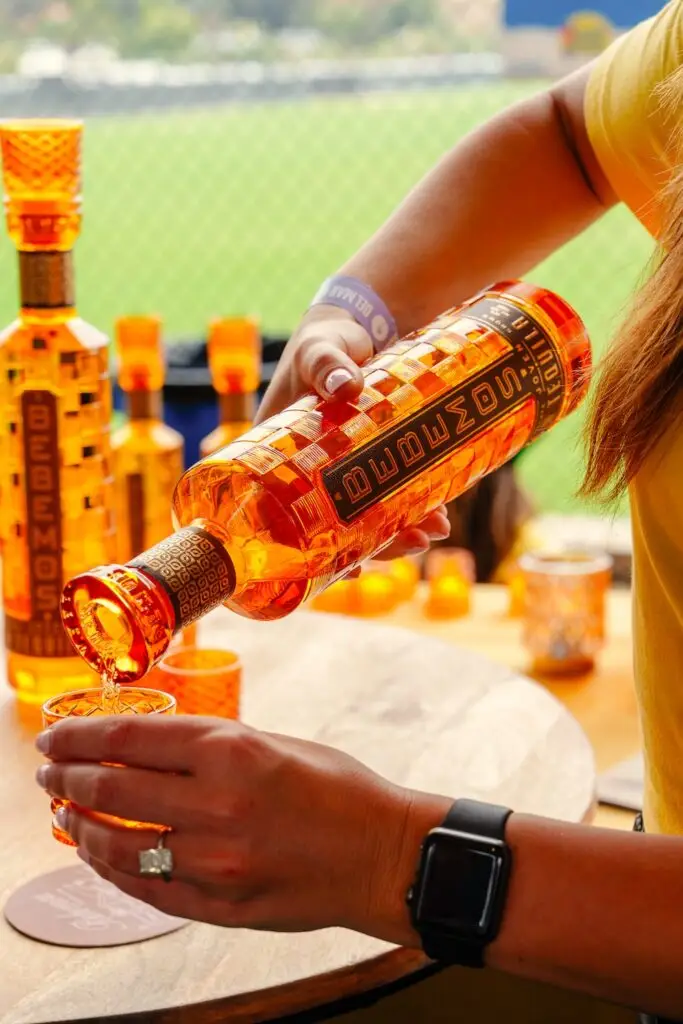
Bebemos Tequila is also bringing back its festival-favorite hidden speakeasy. If there’s ever a time for a photo, it’s here. Otherwise, people might not believe you. The speakeasy serves bone marrow shots straight from the bone, with candlelight, a lounge area that makes it hard to believe you’re in a tent outside, and little orange shot glasses. This is “first slide of your festival photo dump” material.
You can also grab your squad and head to LaCroix’s bright and ridiculously cute setup, or swing by San Diego Magazine’s area, where you might stop for a photo in front of the larger-than-life SD Magazine sign and find yourself watching a painting come to life.
But really, you’re in Del Mar. The ocean is essentially your backdrop, and every zone gives you an excuse to stop for the obligatory “totally candid” photo. And yes, the best strategy is to get the group shot before everyone has been sampling wine for three hours.
Shop, Browse, & Take Something Home
The Grand Tasting also doubles as a little shopping excursion, with local makers, fashion, vintage finds, jewelry, and lifestyle brands scattered throughout the grounds. Smoke Revival Vintage Vault brings the thrill of vintage treasure hunting, while Nortte Hats and Hemlock Hat Company make a pretty good case for leaving with a new accessory.
Keep an eye out for jewelry and creative vendors, too, including Iris Studio Jewelry and New Nightfall Jewelry, plus local artists and makers featured throughout the festival.
You can come for an all day food and wine festival, but still leave with something shiny you definitely did not plan to buy.
Wellness & Reset Moments
We know, at some point, even the most dedicated grazer has to come up for air. The Novo Dia Wellness Zone is designed for exactly that, bringing together mocktails, coffee, hydration, wellness brands, and even bites from Parakeet Cafe.
Step away from the food and drink frenzy for a few minutes, relax in the shade, try some skincare, stretch with prAna, and maybe grab some Instant Hydration Electrolytes before round three.
There’s also nothing wrong with stopping to smell the roses at Green Air Botanicals while devouring a dairy-free cheese dip. It’s less about disappearing from the party and more about making sure you have enough energy to keep going.
The zones give you somewhere to wander, and the activities give you a reason to keep going. So grab your tasting glass, check the schedule, and leave a little room in your afternoon for something you didn’t plan on doing. At Del Mar Wine & Food, that’s usually where things get interesting.
Isabella Dallas is a freelance writer for San Diego Magazine and the Arts and Culture Editor at The Daily Aztec in her final year at San Diego State University. She previously worked as an editorial intern for SDM, but when she’s not writing, you can find her trying the best coffee spots in SD, devouring the latest rom-coms, and indulging in anything and everything pop culture.
Today’s seniors are more connected than ever, with a renewed focus on retirement as a time of discovery and enriching experiences. The ultimate reward for a retirement well-earned is the wisdom to appreciate it all, and what better place to enjoy that unique perspective than Vi at La Jolla Village, in the heart of San Diego.
All-access pass to good living.
As a Continuing Care Retirement Community (CCRC), Vi provides access to a connected and fulfilling community while making it easy to plan for future care, should the need ever arise. With a care plan in place, residents enjoy greater financial predictability and long-term value, freeing them to focus on making the most out of retirement.
Resort-style amenities at the epicenter of a cultural hub like San Diego offer a retirement experience unlike any other. Paired with exceptional dining, spacious accommodations and dedicated staff, the best of maintenance-free living is all around. And with the introduction of Vista 360 Well-Being, Vi’s panoramic approach to wellness, there are more ways than ever for residents to access it all.
The harmony of mind, body and community.
Courtesy of Vi at La Jolla Village
The key to longevity is striking the right balance in maintaining an active lifestyle with an active mind in a fulfilling community. With newly renovated community spaces and restaurants, Vista brings a variety of opportunities for residents to elevate their well-being through Vi-exclusive “Signature Experiences.”
Vista Enrich takes an evidence-based approach to brain vitality, keeping residents at the forefront of cognitive health through exergaming (exercising + gaming), nutritional plans and informative workshops. It is also home to The Brain Vitality Studio, an innovative facility dedicated to cognitive fitness that has garnered national recognition.
Vista Discover invites residents into stimulating educational experiences, from chef-led cooking demos and guided wine tastings to lectures at local universities and intimate lectures following cultural outings.
While Vista Enrich focuses on brain health and Vista Discover engages residents intellectually, Vista Explore cultivates a sense of adventure through curated travel and local excursions. But broadening one’s horizons doesn’t always require a plane ticket. One recent event brought a taste of the world right to the community: an onsite “jazz cruise” featuring live music and global cuisine served at a series of themed “ports” all within the community’s own ballroom.
“Location, location, location”
Courtesy of Vi at La Jolla Village
One of the biggest perks of life at Vi at La Jolla Village is its proximity to just about everything. With easy access to transportation and local attractions just steps away, residents can explore and engage with their community at their own pace.
“There are trolley and bus stops within a 5-minute walk that will get you to the beach, UCSD Campus, medical appointments, downtown La Jolla or San Diego, et cetera. We rarely use our car,” said resident Tom Yager.
With the best of San Diego just steps away, residents don’t just live in the city, they live within reach of everything that makes it special.
The best of all worlds.
Courtesy of Vi at La Jolla Village
At Vi at La Jolla Village, retirement isn’t a chapter to slow down; it’s an invitation to discover more. Tailored community experiences created by Vista, paired with the vibrant pulse of San Diego just outside the door, mean that residents don’t have to choose between security and adventure, connection and independence. They get all of it.
This is what an all-access pass to good living looks like: the comforts of an elevated lifestyle, a community built for growth and a city made for discovery – all in one place.
To learn more about Vi at La Jolla Village or for details on available floor plans, visit ViatLaJollaVillage.com/SDM.
At Del Mar Wine & Food Festival’s Grand Tasting, everyone has their own goals for the day. One friend wants oysters and Champagne. Another heard there’s line dancing. Someone disappeared into Taco Alley. The food person is making a beeline for every chef demo, the golf friend has found the simulator, and someone else is already settled into a beach chair with a mezcal cocktail and has announced they’re “never leaving.”
Consider yourself zoned in.
This year, the Grand Tasting turns the Del Mar Polo Fields into a full-blown foodie wonderland, with chef showdowns, wellness escapes, art installations, lawn games, music, and plenty of magazine-worthy plates. But the zones are where everyone gets to play their own way. You might sip your way through the SLO Zone, accidentally spend the afternoon behind the DJ booth in Plant Paradise, or live out your best beach day in The Beach Zone.
With 100-plus chefs and restaurants, 150-plus wineries, breweries, distilleries, and drink makers, plus a whole lot more happening in between, there’s no shortage of ways to spend the weekend. And with the Grand Tasting taking place October 3 and 4, there’s actually time to explore.
Because the problem with bringing your favorite people to an adult playground is that everyone wants to play differently. Luckily, you get two days to figure it out. Here’s where to start:
Courtesy of Del Mar Wine & Food Festival
The Beef Experience
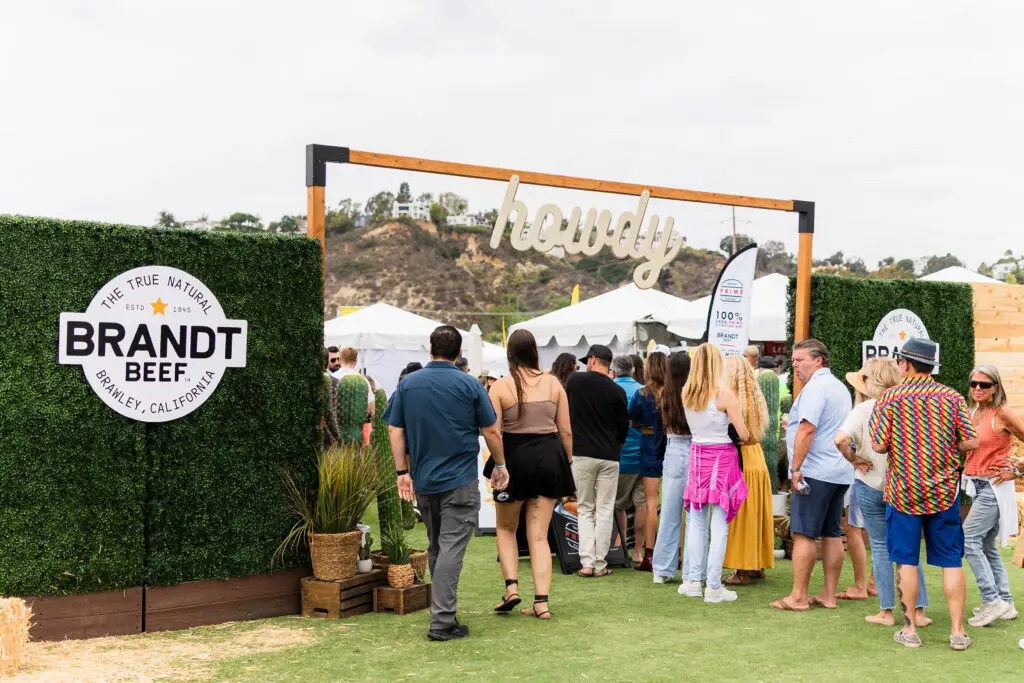
The Beef Experience, presented by Brandt Beef – One World Beef, is for the people who believe a food festival is a perfectly reasonable excuse to build an entire afternoon around meat. Brandt Beef brings its signature fare to the Polo Fields alongside a seriously stacked lineup of local favorites, from Tanner’s Prime Burgers and Ranch 45 to Jimmy’s Famous American Tavern, Order Fire Barbecue, Flying Pig Pub & Kitchen, The Pit BBQ, Aloha Rib Shack, and more.
And then there’s the tent you might almost miss.
Tucked into Brandt Beef Alley, Bebemos Tequila has set up what looks, from the outside, like a fairly unassuming tent. Walk inside, though, and you’ll find a full little speakeasy lounge, complete with a bar and one very dramatic tequila trick. The team lights the shots right in front of you before pouring them straight into guests’ mouths. Candlelight, fire, tequila, barbecue. Suddenly, your casual afternoon tasting has taken a turn.
Grab a plate of Brandt Beef tallow fries, chase it with a pour from Bebemos Tequila or Tap Truck San Diego, and maybe browse Nortte Hats while you recover. The rules are simple: follow the smoke, trust the grill, and maybe don’t make dinner plans afterward.
The Beach Zone
For the friend who thinks every good afternoon should involve a little sunshine, a cold drink, and nowhere to be, there’s The Beach Zone. Presented by Reef Lifestyle, this laid-back corner brings the San Diego summer fantasy to the Polo Fields, complete with coastal bites, beach-inspired brands, and plenty of reasons to stay awhile.
Grab bites from Duke’s La Jolla, Jake’s Del Mar, Lofty Coffee Co., Dang Brother Pizza Co., and Coral Del Mar, then cool off with Summer Club, Volley, Surfside Iced Tea and Lemonade + Vodka, Tito’s Handmade Vodka, Mezo Mezoritas, Roseade Wine Spritzer, Pinkys, and more. Hemlock Hat Co., Coola, Sambazon, Playavole, Shibumi Shade, Spritz del Conte, and Out of the Woods add a little retail therapy to the mix, because the Grand Tasting obviously needs shopping, too.
And yes, there’s a photo op. Find the teal VW bus from A Timeless Day, gather your favorite people, and pretend you’ve spent the afternoon cruising the California coast instead of wandering around a wine and food festival.
It’s an area filled with surf-inspired games, your next favorite beach accessory, and a drink in hand. Basically, San Diego summer, condensed into one very convenient patch of grass.
Courtesy of Del Mar Wine & Food Festival
Pride Zone
Neon boas, glitter-filled drinks, and enough food to make choosing a single dinner impossible. The Pride Zone presented by San Diego Pride is bringing the energy, gathering some of San Diego’s favorite restaurants, bars, breweries, and sweet spots in one very colorful corner of the Polo Fields. Expect bites and beverages from Cary Q Wines, Gossip Grill, Rootdown & Es Okay, T’Maro Brands, and more.
Plant Paradise
Plant Paradise is your green oasis, but don’t expect it to be particularly peaceful. DJ Tenax returns with house, techno, UKG, and the kind of set that can turn a quick stop into an hour on the open-air dance floor. As Green Air Botanicals sets the mood, grab a cocktail from Mission Craft Cocktails, Makku, or San Hagen Tequila, and a bite from the sprawling lineup of plant-based bites and snacks from some of San Diego’s vegan favorites.
Kindred, Nourish Eats, The Plot, Maya’s Cookies and more. There’s also a full lineup of brands to snack your way through, including Aficio 22, Bücha Hard Kombucha, Nichols Farms, Nuts For Cheese.
Isabella Dallas is a freelance writer for San Diego Magazine and the Arts and Culture Editor at The Daily Aztec in her final year at San Diego State University. She previously worked as an editorial intern for SDM, but when she’s not writing, you can find her trying the best coffee spots in SD, devouring the latest rom-coms, and indulging in anything and everything pop culture.
What Will It Take to Make San Diego a Global Arts City?
Jonathon Glus on the Art + Design District, investing in the creative economy, keeping artists in the city, and what we can learn from places like London and Chicago
Jonathon Glus is the Prebys Foundation senior fellow leading the development of the Art + Design District at the Downtown San Diego Partnership. He has been asked what an arts and design district is many times. In our conversation, I asked him instead to describe what it isn’t. His answer opened up a broader discussion about what San Diego has and hasn’t invested in, what it has the capacity to become, and what other cities have done that we haven’t. Glus speaks about global art fairs and architecture biennials in Chicago and long tables at dinner parties all with the same fluency. He also discusses who gets to live in the neighborhoods where creative work happens, and what it means when they can’t afford to stay.
Claire Johnson: You have been asked what an arts and design district is many times. Can you tell me what it isn’t?
Jonathon Glus: It is not a place designed intentionally and specifically for tourists. Of course there will be opportunities for tourists to come, but the district is really focused on creatives, on creative education, and on the creative workforce—as well as our major performing arts organizations. That is the emphasis.
What does the district need to do in the next five years for you to consider it a success?
[It needs to] develop greater connectivity between the anchor institutions—the symphony, Broadway San Diego, the opera, all the wonderful things happening in Balboa [Park]—and the creative workforce that will be living and working in that neighborhood 24/7.
What does San Diego not have that you wish it did?
We have not been intentionally investing in the contemporary art product that other major cities have been building. A contemporary art fair. A biennial that reflects the ethos of this region. Chicago developed an architecture biennial about eight years ago. London has a design biennial. Desert X, right here in Southern California, invests in and elevates contemporary artists inside a city. We have not really been playing in the global art market in a way that we have the capacity to.
What capacity do we have?
We have a wonderful foundation. Two theater companies that produce work that goes to Broadway more than many regional theaters in the country, major museums, artists teaching at UC San Diego and University of San Diego. What a city does when it wants to take itself to the next level is intentionally create the product. Miami went after the Art Basel fair; they did not passively receive it. You have to have the intention and the will, and you have to go after it. We haven’t done that in the way that other cities have.
Look at what we did with the tech sector; we’re now a major tech center. That was intentional. Leadership organized around it. We have to do the same thing around the arts. We have a lot of contemporary art collectors here. We have a lot of galleries. But the ecosystem of the business of contemporary art is not as organized or as visible as it should be.
Which city is your North Star?
It’s bits and pieces of different cities. Dubai has invested very quickly and very intentionally in contemporary art—art fairs, design fairs, higher education, artist residencies from all over the world. London has centered artists and creatives in the contemporary zeitgeist in a way that was not true 40 years ago. They built biennials. They ensured British artists had affordable housing and workspace. They made sure the media paid attention to what they were doing.
If you don’t have an artist at your dinner table, it’s not a dinner party. That sounds elitist, but it’s true. It shows the value that artists have in a community. Our relationship culturally with Tijuana is really significant here because artists in Baja seem to be at the table.
We’ve talked before about how food, fashion, design, and art aren’t siloed anymore.
They aren’t. When super creative people are in a community doing extraordinary work, that draws other super creative people doing extraordinary work. That’s why other arts and design districts around the world end up populated with some of the most interesting restaurants and young fashion designers. Creatives want to be around other creatives.
Which leads to the economic argument…
Our creative economy already employs about 170,000 people and generates more than $11 billion in economic activity. It’s large and robust. But we must center all of this in accessibility and affordability. Williamsburg used to be affordable. Artists can’t afford to live there anymore. Wicker Park and Bucktown in Chicago—artist central, now unaffordable. If we’re going to invest in this district, we have to be really intentional about housing and workspace, so creatives have a place in the future of this district.
I see all these new supper clubs and creative collectives popping up. What is the lesson there for San Diego in terms of the commercialization of cultural and creative groups?
I think the lesson is that nothing changes. What do people love? Long tables. Why? Because you’re with a lot of people—some you may have known your entire life, but most you don’t. And if it’s driven by a creative process, all the better. We know one of the best ways to do that is around food, but also music.
For the Art + Design District, part of why we’re leaning into the process is because, culturally, we’re bringing down the barriers between film, fashion, multimedia, tech, and architecture. It’s an experiential mashup in the best possible way.
And it’s not just about art and design, but community writ large. Creative expression is something we all desire. Whether it’s at a long table, at the opera, or in your studio, we gravitate toward creative expression as a way of building community and communicating with the people around us.
Is there a question I should have asked you but haven’t?
I hope you are writing about this in seven years when the district is fully mature. But this is just the beginning for all of this. I think that’s what’s most exciting to me. We don’t know what this is going to be like, but we know it’s going to be creatively centered, and that’s super exciting to me.
National Philanthropy Day, presented by PNC Bank, Celebrates the Best of Philanthropy in San Diego
The 53rd Annual National Philanthropy Day Takes Place on November 21. Join us from 11:00 a.m. – 1:30 p.m. at the new Gaylord Pacific Resort & Convention Center!
Once yearly, AFP San Diego joins with others worldwide to celebrate National Philanthropy Day (NPD), a special day set aside to recognize the great contributions of donors and nonprofits that enrich of our community and the world. San Diego’s NPD is one of the largest and most successful in the U.S., attracting nearly 900 participants, including philanthropists, nonprofit leaders, CEOs, board members, development professionals, and business, community, and civic leaders.
Sponsorship proceeds from National Philanthropy Day are reinvested in education, training, scholarships, career development, and the advancement of fundraising professionals throughout San Diego. These resources and training provide fundraising professionals with the tools necessary to support our region’s diverse array of nonprofit organizations, which rely on charitable giving for close to half of their annual revenues.
The National Philanthropy Day Honorees are selected by the NPD Honorary Committee, a group of highly respected, diverse nonprofit and business leaders. Our 2025 Honorees include:
Outstanding Development Emerging Leader – Taylor Thompson Self-Nominated
Outstanding Development Professional – Sharyn Goodson Nominated by: AJ Steinberg & Jeanne Schmelzer
Outstanding Organization for IDEA – Accessity Self-Nominated
Outstanding Philanthropic Institution – Life Science Cares San Diego Nominated by: Blair Search Partners
Outstanding Philanthropist – Dan & Phyllis Epstein Nominated by: CSU San Marcos & KPBS
Outstanding Student Volunteer – Camden Hall Nominated by: Curebound
National Philanthropy Day San Diego provides an opportunity to reflect on the meaning of giving and to celebrate the selfless contributions of individuals and organizations across the region. We look forward to celebrating with you!
Sponsorship opportunities and individual tickets are available. Please visit www.afpsd.org for more information.