Featured articles
Food & Drink
Food & Drink
Food & Drink
Featured articles
Features
Features
Features
Featured articles
Things to Do
Everything SD
Everything SD
Featured articles
podcast-ep
podcast-ep
podcast-ep
Featured articles
Features
Features
Features
Featured articles
Food & Drink
Food & Drink
Features
Ready to know more about San Diego?
SubscribeReady to know more about San Diego?
25 of the city’s top restaurants offering brunch specials, à la carte menus, buffets, and prix-fixe meals
With Mother’s Day just around the corner, it’s time to reserve your plans for May 11. Flowers, chocolates, and a card? Non-negotiable. But this year, why not gift one of the most important women in your life a brunch to remember? Whether you’re craving an extravagant culinary experience, oceanfront cocktails, or a buffet grand enough for Mom herself, these 25 San Diego restaurants have you covered.
Brunch Buffets | Mother’s Day Specials & Prix Fixe Menus | More Brunch Spots

Celebrate Mother’s Day with a beachfront brunch in the tastefully updated and timeless Crown Room. Indulge in options like warm pecan cinnamon rolls with crispy bacon, made-to-order omelets, spicy tuna rolls, black pepper-crusted New York strip, French macarons, and more. Guests over 21 can enjoy a complimentary glass of Champagne.
Price: $232 per adult | $119 per child (6 – 10) | complimentary 5 and under
Hours: 10:00 a.m – 3 p.m.
Address: 1500 Orange Ave, Coronado
Reservations: Hotel del Coronado
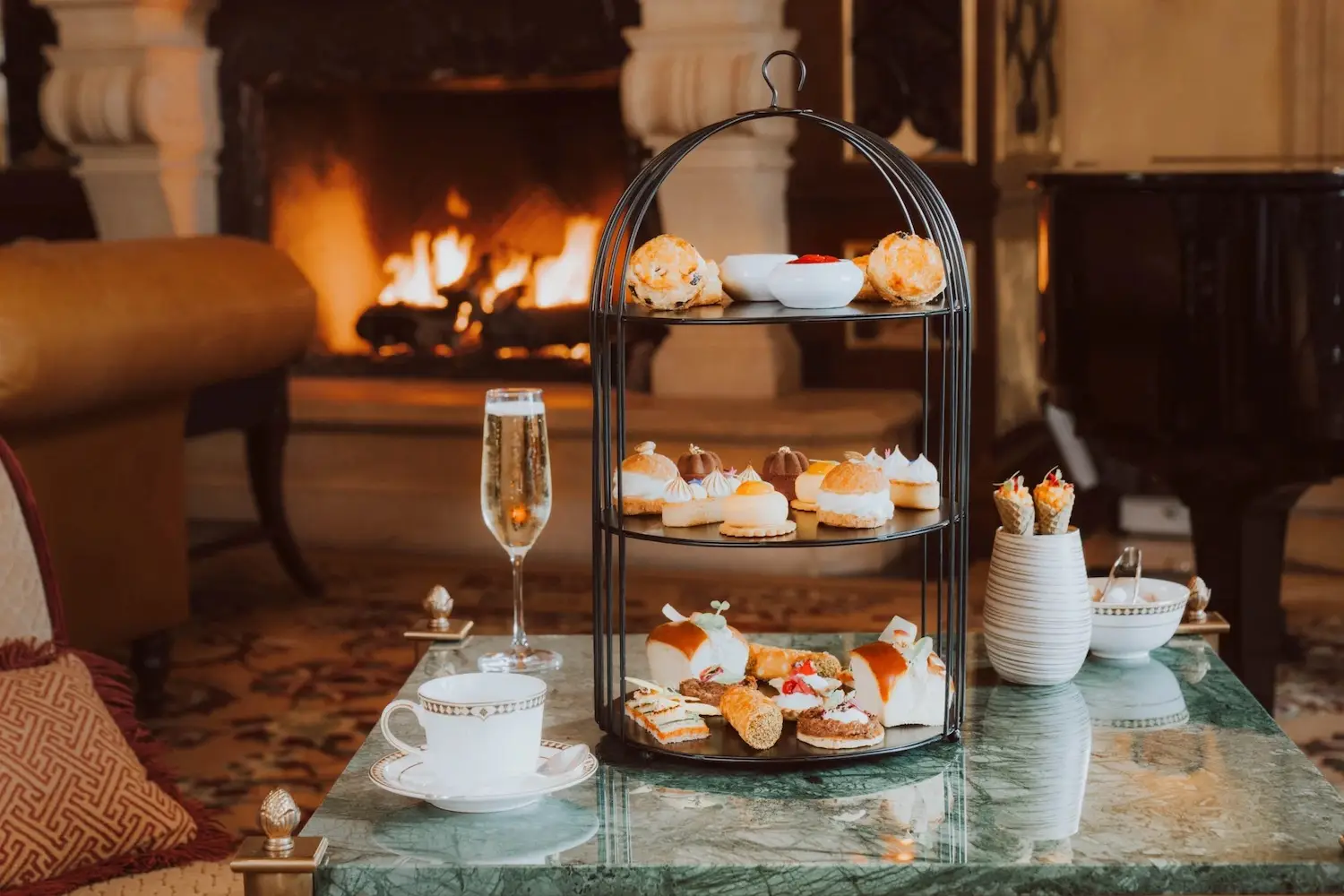
Moms deserve to be spoiled. Treat her to a lavish brunch filled with afternoon tea and elegant culinary offerings like a warm duo of sweet and savory baked French brie, soft danishes, egg white frittatas, and more. The ambiance of the Grand Ballroom, complete with live-action stations and curated displays, promises a Mother’s Day as special as she.
Price: $195 per adult | $95 per child (4 – 11) | complimentary 3 and under
Hours: 11 a.m. – 2 p.m.
Address: 5300 Grand Del Mar Court, San Diego
Reservations: OpenTable | For parties of 10 or more, email [email protected]
Who wouldn’t want to sip from a mimosa bar with picturesque bay views? Located at the Catamaran Resort, this Mother’s Day brunch has it all, from Panko and herb-crusted mac and cheese and a savory carving station to charcuterie boards and a build-your-own waffle station. And don’t worry moms, kids are covered too with a bouquet-making activity so you can truly unwind with your mimosa.
Price: $125 per adult | $55 per child (5 – 11) | complimentary 4 and under
Hours: 10 a.m. – 2 p.m.
Address: 3999 Mission Boulevard, San Diego
Reservations: Oceana Coastal Kitchen
This California-coastal eatery is back with its renowned Mother’s Day brunch event. Piper will be serving up annual favorites like crispy sugar waffles, eggs prepared your way, oysters with rosé mignonette, and finishing with Chef Jacqueline’s signature mini desserts. It’s all hosted in their oceanfront Grand Coastal Ballroom at The Seabird Ocean Resort and Spa. Moms, does it get any better?
Price: $115 per adult | $45 per child | complimentary 5 and under
Hours: 11 a.m. – 5:30 p.m.
Address: 101 Mission Ave, Oceanside
Reservations: OpenTable
For those in your brunch group who lean on the more restless side, don’t panic. Rancho Valencia offers lawn activities, crafts, balloons, bouquet making, a petting zoo, and yes, pony rides. While children blow bubbles and get their faces painted, adults can enjoy an ideal Mother’s Day Sunday of their own at Rancho Valencia’s signature Grand Buffet, featuring a seafood and carving station, salads, sides and irresistible treats.
Price: $235 per adult | $95 per child (4–12) | complimentary 4 and under
Hours: 10 a.m. – 4 p.m.
Address: 5921 Valencia Cir, Rancho Santa Fe
Reservations: Call 858-759-6246 or email [email protected]
You can forget the grocery store roses. Rumorosa’s Mother’s Day brunch is back for its second year, gifting moms with complimentary flowers to go with that stunning harbor view. This Cali-Baja restaurant is serving up a thoughtful, exclusive menu with this season’s rich dishes like chilaquiles, local Mexican pastries, an omelet live chef station, and more.
Price: $95 per person
Hours: 9 a.m. – 2 p.m.
Address: 1380 Harbor Island Drive, San Diego
Reservations: OpenTable
This viral sensation of a restaurant, known for its high tide dinners where waves meet the glass, is offering a special Mother’s Day brunch. Overlook the Pacific Ocean while savoring a chef-curated buffet featuring fine seafood selections, paired with your choice of wine or a cocktail from their 36-page menu.
Price: $150 per adult | $70 per child (12 and under)
Hours: 10 a.m – 4 p.m.
Address: 1904 Spindrift Drive, San Diego
Reservations: OpenTable
ARLO Mother’s Day brunch comes with live music, a Mom Water tasting, and a glass of sparkling wine for the 21 plus crowd. Spoil mom with a complimentary flower bouquet from the ARLO artisan flower cart and a new necklace, bracelet (or both!) from the Kendra Scott trunk show. Once the mandatory shopping is done, hit the brunch buffet with 12-hour braised short ribs, scallops from the raw bar, fresh baked breakfast pastries, roasted meats straight off the Santa Maria grill, and more.
Price: $95 per adult | $38 per child (5–12) | complimentary 4 and under
Hours: 9 a.m. – 3 p.m.
Address: 500 Hotel Circle N, San Diego
Reservations: OpenTable
Dockside 1953 is the place to brunch with Mom and take in breathtaking waterfront views of the bay this year. The Bahia Resort is serving up an extravagant Mother’s Day brunch buffet to satisfy every mom’s cravings: delicious waffles, made-to-order omelets, fresh seafood, delectable desserts, and more – along with a complimentary glass of sparkling wine.
Price: $125 per adults | $55 per child (5–11) | complimentary 4 and Under
Hours: 10 a.m. – 3 p.m.
Address: 998 W Mission Bay Dr, San Diego
Reservations: Dockside 1953

Lilian’s makes celebrating the women who do it all easy with bottomless mimosas. Located at The Inn at Rancho Santa Fe, the kitchen brings a modern take to classic dishes with sustainable seafood and locally sourced organic options. Try the smoked salmon on a toasted seed bagel with herb cream cheese, lamb chops, eggplant parmesan, or coconut pancakes with pineapple compote and honey butter.
Price: À la carte | $29 bottomless mimosas
Hours: 8 a.m. – 3 p.m.
Address: 5951 Linea Del Cielo, Rancho Santa Fe
Reservations: Lilian’s Kitchen
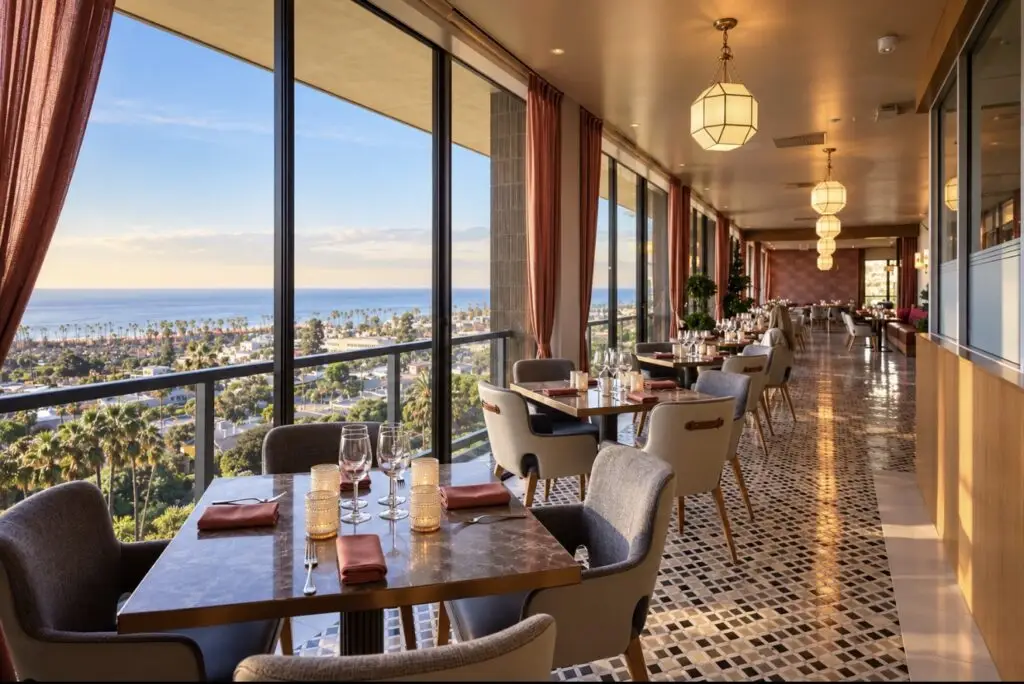
For rooftop restaurant enthusiasts and city lovers alike, Mister A’s Mother’s Day brunch is the perfect answer. Slip into your chicest attire and prepare for a refined three-course meal with five to seven options per round, all while taking in a breathtaking 180-degree view of downtown San Diego. Start with roasted tomato fennel soup or egg yolk raviolo, then choose from entrees like duck confit, and don’t forget to finish with a chocolate covered strawberry mousse.
Price: $95 per adult | $40 per child (12 and under)
Hours: 10 a.m. to 1:30 p.m.
Address: 2550 Fifth Ave 12th floor, San Diego
Reservations: OpenTable
A boozy brunch with bubbles and Mom? Say less. Celebrate Mother’s Day at Provisional, where the kitchen will be cooking up a prix-fixe brunch menu featuring carving and dessert stations, plus a chocolate fountain. Moms, you all deserve that complimentary glass of Moët & Chandon.
Price: $100 per adult | $34 per child
Hours: 9 a.m. – 2 p.m.
Address: 425 5th Avenue, San Diego
Reservations: OpenTable
A.R. Valentien is reopening just in time for Mother’s Day. Be among the first to treat Mom to a custom, chef-driven brunch menu coming soon from the culinary team at The Lodge at Torrey Pines, designed to pair beautifully with vast views of the iconic golf course.
Price and Hours: Coming soon
Address: 11480 N Torrey Pines Rd, La Jolla
Reservations: Call 858-777-6635
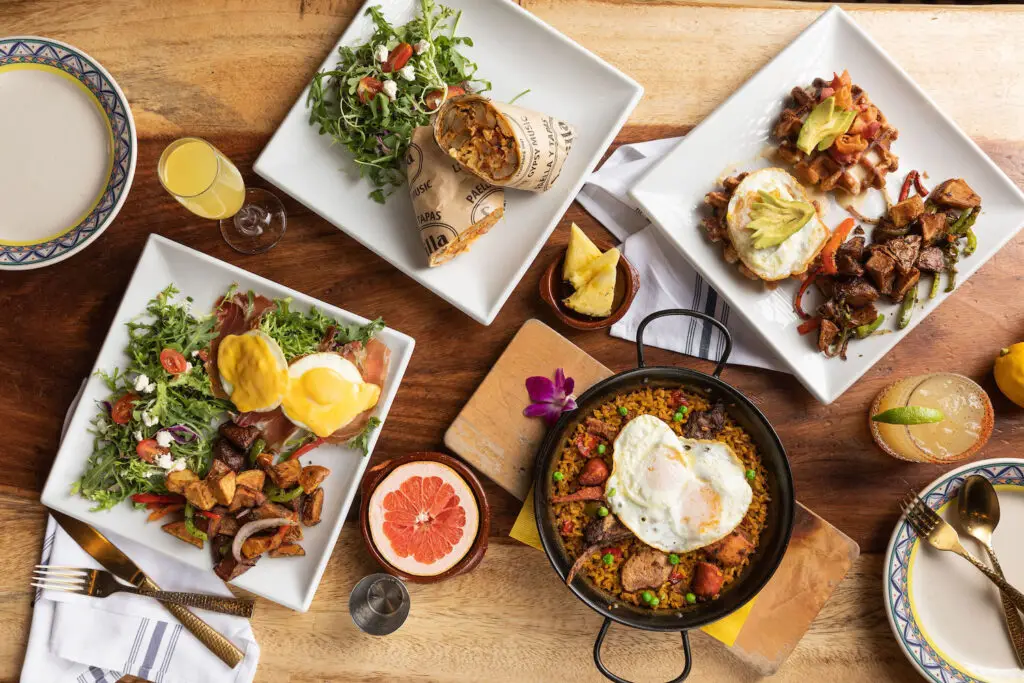
Enjoy a slice of Spanish culture this Mother’s Day at Café Sevilla’s Flamenco and Champagne Brunch Experience. A true feast for the senses, the event features a two-part Flamenco dance performance complemented by a Spanish-inspired brunch menu including avocado toast, breakfast meat paella, basque cheesecake, and of course, a complimentary glass of Champagne.
Price: $85 per person | children under 5 are not permitted to attend the show
Hours: 12:30 p.m. – 2 p.m.
Address: 353 5th Ave, San Diego
Reservations: Eventbrite
Trust us, Mother’s Day isn’t the time to go small. Let Mom live her reality TV dream this year with an interactive cooking demonstration at Hell’s Kitchen at Harrah’s. She’ll sip Champagne while crafting her very own beef wellington and mixing signature drinks during the cocktail class. Tickets go fast, so grab them soon if you want in on Gordon Ramsay’s world-famous sticky toffee pudding.
Price: $242 per person
Hours: 11 a.m.
Address: 777 Harrahs Rincon Way, Funner
Reservations: OpenTable
Planning to celebrate Mother’s Day in Liberty Station this year? Well, Solare Ristorante is adding an Italian twist to your brunch plans with a special menu you won’t want to miss. Last year, they wowed guests with dishes like carbonara with guanciale, roast rib of beef with truffle mashed potatoes, and Italian ricotta cheesecake, plus much more. And since you’re already in Liberty Station’s arts district, there’s no harm in a little extra shopping for Mom…
Price: À la carte
Hours: 10:30 a.m.
Address: 2820 Roosevelt Rd, Point Loma
Reservations: OpenTable
A Hawaiian escape is never a bad idea, right? Indulge in a Mother’s Day brunch at Roy’s Restaurant, where Hawaiian flavors fuse with Pacific Rim cuisine. Enjoy dishes like the 6oz filet mignon with a sunny side up egg and fingerling potatoes, the Hawaiian lobster omelet, or the crab cake benedict. Finish the early afternoon off with the “Love For Mom” cocktail, and you’ll be feeling like you just won Mother’s Day.
Price: À la carte | $19 per child
Hours: 11 a.m. – 3 p.m.
Address: 333 W Harbor Dr, Downtown
Reservations: OpenTable
Caviar, wine pairings, and Little Italy, oh my! Juniper & Ivy is hosting a special Mother’s Day brunch lined with a three-course menu curated by their team. In addition to optional enhancements, enjoy bites like bluefin tuna handrolls, mains such as ricotta gnocchi, and sweet treats like strawberry tiramisu.
Price: $85 per adult
Hours: 10:30 a.m. – 2:30 p.m.
Address: 228 Kettner Blvd, San Diego
Reservations: OpenTable
Sometimes all moms need is just an excuse to pull out their Sunday best. At Nine-Ten Restaurant & Bar, sink into an elevated brunch wrapped in effortless La Jolla charm. Start with a stellar bottle of wine, then choose from their regular à la carte brunch menu with Mother’s Day enhancements. Picture blueberry and lemon buttermilk pancakes, huevos rancheros, classic Eggs Benedict, or even an award-winning burger.
Price: À la carte
Hours: 7 a.m. – 2 p.m
Address: 910 Prospect Street, La Jolla
Reservations: Call 858-964-5400
You can trust this restaurant to deliver for Mother’s Day. Chef Jeremy Harville is whipping up his iconic sticky buns (so iconic, in fact, they’re limited each day), topped with sugared blueberries, honey lavender ice cream, white chocolate, and toasted almonds. But it doesn’t stop there. Follow with crispy fried pork cutlets, smoked pork shoulder hash, and even wood grilled cauliflower.
Price: À la carte
Hours: 9 a.m. – 2 p.m.
Address: 3752 Park Boulevard, Hillcrest
Reservations: OpenTable

For the mom who’s always up for something new, head to Little Frenchie right in the heart of Coronado. From savory bites like the fig and fromage frais tartine and dungeness crab croquette benedict to sweet pastry specials like a floral-decorated cronut or a berry croissant farci, you’ll feel like you’ve been transported straight to a café in Paris.
Price: À la carte
Hours: 9 a.m. – 9 p.m.
Address: 1166 Orange Ave, Coronado
Reservations: Little Frenchie
This Italian spot in Point Loma is, quite literally, bellissimo. With mix and match pasta, honey glazed crispy octopus, and their famous tableside tiramisu, it’s the kind of brunch Mom won’t forget. Made with amore, of course.
Price: À la carte
Hours: 11 a.m. to 9:30 p.m.
Address: 4161 Voltaire St, Ocean Beach
Reservations: OpenTable
For the cheese connoisseurs out there, Bencotto more than delivers this Mother’s Day. Surrender your brunch to their creamy cheese wheel pasta, an array of formaggi served with housemade bread, crispy calamari fritti, tender short rib braised in red wine and herbs, slow-cooked veal shank with vegetables, and more.
Price: À la carte
Hours: 11:30 a.m. – 9:30 p.m.
Address: 750 W Fir St #103, Little Italy
Reservations: OpenTable
Gloriously flamboyant and unapologetically pink, Morning Glory is begging to be in your Mother’s Day Instagram post. The menu brings the same energy with jalapeño glazed bacon, caviar tasting, breakfast carbonara, and soufflé pancakes. Go for a playfully named dish like “Millennial Tears” (avocado toast) or “Egg McFunnin” from their “Carbs with Culture” section. And don’t skip the Bloody Mary Vodka … it’s 3 oz. of bold and brunchy chaos.
Price: À la carte
Hours: 8 a.m. – 4 p.m.
Address: 550 W Date St, San Diego
Reservations: Opentable
North County is a brunch wonderland, and Atelier Manna is no exception. With sun-drenched patios, leafy corners, and just the right amount of charm, the spot is dreamy for Mother’s Day. Their menu offers everything from Spanish-style French toast, Turkish eggs, and coffee cajeta bread pudding to wellness shots, “vitality tonics,” and adaptogenic add-ons. It’s a feel-good brunch, reimagined.
Price: À la carte
Hours: 9 a.m. – 2 p.m.
Address: 1076 N Coast Hwy 101, Encinitas
Reservations: Seating is first come first serve | Can join the daily online waitlist available at all times
Isabella Dallas is a freelance writer for San Diego Magazine and the Arts and Culture Editor at The Daily Aztec in her final year at San Diego State University. She previously worked as an editorial intern for SDM, but when she’s not writing, you can find her trying the best coffee spots in SD, devouring the latest rom-coms, and indulging in anything and everything pop culture.

With Sosal Line, Heidi Greenwood and Juerie Masters are importing traceable seafood from small producers and building a global pantry business along the way
No matter your job, it’s helpful to find some sort of joy in it to avoid going completely insane. Some people savor the variety of personalities when dealing with customers. Others find comfort in the predictability of closing a bar after last call, counting tips and wiping counters. Perhaps achieving Inbox Zero really gets your blood pumping, or shipping a new product design sparks joy.
For Heidi Greenwood and Juerie Masters, work doesn’t get better than logistics and operations.
“[We] both love all the unsexy parts of supply chain and backend management,” laughs Greenwood. Tracking outbound orders? Ensuring compliance? Managing inbound freight? Stop me if this is getting too hot for you!
Not enough people think about the unsexy reality of running a business before launch, but effectively and consistently keeping an eye on operations separates successful companies from out-of-business ones. Both Masters and Greenwood already own their own businesses—Greenwood is behind the wine zine Campestre Mag and runs the online wine shop Esquina, and Masters co-owns Clos Wine Shop and Fintastic Provisions in University Heights with her husband Paul. Apparently, these gigs weren’t enough to satisfy their collective yearning for spreadsheets and inventory maintenance.
So, they decided to start another business together—Sosal Line, a San Diego-based import and distribution company specializing in global pantry items. The pair launched Sosal Line at the beginning of 2025 and currently only sell three brands of tinned fish, but Greenwood says they plan to expand their offerings as they discover other small or family-run businesses that share their values.
“We want to work with brands and with products that really have a sense of place and actually tell a story—not just the product, but the people behind it too,” she says.
Masters and Greenwood are both Korean-American and named this burgeoning business after Haenyeo, the legendary free-diving women of Jeju Island in South Korea. Traditional Haenyeo equipment and garb include oribal (swim fins), yeoncheol (lead belts to help them sink), and the company’s namesake sosal, a hand-held fishing spear (sometimes called jaksal).
The average person, if sitting completely still, can stay underwater for up to a minute and a half at most. Haenyeo can hold their breath for up to three minutes while actively foraging, harvesting, and swimming. Scientists say these diving women spend more time underwater than any other group of humans on earth. Not badass enough for you? The average age of Haenyeo is around 70.

“Fishing is a strong heritage for Koreans, and it’s the same here in San Diego with the Portuguese settlers,” Greenwood explains. (We aren’t the tuna capital of the US for no reason.)
Sosal Line carries 100 percent traceable, wild caught fish from Galicia in Northern Spain and the Pacific Northwest, all family-owned companies who don’t compromise on sustainable practices. Tinned fish has never been more popular—or more debated—but there’s more to it than cute labels designed for maximum Instagram reach. “I want to know who I’m purchasing from,” says Greenwood. One of their suppliers, Craft Fish Co., which is based in San Diego but fishes in the PNW, is run by JJ and Jessica Gerritsen. JJ catches, Jessica packages, and it’s a business relationship on a first-name basis. “You can’t find that when you’re working with some nameless brand.”
San Diegans can find Sosal Line products at local retailers like Clos/Fintastic (obviously), allmine in Oceanside, Always Hungry Grocery & Goods in Carlsbad, J. Brix Wines in San Marcos, Collins & Coupe/Tablespoon in North Park, and Green Acre in La Jolla. They’re also available in select retailers in Northern California, Oregon, Arizona, and strangely enough, South Carolina. Expanding its client base is, of course, a goal. But not at the expense of quality or joy of discovery.
“I would love to see people try food from different cultures and be excited about it,” says Greenwood. “Maybe make them want to travel to experience different areas of the world.”
Beth Demmon is an award-winning writer and podcaster whose work regularly appears in national outlets and San Diego Magazine. Her first book, The Beer Lover's Guide to Cider, is now available. Find out more on bethdemmon.com.
The folks behind Oddish Wine and Lost Cause Meadery are partnering with Bica to open an all-day cafe, coffee shop, wine bar, and restaurant near La Mesa Village
La Mesa: a bucolic, hill-dappled city long regarded as a somewhat frumpy, never quite trendy bridge between the urban cool of Mid-City and the rural sprawls of East County. La Mesa’s population clocks in at around 4 percent of the city of San Diego’s—fewer than Chula Vista, Oceanside, Escondido, Carlsbad, El Cajon, Vista, San Marcos, and Encinitas, in that order. It’s home to a killer Oktoberfest, one of the best charter high schools in the state, and a theatrical mayor who tools around town in a golf cart (and so far, hasn’t cut any arts funding or closed public bathrooms).
But any area that’s only 20 minutes from downtown San Diego and under 20 miles to Mission Bay will only stay under the radar for so long. Slowly but surely, bits and bobs from San Diego’s cultural tastemakers have been popping up all over town. Dark Horse Coffee and the boutique Small Batch both opened in La Mesa in 2018. Stella Jean’s and Pop Pie are coming later this year. Native Poppy is building its new headquarters and studio this fall. After a year in business, the new owners of JK’s Greek have established themselves as one of the best Greek restaurants in the county.
Next year, La Mesa will get one of its most ambitious projects yet. Billy and Suzanna Beltz, owners of Lost Cause Meadery and Oddish Wine, are pouring everything they have into renovating a 5,000-square-foot building between the Village and MacArthur Park to open a wine/beer bar, coffee shop, all-day cafe, and wine shop.
The concept doesn’t have a name (yet), and Bica in Normal Heights will come on as a partner to run the restaurant aspect and coffee program (which also won’t be called Bica. Still lots of naming decisions to be made). But the Beltz’s vision is to create something in La Mesa that doesn’t exist yet—a community gathering space open from morning until night that’s family-friendly, creatively designed, and well… cool.
The building has been around since the 1940s, first operating as a neighborhood market, then butcher shop, secondhand children’s store, electronics store, dry cleaners, and bike shop. The Beltzses say they plan to keep the “soul and character” of the space as much as possible, highlighting original details like a barrel-shaped wooden roof, brightening up the corner building by utilizing the large front windows, and eventually building an outdoor dining/drinking space and kid-friendly area—a must for the neighborhood’s plethora of young families. They tapped all locals for the design and build: Tecscape Design, design consultant Carly Miller-Chen (who owns Ayi boutique in South Park) to create the space, and local contractor CLTVT.

Starting in the morning, the space will offer coffee and light breakfast items before transitioning to lunch and dinner menus, plus a full bar that will feature Oddish and Lost Cause products as well as other local wines, beers, ciders, and other beverages alongside an aperitivo program and low-ABV cocktails and spritzes. Food-wise, they plan to install a wood-fired oven and rotisserie, but expect more menu details to be revealed closer to opening.
There will also be a small retail space focused on natural wines and ciders from places like Raging Cider & Mead in San Marcos and other San Diego and Baja California makers. But don’t expect run-of-the-mill options from the guy who makes weird wines and mead, the oldest alcoholic beverage in human history (hardly TikTok trend material). “We have a unique perspective… Hopefully we can expand some palates and minds in the process,” says Billy.
Community is the heart of the project, more than food, more than drinks. “We have a young family. [Bica owners] Manny [Da Luz] and Charlie [Knowles] have families,” says Billy. Suzanna adds: “People want a space that they know they’re going to get really amazing food, really fun drinks, but they can also feel like they can bring their kids during the weeknights.” It won’t be North Park 2.0, although many families now living in La Mesa came from various neighborhoods across Mid-City (like the Beltzes). It’s filling a void. It’s something they can build from the ground up. And just maybe, it’s something that will surprise people who have yet to discover La Mesa’s potential.
Oddish Wine/Lost Cause Meadery’s new concept is projected to open by the end of 2027 at 8495 La Mesa Blvd.

Listen Now: The Latest in San Diego’s Food and Drink Scene
Have breaking news, exciting scoops, or great stories about new San Diego restaurants or the city’s food scene? Send your pitches to [email protected].
Beth Demmon is an award-winning writer and podcaster whose work regularly appears in national outlets and San Diego Magazine. Her first book, The Beer Lover's Guide to Cider, is now available. Find out more on bethdemmon.com.
At The Delicate Squash, Shannon English is rethinking cookies, cakes, and pastries with seasonal ingredients and natural sweeteners
Midway through my phone conversation with Shannon English, owner of The Delicate Squash, I hear an alarm shrilling in her background.
“Sorry, I’ve got to pull some cookies out of the oven right now!” she apologizes. After a few beats, she picks the phone back up and laughs. “I feel like I’m bouncing around all over the place.”
After hearing her run through a list of her professions and current hobbies, I’d have to agree. English runs The Delicate Squash, a gluten- and dairy-free bakery; teaches cooking demos; pops up at farmers markets; wrote a book of poetry (Deep Water came out this month from Beyond the Veil Press); hosts a monthly open mic night; dipped her toe into ballet; recently joined a running club; volunteers at local farms; and finally, teaches at a play-based, nature-based preschool.
I’m tired just talking to her.
Surprising no one, English seems to have unlimited energy and enthusiasm for all this work, notably in education. Early childhood education is one of the most pivotal times for nurturing lifelong learning, but she also aims to educate the public on how to eat cleaner, feel better, and support your local food systems. She started The Delicate Squash in late 2023 after discovering she has a chronic illness, going through the typical standards of care and even strict elimination diets, to no avail.

“I’m not going to say I found a diet that has ‘cured’ me, but I have found that taking a more mindful approach to a lot of things, including diet, has made symptoms far more manageable for me,” she says.
Even people with dietary restrictions deserve a little treat from time to time, but she had a hard time finding anything that tasted good and made her feel good. Thus, The Delicate Squash was born.
All of her baked goods avoid gluten and dairy, and use natural sweeteners like coconut sugar or maple syrup as well as herbs, fruits, foraged flowers, and other natural flavorings. Her signature cookie, the “Delicate” cookie, is a sea salt dark chocolate cookie that’s soft, a little salty, a little sweet, and made with oatmeal to keep it gluten-free. Other crowd favorites are thumbprint jam cookies with jams made from scratch with change seasonally; breakfast pastries like orange, dark chocolate and cardamom scones; brownies; orange and black sesame banana bread; seasonal pies; and custom and seasonal cakes (currently, the late summer flavor is a dark chocolate coconut milk ganache with berry jam).
English says some people are surprised she can produce such a variety of goods with the dietary restrictions she adheres to. “A lot of feedback I get is ‘I could never do that,’” she says. But if she can do it, she assures me that anyone can. “I like to say ‘practice makes progress, not perfection.’”
Her advice? Focus more on being present than presentation, and don’t be afraid to experiment to keep things interesting. And if that doesn’t work, you can always hit her open mic night to ask for tips.
Customers can order from The Delicate Squash’s online store, check her upcoming schedule of pop-ups, or find her goods at various independent retailers around San Diego.
Escondido is getting in on the listening bar phenomenon. On September 5, musicians Mat Rakers, Kevin Capacia, and Billy Petty will open Plot Armor, a Japanese-style vinyl listening bar that Rakers says they aim to feel “curated and intelligent.”
“Currently, there are not a lot of ‘cool’ spots in Escondido,” he says. Backed by The San Diego Music And Art Company and The Escondido Music And Art Company, Plot Armor will soon offer sake, wine, beer, and soju cocktails, plus Japanese non-alcoholic options and cold brew. Eventually, they’ll add Japanese-inspired snacks, but the focus will be creating a small place (very small—the seating capacity is 20) where vinyl junkies can come listen, linger, and libate.

Listen Now: The Latest in San Diego’s Food and Drink Scene
Have breaking news, exciting scoops, or great stories about new San Diego restaurants or the city’s food scene? Send your pitches to [email protected].
Beth Demmon is an award-winning writer and podcaster whose work regularly appears in national outlets and San Diego Magazine. Her first book, The Beer Lover's Guide to Cider, is now available. Find out more on bethdemmon.com.
The 29-year-old culinary director at Herb & Sea is making seafood sexy (and approachable) again
Implementing a farm-to-table model hardly deserves acknowledgement these days. It’s not a stretch. It’s not innovative. “It’s the bare f**king minimum,” says Herb & Sea‘s executive chef Aidan Owens.
When I arrive at the Encinitas restaurant, I’m ready to talk sustainability, farm-to-table stuff, with Owens. “Did you see the chin on that?” he says of the extra big jiggly chin on the sheephead that just arrived with the day’s fresh catch. I did. It was Jay Leno adjacent.
I learn quickly that he somehow oozes both charm and stone-cold honesty. Maybe he could construct a new dish with chin goo, like he did when he had a bunch of tuna scraps and voila’d it into a smooth and crowd-pleasing ‘nduja. “I want to know what’s in there,” he says.

The instinct to look closer, to dig into what others might discard, says a lot about the chef’s approach. I guide him back to our topic, but he has something else on his mind. “We’re overcomplicating food—what happened to just cooking good food and having fun with it?”
Owens grew up on a farm in Byron Bay, Australia, where sustainability wasn’t a concept you chat about so much as a way of life. Think dirt roads, backyard chickens, pulling vegetables straight from the ground, and a mother who believed that if you couldn’t pronounce the ingredients on a package, you shouldn’t eat what was inside.
Food wasn’t precious or performative. Making it was what you did because you were hungry and that’s still what inspires Owens today. “I like to cook good food because I like to eat good food,” he says.
His approach to sustainability at Herb & Sea began so naturally that it felt just like instinct. “I was just like, ‘Let’s order food from the people who live and work here,’” he says.

And why wouldn’t he when lives in San Diego? Cities all over the world vie for our goods. Our tuna is sent overseas. Our spiny lobsters hit dinner plates in China and Japan. Not to mention California’s producing a third of the country’s vegetables and three-quarters of its fruits and nuts.
“Why would we outsource when it’s all here?” Owens asks.
Sustainability, in this context, is about cooking what exists in abundance, nearby, right now. “I love the local fish here. It’s f**king delicious and San Diego citrus, I mean, it is so f**ing good,” he says.
Instead of importing ingredients, Owens also looks for nearby alternatives. “You can find really cool things in the local waters,” he says, pointing out that stingray cheeks taste similar to scallops.

Whatever he finds in that sheephead chin might just be the next substitute for marrow. But to make this work, it means getting diners amped up about the slightly unfamiliar.
Tasting menus, where diners are completely in his hands, become an opportunity to gently push boundaries. “I’ll serve mackerel, because people think they hate it,” Owens says, noting that the abundant local fish can have some fishiness. “But when it’s fresh, it’s arguably one of the best fish in the ocean.”
He also tweaks the language on the menu so people might feel more compelled to give dishes a try without preconceived notions. He might use “lengua” instead of “tongue.” “Whelk” instead of “snail.” When he puts “stingray throat” on the menu, he disarmingly calls it “skate.”
To reduce waste, scraps aren’t always discarded but rather turned into something new. Sometimes they’re smoked, cured or fermented. Apples going bad turn into apple ponzu. Lemons turn to marmalade, which stretches their usefulness far beyond peak season. “And it’s super tasty on our pizza,” he says.
What makes the food even richer, is the relationships he’s built with farmers. Though it didn’t always feel natural, Owens sought personal connection first. He recalls approaching a fisherman at the Tuna Harbor Dockside Market. “I was awkward,” he says. “I went up to him and said, ‘I like your fish.’”
Owen’s is now so close to his suppliers—like fishermen Ryan Sebo and Joe Daly—that he gets texted pictures of fresh catches right as they flop on the boat. The messages always ask if he wants first dibs. “I say yes to a lot of fish,” Owens says, noting that Herb & Sea can go through 2,000 pounds of seafood a week.

The next evolution of sustainability, in his view, will be chefs working directly with producers such as his alliance with Sebo, cutting out middlemen and purveyors where possible. “It will put more money in the pockets of the people doing the work,” he says.
It will mean that chefs can’t just know their local farmers and producers, but they’ll choose to work with the ones who have the best practices. Dining and sustainability will become much less about the final plate. “It will be more about the impact that plate has on the Earth,” he says.
Ultimately, he believes sustainability doesn’t need to be loud. It doesn’t need hashtags. It just needs to be honest.
“We aren’t saving lives. We’re feeding people good food,” he says.
And yet, in feeding people well—simply, thoughtfully, responsibly—something meaningful happens. Guests leave satisfied. Ingredients are respected. Local ecosystems are supported and food returns to what it has always been at its core: nourishment, pleasure, and a quiet reflection of the place it comes from.
No buzzwords required.
After a blind taste test, these four desserts came out on top—see the winners here
Basque grandmothers have not been making it for centuries. If you’re a millennial, there’s a strong possibility you’re older than the dessert itself. Yet somehow in less than 40 years, the Basque cheesecake—a half-pudding, half-cake creation with a top that looks like a mistake—managed to ooze its way onto menus all over the world.
It became the undisputed dessert star of San Diego’s restaurant world this year. So we invited 19 of the top restaurants, pastry chefs, and bakers to bring their best to the San Diego Magazine office for a blind taste test to find the best in the city.
First, a little history and context.
In 1987, after failing to find a job as an electrician, Santiago Rivera started working as a bartender at his parents’ unassuming pintxo bar La Viña, in San Sebastián, Spain. He was a naturally curious, self-taught cook who spent his free time testing recipes, tinkering with ingredients, and tweaking techniques.
So when it came to the cheesecake—which hadn’t changed much since its invention (a rudimentary version was served at the first Olympics in Greece 4,000 years ago, and the modern New York version in 1872)—he got radical with it.
He removed the crust (partly just to speed up the process because time is money for a small business). Without the crumbly crust, the experience was far creamier, less granulated. Then he cranked the oven to 400 degrees, nearly 100 degrees hotter than the normal baking temperature.
The result? The top became deeply caramelized, almost burnt, while leaving the center luxuriously soft and loosely set. The restaurant became a legend because of this breakthrough in the dairy arts, and his father never let him stop making it after that.
Now, 67 years after the restaurant’s opening, La Viña stands out for the unceasing line spilling onto the street, and the remarkable amount of curd cultists standing nearby, hovering over cream-smeared plastic containers. It’s the kind of scene that makes you stop and think: What the hell are they eating?
Now, the blind tasting. To keep things fair, the contenders were divided into four categories: Restaurant Traditional, Restaurant Flavored, Bakery Traditional, and Bakery Flavored. (It’s a tad unfair to pit a baker who specializes in the one glorious thing against a restaurant that cooks dozens of things.) Each entry was served blind and judged on texture, flavor, and number of vaguely inappropriate food moans.
The logistics were chaotic, to say the least. Our fridge—not a walk-in, sadly—was packed to the brim. Each cake was sliced, secretly labeled, and shuffled onto plates while the team gathered in the conference room. The whole shebang was not in any way sponsored by Lactaid, despite our various attempts to convince them of this ripe marketing opportunity.
The judging became gloriously unhinged. We heard it all, from “I don’t care how the cheesecake gets in my mouth, it just needs to happen,” and “Is it supposed to be this jiggly?” to “Kind of a baby throw-up situation,” “Straight cheese,” and “I’m getting vague socks there.”
But four Basque cheesecakes stood out among the rest, earning themselves the title of Best Burnt Basque Cheesecake in San Diego.

A restaurant for the people. Rosarito native chef Juan González and Megan Strom are the ideal married couple to be running a farm-to-table joint. She’s been a farmer for decades, selling top-notch produce to some of the best restaurants in California—which is how the two met. A couple years ago, she started working at the small organic farm in Valley Center run by Mike Reeske, who had spent decades breeding the perfect heirloom beans for SoCal’s climate. He recently retired, and gifted those strains to Strom—who grows them (and other crops) for their tiny Escondido taco/burrito shop specializing in guisados (Mexican stews).
A Basque cheesecake in a taco shop? You bet. Juan’s got family roots in Spain and has cooked in Spanish kitchens.
Mesa Agricola’s winning Basque is by far the most “burnt” of all contenders—so much so that an Instagram follower declared it a mistake. But as Chef Juan notes, there’s an art to hitting the sweet spot where “the bitterness of the char balances the richness and sweetness without turning it into ‘chicharrón.’” Plus, char is a core charm of Baja cooking. It’s the perfect Basque for the people who prefer setting their campfire marshmallows fully on fire.

With red leather booths and a retro steakhouse vibe, Moe’s in Mission Beach is a good cheat day destination. The menu is flavor maximalism—dry-aged steaks, housemade pastas, brown liquors, and sides like the lobster truffle mac ’n’ cheese. Pastry chef Eli Peralta (whom some might remember as the creator of The Patio on Lamont’s “Twisted Elvis”—a peanut butter-banana brûlée stunner) brings that same intensity to the dessert menu.
Baked at sister restaurant Molly’s (6 feet away), his Basque is served on a bed of caramel with walnut brittle and a dollop of whipped cream, an indulgent recipe that converted the pastry chef himself. “I wasn’t crazy about cheesecakes,” Eli admits. “Then I started making different flavors, and I started to like them.” He’s not the only convert: During our blind tasting, one judge likened the cake to crème brûlée, concluding, “I don’t even like crème brûlée, but I like this.”

Every creative pursuit starts with a muse—and Lada Sadovnyk’s has been the Basque cheesecake for years. In Ukraine, she baked them for friends and family gatherings, never imagining she would one day build an entire bakery around them in the US. “When we moved to San Diego,” she explains, “I kept thinking, ‘What can I do? What do I really love to do?’”
The answer is pretty fantastic.
After obsessing over proportion and techniques, chasing that molten center and deeply caramelized top, what began as an online recipe evolved into something entirely of her own.
She moved from her home kitchen to a rented commercial kitchen close to Sports Arena. The orders kept coming, and so did the pressure. “At one point, I was thinking about divorcing my husband,” she says with a laugh (while sitting next to him). The grind paid off: Today, Muse Cheesecakes bakes roughly 1,200 cheesecakes a month and is planning to open its first brick-and-mortar home in Pacific Beach.
For our competition, the expectations met reality. Muse has made a quick name in San Diego as the Basque to beat. In a blind taste test, there’s no bias, no reputational shine to sway a room. The response on reveal: “Oh, of course.”

Husband-and-wife duo Alex and Anastasia Kiperband pulled off the number of failures (and then some) that are required of any search for the best recipe. After adjusting baking temps, sugar rations, and experimenting with different brands of cream cheese and heavy cream—they finally landed on something worthy of a business license.
“When we started this business in America, we were really nervous,” Anastasia says, co-owner of Bite Cheesecakes & Bakery.
Once they won over those first customers, their confidence grew enough to start tinkering. When Dubai chocolate took social media by storm, they developed their own version, making the pistachio paste from scratch before layering the buttery kataifi pastry beneath a glossy chocolate shell to create its signature Dubai Chocolate Basque Cheesecake.
“In a lot of situations, we’re converting cheesecake haters to cheesecake lovers,” they say. “That’s probably the best feedback that we get.”
Camila Ibarra Gallego is a CaliBaja native pursuing a master's degree in culinary journalism at the Basque Culinary Center. Shaped by the culturally rich, bicultural megaregion, she's passionate about sniffing out stories that connect people, territory and culture through food. When she's not tumbling down internet rabbit holes, you can find her pretending to be a wine connoisseur at a local wine bar or nose-deep in a good book.
Live Nation is turning the historic Wonder Bread Building into a 4,000-capacity concert hall designed to bring more touring acts to the city
Imagine being the song continuously getting skipped on the playlist. Not because no one wants to hear you, but because you never quite fit the moment. For years, San Diego has been that song on the touring circuit. Artists who have outgrown intimate clubs but aren’t yet filling arenas and stadiums have often passed us by, heading north to venues better suited to the size of their show. San Diego wasn’t missing the audience, it was missing the room.
That’s all about to change.
On August 17, Live Nation Entertainment announced plans to transform the historic Wonder Bread Building, which it purchased in June for $16.8 million, into a 4,000-capacity indoor venue slated to open in fall 2028. The new space will host music acts as well as private, corporate, and community events.
Currently, San Diego’s concert landscape jumps quickly from intimate clubs like the Casbah, Winston’s, and Belly Up to larger theaters, amphitheaters, arenas, and stadiums. What’s largely missing—particularly downtown—is a modern indoor room built specifically for roughly 4,000 concertgoers. This leaves a gap in mid-size venues for touring acts that land stages like the Hollywood Palladium or Boston’s MGM Music Hall at Fenway.
“We are filling a void in the market,” says John Schalk, Live Nation’s Vice President, San Diego Market. “There are other venues in town, but this […] building is just something that doesn’t currently exist.” Although SDSU’s Cal Coast Credit Union Amphitheater serves the 4,000-capacity range, its outdoor, fixed-seating arrangement isn’t as versatile as the proposed Live Nation project.
Located at 171 14th Street, just a six-minute walk from Petco Park, the building carries a century of history. Architect Eugene Hoffman designed it in 1924, a year after completing the Barcelona Apartment Hotel in Bankers Hill. The landmark brick building served as a bakery and warehouse for the Southern California Baking Company before Continental Baking Company, producers of Wonder Bread, took over in the 1950s and operated there through 1988 continued at the site until 2007.
In the early 2000s, Bob and Gay Sinclair, the couple behind a portfolio of East Village properties, purchased the building. After Bob—the founder of Pannikin Coffee & Tea—died in 2011, Gay sold much of their real estate portfolio but held onto the Wonder Bread Building. Mission Brewing eventually took over the space, where it operated for more than a decade before announcing its 2026 departure.
Now, the building is preparing for another reinvention. Live Nation plans to preserve the historic bakery’s four exterior walls, red brick façade, grain silo, barrel-vaulted trusses, and skylights as part of its next chapter.
Live Nation isn’t looking to erase its history but to celebrate it, allowing the building’s past to give the new venue some soul. “It’s really important for us that we maintain the integrity and the history of that building,” Schalk says. “There will be new construction and design elements as we go through the process to create the concert venue, but we’re working really hard to preserve it.”
Blueprint Studio, Live Nation’s in-house design and development group, and Gensler, the architecture firm behind San Diego International Airport Terminal 1 and Snapdragon Stadium, will be heading the project. The plan is to design the ground-floor space as an open, general-admission area with a premium level above with 600-plus fixed seats, in addition to box and suite sections. There will also be an additional structure built on top of the historical portion of the building (the four original walls that house the lobby) called the Vinyl Room—a Japanese-inspired hi-fi listening VIP lounge serving elevated food options.
One of the most reassuring aspects of the project is the focus on the concertgoer’s experience—specifically the “pet peeves” we all know too well: long bathroom lines, cramped exits, obstructed views. According to Schalk, one of the best things about building upon the existing structure is having the ability to consider potential obstacles and tackle them before construction begins. “I’d say we are ‘purpose building’ the entirety of the project for a music venue,” says Gensler lead project architect Garrett van Leeuwen. “As part of our design process, we do an in-depth sightline analysis to make sure that sightlines are optimized from every point and seat within the venue.”
Circulation design is also being implemented to ease traffic flow, alongside acoustic optimization and a transformative outdoor beautification effort. According to van Leeuwen, this “public realm space” will grow the existing 14-foot sidewalk to a 32-foot sidewalk complete with plazas and landscaping.
“This venue is for the fans. For the music lovers,” Schalk explains. The vision is intimate: “I want a fan to walk up to that building, see that red brick facade, grab their ticket from the box office, go into the lobby and see some of the history that will present itself… and feel like you entered a home.” Schalk also expressed a “keen interest in making sure that we work with the local artists, the local bands, the local musicians in town.” It’s a project that recognizes San Diego as a growing market that is hungry and ready to see a vibrant arts and culture community thrive.
According to an analysis by Oxford Economics analysis shared by Live Nation, the venue is projected to deliver a significant boost to the local economy, generating approximately $97 million in annual economic impact and supporting 660 jobs. This also includes welcoming 316,000 fans each year—with 126,000 traveling from outside the San Diego metro area—and driving $53 million in local spending at nearby restaurants, hotels, and retail establishments.
Considering its proximity to other major event spaces and overall busy urban areas, traffic and parking may be a concern, especially on nights of overlapping events. But in those cases, Schalk said they would work together on communication efforts; parking availability; and staggering start, end, and loading times; as well as providing easy access to designated rideshare areas. With transit stations nearby (the closest one being a 4-minute walk at 12th & Imperial), public transportation is another great option for enjoying your night out.
There are still two years of design, construction, and plenty of logistics between now and opening night. But the bigger promise of the Wonder Bread Building is simple: San Diego finally gets a venue built for the artists who have historically passed it by. After years of getting skipped on the touring playlist, the city may finally be getting its turn on repeat.
Camila Ibarra Gallego is a CaliBaja native pursuing a master's degree in culinary journalism at the Basque Culinary Center. Shaped by the culturally rich, bicultural megaregion, she's passionate about sniffing out stories that connect people, territory and culture through food. When she's not tumbling down internet rabbit holes, you can find her pretending to be a wine connoisseur at a local wine bar or nose-deep in a good book.
The 53rd Annual National Philanthropy Day Takes Place on November 21. Join us from 11:00 a.m. – 1:30 p.m. at the new Gaylord Pacific Resort & Convention Center!
Once yearly, AFP San Diego joins with others worldwide to celebrate National Philanthropy Day (NPD), a special day set aside to recognize the great contributions of donors and nonprofits that enrich of our community and the world. San Diego’s NPD is one of the largest and most successful in the U.S., attracting nearly 900 participants, including philanthropists, nonprofit leaders, CEOs, board members, development professionals, and business, community, and civic leaders.
Sponsorship proceeds from National Philanthropy Day are reinvested in education, training, scholarships, career development, and the advancement of fundraising professionals throughout San Diego. These resources and training provide fundraising professionals with the tools necessary to support our region’s diverse array of nonprofit organizations, which rely on charitable giving for close to half of their annual revenues.
The National Philanthropy Day Honorees are selected by the NPD Honorary Committee, a group of highly respected, diverse nonprofit and business leaders. Our 2025 Honorees include:
National Philanthropy Day San Diego provides an opportunity to reflect on the meaning of giving and to celebrate the selfless contributions of individuals and organizations across the region. We look forward to celebrating with you!
Sponsorship opportunities and individual tickets are available. Please visit www.afpsd.org for more information.