Arts & Culture OCTOBER 8, 2024

17 Things to Do in San Diego This Weekend: October 8–13

Nibble your way through Coronado, head to a dog-friendly festival in OB, and celebrate a half-century of triathlons in Mission Bay
17 Things to Do in San Diego This Weekend: October 8–13
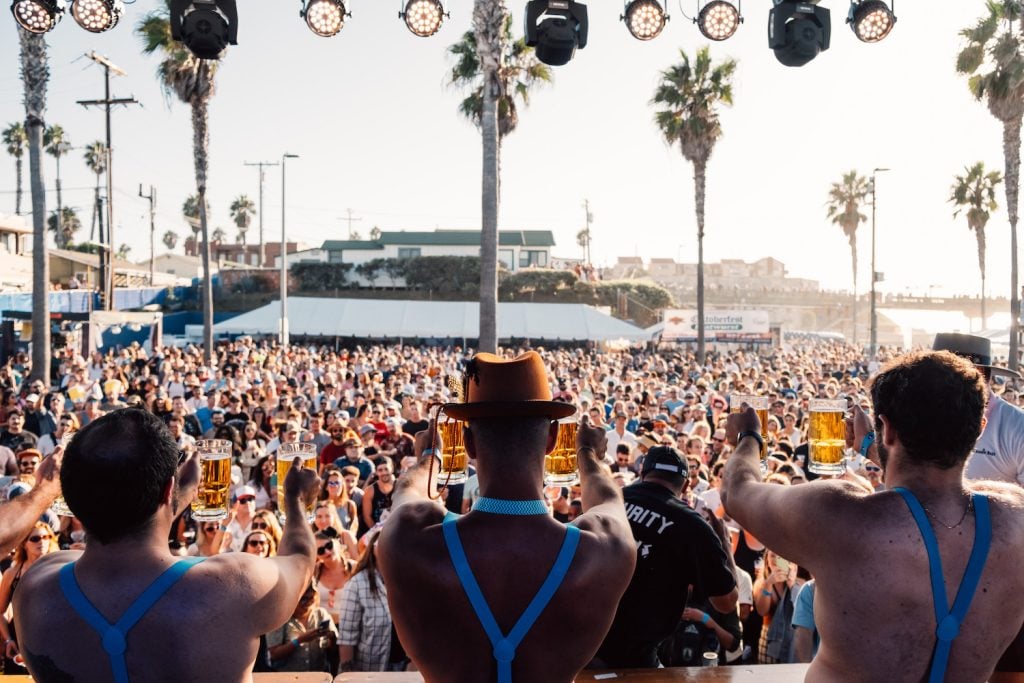
Courtesy of Ocean Beach Oktoberfest

All eyes are on the Pads right now, with the city’s first-ever World Series win increasingly in sight. But there are more things to do in San Diego this week than cheering on the Friars. You can sip spooky drinks at a North Park pop-up, see Sweeney Todd onstage, or head to the ballet in Rolando. Better be wearing brown, white, and gold while you do it, though.

Food & Drink | Concerts & Festivals | Theater & Art Exhibits | More Fun Things to Do
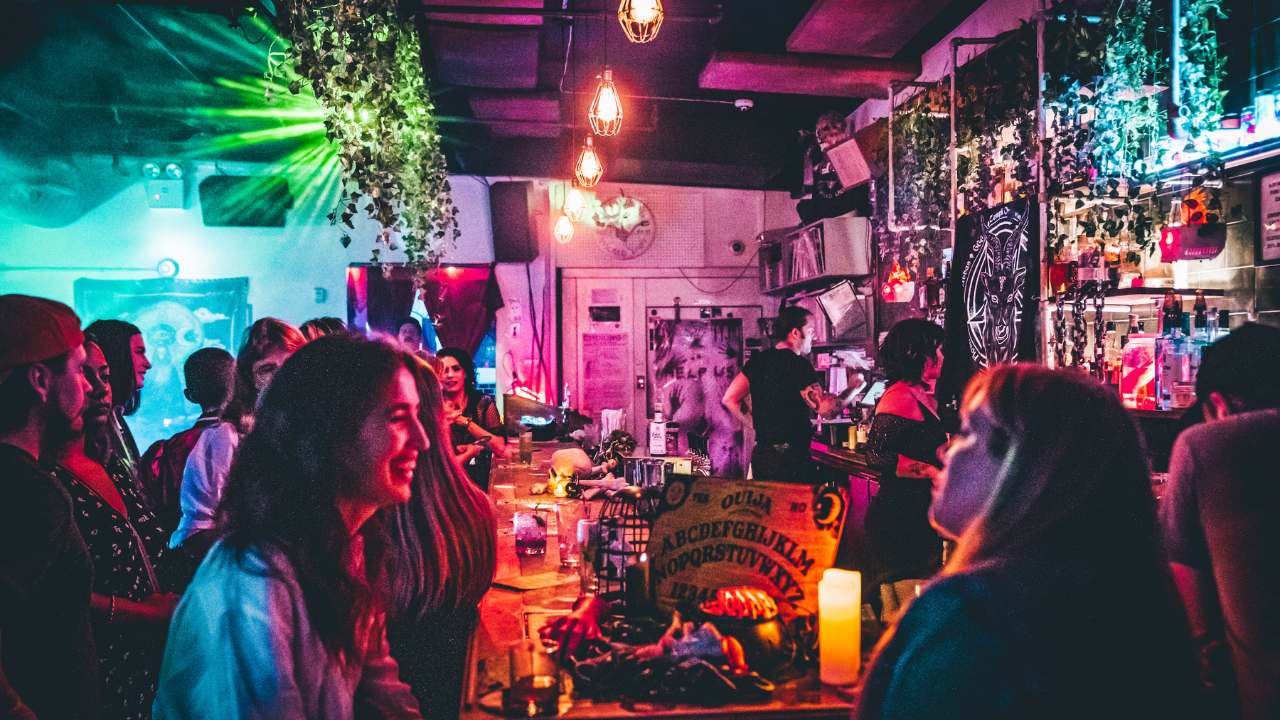
Courtesy of Black Lagoon Pop Up

Food & Drink Events in San Diego This Weekend 

“Lost At Sea” at Cutwater Tasting Room & Kitchen 

Through October 31

Come aboard the “Lost At Sea” experience at Cutwater Tasting Room & Kitchen, where every night in October brings a maritime setting with themed cocktails and food. Guests can also secure a spot on the waitlist for the Cutwater Cavern speakeasy on Wednesdays through Saturdays in October. For $25, guests will receive a specialty cocktail upon entry to the cavern, get access to an exclusive food and drink menu, and watch a barrel-tapping demonstration with the chance to sample rum from the cask in a take-home glass.

9750 Distribution Avenue, Miramar

A Taste of Coronado

October 9

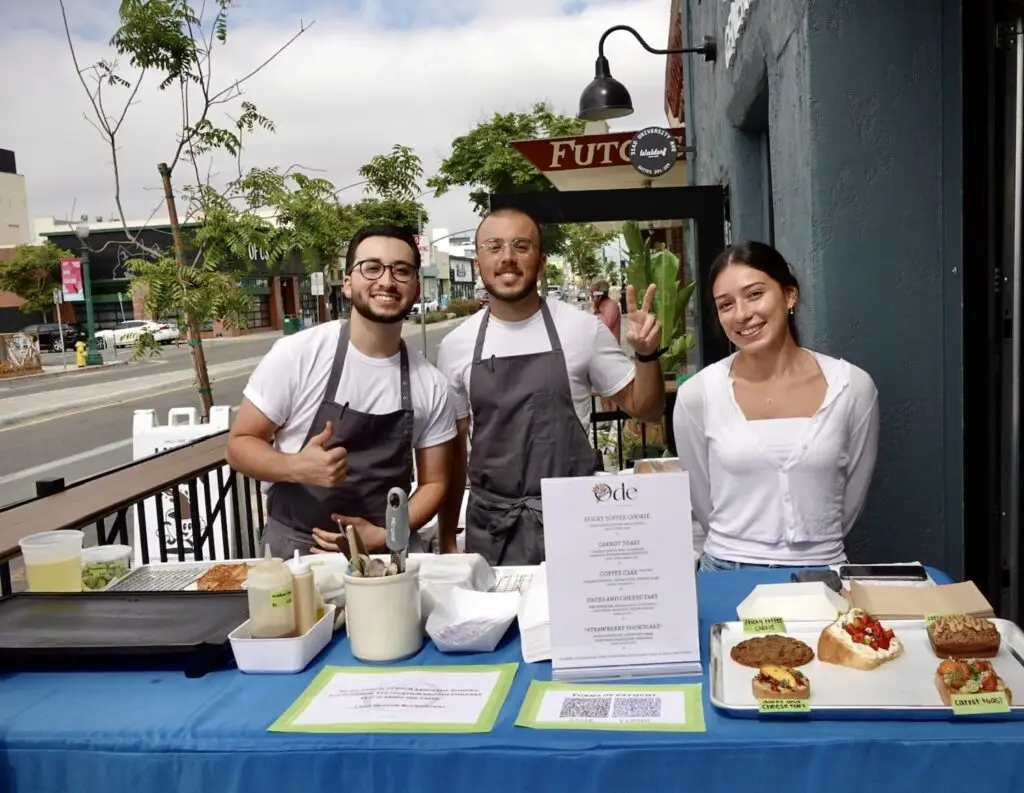
Delight in an island’s worth of eats at A Taste of Coronado from 5 to 9 p.m. this Wednesday. The Coronado Junior Woman’s Club invites patrons to meet at Rotary Park or one of three other check-in spots before embarking on a trek to collect lobster rolls, BBQ pulled pork, Parisian pastries, and more across Coronado. Partial proceeds from the event will go towards the San Diego Rescue Mission. VIP passes are already sold out, but general admission is still available for $65.

1002 Orange Avenue, Coronado 

WASTED: Save the Food Festival & Dinner Experience 

October 9 & 13

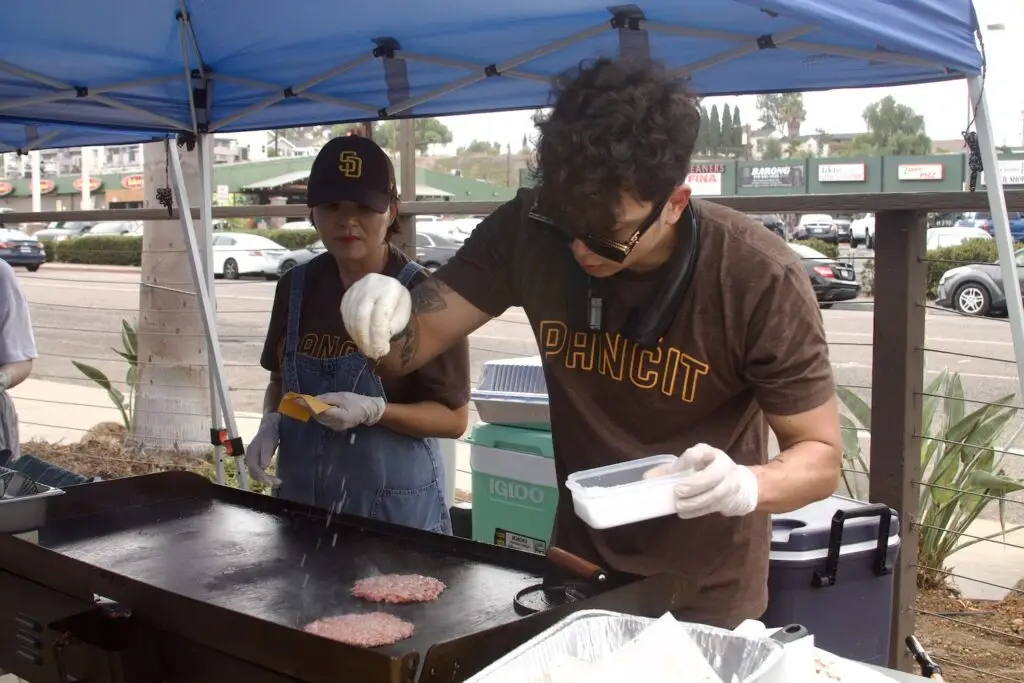
Local nonprofits Kitchens For Good and Big Table at Liberty Station are striving for sustainability with their two-part WASTED food event at Liberty Station. The festivities begin with Wednesday’s 21-plus dinner experience ($300) from 6 to 9 p.m. at Building 177, featuring a cocktail hour and a five-course, farm-to-table meal. Then, on Sunday, the Save the Food Festival from 12 to 3 p.m. in the South Promenade will include bites from over a dozen chefs, sustainable cooking tips, interactive activities, and crafts and games, with SD Mag content chief Troy Johnson serving as the festival MC. Combo VIP tickets for both events are $400, while VIP for the festival is $150 and general admission is $45 for adults and $15 for children. 

2850 Roosevelt Road, Point Loma 

Ocean Beach Oktoberfest

October 11 & 12

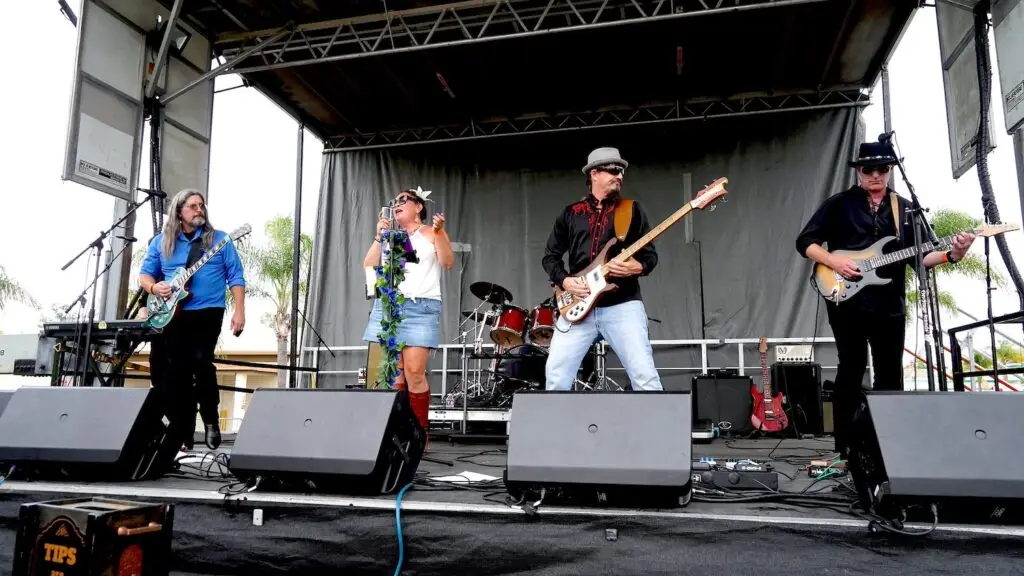
Ocean Beach Oktoberfest melds classic German holiday activities—stein holding, pretzel tossing, beer drinking—and uniquely San Diegan beachfront fun. Attendees can take part in a Guinness World Record–breaking toast with Joey Chestnut, pack the crowd at multiple live music stages, or compare local and international brews in the beer garden. Joining the festival’s live music lineup for 2024 is an electronica stage to showcase DJs alongside the typical two-day lineup of local bands. Entry is $15 at the gate, and VIP passes are $65 per day and can be bought on Eventbrite

5099 Newport Avenue, Ocean Beach

Black Lagoon Halloween Pop-Up at Seven Grand

October 13–November 3

While you won’t find the scaly, green creature from the Black Lagoon at Seven Grand’s spooky season pop-up, there will be plenty of frightful remedies brewing for the occasion. Beginning this Sunday, Seven Grand will serve up creepy concoctions like the cinnamon syrup–infused Nosferatu’s Rise and the Memento Mori, which features rum, coffee liquor, cold brew concentrate, and Lustau Amontillado. 

3054 University Avenue, North Park
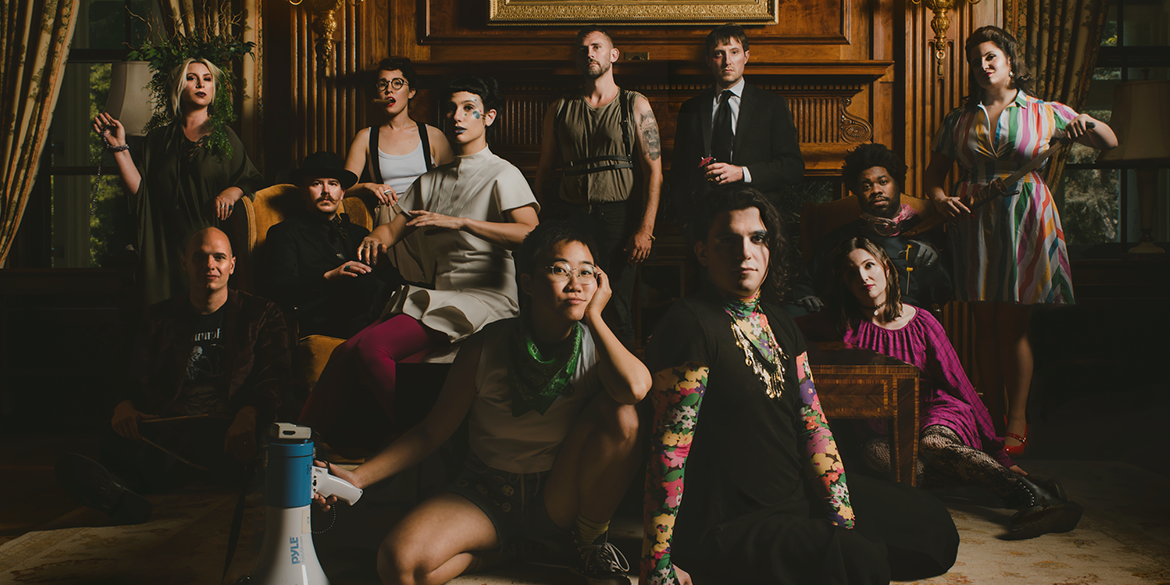
Things to do in San Diego this weekend Oct. 8-13 2024 featuring Roomful of Teeth choir performance at COnrad Prebys Concert Hall
Courtesy of UCSD ArtPower

Concerts & Festivals in San Diego This Weekend

La Jolla Music Society Presents Aída Cuevas Canta a Juan Gabriel at Balboa Theatre

October 13

As part of its Global Roots Series, the La Jolla Music Society hosts a Juan Gabriel tribute performance from ranchera music icon Aída Cuevas this Sunday at the Balboa Theatre. Cuevas’ new album Aída Cuevas Canta a Juan Gabriel 40 años después honors Gabriel’s legacy as one of the world’s most popular Spanish-language artists. Tickets for the performance start at $57.90 and can be purchased here

868 Fourth Avenue, Gaslamp

Omar Apollo & Kevin Abstract at the Rady Shell

October 11

R&B singer Omar Apollo will take the stage at the Rady Shell tonight, fresh off his latest album God Said Know. The 27-year-old artist will bring his signature sad-boy vibes and slow jams, with songs inspired by his recent breakup. Opening the show is Kevin Abstract, best known for his role in the supergroup Brockhampton, which disbanded in 2022. Recently, Abstract released singles Tennessee featuring Lil Nas X and Big Dog, which he’ll be bumping the waterfront. 

Roomful of Teeth at Conrad Prebys Concert Hall

October 13

Vocal ensemble Roomful of Teeth will perform at 2 p.m. this Sunday. Roomful of Teeth consists of eight vocalists, specializing in a capella and challenging the boundaries of what a 21st-century choir can be. Tickets range from $40 to $65 for this concert at the UCSD Department of Music’s Conrad Prebys Concert Hall. 

9500 Gilman Drive, La Jolla

Porter Robinson SMILE! World Tour at the Rady Shell

October 13

DJ Porter Robinson is bringing his massive world tour to the Shell this Sunday. He’s been on a whirlwind of a global tour, hitting stages from Australia to South America, performing tracks from his latest release SMILE!. The album serves up catchy, emo-esque anthems tackling themes of mental health, fame, and burnout. If you’re looking for a reason to get on your feet, Porter’s got you covered.

Day of the Dog 

October 13

Reward the loyal companion in your life with a fun-filled afternoon at the Day of the Dog. This free traveling festival puts pups on a pedestal, with an assortment of dog-friendly activities, dozens of pet vendors, and loads of treats to raise money for Just Love Animals Society. Visitors can go home with a new furry friend after practicing yoga with adoptable puppies, and dogs can run around in foam, snow, and water; take part in fashion shows; enjoy adorable photo ops; and much more from 12 to 4 p.m. this Sunday. 

4955 Voltaire Street, Ocean Beach
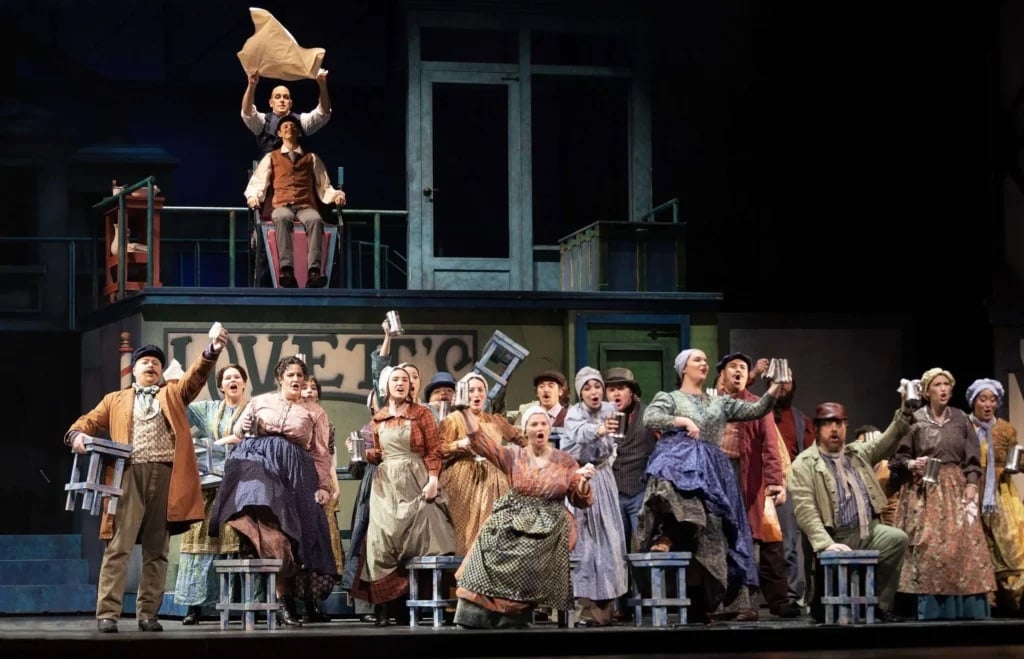
Things to do in San Diego this weekend Oct. 8-13 2024 featuring a theater production of Sweeney Todd by the Coronado Playhouse
Courtesy of Coronado Playhouse

Theater & Art Exhibits in San Diego This Weekend

My Intimate Partner at Oceanside Museum of Art

Through March 16, 2025

The Oceanside Museum of Art’s latest exhibition, My Intimate Partner, is a powerful group show curated by Smadar Samson and featuring more than a dozen local artists. Through 3-D artwork, dance, and stop-motion animation, the participants share critical stories, insights, and resources related to combating domestic violence.

704 Pier View Way, Oceanside

The Thanksgiving Play at New Village Arts 

October 10–November 3

After final previews Thursday and Friday, The Thanksgiving Play officially opens at New Village Arts this Saturday night. Larissa FastHorse’s topical satire revolves around four White educators at an elementary school who aim to make an inoffensive play about the first Thanksgiving, but as they strive for maximum political correctness, it becomes clear that they need to rethink what it means to be a real ally. Tickets are $35 for the previews, $60 for opening night, and $50 for general admission for the rest of the show’s run. 

2787 State Street, Carlsbad

San Diego Ballet Presents Firebird and Mambomania at Joan B. Kroc Theatre

October 11–12

Dancers with the San Diego Ballet will take the stage on Friday at 7 p.m. and Saturday at 2 p.m. at the Joan B. Kroc Theatre. Firebird combines modern ballet and hip hop, while Mambomania is set to the latin jazz grooves of Perez Prado. Tickets for Friday night and Saturday afternoon’s show can be purchased online. 

6611 University Avenue, Rolando

Sweeney Todd: the Demon Barber of Fleet Street at Coronado Playhouse 

October 11–November 3

In Stephen Sondheim and Hugh Wheeler’s landmark musical, barber Sweeney Todd is on a trail of vengeance in 1800s London, leaving several victims at the mercy of his razor blade and baritone vocals. Tickets are starting at $27 for this singing slasher production at Coronado Playhouse.

1835 Strand Way, Coronado 

Blossoming Borders: A Floral Celebration of Tijuana/San Diego at Dick Luab NTC Command Center 

October 12

Enjoy interactive workshops from the San Diego Craft Collective along with live music and bites with painters, writers, and florists from the border region at the free opening reception of Blossoming Borders this Saturday from 12 to 4 p.m. Floral designer Ana Galena will host the festivities. The Blossoming Borders exhibition remains on display through November 12 at the Dick Luab NTC Command Center. Anyone interested in attending the reception can RSVP here

2640 Historic Decatur Road, Point Loma

Things to do in San Diego this weekend Oct. 8-13 2024 featuring the Padres vs Dodgers NLDS baseball game with Fernando Tatis Jr.
Courtesy of MLB

More Fun Things to Do in San Diego This Weekend

San Diego Padres vs. Los Angeles Dodgers at Petco Park

October 8–9 

After disposing of the Dodgers with a record-breaking barrage of homers in game two, the Padres return to Petco Park for games three and four of the NLDS. For this two-game stint in front of raucous, sell-out crowds, the goal is simple: Beat LA. Those still searching for a seat, best of luck to you in the secondary market. Tickets start at $159 on SeatGeek

100 Park Boulevard, Downtown

XTERRA Wetsuits Mission Bay Triathlon 

October 12–13

This year marks five decades since the inaugural triathlon on Fiesta Island, and athletes will celebrate with an anniversary race at Mission Bay and Fiesta Island this Sunday. Competitors can sign up for race variations, like the duathlon or the aquabike, along with a range of triathlon options, ranging from the children’s itsy-bitsy race to the esteemed international contest. As part of the XTERRA Wetsuits Mission Bay Triathlon festivities, the San Diego Triathlon Series will host a pre-race dinner Saturday night at Bonita Cove Park from 5 to 7 p.m., featuring meet and greets with several legendary athletes, world record holders, and Olympians. Reservations for the Celebration of Triathlon Pre-Race Dinner are $50 per person. Register for your desired race event (from $44 to $286) here

1100 West Mission Bay Drive, Mission Bay

Ryan Hardison is a freelance arts and entertainment writer and recent graduate of San Diego State. When he's not staring at his laptop, he's likely eating an adobada burrito or getting sunburnt at the beach.

Subscribe to our newsletters

Select Options

By subscribing you confirm that you agree with our Terms and Conditions and Privacy Policy.

Arts & Culture SEPTEMBER 4, 2026

What’s Next for Arts and Culture in San Diego?

Artists and advocates are building a more sustainable creative future through public funding, political organization, and cross-border collaboration

What’s Next for Arts and Culture in San Diego?
Photo Credit: Katie Gardner & Matt Furman

This is part of a three-part series. This is Act III. See Act I and Act II here.

The Future

We’ve been here before.

In 2012, city funding for the arts and culture in San Diego had eroded. As a corrective, the city council unanimously approved “Penny for the Arts”—a promise to dedicate roughly one penny of every dollar spent on hotel rooms (the Transient Occupancy Tax, or TOT).

The logic was fair and sound: Cultural institutions and events help attract visitors. Those visitors pay hotel taxes. So, the people agreed, some of that hotel-tax revenue should go back into maintaining the cultural ecosystem that helps bring those visitors and that money.

Projected as a five-year plan, the measure was supposed to increase funding to $17.9 million by 2017.

It never did. The penny was never guaranteed, so each year the city used part of it for other priorities. By 2023, the money going to arts and culture was up to about a half a penny. Even as TOT revenue has gone up significantly.

In 2019, TOT revenue was $245 million.

In 2025: $325 million.

One fix would be to guarantee the penny. Not simple, given San Diego’s financial woes. But the alternative—eroding the culture that makes San Diego San Diego, give it its identity—also doesn’t feel wise. Plus, even a locked percentage still rises and falls with tourism, which is why culture advocates want a guaranteed floor on top of it.

Another solution would be to give the arts commission actual authority.

“It’s an advisory body,” says arts commissioner Kamaal Martin. “You’d be hard-pressed to find anybody who takes our advice.”

Photo Credit: Katie Gardner & Matt Furman

He described the commissioners debating real, consequential questions this year, like whether and how to divide the cuts between funding pools. But those conversations “don’t connect to whoever’s actually deciding,” Martin says. “We haven’t been entrusted with decision-making about relevant things nearly enough.”

Christine Martinez is building political infrastructure through her organization Arts+Culture:San Diego—which is starting a 501(c)(4) lobbying structure not unlike police and fire unions. Martinez is also keeping her community actively engaged. “We won’t be caught off guard next year like we were this year,” she tells me.

Then there’s the evergreen issue of affordability and accessibility. Kiplinger’s most recent report ranks San Diego as the 11th most expensive city in the US, based on cost of living. The average home value is $980,700 (the US median is $540,000), but San Diego’s median household income is only one-third greater than the national level. Rent is also 66 percent higher than the national average ($2,716 vs. $1,636).

This is why San Diego has long suffered from the creative brain drain—creatives leaving for more affordable cities. “Artists are free to live wherever they want, and they will go where the rent is affordable,” says Jennifer de Poyen of Space 4 Art. “When they leave, they take their gifts with them, and their contributions, and their economic impact.”

One saving grace is the presence of Tijuana, where the cost of living is about 60 percent lower than San Diego, per Numbeo. Tijuana has long functioned as an affordable neighborhood for many in San Diego’s creative culture. It’s part of the reason why the binational identity is such a constant in our galleries, music, theater, murals, and culture. While that cross-border blood flow is one of San Diego’s most compelling attributes, few artists living that life would call it convenient or easy. A city is at a disadvantage when its culture creators have to cross a border to go home at night, and cross again the next morning to work.

In May, San Diego County Board of Supervisors approved a $2.75 million arts initiative of its own. It includes an Artist Space Grant Program aimed directly at the affordability crisis, as well as an artist-in-residence program, a dedicated Binational Creative Economy Investment, and a one-time investment in the Black Arts and Culture District in Encanto.

Bob Lehman of San Diego Art Matters has been doing county-level, binational organizing for years; in 2023, he helped get the county’s arts commission reestablished after 30 years of defunctness. That’s important because it gives arts and culture an official seat in county government, advising the County Board of Supervisors on arts and culture policy. He also brought in consultant Laura Zucker, who ran LA County’s arts program for three decades, to build a real regional plan.

“I really believe we’ll have something set up here that other communities come and look at,” he told me. “A national template other cities come to learn from.”

When asked who decides which artists will get the new grant money, county arts commissioner and executive director of the Chicano Park Museum and Cultural Center Monica Delgadillo Hernandez doesn’t hedge.

“That’s part of the infrastructure we’re going to be building,” she says. “What should a panel of reviewers look like? Should it be the commissioners? Should it be other folks? A supervisor?” She was just as candid that the commission itself doesn’t reflect San Diego’s population—Chicano communities are roughly a third of the city, she tells me, “and that’s not represented at the table yet.”

Photo Credit: Katie Gardner & Matt Furman

What Other Cities Prove Is Possible

The great news is that none of these solutions have to be invented from scratch. Numerous cities serve as examples of what’s possible—if we have the will.

Jonathon Glus—Prebys Foundation Senior Fellow for Art & Design, the Executive Director of the Art + Design District, and board president for California for the Arts—worked in Houston before coming to San Diego. The Texas city dedicates 74.5 percent of its hotel tax to arts grants by formula, and that support is guaranteed. Washington, DC locked in dedicated arts funding in 2019. Salt Lake City, my hometown, has run a voter-approved arts tax for almost 30 years, most recently reauthorized through 2034. And just this summer, New York City pushed cultural funding to a record $323.8 million, even incorporating an emergency fund.

Denver’s model is interesting because instead of a city-dependent funding model, theirs is a 0.1 percent regional sales tax. In place since 1988 and renewed by voters three times, their Scientific & Cultural Facilities District has distributed between $54 million and $85 million to arts, culture, and scientific orgs—each of the last 12 years.

This is part of a three-part series. This is Act III. See Act I and Act II here.

None of these cities got there by accident. They decided, on purpose, that arts and culture were worth protecting from politics—and, in some cases, worth building an entire identity around.

“That’s how Miami has flipped the switch,” says Glus. “People go to Miami for culture as much as they do the beach.”

San Diego has spent decades selling itself backward: Beach and weather first, culture as an afterthought you might stumble into. Glus would love to see the strategy flipped: Visitors should come for the art, “and then, by the way, you’re on the beach.”

Photo Credit: Katie Gardner & Matt Furman

So What Happens From Here?

“I do think it was a wake-up call for the community,” de Poyen says of the budget fight. “People understand that our funding is vulnerable. It was a lesson in how much power people have when they coalesce. But wow, is it painful.”

Glus says he’s genuinely optimistic. “The players have all changed seats, but the work is moving forward.”

“I believe optimism is a moral duty,” says Martin, who’s both power-fist and polite.

In eight months, there will be another budget fight. Everyone I talked to expects it will be worse. But something happened this spring that can’t be undone.

“I hope this rupture has brought us together in a moment of self-realization,” says Leticia Gomez Franco of the Balboa Art Conservation Center. “I hope we stop being so transactional; we begin to see ourselves and each other as partners in this work.”

That’s the whole ask, really. And it’s on all of us.

This is part of a three-part series. This is Act III. See Act I and Act II here.

A

About Aaryn Belfer

Aaryn Belfer is a writer and editor specializing in nonfiction across art, architecture, and culture. Once upon a time, she wrote a provocative column for San Diego CityBeat (RIP). She was a runner up in the 2025 Matchbook Stories contest at the San Diego Central Library and is irrationally happy about it. Currently in her Soft Girl Era, Aaryn has expensive taste in (mostly flat) shoes and will choose a great art exhibit or live jazz concert over almost anything else. Except, possibly, Javier Bardem.

Art Arts & Culture
Arts & Culture SEPTEMBER 4, 2026

How San Diego Became a City of Art and Culture

The history, communities, and creative movements behind a cultural scene that extends far beyond the city’s postcard image

How San Diego Became a City of Art and Culture
Photo Credit: Katie Gardner & Matt Furman

This is part of a three-part series. This is Act II. See Act I and Act III here.

Without concrete, wildflowers are just weeds. Any honest history of San Diego art and culture is tension and its reckonings. It begins before the name existed, with the Kumeyaay. It must pass through the Panama-California Exposition, one hell of a county fair that conjured Balboa Park as our grand cultural stage. It pays tribute to the lights of La Jolla, where the donor pool helped realize unrealizable things. It should mention names like Marston, Scripps, Ochoa, DeWitt, Lopez, Klauber, Baldessari, Torres… so many.

In short spaces like this, long histories like that become roll calls. So this is more of a walk through pressure points, notes on recurring forces and regional oddities.

Border life is key to understanding the here of here. Art without dialogue is just decoration. At its best, that dialogue should be a tad muddy, emotionally gassed. In other words, it should be in need of art—to widen perspective, parse meaning, see the unseen.

San Diego’s central dialogue—the magic and the stressor—is being flatmates with Mexico’s second-largest city by population. That makes San Diego a swing-gate of shared and vastly different perspectives, both its own place and something larger. And in no other major city in the US do the fresh flow of ideas from two countries—different governments, laws, mores, expressions, arts, cultures, traditions, economies, loves, and resentments—mingle at such a constant daily rate (due respect to El Paso).

That binational steam created Chicano Park, one of the most uniquely San Diegan contributions to national and international culture. When construction of the I-5 and Coronado Bridge divided Logan Heights, neighbors protested by transmuting prejudicial concrete into redwoods of Chicano art. Turning a civic wound into a beautiful and enduring landmark that expressed and preserved a core identity—like East Side Gallery in Berlin or Constitution Hill in Johannesburg—is damn near the core of what art is supposed to do.

Like any city, the underground-overground friction is crucial in San Diego. Our culture is headlined by institutions that lift creative work onto national and international stages: MCASD, The Nat, SDMA, Centro Cultural de la Raza, the Symphony, WorldBeat Center, The Old Globe, La Jolla Playhouse, Mingei, Museum of Us, Stuart Collection, Timken, ICA, Comic-Con, etc. The next mutations grow in the seams: street murals, music dives, tattoo shops, wheatpasted walls, graffiti, lowriders, surf and skate art (though in San Diego, this is mainstream), pop-up shows, backyard shows, beach raves, any place with room for people and a loose relationship with regulations.

Photo Credit: Katie Gardner & Matt Furman

Both art and culture get their power from power. They’re fundamentally a conversation with and retort against dominant structures. San Diego’s most pervasive structure is arguably the most rigid form: the military. Its presence is heavy in the southern tip (Border Patrol), the middle (Navy and MCAS Miramar), and northern edge (Camp Pendleton). The military is San Diego’s largest employer, by a long shot.

Within this plus-sized environment of order and hierarchy, it’s understandable that Shepard Fairey’s “OBEY” posters in the late ’90s struck such a potent chord. The most compelling punk rock is often outside a strong governor’s window. (The “OBEY” series featured an ominous, propaganda-style André the Giant wheatpasted on random ugly surfaces across San Diego—launching Fairey’s style that he eventually used for Obama’s “HOPE” poster.)

Armed forces are often viewed as the absence of creative culture—understandably so, since rogue individual expression feels like a pretty sure way to sink a war effort.

But in San Diego, the Navy’s unsuspecting role as art creator—directly or indirectly—is hard to ignore. Tattoos are a dawn-of-time practice of many early cultures, including the Kumeyaay. But Polynesia was a core realm. Sailors were exposed to it on deployment in the Pacific Rim, inking their arms with the names of loved ones and unit insignia. Back in San Diego, they’d flaunt those tats in the beaches and bars of Mission Beach or PB (Marines did the same in Oceanside.) Enlistees were the muscular flesh galleries that helped turn skin art into one of the city’s most widespread modern art forms.

During WWII, the military also trained huge legions of San Diego laborers how to build war machines. Those mechanics, engineers, machinists, welders, painters, and metal fabricators used those skills for creative good in their neighborhoods—especially in custom car culture, which took off in the post-war ’50s and ’60s. Mexican-American vets helped develop the lowrider scene, a deeply rooted part of San Diego creative expression. Galleries on slow-moving wheels.

Tourism is the other mainstream force ripe for creating against. It is both critical to San Diego’s economy, and one of the greatest barriers to deeper, more nuanced expressions of what and who San Diego is. The industry of selling our city to passers-through creates a gigantic tarp of cultural tropes. It reinforces the most obvious charms—cute zoo animal takes in an epic sunset with a giant margarita—and doesn’t yield much airspace to the thrilling micro-cultures that live and breathe where locals live and breathe. Nothing against watercolors of dolphins, but much against the hegemony of watercolors of dolphins.

Maybe because of these dominant forces, San Diegans especially tend to force underground and institutional art into a needless cage match. It’s human instinct to champion the underdog as more worthy, but that has always felt like a form of articide.

Photo Credit: Katie Gardner & Matt Furman

It’s like saying the only good food is made by gritty upstarts who crafted their own whisks from discarded shopping carts. Most of those plucky whisk-makers would love to eventually be paid properly, would love a stage, a grant, a building, a donor, a lighting rig, health insurance, maybe even one chair that doesn’t threaten the spine.

That’s what the major institutions do. Both stages—the duct-taped and the donored—serve vital roles and deserve commensurate support if we care about the entire lifespan of creative expression and not just its first exciting steps. Championing the starving artist exclusively just secures an enduring poverty for the creative class at large.

I’ve often theorized it’s harder to create great art and culture in cities like San Diego, where the climate is supernaturally pleasant. In colder/hotter/rainier/less beautiful cities, people are forced indoors to fabricate their own beauty (the grunge music of Seattle, the obscene creative output of Reykjavík). San Diego’s eternally mild sunshine tends to make the human body our art medium of choice. But scratch the surface of that surf poster (and I’ve only scratched a miniscule percent here), and this city’s far from the cultural shallows it gets accused of being.

Addendum: A Personal Agenda. In scouting the route of art and culture across San Diego county through history, two areas come up again and again: La Jolla and Barrio Logan. So I propose a collaboration between two icons of artful concrete—Chicano Park and Salk Institute (one of the world’s great examples of brutalism architecture). Let Barrio Logan’s muralists go nuts on that coastal science fortress, unite the realms for a moment in time.

This is part of a three-part series. This is Act II. See Act I and Act III here.

Troy Johnson

About Troy Johnson

Troy Johnson is the magazine’s award-winning food writer and humorist, and a long-standing expert on Food Network. His work has been featured on NatGeo, Travel Channel, NPR, and in Food Matters, a textbook of the best American food writing.

Arts & Culture SEPTEMBER 4, 2026

San Diego Restored Arts Funding—But the Crisis Isn’t Over

The city’s cultural sector regained millions after a proposed 85 percent cut, yet nonprofits, youth programs and major institutions still face painful losses

San Diego Restored Arts Funding—But the Crisis Isn’t Over
Photo Credit: Katie Gardner & Matt Furman

This is part of a three-part series. This is Act I. See Act II and Act III here.

Every spring, Christine Martinez reaches out to the arts community to explain what’s on the line, hoping they’ll engage with the city’s budget process. Cultural funding, she constantly reminds, is almost always strapped to the guillotine. Especially in a city strapped for cash.

“It’s not an easy ask,” says Martinez, manager of Arts+Culture:San Diego. “Showing up is a real cost for small, volunteer-run groups that can’t spare half a day at City Council without possibly having to close their doors.”

Then, last April—with one day’s notice to arts leaders—Mayor Todd Gloria proposed a budget that didn’t trim arts funding; it eviscerated it, from $13.8 million to $2 million. An 85 percent slash. Other city departments faced cuts of about 7 percent.

The scheduled date of the cuts was just three months away (beginning of the fiscal year). Organizational leaders have to plan months if not years ahead to run their organizations. They had made hires, dedicated spending, and programmed their seasons based on a reasonable expectation that support for the arts would be somewhat in line with previous years. (The City has allotted at least $7 million a year to arts every year for the last 20 years, and the last four years have ranged between $13.8 and $18.2 million.)

The day felt even more existential given the national and international climate around the arts: namely, the federal government’s repeated proposal to eliminate the country’s two biggest cultural foundations (NEA and NEH), and the global trend of AI replacing more costly human creatives.

“It shocked everybody,” says Kamaal Martin, arts commissioner and co-founder of Art Power Equity. “If the message had been, ‘Times are tough, everybody tighten their belts a little,’ it would have landed differently. But there was no vision offered for the future, no parity in the cut. It was just, essentially, ‘Fuck you.’”

Among things I’m good at—sleeping late, low bidding for expensive shoes on Poshmark, parallel parking on either side of the street—budget analysis isn’t among them. In trying to understand how bad the finances were for San Diego to propose this drastic cut, I found myself drowning in numbers, pie charts, and politi-speak.

In his April 27 newsletter, Gloria explained that balancing the budget means “asking hard questions about every single dollar this city spends: Is this a core responsibility of city government, or is it something we do when we can afford to?”

Fair enough—if he were to ask those hard questions about every single dollar this city spends. It also makes his conclusion clear: The City of San Diego does not view supporting arts and culture as a core responsibility.

Which begs more than a few questions: Should the City be responsible? If not, then who? How crucial are arts and culture to a city? And since this is a budget discussion, how much revenue does the arts and culture industry generate for San Diego? What’s the ROI?

Photo Credit: Katie Gardner & Matt Furman

The Impact of Arts & Culture

$1.2 billion.

That’s how much economic activity San Diego’s arts and culture nonprofits generated in 2022, according to the City’s latest Arts & Economic Prosperity 6 report. The industry created nearly 17,000 jobs and generated $878 million of personal income for local residents. About 15 percent of the people showing up to arts events in San Diego are tourists, so money was raised through TOT (Transit Occupancy Tax). The activity generated $275.7 million in tax revenue to the city.

In other words, the ROI seems to be ROI-ing.

Still, there have been signs that cuts were coming. In 2025, the City demoted the Department of Cultural Affairs to a division, folding it into the Economic Development Department (EDD). That meant Cultural Affairs no longer had independence, nor its own leader sitting at the same organizational level as departments like parks and recreation, library, police, and fire. It lost institutional leverage and would now have to compete with other EDD priorities—real estate, airport operations, business development, etc.—for budget allocation.

To be clear, few arts administrators and leaders I spoke with are interested in the either/or false choice of funding law enforcement or after-school programs; the fire departments or libraries. They’re sincere in looking for solutions that don’t leave any single group with a greater burden of righting a long-out-of-balance budget.

Jennifer de Poyen, executive director of Space 4 Art, says Gloria had long been a supporter of the arts, which made his attempted Red Wedding especially upsetting.

A

About Aaryn Belfer

Aaryn Belfer is a writer and editor specializing in nonfiction across art, architecture, and culture. Once upon a time, she wrote a provocative column for San Diego CityBeat (RIP). She was a runner up in the 2025 Matchbook Stories contest at the San Diego Central Library and is irrationally happy about it. Currently in her Soft Girl Era, Aaryn has expensive taste in (mostly flat) shoes and will choose a great art exhibit or live jazz concert over almost anything else. Except, possibly, Javier Bardem.

Art Arts & Culture
Studio S SEPTEMBER 1, 2026

The Best Gym in San Diego Isn’t Really a Gym Anymore

Earlier this year, Fit quietly dropped "athletic" from its brand, from Fit Athletic Clubs to simply Fit, and started calling itself something new: a social wellness club.

The Best Gym in San Diego Isn’t Really a Gym Anymore
Courtesy of FIT

There’s a version of San Diego that lives in two extremes. On one side, the 5 a.m. crowd: biohackers, marathoners, people who’ve already logged a cold plunge before your alarm goes off. On the other, the after-dark crowd, the ones chasing sunset happy hours and late dinners with friends. Everyone seems to be either optimizing or unwinding, and most of us feel like we’re failing at both.

Fit, San Diego’s reigning Best Gym for the third year running, has built its entire identity around erasing that divide.

Walk into one of Fit’s three San Diego locations on a Tuesday afternoon and the lines blur fast. Someone’s mid-set on the squat rack. Someone else has a laptop open at a café table a few feet away, half-working, half-people-watching. A group is trading plans for the weekend’s event by the recovery lounge. Nobody’s in a rush to leave. 

“We’re not competing for the same people,” says Emily Waybright, Public Relations Manager at Fit,  addressing the arrival of a national luxury gym chain in San Diego this year. “We don’t really feel like we’re in the gym category. It’s this unique thing.”

That unique thing has a name now. Earlier this year, Fit quietly dropped “athletic” from its brand, from Fit Athletic Clubs to simply Fit, and started calling itself something new: a social wellness club.

It’s a small wording change with a bigger idea behind it. Fit was never built around escaping the workday. It was built around the people who genuinely like what they do, and who want workouts, work, and friendships to happen in the same place instead of three separate ones. Because sometimes red light therapy with a stranger turns into weekend plans.

Fit’s philosophy traces back to its founder, who started the brand nearly two decades ago after failing to find a gym he actually wanted to belong to. He looked instead to the old-school country club, where people came for a shared interest and stayed for the community. His version was made for a younger generation, minus the golf, plus the loud music.

Which makes it a little ironic that the very award putting Fit back in the spotlight this year is Best Gym.

What does the best traditional gym look like when the definition of a gym is becoming less traditional? It’s a fair question, and Fit’s answer is that the fitness industry itself is shifting. The 45-minutes-in, 45-minutes-out model is giving way to something closer to a genuine third space, the kind of role the office and the bar used to play before remote work and changing nightlife habits rearranged how people spend their time

For Fit, community isn’t a marketing add-on to fitness. It’s the through-line. Members aren’t just paying for a treadmill; they’re paying for an entire day of social wellness that’s built on performance, recovery, connection, and a plan for the next event on the calendar. That’s a much harder membership to walk away from.

Ambition and ease aren’t opposites here, they exist side by side, where passion and play share the same morning. On September 12, Fit is hosting Sol, a full day wellness festival at Fit Social. The morning focuses on wellness classes and vendors and then the evening is a full party with multiple DJ sets and an open bar. Think of it as a kick-off to locals’ summer in San Diego. 

Ready to see what a social wellness club actually looks like? Visit fitclubs.com, or follow along at @thefitclubs on Instagram.

Partner Content
Arts & Culture SEPTEMBER 2, 2026

31 People Shaping San Diego’s Creative Scene

Meet the artists, makers, and advocates whose work shapes how the city looks, sounds, gathers, and connects

31 People Shaping San Diego’s Creative Scene
Photo Credit: Katie Gardner & Matt Furman

San Diego is full of people who deserve a few thousand words on what they make, who they bring together, and how their work changes the city around them. The artists, makers, advocates, and behind-the-scenes talent below are a small part of that larger ecosystem.

To help us narrow our list, we looked for names that kept coming up, work that reflects the diversity of our region, and people building something bigger than themselves.

Jackie is a long-time freelance journalist covering cannabis, food/restaurants, travel, labor, wine, spirits, arts & culture, design, and other topics. Her work has been selected twice for Best American Travel Writing, and she has won a variety of national and local awards for her writing and reporting.

Isabella Dallas is a freelance writer for San Diego Magazine and the Arts and Culture Editor at The Daily Aztec in her final year at San Diego State University. She previously worked as an editorial intern for SDM, but when she’s not writing, you can find her trying the best coffee spots in SD, devouring the latest rom-coms, and indulging in anything and everything pop culture.

Matt Eisenberg is an award-winning writer and photographer based in San Diego. A former ESPN editor, his work has also been published by CNN, Bleacher Report and the New York Daily News.

A

About Aaryn Belfer

Aaryn Belfer is a writer and editor specializing in nonfiction across art, architecture, and culture. Once upon a time, she wrote a provocative column for San Diego CityBeat (RIP). She was a runner up in the 2025 Matchbook Stories contest at the San Diego Central Library and is irrationally happy about it. Currently in her Soft Girl Era, Aaryn has expensive taste in (mostly flat) shoes and will choose a great art exhibit or live jazz concert over almost anything else. Except, possibly, Javier Bardem.

Leorah Gavidor won her first essay contest at age 5. She writes features, news, and non-fiction in San Diego.

Lili Kim

About Lili Kim

Lili Kim is a content coordinator and writer for San Diego Magazine, with experience highlighting local businesses and communities. When not writing or shooting film, she is likely brewing her seventh cup of tea of the day or strolling along Sunset Cliffs.

Emma Veidt

About Emma Veidt

Emma Veidt is an editor at San Diego Magazine. She earned her bachelor's and master's degrees from the Missouri School of Journalism. She loves running, hiking, and rock climbing, but really, she mostly loves encounters with the street cats around North Park.

Gail Czyszczon is owner/copywriter at Z3 Writing and best-selling author of a children’s book series. As a strategic communications professional and editorialist, she's passionate about discovering untold stories and themes that ignite fresh conversation and true change in communities.

Everything SD AUGUST 31, 2026

From $5 Freestyles to a San Diego Phenomenon

Joe Dreamz built a local following by asking strangers about their ambitions and turning their answers into songs

From $5 Freestyles to a San Diego Phenomenon
Photo Credit: Matt Furman

People remember the first time they see Joe Dreamz.

Mine was a mile into the 2023 Carlsbad Half Marathon. He was standing on a speaker in the middle of the course, singing: “Hey you with the shoes, are you living Joe Dreamz?” Clearly not. I’m running uphill at 7 in the morning, I thought.

Months later, walking out of The Rady Shell, there he was again—parting the crowd of concertleavers Moses and the Red Sea style, singing the same song: “Hey you with the purse, are you living Joe Dreamz?”

Who’s this man at every public spectacle, singing metaphysical questions in a hand-altered, color-coordinating suit that would make James Brown proud and standing on a Soundboks speaker with a microphone and tip bucket?

A few years ago, San Carlos–born, El Cajon–based Joe Dreamz wasn’t exactly living Joe Dreamz—making $5 footlongs at Subway, dealing with croissant coworkers at Costco’s bakery, and selling life insurance. After he got let go from the life insurance gig and his car broke down in the middle of a 2020 road trip in Seattle, he used his emergency savings to buy a microphone and a speaker; a self-taught musician, he pulled from the only skillset he knew to monetize. He’d set up at Seattle’s Pier 55 and ask people what their dreams were. Then, for $5, create a freestyle rap to commemorate (and hopefully activate) those dreams.

“The goal is that someone listens to a Joe Dreamz song, and they don’t have to wait until metaphorically their car breaks down before they chase their dreams,” he says.

Photo Credit: Matt Furman

A chance encounter with an airport worker led to a free flight back to San Diego, and Joe Dreamz came home “transformed,” he says. He started busking at the Mission Beach boardwalk, Kate Sessions Park, outside Gaslamp bars; then Padres games, farmers markets, marathons. He also hit the mic outside of Coachella this year (“Joe-chella,” he says).

It’s not a get-viral-quick gimmick; people’s lives are changing. One fan finished writing her book after a dose of Joe Dreamzpiration. Another named his own daughter Joy Dreams.

Now, he’s working on the upstart “Tell Me Your Dream” podcast and DREAM Week in local schools, where each day represents a step toward achievement (D is destination day, R is reason day…). He doesn’t want inspiration to reach you only after hearing a song or watching a video: He believes in this message so much that he literally got DREAM tattooed onto his forehead.

“It’s on my face, so people have no choice [but to see it],” he says. “I’m a local celebrity here, so everywhere I go, people ask me for pictures. In every selfie, the message goes along for the ride too.”

Emma Veidt

About Emma Veidt

Emma Veidt is an editor at San Diego Magazine. She earned her bachelor's and master's degrees from the Missouri School of Journalism. She loves running, hiking, and rock climbing, but really, she mostly loves encounters with the street cats around North Park.

Music
Partner Content OCTOBER 15, 2025

National Philanthropy Day, presented by PNC Bank, Celebrates the Best of Philanthropy in San Diego

The 53rd Annual National Philanthropy Day Takes Place on November 21. Join us from 11:00 a.m. – 1:30 p.m. at the new Gaylord Pacific Resort & Convention Center!

National Philanthropy Day, presented by PNC Bank, Celebrates the Best of Philanthropy in San Diego

Once yearly, AFP San Diego joins with others worldwide to celebrate National Philanthropy Day (NPD), a special day set aside to recognize the great contributions of donors and nonprofits that enrich of our community and the world. San Diego’s NPD is one of the largest and most successful in the U.S., attracting nearly 900 participants, including philanthropists, nonprofit leaders, CEOs, board members, development professionals, and business, community, and civic leaders.

Sponsorship proceeds from National Philanthropy Day are reinvested in education, training, scholarships, career development, and the advancement of fundraising professionals throughout San Diego. These resources and training provide fundraising professionals with the tools necessary to support our region’s diverse array of nonprofit organizations, which rely on charitable giving for close to half of their annual revenues.

The National Philanthropy Day Honorees are selected by the NPD Honorary Committee, a group of highly respected, diverse nonprofit and business leaders. Our 2025 Honorees include:

  • Outstanding Development Emerging Leader – Taylor Thompson
    Self-Nominated
  • Outstanding Development Professional – Sharyn Goodson
    Nominated by: AJ Steinberg & Jeanne Schmelzer
  • Outstanding Organization for IDEA – Accessity
    Self-Nominated
  • Outstanding Philanthropic Institution – Life Science Cares San Diego
    Nominated by: Blair Search Partners
  • Outstanding Philanthropist – Dan & Phyllis Epstein
    Nominated by: CSU San Marcos & KPBS
  • Outstanding Student Volunteer – Camden Hall
    Nominated by: Curebound
  • Outstanding Volunteer – Mateo Magaña
    Nominated by: Chicano Federation

National Philanthropy Day San Diego provides an opportunity to reflect on the meaning of giving and to celebrate the selfless contributions of individuals and organizations across the region. We look forward to celebrating with you!

Sponsorship opportunities and individual tickets are available. Please visit www.afpsd.org for more information.

Thousands of savvy locals already get it.

San Diego's best restaurants, experiences, and events—handpicked and delivered to your inbox weekly. You in?

Close the CTA

Contact Us

1230 Columbia Street, Suite 800,

San Diego, CA