
Featured articles
Food & Drink
Food & Drink
Food & Drink
Featured articles
Everything SD
Everything SD
Things to Do
Featured articles
Things to Do
Things to Do

Guides
Featured articles
podcast-ep
podcast-ep

podcast-ep
Featured articles

Everything SD
Everything SD
Food & Drink
Featured articles
Everything SD
Everything SD
Food & Drink
Ready to know more about San Diego?
SubscribeReady to know more about San Diego?
La Playa Carmel in Napa Valley undergoes a $3.5 million makeover
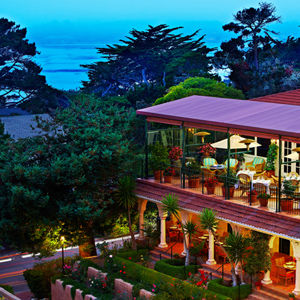
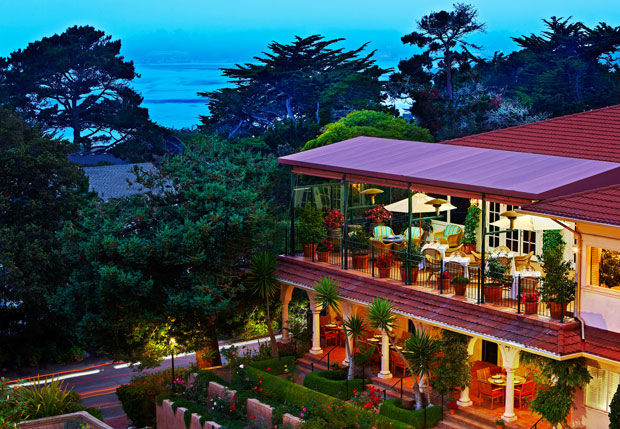
The elegant La Playa Carmel lives up to its nickname as the “Grande Dame of Carmel.” Originally built in 1905 for a Ghirardelli heiress, the hotel served as a go-to retreat for Apple founder Steve Jobs. The cliffside property recently underwent a $3.5 million makeover with renovated guest rooms, a new bar and lounge, and more (rooms start at $299). Carmel lies within Monterey County, which was recently named one of the country’s Top 10 Wine Travel Destinations by Wine Enthusiast. Oenophiles can take advantage of the scene with the new Grapevine Express, a bus that stops at 11 tasting rooms. This month’s events include the Taste of Carmel (October 3) and the Carmel Art & Film Festival (October 9–13).
PARTNER CONTENT
La Playa Carmel Hotel
Sonoma County, hangover therapy in Las Vegas, and more
Sonoma Grape Camp
Darren Miller Photography
Opened in August, REVIV in the MGM Grand Hotel & Casino is a spa that rehydrates guests with IV infusions of vitamins, antioxidants, and anti-nausea meds (the HydraMax treatment provides an entire liter of saline and electrolytes). Sketched out? Fear not—four ER docs developed the operation and they’ve staffed the place with RNs and paramedics. The vibe of the place is spa-like; guests get an iPad and a massage chair during treatments. REVIV is open daily from 9 a.m. to midnight, but you can’t be treated if you’re tipsy. Note: it’s not just for people who’ve been on a bender. Tourists hiking in the desert or dehydrating while tanning at the pool will also benefit from the IV treatments, which start at $99 (oral vitamins, $49; oxygen bar, $1 per minute). 3799 South Las Vegas Boulevard, Las Vegas, revivme.com
Big Sur Roadhouse
Sonoma County boasts 50-plus miles of coastline, 15 AVAs (distinct wine growing regions) and 300 wineries. Now, direct flights to Santa Rosa make it easy to get there, and spring —when the vineyards are budding—is a beautiful and uncrowded time to visit
Copain in Sonoma
California Artisan Cheese Festival
March 22–24
Sonoma County Bluegrass and Folk Festival
March 10
Wine country hotels don’t get much better than the modern yet cozy Hotel Healdsburg (hotelhealdsburg.com). The central location across from the town’s historic square (25 Matheson Street) is walking distance to great shopping, restaurants, and tasting rooms. Accomodations feature simple Zen décor with Tibetan rugs and teak platform beds. The daily harvest breakfast goes way beyond continental and includes an omelet bar and homemade pastries. The hotel also offers a sleek pool, spa, and complimentary beach cruisers. Added bonus: Chef Charlie Parker’s Annual Pigs and Pinot event is March 22–23 and includes an Iron Chef-style competition and a March Madness-inspired Pinot tasting. The event, which sells out every year, promises to be delicious and hilarious—comedian Mario Cantone, of Sex and the City fame, is hosting (pigsandpinot.com). If you prefer a hotel with Old World charm, the 16-room Relais & Chateaux Hotel Les Mars, also in Healdsburg, looks like a French mansion and features 17th- and 18th-century antiques, four-poster beds, and Italian linens (27 North Street, hotellesmars.com). The intimate Duchamp Hotel is a minimalist lover’s dream and has six contemporary cottages with modern furnishings, private patios, and a mod pool (421 Foss Street, duchamphotel.com).
With hardly any employees over the age of 35, Scribe (2300 Napa Road, scribewinery.com) is a winery for a new generation. The office and tasting room are located in a simple house painted black, with a wall of wine barrels for décor. Tastings of silky Pinot and bright whites like a dry Riesling are poured at picnic tables set amongst twisty oaks overlooking the vineyard, and on chilly afternoons guests are offered Pendleton blankets for warmth. A century-old hacienda still stands on the property (word is, it operated as a speakeasy and hideout for bootleggers during Prohibition). Co-owner Andrew Mariani plans to turn it into a tasting room and inn. Meantime, he will visit San Diego for a wine tasting event at Cucina Urbana on April 20 (cucinaurbana.com). Hilltop modern farmhouse-style winery and tasting room Copain has one of the best views of the Russian River Valley. The word is out about their picnic lunch offering from Chloe’s French Café. Make reservations well ahead of time and enjoy with Copain wine pairings (7800 Eastside Road, copainwines.com). The Medlock Ames tasting room in a former general store boasts an eco-modern vibe with walls made of reclaimed wood, but the highlight is the dimly lit Prohibition-style bar in the back where bartenders mix craft cocktails with herbs from the garden (3487 Alexander Valley Road, medlockames.com). Located in a former apple cannery, The Barlow celebrated its soft opening in bohemian Sebastopol in January. The 222,000-square-foot artisan marketplace is home to a variety of producers, from bakers to coffee roasters, who make and sell their products on the spot (200 Morris Street, thebarlow.net). Sonoma County restaurants are delicious and unpretentious. Campo Fina is the new, more casual offering from the people behind the beloved Healdsburg Italian restaurant Scopa (330 Healdsburg Avenue, campo-fina.com). Go for red wine-braised short ribs or wood-fired oven pizza like the Salsiccia—housemade sausage, mozzarella, caramelized onion, and black kale. Yucatán-influenced Mateo’s Cocina Latina in Healdsburg is a nice change from more decadent wine country fare. Don’t miss the life-altering olive oil guacamole with crispy pumpkin seed crackers, and if it’s warm enough, snag a seat on the garden patio (214 Healdsburg Avenue, mateoscocinalatina.com). The popular The Girl and the Fig is French by way of Sonoma (110 West Spain Street, thegirlandthefig.com) and The Fremont Diner uses local ingredients to put a fresh spin on diner classics, like a ham biscuit with quince jam (2698 Fremont Drive, thefremontdiner.com).
Sonoma County’s quiet country roads are built for biking and wine tasting. Rent road bikes in Healdsburg at Spoke Folk Cyclery (spokefolk.com). We like West Dry Creek Road’s gently rolling hills and boutique wineries. Grab sandwiches and ready-made salads at the historic Dry Creek General Store (drycreekgeneralstore1881.com) before heading west on Lambert Bridge Road to West Dry Creek. If you can make it, you won’t regret checking out Bella Vineyards (bellawinery.com), a family-owned winery with wine caves, a wide range of reds, and picnic tables for lunching (about 22 miles round-trip).
Food tourism, mass transit, and more
subway sign
French Blue
Goose & Gander
1245 Spring Street
St. Helena
707-967-8779
goosegander.com
French Blue
1429 Main Street
St. Helena
707-968-9200
frenchbluenapa.com
The Thomas
813 Main Street
Napa
707-226-7821
thethomas-napa.com
The Pear
720 Main Street
Napa
707-256-3900
The dining scene in Napa Valley is getting more and more Napatastic. Check out The Thomas, which opened this past fall. Housed in the former Fagianni’s bar, itself an old Napa speakeasy, the place is hip and upscale. Order the grilled heritage pork chop with quince glaze. The Pear opened in December, offering reasonably priced Southern fare including a perfect gumbo. In Saint Helena, French Blue (serving American and Cal-Med cuisine, not French!) offers Howard Backen-designed comfy couches and copious natural light, plus a well-considered menu. Goose & Gander, located in the former Martini House, features tasty entrees and sides, and a superb bar. Though Goose & Gander only opened this past summer, they were already in business when the foie gras ban hit California on July 1. They had wonderful goose/duck pâtés and foie gras on the menu, which they removed. However, if you ask for “Fergus” (the name of one of the two geese featured on the menu), they will bring out some delicious, and banned, foie gras. // Bob Ecker
It’s okay to pet the whales.
Gray whales frequent Baja Sur’s Magdalena Bay late January to mid-March. Meet these people-friendly giants with Todos Santos Eco Adventures.
The amount spent each year by visitors who arrive at SAN, according to Airport Authority president and CEO Thella Bowen. “International visitors tend to stay longer and spend more than domestic travelers,” she says. “With the level of international service now in place, it’s the perfect time for a duty-free store.”
Stake Chophouse & Bar brings contemporary classics and old-school service to the heart of Coronado
Stake Chophouse & Bar isn’t your average steakhouse. Blue Bridge Hospitality’s Coronado outpost is a modern interpretation of a big-city steakhouse nestled in the heart of the small coastal community. The team at Stake has reimagined the whole steakhouse experience. By prioritizing a seasonal farm-to-table sourcing philosophy, a personalized guest experience, and unique service touches, like a formal steak presentation and a bespoke knife selection process, Stake distinguishes itself in a sea of steakhouses.
Exceptional steaks, including Wagyu from Japan, Australia, and the U.S., and fresh seafood flown in daily form the core of Stake’s culinary identity. The menu features a five-course omakase-style steak experience highlighting house favorites, plus an array of cuts, and classic steakhouse staples—think a wedge salad, baked potato, or pasta carbonara—refined for a contemporary palate without losing their traditional appeal. Stake focuses on seasonal sourcing from the region’s best family farms and specialty purveyors, and incorporates intentionally unexpected touches to create something truly unique.
“I challenge our chefs and myself to take it a step further in sourcing,” says Chef Ronnie Schwandt. “It’s important to us to highlight different farms, unique one-off farms—whether it’s cattle, strawberries, a local fisherman or from anywhere in the United States, we’re always trying to find that niche.”
Beyond the menu, Stake emphasizes outstanding service, says Vinny Spatafore, Director of Hospitality Operations. Staff maintains detailed notes, allowing them to remember guests by name, recall previous orders such as a favorite martini (also memorable for the customer since it’s served in an extra tall, distinctly-shaped glass), and celebrate special occasions like birthdays and anniversaries.
“When you have those points of topic that you remember about a guest, they appreciate that,” he says. “Our servers are really good with that—we have a couple servers who have been here since the beginning and they’ll remember somebody from years ago, their name, their kids’ names, where they live. I’m really thankful to have a great front of house staff.”
Award-winning wines, rare whiskeys, special events, and a complementary black car service that provides transportation for guests throughout Coronado add to Stake’s appeal.
Schwandt stresses that Stake offers more than a meal; they aim to give patrons something unforgettable.
“It starts when you walk up the stairs and are greeted by the hostess—that sets the tone for the night. Then you’re greeted by a server, who may know you by name, and can guide you through the menu and curate as they get to know you,” says Schwandt. “Most people leave kind of blown away; they leave feeling like they just had an experience. That’s the goal, right? Whether you’re serving smash burgers or high-end steak, you want somebody to leave thinking, Wow, that was awesome.”
From San Diego’s coastline to Los Angeles stadium and fan zones across the region, here’s how to experience soccer’s biggest event
When three nations and 16 cities come together to host the FIFA World Cup 2026, the scale stops feeling like a tournament and starts feeling like geography. A continent becomes the stage as borders soften into corridors. And Southern California—shaped by migration, sport, entertainment, and constant movement—sits inside that landscape with all eyes on it.
San Diego and Los Angeles have always felt connected. Hop on the Pacific Surfliner, and the trip unfolds in one continuous stretch of coastline, passing beach towns, neighborhoods, and city centers.
Traveling from San Diego, everything still feels slightly suspended as the Pacific Surfliner follows the coast north with ocean on one side and a slow suburban blur on the other. San Diego stays in exhale. Los Angeles is already building toward something louder.
This summer, Los Angeles will host eight matches of the FIFA World Cup at Los Angeles Stadium, including the US Men’s National Team opener on June 11, while the region stretches into 39 days of programming across stadiums, parks, transit hubs, beaches, and neighborhoods. Instead of one massive fan hub, Los Angeles is embracing a citywide celebration, with fan zones spread across its entirety.
But this pattern has been rehearsed here for decades. In 1994, Southern California became one of the defining stages of the World Cup, when matches at the Rose Bowl placed global attention on the region and turned local stadiums into international landmarks, confirming its ability to hold the world at scale.
What distinguishes Southern California is not just infrastructure, but cultural permeability. Fashion, music, film, art, and sport constantly overlap here, creating an environment where identity is flexible and always in motion. From the Venice boardwalk, where skate culture shaped modern street style, to global soccer stars rubbing shoulders with Hollywood celebs, to authentic Spanish cuisine moving up and down the I-5 corridor, everything circulates.
The World Cup is not introducing anything new here, it’s showing up for the summer and showing out, revealing what this city has always known about itself. What follows is a look at the fan zones and how Los Angeles turns itself into a city-wide stage for the tournament, one neighborhood at a time.

As the heart of Los Angeles, Union Station is an official Fan Zone June 25-28 during the World Cup, but in practice it never really stops being one.
It is the city’s circulation point, its meeting ground, its pressure valve. Commuters, travelers, match-day crowds, and everyday Angelenos all move through the same space, and everything mixes, overlaps, and scales in real time. In a way, this is where the World Cup stops arriving in Los Angeles and starts moving through it.
The Pacific Surfliner from San Diego to Los Angeles makes that shift feel almost too easy. No stress or gridlock anxiety, just a straight line up the coastline with ocean on one side and everything slowly becoming more built on the other. It’s one of the rare ways into LA that doesn’t feel like arrival as friction. You can sit with a laptop, watch the Pacific drift past, grab coffee from the café car, and let the city come to you in pieces.
That’s the beauty of arriving at Union Station. Instead of feeling like you’re on the edge of the city, you’re immediately surrounded by it. And, inside, the station already reads like a World Cup nerve center: banners, movement, multilingual energy, the sense that something global is about to funnel through this exact point. The Heart of the City Fan Zone only sharpens that feeling, with simultaneous match screens, DJ sets, meet and greets, and immersive activations built around marquee games like USA vs. Türkiye.
From there, the city splits outward.
ROW DTLA feels like the first exhale after arrival. A converted industrial campus turned creative district where restaurants, retail, and open-air courtyards form a self-contained ecosystem. If you’re looking for the perfect first meal in LA, make it lunch at Pizzeria Bianco. The thin-crust pizza is reason enough to go, but the space leaves just as much of an impression.
What I liked most about ROW DTLA is how quickly it resets you after the train. One minute you are stepping off at Union Station, and the next you are in a space that feels like its own version of LA, a city inside a city with some of the most curated shopping I’ve ever seen.
Bodega hides itself behind a convenience-store front, a sneaker and streetwear space disguised as something ordinary, like LA refusing to make anything feel too obvious. The whole campus moves like that, part retail, part gallery, part neighborhood you are only temporarily inside.
Isabella Dallas is a freelance writer for San Diego Magazine and the Arts and Culture Editor at The Daily Aztec in her final year at San Diego State University. She previously worked as an editorial intern for SDM, but when she’s not writing, you can find her trying the best coffee spots in SD, devouring the latest rom-coms, and indulging in anything and everything pop culture.
Our editors searched out all the new food, drinks, hotels, and attractions along the state’s iconic coastal highways—the 1 and 101
Mad Libs. License plate bingo. The “quiet game,” a universal parent savior. Long live Slug Bug, where kids with zero self-control punched each other in the arm every time they saw a VW Bug in the wild—an activity no doubt invented by some Volkswagen marketing intern who now quietly runs the world. A family that cruises together bruises together.
So many threats to pull the car over and leave unruly progeny on the side road for good. GenXers are such baddies because our parents actually followed through. But we tracked those boomers down—or just walked into the wilderness and formed angsty flannel bands. We survived.
There were no downloaded movies back then. No seatback entertainment. Just a mythical road, a few bug-gutty windows, and the fast-moving summer world beyond. Seatbelts ignored, hot air whipping a frenzy of hair and beef-stick child scent.
Very few chaoses match being trapped in a moving car with your entire bloodline. It’s unimaginable, but we kinda liked it.
The road trip was always about endurance, discovery, adventure, creativity, and memory. Somewhere between gas station hot dogs, the Hollywood Walk of Fame, and musty motels with coin-operated vibrating beds—the bored between moments of mutual expedition sealed our love of the long distance car ride.
To respark road lust, we’ve put together a coastal California run up the 101 and Highway 1. The state’s famed road trip siblings, with ocean on one side and possibility in every direction. We analyzed what’s incoming, just-arrived, compelling, or a classic in need of a reminder in almost every county along the way—the kind of places we’d drag our family (or dog or best friend) to.
We start our trip just outside San Diego County lines and work our way through San Francisco. Because, by then, it’s time to turn the car around and do it all again.
The road is still the main character.

A 90-minute drive from downtown San Diego, Laguna Beach is home to serene coves, big-deal art events, miles of hiking trails, and the greatest number of beachfront hotels in California. Among the latter is the newly revamped icon, Surf & Sand Laguna Beach. Along with tweaks to the guestrooms, pool, and onsite Splashes restaurant, the remodel includes a new spa, Aquaterra. Wake up to ocean views, then get outside: Go tide pooling at Shaw’s Cove, or descend to Thousand Steps Beach and spend the day stretched out with a salacious summer read. For dinner, get fancy at the upscale (no swimwear allowed!) Studio Mediterranean at the Montage Laguna Beach hotel. Led by Greek chef Dennis Efthymiou, it serves feta-, phyllo-, and fish-forward cuisine inspired by his heritage.
Head another 15 minutes up the road to Newport, an unlikely destination for adrenaline junkies both relatively tame (family-friendly thrill rides at the Balboa Fun Zone amusement park) and willing to risk life and limb (30-foot waves at the Wedge surf break). It’s also increasingly a killer place to eat, with Luke’s, of international Maine-lobster-roll fame, having recently opened locations in town. James Beard Award winner Tyson Cole just opened his sleek omakase and sushi restaurant Uchi this year. Once you’re stuffed, lay your head at Bay Shores Peninsula Hotel, a midcentury-inspired, 25-room boutique resort overlooking the sea. Watch the waves from beside the hotel’s rooftop fire pits, or paddle out on surfboards provided free for guests.
Huntington Beach has been an icon of California surf culture since the 1910s thanks to Hawaiian Olympic swimmer Duke Kahanamoku. Surfers still chase waves near his old haunts, including the Huntington Beach Pier, where the aptly named Huntington’s on the Pier is scheduled to arrive this fall in the location of the old Ruby’s Diner (RIP, Ruby). It’ll serve seafood, obviously, plus livestreamed videos of groms wiping out just a few feet away. Sports here don’t always require wetsuits: Mini-golf bar Playground is equipped with the obvious, as well as arcade and pinball games. Or bypass physical exertion en masse at the new Holistic Lounge at Hyatt Regency. It’s packed with newfandangled healing tech that uses light, heat, and electromagnetic fields to allegedly repair stressed skin and muscles tired from lifting mojitos.

Amelia Rodriguez is a writer and journalist and winner of the San Diego Press Club's 2023 Rising Star Award and 2024 Best of Show Award, she’s also covered music, food, arts and culture, fashion, and design for Rolling Stone, Palm Springs Life, and other national and regional publications. After work, you can find her hunting down San Diego’s best pastries and maintaining her five-year Duolingo streak.
Scripps study shows that some patients may be able to taper their dose and maintain results
While glucagon-like peptide-1 (GLP-1) receptor agents have been used to treat Type 2 diabetes for more than 20 years, their recent emergence as weight-loss wonder drugs marked a new frontier in medicine. But their effectiveness has left some patients wondering what to do once they’ve reached their goal. Stopping the medication could mean regaining some, if not all, of the weight. A Scripps Clinic internal medicine physician recently conducted a small study of whether GLP-1 patients who had reached their goal weight could maintain that weight by taking their regularly prescribed injection every other week instead of weekly. Spoiler alert: 30 of 34 patients did. Read more about the study here and what that may mean as pharmaceutical companies roll out oral GLP-1s.
For more nutrition, wellness, and healthy living tips, sign up for the San Diego Health newsletter here.