There are certain foods that define cultures—mole in Mexico, sushi in Japan, gumbo in Louisiana. For Korea, it’s kimchi.
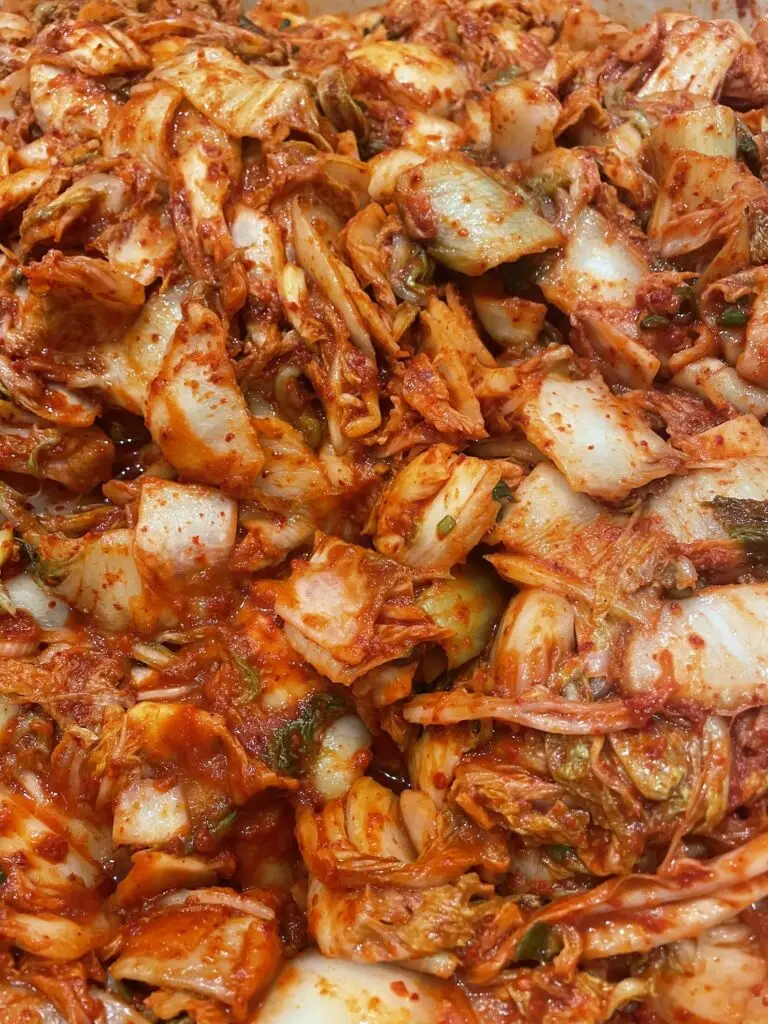
In Korea, families come together to prepare and preserve large quantities of napa cabbages, often with other vegetables like daikon radishes and scallions, along with salt, gochugaru (Korean red pepper flakes), ginger, garlic, and fish sauce (sometimes). The goal: vegetables that last all year. The ritual, called kimjang (or gimjang), matters so much that UNESCO added it to its list of the Intangible Cultural Heritage of Humanity in 2013.
“It’s a gateway to our culture,” explains Paul Jeong. And it’s why he and his mother started Jung Kimchi, a small-batch fresh kimchi business in San Diego.
Mi Sun began making kimchi for her family after immigrating to San Diego around the 1980s, the same era that San Diego’s first Asian grocery store—Woo Chee Chong, which originally opened in 1899—opened on Convoy Street in 1979. Korean ingredients were still hard to find, and the city wouldn’t designate Convoy a Pan-Asian cultural district for another four decades.
Mexican markets, though, were everywhere, stocked with their own chiles and cabbage. So she improvised, selling batches on the side while raising two children and working multiple jobs.
Courtesy of Jung Kimchi
Jeong says he grew up eating his mother’s fresh kimchi, or geotjeori, which differs from fermented kimchi in flavor, texture, and shelf life. Because it hasn’t gone through lactic acid fermentation, it’s crisp and bright rather than tangy and sour, best eaten as a side salad or with meats like bossam (boiled pork belly). Fermented kimchi tends to go into stews, pancakes, fried rice, or tofu dishes.
After touring Europe as a musician, Jeong came back to San Diego, and back to his mother’s cooking. He realized that despite an increase in knowledge and availability of Korean food, there wasn’t much traditional fresh kimchi available.
“I never started Jung Kimchi because I thought there wasn’t good kimchi available,” he explains. “I started it because there wasn’t my Umma’s (mother’s) kimchi.”
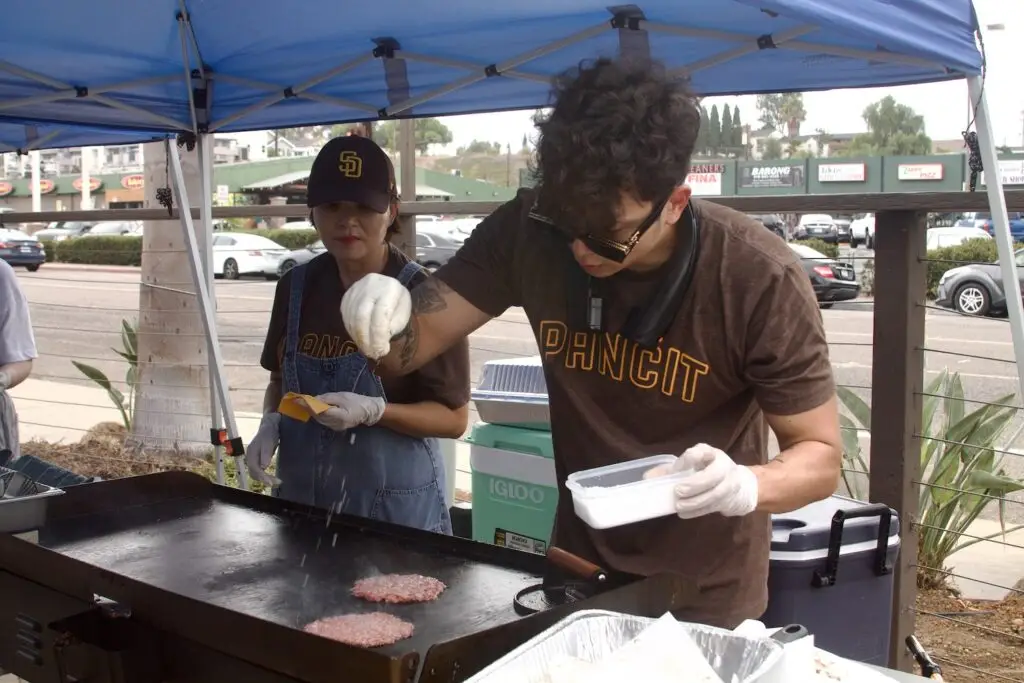
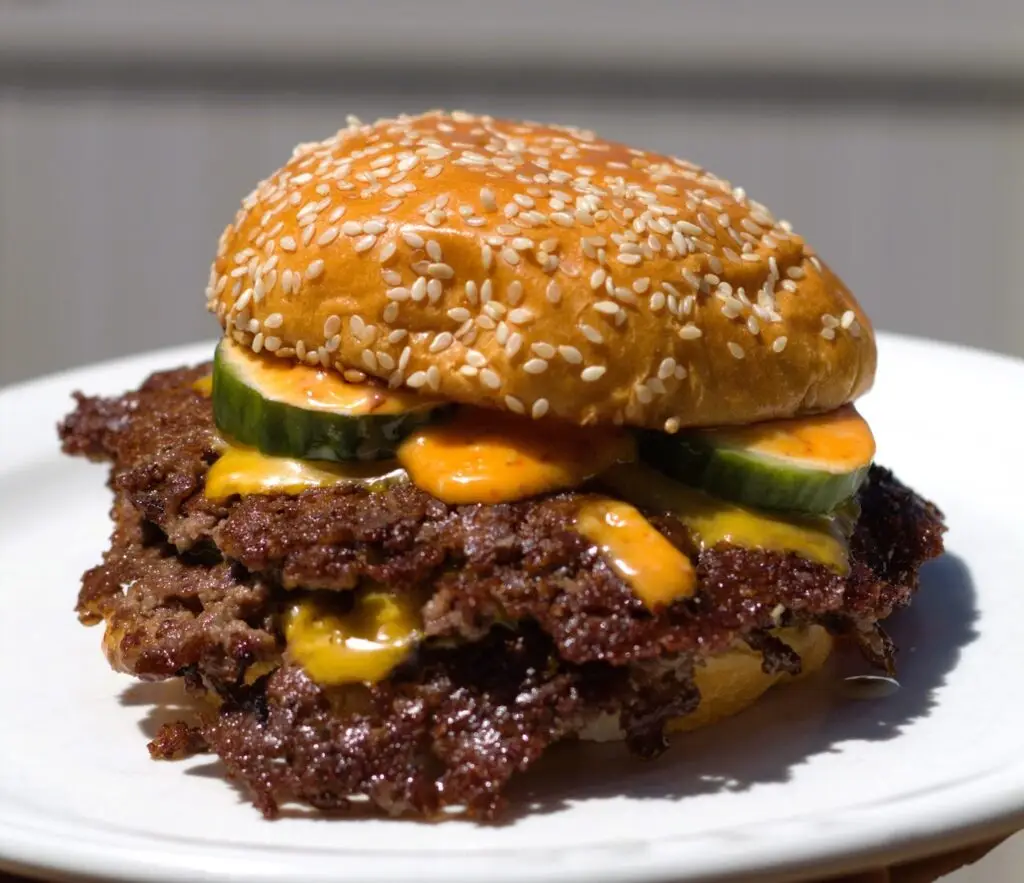
Together, they formed a microenterprise home kitchen operation (MEHKO) business, which requires them to sell kimchi as fresh as possible. Jeong suggests trying Jung Kimchi right away, then keeping it in an airtight container in the refrigerator for up to four weeks to be able to taste the stages of transformation. Since it takes two full days to prep a batch, Jung Kimchi only accepts preorders from a Google Form on Instagram or at one of their scheduled pop-ups, where customers can also preorder the signature Gyopo burger.
Courtesy of Jung Kimchi, Photo Credit: Desmond
With two homemade milk bread buns, two beef patties, kimchi, cucumbers, American cheese, and a kimchi sauce, the Gyopo burger is Jeong’s way of expressing his own creative Korean culinary roots. Gyopo is the Korean word for ethnic Koreans living abroad, Korean Americans like Paul among them. “I was born here, but I still felt like I’m not Korean enough. But then I’m not American enough either,” he says. “This burger is representative of me… you get the best of both worlds.”
Perhaps eventually, they’ll expand their operation to be able to offer Jung Kimchi in stores—because to Jeong and Mi Sun, kimchi isn’t just fermented cabbage. “There’s art, history, culture, and love that goes into making it,” he says. “I feel like the art of making kimchi at home and passing down these traditions from one generation to the next is slowly fading. I don’t want that part of our culture to disappear.”
After just shy of 10 years, Rincon Reservation Road Brewery has succumbed to craft beer’s economic woes. Southern California’s first Native American-owned and -operated brewery on tribal land had big ambitions when it debuted at Harrah’s Resort SoCal in early 2020, and even operated an Ocean Beach tasting room for a time. Unfortunately, it wasn’t quite enough to survive, and will permanently close its doors by the end of the month.
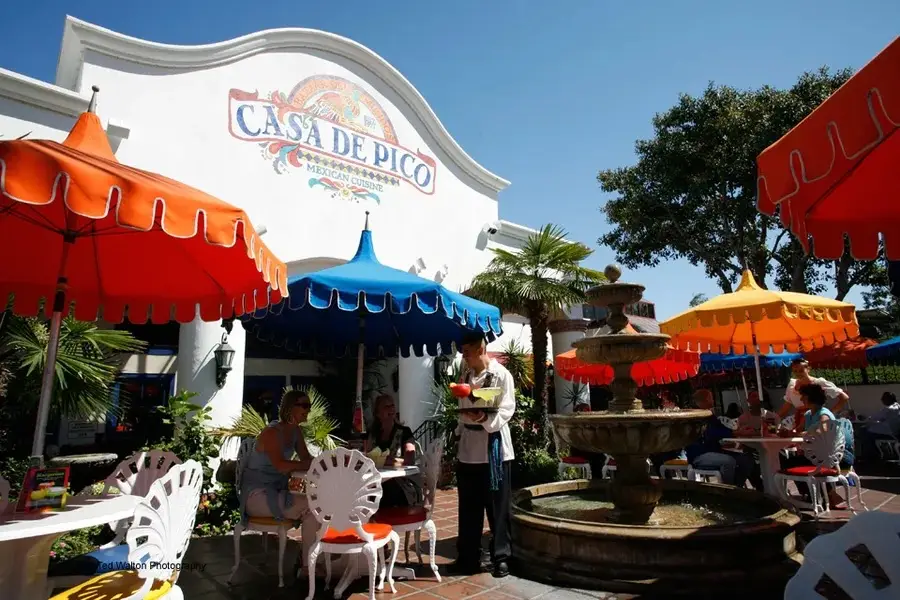
On a brighter note, on November 4, Casa de Pico in La Mesa will celebrate 55 years in business, with celebrations running from November 4 through November 7 with mariachi music, margarita specials, and more. As someone who grew up on the East Coast (far from the land of infinite taco shops and authentic border town food), I have a soft spot for sprawling Tex-Mex strip mall Mexican restaurants where I can destroy basket after basket of chips with a blended margarita (or two) to wash it all down, so sign me up to party.
I’m always on the lookout for a bargain, and Cloak & Petal’s latest deal will have your frugally-minded family members rolling merrily in their graves. Between now and November 2, any guest who brings in a photo of a deceased loved one or pet to put on the restaurant’s ofrenda will get a $10 gift card for the Japanese fusion eatery. That’s enough to snag an extra piece of nigiri or two—something I’ll never turn down.
Listen Now: The Latest in San Diego’s Food and Drink Scene
Have breaking news, exciting scoops, or great stories about new San Diego restaurants or the city’s food scene? Send your pitches to [email protected].
Beth Demmon is an award-winning writer and podcaster whose work regularly appears in national outlets and San Diego Magazine. Her first book, The Beer Lover's Guide to Cider, is now available. Find out more on bethdemmon.com.