This should be good. Real good. What a passing of the torch. When I saw him doing a stint at three-Michelin-star Addison, I probably should have known.
Sixteen years ago, Eric Wolfinger was wrapping up nearly half a decade apprenticing under Chad Robertson, chef-owner of San Francisco’s famed bakery, Tartine. Wolfinger had styled and photographed Tartine Bread—which still stands as a gold-standard of cookbooks as fetishized art (and earned him his first James Beard nomination). He was 27.
“It was like, ‘Well, do I return home and open a bakery, or do I try this crazy photography thing?’”
He wasn’t ready for brick and mortar, so he began taking photos. For the next decade and a half he traveled through kitchens, farms, and markets in the far-flung reaches of the food world, documenting how some of the world’s most compelling farmers, ranchers, fishers, cultures, and chefs work. TheNew York Times called him “the Annie Leibovitz of food photography.” In 2020 he finally won a Beard Award for American Sfoglino, his collaboration with LA pasta capo Evan Funke.
“The truth is, I have always wanted to open a joint,” he says. “I wasn’t ready to have the responsibility. I had a lot of travel I needed to get out of my system. In the last few years I’ve been in beautiful places doing amazing projects, and I feel like I’m living a younger man’s dream.”
Photo Credit: Eric Wolfinger
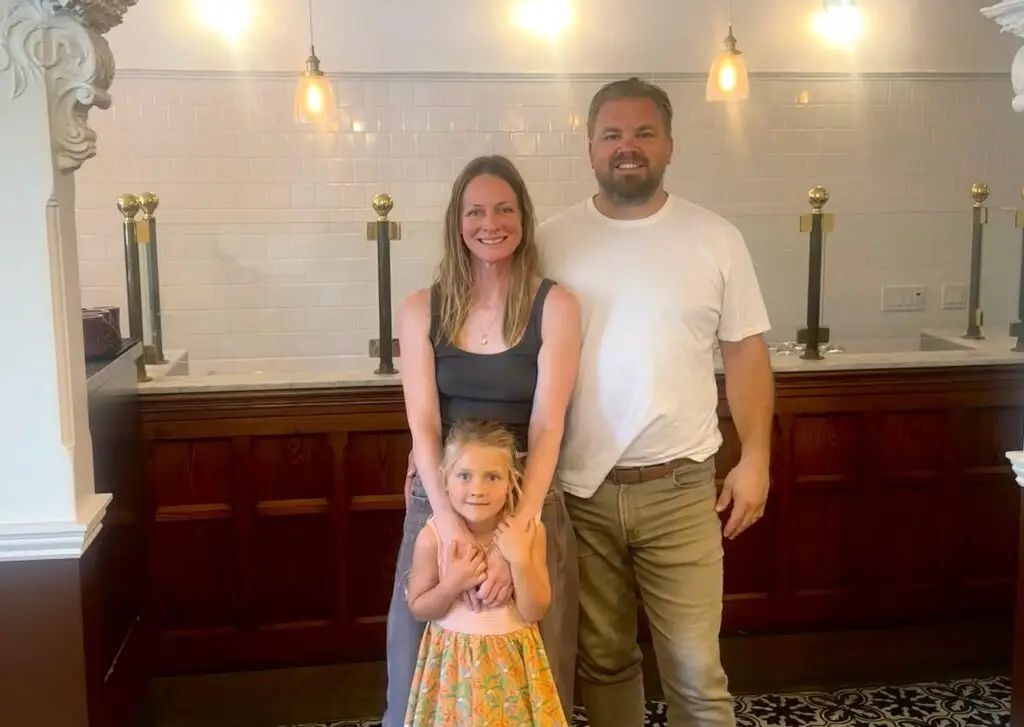
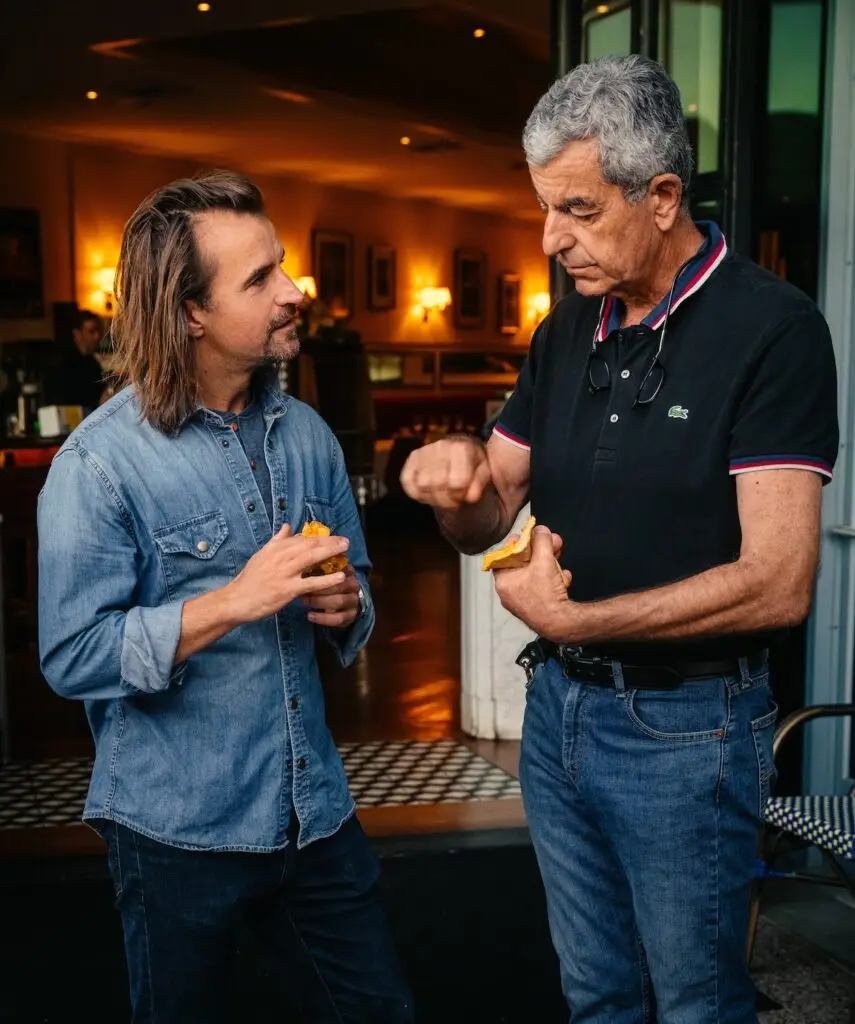
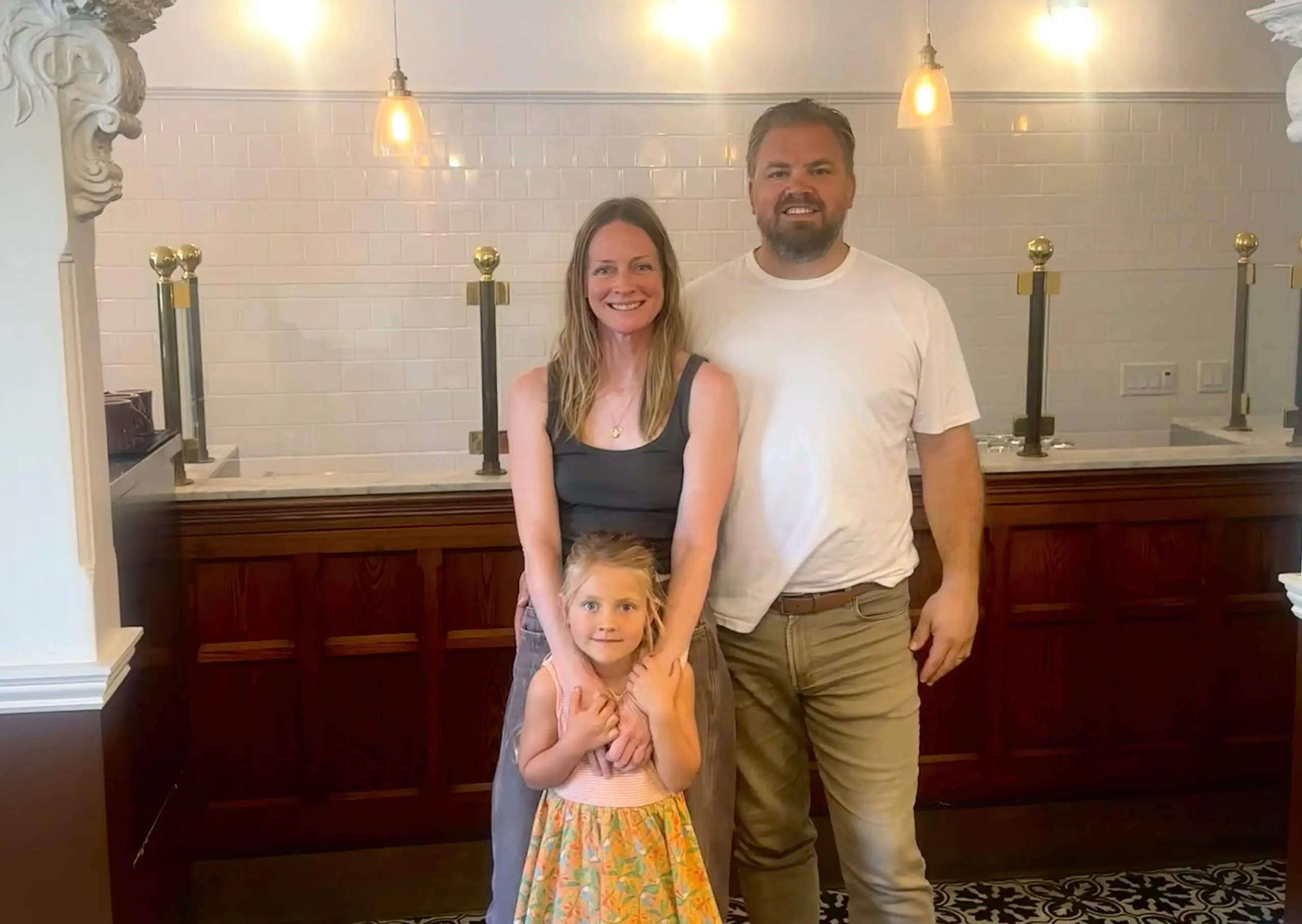
Now, living in La Jolla with his wife and kids, he’s ready for the more anchored dream. To get it, he’ll take on the biggest apprenticeship of his life: spending the next several months where he grew up, learning from one of the top French chefs in the country, Jean-Michel Diot.
Afterward, Diot will turn Bistro du Marché over to Wolfinger and retire. Diot has always been a luminary hiding in plain San Diego sight. His father was a police officer in France and wanted his son to be a cop or a soldier. But at 16, Diot told his father he wanted to be a chef. “My dad said, ‘What?’”
After a two-year apprenticeship at Restaurant Magnard, he landed at La Pyramide, one of France’s most storied three-Michelin-star restaurants, then run by Madame Point, widow of the legendary Fernand Point. Diot remembers the white strawberries there—plucked in the morning and served that afternoon, having never seen the inside of a refrigerator.
Word of mouth carried him to Michelin-starred kitchens on the Riviera, then to Manhattan, where he opened Park Bistro, which earned three stars from The New York Times. He co-founded Les Halles—the brasserie where, after Diot and his wife and partner, Sylvie, sold their stake and moved west—and Anthony Bourdain became executive chef and wrote Kitchen Confidential. (During the tour, Bourdain read at the Diots’ La Jolla restaurant, Tapenade.)
Photo Credit: Eric Wolfinger
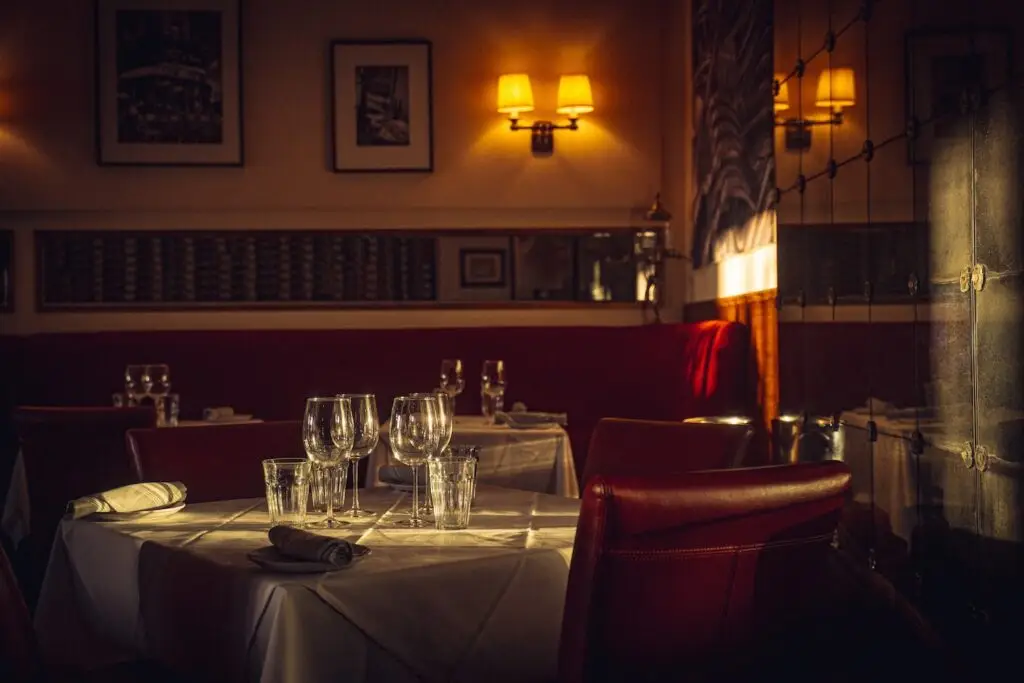
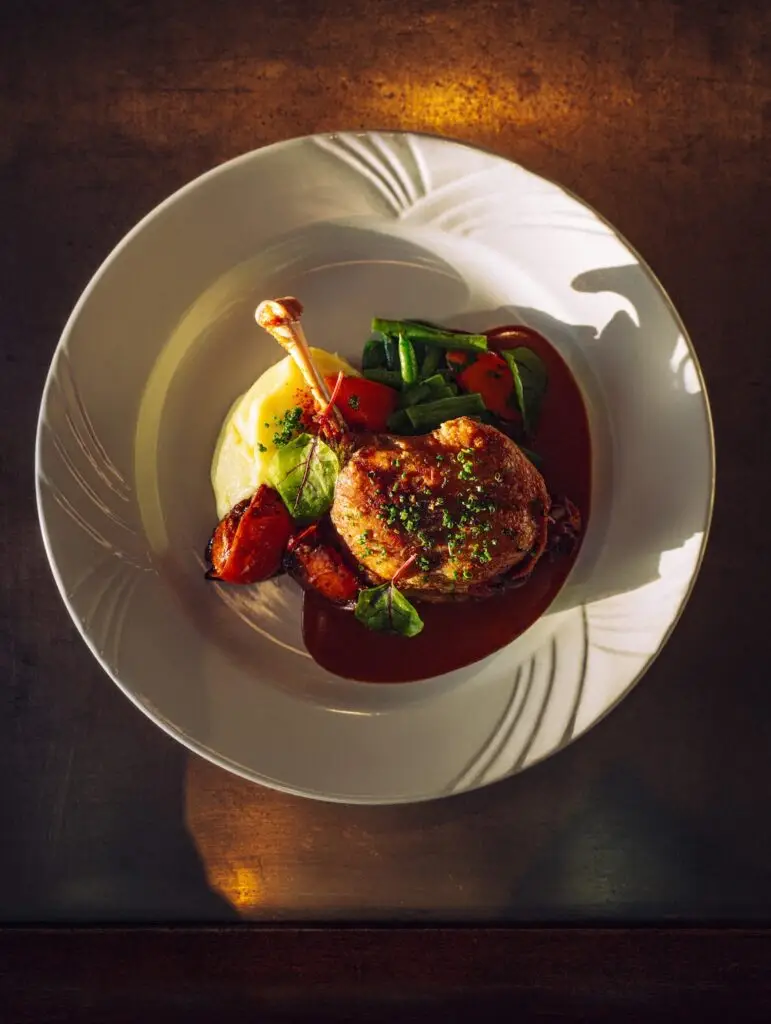
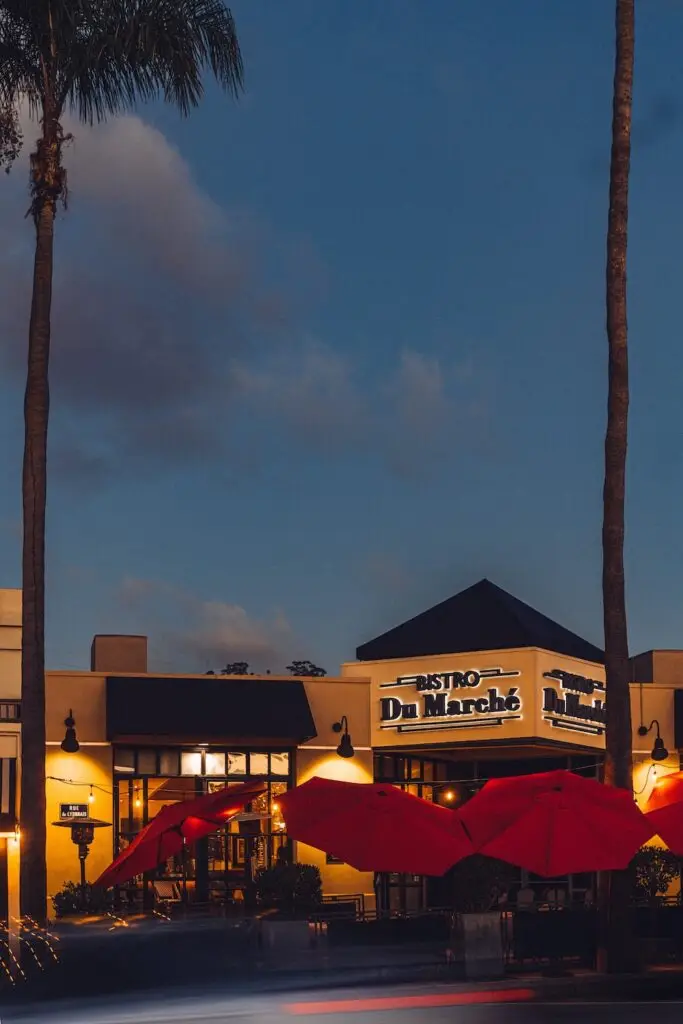
Back then, La Jolla was a different planet. The first time Diot asked a supplier for a properly ripe tomato, he couldn’t get one. Tapenade lasted 17 years before losing its lease. In 2015, the Diots opened Bistro du Marché on Girard Avenue. It has been one of the city’s great classic French restaurants ever since.
Why not just close the door? Most chefs retire the obvious way. Sell the lease, sell the equipment, visit a chiropractor, discover a less demanding obsession.
“I don’t want this story ending on a Monday, just like that,” Diot says. “‘Oh, let’s close the place and go on vacation.’ I want talented people taking over, to finish telling my story. It’s not like a wedding, but you have to choose somebody who shares your values.”
Diot has been passing his knowledge down for years, most recently with Marché’s executive chef Amélie Gadoum. And now he’ll teach one more apprentice in Wolfinger.
“If I keep 52 years of knowledge for myself, it doesn’t make sense,” he says. This handoff “is the final one,” he says and pauses, “but I’m not dead.”
Wolfinger spent about six months looking for a place he could build from scratch. What changed his mind was the thing he’d never had in photography: a mentor. Wolfinger is also a storyteller, a food historian. He discovered Diot’s story, his reputation and impact, and decided to carry that on.
Photo Credit: Eric Wolfinger
“I’m a self-taught photographer,” he says. “I learned a lot of difficult lessons in business and in craft. When it comes to operating a restaurant, there are expensive mistakes that get made. And painful ones, too. I plan to do a lot of listening and not a lot of talking for quite some time.”
Some of the curriculum is glamorous: sauces, a 200-year-old escargot recipe, a repertoire built across five decades. Some aren’t. Diot is also the bistro’s resident handyman. As anyone who has owned a restaurant will tell you, there’s plenty of romance in cooking. But broken compressors have terrible sex appeal.
So what changes?
The name stays. Wolfinger hopes the whole staff does, too, including Gadoum. He wants to earn their respect. “I want continuity first,” he says. “I want to learn from everyone.”
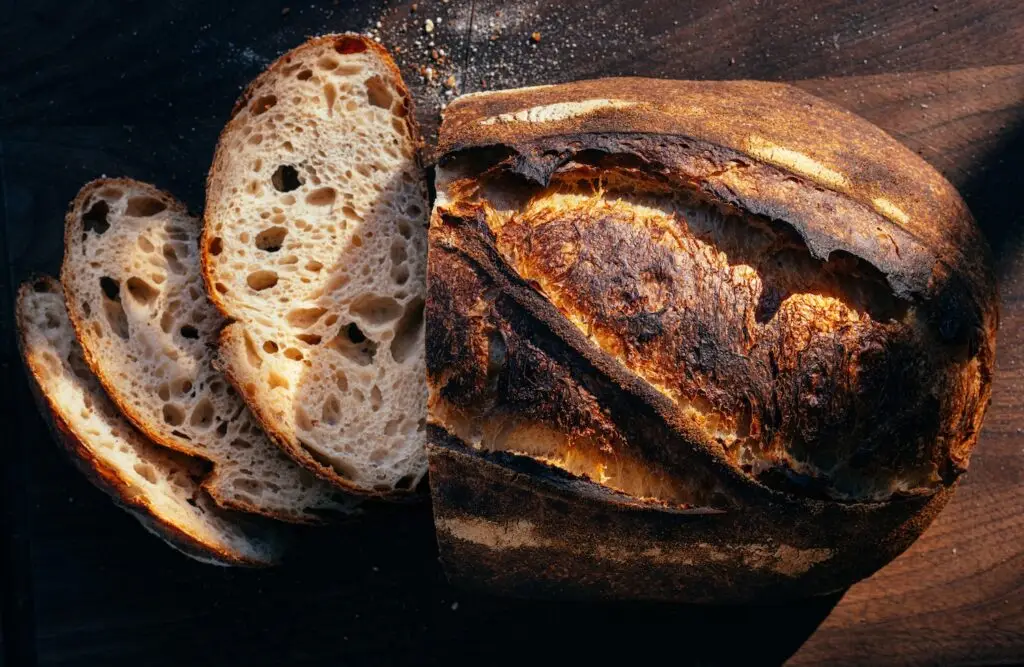
Given Wolfinger’s deep training at Tartine, he’ll definitely launch a whole new era of bread. “That’s our first impression of a meal,” he says. “I think I have something to add in that realm.”
After that, he’ll get to developing the pantry with local ingredients. Wolfinger cooked early on at Eccolo in Berkeley under Christopher Lee, a former Chez Panisse chef. It was simple, seasonal, Bay Area cooking, the kind that starts at the farm stand. “The restaurant is called Bistro du Marché,” he says. “I want to bring the Marché meaningfully and spontaneously into the restaurant.” He wants to be the one building relationships with San Diego farms and ranchers.
Photo Credit: Eric Wolfinger
A refresh of the space is being dreamed up, but nothing is committed yet. “There are day-one changes, month-one changes, and year-one changes,” he says. One change is certain: Diot’s vintage posters leave with him.
Wolfinger’s wife-partner, Alma, who once ran Delfina in San Francisco, might lend some feedback along the way. “No decision goes out without consulting her,” he says. “I call her the palate.”
Over the next few months, Wolfinger will train with Diot and team in the kitchen, in the front of house, at the espresso machine, on the phone, in the ever-sexy EBITDA. The official handoff is set for March 1, pending the liquor license transfer. Diot then stays on as an advisor for six months. Wolfinger expects him to be “my most honest critic.”
After that, Diot is done. No new restaurant. “I’ll be cooking at home,” he says. He likes to take long walks around La Jolla. Now those walks will get longer. He’s promised the staff he’ll stop by often, maybe inspect a sauce or two.
San Diego has a habit of losing its old guard quietly. A lease ends, a landlord gets an idea, a beloved place goes dark on a Tuesday. Diot lost Tapenade that way. For Marché, he got to choose his exit. For 52 years chefs vouched for him, and now he leaves doing the vouching.
Troy Johnson is the magazine’s award-winning food writer and humorist, and a long-standing expert on Food Network. His work has been featured on NatGeo, Travel Channel, NPR, and in Food Matters, a textbook of the best American food writing.