Women Who Inspire Us – main
San Diego is full of unstoppable women. From science and politics to business and arts, within our county borders, women are taking the reins and making a difference no matter the industry. Meet the 12 women San Diego needs to know about.

Women Who Inspire Us – Cara
The LGBT Supporter
Cara Dessert
CEO, San Diego LGBT Community Center
When Cara Dessert came out as queer in high school, she quickly realized she wanted to spend the rest of her life advocating for social justice.
“I didn’t have the framework for understanding oppression yet, but I knew right from wrong, and the rampant homophobia and discrimination that I saw at every institution was wrong,” she says.
“So I started organizing, first in high school and then as a student at UCSD.”
That passion led Dessert to advocate for marriage equality, attend law school at UCLA, and even to work for future Vice President Kamala Harris. She became CEO of The San Diego LGBT Community Center (The Center for short) three years ago. Some of her proudest accomplishments as CEO include opening the first LGBTQ center for youth in Chula Vista, and providing much-needed services to the queer community during the pandemic: The Center increased its food program to serve 2,000 people each month and provided $200,000 in rent relief.
As she looks ahead, Dessert says she wants to reimagine how social services are delivered and also expand The Center: “We want more space someday, an even bigger space where every person who enters feels welcomed, valued, and supported. Where the LGBT community sees a beacon of hope and a symbol that says ‘we belong.’”
Women Who Inspire Us – Sharon Cooney
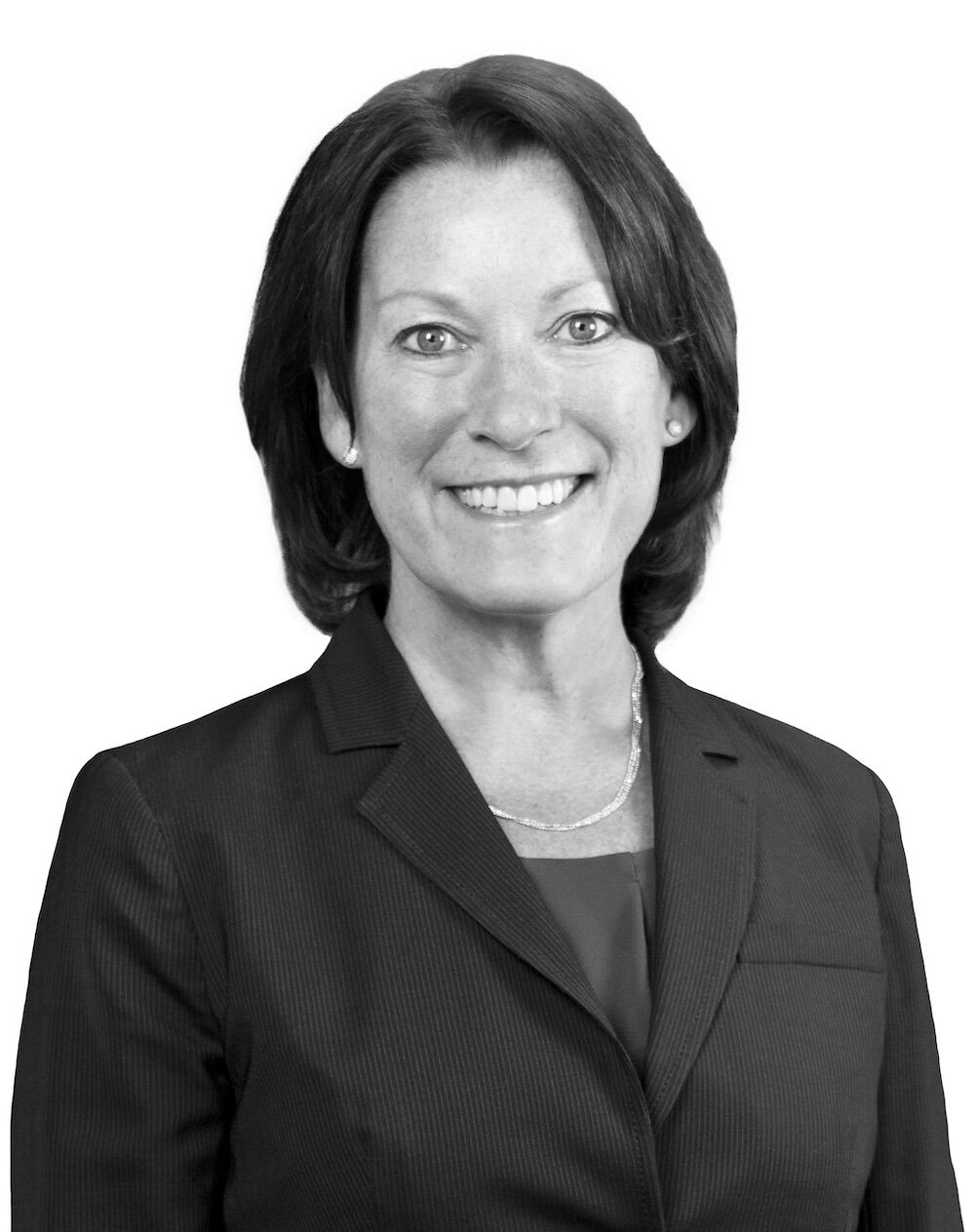
The Transit Boss
Sharon Cooney
CEO, San Diego Metropolitan Transit System
If there’s anyone who is passionate about a world-class transit system, it’s Sharon Cooney. Cooney is the CEO of the San Diego Metropolitan Transit System, where she oversees a mammoth operating budget of $278 million and a team of hundreds of employees who provide 300,000 trips each weekday to commuters. Assuming the role unexpectedly in May 2020, when her predecessor suffered a heart attack, Cooney had less than a week to get situated—but came out on top.
A 15-year veteran of the agency, Cooney has spearheaded critical infrastructure projects and laid down the path to transition to a next-generation fare collection system, all while navigating the intricacies of the pandemic. Her motivation? The people.
“My favorite part of my job is when I get to talk to employees during their day-to-day work,” she says. “I think we all share this passion for transit—whether you’re a bus driver or a mechanic.”
Reflecting on her grandfather, who was a bus driver in Philadelphia, Cooney says she believes transit is in her blood. Her greatest satisfaction is seeing how her role has influenced other women in San Diego; although she prefers not to be reduced to her gender, she realizes the impact her example has on others.
“I think of myself as a leader, but I’m truly humbled when another woman tells me my leadership inspires her,” Cooney says. “If my position causes other women to see themselves as leaders, then I would have done a small part in increasing gender parity.”
Women Who Inspire Us – Kim Prather
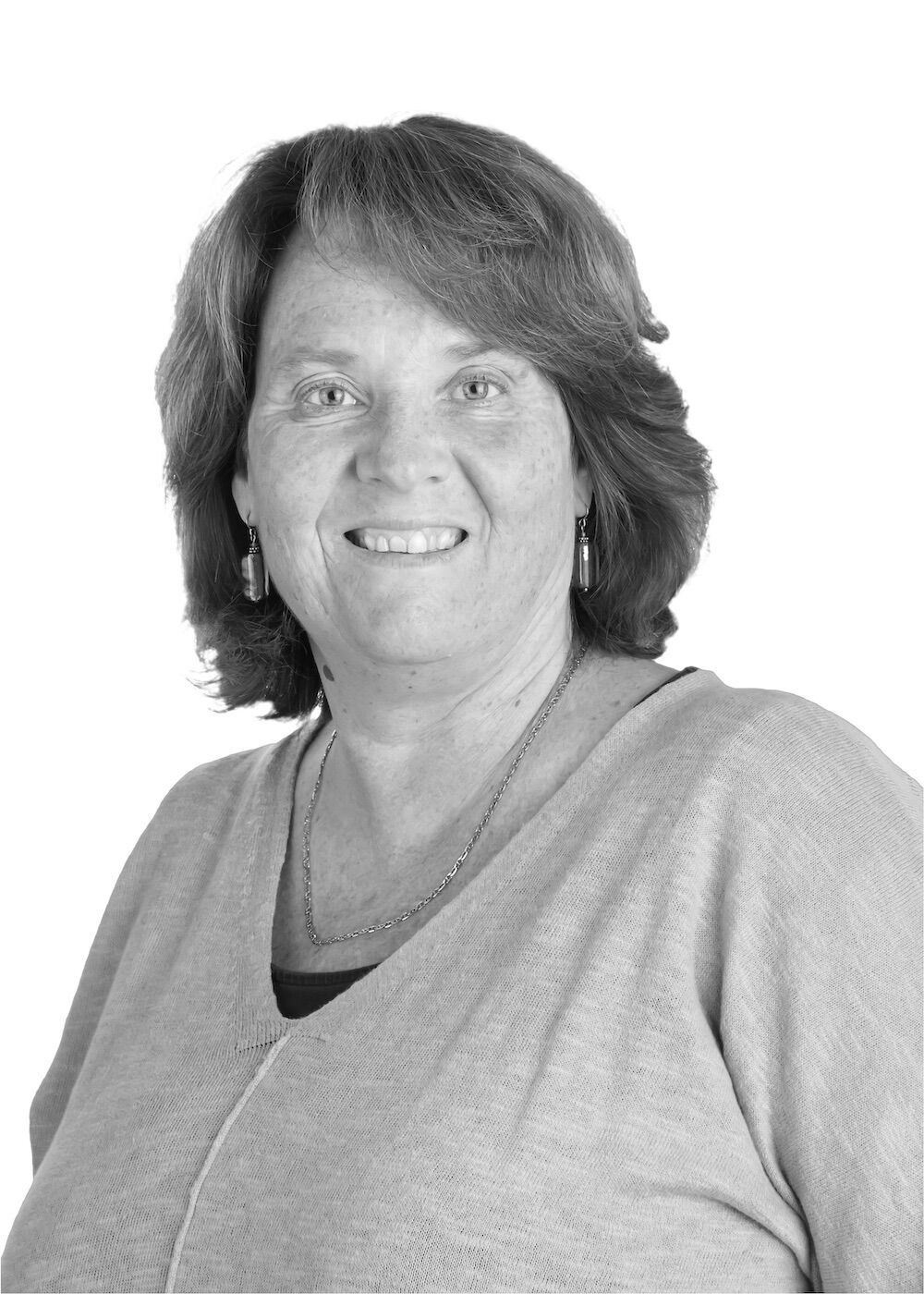
The Scientist
Kim Prather
Distinguished Chair in Atmospheric Chemistry, UC San Diego
In the past year and a half, Kim Prather briefed Dr. Anthony Fauci, gained more than 35,000 Twitter followers, and published several articles in Science, including one that’s been downloaded over 1.6 million times—more than any other in the journal’s history. It’s all due to her groundbreaking research
on COVID-19. Prather, who holds two doctorates in chemistry from UC Davis and UC Riverside, was among the first to say that the virus is spread primarily by aerosols through breathing, talking, and singing, and not just by droplets produced by sneezing and coughing, or from touching dirty surfaces.
“When people are at an event and 80 percent of them get it, it’s not from all touching the same salad fork,” she says. “We all share the same indoor air; this virus spreads through the air.”
But convincing everyone—from health officials to business owners to medical doctors—has been a huge challenge.
“It’s a paradigm shift,” Prather says. “When you look back through the history of science, it’s really hard to change a paradigm. It has been a battle, and it’s still a bit of a battle. I’m starting to realize certain communities are entrenched in what they learned in their textbooks and unwilling to update their stance based on new evidence.”
To wage this battle, Prather took to Twitter, which she’d barely used before the pandemic. She has spent a significant portion of her “free time” posting tweets with information about how the coronavirus spreads, trying to help the public understand why masks and other preventive measures are important while also educating those who still cling to outdated medical concepts.
“I still spend a significant amount of my time figuring out how to spread a helpful message. It’s frustrating to watch this happen, as it’s a fixable problem once you acknowledge that the virus is airborne.”
Prather’s background is not in medicine. She studied physical chemistry at UC Davis but then shifted to atmospheric chemistry, specifically researching how aerosols affect oceans and the climate. When the pandemic began, she applied her aerosol science expertise to explore the likelihood that the virus could spread through the air.
She published her findings in the paper “Airborne transmission of SARS-CoV-2” in Science, which argued that public communication about the virus should use an updated distinction between “droplets” and “aerosols.” At the time, public messaging was concerned only with droplets, which fall to the ground quickly and no farther than six feet, as opposed to aerosols, which can travel farther and stay airborne longer. The line between the two had historically been drawn at 5 microns—but Prather said that respiratory particles as large as 100 microns could act like aerosols, lingering in indoor air for hours.
This brought her into contact with Dr. Fauci. “We had a meeting and he was shocked when I showed him how far aerosol particles, even those larger than five microns, can travel through a room.”
These ongoing efforts concerning the pandemic have pulled Prather away from her daily research; now, she’s ready to return to it.
“This process has taught me how to have a broader impact, help a broader group of people,” she says. “But I can’t do it 100 percent of my time. I have to keep going with my research on aerosols and clouds.” Prather’s contributions to our understanding of the coronavirus have been dramatic. Her work has taught her a big personal lesson, as well: Although her background was not in medicine, she saw a way to apply her relevant expertise to a problem for the betterment of humanity.
“We’re going after problems that affect our planet, so people can’t remain in their silos,” she says. If you see a problem that you know you can take on, even if it’s in a seemingly unrelated field, “you should be brave; you should be fired up about going after challenges and making a difference. Our world is under siege, we need more people to address these complex, multidisciplinary challenges.”
Women Who Inspire Us – Homayra
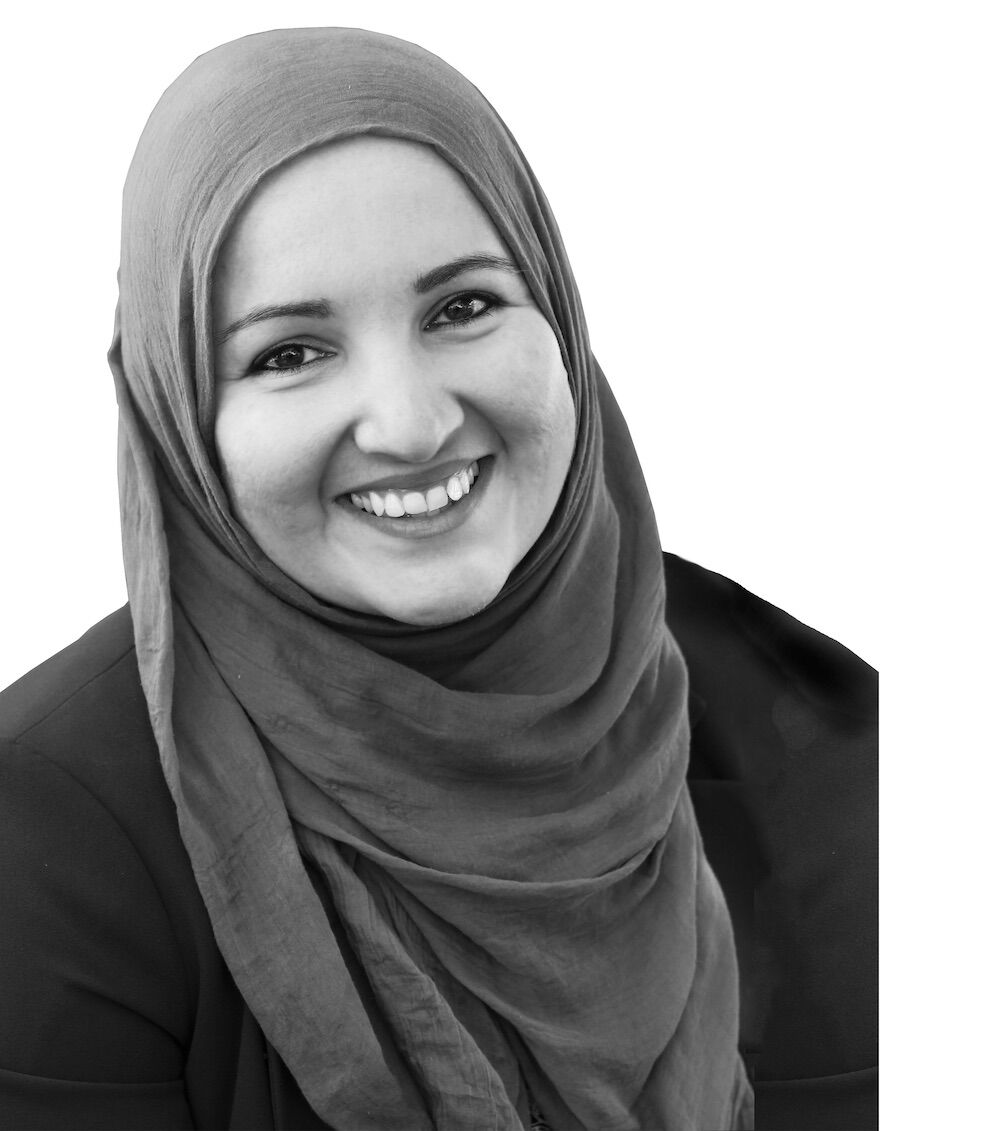
The Protector
Homayra Yusufi
Deputy Director, Partnership for the Advancement of New Americans
After the birth of her first daughter, Homayra Yusufi was looking forward to being a stay-at-home mom, filling her days with dress-up and tea parties.
Then, Donald Trump was elected president.
Yusufi felt called to help her community. She’s a refugee from Afghanistan who moved to San Diego at age five and built her career toward advocating for other refugees. She has a bachelor’s in political science from San Diego State University and a master’s in public policy from UC Berkeley, and has worked for the ACLU on immigrants’ rights issues.
“With the skill set I have, and because of the community I represent, I thought, ‘They need me right now,’” she says. Yusufi took a job as deputy director of the Partnership for the Advancement of New Americans (PANA), a City Heights-based refugee advocacy group. She’s spent the past year not only “counteracting the anti-immigrant and anti-refugee policies under Trump, but now also holding the Biden administration accountable.” Recently, that means refocusing on providing direct service to refugees who’ve come to San Diego from her home country of Afghanistan, and advocating for better federal support for refugee resettlement. Yusufi also serves on the steering committee of
Transparent and Responsible Use of Surveillance Technology San Diego (TRUST SD). The group formed in response to the city deploying hundreds of streetlight cameras and allowing police to access the footage without public knowledge or consent. Yusufi helped write surveillance ordinances that the San Diego City Council unanimously passed.
Yusufi wants to empower community members to advocate for themselves so—she jokes—they can put her out of a job.
“When that happens, I can’t wait to go back to being a stay-at-home mom.”
Women Who Inspire Us – Marta
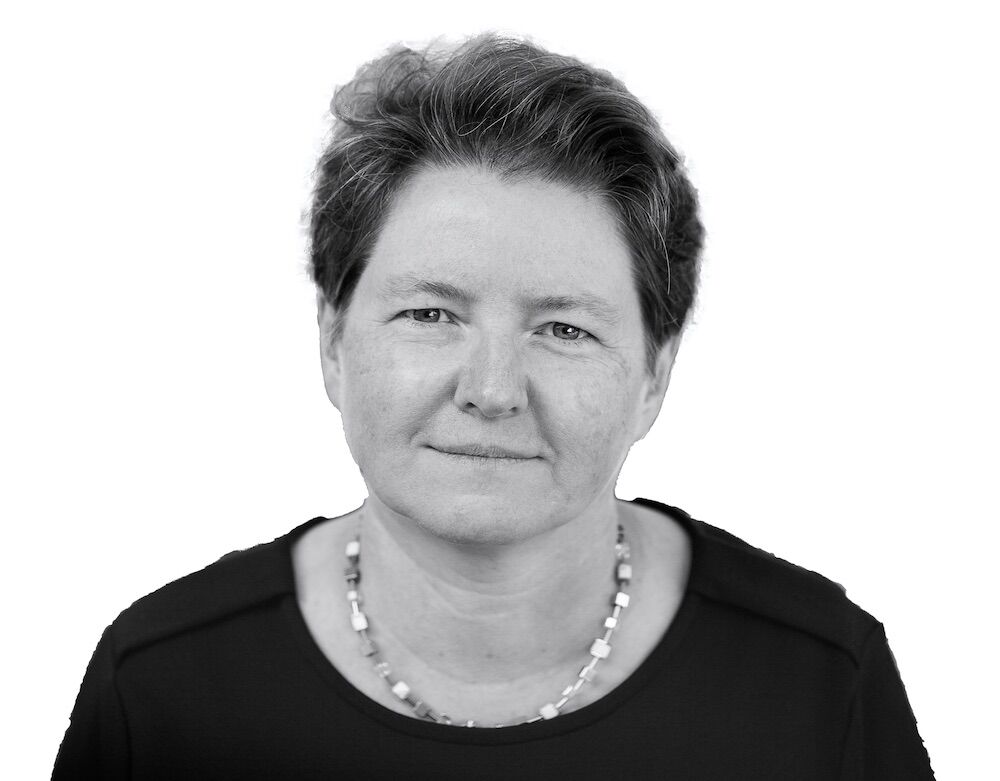
The Inventor
Marta Karczewicz
Vice President of Technology, Qualcomm
If you’ve binged Netflix, Zoomed a class, or held a meeting over Microsoft Teams, you can thank Marta’s mathematical mind.
That’s Marta Karczewicz, PhD, vice president of technology at Qualcomm. A high school math genius in Poland, she studied information technology in college and became a research engineer at Nokia in Finland. In the late 1990s, video compression was in its infancy.
“My thinking was if something is just starting, that will be the area that will allow for the largest innovation and fastest progress,” she says. “I didn’t expect that video would explode to the level we’re using it now.”
Karczewicz brought her smarts to Qualcomm 15 years ago. She holds more than 500 patents for her discoveries in video compression, which form the basis for how the world streams TV, shares videos, and videoconferences today. Even modern cloud-based video games owe their pixels to Karczewicz’s legacy in video compression.
Karczewicz and her team of 30 experts work on multimedia research and development. Next up: extended reality technologies, machine-to-machine communication, and smart homes and cities.
“It looks like I won’t run out of work any day soon,” she says.
Women Who Inspire Us – Kimberly
The Artists’ Champion
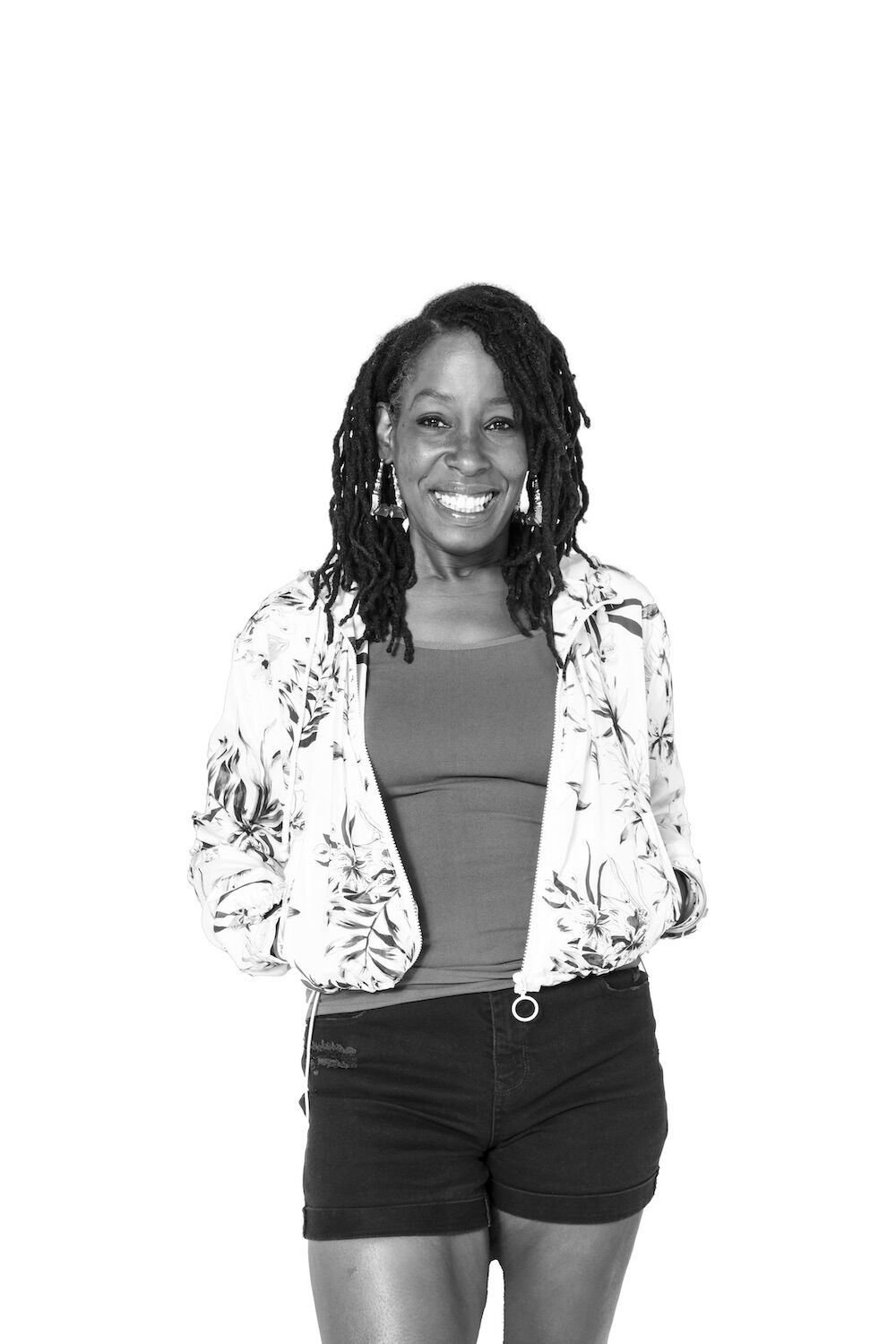
Kimberly Phillips-Pea
Artist and President, Southeast Art Team
It’s rare to find Kimberly Phillips-Pea in her own art studio these days. Instead, you’ll most likely find the painter bouncing around San Diego overseeing various art projects aimed to promote and uplift San Diego’s Black artists, specifically in the southeast neighborhoods of San Diego.
This year alone, she and the Southeast Art Team opened a pop-up gallery in Market Creek Plaza, launched a monthlong mixed-use art and wine shop, initiated various mural projects and, most recently, got the keys (and laid down the flooring herself) for a new art gallery in Grant Hill. If it sounds like a lot, that’s because it is. But for Phillips-Pea, it’s what must be done for her community.
“It’s important to me, knowing our history in being underserved in a lot of areas,” she says. “The big thing is a lack of resources. So for me, creating these spaces is for therapeutic purposes, for healing from past traumas. If you need music, we have a keyboard; if you need to paint, we have paint. The goal is to give our community of Black artists access to a creative outlet, because we know how art can influence the world.”
She certainly knows how it influenced her world. From elementary through high school, Phillips-Pea was enrolled in schools that incorporated music, art, and theater into the curriculum. In those classes, she developed a love for drawing and painting that would serve as a lifeline when she lived through a traumatic experience in her adolescence that left her feeling completely isolated and closed off. While it wasn’t enough to completely heal her, over time, art helped her crack open the protective shell she’d built around herself and step into her own light.
“I saw all these people pursuing their passions, and they all looked so happy and free—I was envious of that,” she says. “When I had my son, I broke out of that shell so I could show him that we can be involved in our community, we can engage with people, and we can do that through art.”
The principles of giving back to one’s own community and building wealth for future generations of Black artists are driving forces in every project Phillips-Pea takes on. At a previous gallery, she had young artists create works and put them up for sale at $100 apiece.
“I wanted them to experience the feeling of creating something and putting a value on it,” she says.
She hopes to create more opportunities like that at the new pop-up gallery, which was built in the second story of a 100-year-old Black-owned building on Hensley Street in Grant Hill (she created the Billie Holiday mural on the building’s south face). The goal for the gallery is to display artists’ work and merchandise, offer art classes and workshops, and provide a safe space to be creative. But her personal long-term goal? To own a gallery.
“I had a friend ask me why I’m still calling this a ‘pop-up gallery,’” she says. “We’re renting this space. It’s motivation for me to eventually buy our own gallery so that I can take ‘pop-up’ out of the name.”
Maybe then, she says, she’ll be able to sit down and paint for herself again.
“The other day I thought, ‘Gosh, wouldn’t it be nice if all I did was sit at home and paint stuff and try to sell it.’ But I’m not that person. That’s not my assignment. I don’t know how to only promote myself, because I know so many talented people who need a place to exhibit their art, and I’m not going to stop until they have it.”
Women Who Inspire Us – Mayor Salas
The Mayor
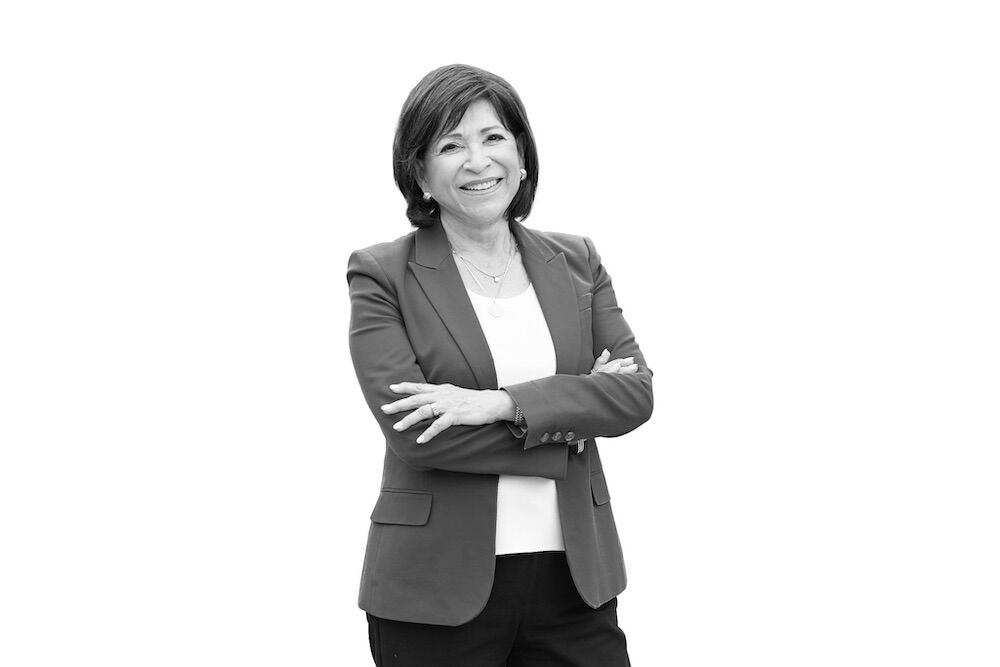
Mary Casillas Salas
Mayor of Chula Vista
You’d be hard-pressed to find a person more passionate about Chula Vista than Mary Casillas Salas. Not only is she mayor of the county’s second-largest city, she’s also a Chula Vista native whose family history there dates back over 100 years.
“My family came here from Mexico to escape all the turmoil from the Mexican Revolution,” she says. “They came with nothing, and they built our family here.
Education was really important to them and they were known for helping other immigrants that came over. As more immigrants came, they became a source of information for how to proceed and how to settle down here. I think that’s where my drive to serve comes from.”
Salas married young and had both her daughters by the time she was 21. After her divorce, she says she felt compelled to take a step back and really look at her life and her next moves: “I really didn’t come into my own until much later in my life. I had a limited education, and with that, I knew I didn’t have a lot of opportunity or choices. So I decided at the age of 37 to go to college and enrolled at SDSU.”
Armed with a degree in social work, Salas went on to be a Chula Vista city council member, a California state assemblymember, and in 2014, she made history by becoming the first Latina to be elected mayor of Chula Vista. Her most notable efforts include improving the city’s infrastructure, reducing greenhouse gases, and implementing smart city initiatives.
“It was a remarkable journey that I could have never envisioned for myself when I was a young child growing up in Chula Vista,” she says.
Women Who Inspire Us – Anggie
The Trailblazer
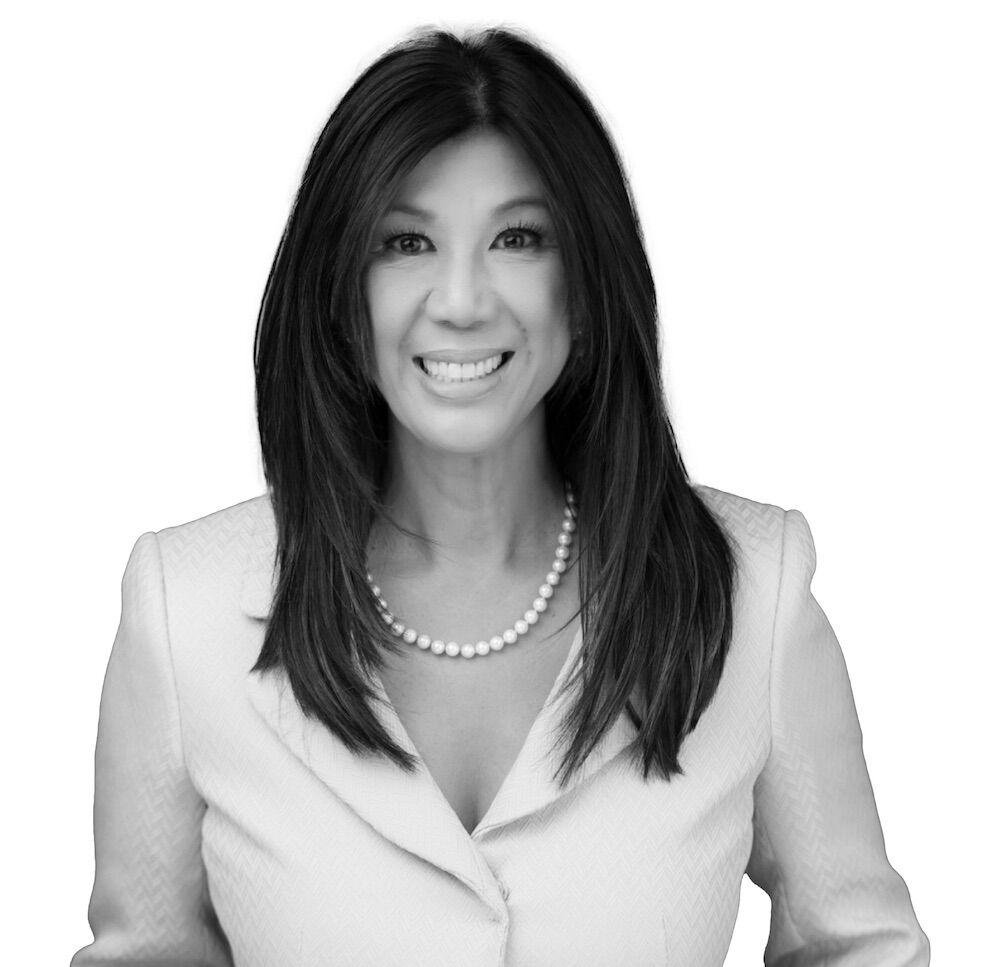
Anggie Becorest
Head of Operations, Empirico
In her early 30s, Anggie Becorest thought she had a bad case of the flu when she lost 20 pounds in four weeks. The real diagnosis was pancreatic cancer, a particularly lethal disease that has taken the lives of Alex Trebek, Ruth Bader Ginsburg, Aretha Franklin, and Steve Jobs. Back then, the survival rate was 3 percent—today it’s only climbed to 10 percent.
But 25 years later, Becorest is a survivor sharing her story of hope to cancer patients. She serves on the national advisory council for the Pancreatic Cancer Action Network. She’s also on the national board for Women in Bio, dedicated to supporting women in an increasingly prominent field. “Right now, we are looking to get more women into the C-suite and boardroom,” she says.
Becorest herself is a biotech trailblazer, a life sciences executive who’s helped kick-start several startups. She calls herself a “facilitator”—a modest description for her role as operations head at Empirico, a biotech company that harnesses biological data sets and human genetics to target diseases. She’s also a cofounder of Givatar, an innovative software platform that uses artificial intelligence and augmented reality to interact with chronically ill patients by tracking prescriptions and wellness.
Her secret sauce for success: “Don’t have a chip on your shoulder, because it totally inhibits you. You just have to let it go and do your thing. Keep it positive. Just remember what you’re there for and you’ll flourish.”
Women Who Inspire Us – Jessica Williams
The Motivator
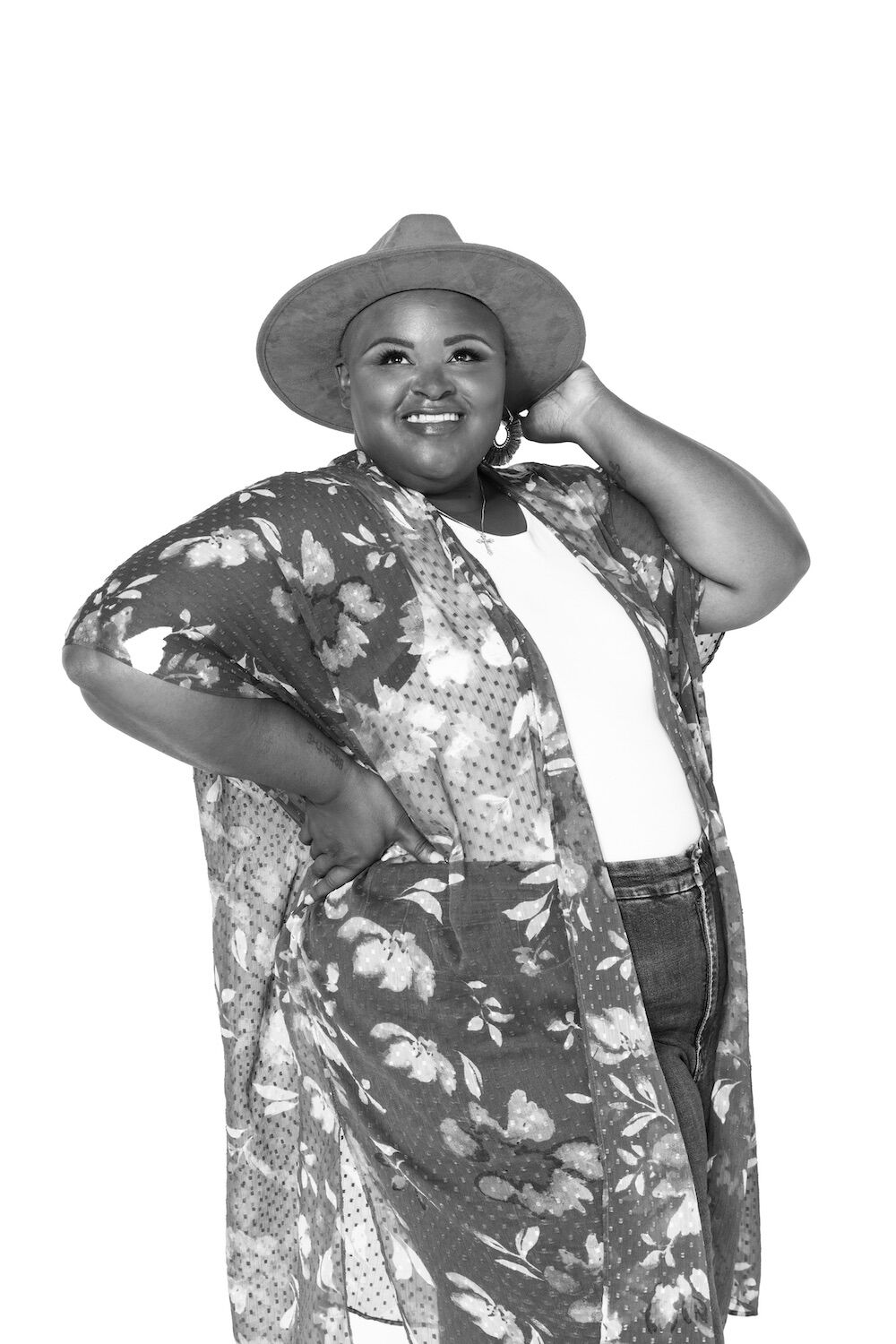
Jessica Williams
Author and Interim Director of Student Affairs, UC San Diego Department of Economics
Never underestimate the power of a tweet. Just ask Chula Vista resident Jessica Williams.
After she tweeted to Brené Brown, famed professor of social work and podcast host, “I want to have a conversation with you about how vulnerability looks different in Black skin,” Brown answered and began that conversation with her. Later, Brown and Tarana Burke, founder of the #MeToo movement, asked Williams to contribute an essay to their anthology You Are Your Best Thing, which would become a New York Times best-seller.
Williams’s essay, titled “Black Surrender within the Ivory Tower,” focuses on recognizing one’s authentic self and what vulnerability can look like in Black skin. The essay garnered so much attention that she’s been asked to serve as a speaker and workshop facilitator on themes of vulnerability and empowerment at local and national universities.
“People from all career paths have seemed to resonate with my story and I find that to be both wonderful and heartbreaking,” Williams says. “It affirms for me, though, that my work and my reach is so far beyond academia, and that helping people to heal through owning their story and claiming full access to their humanity is truly universal work.”
Williams—who earned her doctorate in leadership studies at the University of San Diego—says she felt compelled to inspire compassion and empowerment in her community when she was just 18 years old: “One of my coworkers was a 30-something mom who told me she never did anything for herself. I made it my personal mission to boost her self-esteem. My mom taught me that flirting with everyone is good because people like to feel good; I suppose this was my manifestation of that. Her excitement was all I needed to see to know that I wanted to help people find that feeling over and over again for the rest of my life.”
Today, Williams is the interim director of student affairs at UC San Diego’s Department of Economics. She’s been tapped to offer lectures and training on what it means to be vulnerable in professional spaces for everyone from educators and counselors to nongovernmental organization directors and board members. And she says her work is far from over. In fact, she’s most concerned about the American education system, which is why she’s devoted her day job to students.
“As an educator, I am truly concerned about other educators not willing to do the hard work of reflection,” she says. “Decolonization of mind and discourse. To me, all of our macro-systemic problems have manifested from the micro-individual work of shame and silencing. To me, if you commit to a career in education, you commit to a lifelong learning and growth facilitation process. You owe it to your students to be better every year.”
As she leads the next generation of leaders, Williams says she wants all young people—particularly women—to know they were not a “mistake.”
“You are exactly who and what the universe needs you to be. The only person who knows your way is you.”
Women Who Inspire Us – Nancy
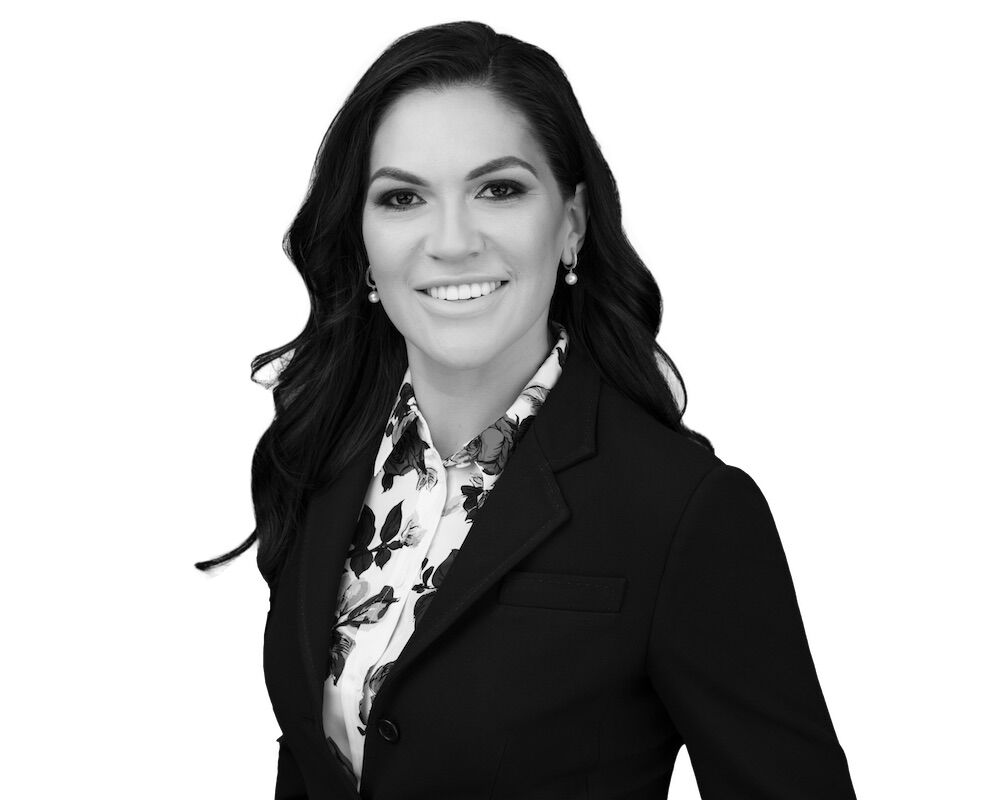
The Community Leader
Nancy Maldonado
Former President and CEO, Chicano Federation
When the pandemic first started, Nancy Maldonado, president and CEO of the Chicano Federation at the time, pulled her team together to discuss the needs of San Diego’s underserved communities. Then they got to work. They collected and distributed toilet paper for senior housing tenants, made door-to-door deliveries of PPE and school supplies, and much more, moving quickly and efficiently to provide assistance.
Since then, Maldonado and her team distributed over 15,000 COVID-19 safety kits and 5,000 boxes of diapers, given rent relief or financial assistance to 3,600 families, and provided school-age kids with 100 computers and iPads for distance learning. They also organized an eight-week children’s summer soccer camp with the San Diego Loyal.
Maldonado, who says she is proud to be a single mother and daughter of immigrants, became CEO of the Chicano Federation in 2019. Her goal there was to elevate the nonprofit’s commitment to improve the quality of life in local underserved communities, especially for children. “Our focus is children zero to five years old,” she said, “but obviously, we have to also support the entire family, their parents, if we want to improve the lives of children.”
Overall, the federation has provided child-centered services to 10,000 families; distributed close to 5 million meals; and given 703 people a home. In their workforce development program, 55 percent of the people whom they’ve helped obtain a small-business license are women of color. And they’ve secured significant funds for a group that state and federal aid often fails to account for: the undocumented.
“We were prioritizing undocumented families, and they didn’t have to provide the paperwork,” she says. “They just had to show us that they had a need. And we were giving them flexible financial assistance where nobody else in San Diego was.”
Maldonado’s tireless efforts have been recognized in multiple publications, the California State Assembly, and even other nonprofits. Earlier this year, when a new opportunity came in from Gallagher, a nonprofit insurance and consulting company, she took a hard look at her next moves.
“They really loved the work that I did, and were able to make me an offer with the ability to have an even greater impact,” she explains. “And to me, that’s what it’s all about. The more I can do to help more people, to serve more people, and to eventually work toward systemic change—that’s ideal.”
At Gallagher, Maldonado will be focusing on their health care portfolio— which is fitting, since she holds a bachelor’s in kinesiology and a master’s in exercise science. “I get to go back into health and wellness, which is great,” she says.
“It’s a whole different experience for me. I still get to do community work, just in a different way.”
Women Who Inspire Us – Tanner
The Fisherwoman
Tanner Saraspe
Founder, Saraspe Seafoods
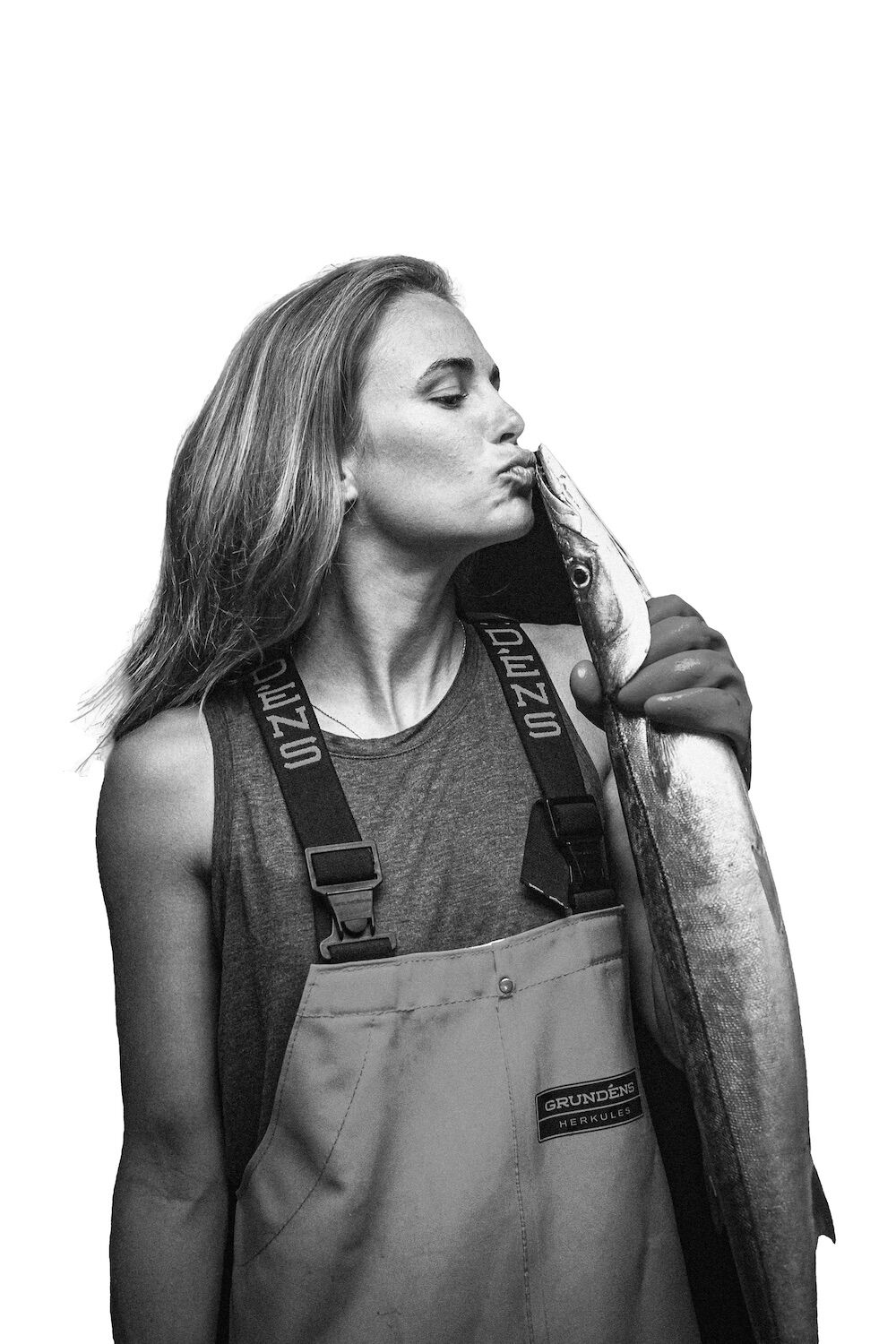
Search for “fisherwoman” on Google, and the first question that pops up in the “People also ask” section is “Is there such a word as fisherwoman?” This doesn’t surprise Tanner Saraspe, the founder of Saraspe Seafoods. As a member of the board of directors for the San Diego Fisherman’s Working Group, she’s used to being the only woman in the room. But she says she doesn’t let that faze her. “Fishermen can be hardheaded and set in their ways, but I’m used to it.” She laughs. “It’s all I know.”
Growing up in San Diego, Saraspe spent her life on the water. Her grandfather, Lauro, started a fishing business in the ’50s in Pacific Beach, and didn’t retire until he was 84. Her dad, Andy, has been fi shing for 40 years, and her mom, Sarah, founded Five Star Fish Processing. Saraspe has been working on her dad’s boat since she was a kid, and later helped manage the processing plant while she was studying at University of San Diego. She can gut, gill, and move a 200-pound fish with ease, and isn’t squeamish when prepping California spot prawns. “They jump, and that freaks a lot of people out,” she says. Continuing the family business wasn’t initially part of Saraspe’s plan. She graduated with a bachelor’s in neuroscience and worked nights as an EMT while in college. She planned to attend medical school.
“I was so focused on being independent, and determined to become a doctor,” she says. “I was so in my own head about doing my own thing and creating myself that I didn’t realize what was right in front of my face for the longest time.”
But the more hours she spent working in a hospital, the more she felt the sea calling her school and leaned into her passion instead. “I grew up on the ocean, with fresh air and being in charge of my own schedule,” she says.
Saraspe founded the distribution arm of the family’s fishery in 2018, and today she works on the “sea to table” aspect of the business by getting the daily catch to consumers and chefs, including by way of weekly farmers’ markets and home delivery. If you love California spot prawns, you can thank the Saraspes for putting the marine delicacy on local menus—they are one of only 15 fishers in the entire state permitted to catch them.
The Saraspes go day-boat fishing: They leave the dock on a small boat and return the same day. What’s caught is what’s available, and it’s as fresh as it can get—but that means she can’t guarantee a set amount of product to sell. Consistency is a problem for all fishermen, she says, but especially for small day-boat fishermen: “It can take weeks for my dad to find the shrimp. He has to hunt them.”
To carry on her family’s legacy, Saraspe navigated a tempest of permitting laws—from local to state and federal levels—while modernizing the business by building up its e-commerce infrastructure. She devotes time to mentoring the next generation of fishermen, including her brother, Charlie, since “there’s no school to learn how to be a fisherman,” she says. Her advocacy and mentorship extends far beyond her family: Saraspe serves on two committees under the California Fish and Game Commission, and she just collaborated with the National Oceanic and Atmospheric Administration on the Local Fish Initiative project to help connect fishermen to their communities. Leading the third generation of a family business can be daunting, but Saraspe is more than up to the challenge.
“My great-grandfather immigrated to San Diego, and our entire extended family is still here,” she says. “There’s a lot of history there. I felt like we needed to give our products justice, and give the fishermen justice for the product, and for their hard work and persistence out on the water.”
Women Who Inspire Us – Kirin
The Educator
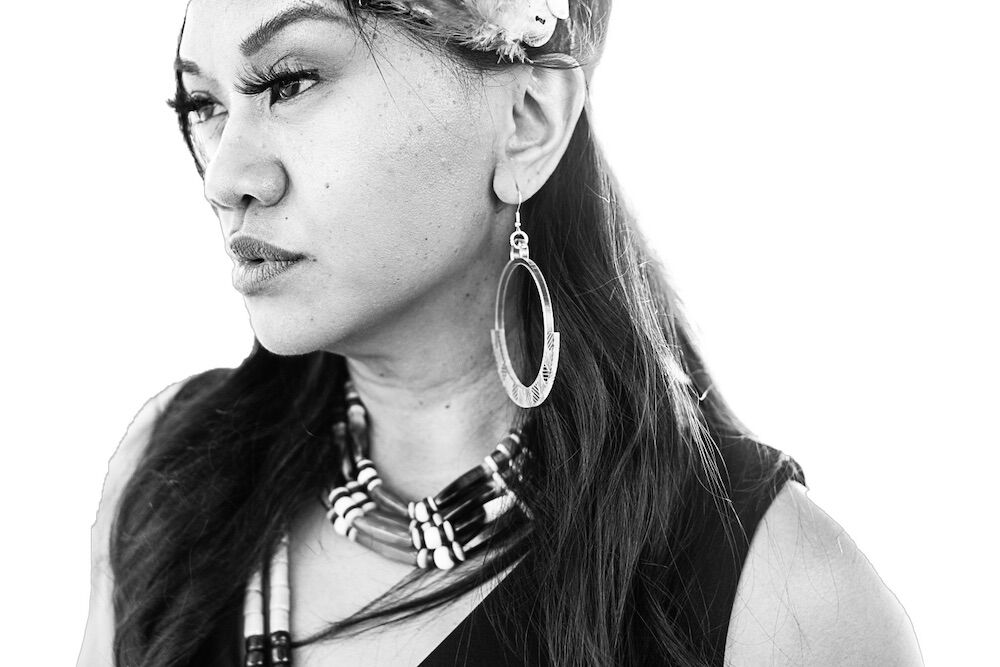
Kirin Macapugay
Professor and Asian American Pacific Islander Advisor
“Knowledge is power, and education is a right.”
This truth, mixed with self- determination and passion for her community, has led Kirin Macapugay to become one of the leading figures of San Diego’s Asian American and Pacific Islander (AAPI) community. Macapugay, who teaches at San Diego City College, also serves as a trustee at Southwestern Community College, a commissioner on the California Commission on Asian and Pacific Islander Affairs, and an AAPI advisor to Mayor Todd Gloria. She says her passion to serve her community, particularly students, stems from her own upbringing in Southeast San Diego.
“As someone who grew up in one of San Diego’s most under-resourced communities during the 1990s, I learned early on that what I did not know could hurt me,” says Macapugay, who emigrated from the Philippines. “I experienced what it meant to live where there were few free after-school programs, where there was high military recruitment in my high schools, where many did not go to college, and where many turned to community college because we could not afford college otherwise.”
She was one such student who ventured into the community college system. She attended Southwestern before transferring to San Diego State University, where she earned both her bachelor’s in psychology and master’s in social work. Currently a PhD student in Indigenous Health at the University of North Dakota School of Medicine, Macapugay says her students remain at the heart of all she does.
“I constantly think about how we ensure equity and justice for all,” she says. “These same principles follow me into my classes. I have students from all over the world and all walks of life and I absolutely love being part of their journeys.”
Named Professor of the Year by SDSU students in 2016, Macapugay is known for adjusting her lessons to work with students through any challenge they may have. She allows students with social anxiety to do their oral presentations in front of smaller groups, and for students who live out of their cars to work from their phones.
“I make these adjustments for my students because I believe in reducing barriers to their education,” she says. “Eliminating barriers to opportunities is how I exercise justice in my classrooms. I allow my students to have a say.”
Outside of her classrooms, Macapugay is heavily involved in her community. She founded the nonprofit API Community Actions, and participated in projects such as Made in Paradise Hills, Viet Vote People’s Collective for Justice and Liberation, and the Kuya Ate Mentorship Program. Her passion lies in educating other AAPIs on how to develop their communities, what it means to be redlined, how public funds are allocated, and how to reach lawmakers.
She also hopes her role in an elected seat will inspire other AAPIs to get involved, saying that the impact of her being there reminds the public “why it is imperative that we have decision-makers and representatives from our Asian and Pacific Islander communities who are closely connected and trusted. My hope is that I remind them they have a voice, and it must be heard.”