Ready to know more about San Diego?

Subscribe
Features DECEMBER 6, 2022

Photo Essay: Studio of the Streets

Award-winning photojournalist Peggy Peattie tells the stories of the nation's unhoused

Photo Essay: Studio of the Streets
Photo Credit: Peggy Peattie
2022-12-05_photo-essay_studio-of-the-streets-01.jpg

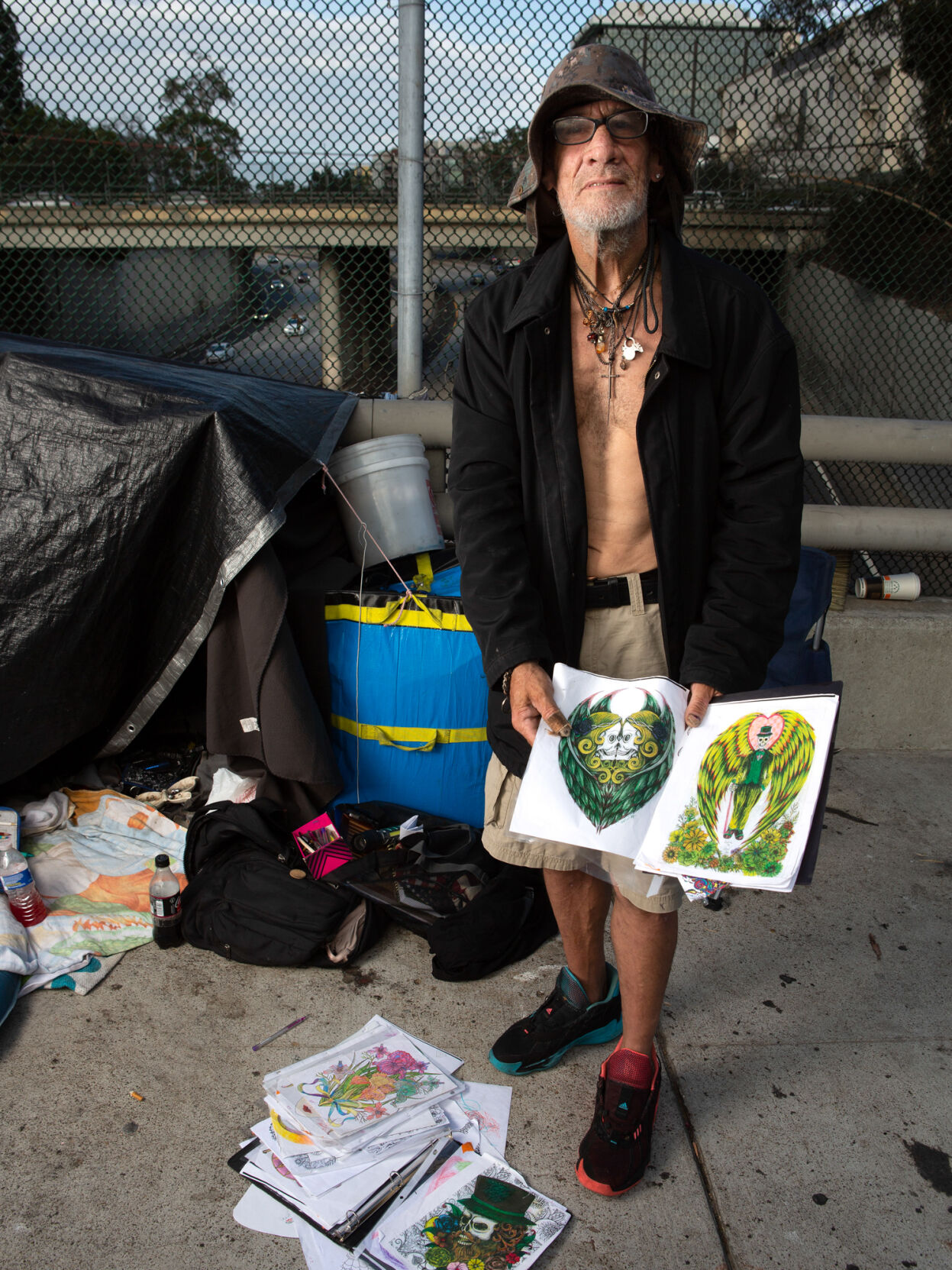
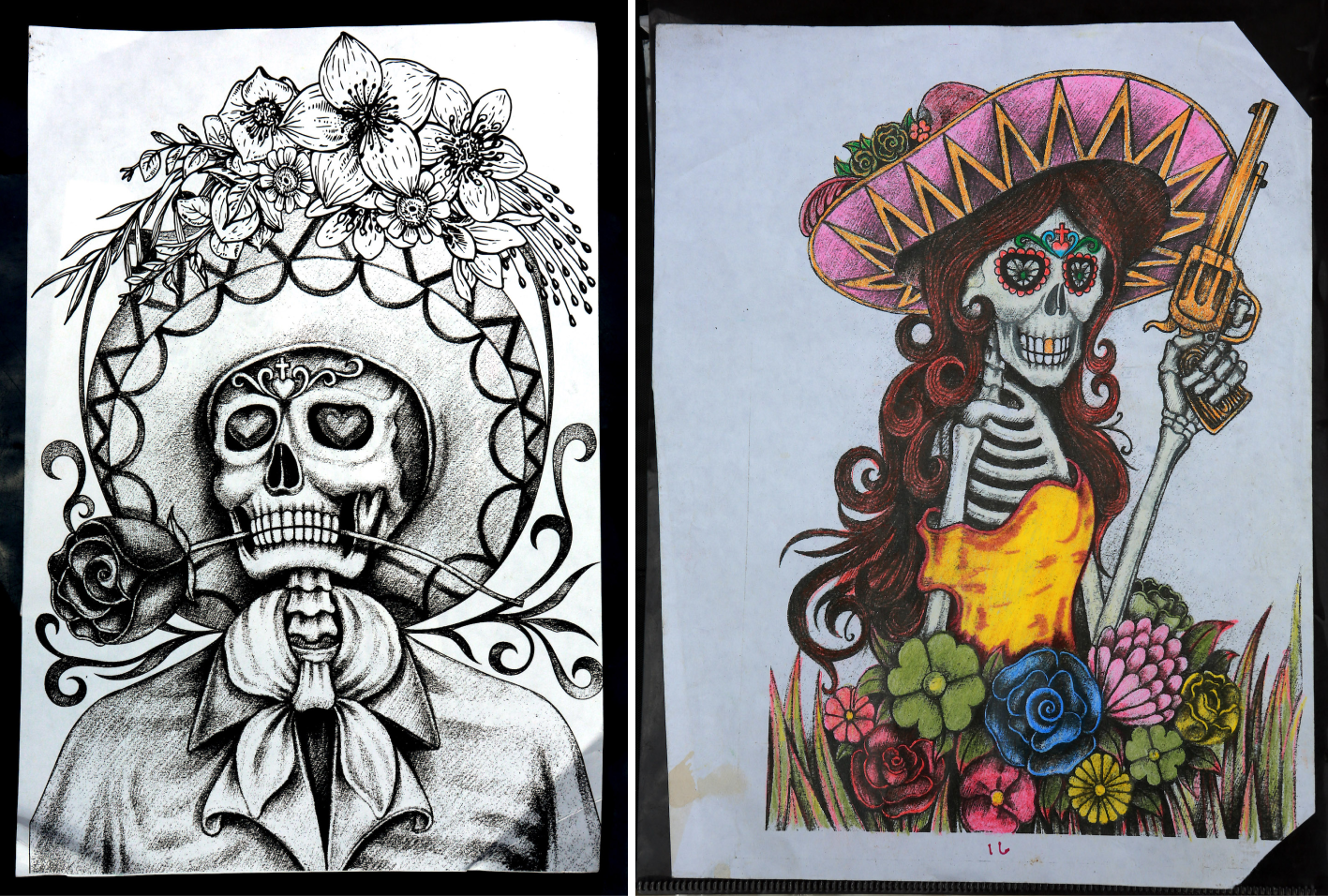
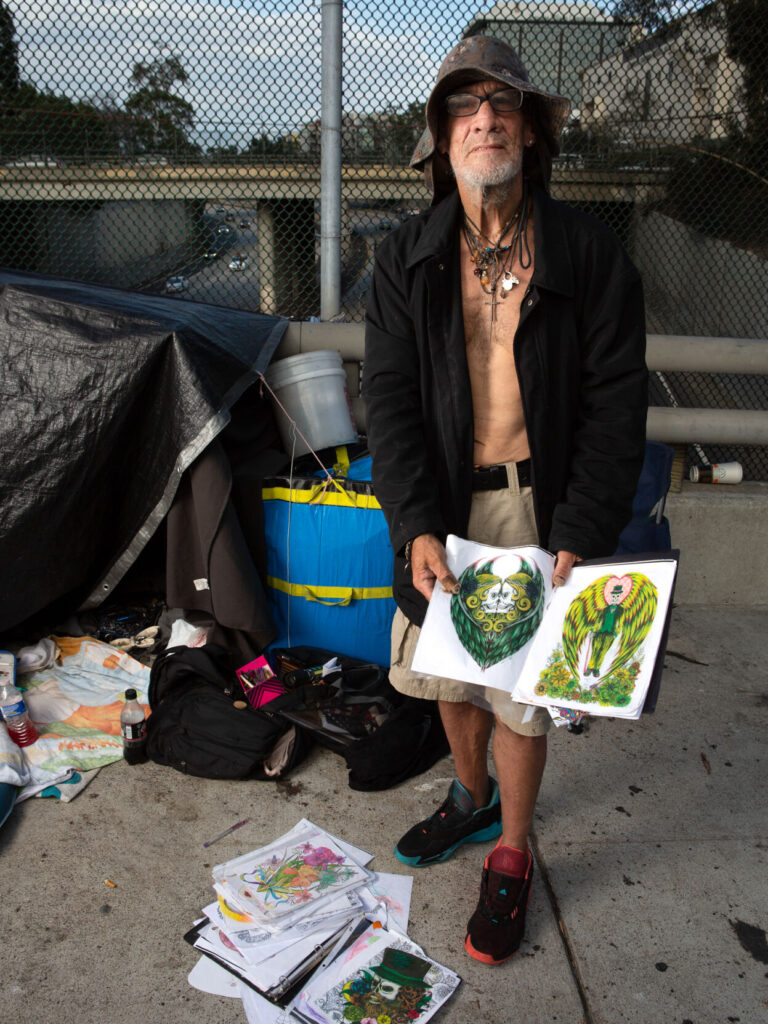
Born in Denver, Benito, 59, was injured while on patrol in Iraq in 1983. After finding himself homeless after a failed marriage and the death of his second wife, who overdosed on heroin, he became a welder and lived in an SRO in downtown San Diego. Failing eyesight cost him that job and his housing but forced him to quit drugs and re-focus on his colorful sketch art. He met his current wife, Karen, around the same time. They live in a tent on an overpass close to downtown.

Photo Credit: Peggy Peattie

Award-winning photojournalist Peggy Peattie has been telling the stories of the nation’s unhoused for more than 30 years, many of them here in town, where she teaches journalism at City College and San Diego State University.

“I have met healthcare professionals, teachers, artists, authors, skilled craftsmen and women, decorated war veterans, chefs, landscape designers, musicians, and entrepreneurs. For these artists, the motivation to paint, sing, draw, write, make jewelry or pottery or medicine bags brings them joy and elevates their existence above the demands of daily survival,” Peattie explains.
2022-12-05_photo-essay_studio-of-the-streets-02.jpg

Artwork by Benito

Photo Credit: Peggy Peattie

Unsurprisingly, what that looks like for people who are experiencing homelessness is a bit different: they don’t always have access to new or good supplies, requiring that much more resourcefulness and creativity, and, frequently, whatever supplies are amassed are stolen or lost to homeless sweeps conducted by the city.

Peattie says, “I hope these portraits remind readers of the importance of creativity and invites us all to stop and talk with the person living in a tent on the sidewalk we typically walk right past.”

More detail about these artists and the lives of many other unhoused San Diegans can be found on Peggy’s website, talesofthestreet.com.

2022-12-05_photo-essay_studio-of-the-streets-03.jpg

2022-12-05_photo-essay_studio-of-the-streets-03.jpg

Photo Credit: Peggy Peattie

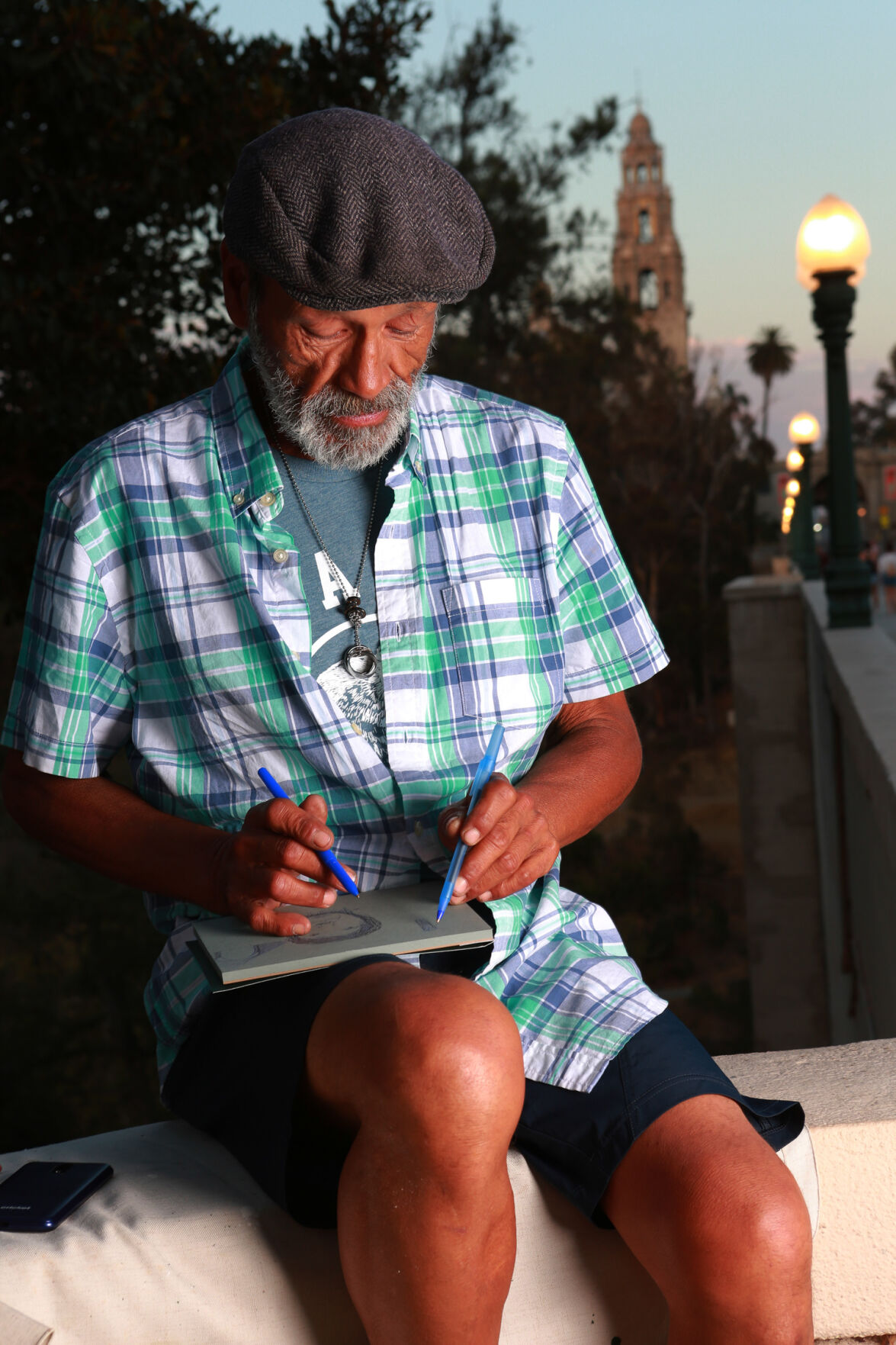
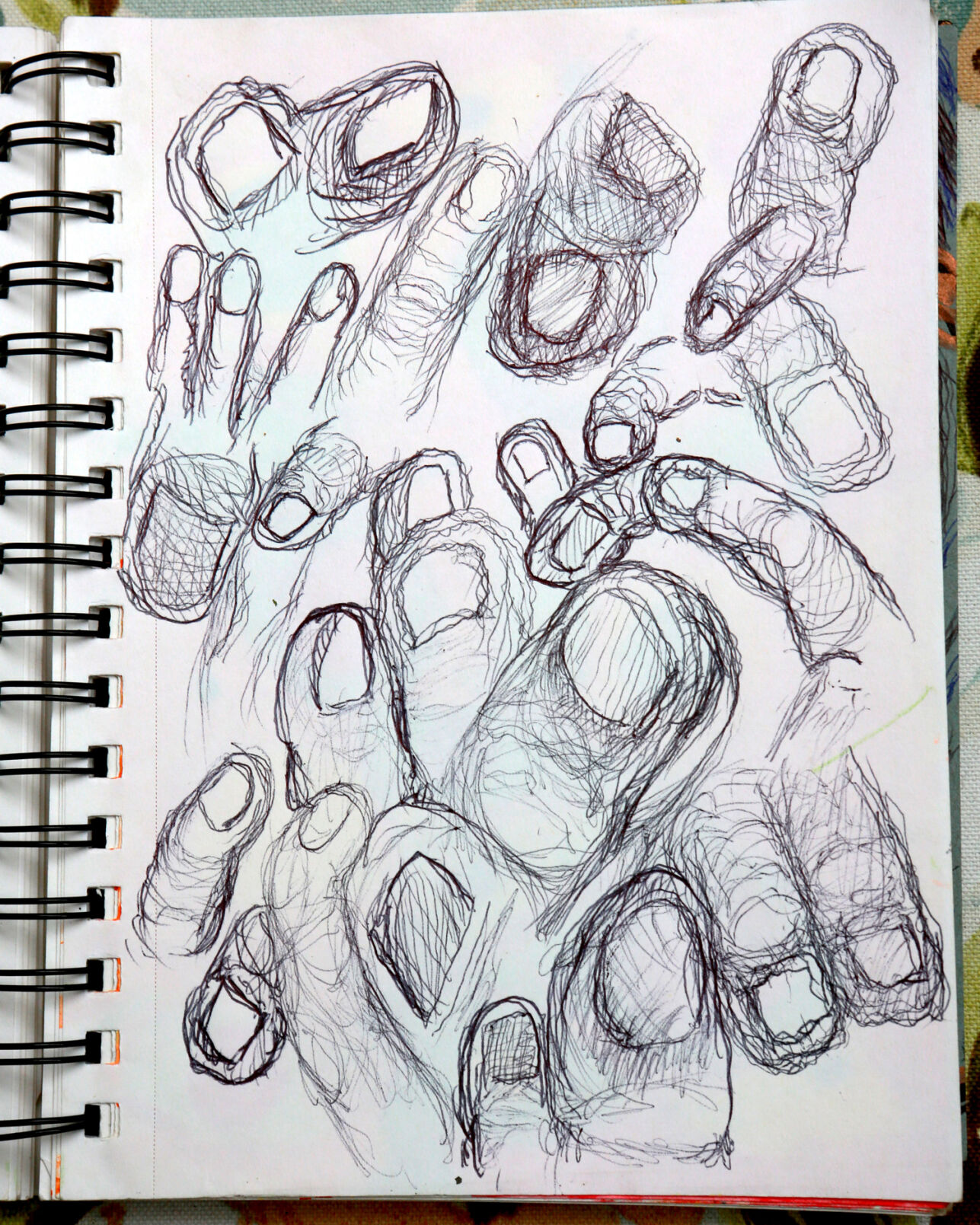
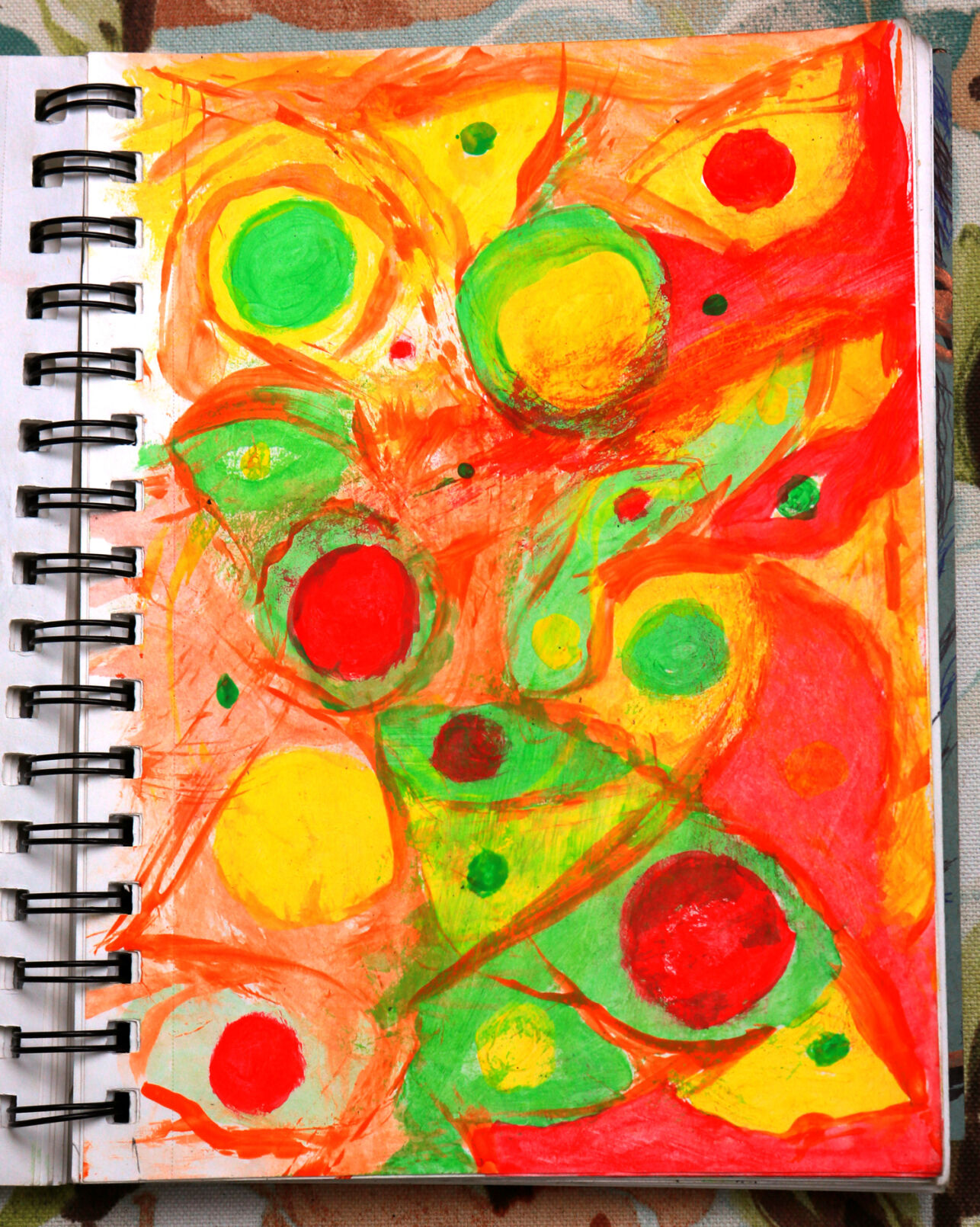
Henry, who lives in Balboa Park with his dog, Lulu, uses all sorts of different materials to paint and draw his creations. “In the ʼ90s, I met a lady who had been in a concentration. camp. She had old art of hers, and while in the camp, she used a feather to paint. So I learned that from her,” he explains. As a rule, Henry uses both hands, sometimes at once, just to see what kind of new textures and lines he can uncover.
2022-12-05_photo-essay_studio-of-the-streets-13.jpg

Artwork by Henry

Photo Credit: Peggy Peattie
2022-12-05_photo-essay_studio-of-the-streets-04.jpg

Artwork by Henry

Photo Credit: Peggy Peattie

2022-12-05_photo-essay_studio-of-the-streets-05.jpg

2022-12-05_photo-essay_studio-of-the-streets-05.jpg

Photo Credit: Peggy Peattie

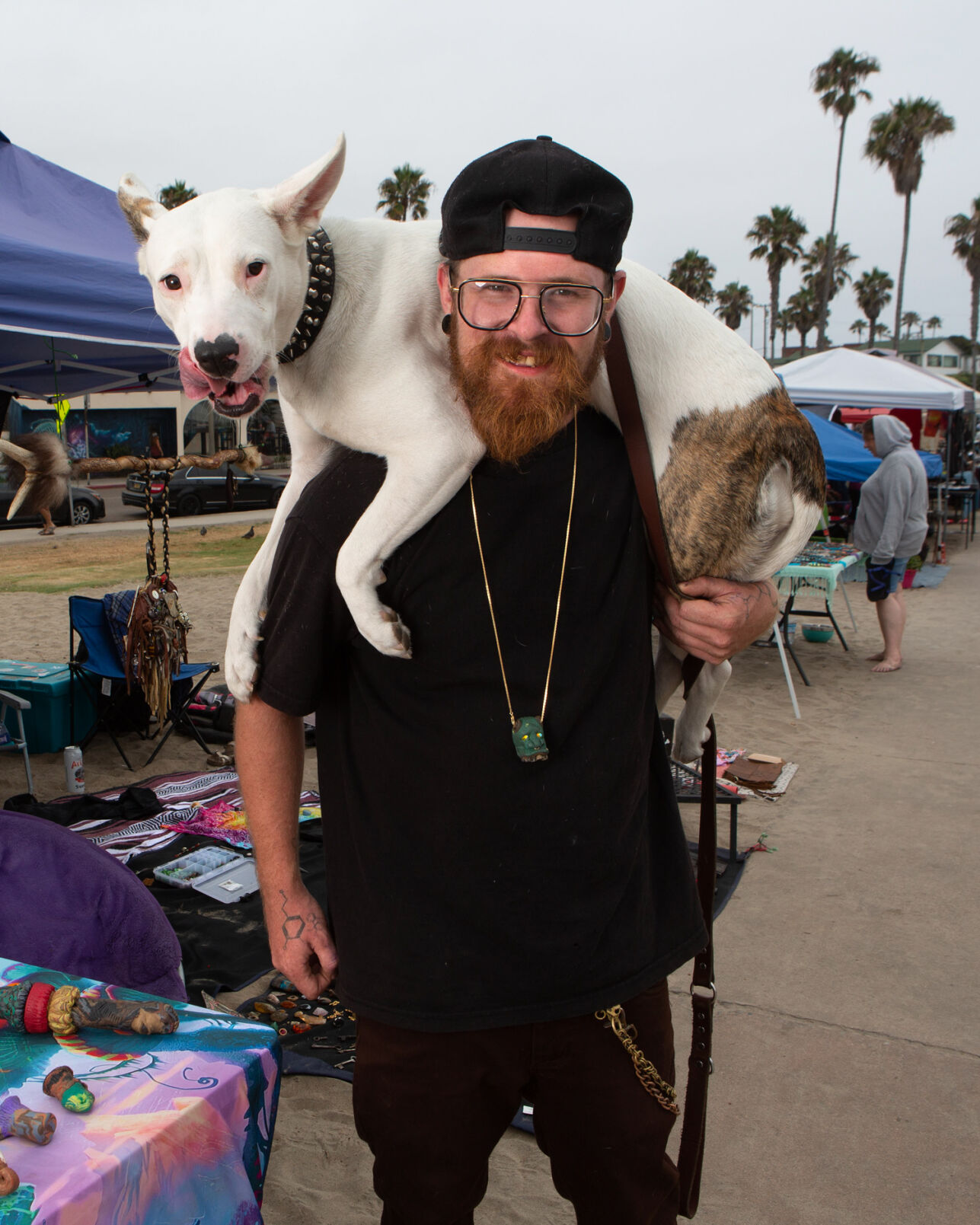
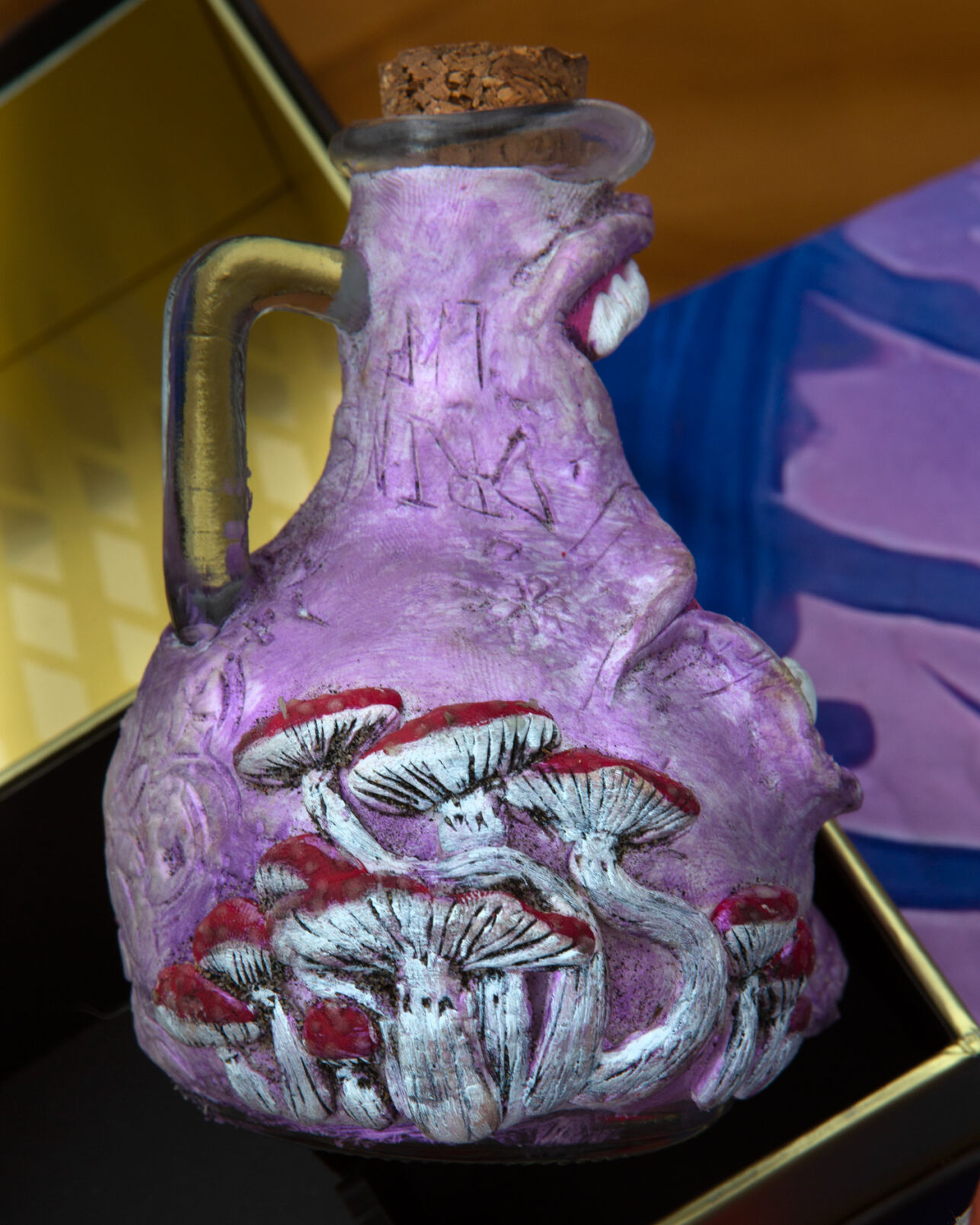
Ceramicist Tad, who sells his wares every day in OB next to the beach with his pup in tow, lives in his van. Recently, he made a stunning string necklace of “teeth” sculpted from clay interspersed with quartz, crystal beads, and oxidized hematite bands.
2022-12-05_photo-essay_studio-of-the-streets-11.jpg

Artwork by Tad

Photo Credit: Peggy Peattie

2022-12-05_photo-essay_studio-of-the-streets-06.jpg

2022-12-05_photo-essay_studio-of-the-streets-06.jpg

Photo Credit: Peggy Peattie

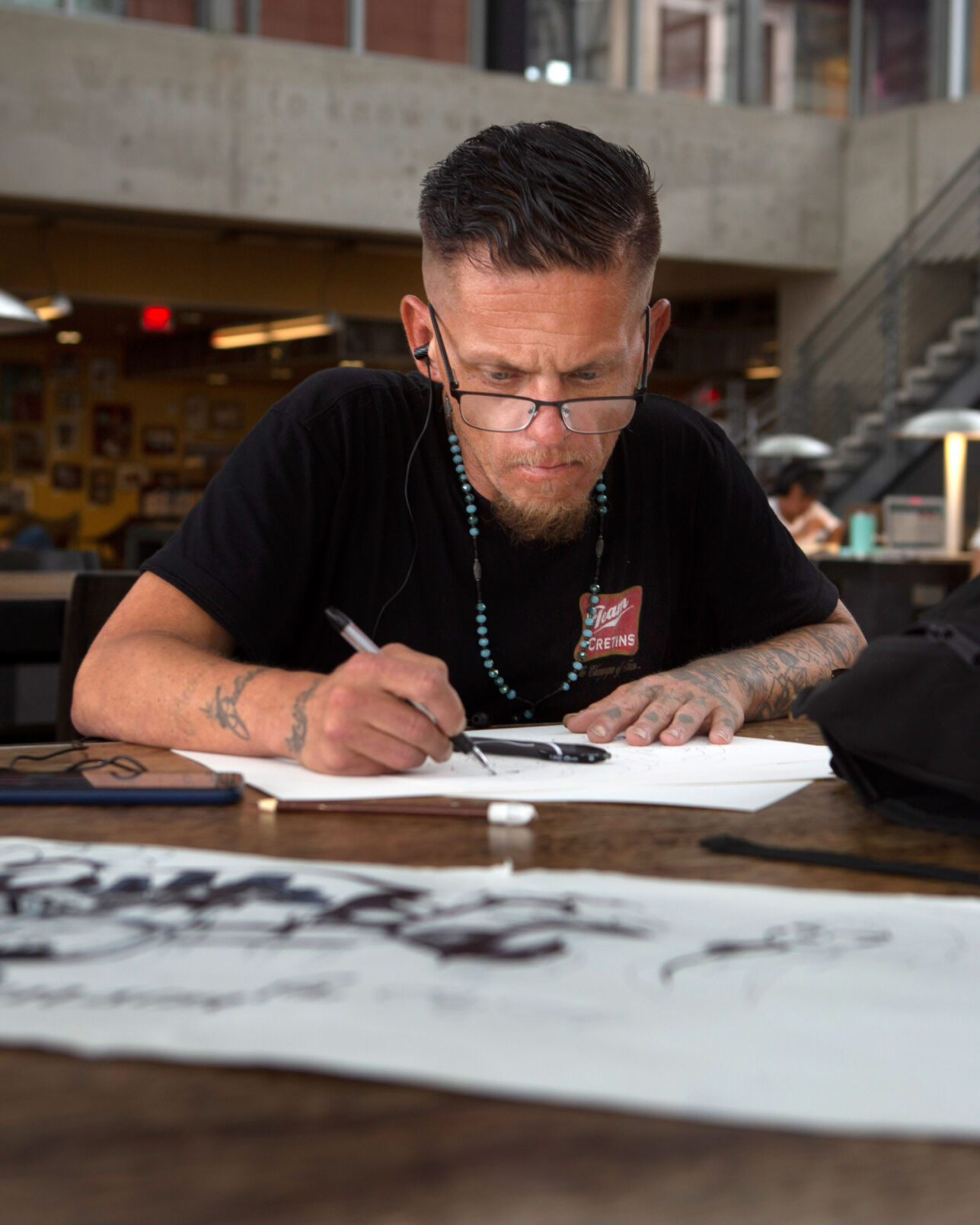
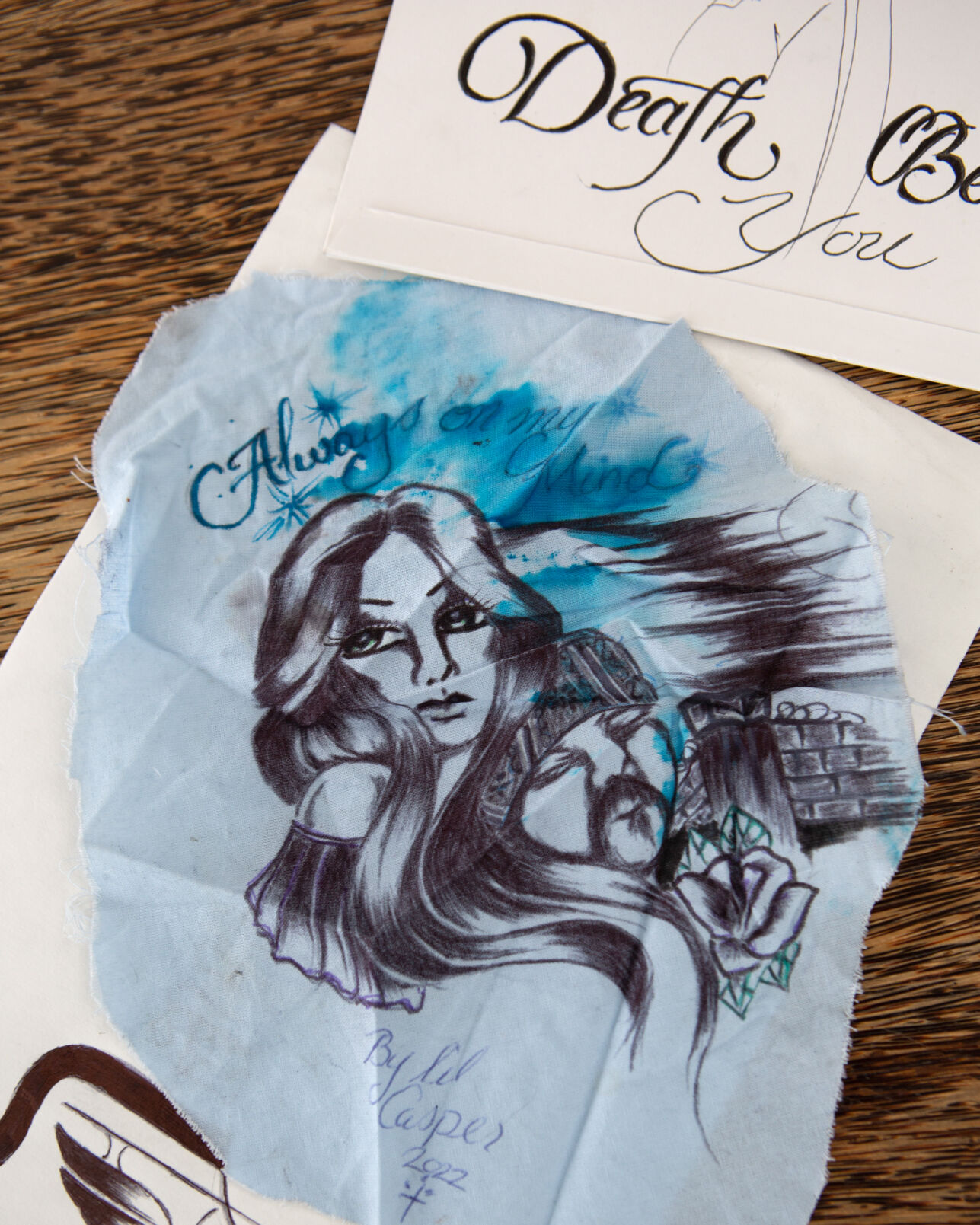
Casper, 46, grew up in East L.A. and learned to draw by watching a friend of his mother’s paint murals. He doesn’t like spray paint – only pen and paper. “Everybody that I grew up with that was a mother figure to me is gone. If you grew up in the barrio, [it will] claim you at some point,” he says. He draws mostly women, including the Virgen de Guadalupe, because “women run everything. They’ve got their shit together.”
2022-12-05_photo-essay_studio-of-the-streets-09.jpg

Artwork by Casper

Photo Credit: Peggy Peattie

2022-12-05_photo-essay_studio-of-the-streets-07.jpg

2022-12-05_photo-essay_studio-of-the-streets-07.jpg

Photo Credit: Peggy Peattie

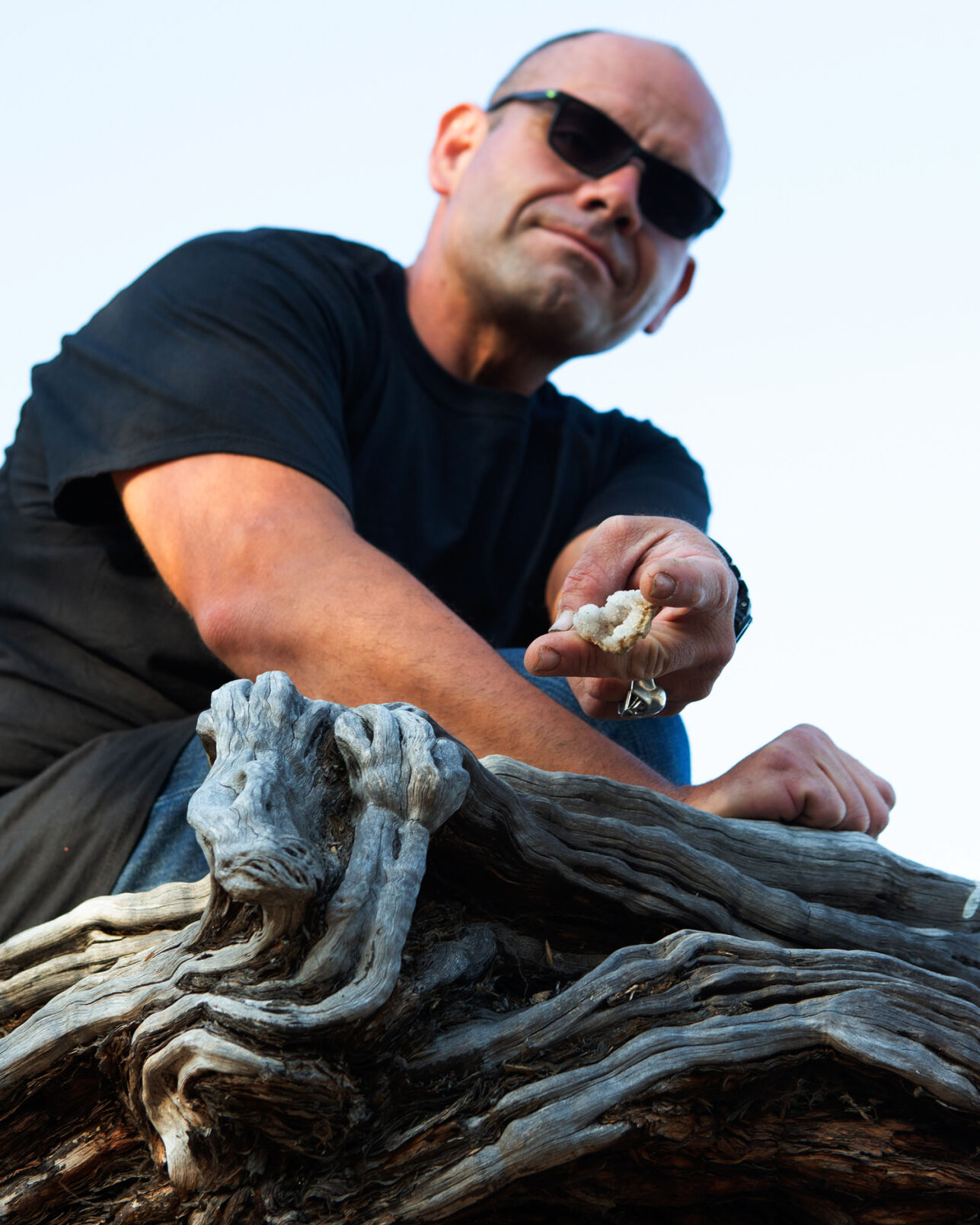
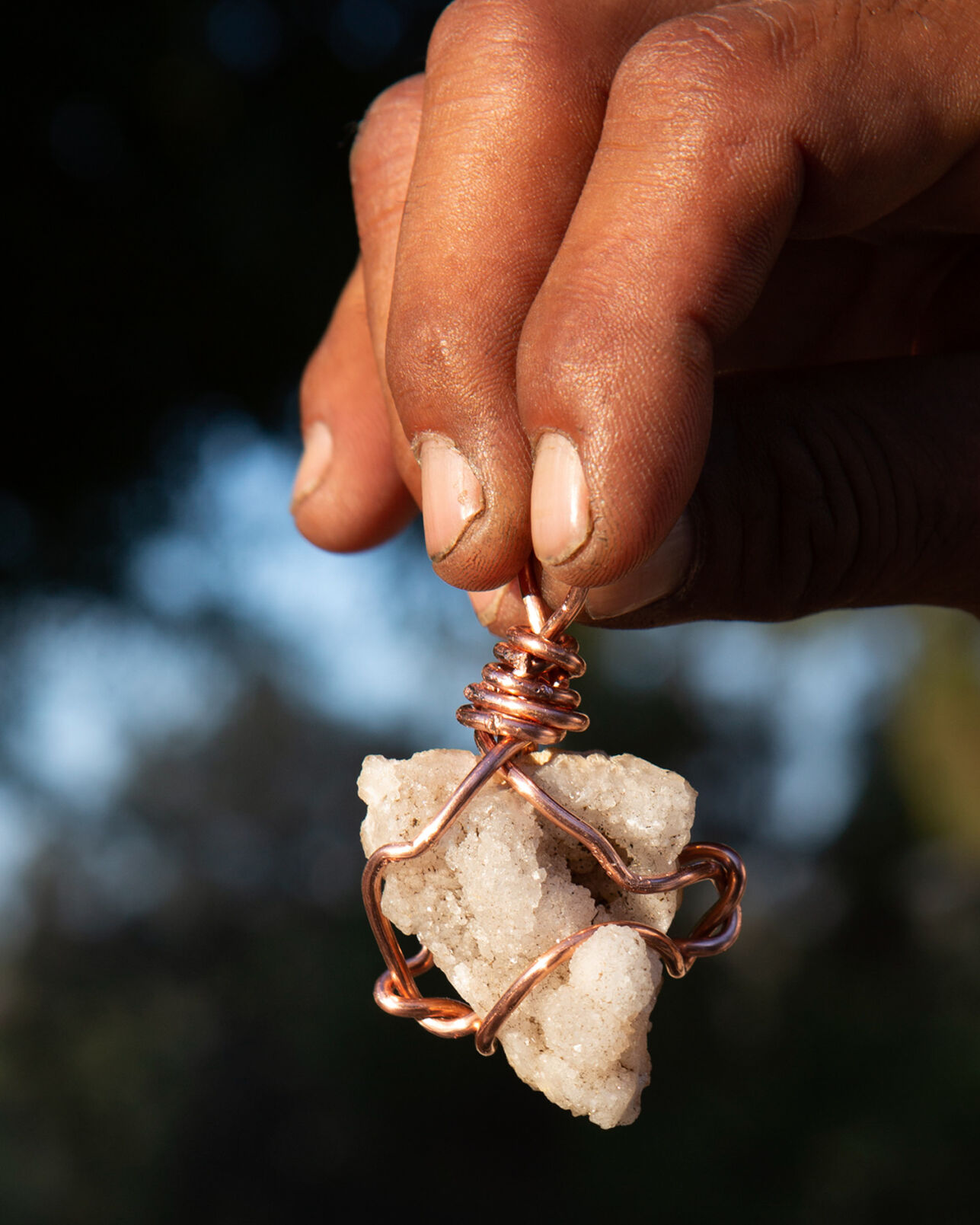
Jewelry maker Turtle uses wrapping techniques, working with “pure” elements like copper, crystals, and stones – he won’t use fake materials, saying it “despiritualizes” his work. “I can’t do that,” he says. “It’s just wrong. There’s a better way.” He gives much of what he makes as gifts – talismans to ward off evil on the streets.
2022-12-05_photo-essay_studio-of-the-streets-15.jpg

Artwork by Turtle

Photo Credit: Peggy Peattie

2022-12-05_photo-essay_studio-of-the-streets-08.jpg

2022-12-05_photo-essay_studio-of-the-streets-08.jpg

Photo Credit: Peggy Peattie

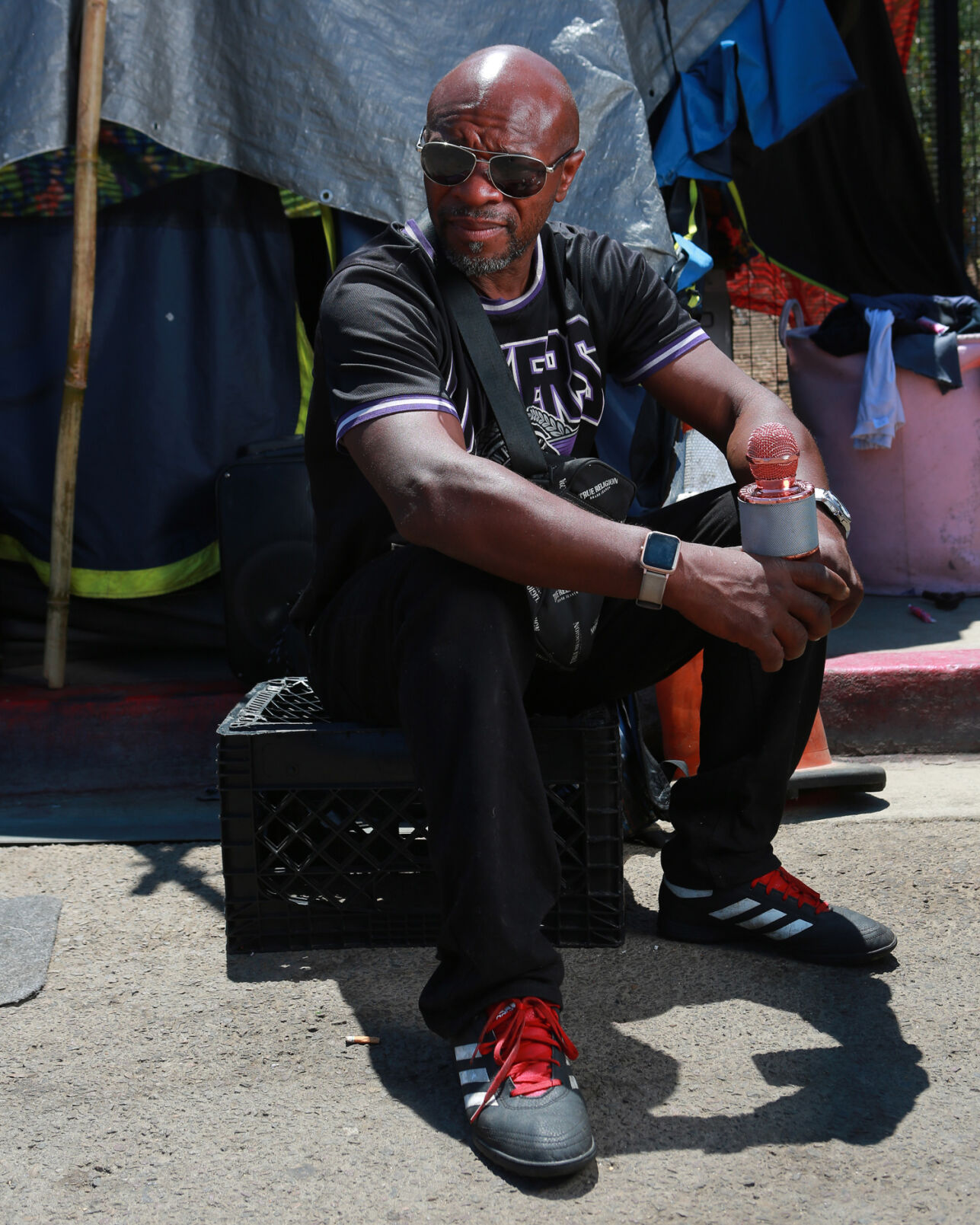
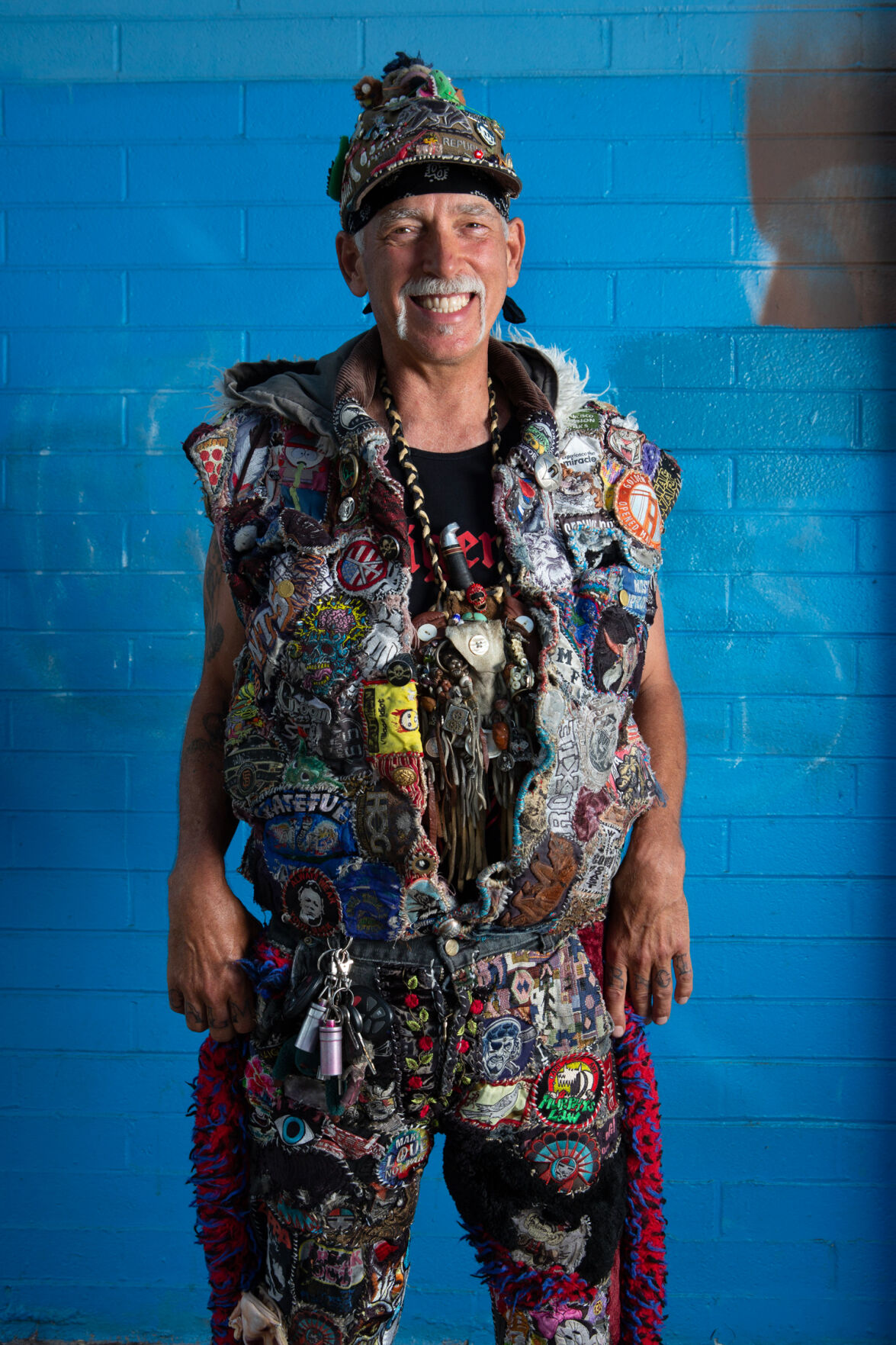
Mobyte, who is originally from Georgia, lives in a tent with his wife, Amy, downtown. They met at a Vegas bus stop. The next day, they stopped overnight at a motel, where he started singing. She videotaped him, and they’ve been together ever since. He wants to make a living with his music.

2022-12-05_photo-essay_studio-of-the-streets-16.jpg

2022-12-05_photo-essay_studio-of-the-streets-16.jpg

Photo Credit: Peggy Peattie

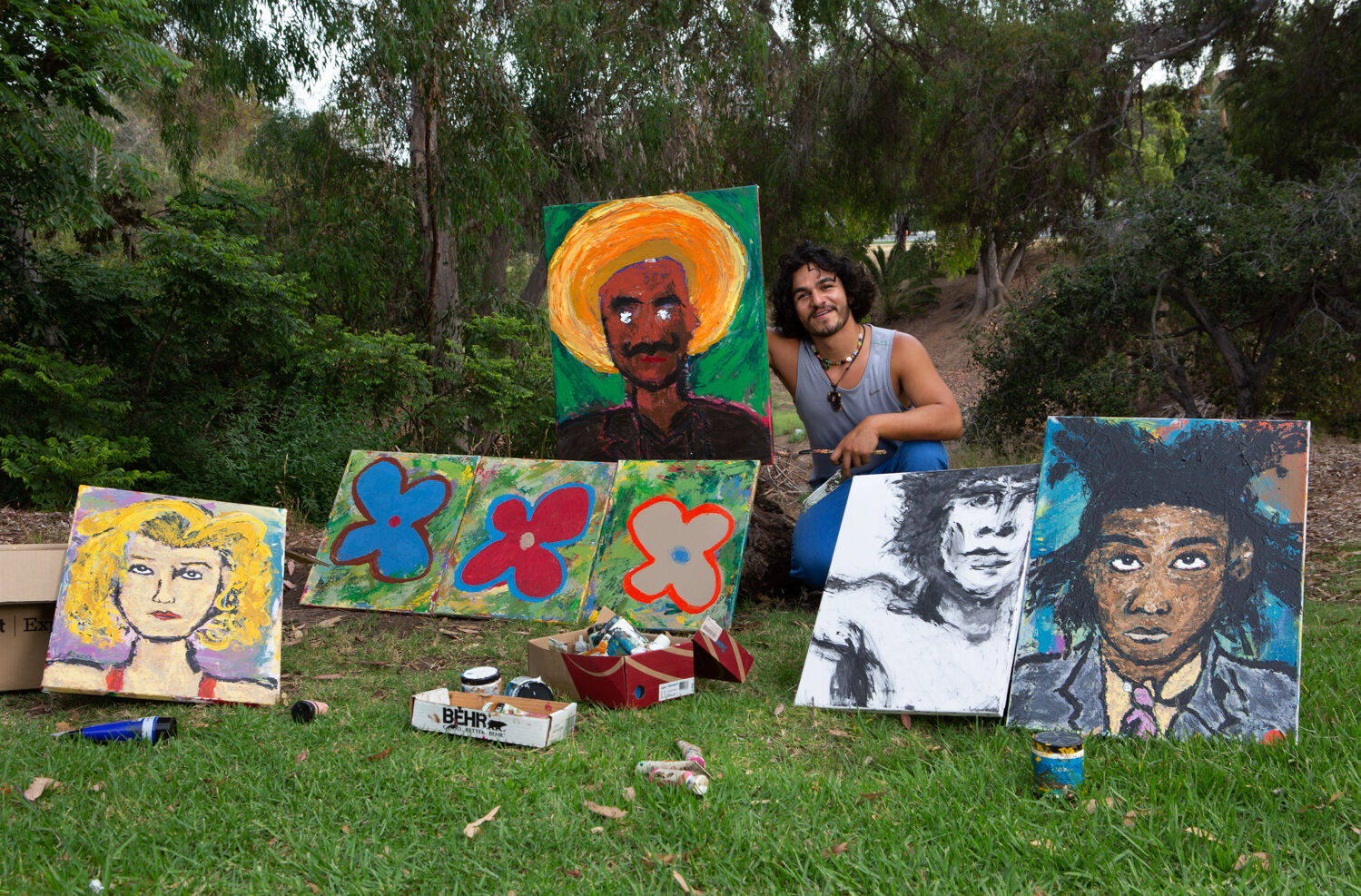
Lorenzo is finishing up his final year at SDSU, after which, he hopes to start a community-oriented art gallery. He taught himself to paint during Covid, while at first bedding down with his parents in Imperial Beach. He lives in a house with roommates near campus these days but has been previously on the margins of having secure housing. He admits he doesn’t know what the future holds, especially with “how expensive everything has become.”

2022-12-05_photo-essay_studio-of-the-streets-12.jpg

Artwork by Lorenzo

Photo Credit: Peggy Peattie

2022-12-05_photo-essay_studio-of-the-streets-19.jpg

2022-12-05_photo-essay_studio-of-the-streets-19.jpg

Photo Credit: Peggy Peattie

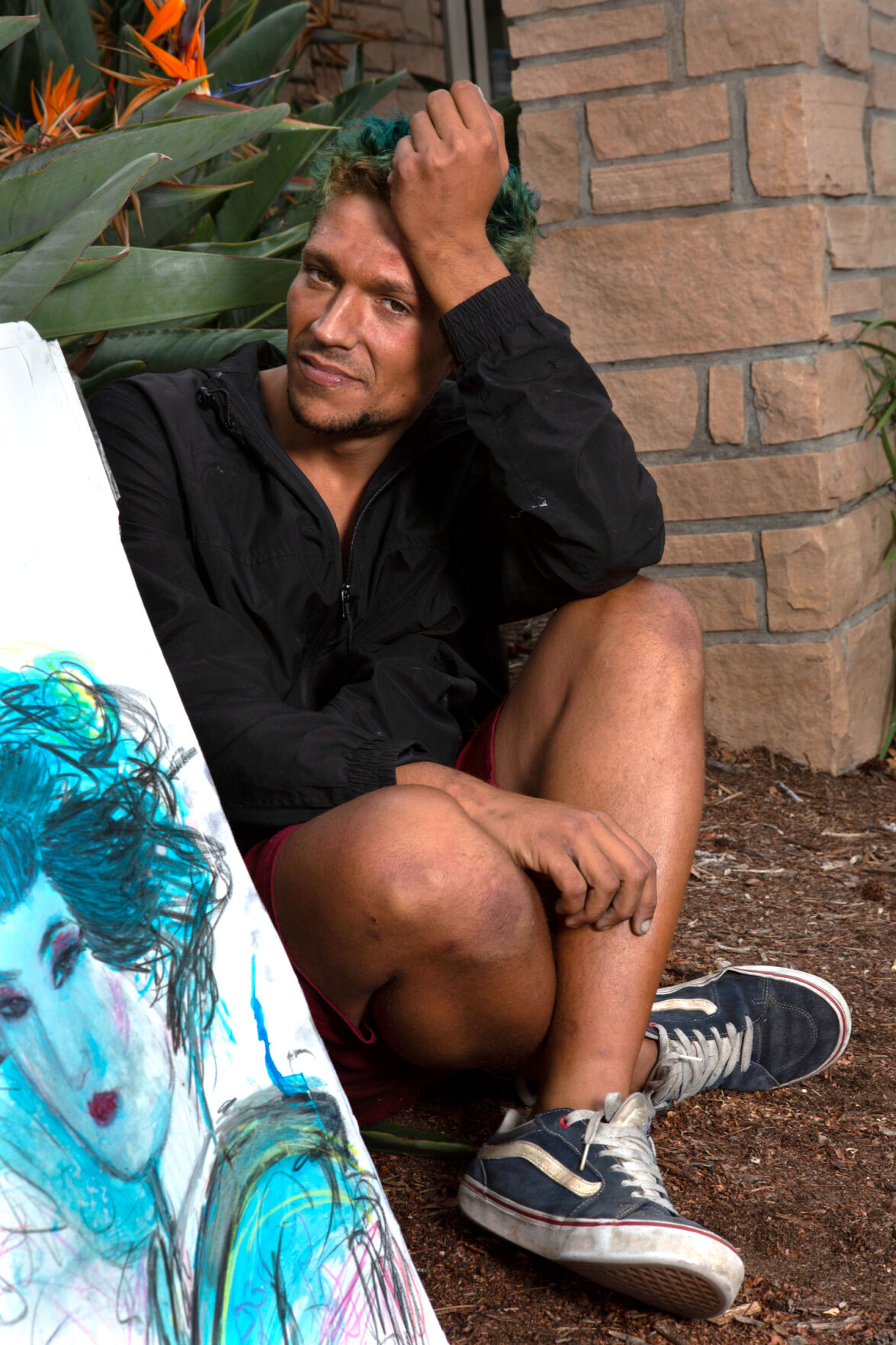
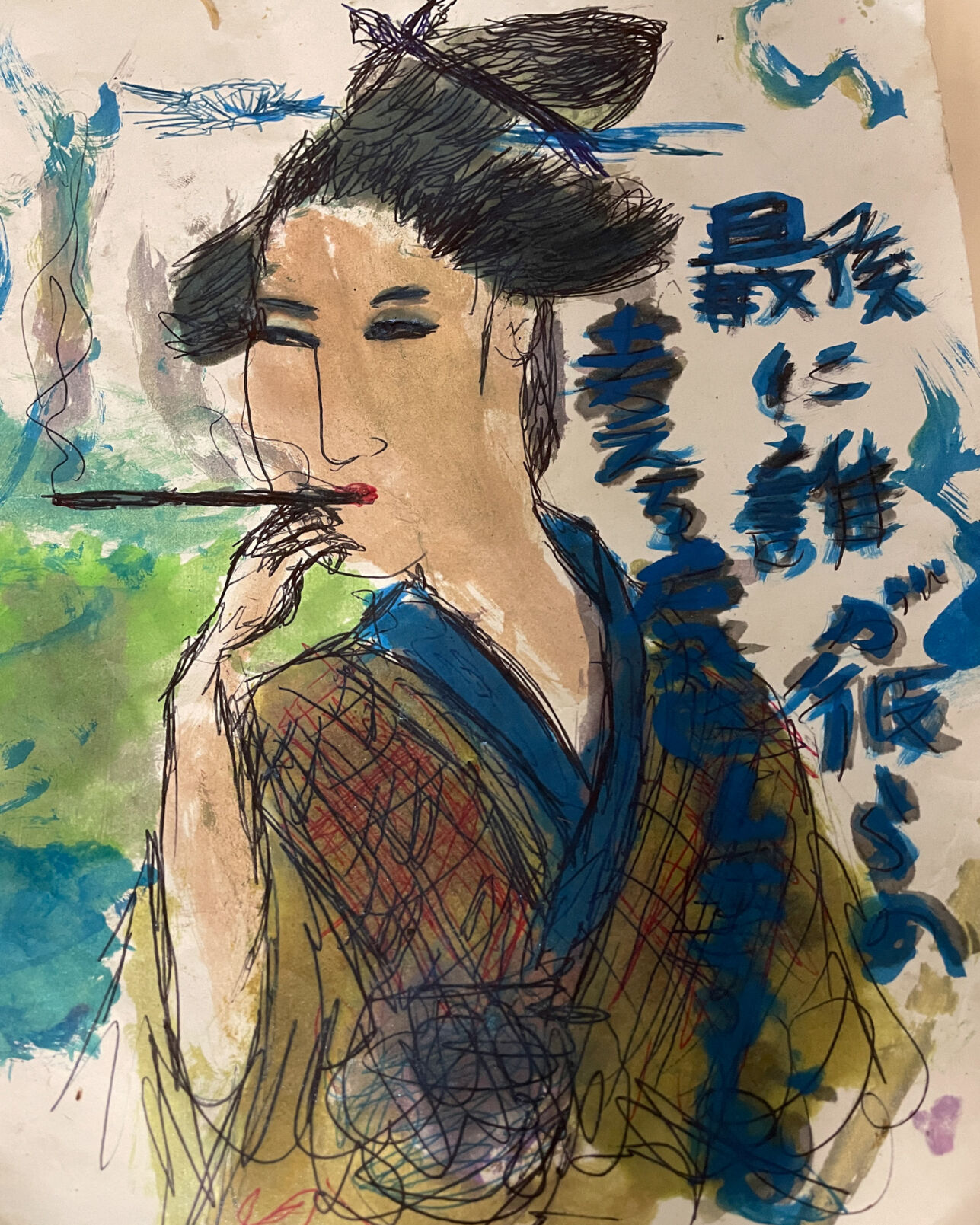
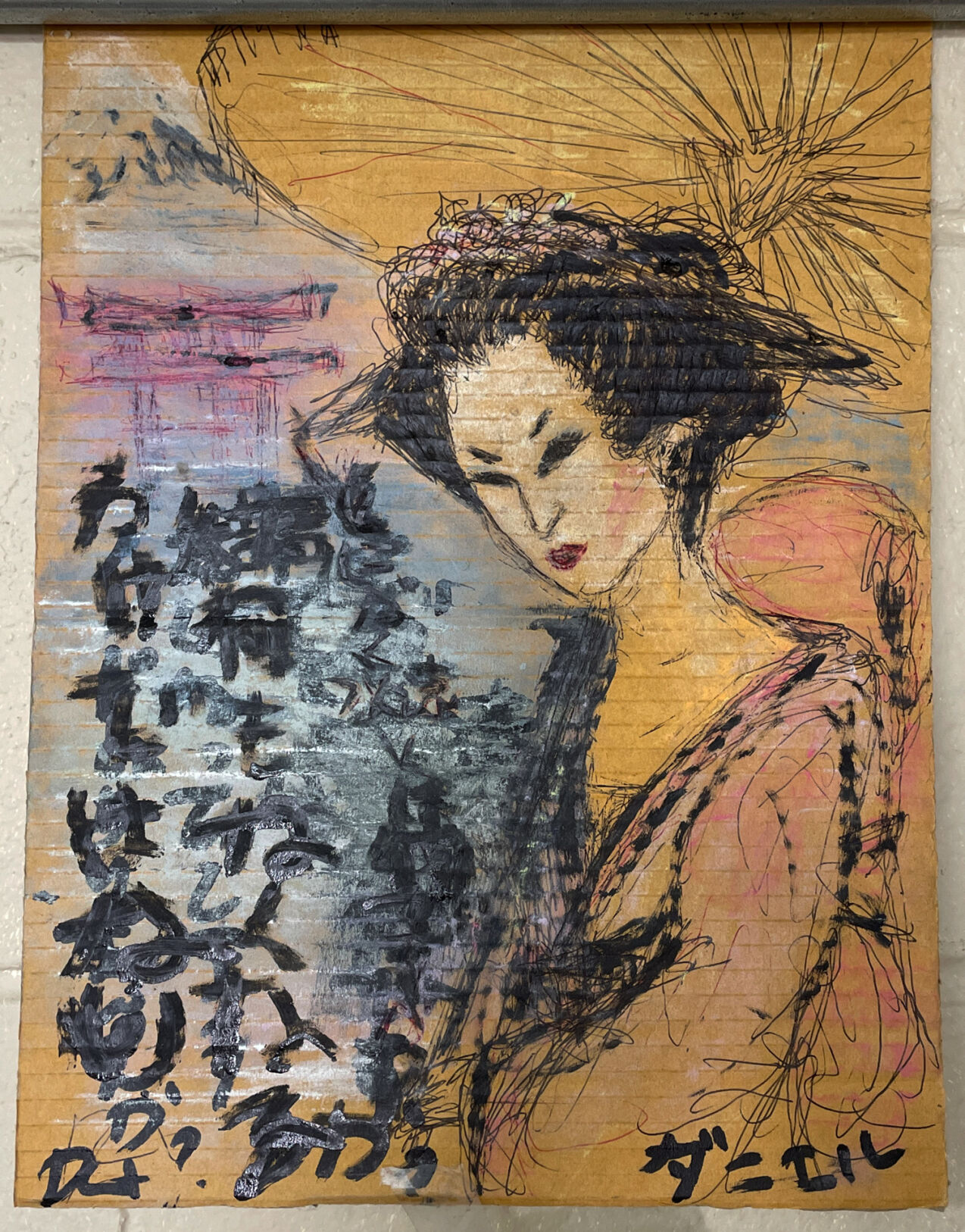
Originally from New York, Daniel came to San Diego following a string of unsuccessful romantic relationships, because his sister lives and works in Chula Vista. Recently, he has been painting landscapes, Japanese swords, samurai, and traditional Japanese women’s clothing–he likes the 1700s-era Japanese wood carvings and the craftsmanship and dedication to perfection they require.
2022-12-05_photo-essay_studio-of-the-streets-10.jpg

Artwork by Daniel

Photo Credit: Peggy Peattie
2022-12-05_photo-essay_studio-of-the-streets-20.jpg

Artwork by Daniel

Photo Credit: Peggy Peattie

2022-12-05_photo-essay_studio-of-the-streets-18.jpg

2022-12-05_photo-essay_studio-of-the-streets-18.jpg

Photo Credit: Peggy Peattie

Patrick makes medicine bags, quilts, and jewelry. He spent 24 years as a caseworker for both adults and youth experiencing homelessness in San Francisco but was forced out of his job during Covid, so he’s living here in his van and selling his artwork in OB. He says, “I want my art to outlast me when I’m gone. My art is my fossil footprint.”

2022-12-05_photo-essay_studio-of-the-streets-17.jpg

2022-12-05_photo-essay_studio-of-the-streets-17.jpg

Photo Credit: Peggy Peattie

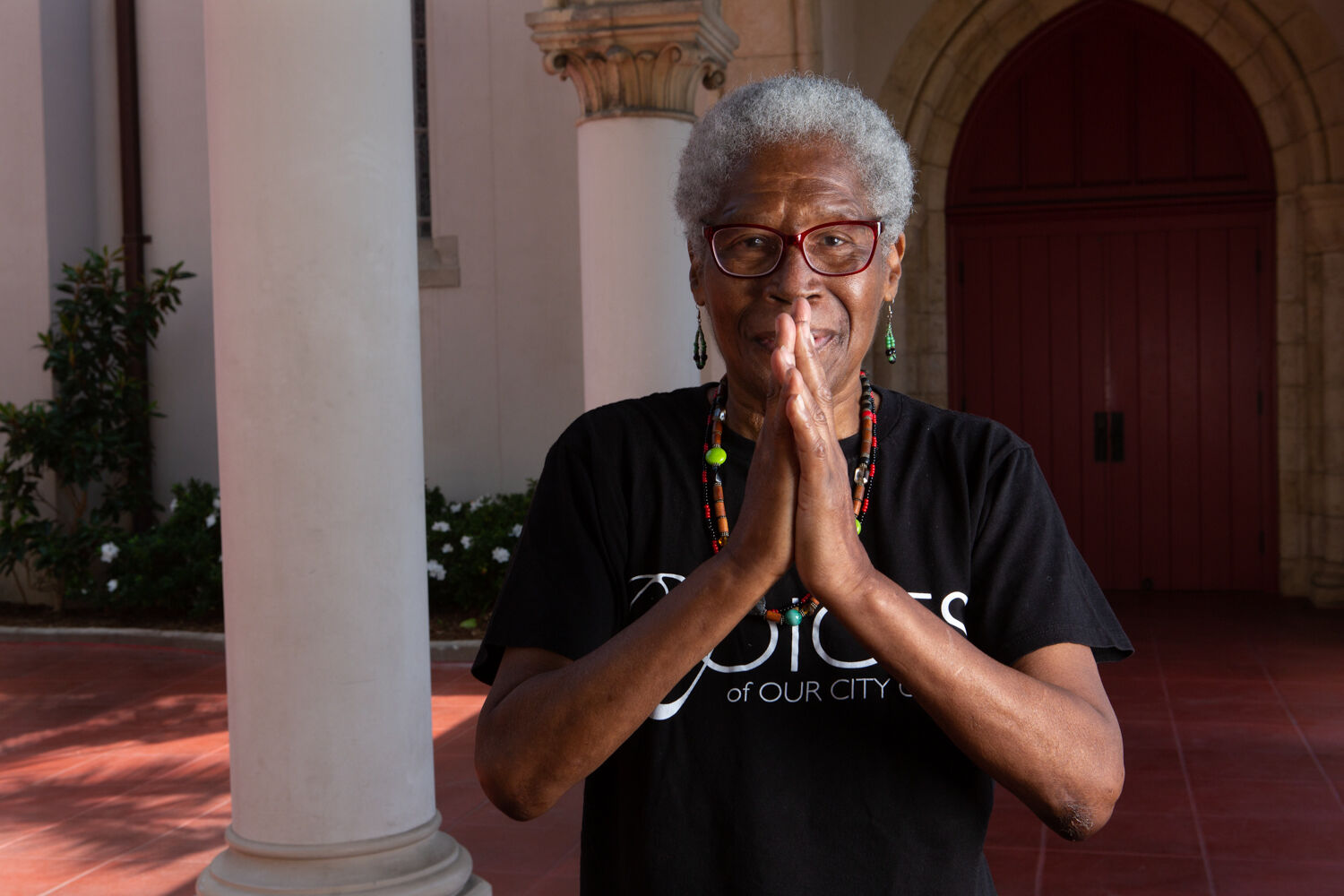
Voices of Our City Choir member Patricia performed the spoken word section of the choir’s America’s Got Talent audition back in 2020, becoming an instant internet sensation. A week later, she found affordable housing, thanks to the San Diego Housing Commission and the efforts of the choir.

Local Artists

Subscribe to our newsletters

Select Options

By subscribing you confirm that you agree with our Terms and Conditions and Privacy Policy.

Everything SD FEBRUARY 13, 2024

Imperial Beach Artist Richie Moon’s Perfect South Bay Day

The artist and graphic designer whose collaborations include Daddy Yankee & San Diego FC shares his favorite local haunts

Imperial Beach Artist Richie Moon’s Perfect South Bay Day
Photo Credit: Cole Novak

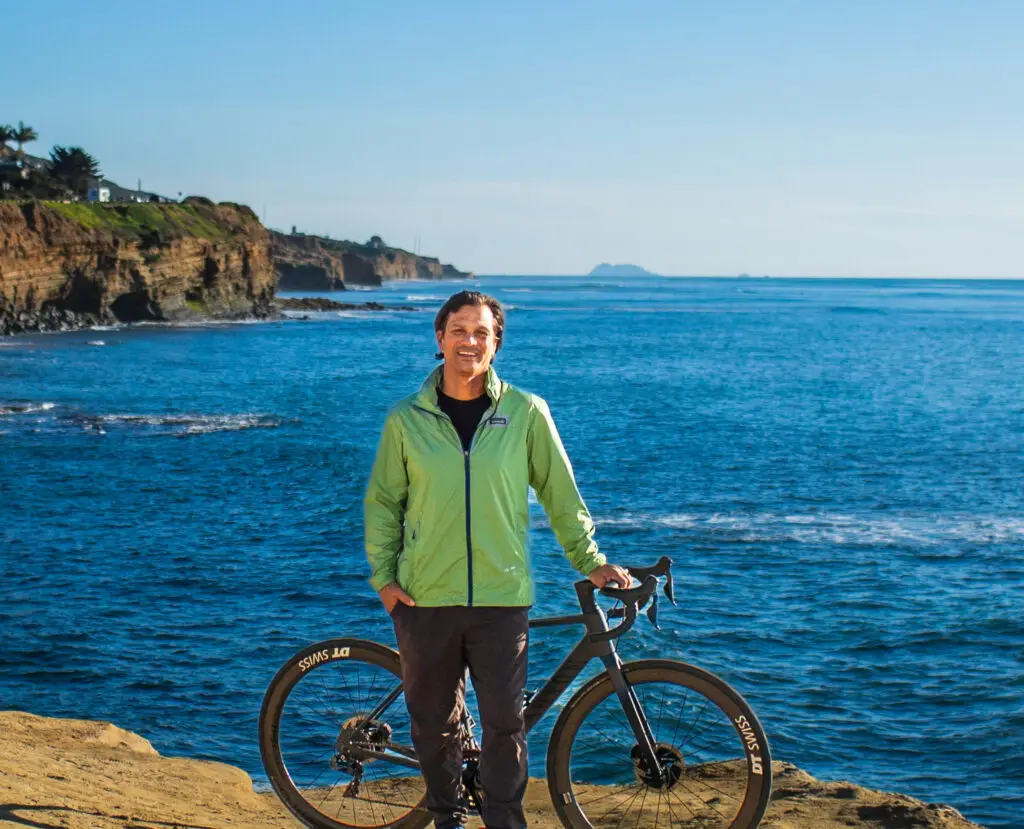
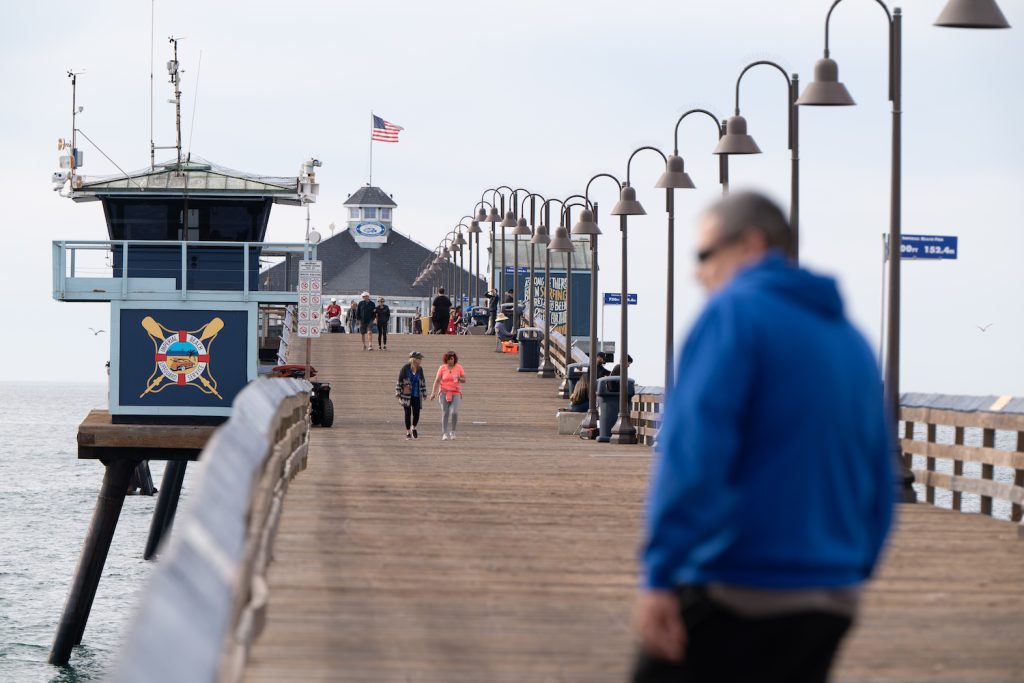
Scenes from the border crossing, lowriders, the Coronado Bridge—many of the motifs featured prominently in artist and designer Richie Moon’s work come from his lifelong roots in South San Diego, particularly Imperial Beach. “I’ve been here since I was in kindergarten,” he says.

His love for South Bay is one he wishes more people shared. “It’s somewhere that’s constantly overlooked,” he says. “But South San Diego is the heart of San Diego.” Because the area offers so much, it was hard for Moon to pin down just a few ways to spend the day in the area—but he somehow managed.

To start a morning off right, Moon heads to Home Coffee in National City. The bright, airy space has plenty of room to work alone or chill with friends, making it a hub for the community that’s easily accessible off the 805 and 54 freeways. Plus, a set of outdoor swings are sure to bring out the kid in anyone. “I prefer it to Starbucks,” Moon laughs, recommending the Tahitian vanilla latte.

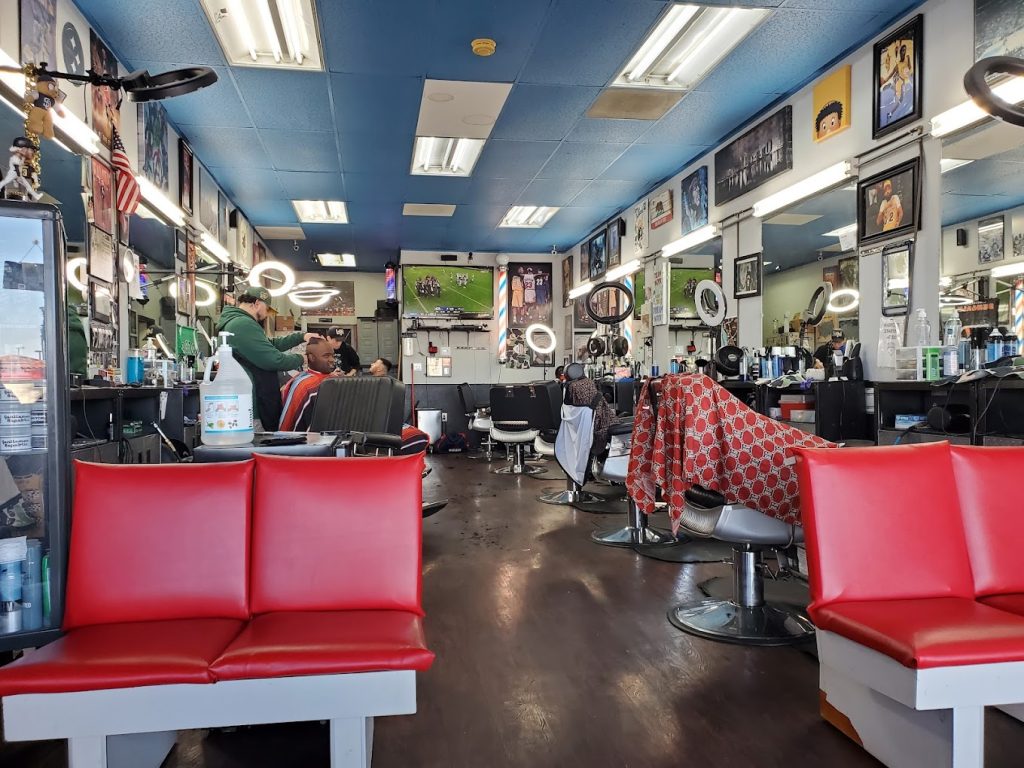
Interior of Exclusive Cuts Barber Shop in Imperial Beach, San Diego where  Richie Moon visits regularly
Courtesy of Exclusive Cuts Barber Shop

Moon says he’s had the same barber, Ray Muñoz, since high school. “Initially, he started cutting hair out of his garage then moved into shops,” he recalls. “I got to see his journey, and for him to live his dream is pretty cool.” Moon now visits him at Exclusive Cuts Barber Shop, the spot Muñoz owns in Imperial Beach.

After a fresh trim, Moon hits San Diego Kabob Shack in Chula Vista for a chicken kebab plate or Poke Etc. in National City for spicy mayo ahi tuna. As someone who focuses on eating healthy, Moon says both options hit the spot, especially after a workout.

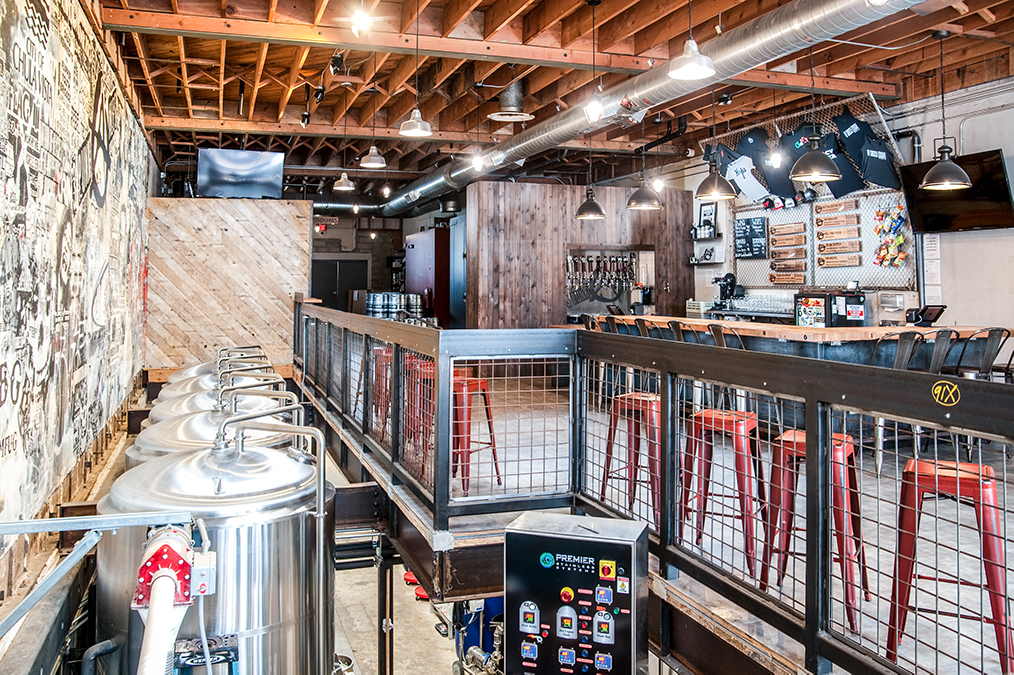
Interior of South Bay brewery Thre3 Punk Ales in Chula Vista, San Diego featuring beer casks, bar seating, and beer taps
Courtesy of Element Design Build

To unwind, Moon points to Thr3e Punk Ales in Chula Vista. “I don’t drink too much, honestly, but I have a great relationship with the owners,” he says. “If I do ever crave a drink every now and then, I prefer to go there.” Moon says he reaches for lighter beers like Mexican lagers, but pretty much anything coming out of the brewhouse promises to satisfy.

Beth Demmon

About Beth Demmon

Beth Demmon is an award-winning writer and podcaster whose work regularly appears in national outlets and San Diego Magazine. Her first book, The Beer Lover's Guide to Cider, is now available. Find out more on bethdemmon.com.

Features OCTOBER 28, 2022

Four-String Serenade

Following a pandemic-canceled tour with Tegan and Sara, Chula Vista's Jackie Mendoza is set to release her uniquely blended sound

Four-String Serenade
Credit: Tayo Oyekan
four-string serenade, jackie mendoza

Jackie Mendoza’s bilingual sound is growing more versatile. Not pictured: her ukulele.

Credit: Tayo Oyekan

In high school, Jackie Mendoza dreamed of seeing her name on a Broadway marquee. The Chula Vista native took drama class, starred in junior theater productions, and developed her love of music first through musicals. But it wasn’t until after briefly entertaining a theater major in college—then realizing how rigorous and unglamorous a career it really is—that she came to the epiphany that maybe writing and recording her own music was a much more compelling path.

“Once you start doing it professionally, it becomes really intense, and it’s not fun anymore,” she says via a Zoom call from Ohio, where she’s been spending a month taking an audio engineering course. “It was a lot of pressure, and the thing I like to do the most is sing and perform, so I started writing more of my own music.”

As a teenager in Chula Vista, Mendoza took up the ukulele and posted covers to YouTube, eventually learning to use music production software Ableton. She moved to New York City for college and joined the indie rock band Gingerlys, which later morphed into Lunarette—both of which released records through San Diego-based label Topshelf. “I played music in my bedroom,” she says, “but that was the extent of my music life. When I joined [Gingerlys], we played in Brooklyn and would do tours on the East Coast. That was my intro to playing shows.”

While she was playing in those bands, however, she also began to cultivate her own songwriting voice. In 2019, she released the LuvHz EP, which built up a steady stream of accolades and eventually resulted in a tour booked with alt-rock twin-sister duo Tegan and Sara. (Unfortunately, the tour had to be canceled on account of the pandemic.)

After living in Brooklyn for the better part of a decade, Mendoza fell in love with her hometown again and moved back to San Diego where she wrote her debut full-length album, set to be released in early 2023. Loosely speaking, the style of music that Mendoza plays is pop, shaped by the sound of pulsing beats and dreamy electronics. It also features lyrics in both English and Spanish; Mendoza lived in Tijuana until she was six and grew up in a bilingual household.

The X-factor in Mendoza’s sound is her unconventional choice of instruments. She plays a ukulele, which is fed through effects (often sounding unrecognizable), and therefore detached from some of its more precious connotations. She took up the instrument because, as she admits, she was “really bad at the guitar.” But soon enough, she found more to explore through an increasingly manipulated uke.

“I realized I could get a ukulele and buy pedals and effects and play it that way,” she says. “That kind of just started defining my music, because I had never seen that done before.”

Mendoza’s influences and musical direction keep changing as she continues to write and record, her sound growing ever more versatile. With her debut album on the way, she’ll have a new opportunity to showcase the full spectrum of music that she loves.

“It’s music that I really like to listen to,” she says. “I like pop, and I like reggaetón. I like trap music. I like electronic, psych rock—I wanted to put all of that together and tell my story through music. It’s a blend of all the music I like to listen to.”

There’s also one other crucial element she notes: “It has a little of that showtunes touch.”

Jackie Mendoza plays the Escorted Trips festival at the WorldBeat Cultural Center on Saturday, December 3.

Jeff Terich

About Jeff Terich

Jeff Terich is the music critic behind the blog The Setlist. His writing has been published in Stereogum, Bandcamp Daily, American Songwriter, Fodor's and Vinyl Me Please.

Local Artists Music
Everything SD JUNE 16, 2026

Teenage Car Theft Drove Me into NASCAR’s Arms

As NASCAR lands in San Diego this weekend, a recently burgled dad is irregularly excited

Teenage Car Theft Drove Me into NASCAR’s Arms
Courtesy of NASCAR San Diego

My 15-year-old daughter tried to steal our car this week, so I’m ready to become a NASCAR dad. It would be appropriate discipline. We just relocated to a nice suburb within walking distance of her high school. The suburbs are like living in a Tesla commercial. I am pretty far from the wealthiest dad in this neighborhood (I am the least wealthy dad in this neighborhood), more than a few engineering degrees short of being in the running.

I’m fairly certain watching NASCAR is a violation of our HOA and a violation of my daughter’s emotional HOA. But NASCAR hits San Diego this weekend and I have a fever I’ve never felt before. I want to watch 111 drivers do dangerous things in cars and trucks on an active military base in the ocean. Since my lifelong exposure to NASCAR is limited to Talladega Nights and every single iteration of the movie Cars, I can only base my plan of attack on oafish stereotypes.

So while other neighbor dads are sizing bubble jackets for their golf simulators, I’m gonna grow a Ricky Bobby, run the extension cord for the TV out into the carport we share with six other condos, fill a cooler with a proper 80-20 split of Hamm’s and Mountain Dew, treat a lawn chair like an ADU, and spend a few hours yelling ohsheeeit as if it’s a single, nine-syllable word.


The quality parents in our neighborhood seem highly attuned to the sound of any vehicle breaching the 6 MPH threshold, so I should gather a crowd pretty fast. They may come over with strongly worded emails in their hearts, but one glimpse of Shane van Gisbergen and hometown hero Jimmy Johnson guzzling the last remaining drops of gasoline on the planet in a dazzling display of carmanship—they’ll join my NASCAR pop-up party.

By the time my daughter brings her friends over, we’ll have a real welcoming committee.

Because, like I said, my daughter tried to steal my car.
She wasn’t going to Mexico. But while Claire and I were off doing businessy stuff to afford my teen’s skincare rituals, she and a friend decided to teach themselves stick shift. She’s never driven a stick before. I’m not saying she has, but if she has driven a vehicle at all—it would have been done in a remote, abandoned parking lot where the only possible thing she could destroy was the concept of driving itself.

But a couple TikTok videos later, she and her friend felt a certain level of mastery had been achieved, and they gave it a go. They backed our VW Bug out of the garage with a series of stalls and transmission seizures, and managed to get it into the carport, attempting to do “donuts.” That’s when I got a call from a resident, who had taken an active interest in this experiment.

Which got me wondering about the power and might of vehicles. Turns out, even at carport speeds there exists a bit of potential fireworks. A garage door could become not a garage door anymore. At 145 MPH on Naval Base Coronado this weekend (don’t worry, they slow down to 100 MPH for turns), NASCAR drivers are essentially doorbell ditching gods. I didn’t register the temperature after my daughter’s trial run, but the track at NASCAR races usually hits a cool 130-150 degrees, enough to lightly sear some Nikes (the tires themselves hover in the 200 degree range).

And that is at least part of our fascination with NASCAR (the other fascination is the legendary pit parties, which either set humanity back a few evolutionary links, or advance it by the same amount of links). These drivers do something all of us do every day in a very efficient, boring way—drive a car—and take it to its extreme impulse. Grace and precision at the thunderous edge of shit going terribly wrong. Most of us have looked at San Diego home prices and felt a burning desire to see how fast our Honda Pilot could make it to our new home in Vegas. So NASCAR drivers are acting on our own wildest impulse.

Troy Johnson

About Troy Johnson

Troy Johnson is the magazine’s award-winning food writer and humorist, and a long-standing expert on Food Network. His work has been featured on NatGeo, Travel Channel, NPR, and in Food Matters, a textbook of the best American food writing.

Studio S JUNE 15, 2026

A Modern Take on Steak

Stake Chophouse & Bar brings contemporary classics and old-school service to the heart of Coronado

A Modern Take on Steak
Courtesy of Stake Chophouse

Stake Chophouse & Bar isn’t your average steakhouse. Blue Bridge Hospitality’s Coronado outpost is a modern interpretation of a big-city steakhouse nestled in the heart of the small coastal community. The team at Stake has reimagined the whole steakhouse experience. By prioritizing a seasonal farm-to-table sourcing philosophy, a personalized guest experience, and unique service touches, like a formal steak presentation and a bespoke knife selection process, Stake distinguishes itself in a sea of steakhouses.

Exceptional steaks, including Wagyu from Japan, Australia, and the U.S., and fresh seafood flown in daily form the core of Stake’s culinary identity. The menu features a five-course omakase-style steak experience highlighting house favorites, plus an array of cuts, and classic steakhouse staples—think a wedge salad, baked potato, or pasta carbonara—refined for a contemporary palate without losing their traditional appeal. Stake focuses on seasonal sourcing from the region’s best family farms and specialty purveyors, and incorporates intentionally unexpected touches to create something truly unique.

“I challenge our chefs and myself to take it a step further in sourcing,” says Chef Ronnie Schwandt. “It’s important to us to highlight different farms, unique one-off farms—whether it’s cattle, strawberries, a local fisherman or from anywhere in the United States, we’re always trying to find that niche.”

Beyond the menu, Stake emphasizes outstanding service, says Vinny Spatafore, Director of Hospitality Operations. Staff maintains detailed notes, allowing them to remember guests by name, recall previous orders such as a favorite martini (also memorable for the customer since it’s served in an extra tall, distinctly-shaped glass), and celebrate special occasions like birthdays and anniversaries.

“When you have those points of topic that you remember about a guest, they appreciate that,” he says. “Our servers are really good with that—we have a couple servers who have been here since the beginning and they’ll remember somebody from years ago, their name, their kids’ names, where they live. I’m really thankful to have a great front of house staff.”

Award-winning wines, rare whiskeys, special events, and a complementary black car service that provides transportation for guests throughout Coronado add to Stake’s appeal.

Schwandt stresses that Stake offers more than a meal; they aim to give patrons something unforgettable.

“It starts when you walk up the stairs and are greeted by the hostess—that sets the tone for the night. Then you’re greeted by a server, who may know you by name, and can guide you through the menu and curate as they get to know you,” says Schwandt. “Most people leave kind of blown away; they leave feeling like they just had an experience. That’s the goal, right? Whether you’re serving smash burgers or high-end steak, you want somebody to leave thinking, Wow, that was awesome.”

Partner Content
Everything SD JUNE 15, 2026

Sunday Golf Is Making the Game Lighter

In a sport obsessed with prestige, a San Diego–born golf brand is betting on something more fun and less fussy

Sunday Golf Is Making the Game Lighter
Courtesy of Sunday Golf

Music drifts across the fairway. Someone’s in flip flops. The Pacific flashes in the distance. Sun peeks onto shoulders through the palm trees. It’s spring, technically, but the air reads suspiciously like summer. At the par-3 course at Liberty Station, the longest hole barely stretches past 120 yards, and no one looks particularly interested in becoming the next PGA legend.

This is where Sunday Golf was born.

“I got dragged to a par-3 course in 2019 —The Loma Club—and it was way more my jam,” says Ronan Galvin, CEO and co-founder of Sunday Golf, a company that makes lightweight golf bags for players who’d rather carry less and laugh more. “It was a lot different than the stereotypical ideas you have about golf where it’s kind of long, uptight, and exclusive.”

Galvin spent over a decade in the golf industry working in product development, sourcing and manufacturing. But he didn’t grow up swinging clubs. Basketball and football were more his speed. What clicked for him was a simpler, more relaxed kind of play: shorter rounds and weekend games built for fun rather than formality. The kind of golf that resonated for him felt accessible, effortless, and surprisingly his lifestyle.

Courtesy of Sunday Golf

He noticed something else, too.

On a course where five clubs do the job, players were still lugging 14. So Galvin built something smaller. Lighter. A bag designed specifically for par-3 rounds, the Loma Bag is sleek, functional, and refreshingly unfussy. It’s practical minimalism in a sport known for excess.

Sunday Golf was slated to launch in January 2020. Then, COVID hit. Shipments stalled; lost at sea. The future felt shaky. But the series of catastrophes for the young company turned out to be anything but: By the time inventory arrived that August, golf had become one of the few activities people could safely do.

“It introduced and brought so many people back to the game,” Galvin says. “It created a habit for a lot of people, which is a big reason golf is on its growth trajectory.” 

San Diego golf company TaylorMade golf in Carlsbad featuring The Kingdom golf club fitting and production facility

It turns out Americans can’t get enough of golf. Forty-eight million of them swung clubs last year, a 41 percent jump since 2019, and the National Golf Foundation says the total could top 50 million by the end of 2026.

The brand rode this unlikely momentum. Since 2021, Sunday Golf has expanded into larger lightweight bags and continues evolving from there. A major reason for the company’s success is its approachability, a value so central that it’s literally written on the office walls in the form of the company’s guiding mission: “Get 500,000 golfers having more fun by 2027.” This goal is measured, fittingly, by golf bags sold. 

Sunday Golf has already passed 300,000 bags sold.

But the numbers aren’t the point.

Courtesy of Sunday Golf

“To remind the world that life is meant to be enjoyed,” Galvin says of the brand’s why. In an era dominated by screens, golf offers something analog. “People are outside, touching grass with their friends. A golf bag is a golf bag, but our products are vehicles to help support that.”

Unlike legacy golf giants promising proximity to Rory McIlroy-level greatness, Sunday Golf leans into what Galvin jokingly calls “diet golf” or “golf light”—weekend rounds, driving range sessions, company scrambles. The bags are built for the casual golfer, and the fit feels obvious.

That philosophy resonates across Southern California, where year-round sunshine means golf courses never really hibernate for winter. As Galvin puts it, “the laid-back lifestyle of San Diego kind of seeps into everyone’s veins.”

Sometimes the validation arrives via email: a 76-year-old customer is able to walk the course again because their golf bag is lighter. Parents are able to take their children out with Sunday Golf’s kids line.

For Galvin, that’s the real win. Not perfection. Not prestige. Just more people outside, enjoying themselves. In San Diego, that might be the most natural mission of all.

Isabella Dallas is a freelance writer for San Diego Magazine and the Arts and Culture Editor at The Daily Aztec in her final year at San Diego State University. She previously worked as an editorial intern for SDM, but when she’s not writing, you can find her trying the best coffee spots in SD, devouring the latest rom-coms, and indulging in anything and everything pop culture.

Arts & Culture JUNE 15, 2026

Art Plus Story Equals Culture

Announcing a partnership between Art & Design District, SDFC Playmakers, and San Diego Magazine

Art Plus Story Equals Culture
Photo Credit: Richard Barnes

FOR IMMEDIATE RELEASE

SAN DIEGO, CA — [June 15th, 2026] — Art plus story equals culture. Today, three local groups deeply invested in advancing San Diego arts and cultureSan Diego FC Playmakers, Art & Design District, and San Diego Magazine—have joined forces to tell its stories.

The initial project will be a landmark September edition of San Diego Magazine—fully dedicated to the people, ideas, and identities of the city’s creative community. After its release, those stories and more will extend across six months of integrated digital, social, and multi-platform coverage. Art & Design District and SDFC Playmakers will serve as co-publishers of the expanded editorial vision.

The Art & Design District is evolving into San Diego’s first home for the performing arts at iconic downtown venues like the Civic Theatre and Jacobs Music Center alongside research and development programs focused on artist live/work spaces, galleries, studios, and New School of Architecture & Design.

“[The Art & Design District initiative] is a long-term investment in San Diego’s creative life and the creative workforce that powers our cultural experiences and creative industries here at home and across the world,” says Jonathan Glus, Prebys Senior Fellow for Art & Design in Residence at Downtown San Diego Partnership. “But infrastructure alone is not enough. The public needs to see, understand, and participate in what’s being built and why. Joining as co-publisher of this issue means helping ensure that the story of San Diego’s creative community—its artists, its institutions, its future—gets told at the level of ambition the moment requires.”

San Diego has entered a defining chapter in how the region invests in its creative community, with civic and philanthropic leaders working alongside artists, brands, institutions, and people to chart a new model of public-private support for arts and culture.

As digital co-publishers of San Diego Magazine‘s arts and culture coverage, SDFC’s Playmakers partnership will include a six-month integrated collaboration designed to sustain the visibility of San Diego’s creative community well beyond a single issue.

“The Playmakers program was built on the belief that the creative community is essential to what makes San Diego, San Diego,” says Sebastian, San Diego FC’s SVP of Brand and Innovation. “Investing in local media that tells those stories—and reaches the audiences who need to hear them—is one of the most direct ways we can support the artists, organizations, and cultural leaders shaping this city’s future. We’re proud to step in as digital co-publishers of San Diego Magazine‘s arts and culture coverage and the founding partner of this new editorial program.”

Under the partnerships:

  • The Art & Design District joins as Co-Publisher of the September 2026 Arts & Culture Issue, undwriting San Diego Magazine‘s most ambitious editorial event of the year. 
  • SDFC Playmakers joins as Digital Co-Publisher of San Diego Magazine‘s arts and culture coverage, founding a six-month integrated partnership that includes co-publisher presence in the September issue. 

The partnership represents a new model for regional media: civic and cultural institutions providing the resources required for sustained, ambitious, local editorial media focused on the neighborhoods it serves. 

“For 78 years, the magazine has told the story of arts and culture here,” says Claire Johnson, CEO of San Diego Magazine. “But the fragmentation of traditional media has made it harder than ever to cover this community at the depth and scale it deserves. SDFC Playmakers and the Art & Design District have recognized something critical: Media is not separate from the civic conversation, it’s the stage for the conversation.”

San Diego Magazine retains full editorial control over all reporting, features, and original content produced under both partnerships.

“Our role in this ecosystem is to tell the story of San Diego’s culture and provide context for our readers.” says Johnson. “These partnerships give us the resources to do justice to that responsibility—and to extend that commitment well beyond a single issue. Our readers also deserve to know exactly how this work was funded. I’m grateful to our partners, and to the arts and culture community in San Diego for letting us tell this story.”

The September Arts & Culture Issue will be released early September 2026, with digital, social, video, and podcast coverage rolling out through early 2027.


ABOUT SAN DIEGO MAGAZINE For 78 years, San Diego Magazine has been the region’s leading lifestyle and culture publication, reaching approximately 6 million readers monthly across print, digital, newsletter, and social platforms. Owned and operated locally, the magazine has been the connective tissue of San Diego’s cultural conversation since 1948.

ABOUT SDFC PLAYMAKERS The Playmakers program is an ongoing initiative that seeks to identify and showcase the talent of San Diego creatives who are contributing to the culture, substance, and flow of our community. We want to bring the San Diego community together by marrying football and creativity to provide a platform for these Playmakers who are positively impacting our culture by pushing the boundaries through innovative ideas. The goal is to create a program that consistently provides growth and exposure opportunities for San Diego creatives, while shaping an authentic direction for San Diego FC’s brand and community-building process. Through this program we hope to contribute to the creative fabric of our city by providing paid jobs, projects, collaborations, as well as networking opportunities for Playmakers.

ABOUT THE ART & DESIGN DISTRICT The Art & Design District is a Downtown San Diego Partnership initiative, supported by the Prebys Foundation, working to shape a connected, vibrant arts and design district in downtown San Diego. Led by Art and Culture Expert Fellow Jonathan Glus, the initiative convenes artists, cultural leaders, civic stakeholders, and residents in service of a downtown that reflects the creativity, identity, and diversity of the region. Learn more at downtownsandiego.org.

Partner Content JUNE 10, 2026

New Options for GLP-1 Users

Scripps study shows that some patients may be able to taper their dose and maintain results

New Options for GLP-1 Users
Courtesy of Scripps Health

While glucagon-like peptide-1 (GLP-1) receptor agents have been used to treat Type 2 diabetes for more than 20 years, their recent emergence as weight-loss wonder drugs marked a new frontier in medicine. But their effectiveness has left some patients wondering what to do once they’ve reached their goal. Stopping the medication could mean regaining some, if not all, of the weight. A Scripps Clinic internal medicine physician recently conducted a small study of whether GLP-1 patients who had reached their goal weight could maintain that weight by taking their regularly prescribed injection every other week instead of weekly. Spoiler alert: 30 of 34 patients did. Read more about the study here and what that may mean as pharmaceutical companies roll out oral GLP-1s.

For more nutrition, wellness, and healthy living tips, sign up for the San Diego Health newsletter here.

Partner Content

Thousands of savvy locals already get it.

San Diego's best restaurants, experiences, and events—handpicked and delivered to your inbox weekly. You in?

Close the CTA

Contact Us

1230 Columbia Street, Suite 800,

San Diego, CA