Ready to know more about San Diego?

Subscribe
Everything SD FEBRUARY 17, 2025

Is Ozempic Killing Restaurants?

GLP-1 weight-loss drugs slash customers’ appetites for food and alcohol, potentially spelling trouble for your favorite bistro as the meds’ market booms

Is Ozempic Killing Restaurants?

After she started taking Ozempic, Kelly noticed a big difference in her restaurant bills.

Kelly, who asked we not share her last name, lives in La Mesa and used to eat regularly at restaurants such as Farmer’s Table and Brigantine Seafood & Oyster Bar. A typical meal at the latter might include a calamari appetizer, the catch of the day entrée, and two cocktails, totalling upwards of $75 just for her.

She started taking Ozempic last August—purely for vanity, she says. Originally designed to treat diabetes, Ozempic, Wegovy, Mounjaro, Zepbound, and related drugs, called GLP-1s, have become the biggest weight loss drug trend the US has seen in decades.

Kelly’s experience sounds ideal: She never felt very sick and experienced no side effects, and she’s lost about 30 pounds. The added bonus is her average bill at Brigantine these days—about $15 for an à la carte taco and a water. 

“We just went out to Brigantine and didn’t even use up a whole gift card we’d received,” she says. “And I never go out to lunch anymore, because why would I waste money on something I’m not going to eat?”

“I can see it,” adds Robert Reyes, a San Diego photographer whose work focuses largely on restaurant culture. “I’m taking a GLP-1, and it’s reduced our eating out by 80 percent—on top of eating smaller amounts and ordering less when we do go to restaurants.” 

It’s hard to track exactly how many people are taking GLP-1s like Ozempic, because people can get drugs in a variety of ways. But Dr. Eduardo Grunvald, medical director of the Weight Management Program at UC San Diego Health, estimates that roughly 5 to 10 percent of people with weight problems use them. A June 2024 poll from KFF (formerly Kaiser Family Foundation) found that about 12 percent of respondents over the age of 18 have used a GLP-1, and about six percent were actively on one.

If six percent of a restaurants’ client base is eating less and drinking less, the effect on the bottom line is probably navigable. But what happens if that number goes up to 10, 20, or 30 percent of Americans taking GLP-1s?

It just might.

The number of users is predicted to skyrocket—up to 30 million people in the US by 2030, or about 10 percent of the total population. Medicare spending on these drugs shot up from $57 million in 2018 to $5.7 billion in 2022. Markets & Markets estimated that the value of the global GLP-1 industry at $471.1 billion in 2032 (in 2024, it was $47.1 billion). 

Right now, there aren’t hard numbers on the effect on the food and restaurant industry—any reports we have are merely anecdotal. But since we’re dealing in anecdotes, here’s a telling one: We started looking into this idea when SDM food editor Troy Johnson attended a panel of industry leaders. The chief marketing officer of one of California’s largest fast-casual food chains told the crowd that one of his biggest competitors right now is Ozempic.

In absence of hard data, let’s use the common sense algorithm. The US is in the midst of one of the biggest diet drug trends we’ve seen in decades. The drug makes people eat and drink less. That will hurt businesses who sell eating and drinking—that is, restaurants.

So, we’re left to wonder: How much is it affecting the restaurant industry now, and how much more of an impact will we see during the impending boom of GLP-1s—which almost all financial leaders claim is coming soon

“Common sense says it’s probably affecting all restaurants to some degree,” says Scott Slater, who founded Liberty Station burger joint Slater’s 50/50 and co-owns the Del Mar cocktail lounge Understory. “I use it, and when I do, I eat out less. Everyone I know who takes it eats less—that’s the point. So if 10 percent of my market is taking it, then I’m sure 10 percent of my market is not spending with me like they used to. But I also think the new gen drinking less and turning to other vices like weed and mushrooms are bigger threats. Still, common sense says it’s nibbling at my bottom line.”

A Cocktail of Challenges

There have been plenty of diet drug fads throughout history—fen-phen and Benzedrine, Obetrol, and other amphetamines, to name a few. Those trends didn’t last, and, in the grand scheme of things, they didn’t spread to that many people. About six million Americans took fen-phen at its peak in the mid-1990s before the drug was withdrawn from the market (researchers found it caused heart valve defects). So, restaurants persevered.

If KFF’s poll is correct, about 20 million Americans are actively taking Ozempic-like drugs (and 41 million have tried them). That’s more than triple fen-phen’s highest numbers, and Ozempic’s just getting started. 

Restaurant margins were also higher in the ’90s, and, overall, there were fewer restaurants competing for customers. Today, it’s a different landscape. Last year was one of the worst years in a long time for restaurants, as they battled inflation that surged prices on almost all of their raw materials—from the food, labor, and rent to table linens. In San Diego, the average hourly wage for restaurant workers was $19.13 in 2023, compared to the national typical wage of $16.58. As inflation soars and the cost of a burger rises, people eat out less. 

So, adding another chink in the armor—a drug that zaps the desire to eat food and drink alcohol—could have a disproportionate impact. Of course, there’s nuance: Drugs like Ozempic are expensive, so users tend to be more affluent, which probably means the effect will hurt restaurants with an affluent client base more (which is to say, the James Beards and Michelins of the world). 

From a pure “business of restaurants” standpoint, alcohol sales are the real killer. From a human health perspective, of course, it’s generally deemed a positive when Americans drink less booze. But most  restaurants don’t make much money from food. The profit is in drinks—alcohol, coffee, sodas, teas. Alcohol sales often make or break sit-down establishments.

Younger generations are already drinking less for a variety of reasons (the unstoppable landslide of wellness influencers, sober-curious trends, budget woes—take your pick). As Slater pointed out, alternative vices (like cannabis and mushrooms) have cut into the alcohol market. In tandem with those trends, Ozempic’s tendency to curb cravings for margaritas or sauvignon blanc create a bigger problem for the existing business model. 

“My very dreamy boyfriend asked me to please stop [taking Ozempic] because I turned into Team No-Fun,” says a San Diego business owner who asked to remain anonymous. “Bars and restaurants are our entertainment and what we do. I would be a nightmare to hang out with because nothing sounded good. Part of what Ozempic does is kill the food noise, but it also made me not want alcohol. I might not be his skinny girlfriend, but I had to quit for the sake of us.” 

Goodbye, Hedonism

Weight-loss expert Dr. Grunvald says the drugs affect three parts of the brain that control our eating: how hungry we feel, how full we feel when we eat, and the pleasurable “hedonic or reward eating” feeling. He adds that there’s now also growing research that shows these drugs dampen addictions and cravings, including for alcohol and sweet and fatty foods. “There’s a lot of overlap between the reward that we get from eating and possibly the reward that we get from other addictive behaviors,” he explains.

The drugs mimic a hormone in the brain that tells us we’ve eaten enough. While, naturally, those hormones only last in our bloodstreams for a few minutes, the drugs last a whole week.

“We all know that feeling, right? After you’ve eaten a large meal and even your favorite foods just don’t seem appetizing because you’re just so full,” Grunvald says. “Imagine feeling like that all day long, where that donut just doesn’t call to you at all.”

Restaurants often appeal to our hedonism, to our sense of joy, and, sometimes, to our overindulgence. GLP-1s tend to make people immune to those decadent charms.

Eric Adler, the owner of Puesto in La Jolla, remembers scrolling the app formerly known as Twitter late one night and seeing a headline about the growth of Ozempic. “I was like, ‘Oh no, eating less food, that’s not going to be good for me,’” he recalls.

However, Adler reports that he hasn’t seen an impact in sales because, he thinks, people still just love to dine out. “There’s a few things that people do socially, and dining out is a special thing,” he says. 

Another owner of a local restaurant chain says he is taking an Ozempic-like drug and still eats out just as often. He just has a lot more leftovers to bring home. 

People eating less because of Ozempic wasn’t on the radar for PJ Lamont, owner of NZ Eats Group (the company behind spots like Queenstown Public House and Dunedin). “I actually asked two of my general managers, ‘Hey, am I living under a rock?’” he says. “Obviously, I know of Ozempic, and I know that it’s popular, but I never thought of it as something that could be a tipping point in the industry. But I also never thought Covid would, and that didn’t turn out.”

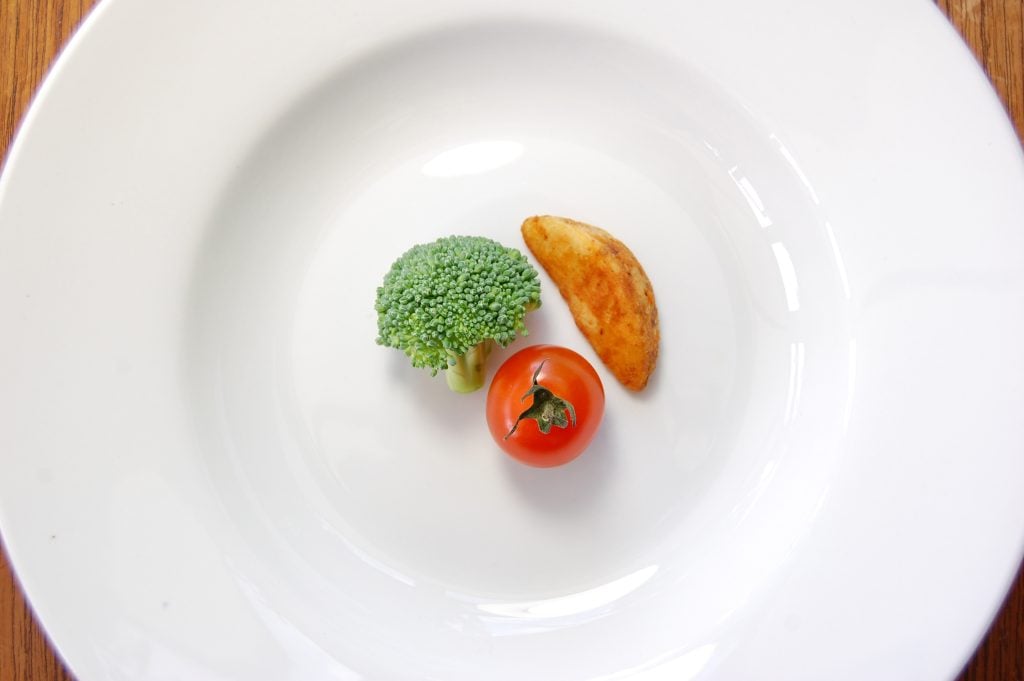
Lamont has, however, seen a demand for less food. After a 2024 that “sucked for restaurants,” he says, he asked his customers how they could improve. “A lot of our feedback was about our plates being so big [that] nobody finished them,” he continues. “So, we’ve been slowly scaling them down. I thought that people would be up in arms, and it’s been the opposite.”

Whether they’re on a weight loss drug or not, people are drinking less, paying attention to portions, and going out less, Lamont adds. Regarding the sagging demand for alcohol, he says, “I think it’s a good thing. I mean, it sucks for me; it sucks for my businesses, but I think it’s a good thing. And I think it can be offset in other ways. But I’m not sure what yet. So, we, the restaurateurs, have to be conscious of that and make sure that we are really upping our game on every reason that someone goes out—the quality, the service, everything. It’s made all of us sharpen our pencils, or at least it’s made me sharpen my pencil.”

Most of the restaurateurs we talked to agree on one thing: If people are eating and drinking less, the restaurants that are better prepared for the shift will be the ones who invest in the environment, the design, the whole experience. More than a few pointed to CH Projects and their wild, maximalist design and art restaurants like Quixote, Leila, and Craft & Commerce. 

To make up for the effect, restaurants might also reduce portion sizes (thus saving on food and drink costs), which arguably has been long overdue in the massive-portion US restaurant culture. 

Meanwhile, Lia Hunter, who co-owns Barrio Logan restaurant Lia’s Lumpia with her son Spencer, is choosing to see GLP-1s as a passing fad. “You have the people that are like, ‘Well, one day I’m gluten free, one day I’m not; one day I’m vegan, one day I’m not,’” she says. “For people who take Ozempic, I really see it as a cosmetic procedure.”

But as more people become customers like Kelly, restaurants may need to adapt. Kelly’s advice for places that want to keep her business? Offer smaller portions and foods that are packed with protein, fruits, and vegetables.

“I still like to go out,” she says. “I’m just going to order less.”

Claire Trageser has been writing for San Diego Magazine for 10 years. She also is a reporter at KPBS and writes for The New York Times, National Geographic, Marie Claire, Elle and Runner's World.

Subscribe to our newsletters

Select Options

By subscribing you confirm that you agree with our Terms and Conditions and Privacy Policy.

Food & Drink JUNE 17, 2026

Steady State Roasting Co. Perks Up In San Marcos  

After eight years and numerous awards, the cafe and roastery expands its operations in North County

Steady State Roasting Co. Perks Up In San Marcos  
Courtesy of Steady State Roasting

San Diego’s coffee industry has yet to hit its ceiling. There are at least 850 coffee shops across the county (possibly over 1,000 at this point) and more specialty cafes and roasters seem to join the roster every other week. 

Some newcomers, like Chance’s Coffee, focus on specialties like Vietnamese coffee; other stalwarts, like Bird Rock Coffee Roasters, have helped put the local coffee scene on the map with internationally acclaimed beans and baristas for 20 years. You can get a classic pour-over or an ultra, whipped cream–topped strawberry lavender basil blueberry matcha latte sprinkled with unicorn glitter—whatever your coffee style, San Diego’s got it… somewhere.

Steady State Roasting falls more in the former category, focusing on traceable, sustainable sourcing and no-nonsense roasting (no unicorn glitter here, sorry!). Founder and lead roaster Elliot Reinecke first started Steady State in a garage behind his house, roasting small batches until expanding slightly to a shared and not-quite-permitted space before landing in a lucky spot on State Street in Carlsbad. 

Now, eight years later, Steady State is scaling up once more, opening its second cafe in San Marcos next to their roastery. The new location offers the same food and drink menu as the original Carlsbad location, and Reinecke says he plans to add an onsite bakery to bake items like English muffins and country loaves to supplement Prager Brothers’ more specialized pastries. 

He doesn’t plan on opening more cafes, though. Rather, Reinecke plans to expand roasting operations and strategic sourcing. Currently, he sources beans from Colombia, Panama, across Africa, and as of this year, Costa Rica. “We’ve had Costa Rican coffee before, but we went to origin a few months ago and bought six different lots from there, all from really good high-end local farmers,” he explains. 

The rising cost of sourcing does present some challenges, as does changes within coffee culture itself. Coffee has moved from a mass-market beverage to a highly personalized artisanal experience, but the current feeling is moving back towards focusing on quality over flashiness, says Reinecke. 

If Reinecke’s prediction is right, coffee is headed on a similar trajectory to craft beer. Ten years ago, no one knew what Citra hops were. Now, even casual beer fans are versed in hop varieties, and that attention to detail is spilling over to coffee as well. How many of San Diego’s 1,000 coffee shops will remain once the unicorn glitter’s luster fades? My bet is on anyone remaining steadfast to sourcing, sustainability, and simplicity. 

Steady State San Marcos is now open at 1320 Grand Avenue, Suite #9, San Marcos. Initial operating hours are Tuesday through Saturday, 7 a.m. to 2 p.m. 

San Diego Restaurant News & Food Events

Beth’s Bites

  • Sake lovers would do well to keep September 27 open. The 10-year anniversary of the San Diego Sake Festival is coming to Julep Venue in Mission Hills with over 150 different sakes and shochus from across Japan, plus VIP tickets get special access to unlimited tastings from Michelin-starred Soichi Sushi. VIP opens at 2:30 p.m. and general admission is 3:30 p.m., but early bird tickets are limited to the first 40 people. I mean c’mon, sushi and sake? If you’re even remotely interested in learning more about sake (or already know you’re a fan), this is the event of the year. 
  • The uber-luxe spa The Golden Door in Escondido has been rejuvenating guests for over six decades, even winning Best Bathhouse Remodel in our Best of San Diego 2023 for its multi-million dollar overhaul. Now, you can try making the property’s signature nourishing cuisine at home with Chef Greg Frey, Jr.’s debut cookbook The Golden Door Table. There are over 100 recipes ranging from potassium broth to miso black cod, plus desserts, breakfast items, and a ton more to inspire your own wellness journey. The book hits shelves on September 15, but preorders are available now. 
  • Love her or hate her, Gwyneth Paltrow has undeniably created a wellness dynasty with Goop, her blog-turned-brand with locations across California. Soon, San Diego will get its own shot of Paltrow-power when the first Goop store opens in One Paseo later this year, followed by an on-campus location at UCSD’s Triton Center. Charge your crystals and send out good energy to the construction and permitting entities…

Listen Now: The Latest in San Diego’s Food and Drink Scene

Have breaking news, exciting scoops, or great stories about new San Diego restaurants or the city’s food scene? Send your pitches to [email protected].

Beth Demmon

About Beth Demmon

Beth Demmon is an award-winning writer and podcaster whose work regularly appears in national outlets and San Diego Magazine. Her first book, The Beer Lover's Guide to Cider, is now available. Find out more on bethdemmon.com.

Food & Drink JUNE 15, 2026

Carlsbad’s Newest Restaurant Is All About One Perfect Dish

The team behind Harumama and Blue Ocean will open Little Kiki Katsu & More on June 15, serving premium cutlets, Japanese sandos, and curated sake pairings

Carlsbad’s Newest Restaurant Is All About One Perfect Dish
Photo Credit: Arlene Ibarra

Every culture has its own comfort foods—cozy dishes that nurture the soul as much as the body. In the US, dipping a grilled cheese sandwich in a bowl of tomato soup can feel as satiating as pulling a warm sweater out of the dryer. In China, a steaming bowl of congee is basically a miracle remedy for anything you can imagine. I’m pretty sure Italian carbonara could achieve world peace. And in Japan, katsu remains one of the most universally satisfying inventions of the past century.

Katsu was originally invented as a riff on côtelette de veau, the classic French veal cutlet coated with breadcrumbs and pan-fried in butter. In 1899, a Western-style restaurant called Rengatei in Tokyo decided to put their own spin on the dish by pounding the cutlets until thin, then coating them with softer panko and deep-frying versus pan frying (like tempura) for a crispier, lighter, crunchier bite. Today, pork—called tonkatsu in Japanese—tends to be the most common base for katsu.

The dish has yet to achieve the same mainstream status as say, chicken nuggets, in the US. But Little Kiki Katsu & More hopes to change that, when the katsu-focused restaurant opens in Carlsbad on June 15.

Created by the team behind Harumama and Blue Ocean, Little Kiki will focus on premium katsu dishes paired with sake and around a dozen small bites like miso soup, karaage, edamame, and Japanese pickles. Executive chef James Pyo, who co-owns all three restaurants with his wife Jenny, created a menu that features proteins like Berkshire Kurobuta pork, Jidori chicken, salmon, scallops, and dry-aged Pacific cod for the katsu and grilled stone selections. (Note: the grilled stone options will be offered for dinner only.)

Photo Credit: Arlene Ibarra

The lunch menu includes Japanese-style sandos like a tonkatsu sandwich with pork, housemade bread, and tonkatsu sauce (available regular or spicy). Dessert options are simple to start—yuzu cheesecake, matcha crème brûlée, and mango/yuzu mochi ice cream. The Pyos curated a selection of premium sakes as well, specifically for pairing purposes, as well as offering some beer and cocktails.

Little Kiki, which is named for Jenny’s cat, seats 25-30 guests inside with room for only a few more on the small outdoor patio as well. Designer and assistant Yoojin Jang says the vibe is meant to be warm and welcoming but modern, using colors like olive green, cream, and pops of orange against Japanese-style wood slats.

Initially, Little Kiki will only be open for dinner service, but aims to introduce lunch hours for the grand opening on July 1. Due to the limited seating, Jang encourages guests to make reservations, and while the restaurant will offer takeout, it will not be available on food delivery apps like Uber Eats or DoorDash to motivate guests to come experience it for themselves.  

“Come in curious and leave satisfied,” says Jang. And keep your eyes open for subtle cat motifs—she promises they are hidden all over the place. Whimsy, it seems, is also on the menu. 

Little KiKi Katsu & More soft opens on June 15, 2026 at 2958 Madison Street, Suite 101 in Carlsbad. Hours are Monday, Wednesday, Thursday, and Sunday from 11:30 a.m. to 3 p.m. for lunch and 5 p.m. to 9:30 p.m. for dinner; Friday and Saturday from 11:30 a.m. to 3 p.m. for lunch and 5 p.m. to 10 p.m. for dinner; closed Tuesday. 

Courtesy of San Diego Restaurant Week

San Diego Restaurant News & Food Events

Beth’s Bites

  • The Cygnet Theater in Liberty Station roared back to life last summer and hasn’t slowed down since. Their current show, The SpongeBob Musical, runs through July 12, and anyone who wants to enjoy a meal from a Michelin-recognized restaurant before the curtain drops need only pop next door to Solare Ristorante. The local Italian favorite just nabbed multiple accolades in this year’s Best Restaurants issue (Reader’s Pick for Top Five Restaurants, Critic’s Pick for Best Gluten-Free Menu, and runner-up for Best Wine List in San Diego) and is offering a prix-fixe menu for the show for $59 per person. With choices like “Bikini Bottom Bruschetta” and “Squidward’s Shell City Risotto,” parents and kids can both enjoy a cheeky evening out. 
  • It’s the most wonderful time to eat—or at least, it’s coming soon. San Diego Restaurant Week returns September 13 through 20 to celebrate everything delicious the area has to offer for eight gloriously gluttonous days. Over 120 restaurants in every corner of the county will have pre-set menus to showcase their crème de la crème dishes, so at three meals a day, that’s at least 24 meals you can check off your list. But if you decide to go for triple-digits, I certainly won’t judge you. 
  • Following Vanguard Culture’s 10-year anniversary dinner series, artist Ben Guerrette will once more take over The Chapel at Liberty Station for Ritual:SOLSTICE, an immersive dining experience to celebrate the summer solstice. On June 20, he’ll light up the chapel with his signature illumination experience, with Riva providing the smooth sounds of jazz, Beth Guerrette and company showcasing their choreography and dance, and Snake Oil Cocktail Company on hand for specialty cocktails. What better way to commemorate the sun’s slow retreat than with an explosion of creative energy to carry you through the next seasons?

Listen Now: The Latest in San Diego’s Food and Drink Scene

Have breaking news, exciting scoops, or great stories about new San Diego restaurants or the city’s food scene? Send your pitches to [email protected].

Beth Demmon

About Beth Demmon

Beth Demmon is an award-winning writer and podcaster whose work regularly appears in national outlets and San Diego Magazine. Her first book, The Beer Lover's Guide to Cider, is now available. Find out more on bethdemmon.com.

Food & Drink JUNE 11, 2026

Spanish Wine, Tapas, Paella & More Coming to UTC

Telefèric Barcelona will open its first San Diego location early this summer

Spanish Wine, Tapas, Paella & More Coming to UTC
Courtesy of Telefèric Barcelona

Westfield UTC mall is adding yet another “first” to the ever-growing roster of restaurants. The first US location for China’s stir-fry sensation Chef Fei is on the way later this year, Japan already reinvented crispy rice pioneer Katsuya by opening the first Katsuya Ko, and now, it’s Spain’s turn—Telefèric Barcelona opens early this summer. 

The family-owned, Barcelona-based tapas joint first opened in the US 10 years ago in Walnut Creek, California, but co-founder and CEO Xavi Padrosa says they’ve had their eye on San Diego for years. Westfield UTC “just clicked,” he says, pointing to the burgeoning collection of world-class eateries already within the mall’s walls. Plus, La Jolla’s breezy vibe echoes Spain’s easygoing tapas culture.  

The indoor/outdoor space spans 5,526-square-feet, with seating for 150 inside, 60 on the patio, and 16 more at the bar. Xavi’s sister and co-owner Maria Padrosa designed the Mediterranean-inspired space as a contemporary take on coastal Catalonia, using imported furniture and materials from Spain like hand-glazed tiles and wood accents. And if all the dining spaces are planets, the center of the suite’s universe is the bar.

Courtesy of Telefèric Barcelona

Padrosa points to signature favorites like patatas bravas (fried potatoes drizzled with a spicy red sauce and house aioli), jamón ibérico de bellota (Spanish ham from free-range pigs raised on acorns, cured for 38 months and sliced to order), gambas al ajillo (garlic shrimp), pulpo Telefèric (octopus with potato purée and pimentón XO, a spicy Spanish/Cantonese fusion sauce), and croquetas (a popular fried tapas dish coated in breadcrumbs and made with béchamel mixed with fillings like jamón or king crab.

There are a very small handful of legit paella spots in San Diego (Costa Brava in Pacific Beach and Cafe Sevilla in Gaslamp Quarter come to mind), so I’m personally looking forward to giving Telefèric’s a go—especially the squid ink paella negra, which is perhaps the most goth paella of all. Every location also offers different weekend specials, La Jolla’s being seafood-driven and meant to pair with beverage director Alex Serena’s drinks. There are over a hundred Spanish wines, Spanish-inspired cocktails, sangria, and of course, plenty of twists on the iconic gin and tonic. The restaurant will also have a gourmet market called The Merkat with imported Spanish sundries. 

Courtesy of Telefèric Barcelona

With more US locations in the works (Newport Beach will open soon after La Jolla), Padrosa says the company hopes to open more across California, but are open to anywhere in the country that feels right. “We don’t know exactly what new cities will appear on our map in the coming years,” he says. But in true Catalan fashion, anywhere they go should be ready for big plates of hearty Spanish cuisine.   

Telefèric Barcelona La Jolla opens early summer 2026 in Westfield UTC. Opening hours will be Monday through Thursday, 11:30 a.m. to 10 p.m.; Friday and Saturday, 11:30 a.m. to 11 p.m.; and Sunday, 11 a.m. to 10 p.m.

Photo Credit: Gretchen Dunn

San Diego Restaurant News & Food Events

Arcana In Encinitas Is Now Anigma

Most of the time, you have to be 18 years old to change your name. In Arcana’s case, it was about a month. The immersive speakeasy behind Archive in Encinitas updated their moniker to Animga (a play on “enigma”) earlier this month, after what one can only assume was an upset letter from a similarly-named business. However, partner Paula Vrakas promises that the concept remains the same—mystery, cocktails, and a forthcoming bottle locker membership club. Since the only constant is change, Anigma is off to a good start!

Courtesy of Good Honey

Beth’s Bites

  • It’s not a salad barMary’s Gourmet Salads is a salad experience. And soon, Bankers Hill will get a taste of the green when the local eatery opens its third location at the corner of Sixth Avenue and Upas Street in the Park Summit building. Yes, that’s the same building as Cowboy Star’s new venture She Rode West, so it sounds like veggie lovers and carnivores alike will be covered. 
  • Speaking of expansion plans, La Corriente is likewise on a roll. The Mexican seafood concept opened its first location in the US in La Jolla in 2024, followed by Coronado in 2025, and announced plans to open a third branch in Oceanside in the Freeman Collective. With neighbors like Tanner’s Prime Burgers and Little Fox ice cream, the culinary collective is only getting more ridiculously tasty.
  • One delicious event that will occur before both of the aforementioned openings is a honey + cheese + focaccia tasting at Pastaria Vivi on July 17. With the help of Good Honey (which took top honors as the highest-rated honey in the U.S. at the International London Honey Awards) and Point Reyes Farmstead Cheese Company (easily one of the best artisanal cheesemakers in California), the Encinitas-based pasta shop and market will host a free pairing event from noon to 3 p.m. And if you’re an aspiring apiologist, don’t miss Good Honey’s on-site observation hive to watch these busy bees in action.

Listen Now: The Latest in San Diego’s Food and Drink Scene

Have breaking news, exciting scoops, or great stories about new San Diego restaurants or the city’s food scene? Send your pitches to [email protected].

Beth Demmon

About Beth Demmon

Beth Demmon is an award-winning writer and podcaster whose work regularly appears in national outlets and San Diego Magazine. Her first book, The Beer Lover's Guide to Cider, is now available. Find out more on bethdemmon.com.

Studio S FEBRUARY 26, 2026

Chef Aidan Owens Thinks Your Fish is Boring

The 29-year-old culinary director at Herb & Sea is making seafood sexy (and approachable) again

Implementing a farm-to-table model hardly deserves acknowledgement these days. It’s not a stretch. It’s not innovative. “It’s the bare f**king minimum,” says Herb & Sea‘s executive chef Aidan Owens.  

When I arrive at the Encinitas restaurant, I’m ready to talk sustainability, farm-to-table stuff, with Owens. “Did you see the chin on that?” he says of the extra big jiggly chin on the sheephead that just arrived with the day’s fresh catch. I did. It was Jay Leno adjacent.

I learn quickly that he somehow oozes both charm and stone-cold honesty. Maybe he could construct a new dish with chin goo, like he did when he had a bunch of tuna scraps and voila’d it into a smooth and crowd-pleasing ‘nduja. “I want to know what’s in there,” he says.    

Courtesy of Herb & Sea

The instinct to look closer, to dig into what others might discard, says a lot about the chef’s approach. I guide him back to our topic, but he has something else on his mind. “We’re overcomplicating food—what happened to just cooking good food and having fun with it?”

Owens grew up on a farm in Byron Bay, Australia, where sustainability wasn’t a concept you chat about so much as a way of life. Think dirt roads, backyard chickens, pulling vegetables straight from the ground, and a mother who believed that if you couldn’t pronounce the ingredients on a package, you shouldn’t eat what was inside.

Food wasn’t precious or performative. Making it was what you did because you were hungry and that’s still what inspires Owens today. “I like to cook good food because I like to eat good food,” he says.

His approach to sustainability at Herb & Sea began so naturally that it felt just like instinct. “I was just like, ‘Let’s order food from the people who live and work here,’” he says.

Courtesy of Herb & Sea

And why wouldn’t he when lives in San Diego? Cities all over the world vie for our goods. Our tuna is sent overseas. Our spiny lobsters hit dinner plates in China and Japan. Not to mention California’s producing a third of the country’s vegetables and three-quarters of its fruits and nuts. 

“Why would we outsource when it’s all here?” Owens asks.

Sustainability, in this context, is about cooking what exists in abundance, nearby, right now. “I love the local fish here. It’s f**king delicious and San Diego citrus, I mean, it is so f**ing good,” he says.

Instead of importing ingredients, Owens also looks for nearby alternatives. “You can find really cool things in the local waters,” he says, pointing out that stingray cheeks taste similar to scallops.

Courtesy of Herb & Sea

Whatever he finds in that sheephead chin might just be the next substitute for marrow. But to make this work, it means getting diners amped up about the slightly unfamiliar. 

Tasting menus, where diners are completely in his hands, become an opportunity to gently push boundaries. “I’ll serve mackerel, because people think they hate it,” Owens says, noting that the abundant local fish can have some fishiness. “But when it’s fresh, it’s arguably one of the best fish in the ocean.”

He also tweaks the language on the menu so people might feel more compelled to give dishes a try without preconceived notions. He might use “lengua” instead of “tongue.” “Whelk” instead of “snail.” When he puts “stingray throat” on the menu, he disarmingly calls it “skate.” 

To reduce waste, scraps aren’t always discarded but rather turned into something new. Sometimes they’re smoked, cured or fermented. Apples going bad turn into apple ponzu. Lemons turn to marmalade, which stretches their usefulness far beyond peak season. “And it’s super tasty on our pizza,” he says.

What makes the food even richer, is the relationships he’s built with farmers. Though it didn’t always feel natural, Owens sought personal connection first. He recalls approaching a fisherman at the Tuna Harbor Dockside Market. “I was awkward,” he says. “I went up to him and said, ‘I like your fish.’”

Owen’s is now so close to his suppliers—like fishermen Ryan Sebo and Joe Daly—that he gets texted pictures of fresh catches right as they flop on the boat. The messages always ask if he wants first dibs. “I say yes to a lot of fish,” Owens says, noting that Herb & Sea can go through 2,000 pounds of seafood a week.

Courtesy of Herb & Sea

The next evolution of sustainability, in his view, will be chefs working directly with producers such as his alliance with Sebo, cutting out middlemen and purveyors where possible. “It will put more money in the pockets of the people doing the work,” he says.

It will mean that chefs can’t just know their local farmers and producers, but they’ll choose to work with the ones who have the best practices. Dining and sustainability will become much less about the final plate. “It will be more about the impact that plate has on the Earth,” he says.  

Ultimately, he believes sustainability doesn’t need to be loud. It doesn’t need hashtags. It just needs to be honest.

“We aren’t saving lives. We’re feeding people good food,” he says.

And yet, in feeding people well—simply, thoughtfully, responsibly—something meaningful happens. Guests leave satisfied. Ingredients are respected. Local ecosystems are supported and food returns to what it has always been at its core: nourishment, pleasure, and a quiet reflection of the place it comes from.

No buzzwords required.

Food & Drink JUNE 10, 2026

Where is Coral Strong Now?

Talking farm to table, fraud-to-table, and the feasibility of the movement with the beloved restaurateur who saw it all

Where is Coral Strong Now?
Courtesy of Chef Coral Strong

Garden Kitchen was special. During its seven-year run on a quiet street in Rolando, even the farmiest-to-table devotees were pointing to chef-owner Coral Strong and slow-clapping. When the restaurant’s lease was up without the option to renew, which forced her to close in 2022, Strong wasn’t sure what to do next.

Farm-to-table wasn’t new by any means—chef Alice Waters spawned the movement at her pioneering restaurant Chez Panisse in Berkeley in the early ‘70s, and many San Diego chefs did it right. But by the mid-2000s, the idea had been so co-opted by the mainstream that the meaning was almost completely lost. 

“In the beginning, I used to get very honestly angry and upset when I would go to other restaurants that were claiming they were farm-to-table, but knowing some of the chefs or prep cooks inside [telling me] ‘Oh no, that comes from Restaurant Depot,’” she says.

Food critic Troy Johnson’s cover story in 2015 documented the fraud, titled “Farm to Fable.” At Garden Kitchen, Strong only used produce and meat sourced from local San Diego farms—an honorable, if not arduous endeavor.

Strong grew up in Cardiff before her parents moved the family to Costa Rica in 1989. They’d bounce between the two countries for months at a time, but when they lived in a motel by the beach while building their own house, she witnessed an incredibly tight-knit food culture. “As a Latin American country, everyone kind of cooks together,” she says. Everyone chopped, prepped, prepared, and served as a unit. “[That] definitely shaped my adolescence as to how I thought about food and the community of food.” 

Photo Credit: Olivia Hayo

When her father, a commercial fisherman, brought the family back to San Diego, Strong leaned into an entrepreneurial streak, moving from coffee to accounting and eventually bartending to pay the bills. But food remained a passion, especially after she met her future husband, who introduced her to his Be Wise CSA and the wonderful world of truly fresh, farm-grown vegetables.

“We were just always disappointed with the vegetables out at restaurants and were like, ‘Why can’t they just make vegetables taste good?” she wondered. She realized that despite having more small farms than any other county in the country, most restaurants in San Diego simply weren’t using local ingredients. 

So she decided to do it herself. 

Strong opened Garden Kitchen without any formal culinary training—just a commitment to getting the freshest vegetables, meat, fruits, and other produce onto people’s plates. Her first chef quit within a month, telling her it was impossible. “So I got in the kitchen one day and said, ‘I can do this, let’s figure it out.’ I taught myself how to cook.”

She already had connections with farmers, fishermen, and ranchers, and designed a different menu almost daily based on what she could get. “My farmers sometimes delivered in the middle of dinner service,” she laughs. 

Garden Kitchen lasted until after the pandemic, but before the current economy cut into already razor-thin margins. Could Garden Kitchen exist today? She’s not sure.

“The biggest thing right now is just looking at the finances and how expensive it is,” says Strong. “Obviously, the cost of food is up right now, gas is crazy right now… it just crushes you.” Despite that, she believes that committing to the true farm-to-table ethos is as easy as one decides to make it.  

“If you think it’s hard to order directly from your farmer, if you don’t understand the absolute pleasure in doing that and you’d rather order from a computer, then that’s your own difficulty,” she says. “People say they’re into it, but are they willing to make the effort like I am, to drive an hour to go get my meat, or drive 35 minutes to go to my farm to go pick it up? I don’t know.” 

Today, Strong works as a private chef, hosts pop-ups, and offers catering services, all still using seasonally available ingredients from San Diego. And while she has no intentions of opening another restaurant, she says we might see even more of her in the future.

“I have a large property [in Valley Center], and let’s say that there will be more of my food to come,” she promises. 

Courtesy of Tajima Ramen

San Diego Restaurant News & Food Events

Beth’s Bites

  • Dora is less than a year old, but already shaking things up—mostly, behind the bar. Bar lead Francesca Proietti Semproni (whose resume includes stints at Young Blood, Civico, and Rustic Root) launched what sounds (in my humble opinion) like an absolutely charming initiative called Nonna’s Recipe Book. Instead of picking your next drink off a menu, tell the bartender what you’re in the mood for, what you’re eating, and what flavors you tend to enjoy and they’ll whip up a unique concoction just for you. But wait, there’s more! Once the custom cocktail comes to life, the Dora team adds it into a living archive of recipes—a collection of guest-created drinks you can come back to again and again and again. In an age of algorithmic choices made for us rather than by us, I kind of love this analog vibe. 
  • South Bay’s local coffee favorite Cafecito on Palm is doing the damn thing for number two. Cafecito on Park will open later this year near San Diego City College, bringing their signature espresso service closer to downtown. Hopefully, City College attendees can plan for their next finals week to be a little more java-driven. 
  • It’s always 5 o’clock at Margaritaville Hotel San Diego Gaslamp Quarter, and now, it’s perpetual summer as well with a slew of rooftop cabanas now available to the public. If you ask me, it’s just in time for the hotel’s Yappy Hour, hosted on the last Thursday of every month through October, where pups and people can kick back on the rooftop and enjoy dog-friendly (and people-friendly) menus, plus giveaways, leis, and more. If your dog likes to chill as much as you do, this might be the place to hang poolside this summer. 
  • Time flies when you’re slurping noodles. Tajima Ramen just hit the big 2-5 and is marking the occasion with a month of specials, events, deals, and other giveaways throughout June. From June 1 to 7, head back in time with their Throwback Menu bringing back some old favorites, June 8 through 14, you can get any two ramen bowls for $25 or free extra noodles with your ramen (dine-in only), or from June 15 through 21, snag happy hour prices all day, every day. There’s even more on the schedule, so take a peek at your local shop’s calendar and enjoy the taste (and some prices) circa 2001. 

Listen Now: The Latest in San Diego’s Food and Drink Scene

Have breaking news, exciting scoops, or great stories about new San Diego restaurants or the city’s food scene? Send your pitches to [email protected].

Beth Demmon

About Beth Demmon

Beth Demmon is an award-winning writer and podcaster whose work regularly appears in national outlets and San Diego Magazine. Her first book, The Beer Lover's Guide to Cider, is now available. Find out more on bethdemmon.com.

Arts & Culture JUNE 9, 2026

17 Things to Do in San Diego This Weekend: June 10-14

Stop by the San Diego County Fair, rock out at the inaugural Field of Dreamz and visit Bikini Bottom via The Spongebob Musical

17 Things to Do in San Diego This Weekend: June 10-14
Courtesy of Switchfoot Bro-Am

Charitable gatherings, downtown music festivals and theater premieres—of both the heartwarming and thought-provoking variety—are among San Diego’s standout events this weekend. You can’t spell fundraising without ‘fun,’ and both elements are central at Poway OnStage’s Taste of the Towne and the Switchfoot Bro-Am. Listeners of blues, reggae rock and silky smooth jazz can check out the East Village Blues Fest, Field of Dreamz and the San Diego Smooth Jazz Festival, respectively. As for the city’s thespian community, new shows include Cygnet Theatre’s production of Broadway favorite The Spongebob Musical and the world premiere of the OnWord Theatre show Marti Gobel’s Adult Storytime: A Caregiver’s Guide To The Blues.

Food & Drink | Concerts & Festivals | Theater & Art Exhibits | More Fun Things to Do

Food & Drink Events in San Diego This Weekend

Switchfoot Bro-Am Benefit Party

June 11

The tasteful appetizer to Switchfoot Bro-Am’s annual Beach Fest is the laid-back Benefit Party, returning this Thursday from 6-10 p.m. at Viasat. Guests will be treated to a curated dining menu, a performance by Switchfoot with special guests, and the chance to bid on live and silent auction items, including local excursions, apparel packages, and deluxe arts experiences. Individual ticket options include general admission ($300) and reserved seating ($450); the money raised will go towards youth-centered programming at six local nonprofits

6155 El Camino Real, Carlsbad

Taste of Our Towne at Poway Center for the Performing Arts

June 13

Patrons of Poway OnStage are invited to Taste of Our Towne, the organization’s annual culinary fundraiser, this Saturday at 5 p.m. at Poway Center for the Performing Arts. The evening will begin with auctions, plus bites and libations from over a dozen local vendors before magician Chris Funk, aka The Wonderist, takes the stage for an interactive comedy show. General admission is $115 for Taste of Our Towne; proceeds from this event will benefit Poway OnStage’s Professional Performance Series and Arts in Education Initiative. 

15498 Espola Road, Poway

Concerts & Festivals in San Diego This Weekend

Rod Stewart at North Island Credit Union Amphitheatre 

June 12

Before (potentially) riding off into the sunset, British rocker Rod Stewart is strutting his stuff stateside with the unconventional voice and unquestionable verve that’s propelled his nearly six decade-long solo career. Though the “Da Ya Think I’m Sexy?” artist’s days on the road may be dwindling, that’s even more reason to give him his flowers in the present. Stewart’s upcoming show this Friday at 7:30 p.m. at North Island Credit Union Amphitheatre will feature prolific singer-songwriter Richard Marx as the opening act. Tickets start at $40.  

2050 Entertainment Circle, Chula Vista

Switchfoot Bro-Am Beach Fest

June 13

Following Thursday’s Benefit Party, the 22nd annual Switchfoot Bro-Am will switch (get it?) from its fundraiser to a free day at Moonlight Beach for Saturday’s all-day Beach Fest. From 7 a.m. to 3 p.m. there will be surf competitions—including surf jousting—and from noon to 5 p.m., Sun Room, Telephone Friends, Kimiko, a handful of special guests and, of course, Switchfoot will perform for attendees. Additionally, throughout the day, there will be a variety of vendors and brand activations to explore. Admission is free with RSVP, while VIP pit tickets are $195. 

400 B Street, Encinitas 

Field of Dreamz at Petco Park

June 13

As the mysterious saying goes, ‘If you build it, they will come,’ but instead of Iowa cornfields, this time the message is coming from inside SD’s home ballpark. This Saturday, Ocean Beach natives Slightly Stoopid will headline the first-ever Field of Dreamz Festival, and they’ve brought along a handful of ska, reggae and island-inspired rock acts for the ride. Doors will open at 3 p.m., and fans can see sets by Stephen Marley, Pepper, Sublime—whose first album with frontman Jakob Nowell drops Friday—and more. Ticket options include standard admission ($125), floor tickets ($188), plus All-Star VIP ($244) and Hall of Fame VIP ($610) passes.

100 Park Boulevard, Downtown

East Village Blues Fest

June 13

Ryan Hardison is a freelance arts and entertainment writer and recent graduate of San Diego State. When he's not staring at his laptop, he's likely eating an adobada burrito or getting sunburnt at the beach.

Partner Content JUNE 10, 2026

New Options for GLP-1 Users

Scripps study shows that some patients may be able to taper their dose and maintain results

New Options for GLP-1 Users
Courtesy of Scripps Health

While glucagon-like peptide-1 (GLP-1) receptor agents have been used to treat Type 2 diabetes for more than 20 years, their recent emergence as weight-loss wonder drugs marked a new frontier in medicine. But their effectiveness has left some patients wondering what to do once they’ve reached their goal. Stopping the medication could mean regaining some, if not all, of the weight. A Scripps Clinic internal medicine physician recently conducted a small study of whether GLP-1 patients who had reached their goal weight could maintain that weight by taking their regularly prescribed injection every other week instead of weekly. Spoiler alert: 30 of 34 patients did. Read more about the study here and what that may mean as pharmaceutical companies roll out oral GLP-1s.

For more nutrition, wellness, and healthy living tips, sign up for the San Diego Health newsletter here.

Partner Content

Eat Like a Local (Who Knows a Guy).

Restaurant news, culinary storytelling, and Troy Johnson’s sharp takes delivered straight to your inbox twice a month.

Close the CTA

Contact Us

1230 Columbia Street, Suite 800,

San Diego, CA