The Best of San Diego 2018
San Diego is a-changing. Bartenders are using CBD oil. A mall is the newest restaurant hot spot. The tally for new breweries? We’ve lost count. Big names like SoulCycle and Shake Shack have arrived with a bang. And La Jolla Playhouse is about to debut its biggest musical yet. All this to say, our city is buzzing. That’s where we come in, to help you navigate the landscape of new, must-try, and got-to-see. Check out the 103 top meals, drinks, activities, and shops to enjoy both in San Diego and across the border in Tijuana.
Winners by Category
Food and Drink
Beauty and Shopping
Health and Fitness
Kids
Arts
The Best of San Diego 2018
Menu Revamp
Named after the hotel’s original proprietors, the new dining concept at Point Loma’s Pearl Hotel is helmed by ex-Campfire chef Andrew Santana. The new menu leans more upscale than before—think curry fried Jidori chicken with doenjang aioli, kimchi, and pickled shiitake for dinner and buckwheat pancakes with cardamom syrup for brunch. Santana’s also bringing in buzzy new local baker Wayfarer Bread for all toasts. On Mondays they’re serving up $1 oysters all night, Wednesdays are still the hotel’s fun Dive-In Theatre night by the pool, and they recently launched a monthly bingo night with local burlesque star Sassy Stiletto.
1410 Rosecrans Street, Point Loma
The Best of San Diego 2018
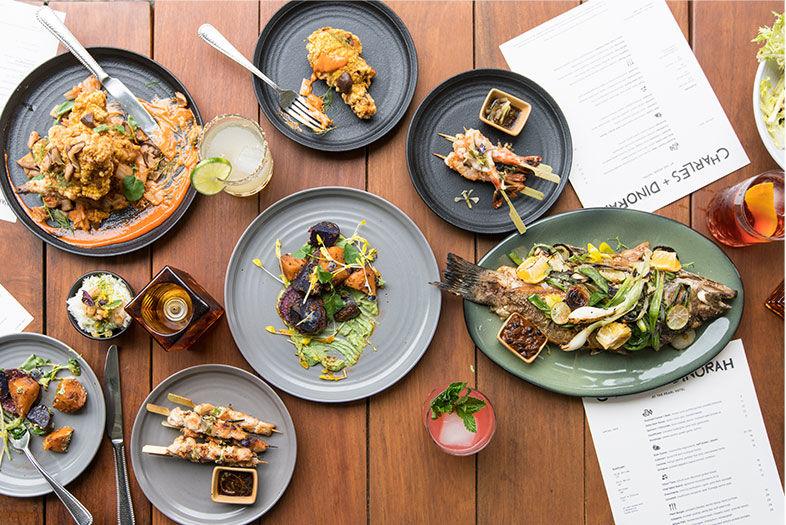
Charles + Dinorah | Photo by Sam Wells
Fancy Dinner
While most restaurants are veering toward fast-casual, leave it to San Diego’s cutting-edge hospitality group, CH Projects, to buck the trend. The team behind Underbelly and Ironside Fish & Oyster has created a lavish, trendy dining experience complete with caramel-colored leather booths and terrazzo flooring. The menu focuses on dry-aged steaks and dishes made tableside, like a Caesar salad and traditional French omelet. Chandeliers drip from the ceiling, and waiters wear tuxedos with Converse sneakers. You’ll definitely want to sit and stay awhile.
1909 India Street, Little Italy
Comeback
Rebuilt on the ashes of its longtime location after a 2015 fire, this phoenix of a sandwich shop updated its decor and layout (more seating!) but kept its affordable menu of made-to-order bánh mì and croissant sandwiches, grab-and-go spring rolls and entrées, fresh-baked baguettes, and pastries. Loyalists clamor for pork bánh mì, but also worthy is the pâté chaud, a puff pastry filled with ground pork and pâté.
7604 Linda Vista Road, Linda Vista
Interactive Dining
Yes, you can order from the menu, but the fun of eating at this Hillcrest spot is picking dishes straight from carts that the chefs wheel around the space. Think of it as an Italian spin on dim sum. The passaggi (Italian for “to pass by”) are daily creations that range from vegetable appetizers to cacio e pepe gnocchi. The pastas are made in-house with free-range eggs and top-notch flour. Make sure to try their pinsa, a pizza ancestor made with wheat and rice flour. For more in-depth dining, belly up to the bar, where you can watch the chefs work.
1040 University Avenue, Hillcrest
Ambience
San Diego isn’t trying to be a pulsating city like New York or Los Angeles, but sometimes it’s nice to feel that energy. That’s what you’ll get at this Japanese fusion restaurant in Little Italy, launched by the team behind Tajima. Seating in the front section rings around the centerpiece bar, marked by eye-catching synthetic cherry blossom trees and paintings of Tupac Shakur. The back section feels roomier, with a sushi bar, lounge seating, and portraits of Biggie Smalls gazing upon your dinner. It’s just the kind of cool vibe that our sweet, sleepy San Diego sometimes needs.
1953 India Street, Little Italy
Hotel Restaurant
Executive Chef Alex Emery and a new culinary team have revamped the menus at The Med. The oceanfront eatery combines Mediterranean and California coastal flavors in classic dishes with modern twists. The surf and turf is a standout, made with Wagyu black beef and king crab in lobster thermidor with shellfish cream and caviar. Get there early to secure a spot on their outdoor terrace for sunset views.
1132 Prospect Street, La Jolla
East County Dining
Executive Chef Marco Provino, originally from Sicily, delivers a welcome (and much needed) addition to Lemon Grove with Giardino. The dinner menu focuses on pasta, pizza, and traditional Italian entrées like Sicilian steak, cioppino seafood stew, and chicken Florentine. During the weekday happy hour, diners can score $3 wine and $5 antipasti specials. Take it outdoors to the patio or in the modern dining room, which is filled with plenty of Instagram fodder. Don’t skip the tiramisu.
8131 Broadway, Lemon Grove
The Best of San Diego 2018
Herb & Wood
Brunch
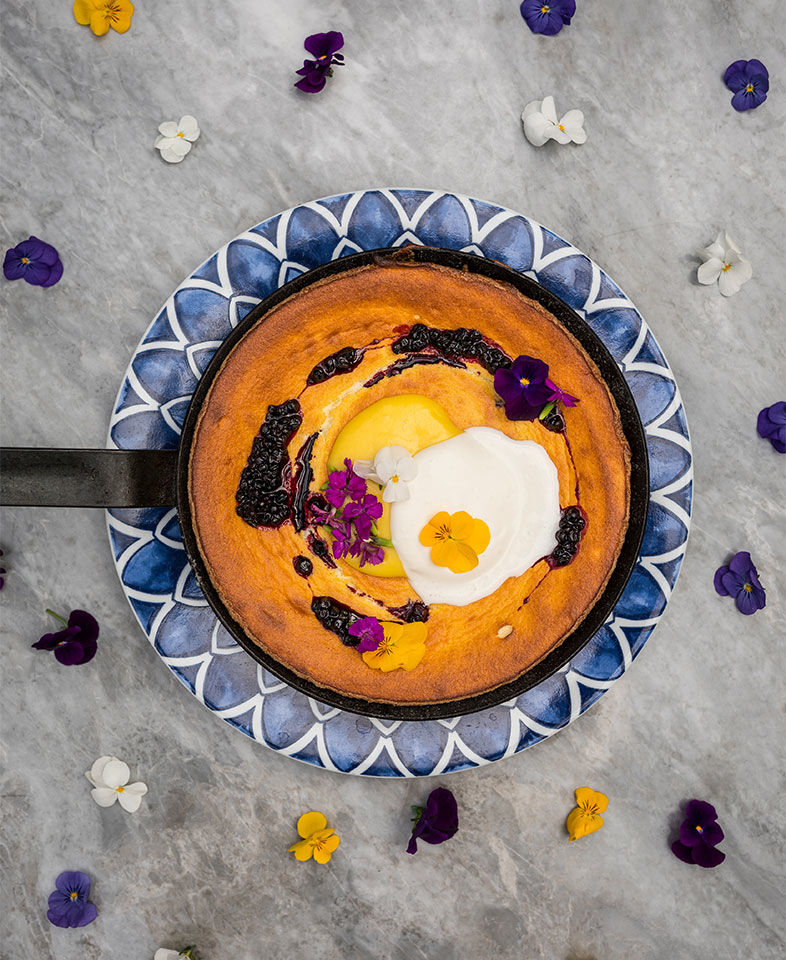
In April, this Little Italy showstopper debuted a weekend menu of Dutch baby soufflé pancakes, omelets with aromatic herbs, and jamón ibérco Benedict—exactly the kind of upscale but approachable fare we hoped for. If you want to go big, try the monkey bread with tahini gelato or the pastry basket, filled with whatever kinds of carbs the chef chooses. Brunch cocktails are a must, and there are even a few zero-proof libations that won’t make you miss the booze.
2210 Kettner Boulevard, Little Italy
Comfort Food
This new restaurant from StreetCar Merchants’ Ron Suel serves brunch daily and a New Orleans–strong supper menu featuring oxtail stew, popcorn catfish, a holy trinity jambalaya, gumbo, and grits. For dessert, try the Nilla Caramel Crunch Banana Pudding.
751 Fourth Avenue, Downtown
Indian
Tucked on quiet Pearl Street in La Jolla, Masala Street is changing everything you assumed about Indian food—enormous buffets, soupy curries, etc.—and giving it a high-end, creative twist. Chef Saransh Oberoi collaborated with his father Hemant, a culinary master who’s cooked for U.S. Presidents, on a menu of classics with a California bent. You’ll find quinoa chaat, a samosa-taco hybrid called the tacosa, and naan topped with brie and truffle oil. There are also familiar dishes like chicken tikka masala and biryani, but we recommend trying somethig new.
915 Pearl Street, La Jolla
Modern French
People come to this elegant Bankers Hill establishment for its mussels, escargots du Bourgogne, short rib Bourguignon, and especially the steak frites. Chef Benjamin Navarro specializes in modern French; come September, he’ll launch a new menu but keep the classics we love. Parc is also known for its wine list. Owner and San Diego restaurant veteran Garo Minassian hosts monthly five-course wine dinners that bring in vintners like Northern Italy’s Batasiolo for the Barolo lovers. The next one is Frank Family Vineyards, September 19.
2760 Fifth Avenue, Bankers Hill
Chinese
Opened by a recent UC San Diego grad, this bright, spacious Convoy spot specializes in both Northern-style and Sichuan Chinese food. You can slurp a hot pot, eat sweet and sour pork with pineapples, or get adventurous and try chicken feet with pickled peppers or pork lungs in chili sauce.
4428 Convoy Street, Kearny Mesa
Italian
Taking over the space that once housed the Busalacchis’ Trattoria Fantastica and Café Zucchero, Nonna takes the restaurant family back to their roots. The comfortable, often bustling eatery pays tribute to classic Italian comfort food—the way your nonna would make it. That means saffron-scented arancine, a Bolognese passed down within the Busalacchi family, and chicken Parmesan. When it comes to dessert, head to the display cases occupying nearly one whole side of the eatery. There you’ll find cannoli, tiramisu, and Zappoly, a deep-fried pastry.
1735 India Street, Little Italy
Makeover
When you love a good Italian restaurant—and we loved Dolce at the Highlands—it’s a happy surprise to hear it’s getting a second life. Following the sudden passing of its founder, Dr. Anthony Smith, his close friends and business partners took the wheel and reopened the Pacific Highlands Ranch eatery as Amici’s, which means “friends.” Native San Diegan Rhoelle Gabriel, Dolce’s executive chef, remains, presenting a new menu but keeping some of our favorites, like the lamb chops and pizzas. The ambience and Southern Italian cuisine make it a great date night, but be sure to try their new weekend brunch.
5980 Village Way, Carmel Valley
Vegan Dinner
At his South Oceanside sushi haunt, Executive Chef Davin Waite serves a full vegan omakase—a meal where the chefs pick the plates—featuring locally procured veggies that are pickled, grilled, smoked, and artfully presented. The results span rolls, veggie nigiri, and flavorful dishes like cauliflower mushrooms in vegan dashi broth.
1815 South Coast Highway, Oceanside
Kids’ Menu
Owners Han Tran and Jay Choy offer a 12-and-under menu that’s, we kid you not, batter-free and alternative-diet conscious. Choices boil down to pho or a rice plate and can be prepared as meatless or meaty as you and your little prefer: vegan, vegetarian, with chicken (white meat, dark meat, or both!), or with well-done, thin-sliced eye round.
2930 University Avenue, North Park
The Best of San Diego 2018
Harumama
Instagrammable Dish
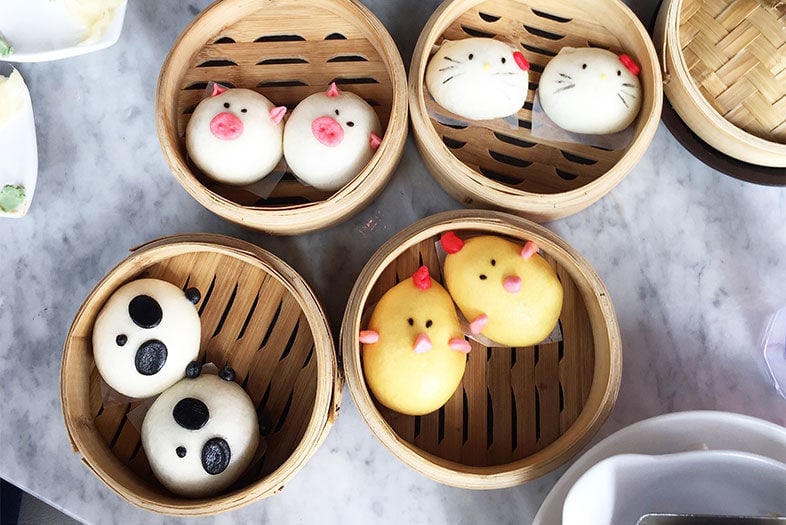
The corner of Columbia and Fir streets has long struggled with finding the right restaurant tenant, but this pan-Asian spot proves to be the right fit. Just look to their sleek, stylish, frequently packed dining room for proof. They serve playful takes on Chinese, Japanese, and Korean food, including bao buns, massive fried noodle bowls, and the popular steamed buns in the shape of cartoon-style animals corresponding to protein type—chicken, pig, and panda (filled with purple sweet potato). Look for a Carlsbad location opening soon.
1901 Columbia Street, Little Italy
Sandwich
Whether you have their toasted baguettes filled with housemade choripán (chorizo), bondiola (braised pork shoulder), or ribeye steak, you’ll be satisfied—and full. Save room for a five-pack of alfajor de maizena, dulce de leche sandwich cookies rolled in grated coconut.
531 Broadway, Downtown
Poke
Part of the bustling new dining plaza in Westfield UTC called The Pointe, Sweetfin expanded to San Diego earlier this year from LA. The California-inspired poke shop uses sustainable fish “from pole to bowl,” local produce, and unique ingredients like wasabi toasted coconut, chile-marinated oranges, and pickled shiitake mushrooms as toppings. Shoppers can stop by for a fresh bowl and nab a bag of Sweetfin’s signature housemade matcha, or sriracha popcorn and wasabi furikake taro chips as a snack for later.
4301 La Jolla Village Drive, Westfield UTC
Tomato Soup
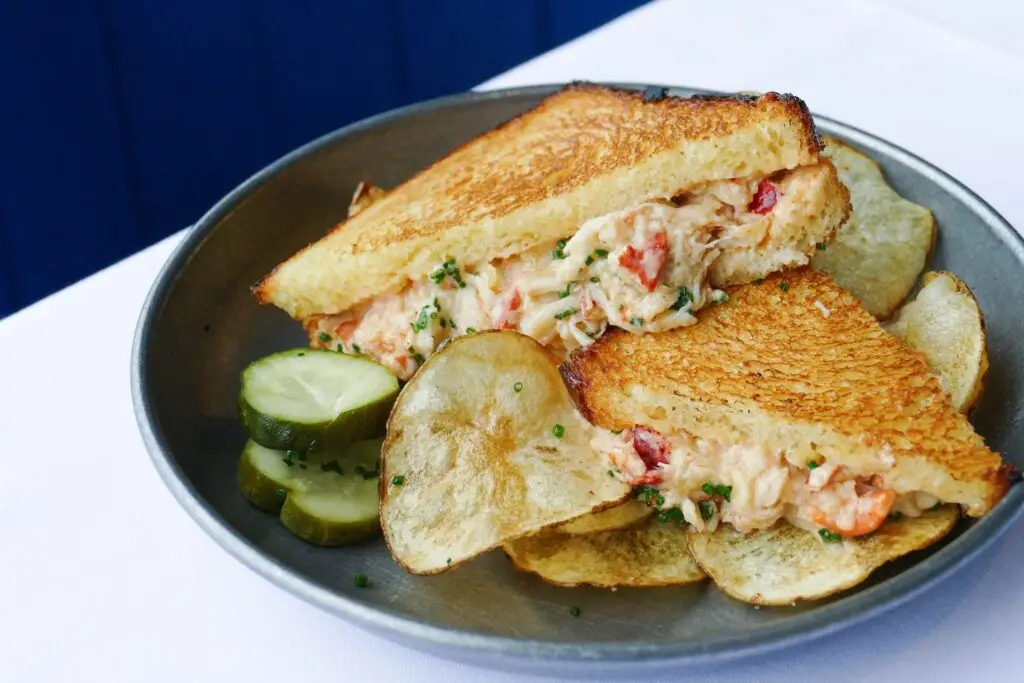
We are momentarily setting aside our loyalty to the tomato basil soup at Nordstrom’s café to dote on the decidedly unfussy version at The Melt. What makes it special are the mini grilled cheese croutons that come on the side, part and parcel of the fast-casual restaurant’s menu of grilled cheese wonders. Ask for extra, because one serving is never enough.
8849 Villa La Jolla Drive, La Jolla
Snack
The next best thing to flying to Argentina for pillow-soft empanadas? Driving a shorter distance downtown to this new fast-casual eatery. Owned by local entrepreneurs Matias Rigali and Dan Housenga, Empanada Kitchen uses recipes from Rigali’s own Argentinian grandmother. They have meat, vegetarian, and vegan options, with a chimichurri that should be drizzled liberally. Plus, the empanadas are baked rather than fried, so your afternoon snack doesn’t lead to an afternoon nap.
819 C Street, Downtown
The Best of San Diego 2018
Minou Crêperie Patisserie | Photo by Justin McChesney-Wachs
Event Space
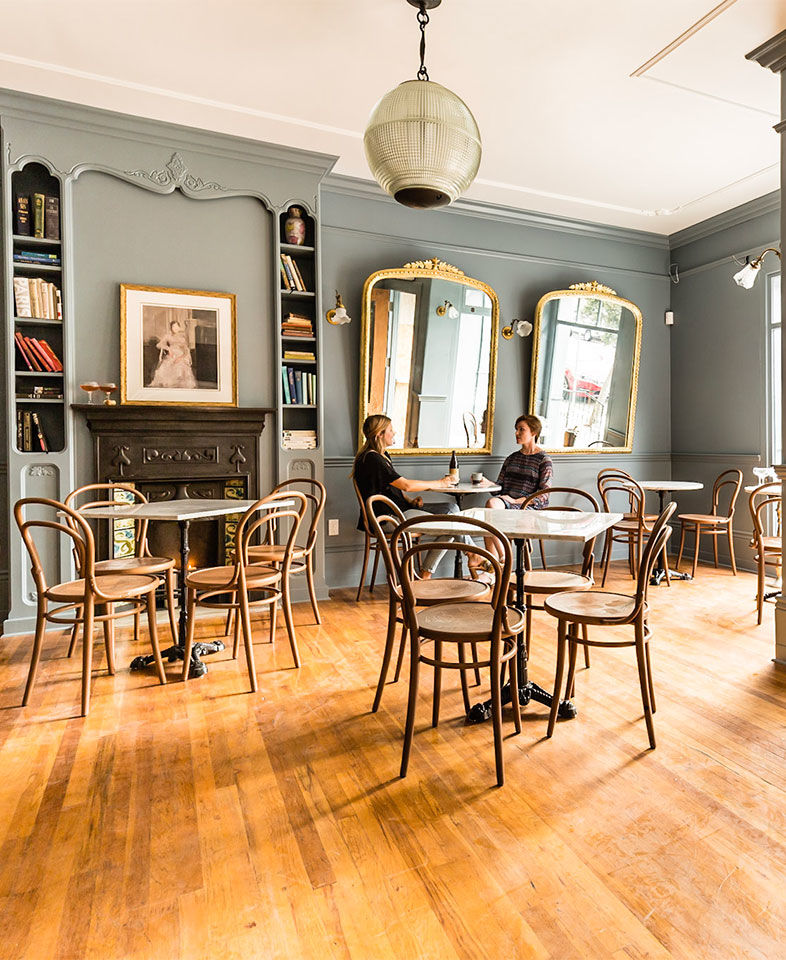
If a French flea market had a café, it would look just like Minou. This downtown crêperie from the owners of the late Cafe Chloe is filled with antiques—books, art, you name it—sourced from annual trips to France, with tilework and brass light fixtures that give it major vintage appeal. It’s small, as the Europeans would want it, with a catering menu of sweet and savory crepes, quiches, sandwiches, and espresso drinks.
721 Eighth Avenue, East Village
Catering
Eco Caters Founder and Executive Chef Nick Brune has reinvented office catering, serving up tasty dishes with local, sustainable ingredients like grass-fed burgers and vegetable étouffée. The goal? Making your staff more productive and energized through healthy midday eats. At $10 per person (minimum 20 people), they’ll plan and design the menus with dietary restrictions in mind.
Food Delivery
National City’s Dickinson Farm has partnered with Chef Christina Ng on a meal delivery service geared toward people needing specialty diet plans to align with their medical treatments. The fresh, organic, non-GMO vegetarian meals are meant to boost the immune system and support the body’s healing based on your doctor’s recommendation and diagnosis. Each Monday, a set of weekday meals are delivered to clients from National City to coastal Encinitas, targeting three issues: inflammation (for arthritis and Lyme disease); candida (yeast overgrowth), and diabetes. Sample dishes include quinoa-stuffed collard greens rolls, ponzu-glazed tofu with roasted sesame carrots, black rice noodle bowls with Vietnamese herbs, and more.
â
Butcher
This unassuming butcher shop, owned by John Sepulveda and operated with his nephew Nick Swing, sources from small farms like Imperial Valley’s Brawley Ranch. They offer traditional and custom cuts of beef, pork, lamb, and chicken; the butcher cases are also filled with deli meats, housemade sausages, and house-marinated meats, from Korean short ribs to carne asada.
1220 28th Street, Golden Hill
Pastries
Top-tier bakeries fill owner Crystal White’s résumé, from Tartine in San Francisco to LA’s Proof, which she cofounded. Since moving to San Diego, she’s been running wildly successful pop-ups, and in June, she opened this Bird Rock bakery dedicated to naturally fermented loaves, pastries, and sandwiches, with beans from Ironsmith Coffee Roasters. Make sure to try her egg sandwiches on housemade English muffins and unique croissants, like pistachio strawberry or asparagus with cheese.
5525 La Jolla Boulevard, Bird Rock
Home-Baked Goods
Eager to make lesser-known French pastries as coveted as, say, macarons, former Crawford High English teacher and Le Cordon Bleu–trained pastry chef Melanie Dunn registered as a cottage food operator—a state classification allowing the sale of food prepared at home. Everything is baked and packaged in her home kitchen, located above the ground floor of her family’s Hillcrest condo that’s been transformed into a retail-only pastry boutique. Signature petite treats include a buttery, flaky Breton tea cake called Kouign-Amann, and cannelés Bordelais, a caramelized vanilla and rum tea cake with a set custard filling that will leave you saying Merci, Melanie.
3788 Park Boulevard, Hillcrest
Dessert
This green apple cotton candy isn’t standard carnival fare. At the Peruvian restaurant, with locations in Point Loma and Carlsbad, you get a mountain of delicately spun sugar set not in a paper cone but on a formal dinner plate. After classic Peruvian entrées like ají de gallina and causitas, it’ll be your sweet finish.
5970 Avenida Encinas, Carlsbad; 2401 Truxtun Road, Liberty Station
Creative Desserts
Must-tries at this made-to-order dessert shop include the Black Magic, an activated charcoal butterscotch ice cream frozen by liquid nitrogen and sprinkled with gilded butterscotch morsels; the Dragon’s Breath, a bowl of nitrogen-infused cereal puffs that make you breathe out white “smoke” upon eating; and the Cookie Monster, a hand-size Belgian waffle pop drizzled with blue and white chocolate and topped with crushed chocolate chip cookies.
3904 Convoy Street, Kearny Mesa
Ice Cream
December might be an odd time to debut an ice cream shop in most cities, but not in San Diego. The Portland import, known for gourmet takes on humble ice cream, opened its doors last winter and the lines haven’t let up since. Honey lavender is a crowd favorite, but be sure to try more out-there flavors like the avocado and Oaxacan chocolate fudge and a James Coffee Co. mash-up with bourbon. They also do fun monthly themes—think chocolate rose petal for “May Flowers.”
1670 India Street, Little Italy
Gelato
When An’s Alterations & Dry Cleaning closed up shop, three longtime friends decided to take on the space and convert it into a small-batch gelateria that pays homage to its former tenant. Beyond maintaining the moniker, the gelato shop fully commits to the laundry theme, with flavor names like Gabardine (banana chocolate) and Chiffon (strawberry ginger), plus the option to “add starch” (a cone) or go the “fluff and fold” route (a waffle cone bowl with all the flavors). Cups read “We love our customers,” just as the wrap on your freshly pressed button-down would.
3017 Adams Avenue, Normal Heights
Shaved Ice
When it’s peak heat, find some chill at Dianne Manansala and Jayrell Ringpis’s frozen dessert dispensary, which features the Filipino shaved ice dessert halo-halo as well as Taiwanese-inspired nondairy shaved snow in flavors like ube (purple yam), honeydew, and strawberry—the latter is the go-to flavor of This Is Us actress and Paradise Hills native Faithe Herman. Customize as you like or request one of the items on Snoice’s secret menu: a Thai Chi Panda, made of Thai tea shaved snow, mochi, and crushed Oreos.
8423 Paradise Valley Road, La Presa
Healthy Eats
In the Lofts at Moonlight Beach near Lofty Coffee is the newest health food café from OH! Juice, which claims to be the only 100-percent certified organic cold-pressed raw juice company in San Diego. Oh, but it’s more than just juice: smoothies, salads, soups, toast, sweet and savory bowls—all delicious, with daily specials like a vegan protein waffle. Our favorite is the Thai Me Up bowl, with kelp noodles and Amazonian nuts in an almond ginger sauce. The bar is super cute, but who can resist the outdoor patio? Psst: There’s a parking garage in back.
90 North Pacific Coast Highway, Encinitas; 5631 Palmer Way, Carlsbad; and Little Italy, Rancho Santa Fe, Vista, and Hillcrest farmers’ markets
Kombucha
Owners Amanda Matson and Chris Bourgeois regularly rotate in eight flavors of locally brewed draft booch at their shaded outdoor bar in Ocean Beach and new 400-square-foot indoor shop in Pacific Beach, with favorites like lavender lemonade, coconut strawberry banana, Jasmine Bliss, and mango guava showing up on repeat. Enjoy on-site or on the go, or take some home in a TapShack-branded glass growler.
2232 Sunset Cliffs Boulevard, Ocean Beach; 927 Hornblend Street, Pacific Beach
Outdoor Cafe
We didn’t think owner Jen Byard could top Communal Coffee—her bright, airy North Park café that shares a space with Native Poppy flower boutique—but then she opened this South Park spin-off in March in a formerly vacant lot. The always-buzzing alfresco espresso bar, shop, and community space serves coffee from a converted 1959 Shasta trailer, with stylish seating and games for kiddies. Look for live music and movies to come.
2221 Fern Street, South Park
The Best of San Diego 2018
Better Buzz
Coffee Shop Expansion
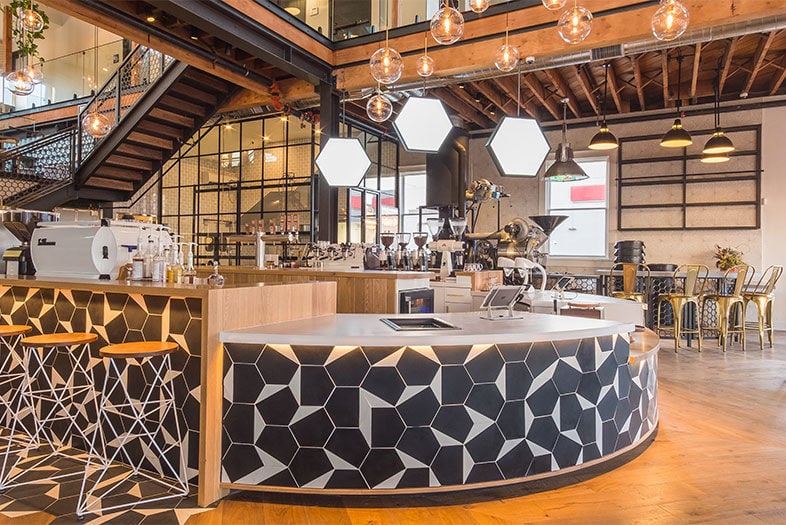
Over the past year, Better Buzz has graduated to grande status, opening a second drive-thru in Pacific Beach, overhauling its Fashion Valley kiosk into a brick-and-mortar, and seeing its newest location in Hillcrest attract a line that snakes out the door even on weekdays. The latter is a coffee-lover’s paradise pared into 7,500 square feet of Instagrammable decor—subway tiles, ferns overflowing from macramé planters—as well as a conference room and meeting spaces for rent. And did we mention good coffee? The building serves as the roaster’s second headquarters, making it easy to imagine that their worker bees aren’t just brewing up coffee, but also ideas for the company’s next move.
801 University Avenue, Hillcrest, with locations in Encinitas, Fashion Valley, Mission Beach, Pacific Beach, Point Loma, and San Marcos
Pick-Me-Up
From upbeat baristas to messages like “Have a good day” and “Watch me party” stamped onto takeout cups, the vibe of Jack Harris’s La Mesa espresso bar is a welcome break from the wave of sober, super-serious micro-roast cafes. To beat the heat, Harris, who’ll open an East Village outpost next year, installed a frozen granita machine that churns out nondairy coffee slushies alongside iced coffees and cold brew.
4330 Palm Avenue, La Mesa
Tea
Amy Truong is on a mission to steep the city in tea. Besides selling organic whole leaf blends with ingredients she’s grown and dried herself, she hosts tea blending workshops and regional tea tastings at The Little Black House in Little Italy. She also serves her teas in custom-made drinks—like Shiso Hibiscus, Jasmine Lychee, and the secret menu Blue Palmer—at pop-up The Tea Stand in North Park’s Art Produce Garden every Friday through September 7.
Art Produce Garden: 3139 University Avenue, North Park
The Best of San Diego 2018
Paru Tea Bar
Tea Lattes
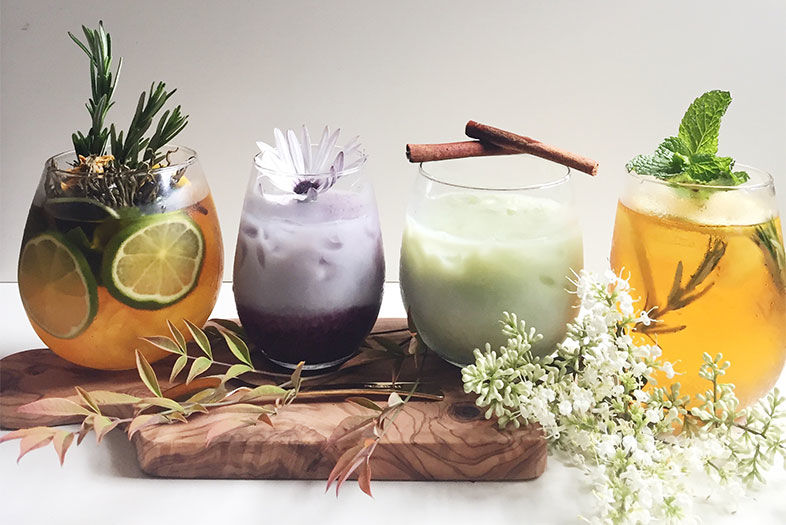
Latte art is so yesterday. At this mod Clairemont café, it’s all about the cool colors and patterns in their tea lattes, like the Dreamer, a cold-brewed blue ombre chai latte; the Double Post, a drink striped with layers of amber-colored rose Earl Grey tea, milk, and green matcha; and the Firewall, an oh-so-fuchsia beetroot latte.
4340 Genesee Avenue, Clairemont
CBD Drink
Even bars are hopping on the Prop 64 bandwagon: Madison is incorporating nonpsychoactive cannabidiol oil into its cocktails. The Purple Rain is made with aquavit, peach liqueur, egg white, and sparkly gold CBD oil, while the blended, mezcal-based Mr. Nice Guy with pineapple, matcha, coconut milk, and lime is garnished with CBD oil drops and a marijuana leaf. A dollar from each drink goes to the Hazelden Betty Ford Foundation.
4622 Park Boulevard, University Heights
Beer Neighborhood
Downtown Chula Vista
While North Park and Miramar may be San Diego’s most well-known craft beer nabes, Chula Vista has been quietly racking up an impressive number of breweries in the last year, including Bar Sin Nombre, 3 Punk Ales, Chula Vista Brewery, and Groundswell. Here you’ll find brews from San Diego and Tijuana, and small-batch pours you’d be hard-pressed to find elsewhere, like a sour from Jolly Pumpkin Artisan Ales in Michigan.
Cider
This isn’t the treacly stuff you might’ve tasted with other ciders. At Bivouac, you’ll find a mix of sweet and dry, English-style ciders, and even one with an IPA spin called the West Coast Tapper. The food menu isn’t an afterthought, but a balanced roundup of roasted vegetables, cider-braised pork tacos, octopus with fennel salad, and more made by Danilo “DJ” Tangalin (ex-Whisknladle, Jrdn). To top it off, you’ll be sipping and savoring in a beautiful, nature-themed space, a nod to the owners’ love for the outdoors.
3986 30th Street, North Park
Urban Winery
Move over, craft beer. At this unassuming winery in Ocean Beach, Keith Rolle is cranking out award-winning wines. Just this year he has taken home gold, double gold, silver, and bronze in international wine competitions from San Francisco to New York to Hilton Head. One standout, a charbono made from vines planted in the early ’80s in Placerville, won double gold at the San Francisco Chronicle Wine Competition. Stop by the tasting room and look for more winners, or sign up for the new Fedora Wine Club.
4836 Newport Avenue, Ocean Beach
Wine On Demand
This game-changing, sustainable-minded Bird Rock winery—which created a device to enable direct pours of high-end wines straight from the barrel—has launched a wine-on-demand service via golf carts. Think of it as the modern milkman. Their Growler Express dispatches reds and whites to Bird Rock, La Jolla Village, and Pacific Beach; delivery is $10, or free if you buy four or more bottles. There’s one cart at the moment, but owner Lowell Jooste, a fourth generation winemaker from South Africa, plans to add more based on demand.
5621 La Jolla Boulevard, Bird Rock
The Best of San Diego 2018
Raised by Wolves | Photo by Zack Benson
Cocktail Bar
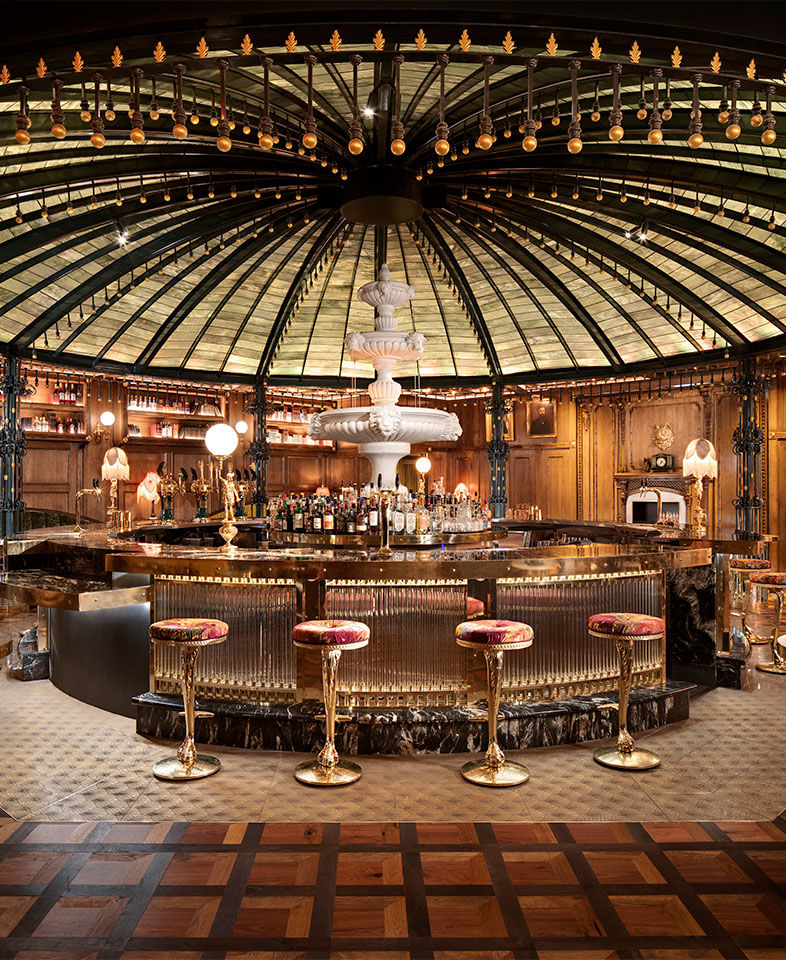
One of Westfield UTC’s shiniest new tenants is this bar concept launched by CH Projects (Craft & Commerce, Polite Provisions). The front portion is decked in baroque details and displays bartending tools, Japanese whiskeys, and rare liquors for sale (one weighs in at $3,495). Sit on the raised wooden platform and you’ll be transported via rotating wall to the speakeasy with a stained-glass roof. There you’ll be able to sip Sazeracs, take classes, and visit one of their events. Reservations are a must, even on weeknights.
4301 La Jolla Village Drive, Westfield UTC
Champagne Deal
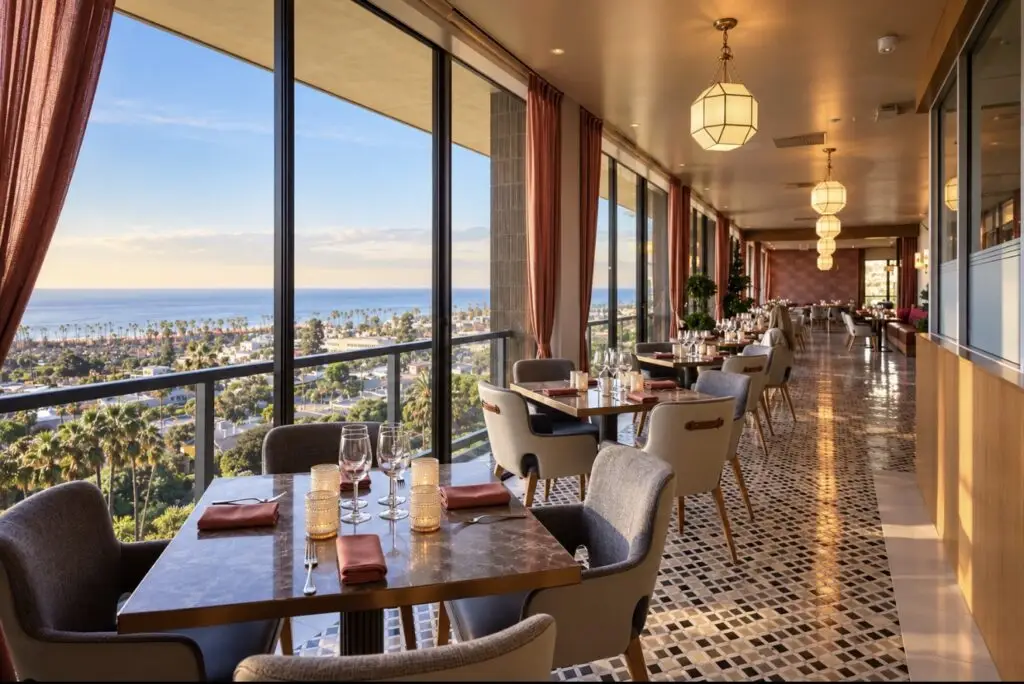
Hotel La Jolla’s Bubbly Around the Clock offers flutes of premium Champagne for a mere $4 at 4 p.m., paired with oysters at only $1.50 a pop. Get there quick—the Champs get $1 more expensive every hour. Also wonderfully dizzying are the views, as the 11th-floor Cusp is the highest perch in the Shores.
7955 La Jolla Shores Drive, La Jolla
Flipping for Burgers
We still love you, In-N-Out, but there’s a whole new crop of burgers to appreciate in San Diego
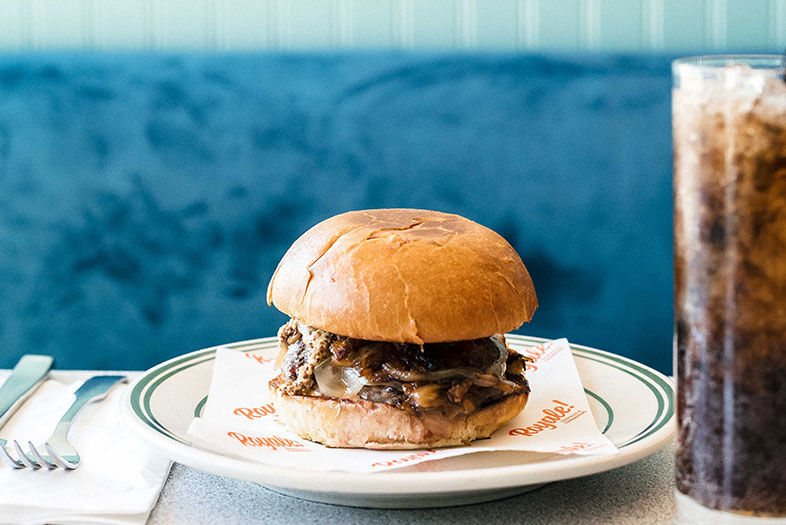
What started as a pop-up at University Heights’ Park & Rec bar now operates as a brick-and-mortar in Ocean Beach. The owners also own Nopalito Farm in Escondido and use ingredients from their plot in Royale’s burgers and cocktails.
4204 Voltaire Street, Ocean Beach
The Best of San Diego 2018
jim sullivan
Royale!
The East Coast export has landed with its all-natural Angus beef, non-GMO potato roll buns, and rabid fan following. Order the ShackBurger to get the traditional lettuce, tomato, and sauce toppings, and look out for their seasonal concretes (milkshakes).
675 Camino De La Reina, Mission Valley; 4309 La Jolla Village Drive, Westfield UTC
Their $5 Dirty Flat Top burger is famous for its no-frills approach—a white bread bun, two thin patties, caramelized onions, American cheese, and mayonnaise. You can visit the North Park eatery as late as 2 a.m., but the Dirty Flat Top is just as delicious at 2 p.m.
4592 30th Street, North Park
Back to top ^
The Best of San Diego 2018
Gifts
The former South Park boutique closed up shop in January 2015 only to reopen in Bird Rock two years later. The new store has the same giftables and decor, which combine different aesthetics with a touch of quirk. There are greeting cards, serapes, coffee table books, and more, many from local makers like Orange & Park.
5648 La Jolla Boulevard, Bird Rock
The Best of San Diego 2018
Eden | Photo by Shiloh Colleen
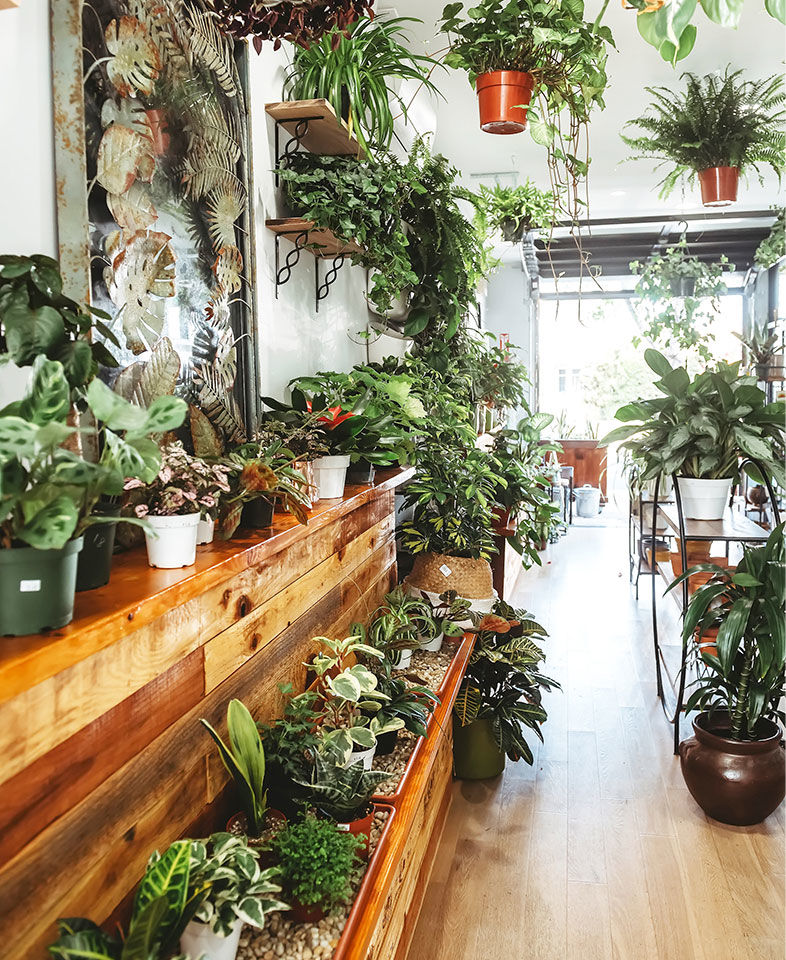
Houseplant Boutique
After doing business for over a decade, North Park Nursery branched out with the opening of two new houseplant boutiques by the name of Eden. The University Heights location houses foliage that’s in vogue—fiddle-leaf figs, calatheas, snake plants—as well as jewelry, embroidered bags, macramé, and decorative pots and planters, plus a potting station so you don’t have to make a mess at home. Its Point Loma counterpart carries the same inventory, but also offers “interiorscaping” services, essentially at-home styling and upkeep for your houseplants. It’s gardening made easy.
4636 Park Boulevard, University Heights; 1335 Rosecrans Street, Point Loma
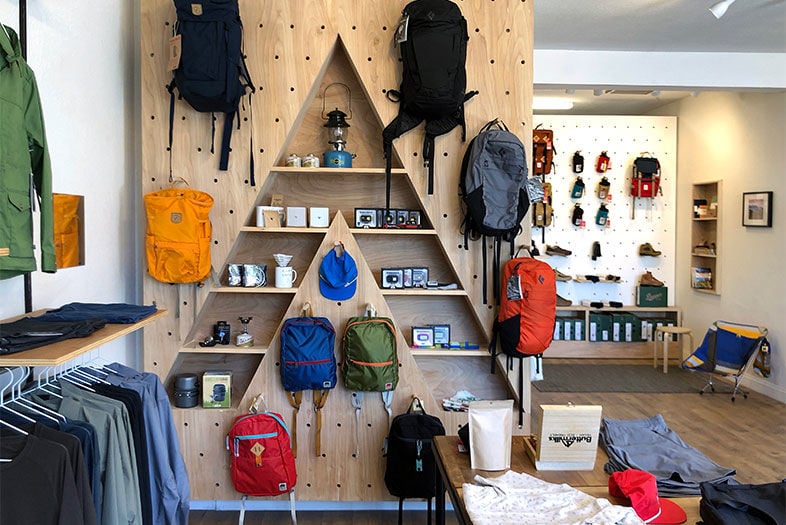
Camping Gear
Husband and wife Blake and Jenna Robertson opened this Normal Heights store following a seven-month trip around the world that inspired them to stoke adventure in others. Avid mountaineers can pick up bags, pocket torches, headlamps, and titanium sporks, for example, but there’s also gear like campfire-scented cologne, pins, and bandanas for the less, er, enthusiastic camper.
3275 Adams Avenue, Normal Heights
The Best of San Diego 2018
Rove
Ceramics
Nicole Novena’s minimalist, midcentury-inspired pottery comes in plates, bowls, and wine carafes that are dishwasher- and microwave-safe. We especially love her plate-bowl hybrid—aptly named “Blate”—and the carafe set, which holds about one bottle of wine and comes with two six-ounce cups. Her newest addition is a collection of eight-inch tall cylindrical vases. Consider your gifting dilemma solved.
Vintage
Since moving to La Mesa last year, Portland transplant Jena Ralls and her collection of ’70s to ’90s garments and accessories have scored a space at La Loupe Vintage, as well as the San Diego Vintage Flea Market and its sister event the Garb Bazaar (next on August 25). Striving to be as sustainable as possible, Ralls wraps online orders in thrifted fabric for protection and ships them in reusable poly bag mailers made of 100 percent recycled material.
Music Shop
Every day is a throwback at Fivespace, which shelves vinyls and cassettes of notable hip-hop, R&B, and soul artists from the 1970s to the 2000s, a few of which are still factory sealed. Curating couple Rachel and Erick “Sir Froderick” Cohen also sell vintage threads like Guess and Levi’s denim, as well as rarities like a Jordan-era Chicago Bulls jacket.
2305 University Avenue, North Park
Salon
Stylish owner JaNea Muldowney took the garage next to The Studio by Vanity cottage and fashioned a supercool indoor-outdoor space for doing beachy waves, fresh cuts, and trendy color. The vibe is refreshingly low-key—no upselling here, though you’ll want to browse Muldowney’s fine selection of jewelry, clothes, and hair products. Complimentary wine and beer are an added bonus.
705 North Vulcan Avenue, Encinitas; 760-716-0335
Spray Tan
Harmful UV rays and harsh chemicals are a thing of the past. The Organic Tan Studio’s spray tan solutions are vegan, hypoallergenic, and free of alcohol, oil, and fragrance. Owner Alejandra Lopez applies custom airbrush treatments based on each client’s skin tone and tanning goals, and the color lasts about five to seven days. The studio shares a space with Posh & Polished Nail Lounge, where clients can shop for sunless tanning skin care products from Luna Bronze, Aviva Labs, and Tan Raw Concepts.
1985 National Avenue, Barrio Logan
Eyebrow Specialist
After seven years of owning a day spa with a focus on skin care, Tessa Dean left to start The Little Canary. An 18-year esthetician, she’s an expert at creating symmetry of the face through her eyebrow and lash work, which spans brow tattoo work, lash extensions, and shaping. To top it off, her low-fi Leucadia digs—a cute cottage with bohemian rugs and vintage records—are just as aesthetically pleasing.
422 North Coast Highway 101, Encinitas
The Clean Beauty Boom
Toxic chemicals are so last season, and these San Diego retailers have taken notice
The Best of San Diego 2018
Thread & Seed | Photo by Becca Batista
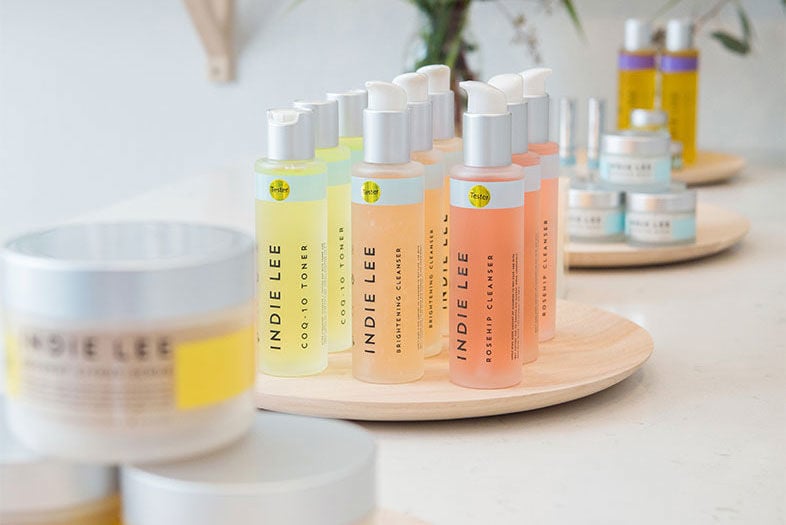
A beauty bar with nontoxic labels like Indie Lee and Herbivore Botanicals is the focal point of this Bankers Hill space, a sister store to South Park’s recently revamped Graffiti Beach Boutique.
2870 Fourth Avenue, Bankers Hill
Leah Kirpalani’s website turned North Park brick and mortar is devoted to eco-friendly cosmetics and products that promote holistic wellness, as well as high-demand facials, waxes, and yoni steams performed in their spa on site. Expect to book appointments weeks in advance.
3030 North Park Way, North Park
The Best of San Diego 2018
Natasha Boote
Shop Good | Photo by Natasha Boote
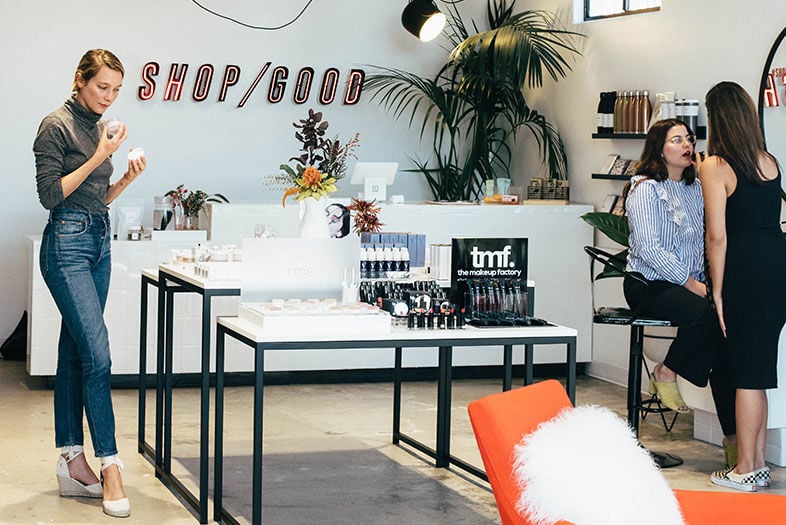
The San Francisco brand exclusively carries cosmetics that are cruelty free, organic, and sustainable. At its new digs in Westfield UTC you can book a “clean sweep” appointment, where you bring your own non-green products so staff can recommend similar items that are more eco-friendly.
4305 La Jolla Village Drive, Westfield UTC
This OB shop handcrafts plant-based apothecary goods to use from head to toe—shampoo, balm, solid perfume, even insect repellent. We especially love their vitamin-packed Pure SPF-15 Lightweight Moisturizer.
4852 Voltaire Street, Ocean Beach
Bird Rock’s organic skin care studio specializes in “sugaring,” a hypoallergenic hair removal technique using lemon, sugar, and water to gently deplete your follicles. Consider their spiritual facial menu—the New Moon Facial is available only during or one day before or after the new moon.
5514 1/2 La Jolla Boulevard, Bird Rock
The Best of San Diego 2018
Green + Anchor | Photo by Jessie Taft
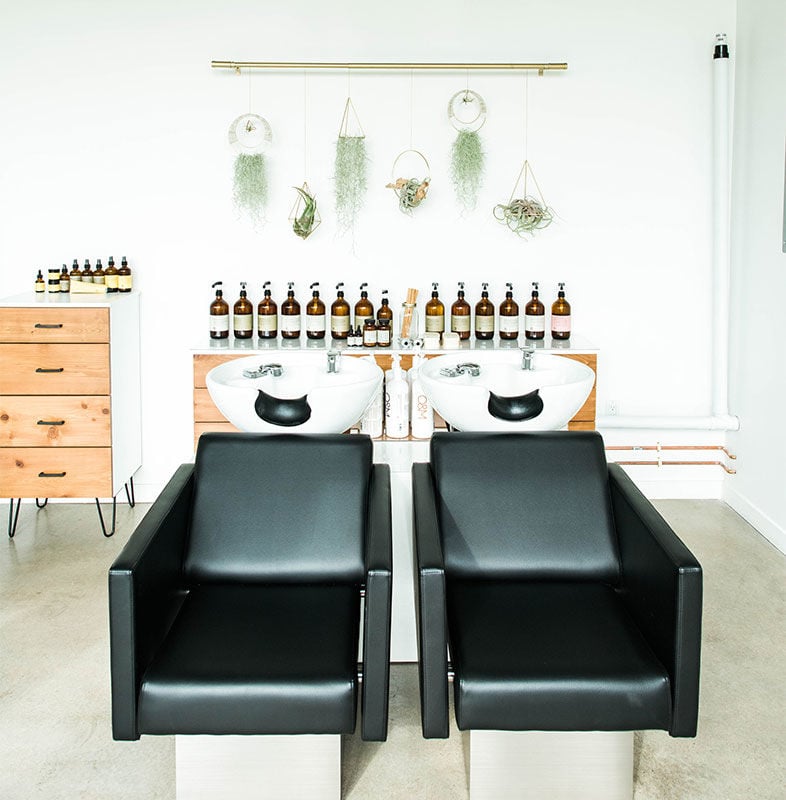
You can actually take in a breath of fresh air in the newest full-service hair salon in Bankers Hill, since it cuts out products with unnecessary chemicals. Staple brands include Simply Organic’s Original & Mineral and Oway shampoos, conditioners, and styling products.
2440 Upas Street, Bankers Hill
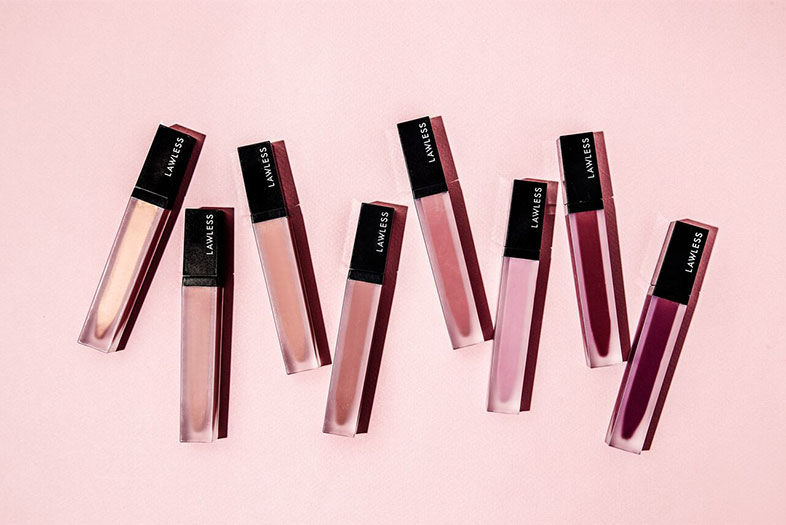
Suja Juice cofounder Annie Lawless has put her name behind a “clean AF” natural makeup line comprising liquid lipsticks and foundations made with ingredients that are known to be neither carcinogenic nor endocrine disruptive.
The Best of San Diego 2018
Lawless Beauty
Drop by the Point Loma boutique’s Cocktails + Clean Beauty event, which takes place the second Thursday of every month, when a natural beauty brand shares its product over cocktails in The Shed, an adjoining space that sells gardening supplies. This month’s soirée is pairing CBD drinks with a discussion about facial masks.
1021 Rosecrans Street, Point Loma
Mission Hills–based skin care guru Sara Elizabeth Tucker launched her botanical line of serums, masks, and moisturizers last year, incorporating natural ingredients like fenugreek (to boost glow and reduce oiliness) and konjac root (for hydration).
4026 Hawk Street, Mission Hills
Back to top ^
The Best of San Diego 2018
Pilates Studio
Armed with a decade of experience teaching yoga and Pilates, Amy McCabe wanted to open her own reformer studio that didn’t cost customers an arm and a very toned leg. She opened Hillcrest’s Studio Reform in February 2017—while she had a two-year-old and another baby on the way, no less—with a mere eight machines, meaning her instructors can offer very personalized, hands-on adjustments. Amy, Betsy, and Sam are some of the more popular instructors, but expect a seriously challenging full-body workout with anyone on their roster.
1040 University Avenue, Hillcrest

The Best of San Diego 2018
SoulCycle
Spin Class
We begged and pleaded and this spring we finally got the cult cycling studio in San Diego. Book a class with beloved teachers like Alexa or Janelle, who will whip you into shape—both physically, with tough, 45-minute routines that get you moving all around the bike, and emotionally, with motivational mantras. For an added challenge, you can sign up for their SoulSurvivor class for a 60-minute session. It’s an upscale workout at $28 per class with $3 shoe rentals, but if that doesn’t stop you, good news: Another location is headed to Carmel Valley’s One Paseo next year.
4303 La Jolla Village Drive, Westfield UTC
Zen Workout
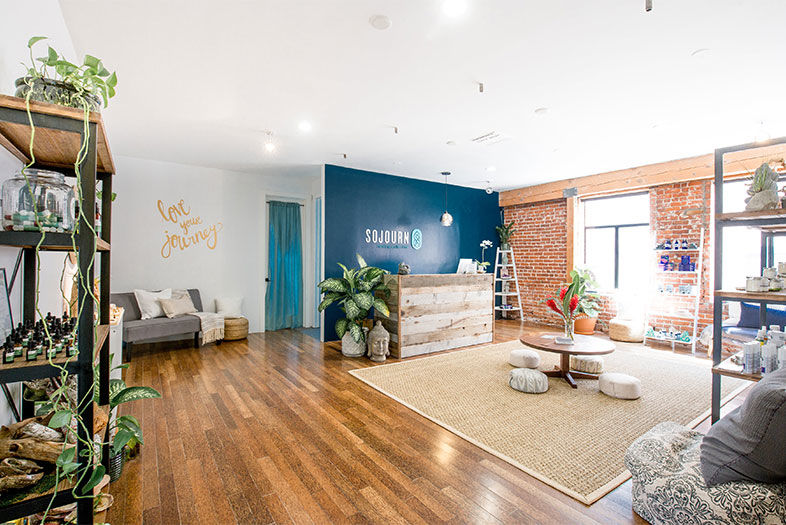
On appearance alone, Sojourn outdoes the competition with its exposed brick wall, palo santo scents, and mellow lounge area. Thankfully, their classes are great too. Sojourn isn’t about the Bikram heat and rapid flows; expect gentle vinyasa circuits in a comfortable place surrounded by leafy plants and Buddha statues. They also have a funky light machine that projects tiny green dots onto the ceiling—like you’re staring off into space right before you savasana.
2870 Fifth Avenue, Bankers Hill
The Best of San Diego 2018
Sojourn Healing
Outdoor Fitness
San Diego’s newest cycling concept is all about exercising in 72 degrees and sunny. Co-owners and instructors Corey Butts, a personal trainer who’s gotten NFL athletes into shape, and Oz Blackaller, yogi and owner of Cueva Bar, launched the startup with a focus on team- and community-building. Customized corporate and private events are really the bread and butter of the biz, but anyone can jump on the stationary bikes for communal rides in our local outdoor spaces. Spin & Go pops up on Wednesdays at Liberty Station and, new since spring, at Trolley Barn Park in University Heights on Mondays and North Park Community Park on Tuesdays. The 45-minute community classes are $20 per drop-in or $50 per month and top out at 10 riders. Towels, water bottles, and music provided.
Themed Workout
The best way to get through spinning, pumping iron, and sweating profusely is a good playlist, and this year-old cycling studio’s themed classes are so fun they make you forget about that full-minute sprint. Past sessions have included Summertime Happy Hour and a Bruno Mars–Michael Jackson mash-up. You can select your bike beforehand, and so long as your rental spin shoe size is included in your online profile, the staff will have them ready for you upon arrival.
1040 University Avenue, Hillcrest
Back to top ^

The Best of San Diego 2018
Exhibit Revival
ack by popular demand! The original pillow-and-mattress bouncefest has returned a decade later to The New Children’s Museum downtown. In No Rules … Except, kiddos are free to jump on 40 mattresses and 165 handmade, silkscreened tire cushions. “I’m an unartist—I do art among people who don’t care about it,” says exhibit creator Brian Dick of his playful work. Dick has reimagined the original installation by the late Allan Kaprow, who was his adviser at UC San Diego. Tiny touches: Lie down and you can just hear one of six soundscapes between mattresses; zero in on the tires and you’ll see a bagel recipe on the side. (Kaprow once said the meaning of life is the hole in the bagel—it doesn’t matter.) The tire-tread pattern came from a Playmobil car owned by Dick’s son.
200 West Island Avenue, Downtown
Thrill Ride
Sorry, Giant Dipper, there’s a new coaster in town. SeaWorld’s new Electric Eel clocks in at 62 miles per hour and the view from the top will make your stomach flutter. After a few half-pipe-style plunges backward and forward, the coaster kicks into high gear, navigating rolls, twists, and an inversion at the top that provides upside-down views of Mission Bay from nearly 150 feet high. Once your heart slows after the one-minute ride, you can wander over to the adjacent moray eel habitat, part of the park’s expanding Ocean Explorer exhibit. Must be 54 inches or taller to ride.
500 Seaworld Drive, Mission Bay
â
Dinner Deal
Every Thursday, kids eat from the children’s menu for free at this gourmet sandwich export from LA. The deal, available at their La Jolla location and now in Carmel Valley, lets little ones choose anything from cheese and nitrate-free salami sandwiches to a cheddar cheese quesadilla. Once they’re done eating, a chalkboard wall, complete with swanky Eames-style mini chairs, is prime for playing.
12873 El Camino Real, Carmel Valley; 8975 Villa La Jolla Drive, La Jolla
Clothing
Bianca Wickers’s beloved e-boutique, Bink & Boo, rebranded to Sunny and Cheer last year. The new name is a nod to the eclectic, electric styles of the ’60s, ’70s, and ’80s, and the vintage and new threads for wee ones remain rooted in Palm Springs meets Venice Beach fashion. There are still the favorites for the kids—Ankle Biters (aka the raddest little pants ever), bloomers, and booties—plus expanded home decor. Coming in summer 2019, a women’s collection inspired by vintage dresses that Wickers has thrifted over the years.
Cool Class
Hilary Kearney, the beekeeper and educator behind Girl Next Door Honey, takes kids ages 5 to 10 under her wing for customized introductions to her trade. In the 40-to-90-minute show-and-tell of all things pertaining to pollinators, she uses an empty hive to educate about what once happened inside, shares a hunk of beeswax to explain the honey-making process, and suits up to explain safety. Of course, the best way to follow Kearney’s suit is to get the kiddos in one. Those age eight and older are allowed to attend her adult beekeeping classes, with kid-size suits included and available for purchase.
Back to top ^

The Best of San Diego 2018
High-End Gallery
Madison Gallery uprooted from its longtime La Jolla digs to a new contemporary space as the newest tenant of Cedros Design District in Solana Beach. May’s inaugural exhibition, New Generation, showcased artists James Verbicky, Olivia Steele, and Robert Montgomery; the paintings by Kansas City’s Jane Booth are on display in Narratives now until September 3.
320 South Cedros Avenue, Solana Beach
Theater Programming
It seems that we say this every year: La Jolla Playhouse is on fire. They have two Playhouse-born shows currently running on Broadway, two off-Broadway, and four that recently closed. We’re still glowing from Summer: The Donna Summer Musical. This season’s lineup includes smaller, cutting-edge works as well as a potential blockbuster about Diana Spencer before her wedding to Prince Charles. It premieres in February, with music and lyrics from the team behind Memphis and directed by Tony Award winner Christopher Ashley. Vanity Fair has already called it a reason to book a flight to San Diego. From Donna to Diana, we are so lucky to have a front row seat.
2910 La Jolla Village Drive, La Jolla
Community Art
Installations at Liberty Station
Artwork is popping up like weeds around Arts District Liberty Station as part of the new public art program Installations at the Station. The NTC Foundation is selecting guest artists on a rolling basis to decorate the center with temporary visual art meant to capture the San Diego–Baja border region. The pieces include a Greetings from the U.S. Naval Training Station postcard mural, a boat out of water, and a light installation that reads “Rest With You Comes Easy.” This fall, San Diego Dance Theater is slated to put a performing arts twist on the project with a tour called Installation Dances, akin to their popular Trolley Dances.
2701 Lytton Street, Point Loma
DIY Crafts
This national chain recently opened its first San Diego location in Hillcrest, offering craft projects like canvas pillows and framed wooden signs. Popular for bridal showers, corporate outings, birthdays, and summer camps, AR provides all the materials; you just show up and leave with your finished product.
1010 University Avenue, Hillcrest
The Best of San Diego 2018
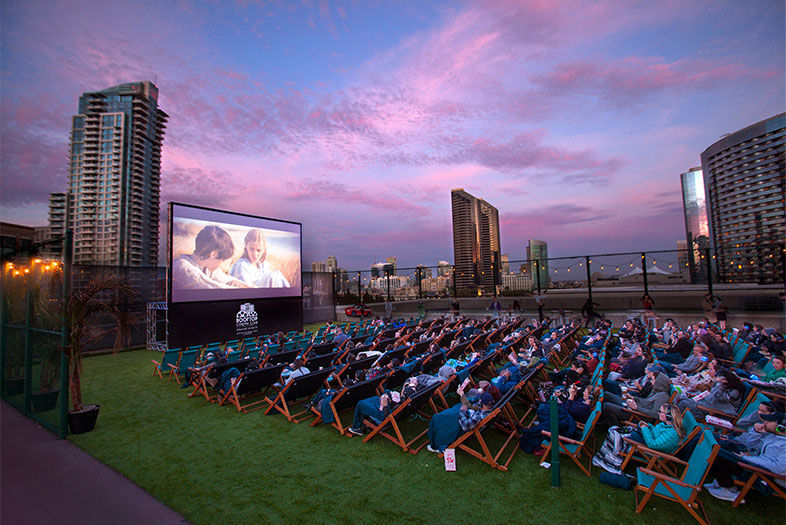
Rooftop Cinema Club
Outdoor Movie
The problem with outdoor movies? The crowds, uncomfortable seating, and lack of volume. Thankfully, this UK-based outdoor movie series for the 18-and-over set has landed in San Diego with ticketed seating (from $17), comfy chairs, and wireless headphones for every viewer. Movies like The Big Lebowski, Mean Girls, and Coco play atop downtown’s Manchester Grand Hyatt, and if you pay extra, you can get loveseats, bottomless popcorn, and more. If you purchase food or drinks—from the rooftop concessions stand or one of the hotel’s on-site dining options—you get four hours of parking validated. But make sure to bundle up: They offer blankets but no heat lamps.
1 Market Place, Downtown
Back to top ^